Galliformes / Phasianidae / Coturnix
Japanese Quail
Coturnix japonica · 鹌鹑
Introduction
A species of Old World quail in the genus Coturnix, native to East Asia and formerly considered a subspecies of the common quail. It is now recognized as a separate, monotypic species. The bird is abundant across most of its range and plays significant roles in industry and scientific research.
Description
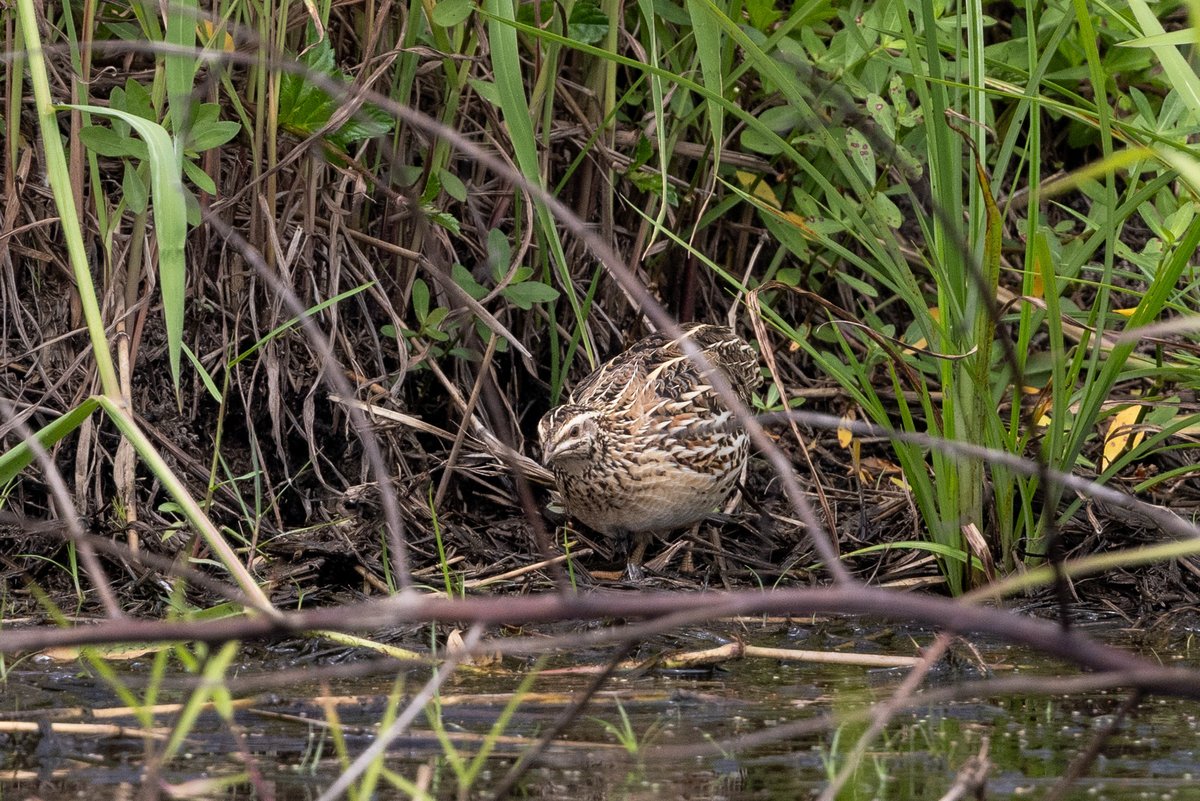
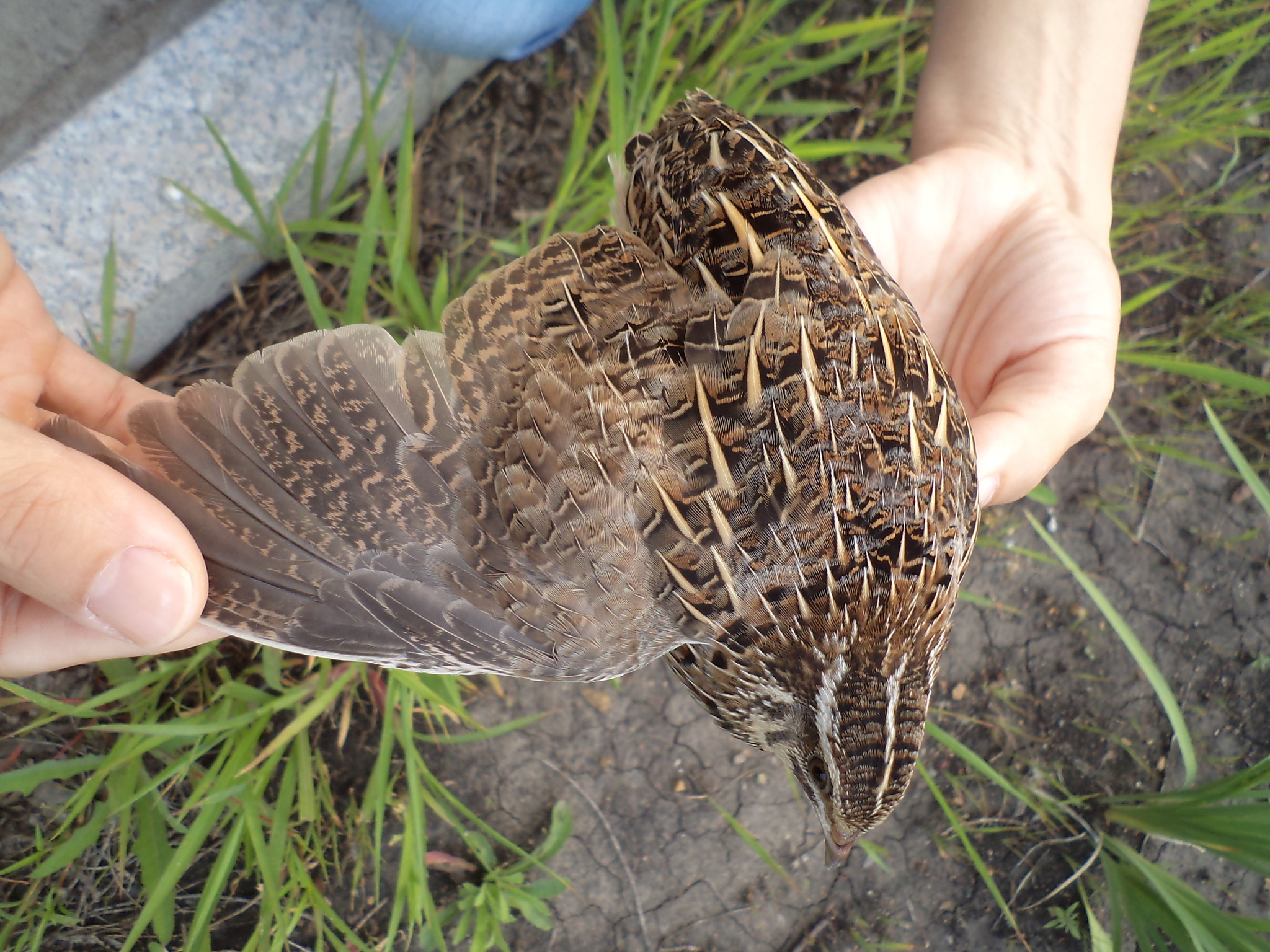
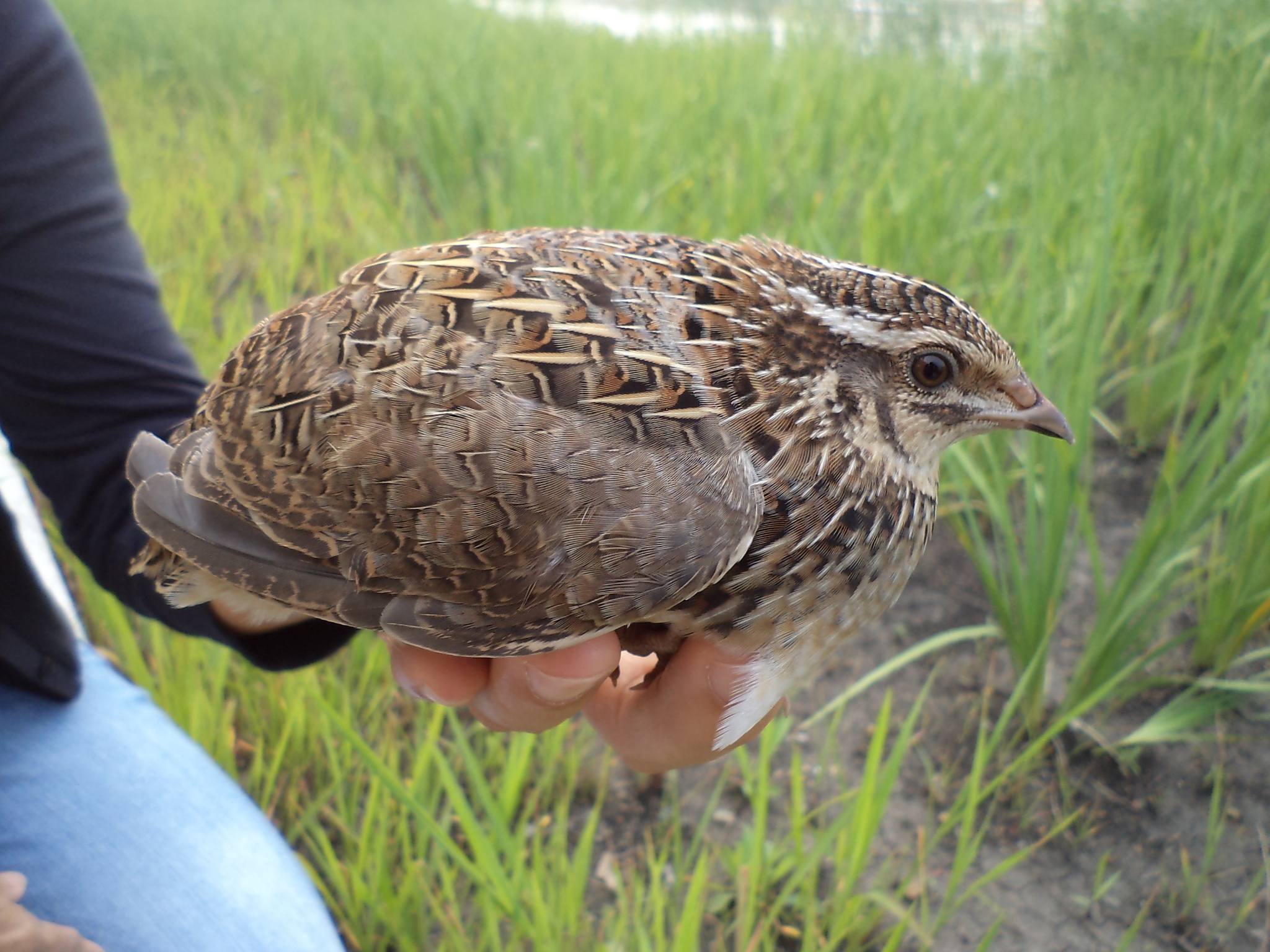
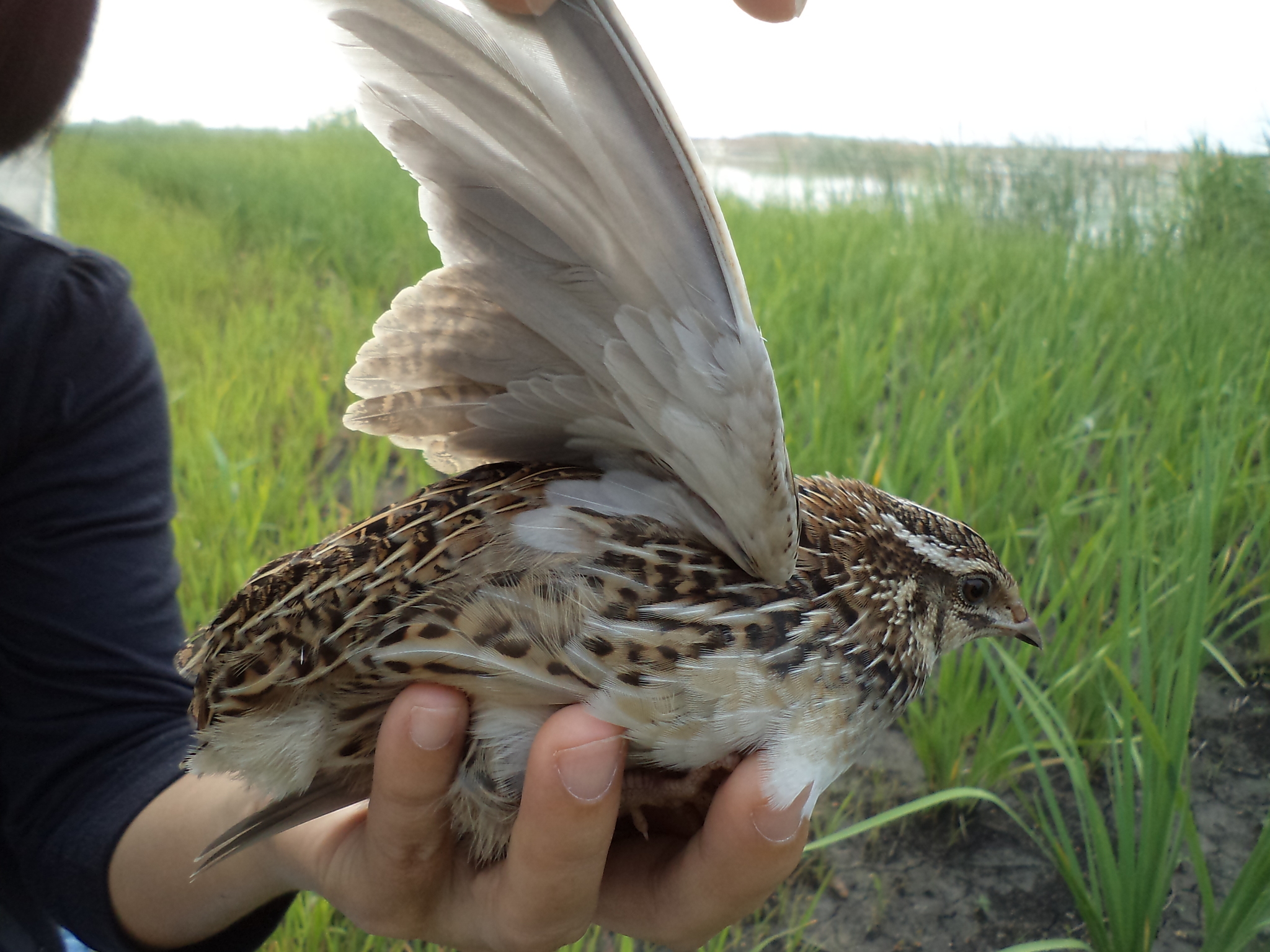
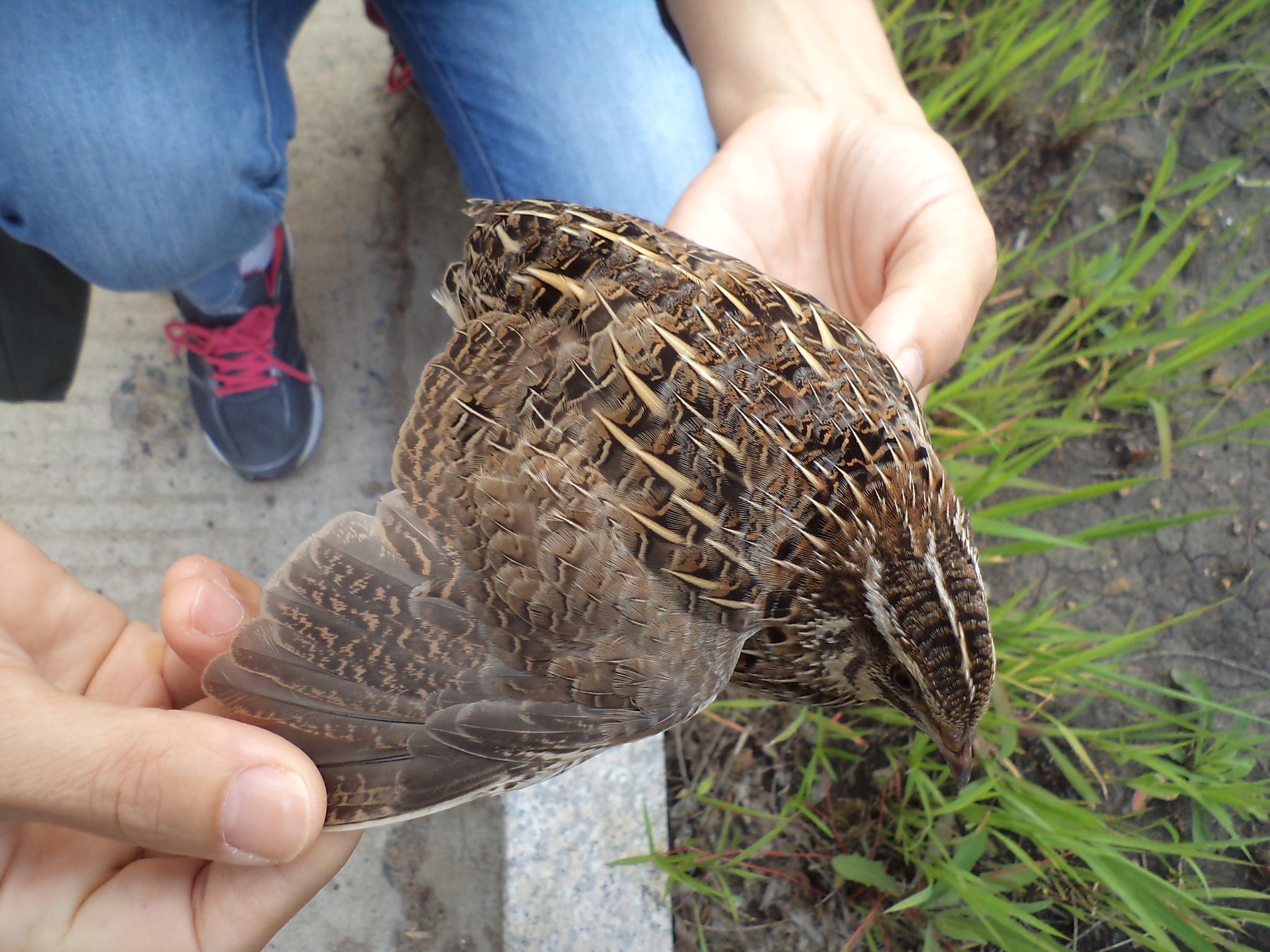
Wild adults weigh between 90 and 100 grams, while domesticated counterparts typically weigh 100–120 grams, with meat strains reaching up to 300 grams. Plumage is sexually dimorphic: males have uniform dark reddish-brown breast feathers devoid of spots, rufous cheek feathers, and often a white collar. Females have pale breast feathers littered with dark spots and cream-colored cheeks. During the breeding season, males develop distinctive rufous throat feathers, replaced by long pale feathers in the non-breeding season. Chicks have tawny heads with black patches above the beak, pale brown wings, and four brown stripes on the back.
Identification
Distinguished from the common quail by darker upperparts with more contrast, deeper rufous underparts, and the male's distinctive rufous throat feathers during breeding season. The typical male crow consists of two short parts preceding a final major trill.
Distribution & Habitat
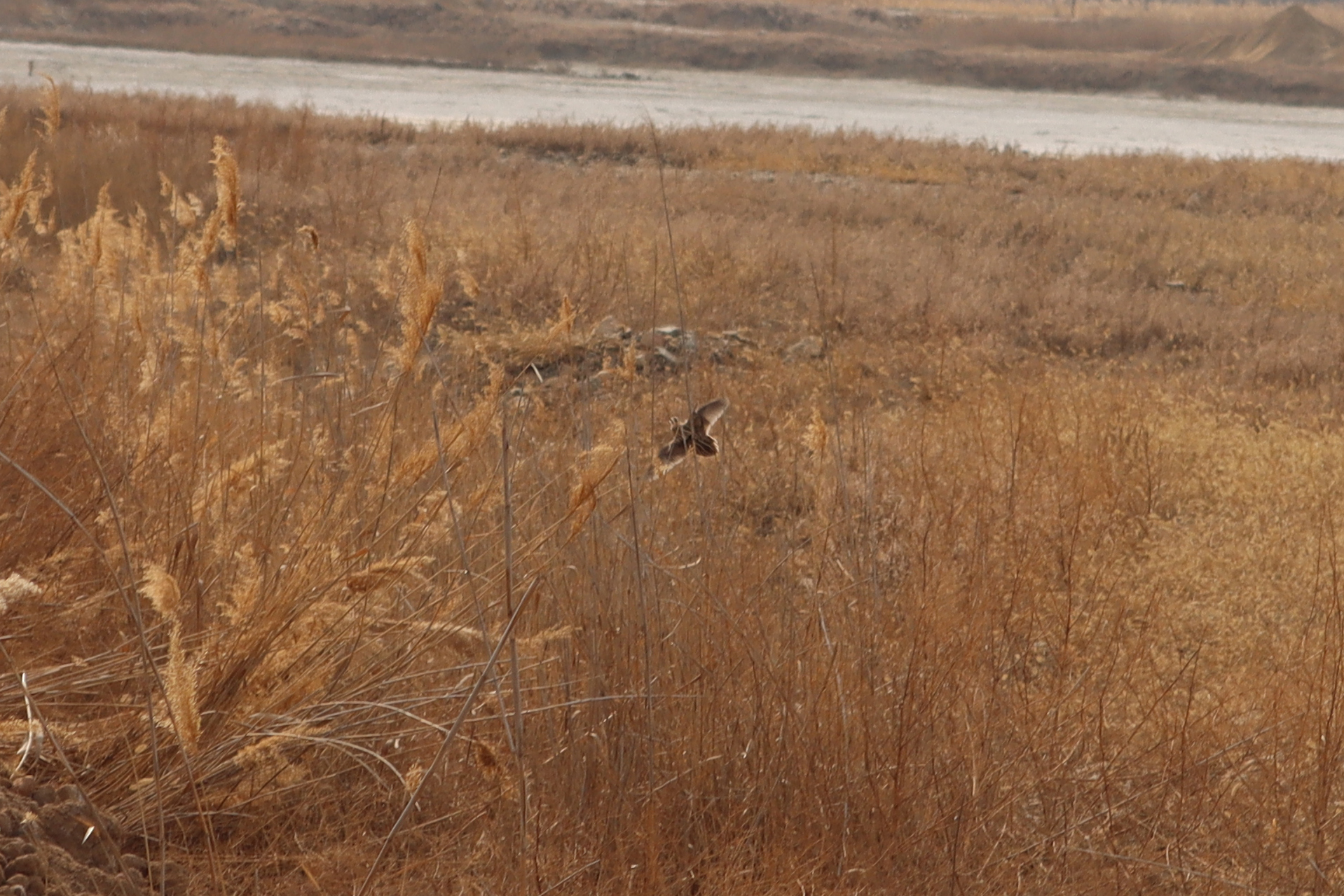
Inhabits East Asia, including Japan, Korea, China, India, and Russia (Manchuria, southeastern Siberia). Breeding sites are localized to East and Central Asia, with some populations breeding in Europe and Turkey. Most populations migrate south to Vietnam, Cambodia, Laos, and southern China for winter, though some remain resident in Japan. Introduced populations reside in parts of Africa, including Tanzania, Malawi, Kenya, Namibia, Madagascar, and the Nile River Valley. Habitats include grassy fields, riverbank bushes, agricultural fields (oats, rice, barley), steppes, meadows, and mountain slopes near water.
Behavior & Ecology
Primarily ground-living, staying in dense vegetation for cover. Diet consists of grass seeds (white millet, panicum), insects, larvae, and small invertebrates. Feeding follows photoperiod, occurring mainly at dawn and dusk. Exhibits dust bathing daily for feather maintenance and parasite removal. Mating rituals involve the male mounting the female; females may facilitate or impede access. Eggs are laid before dusk, with incubation lasting an average of 16.5 days, carried out solely by the female who drives the male away before hatching. Vocalizations include 28 distinct call types; male crowing can expedite female gonad development.
Culture
Domesticated in Japan since the 11th or 12th century, originally bred as songbirds for contests. Later selectively bred for egg production, becoming a major industry after World War II. Widely used in biomedical research, including genetics, physiology, and space experiments where eggs were hatched on the Mir space station. Commercially farmed globally for meat and eggs, with domesticated lines laying up to 300 eggs annually.
Source: Wikipedia · CC BY-SA 3.0
Taxonomy
- Order
- Galliformes
- Family
- Phasianidae
- Genus
- Coturnix
Distribution
Eastern Palearctic; winters to southeastern Asia and eastern China
Data Sources
Species description from Wikipedia, licensed under CC BY-SA 3.0.
Bird images and sounds sourced from GBIF, contributed by citizen scientists worldwide under Creative Commons licenses.
Taxonomy data from AviList 2025.