角百灵
Eremophila alpestris
Horned Lark
简介
百灵科角百灵属鸟类,分布于北半球广大地区。在北美洲因头部具有角状羽毛而得名'角百灵',在欧洲因冬季常见于海滨而得名'海滨百灵'。栖息于开阔的地面环境,包括冻原、高山草甸、海滨沙滩、农田和荒漠等。是北半球分布最广泛的百灵科鸟类之一,种群数量呈下降趋势。
形态特征
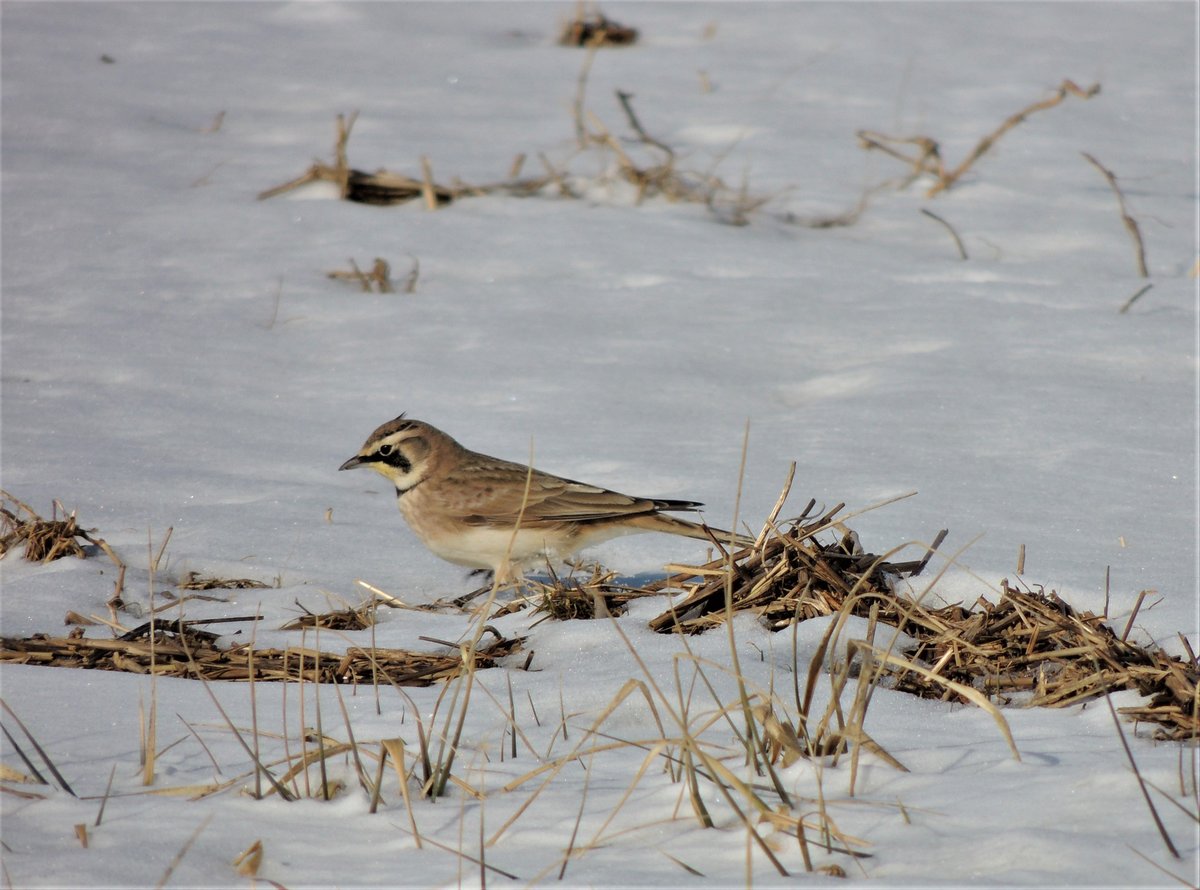
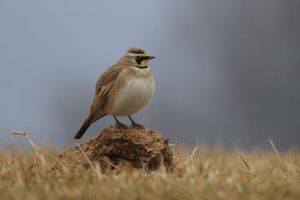
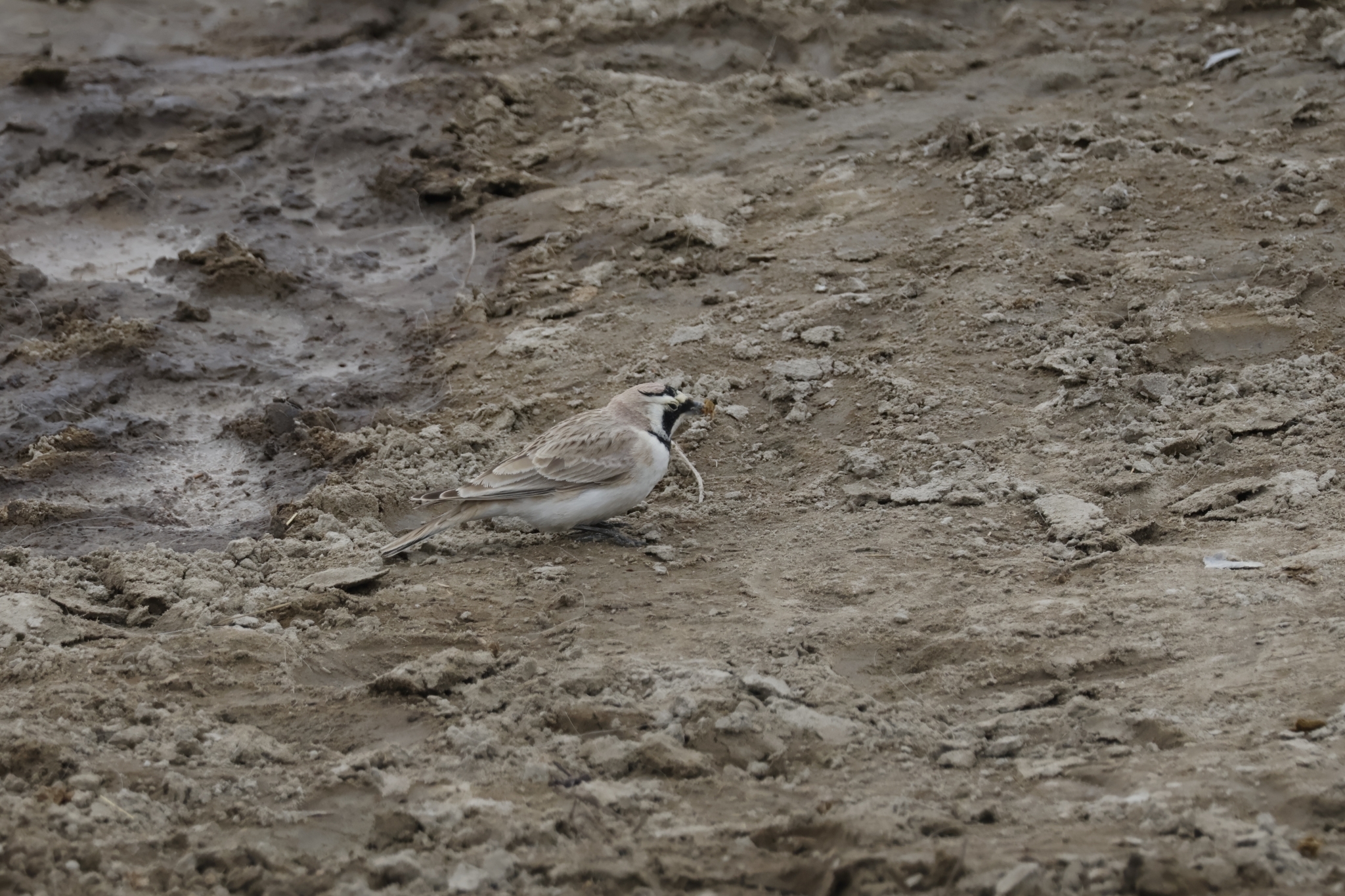
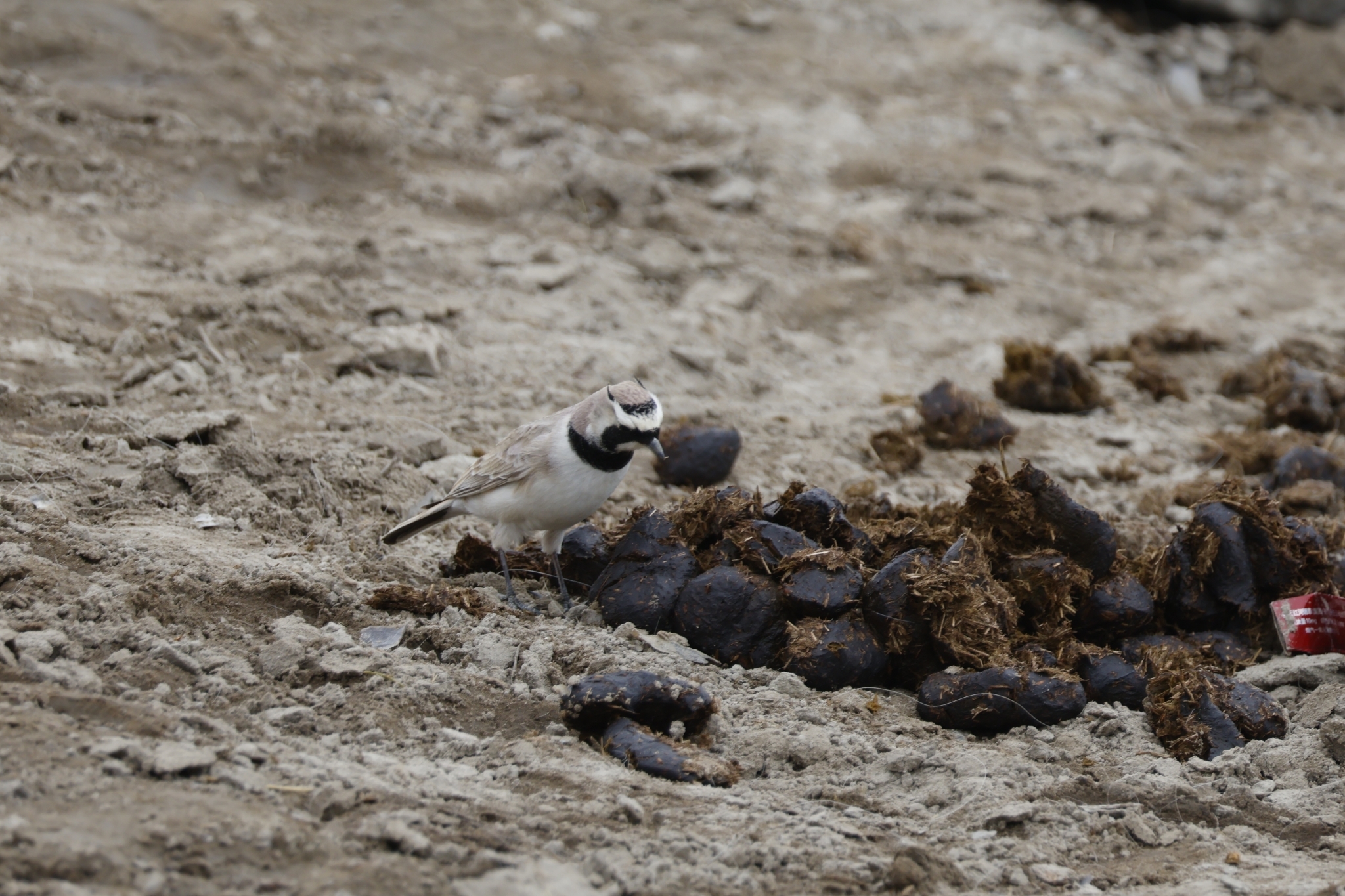
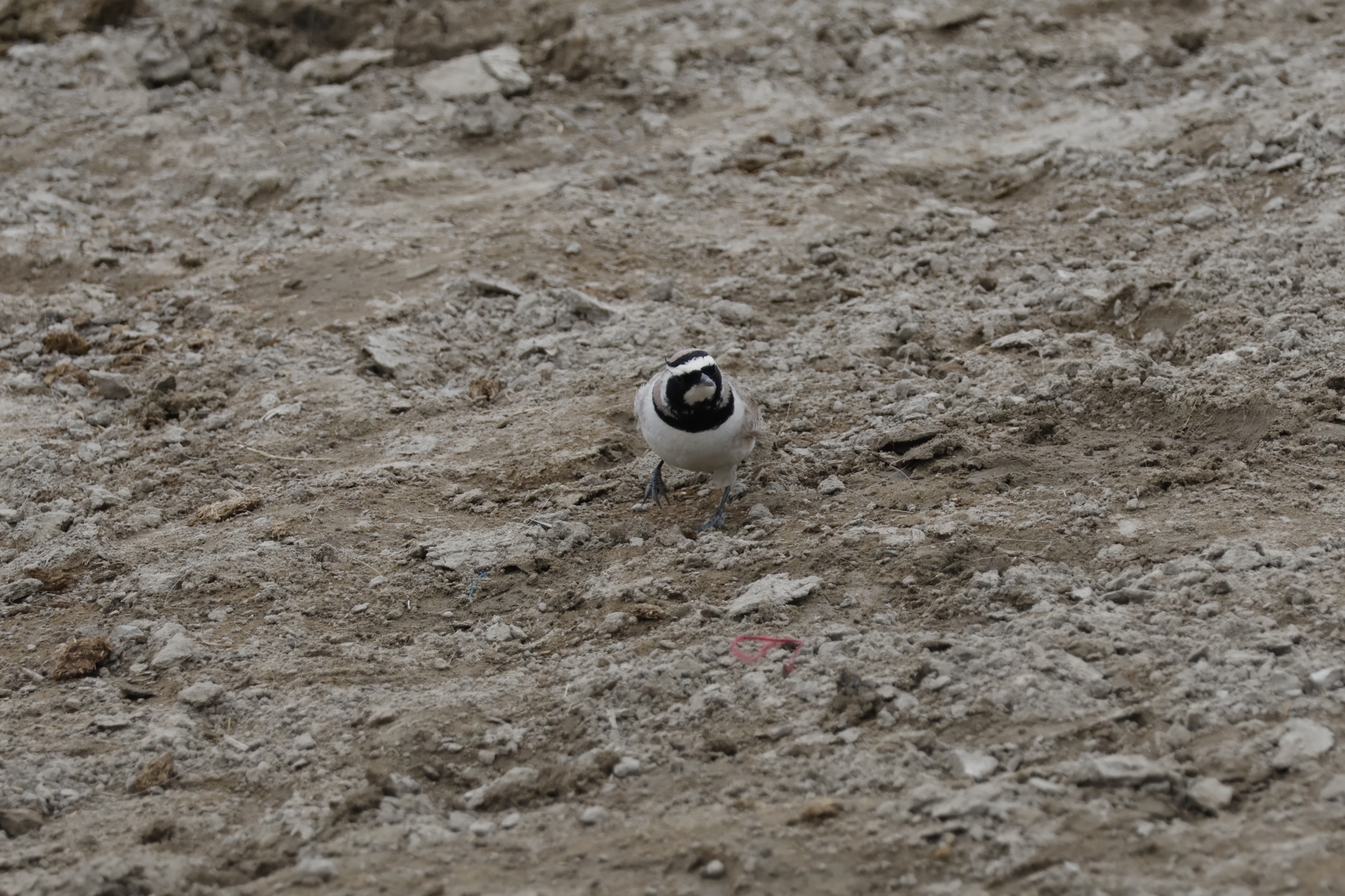
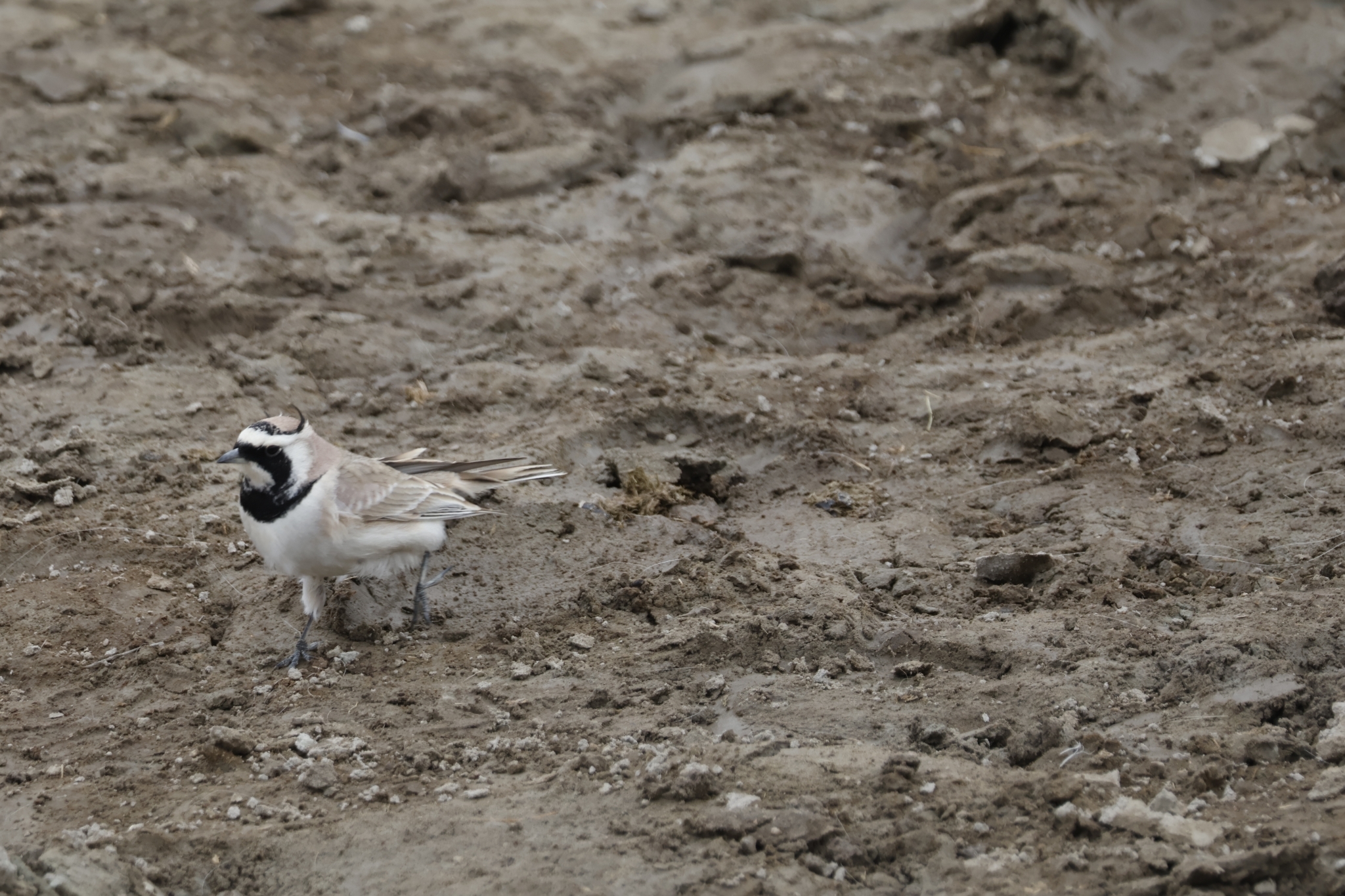
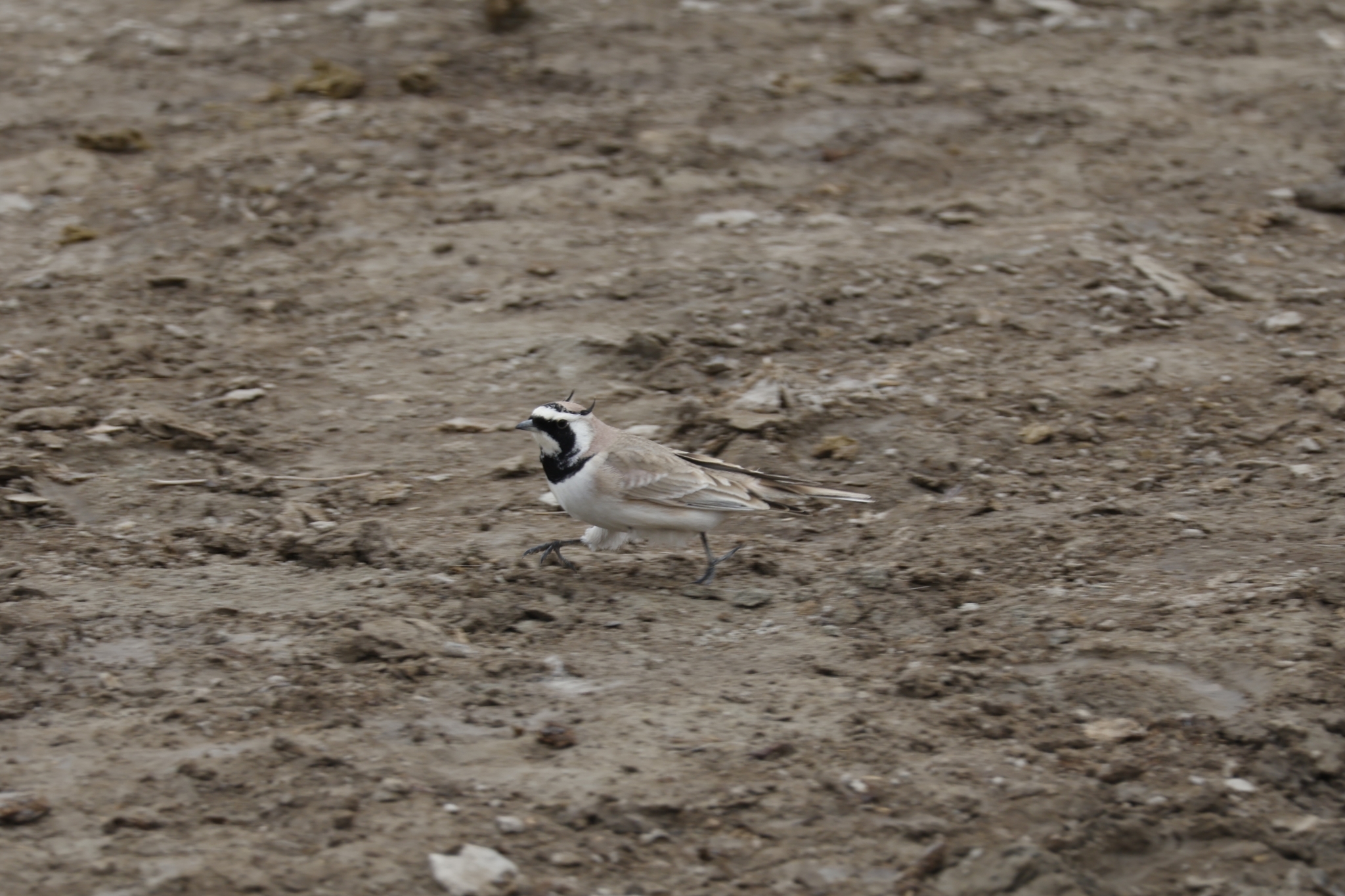
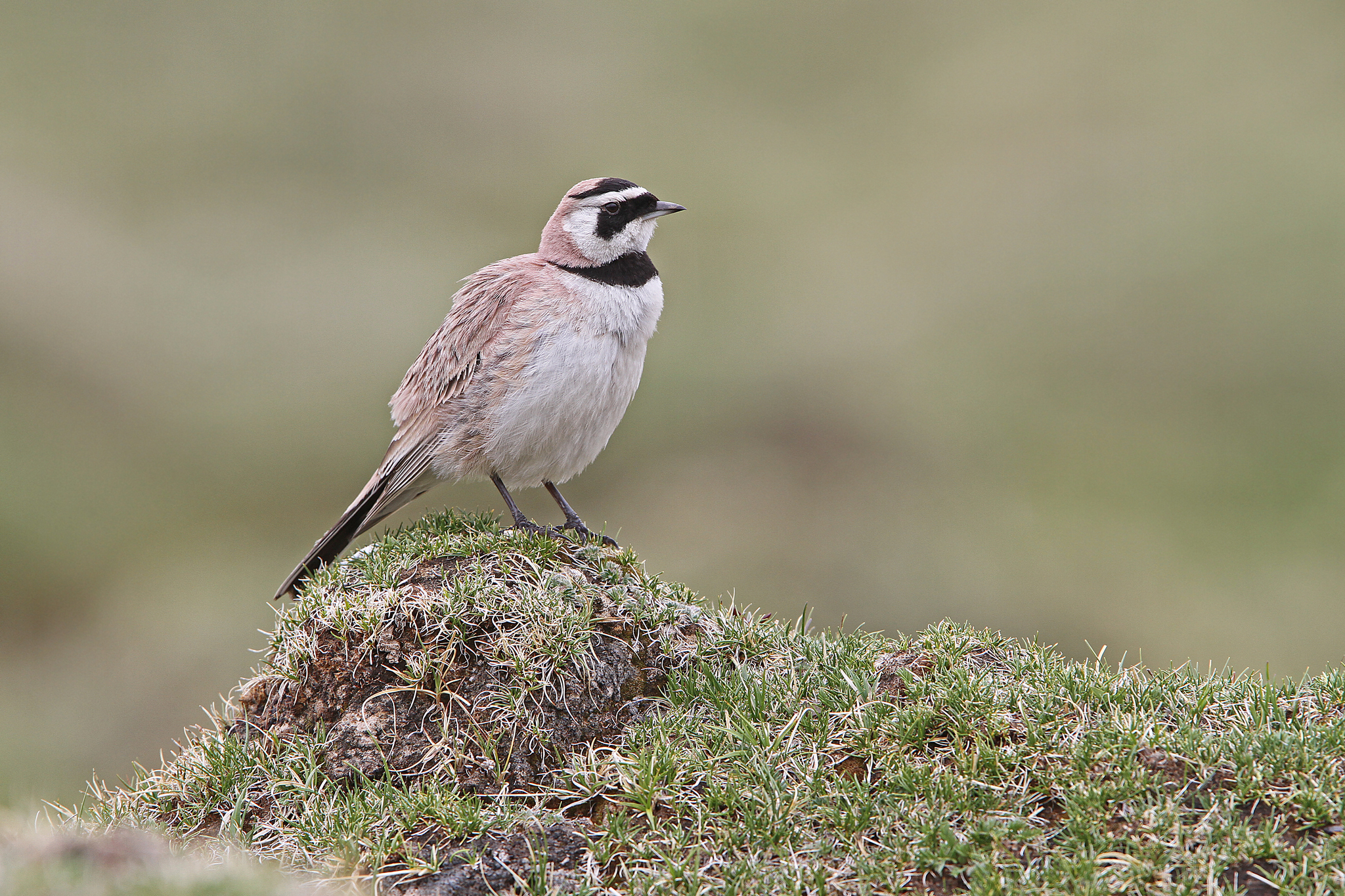
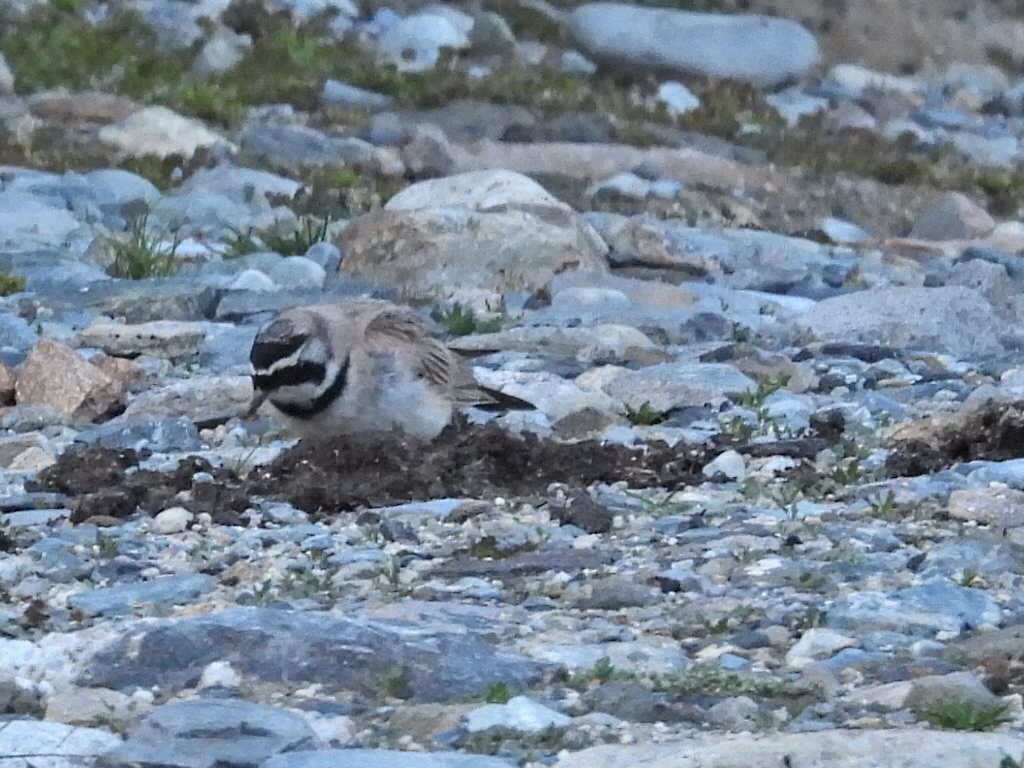
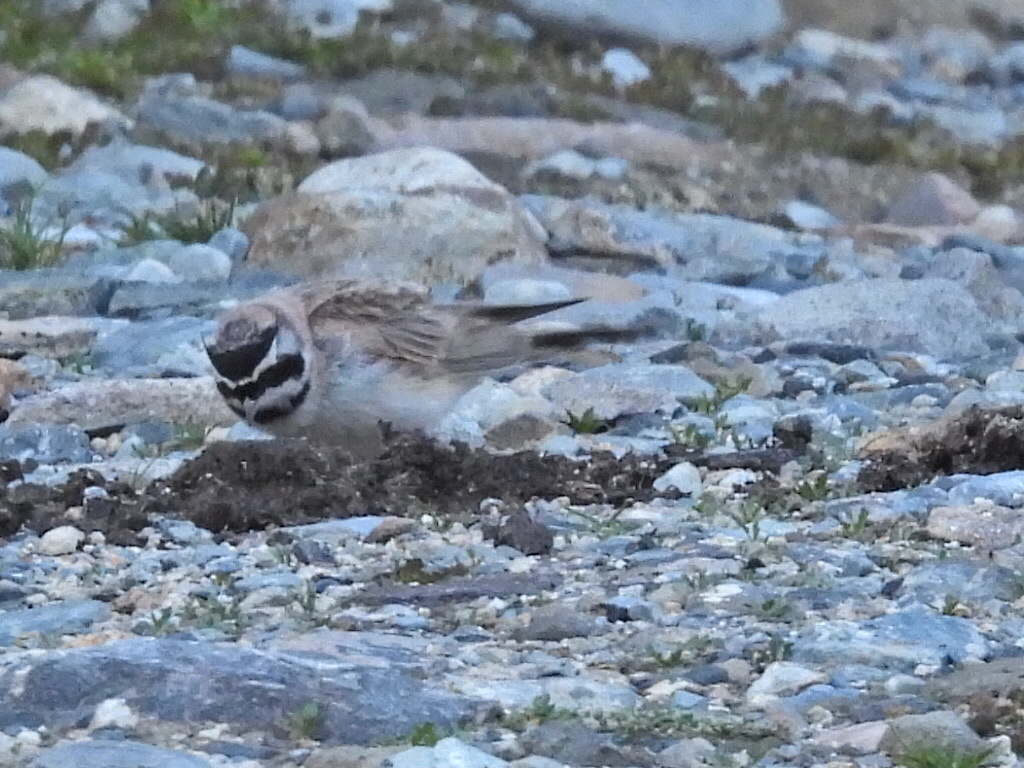
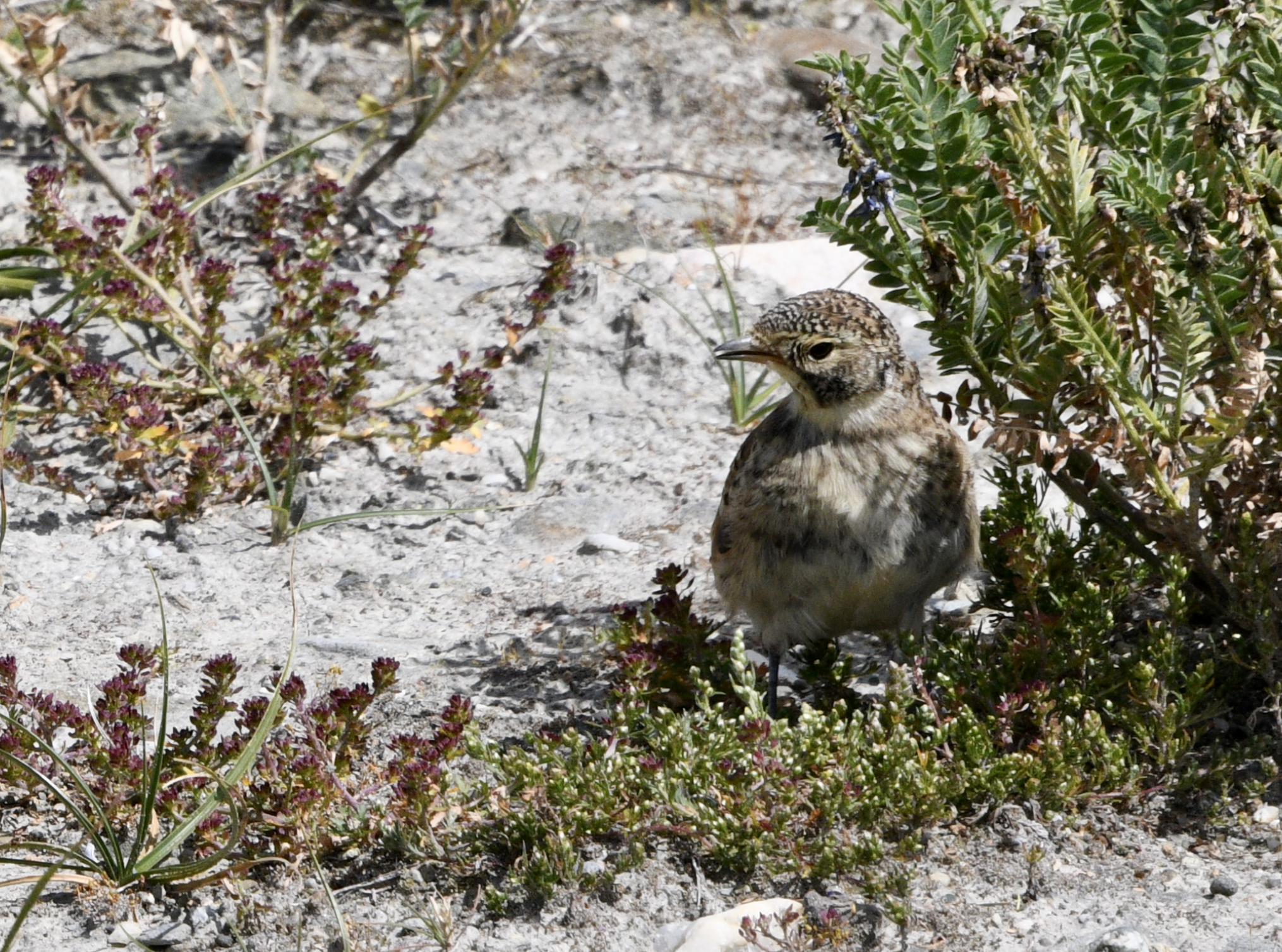
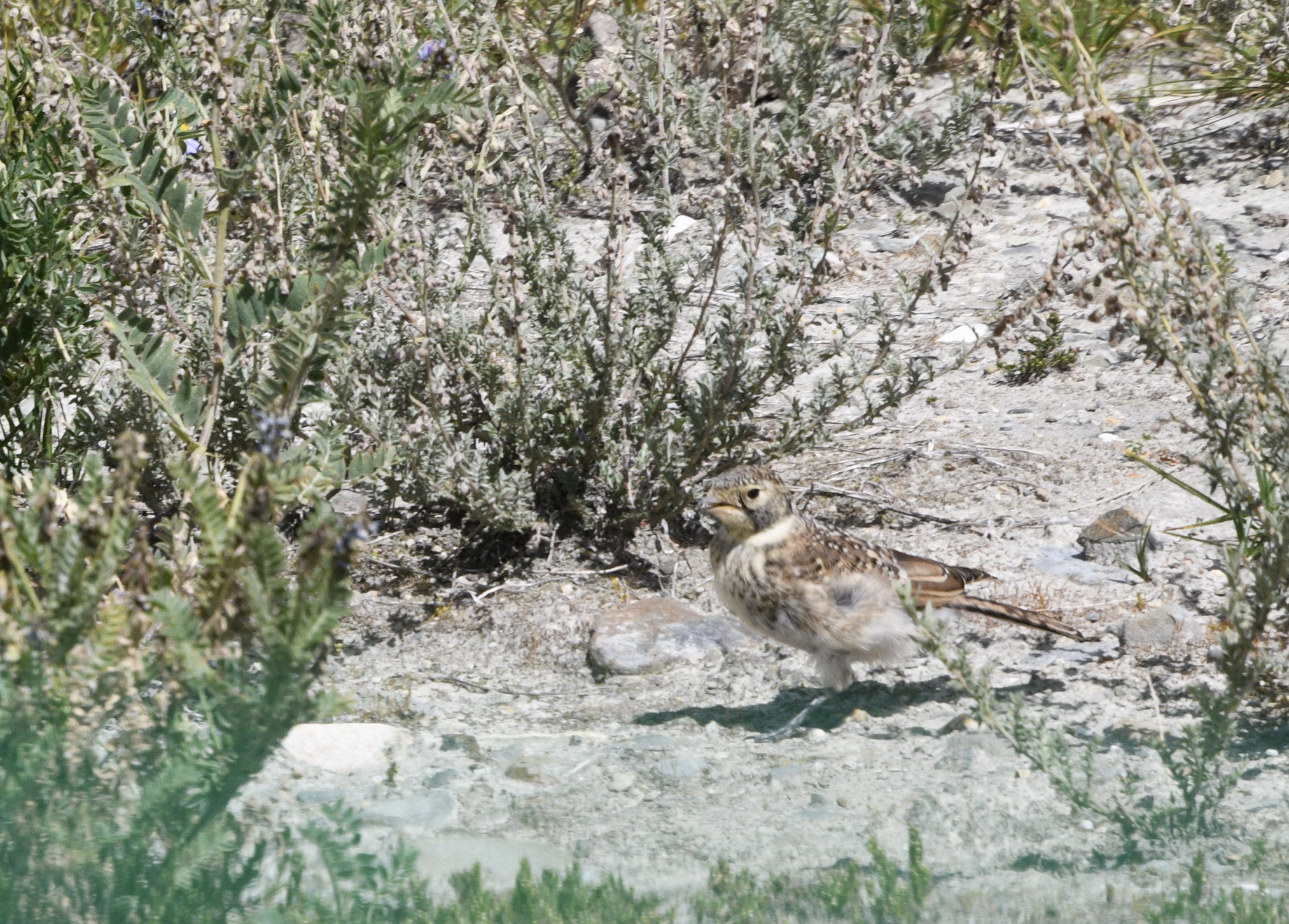
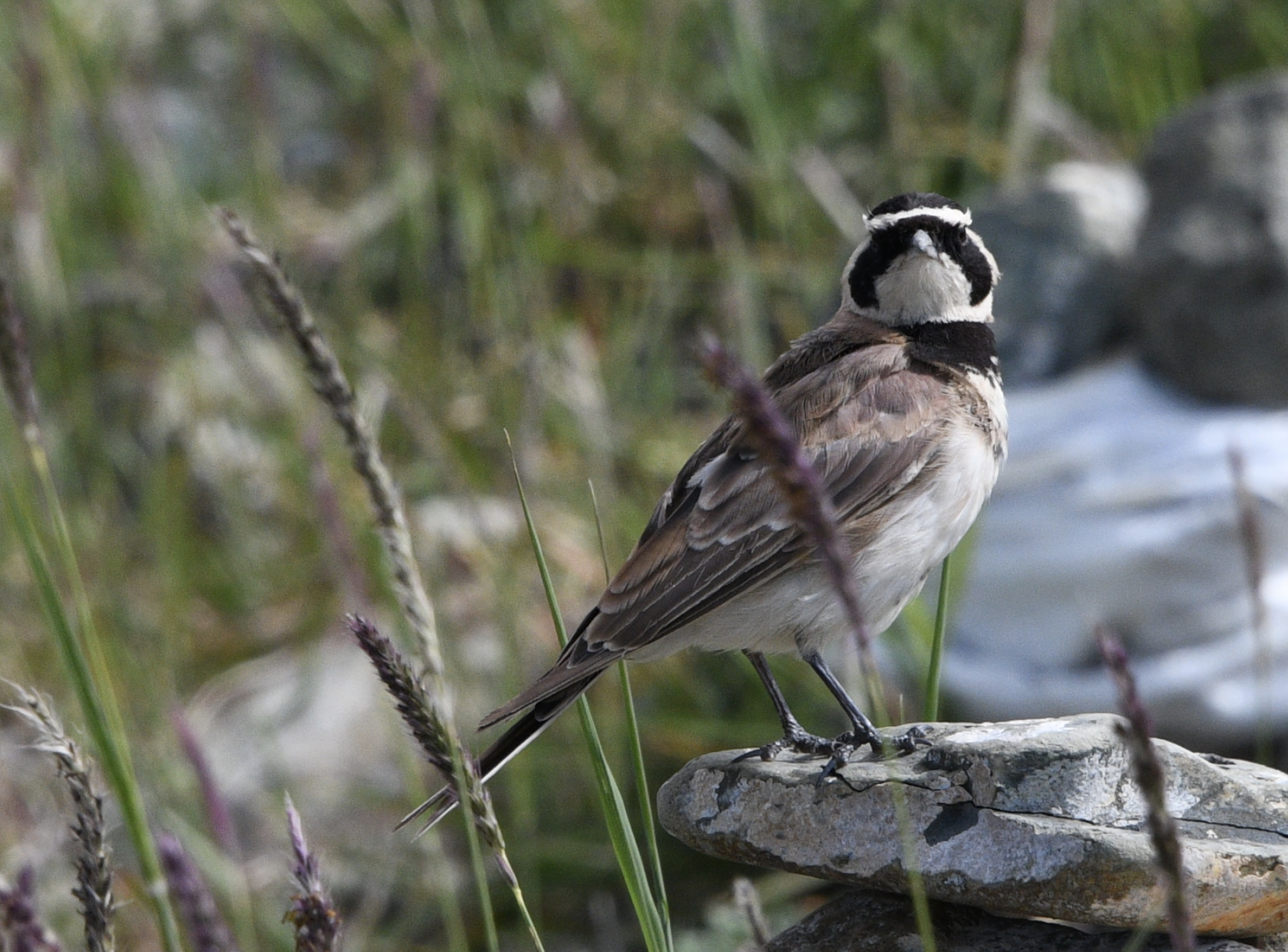
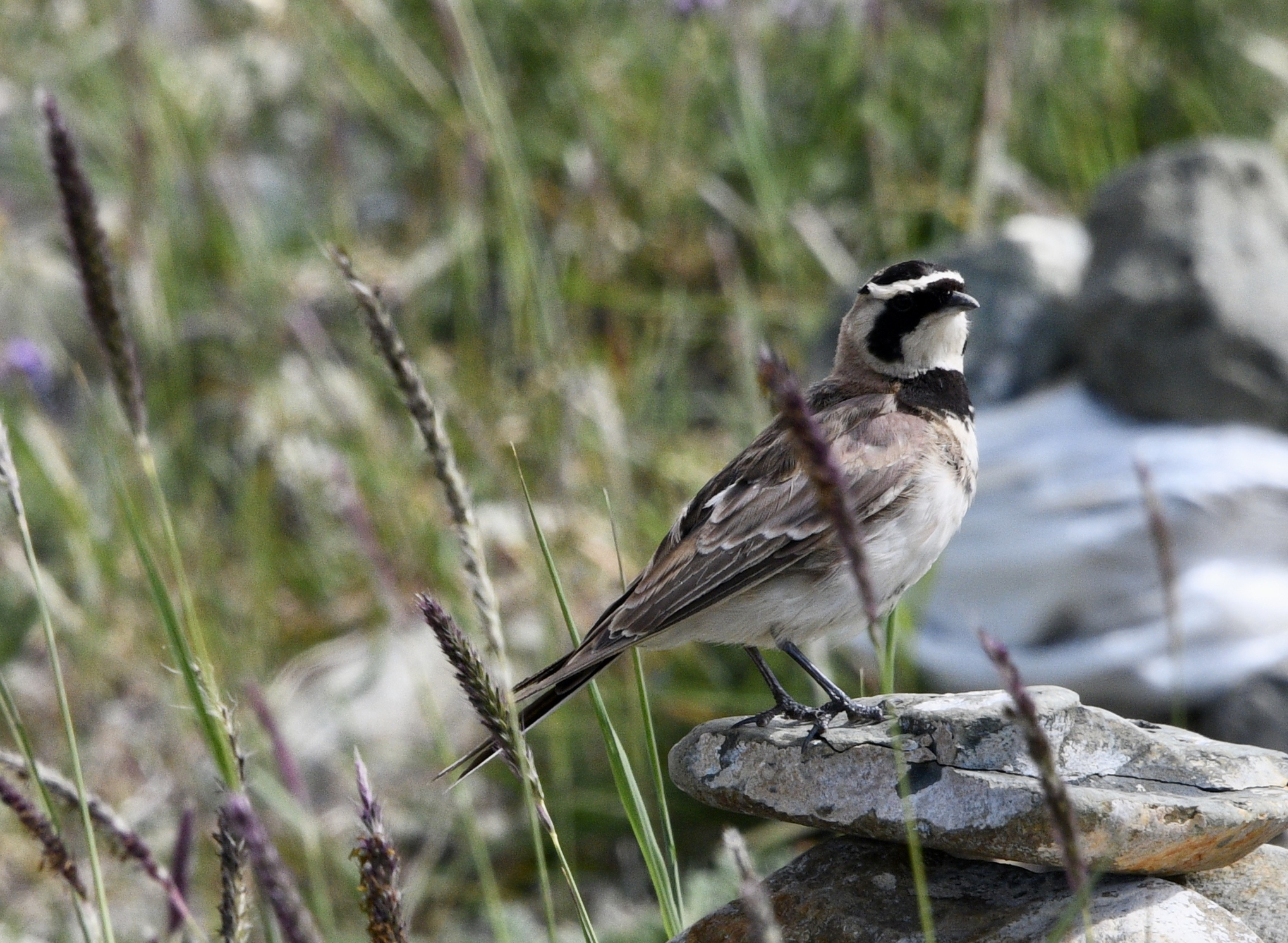
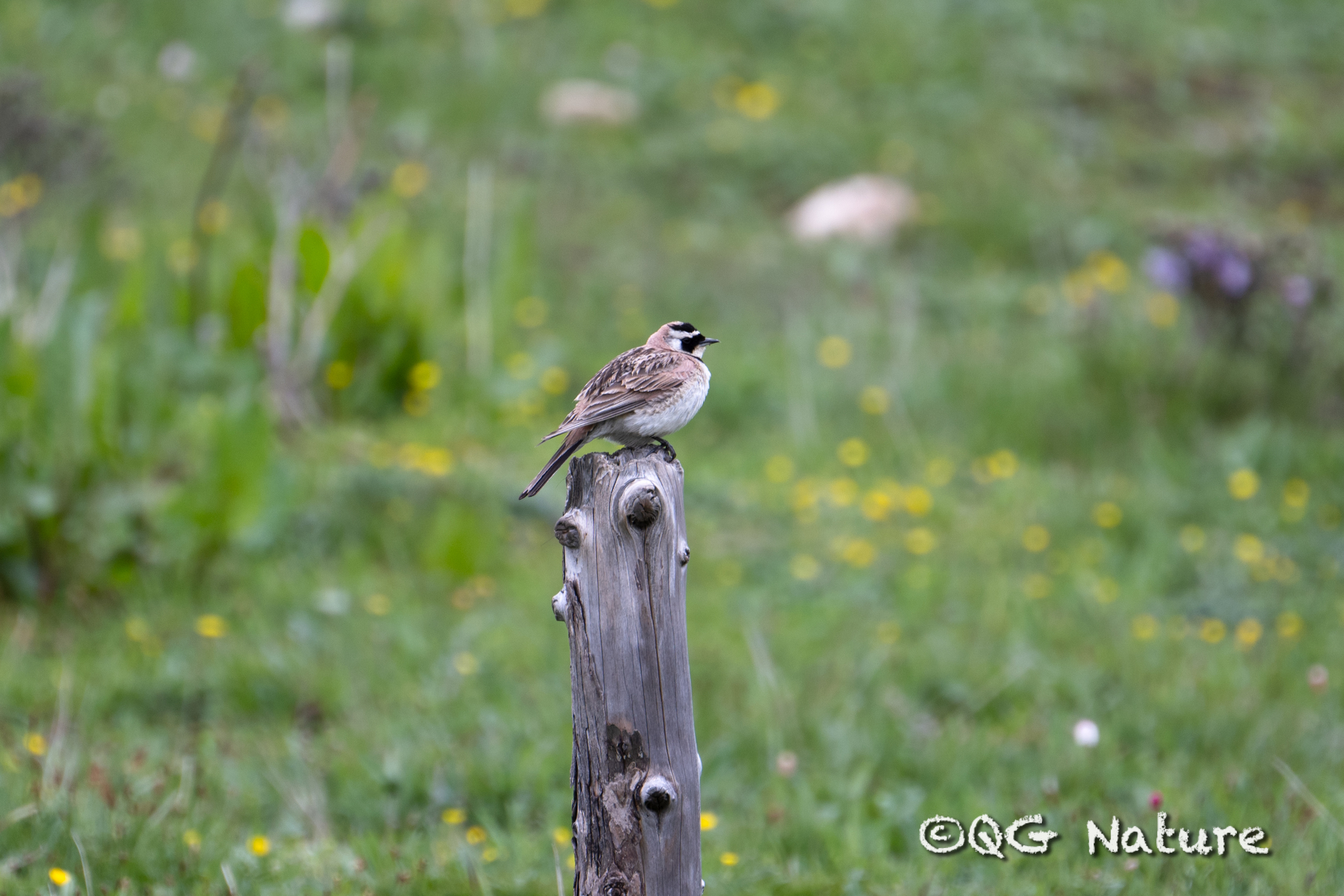
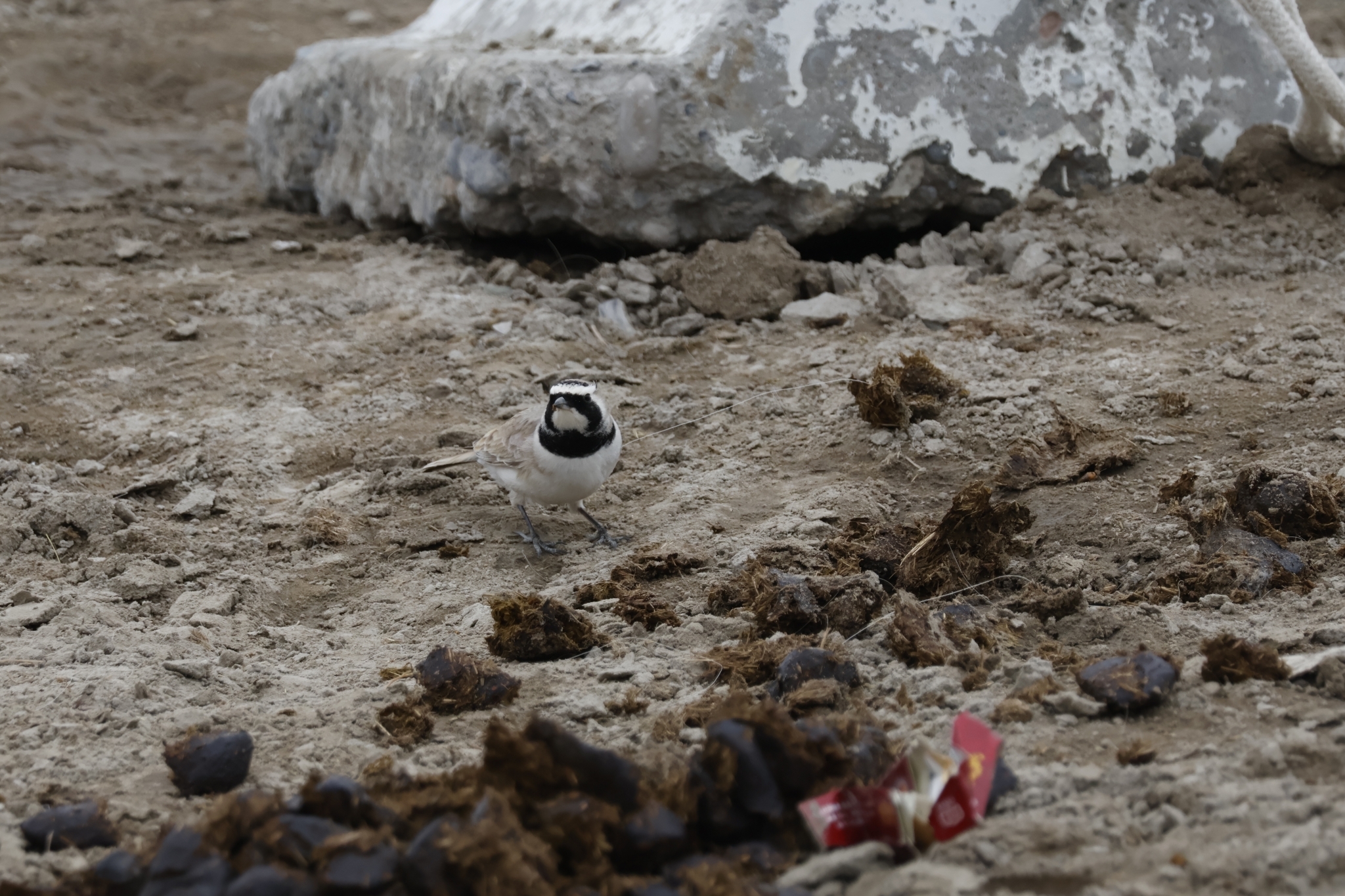
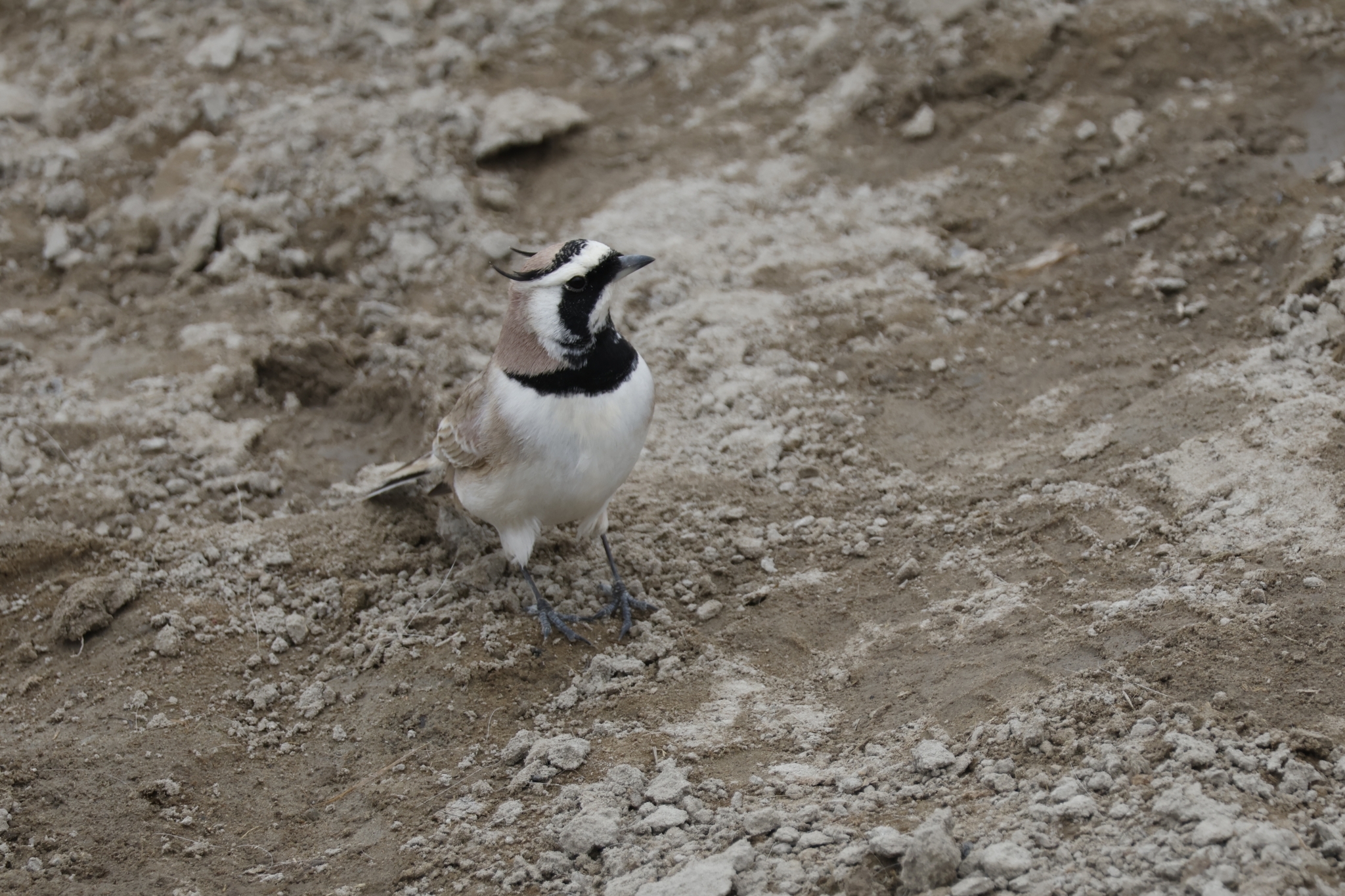
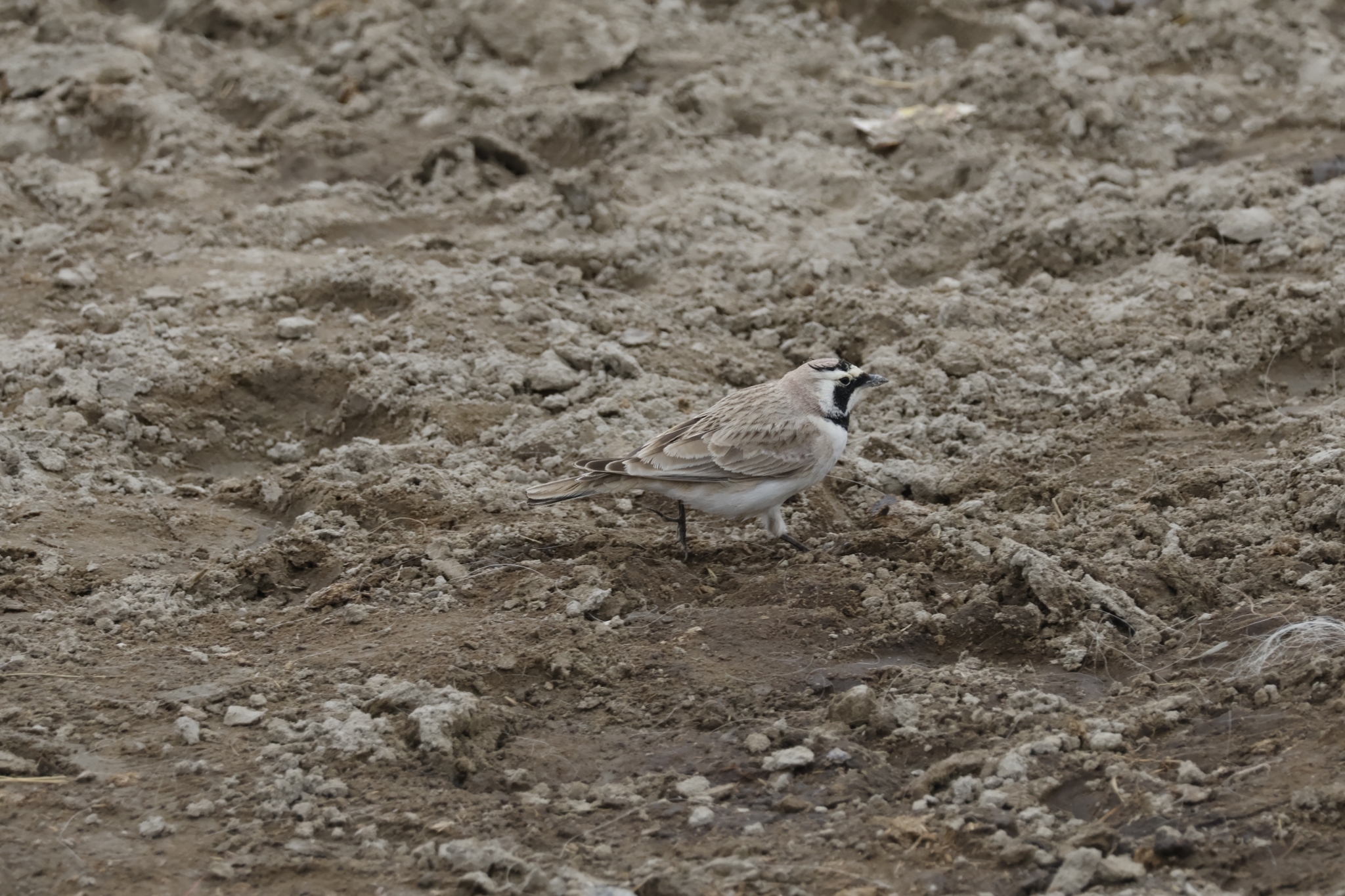
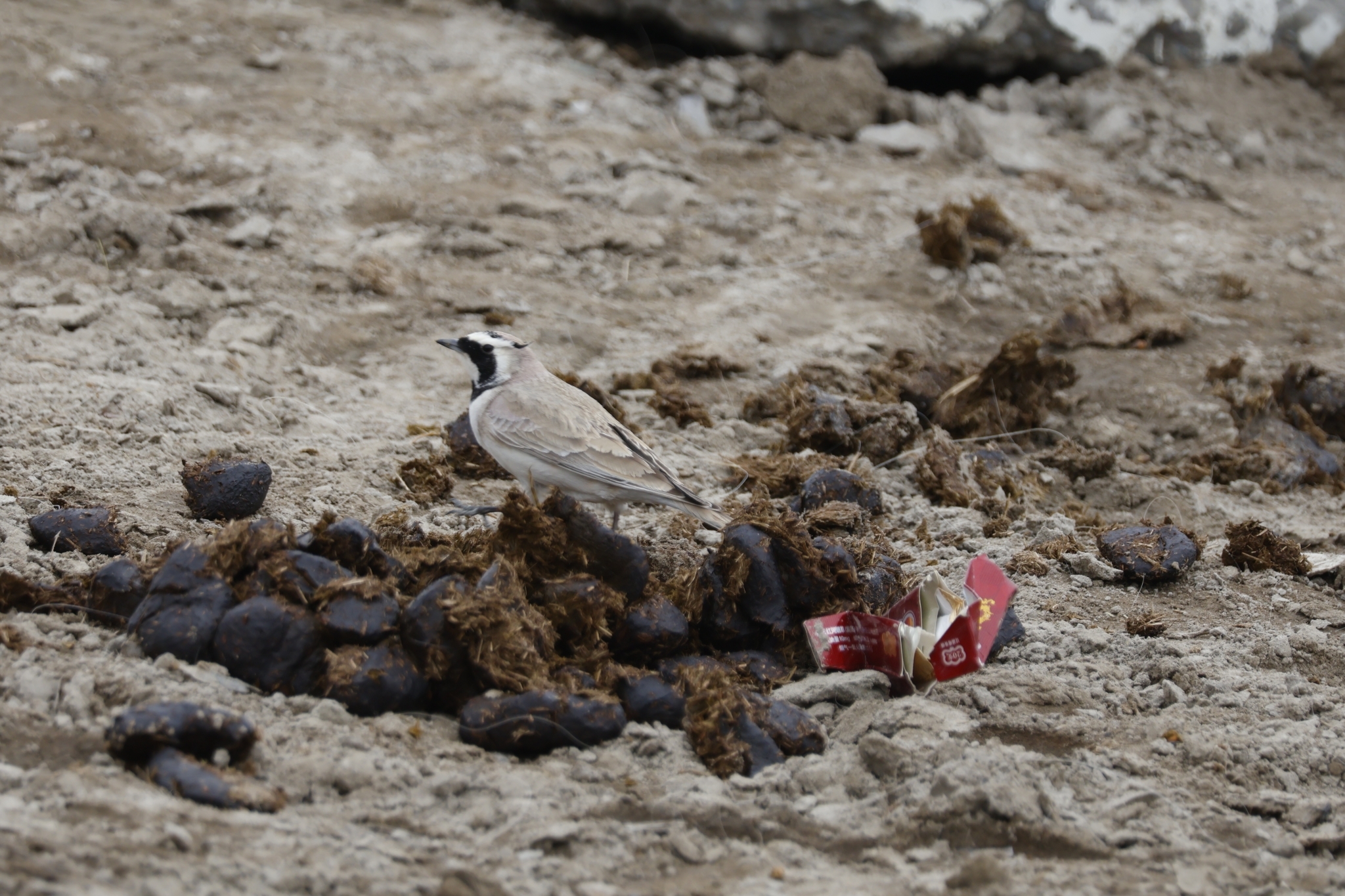
体型修长,身长16-20厘米,翼展30-34厘米,体重28-48克。整体羽色上面褐灰、下面浅淡,面部具有醒目的黑色和黄色图案。尾羽大部分黑色,与身体形成明显对比,飞行时尤为显著。夏季雄鸟头顶伸出两撮黑色角状羽毛,故得此名。不同地区亚种的面部图案和背部颜色存在差异。
如何辨识
野外辨识度高,区别于其他百灵科鸟类。显著特征为黑色尾羽与浅色身体的强烈对比,以及雄鸟头部的黑色角状羽。飞行时可听到高频清脆的鸣叫声。冬季在欧洲海滨容易与近似种区分,在北美洲无其他百灵类竞争者。
分布与栖息地
繁殖范围覆盖北美洲从高北极至墨西哥地峡、欧洲北部及亚洲北部和山区,在哥伦比亚高原有孤立种群。南部种群为留鸟,北部种群冬季南迁。栖息于开阔环境:欧亚大陆繁殖于树木线以上高山和极地冻原,冬季常见于欧洲海滨沙滩,英国为冬季迁徙驿站。
习性与生态
鸣声高频、轻微嘶哑或清脆。繁殖期雄鸟在空中盘旋鸣唱求偶,随后俯冲展示。雌鸟单独选择并筑巢于地面凹陷处或自行挖掘,巢址准备2-4天。巢以草、细根编织,内衬绒毛,直径约8-10厘米。每窝产2-5枚灰色带棕斑的卵,孵化期10-12天,雏鸟留巢8-10天。南部一年可繁殖2-3窝,北部通常1窝。
生存状况
北美种群持续下降,2016年被列为'急剧下降的常见鸟类'。主要威胁包括农业农药导致的栖息地丧失、自然演替使开阔地转为林地、城市化扩张、风力发电机和机场的碰撞事故。条纹角百灵亚种于2013年被列为受威胁物种。
改写自: 英文维基百科 · CC BY-SA 3.0
分类信息
- 目
- 雀形目 Passeriformes
- 科
- 百灵科 Alaudidae
- 属
- 角百灵属 Eremophila
- eBird 代码
- horlar
- CBR 编号
- #793
亚种 (42)
-
Eremophila alpestris actia
coastal range of California to northern Baja California
-
Eremophila alpestris adusta
southern Arizona (south of Tucson) to far southwestern New Mexico and northern Sonora
-
Eremophila alpestris albigula
mountains of northern and eastern Iran to Pamirs, Afghanistan, and western China
-
Eremophila alpestris alpestris
breeds Arctic northeastern Canada to Newfoundland; winters to coastal southeastern USA
-
Eremophila alpestris alpina
arctic-alpine summits of northwestern USA (mounts Rainier and St. Helens)
-
Eremophila alpestris ammophila
desert of southwestern Nevada and southeastern California; winters to northwestern Mexico
-
Eremophila alpestris aphrasta
northwestern Mexico (Chihuahua and Durango)
-
Eremophila alpestris arcticola
northern Alaska to mountains of British Columbia and northern Washington
-
Eremophila alpestris argalea
western China (far southwestern Xinjiang) to northwestern India (Kashmir to Ladakh)
-
Eremophila alpestris atlas
high plateaux of Morocco
-
Eremophila alpestris balcanica
southeastern Europe (Balkans)
-
Eremophila alpestris bicornis
western Türkiye (Taurus Mountains) to Lebanon and Palestine
-
Eremophila alpestris brandti
steppes of central Asia to mountains of western Mongolia and northern China
-
Eremophila alpestris chrysolaema
southern Mexican Plateau (Jalisco to Michoacán, Puebla, and Veracruz)
-
Eremophila alpestris diaphora
northeastern Mexico (southeastern Coahuila to southern Tamaulipas, Hidalgo, and northeastern Puebla)
-
Eremophila alpestris elwesi
western China (southern Qinghai and southern Tibet) to northern Sikkim
-
Eremophila alpestris enertera
west-central Baja California and coastal islands south of Magdalena Bay
-
Eremophila alpestris enthymia
breeds Great Plains of central Canada to central USA; winters to northern Mexico
-
Eremophila alpestris flava
northern Palearctic region
-
Eremophila alpestris giraudi
coastal prairie region of southeastern Texas (USA) to eastern Mexico (northeastern Tamaulipas)
-
Eremophila alpestris hoyti
breeds Arctic coast of North America to southern Canada; winters to northern USA
-
Eremophila alpestris insularis
Channel Islands (off southern California)
-
Eremophila alpestris khamensis
southwestern China (Kham region of western and southern Sichuan)
-
Eremophila alpestris kumerloevei
western and central Türkiye
-
Eremophila alpestris lactea
northeastern Mexico (Coahuila)
-
Eremophila alpestris lamprochroma
southeastern Oregon to southwestern Idaho, northeastern California, and western Nevada
-
Eremophila alpestris leucansiptila
Colorado Desert (southwestern Nevada, western Arizona, northeastern Baja California, and northwestern Sonora)
-
Eremophila alpestris leucolaema
breeds southern Canada to southwestern USA and northwestern Texas; winters to northwestern Mexico
-
Eremophila alpestris longirostris
northwestern Himalayas
-
Eremophila alpestris merrilli
east slope of Cascades and adjacent lowlands from British Columbia to northeastern California
-
Eremophila alpestris nigrifrons
western China (Kokonor to western Gansu)
-
Eremophila alpestris oaxacae
southern Mexico (eastern Oaxaca)
-
Eremophila alpestris occidentalis
northern and central Arizona to north-central New Mexico; winters to northern Mexico
-
Eremophila alpestris penicillata
mountains of Türkiye, the Caucasus, and western Iran
-
Eremophila alpestris peregrina
eastern Andes of Colombia
-
Eremophila alpestris praticola
breeds southeastern Canada to central and east-central USA; some winter to Florida
-
Eremophila alpestris przewalskii
western China (northwestern Qinghai)
-
Eremophila alpestris rubea
central California (Sacramento Valley)
-
Eremophila alpestris sierrae
mountains of northeastern California (southern Cascades and northern Sierra Nevada)
-
Eremophila alpestris strigata
humid coastal belt of southwestern British Columbia and northwestern USA west of the Cascades
-
Eremophila alpestris teleschowi
mountains of western China (far southeastern Xinjiang)
-
Eremophila alpestris utahensis
south-central Idaho to east-central Nevada and west-central Utah
数据来源
物种描述来自维基百科,以 CC BY-SA 3.0 许可证发布。
鸟类图片与鸣声来自 GBIF,由全球公民科学家贡献,遵循各自 Creative Commons 许可证。
分类数据来自 AviList 2025。