Passeriformes / Alaudidae / Eremophila
Horned Lark
Eremophila alpestris · 角百灵
Introduction
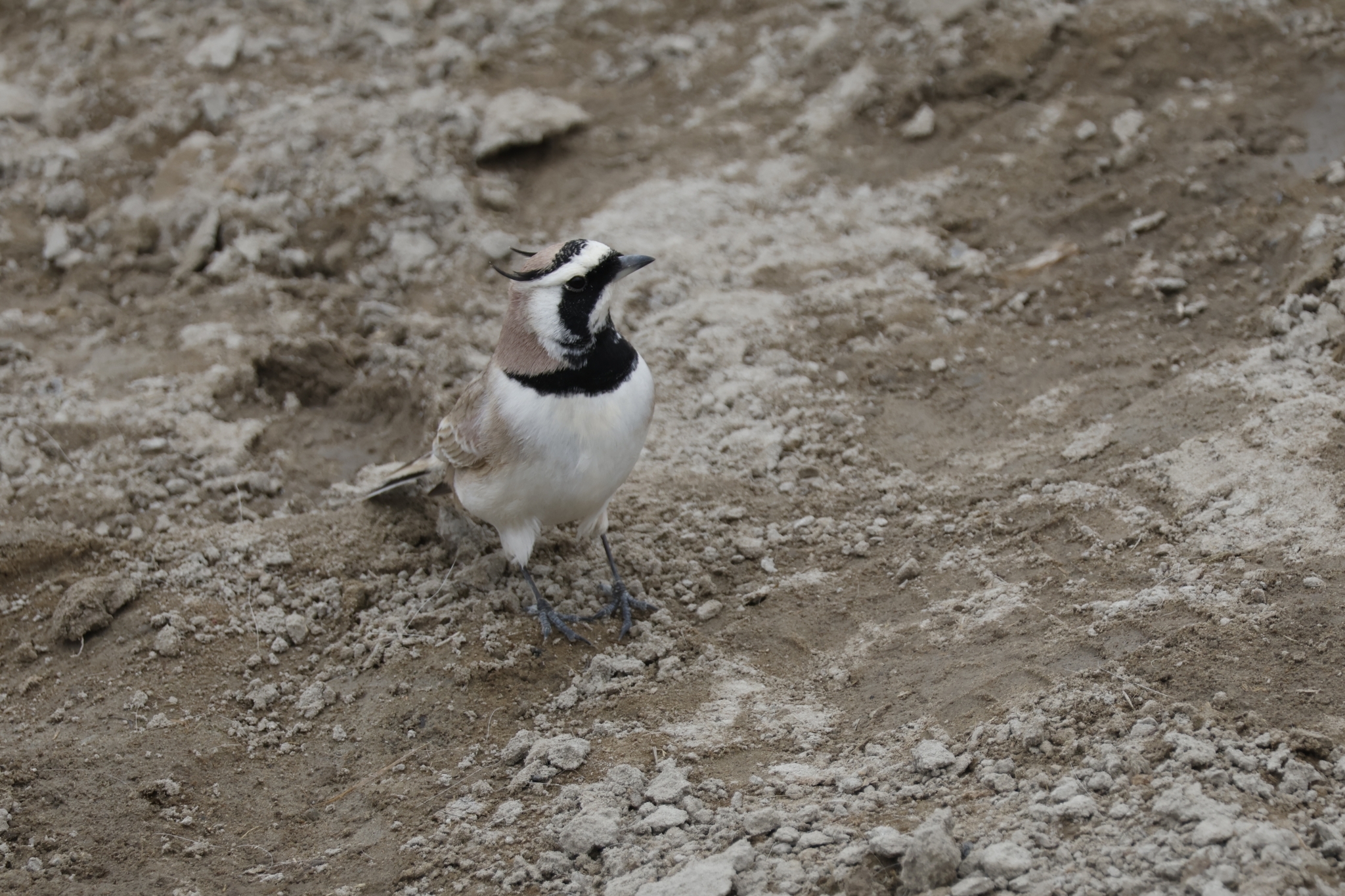
A species of lark in the family Alaudidae found across the northern hemisphere. It inhabits open ground, including farmland, prairies, deserts, and coastal areas. Distinctive traits include horn-like feathers on males and a striking black and yellow face pattern. Populations are declining in North America.
Description
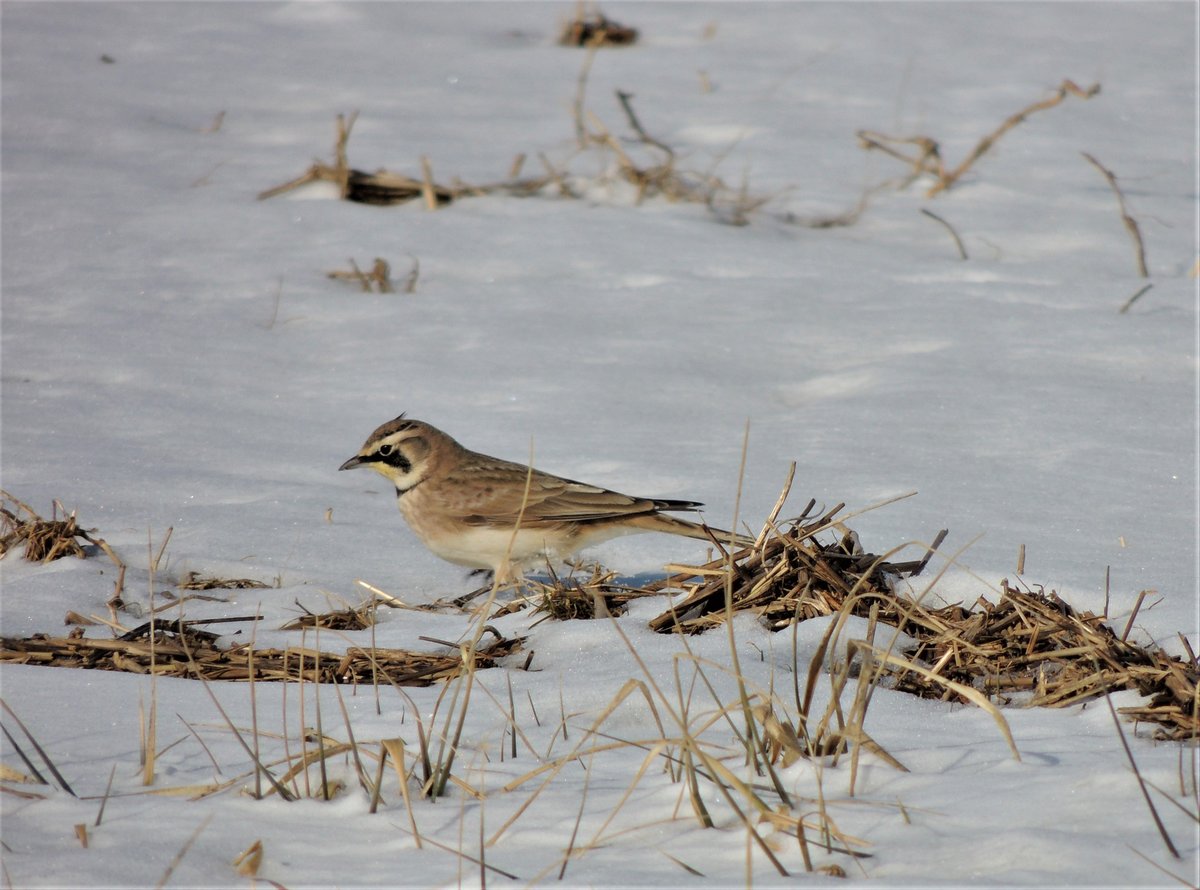
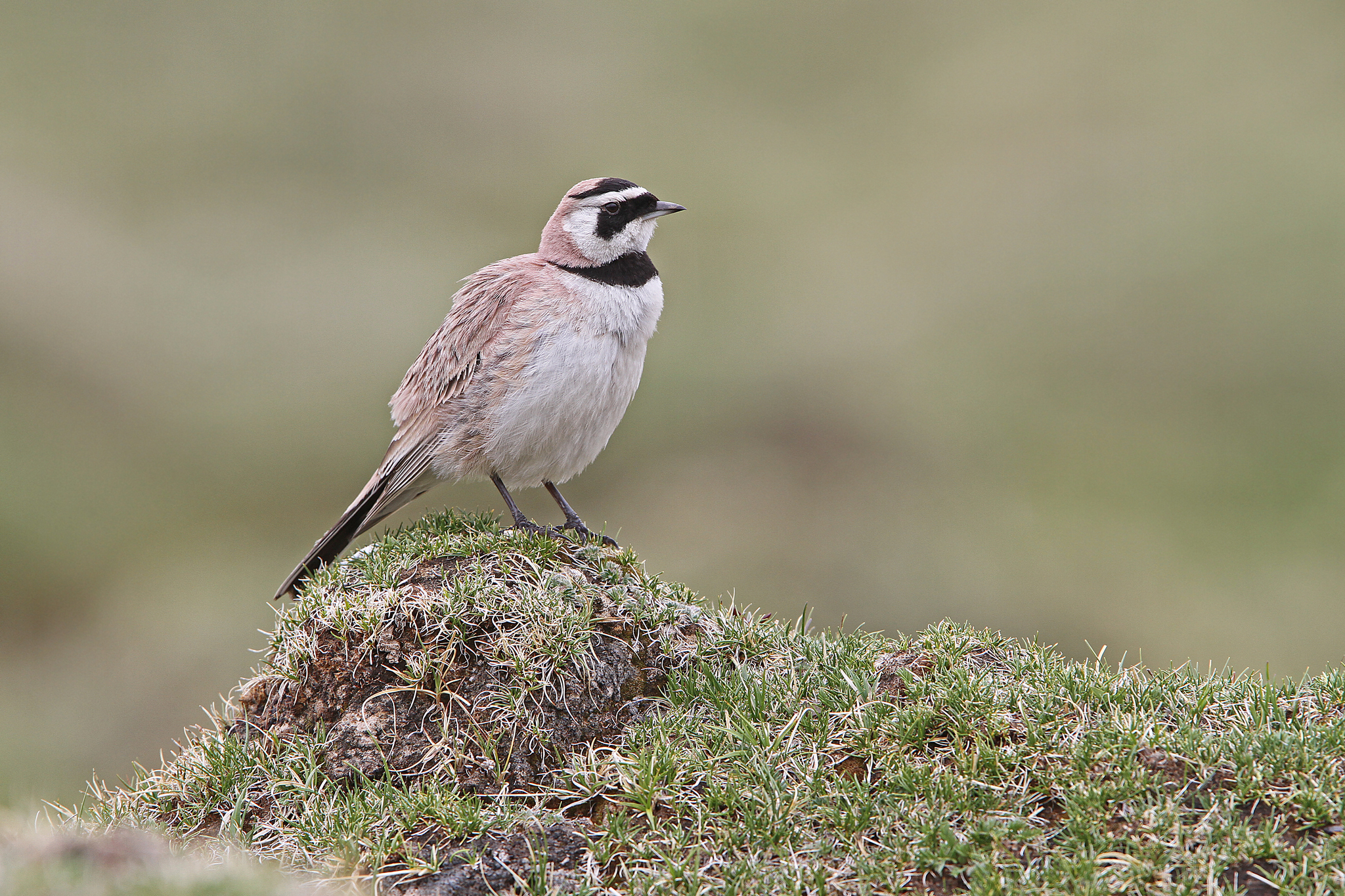
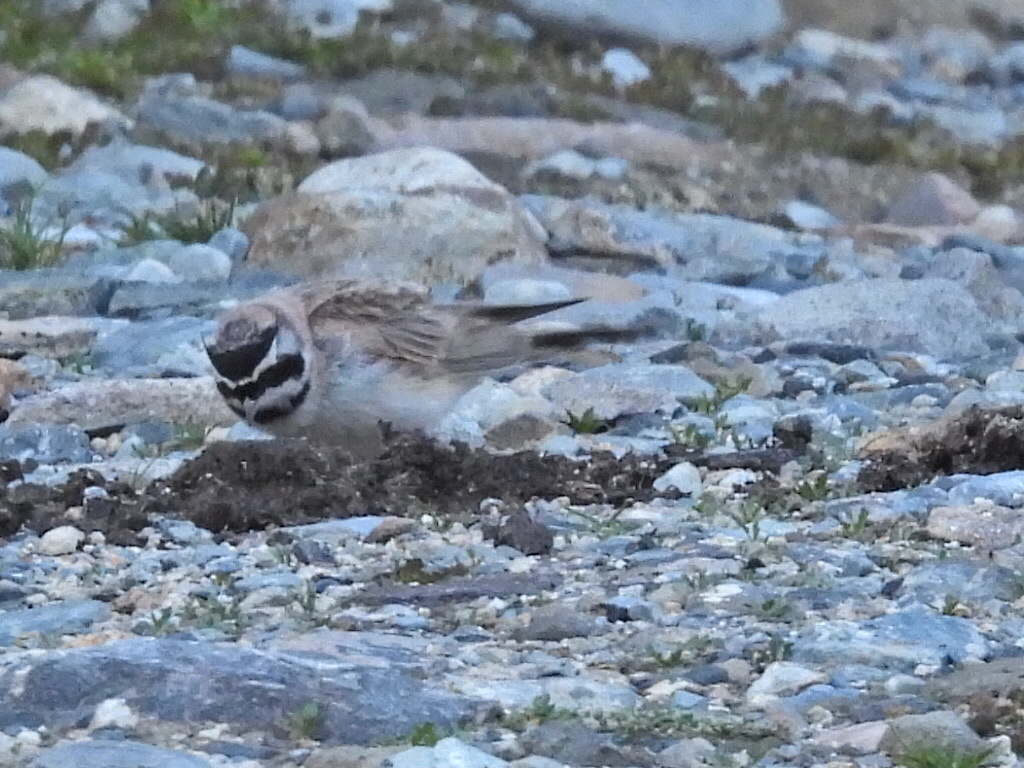
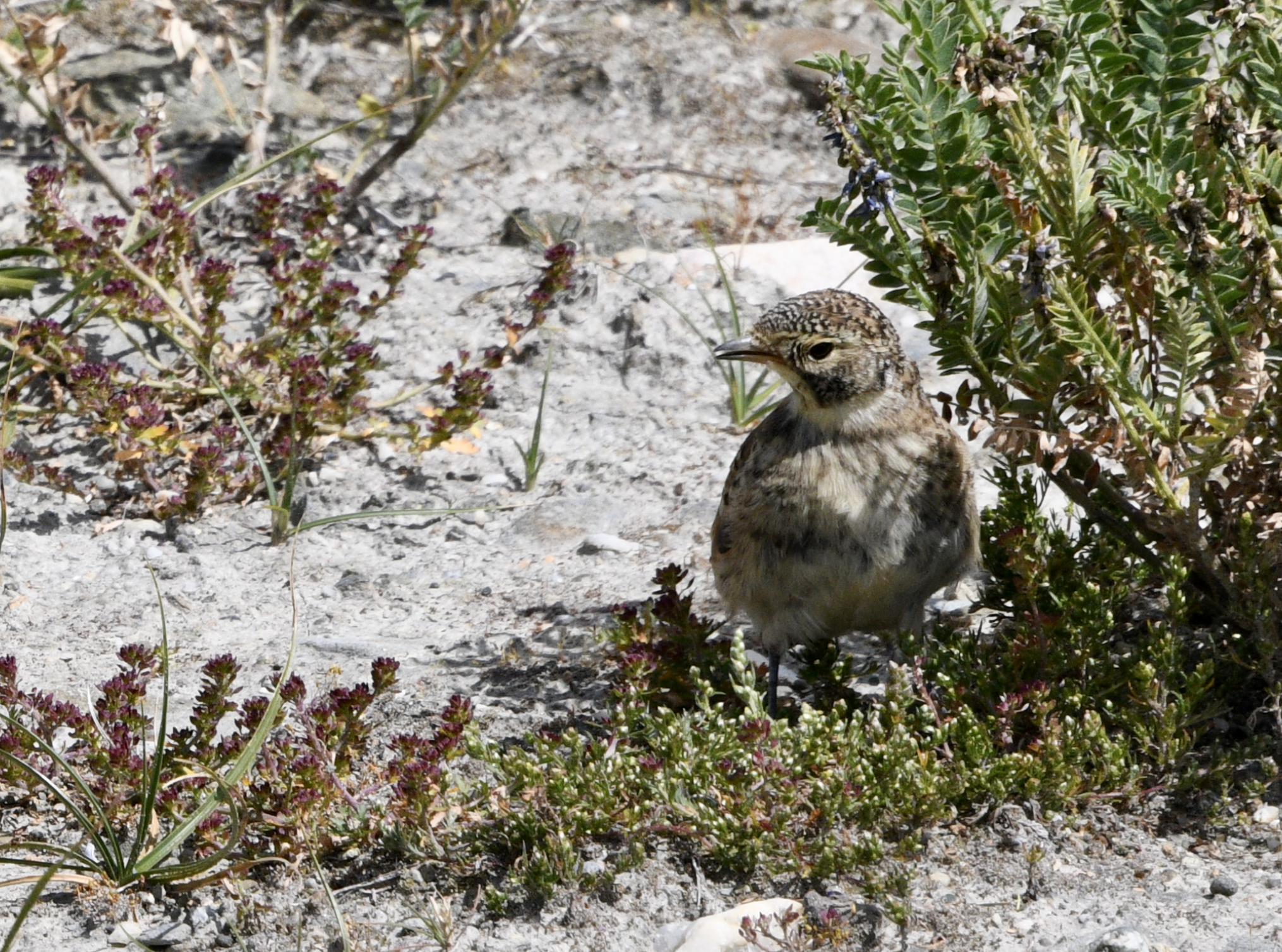
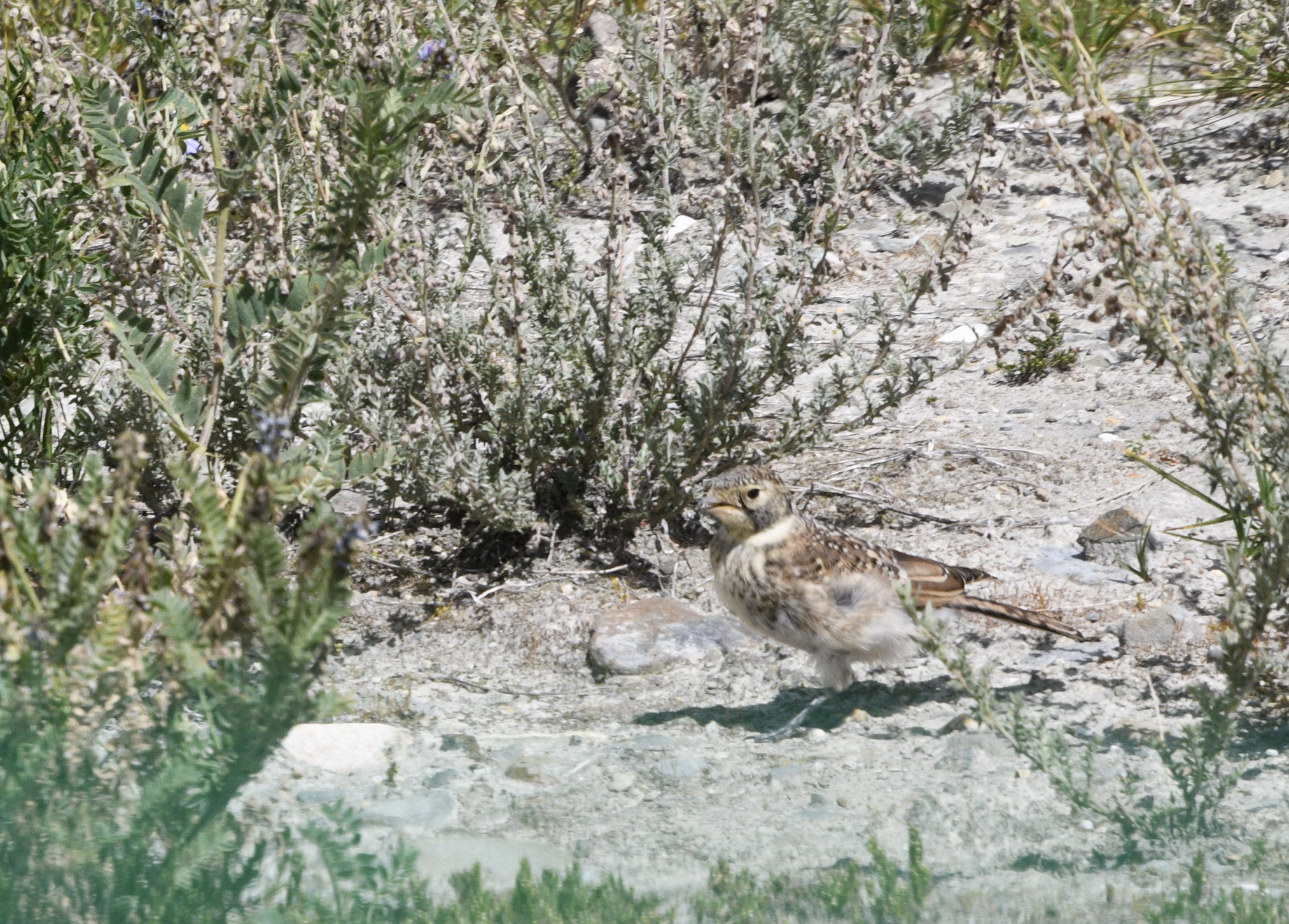
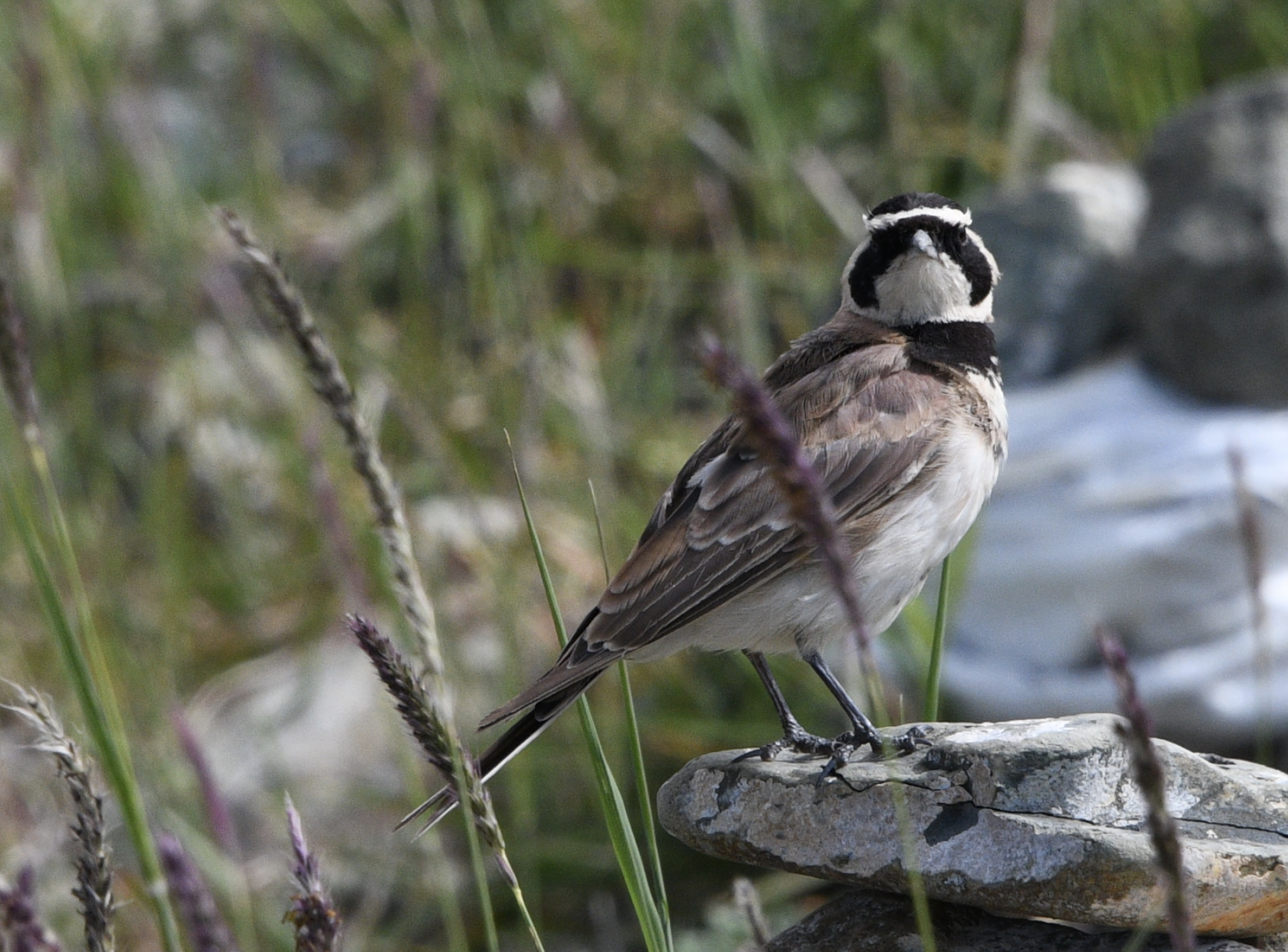
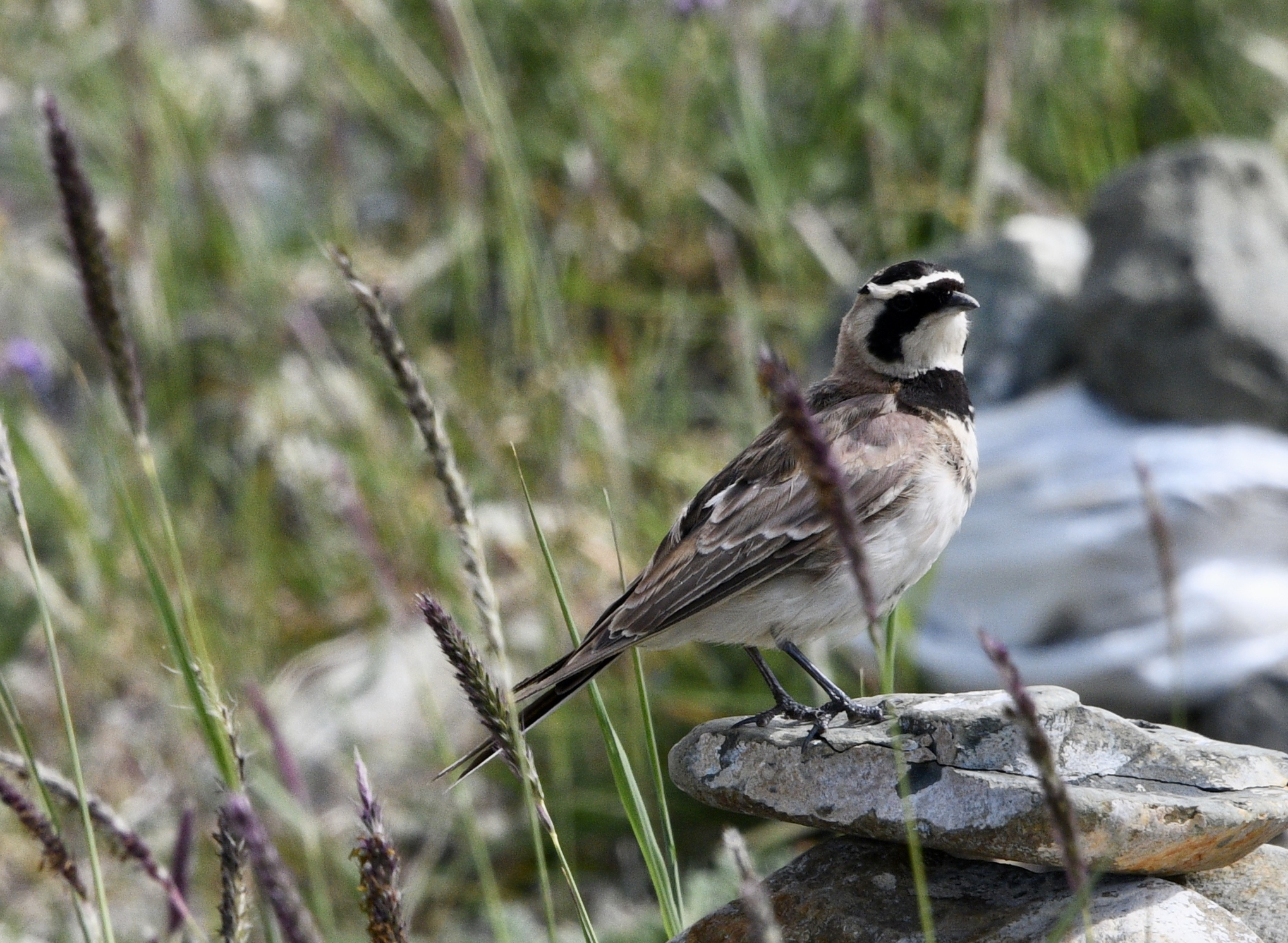
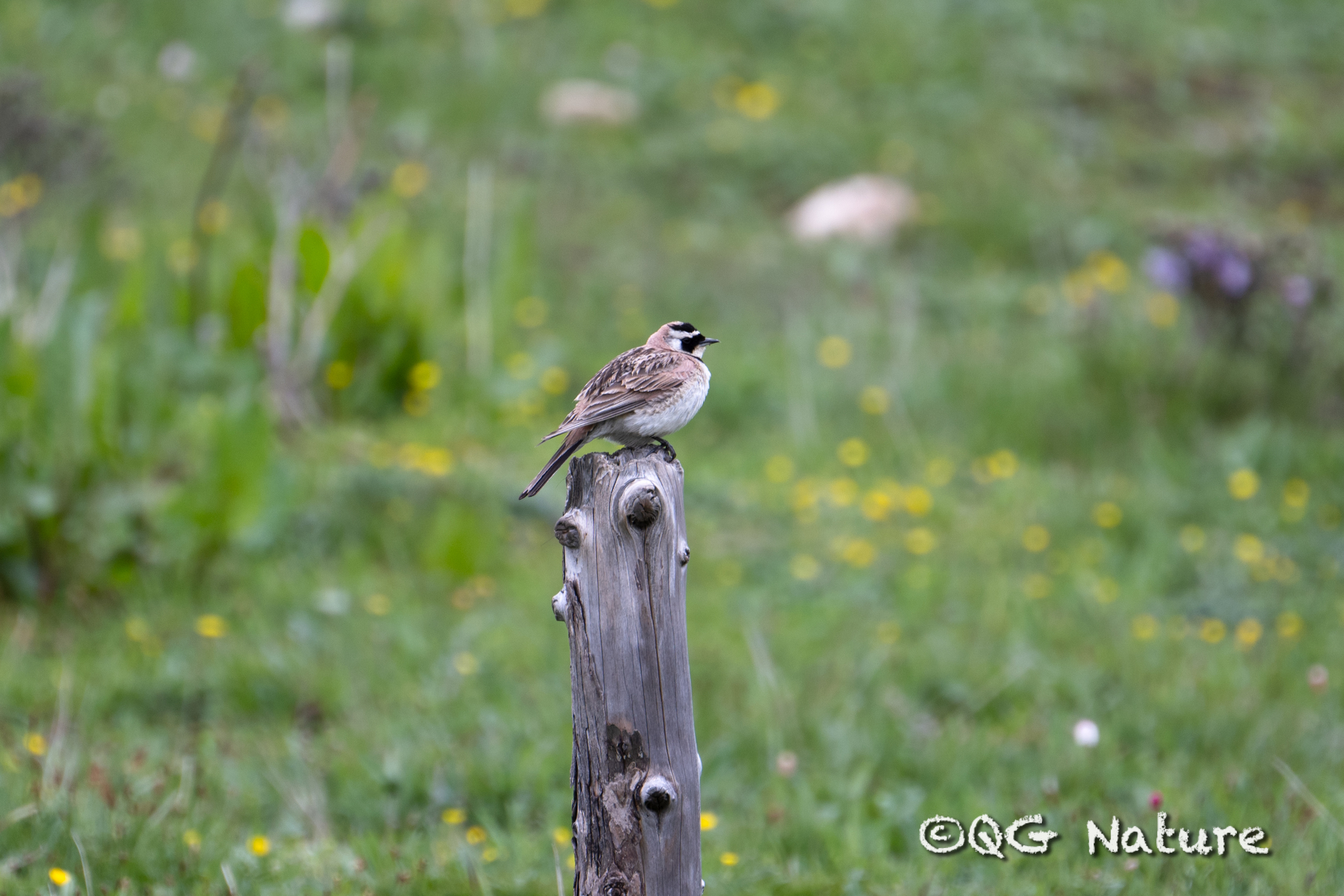
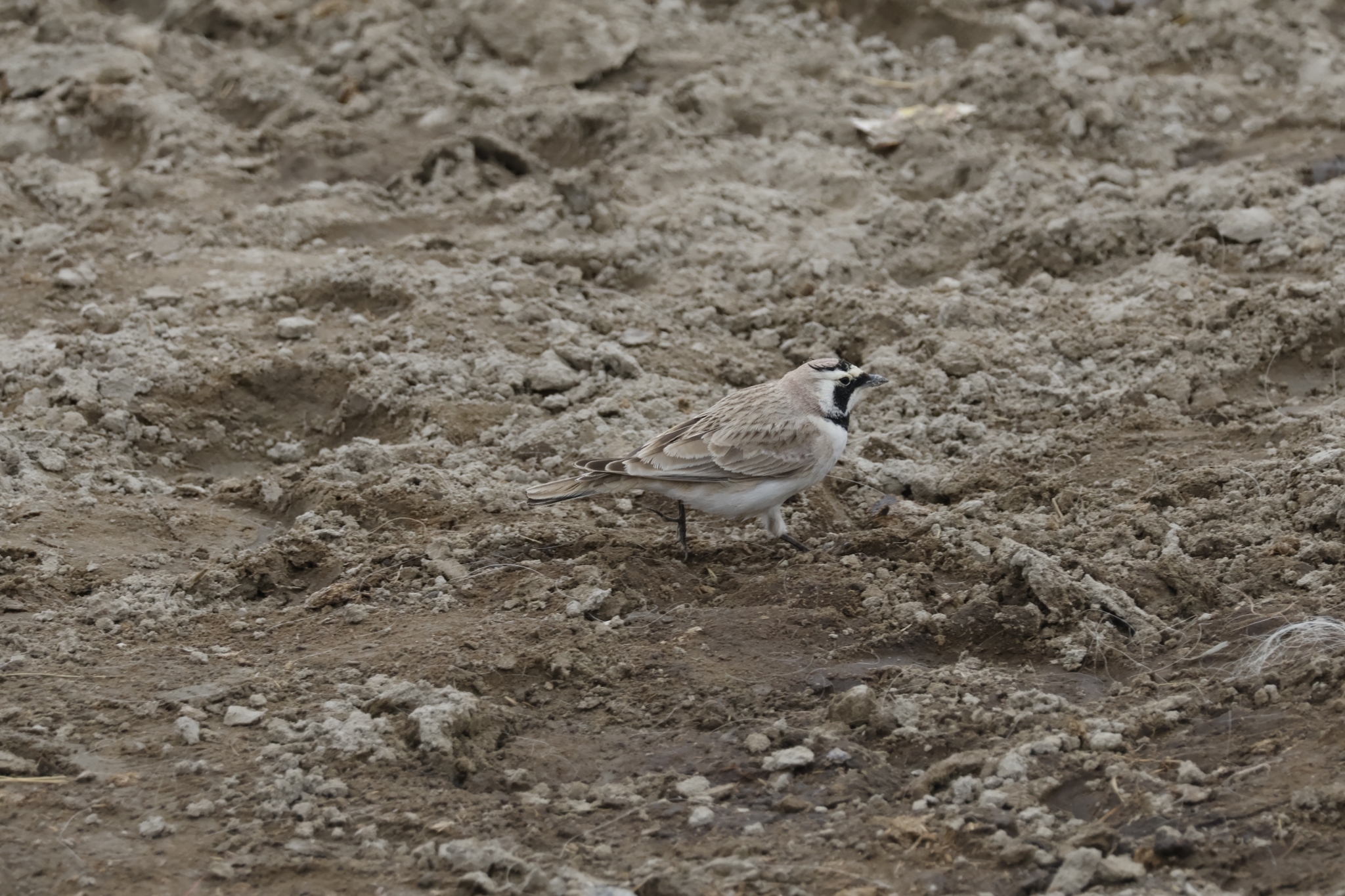
Length: 6.3-7.9 in (16-20 cm). Weight: 1.0-1.7 oz (28-48 g). Wingspan: 11.8-13.4 in (30-34 cm). Mainly brown-grey above and pale below, with a striking black and yellow face pattern. The tail is mostly black except for central feathers, contrasting with the paler body. Summer males have black 'horns'. Subspecies vary; for example, the southern European mountain race is greyer above with white replacing the yellow face pattern.
Identification
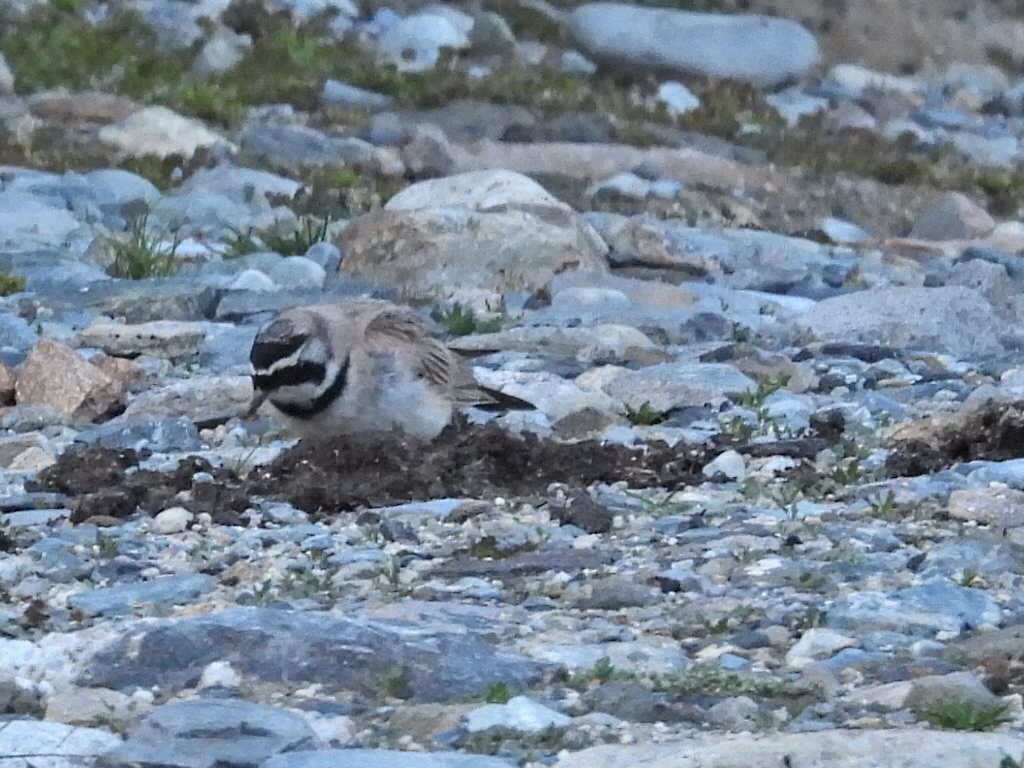
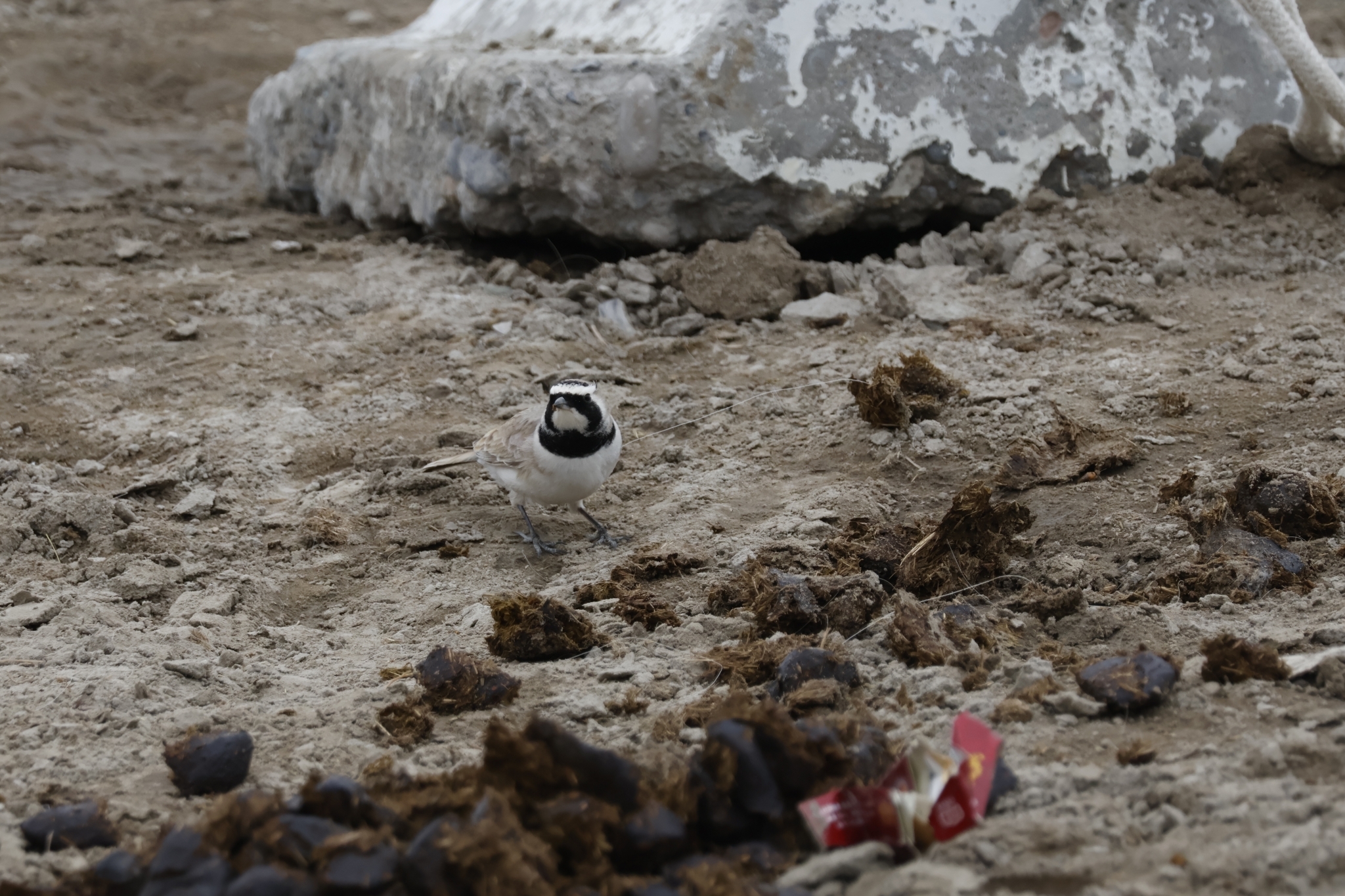
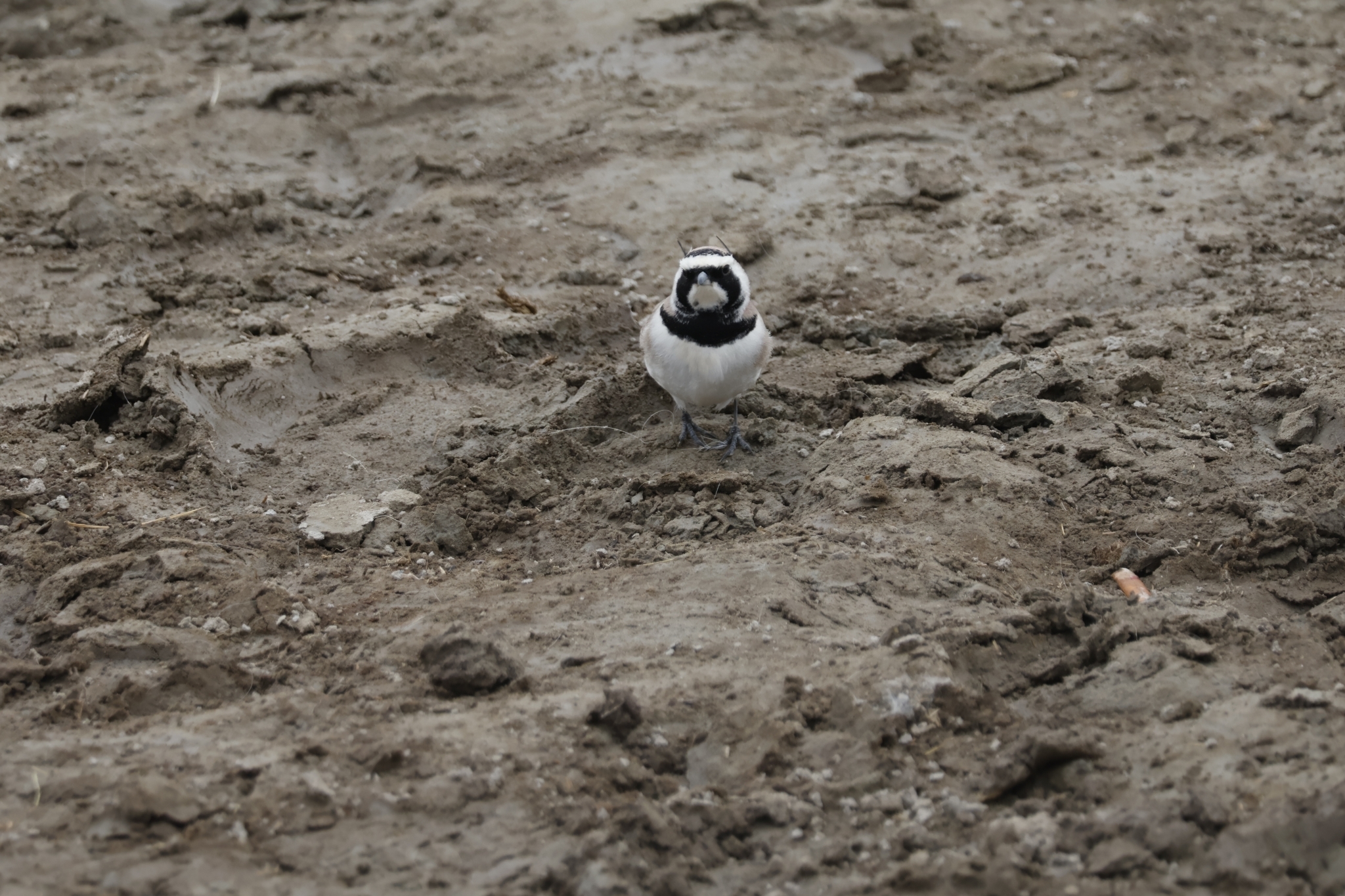
Distinctive-looking on the ground due to the black and yellow face pattern. In flight, the black tail contrasts noticeably with the paler body. Vocalizations are high-pitched, lisping or tinkling, and weak. The song, given in flight, consists of a few chips followed by a warbling, ascending trill.
Distribution & Habitat
Breeds across much of North America from the high Arctic south to the Isthmus of Tehuantepec, northernmost Europe and Asia, and mountains of southeast Europe. An isolated population exists on a plateau in Colombia. Forty-two subspecies are recognized. Mainly resident in the south of its range; northern populations are migratory, moving further south in winter. In Eurasia, breeds above the tree line in mountains and the far north. In most of Europe, seen on seashore flats in winter. In North America, found on farmland, prairies, deserts, golf courses, and airports.
Behavior & Ecology
Males defend territories during breeding season. Courting involves the male singing while flying in circles above the female, then folding wings and diving towards her, opening them just before reaching the ground. The female selects the nest site in early spring, digging a cavity or using a natural depression. She spends 2–4 days preparing the site, weaving fine grasses, cornstalks, roots, and lining it with down, fur, feathers, or lint. Nests are about 3-4 inches in diameter. Females often add a 'doorstep' of pebbles, corncobs, or dung. Clutch size is 2-5 gray eggs with brown spots. Incubation takes 10–12 days; nestling period lasts 8–10 days. Both parents feed and defend chicks. Southern females may lay 2-3 broods a year; northern females typically lay one.
Conservation
Populations are declining according to the North American Breeding Bird Survey. Identified as a 'Common Bird in Steep Decline' in the 2016 Partners in Flight Landbird Conservation Plan. Threats include habitat loss from agricultural pesticides, reforestation of disturbed sites, urbanization, human encroachment, and collisions at wind farms and airports. In 2013, the subspecies streaked horned lark was listed as threatened under the U.S. Endangered Species Act.
Source: Wikipedia · CC BY-SA 3.0
Taxonomy
- Order
- Passeriformes
- Family
- Alaudidae
- Genus
- Eremophila
Subspecies (42)
-
Eremophila alpestris actia
coastal range of California to northern Baja California
Data Sources
Species description from Wikipedia, licensed under CC BY-SA 3.0.
Bird images and sounds sourced from GBIF, contributed by citizen scientists worldwide under Creative Commons licenses.
Taxonomy data from AviList 2025.