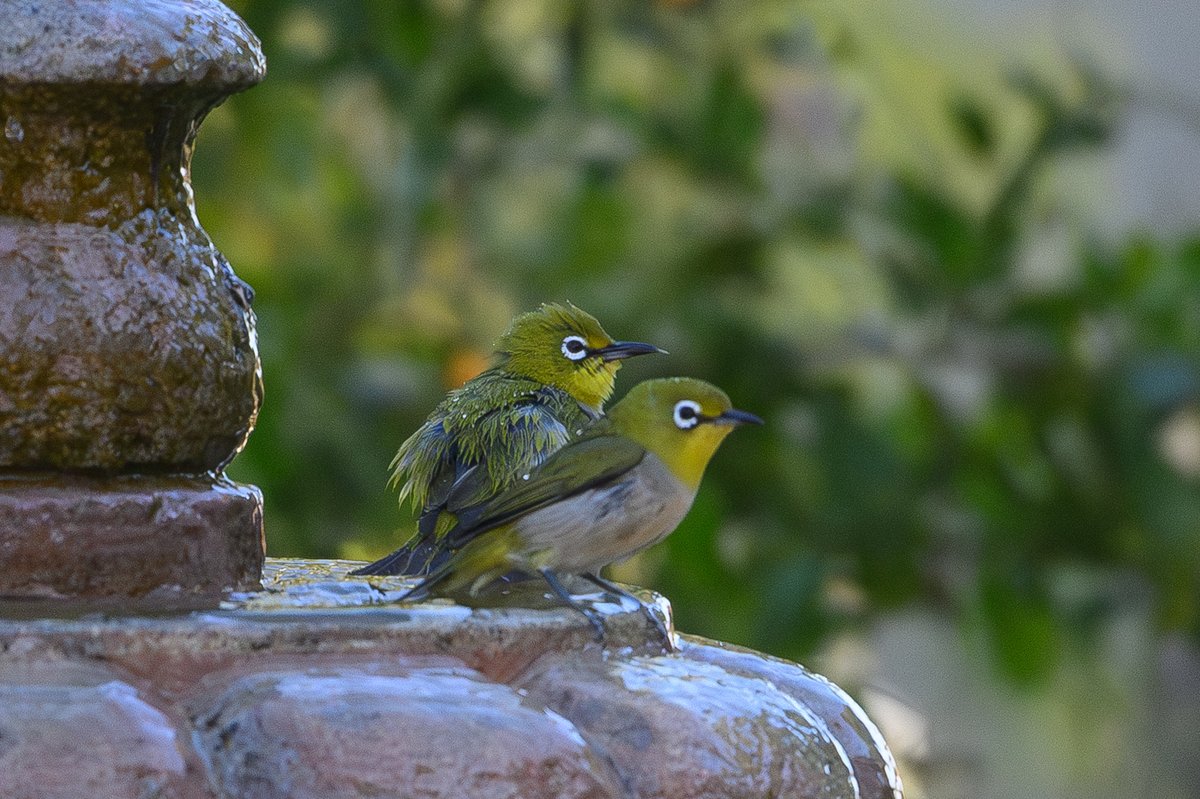

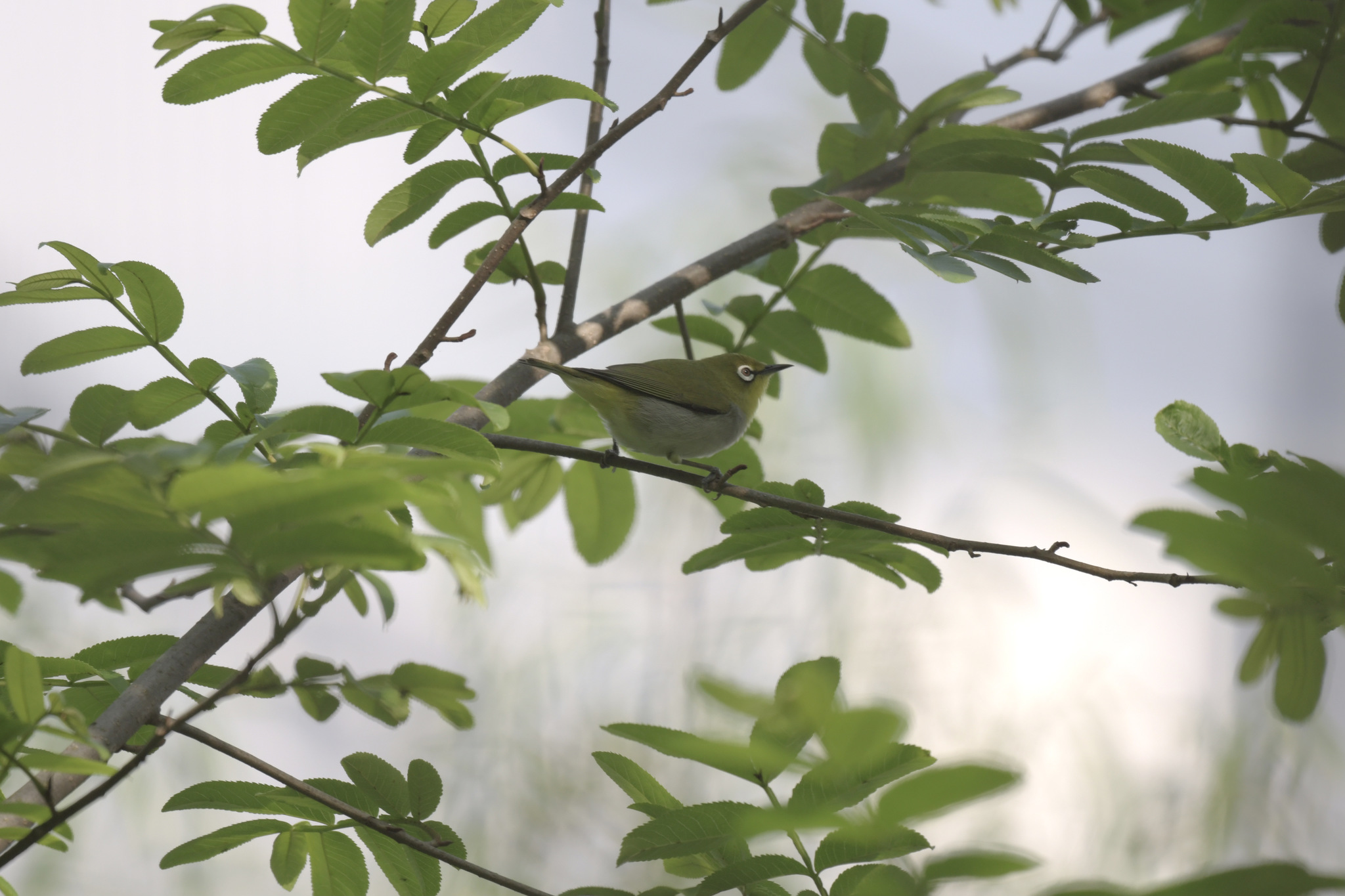
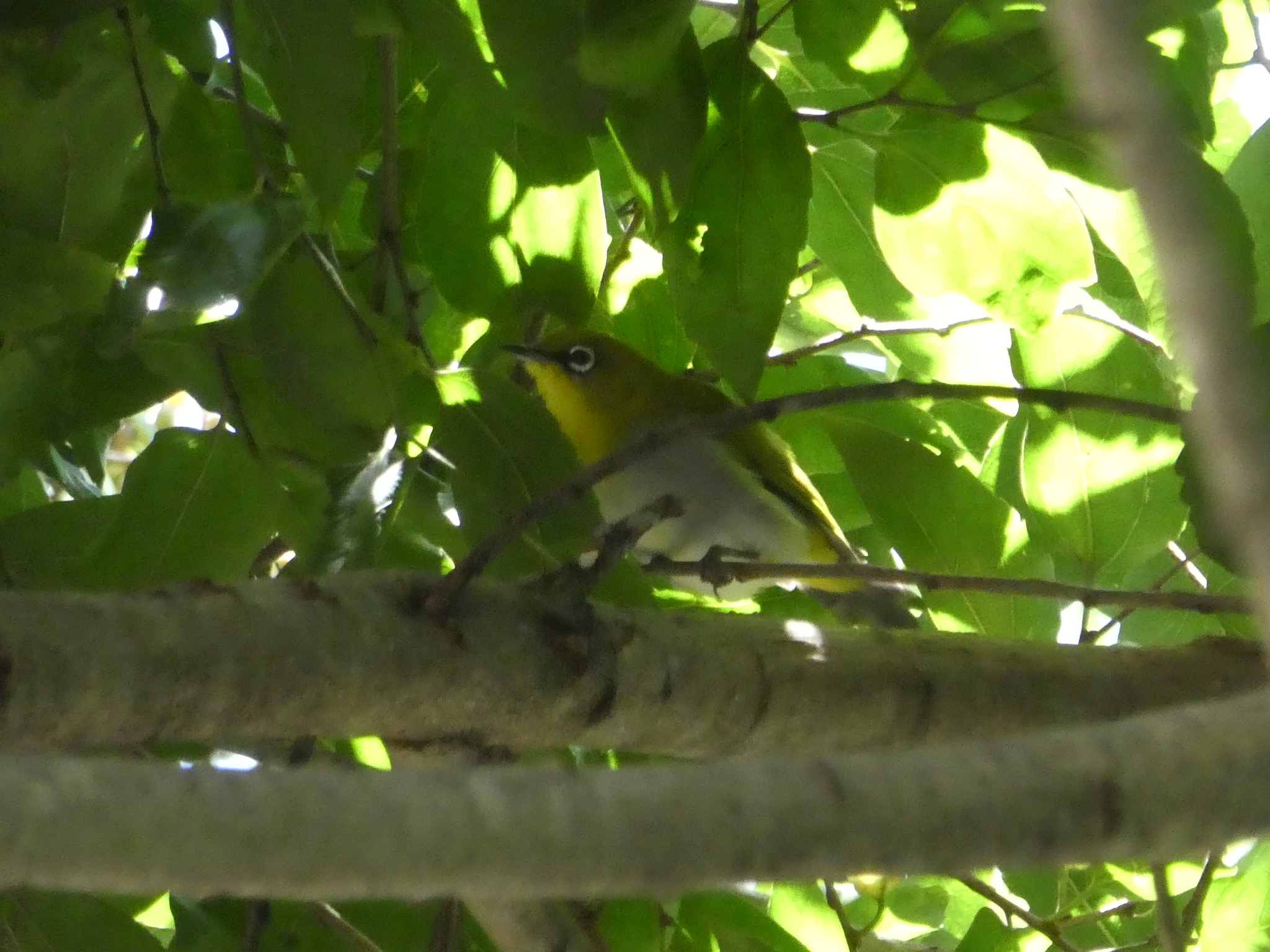
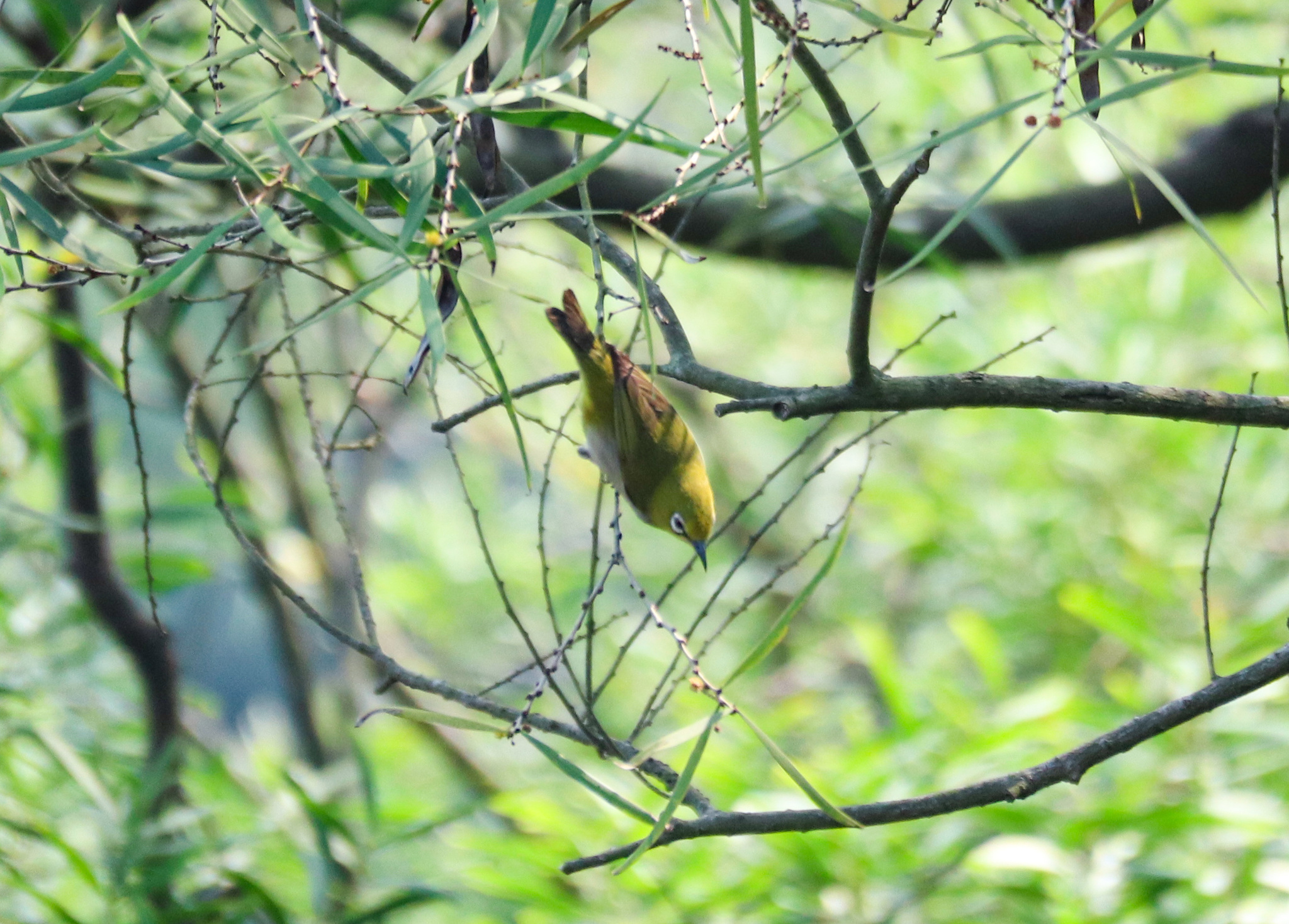
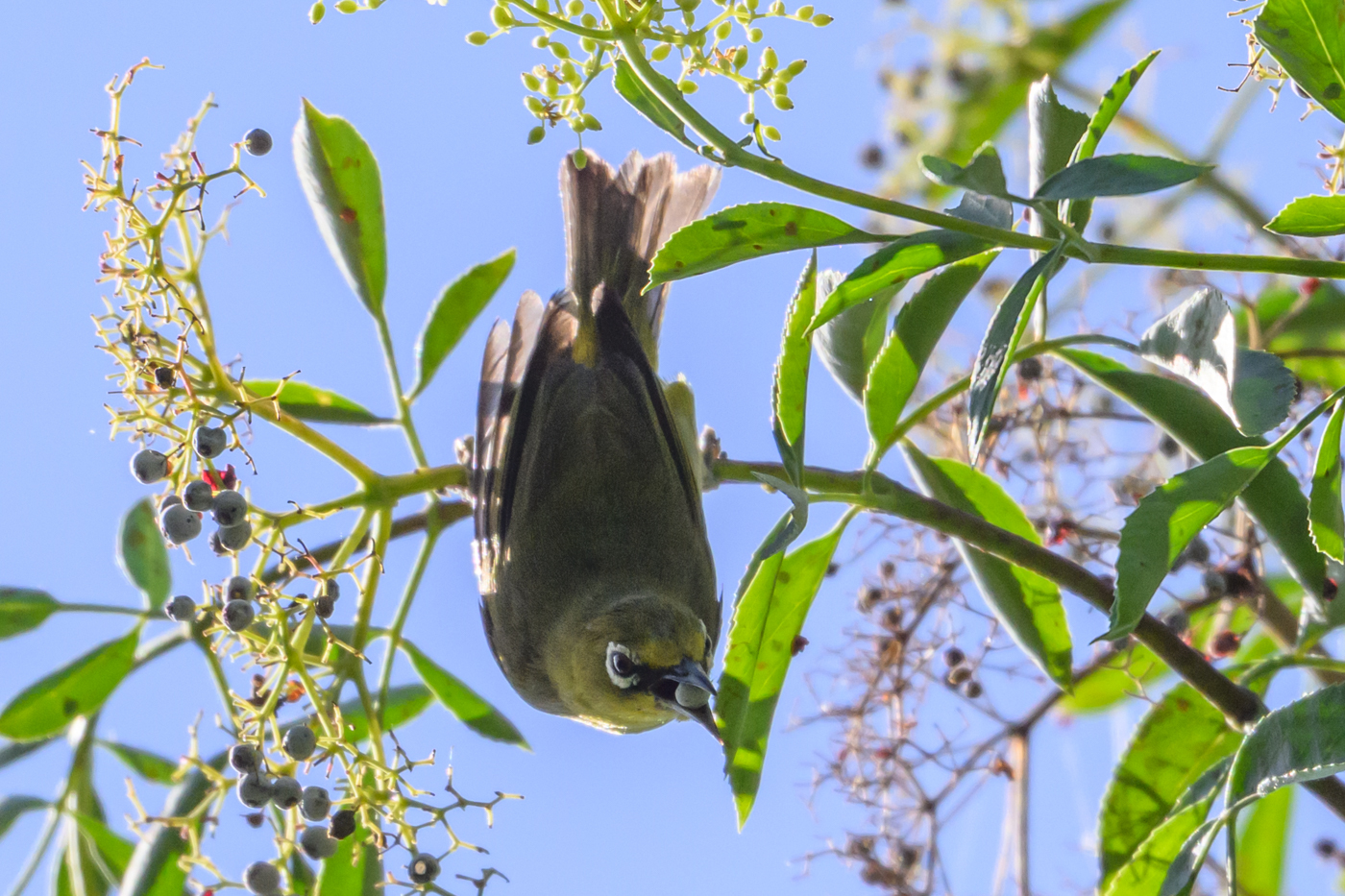
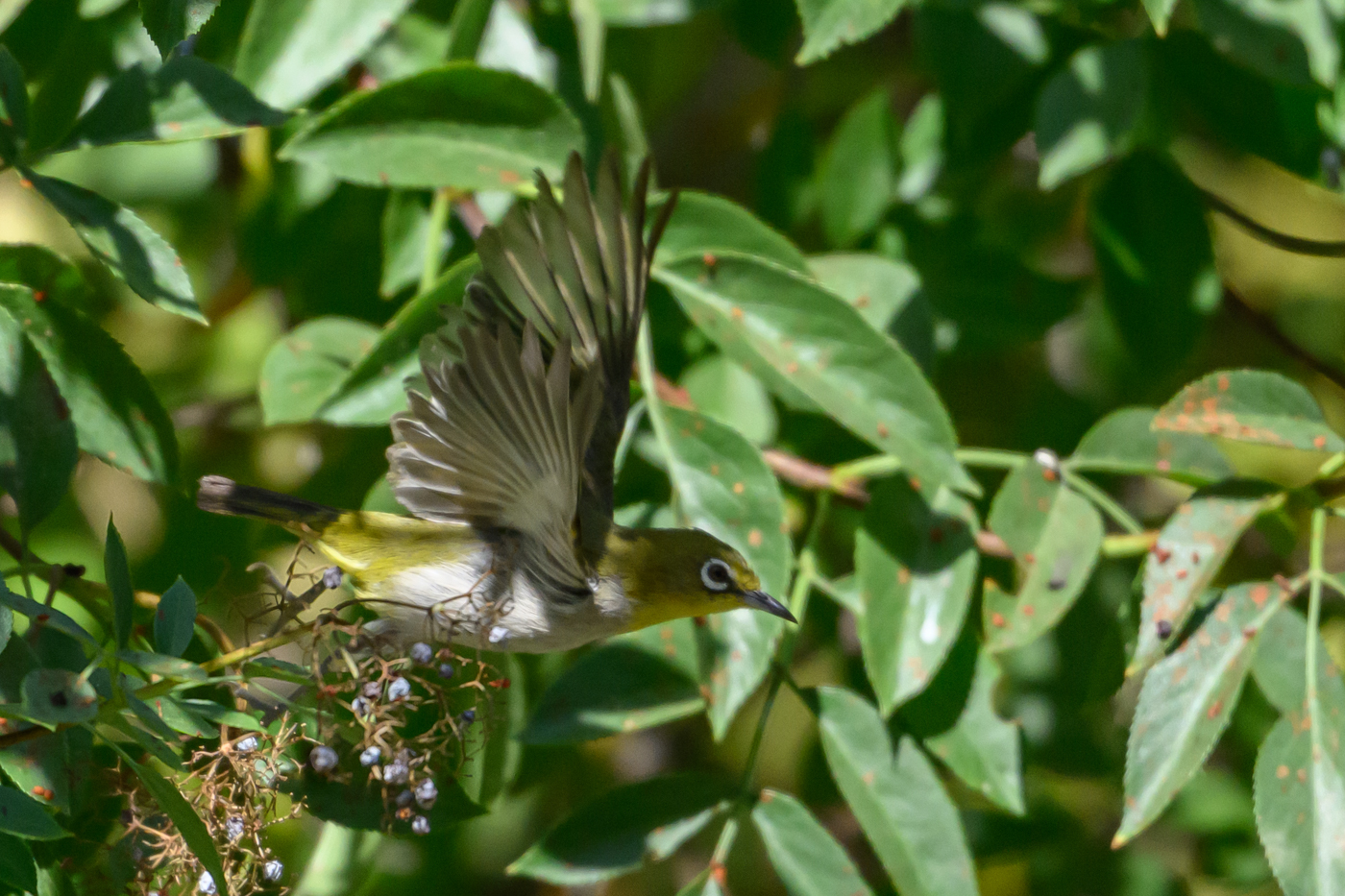
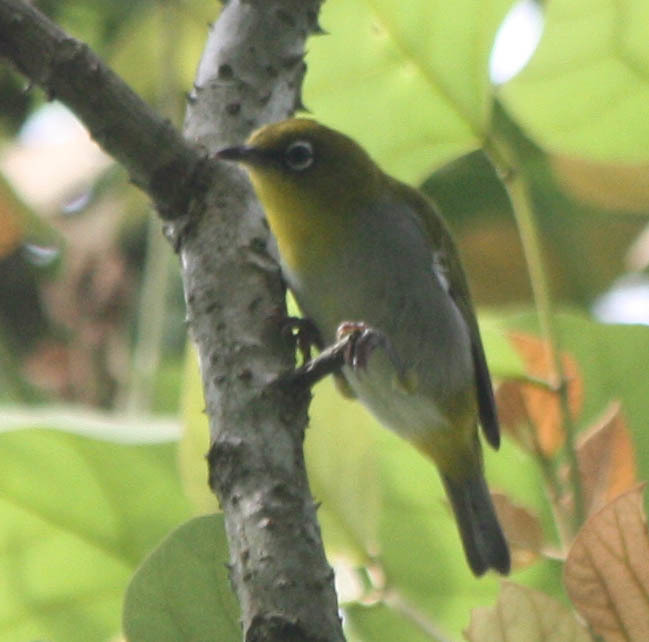
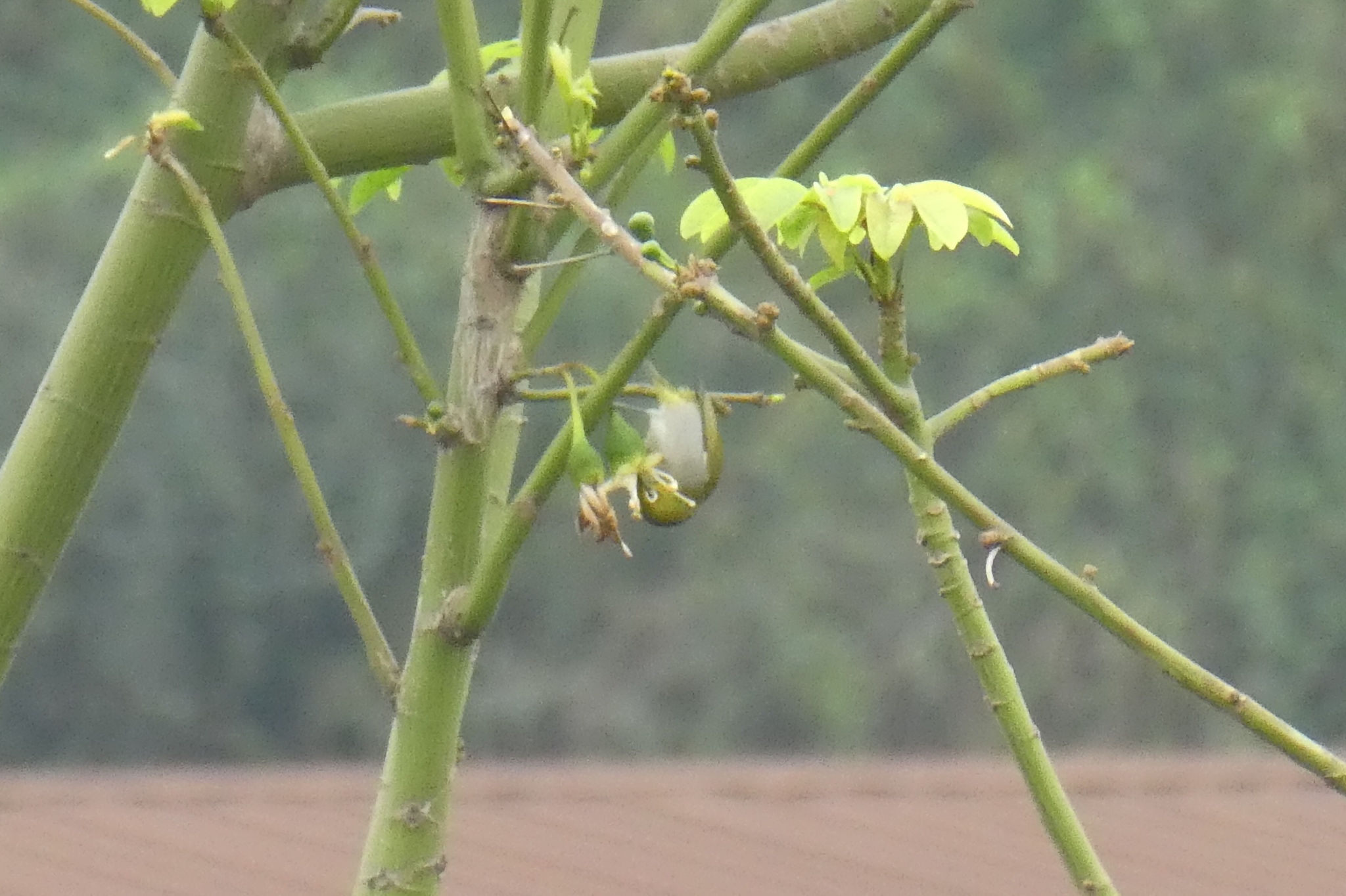
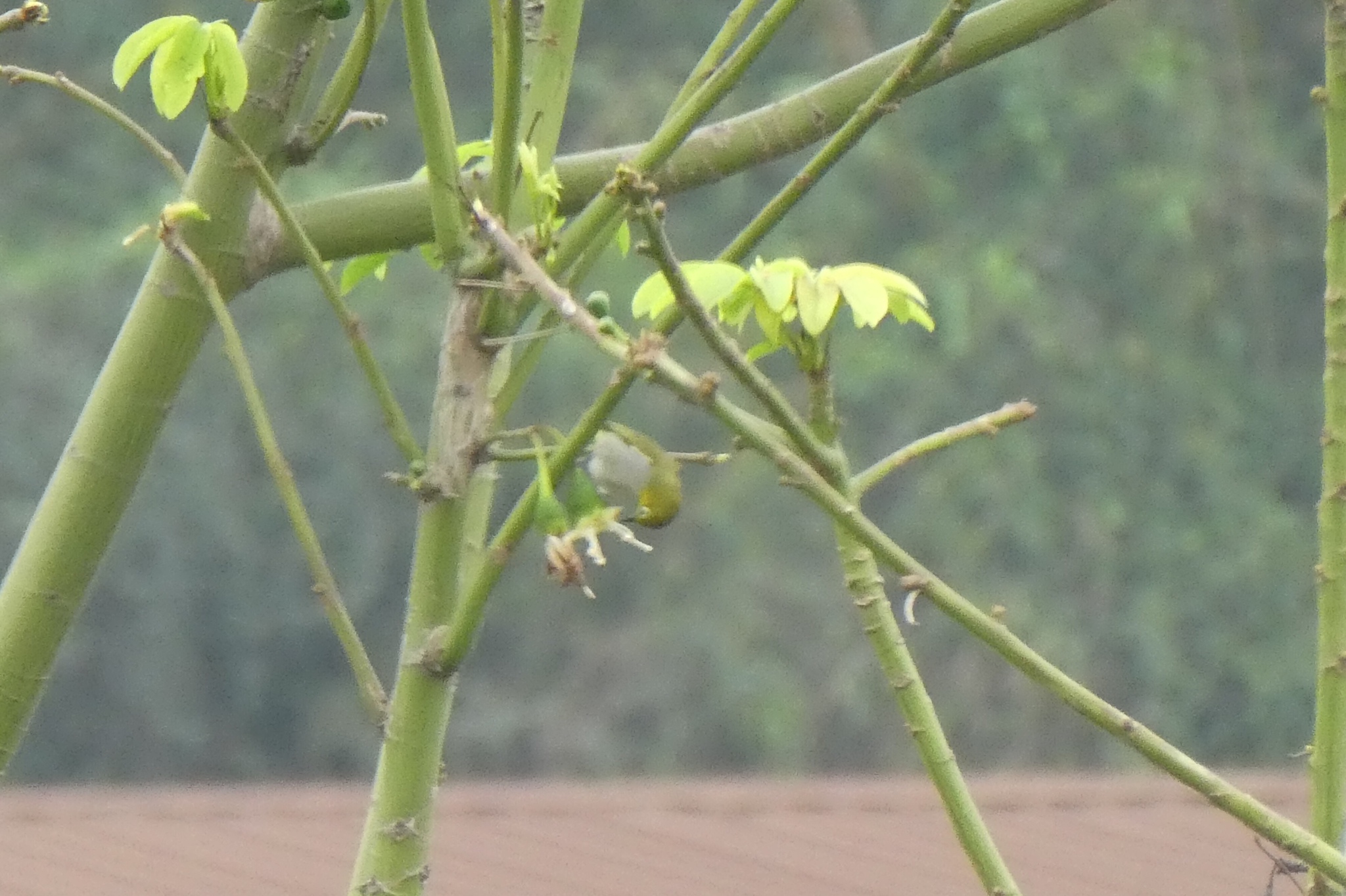
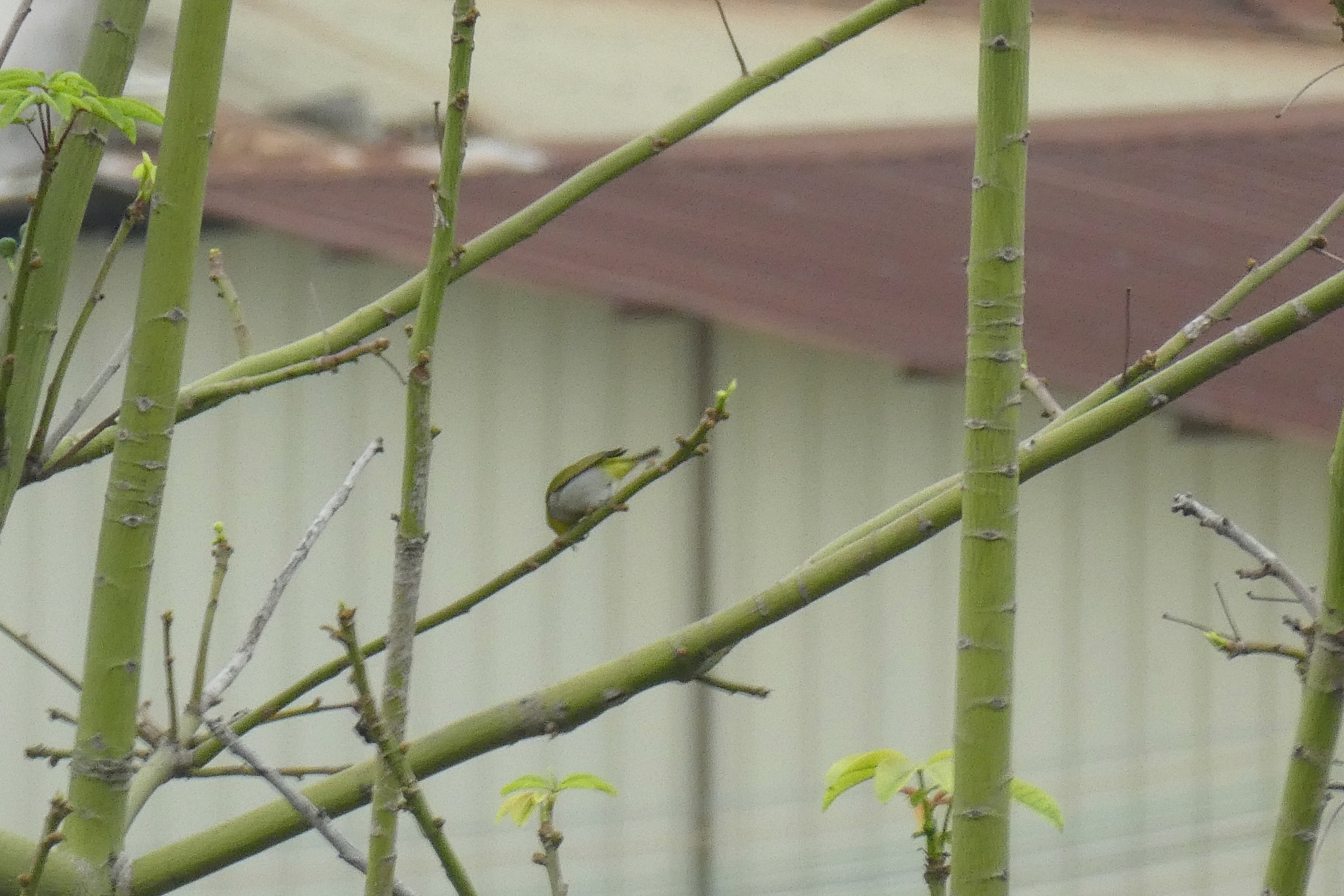
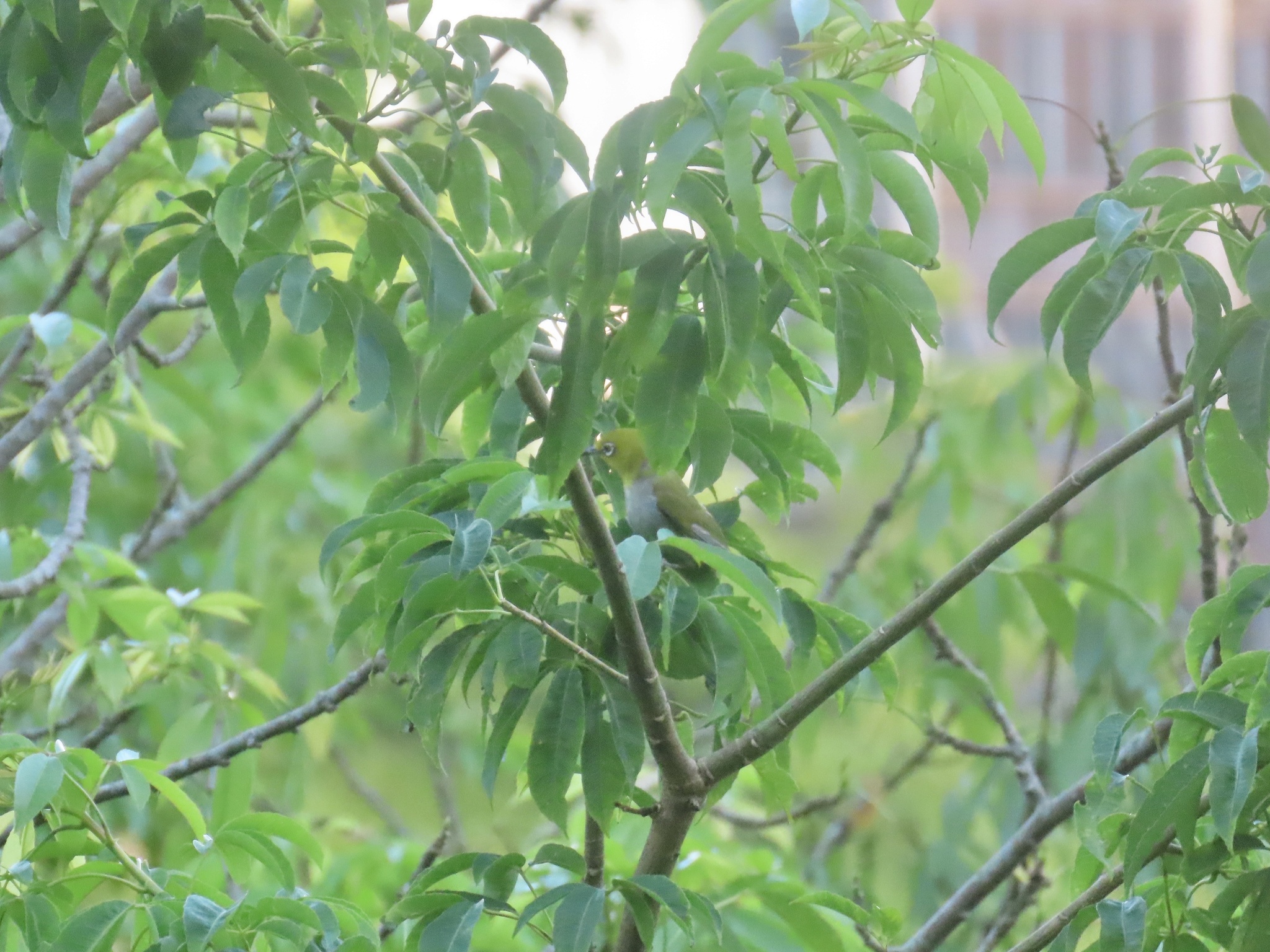
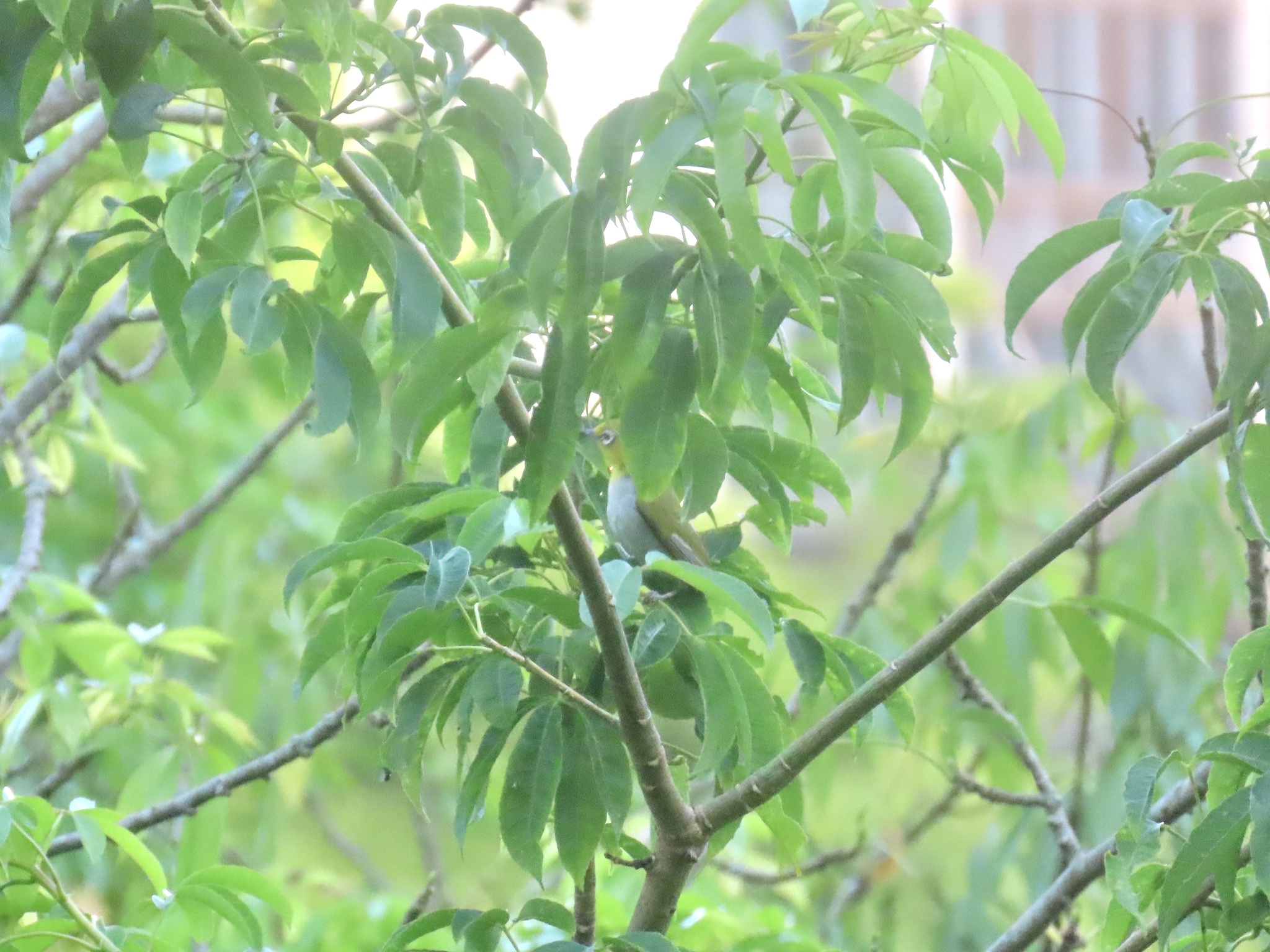
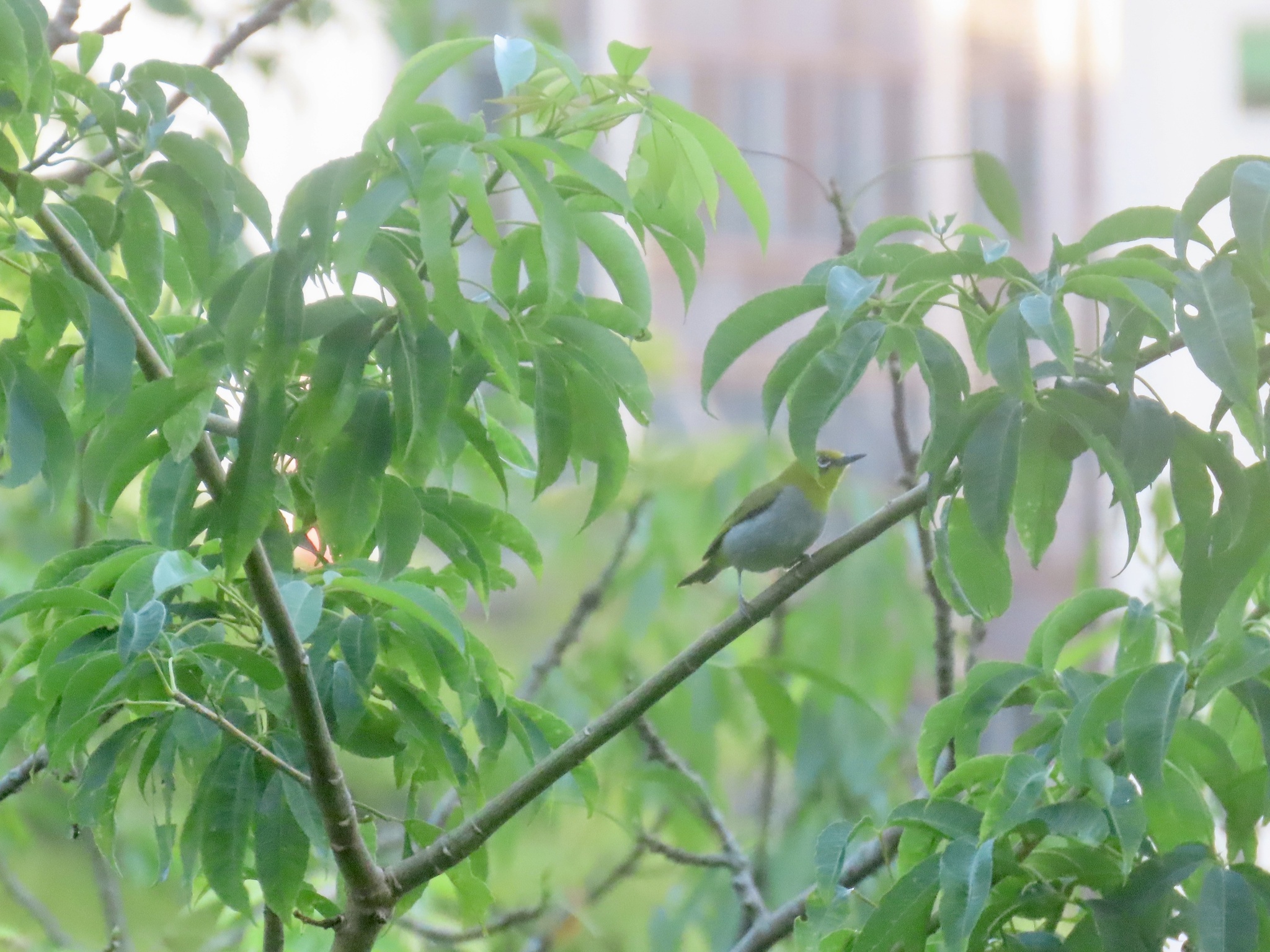
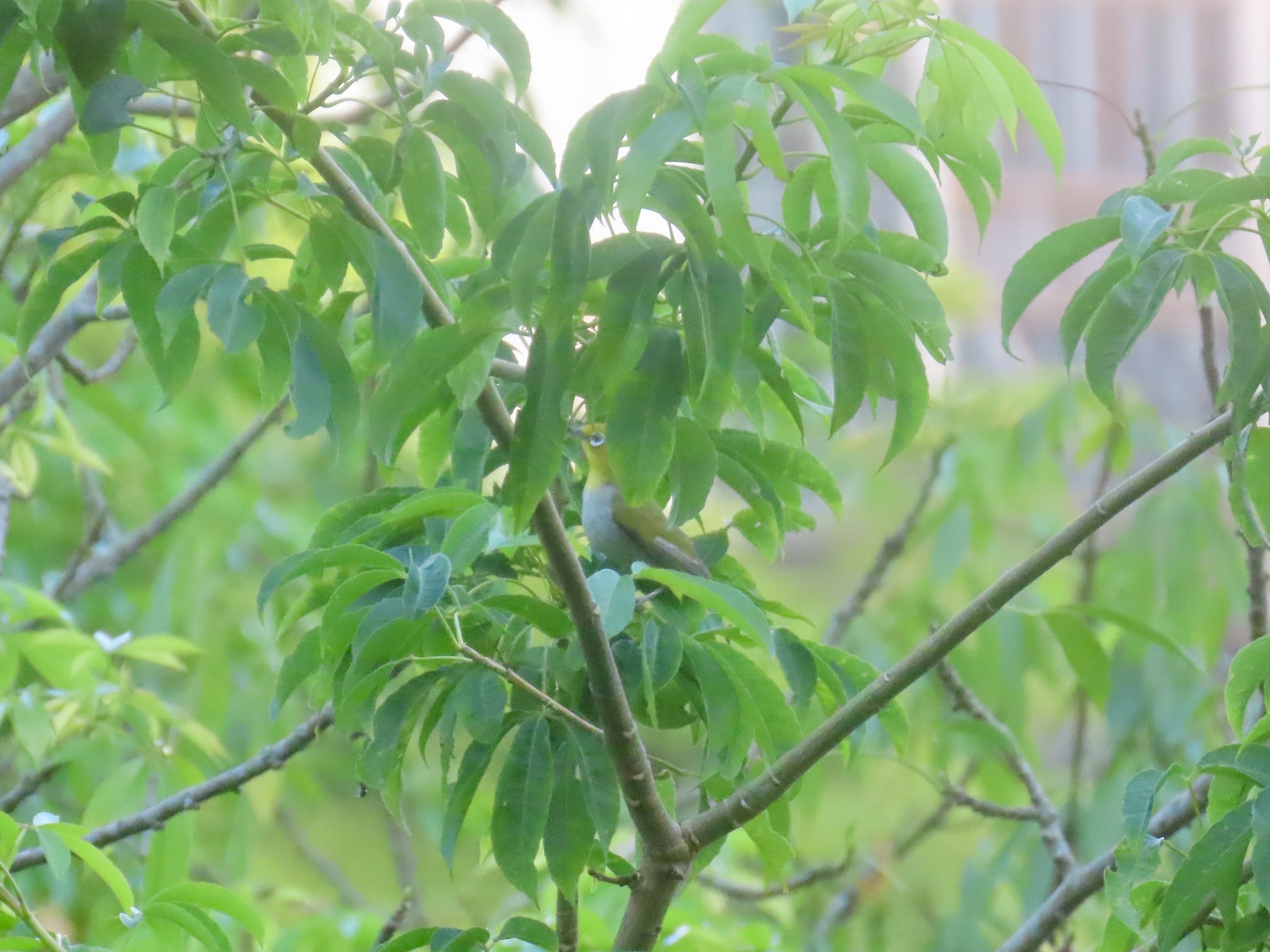
Swinhoe's White-eye
Zosterops simplex
暗绿绣眼鸟
Introduction
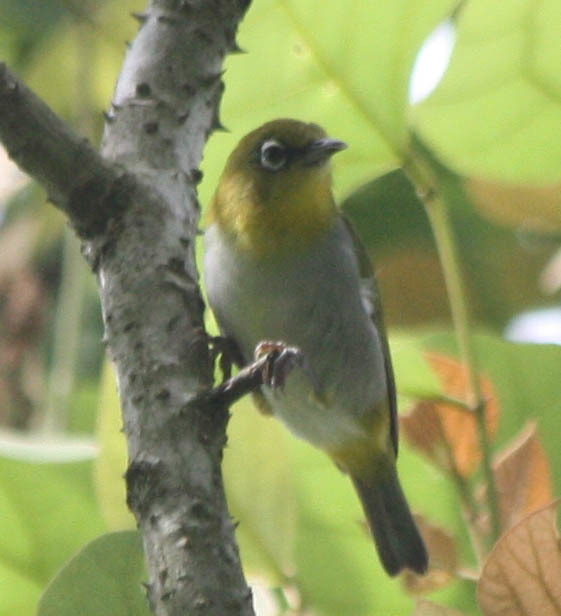
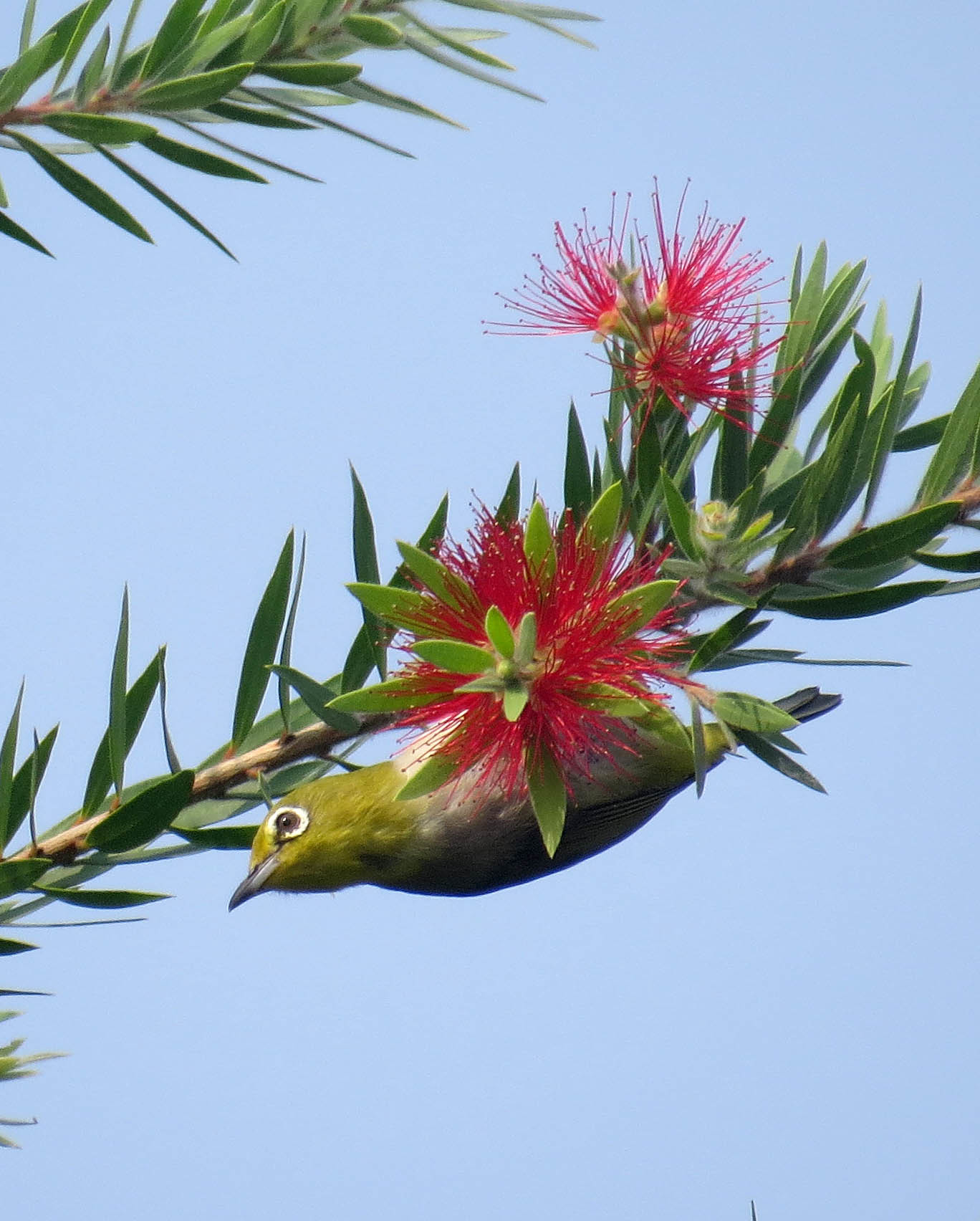
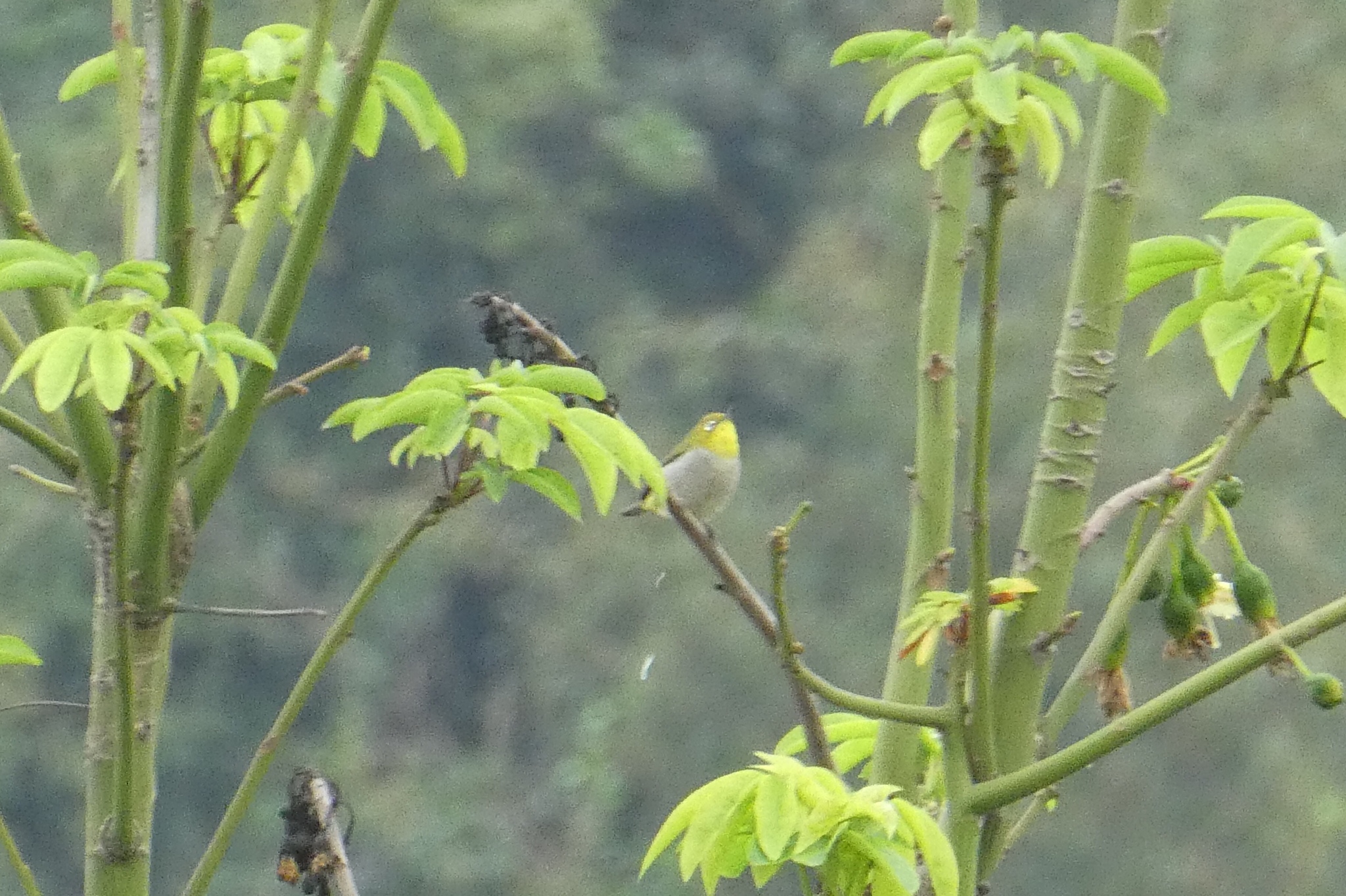
This small passerine belongs to the white-eye family (Zosteropidae), characterized by the white eye-ring that gives the group its common name. Once considered conspecific with the Japanese white-eye (Zosterops japonicus), this species was elevated to full species status in 2018 based on molecular phylogenetic evidence. Its range includes East and Southeast Asia. The species occupies wooded areas, gardens, and forest edges. It forages in mixed flocks. Introduced populations have established in multiple regions outside its native range.
Identification
While the article does not provide detailed field identification tips, birdwatchers should note this species was previously considered conspecific with Japanese white-eye. The 2018 molecular study that elevated it to species status suggests there are reliable distinguishing characteristics, though specific plumage differences and vocalizations are not detailed in this source. When identifying birds across the species' range, particularly where ranges may overlap or in areas where introductions have occurred, careful attention to genetic evidence and detailed comparative field studies is recommended.
Distribution & Habitat
This species occupies a broad range across East and Southeast Asia. The nominate subspecies ranges through eastern China, Taiwan, and extreme northeast Vietnam. Z. s. hainanus is endemic to Hainan Island off southeast China. The race Z. s. erwini inhabits the coastal Thai-Malay Peninsula, lowland Sumatra, the Riau Islands, Bangka Island, the Natuna Islands, and lowland west Borneo. Z. s. williamsoni occurs along the Gulf of Thailand coast and west Cambodia. Z. s. salvadorii is restricted to Enggano Island off west Sumatra. Additionally, introduced populations have established themselves in Southern California, representing a relatively recent addition to the North American avifauna.
Source: Wikipedia · CC BY-SA 3.0
Taxonomy
- Order
- Passeriformes
- Family
- Zosteropidae
- Genus
- Zosterops
- eBird Code
- swiwhe1
Vocalizations
Subspecies (5)
-
Zosterops simplex erwini
coastal forest of western and southeastern Thai-Malay Peninsula, Sumatra, the Riau, Bangka, and Natuna islands; population of coastal western Borneo provisionally assigned here, but possibly a distinct taxon
-
Zosterops simplex hainanus
Hainan (southern China)
-
Zosterops simplex salvadorii
Enggano and Mega islands (off western Sumatra)
-
Zosterops simplex simplex
breeds in eastern China (from far southern Gansu eastward to Jiangsu, southward to eastern Yunnan, Guangxi, Guangdong, and Fujian), Taiwan, and northeastern Vietnam; northern populations migratory, wintering from southeastern China to Thailand and central Indochina
-
Zosterops simplex williamsoni
southern Thailand and east coast of northern and central Thai-Malay Peninsula
Data Sources
Species description from Wikipedia, licensed under CC BY-SA 3.0.
Bird images and sounds sourced from GBIF, contributed by citizen scientists worldwide under Creative Commons licenses.
Taxonomy data from AviList 2025.