
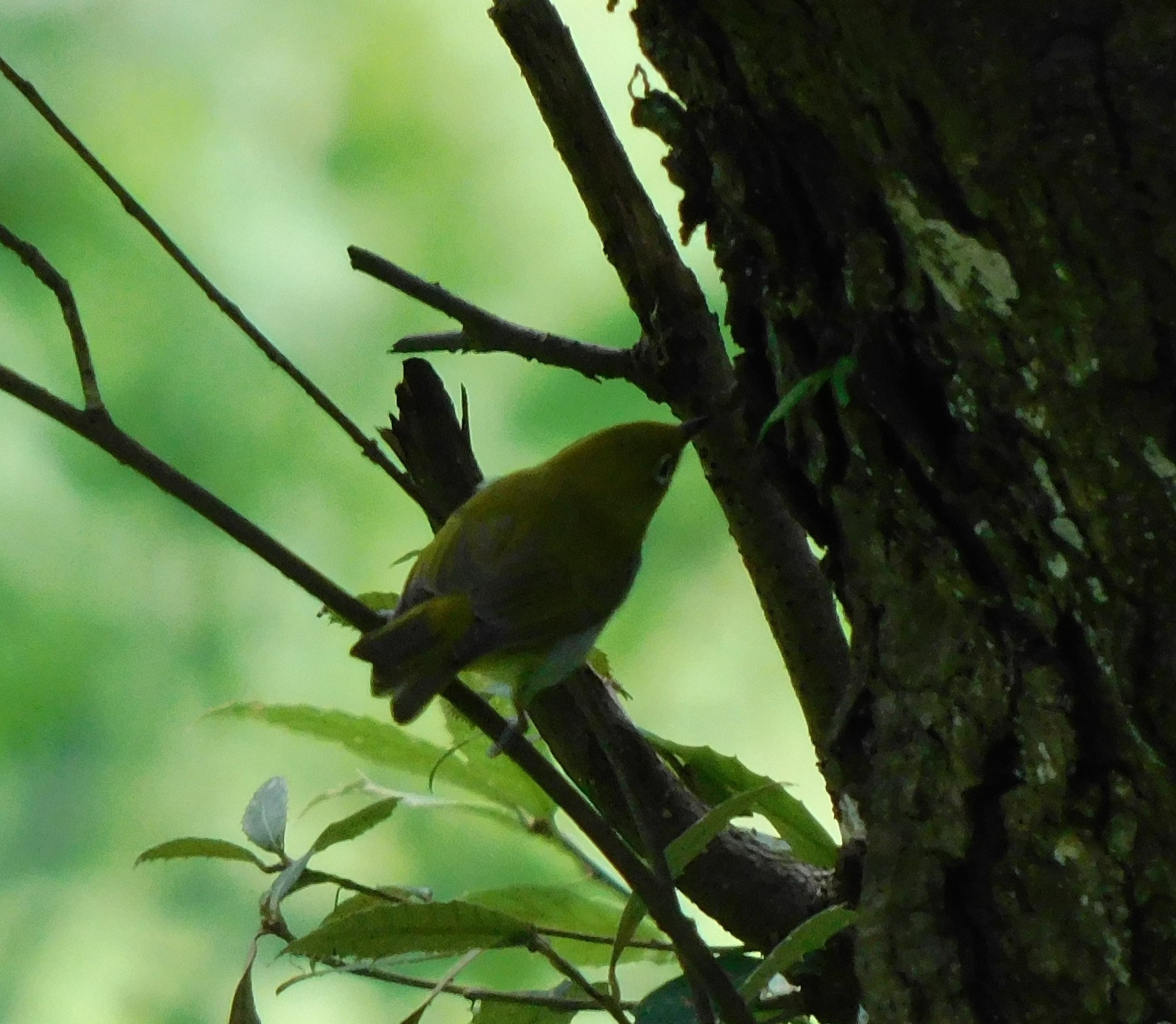
Indian White-eye
Zosterops palpebrosus
灰腹绣眼鸟
Introduction
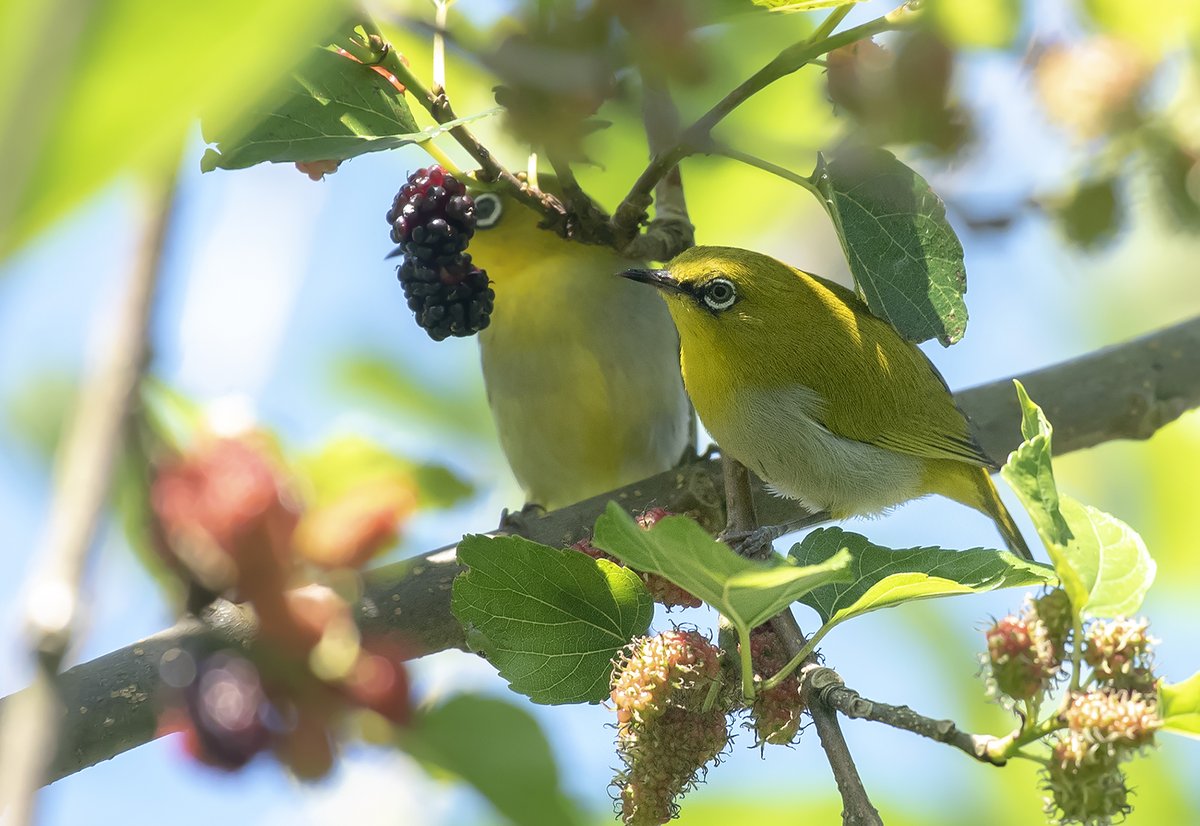
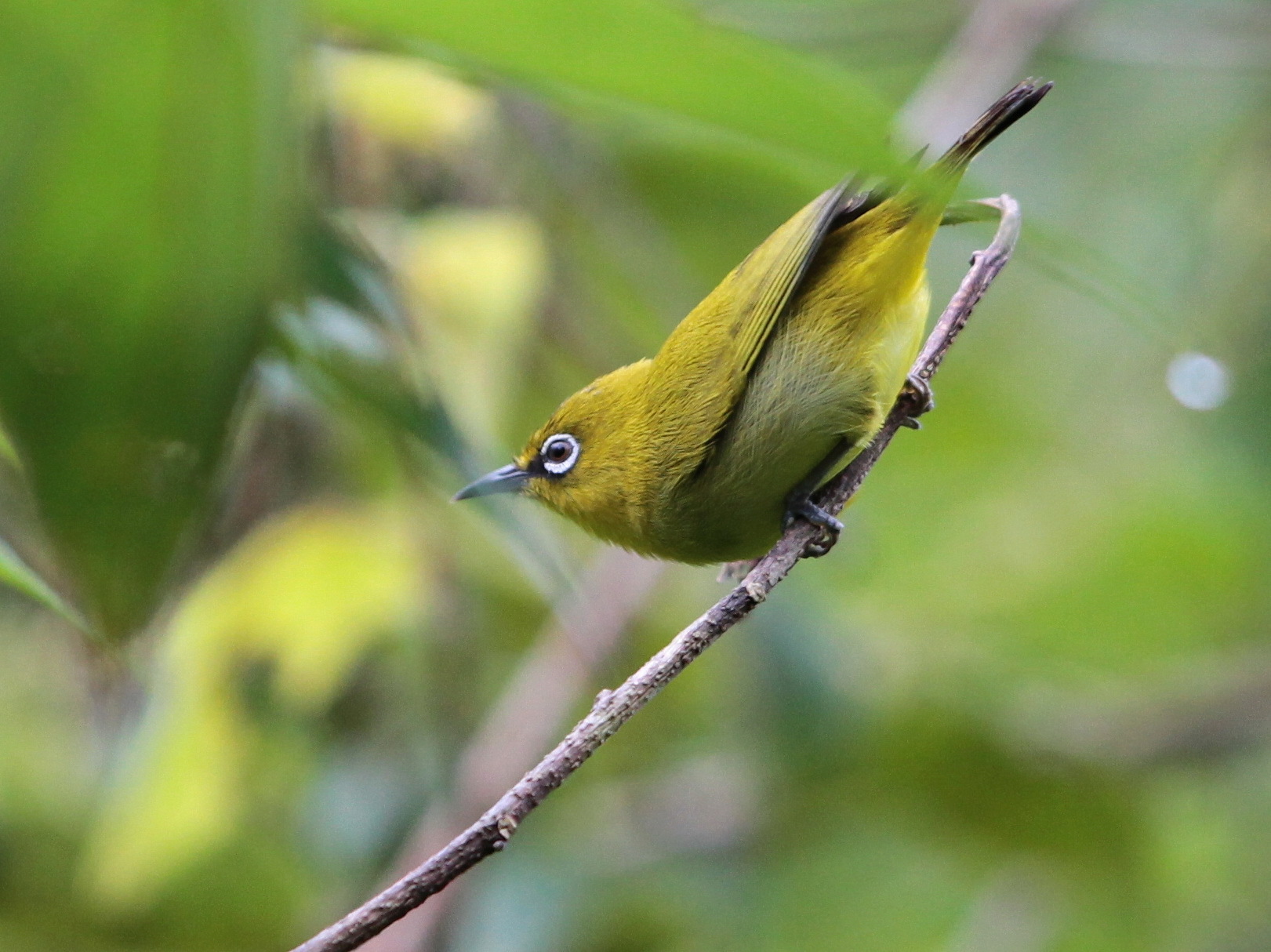
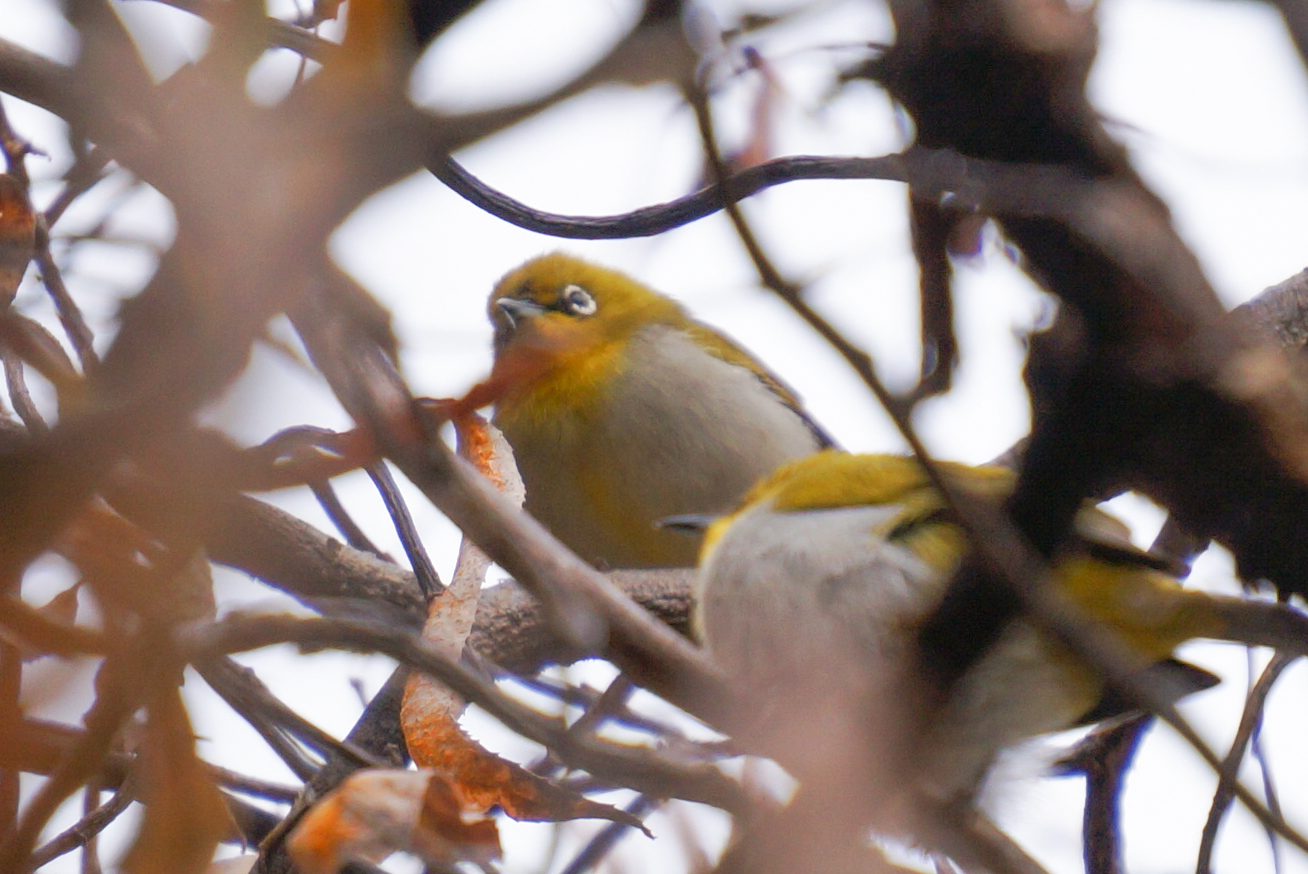
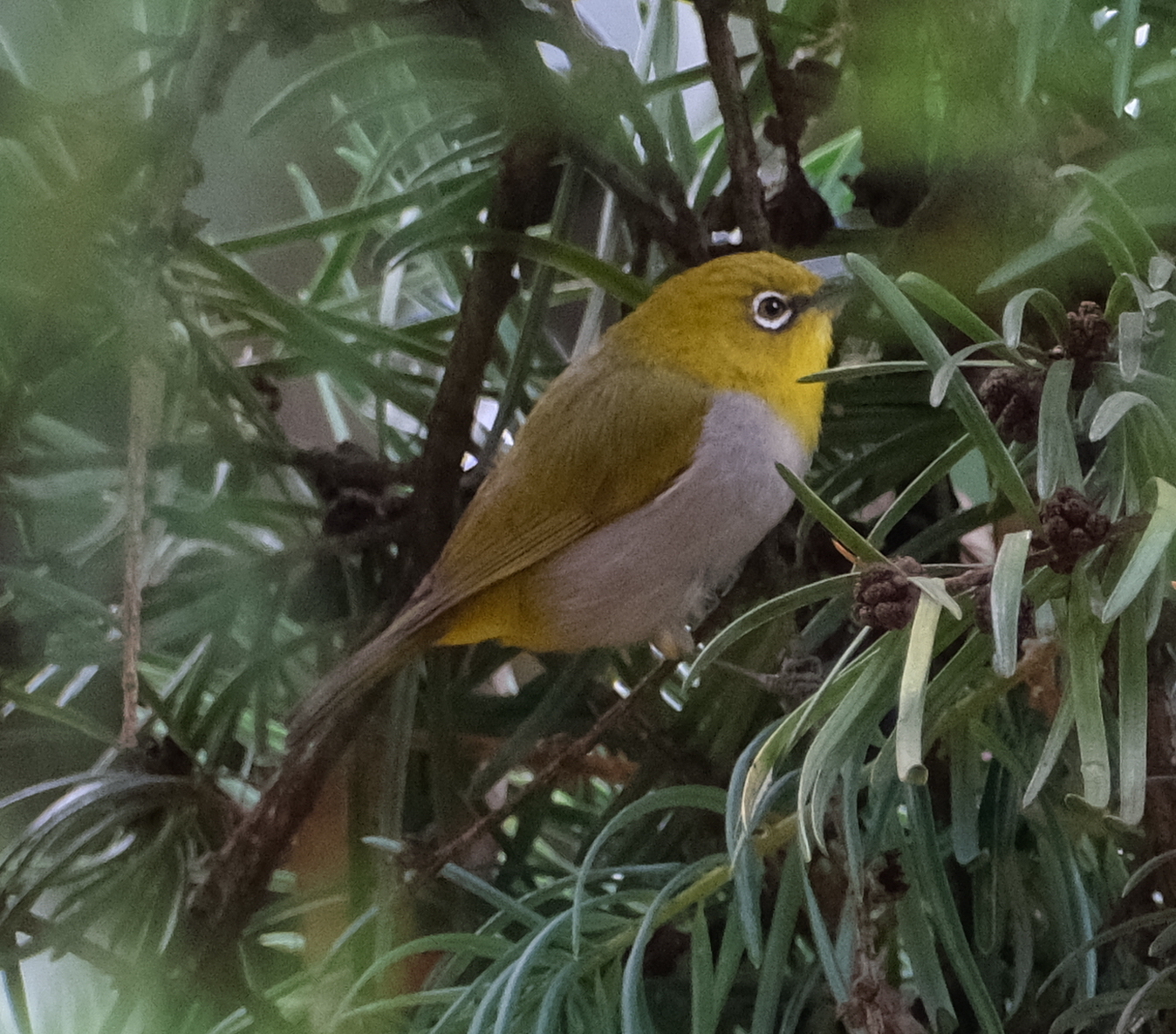
A small passerine bird in the white-eye family. It is a resident breeder in open woodland on the Indian subcontinent, with range extending from Oman and Arabia through Afghanistan, northern India, and into China and northern Myanmar. Found in a wide range of habitats from scrub to moist forest, occasionally in mangrove areas such as Karachi region, Pakistan. The species is somewhat rare only in drier desert regions of western India. Distinctive features include the conspicuous white eye-ring and yellowish olive upperparts. Forages in small groups, feeding on nectar and small insects. Sociable birds forming flocks that only separate during breeding season.
Description
A small bird measuring approximately 8–9 cm in length. The upperparts are yellowish olive, with a conspicuous white eye ring, yellow throat, and yellow vent. The belly is whitish-grey, though it may appear yellow in some subspecies. The sexes are similar in appearance. The plumage includes about eleven recognized subspecies, with the nominate form (type locality Bengal, India) being widespread from Arabia to northern India and extending into China and Myanmar. Some subspecies, such as occidentis of the Western Himalayas, have darker green upperparts and flanks tinged brown.
Identification
The distinctive white eye-ring combined with yellowish olive upperparts and yellow throat makes this species relatively easy to identify in the field. It can be distinguished from the Sri Lanka white-eye (Zosterops ceylonensis) found in the central hills of Sri Lanka by the smaller size and brighter back and throat of the race egregia. The species was previously called the Oriental white-eye but was renamed following taxonomic revisions that separated Southeast Asian populations into distinct species including Hume's white-eye, warbling white-eye, and Swinhoe's white-eye.
Distribution & Habitat
The species occurs throughout the Indian subcontinent, ranging from Oman and Arabia eastwards through Afghanistan, northern India, and extending into China and northern Myanmar. Habitat preferences include scrub, moist forest, and occasionally mangrove areas such as those in Karachi, Pakistan. It is absent from drier desert regions of western India. Island populations may lead more insectivorous lives. A feral population was detected in San Diego, California, during the 1980s and was subsequently eradicated.
Behavior & Ecology
The species is highly sociable, forming flocks that only separate during the breeding season. They are arboreal, rarely descending to the ground. The breeding season extends from February to September, with April being the peak. The compact cup nest is placed like a hammock in a branch fork and constructed from cobwebs, lichens, and plant fiber, taking about four days to complete. Two pale blue eggs are laid within days of each other and hatch in approximately ten days. Both parents share brooding duties, and chicks fledge in about ten days. The diet consists mainly of insects supplemented by nectar and fruit. The usual contact call is a soft nasal 'cheer'. They pollinate flowers when visiting for insects and nectar, and have been observed bathing in dew on leaves.
Conservation
A feral population that established itself in California during the 1980s required capture and eradication efforts, using call playback and live decoys to lure birds into mist nets. No specific IUCN assessment or population trend data is provided in the article.
Culture
No cultural significance or folklore information is provided in the article.
Source: Wikipedia · CC BY-SA 3.0
Taxonomy
- Order
- Passeriformes
- Family
- Zosteropidae
- Genus
- Zosterops
- eBird Code
- indwhe1
Vocalizations
Subspecies (7)
-
Zosterops palpebrosus egregius
Sri Lanka
-
Zosterops palpebrosus nicobaricus
Andaman and Nicobar islands
-
Zosterops palpebrosus nilgiriensis
western India (Western Ghats); most populations elsewhere in southern peninsular India are more or less similar
-
Zosterops palpebrosus occidentis
northeastern Afghanistan eastward to western Himalayas, and northern and central India
-
Zosterops palpebrosus palpebrosus
central and eastern Himalayas eastward to southern China (Sichuan and Yunnan) and Myanmar; isolated populations on Mahawt Island, Oman, and in southern Iran have been assigned to nominate palpebrosus, although this requires confirmation
-
Zosterops palpebrosus salimalii
southeastern India (southeastern Hyderabad)
-
Zosterops palpebrosus siamensis
southern Myanmar eastward through Indochina
Data Sources
Species description from Wikipedia, licensed under CC BY-SA 3.0.
Bird images and sounds sourced from GBIF, contributed by citizen scientists worldwide under Creative Commons licenses.
Taxonomy data from AviList 2025.