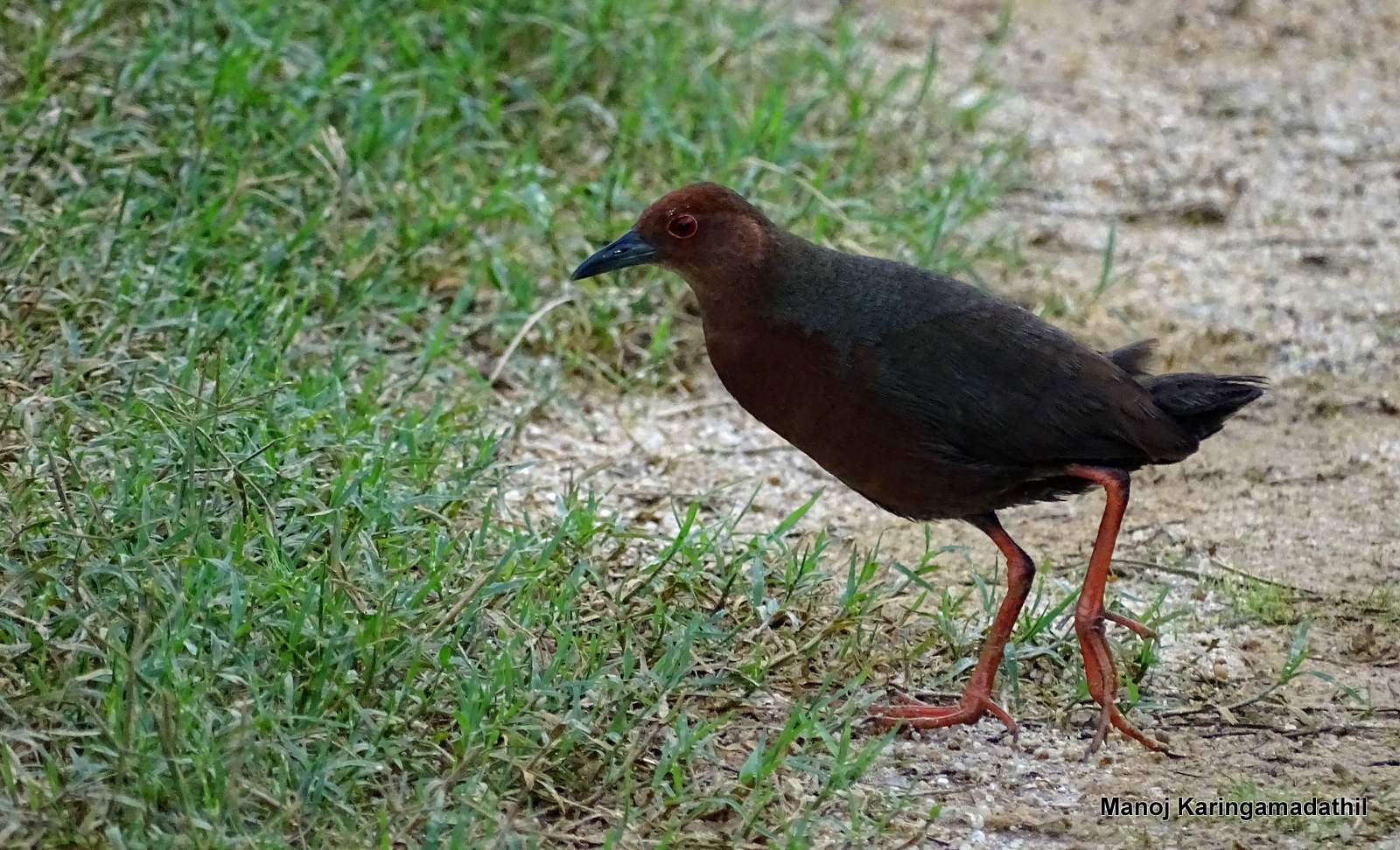
Gruiformes / Rallidae / Zapornia
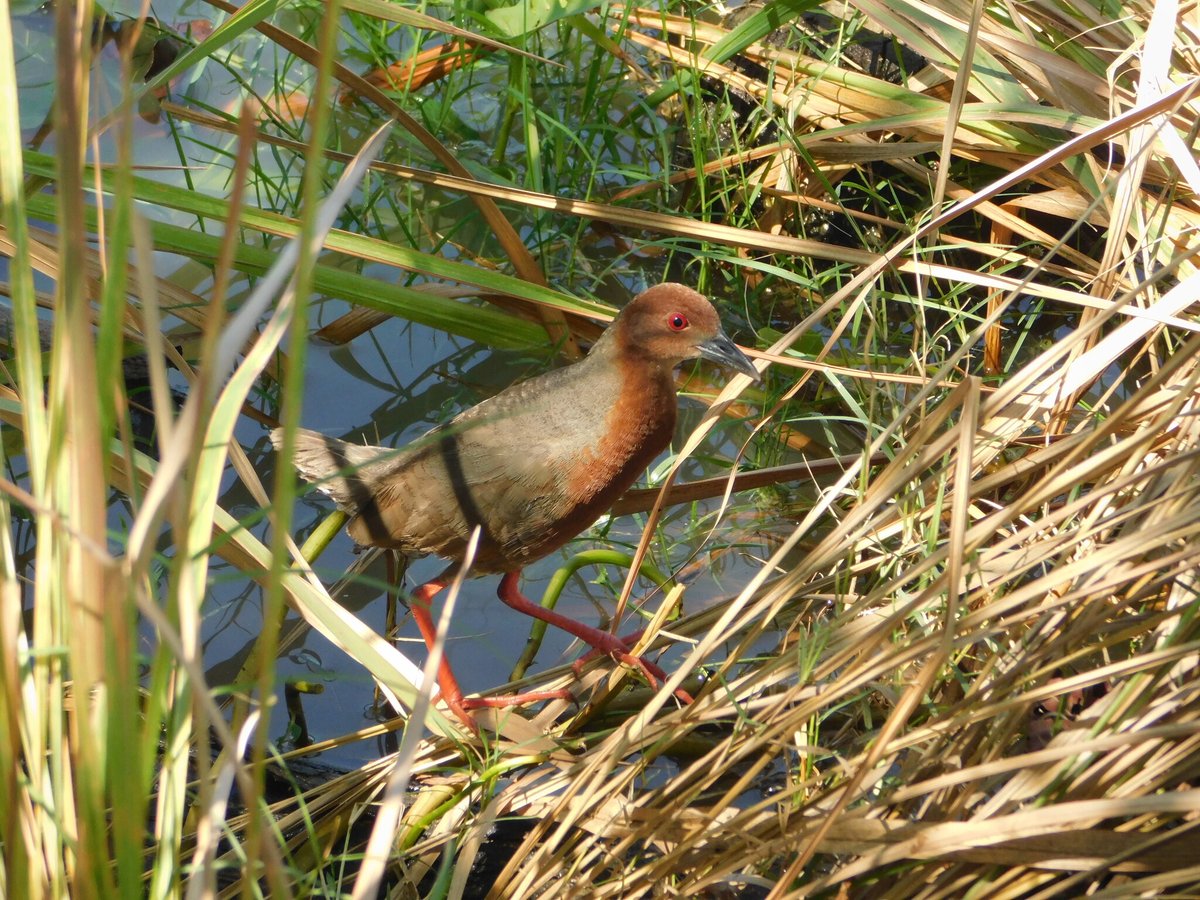
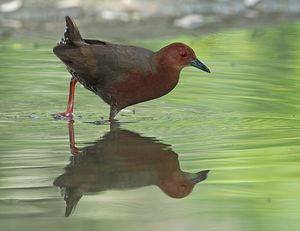
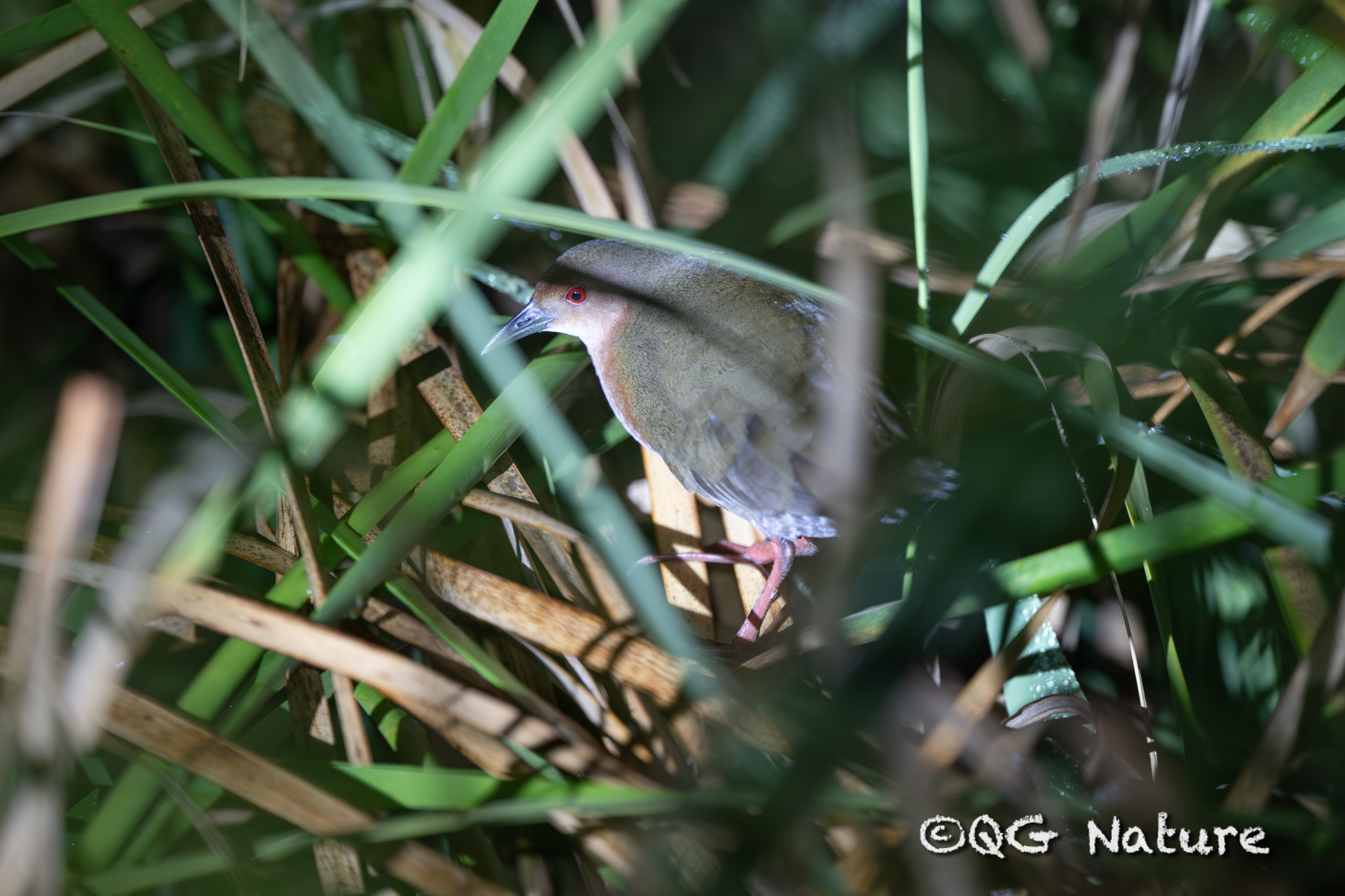
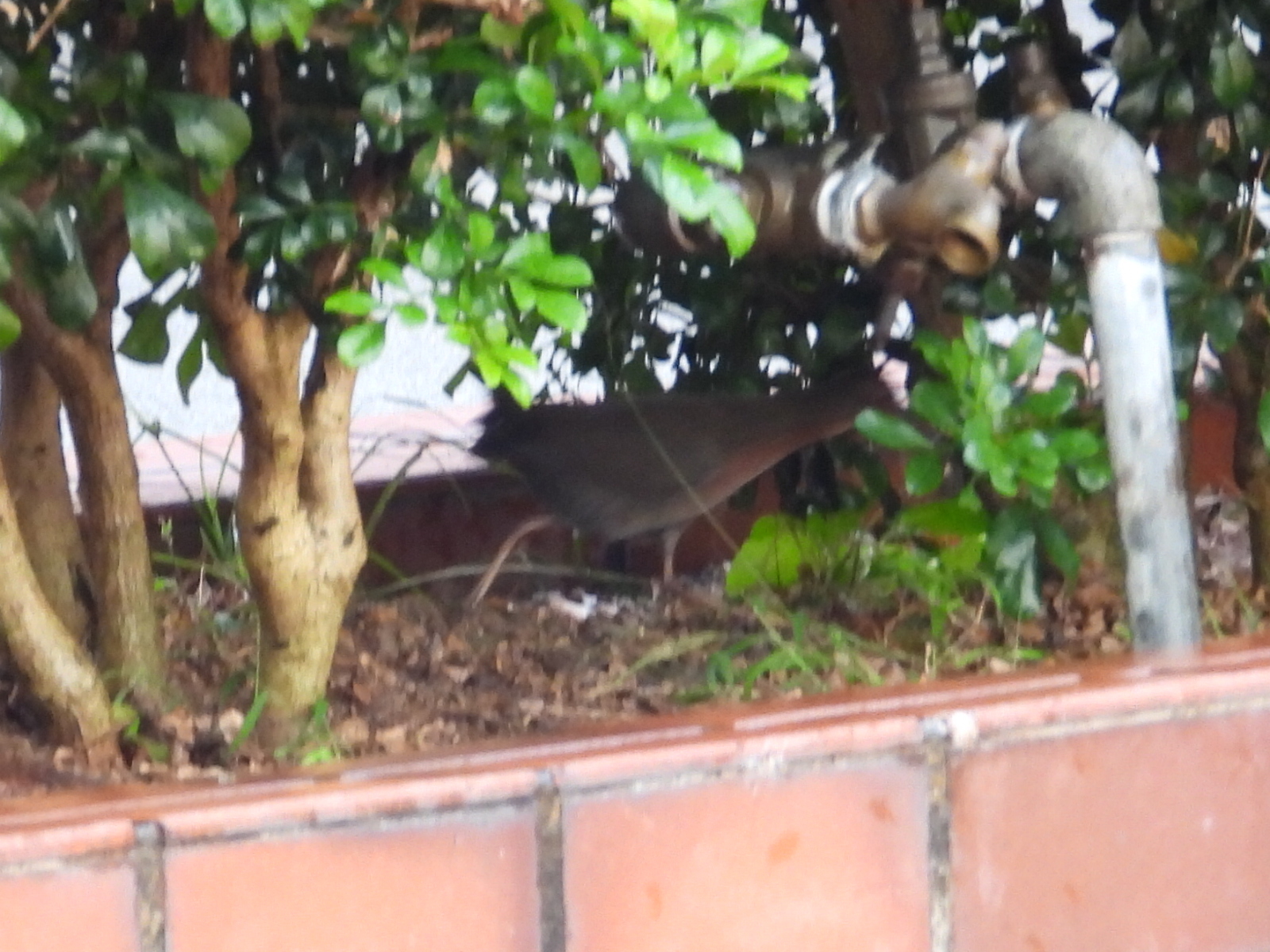
Ruddy-breasted Crake
Zapornia fusca · 红胸田鸡
Introduction
A waterbird in the rail and crake family Rallidae, formerly included in the genus Porzana. It inhabits swamps and similar wet areas across South Asia from the Indian subcontinent east to south China, Japan, and Indonesia. Mainly a permanent resident, though some northern populations migrate south in winter.
Description
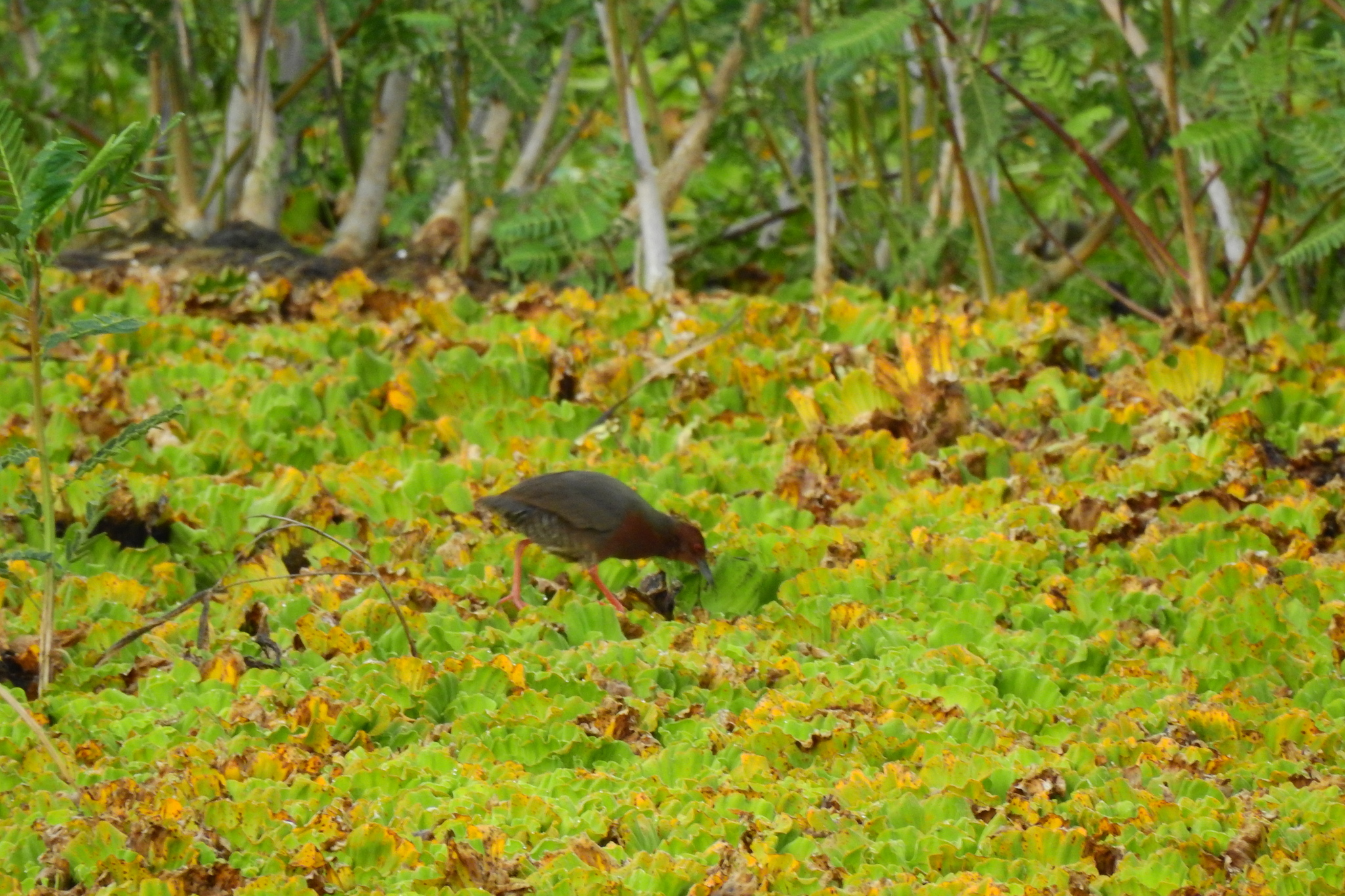
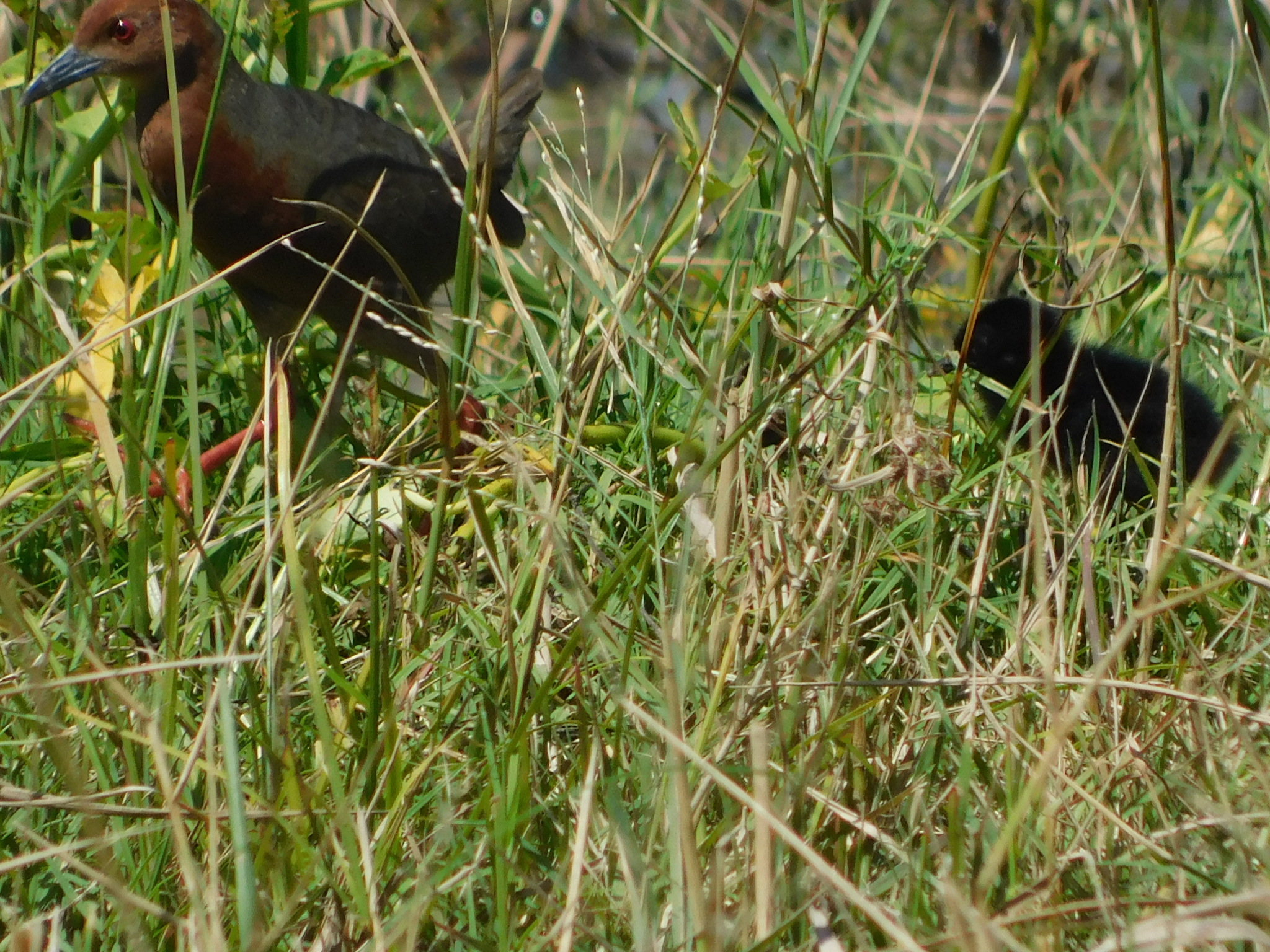
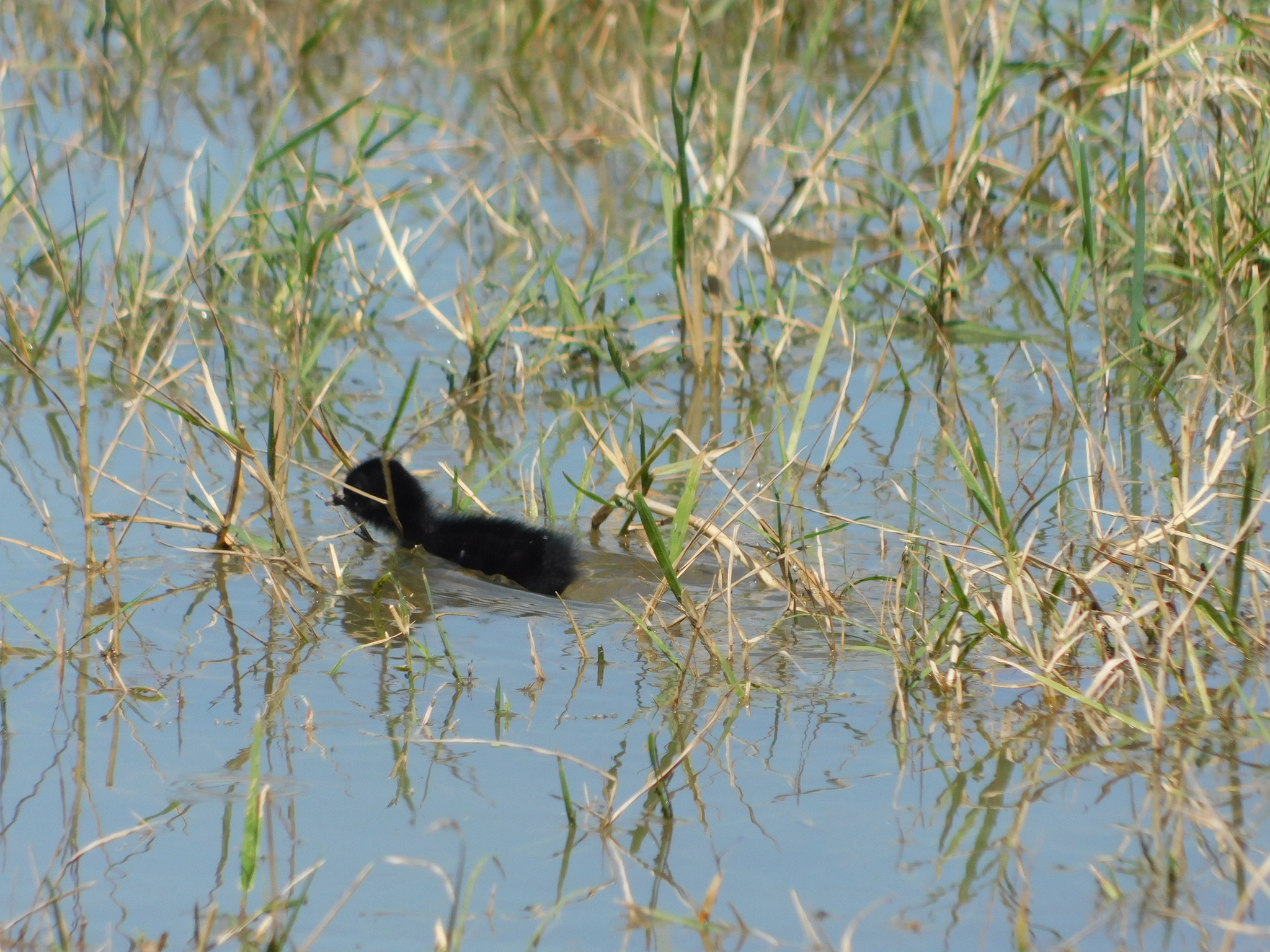
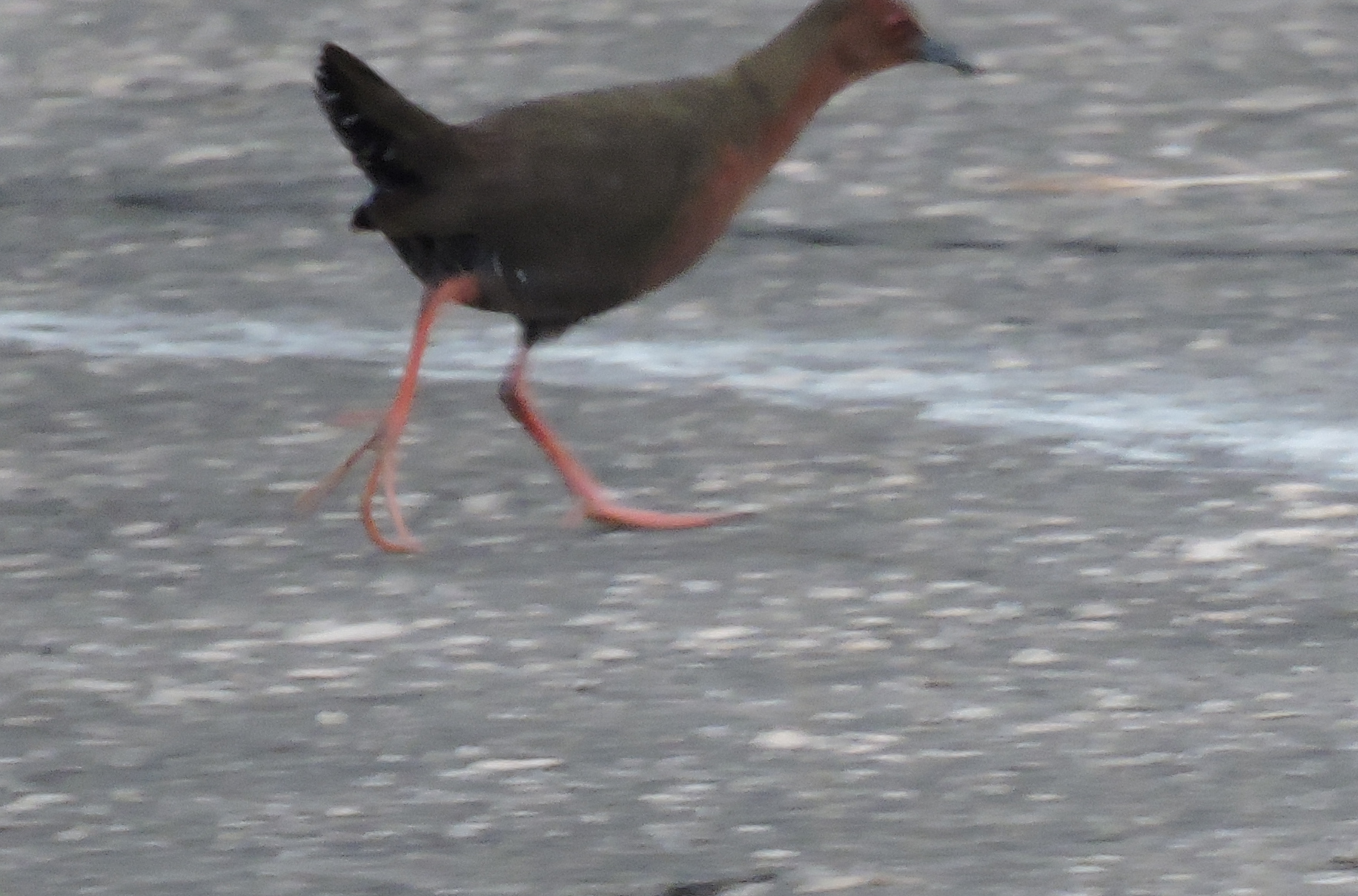
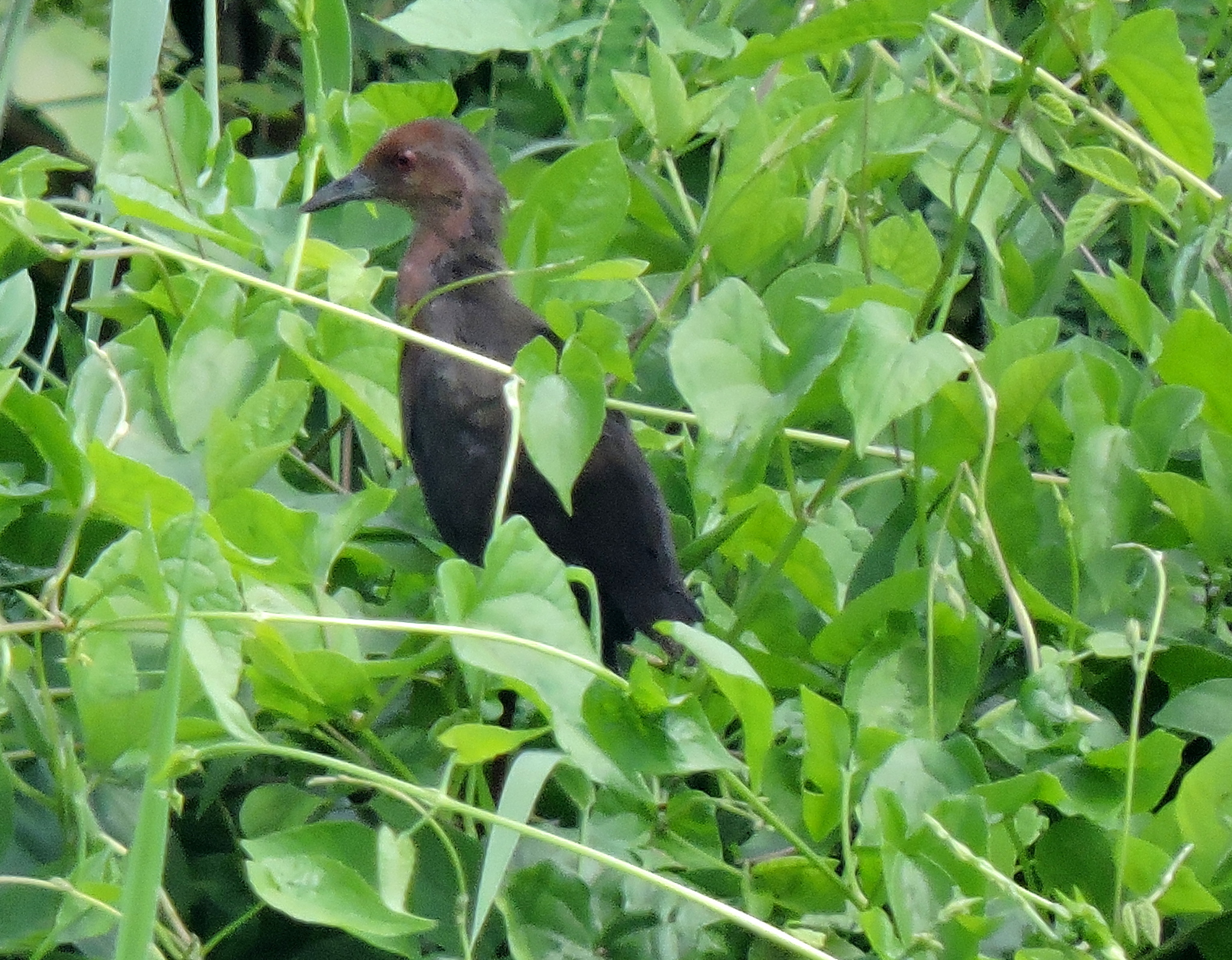
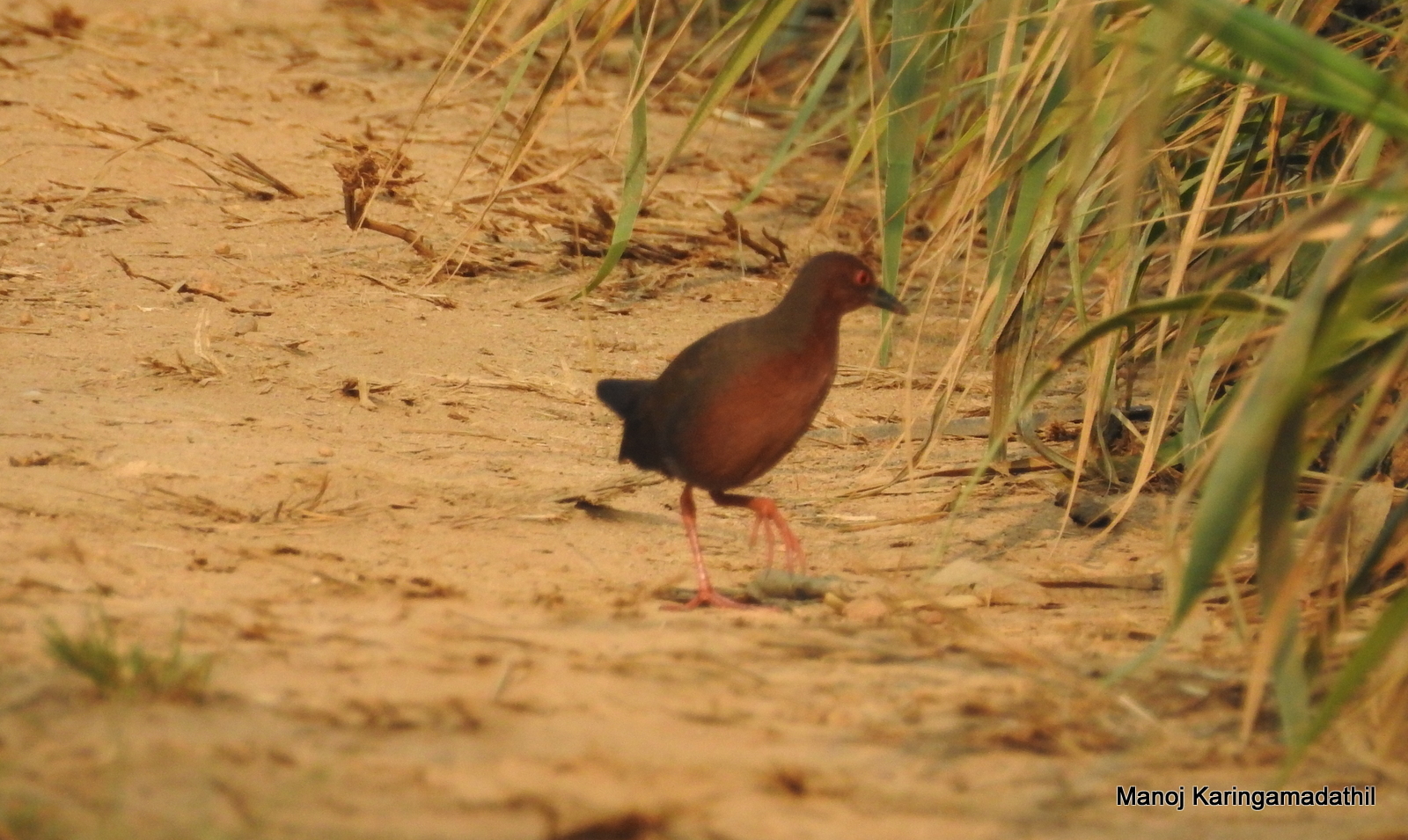
About 22–23 cm long with a body flattened laterally for passage through reeds. Features long toes and a short tail. The back is pale brown, while the head and underparts are chestnut with white barring on the flanks and undertail. The bill is yellowish, and the eyes, legs, and feet are red. Sexes are similar; juveniles are dark brown with some white spotting.
Distribution & Habitat
Breeding habitat includes swamps and similar wet areas across South Asia from the Indian subcontinent east to south China, Japan, and Indonesia. Recorded as a vagrant from the Australian territory of Christmas Island. Mainly a permanent resident throughout its range, but some northern populations migrate further south in winter.
Behavior & Ecology
Nests in a dry location on the ground in marsh vegetation, laying 6-9 eggs. Forages by probing in mud or shallow water and picking up food by sight. Diet includes shoots, berries, insects, and large snails, which are eaten by pecking through the hard shell with the bill. Territorial but secretive, hiding amongst grassy shrubs and bushes when disturbed.
Source: Wikipedia · CC BY-SA 3.0
Taxonomy
- Order
- Gruiformes
- Family
- Rallidae
- Genus
- Zapornia
Taxonomy Changes
Porzana fusca → Zapornia fusca
Genus transfer — GBIF Backbone Taxonomy uses the former name; AviList 2025 uses the current name.
Vocalizations
Subspecies (4)
-
Zapornia fusca erythrothorax
Japan, eastern China, Manchuria, Indochina, and Taiwan
Data Sources
Species description from Wikipedia, licensed under CC BY-SA 3.0.
Bird images and sounds sourced from GBIF, contributed by citizen scientists worldwide under Creative Commons licenses.
Taxonomy data from AviList 2025.