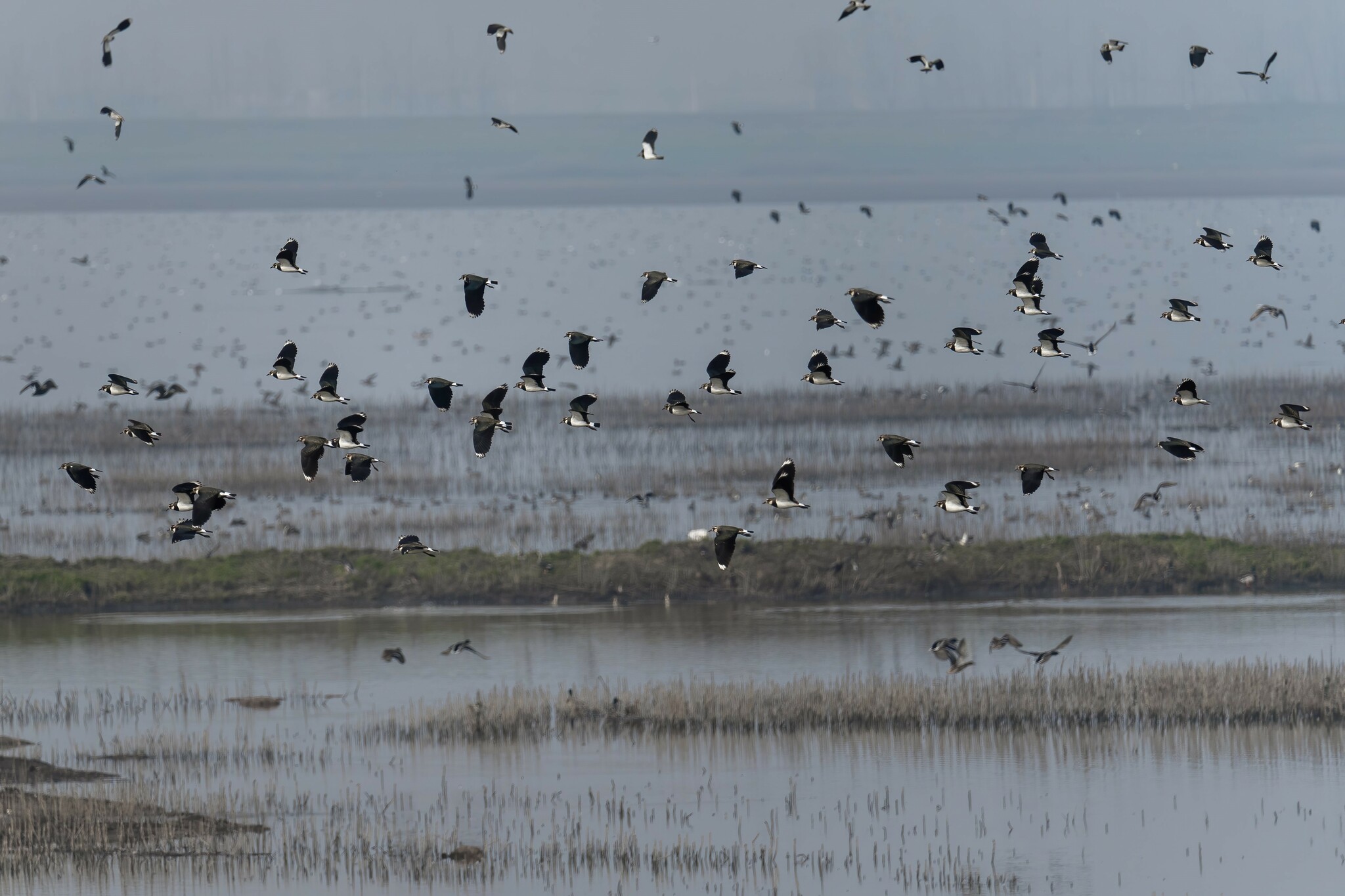
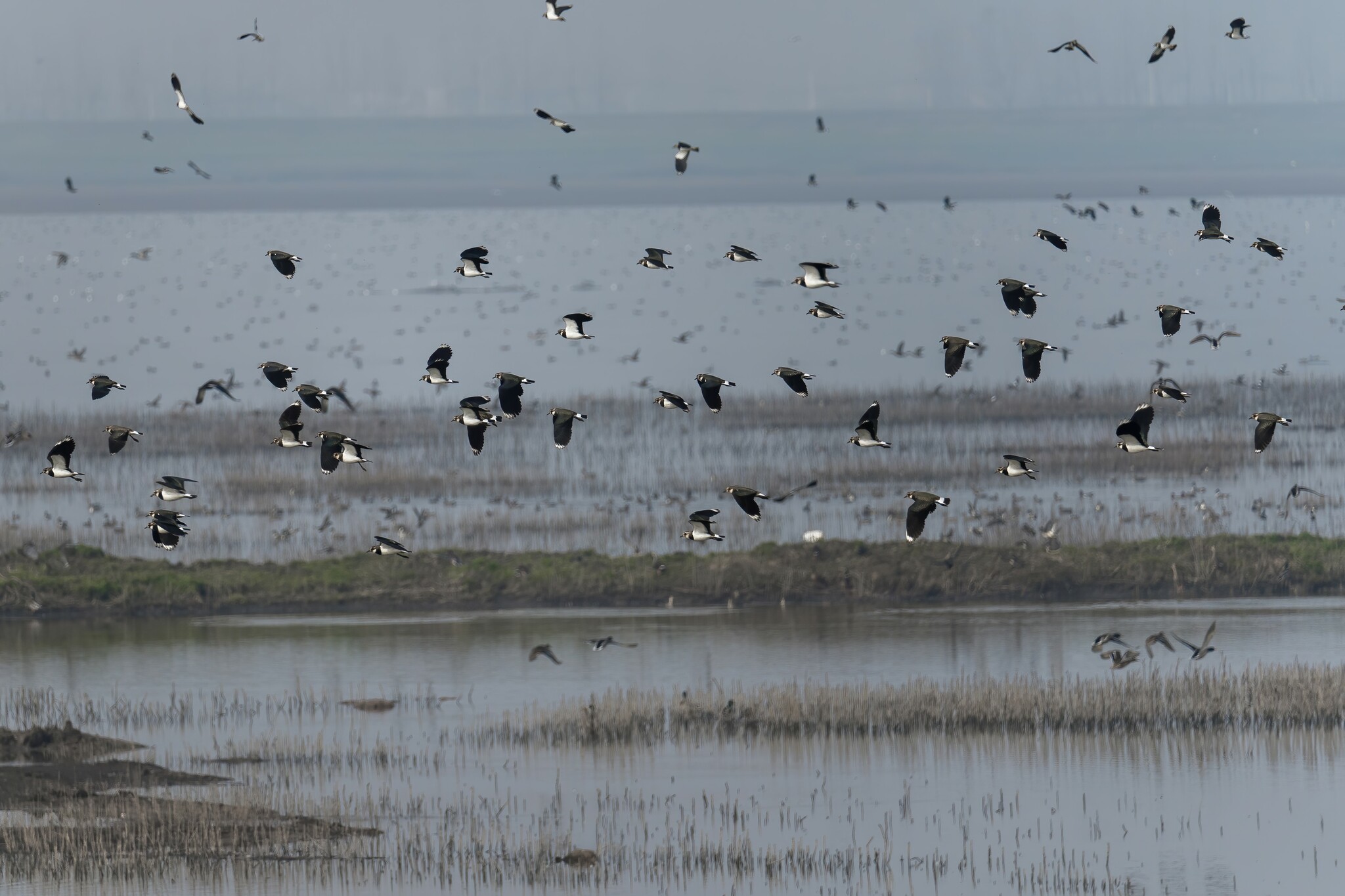
Charadriiformes / Charadriidae / Vanellus
Northern Lapwing
Vanellus vanellus · 凤头麦鸡
Introduction
A bird in the lapwing subfamily, common through temperate Eurosiberia. It is monotypic with no recognized subspecies. The species breeds in cultivated areas and habitats with short vegetation, and is highly migratory over most of its range.
Description
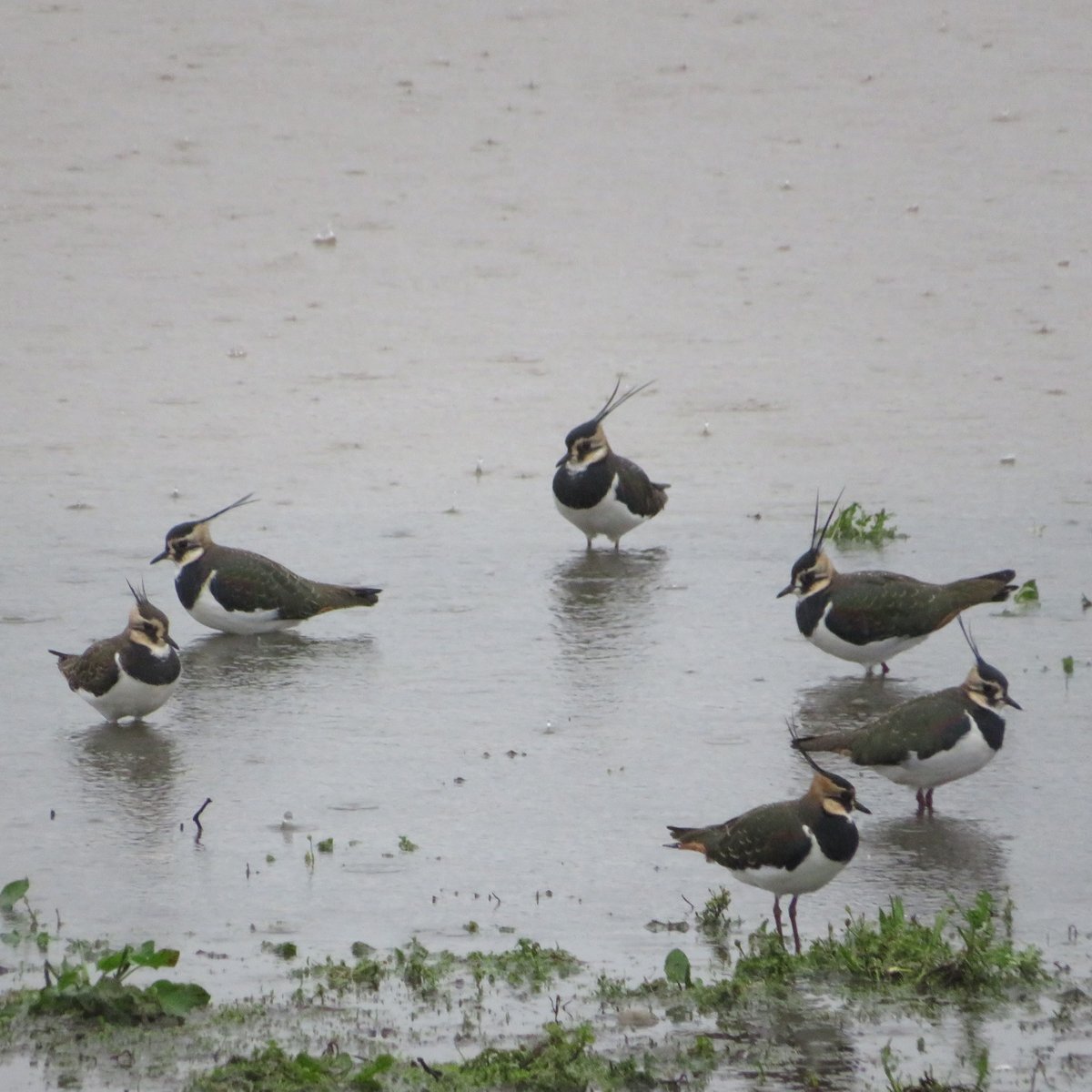
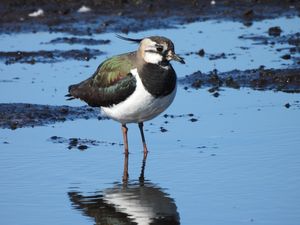
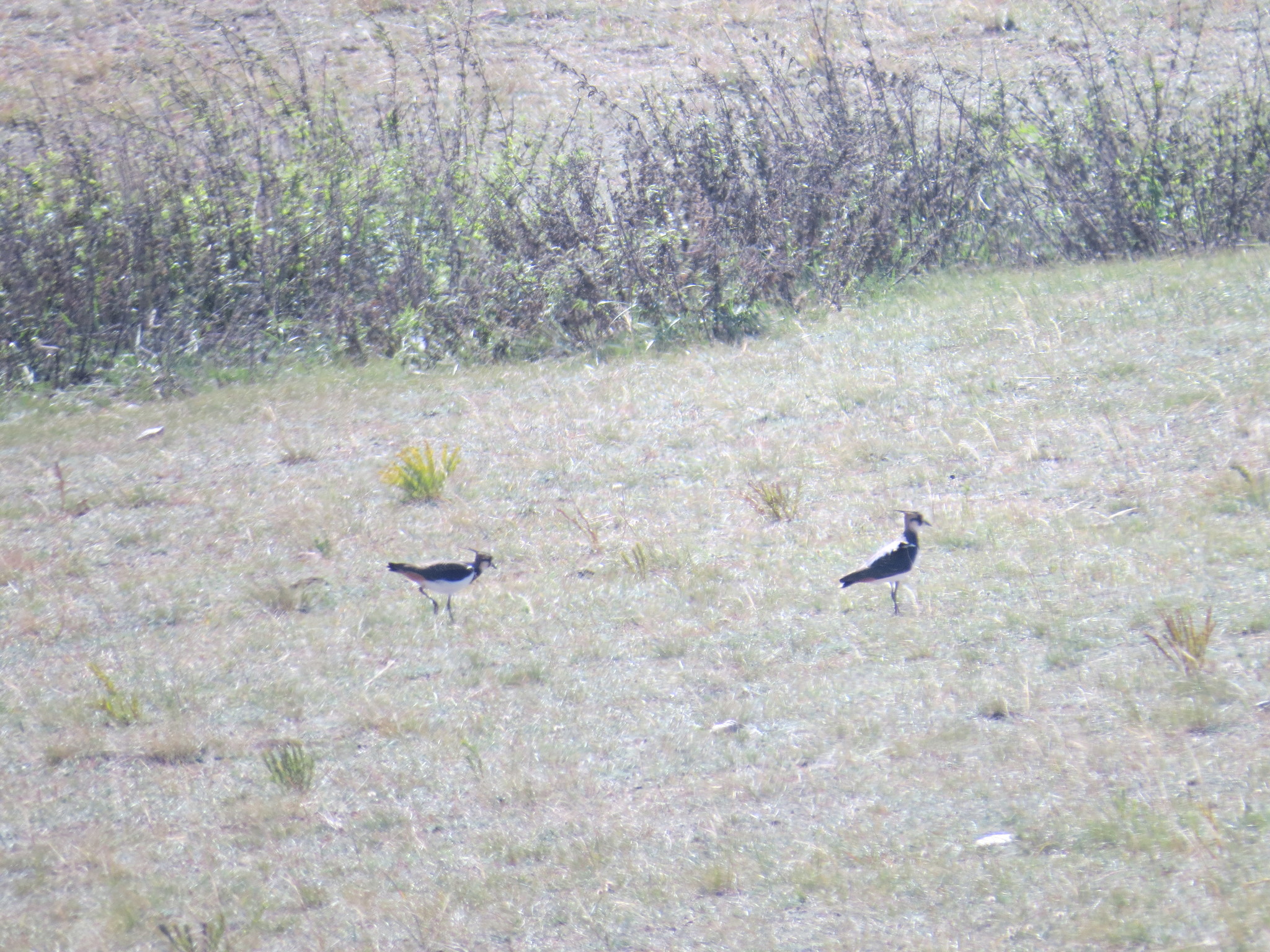
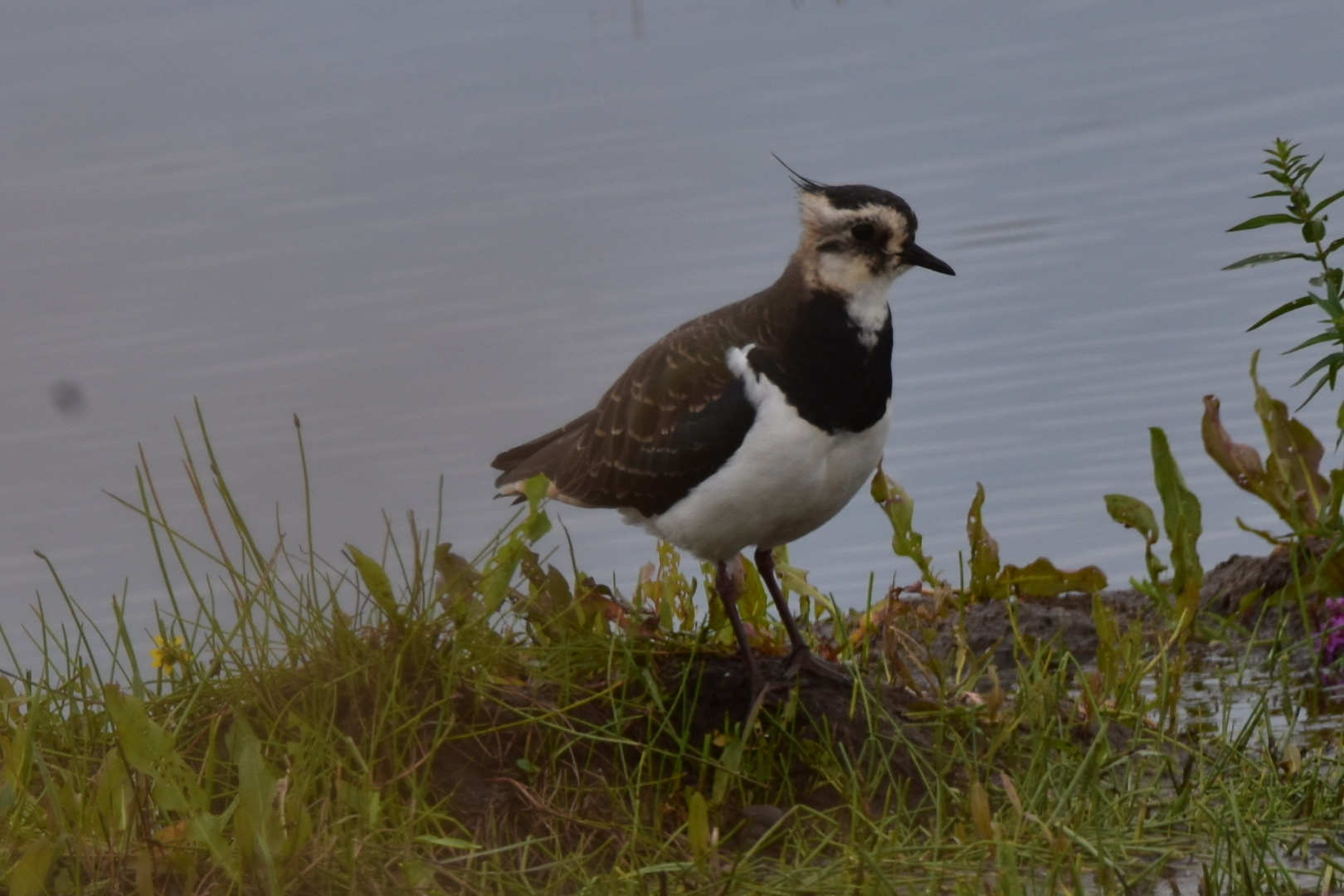
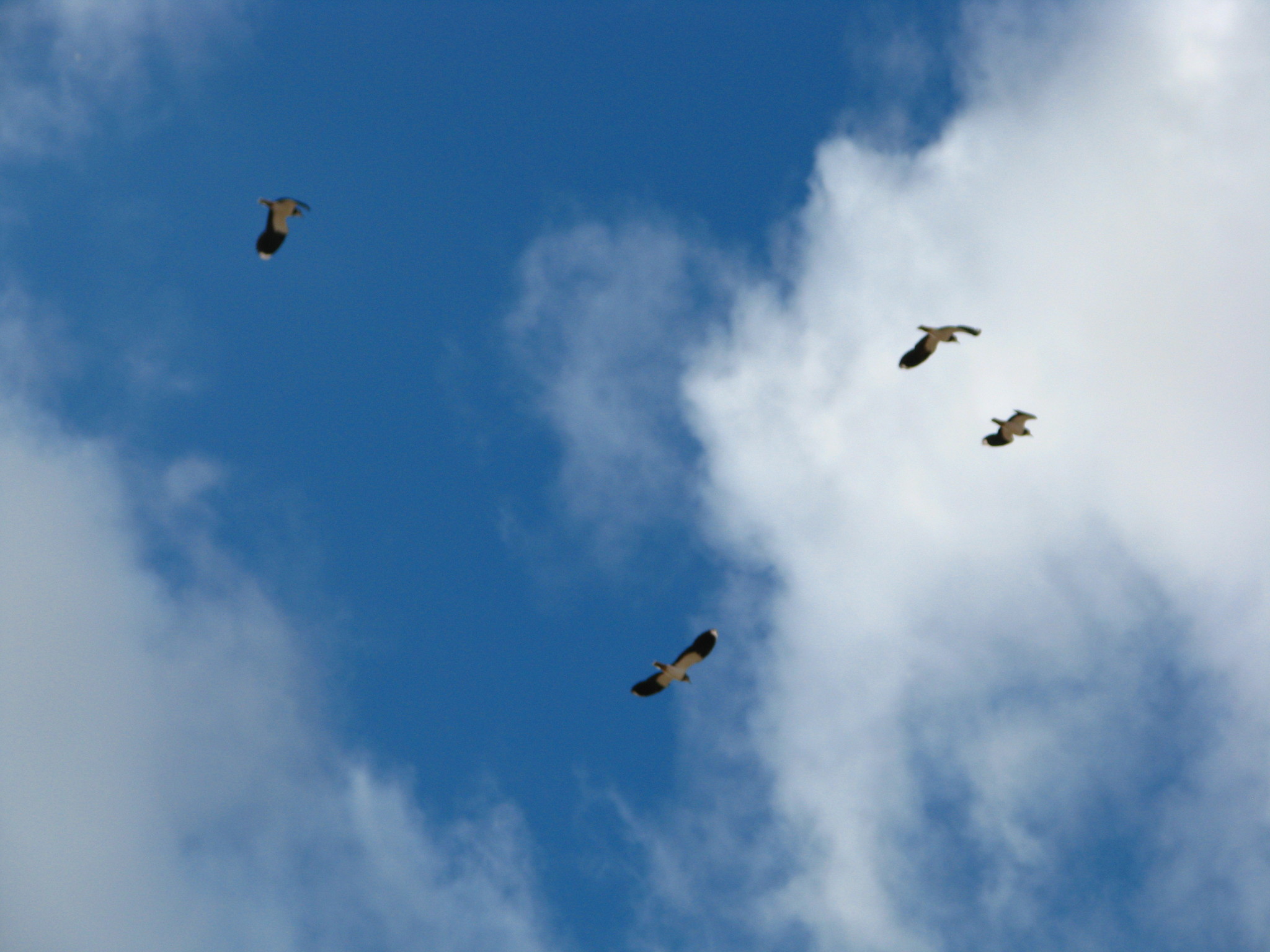
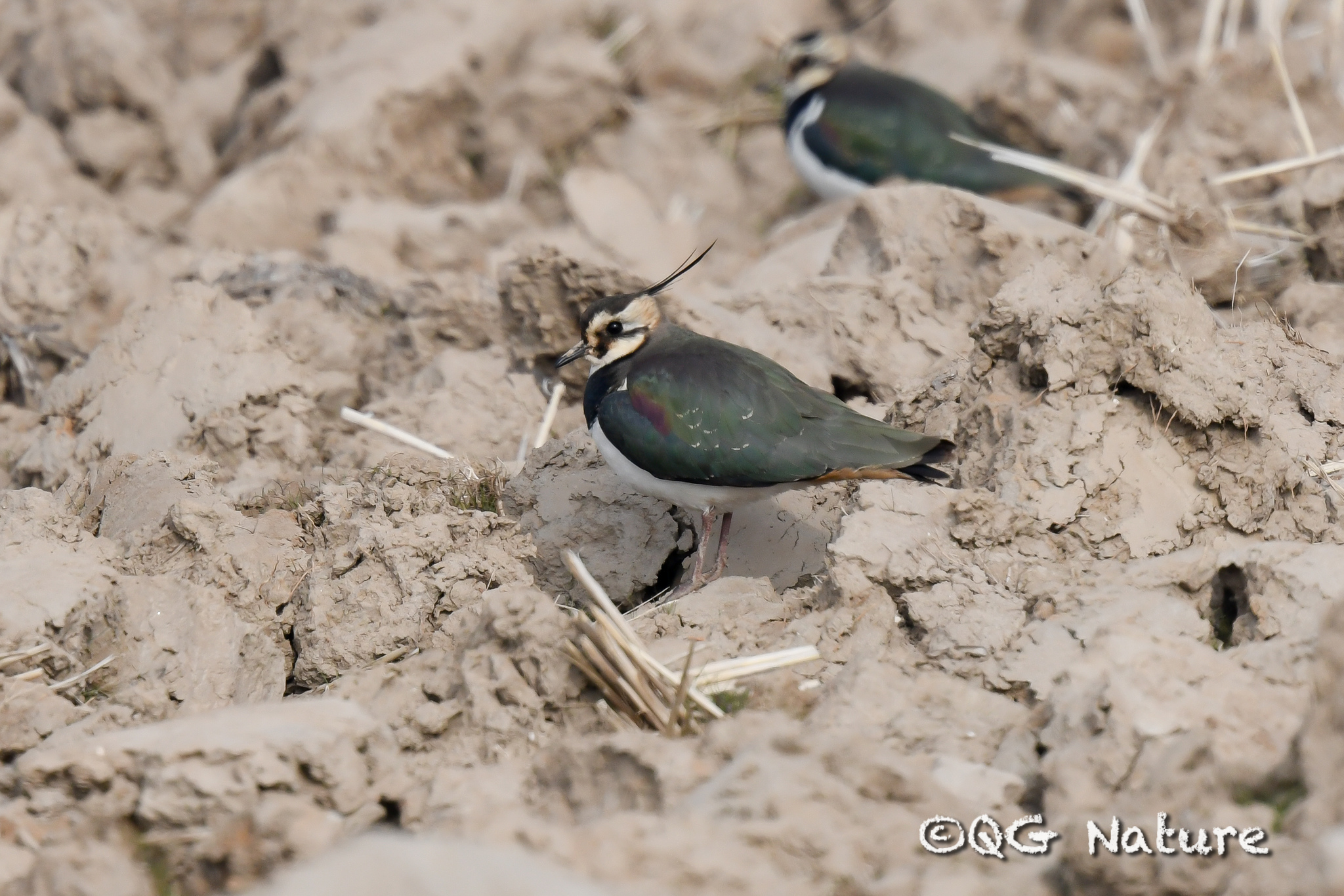
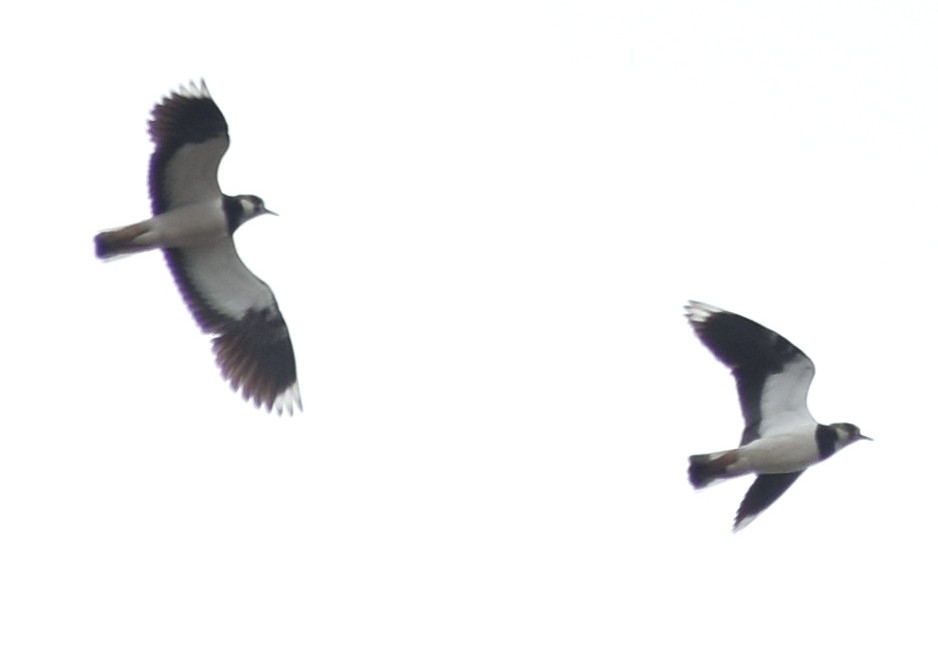
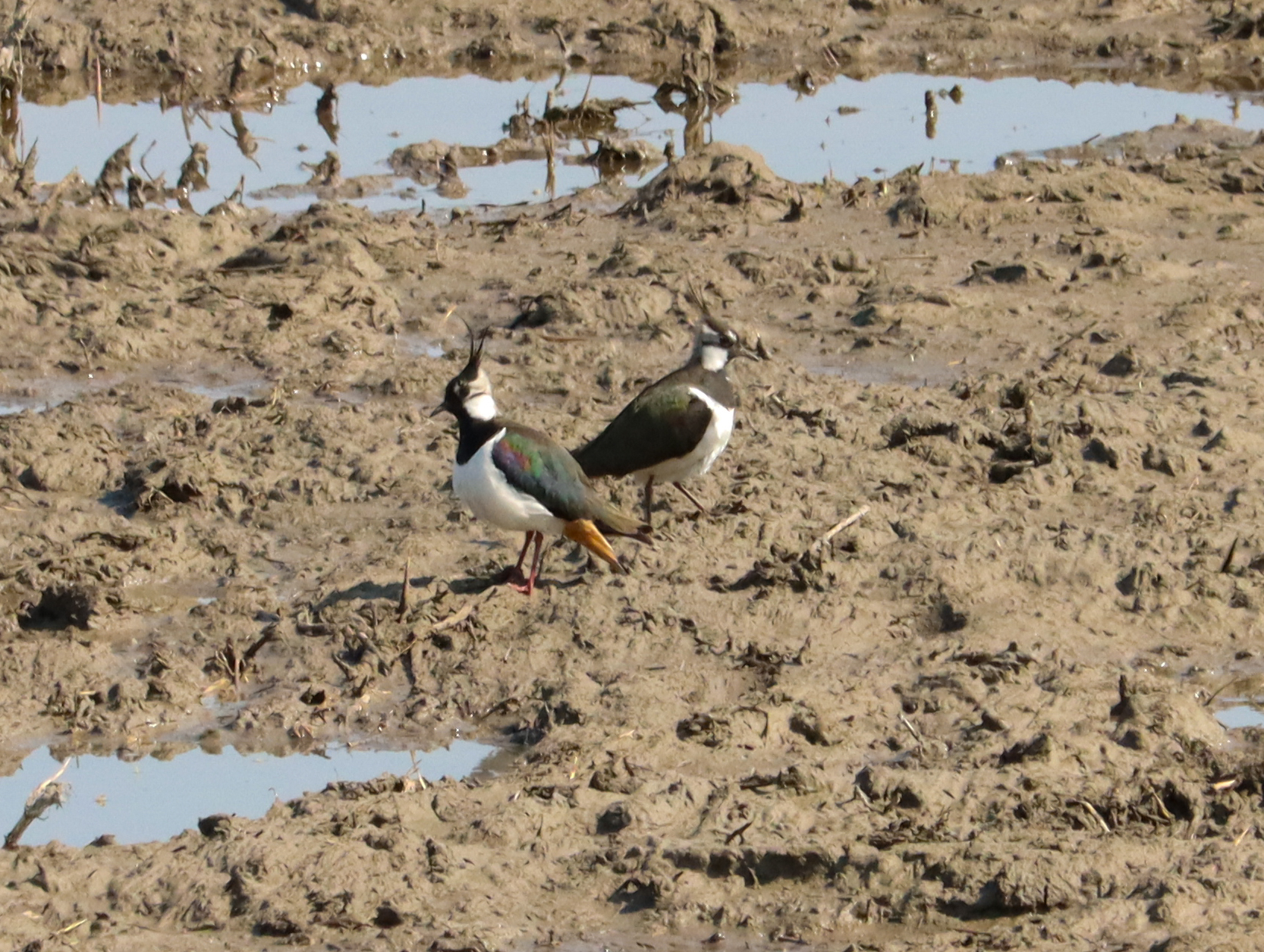
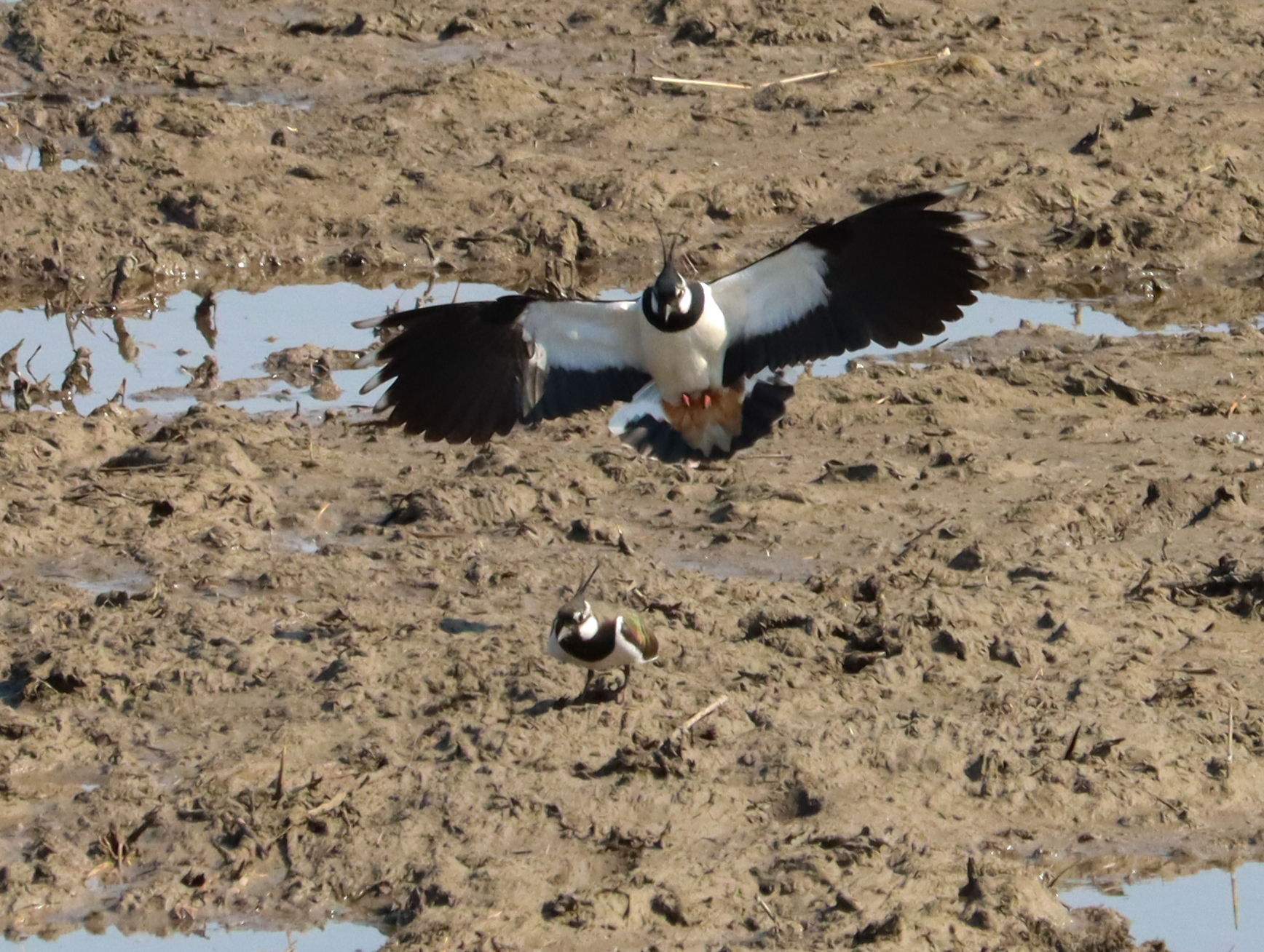
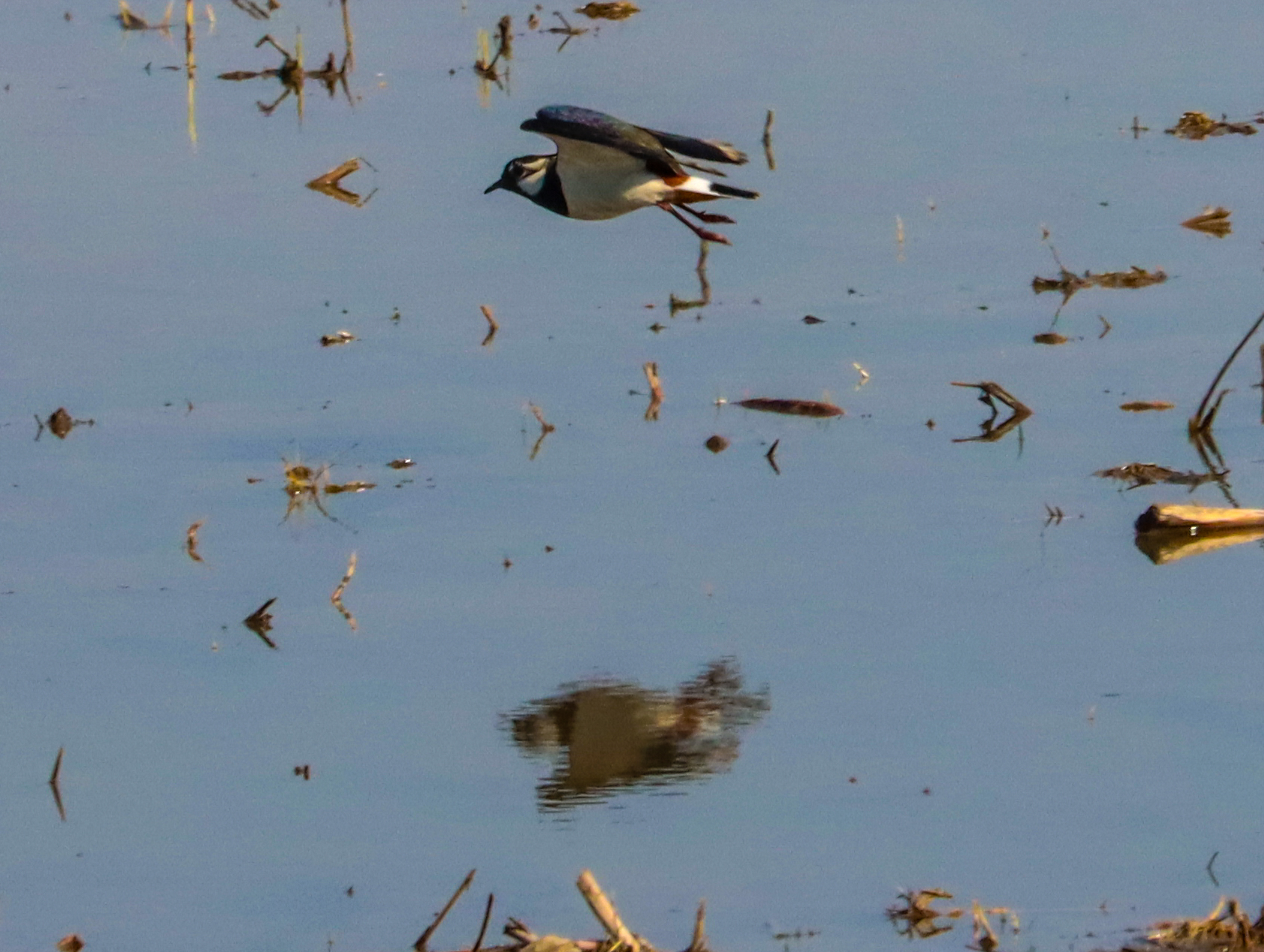
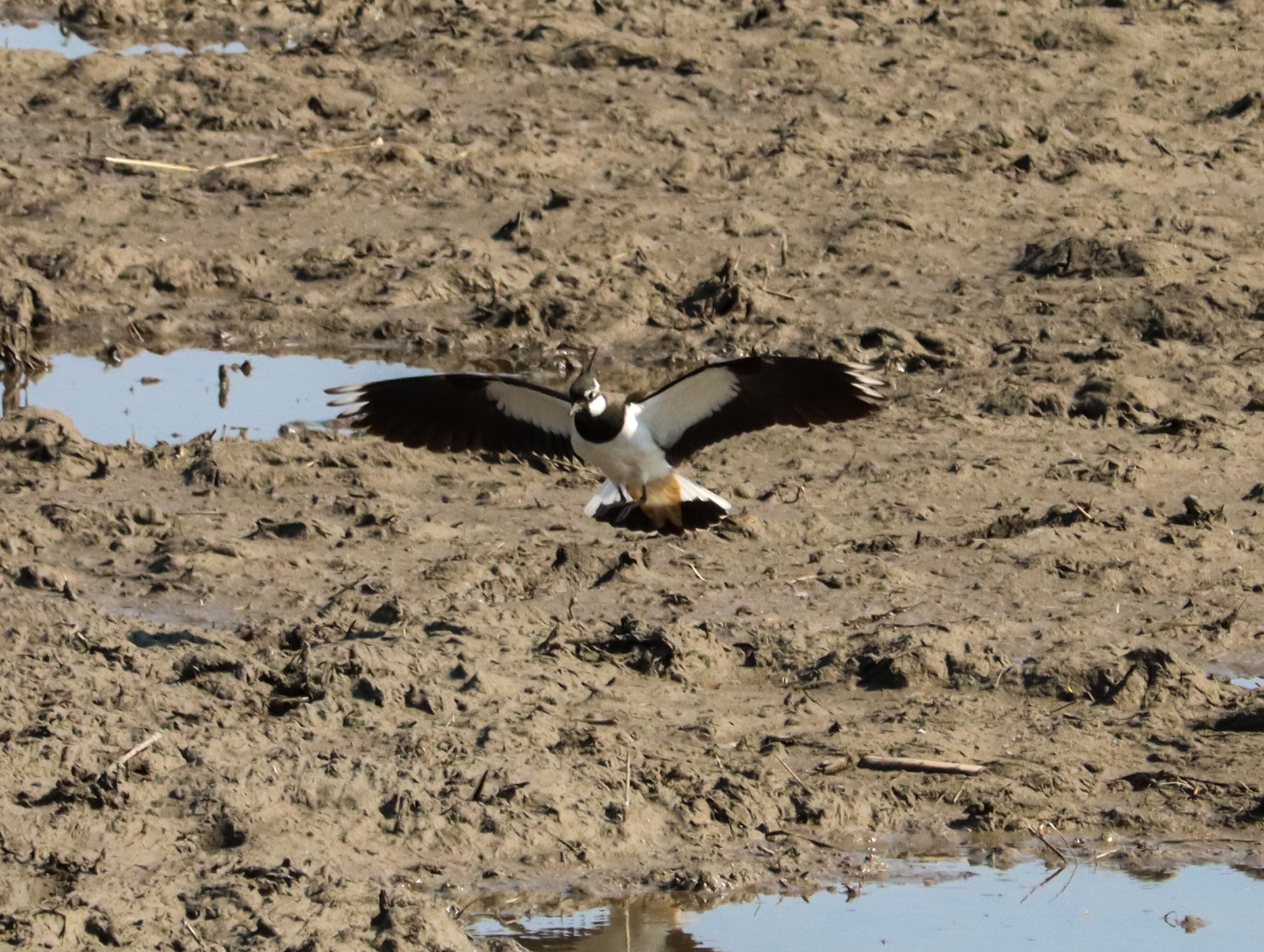
Length 28–33 cm (11–13 in), wingspan 67–87 cm (26–34 in), body mass 128–330 g (4.5–11.6 oz). It has rounded wings, a crest, and is the shortest-legged of the lapwings. Plumage is mainly black and white with a green-tinted back. Males have a long crest and black crown, throat, and breast contrasting with a white face. Females and young birds have shorter crests and less distinct head markings.
Identification
Key marks include the black and white plumage, green-tinted back, and prominent crest. The typical contact call is a loud, shrill "pee-wit". Displaying males make a wheezy "pee-wit, wit wit, eeze wit" during flight. Also makes squeaking or mewing sounds.
Distribution & Habitat
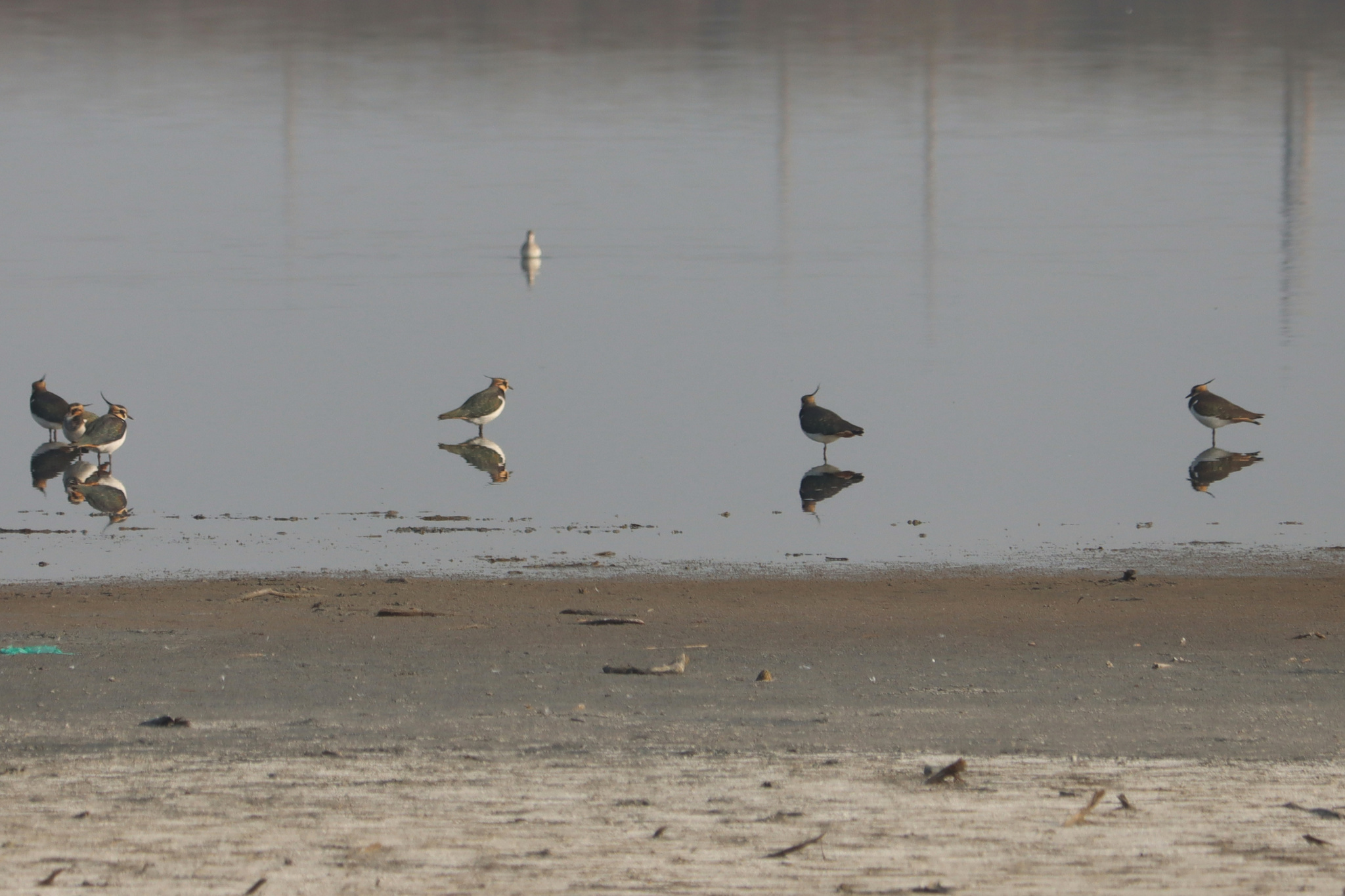
Common through temperate Eurosiberia. Highly migratory over most of its range, wintering as far south as North Africa, northern India, Nepal, Bhutan, and parts of China. Lowland breeders in westerly Europe are resident. Occasionally a vagrant to North America. Breeds in cultivated areas and habitats with short vegetation; winters on open land, particularly arable land and mud-flats.
Behavior & Ecology
Migrates mainly by day in large flocks. Breeds in ground scrapes, laying three to four eggs. Nest and young are fiercely defended against intruders. Diet consists mainly of insects and small invertebrates. Often feeds in mixed flocks with golden plovers and black-headed gulls. Uses "worm charming" by beating the ground with one leg. Prefers to feed at night when there is moonlight. Males perform tumbling display flights with constant calling during the breeding season.
Conservation
Red List conservation status in the United Kingdom since 2009. Population decline documented in England and Wales between 1987 and 1998. Threats include intensive agricultural techniques, loss of rough grassland, conversion to arable or improved grassland, switch from spring- to autumn-sown crops, increased grazing density in uplands, and predation of nests and chicks. Subject to the Agreement on the Conservation of African-Eurasian Migratory Waterbirds (AEWA). Decline in population and loss of breeding habitats documented in Armenia due to land use intensification and hunting. Threatened by overhunting in the Middle East along winter migration routes.
Culture
Declared the national bird of the Republic of Ireland in 1990. In Irish, called pilibín, referencing Philip II of Spain. Plover's eggs were an expensive delicacy in Victorian Europe. In the Netherlands, a cultural-historical competition exists to find the first egg of the year, though harvesting is now forbidden. Mentioned in Evelyn Waugh's Brideshead Revisited.
Source: Wikipedia · CC BY-SA 3.0
Taxonomy
- Order
- Charadriiformes
- Family
- Charadriidae
- Genus
- Vanellus
Distribution
breeds inland temperate and subarctic Eurasia from Scandinavia and Iberian Peninsula eastward to southeastern Russia and northeastern China; winters northern Africa eastward to Japan, Taiwan, and northern Vietnam
Data Sources
Species description from Wikipedia, licensed under CC BY-SA 3.0.
Bird images and sounds sourced from GBIF, contributed by citizen scientists worldwide under Creative Commons licenses.
Taxonomy data from AviList 2025.