Northern Lapwing
Vanellus vanellus
凤头麦鸡
Introduction
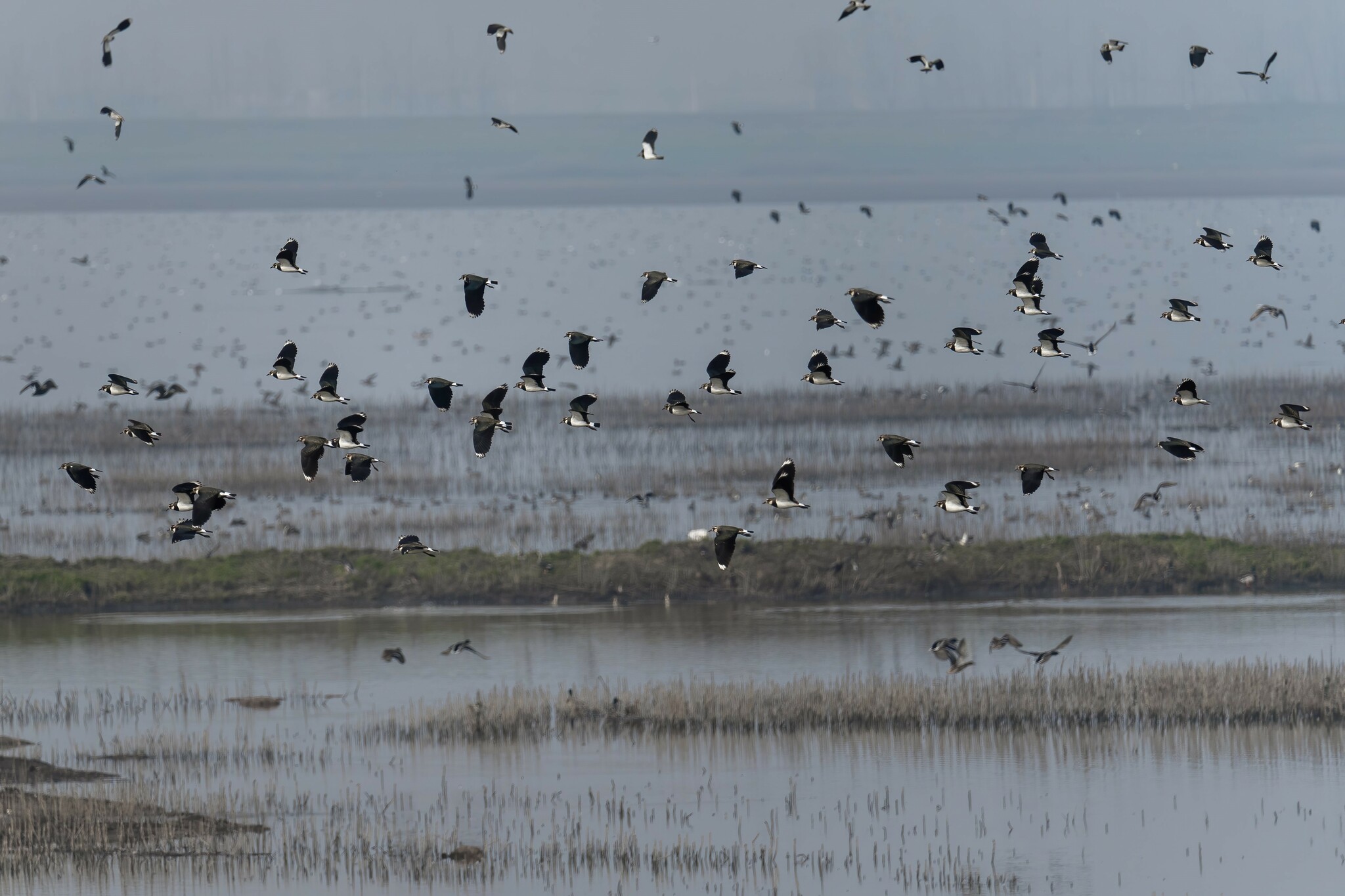
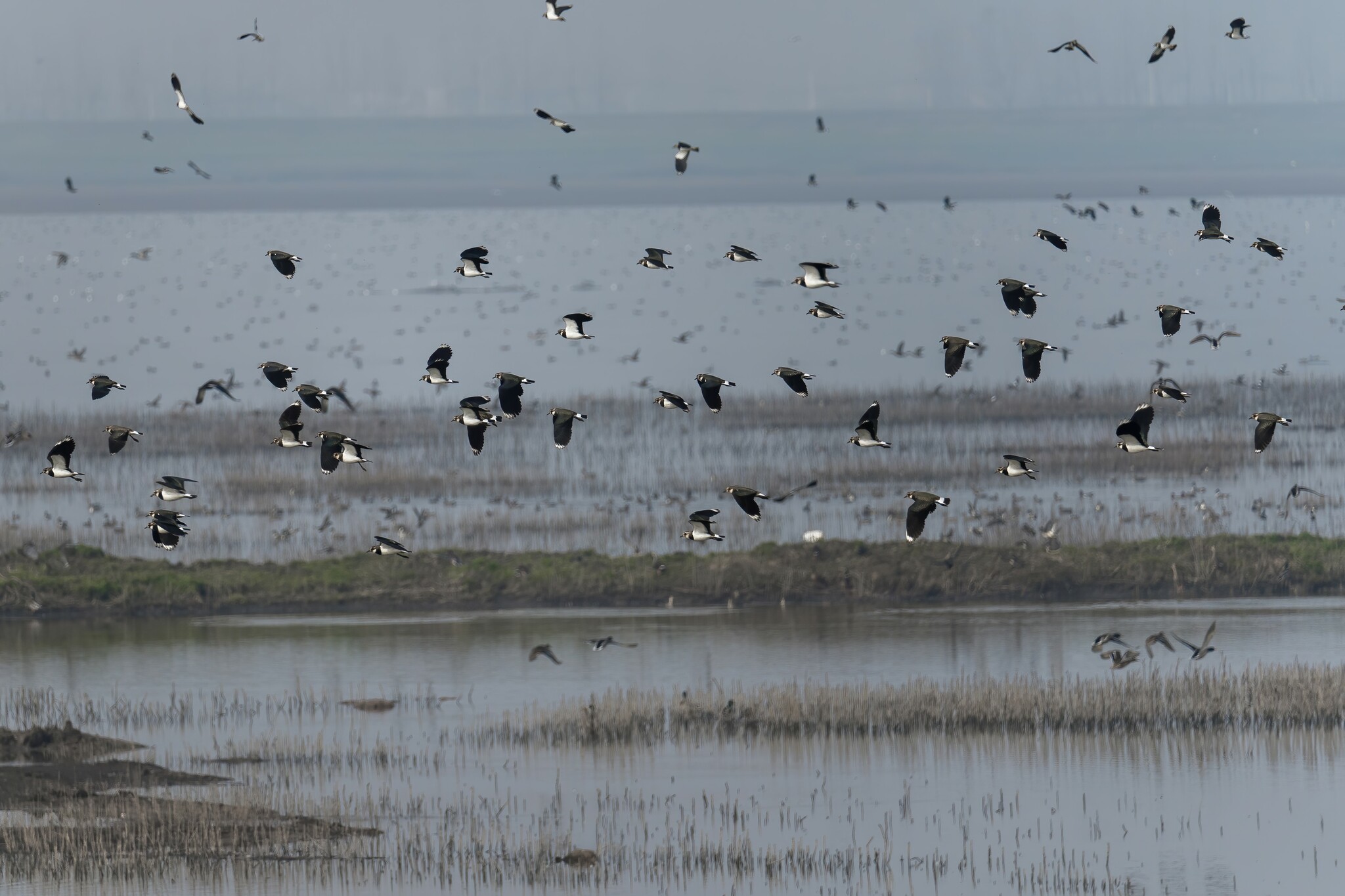
A Charadriiform wader with a geographic range spanning temperate Eurosiberia. Inhabits cultivated fields, grasslands, arable land, and coastal mud-flats. Forms large flocks numbering thousands during winter months, often associating with golden plovers and black-headed gulls. Plumage is black-and-white with green-tinted upperparts. Displays a distinctive wavering flight style. During breeding season, males perform tumbling aerial displays while calling. Gives a 'pee-wit' call. Has experienced significant population declines in recent decades and is classified as a conservation priority across much of its range.
Description
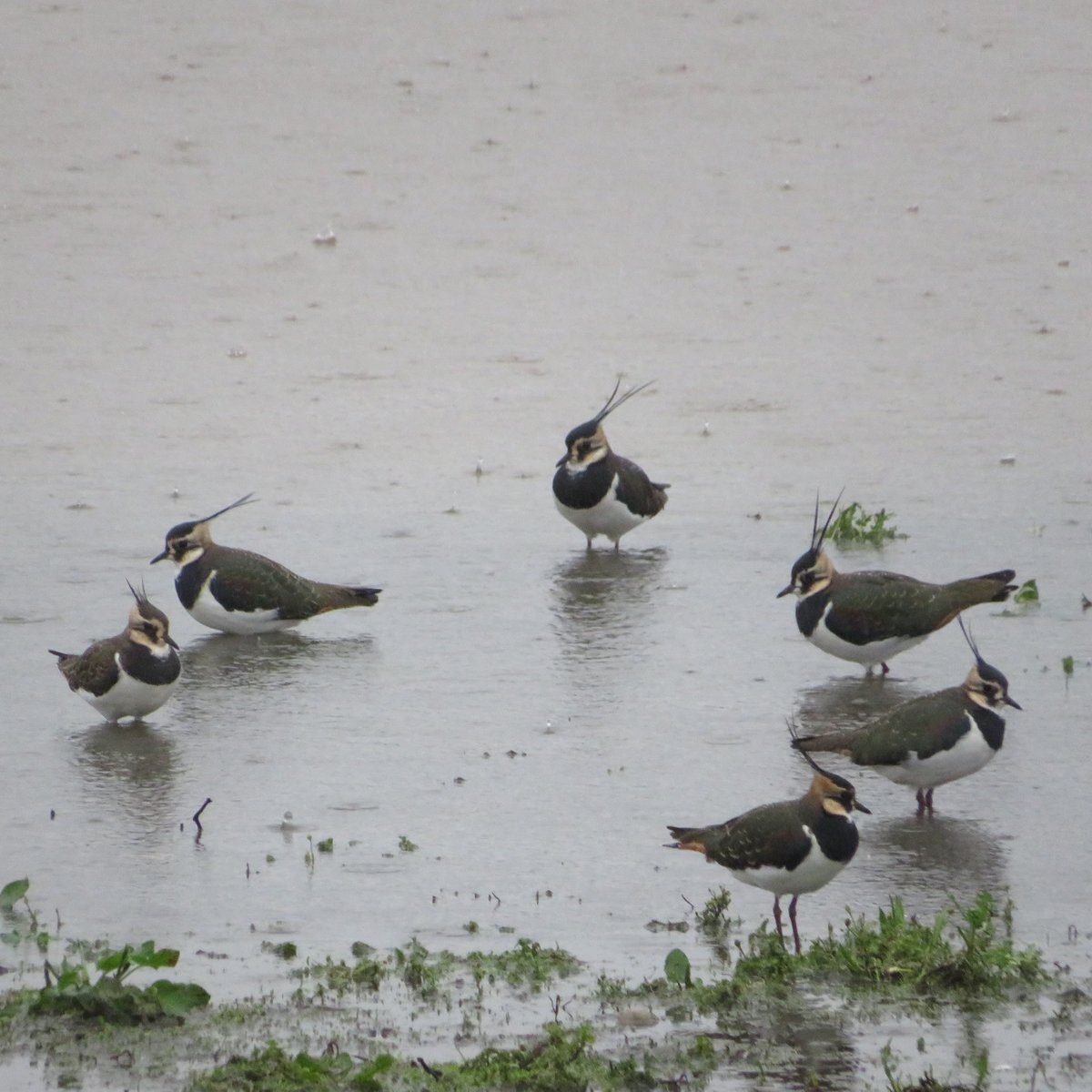
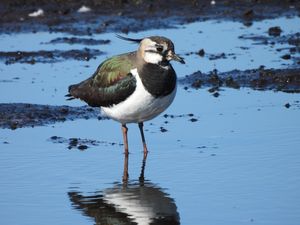
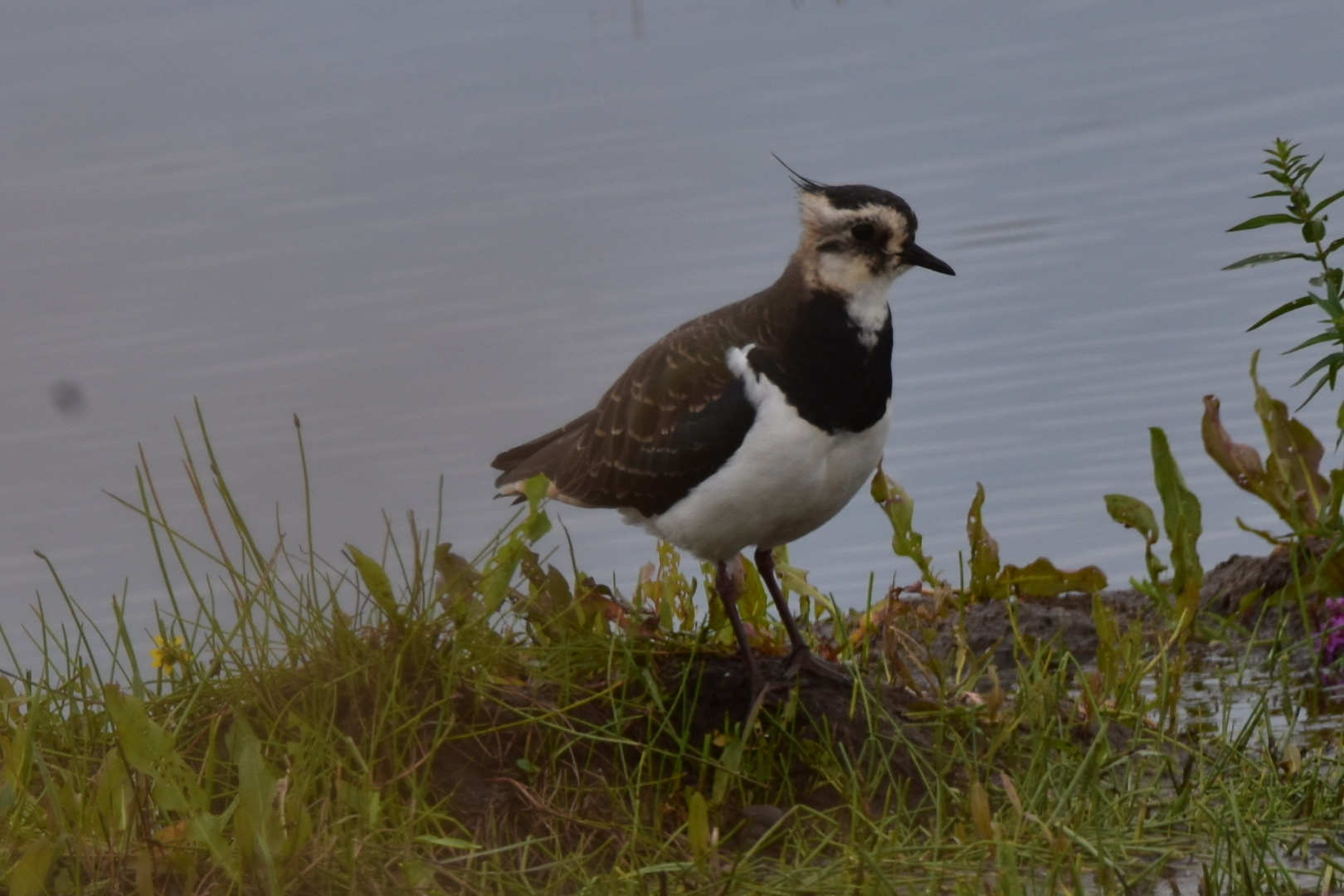
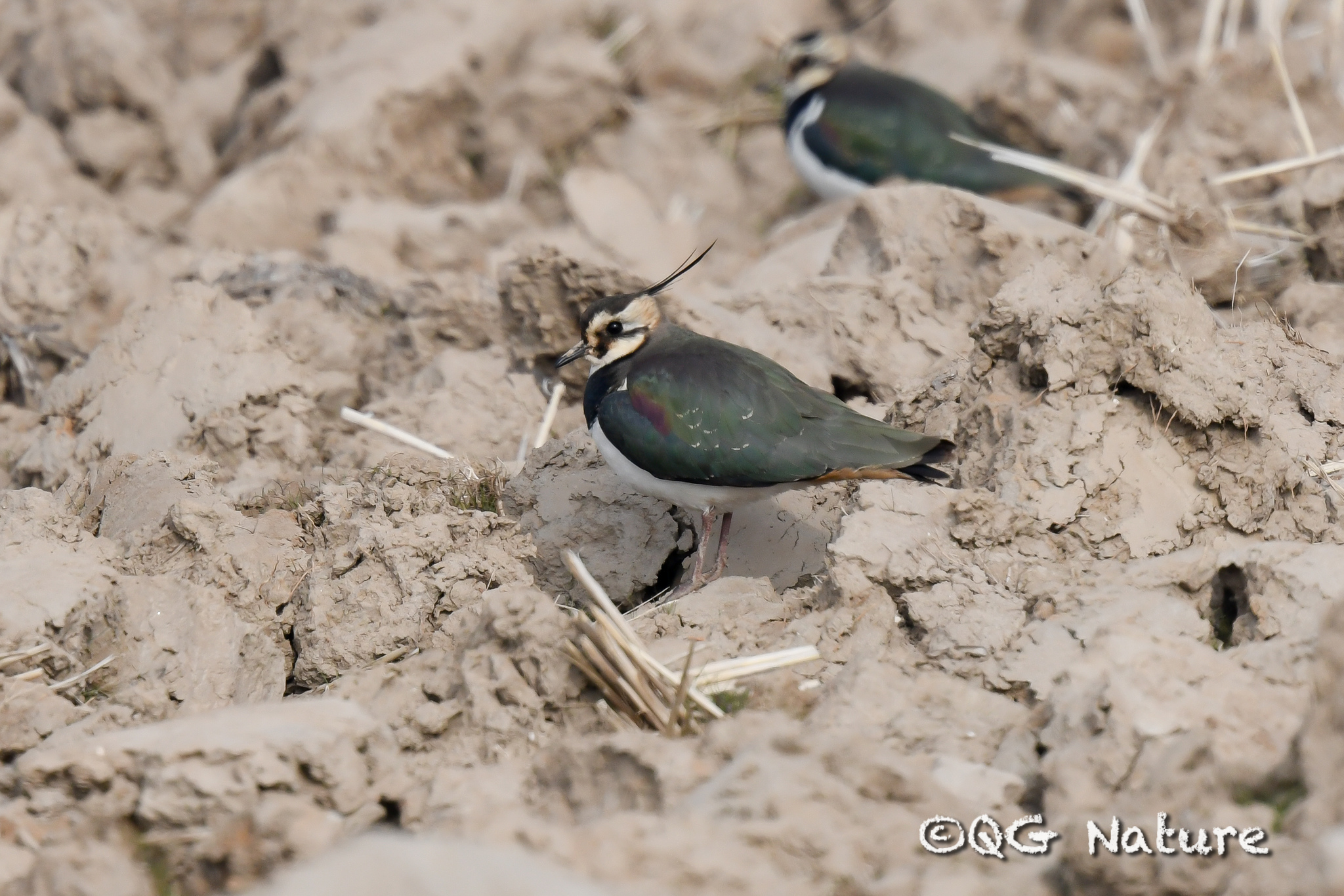
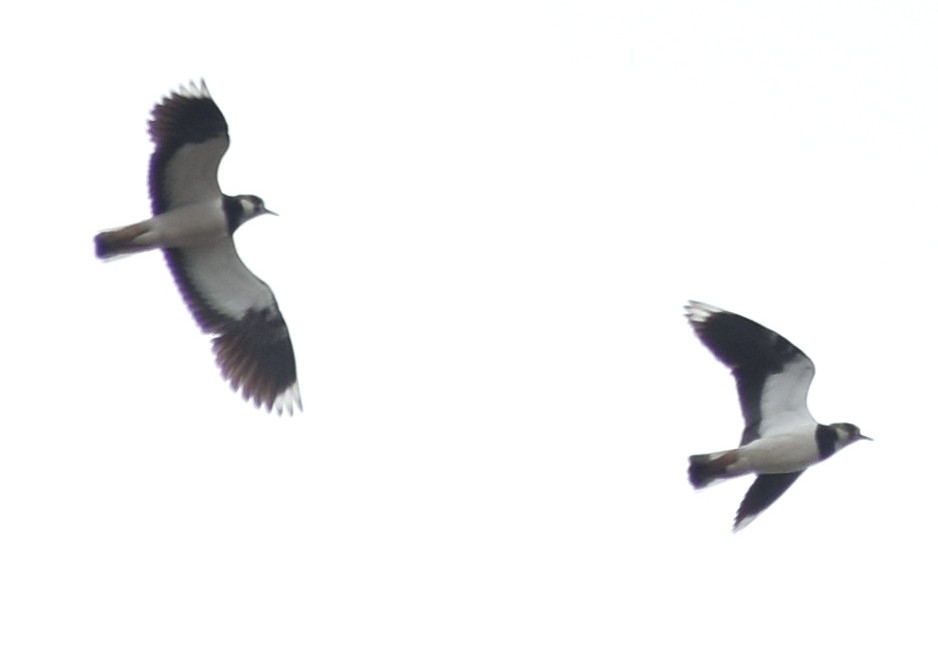
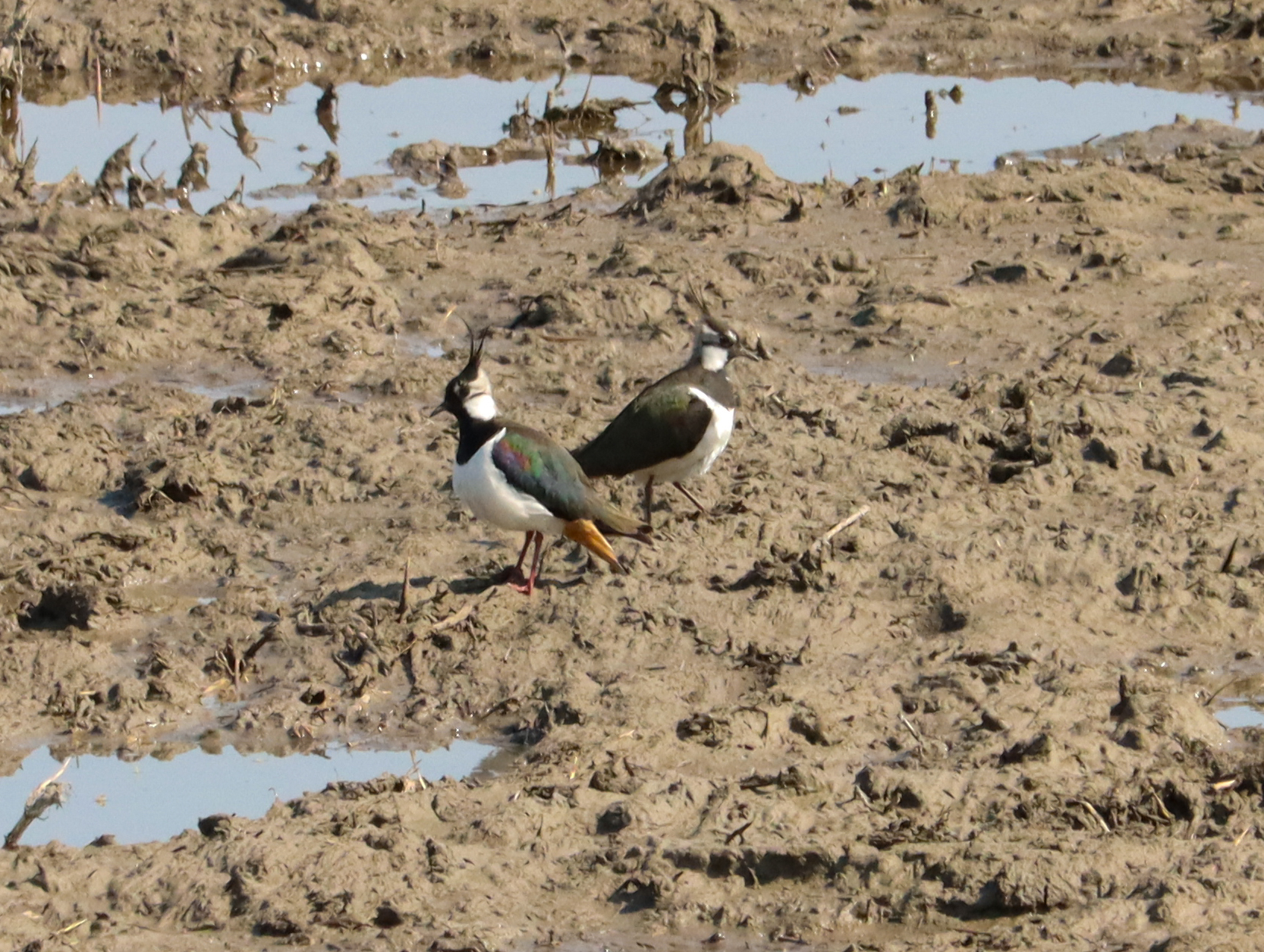
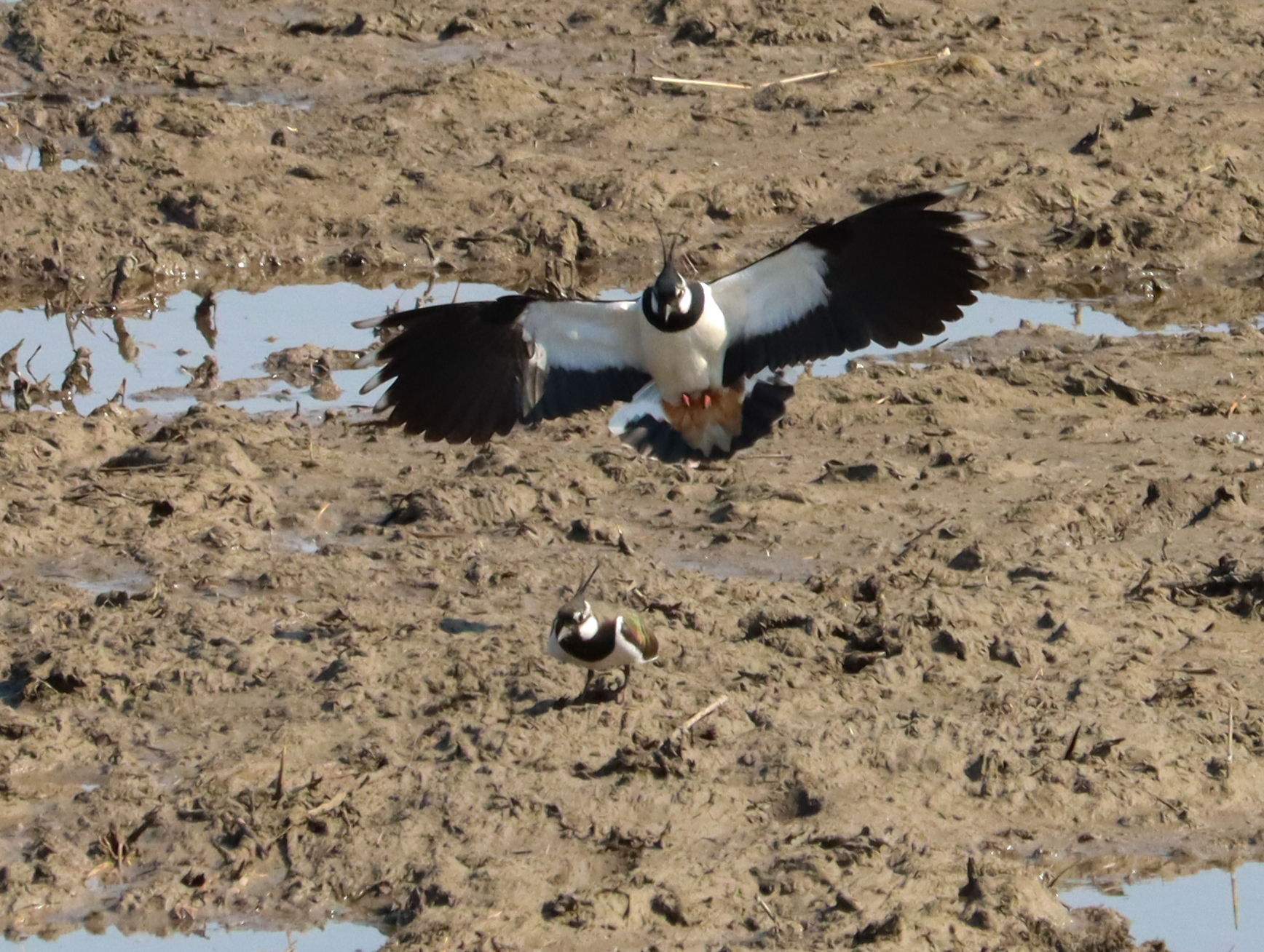
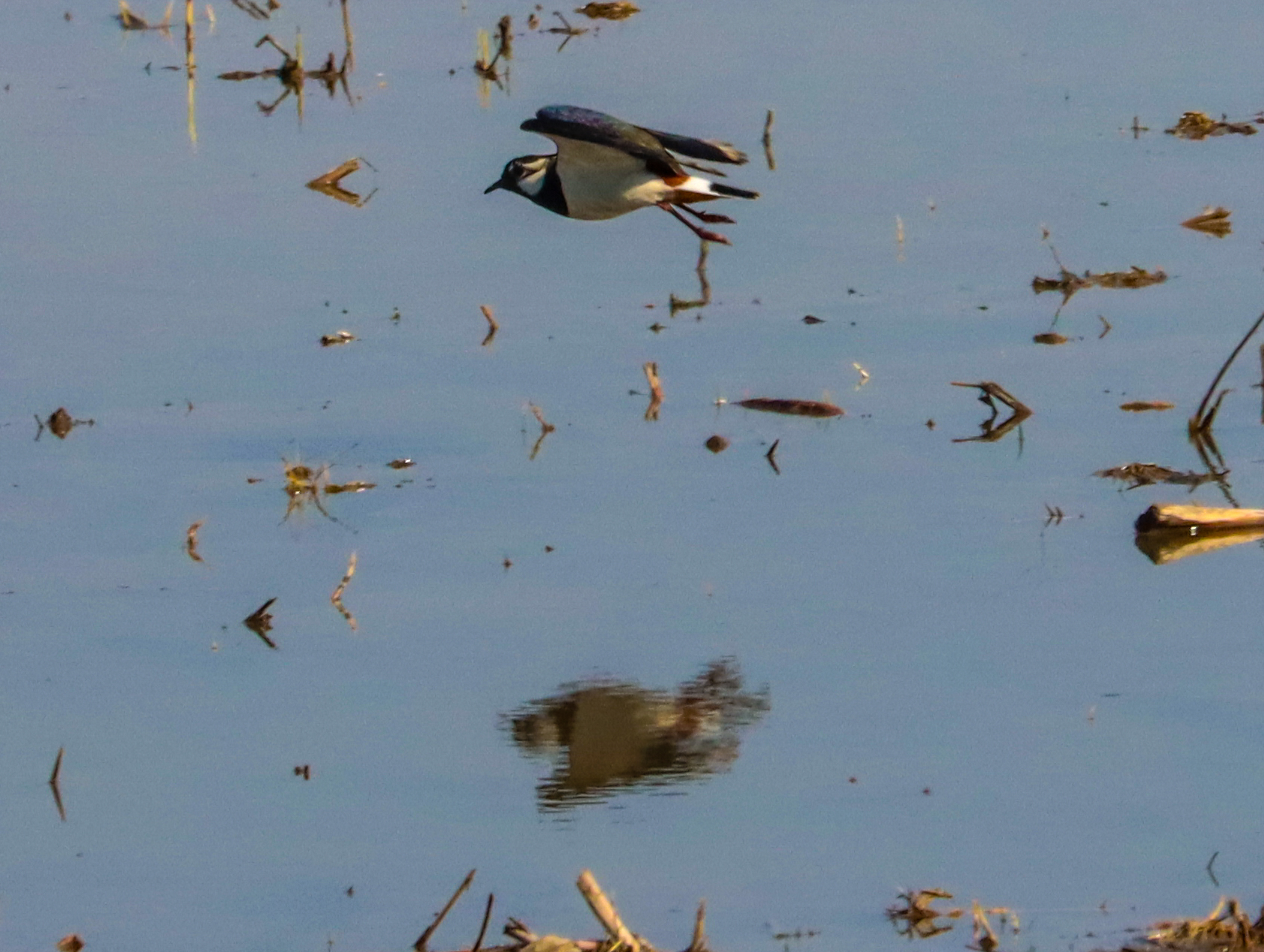
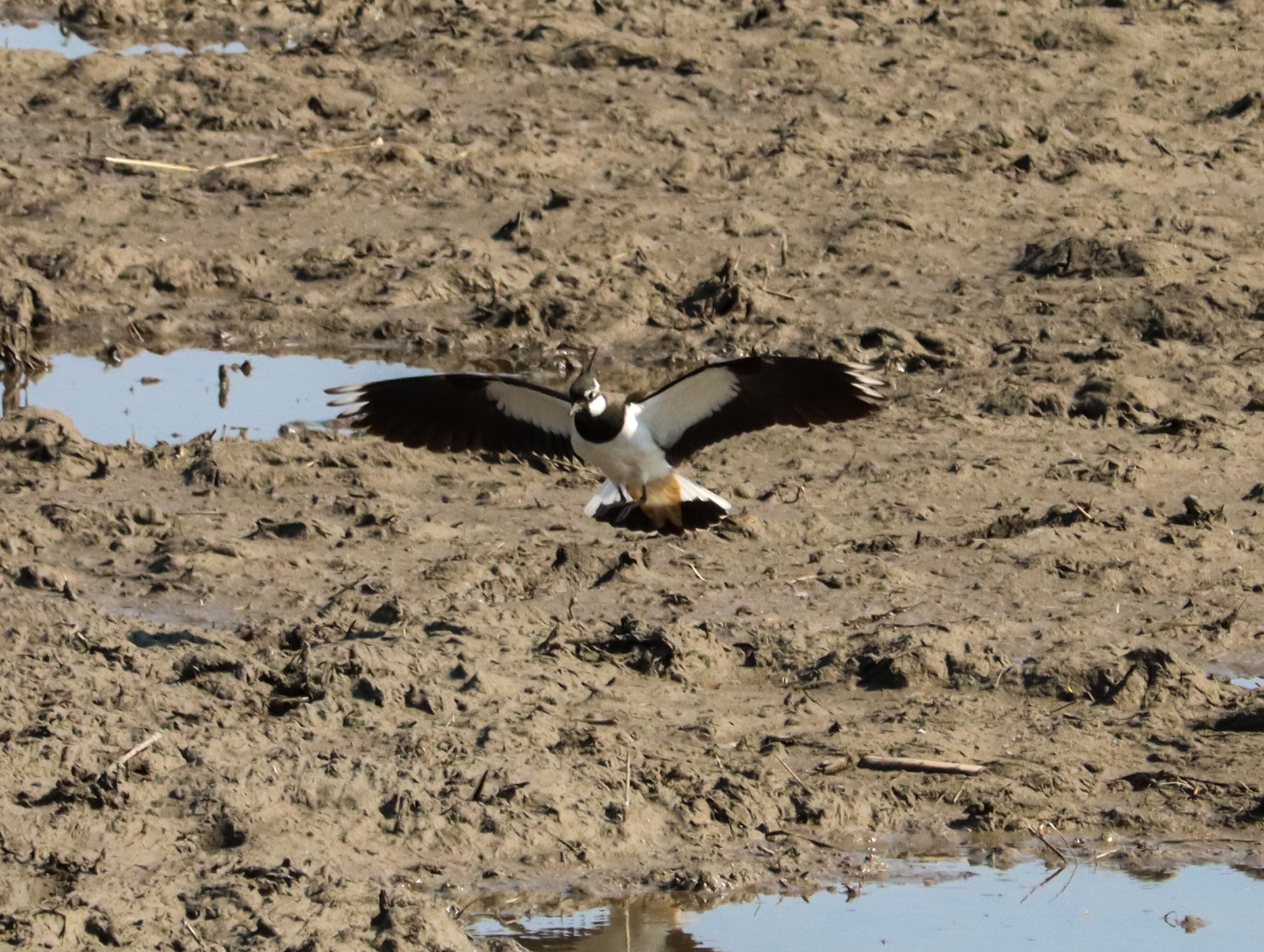
This medium-sized wader measures 28-33 cm in length with a substantial wingspan of 67-87 cm and weighs between 128-330 g. It has a compact, rounded body with notably short legs for a lapwing. The plumage is predominantly black and white, with the upperparts showing an attractive greenish tint. The most distinctive feature is the crest, which is long and elegant in breeding males. Males display a black crown, throat, and breast that contrast sharply with an otherwise white face. Females and juveniles have shorter crests and less sharply defined head markings, though their overall plumage pattern remains similar. The wings are broad and rounded, giving rise to its characteristic flapping flight style.
Identification
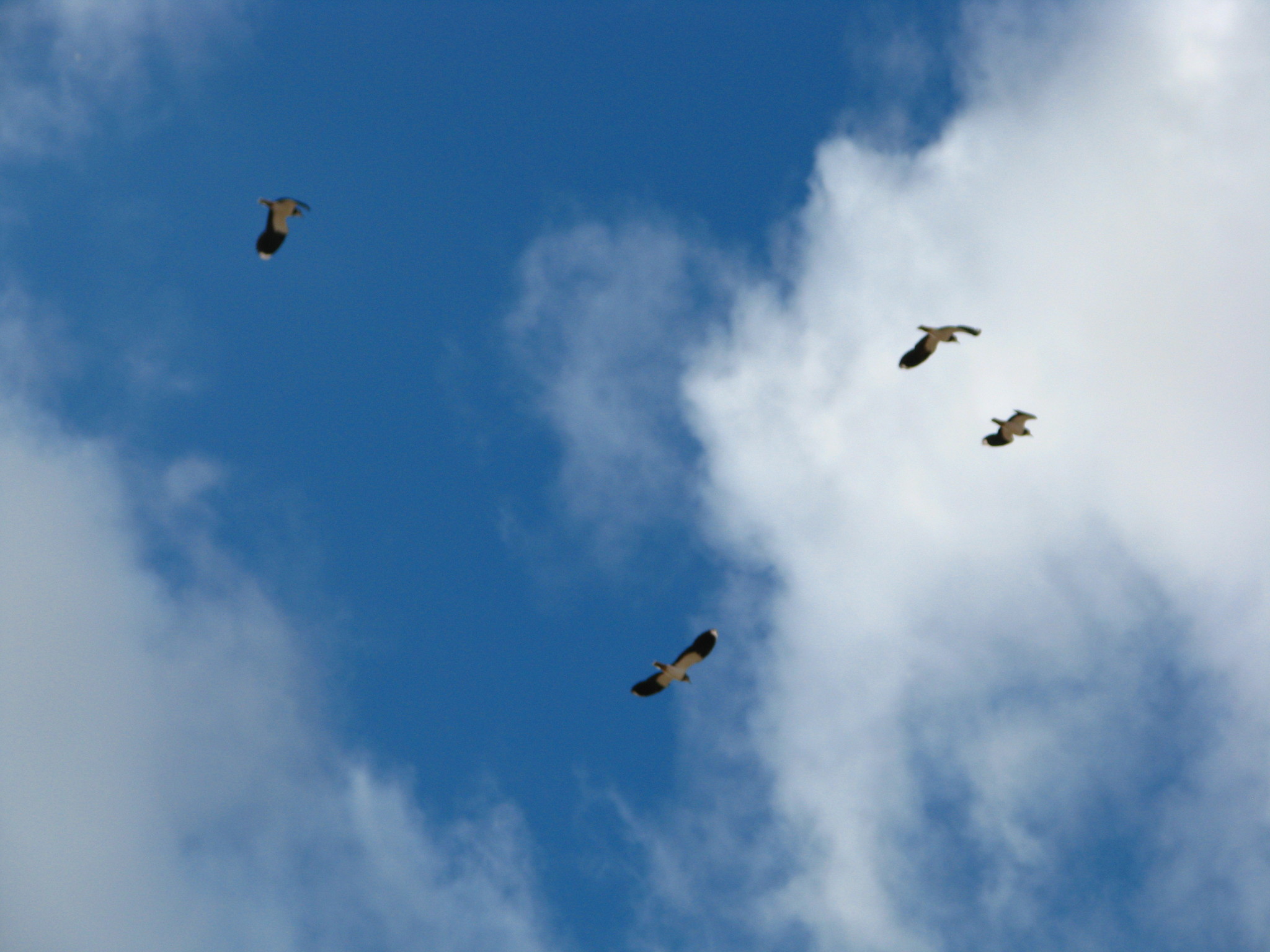
The combination of green-tinted upperparts, prominent crest, and black breast pattern distinguishes this species from other lapwings and plovers. The short legs are a useful识别 feature, as other lapwing species have longer legs. In flight, the rounded wings and contrasting black-and-white plumage create a distinctive silhouette. The loud 'pee-wit' call is characteristic and often the first indication of the bird's presence. It may be confused with golden plovers when seen at a distance, but the lapwing's distinctive crest and white wing patches are reliable differentiating features.
Distribution & Habitat
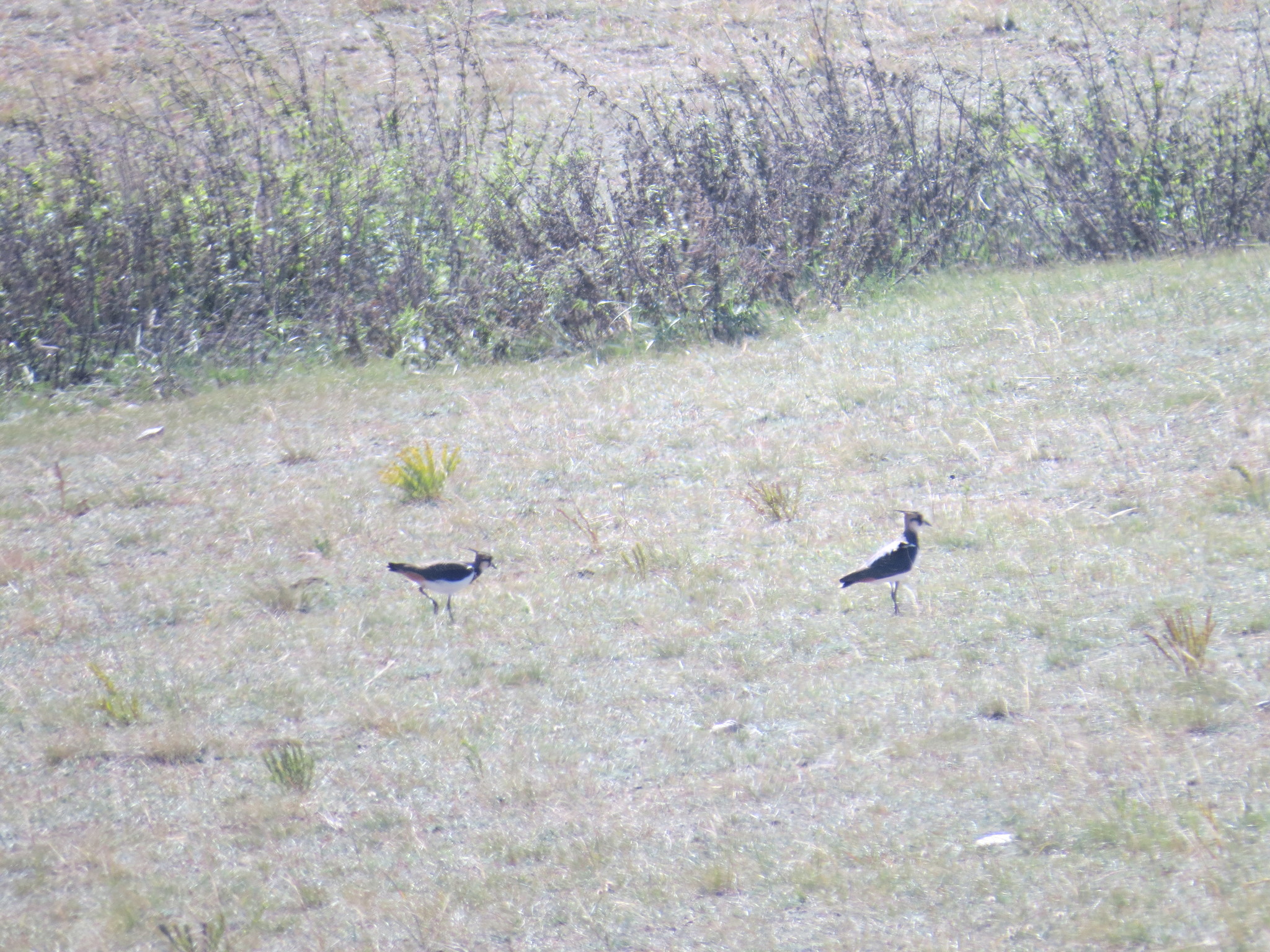
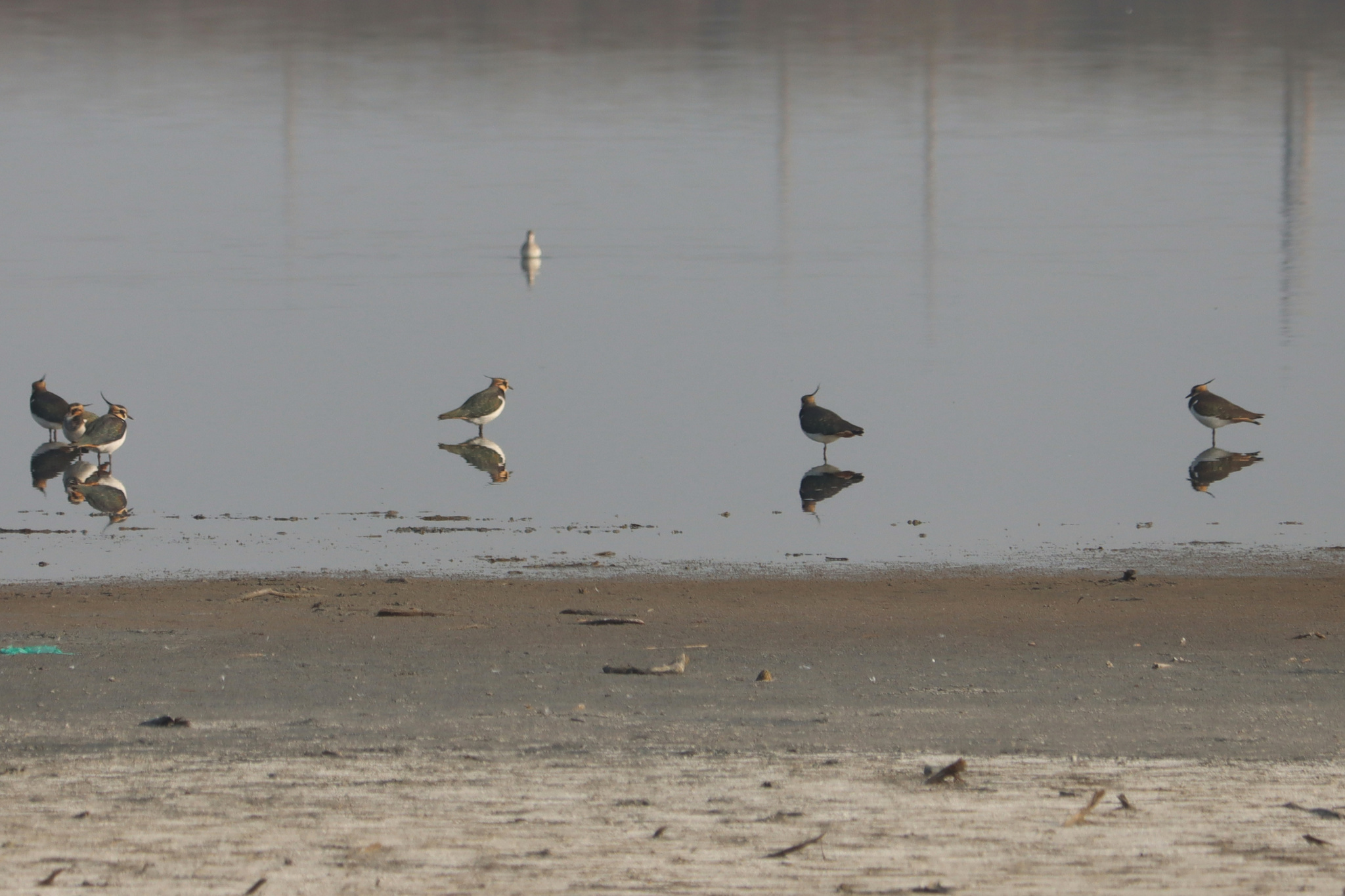
This species breeds commonly throughout temperate Eurosiberia, occupying cultivated areas, grasslands, and other open habitats with short vegetation. It is highly migratory across most of its range, wintering as far south as North Africa, northern India, Nepal, Bhutan, and parts of China. Migration occurs mainly by day in large flocks. However, lowland populations in western Europe are largely resident. It is an occasional vagrant to North America, particularly after storms, with documented sightings in eastern Canada. Winter flocks concentrate on open arable land and coastal mud-flats.
Behavior & Ecology
This is a vocal and demonstrative bird during the breeding season, with males performing dramatic tumbling display flights while calling constantly. The contact call is a loud, shrill 'pee-wit,' and displaying males produce a wheezy 'pee-wit, wit wit, eeze wit' sequence along with squeaking and mewing sounds. Three to four eggs are laid in a simple ground scrape, and both parents fiercely defend the nest and young against all intruders. The diet consists primarily of insects and other small invertebrates, with birds often feeding in mixed flocks. A distinctive feeding technique involves beating the ground with one leg to bring worms to the surface, known as worm charming. Like golden plovers, this species prefers nocturnal feeding during moonlight.
Conservation
The species holds Red List conservation status in the United Kingdom since 2009, following significant population declines documented in England and Wales between 1987 and 1998. Intensive agricultural practices are the primary threat, including loss of rough grassland, conversion to arable or improved farmland, changes in crop planting seasons, and increased grazing pressure in upland areas. Conservation measures focus on creating fallow plots of at least 2 hectares in arable fields to provide nesting habitat. In the Middle East, the species faces significant hunting pressure during migration. Nest predation by mammals also contributes to population declines. The species is protected under the Agreement on the Conservation of African-Eurasian Migratory Waterbirds.
Culture
This bird holds notable cultural significance across Europe. In Ireland, it was designated the Republic of Ireland's national bird in 1990 by the Irish Wildlife Conservancy. In Victorian Europe, its eggs were considered an expensive delicacy, mentioned in Evelyn Waugh's 'Brideshead Revisited.' The Netherlands maintains a long-standing cultural tradition of competing to find the first peewit egg of the year, particularly in Friesland, though egg harvesting has been prohibited since 2005. Historical records show the first egg has been found progressively earlier each century, attributed to increased fertilizer use and climate change. The bird appears in mythology, particularly in Ovid's 'Metamorphoses,' though scholars believe the reference likely intended the hoopoe.
Source: Wikipedia · CC BY-SA 3.0
Taxonomy
- Order
- Charadriiformes
- Family
- Charadriidae
- Genus
- Vanellus
- eBird Code
- norlap
Distribution
breeds inland temperate and subarctic Eurasia from Scandinavia and Iberian Peninsula eastward to southeastern Russia and northeastern China; winters northern Africa eastward to Japan, Taiwan, and northern Vietnam
Data Sources
Species description from Wikipedia, licensed under CC BY-SA 3.0.
Bird images and sounds sourced from GBIF, contributed by citizen scientists worldwide under Creative Commons licenses.
Taxonomy data from AviList 2025.