Charadriiformes / Charadriidae / Vanellus
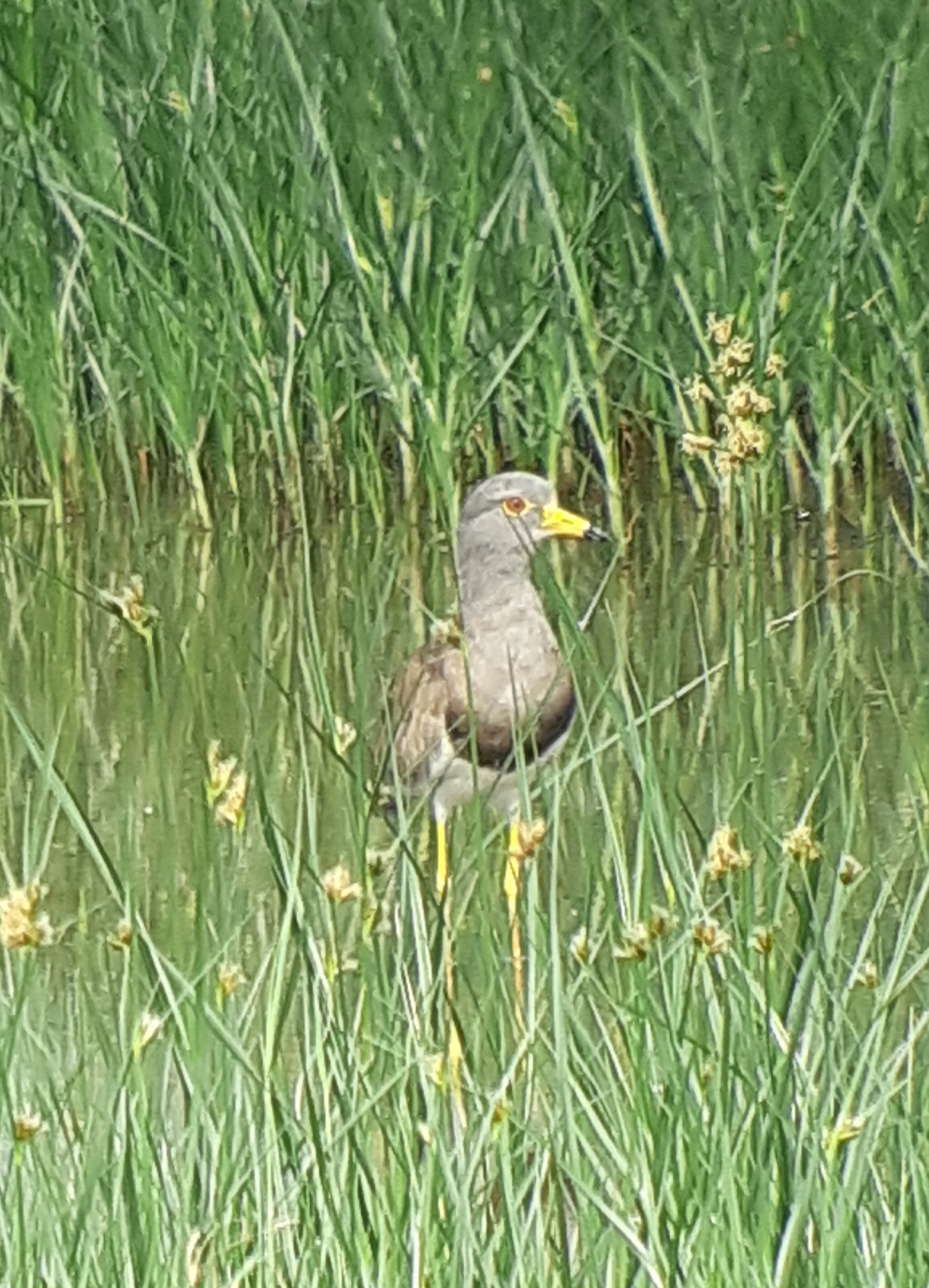
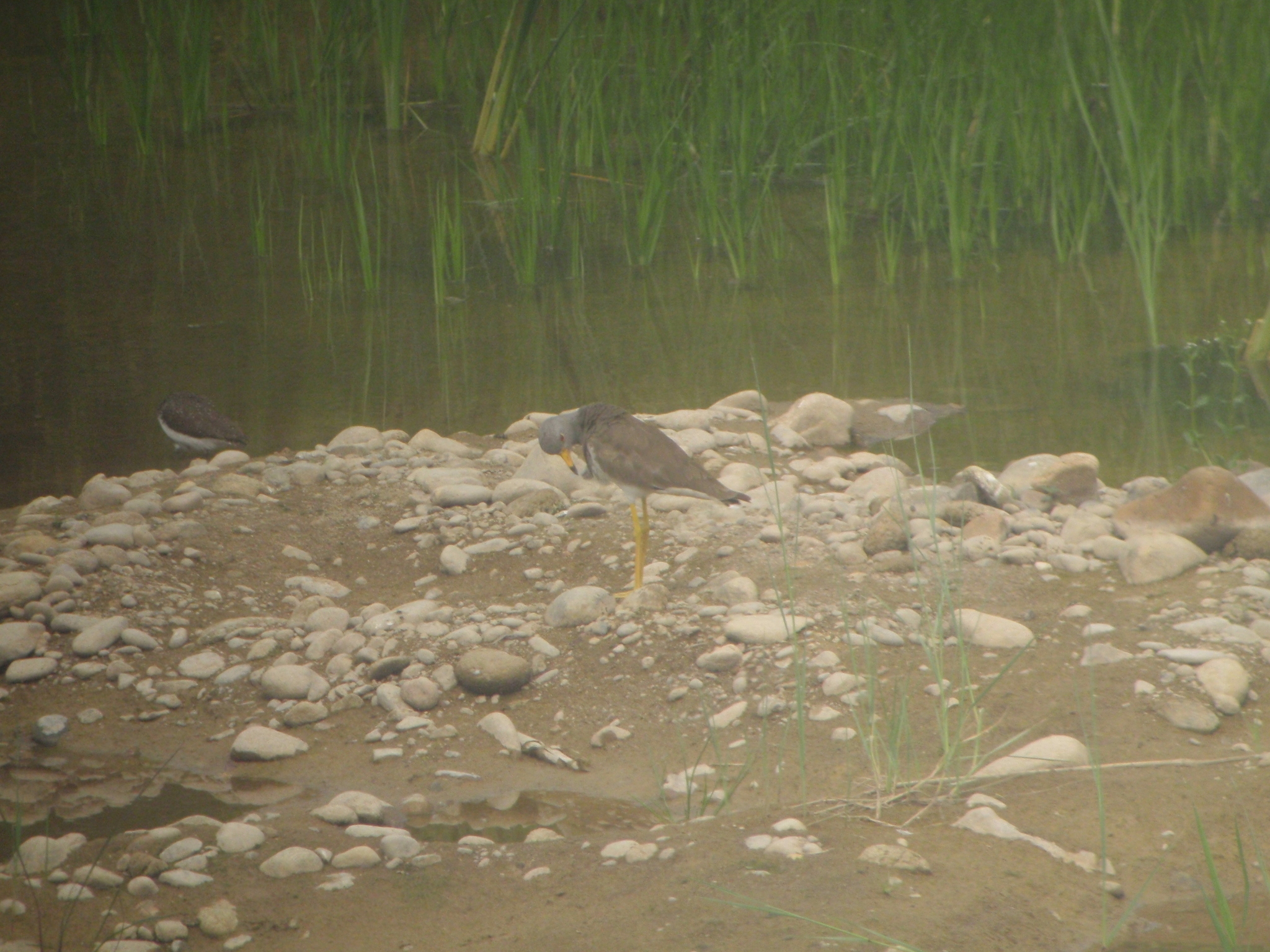
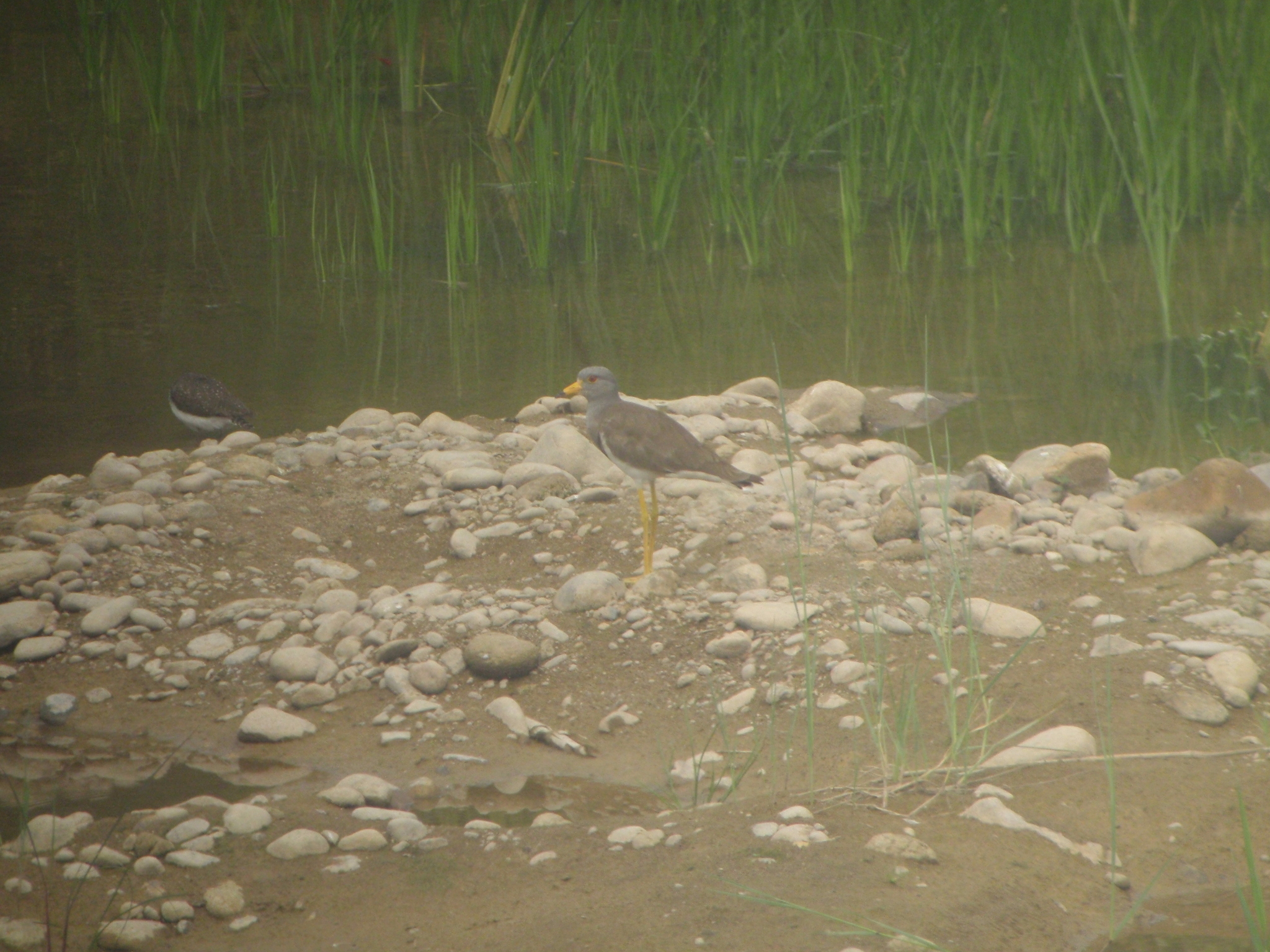
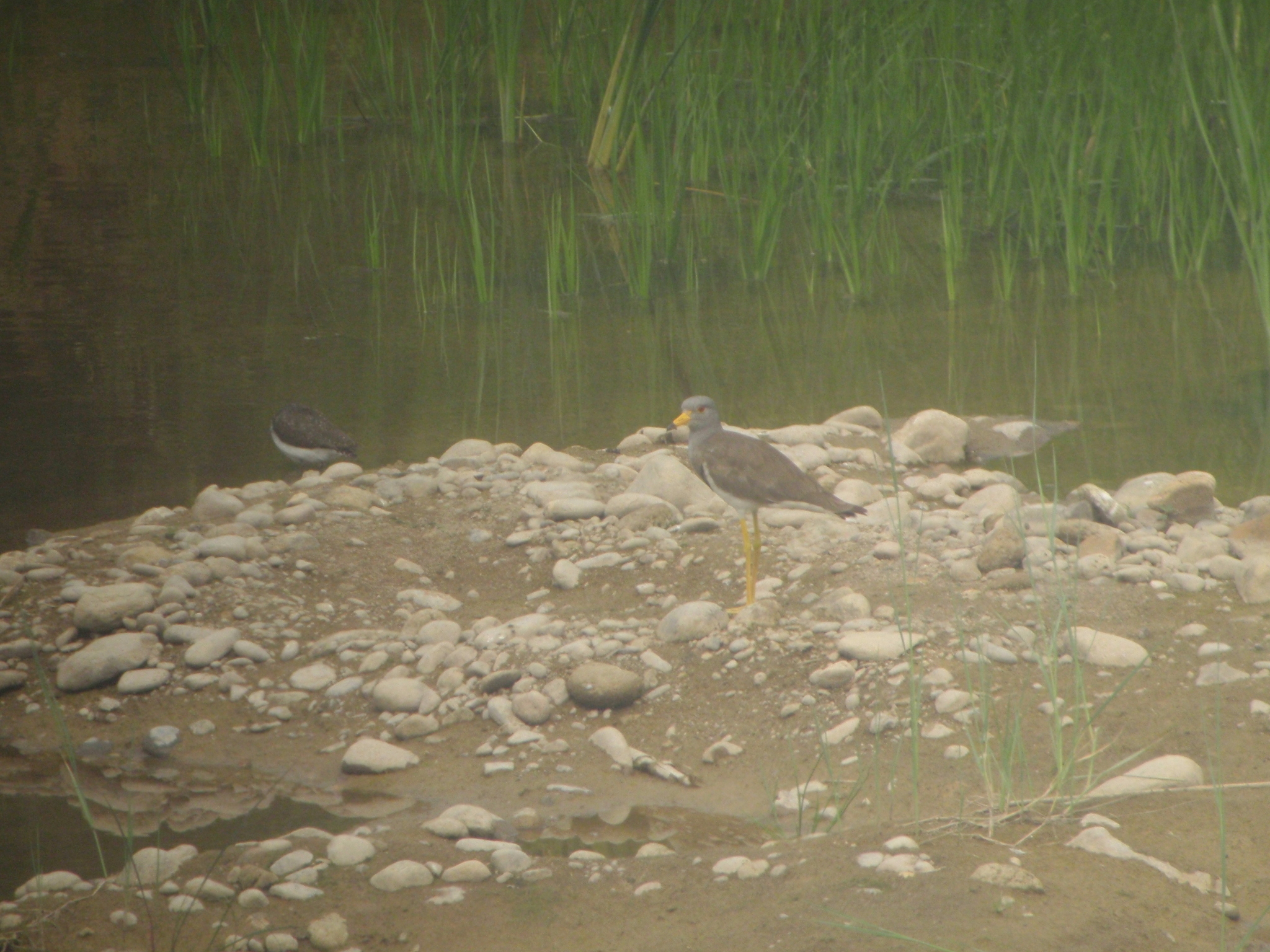
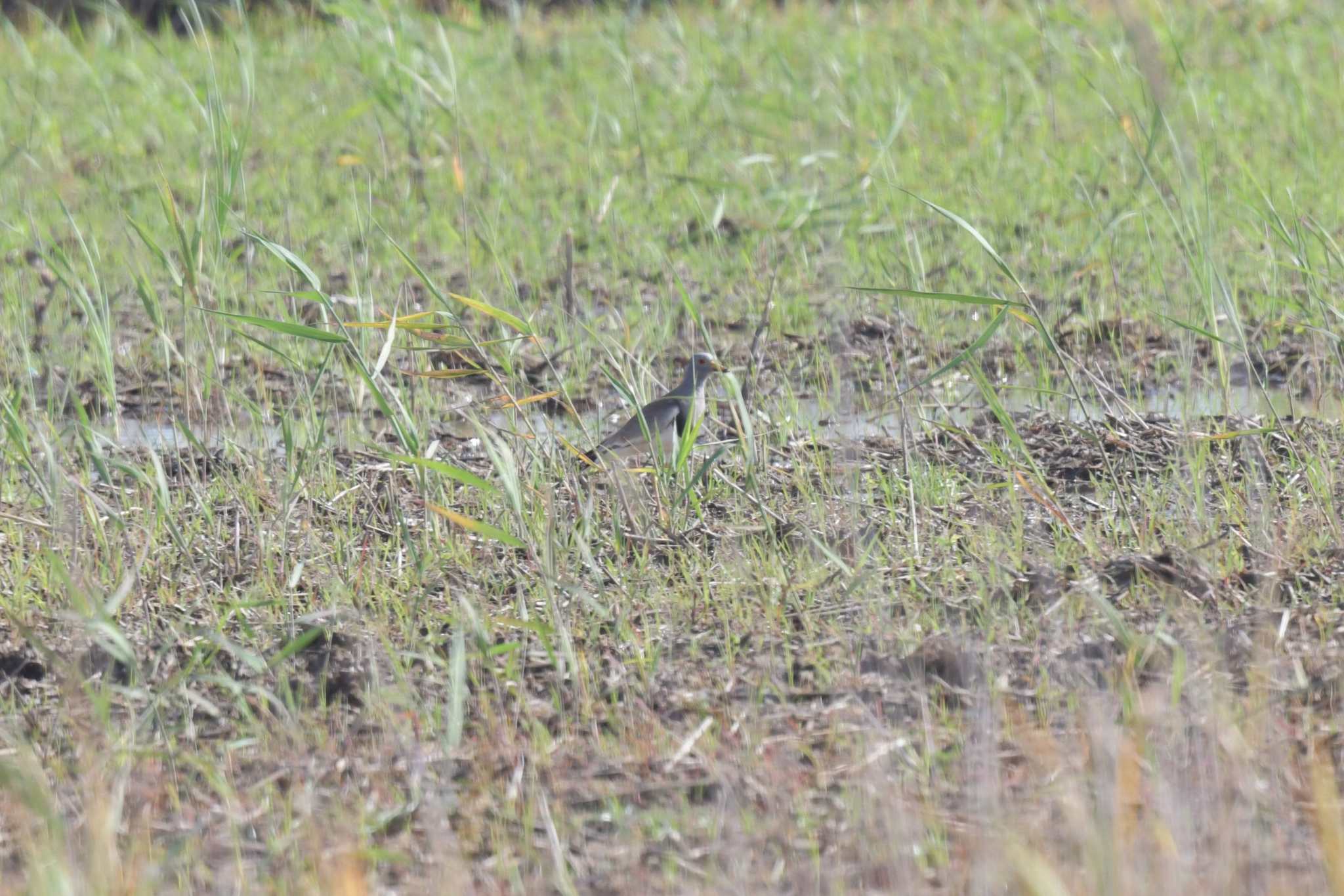
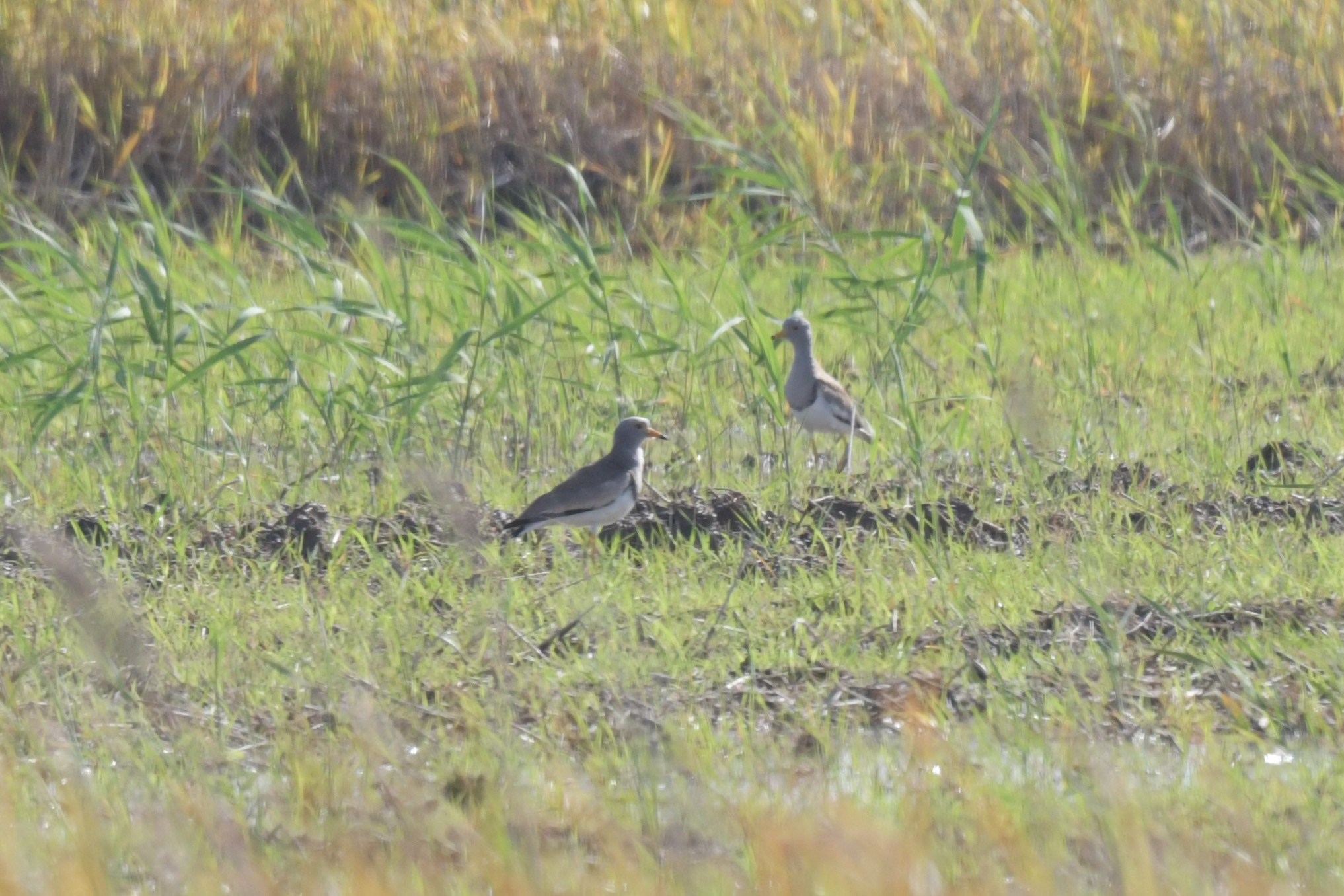
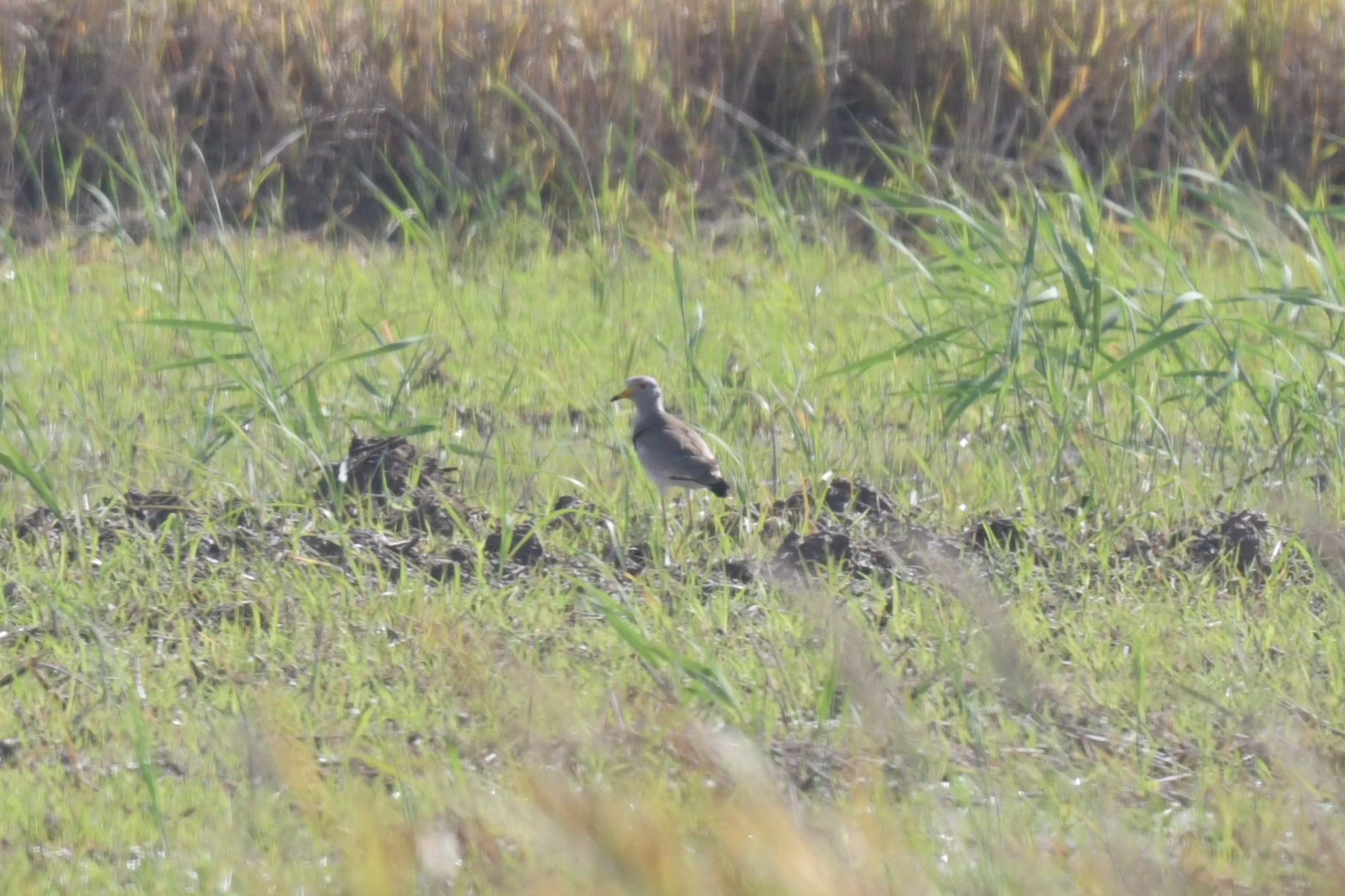
Grey-headed Lapwing
Vanellus cinereus · 灰头麦鸡
Introduction
A lapwing species breeding in northeast China and Japan. The mainland population winters in northern Southeast Asia from northeastern India to Cambodia, while the Japanese population winters partially in southern Honshū. It inhabits wet grasslands, rice fields, and marshland edges.
Description
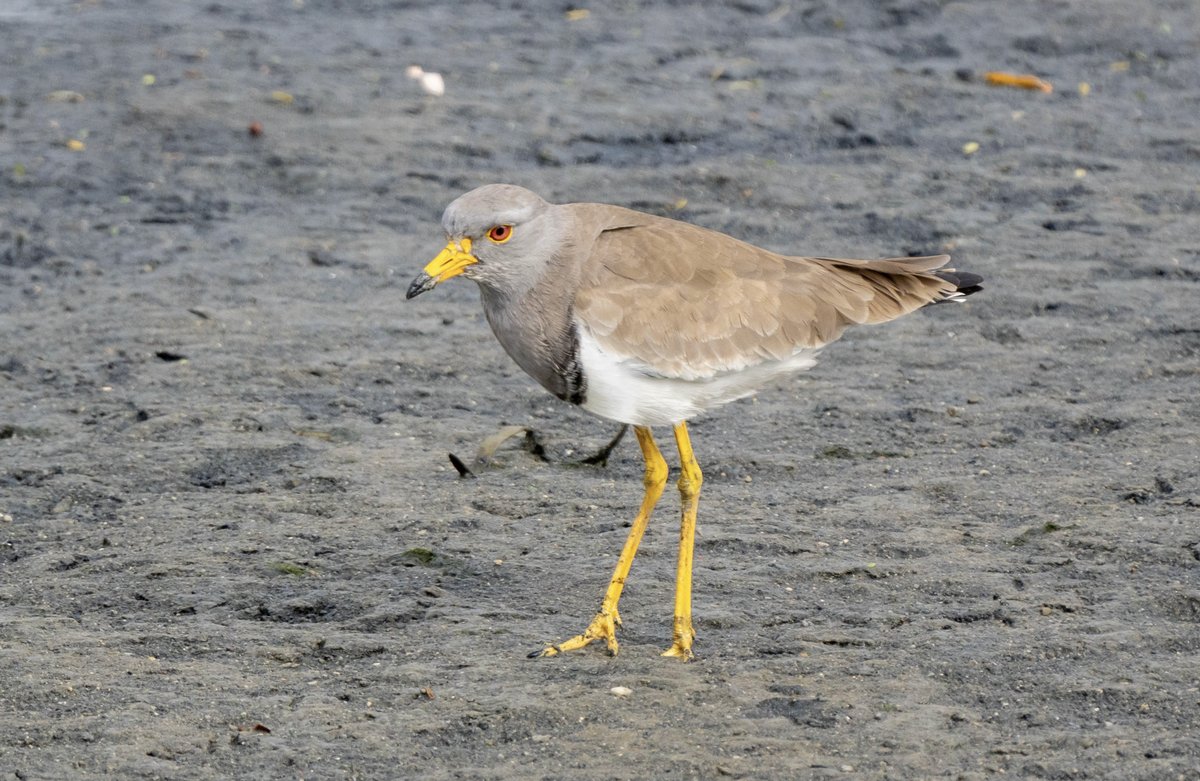
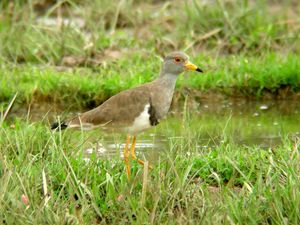
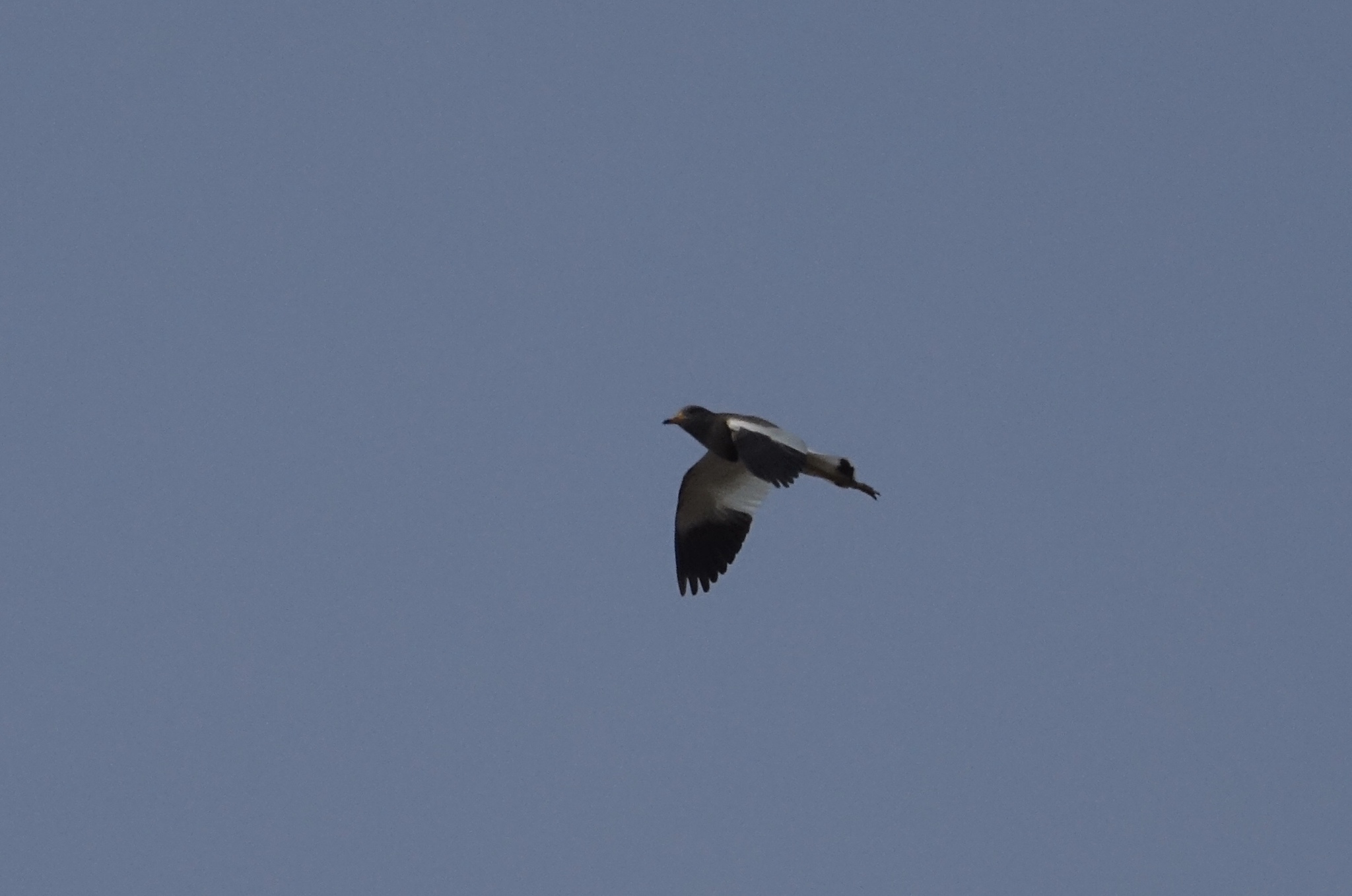
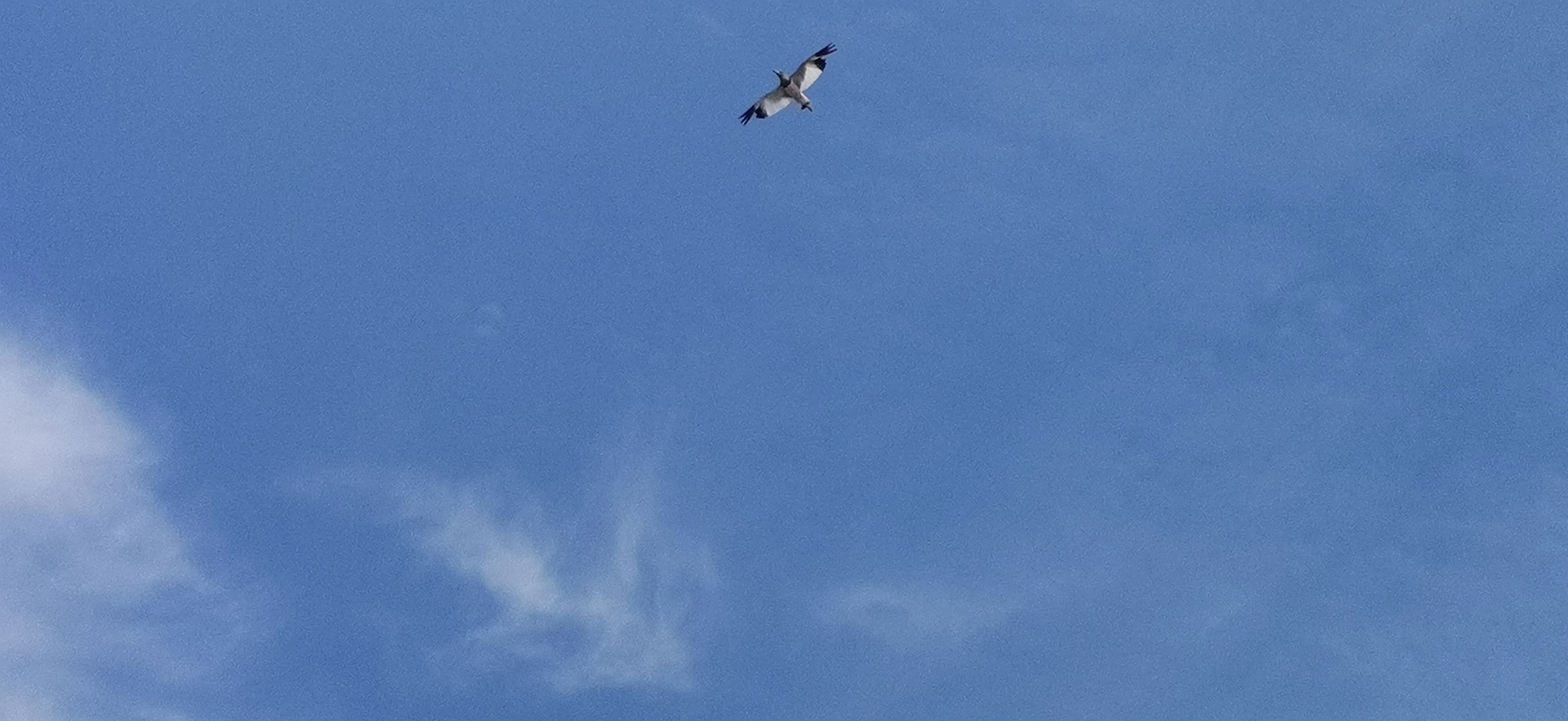
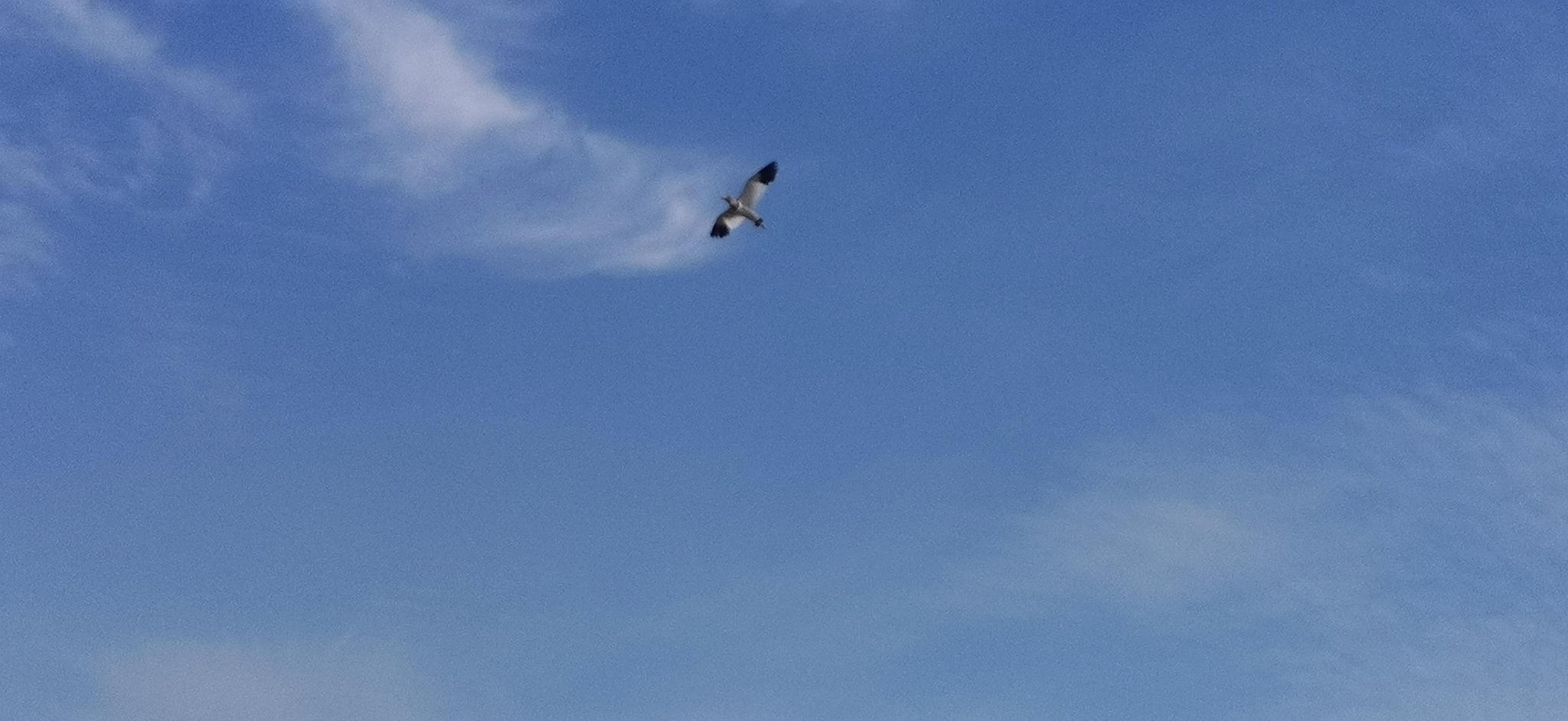
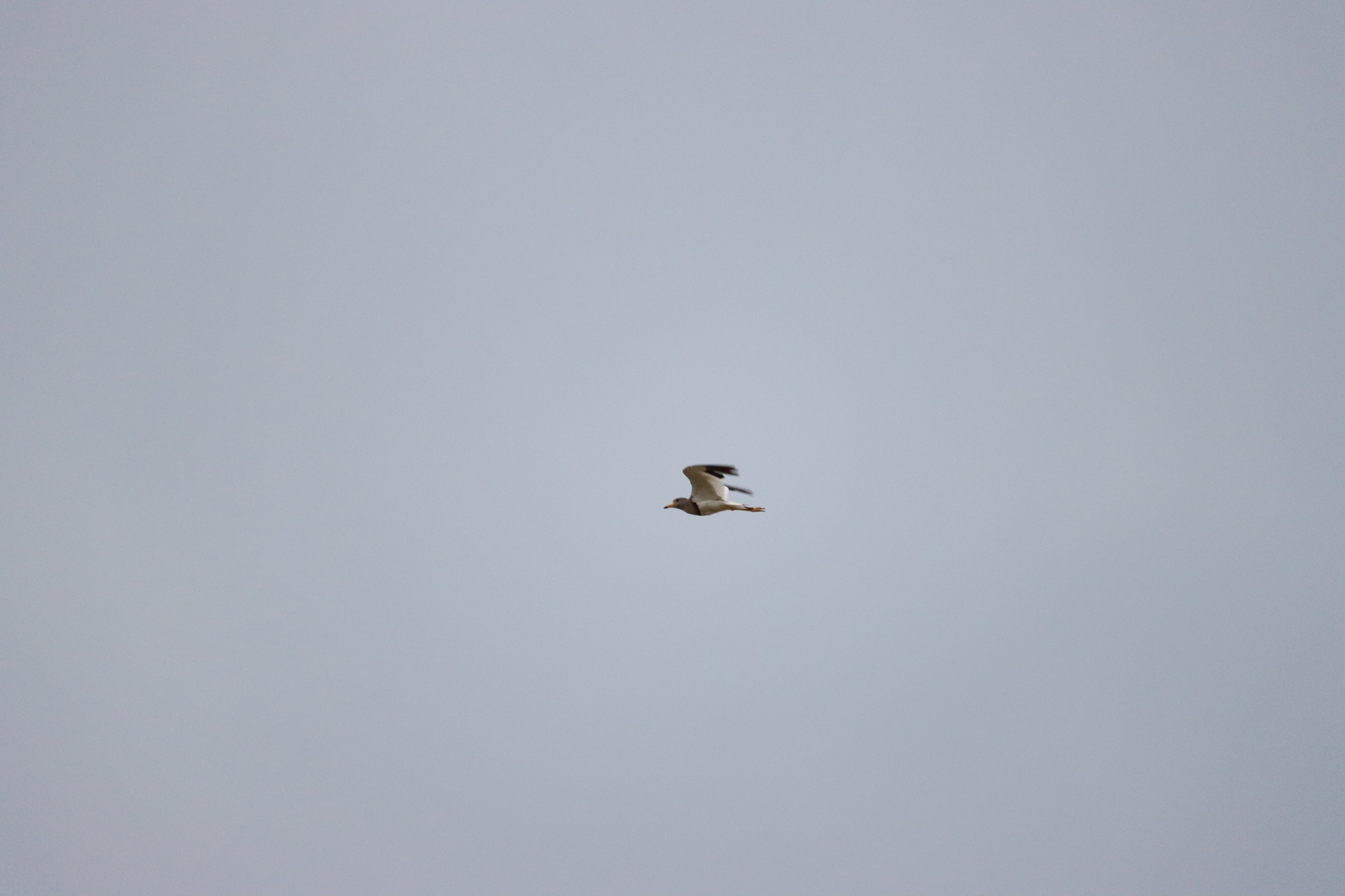
Body length is 34–37 cm. It has a grey head and neck, a darker grey breast band, and a white belly. The back is brown, the rump is white, and the tail is black. In flight, it displays black primaries, white underwings and upper wing secondaries, and brown upper wing coverts. Adults of both sexes are similarly plumaged, though males are slightly larger. Young birds have white plumage areas tinged with grey, a less distinct breast band, and pale fringes on upperpart and wing covert feathers.
Identification
Striking in flight with black primaries, white underwings and upper wing secondaries, and brown upper wing coverts. The call is a sharp chee-it.
Distribution & Habitat
Breeds in northeast China and Japan. Mainland population winters in northern Southeast Asia from northeastern India to Cambodia. Japanese population winters at least partially in southern Honshū. Recorded as a vagrant in Russia, the Philippines, Indonesia, New South Wales (Australia), Telangana, Sri Lanka, Sweden, and England.
Behavior & Ecology
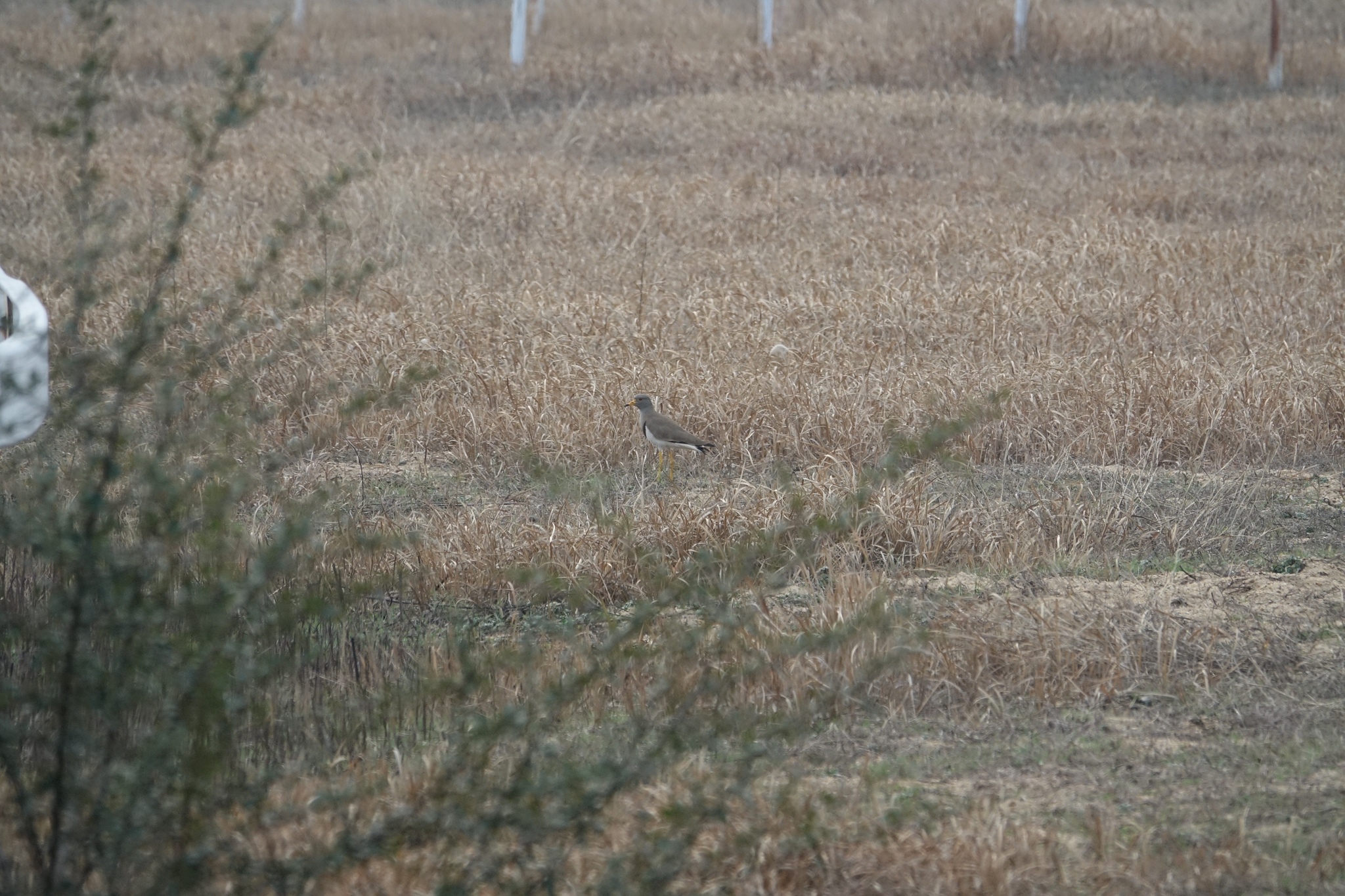
Nests from April to July in wet grassland, rice fields, and marshland edges. Winters in similar habitats and is gregarious during this period. Feeds in shallow water on insects, worms, and molluscs.
Source: Wikipedia · CC BY-SA 3.0
Taxonomy
- Order
- Charadriiformes
- Family
- Charadriidae
- Genus
- Vanellus
Distribution
breeds inland northeastern China (Heilongjiang and Inner Mongolia), and central and southern Japan (Honshu to Kyushu); winters to southern and northeastern India, through southeastern Asia, Malayan Peninsula, Vietnam, and southeastern China
Vocalizations
Data Sources
Species description from Wikipedia, licensed under CC BY-SA 3.0.
Bird images and sounds sourced from GBIF, contributed by citizen scientists worldwide under Creative Commons licenses.
Taxonomy data from AviList 2025.