Bucerotiformes / Upupidae / Upupa
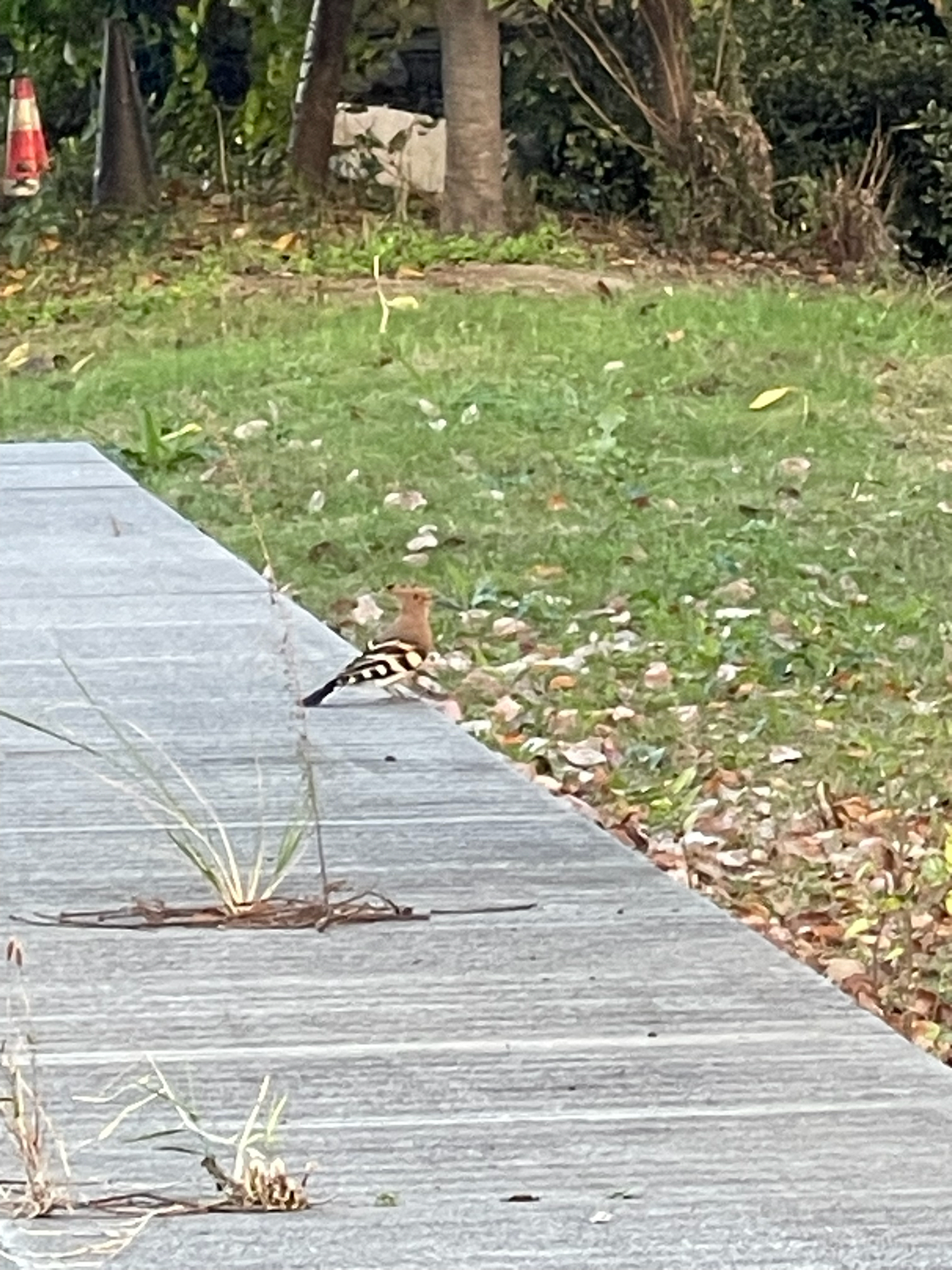
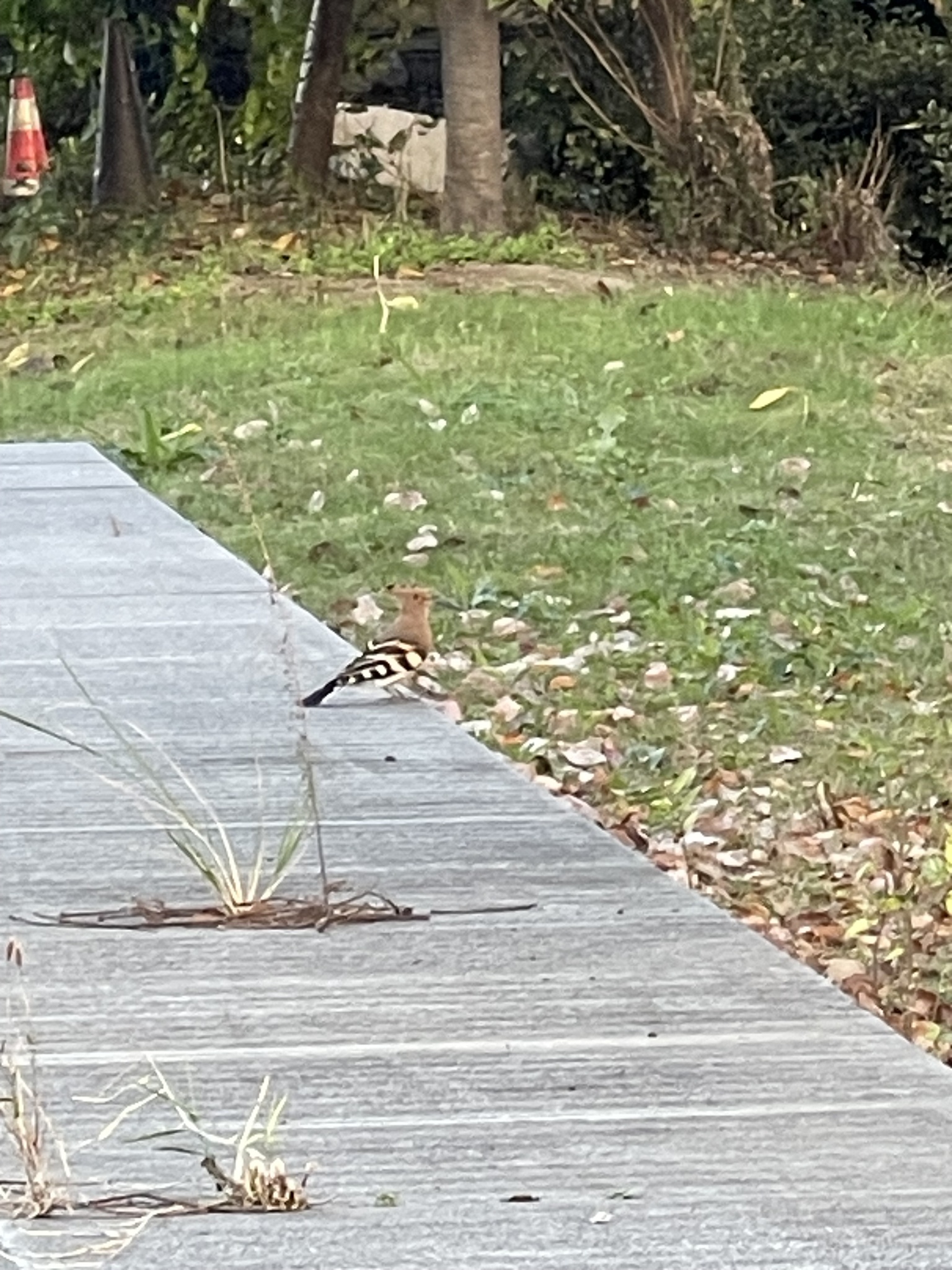
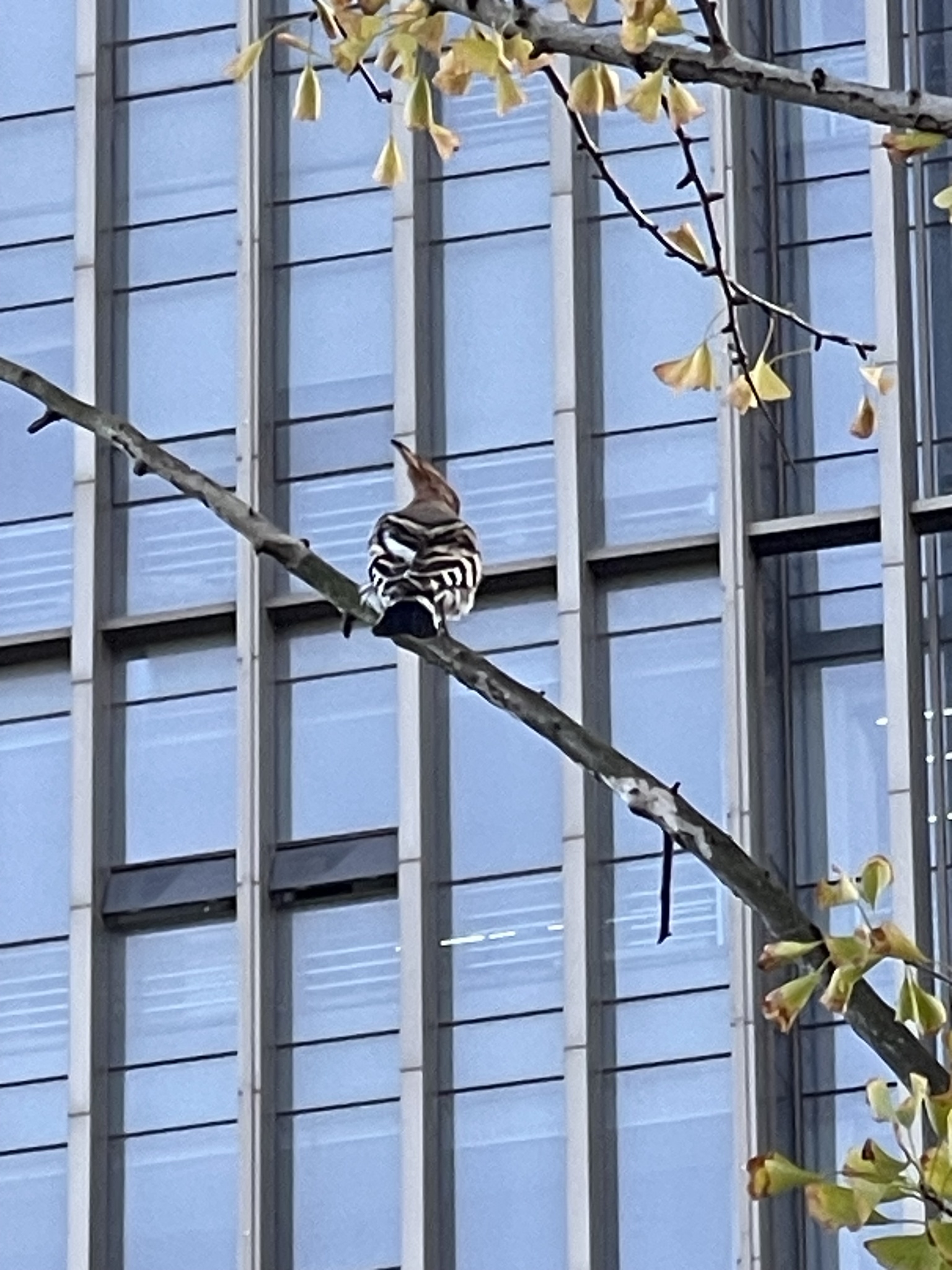
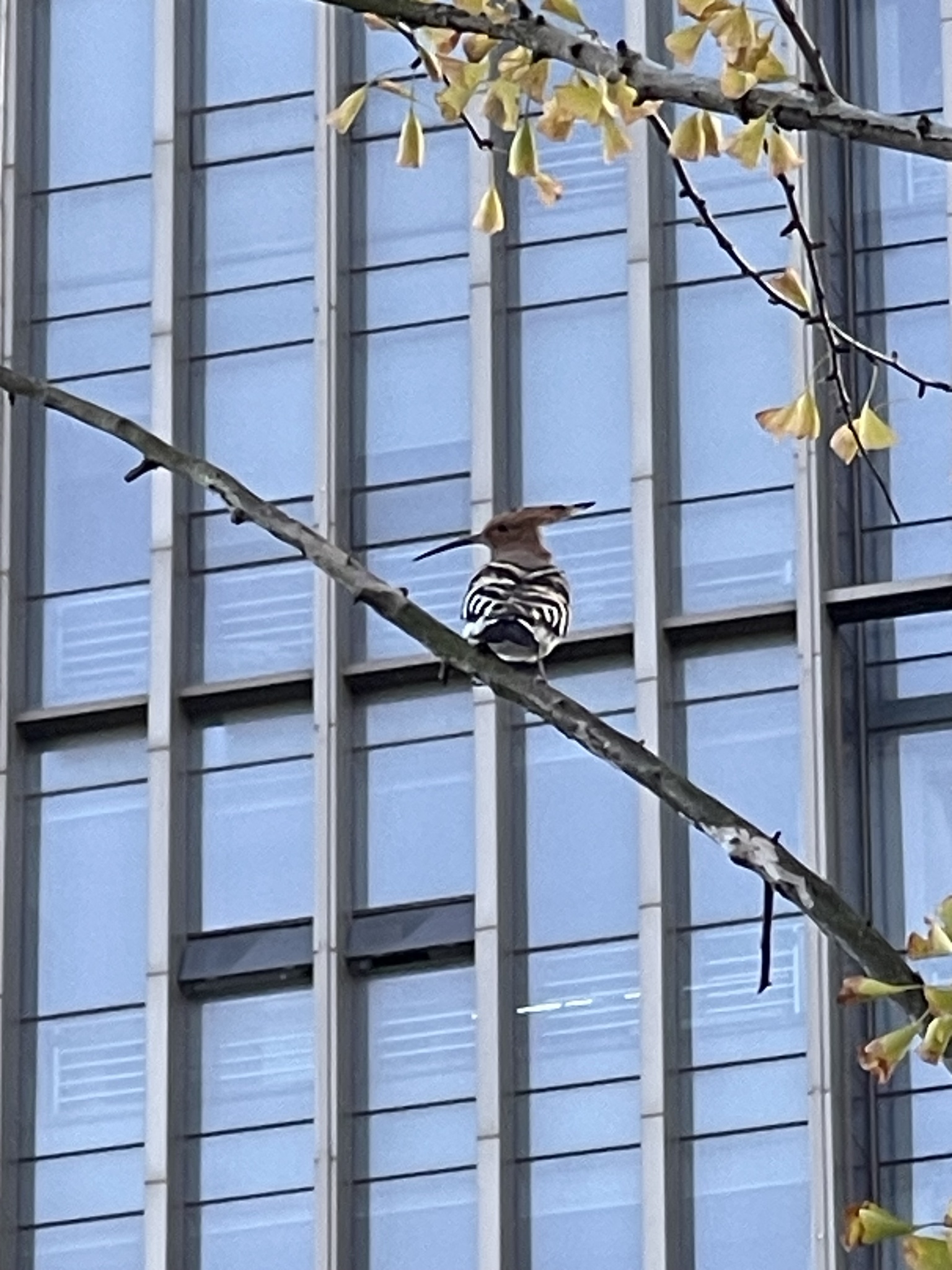
Common Hoopoe
Upupa epops · 戴胜
Introduction
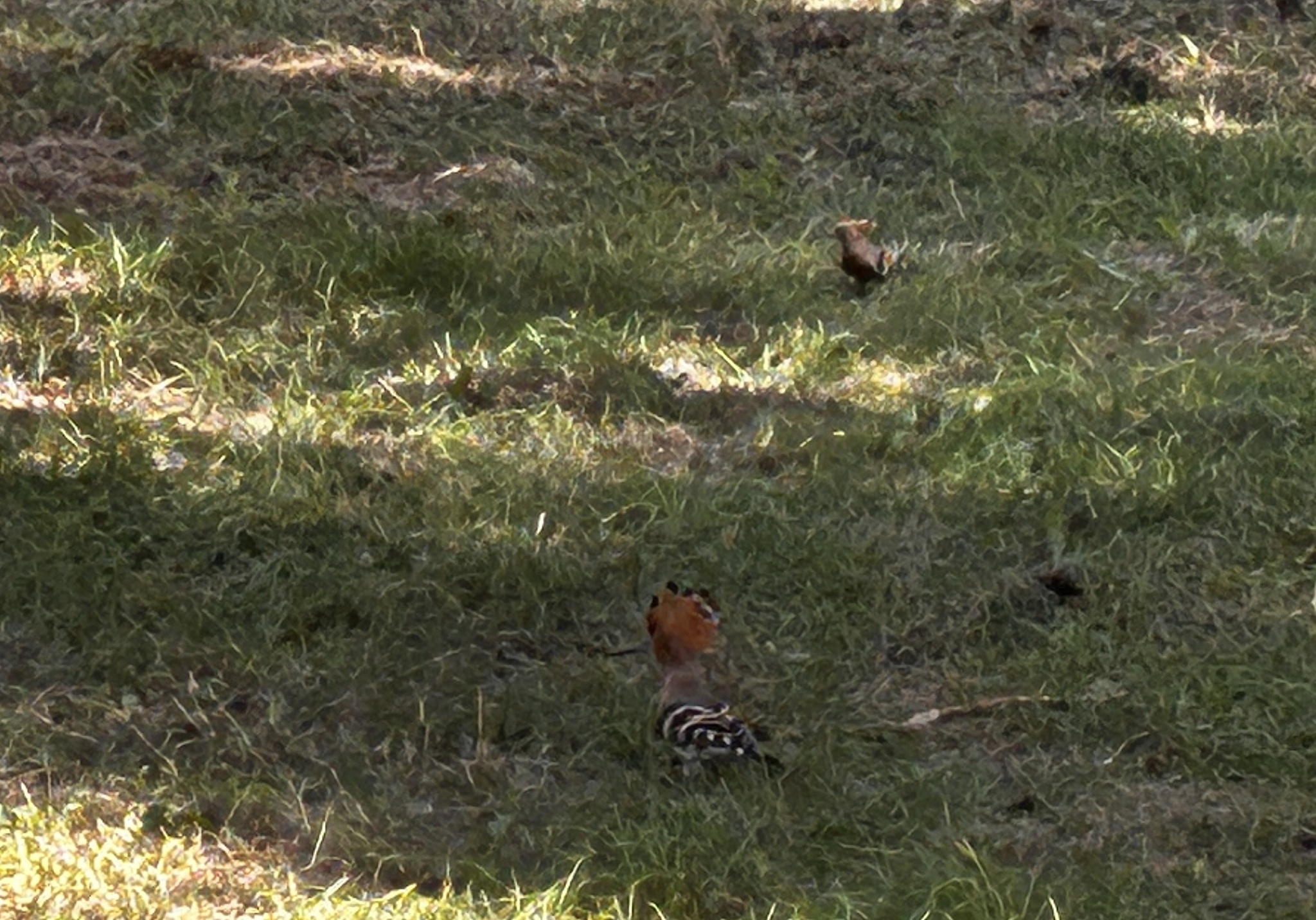
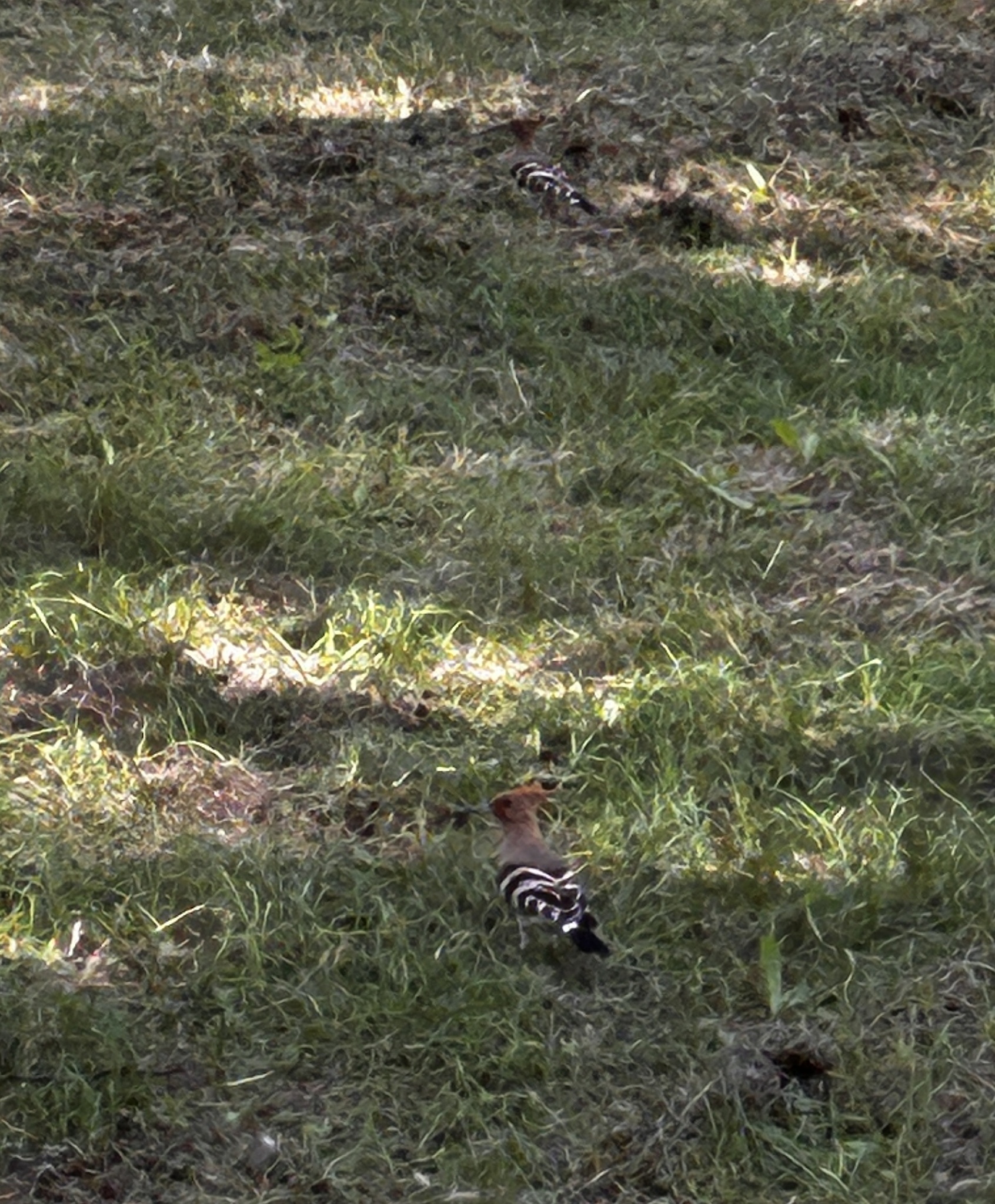
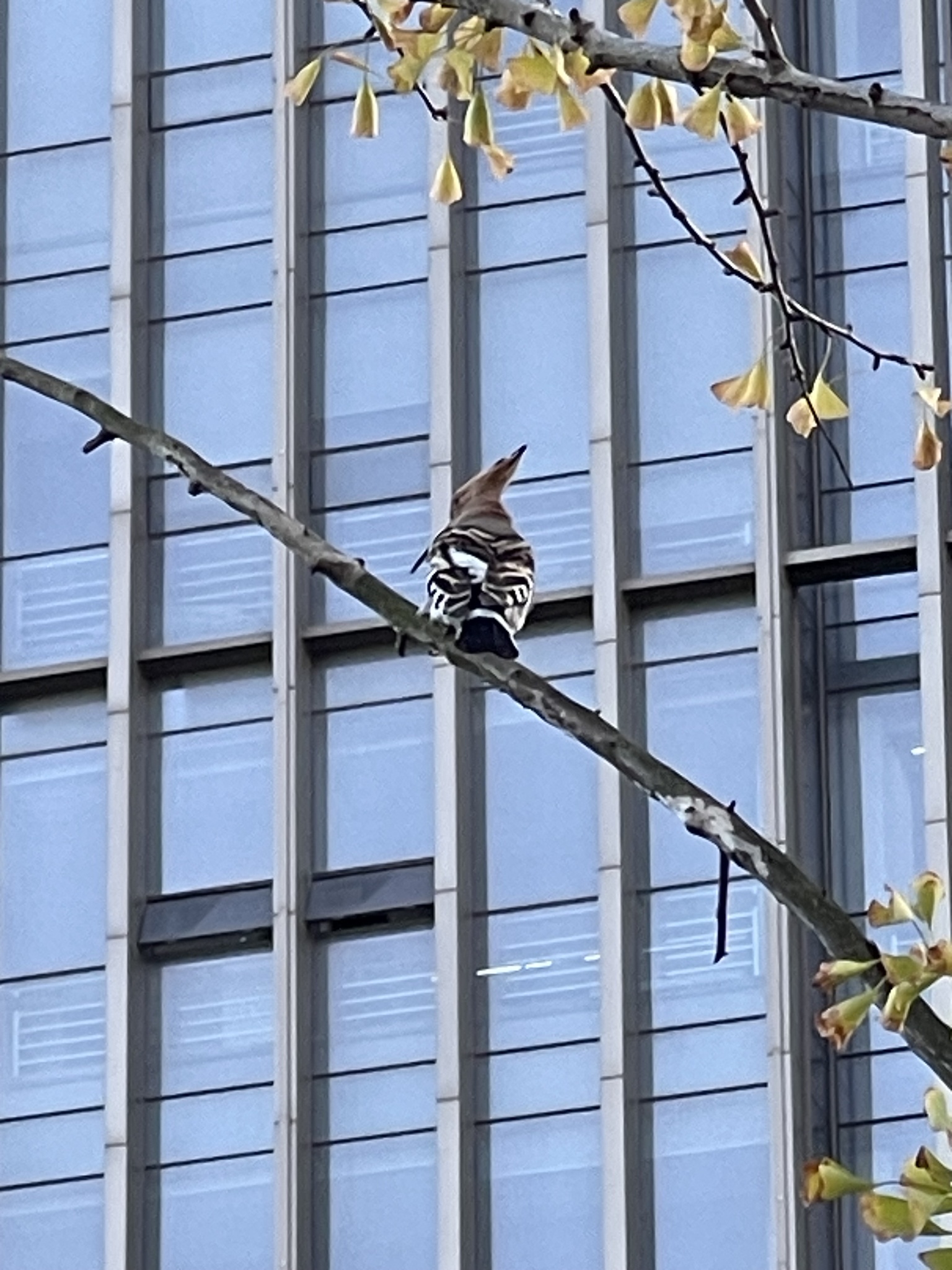
A colorful bird found across Africa, Asia, and Europe, belonging to the order Bucerotiformes. It is notable for a distinctive crown of feathers that can be raised or lowered at will. The species inhabits a wide range of ecosystems requiring bare ground for foraging and vertical cavities for nesting. Evaluated as Least Concern on the IUCN Red List, though populations are declining in Western Europe.
Description
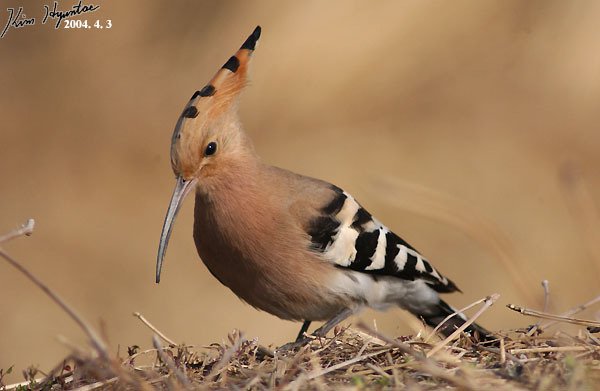
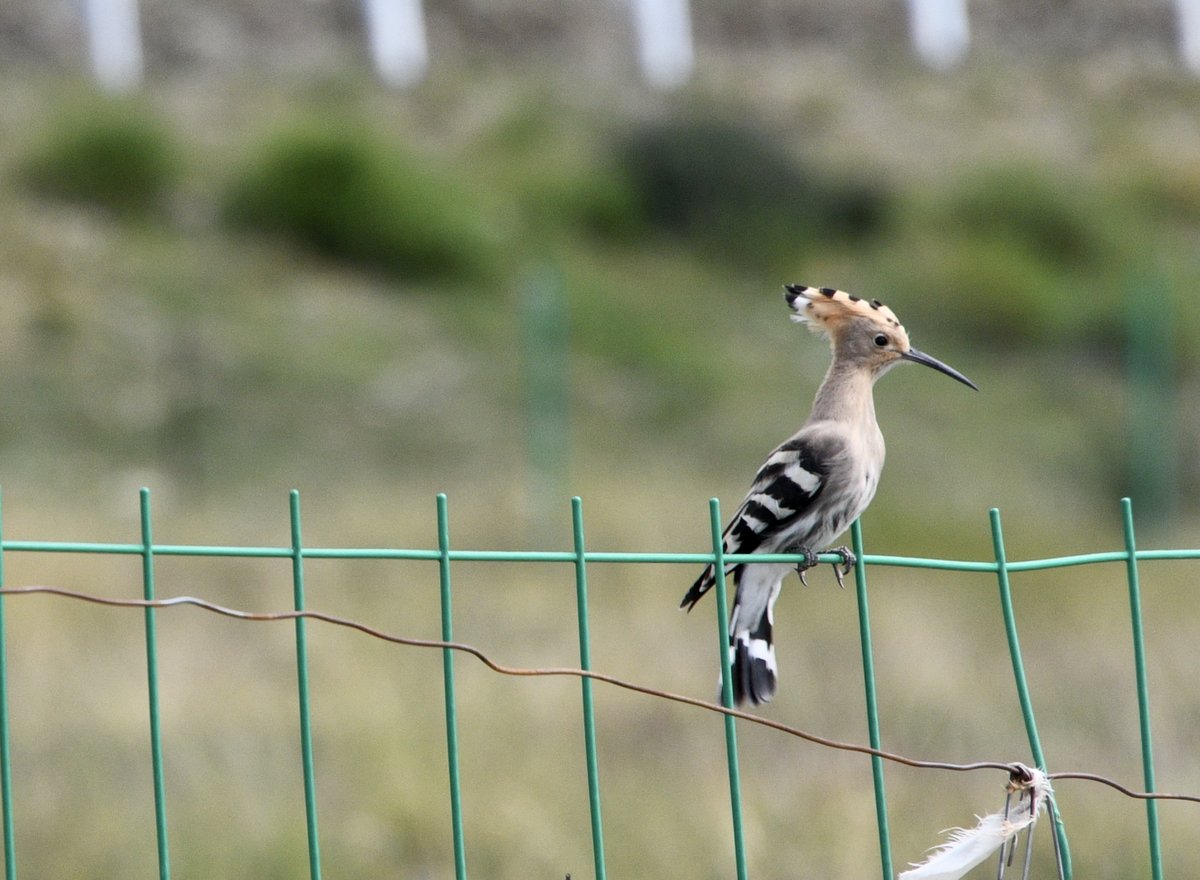
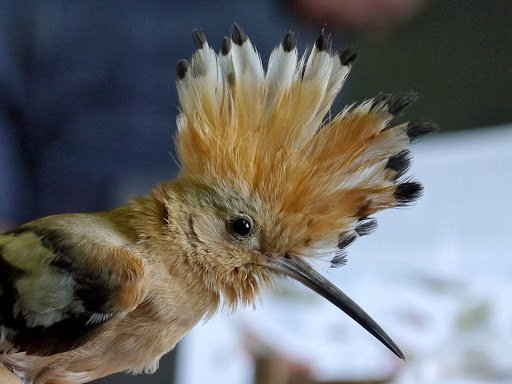
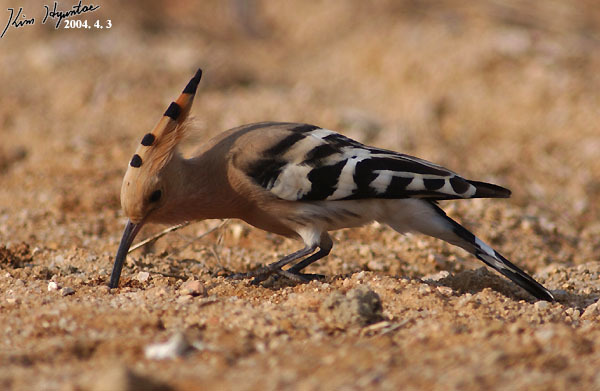
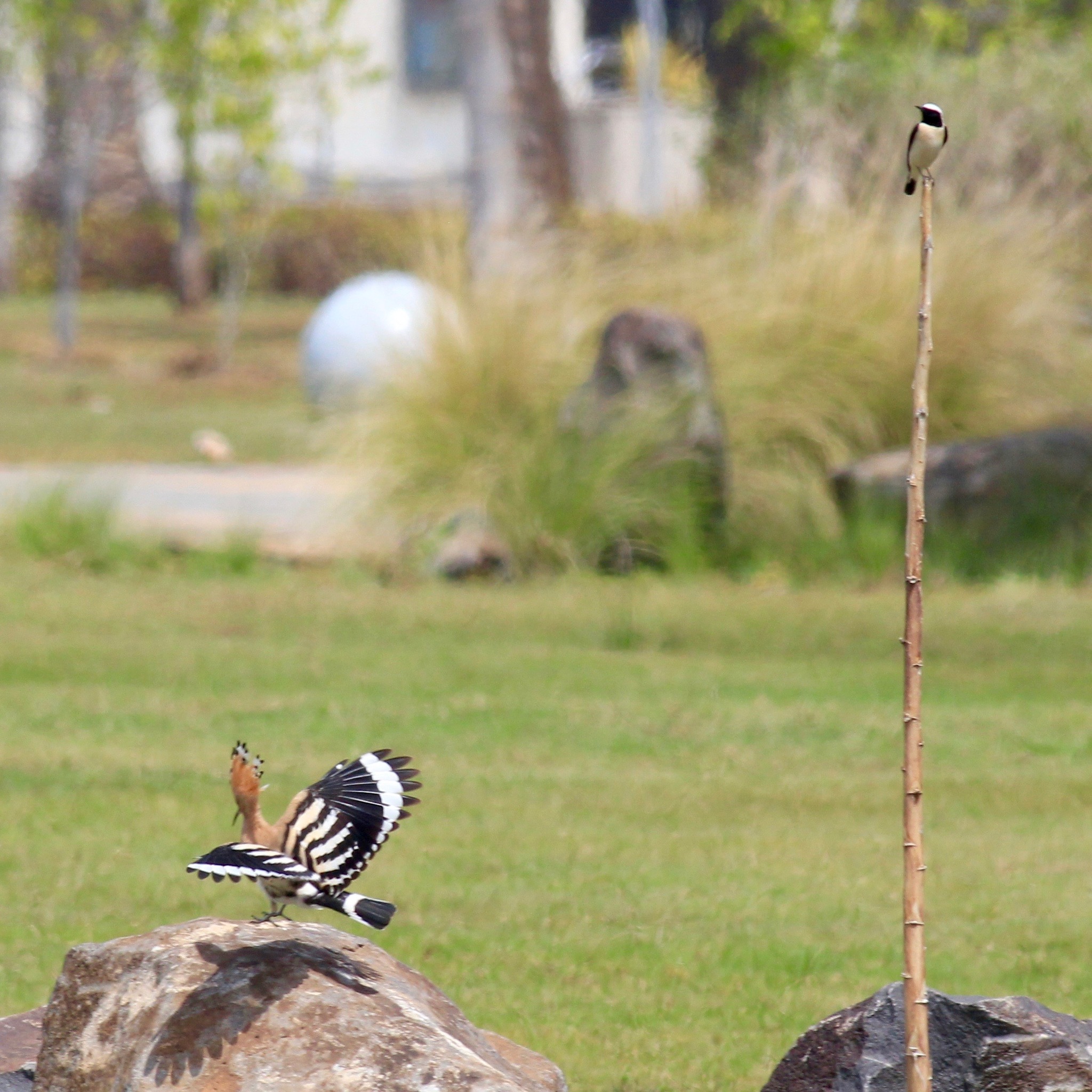
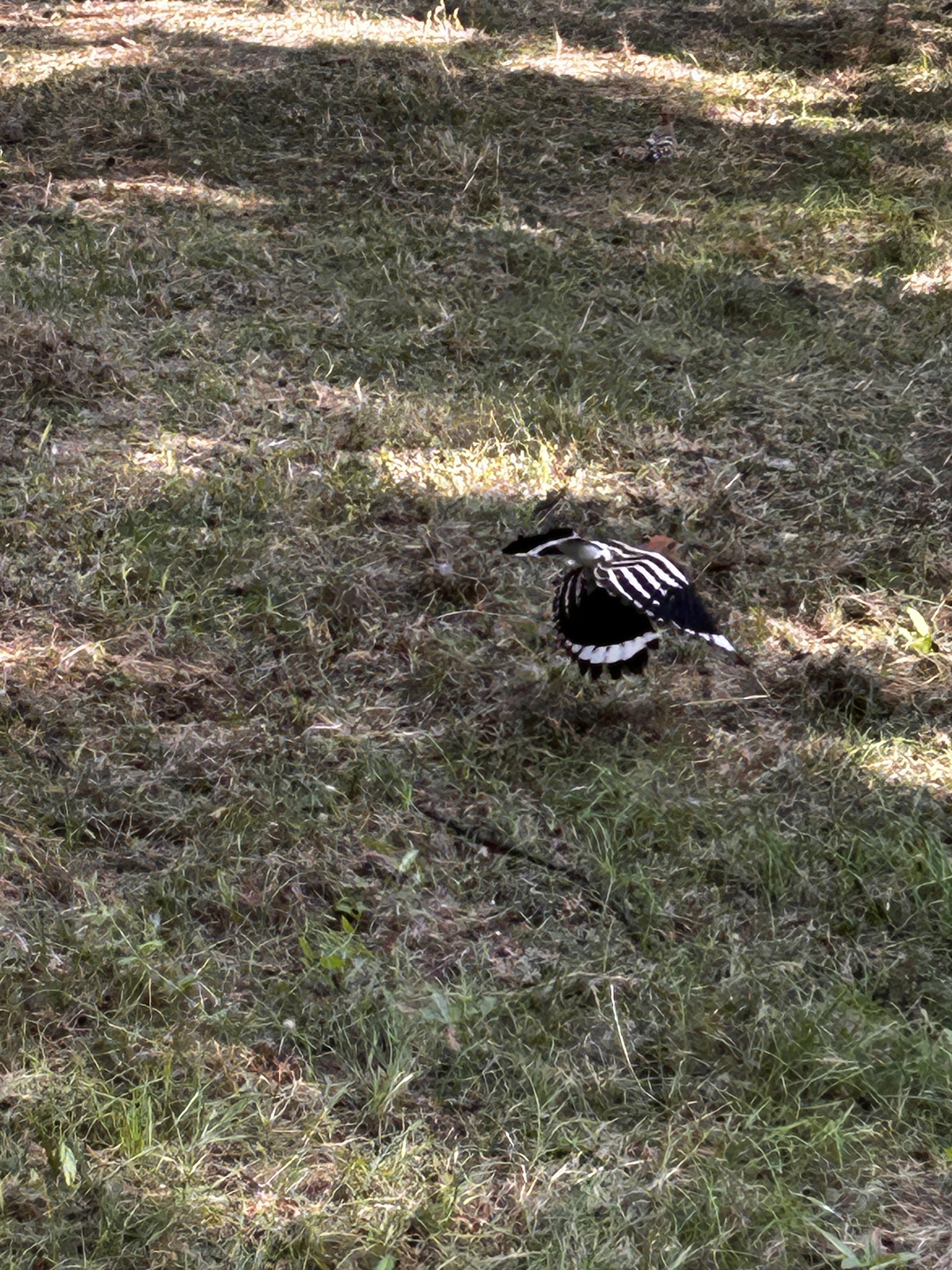
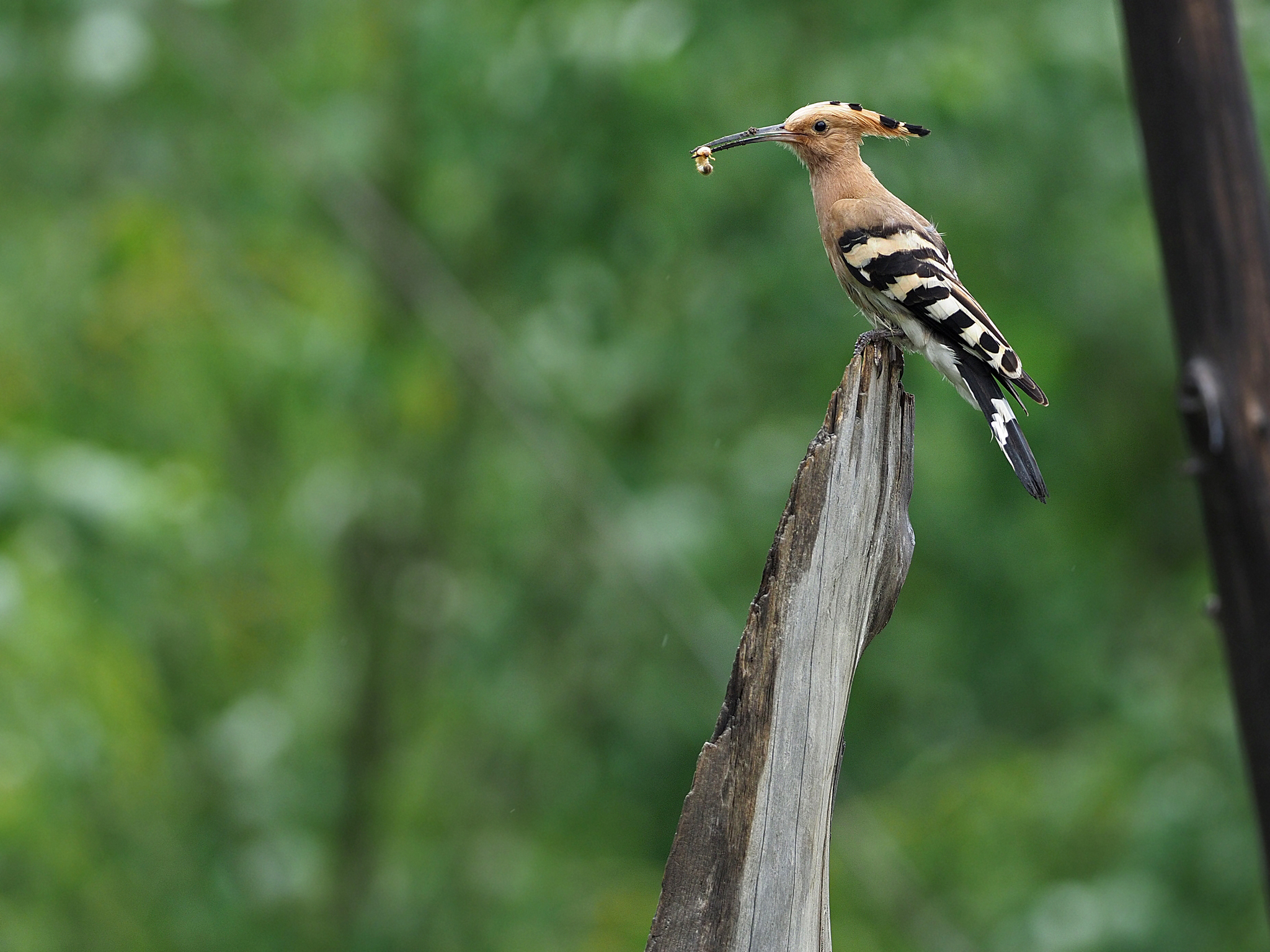
Features a distinctive crown of feathers. Possesses a long, curved bill used for probing the ground. Wings are strong and rounded, enabling fast and maneuverable flight. Eggs are round and milky blue when laid, weighing 4.5 grams (0.16 oz), but quickly discolor in the nest.
Identification
Distinctive 'crown' of feathers which can be raised or lowered. Long, curved bill. Strong, rounded wings. Vocalizations include an onomatopoeic cry imitated by its scientific and common names.
Distribution & Habitat
Widespread in Europe, Asia, North Africa, Sub-Saharan Africa, and Madagascar. Most European and north Asian birds migrate to the tropics in winter, while African populations are sedentary. Makes seasonal movements in response to rain in regions like Ceylon and the Western Ghats. Recorded as a vagrant in Alaska. Inhabits heathland, wooded steppes, savannas, grasslands, forest glades, olive groves, orchards, vineyards, parkland, and farmland. Avoids intensively farmed areas.
Behavior & Ecology
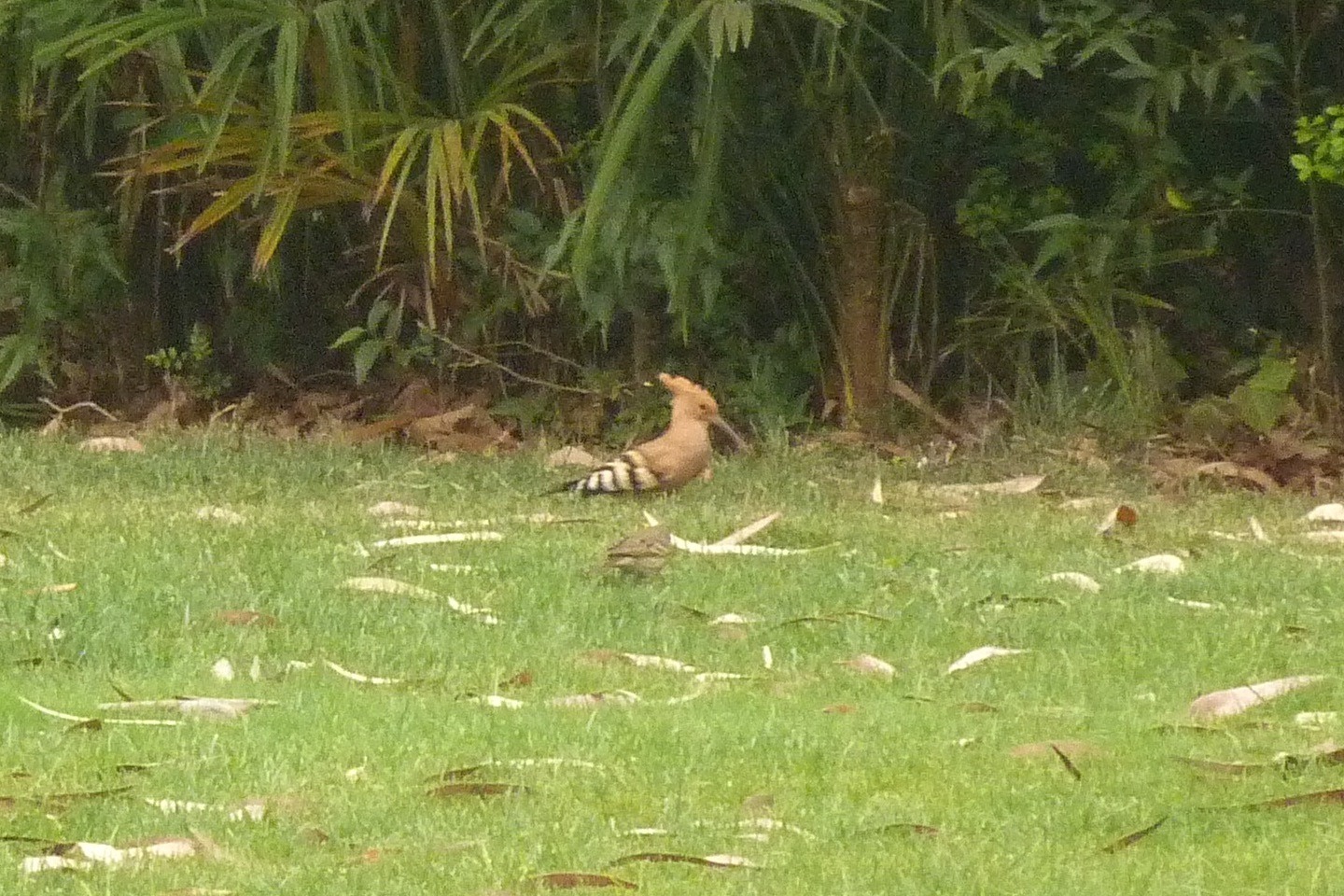
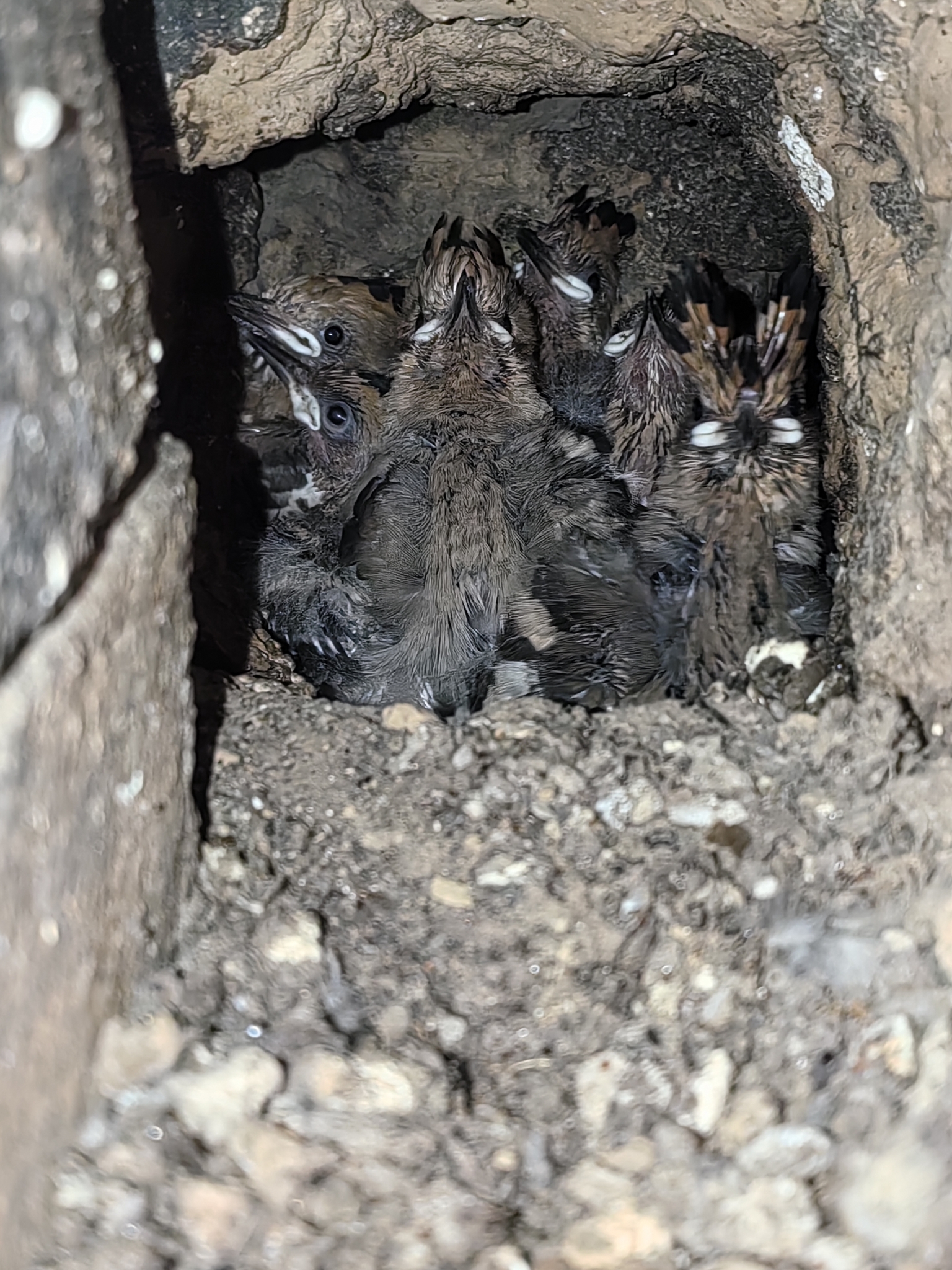
Solitary forager that typically feeds on the ground, striding over open ground and probing with its bill to detect insect larvae, pupae, and mole crickets. Diet consists mostly of insects (crickets, locusts, beetles, earwigs, cicadas, ant lions, bugs, ants) ranging from 10 to 150 mm, with a preferred size of 20–30 mm. Also consumes small reptiles, frogs, seeds, and berries. Sunbathes by spreading wings and tail low against the ground. Takes dust and sand baths. Monogamous pair bond lasts for a single season; territorial. Nests in holes in trees, walls, or other cavities. Female alone incubates eggs for 15–18 days. Clutch size varies: around 12 in central/northern Europe and Asia, seven in subtropics, and four in tropics. Nestlings and brooding females produce a foul-smelling liquid from the uropygial gland to deter predators and parasites. Nestlings can direct streams of feces at intruders and hiss. Young fledge in 26 to 29 days.
Conservation
Evaluated as Least Concern on the IUCN Red List. Numbers are declining in Western Europe, possibly due to climate changes and intensive farming. Hunting is of concern in southern Europe and Asia. Unregulated trade for medicinal products in Morocco poses a potential threat to local populations.
Culture
National bird of Israel, chosen in May 2008. Appears in the logo of the University of Johannesburg. Featured in coats of arms for Armstedt, Brechten, and Mārupe Municipality. Significant in Near Eastern folklore, mythology, and religion; appears in the Quran associated with King Solomon. Sacred to the goddess Tusholi in pre-Islamic Vainakh religion. Symbol of virtue in Persia, featured in 'The Conference of the Birds'. Considered thieves in much of Europe and harbingers of war in Scandinavia. Connected with death and the underworld in Estonian tradition. Used in folk medicine in Morocco and Manipur, India, for various ailments including abdominal pain, kidney disorders, and leprosy prevention.
Source: Wikipedia · CC BY-SA 3.0
Taxonomy
- Order
- Bucerotiformes
- Family
- Upupidae
- Genus
- Upupa
Taxonomy Changes
Upupa africana → Upupa epops
Subspecies lump — GBIF Backbone Taxonomy uses the former name; AviList 2025 uses the current name.
Vocalizations
Subspecies (8)
-
Upupa epops africana
southern Democratic Republic of the Congo to Uganda and Kenya, southward to South Africa
Data Sources
Species description from Wikipedia, licensed under CC BY-SA 3.0.
Bird images and sounds sourced from GBIF, contributed by citizen scientists worldwide under Creative Commons licenses.
Taxonomy data from AviList 2025.