Passeriformes / Turdidae / Turdus
Mistle Thrush
Turdus viscivorus · 槲鸫
Introduction
A large thrush species common to Europe, temperate Asia, and North Africa. It is a year-round resident in much of its range, though northern and eastern populations migrate south. Found in open woods, parks, hedges, and cultivated land, it feeds on invertebrates, seeds, and berries, with a strong preference for mistletoe. Classified as Least Concern by the IUCN.
Description
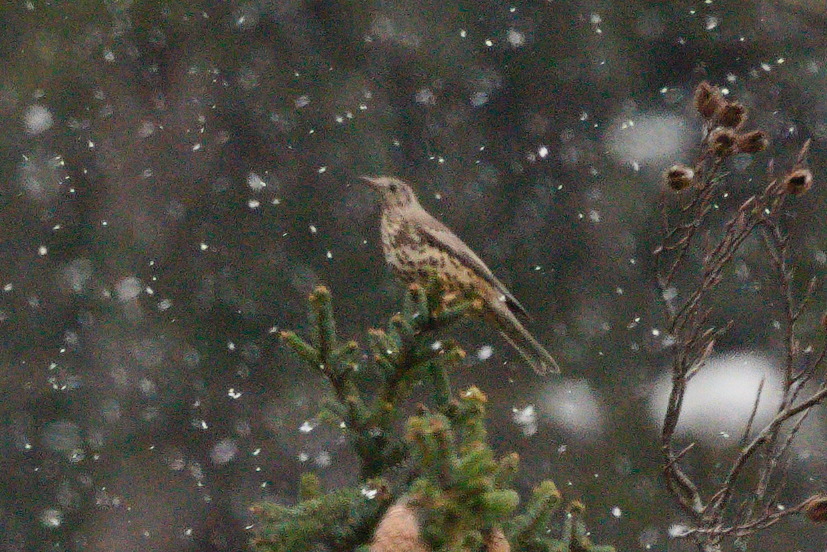
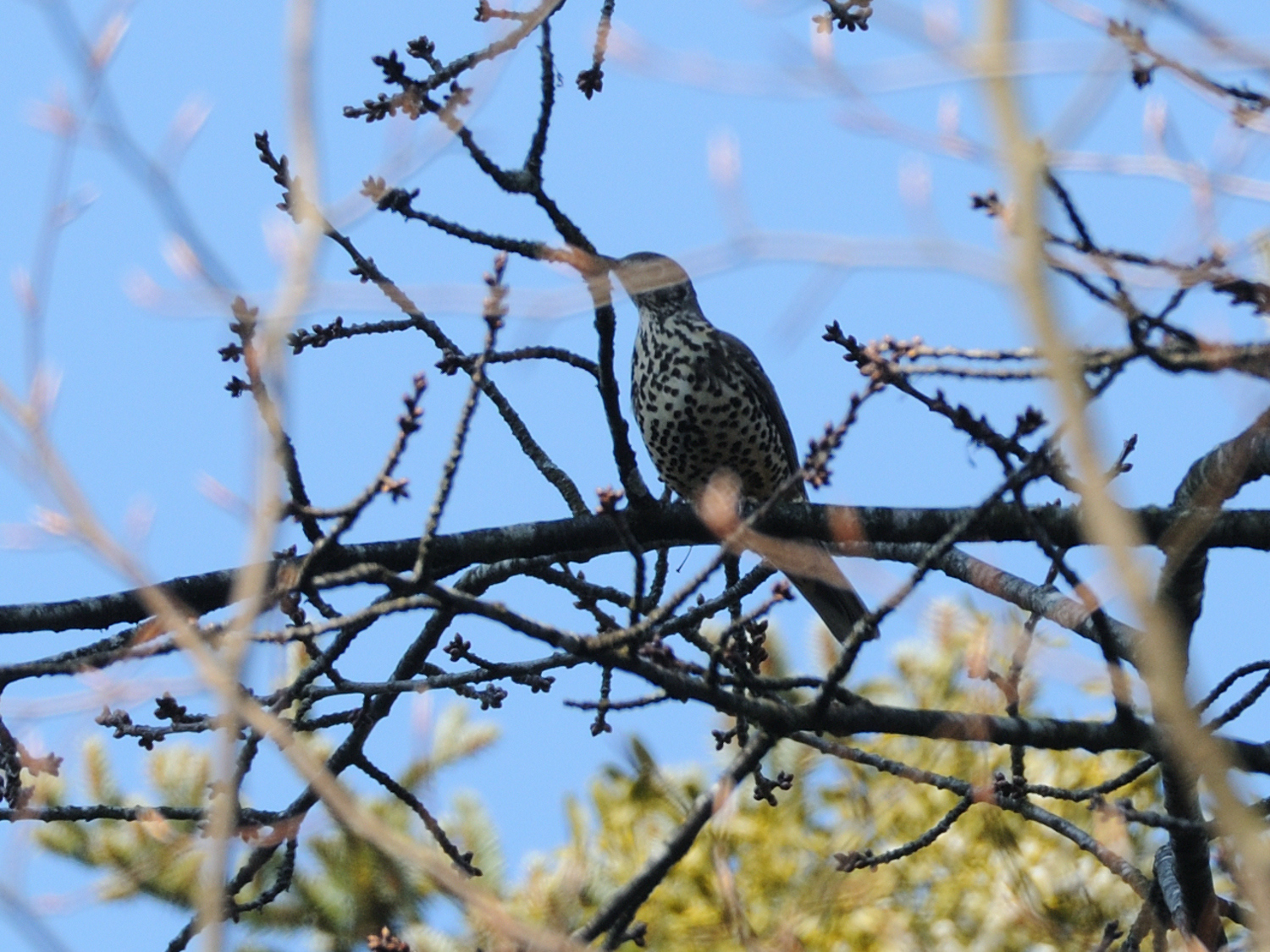
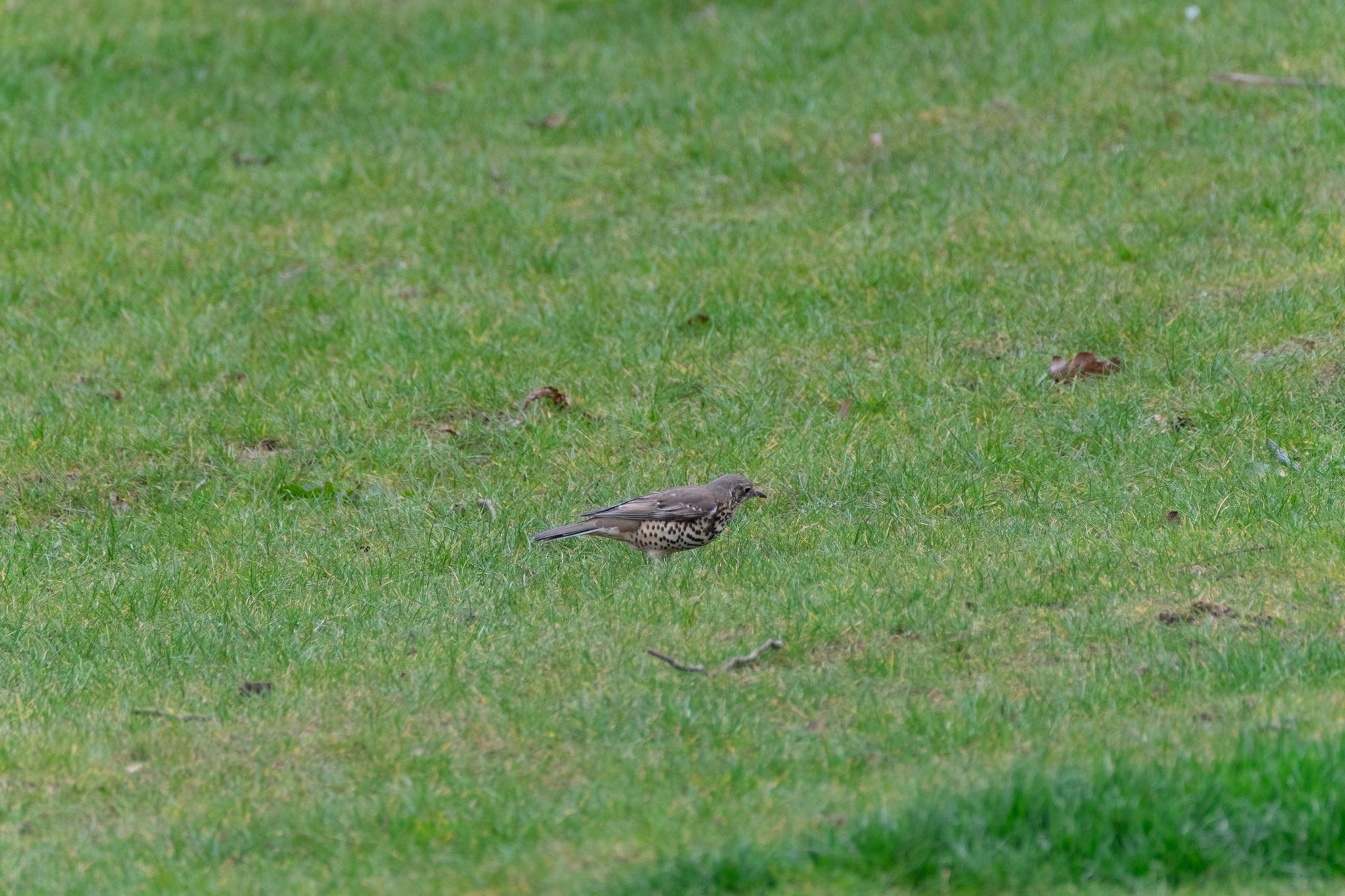
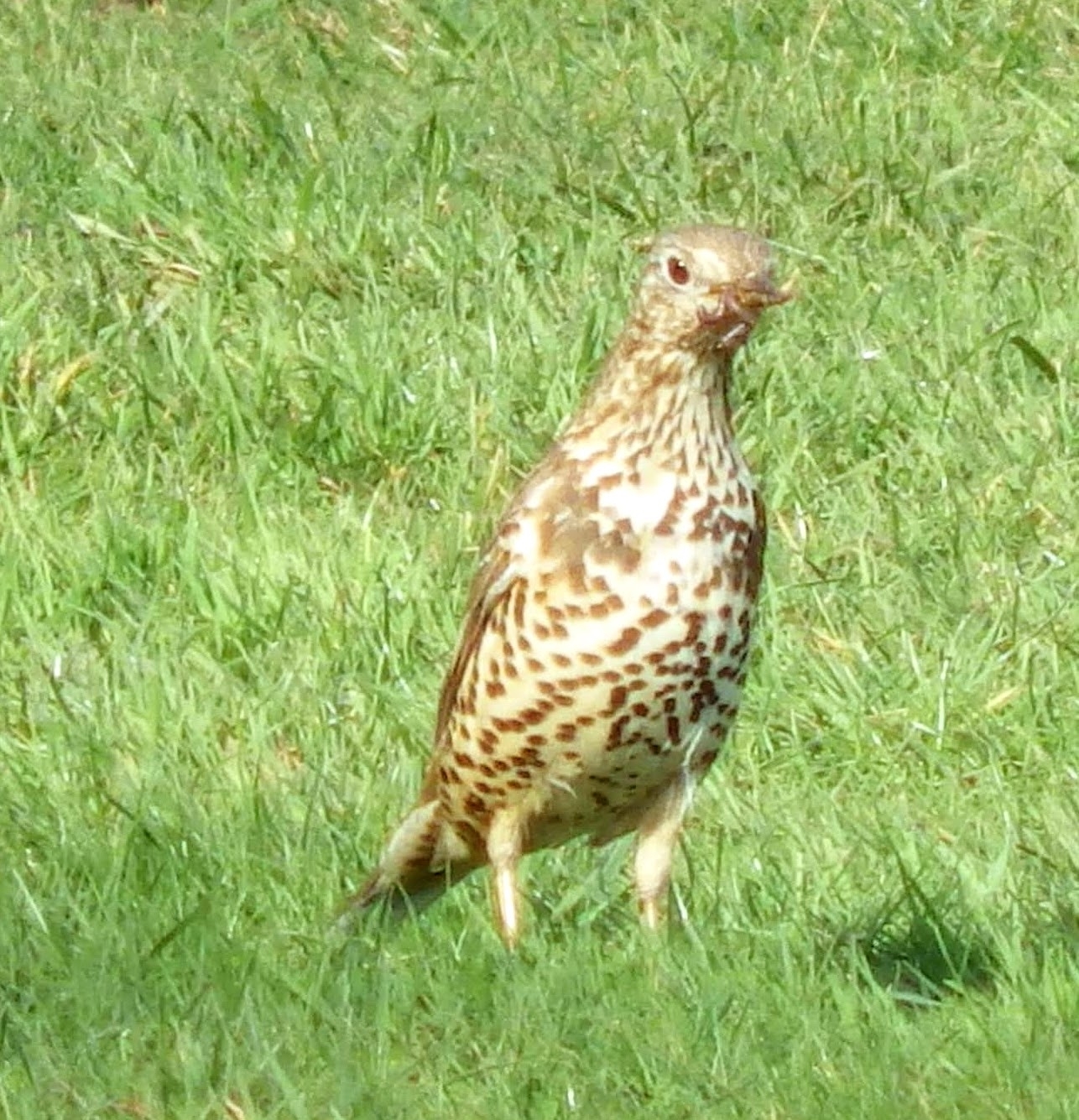
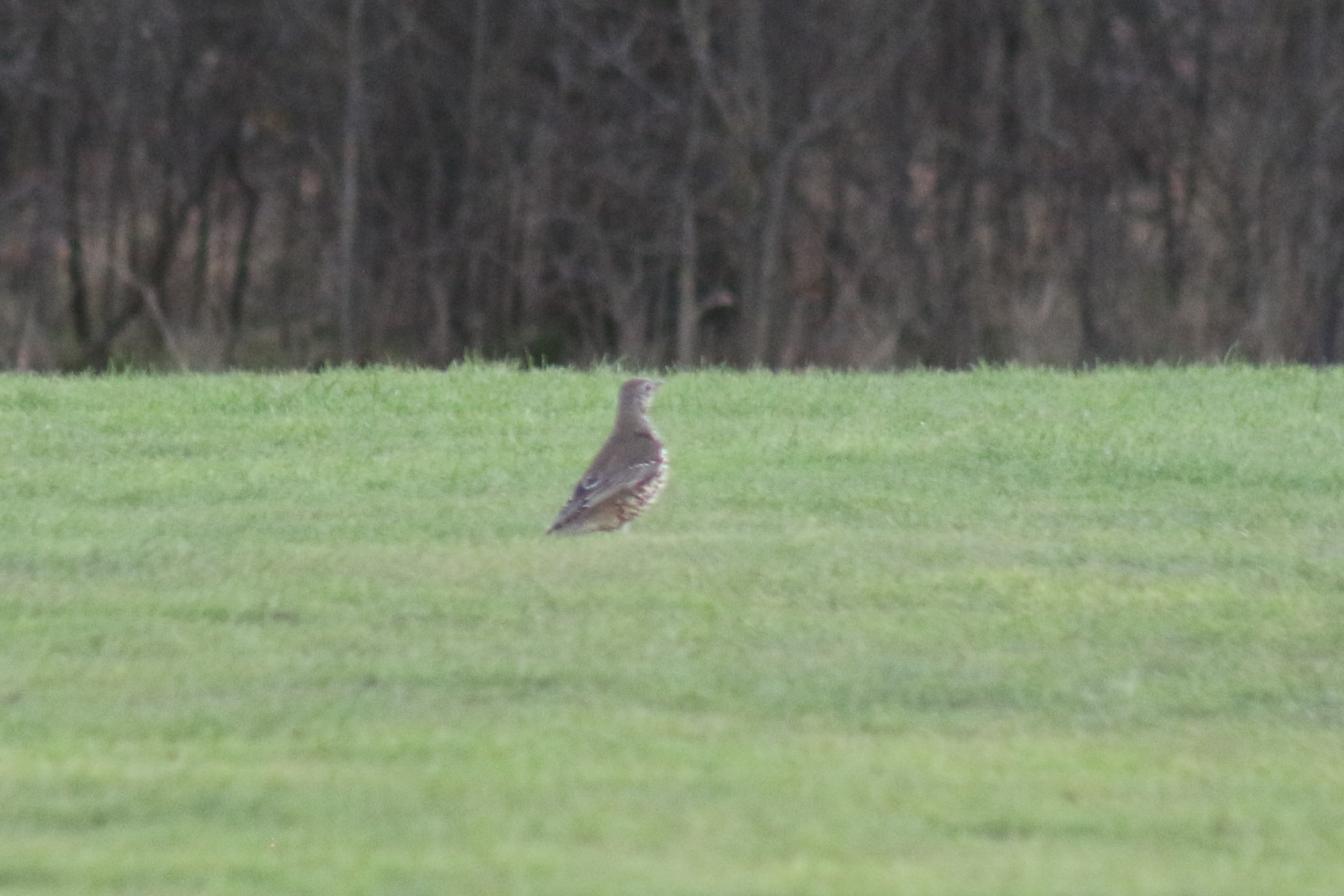
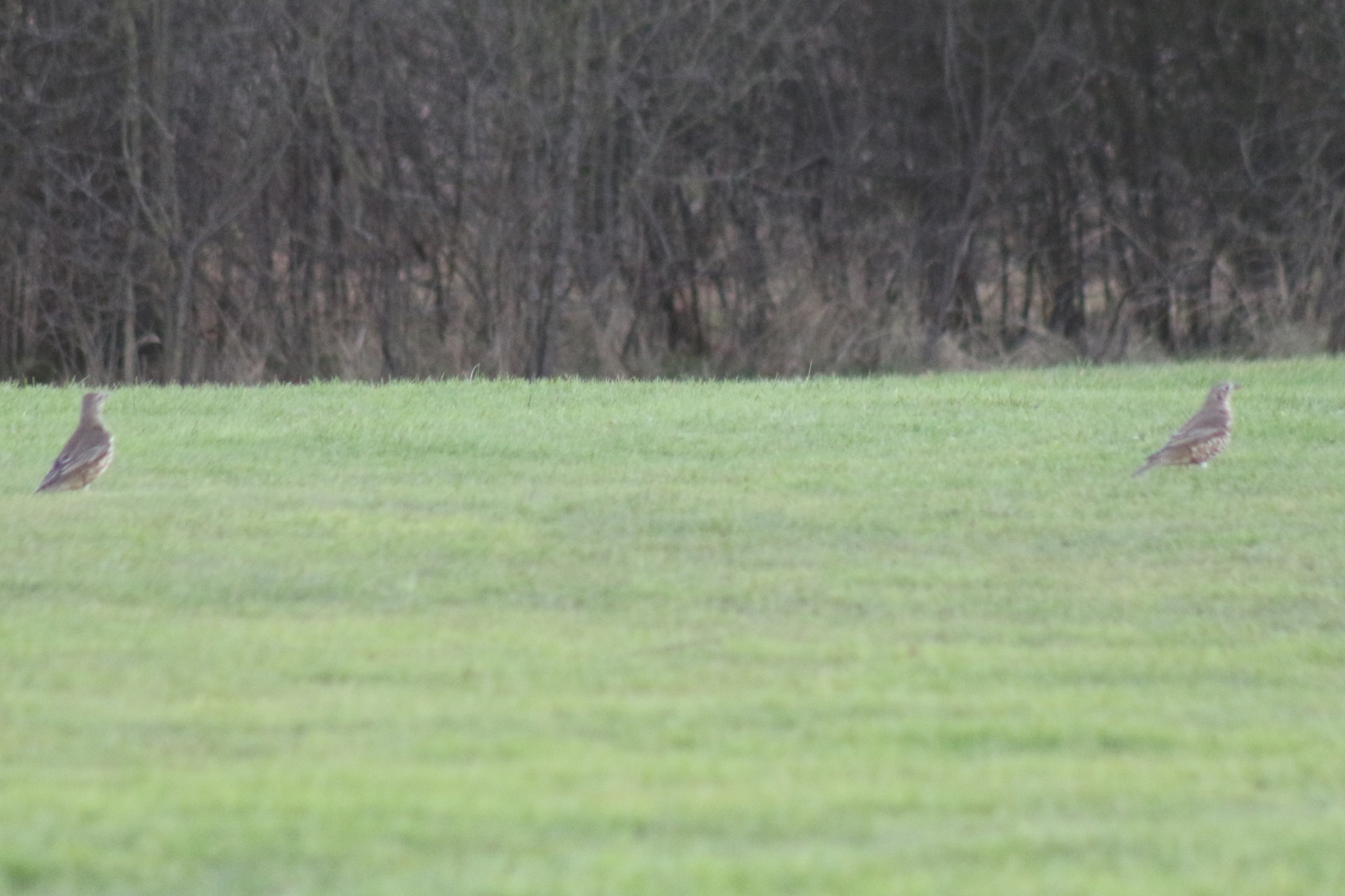
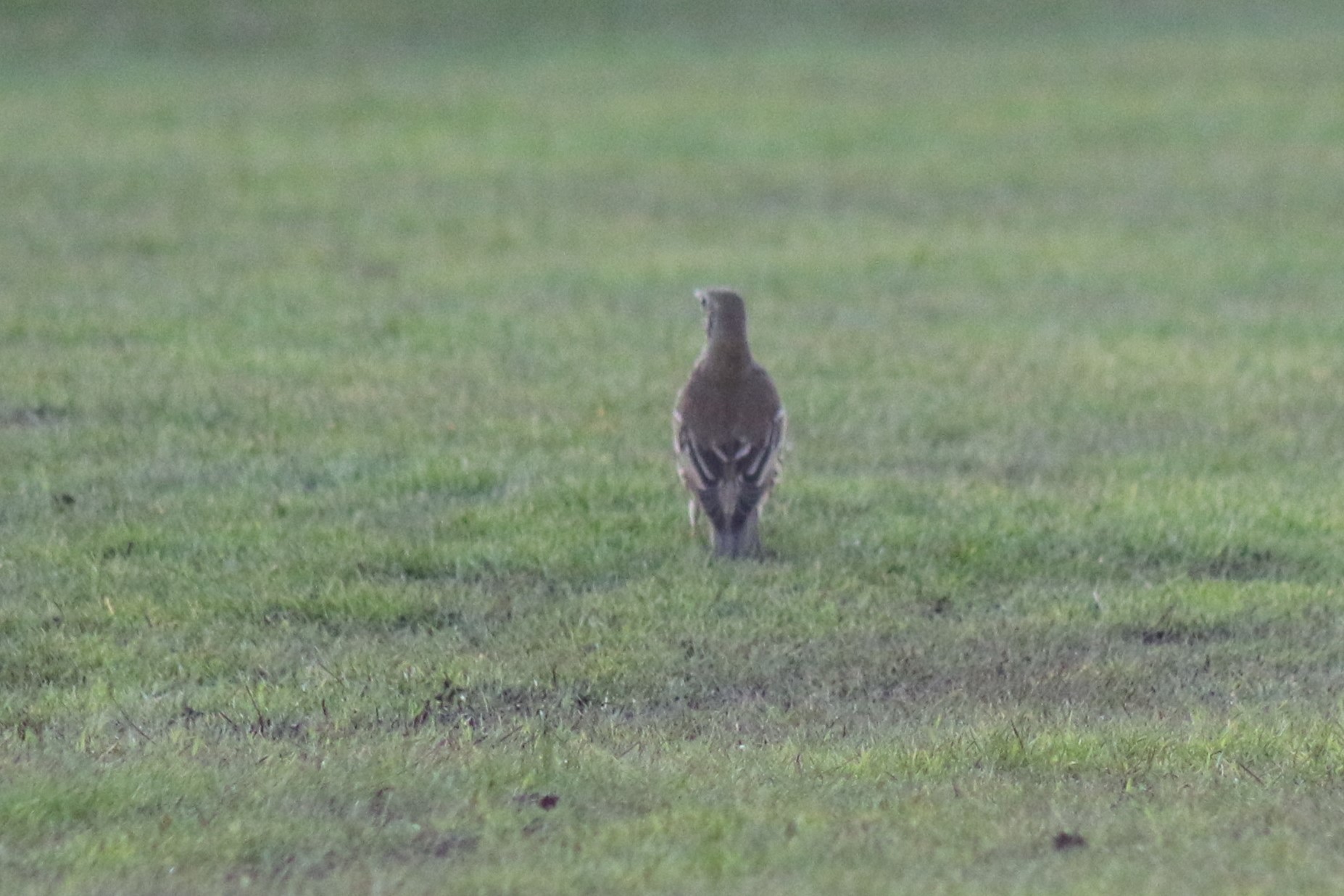
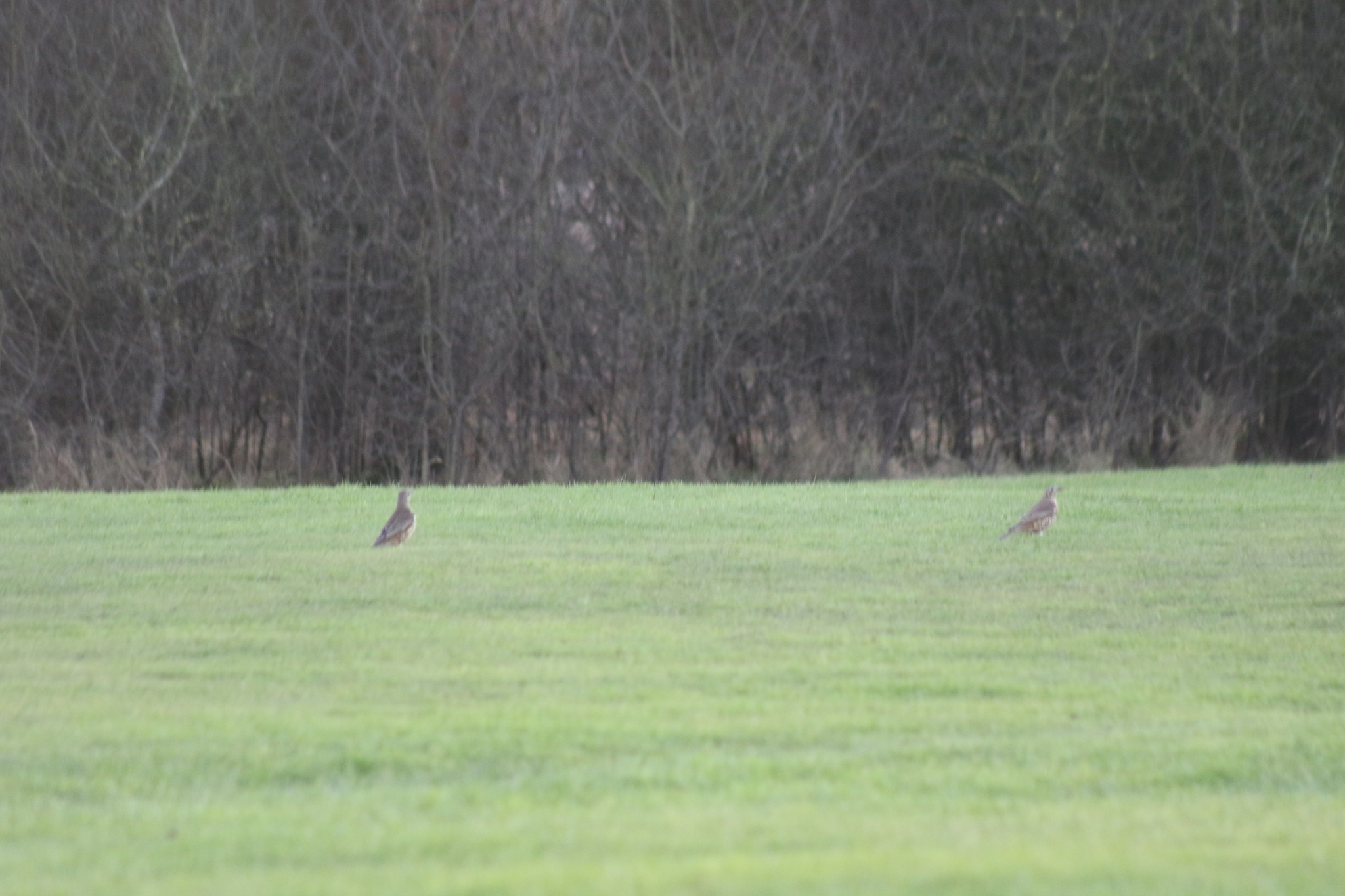
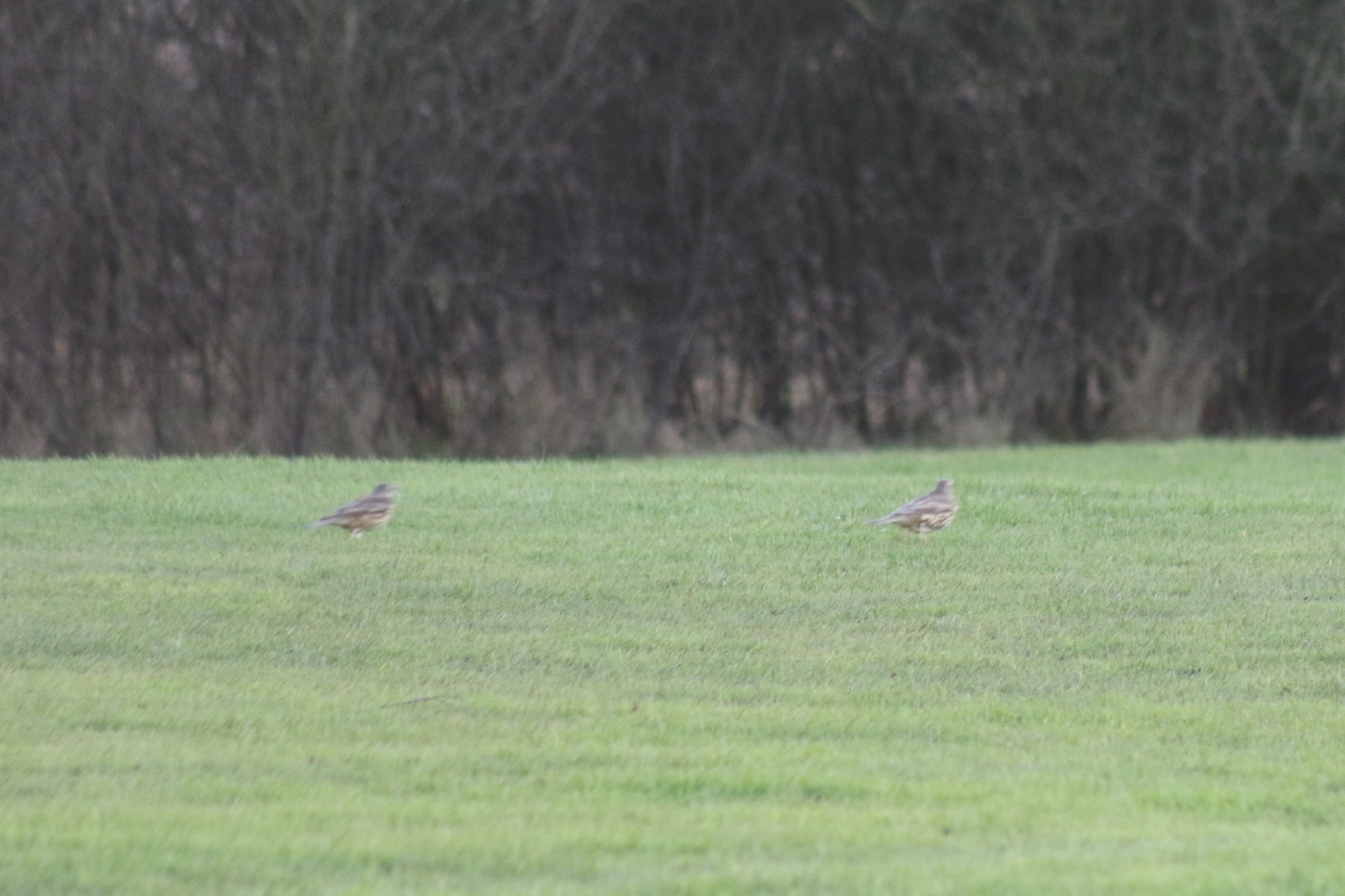
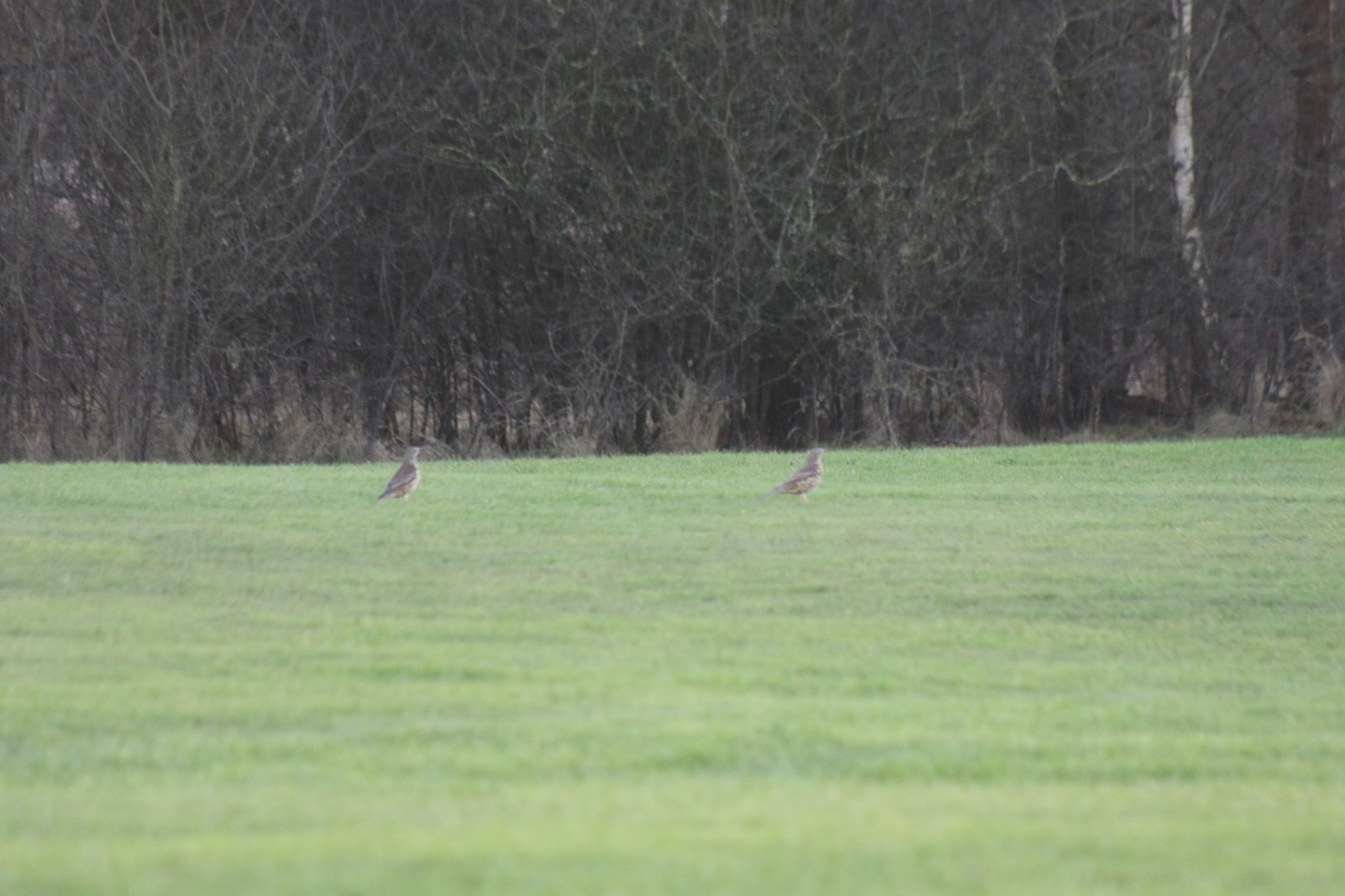
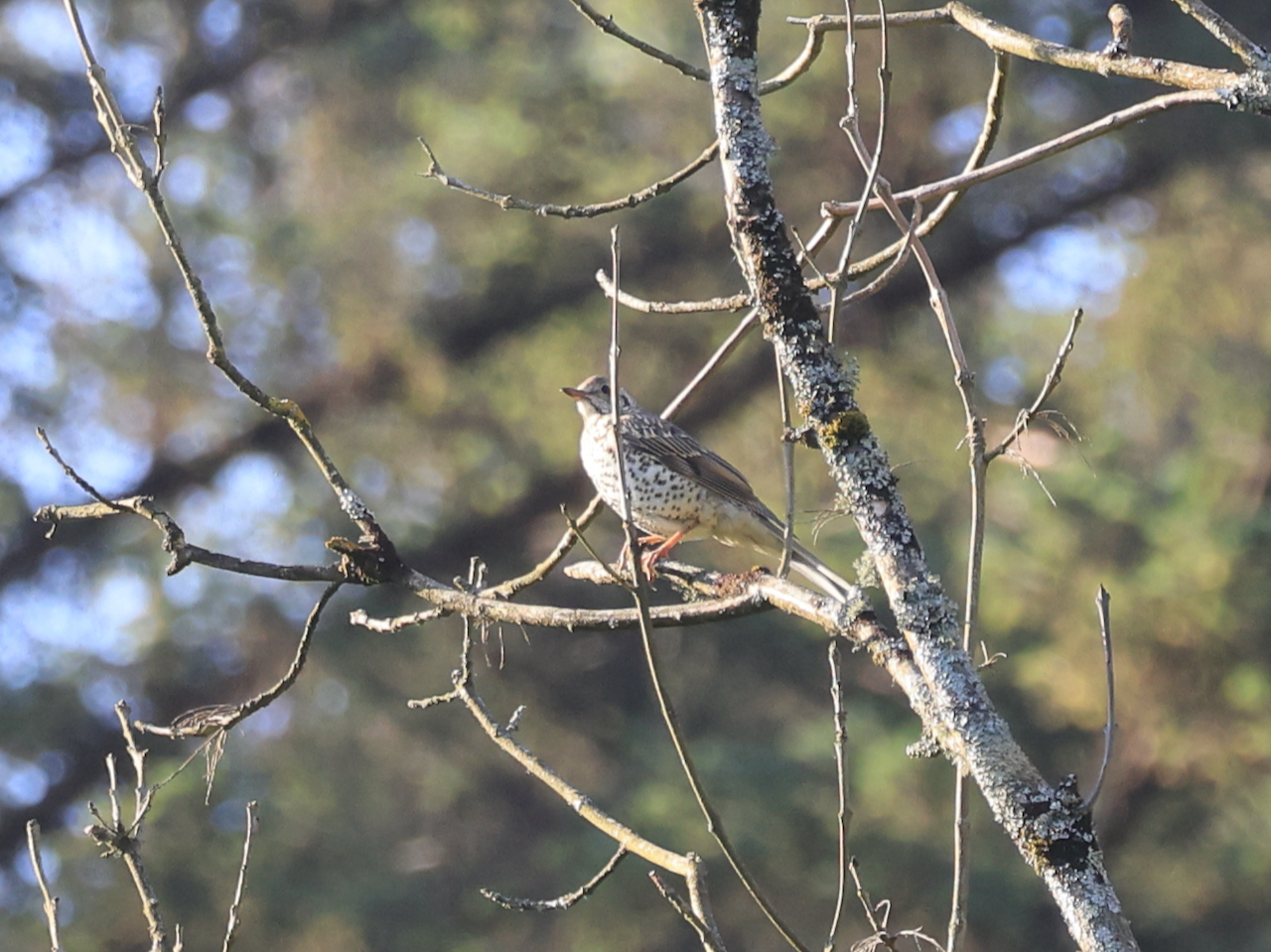
The largest thrush native to Europe, measuring 27–30 cm in length with a 45 cm wingspan and weighing 93–167 g. It has pale grey-brown upperparts, a greyish-white chin and throat, and a yellowish-buff breast and off-white belly marked with round black spots. The long tail features white tips on outer feathers, and underwing coverts are white. Sexes are similar in plumage. Juveniles have paler upperparts with creamy 'teardrop' feather centers and smaller spots. Subspecies vary slightly in size and coloration, with eastern birds being paler and less densely spotted.
Identification
Distinguished by its large size, pale grey-brown color, and long tail with white outer tips. Much larger, paler, and longer-tailed than the song thrush. Flight consists of undulating bounds interspersed with glides. The male's song is loud, melodious, and far-carrying (audible up to 2 km), often delivered in wet or windy weather. Main call is a dry chattering 'krrrr', likened to a football rattle.
Distribution & Habitat
Breeds across Europe and temperate Asia, absent from treeless far north. Range extends into North Africa. Northern and eastern populations are partial migrants, wintering in milder areas of Europe, North Africa, western Turkey, and the Middle East. Breeding birds in the British Isles and northwest Europe are largely resident. Habitats include forests, plantations, hedges, town parks, and upland coniferous woodland up to 1,800 m. Vagrants recorded in Azores, China, Iceland, Japan, and North America.
Behavior & Ecology
Feeds on invertebrates (earthworms, insects, snails) and fruits (mistletoe, holly, rowan, yew). Smashes snails on stone anvils. Vigorously defends fruit-bearing trees, especially mistletoe, in winter against other thrushes and waxwings. Monogamous; breeds in year after hatching. Nest is a large cup of sticks and mud built in tree forks or against trunks, 2–9 m high. Clutch of 3–5 eggs incubated for 12–15 days mainly by female. Chicks fledge after 14–16 days. Two broods typical, except in Siberia. Juvenile first-year survival rate is 57%; adult annual survival is 62%.
Conservation
Classified as Least Concern by the IUCN due to large range and population (global estimate 12.2–44.4 million). However, populations are declining in some areas. In Britain, the breeding population declined by 62% between 1967 and 2022, leading to its addition to the UK Red List in 2015. Declines are attributed to agricultural intensification, loss of invertebrate-rich pastures, and conversion to arable land. In Finland, loss of ancient forests has caused local declines.
Culture
Known historically as 'stormcock' for singing in wind and rain. Featured in literature by Thomas Hardy ('Darkling Thrush') and Frances Hodgson Burnett ('The Secret Garden'). Referenced in proverbs by Erasmus regarding mistletoe and birdlime. Depicted in Renaissance art by Giovanni da Udine and Raphael. Names like 'holm thrush' derive from its association with holly berries. Inspired album titles by Roy Harper ('Stormcock') and lyrics by Jethro Tull and The Decemberists.
Source: Wikipedia · CC BY-SA 3.0
Taxonomy
- Order
- Passeriformes
- Family
- Turdidae
- Genus
- Turdus
Subspecies (3)
-
Turdus viscivorus bonapartei
breeds eastern Siberia to central Asia and the Himalayas; winters to northern India
Data Sources
Species description from Wikipedia, licensed under CC BY-SA 3.0.
Bird images and sounds sourced from GBIF, contributed by citizen scientists worldwide under Creative Commons licenses.
Taxonomy data from AviList 2025.