Passeriformes / Turdidae / Turdus
Naumann's Thrush
Turdus naumanni · 红尾斑鸫
Introduction
A species of the thrush family Turdidae, closely related to the dusky thrush. It breeds in open woodland areas from central Siberia to North Manchuria, Amurland, and Sakhalin. Strongly migratory, it winters in South Asia to Southeast Asia, principally in China and Korea. Omnivorous diet includes insects, earthworms, and berries.
Description
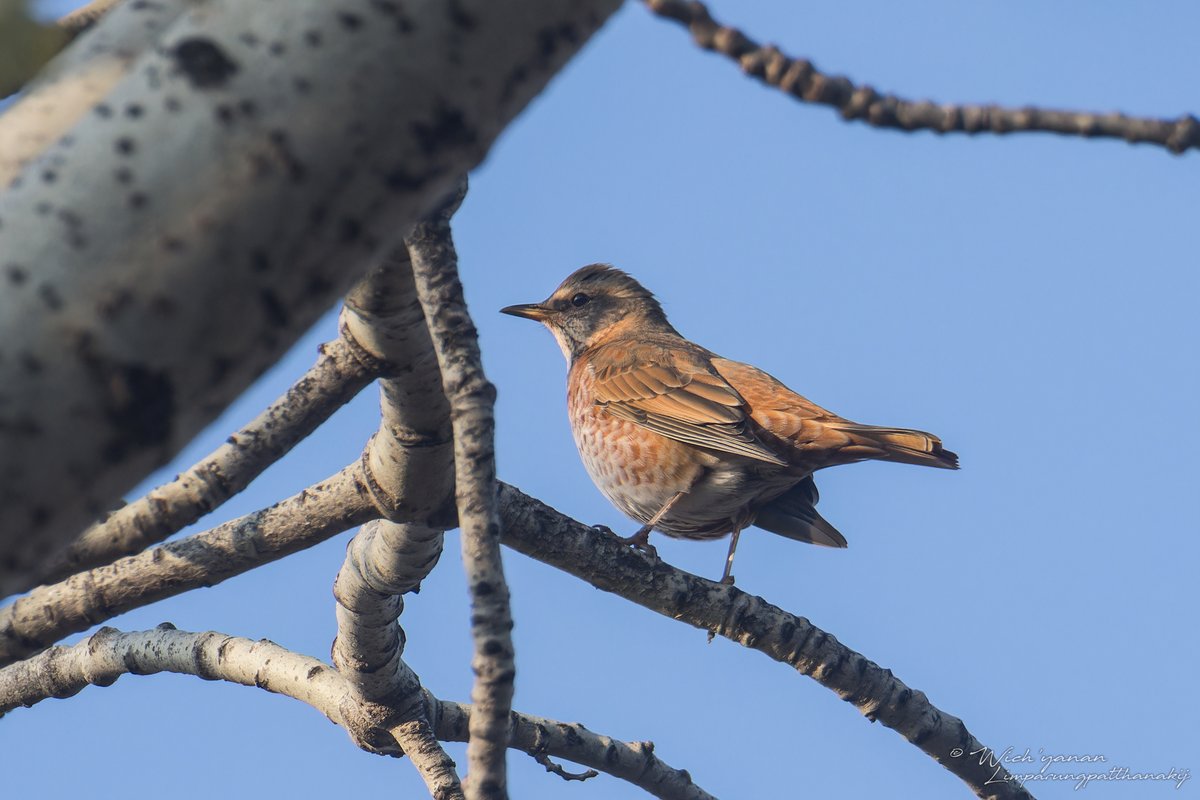
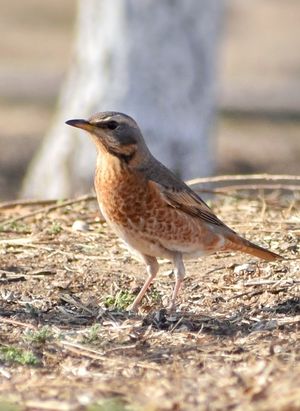
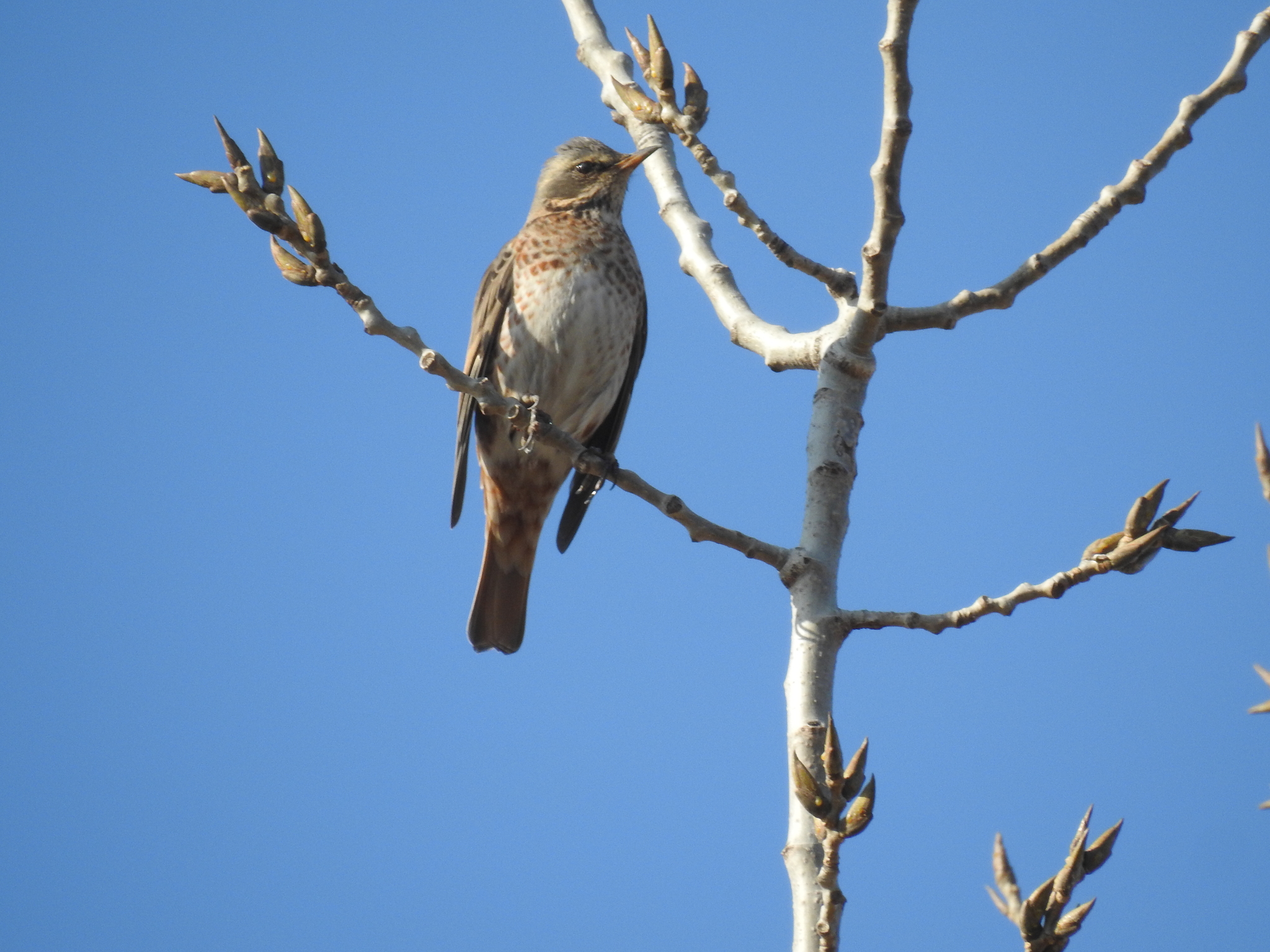
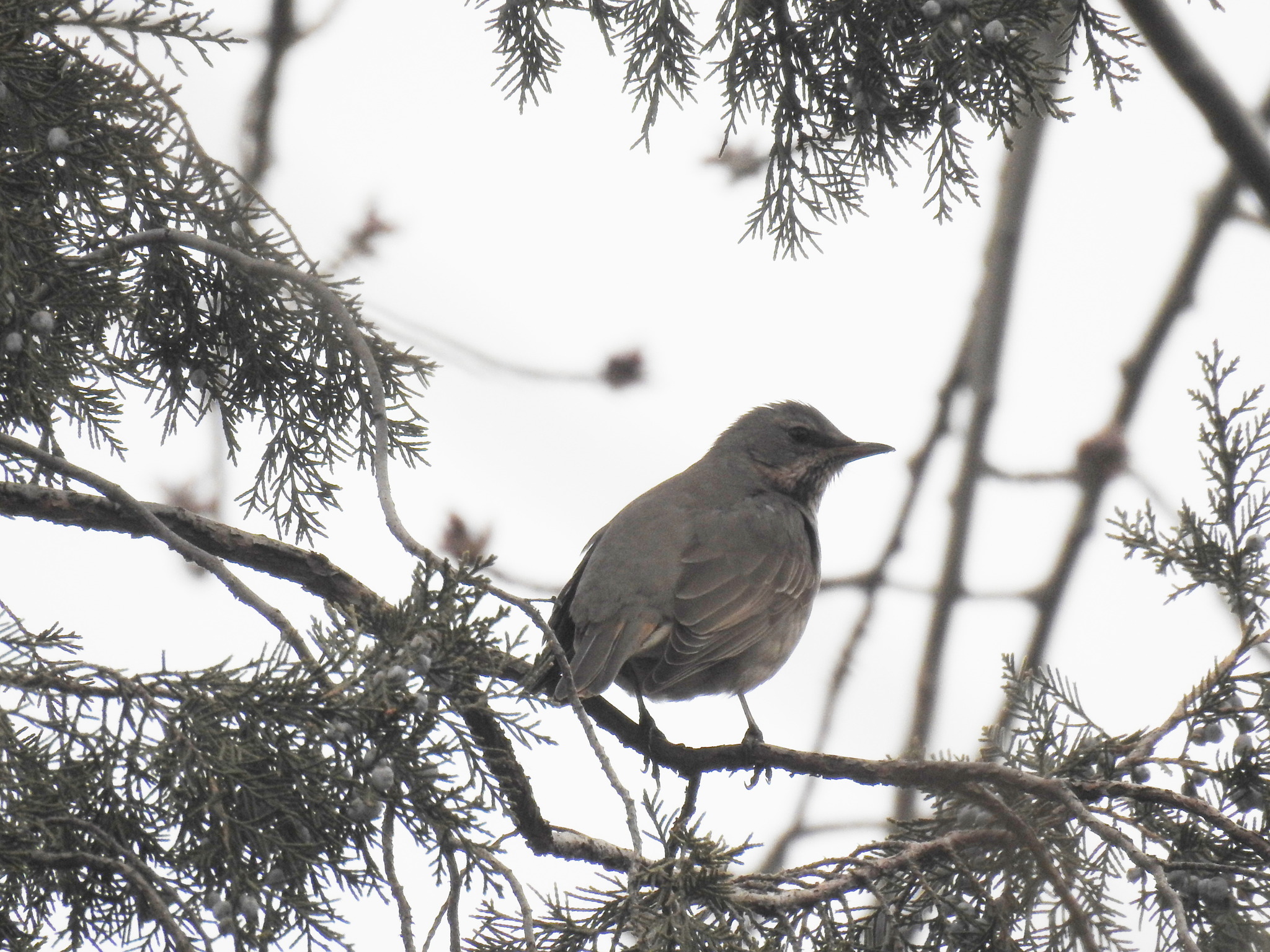
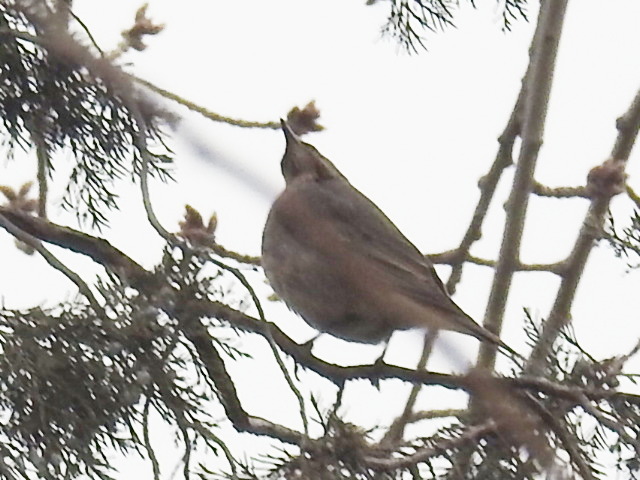
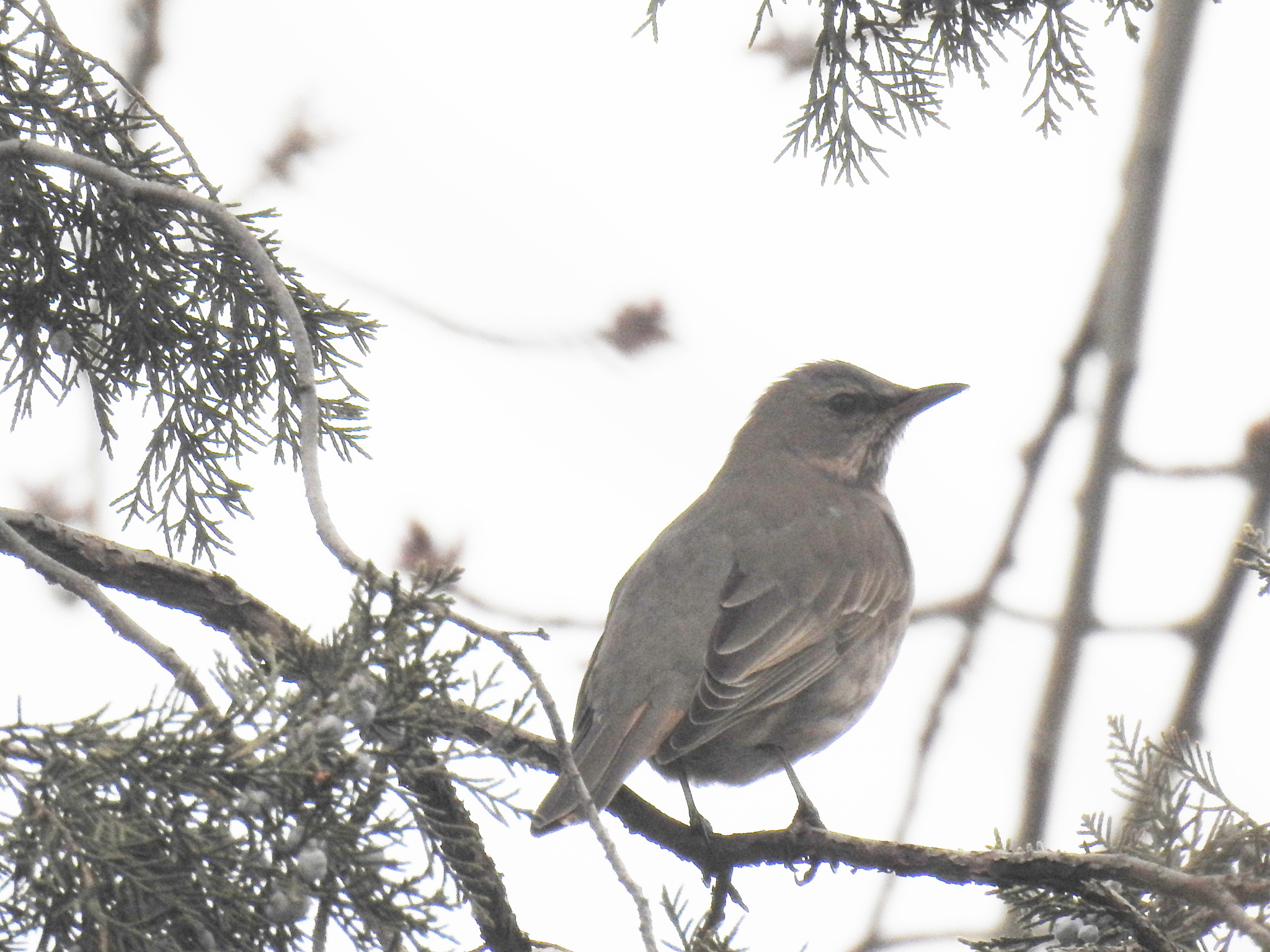
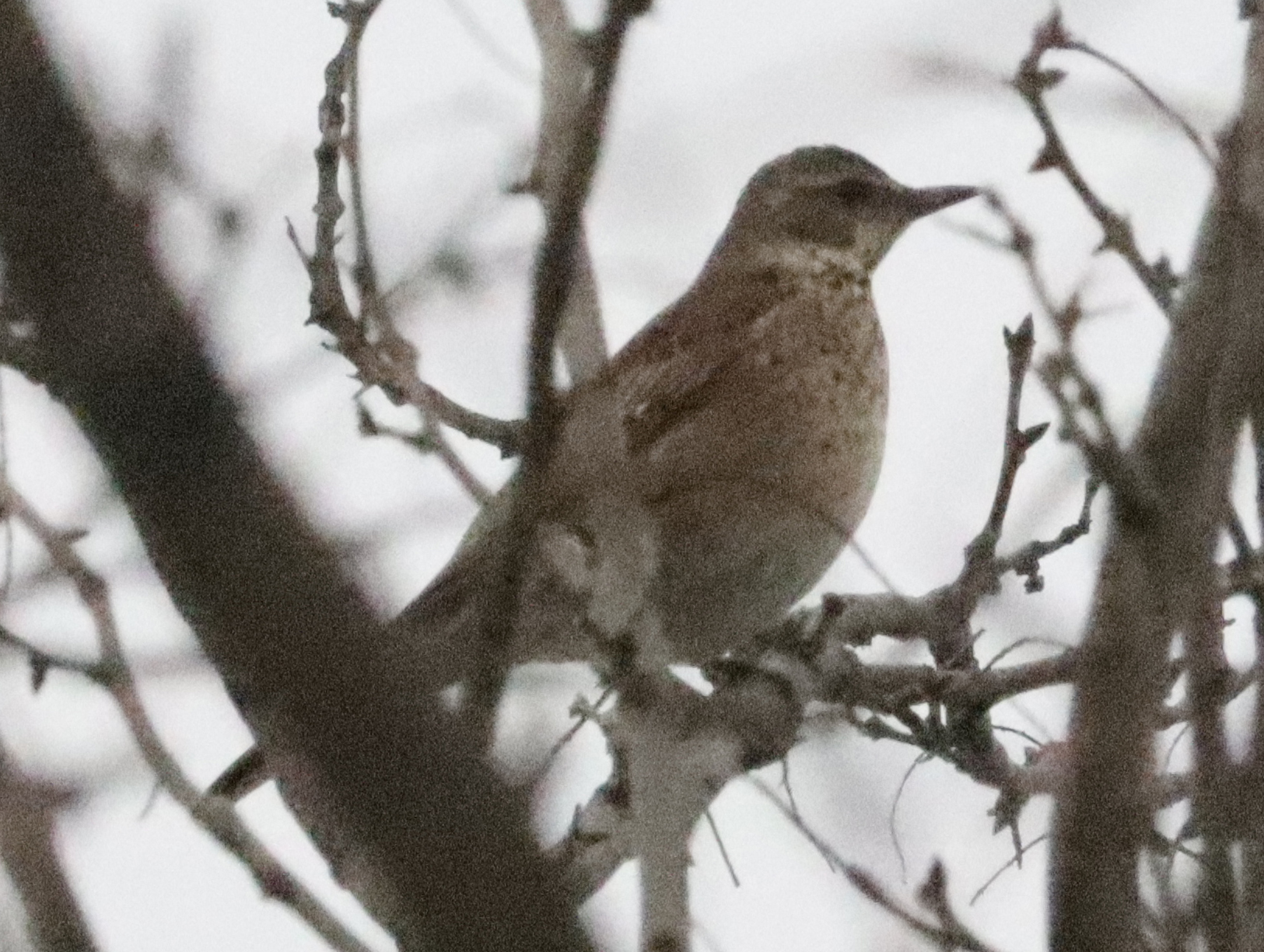
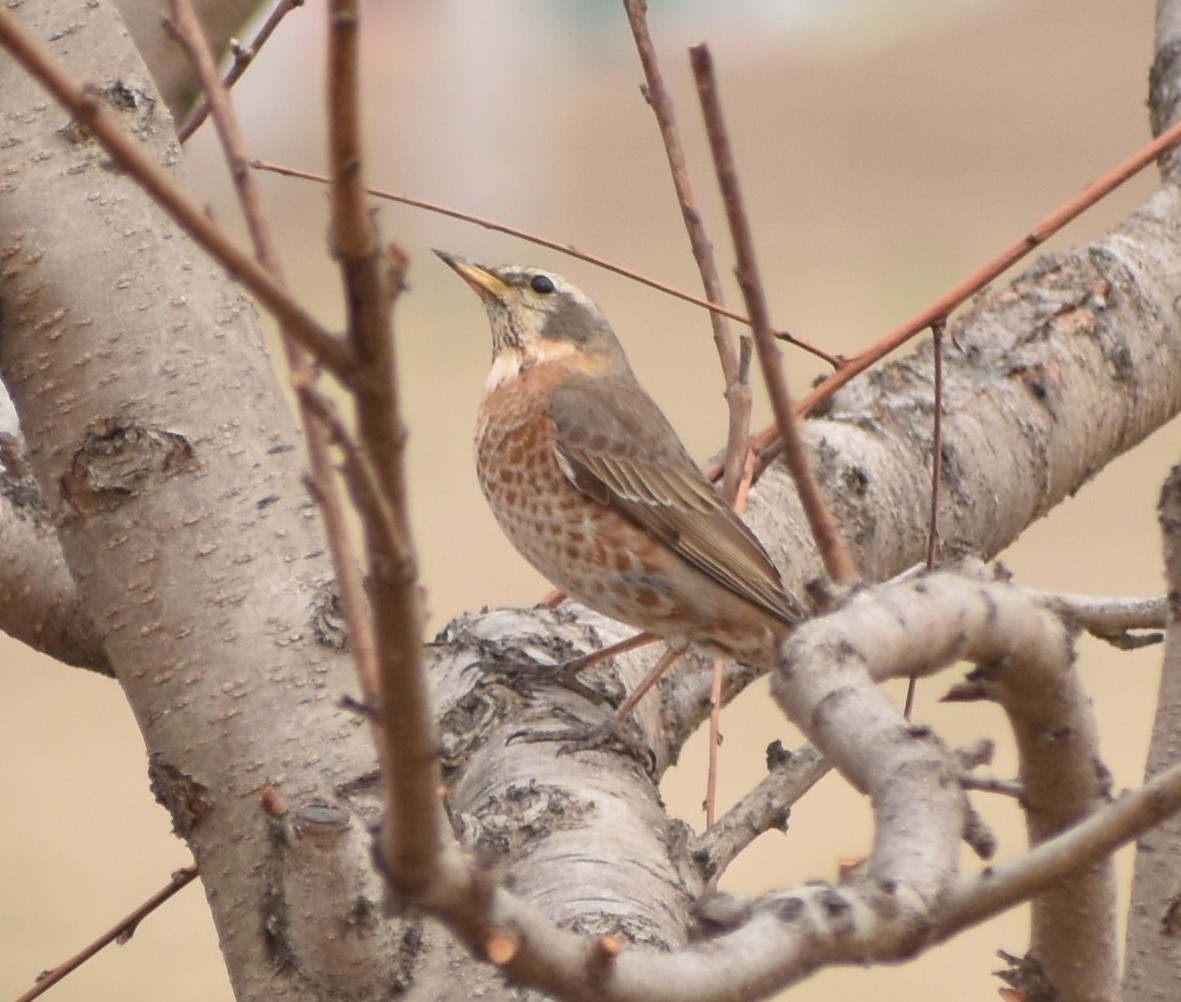
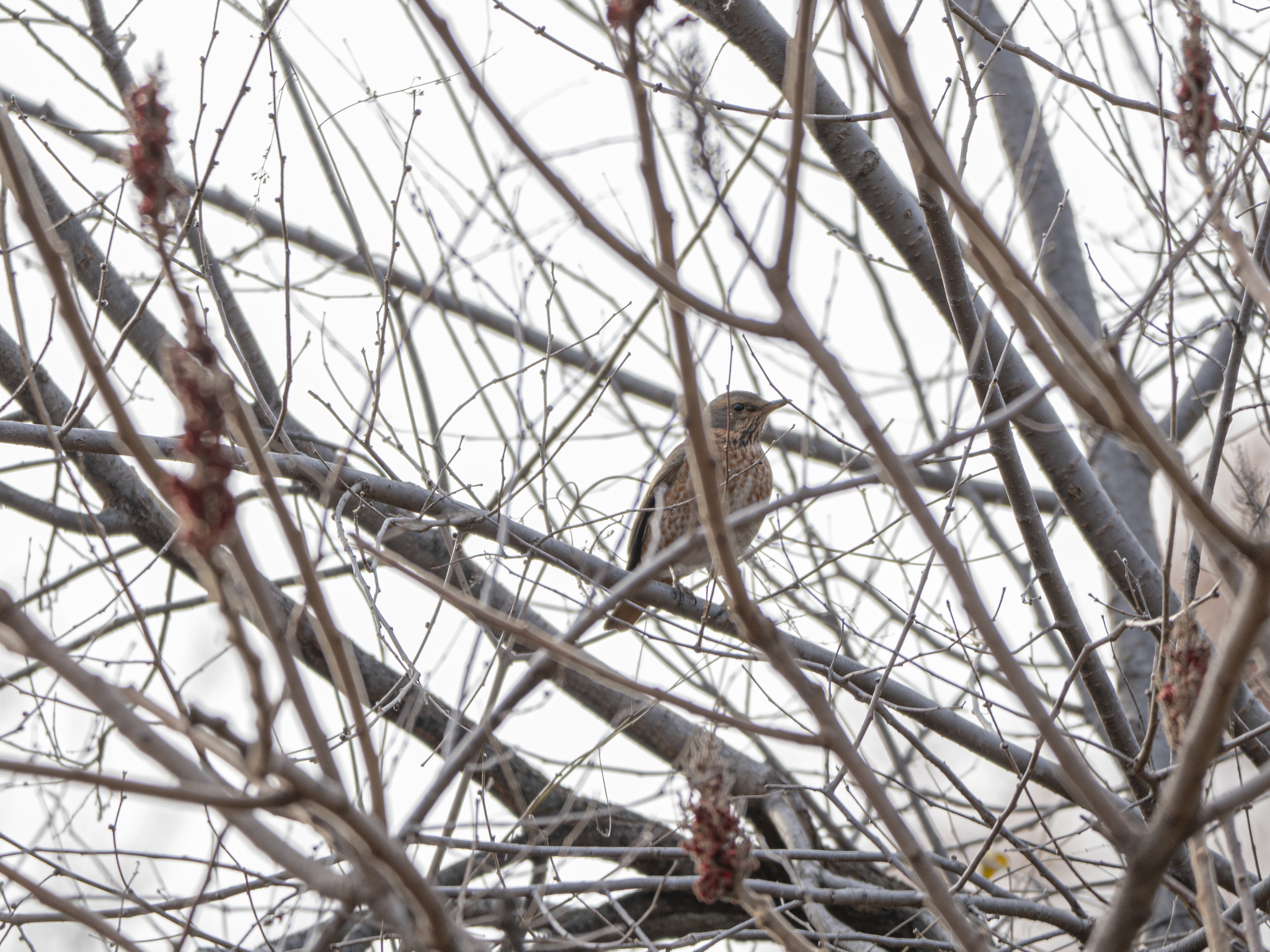
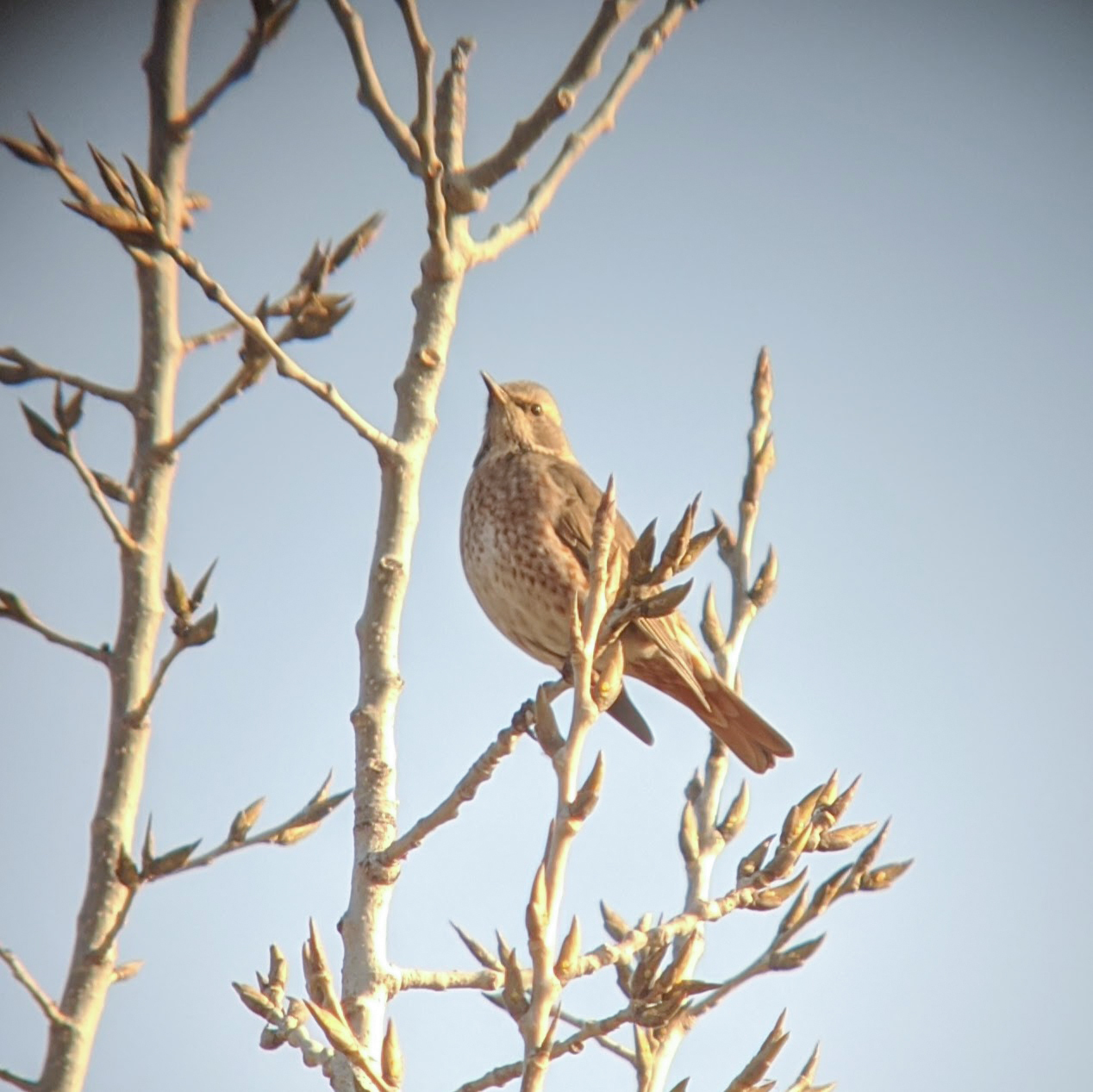
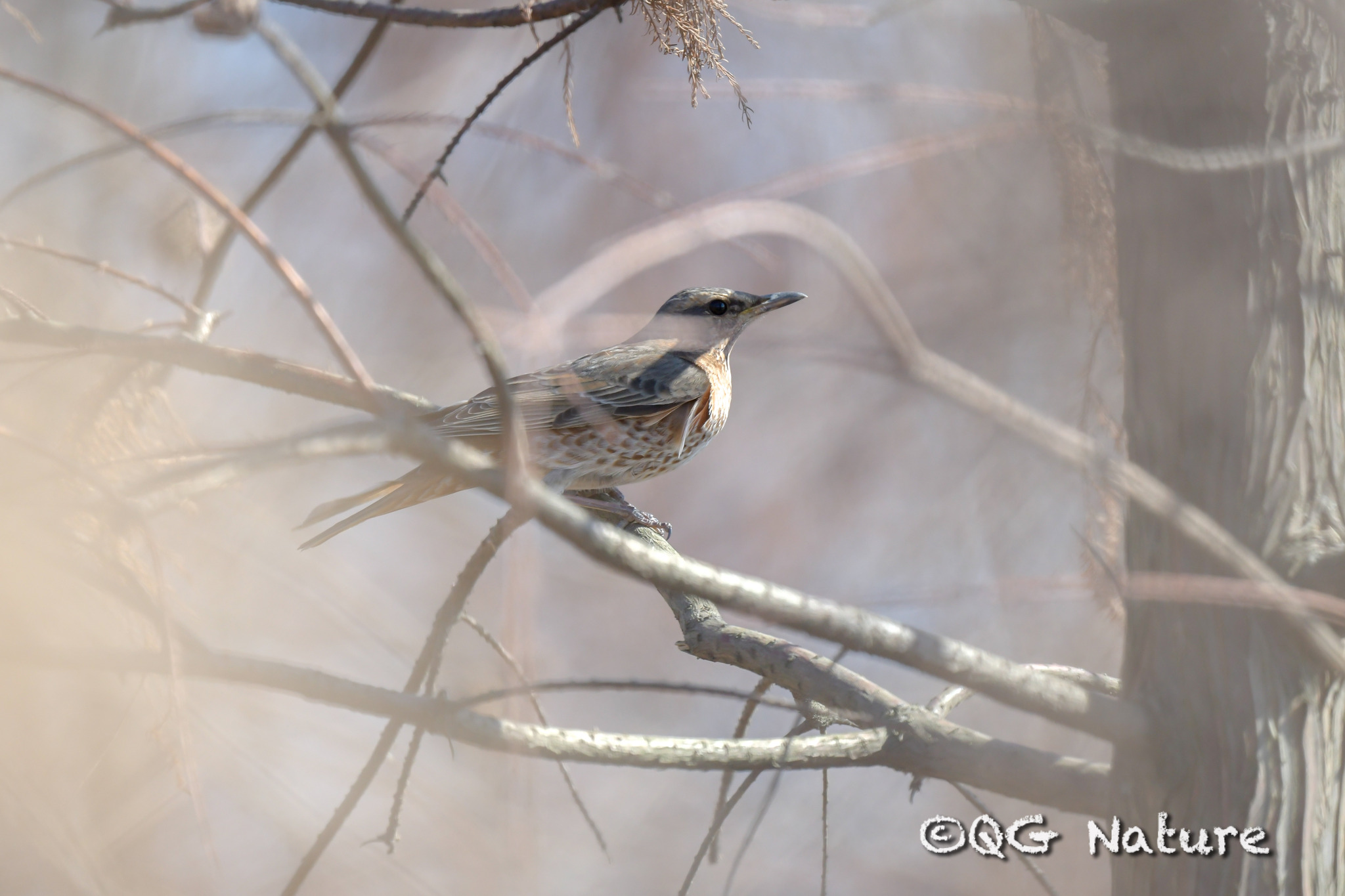
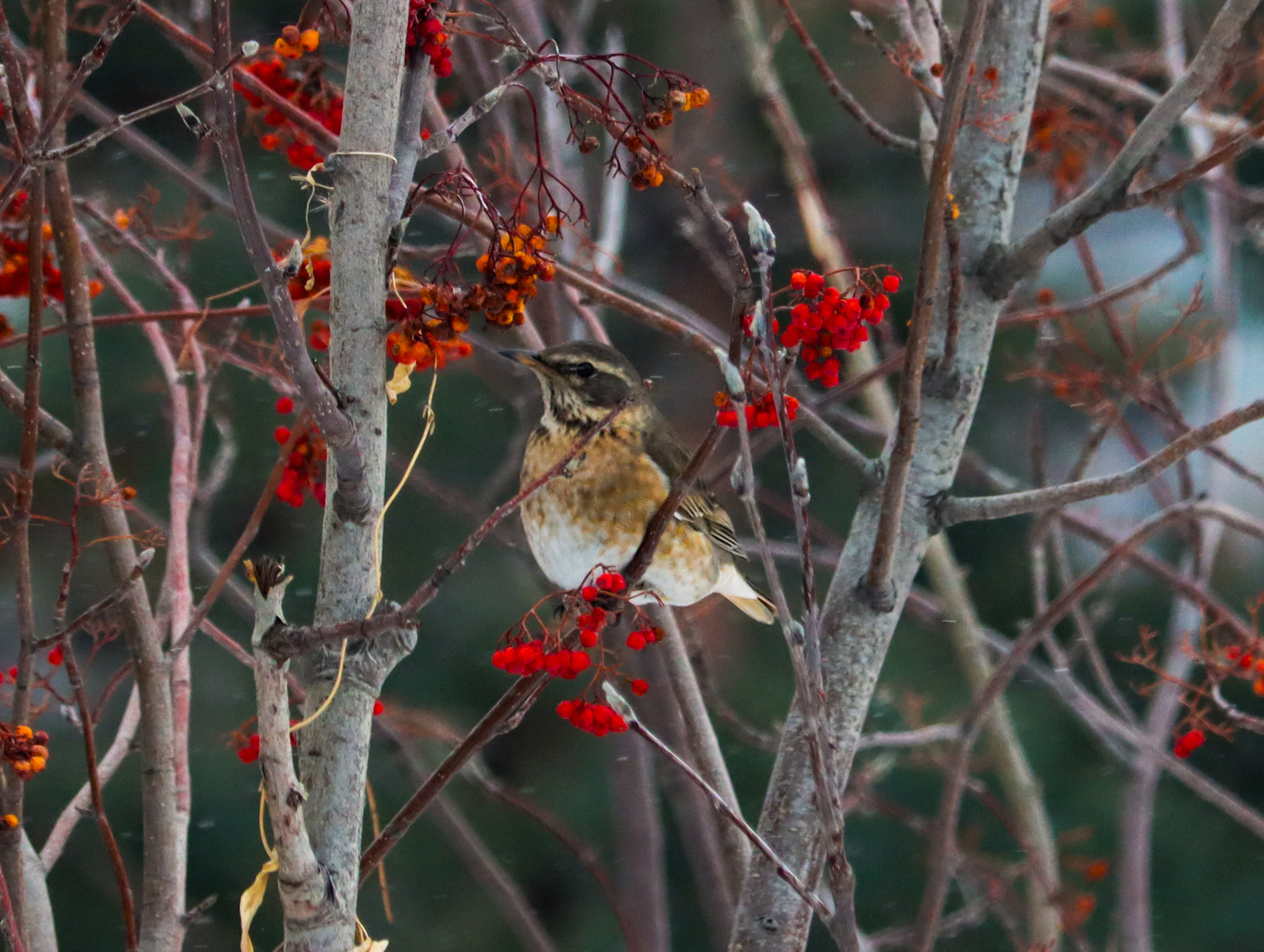
Medium-sized but stocky thrush, reminiscent in structure of a small fieldfare. Has a pale brown back and head. The face, breast, flank spots, and rump are reddish, while the belly and undertail are white. The underwing is reddish brown, and there is a pale supercilium. Females are fairly similar to males, but immatures have weaker patterning.
Identification
Distinguished from the similar dusky thrush by its paler brown back and rump, and reddish (rather than black) face, breast, and flank spots. The underwing is reddish brown. Song may differ from the simple fluted or whistling redwing-like song of the dusky thrush.
Distribution & Habitat
Breeds eastwards from central Siberia to North Manchuria, Amurland, and Sakhalin in open woodland areas. Winters in South Asia to Southeast Asia, principally in China, Korea, and neighboring countries. A rare vagrant to western Europe.
Behavior & Ecology
Nests in trees, laying 3-5 eggs in an untidy but neatly lined nest. Migrating and wintering birds often form small flocks. Omnivorous, eating a wide range of insects, especially mosquitoes, earthworms, and berries.
Culture
The species name commemorates the German naturalist Johann Andreas Naumann.
Source: Wikipedia · CC BY-SA 3.0
Taxonomy
- Order
- Passeriformes
- Family
- Turdidae
- Genus
- Turdus
Distribution
breeds central Siberia to northern Manchuria, Amurland, and Sakhalin; winters to Korea
Data Sources
CBR Notes: 中文名由红尾鸫改为红尾斑鸫
Species description from Wikipedia, licensed under CC BY-SA 3.0.
Bird images and sounds sourced from GBIF, contributed by citizen scientists worldwide under Creative Commons licenses.
Taxonomy data from AviList 2025.