Naumann's Thrush
Turdus naumanni
红尾斑鸫
Introduction
This medium-sized thrush breeds across eastern Siberia from central regions through North Manchuria, Amurland, and Sakhalin Island. It occupies open woodland habitats during the breeding season at lower elevations. It migrates south to winter in South Asia and Southeast Asia, with China, Korea, and neighboring countries serving as primary wintering grounds. It is a rare vagrant in western Europe. These thrushes form small flocks during migration and winter and have an omnivorous diet that includes insects, earthworms, and berries.
Description
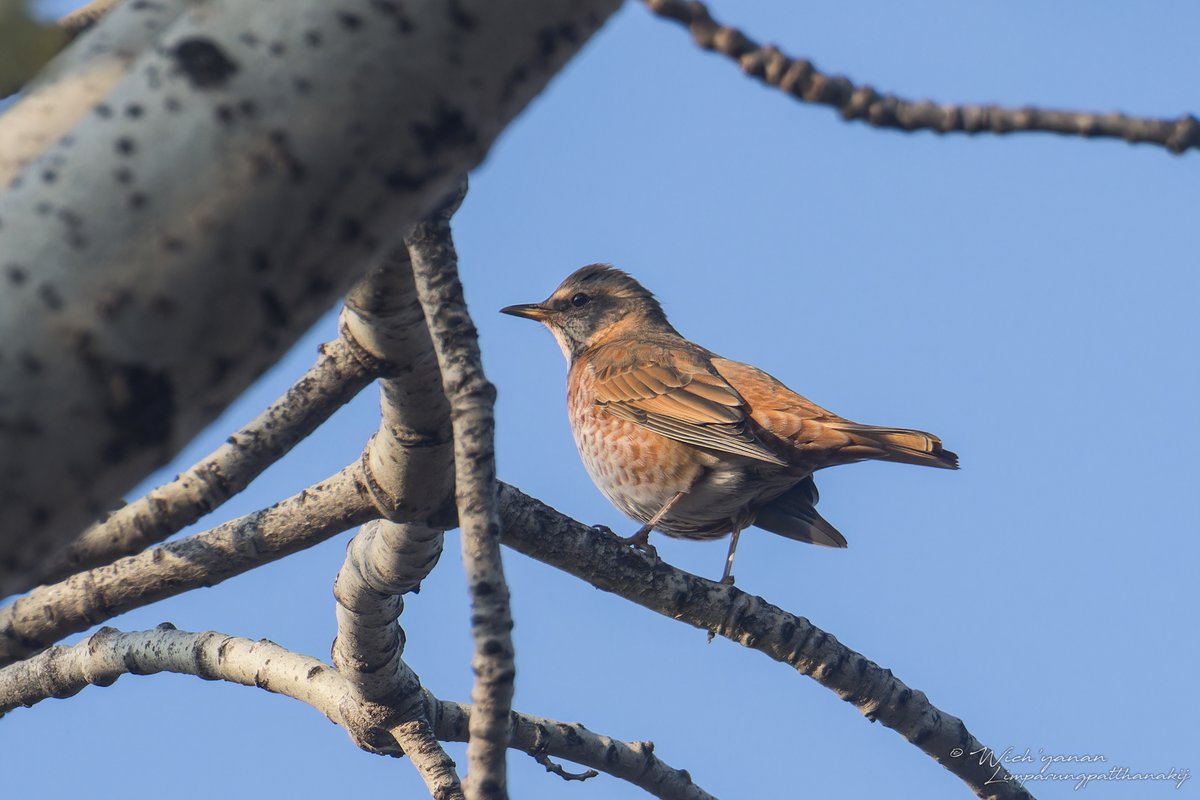
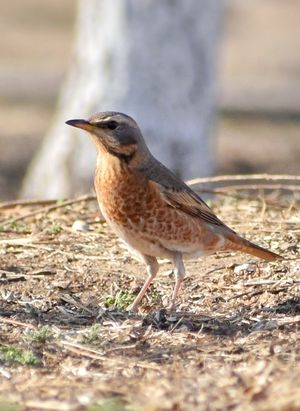
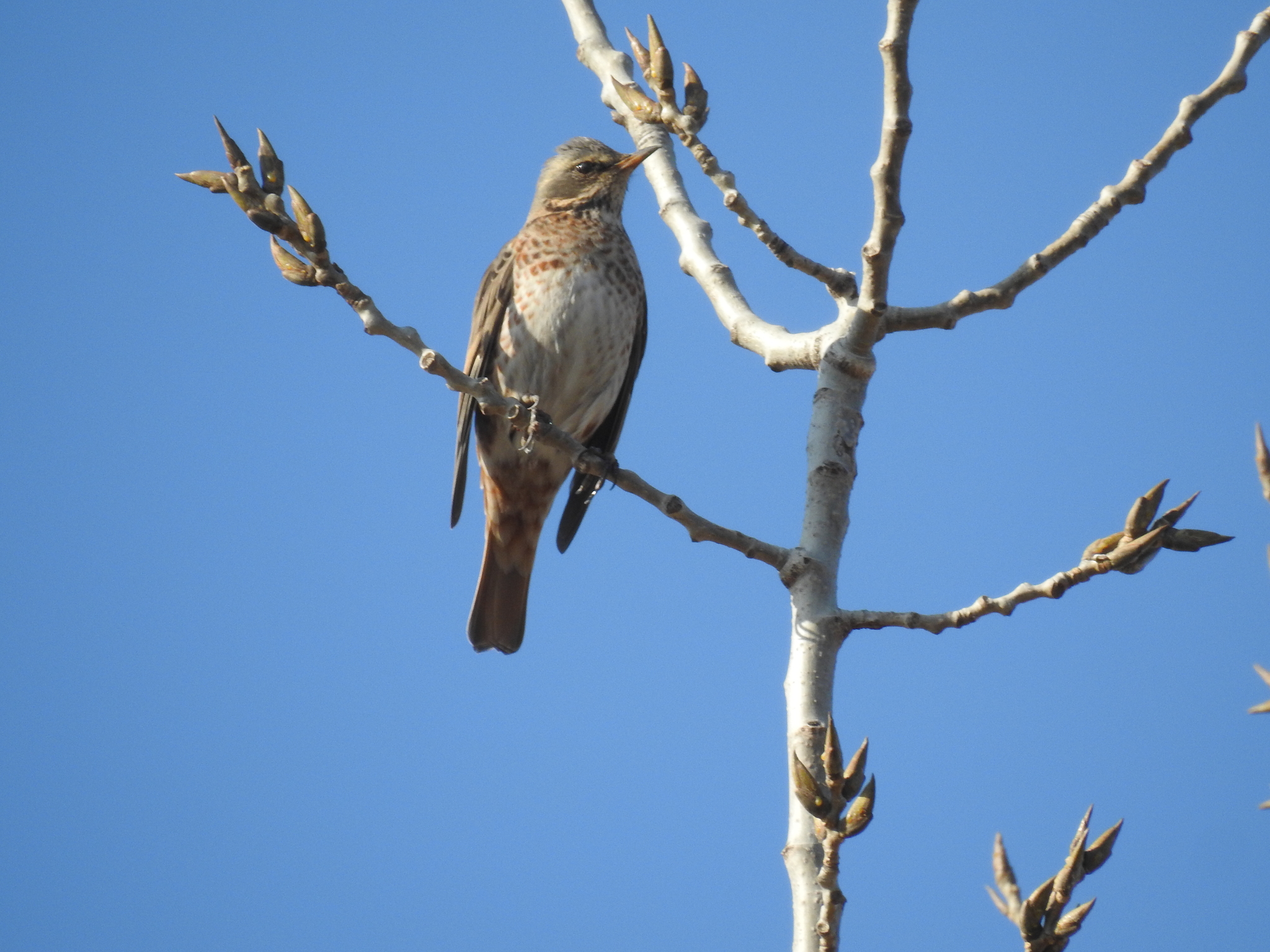
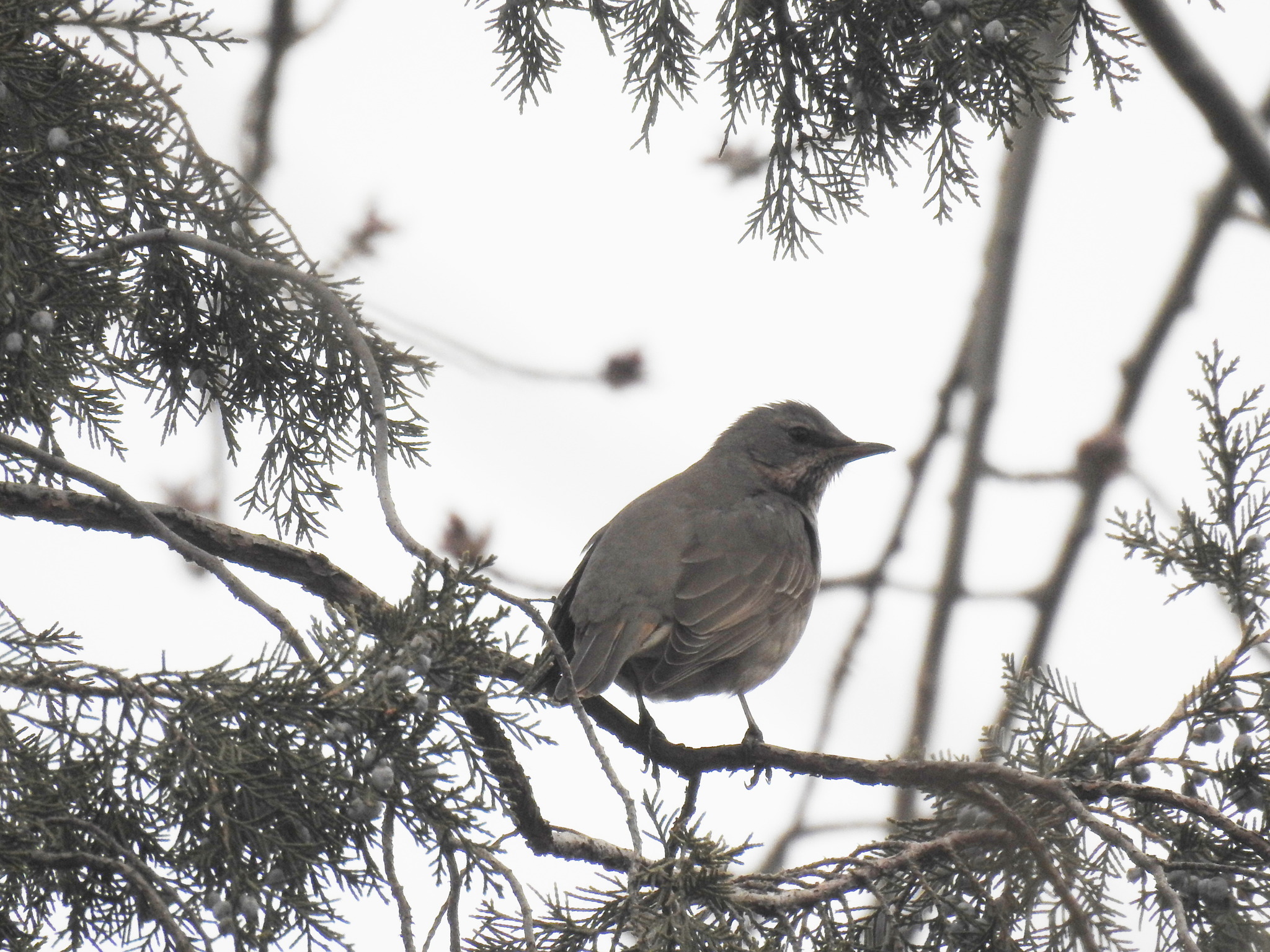
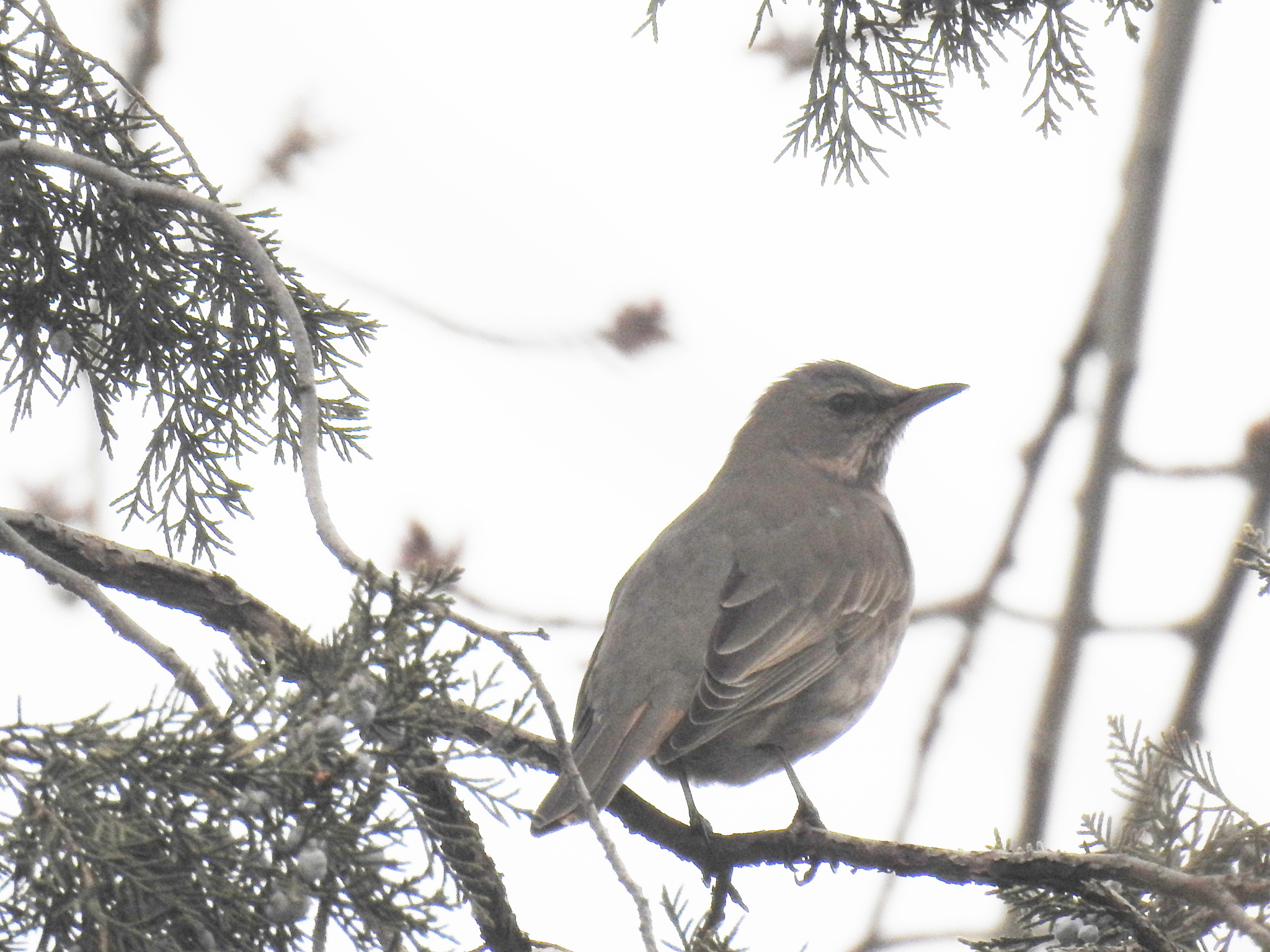
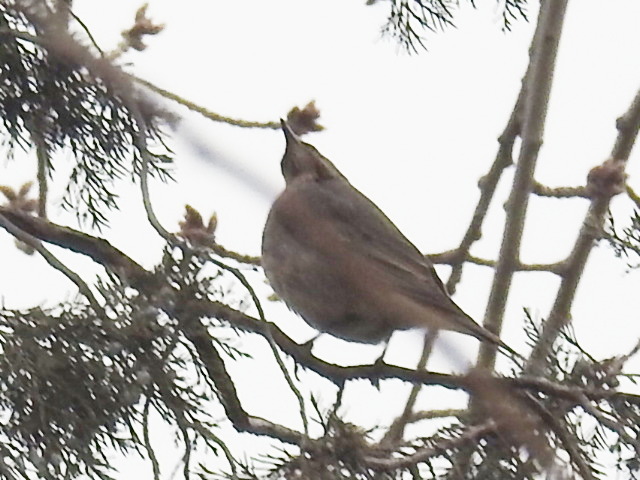
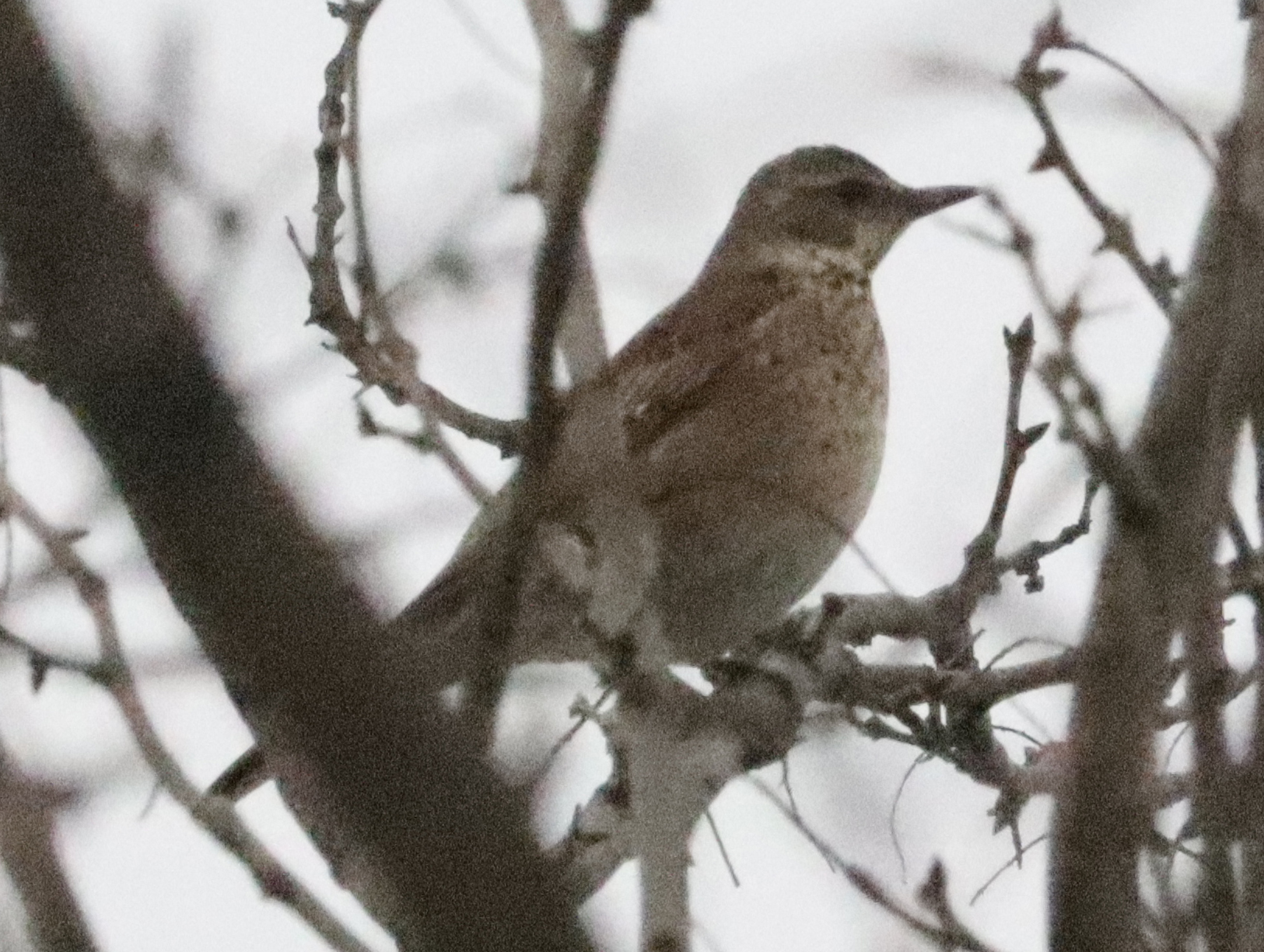
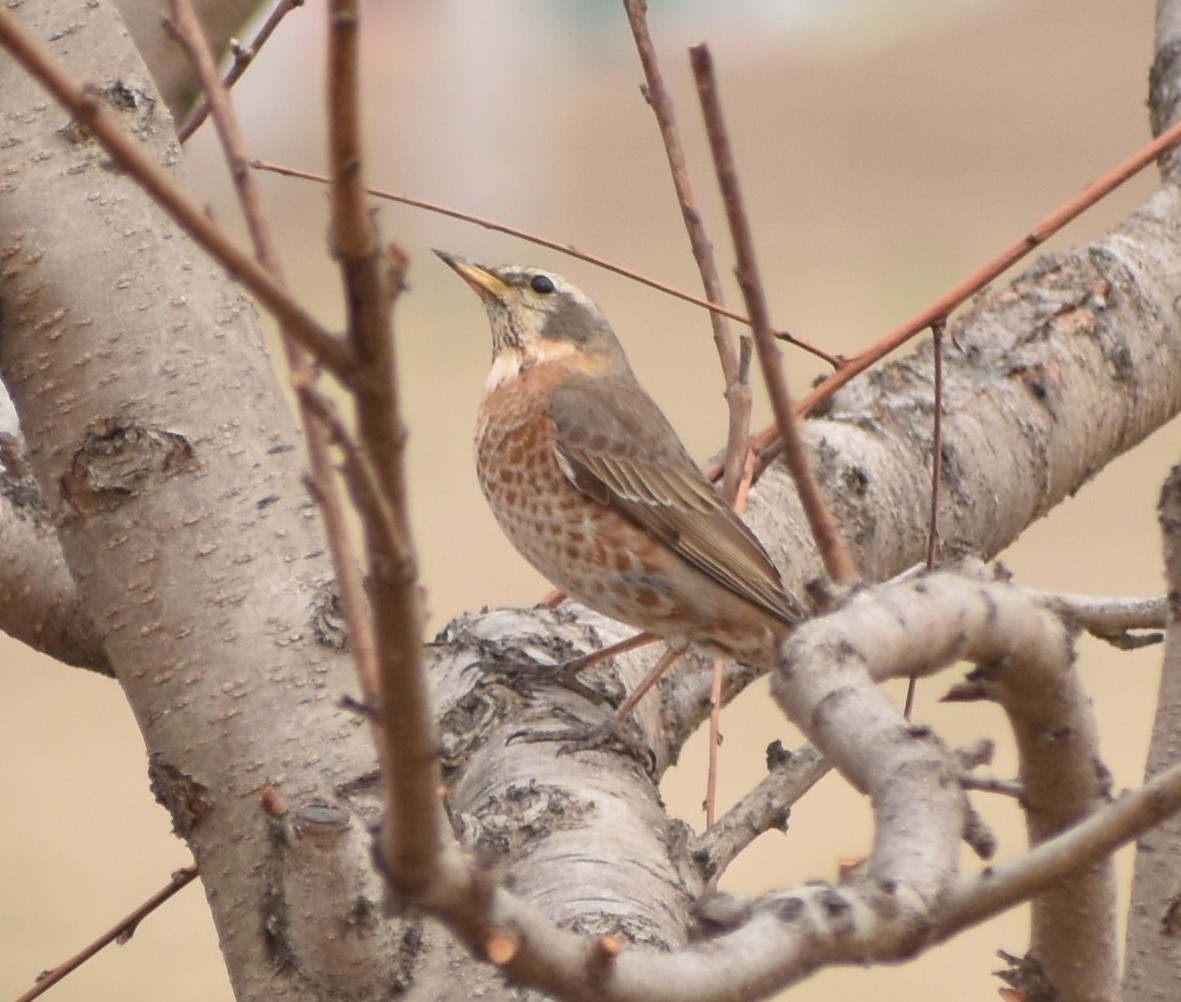
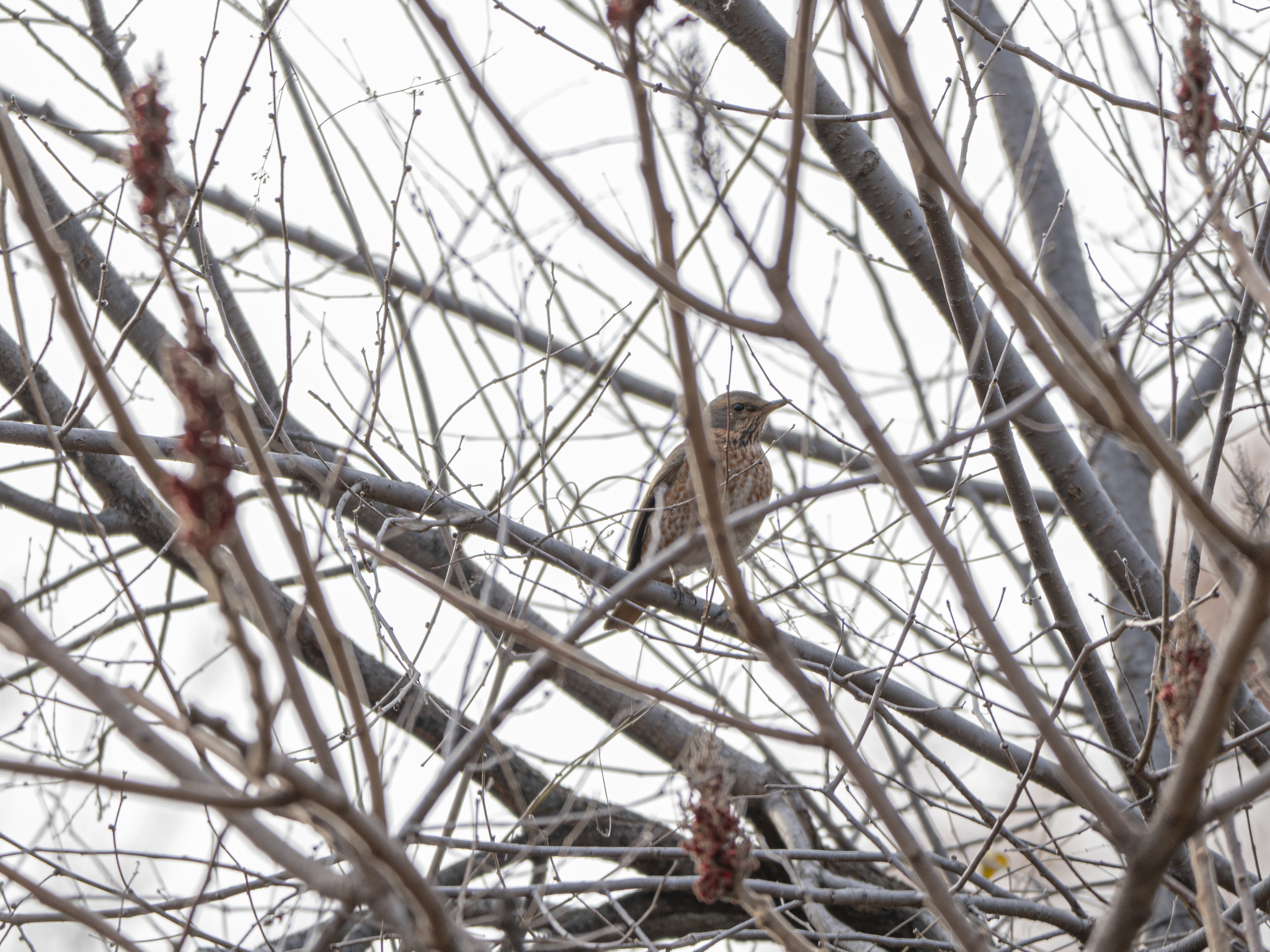
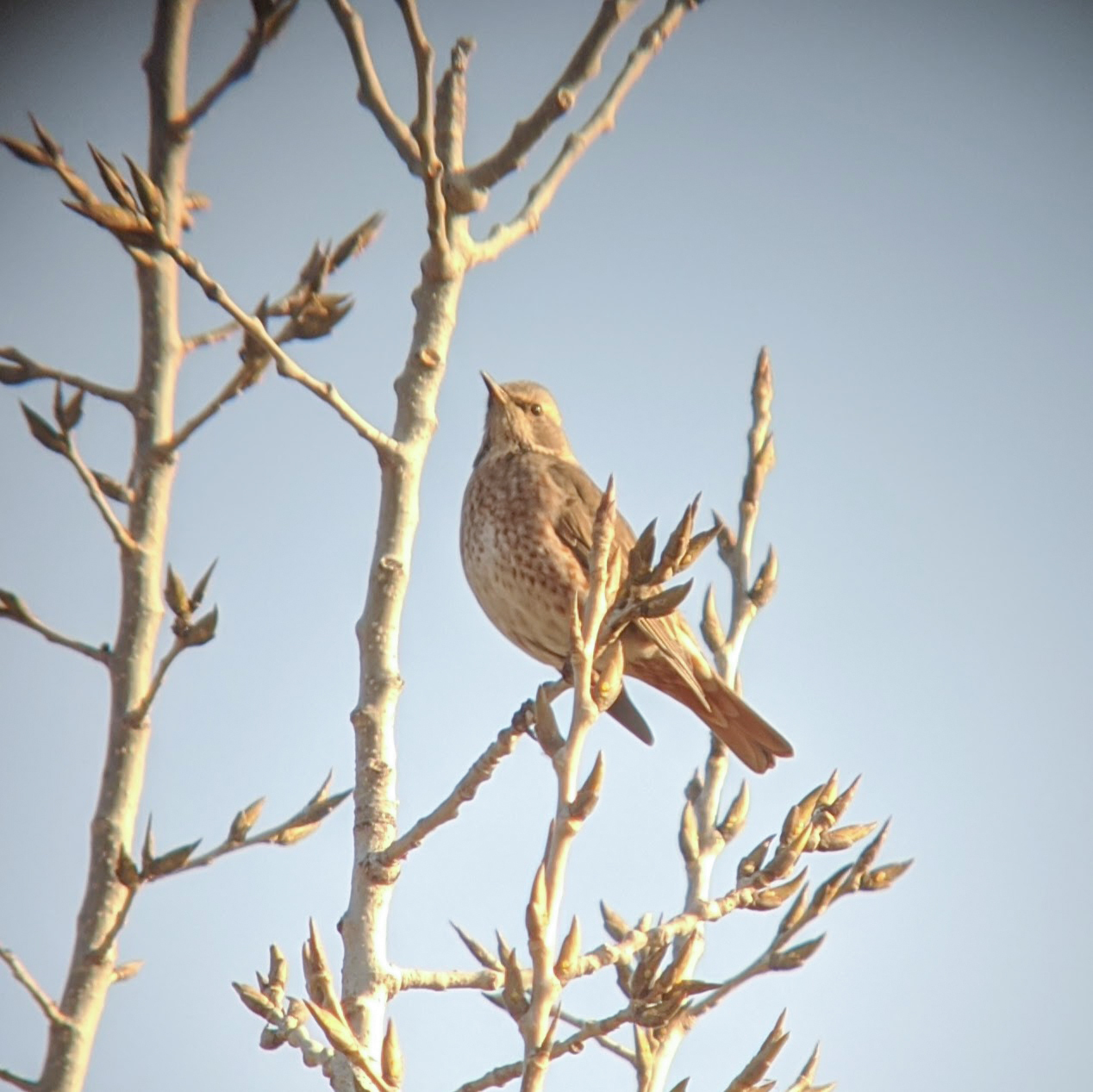
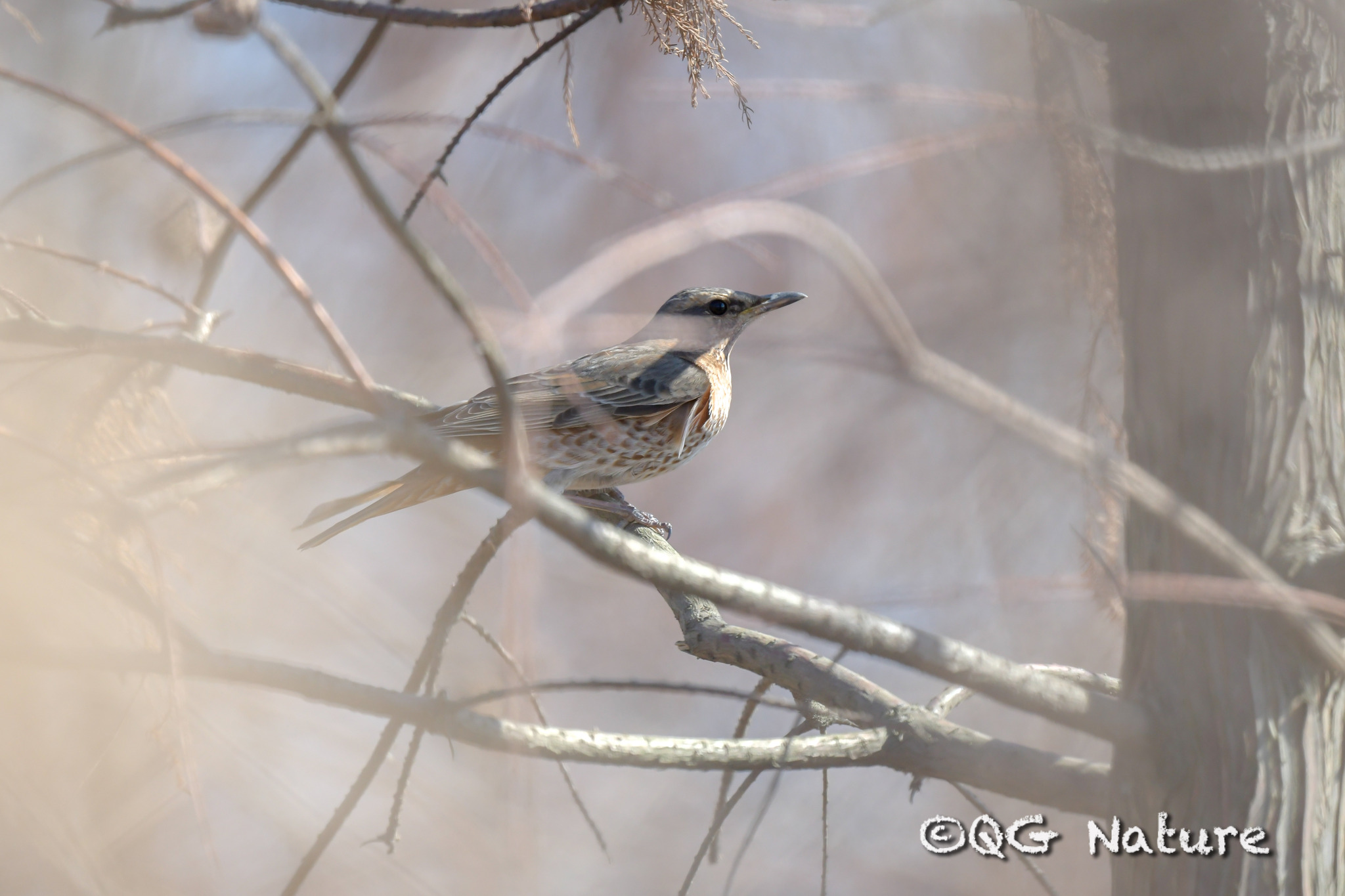
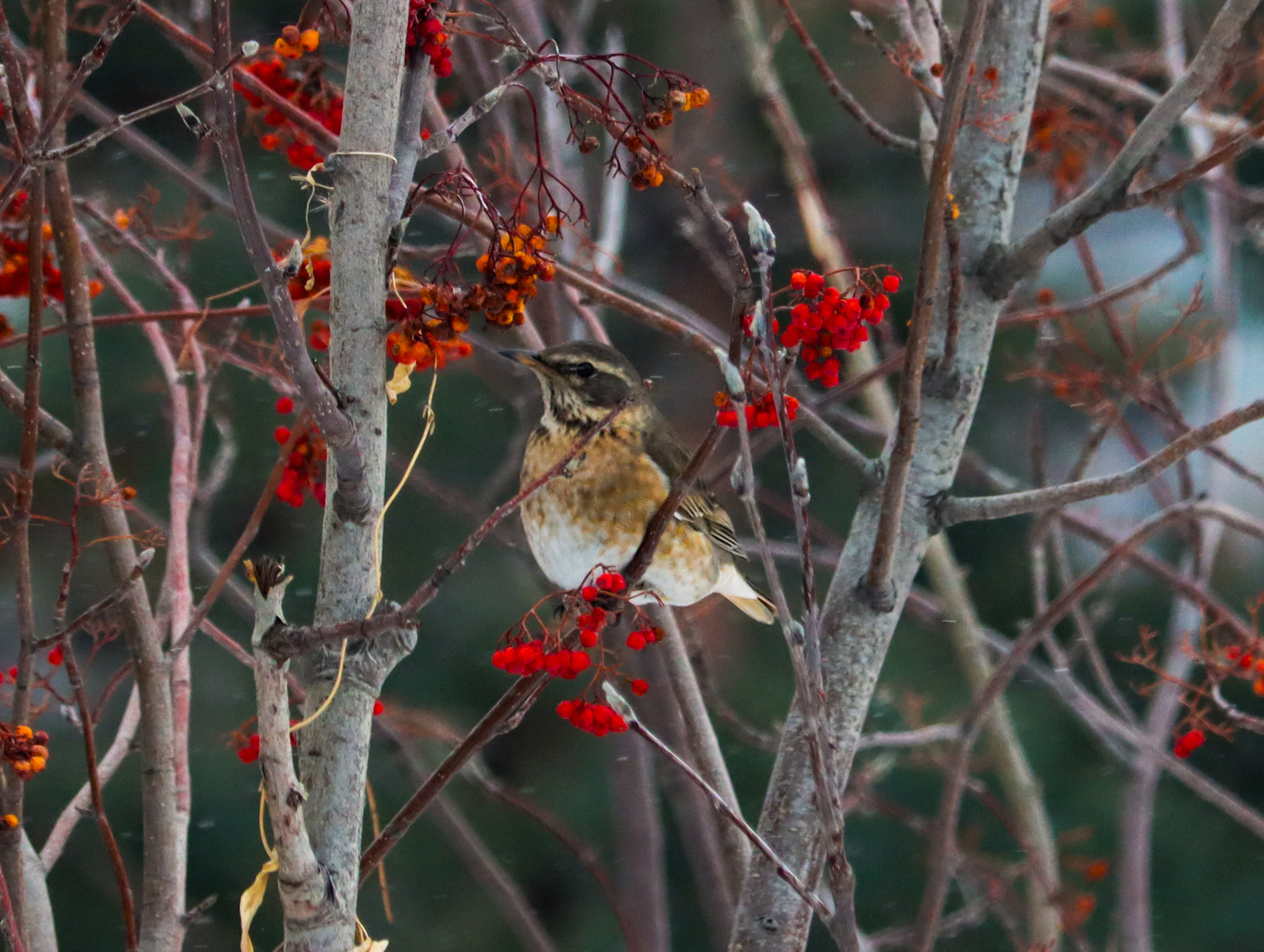
This is a compact, medium-sized thrush with a stocky build that brings to mind a small fieldfare. The upperparts display pale brown coloration on both the back and head. A distinctive pale supercilium marks the face. The underwing shows reddish-brown tones. The face, breast, flanks, and rump exhibit reddish coloration, while the belly and undertail are white. The female resembles the male in plumage, though immature birds show weaker and less distinct patterning.
Identification
This species can be distinguished from the similar dusky thrush by several key features. While both species share white bellies and underparts, Naumann's has a pale brown back and head compared to the dusky thrush's darker brown upperparts. The face, breast, and flank spots are reddish rather than black, and the rump shows reddish tones. When comparing field marks, the combination of pale brown upperparts with reddish underpart markings separates this species from the darker, black-faced dusky thrush.
Distribution & Habitat
This thrush breeds from central Siberia eastward through North Manchuria, Amurland, and Sakhalin Island. Its breeding habitat consists of open woodland areas. Come autumn, it undertakes a long migration to wintering grounds in South Asia and Southeast Asia, with China, Korea, and adjacent countries serving as the principal wintering areas. While primarily an Asian species, vagrant individuals occasionally reach western Europe, where they are sought after by local birdwatchers.
Behavior & Ecology
During the breeding season, this thrush nests in trees, constructing an untidy but neatly lined cup nest where it lays 3-5 eggs. Both migrating birds and those on wintering grounds typically form small flocks, moving and feeding together. Its omnivorous diet includes a wide range of invertebrates, with mosquitoes being particularly favored insects, along with earthworms and various berries. The song differs from that of the dusky thrush, which produces a simple fluted or whistling melody reminiscent of a redwing; this species' vocalizations are described as different, though specific details are not provided.
Conservation
This species' conservation status is not detailed in available sources, though its extensive range across Siberia and regular migratory patterns to multiple wintering areas suggest a relatively stable population. As with many migratory birds, it faces potential threats from habitat loss across its migratory route and wintering grounds.
Culture
The genus name derives from the Latin word 'Turdus,' meaning thrush, while both the scientific and common names honor Johann Andreas Naumann, a German naturalist who contributed to ornithological studies. Beyond this nomenclatural recognition, the species holds no significant documented cultural or folklore significance.
Source: Wikipedia · CC BY-SA 3.0
Taxonomy
- Order
- Passeriformes
- Family
- Turdidae
- Genus
- Turdus
- eBird Code
- dusthr1
Distribution
breeds central Siberia to northern Manchuria, Amurland, and Sakhalin; winters to Korea
Data Sources
CBR Notes: 中文名由红尾鸫改为红尾斑鸫
Species description from Wikipedia, licensed under CC BY-SA 3.0.
Bird images and sounds sourced from GBIF, contributed by citizen scientists worldwide under Creative Commons licenses.
Taxonomy data from AviList 2025.