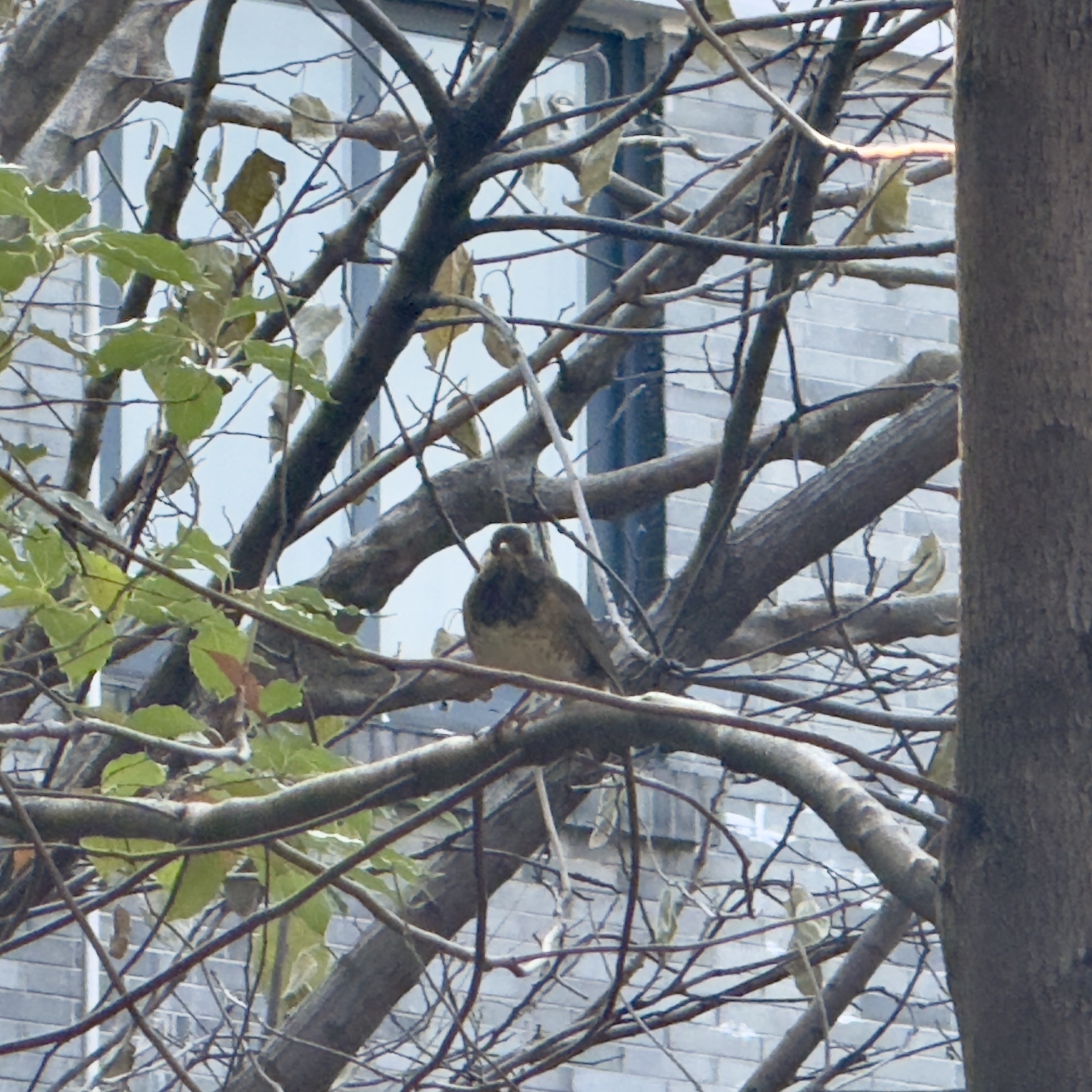
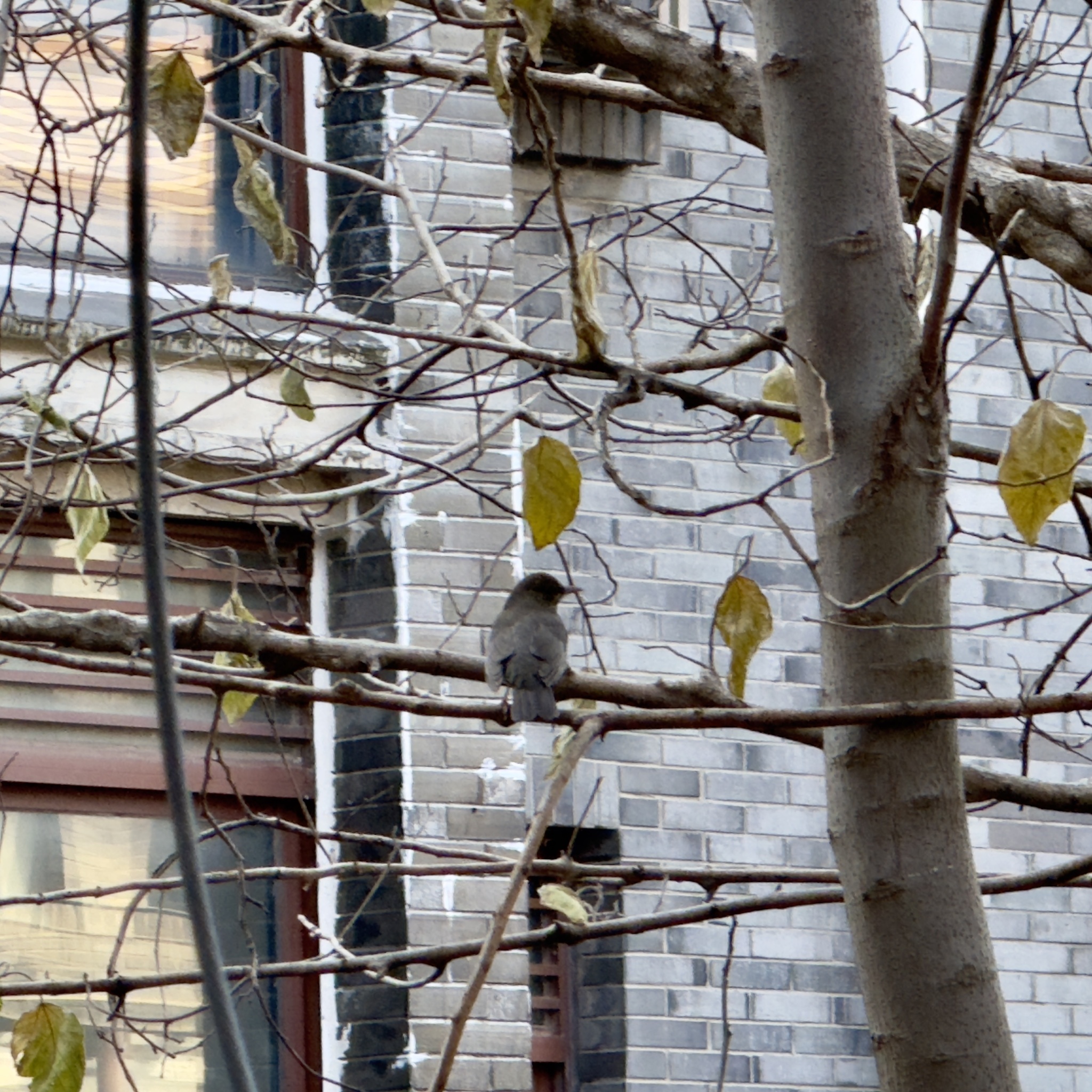
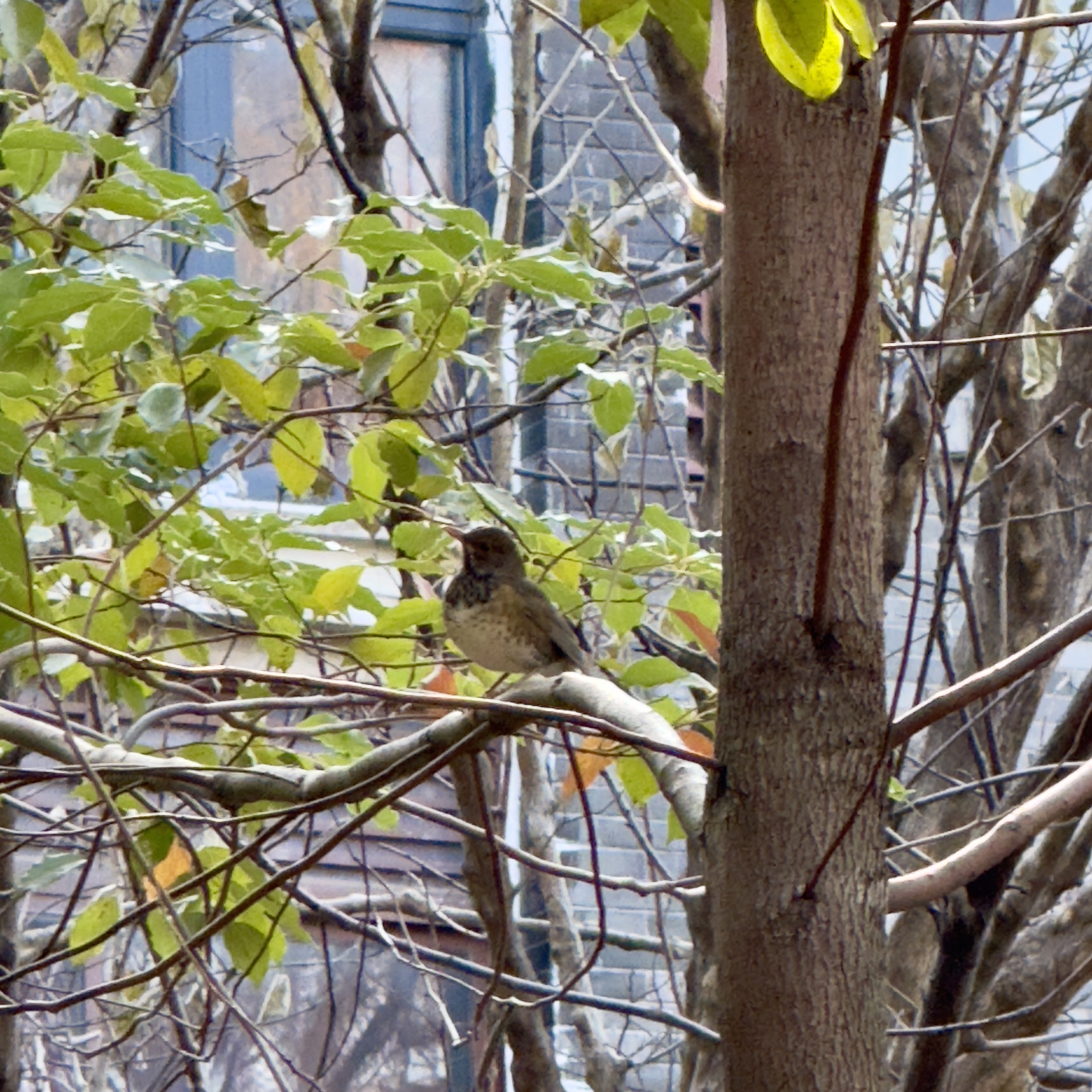
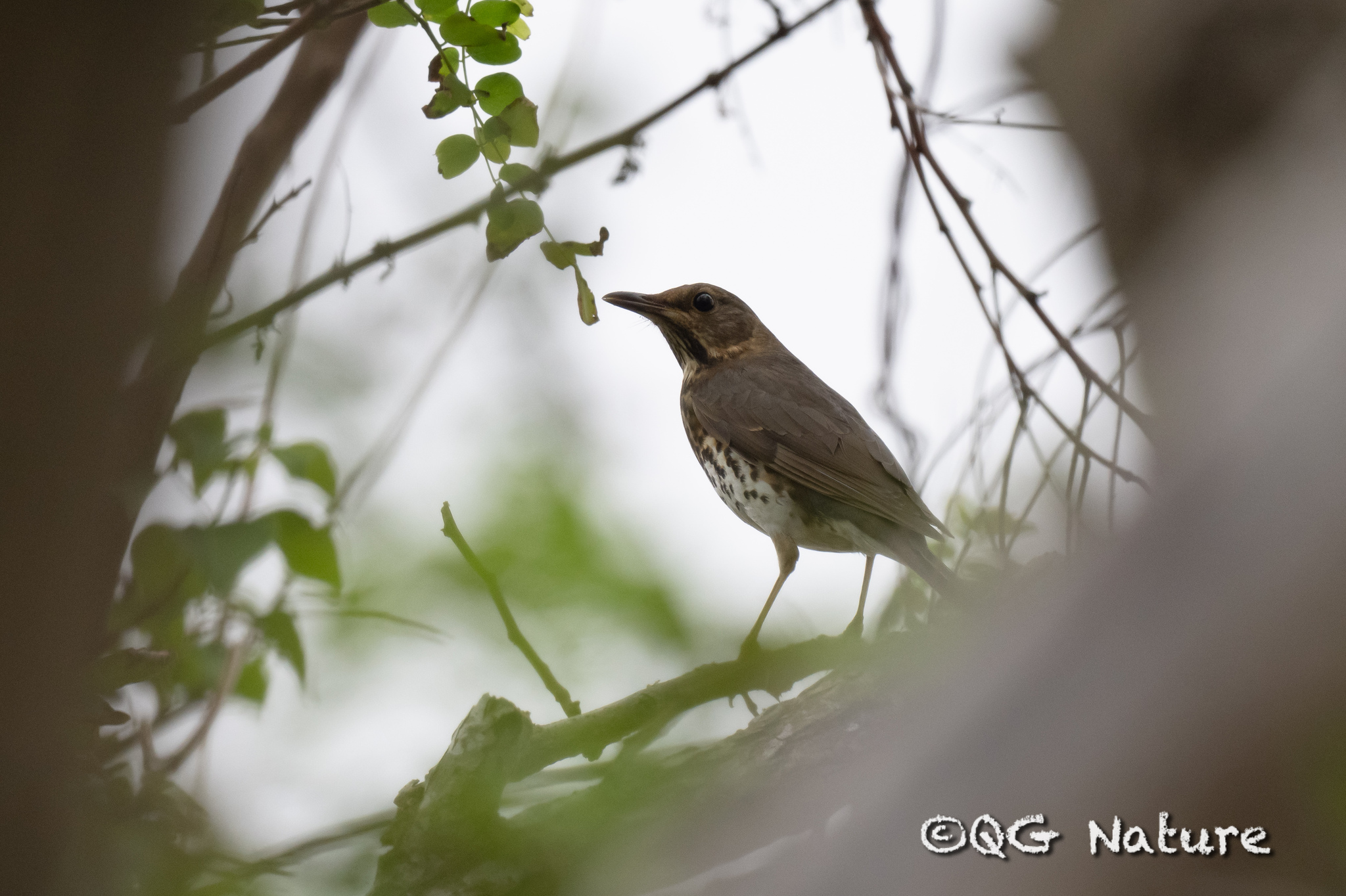
Passeriformes / Turdidae / Turdus
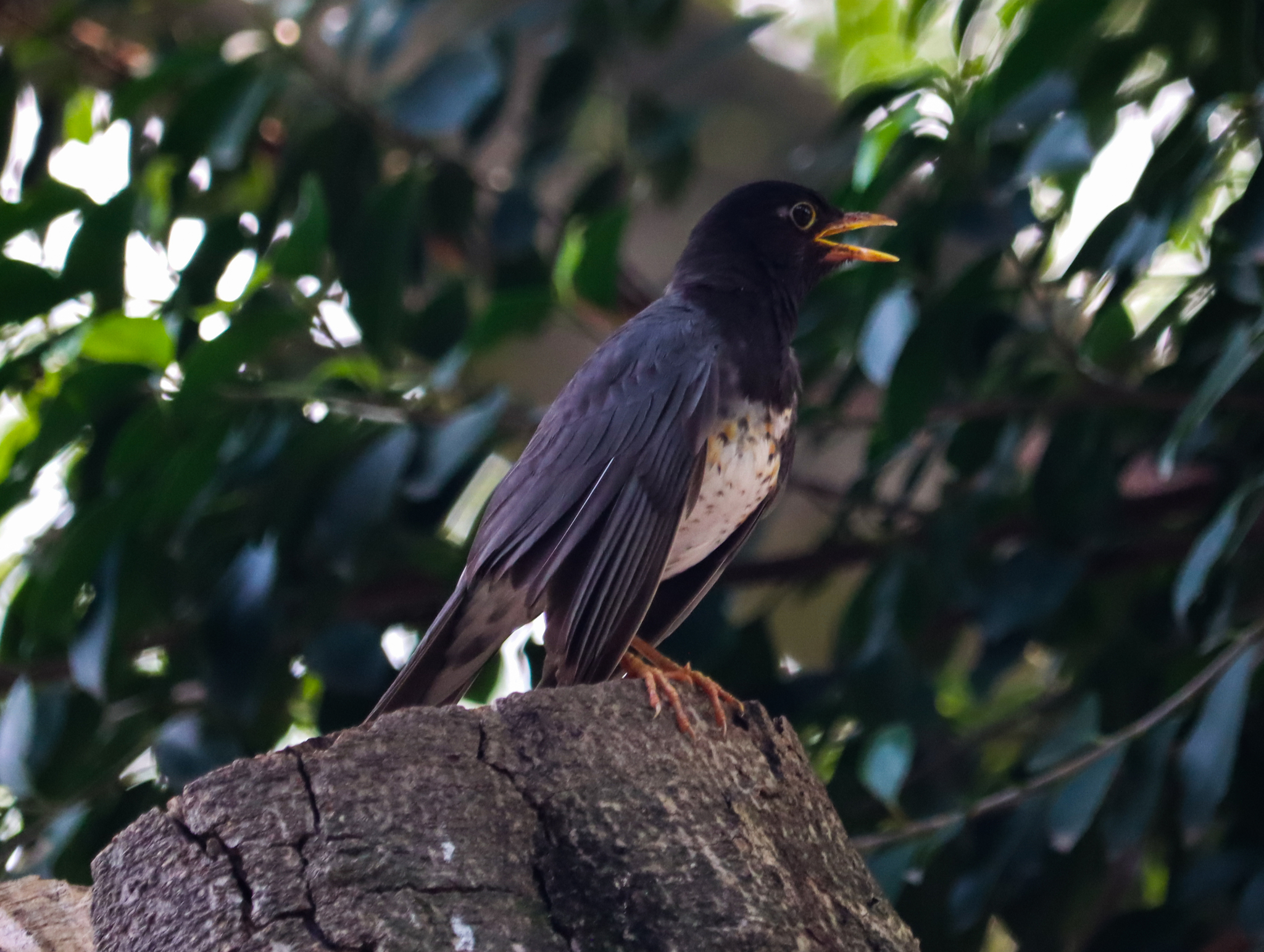
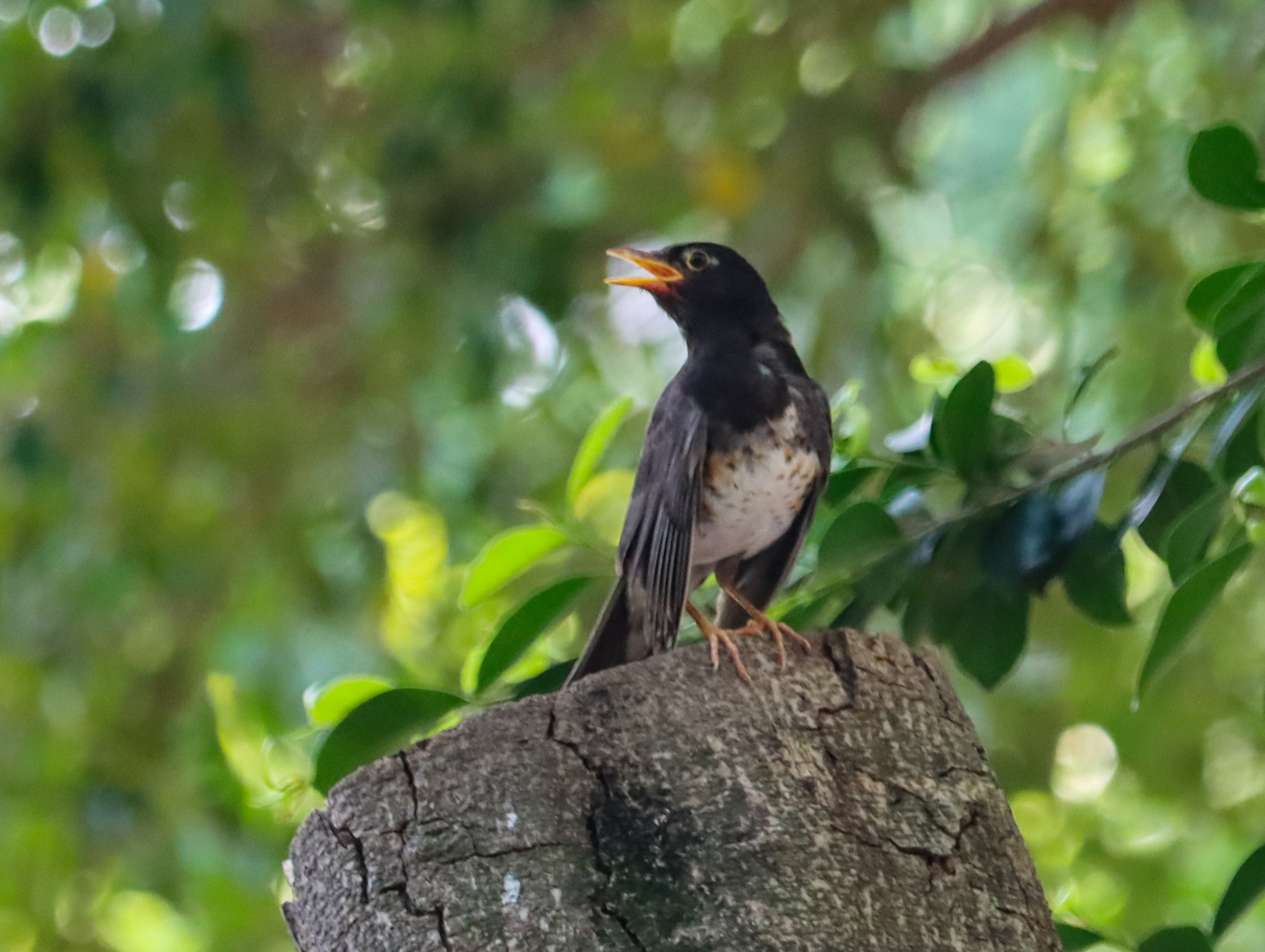
Japanese Thrush
Turdus cardis · 乌灰鸫
Introduction
A migratory species in the thrush family Turdidae, breeding in central China and Japan and wintering in coastal southern China, northern Laos, and Vietnam. It inhabits deciduous or mixed forests, secondary growth, gardens, and parks. The species is monotypic.
Description
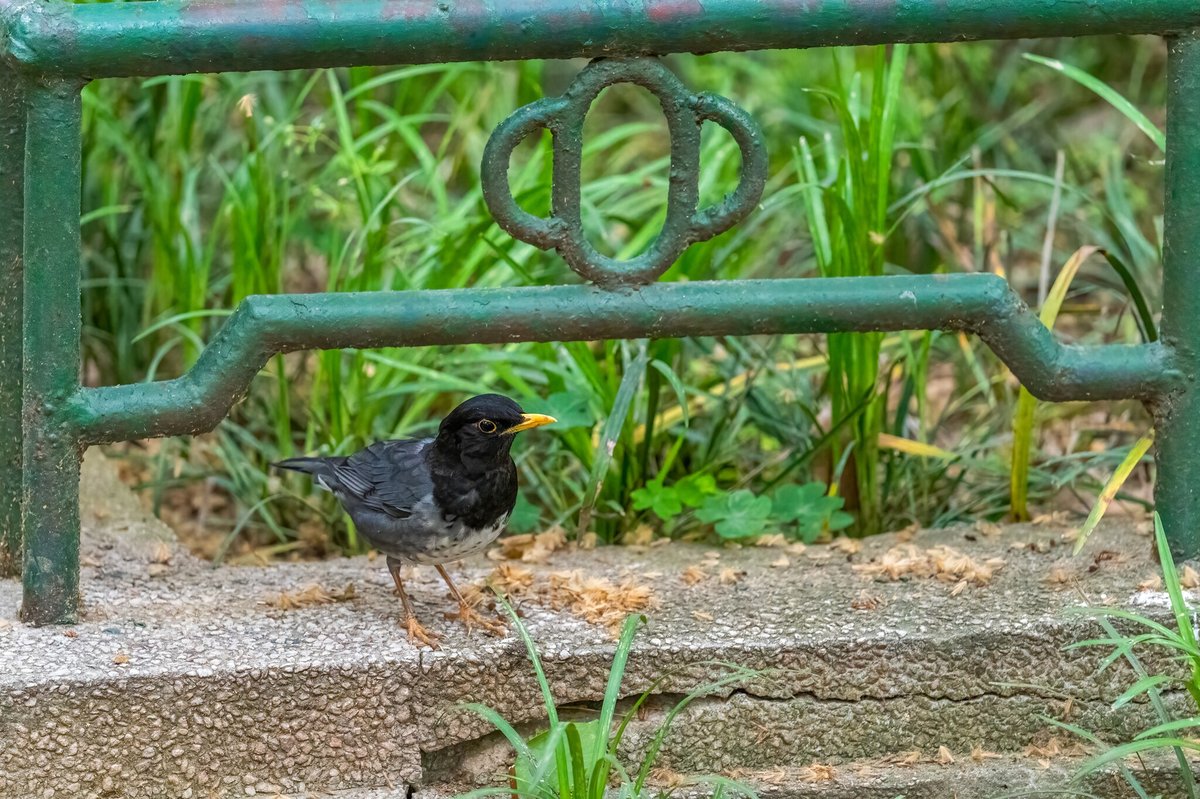
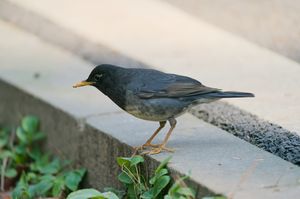
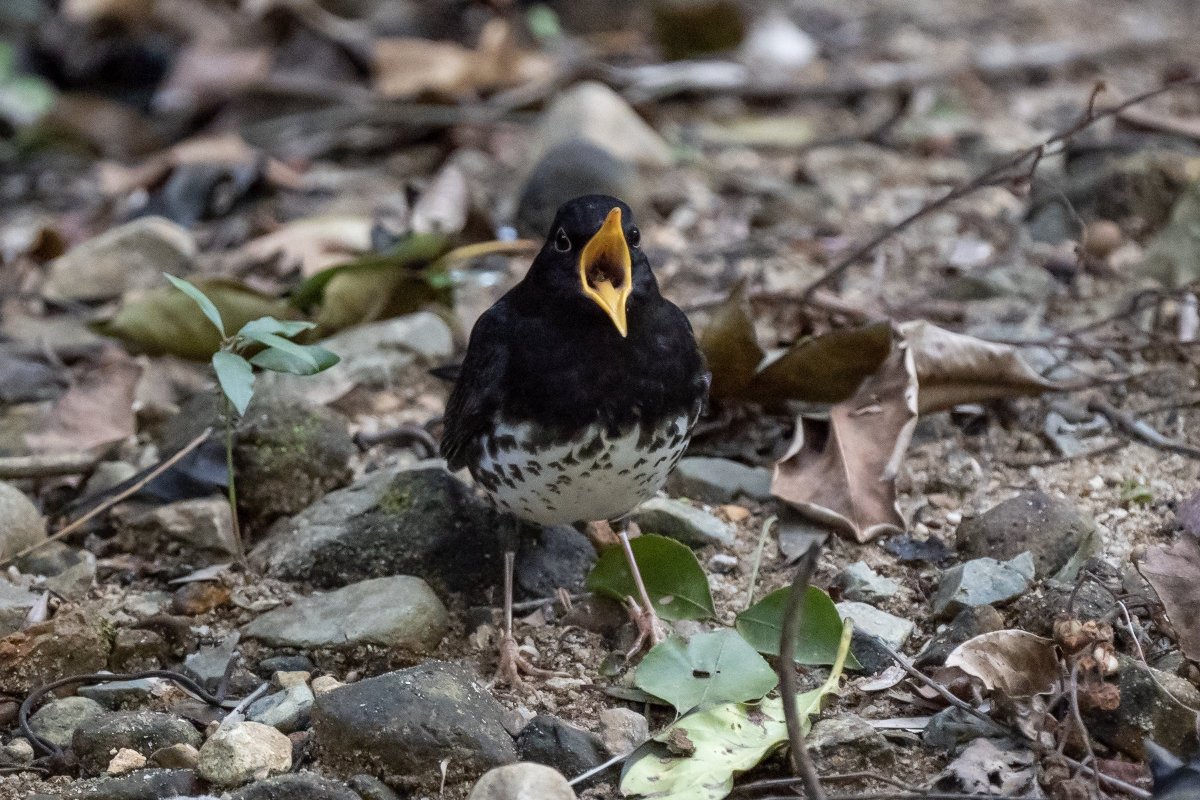
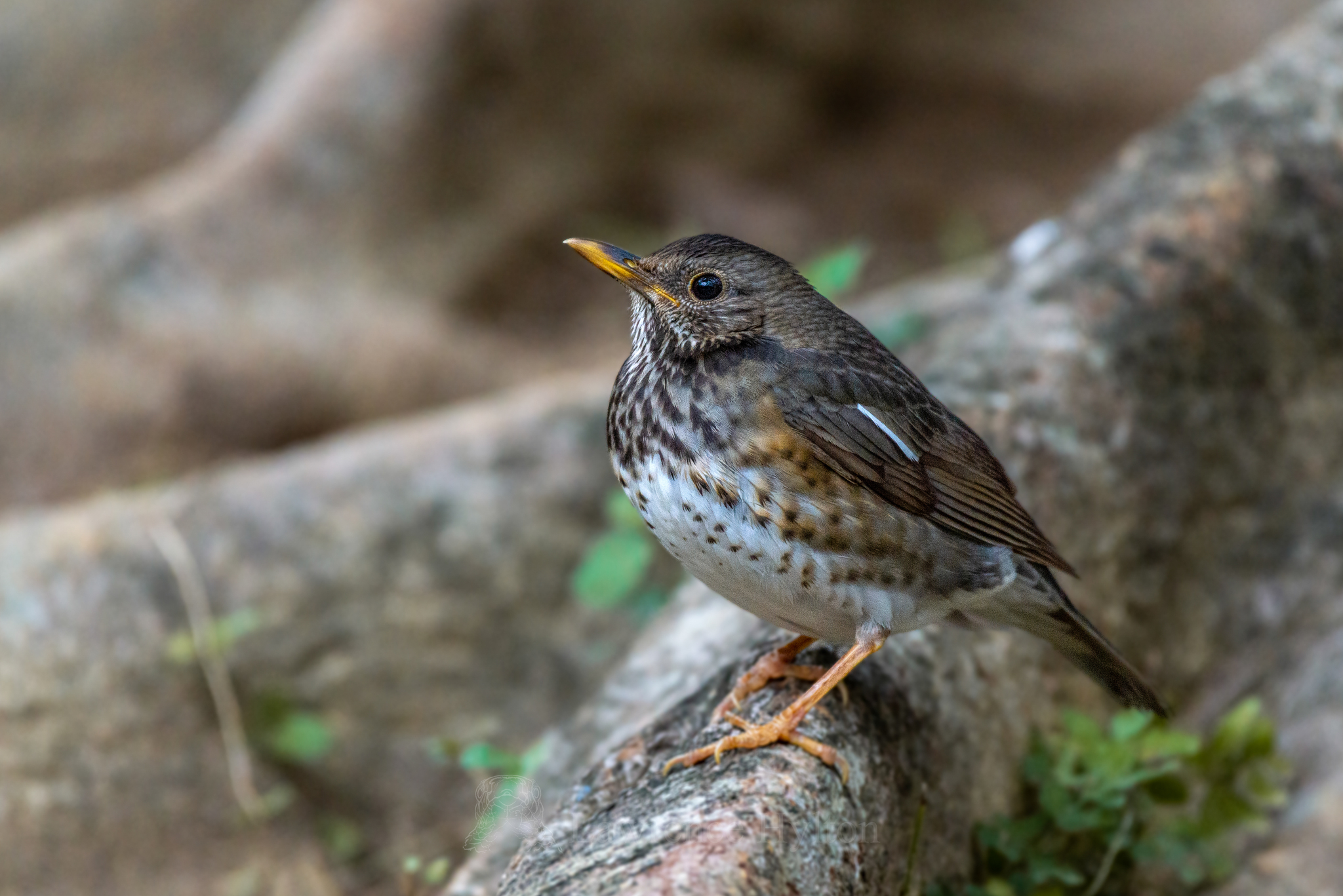
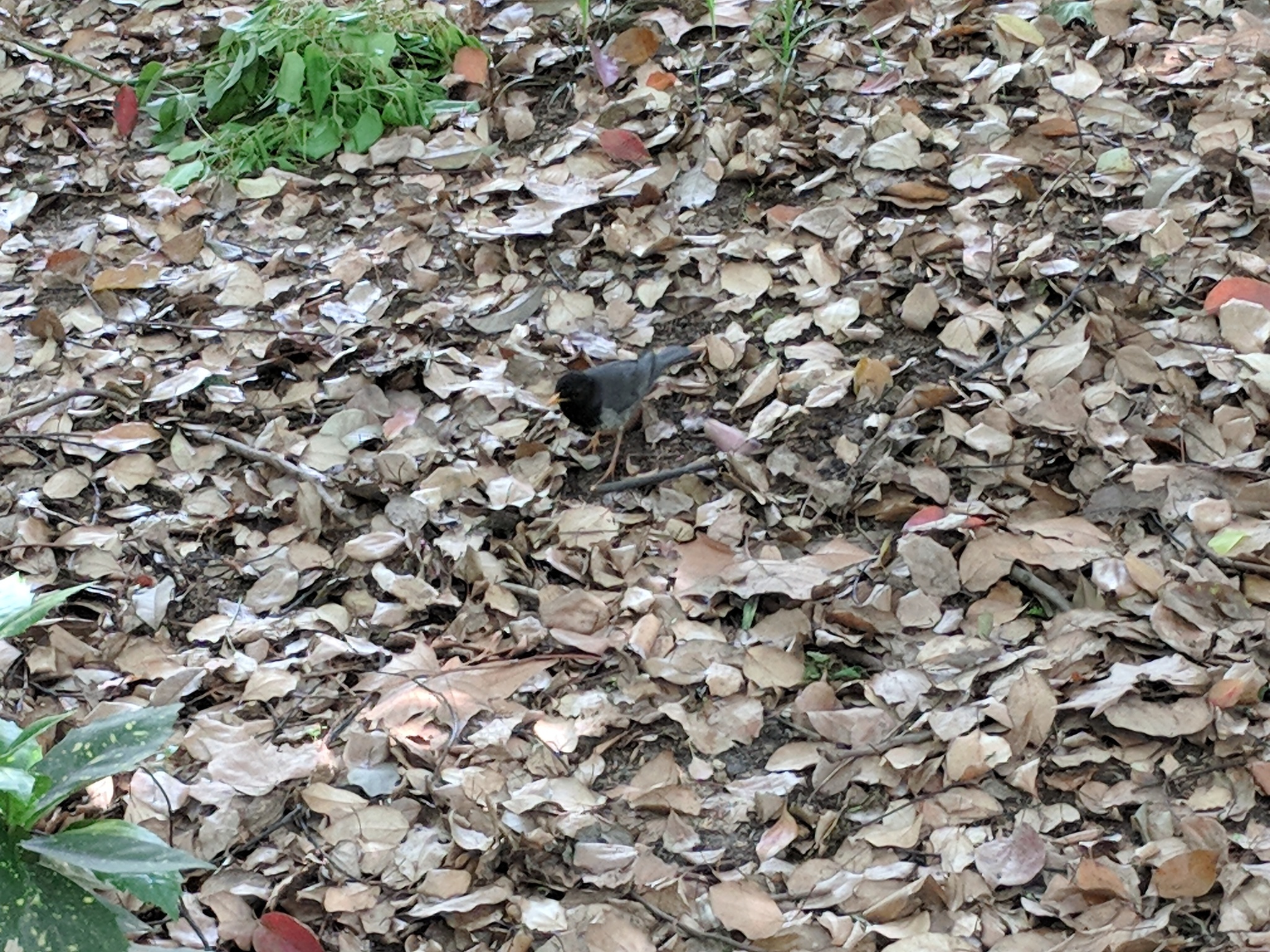
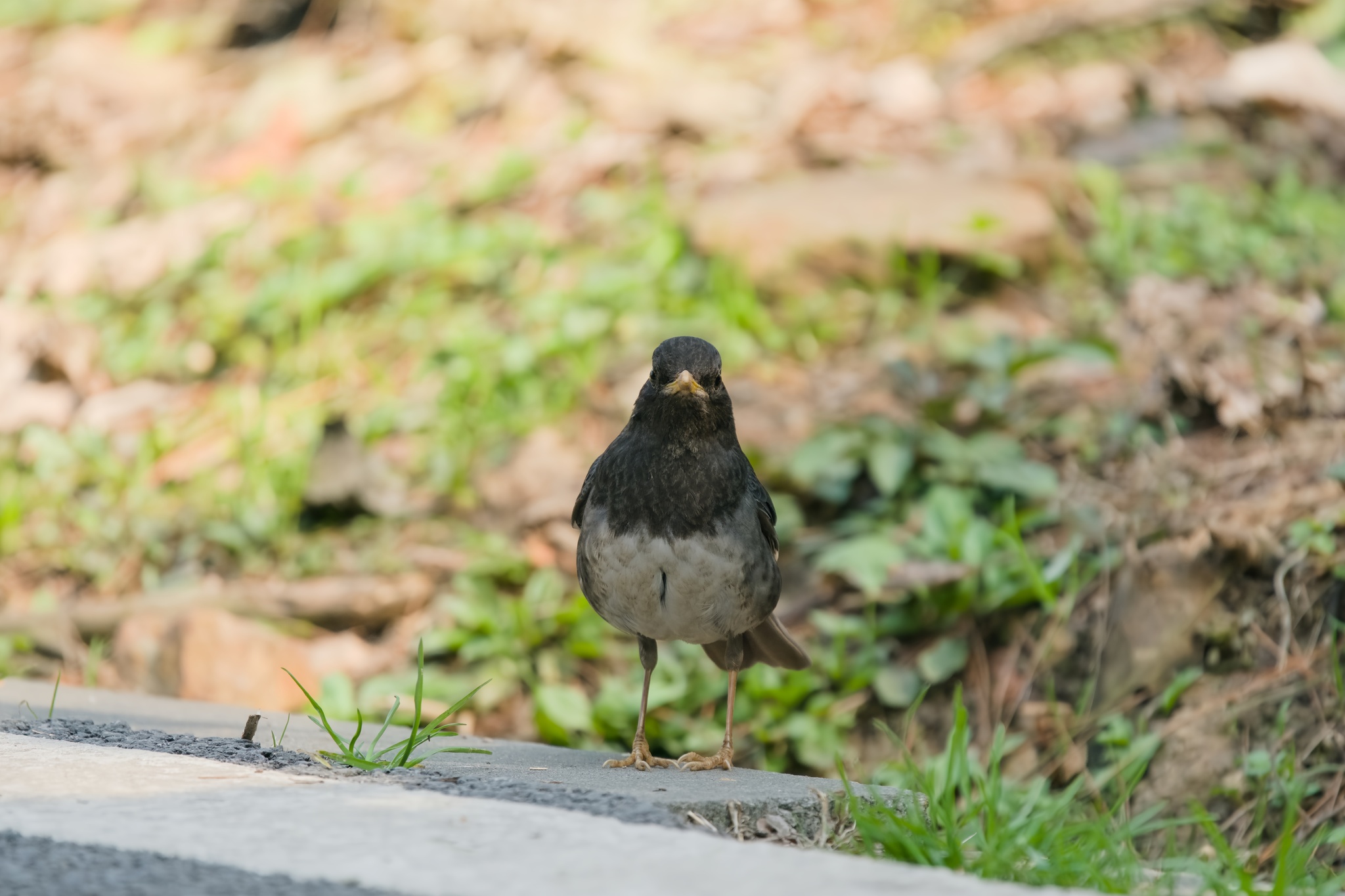
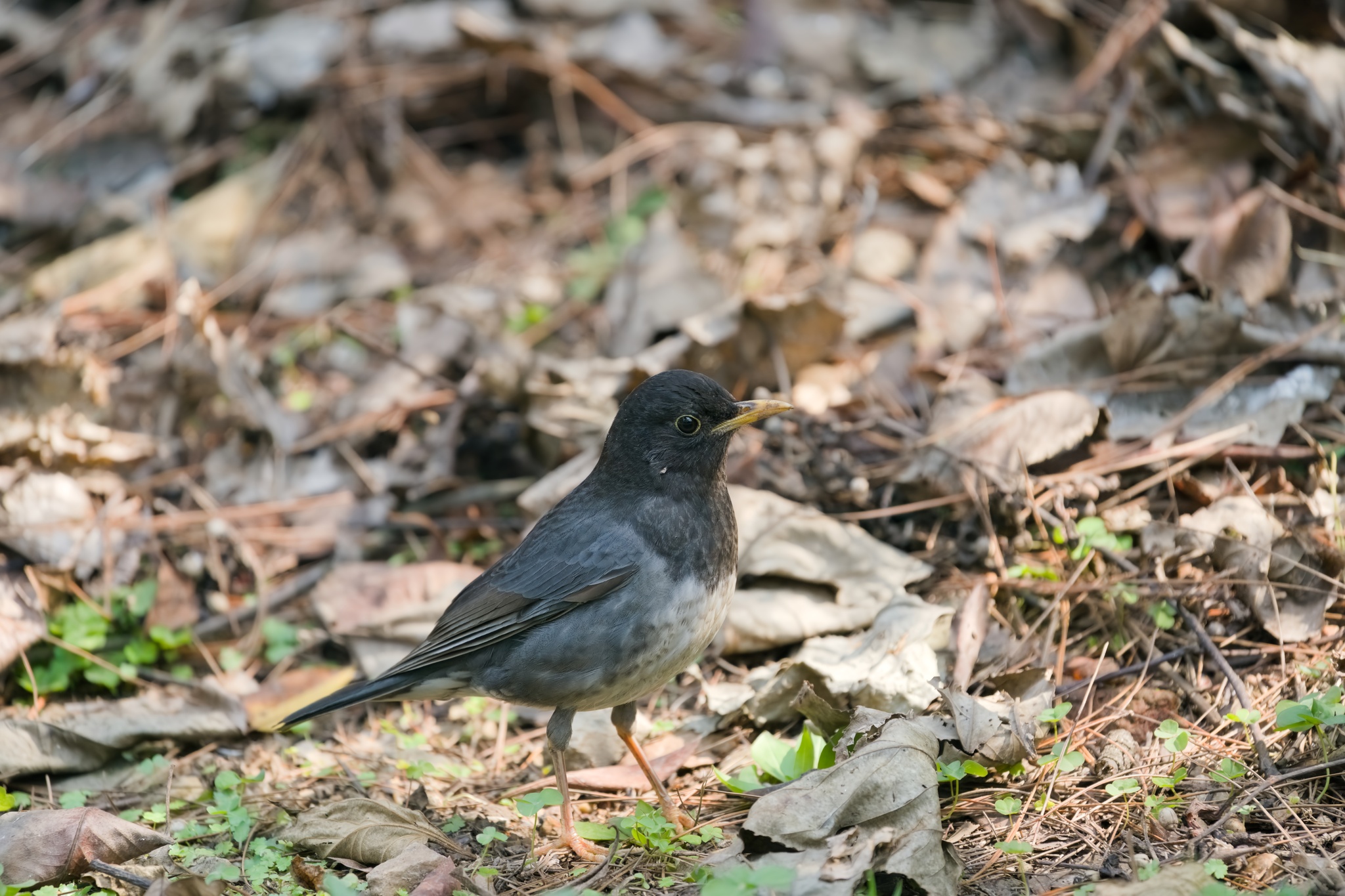
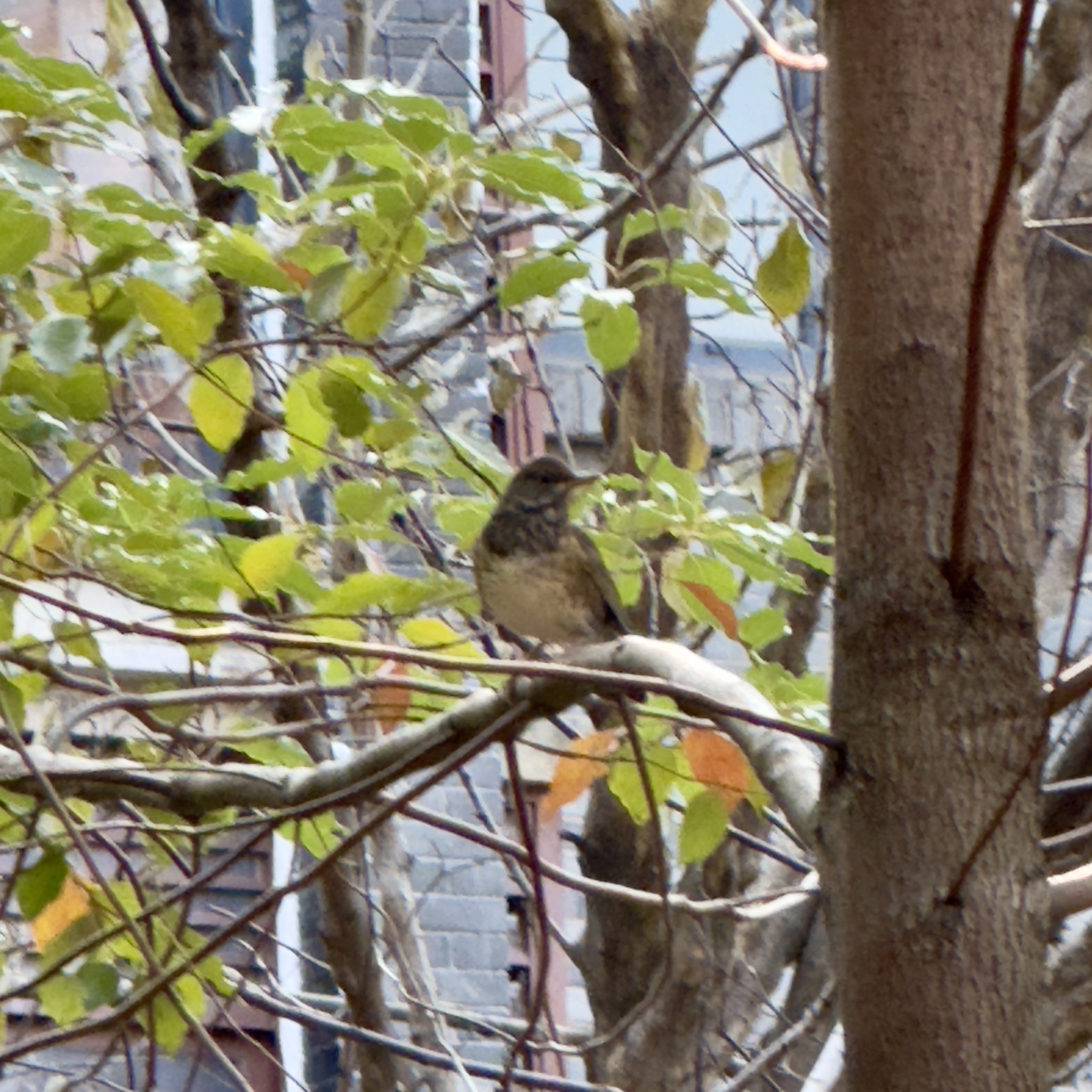
Mid-sized thrush exhibiting sexual dimorphism. Males have a black head, breast, back, wings, and tail, with a white underside featuring black spots on the upper belly and flanks. Legs, bill, and thin eye-ring are yellow. Females are brown above with a white throat, breast, and belly, washed with rusty orange on the flanks and marked with black spots.
Distribution & Habitat
Breeds in central China and Japan, arriving in Japan by April or May. Winters in coastal southern China (including Hainan), northern Laos, and Vietnam, departing breeding grounds around October. Occurs as a passage migrant in Taiwan and is a vagrant in Thailand. Habitats include deciduous or mixed deciduous-coniferous forests, secondary forest, gardens, and parks.
Behavior & Ecology
Feeds on the ground by scratching through leaf-litter for insects and earthworms; also consumes fruit. Nests are constructed from twigs and moss, bound with mud, and lined with hair and rootlets. Clutches contain 2-5 eggs, incubated for 12–13 days, with a nestling period of 14 days. The species double broods, laying a new clutch soon after the first brood fledges.
Source: Wikipedia · CC BY-SA 3.0
Taxonomy
- Order
- Passeriformes
- Family
- Turdidae
- Genus
- Turdus
Distribution
breeds central China and Japan; winters to southern China and Indochina
Vocalizations
Data Sources
Species description from Wikipedia, licensed under CC BY-SA 3.0.
Bird images and sounds sourced from GBIF, contributed by citizen scientists worldwide under Creative Commons licenses.
Taxonomy data from AviList 2025.