Passeriformes / Turdidae / Turdus
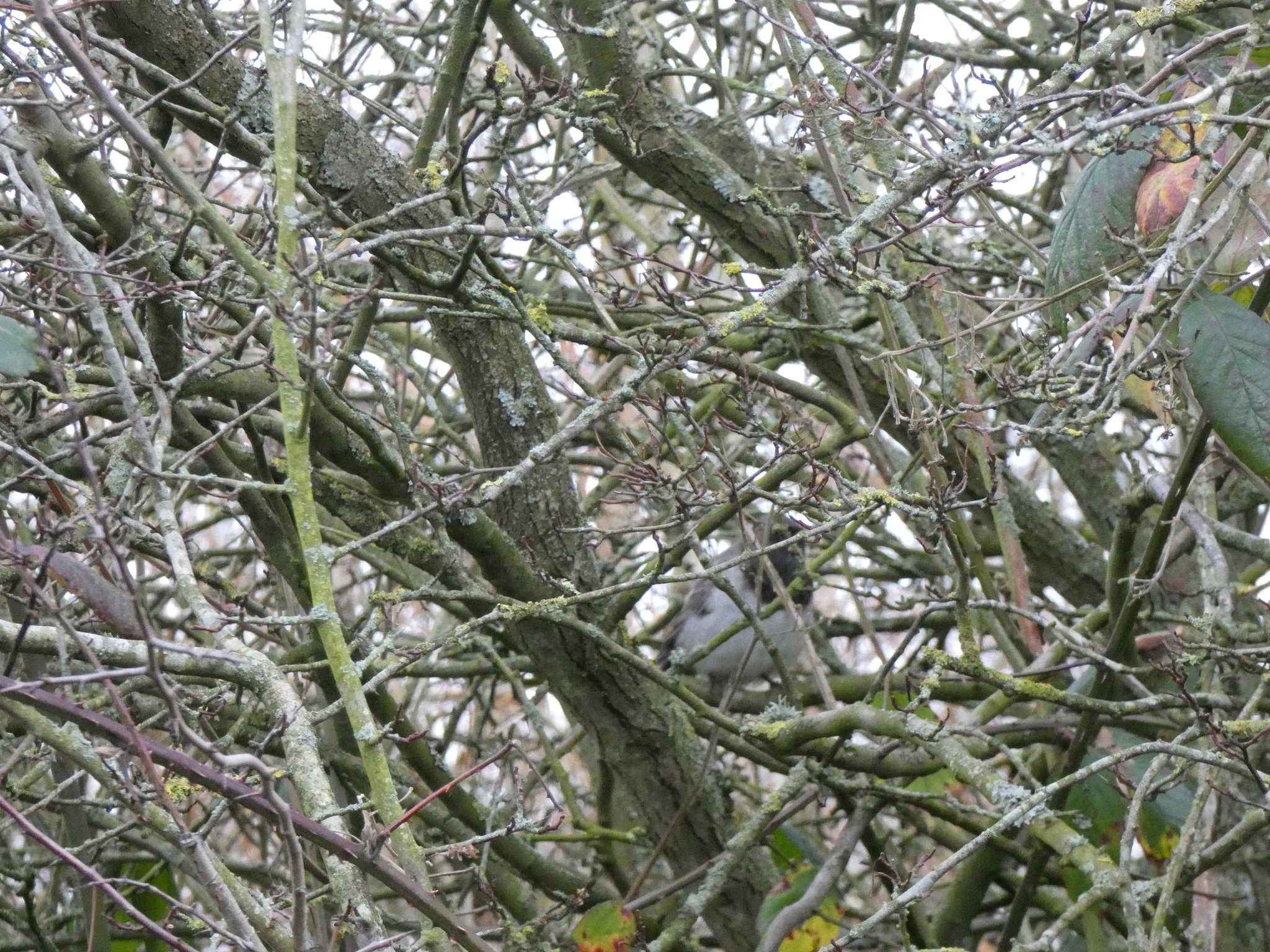
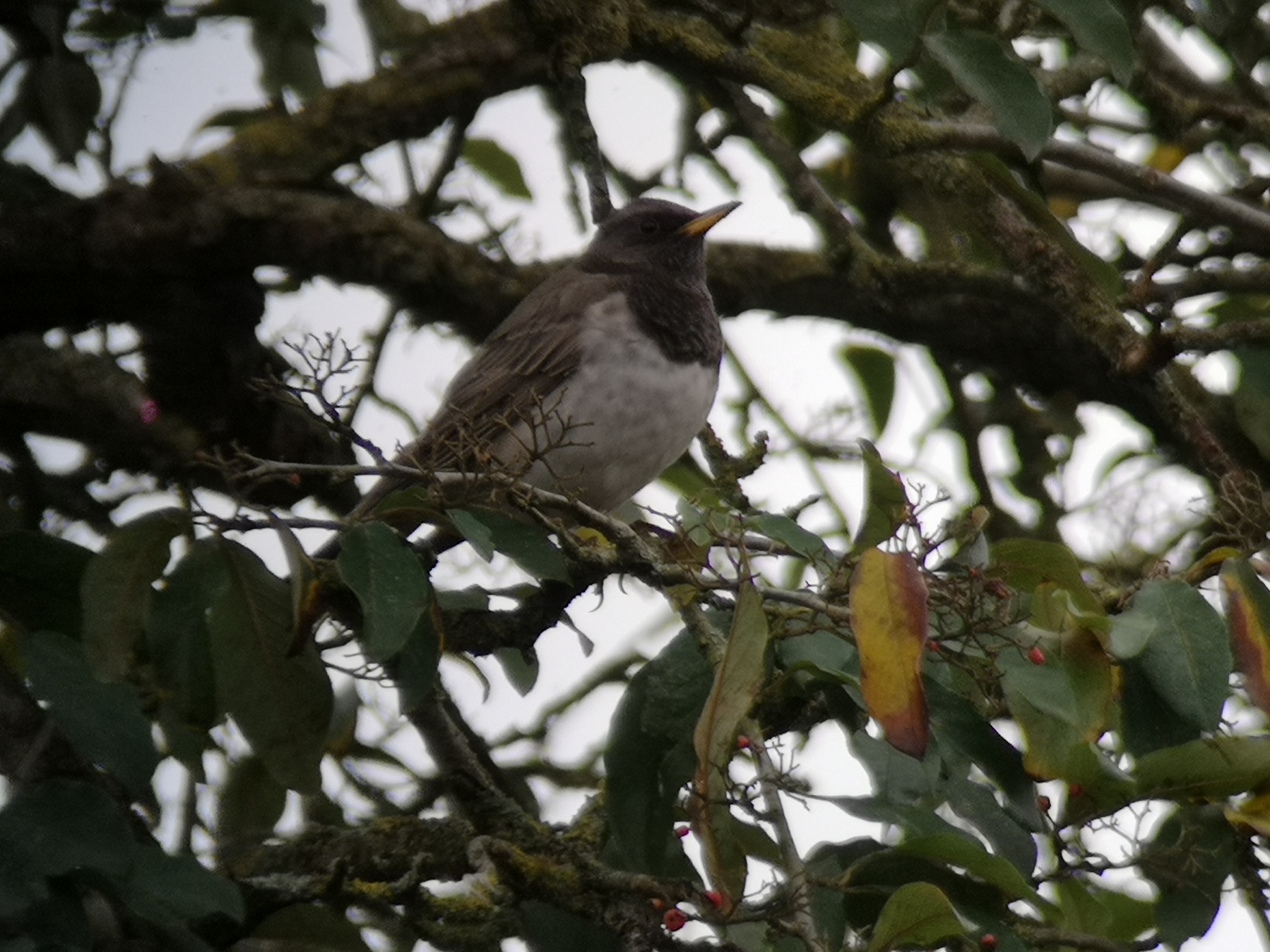
Black-throated Thrush
Turdus atrogularis · 黑喉鸫
Introduction
A passerine bird in the thrush family, formerly considered conspecific with the red-throated thrush but now regarded as a separate species. It is a migratory Eastern Palearctic species that breeds from extreme eastern Europe to western Siberia and north-west Mongolia, wintering from the Middle East to eastern Myanmar.
Description
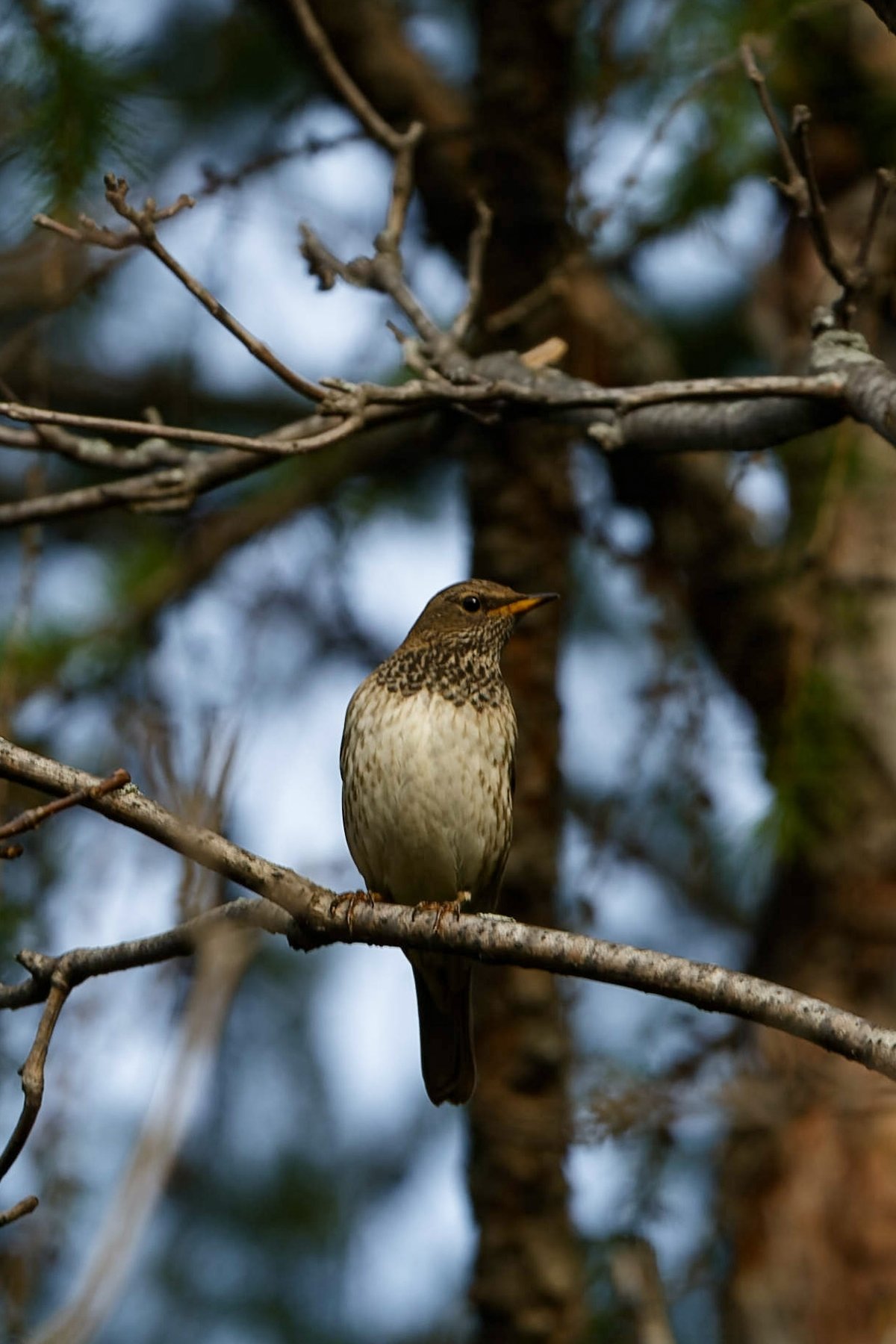
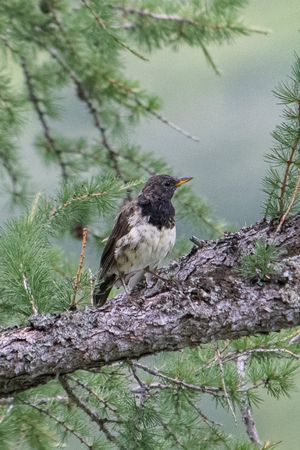
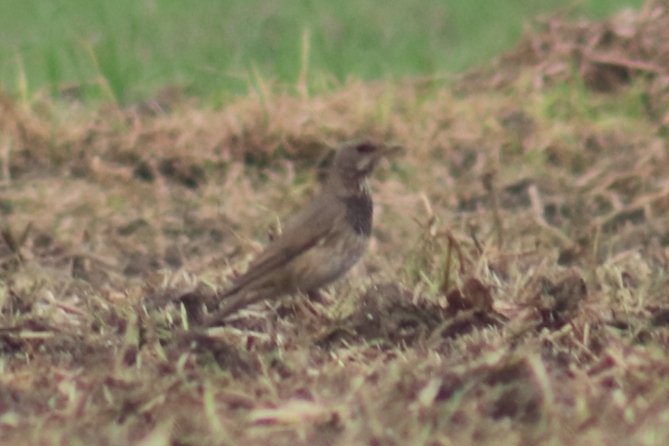
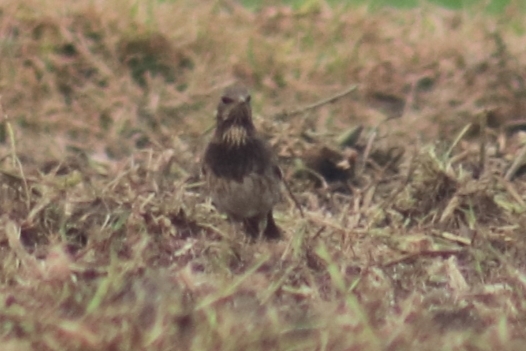
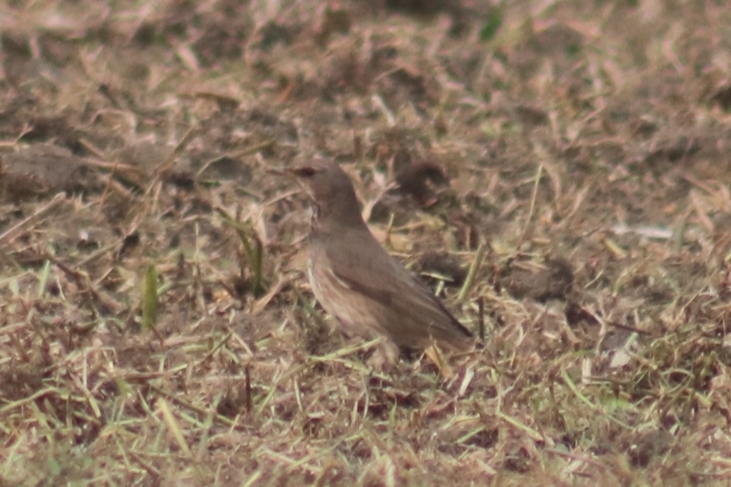
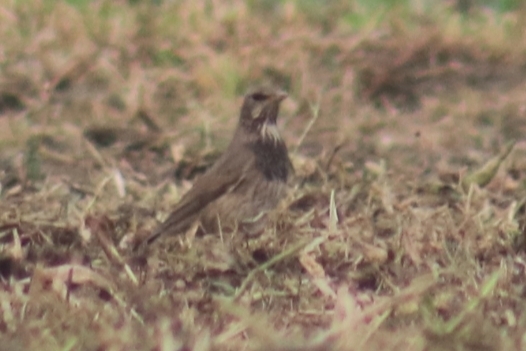
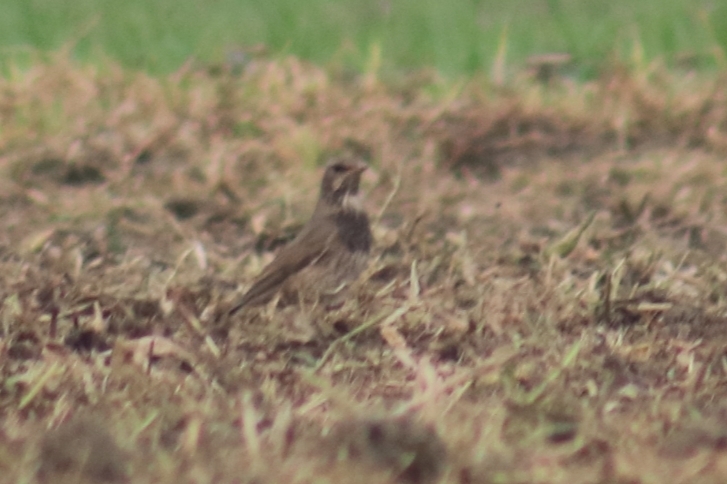
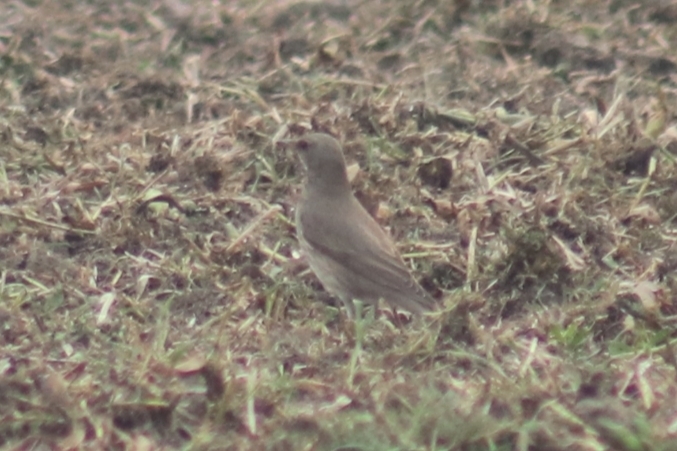
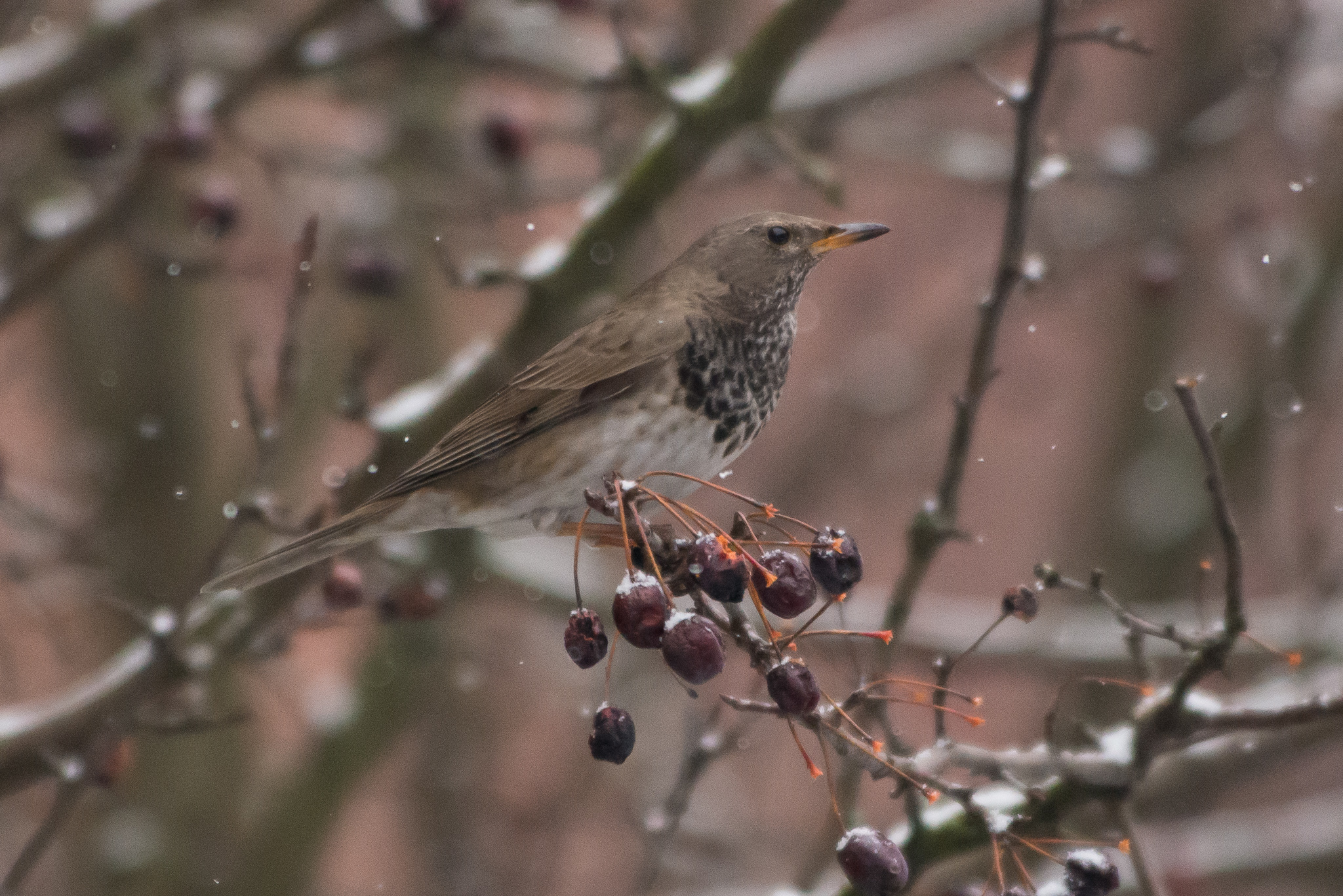
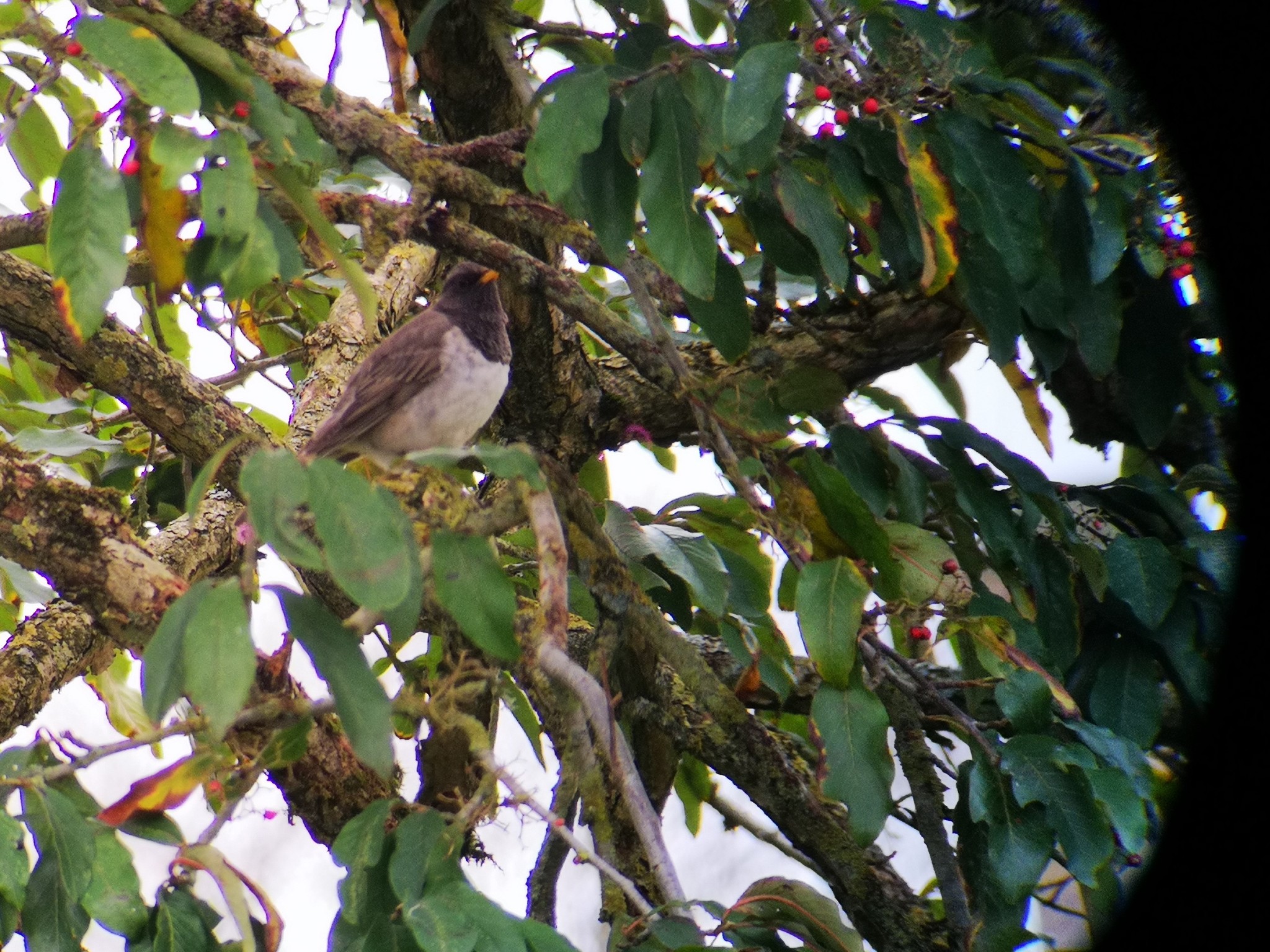
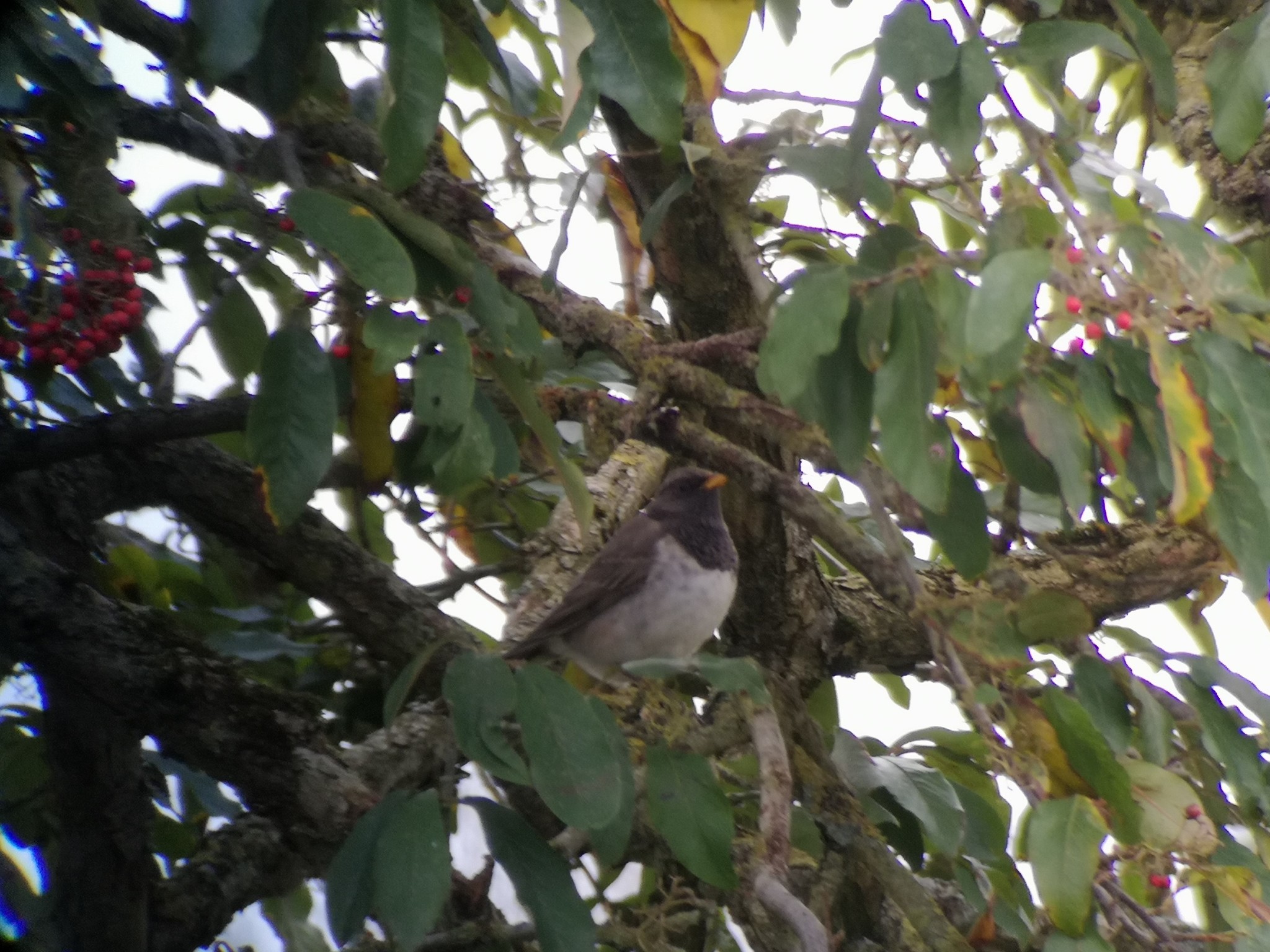
A large thrush. Males have black plumage from the chin to the breast, grey upperparts, whitish underparts, a greyish-black tail, and orange-red underwing coverts. Females and immatures are similar but feature dusky streaking on the throat and breast instead of solid black.
Identification
Distinguished by the male's black throat and breast contrasting with grey upperparts and whitish underparts, plus orange-red underwing coverts. Females and immatures show dusky streaking on the throat and breast. Similar to the fieldfare in general behavior.
Distribution & Habitat
Breeds along forest edges in coniferous or mixed deciduous forests from extreme eastern Europe to western Siberia and north-west Mongolia. Winters from the Middle East (uncommon in the Arabian Peninsula) to eastern Myanmar. Vagrants occur in Japan, Thailand, Taiwan, and occasionally in western Europe.
Behavior & Ecology
Breeds solitarily or in loose aggregations from late May to late July. Nests are constructed of grasses and thin twigs bound with earth, lined with fine grasses, moss, or lichens, and placed within 1.5 to 2 meters of the ground or on the ground. Feeds on the ground on invertebrates, berries, cherries, and seeds. In winter, forms large flocks with other thrush species and roosts in dense evergreen vegetation.
Source: Wikipedia · CC BY-SA 3.0
Taxonomy
- Order
- Passeriformes
- Family
- Turdidae
- Genus
- Turdus
Distribution
breeds eastern Russia to western Siberia; winters to northern India and China
Data Sources
CBR Notes: 中文名由黑颈鸫改为黑喉鸫
Species description from Wikipedia, licensed under CC BY-SA 3.0.
Bird images and sounds sourced from GBIF, contributed by citizen scientists worldwide under Creative Commons licenses.
Taxonomy data from AviList 2025.