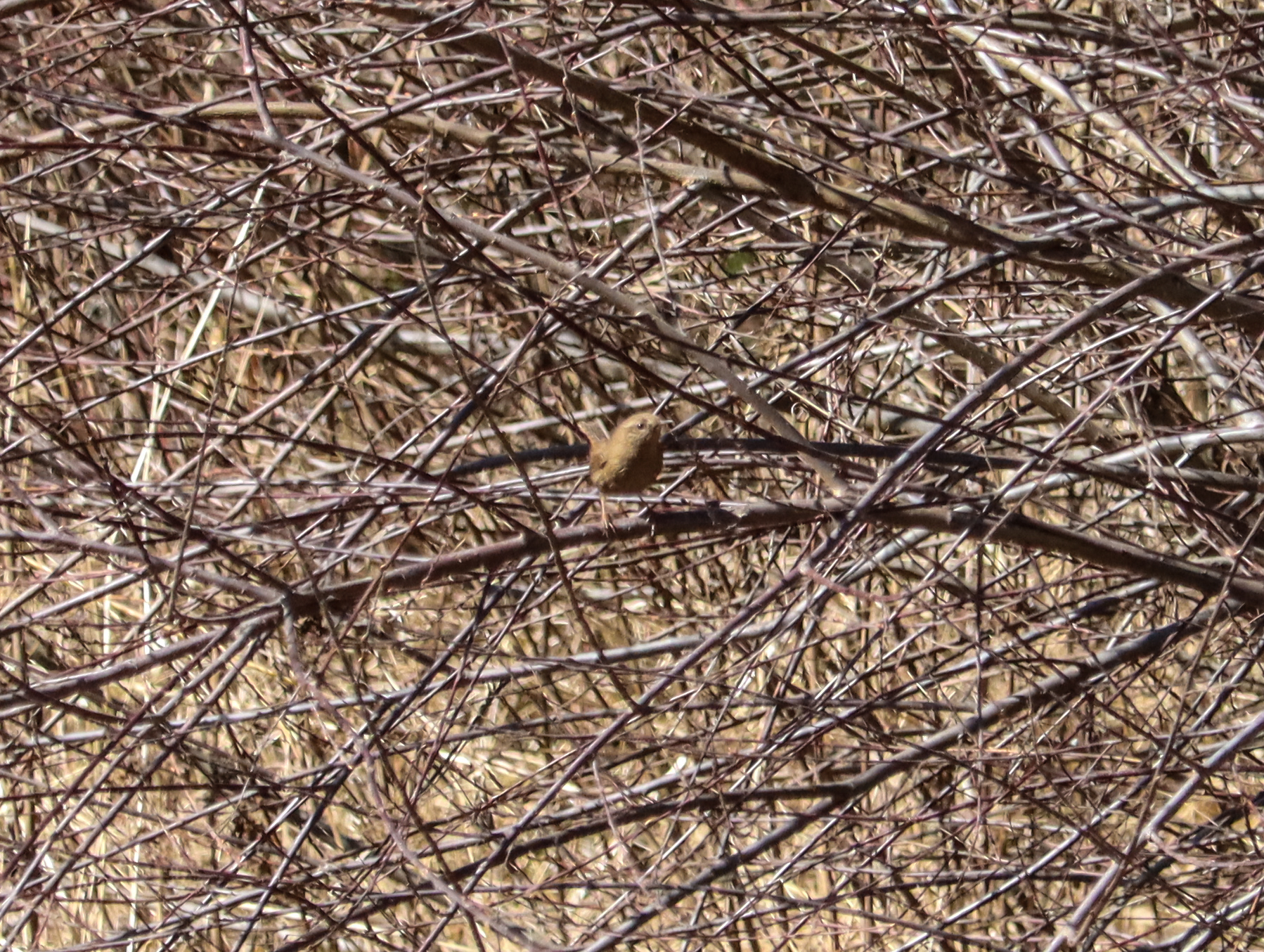
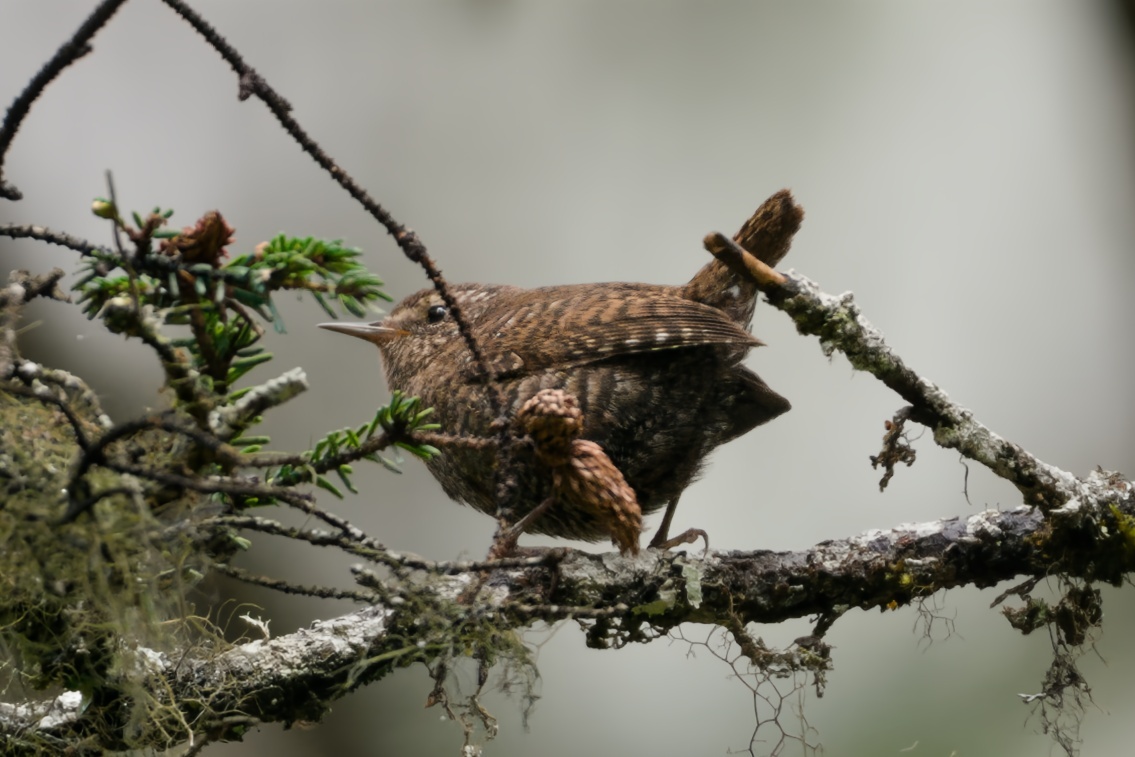
Passeriformes / Troglodytidae / Troglodytes
Eurasian Wren
Troglodytes troglodytes · 鹪鹩
Introduction
A very small insectivorous bird and the only member of the wren family found in the Old World, specifically Eurasia and Africa (Maghreb). It occupies diverse habitats including gardens, woodlands, and rocky coasts. The species is highly polygynous, an unusual mating system for passerines. Classified as Least Concern on the IUCN Red List.
Description
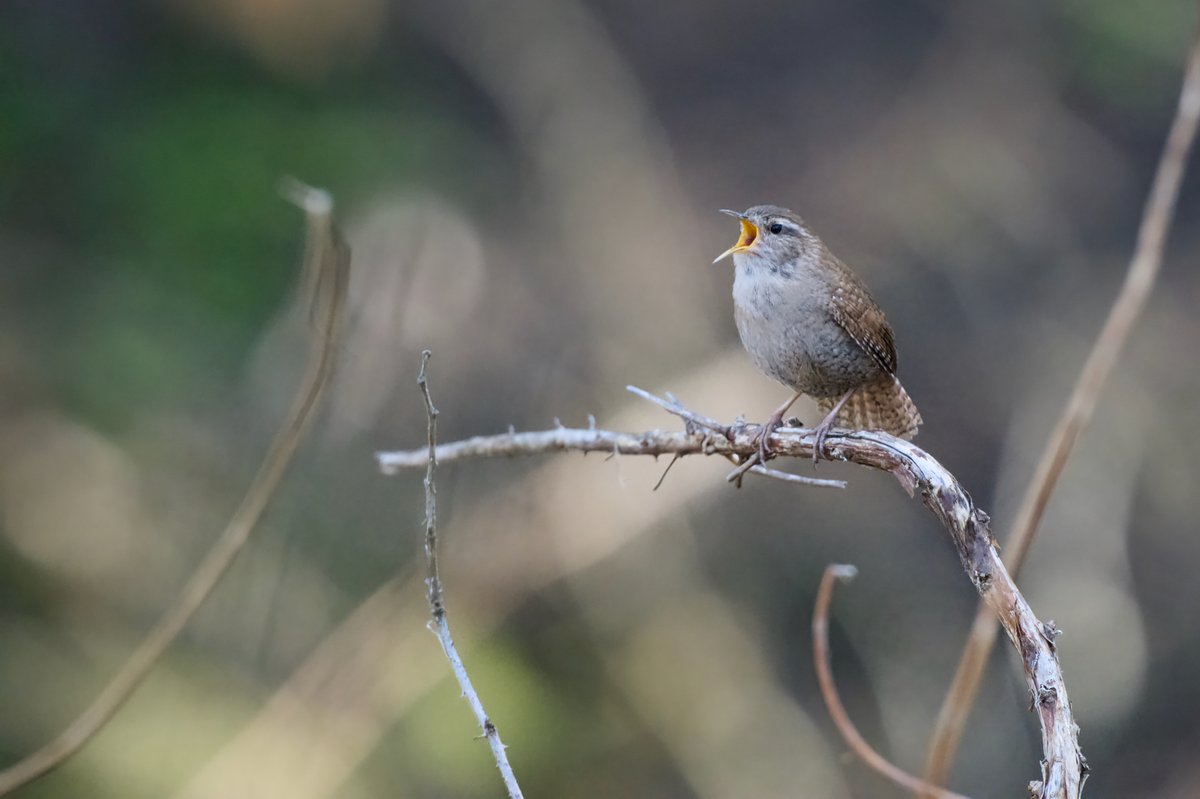
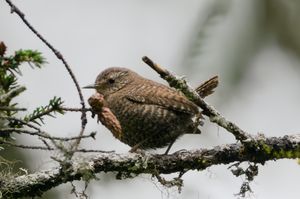
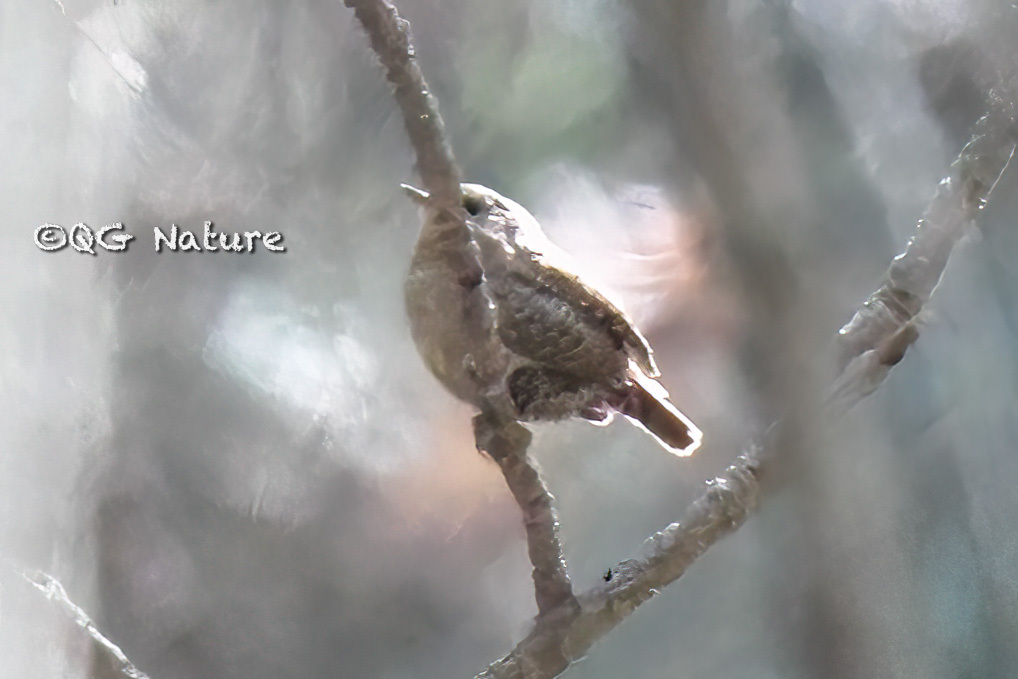
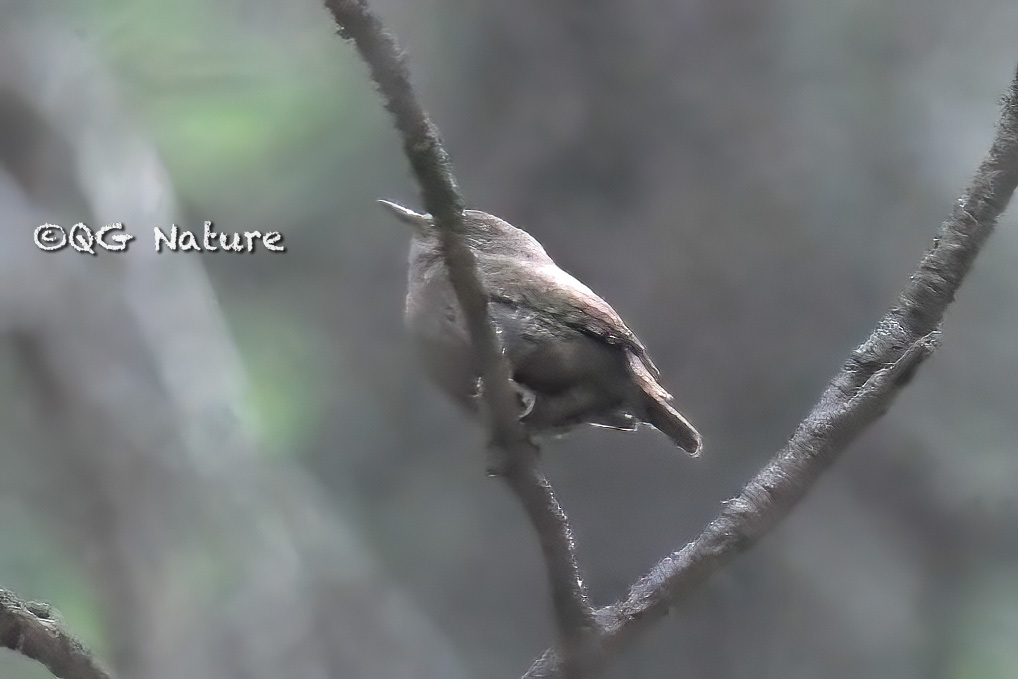
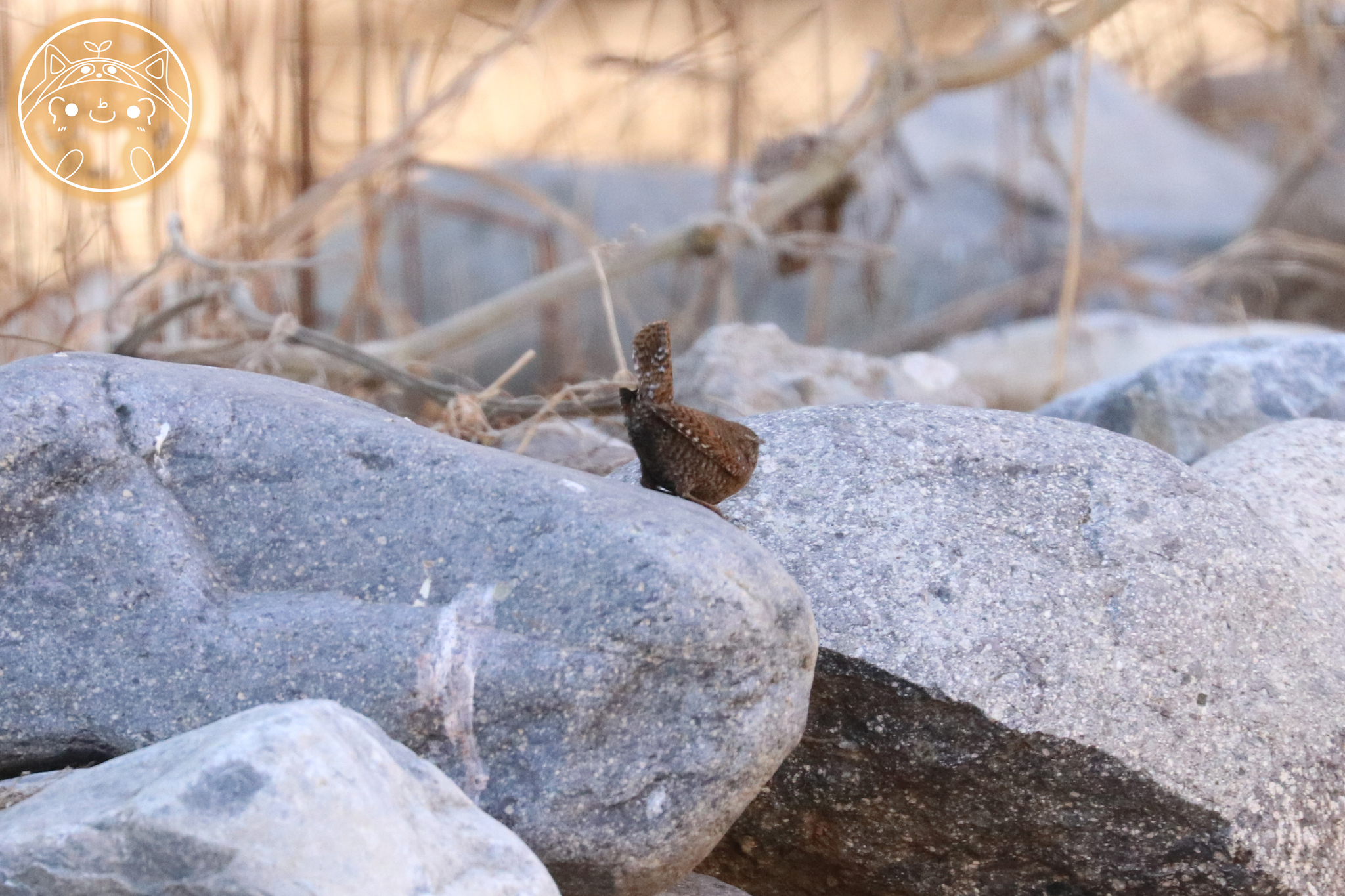
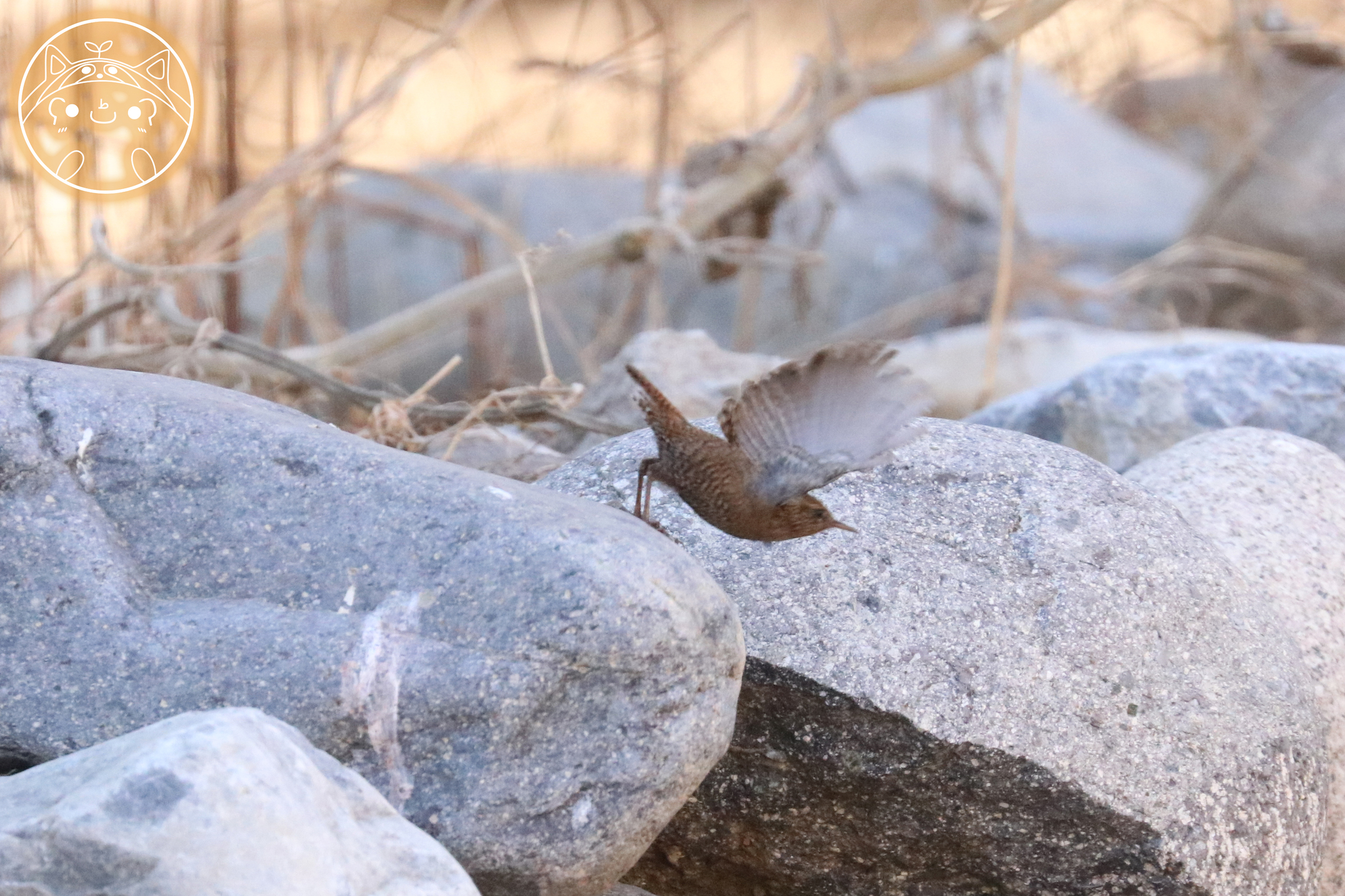
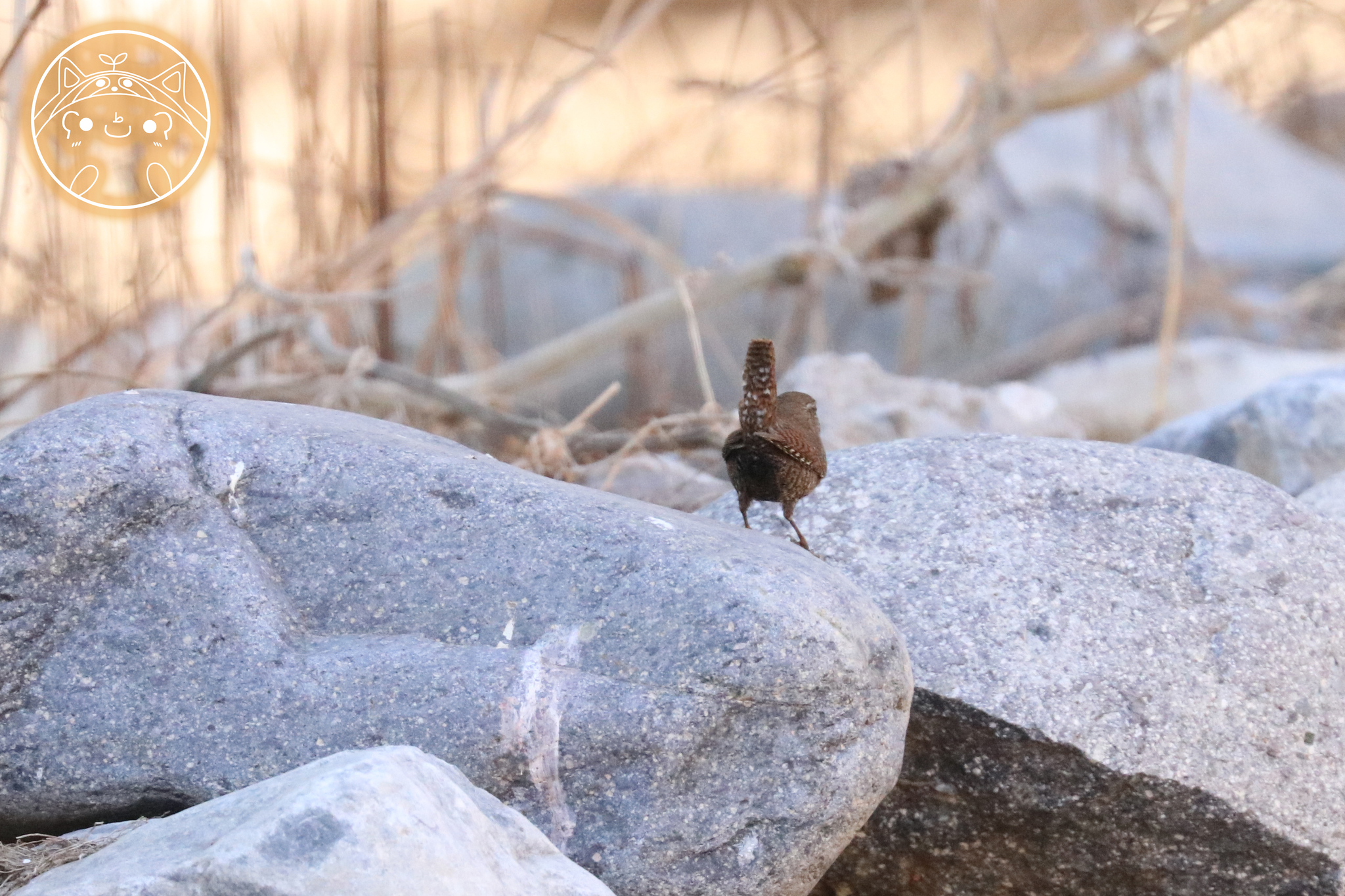
A plump, sturdy bird with rounded wings and a short tail, usually held cocked up. Adults are 9 to 10 cm (3.5 to 3.9 in) in length, with a wingspan of 13–17 cm (5.1–6.7 in), and weigh around 10 g (0.35 oz). Plumage is rufous brown above and greyer beneath, indistinctly barred with darker brown and grey. The bill is dark brown, legs pale brown with strong claws and a large hind toe. A cream buff supercilium is present. Young birds are less distinctly barred with mottled underparts. Sexes are alike.
Identification
Key marks include a very short, erect tail and russet brown plumage with fine barring. The most common call is a sharp, repeated 'tic-tic-tic', faster than a robin's. An annoyed call sounds like an emphatic churr. The song is a loud, gushing burst of sweet music with tinkling trills, ten times louder weight-for-weight than a cockerel. It may be confused with the dunnock, but the wren's song incorporates repeated trills while the dunnock's does not.
Distribution & Habitat
Occurs across the Palearctic, from Europe (breeding as far north as 67°N in Norway) through Asia to Japan, and in northwestern Africa. Migratory only in northern parts of its range. Inhabits cultivated or uncultivated areas with bushes and low ground cover, including gardens, hedgerows, woodlands, reed beds, moorland, and rocky coasts. There are 28 recognised subspecies.
Behavior & Ecology
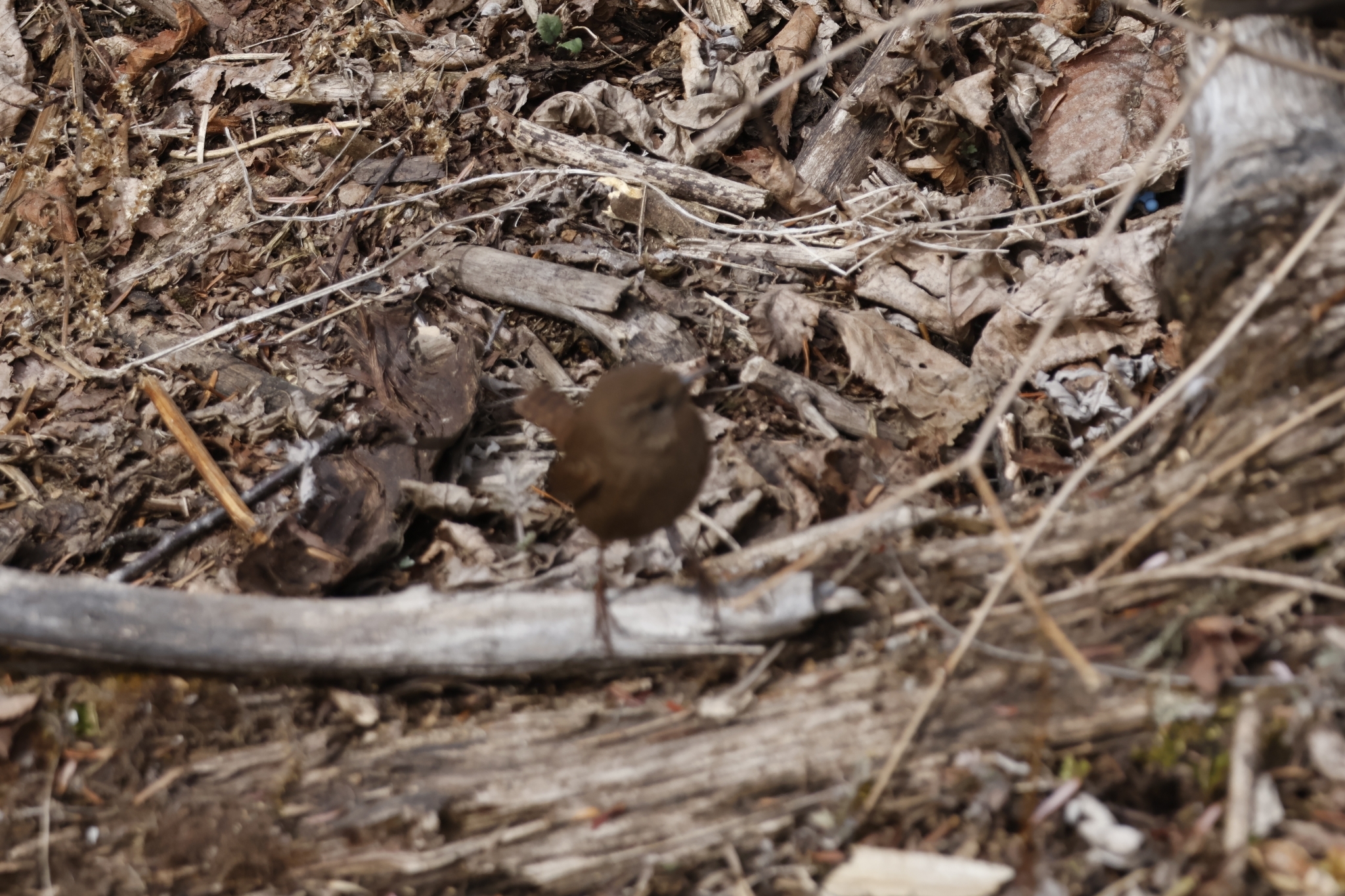
Ever-active, foraging for insects among thick vegetation, crevices, and fallen logs, often staying near the ground. Moves with quick jerks and short, swift flights. Roosts in holes or old nests, sometimes in parties during hard weather. Highly polygynous; males build multiple unlined 'cock nests', and females choose mates based on nest number. The female lines the chosen nest with feathers. Clutch size ranges from three to eleven eggs (usually five or six), incubated by the female for 14–15 days. Young fledge after about 16 days. Diet consists mainly of insect larvae, spiders, and some seeds.
Conservation
Classified as Least Concern on the IUCN Red List due to an extremely large range, increasing population trend, and globally substantial population size. The breeding population in Europe is estimated at 32.7 to 56.5 million pairs (65.3 to 113 million mature individuals).
Culture
Known as the 'king of birds' in European folklore, including Aesop's fables and Grimm Brothers' tales. Sacred to Druids and associated with Saint Stephen's Day traditions ('Hunting the Wren'). Featured in Japanese mythology as the 'king of the winds'. Depicted on postage stamps from numerous countries and on the British farthing coin (1937–1960).
Source: Wikipedia · CC BY-SA 3.0
Taxonomy
- Order
- Passeriformes
- Family
- Troglodytidae
- Genus
- Troglodytes
Subspecies (28)
-
Troglodytes troglodytes borealis
Faroe Islands (northern Atlantic Ocean)
Data Sources
Species description from Wikipedia, licensed under CC BY-SA 3.0.
Bird images and sounds sourced from GBIF, contributed by citizen scientists worldwide under Creative Commons licenses.
Taxonomy data from AviList 2025.