
Charadriiformes / Scolopacidae / Tringa
Green Sandpiper
Tringa ochropus · 白腰草鹬
Introduction
A small wader of the Old World representing an ancient lineage within the genus Tringa, with the solitary sandpiper as its only close living relative. It is distinct among scolopacids for nesting in trees. The species is monotypic with no recognized subspecies.
Description
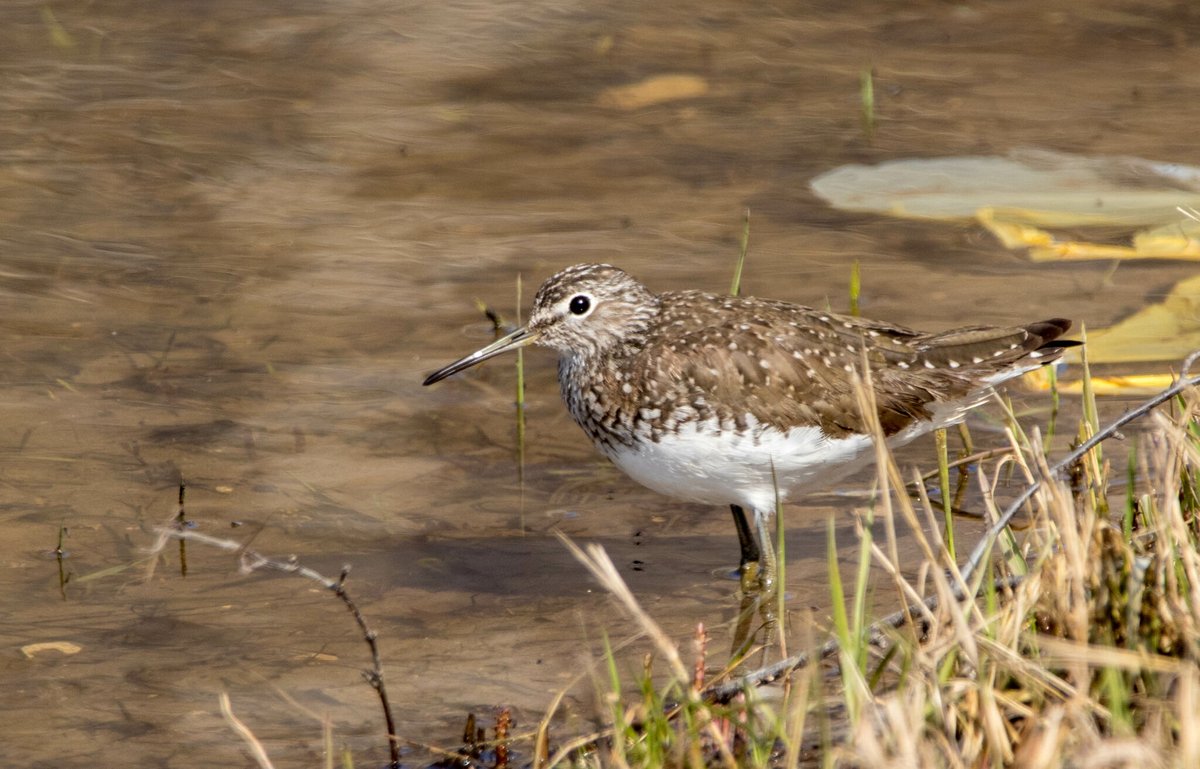
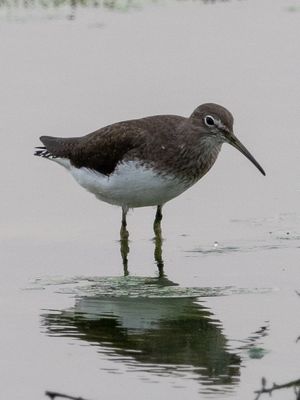
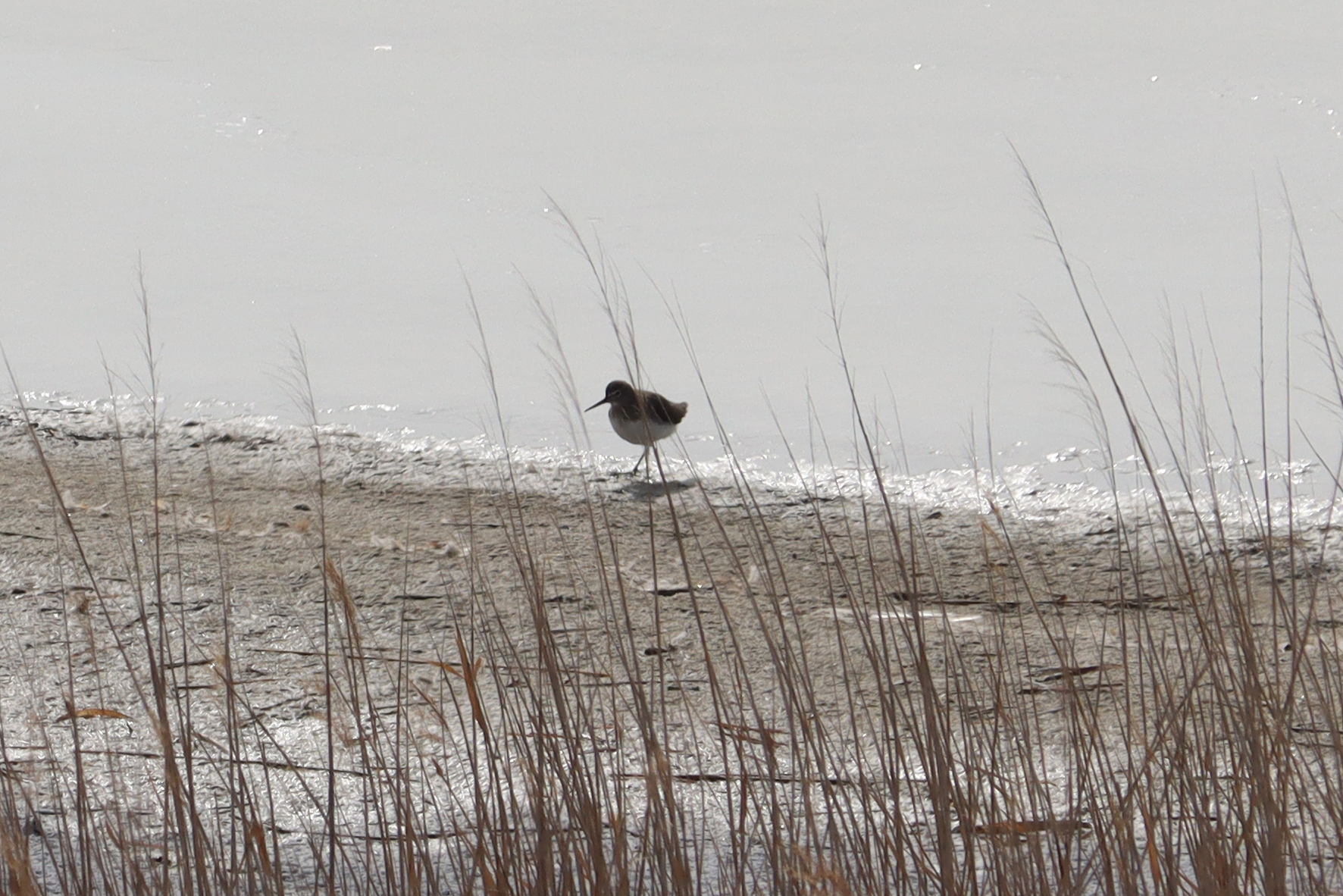
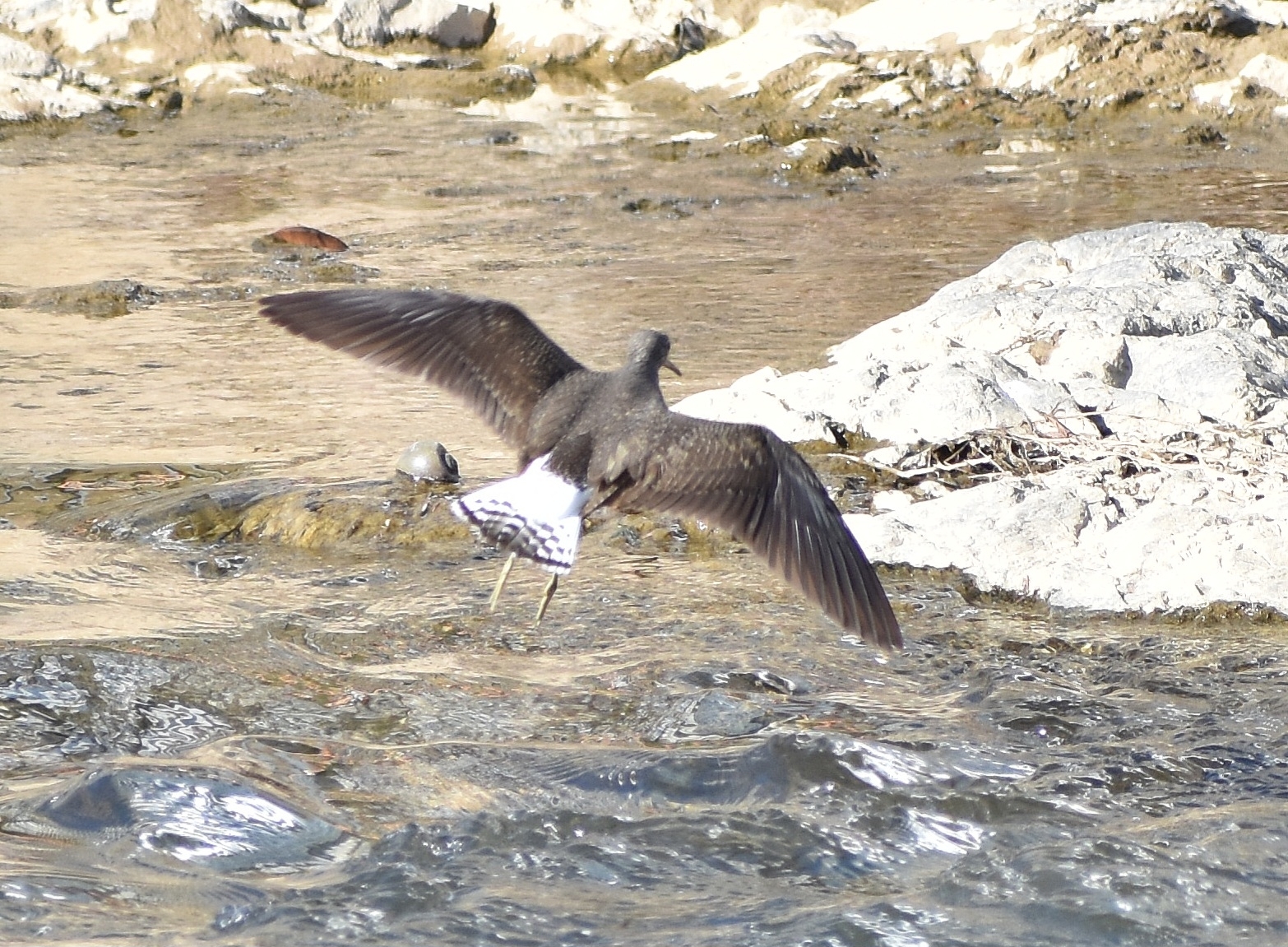
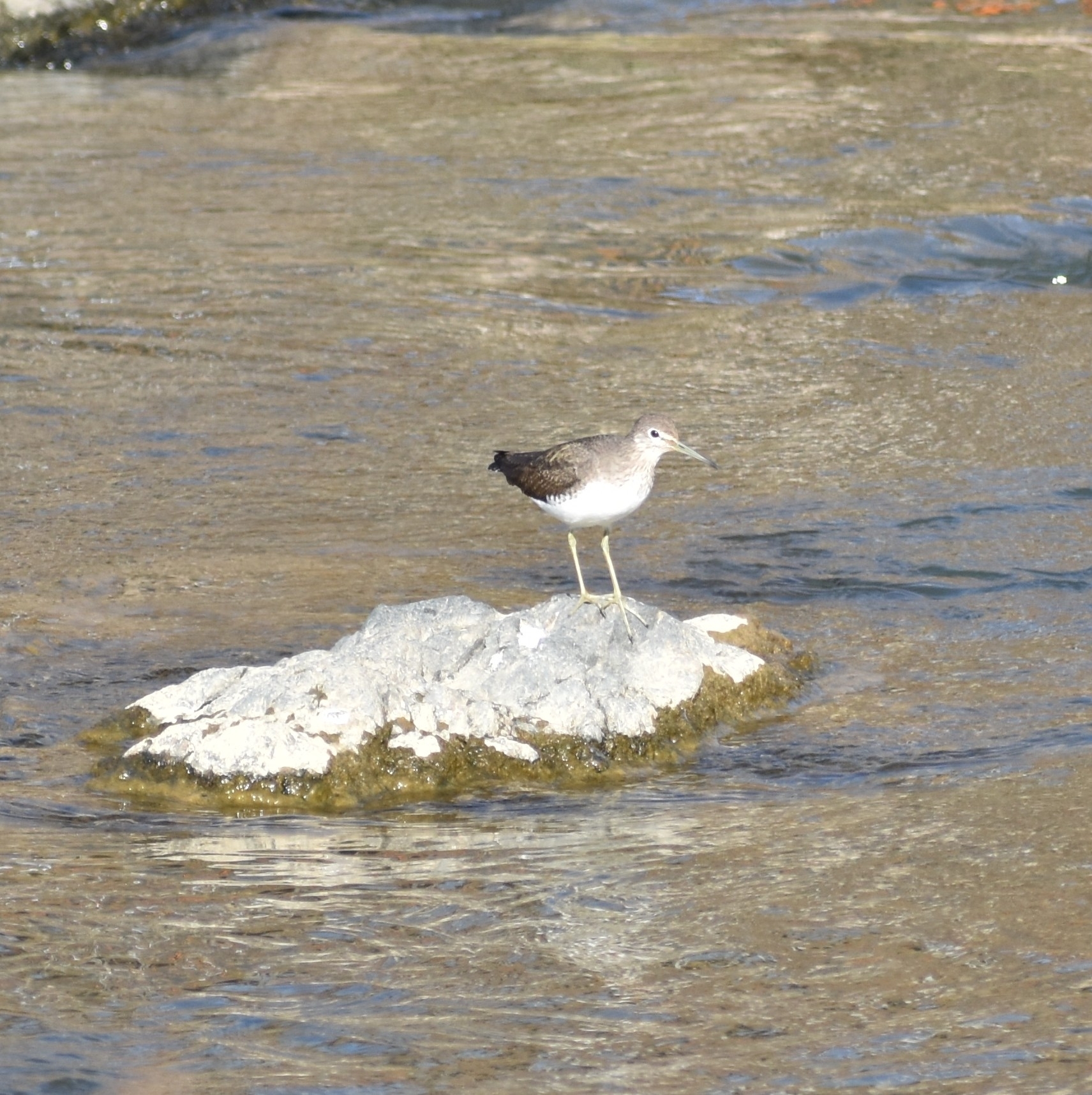
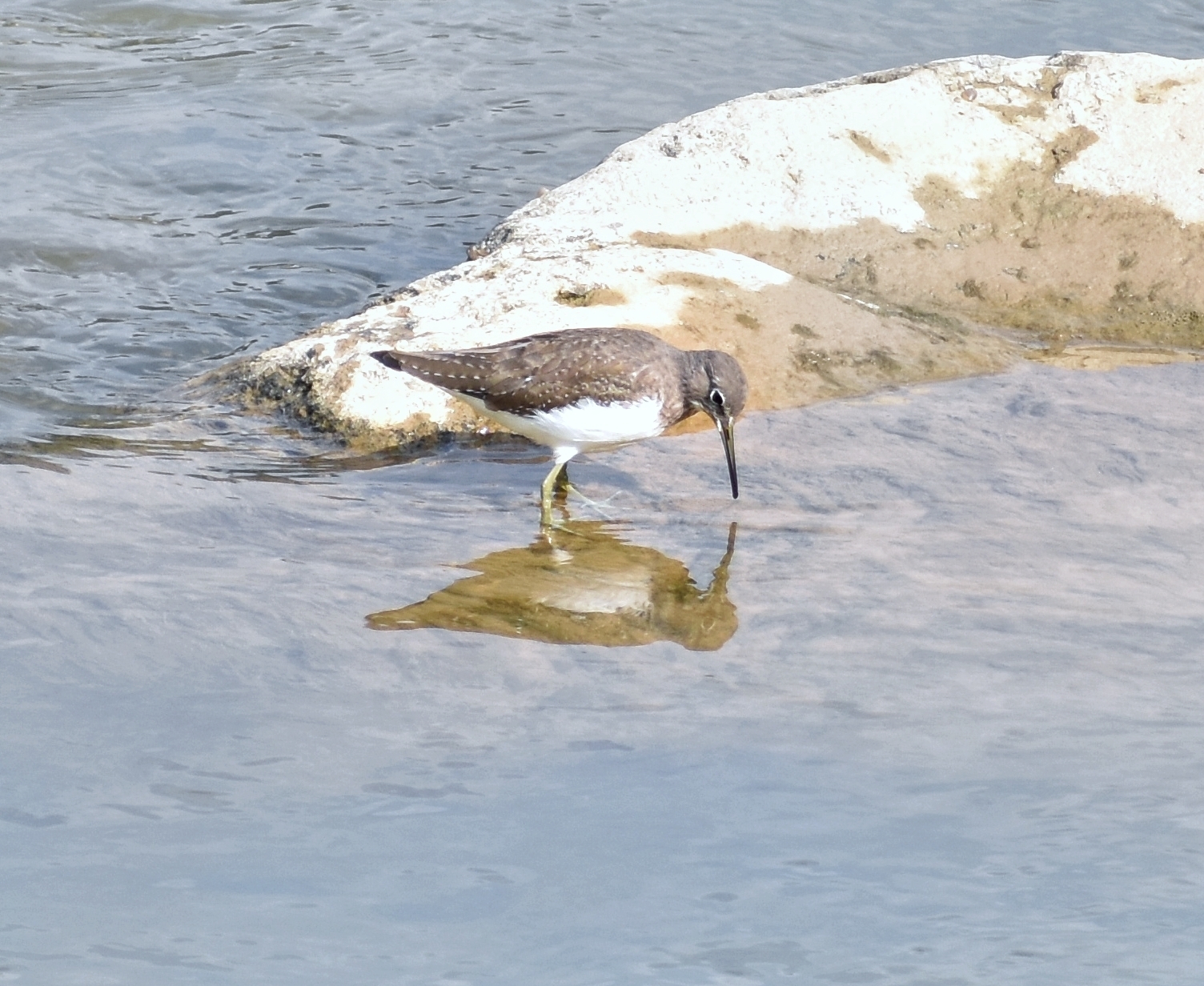
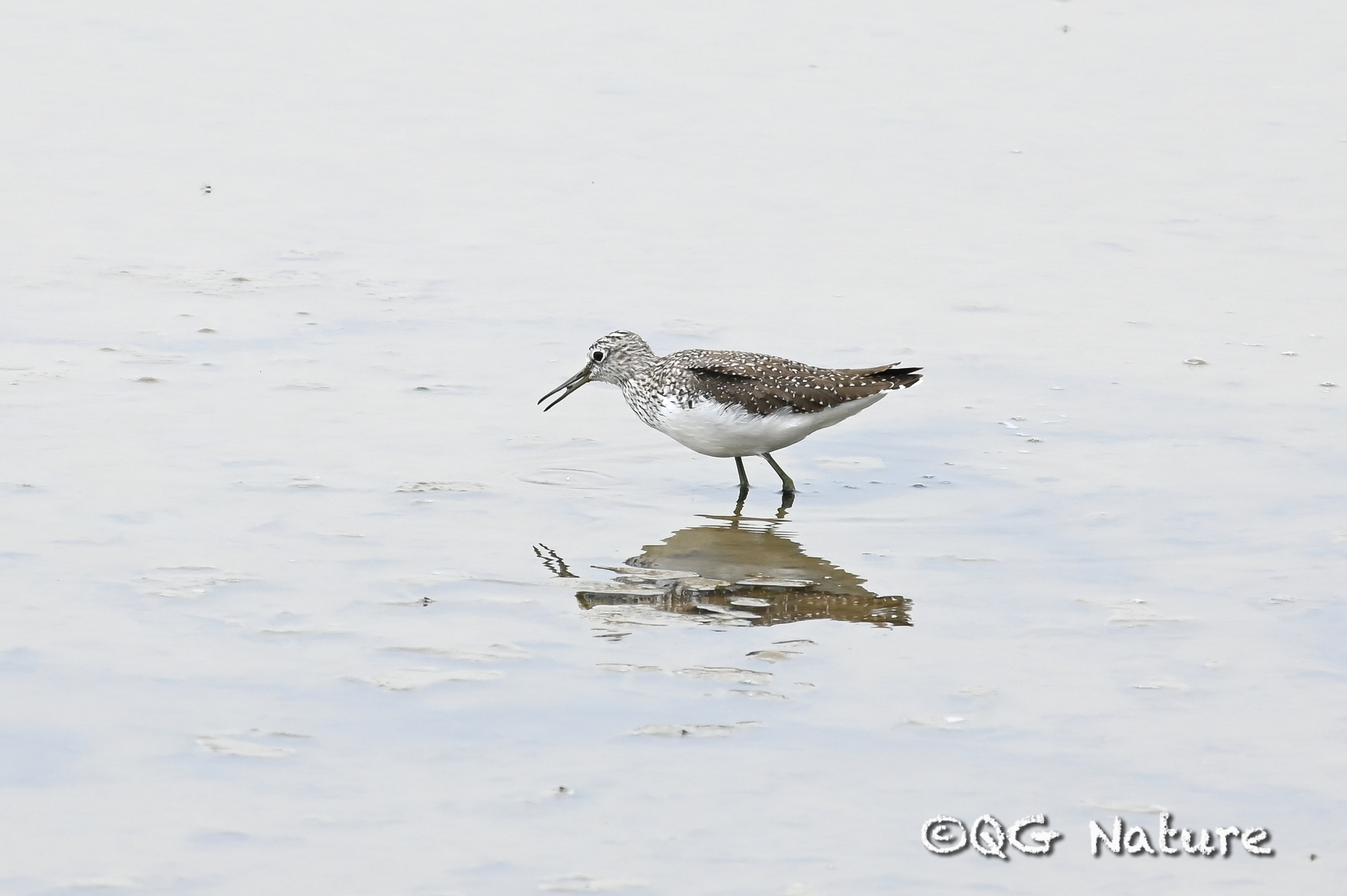
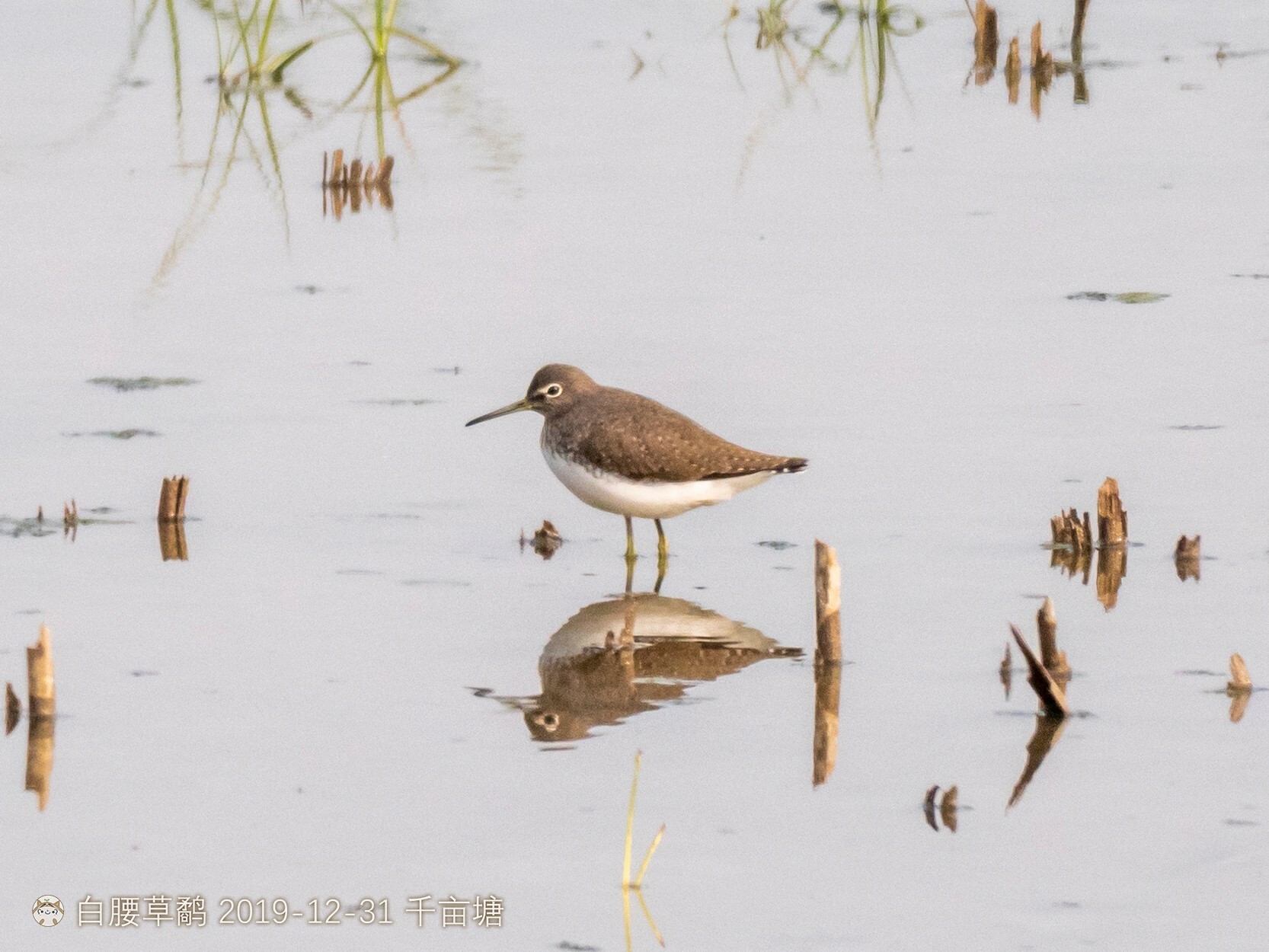
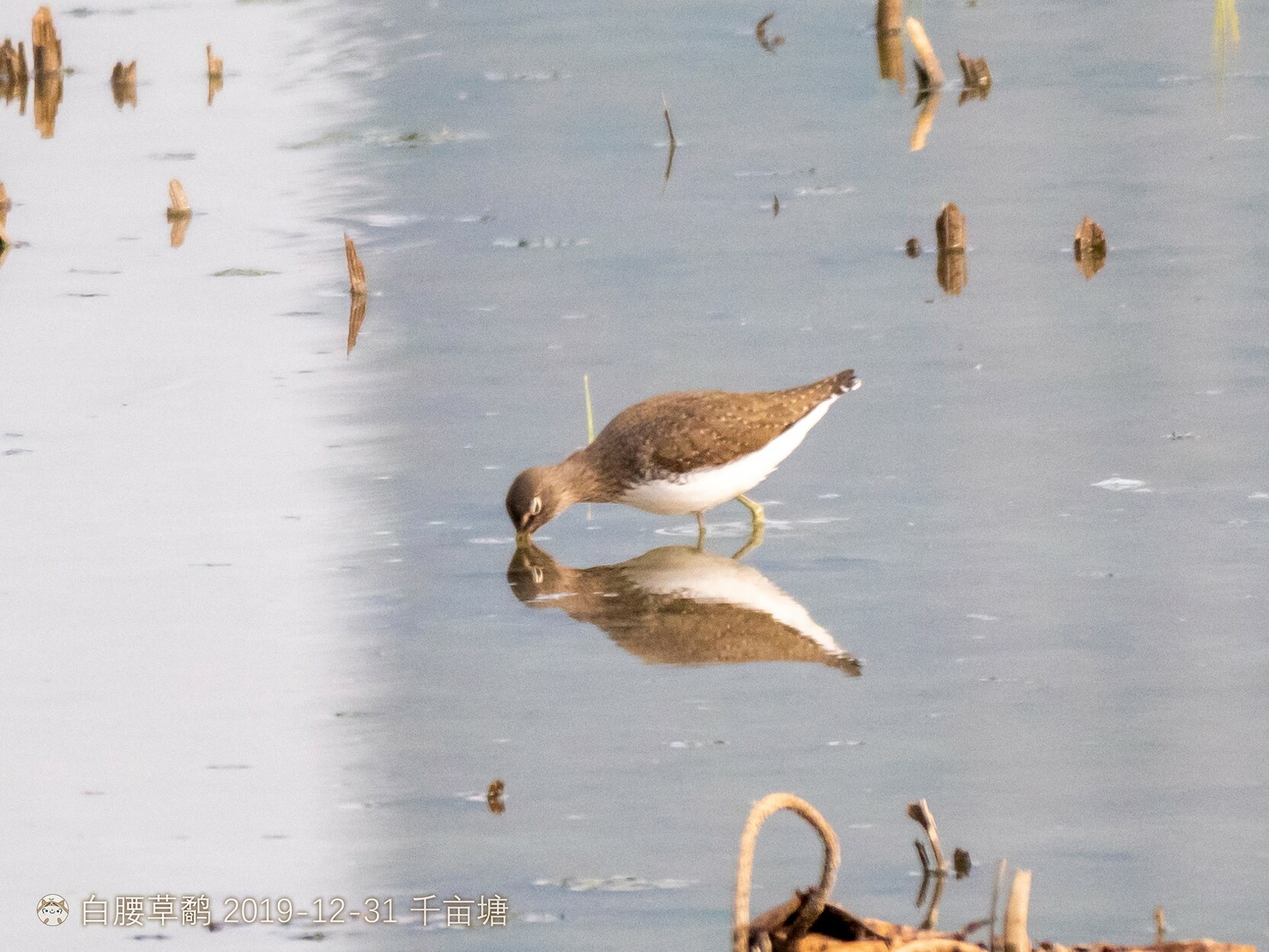
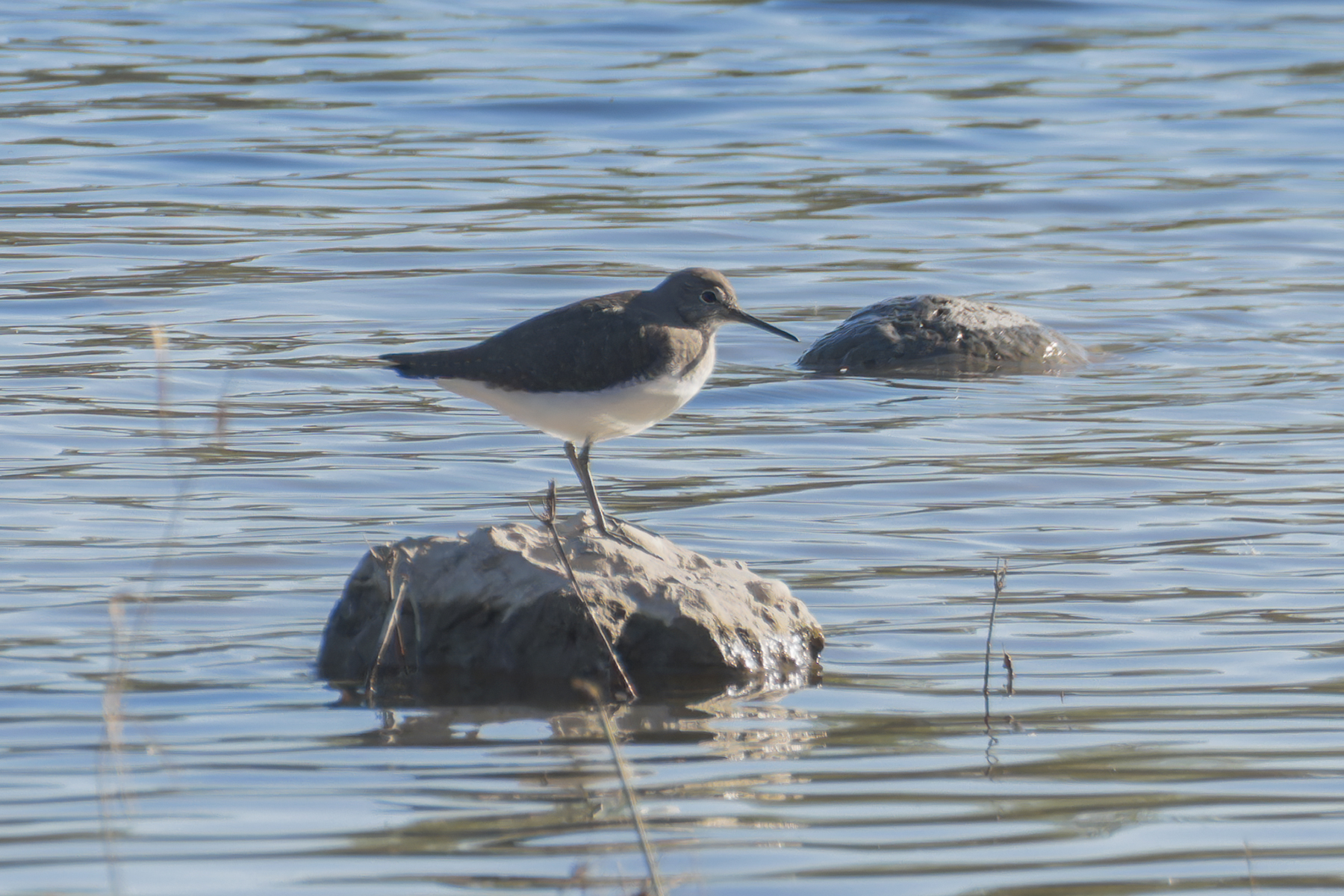
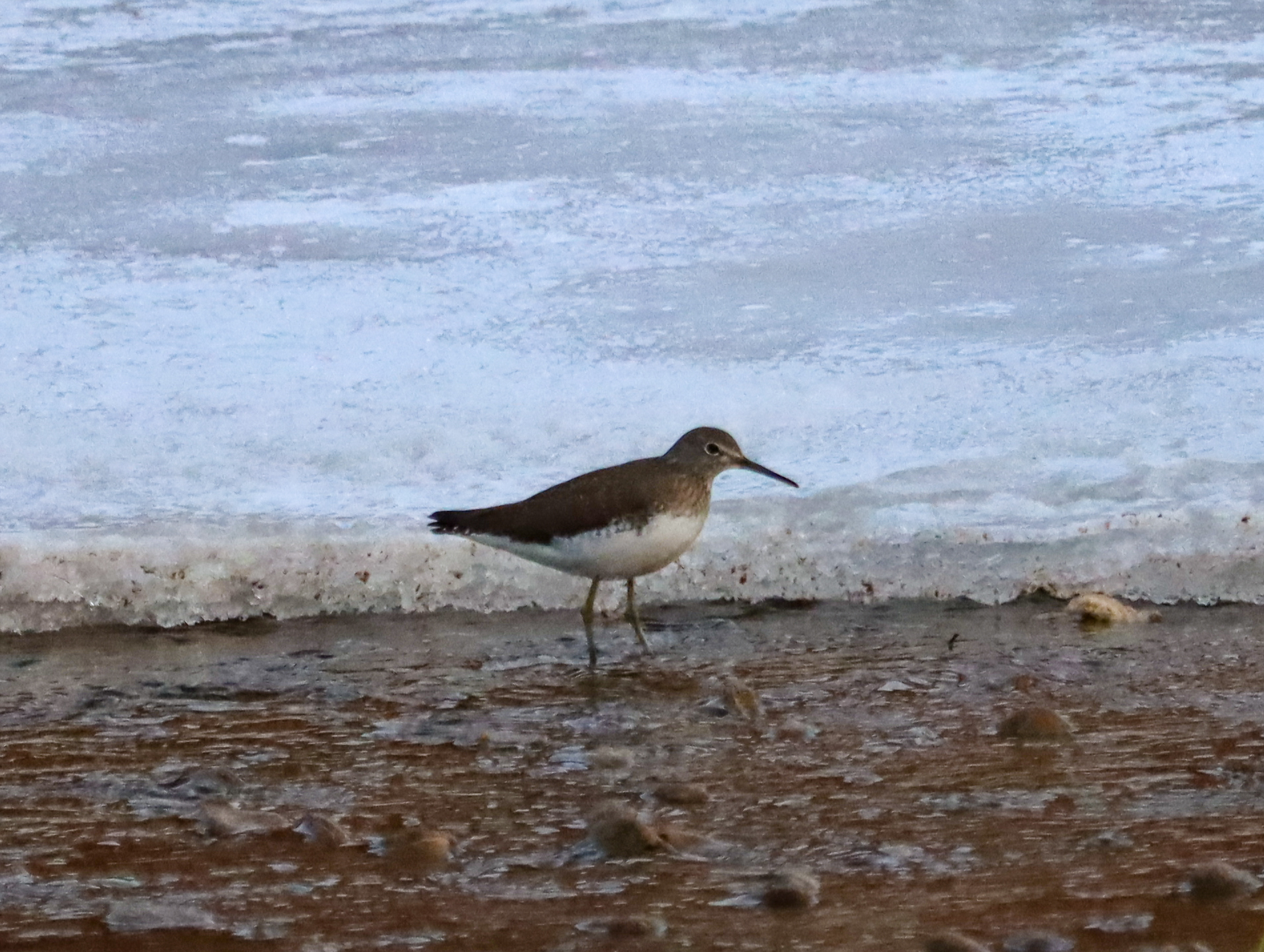
A somewhat plump wader with a dark greenish-brown back and wings, greyish head and breast, and white underparts. The back features white spotting, maximal in breeding adults and reduced in winter plumage and young birds. Legs and the short bill are dark green. In flight, it displays dark wings above and below with a brilliant white rump.
Identification
Distinguished from the similar but slightly smaller solitary sandpiper by its brilliant white rump, which is conspicuous in flight. Produces a characteristic three-note whistle while flying.
Distribution & Habitat
Breeds across subarctic Europe and east across the Palearctic. Migratory, wintering in southern Europe, the Indian subcontinent, Southeast Asia, and tropical Africa. Strongly associated with freshwater habitats, often utilizing restricted sites unsuitable for other waders.
Behavior & Ecology
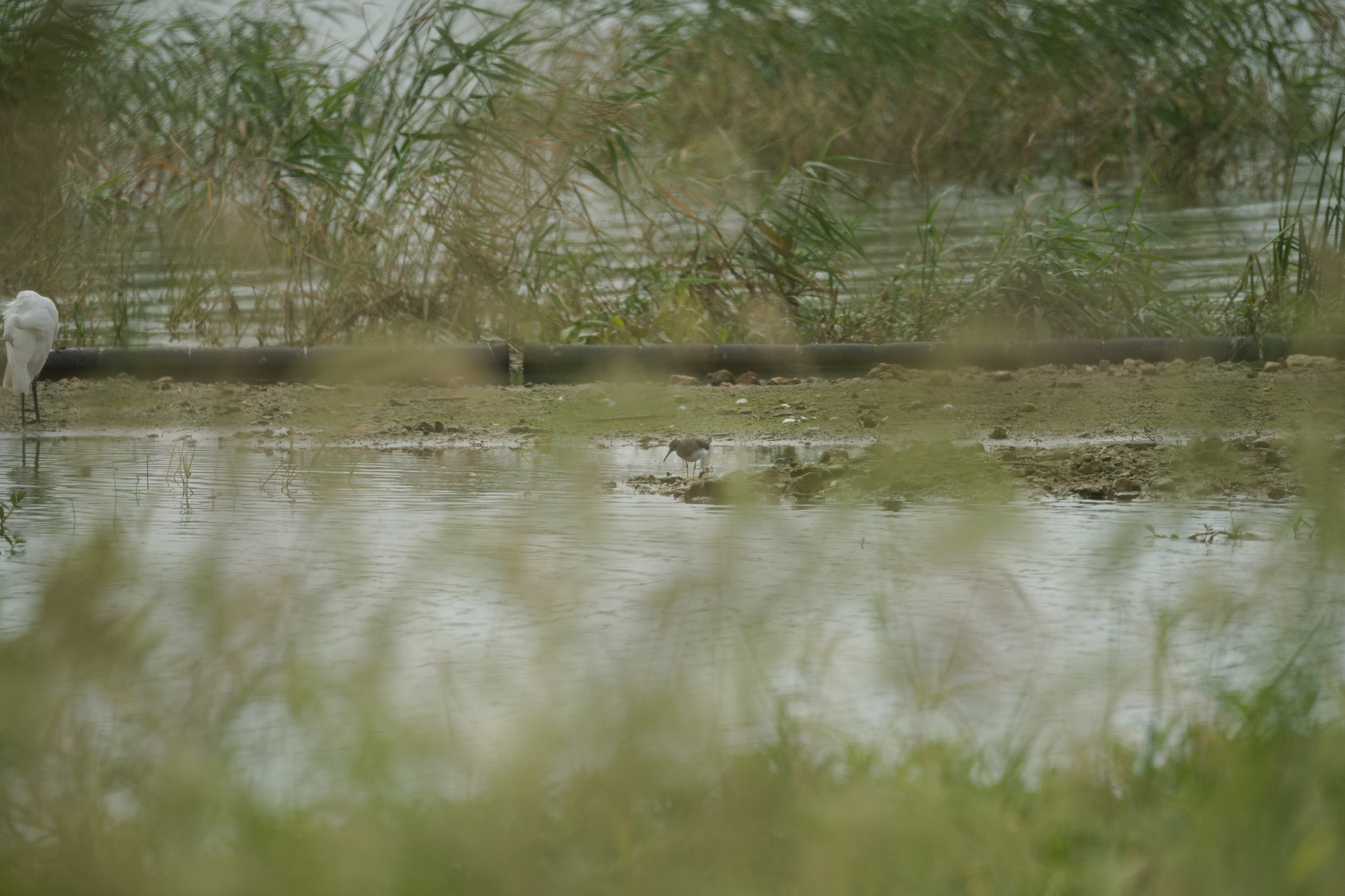
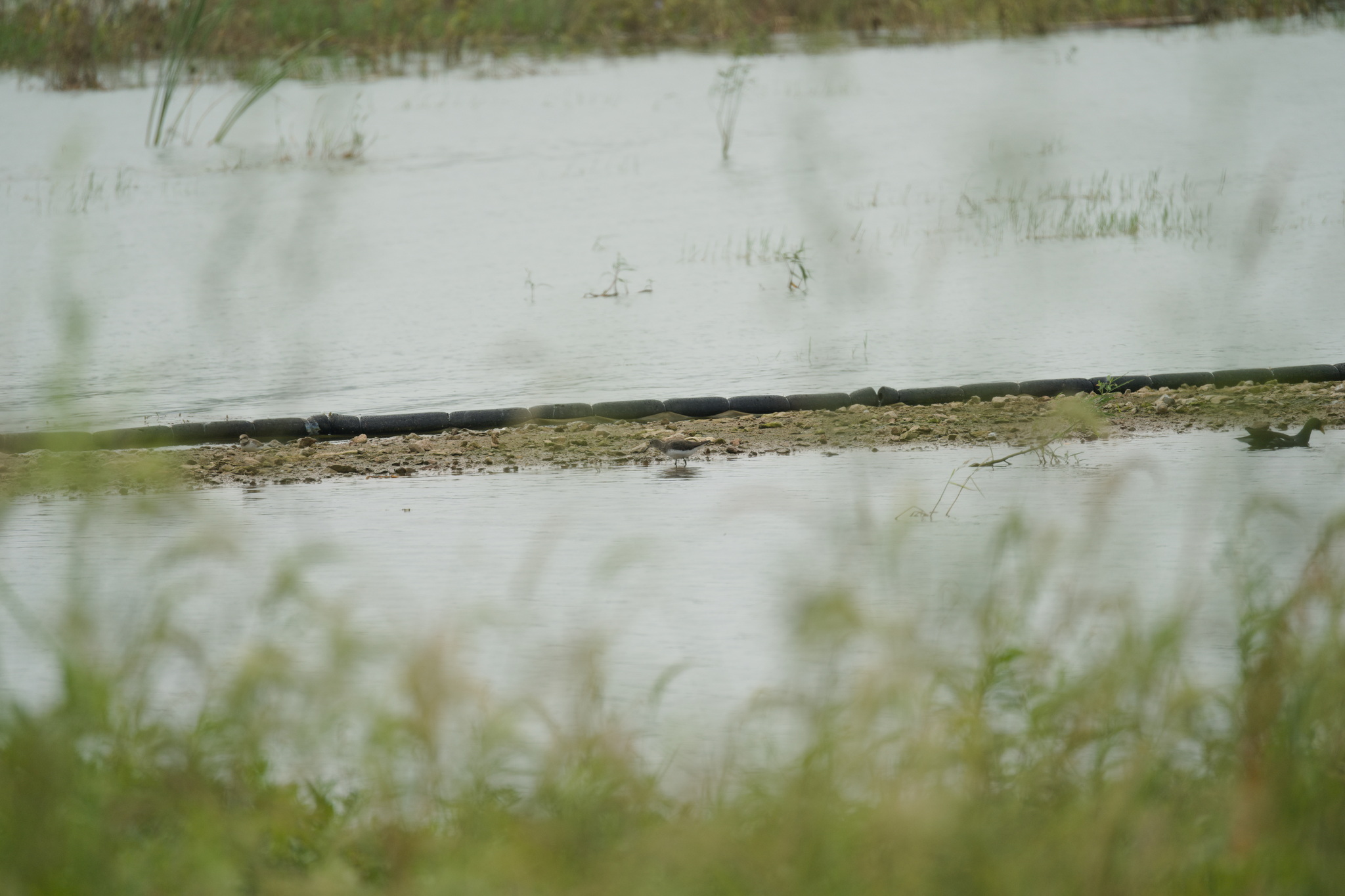
Forages for small invertebrates picked from mud along pond edges. Not gregarious, though small numbers may congregate in suitable feeding areas. Breeds by laying 2–4 eggs in old tree nests of other species, such as the fieldfare. The clutch hatches in about three weeks.
Conservation
Widely distributed and not considered a threatened species by the IUCN on a global scale. Included in the Agreement on the Conservation of African-Eurasian Migratory Waterbirds (AEWA).
Source: Wikipedia · CC BY-SA 3.0
Taxonomy
- Order
- Charadriiformes
- Family
- Scolopacidae
- Genus
- Tringa
Taxonomy Changes
Tringa ocrophus → Tringa ochropus
Spelling correction — GBIF Backbone Taxonomy uses the former name; AviList 2025 uses the current name.
Distribution
breeds taiga wetlands from Scandinavia and Germany eastward to Sakha Republic (northeastern Siberia), southward through central Asia and northeastern China; winters wetlands from British Isles southward through Africa and eastward to Japan through Philippines
Data Sources
Species description from Wikipedia, licensed under CC BY-SA 3.0.
Bird images and sounds sourced from GBIF, contributed by citizen scientists worldwide under Creative Commons licenses.
Taxonomy data from AviList 2025.