Green Sandpiper
Tringa ochropus
白腰草鹬
Introduction
This species occupies an extensive Old World range across freshwater habitats, favoring smaller, sheltered water bodies with vegetated margins rather than expansive mudflats or open wetlands. It breeds in trees, appropriating abandoned nests of other bird species—a strategy shared with only one close relative. The species produces a distinctive three-note whistle and typically occurs as a solitary individual.
Description
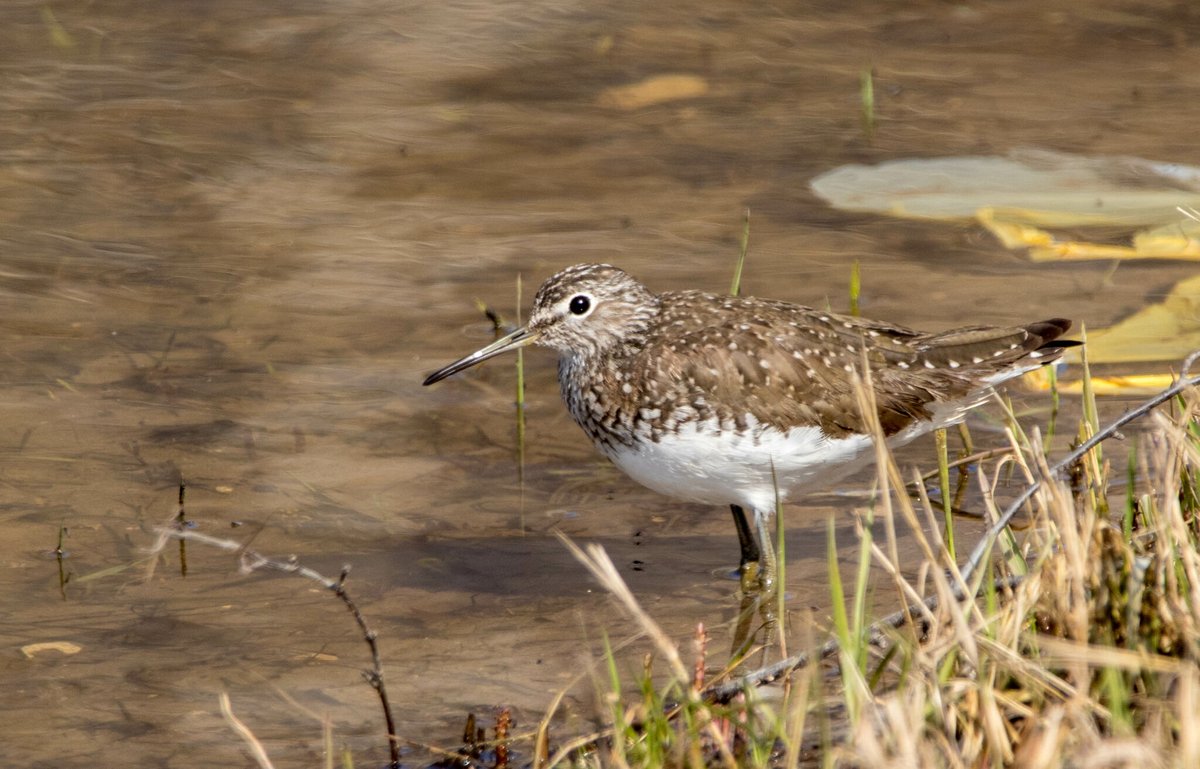
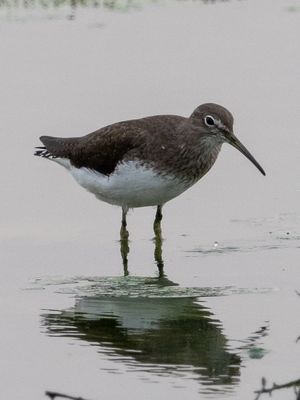
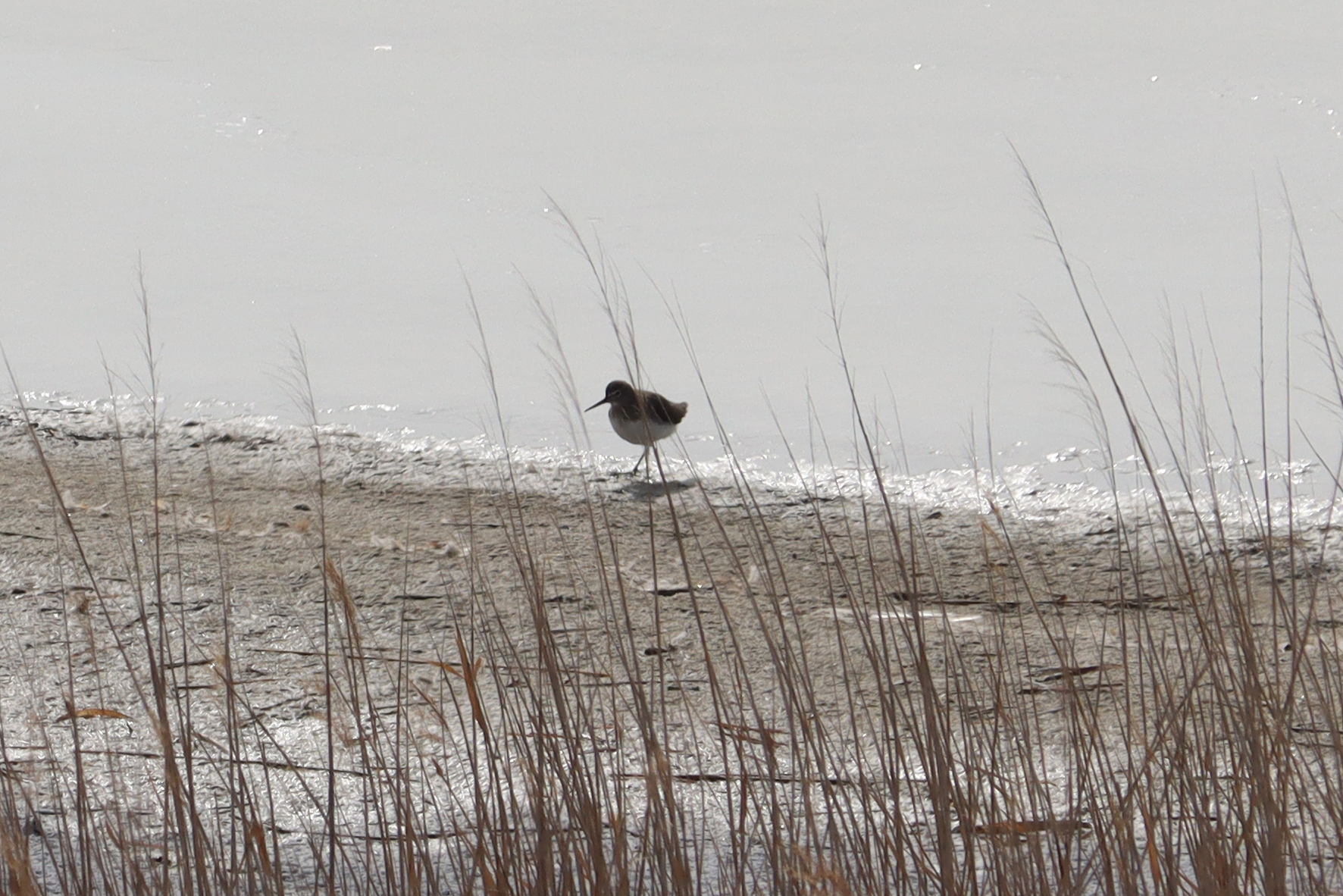
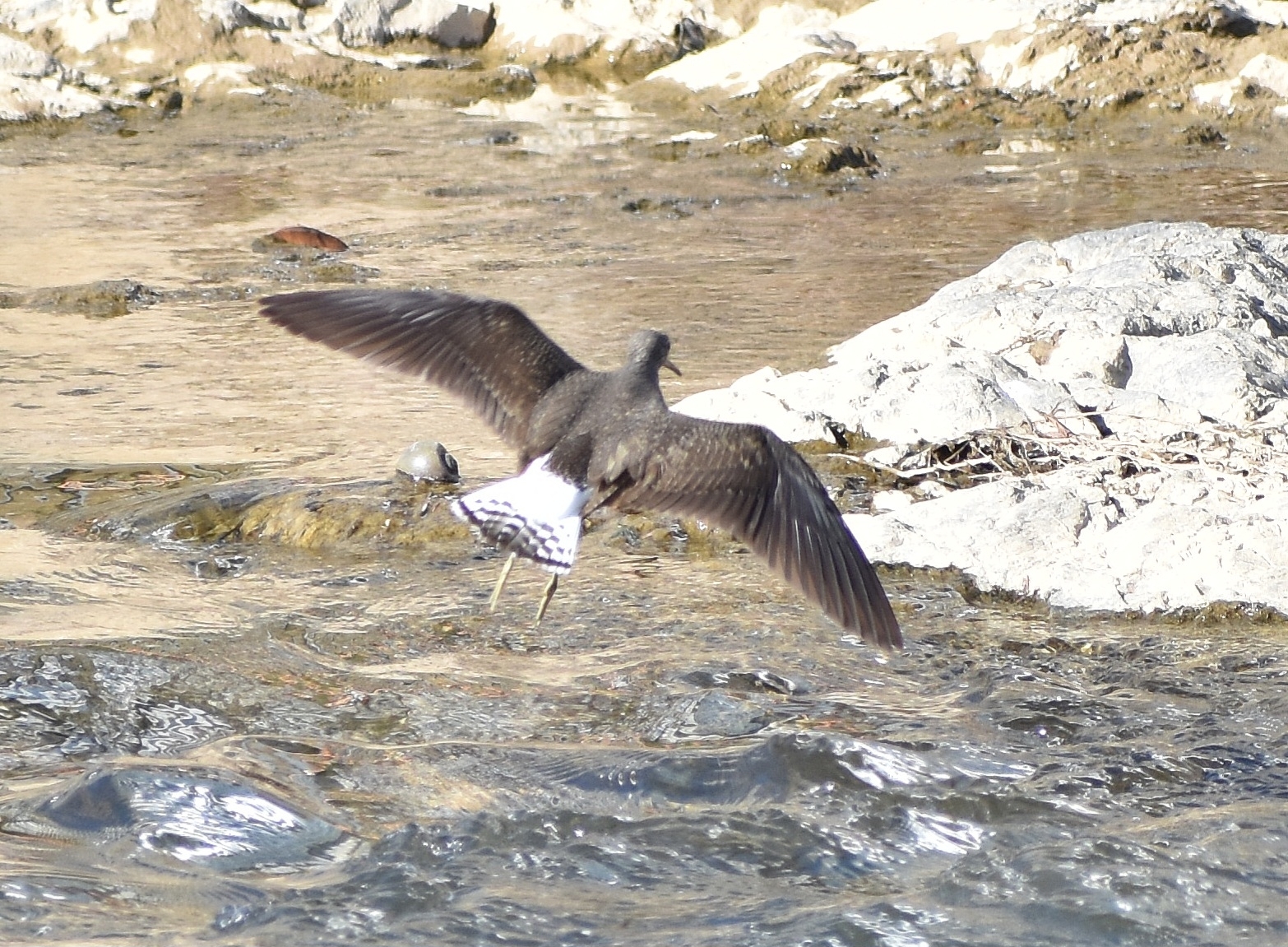
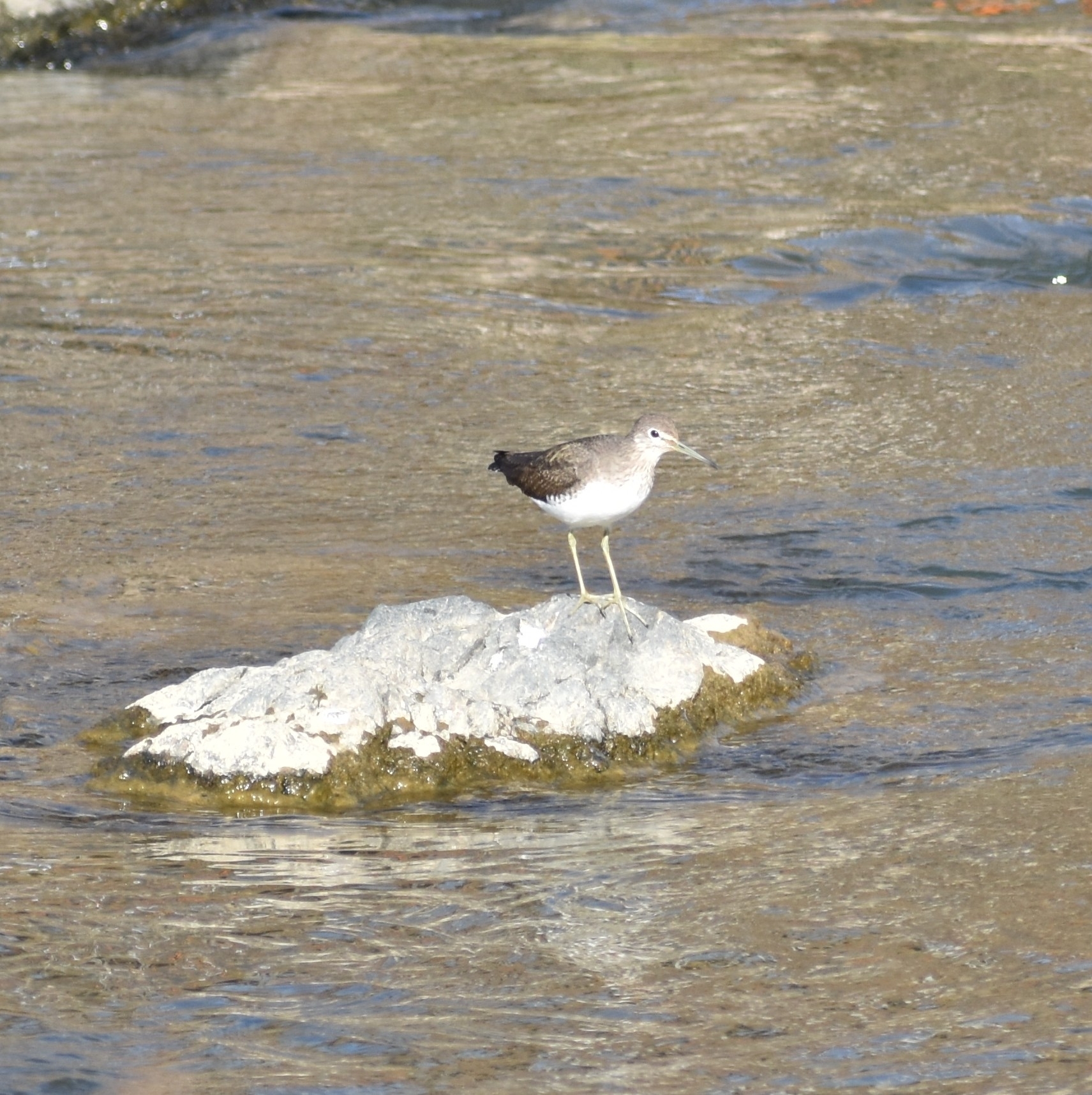
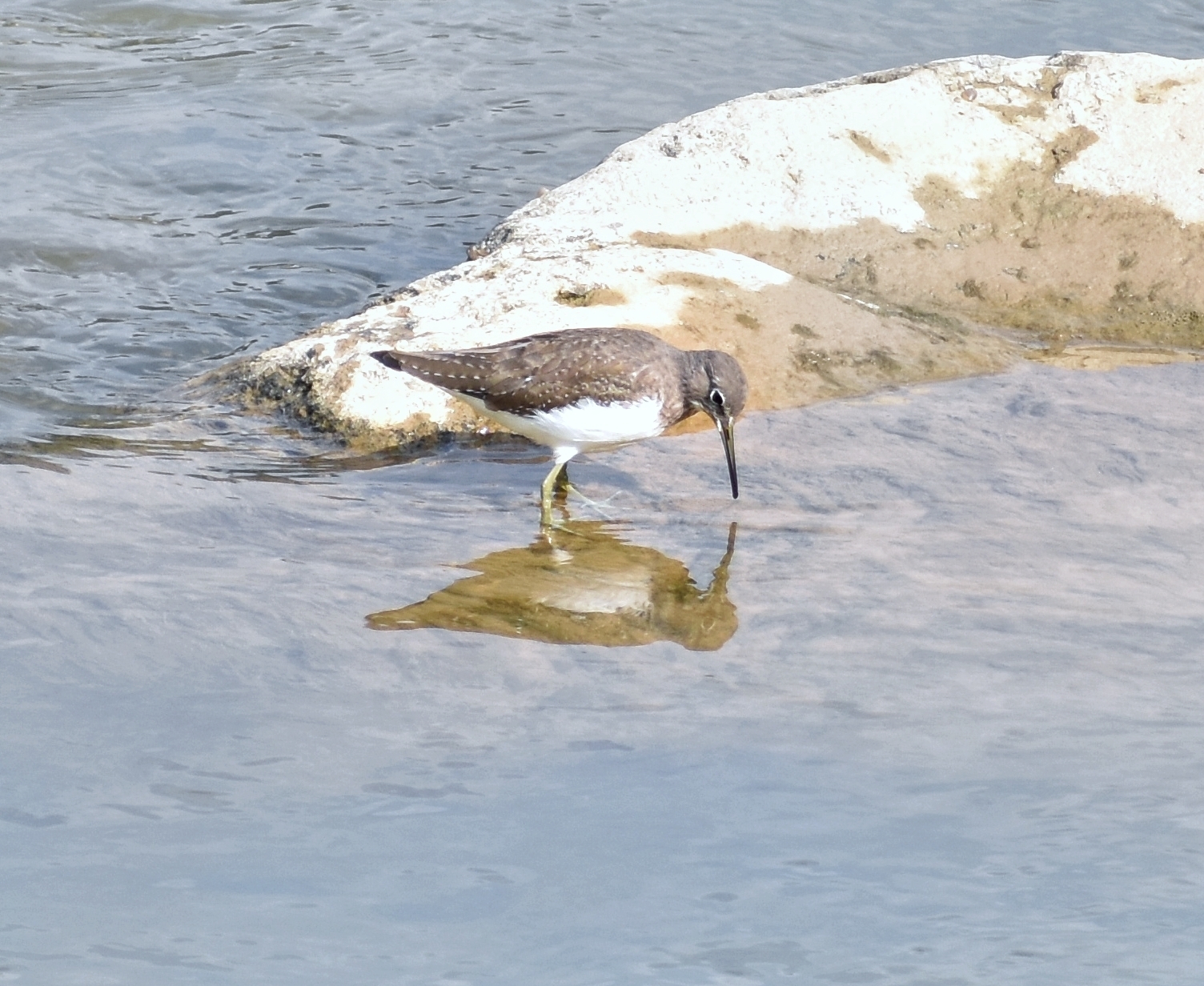
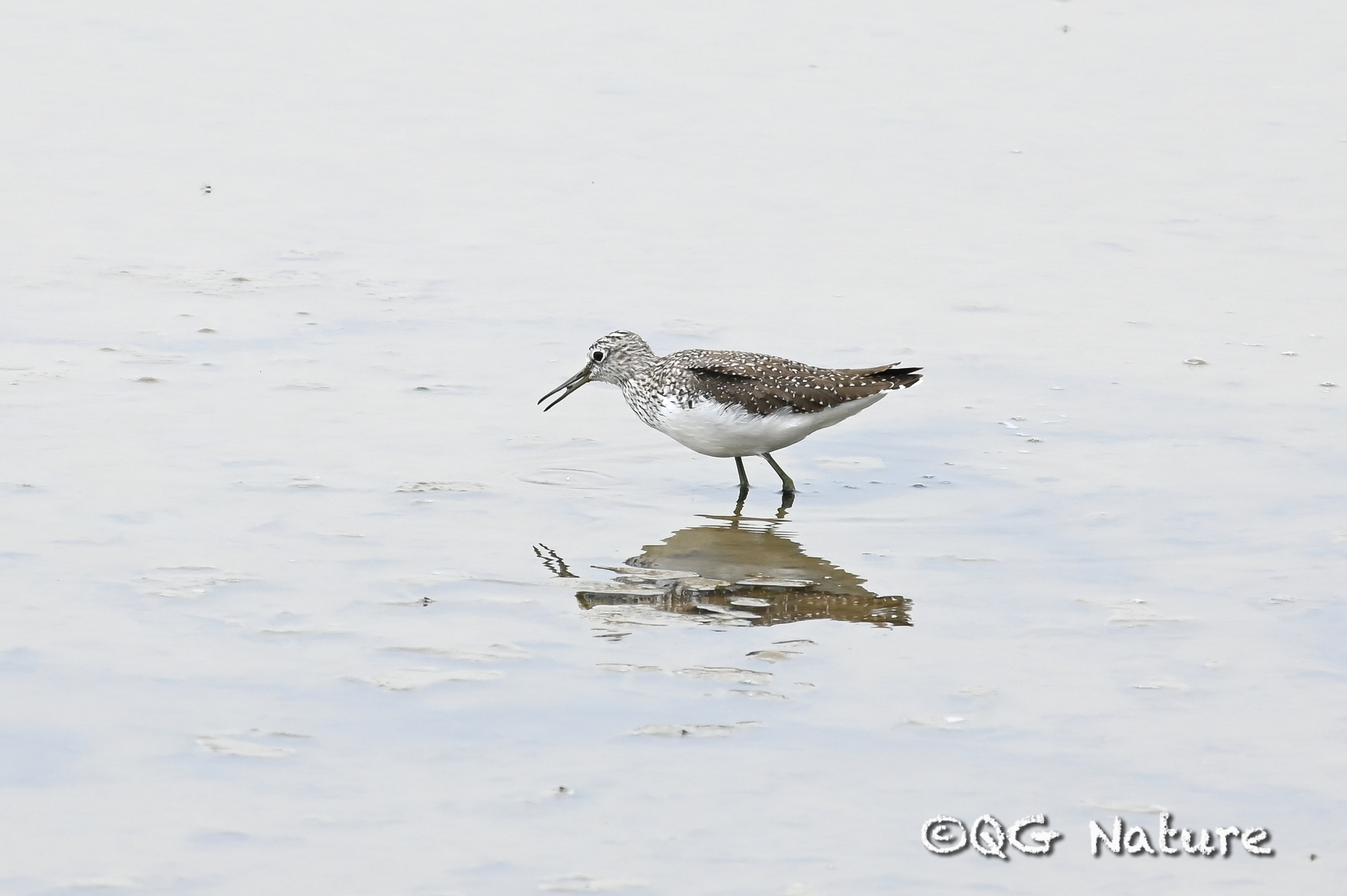
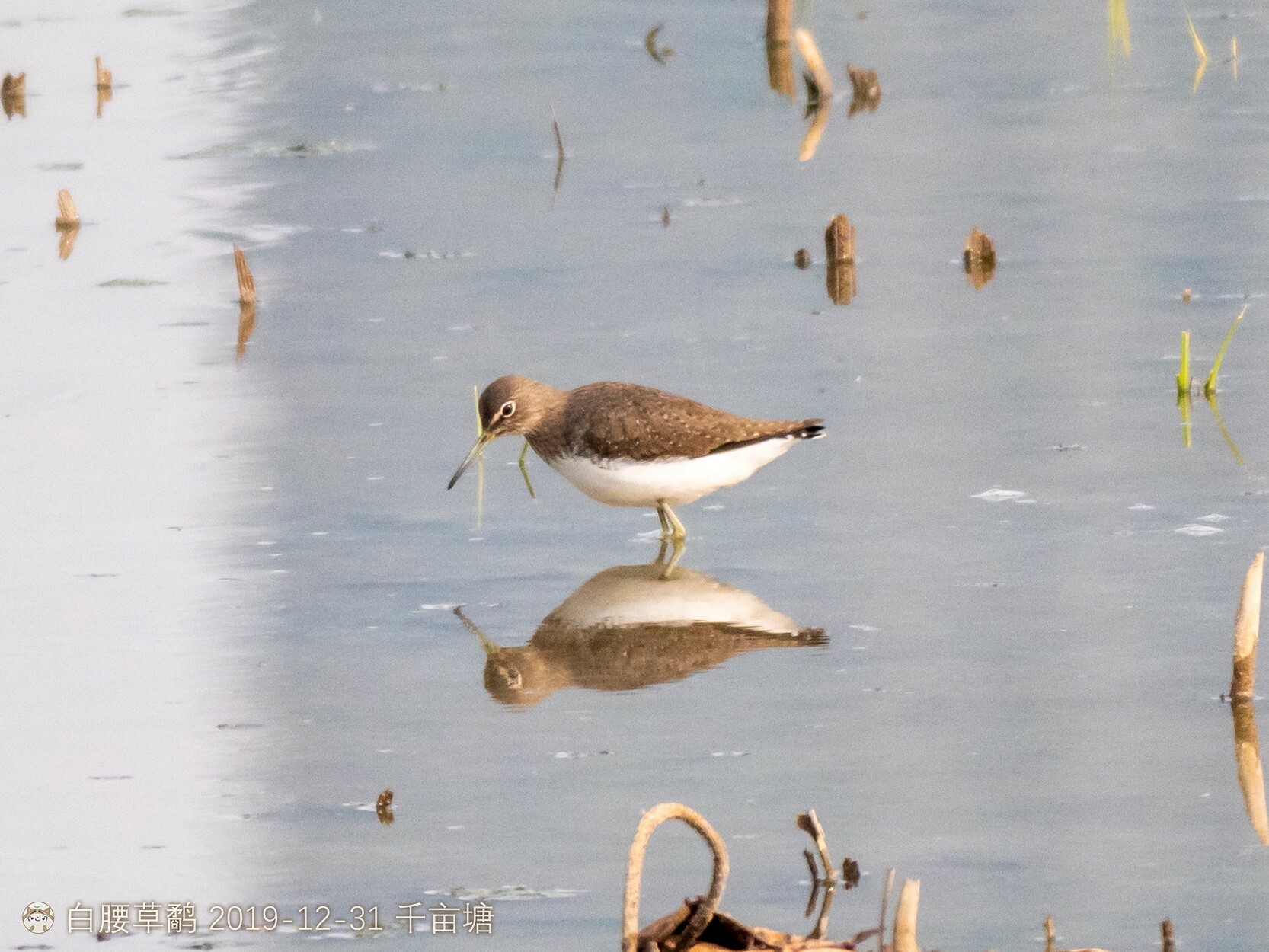
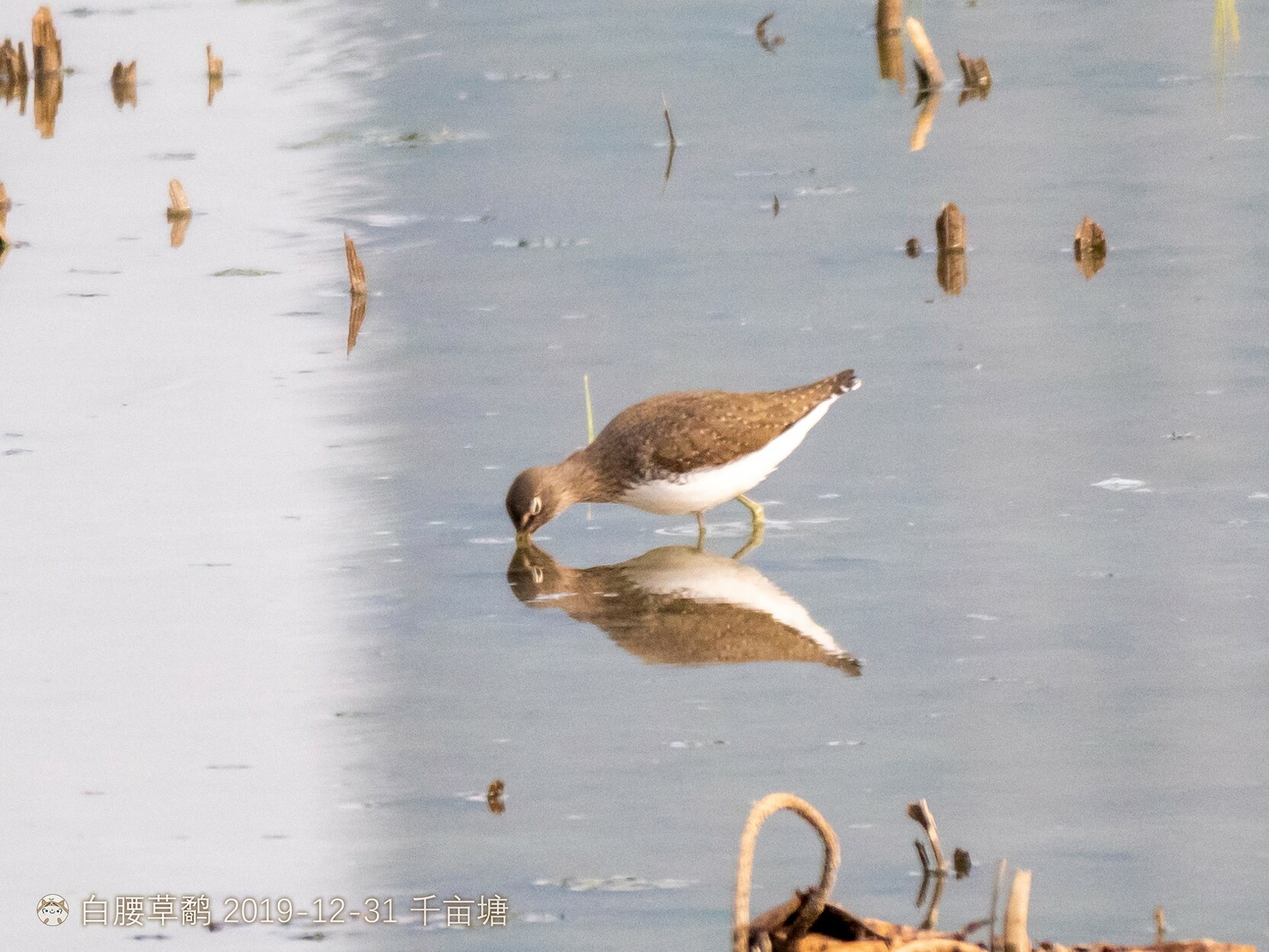
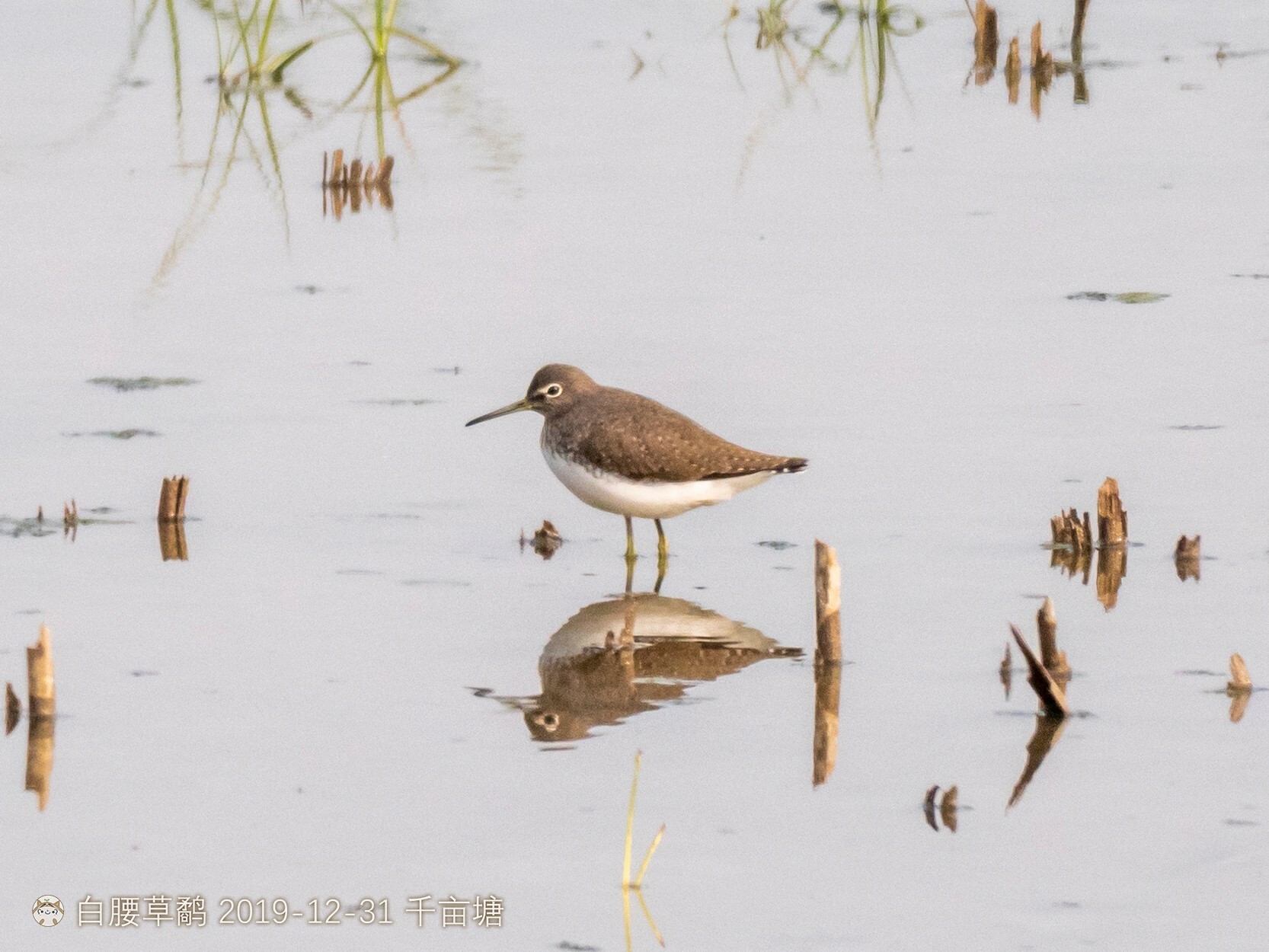
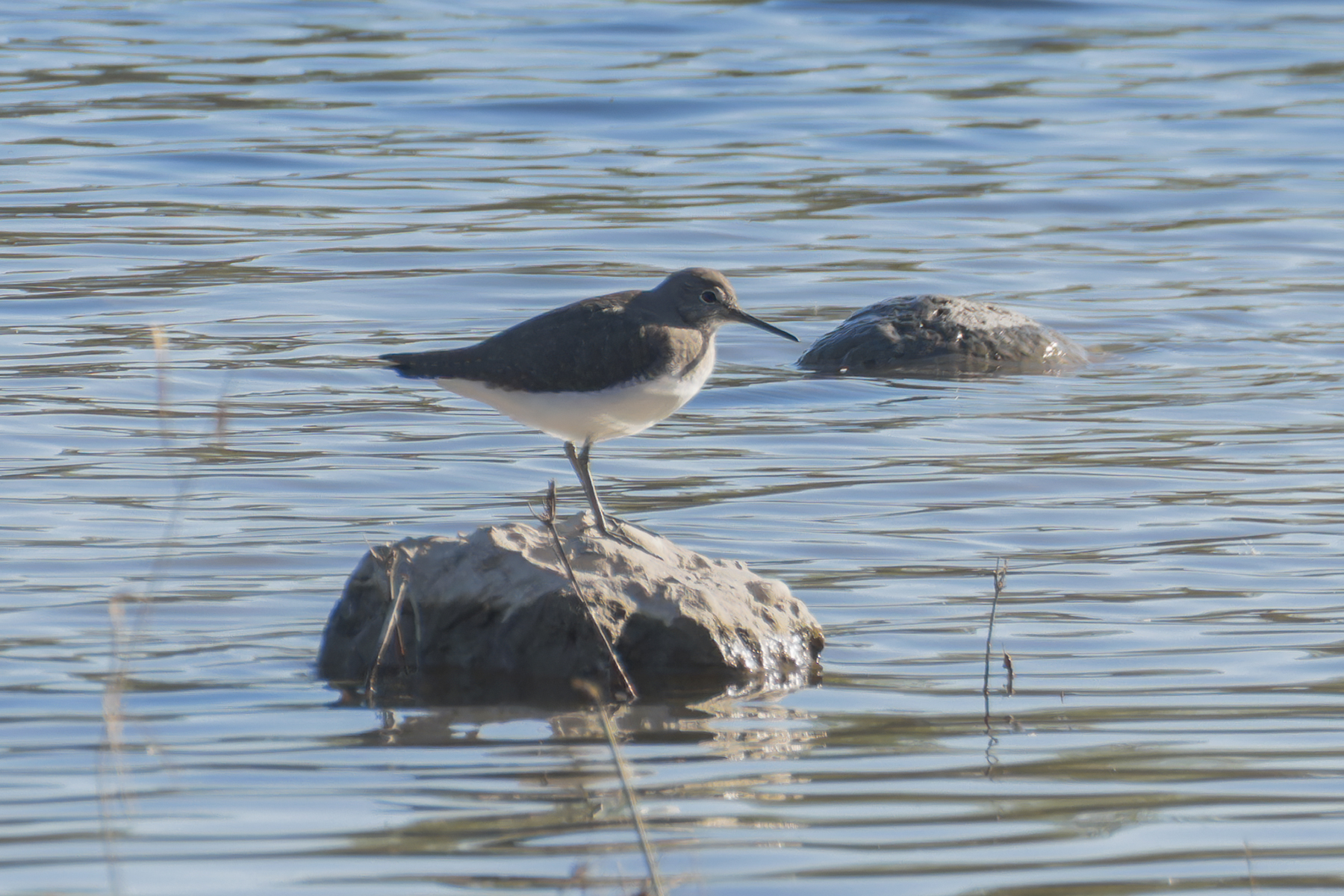
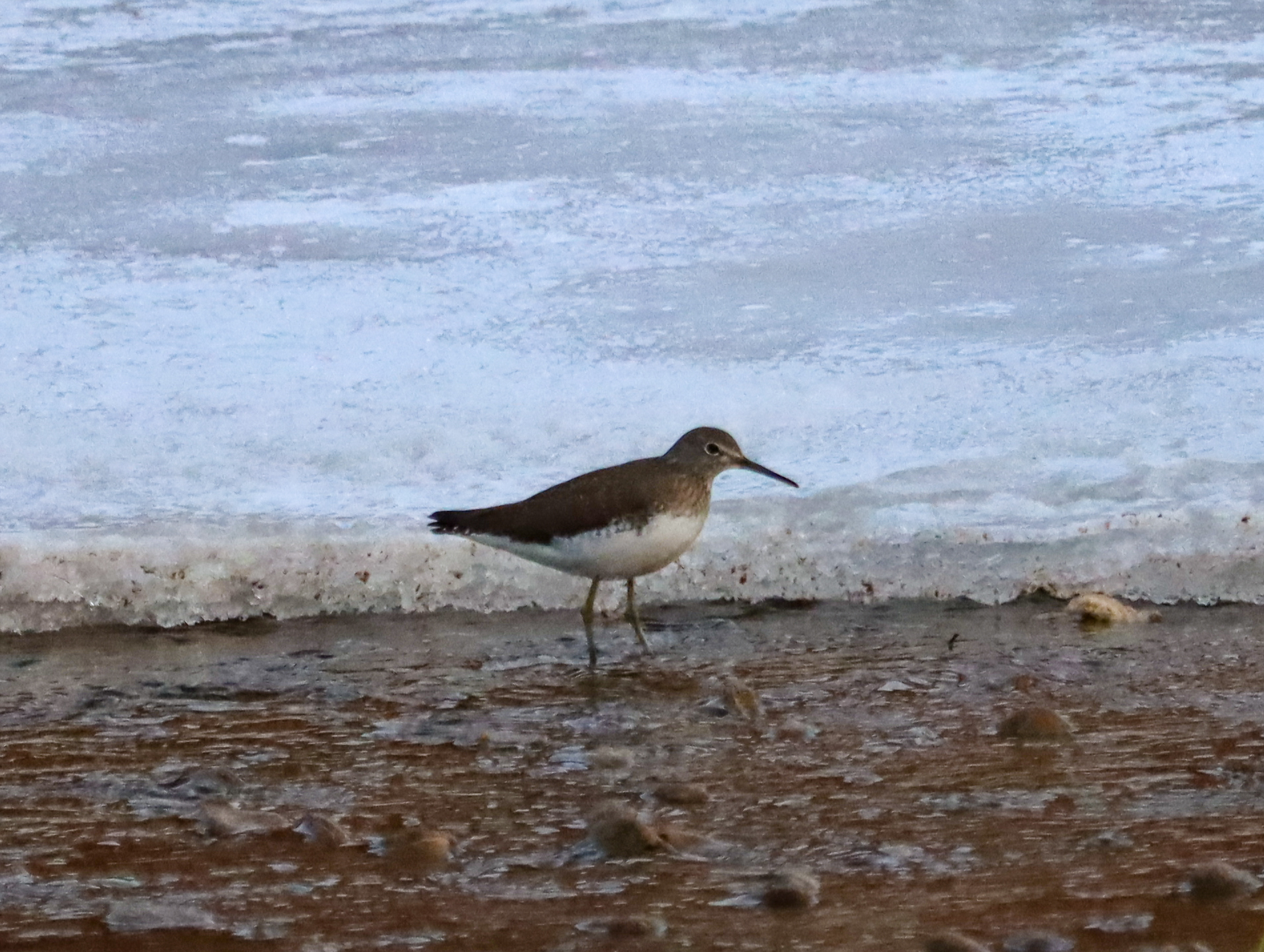
A rather stout, compact wader with a dark greenish-brown back and wings contrasting with a greyish head and breast. The underparts are predominantly white. The upperparts display white spotting that varies considerably - most extensive in breeding adults, reduced in winter plumage and juveniles. Both the relatively short bill and the legs are dark greenish in coloration. In flight, the wings appear dark from both above and below, while the brilliant white rump provides an eye-catching feature that distinguishes this species from similar shorebirds.
Identification
The combination of dark greenish-brown upperparts, white rump visible in flight, and dark green legs is key to identification. It closely resembles the solitary sandpiper of North America but is slightly larger and shows more contrasting white underparts. The white rump is a reliable distinguishing feature in flight, particularly when separating it from the solitary sandpiper. The three-note whistle call is also characteristic. Unlike most other Tringa sandpipers, it tends to forage more methodically around vegetation rather than working open muddy edges.
Distribution & Habitat
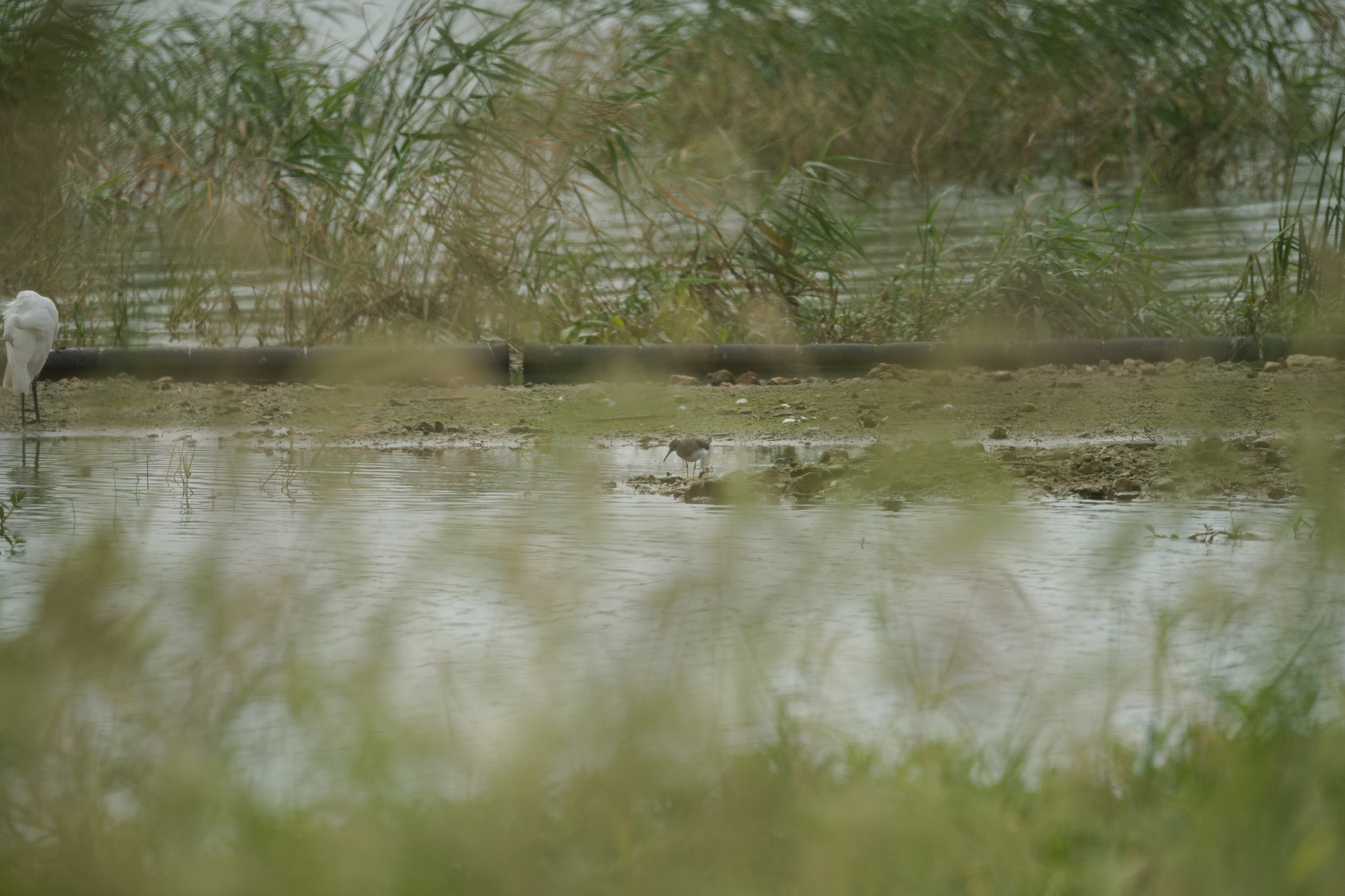
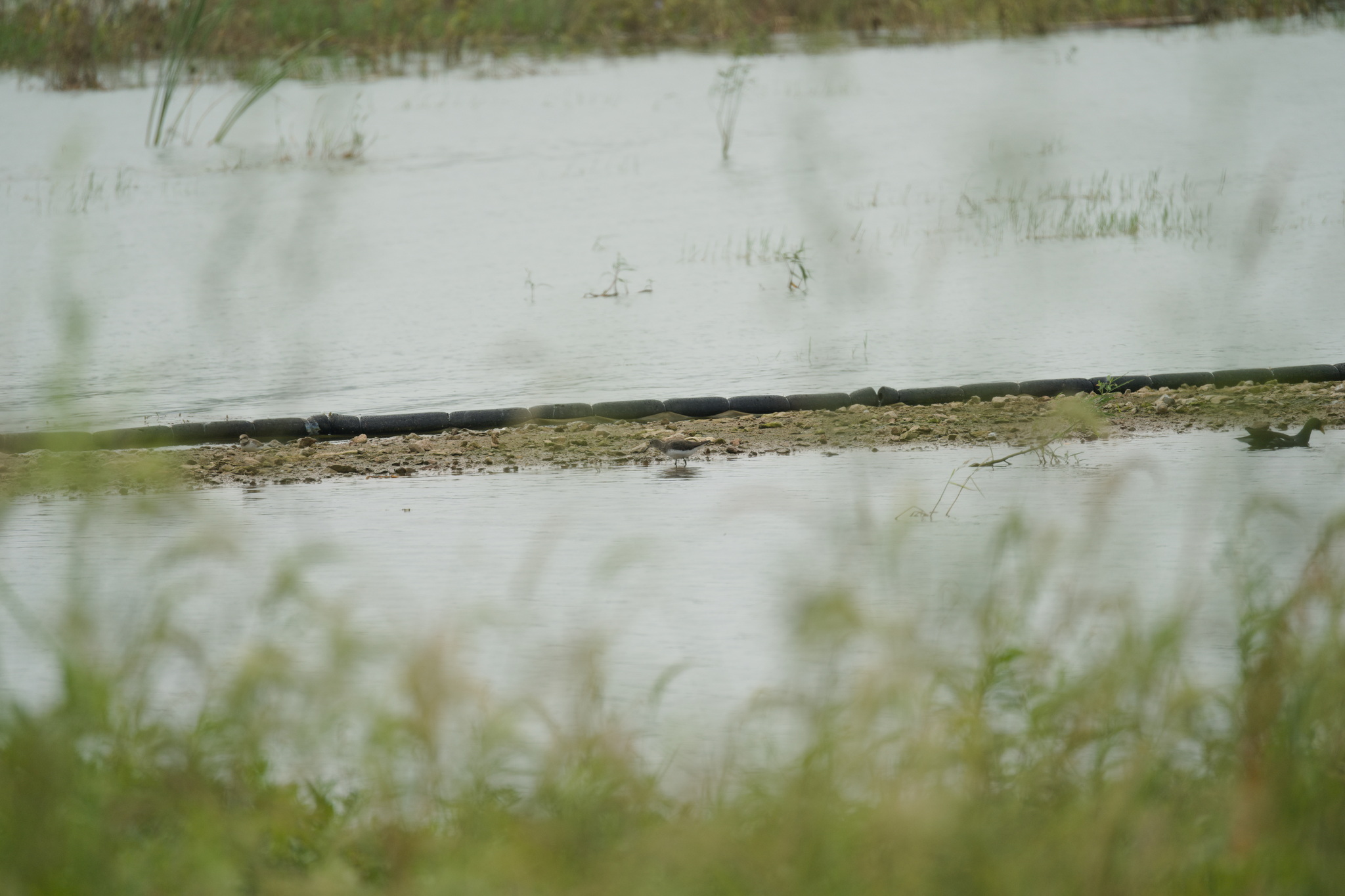
Breeds across subarctic regions of Europe and extends eastward across the Palearctic. A migratory species, it winters in southern Europe, the Indian subcontinent, Southeast Asia, and tropical Africa. Strongly associated with freshwater habitats, it favors smaller ponds, streams, and wetlands that other waders often overlook due to their restricted size. It tends to avoid coastal areas and large open mudflats preferred by many related species.
Behavior & Ecology
Feeds on small invertebrates picked from mud and vegetation along water edges, working steadily rather than energetically probing. Generally solitary or found in small loose groups, unlike the more gregarious sandpiper species. Unusual among waders for its tree-nesting habit - it lays 2-4 eggs in abandoned nests of other species, particularly fieldfares and similar thrushes. The incubation period lasts approximately three weeks. Produces a distinctive three-note whistle, especially characteristic in flight.
Conservation
Classified as Least Concern by the IUCN due to its extensive range and relatively stable global population. While not considered threatened, it benefits from protection under the Agreement on the Conservation of African-Eurasian Migratory Waterbirds (AEWA). Its preference for smaller freshwater habitats may provide some resilience against the habitat loss affecting many larger wetland-dependent species.
Source: Wikipedia · CC BY-SA 3.0
Taxonomy
- Order
- Charadriiformes
- Family
- Scolopacidae
- Genus
- Tringa
- eBird Code
- grnsan
Distribution
breeds taiga wetlands from Scandinavia and Germany eastward to Sakha Republic (northeastern Siberia), southward through central Asia and northeastern China; winters wetlands from British Isles southward through Africa and eastward to Japan through Philippines
Data Sources
Species description from Wikipedia, licensed under CC BY-SA 3.0.
Bird images and sounds sourced from GBIF, contributed by citizen scientists worldwide under Creative Commons licenses.
Taxonomy data from AviList 2025.