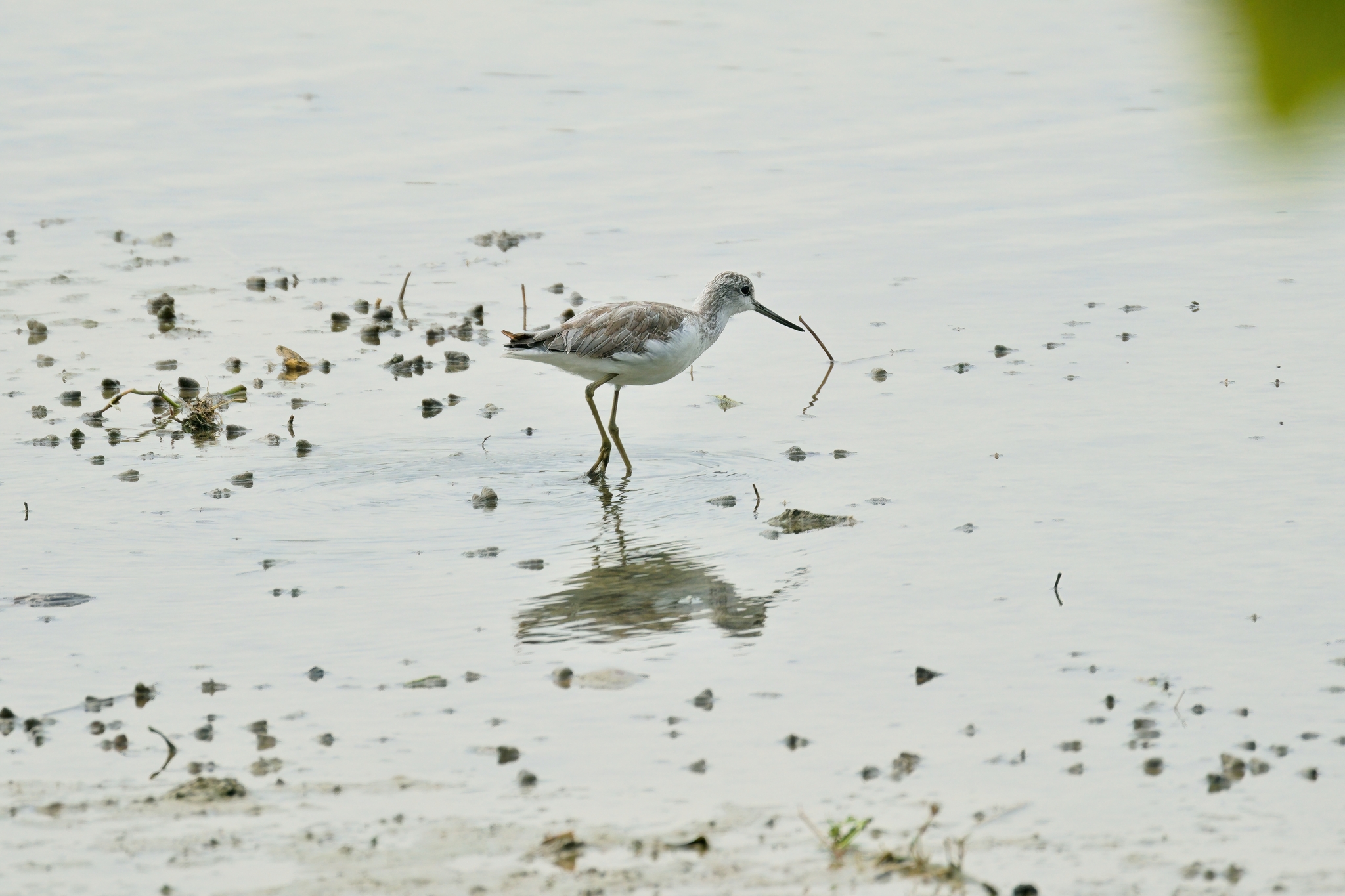
Charadriiformes / Scolopacidae / Tringa
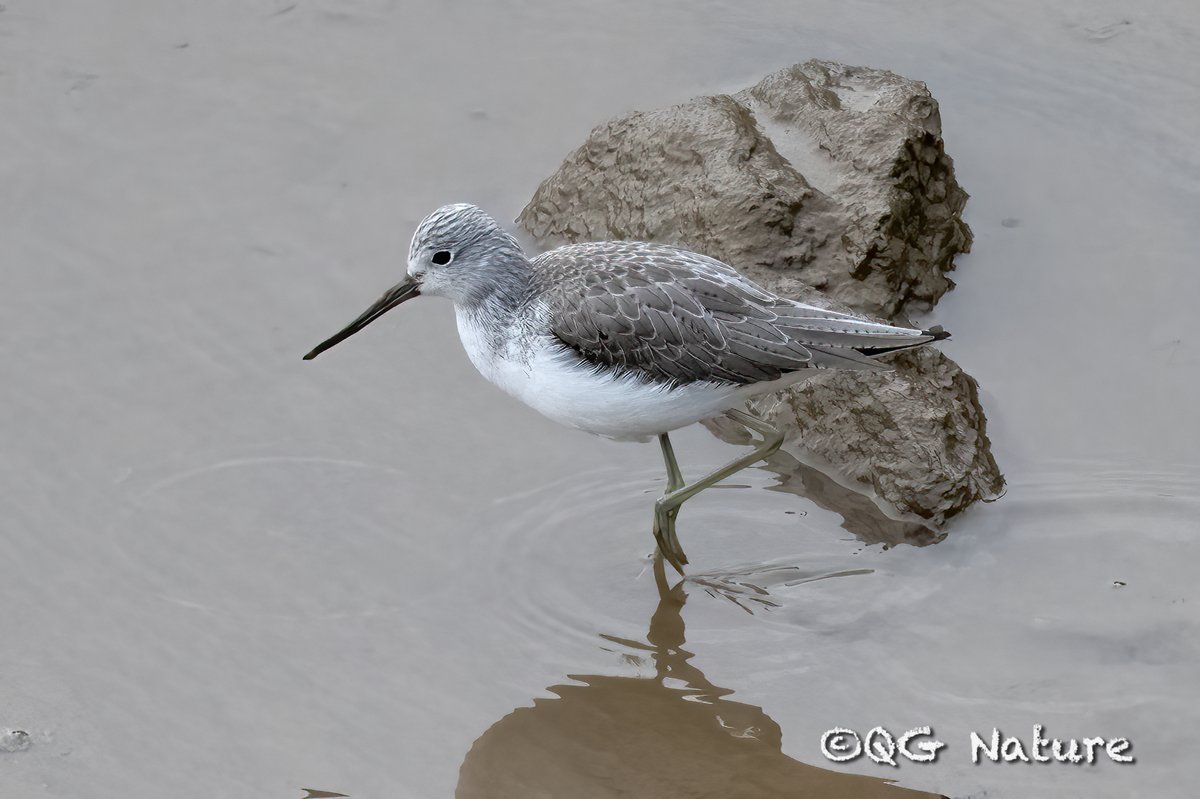
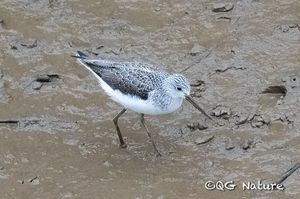
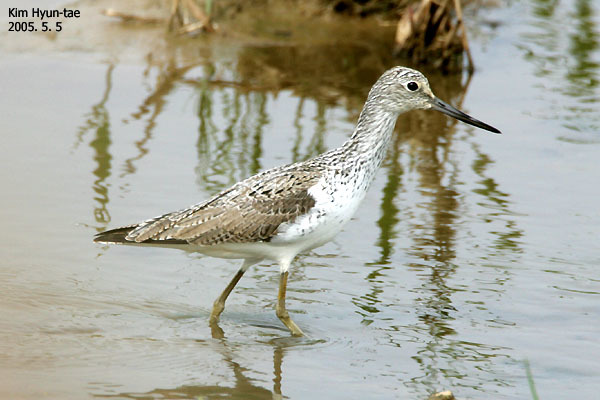
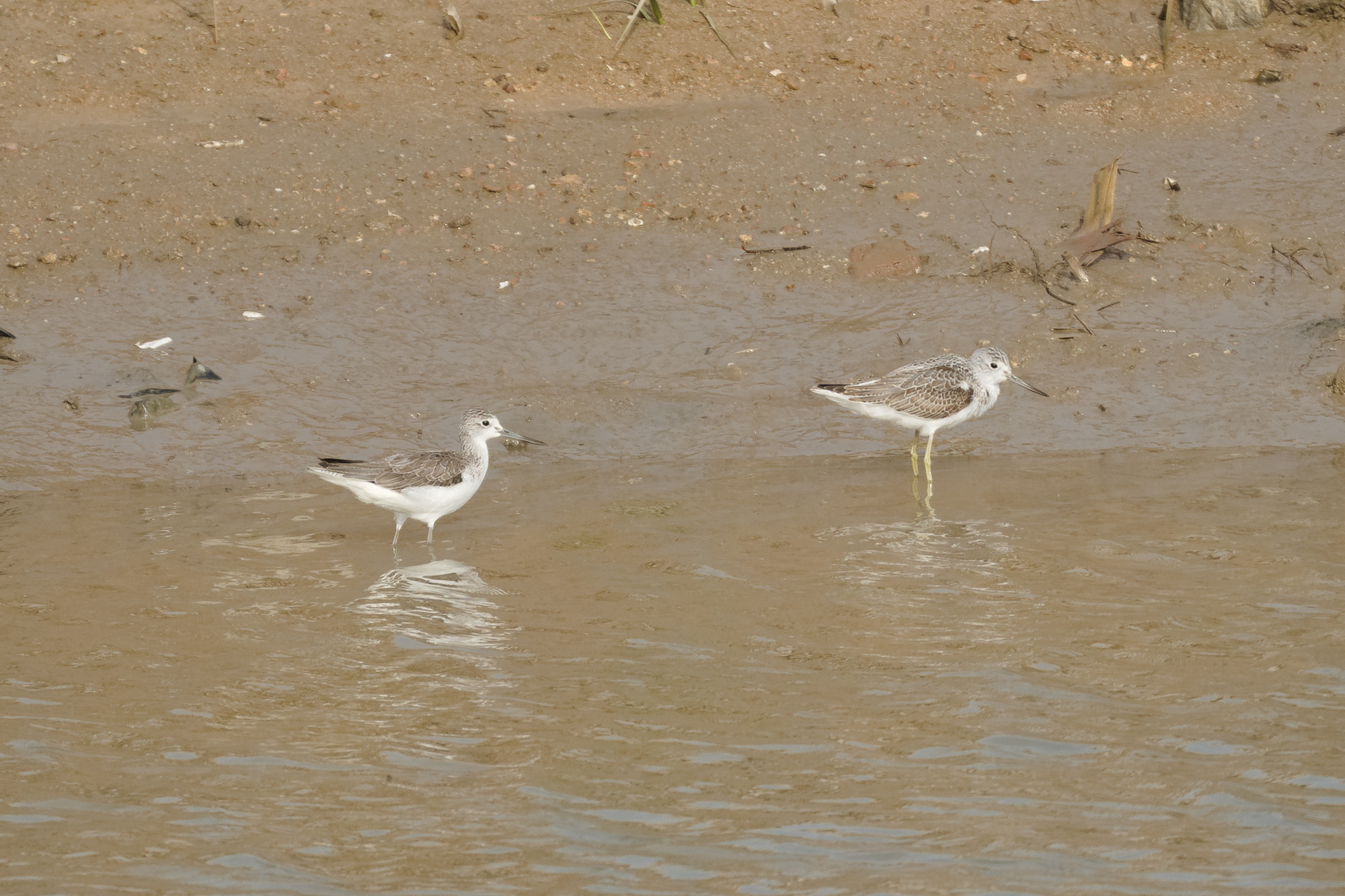
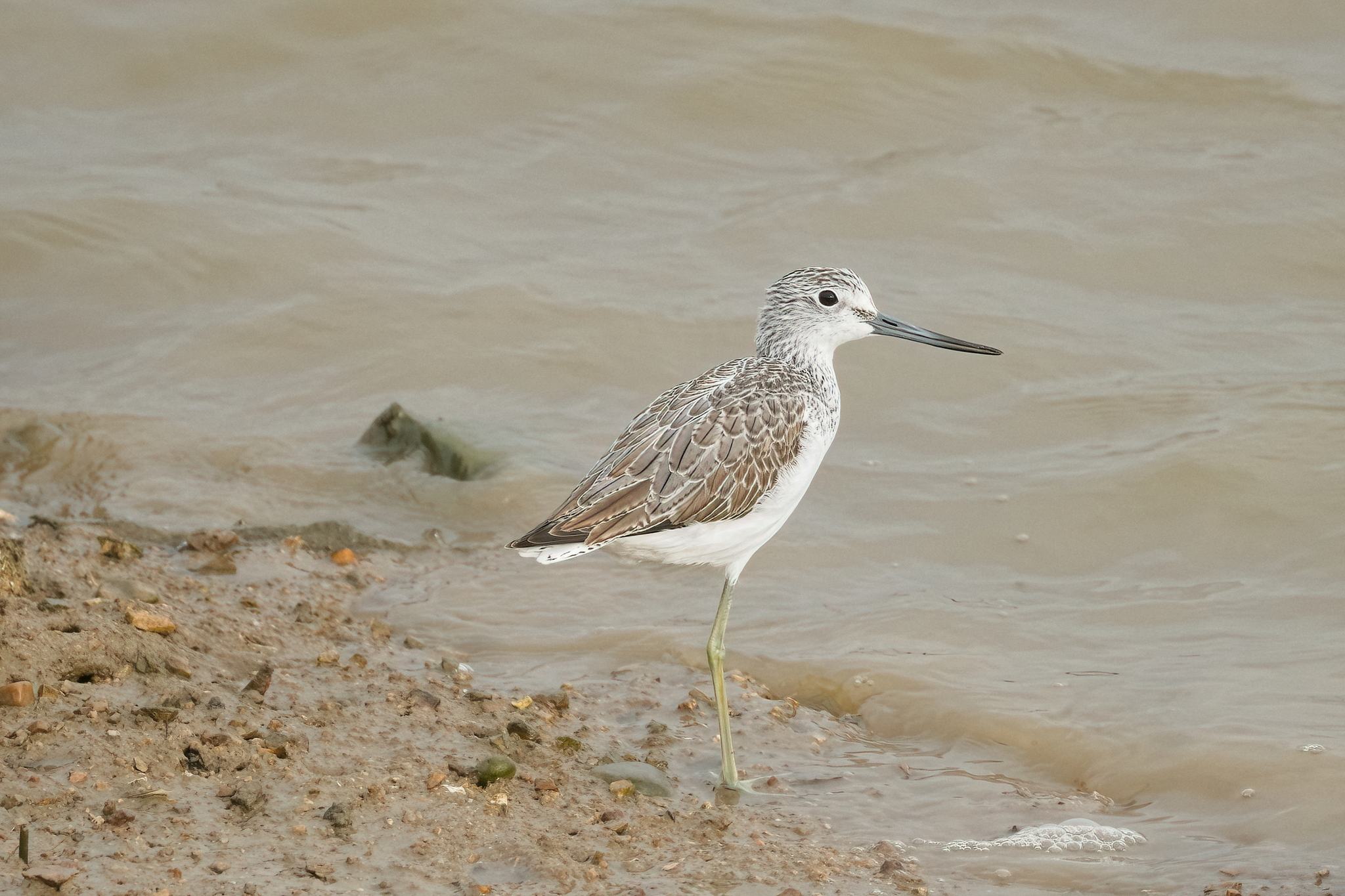
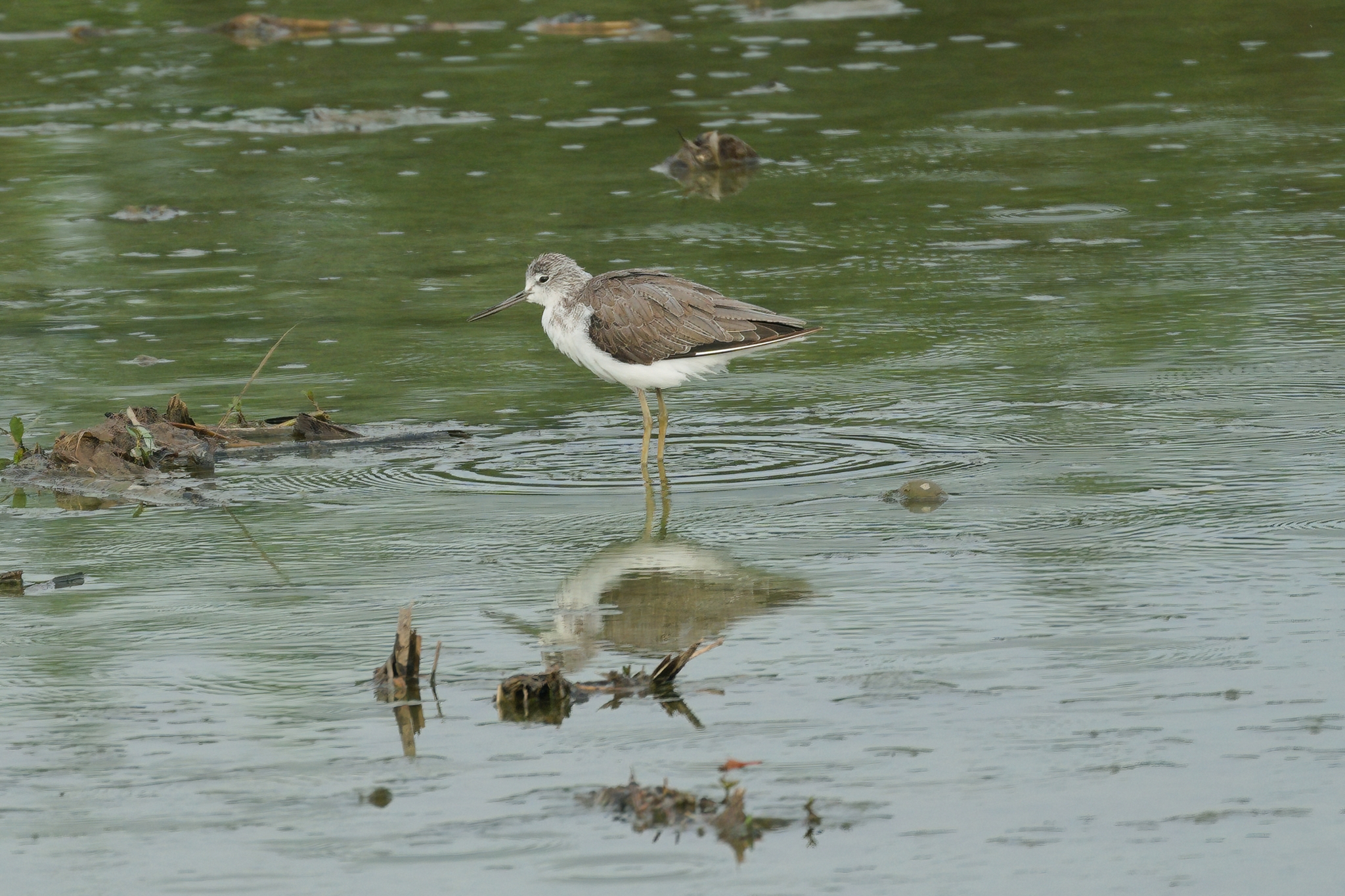
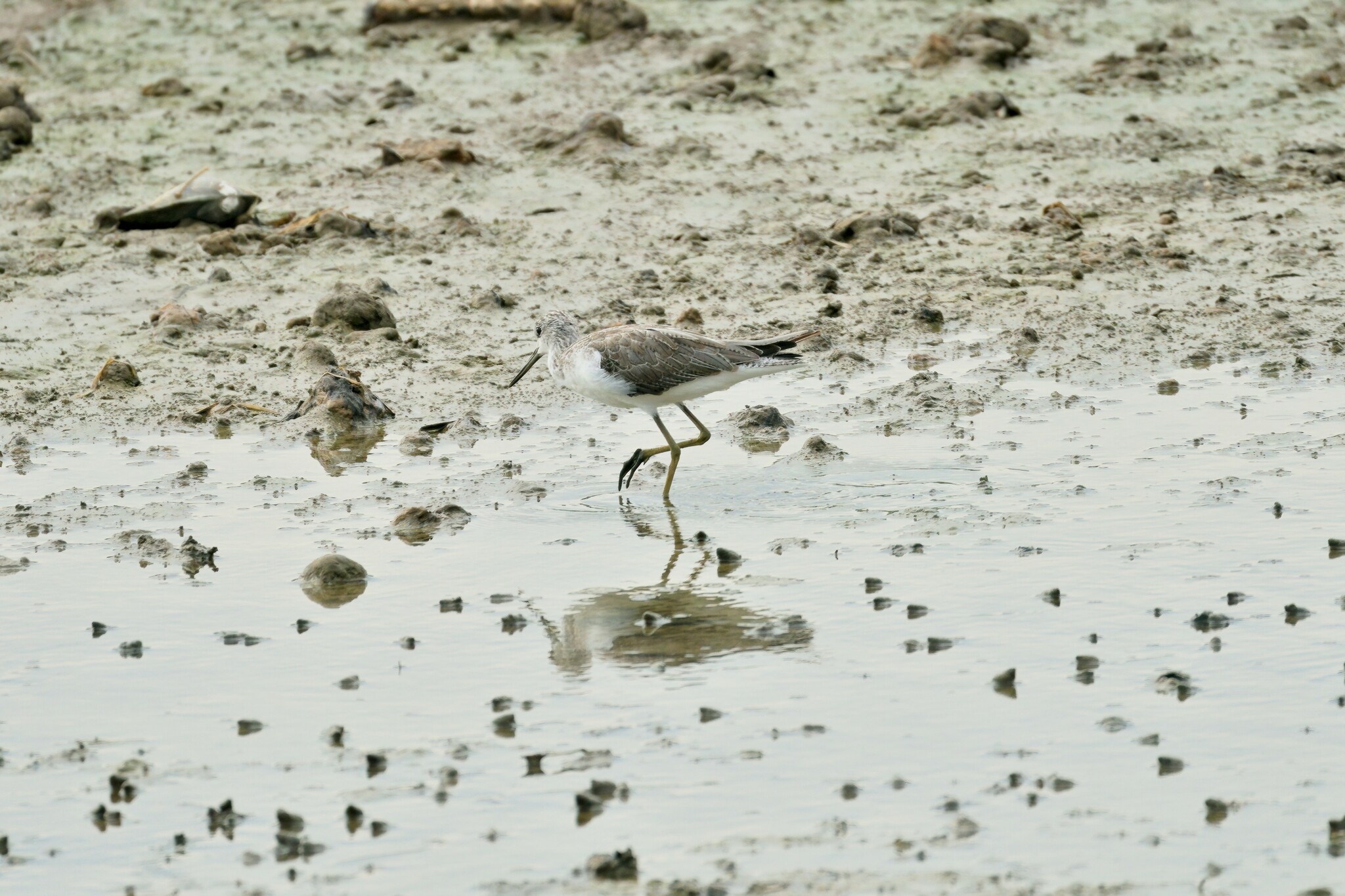
Common Greenshank
Tringa nebularia · 青脚鹬
Introduction
A wader in the family Scolopacidae. It breeds in subarctic regions from northern Scotland across northern Europe and the Palearctic. It is a migratory species wintering in Africa, the Indian subcontinent, and Australasia, typically on fresh water. Breeding occurs on dry ground near marshy areas. The species is listed as Endangered under the Australian EPBC Act (2024) and is covered by the Agreement on the Conservation of African-Eurasian Migratory Waterbirds (AEWA).
Description
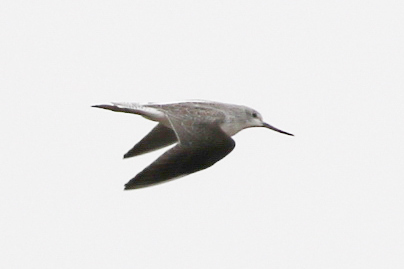
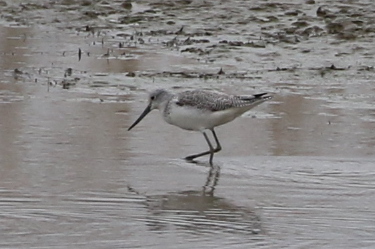
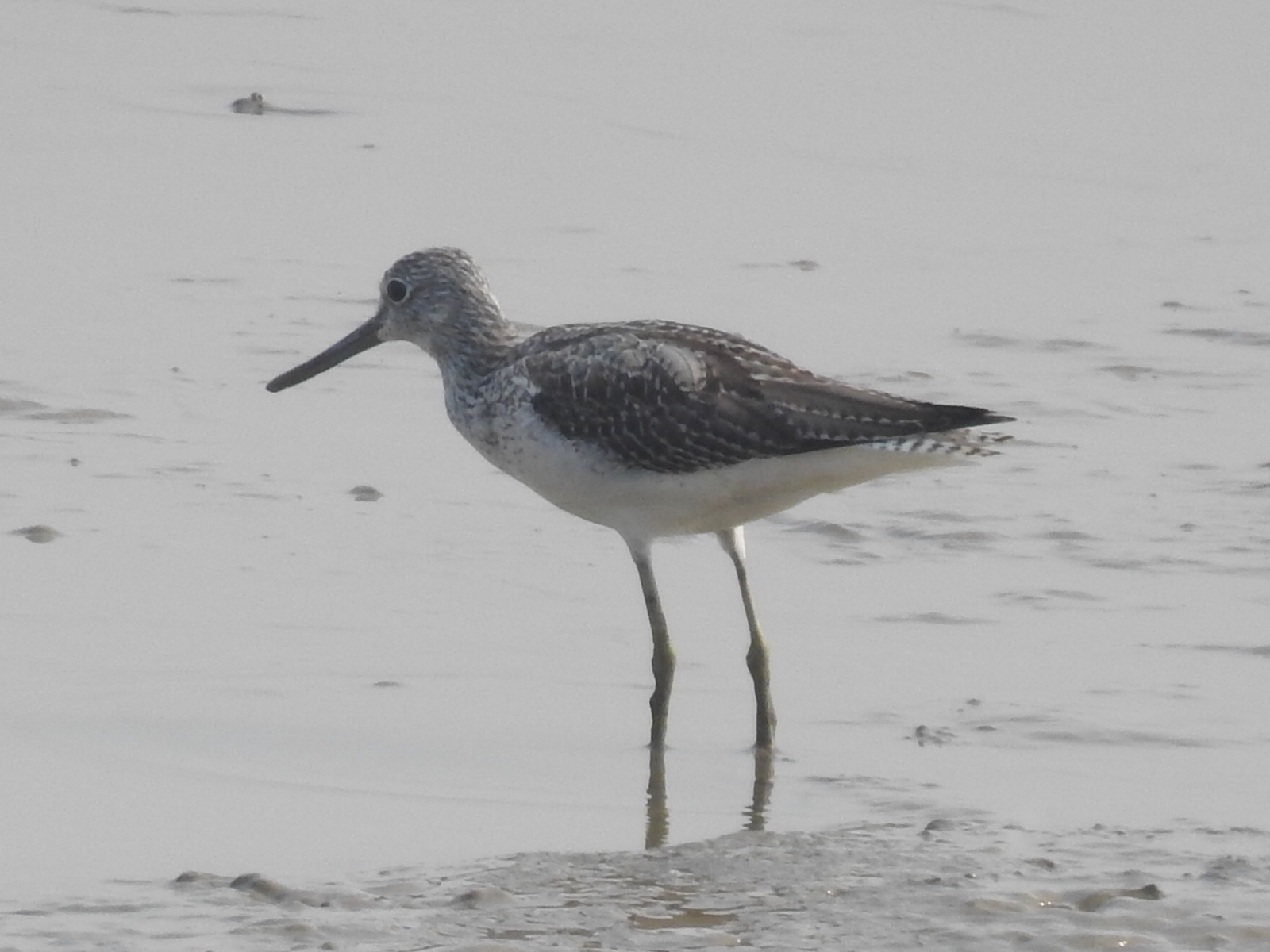
Brown in breeding plumage and grey-brown in winter. Possesses long greenish legs and a long bill with a grey base. Displays a white wedge on the back in flight. Somewhat larger than the common redshank.
Identification
Distinguished from similar marsh sandpipers by the shape of the lower bill, which gives an upturned appearance. Shows a white wedge on the back in flight. The usual call is a rapid series of three short fluty notes, syllabilized as teu-teu-teu.
Distribution & Habitat
Breeds from northern Scotland eastwards across northern Europe and the Palearctic. Migrates to winter in Africa, the Indian subcontinent, and Australasia. Vagrant sightings recorded in Barbados, the United States, Canada, Bermuda, Puerto Rico, and Brazil.
Behavior & Ecology
Breeds on dry ground near marshy areas, laying about four eggs in a ground scrape. Feeds on small invertebrates, small fish, and amphibians.
Conservation
Listed as Endangered under the Australian EPBC Act in 2024. One of the species to which the Agreement on the Conservation of African-Eurasian Migratory Waterbirds (AEWA) applies.
Source: Wikipedia · CC BY-SA 3.0
Taxonomy
- Order
- Charadriiformes
- Family
- Scolopacidae
- Genus
- Tringa
Distribution
breeds taiga wetlands from Scotland and Scandinavia eastward through temperate Russia to far eastern Russia; winters from southern Europe and Africa eastward through southern Asia to central Japan and southward to Australia and western Micronesia
Data Sources
Species description from Wikipedia, licensed under CC BY-SA 3.0.
Bird images and sounds sourced from GBIF, contributed by citizen scientists worldwide under Creative Commons licenses.
Taxonomy data from AviList 2025.