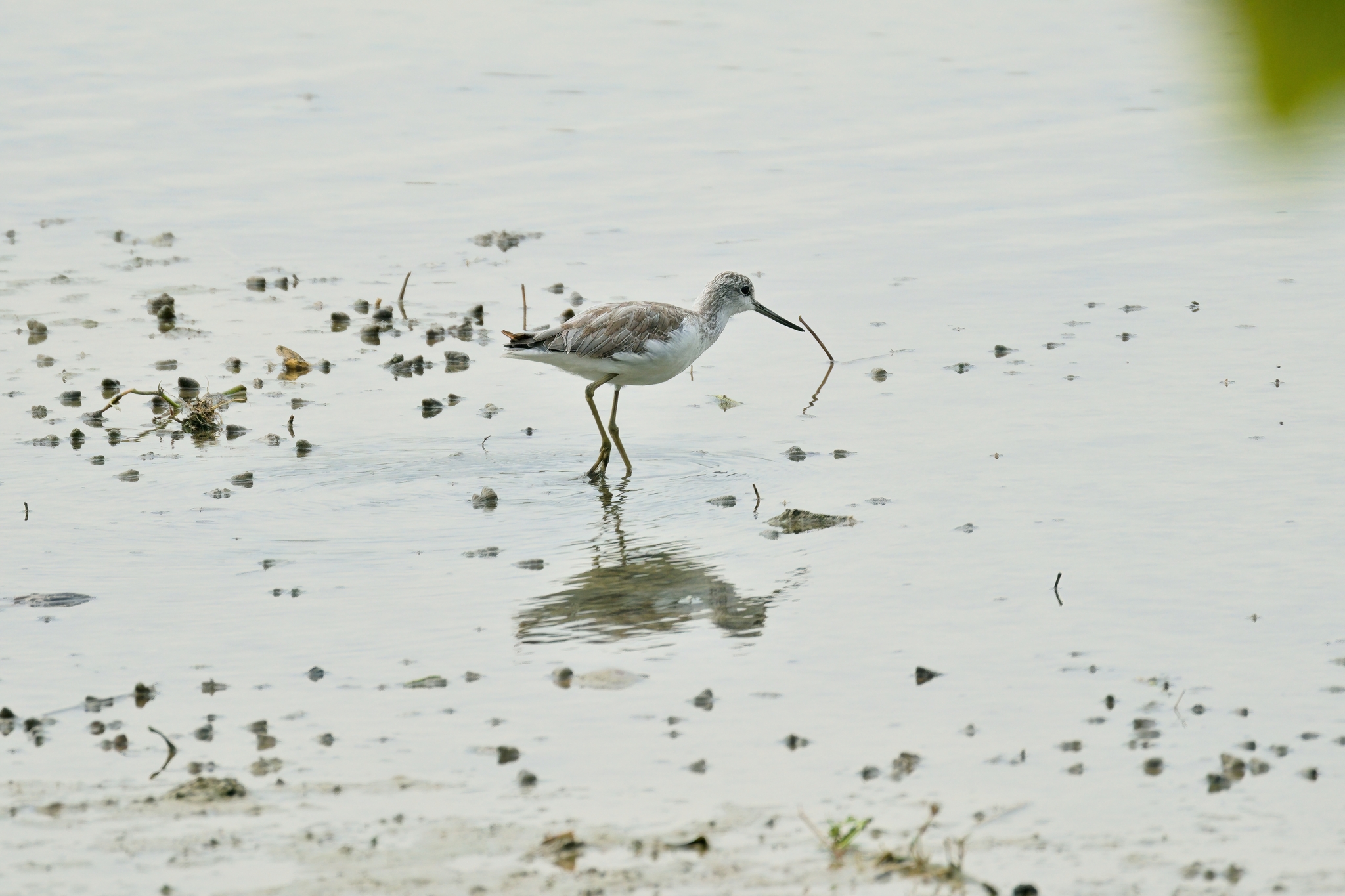
Common Greenshank
Tringa nebularia
青脚鹬
Introduction
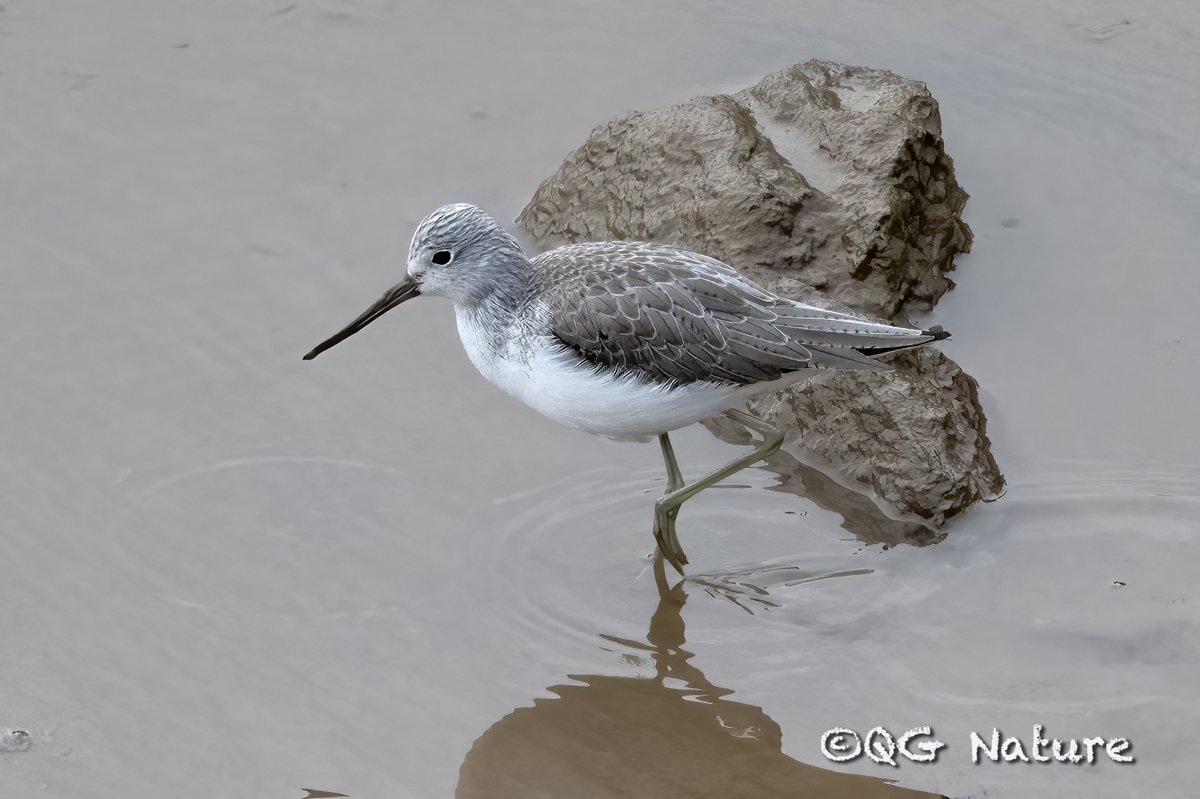
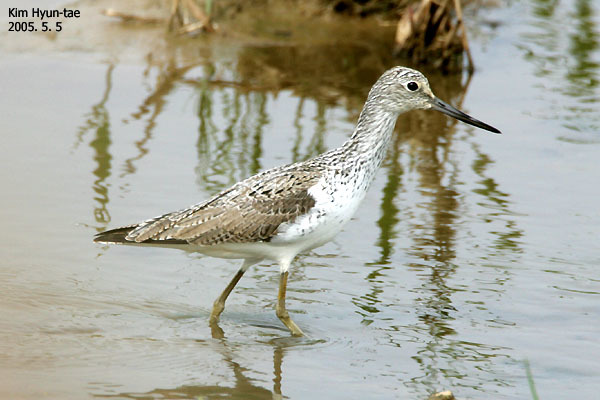
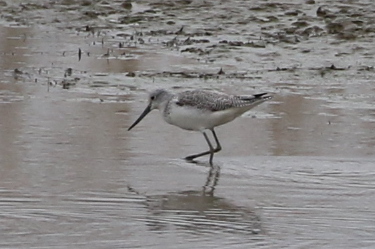
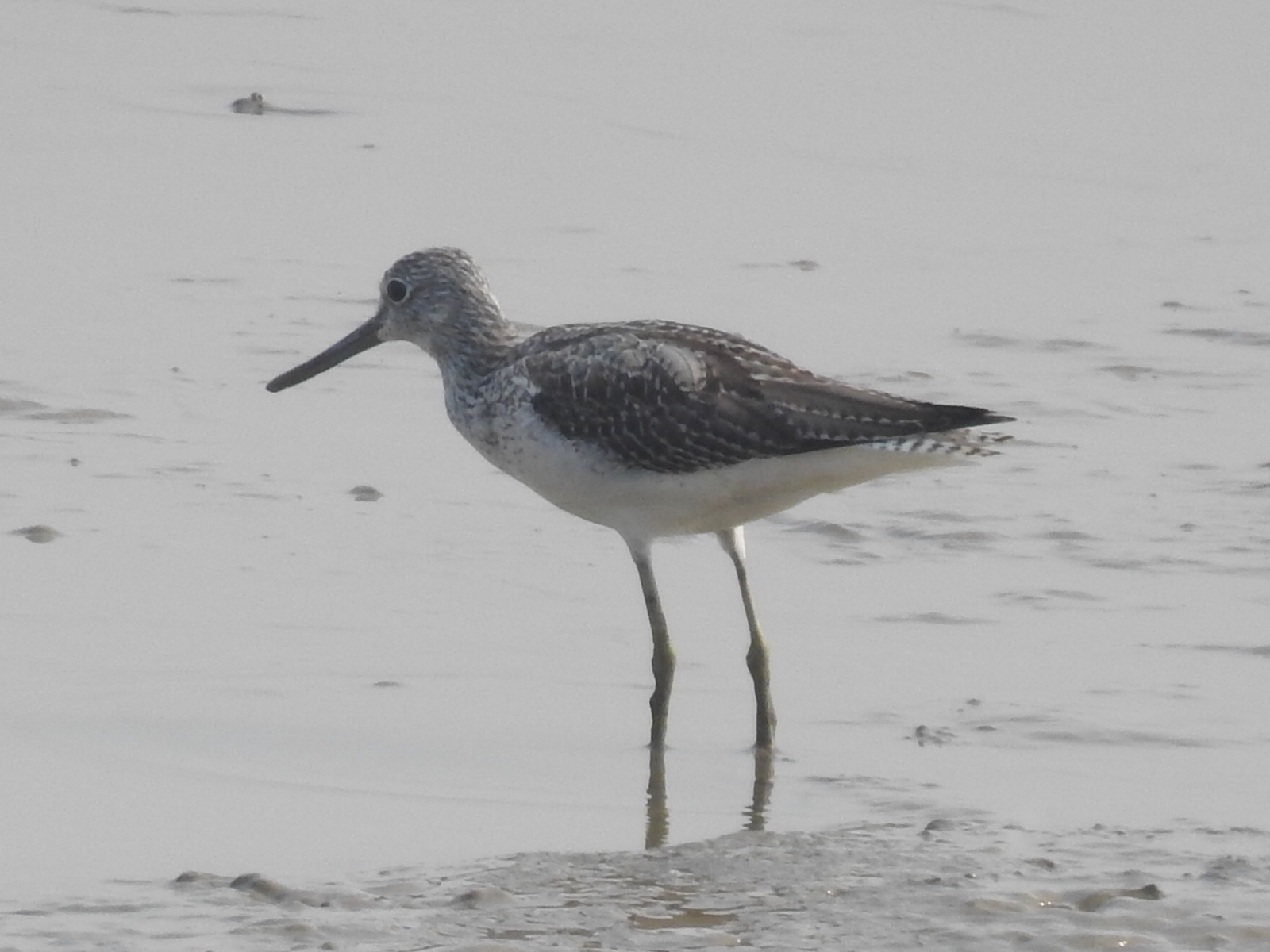
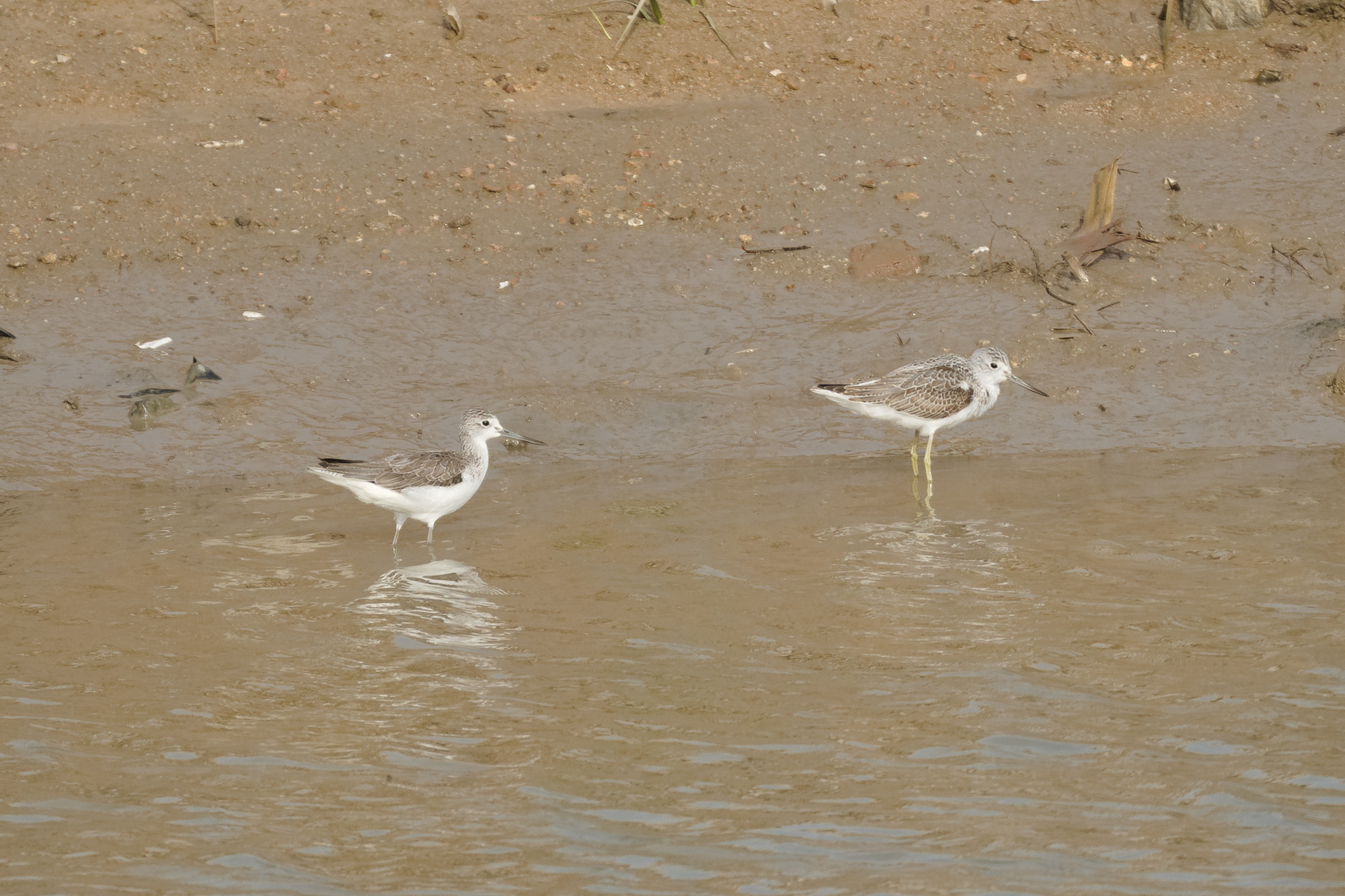
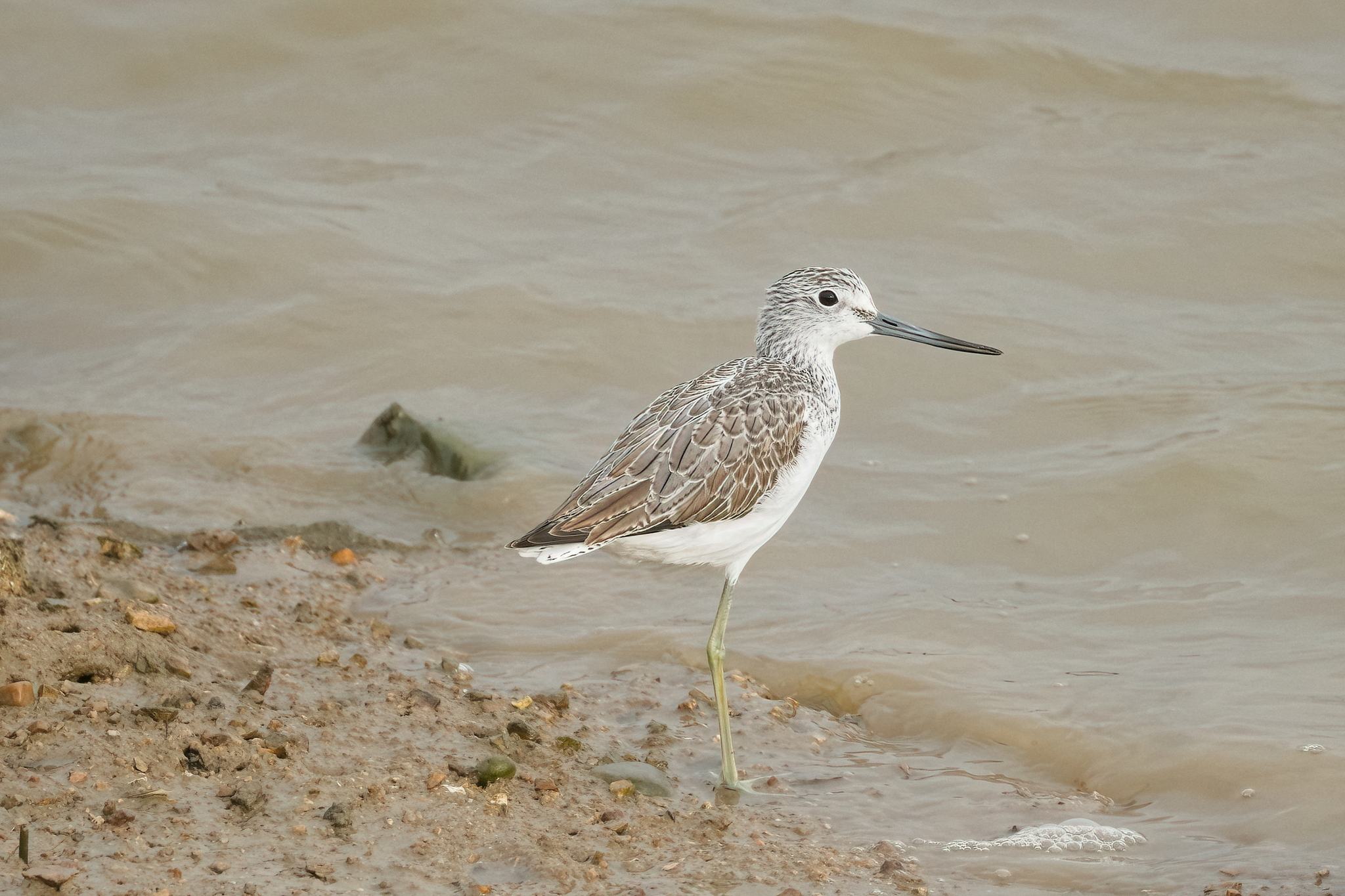
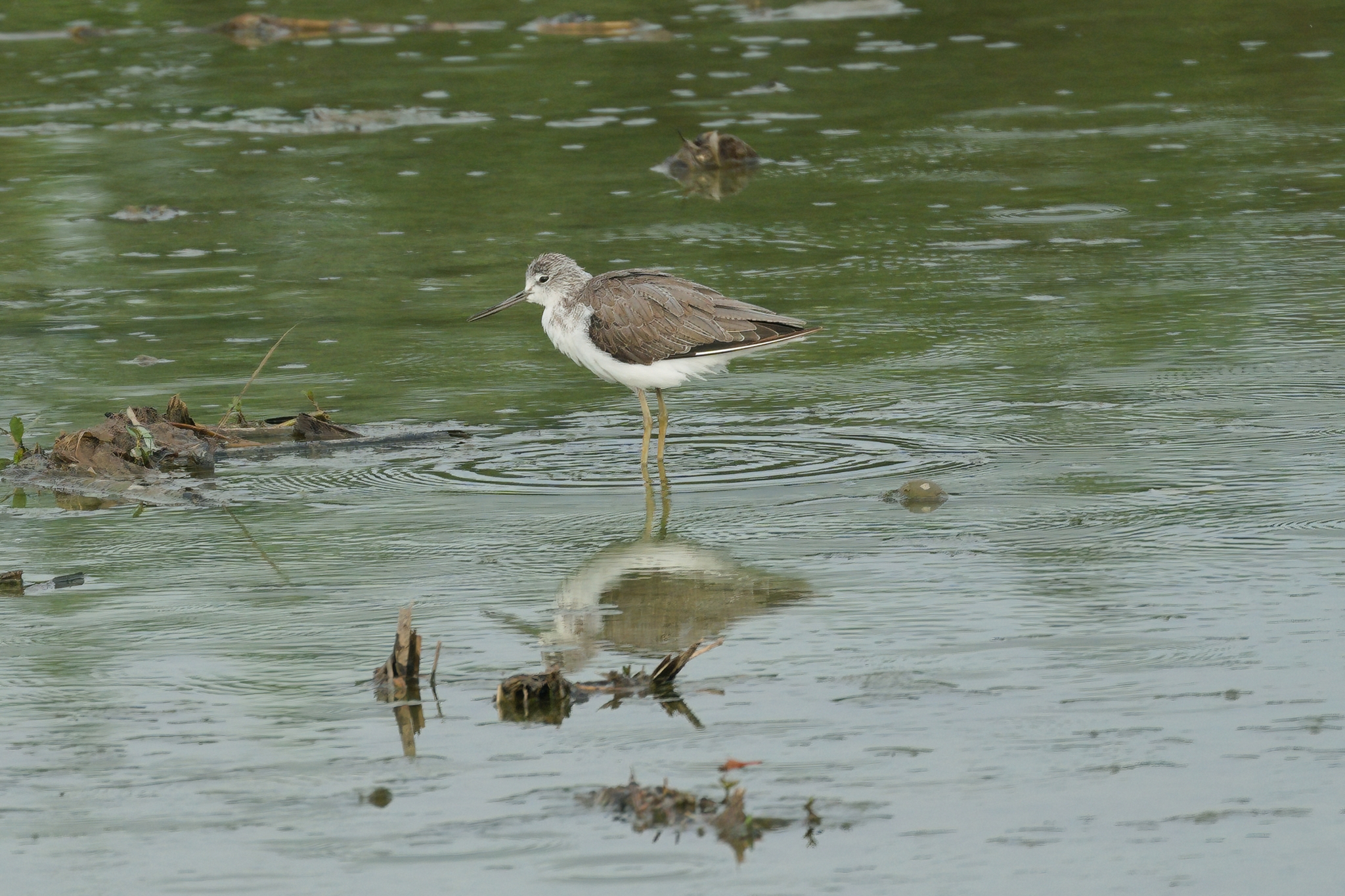
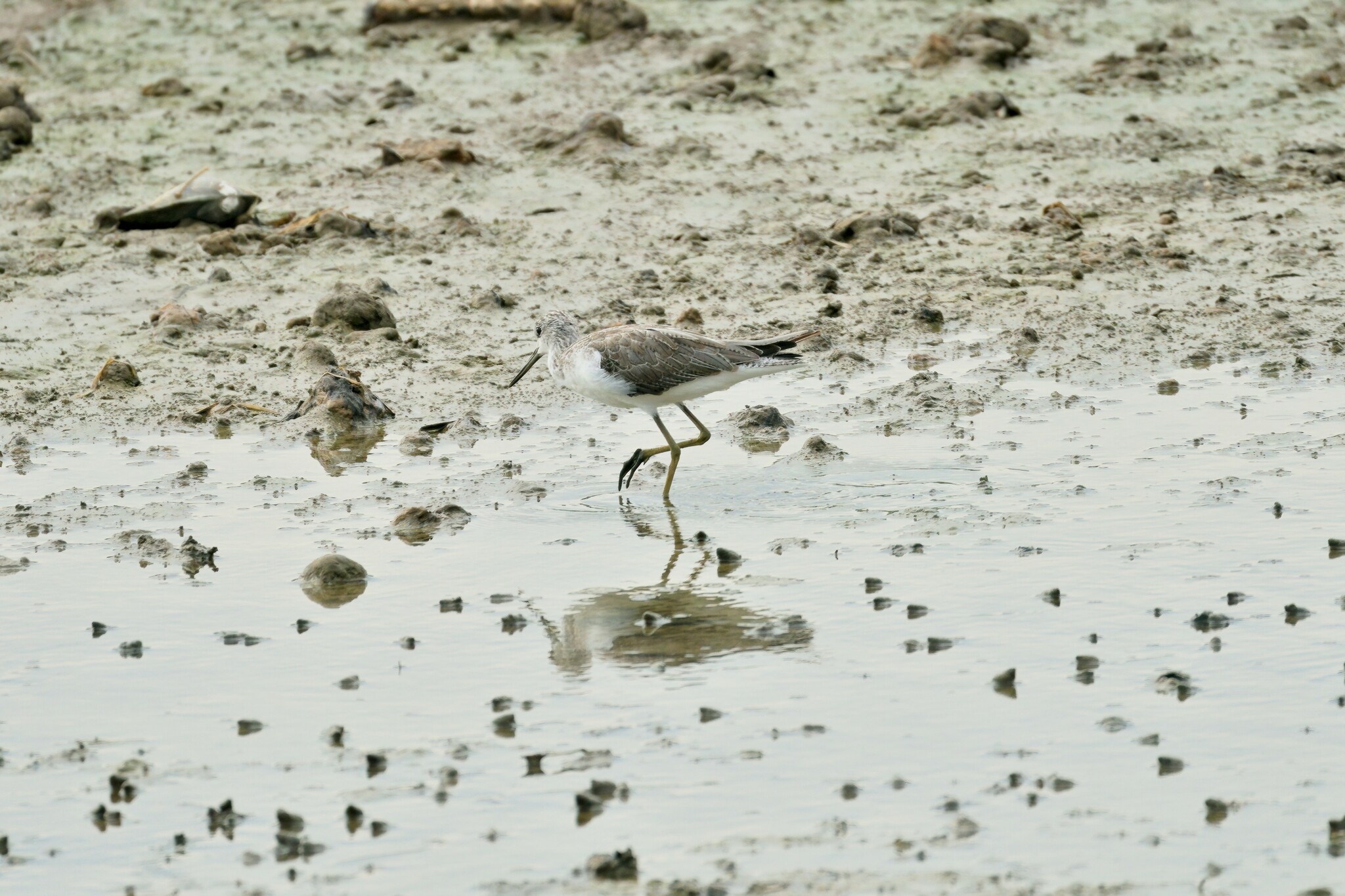
Common Greenshank (Tringa nebularia) A large wader in the sandpiper family (Scolopacidae). Among the shanks (Tringa genus), it is one of the largest species, smaller only than the willet (Tringa semipalmata). It breeds across subarctic Eurasia from Scotland to Japan, and winters throughout Africa, southern Asia, and Australasia, with smaller numbers in southern Europe and the Middle East. It frequents a variety of wetland habitats including shallow freshwater marshes, muddy estuaries, and coastal lagoons during breeding, migration, and wintering periods. Distinguishing features include long greenish legs, a subtly upturned bill, and a white wedge visible on the upper back in flight. It produces a loud, fluty 'teu-teu-teu' call when taking flight. It forages by methodically walking through shallow water and patrolling muddy margins, taking invertebrates and small prey. Conservation status: Least Concern (IUCN), though wetland habitat loss affects local populations.
Description
Like most waders, this species feeds primarily on small invertebrates, but it will also consume small fish and amphibians when available. It breeds across the subarctic regions from northern Scotland east through northern Europe and across the Palearctic, nesting on dry ground close to marshy environments. The nest is a simple ground scrape containing approximately four eggs. The most characteristic vocalization is a rapid series of three short fluty notes, syllabilized as 'teu-teu-teu', typically given in flight.
Identification
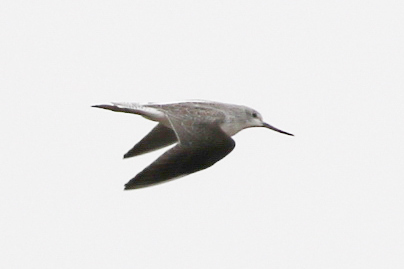
The greenshank can be distinguished from the similar marsh sandpiper by bill structure—the marsh sandpiper lacks the upturned appearance of the greenshank's lower bill. Compared to the common redshank, this species is significantly larger with different leg coloring. The white wedge on the back is visible in flight and helps separate it from other large sandpipers. The loud, three-note call 'teu-teu-teu' is also diagnostic, often given as the bird flushes. In water, the combination of size, leg color, and bill shape aids identification.
Distribution & Habitat
This subarctic breeder ranges across northern Europe from Scotland eastward through the Palearctic. It is fully migratory, spending the non-breeding season in Africa, the Indian subcontinent, and Australasia, where it favors freshwater habitats. Breeding occurs on dry ground near marshy areas. The species has appeared as a vagrant far outside its normal range, with records from Barbados, the United States, Canada, Bermuda, Puerto Rico, and Brazil.
Conservation
In 2024, this species was listed as Endangered under Australia's EPBC Act, reflecting significant conservation concerns for populations in that region. It is one of the species protected under the Agreement on the Conservation of African-Eurasian Migratory Waterbirds (AEWA), which coordinates international conservation efforts for migratory waterbirds across their range.
Culture
The species has no significant cultural entries documented beyond its scientific naming. The genus name Tringa derives from Ancient Greek, referring to a thrush-sized wading bird mentioned by Aristotle, while the specific epithet nebularia comes from the Latin for 'mist,' referencing the bird's marshy wetland habitat.
Source: Wikipedia · CC BY-SA 3.0
Taxonomy
- Order
- Charadriiformes
- Family
- Scolopacidae
- Genus
- Tringa
- eBird Code
- comgre
Distribution
breeds taiga wetlands from Scotland and Scandinavia eastward through temperate Russia to far eastern Russia; winters from southern Europe and Africa eastward through southern Asia to central Japan and southward to Australia and western Micronesia
Data Sources
Species description from Wikipedia, licensed under CC BY-SA 3.0.
Bird images and sounds sourced from GBIF, contributed by citizen scientists worldwide under Creative Commons licenses.
Taxonomy data from AviList 2025.