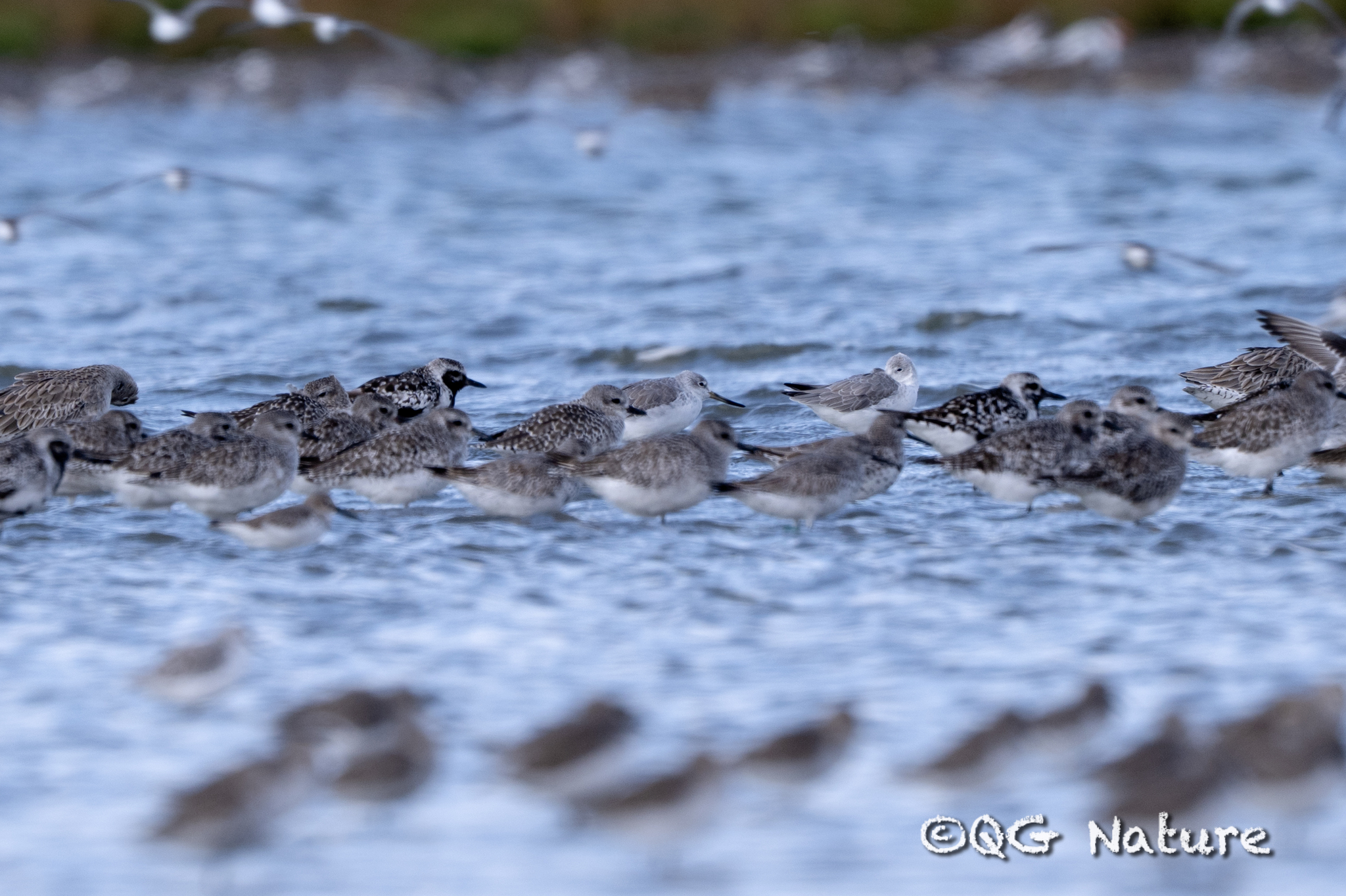
Charadriiformes / Scolopacidae / Tringa
Nordmann's Greenshank
Tringa guttifer · 小青脚鹬
Introduction
A wader in the family Scolopacidae, formerly placed in the monotypic genus Pseudototanus. It is an endangered species with an estimated population of 500–1,000 individuals.
Description
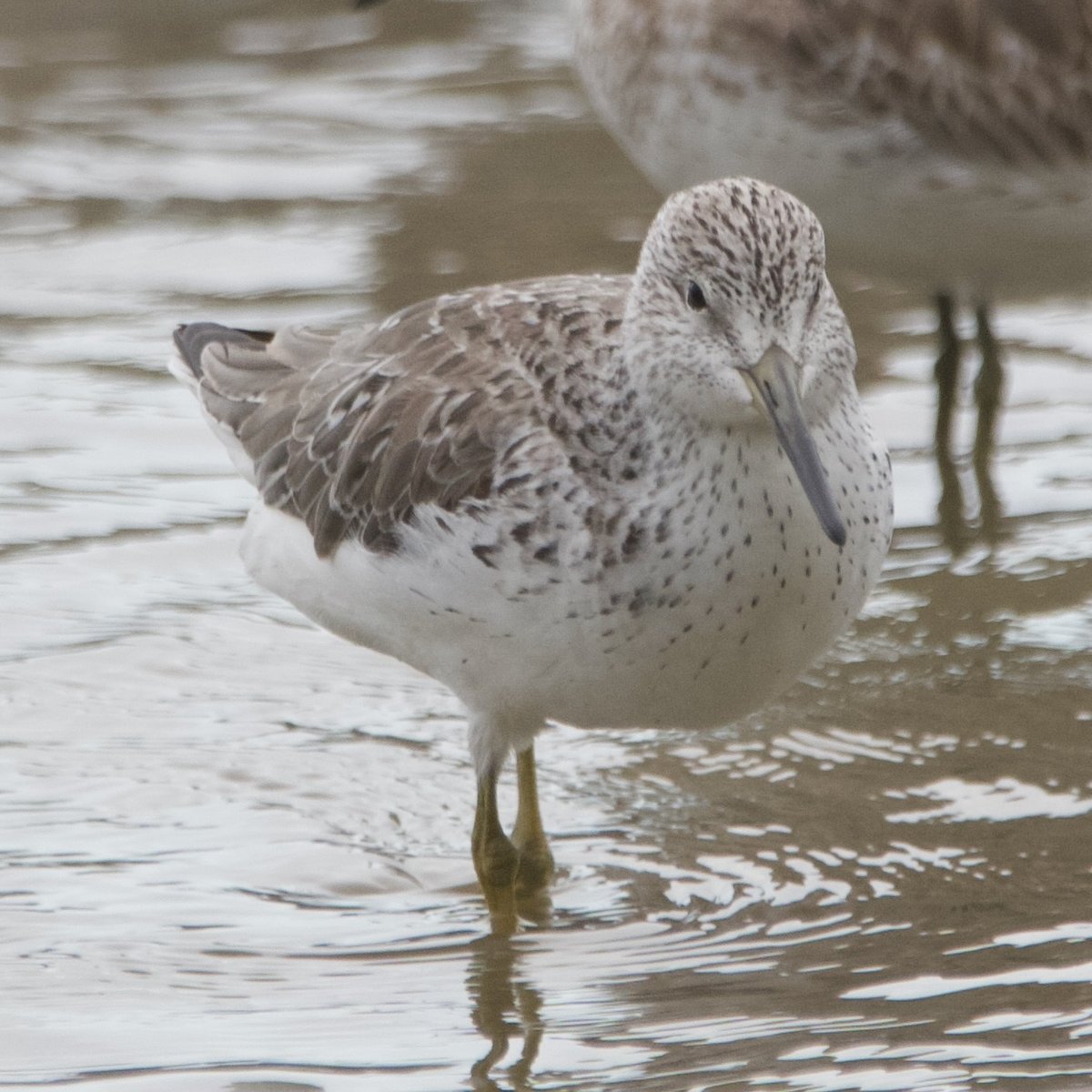
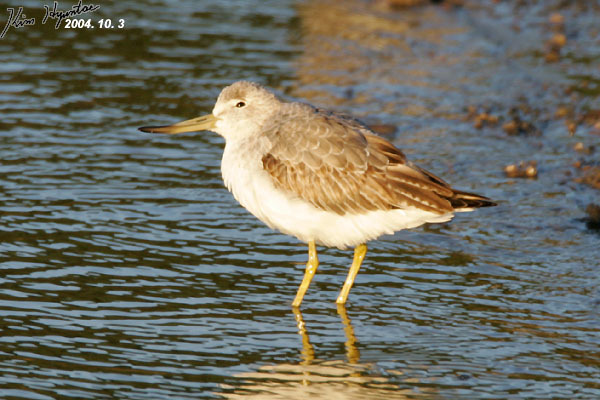
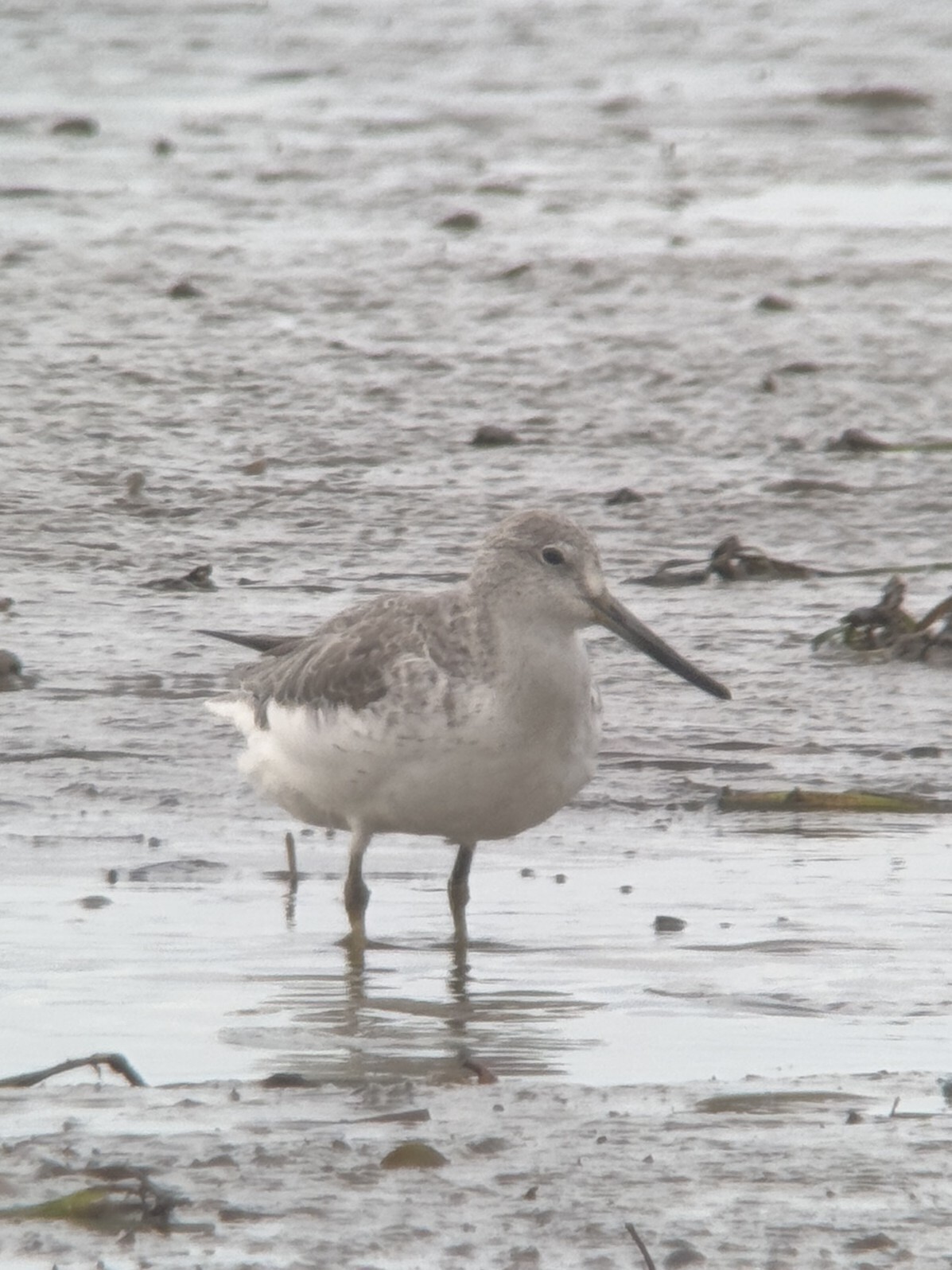
Medium-sized sandpiper, 29–32 cm (11–13 in) long, with a slightly upturned, bicoloured bill and relatively short yellow legs. Breeding adults are boldly marked with whitish spots and spangling on a black upperside, heavily streaked head and upper neck, broad blackish crescentic spots on the lower neck and breast, and darker lores.
Distribution & Habitat
Breeds in eastern Russia along the south-western and northern coasts of the Sea of Okhotsk and on Sakhalin Island. Significant numbers recorded in South Korea, mainland China, Hong Kong, and Taiwan on passage. Wintering grounds include Bangladesh, Thailand, Cambodia, Vietnam, and Peninsular Malaysia. Also recorded in Japan, North Korea, India, Sri Lanka, Myanmar, Singapore, the Philippines, and Indonesia. Unconfirmed records from Nepal and Guam. Regularly observed in Western Australia and Queensland, Australia, with an individual returning to Cairns Esplanade for four consecutive seasons.
Conservation
Classified as an endangered species with an estimated population of 500–1,000 individuals.
Source: Wikipedia · CC BY-SA 3.0
Taxonomy
- Order
- Charadriiformes
- Family
- Scolopacidae
- Genus
- Tringa
Distribution
breeds coastal larch forest of western and southern coastal Sea of Okhotsk, Tatar Strait (west of Sakhalin), and Sakhalin (eastern Siberia); winters coastal mudflats and saltpans of southeastern Bangladesh, southern Myanmar, southern Thailand, Malayan Peninsula, Sumatra, and southwestern Borneo
Data Sources
Species description from Wikipedia, licensed under CC BY-SA 3.0.
Bird images and sounds sourced from GBIF, contributed by citizen scientists worldwide under Creative Commons licenses.
Taxonomy data from AviList 2025.