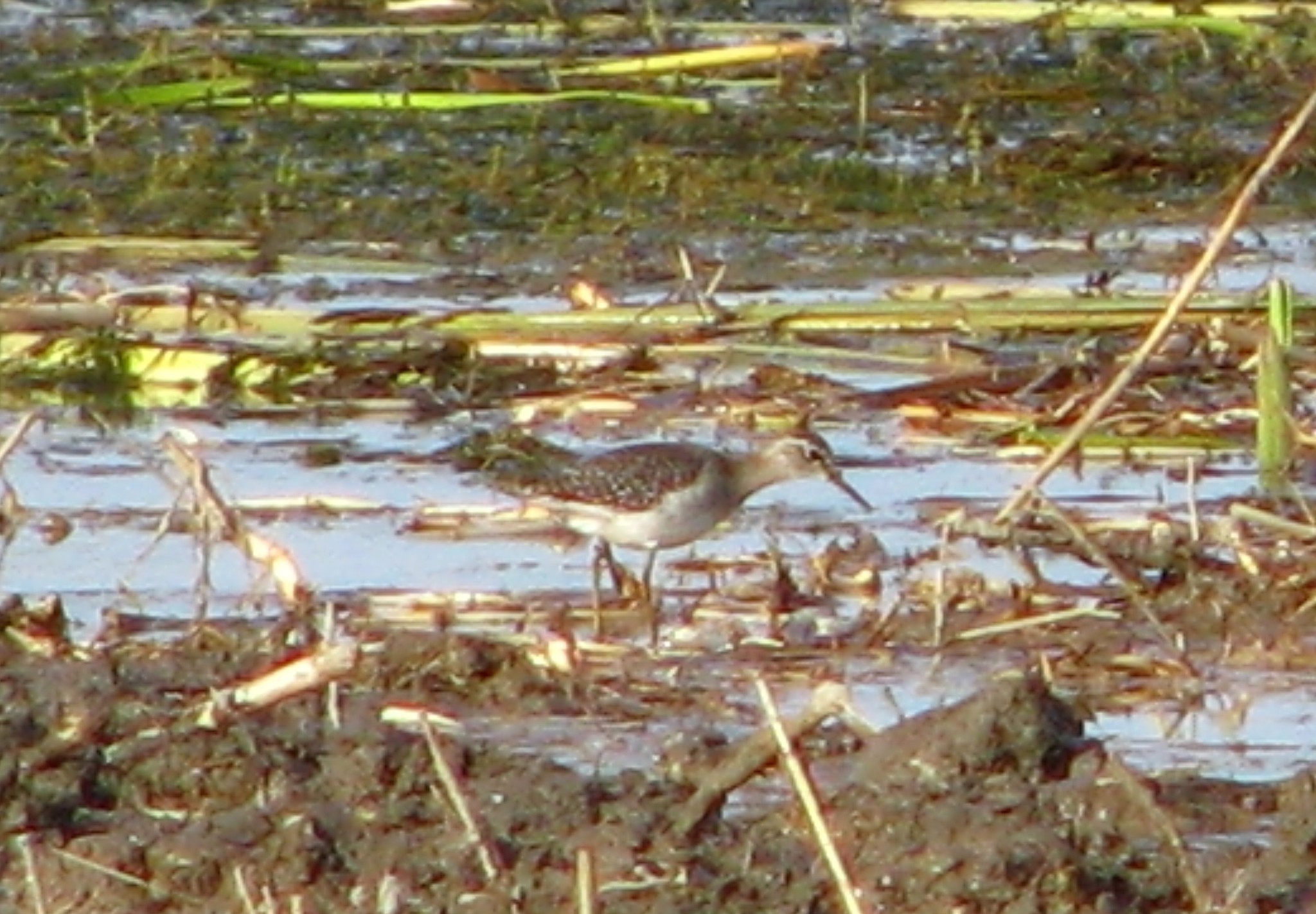
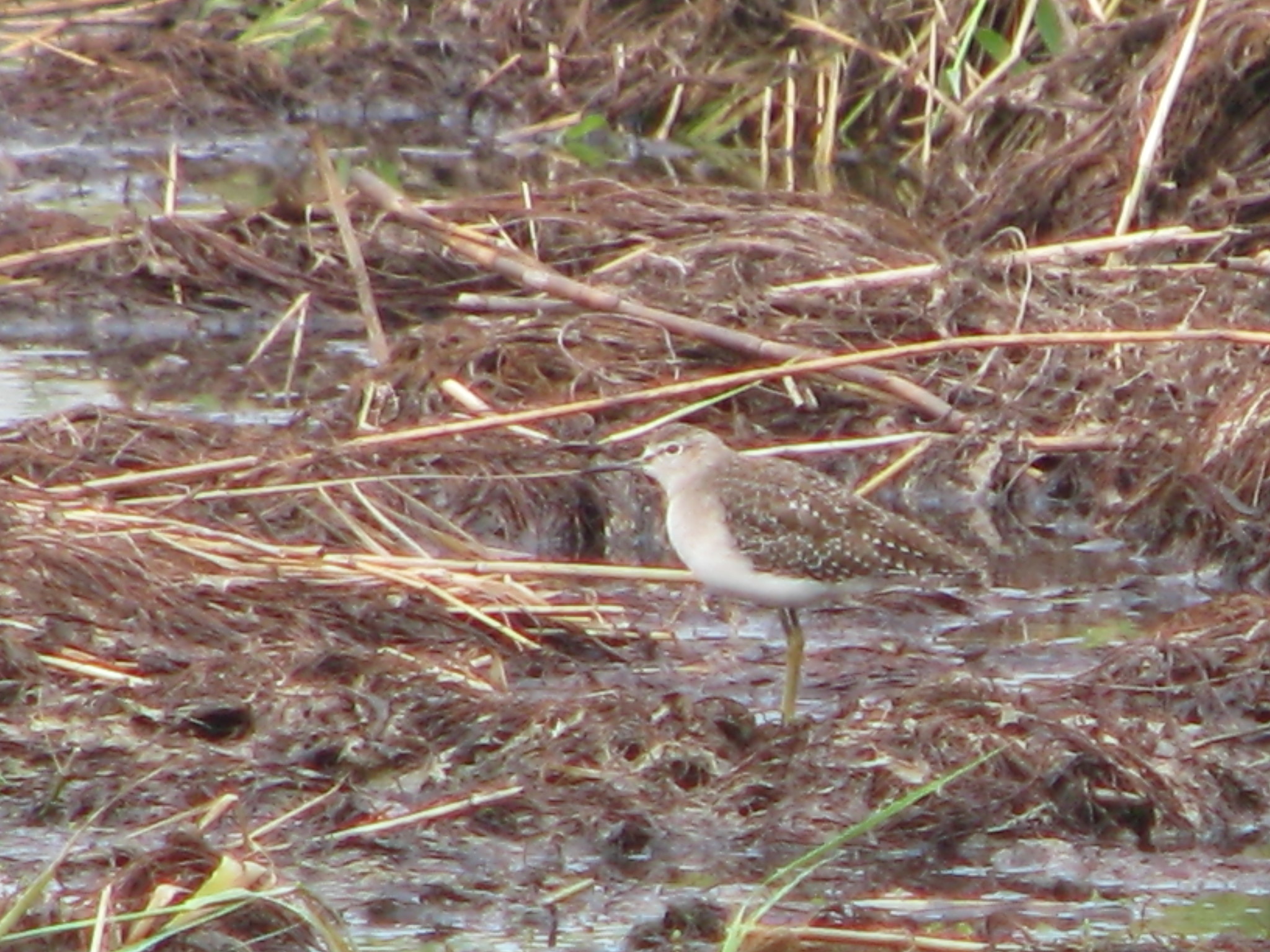
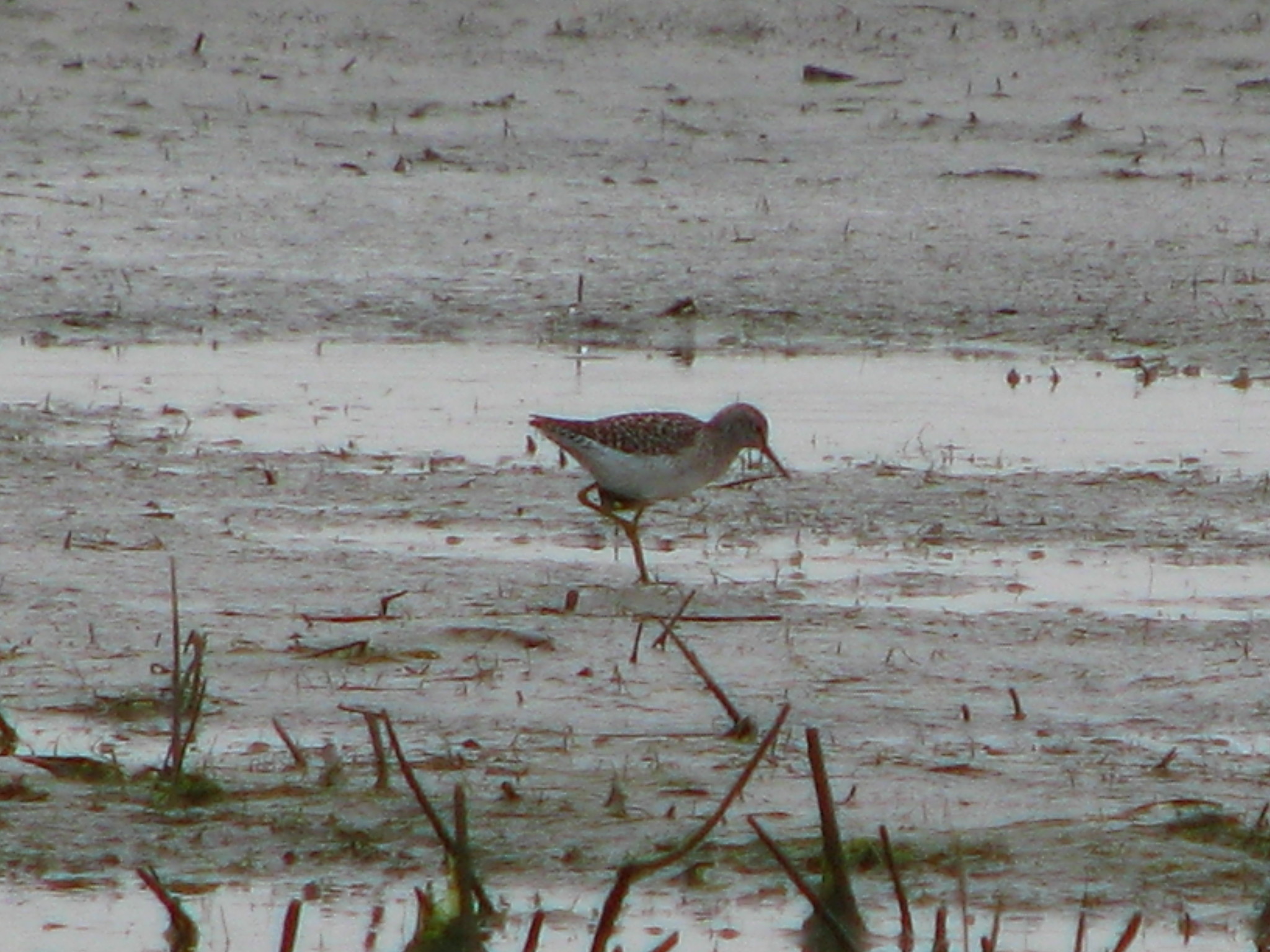
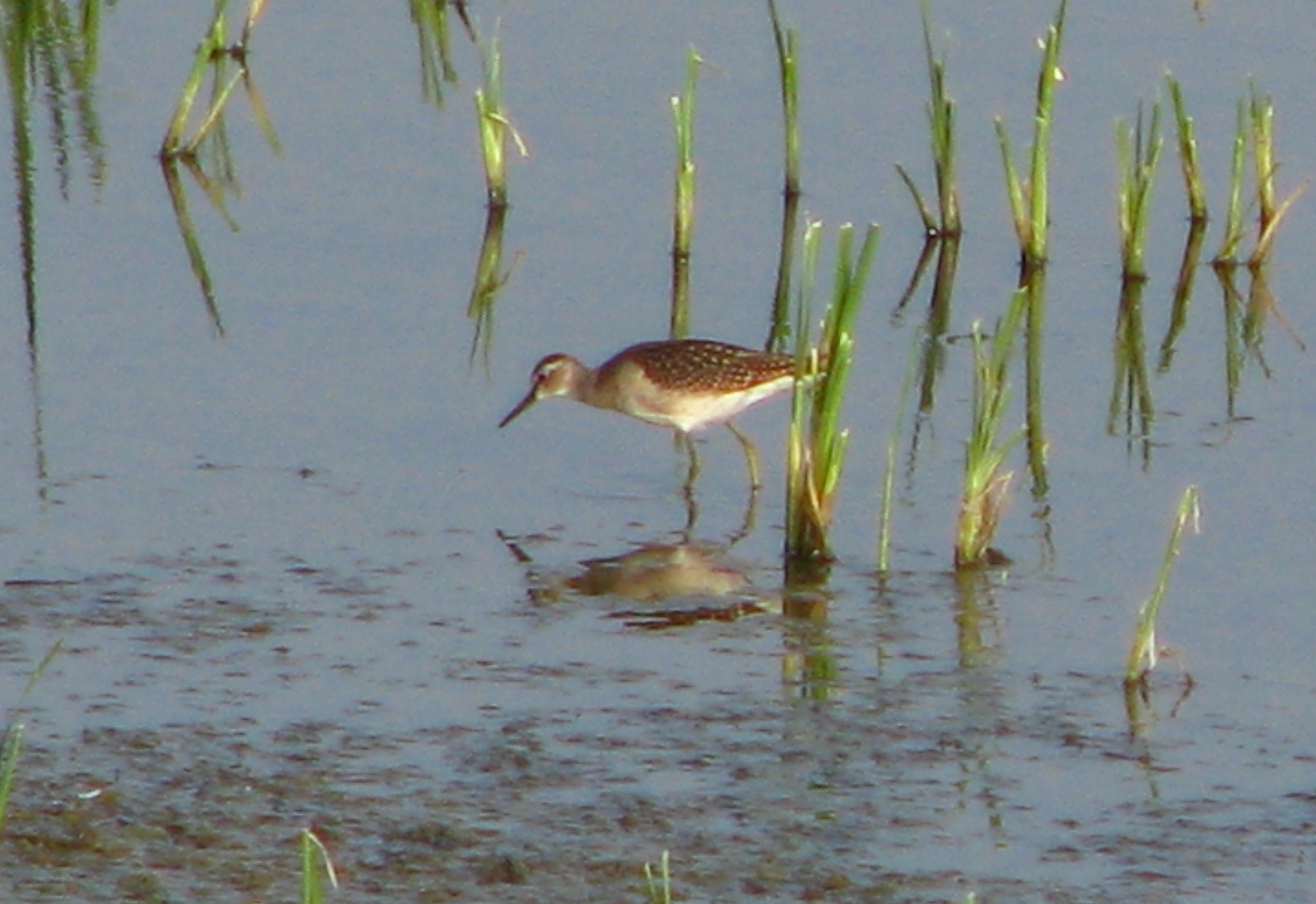
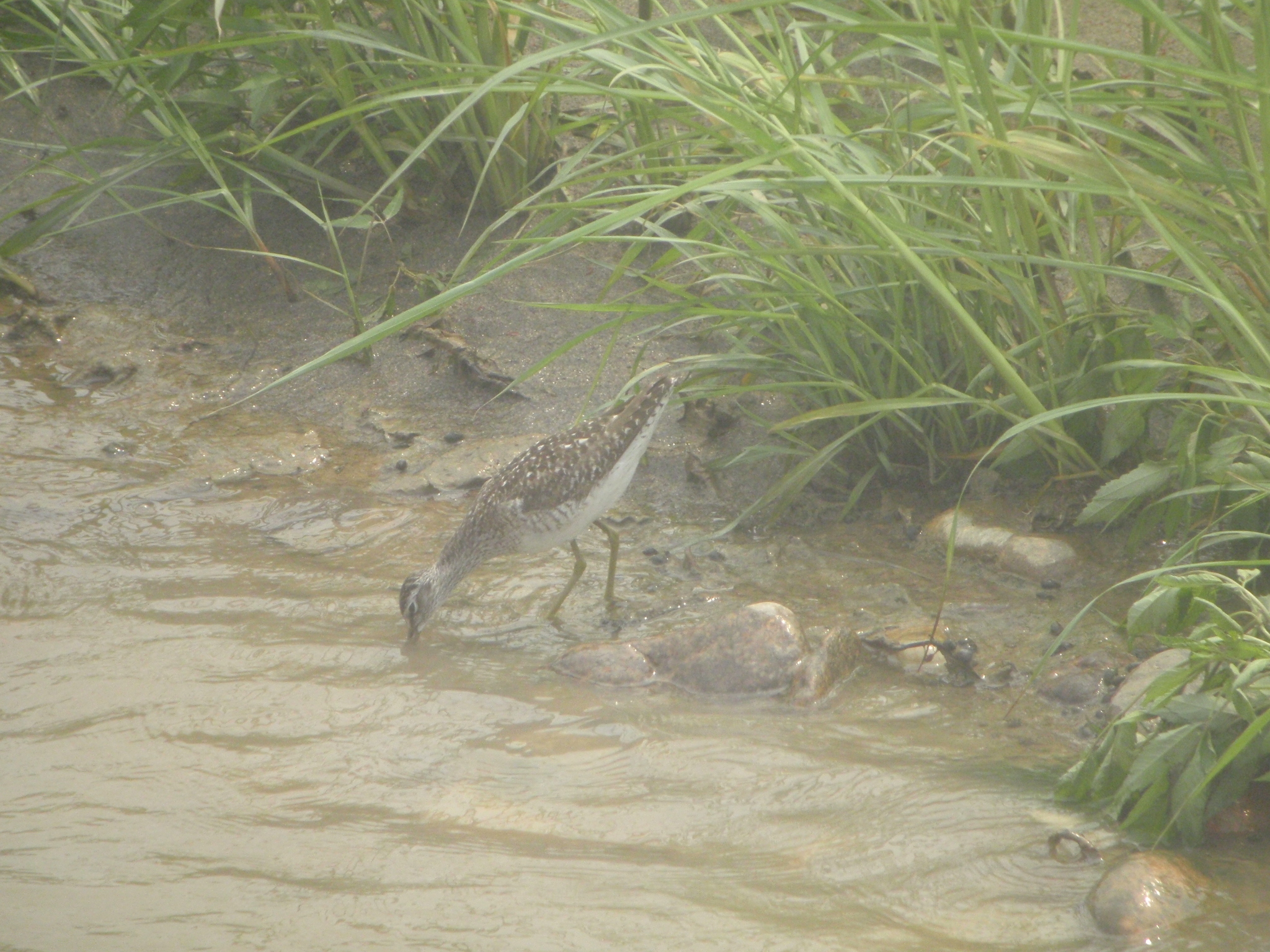

Charadriiformes / Scolopacidae / Tringa
Wood Sandpiper
Tringa glareola · 林鹬
Introduction
A small wader in the family Scolopacidae, this species is the smallest of the shanks. It is a Eurasian species that largely inhabits freshwater and wetland environments. The global population is considered stable and healthy, with an IUCN status of Least Concern.
Description
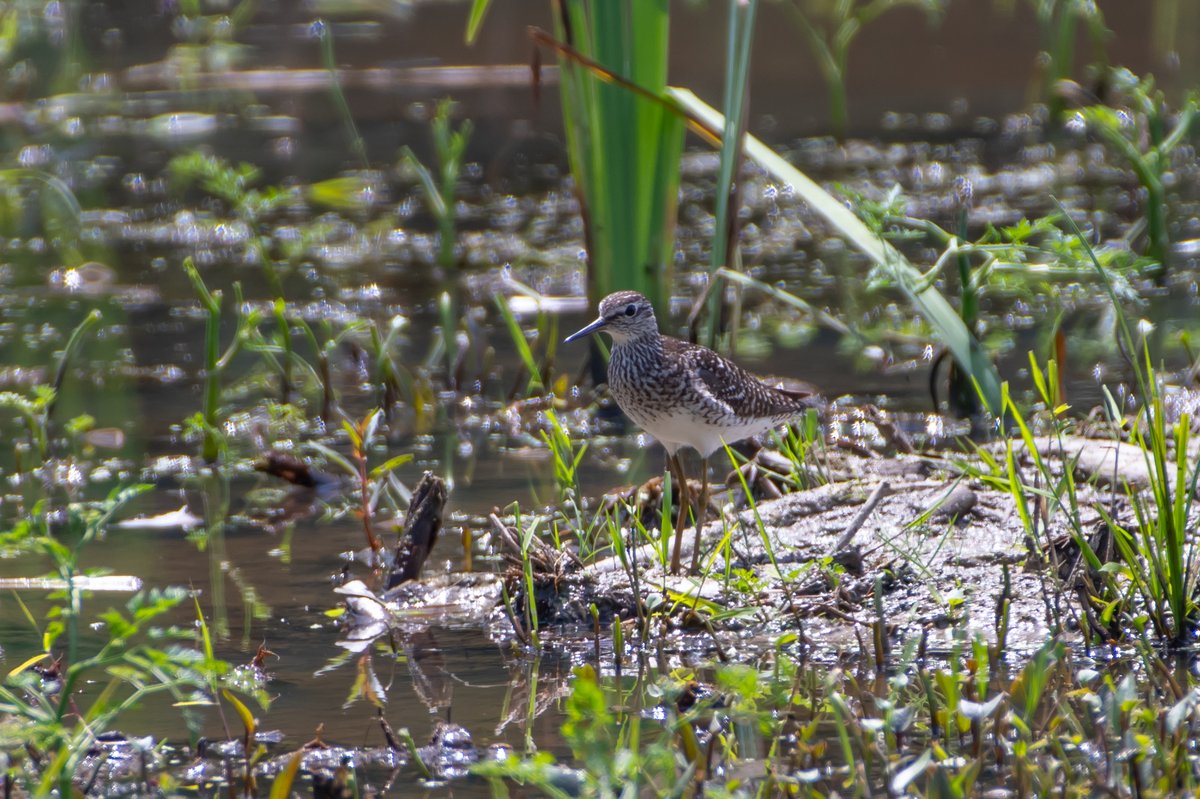
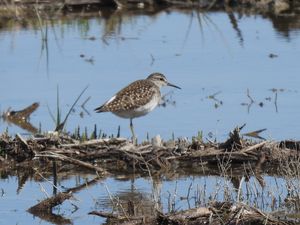
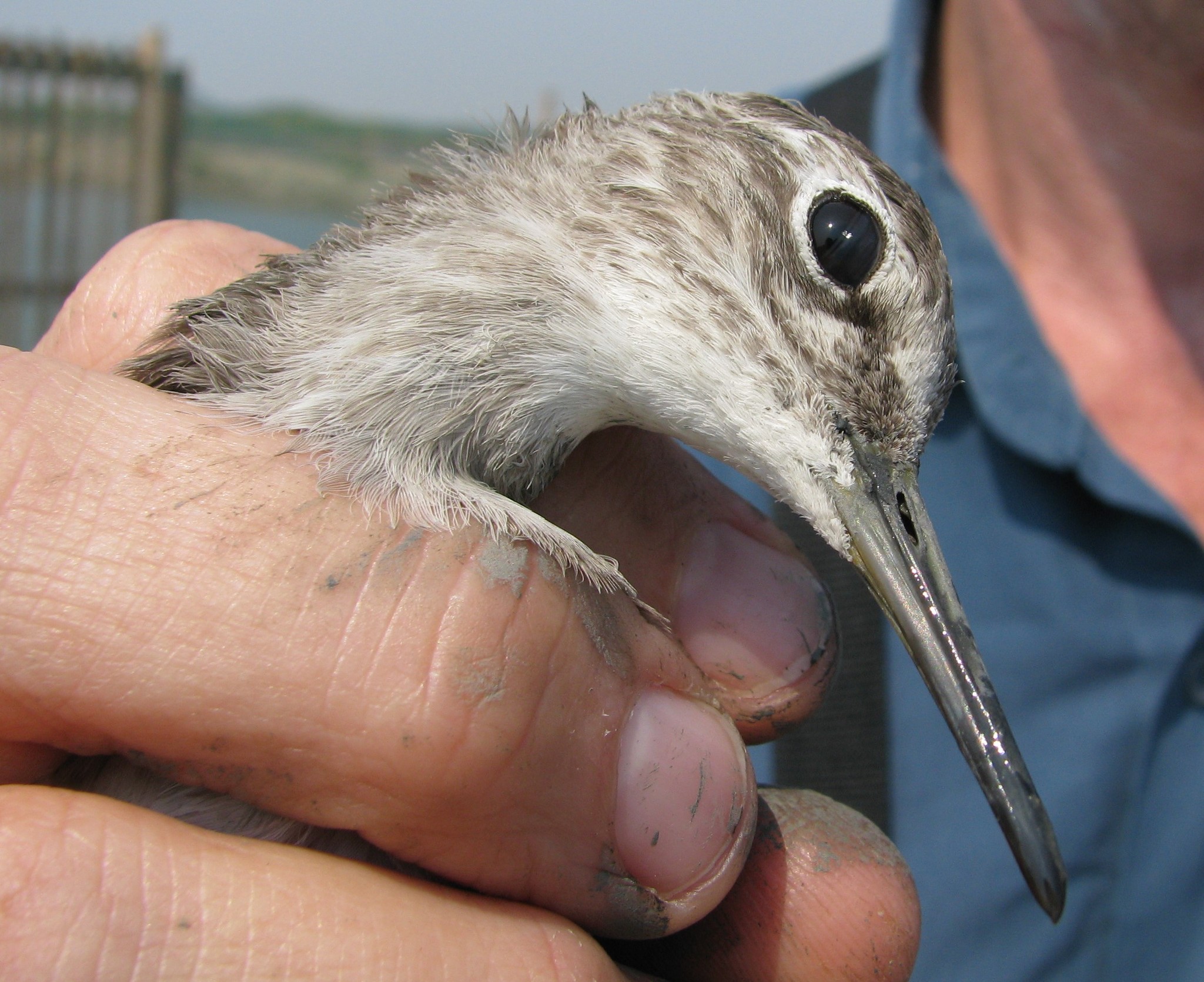
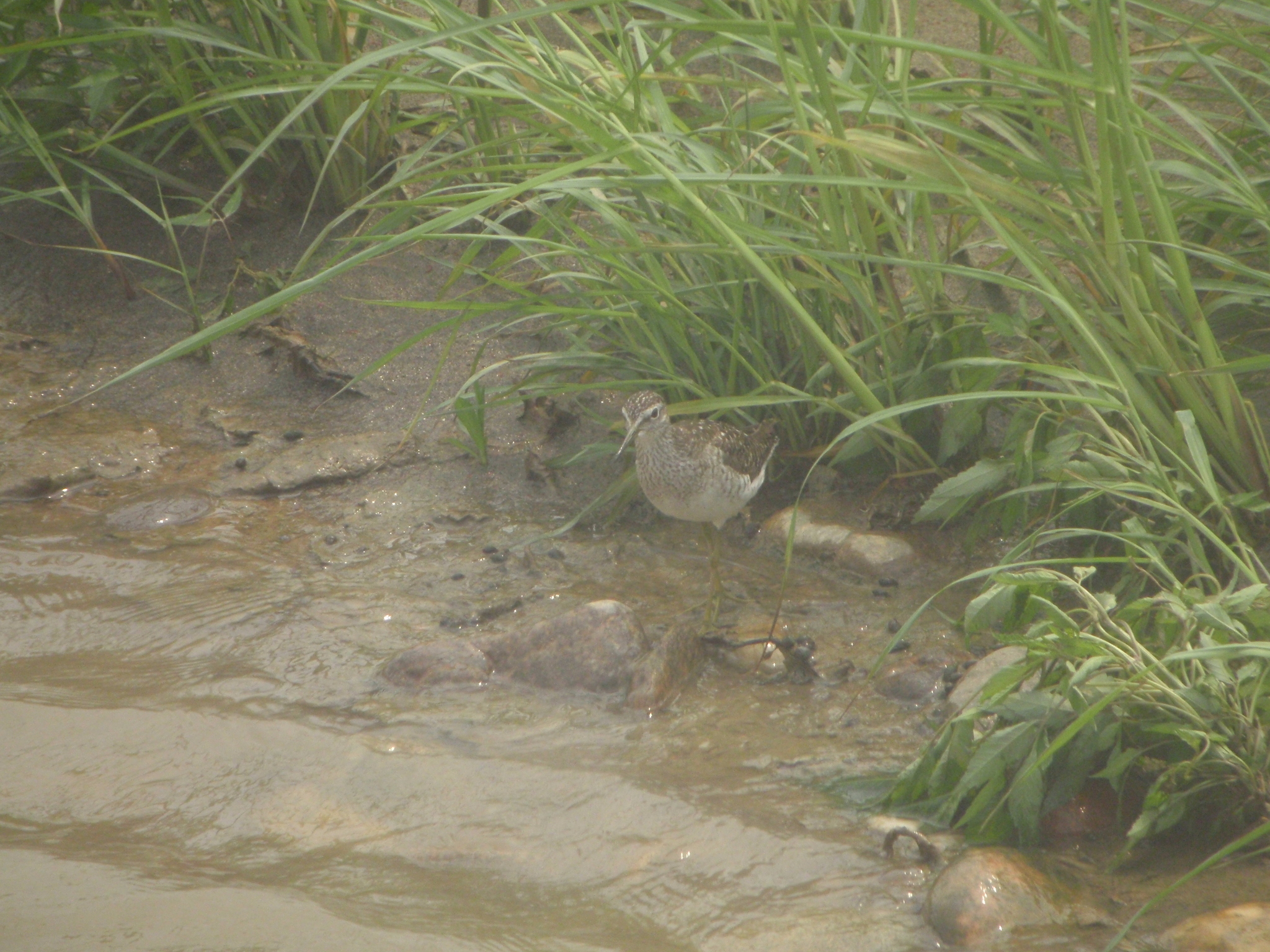
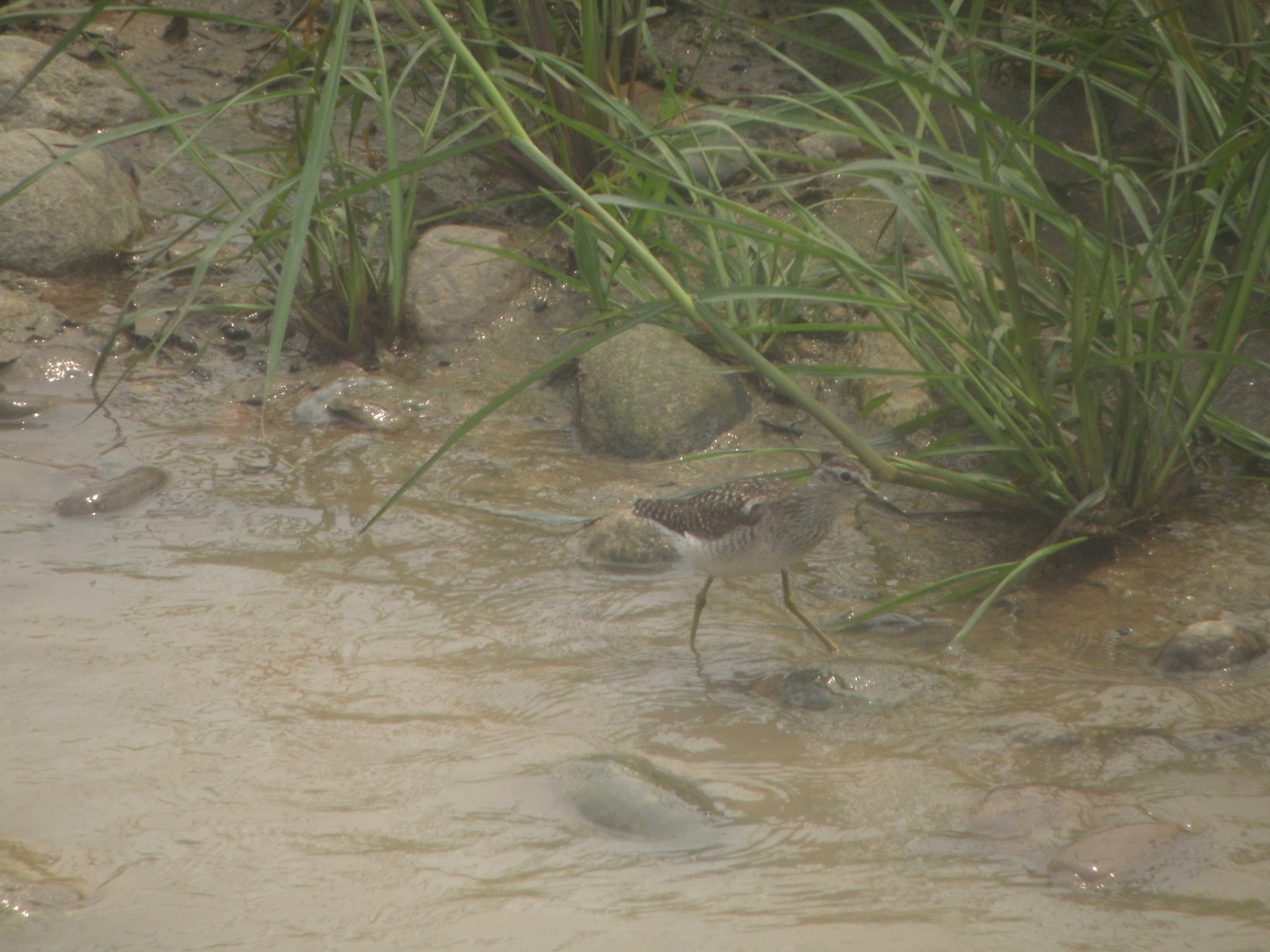
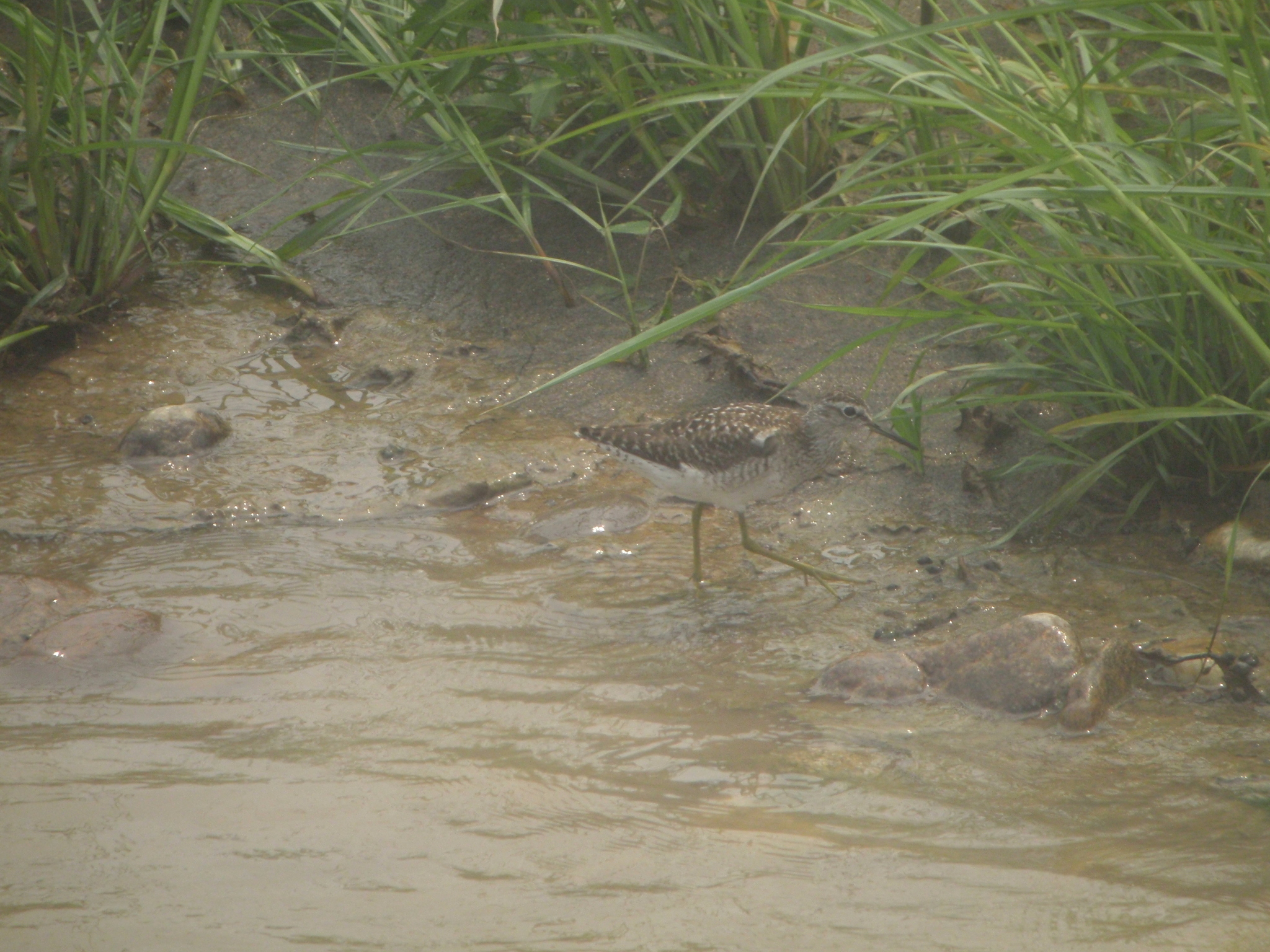
Resembles a longer-legged, more delicate form of the green sandpiper or solitary sandpiper, but has a shorter, finer bill, brown back, and longer yellowish legs. Breeding plumage is subdued light-brown above with darker mottling, and features smaller, diffuse brownish spots on the breast and neck. It has a white rump-patch that is smaller and less contrasting than that of the green sandpiper.
Identification
Distinguished from the green sandpiper by a smaller, less contrasting white rump-patch, and from the solitary sandpiper which lacks a rump-patch entirely. Possesses longer yellowish legs compared to similar species.
Distribution & Habitat
Breeds in subarctic wetlands from the Scottish Highlands east across Eurasia and the Palearctic. Migrates to Africa, South Asia (particularly India), and Australia. Vagrants reach the Hawaiian Islands. Regular visitor to Palau and the Mariana Islands in Micronesia, with flocks of up to 32 reported. Observed in Kwajalein, Marshall Islands, approximately once per decade. Found in East Asia and Western Pacific islands between mid-October and mid-May. A small resident breeding population was established in Scotland beginning in the 1950s. Usually found in freshwater habitats during migration and wintering.
Behavior & Ecology
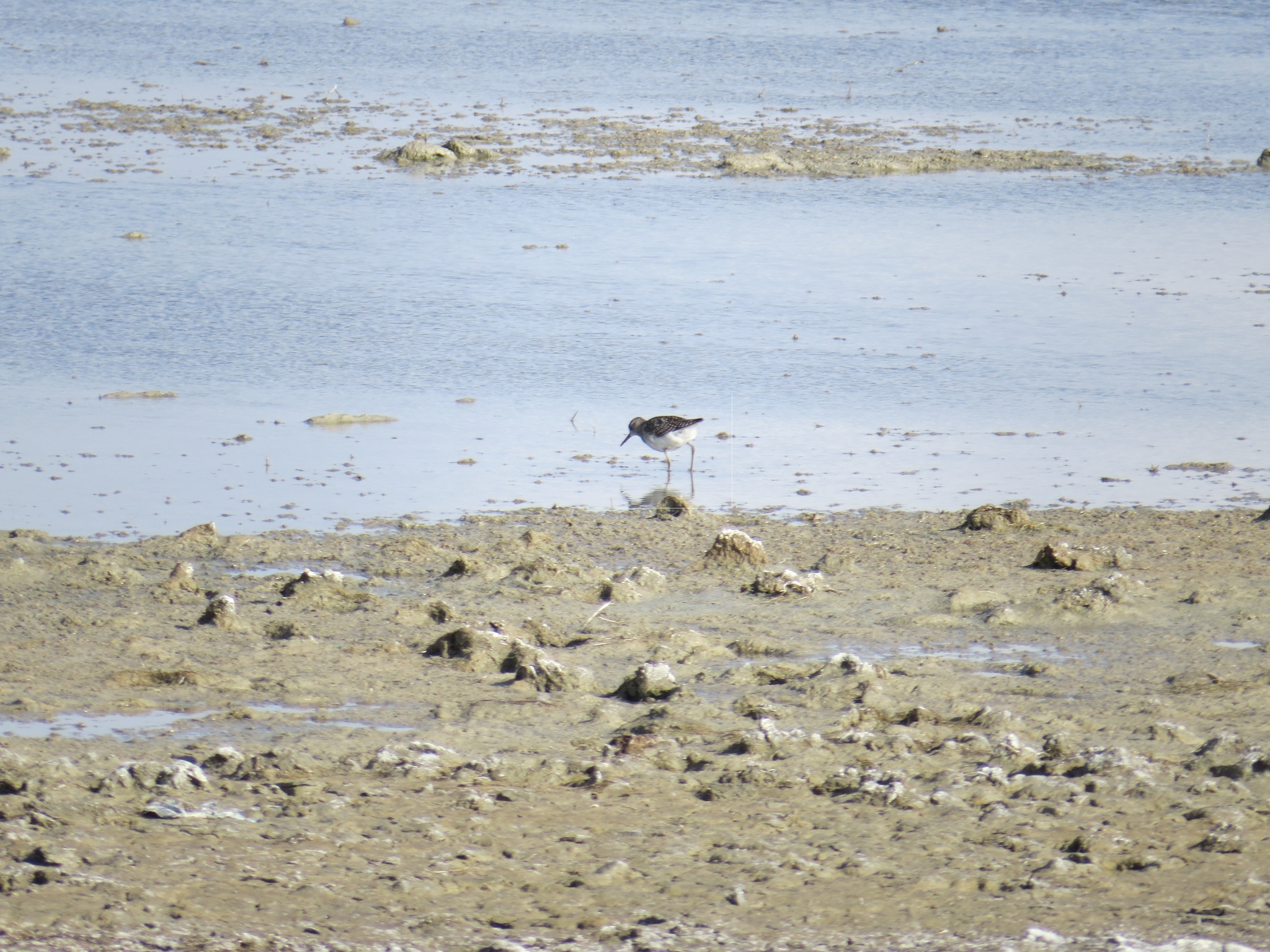
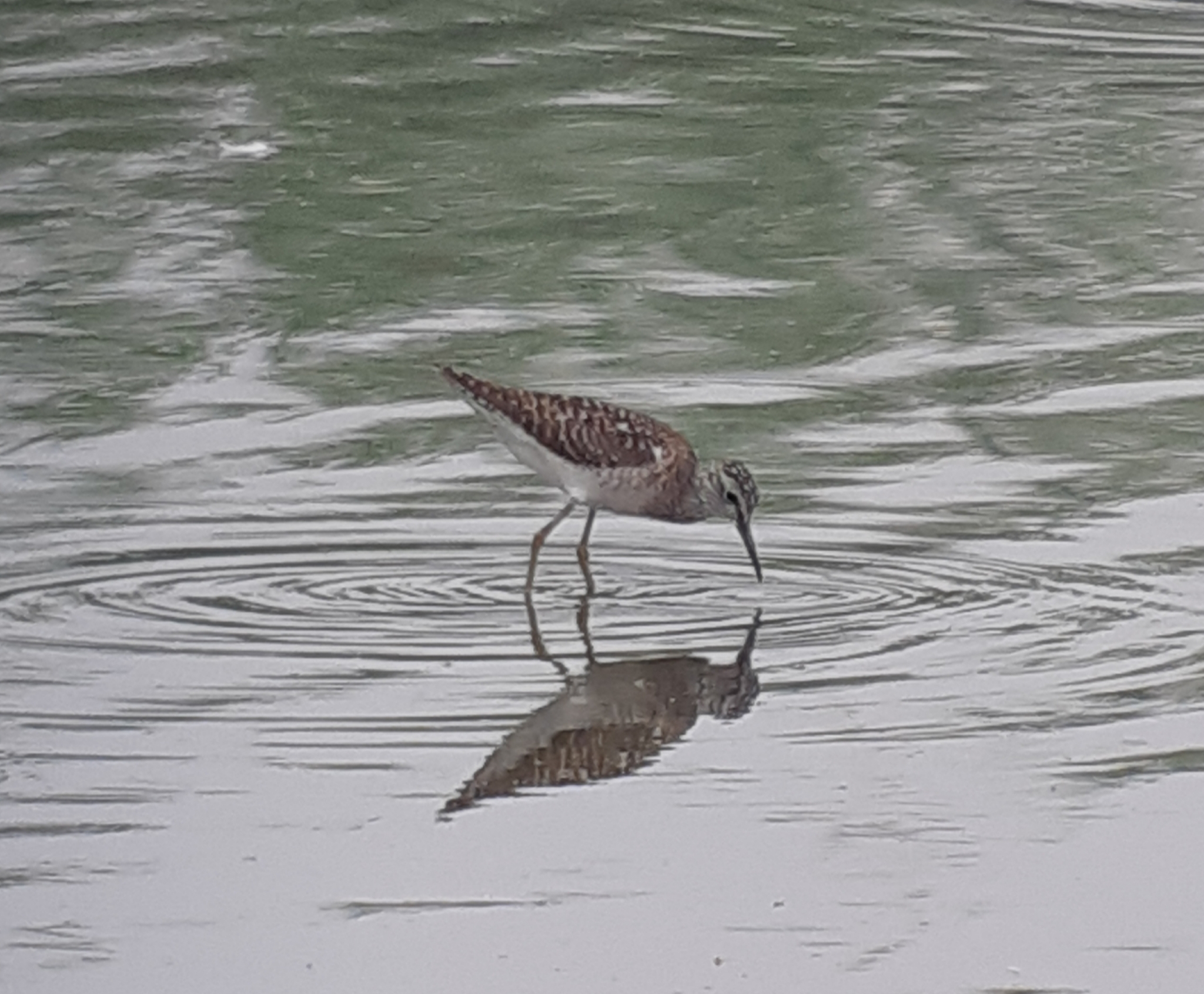
Forages for invertebrates by probing bills in shallow water or wet mud, such as lakeshores or riverbanks. Diet includes aquatic insects, crustaceans, arthropods, worms, and other small prey. Nests primarily on the ground or reuses abandoned tree nests of other species like the fieldfare. Lays four pale-green eggs between March and May, incubated by both sexes starting with the last egg. Eggs hatch after 22 to 23 days. Young are cared for by both parents initially, but the female normally departs after a few days. Young feed themselves and fledge at around 30 days. Adults moult all primary feathers between August and December; juveniles shed varying numbers of outer primaries between December and April. Adults and immatures accumulating fuel loads of c.50% of lean body mass can fly 2397–4490 km non-stop.
Conservation
Listed as Least Concern by the IUCN with an apparently stable, healthy global population. It is one of the species to which the Agreement on the Conservation of African-Eurasian Migratory Waterbirds (AEWA) applies.
Source: Wikipedia · CC BY-SA 3.0
Taxonomy
- Order
- Charadriiformes
- Family
- Scolopacidae
- Genus
- Tringa
Distribution
breeds wooded wetlands from Scotland and Scandinavia eastward through inland northern Russia to eastern Siberia and northeastern China, in south through northern Mongolia to Commander Islands (southeastern Russia); winters small wetlands from Africa eastward to southern Japan and southward to Australia
Data Sources
Species description from Wikipedia, licensed under CC BY-SA 3.0.
Bird images and sounds sourced from GBIF, contributed by citizen scientists worldwide under Creative Commons licenses.
Taxonomy data from AviList 2025.