
Charadriiformes / Scolopacidae / Tringa
Spotted Redshank
Tringa erythropus · 鹤鹬
Introduction
A wader in the family Scolopacidae, this monotypic species breeds across northern Scandinavia and the northern Palearctic. It migrates south for winter to the Mediterranean, southern British Isles, France, tropical Africa, and tropical Asia, with occasional vagrancy to Australia and North America.
Description
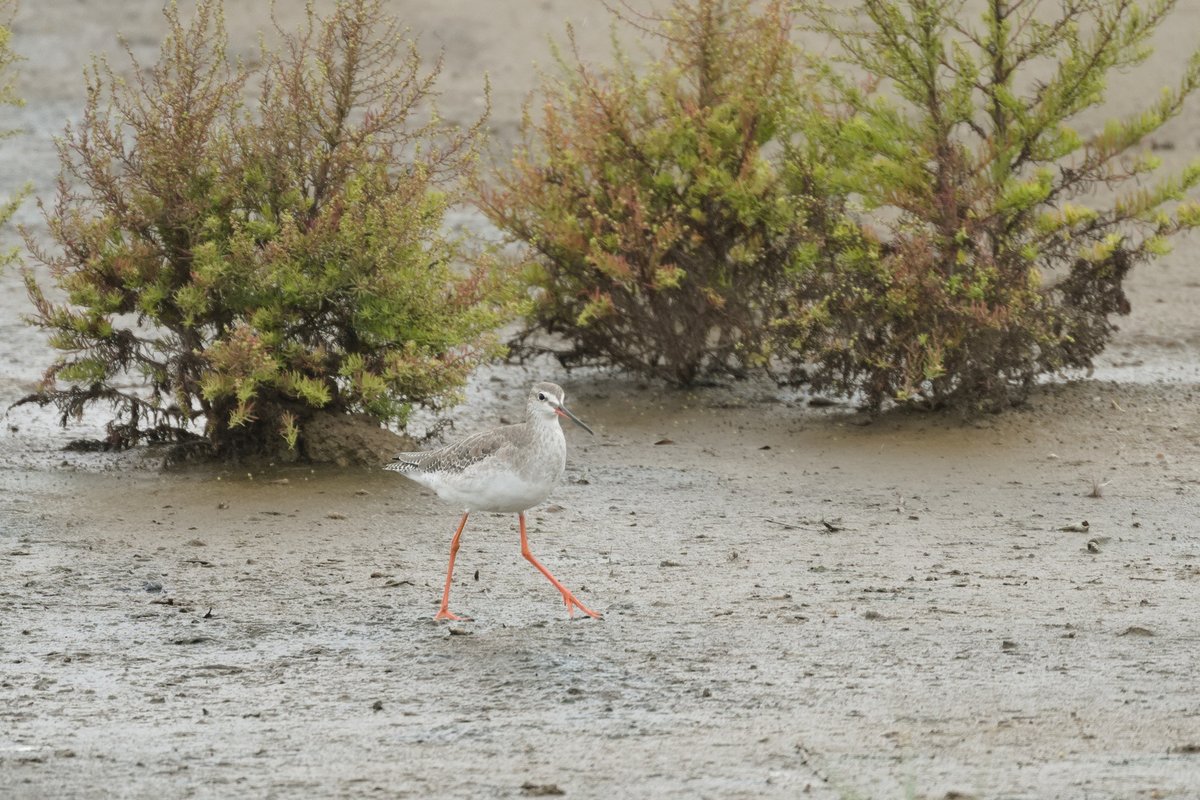
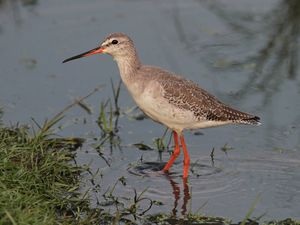
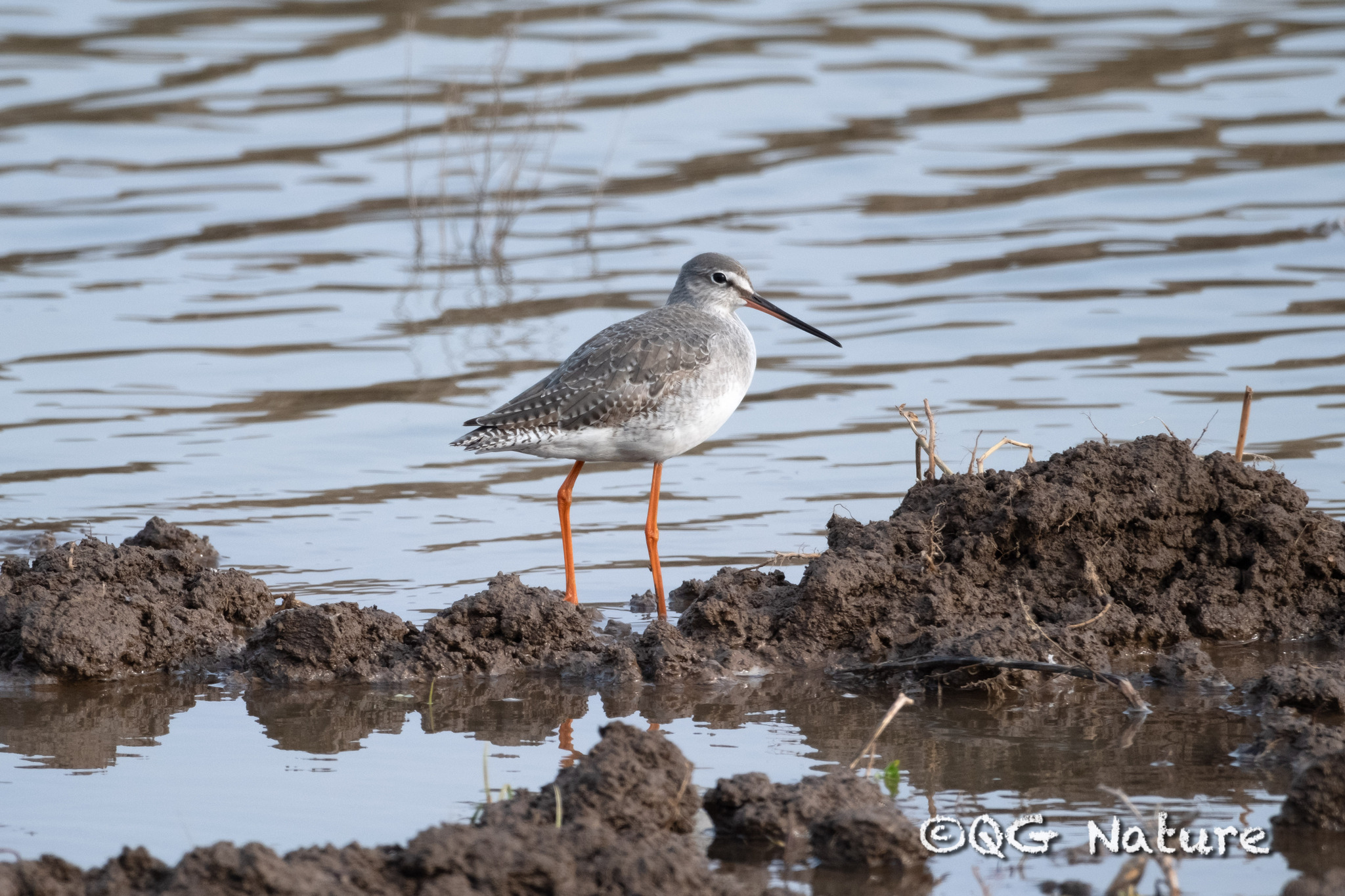
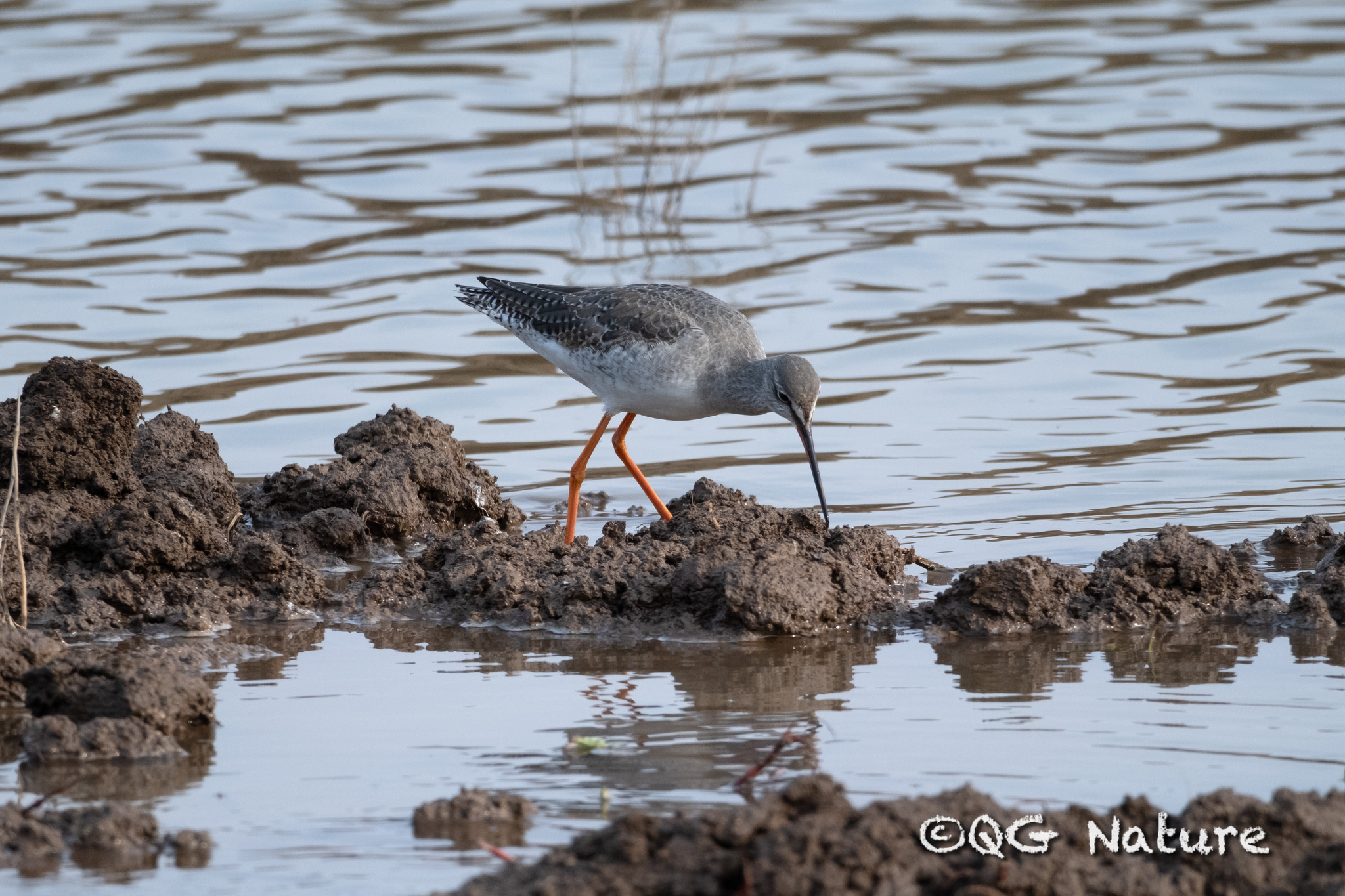
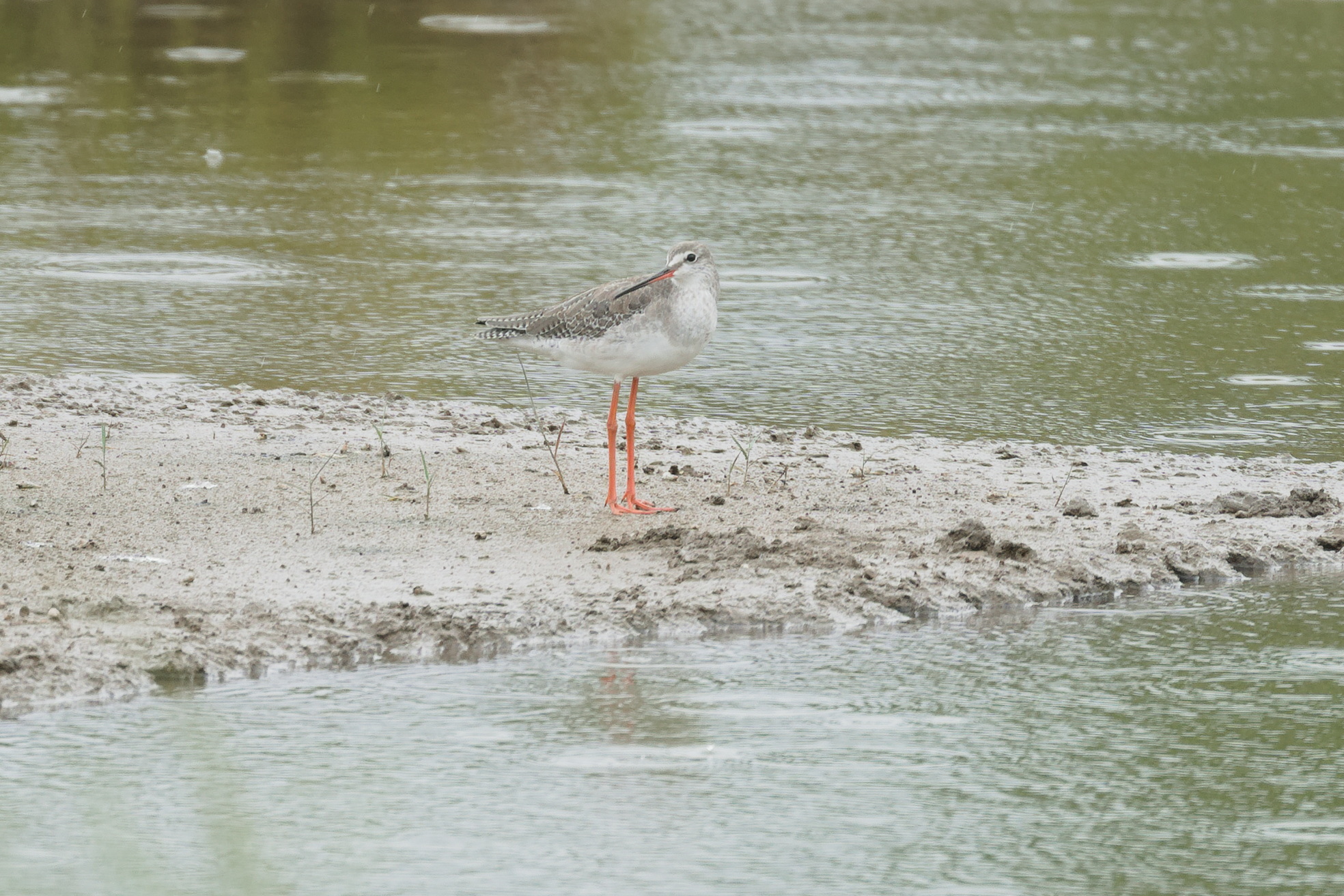
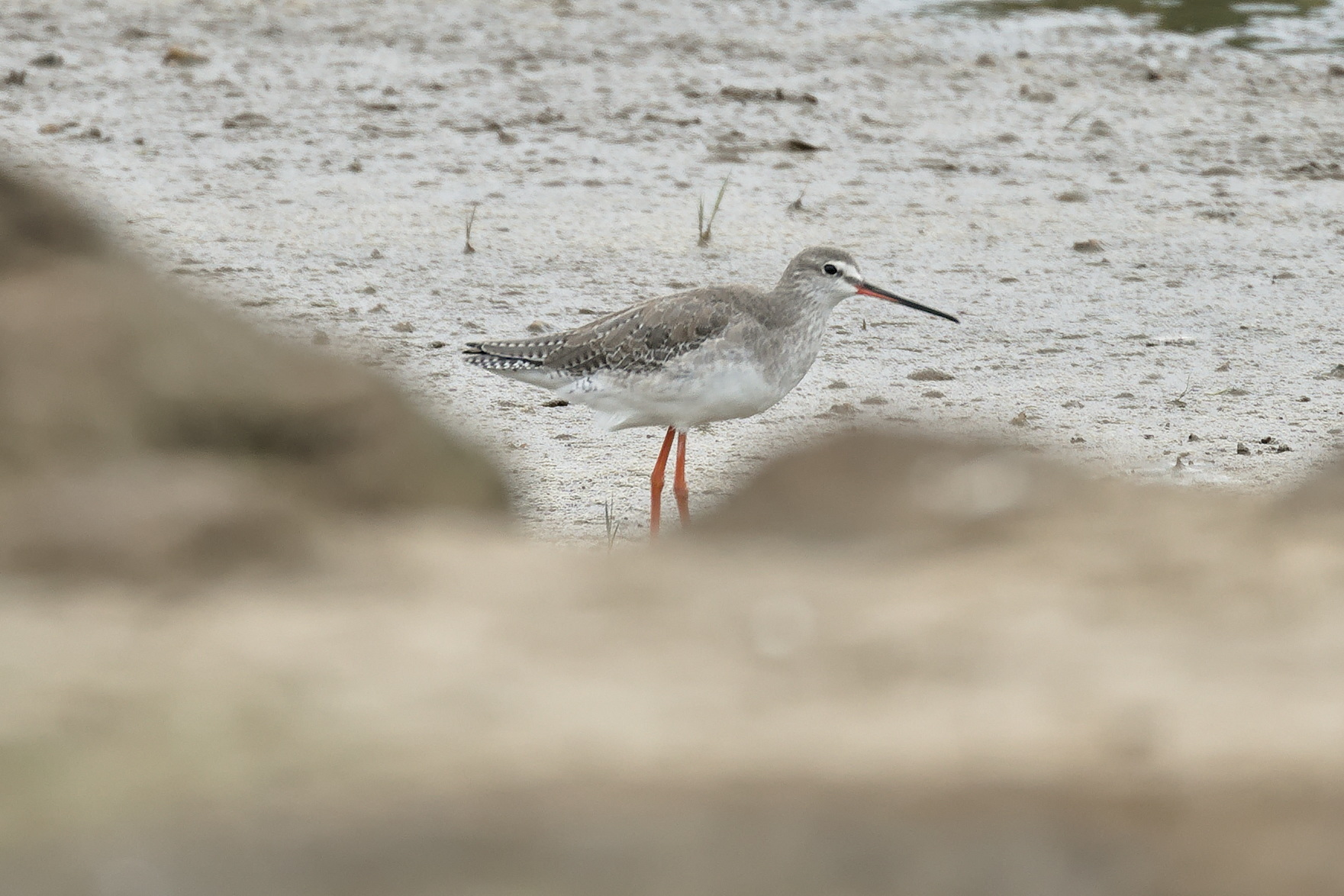
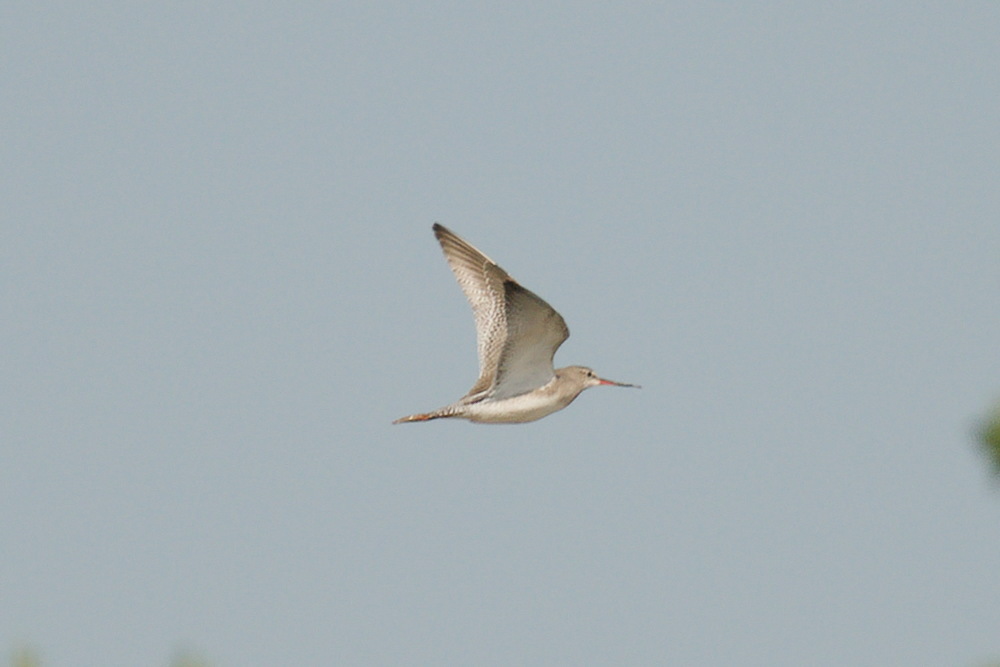
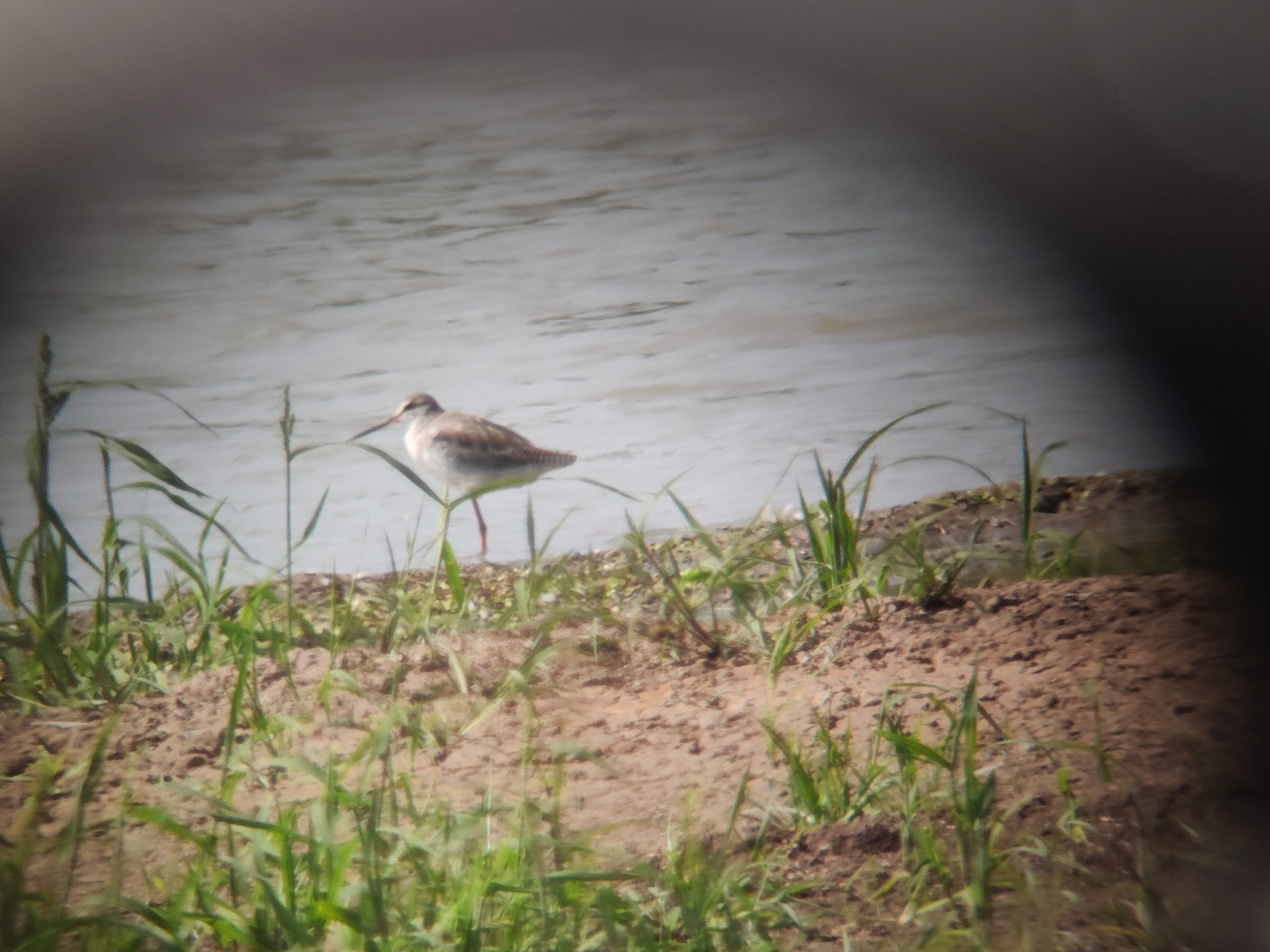
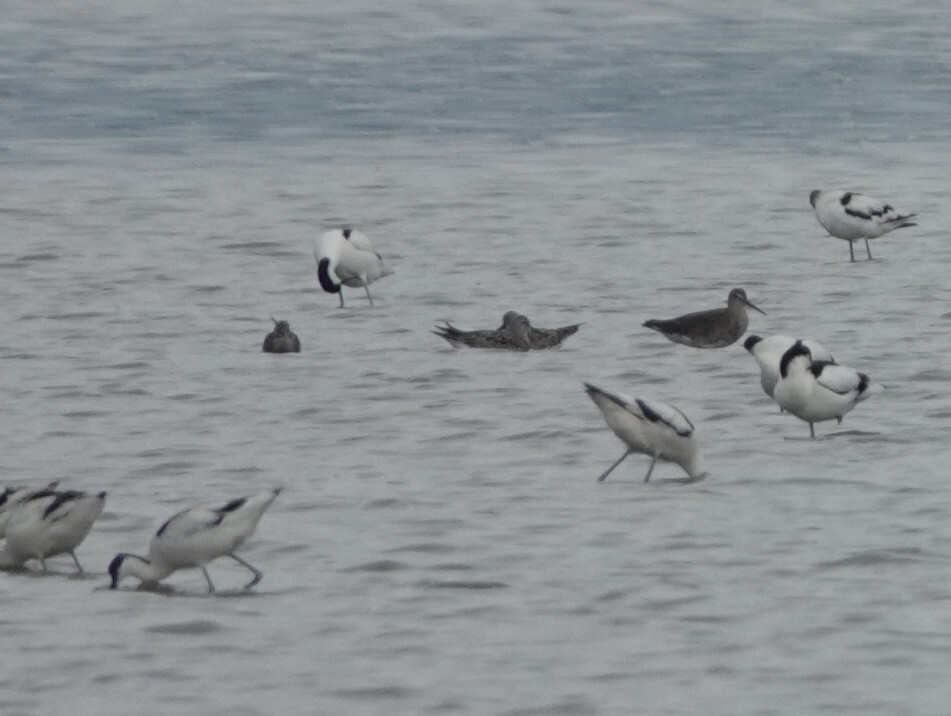
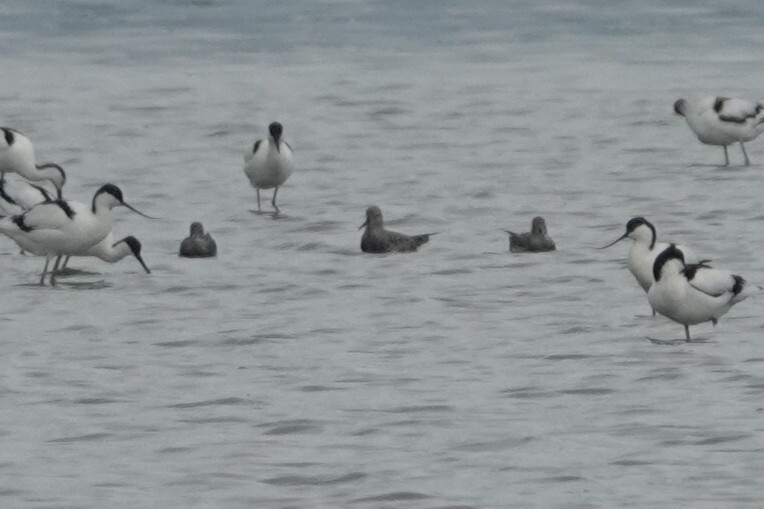
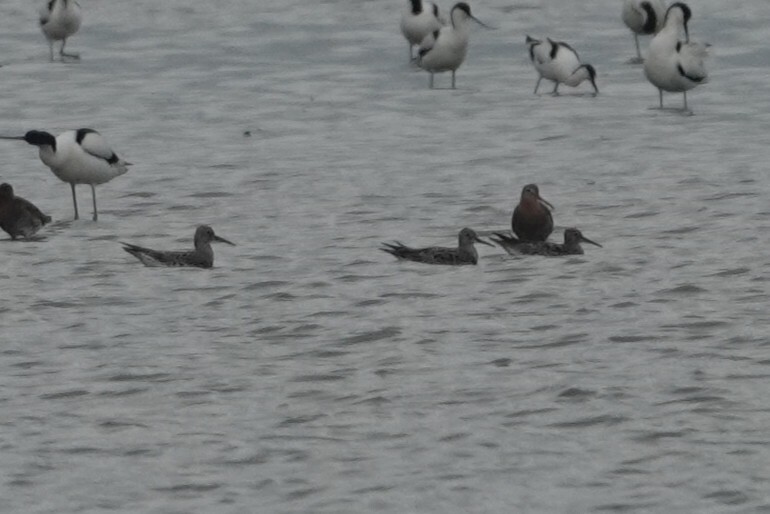
This large wader measures 29–31 cm (11–12 in) long, with a wingspan of 61–67 cm (24–26 in) and weighs 121–205 g (4.3–7.2 oz). Breeding adults are black to dark grey with white spots, while winter plumage is very pale. Legs and bill are red, though legs turn dark grey during breeding. A white oval on the back is visible in flight. Juveniles are grey-brown, finely speckled white above, with pale, finely barred underparts.
Identification
Key marks include red legs and bill, and a white oval on the back in flight. The call is a creaking whistle 'teu-it', similar to a roseate tern, with an alarm call of 'kyip-kyip-kyip'.
Distribution & Habitat
Breeds in the Arctic across much of the Palearctic, from Lapland in the west to Chukotskaya in the east. Winters in the Mediterranean, southern British Isles, France, tropical Africa, and tropical Asia. Occasional vagrant to Australia and North America.
Behavior & Ecology
Feeds on small invertebrates. Nests on open boggy taiga in a ground scrape, laying four eggs. Adults moult completely between July and October, with body plumage moulted in spring between March and May. Juveniles undergo a partial moult between August and February.
Conservation
One of the species to which the Agreement on the Conservation of African-Eurasian Migratory Waterbirds (AEWA) applies.
Source: Wikipedia · CC BY-SA 3.0
Taxonomy
- Order
- Charadriiformes
- Family
- Scolopacidae
- Genus
- Tringa
Distribution
breeds wooded tundra from Scandinavia eastward through inland Russia to Chukotskiy Peninsula (northeastern Siberia); winters wetlands from southern British Isles and tropical Africa eastward through southern Asia to southeastern China and Taiwan
Data Sources
Species description from Wikipedia, licensed under CC BY-SA 3.0.
Bird images and sounds sourced from GBIF, contributed by citizen scientists worldwide under Creative Commons licenses.
Taxonomy data from AviList 2025.