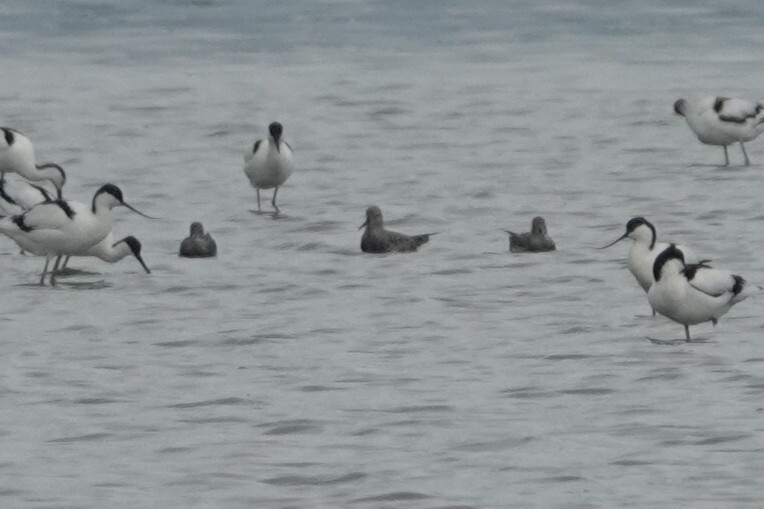
Spotted Redshank
Tringa erythropus
鹤鹬
Introduction
The Black-tailed Godwit is a large wading bird in the sandpiper family (Scolopacidae). It breeds in Arctic regions across the Palearctic and migrates to wintering areas in tropical Africa and Asia. Vagrant individuals occasionally reach Australia and North America. The species is monotypic, with no recognized subspecies, though it shares close evolutionary ties with the greater yellowlegs and common greenshank. Breeding adults have entirely black plumage with white spots, while winter plumage is pale. The legs and bill are red, and a white oval patch is visible on the upperparts during flight.
Description
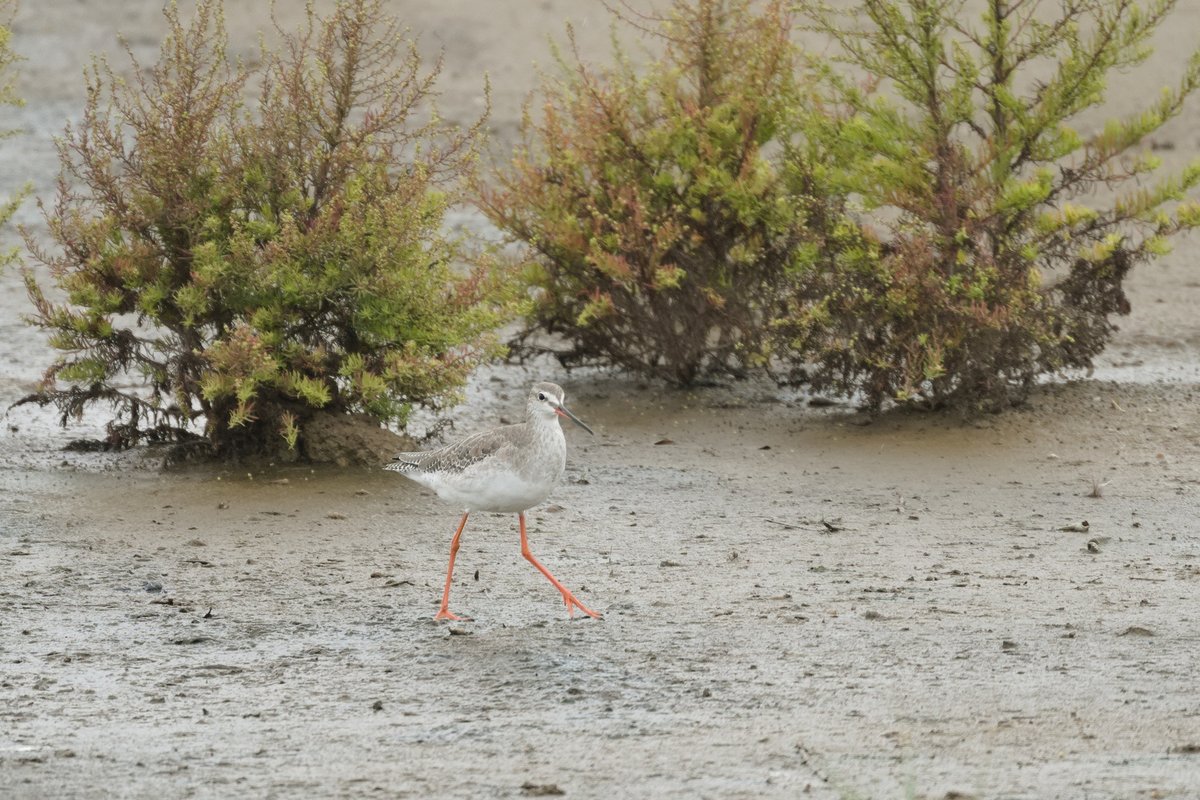
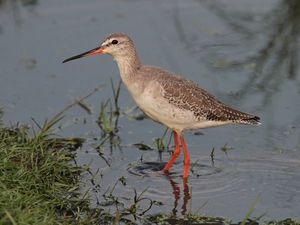
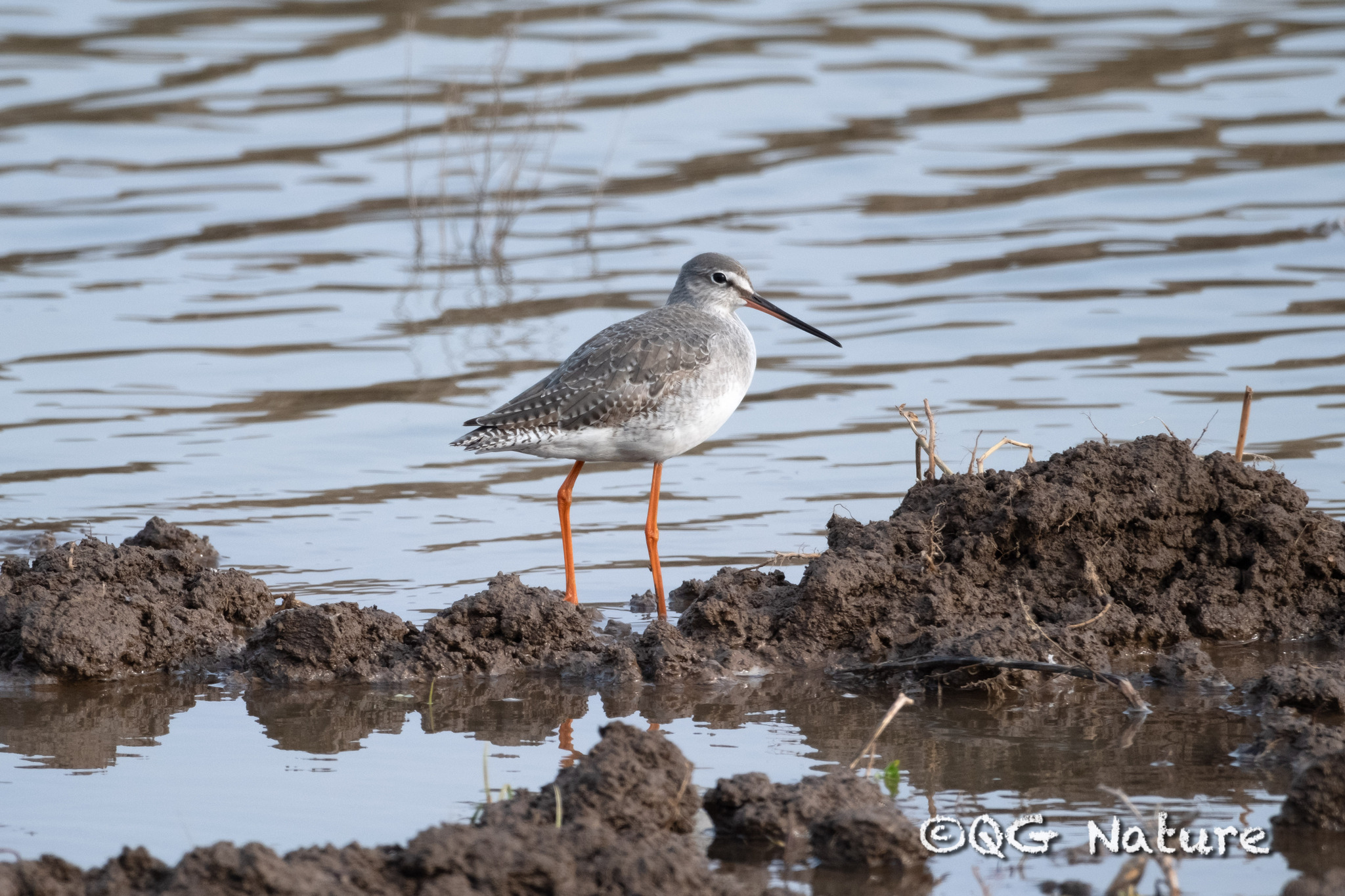
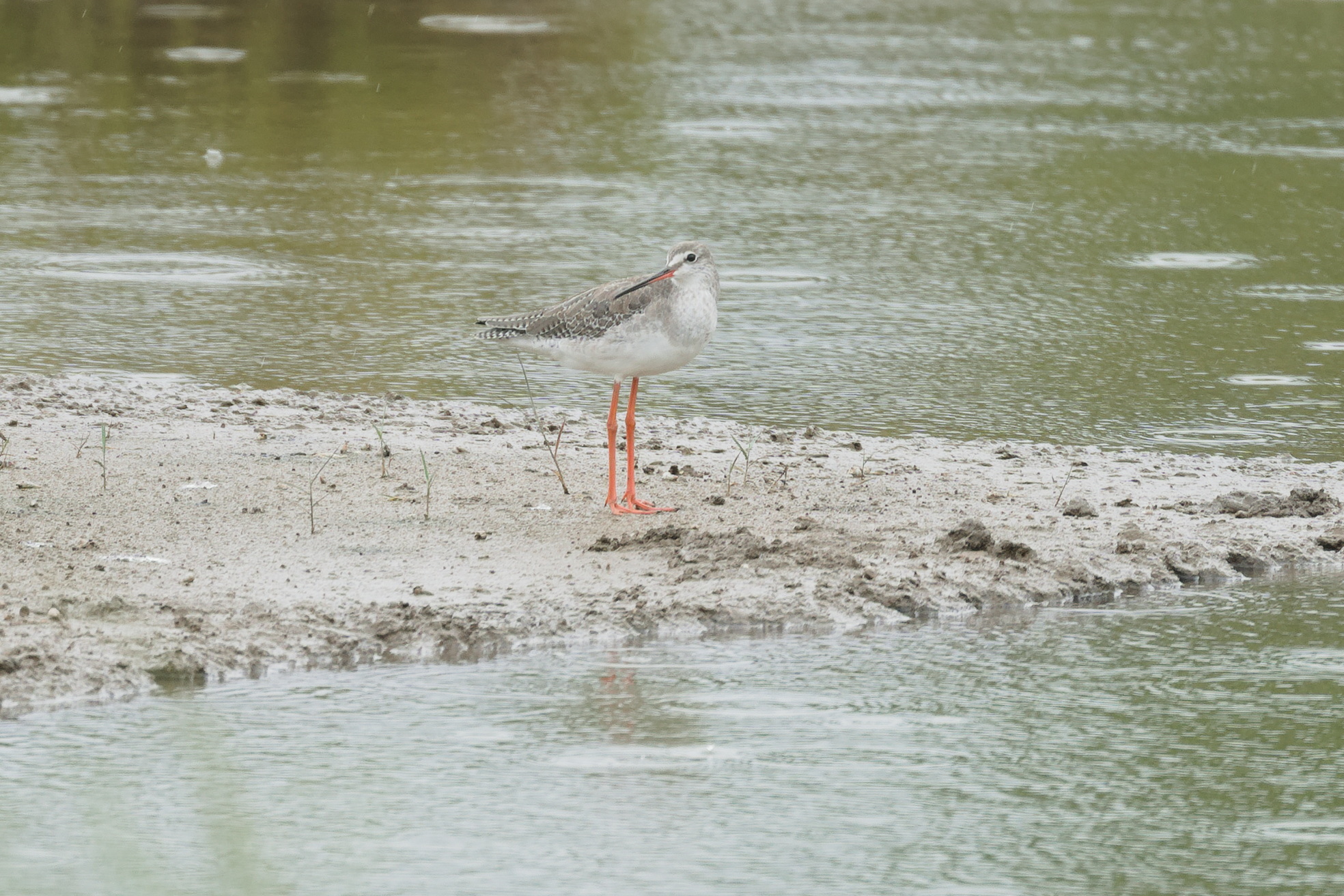
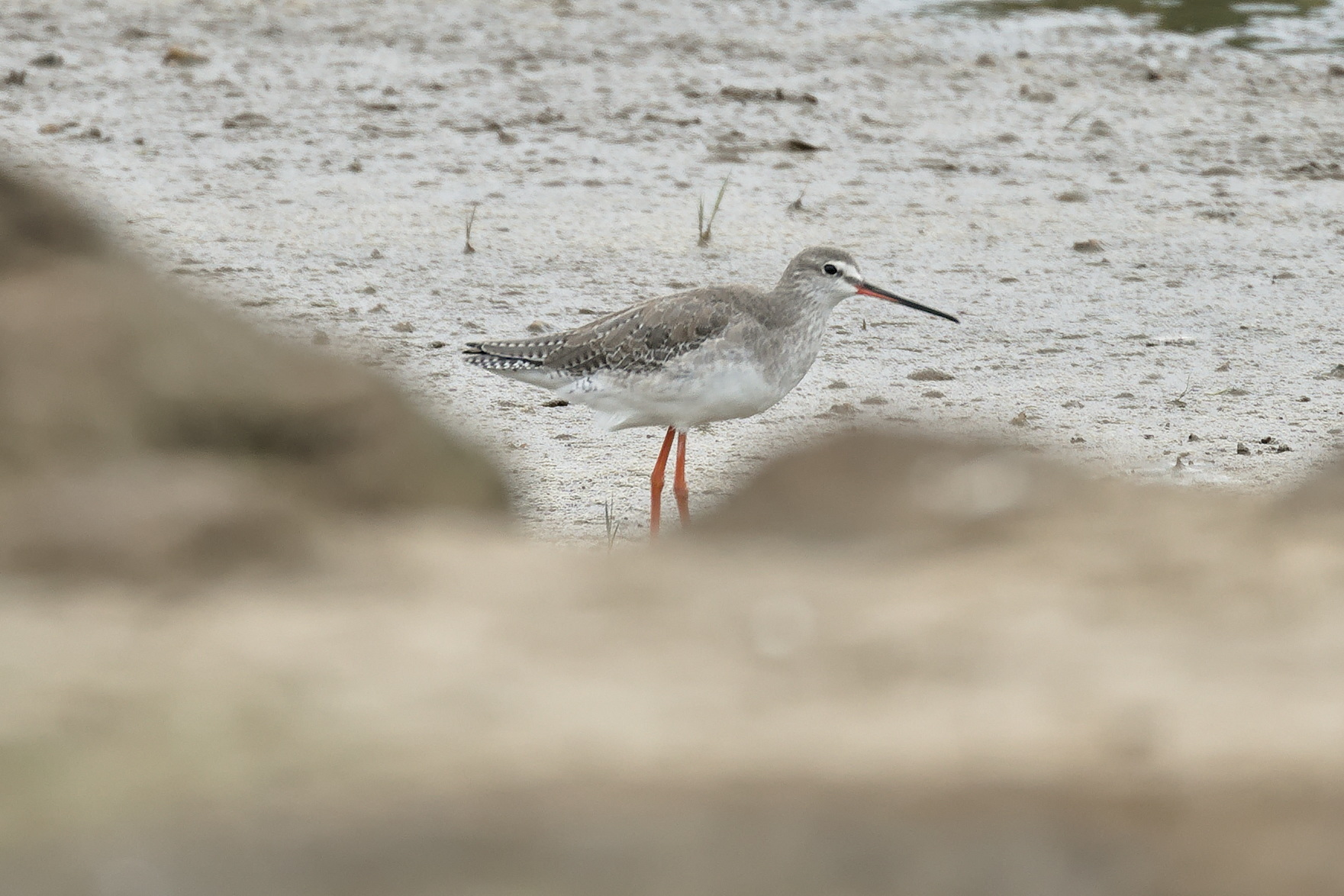
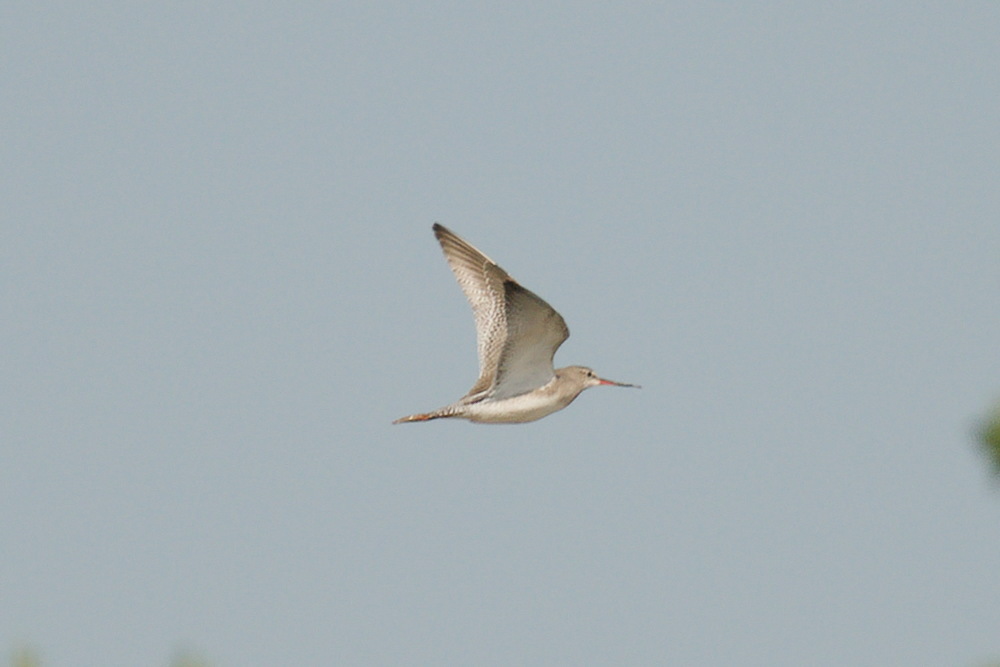
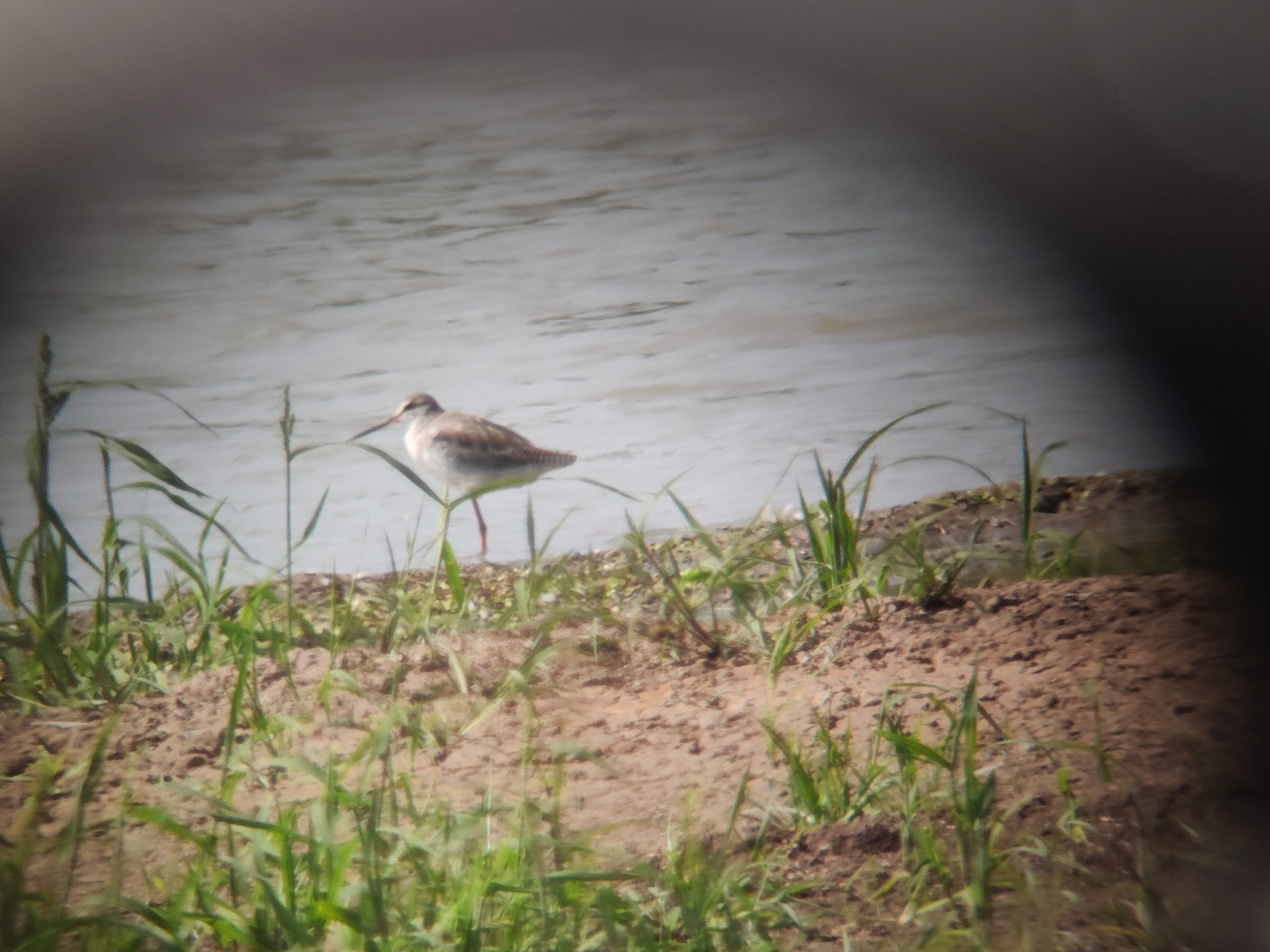
A substantial wader measuring 29-31 cm in length with a wingspan of 61-67 cm and weighing 121-205 g. The most striking feature is the complete seasonal transformation: breeding adults are almost entirely black with white spots, while winter birds are very pale grey above and white below. The bright red legs and bill are diagnostic. In flight, a distinctive white oval patch appears on the upperparts. Juveniles differ markedly, showing grey-brown upperparts finely speckled with white and pale underparts with fine barring. Adults undergo a complete moult between July and October, with body plumage replaced again between March and May. Juveniles have a partial moult from August through February.
Identification
The breeding plumage is highly distinctive and unlikely to be confused with any other European wader due to the all-black plumage with white spots. In winter, the very pale grey and white plumage combined with bright red legs and bill separates it from similar-sized sandpipers. The white oval on the upperparts is visible in flight and serves as a reliable field mark. The call—a creaking whistle rendered as 'teu-it'—is quite different from the calls of similar species and can aid identification when birds are elusive.
Distribution & Habitat
Breeds across the Arctic Palearctic from Lapland in the west to Chukotskaya in the east. During migration and winter, it occurs across the Mediterranean region, southern British Isles, France, tropical Africa, and tropical Asia. Found in a variety of wetland habitats including mudflats, shores, and floodplains. An occasional vagrant to Australia and North America, where any sighting generates significant interest among local birdwatching communities.
Behavior & Ecology
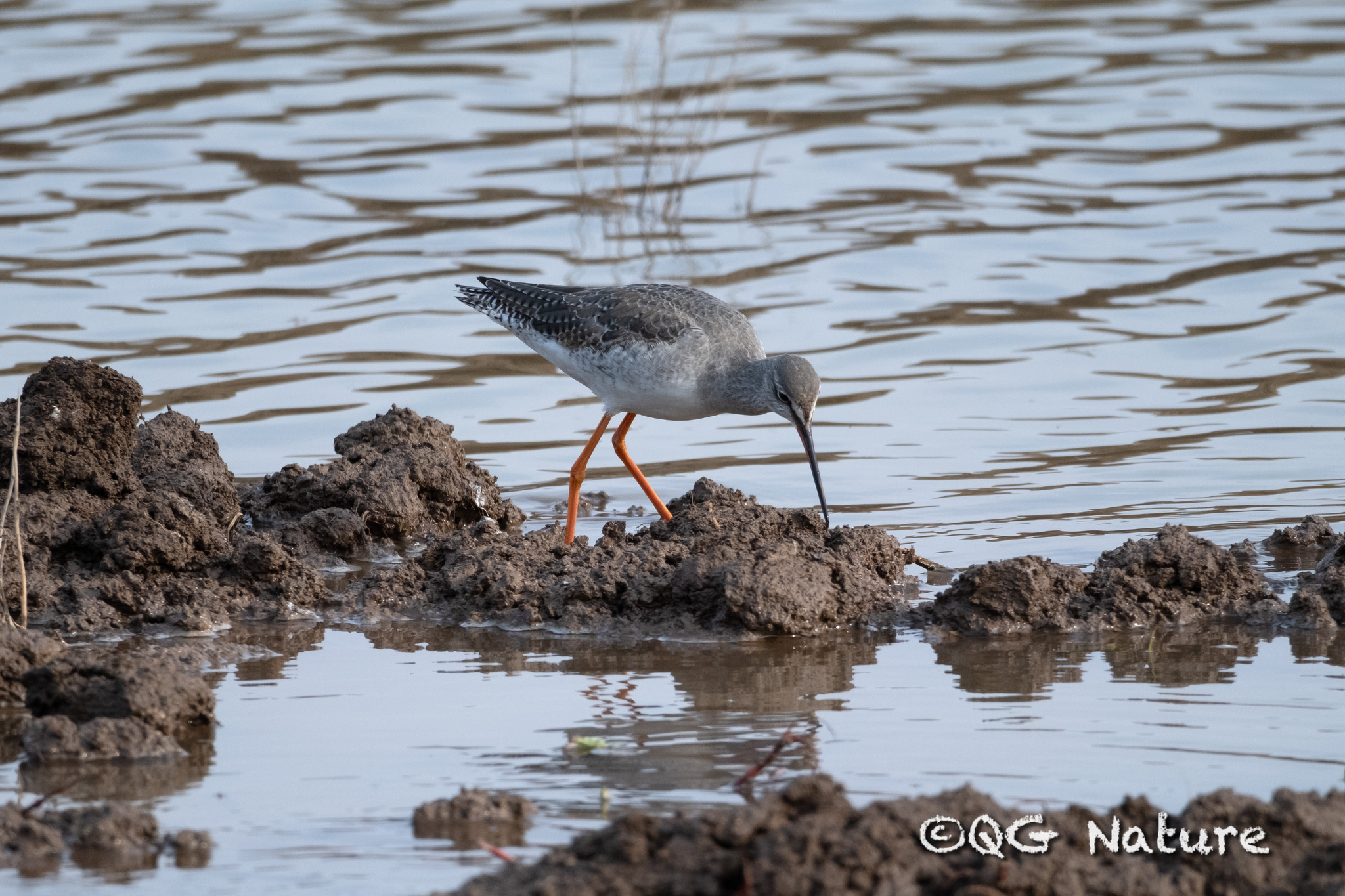
Feeds on small invertebrates in typical wader fashion, probing in shallow water and soft mud. Breeding occurs in open boggy taiga areas, where the species nests on the ground in a simple scrape, typically laying four eggs. During the breeding season, the plumage changes to black with white spots and the legs darken to grey. The call is a distinctive creaking whistle 'teu-it', somewhat reminiscent of a roseate tern, while the alarm call is a sharp 'kyip-kyip-kyip'.
Conservation
Classified under the Agreement on the Conservation of African-Eurasian Migratory Waterbirds (AEWA), indicating international conservation attention. As a migratory waterbird dependent on wetland habitats across multiple continents, it faces threats from habitat degradation and loss throughout its range. While specific population figures are not provided, the species' extensive breeding and wintering ranges suggest a reasonably stable global population, though local populations may face pressures from drainage of wetlands and other development pressures.
Culture
No specific cultural significance, folklore, or mythological associations are documented for this species.
Source: Wikipedia · CC BY-SA 3.0
Taxonomy
- Order
- Charadriiformes
- Family
- Scolopacidae
- Genus
- Tringa
- eBird Code
- spored
Distribution
breeds wooded tundra from Scandinavia eastward through inland Russia to Chukotskiy Peninsula (northeastern Siberia); winters wetlands from southern British Isles and tropical Africa eastward through southern Asia to southeastern China and Taiwan
Data Sources
Species description from Wikipedia, licensed under CC BY-SA 3.0.
Bird images and sounds sourced from GBIF, contributed by citizen scientists worldwide under Creative Commons licenses.
Taxonomy data from AviList 2025.