Galliformes / Phasianidae / Tetrastes
Hazel Grouse
Tetrastes bonasia · 花尾榛鸡
Introduction
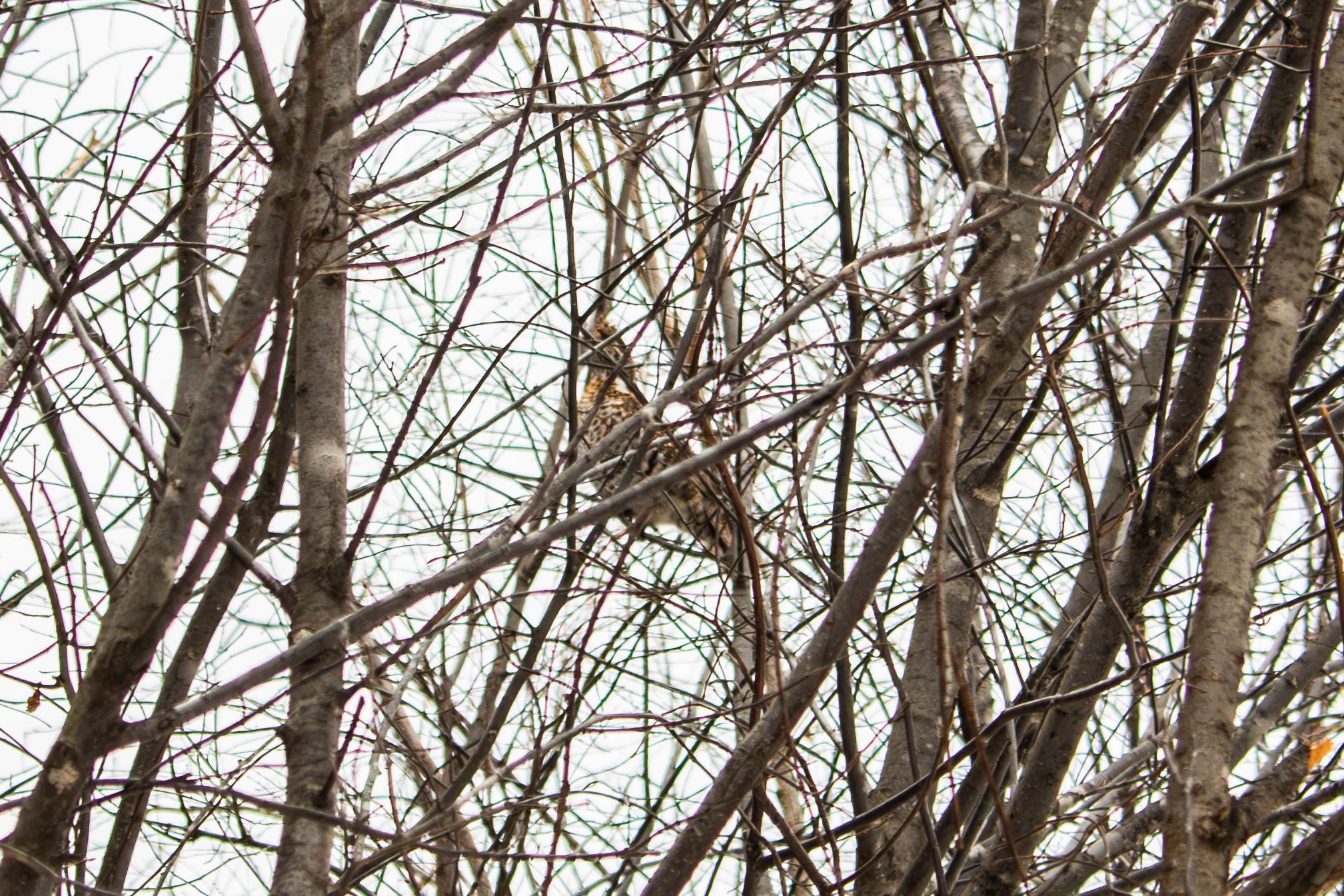
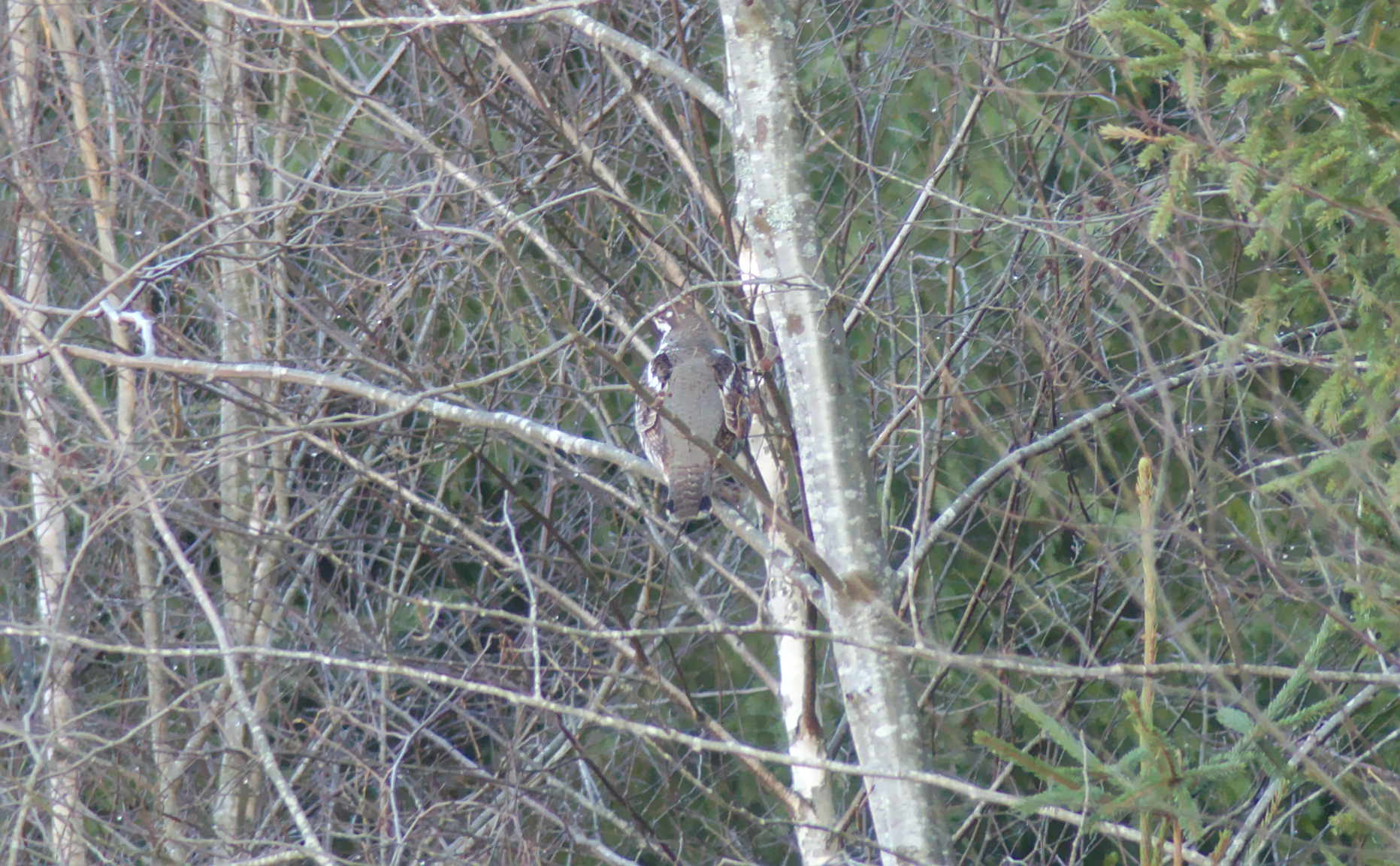
A small, sedentary member of the grouse tribe breeding across the Palearctic from eastern and central Europe to Hokkaido. It inhabits dense, damp, mixed coniferous woodland, preferably with spruce. The species is shy and difficult to observe due to its habitat preferences.
Description
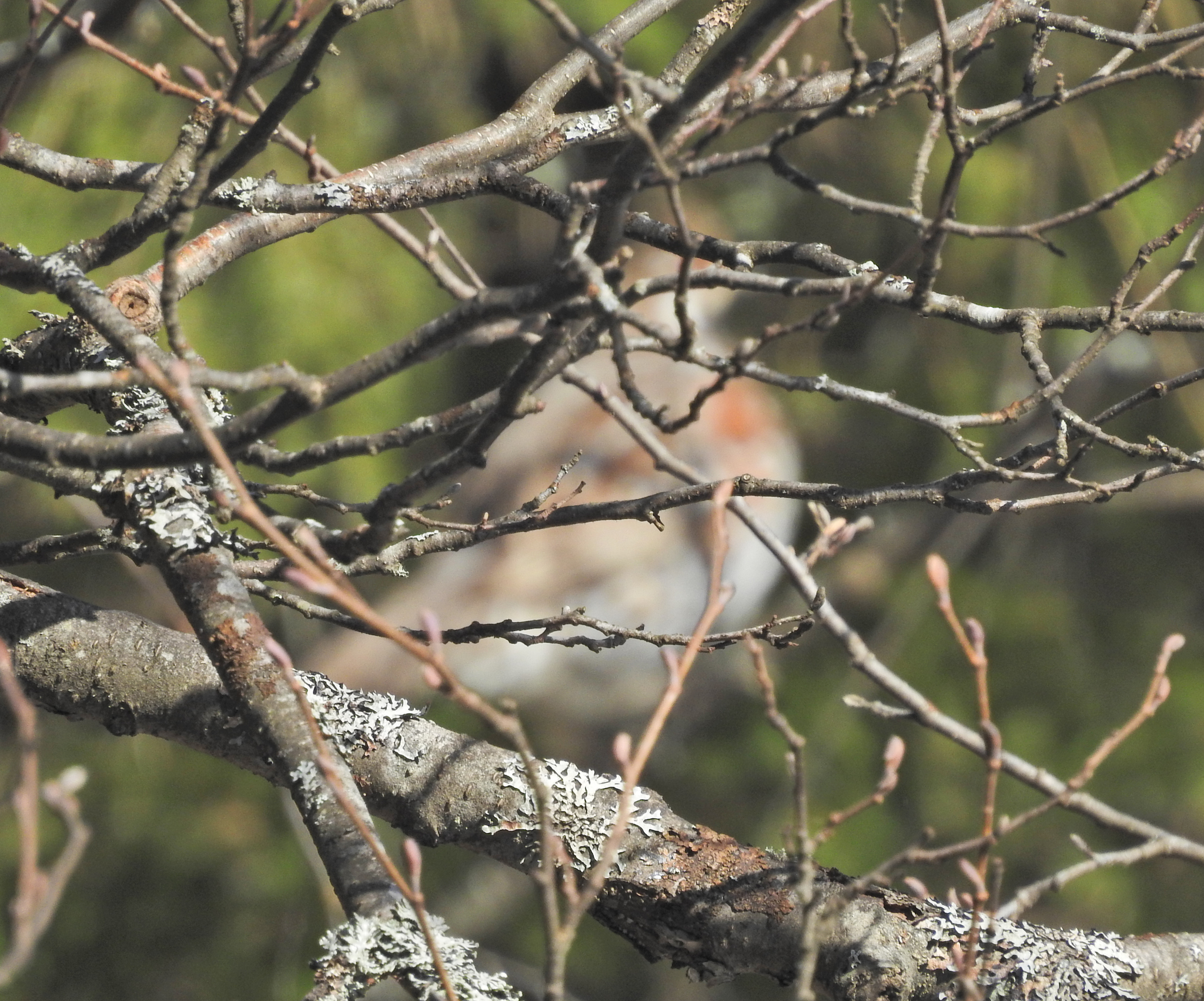
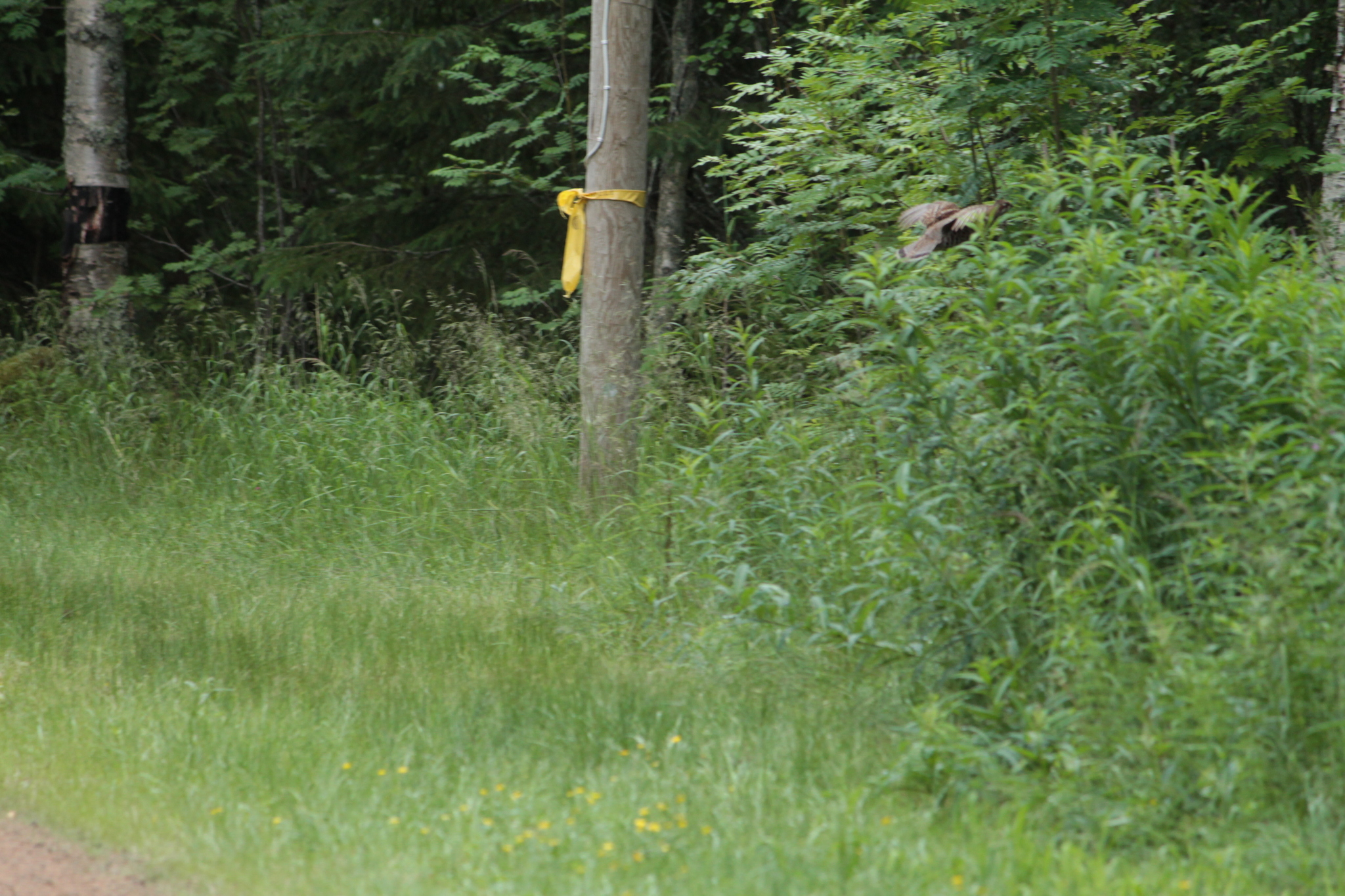
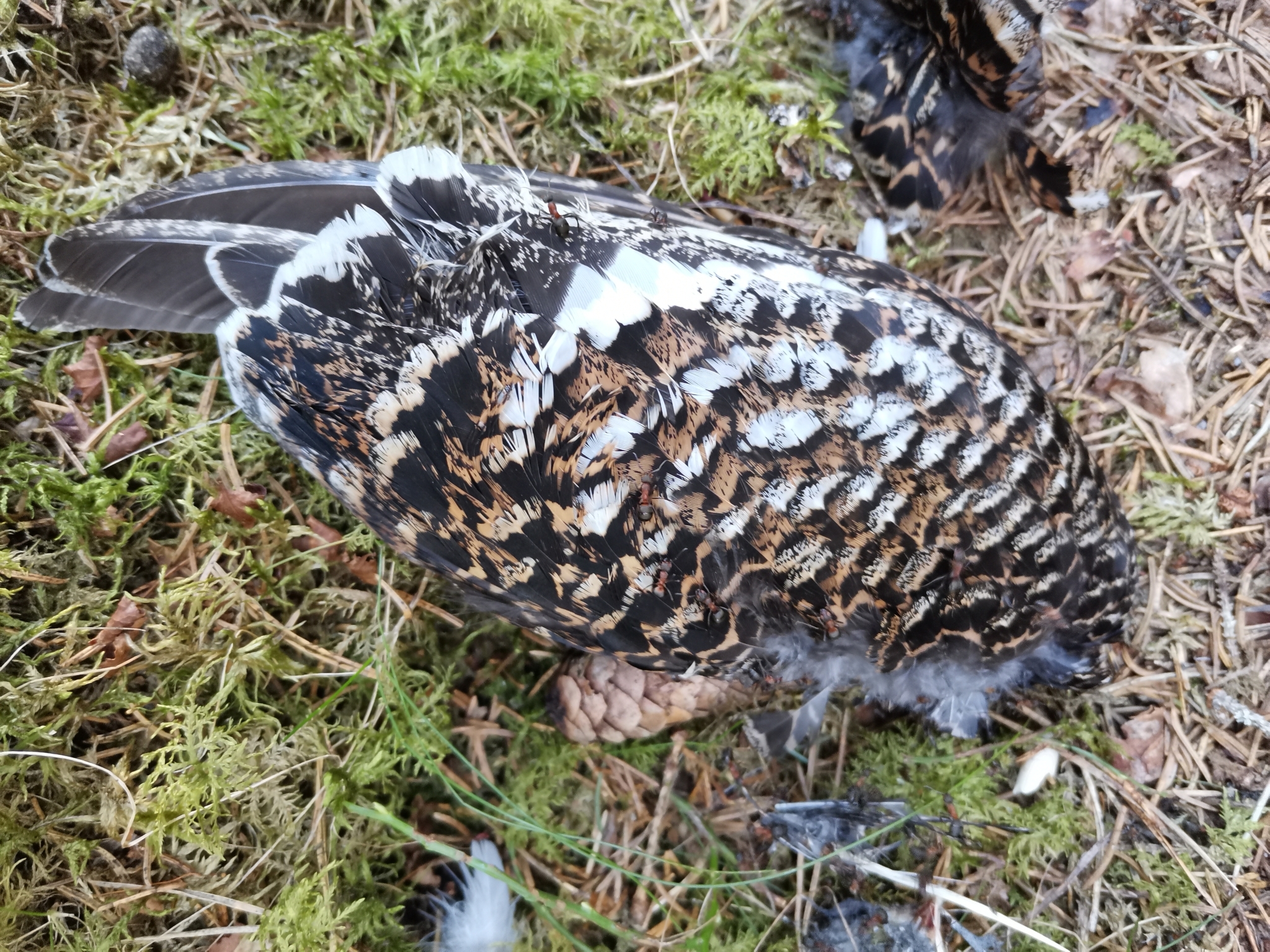
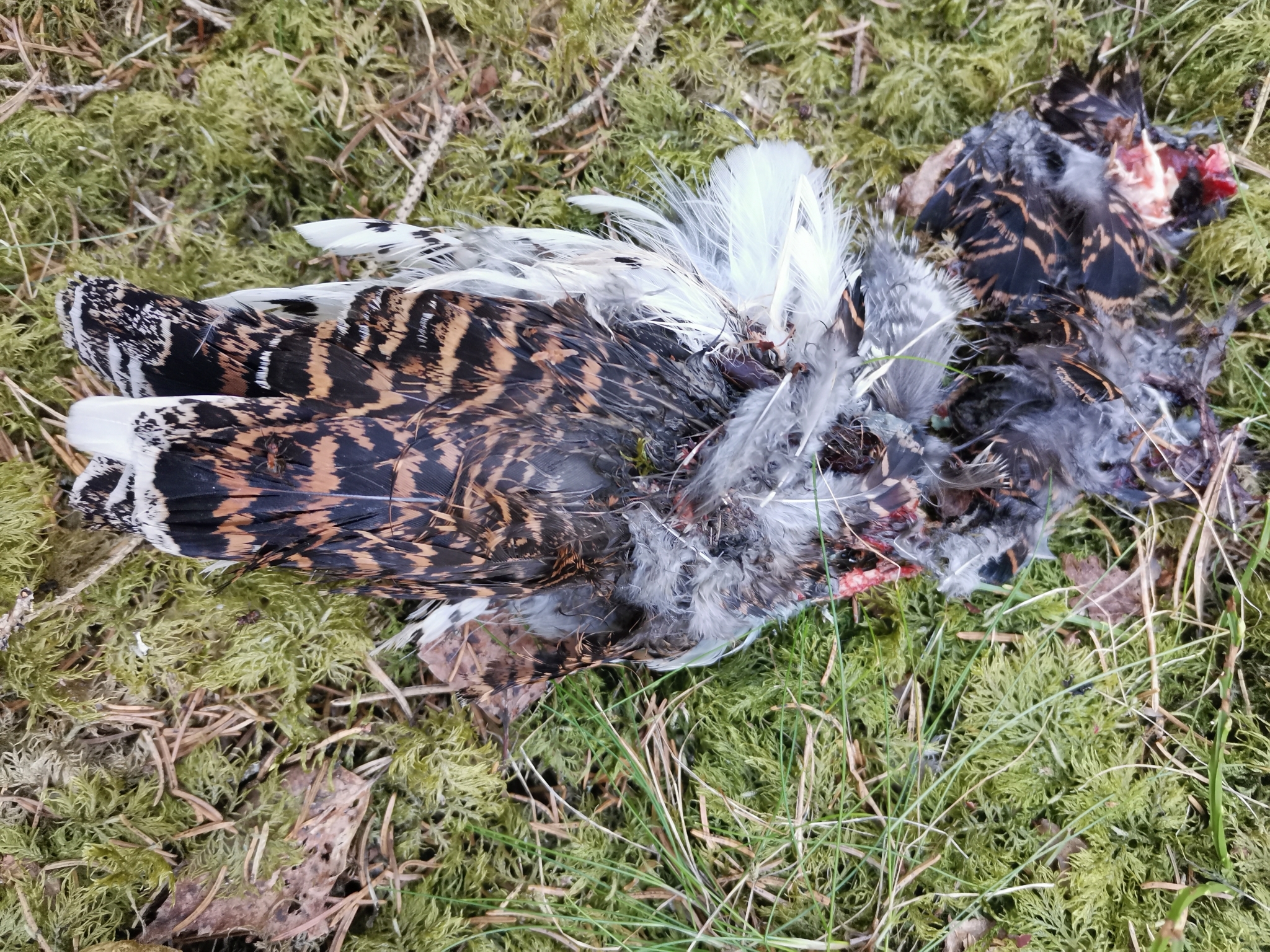
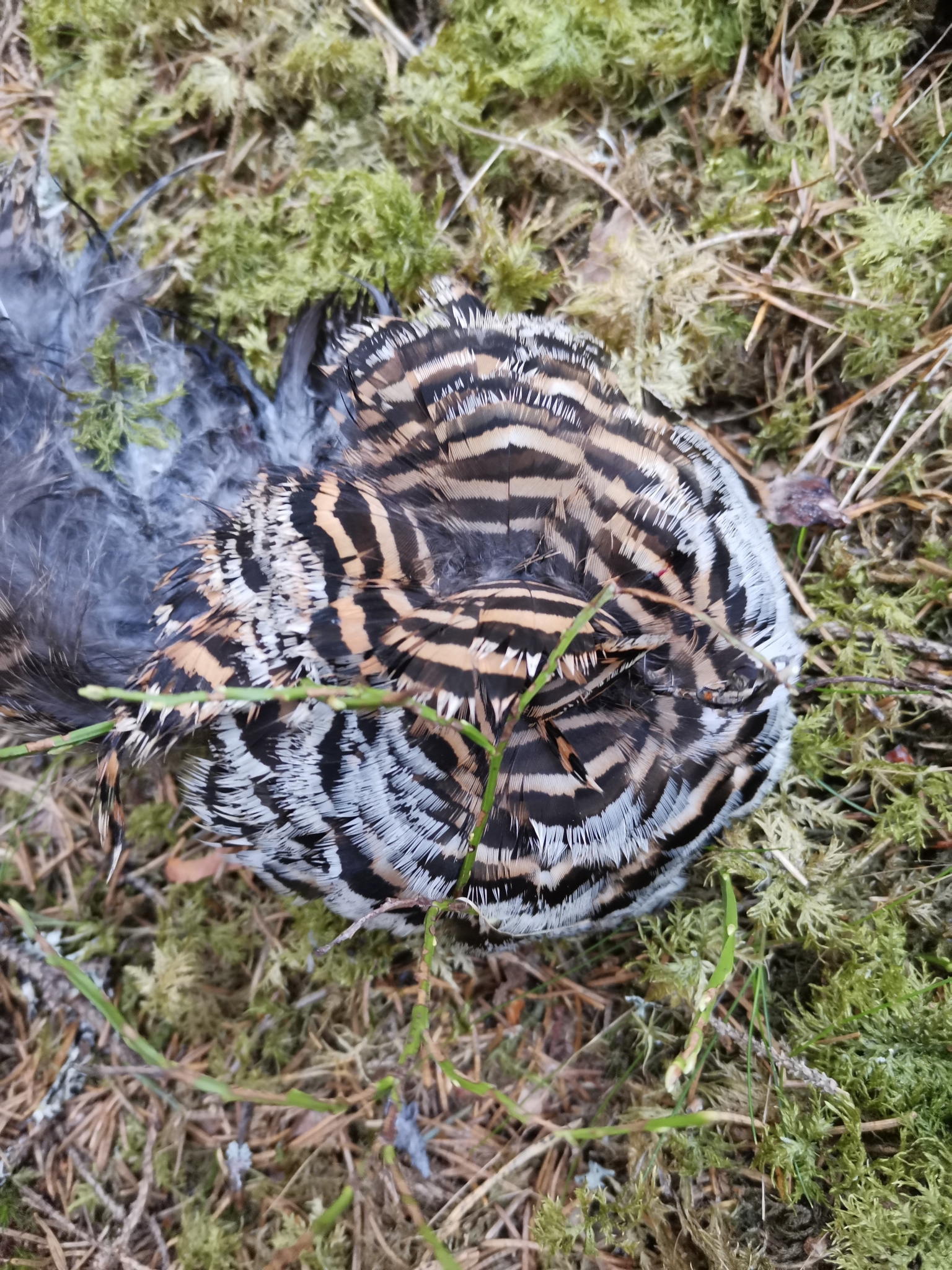
Length 35–39 cm (14–15 in). Plumage is finely patterned with grey upperparts, brown wings, and chestnut-flecked white underparts. Males possess a short erectile crest and a white-bordered black throat. Females have a shorter crest and lack black throat coloration. In flight, the tail appears grey with black tips.
Identification
Key field marks include the male's black throat bordered by white and the female's lack thereof. Flight reveals a black-tipped grey tail. Vocalizations are primary identification cues: males emit a high-pitched 'ti-ti-ti-ti-ti' call, while females produce a liquid 'tettettettettet'. The burr of flying wings is also audible. Shyness and dense habitat make visual sighting difficult.
Distribution & Habitat
Range extends across the Palearctic from eastern and central Europe east to Hokkaido, Japan. Habitat consists of dense, damp, mixed coniferous woodland, preferably with spruce. Eleven subspecies are recognized, including populations in northeast France, the Alps, Balkan Peninsula, Scandinavia, Russia, Siberia, Mongolia, northeast China, North Korea, Sakhalin, and Hokkaido.
Behavior & Ecology
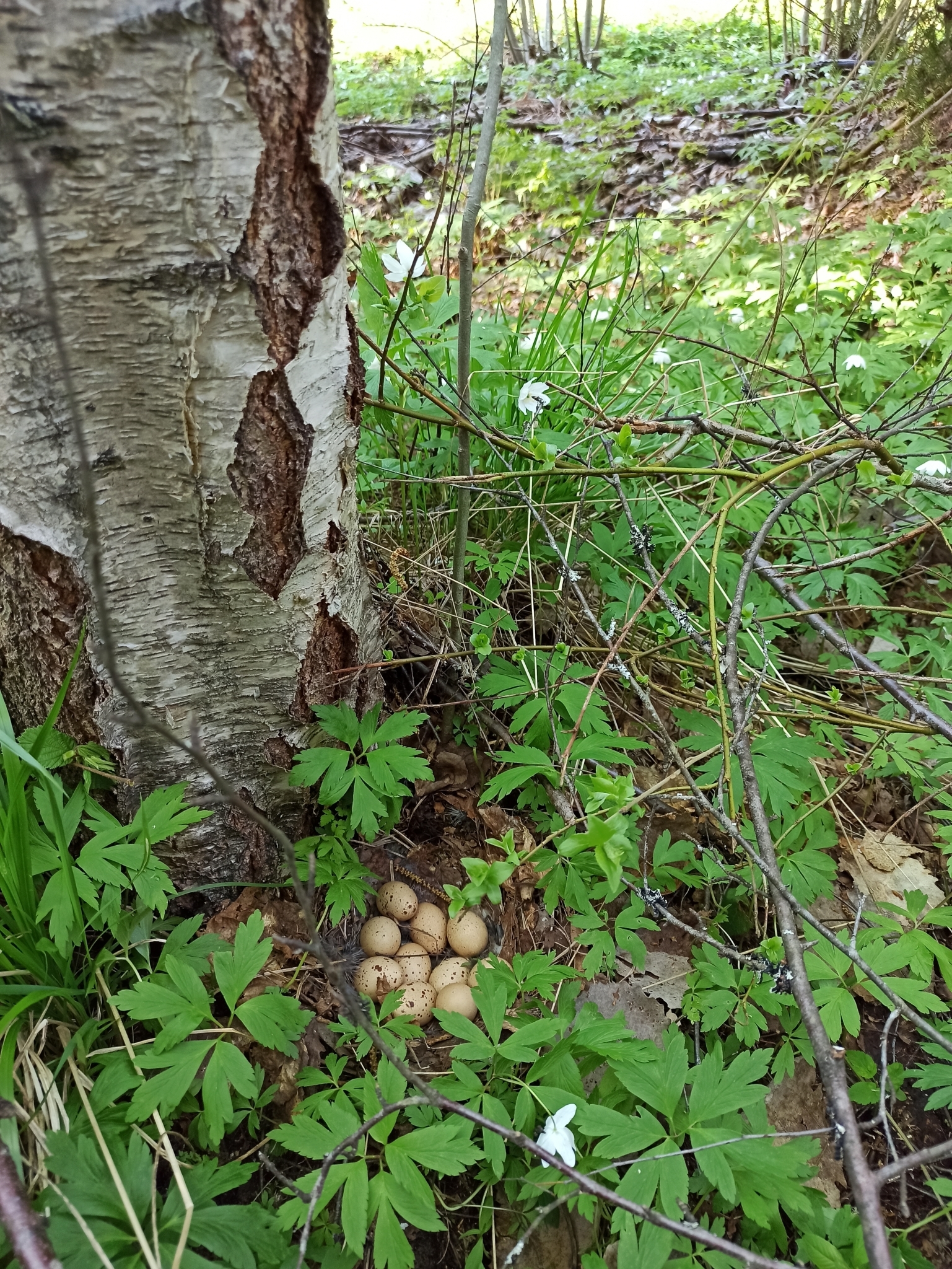
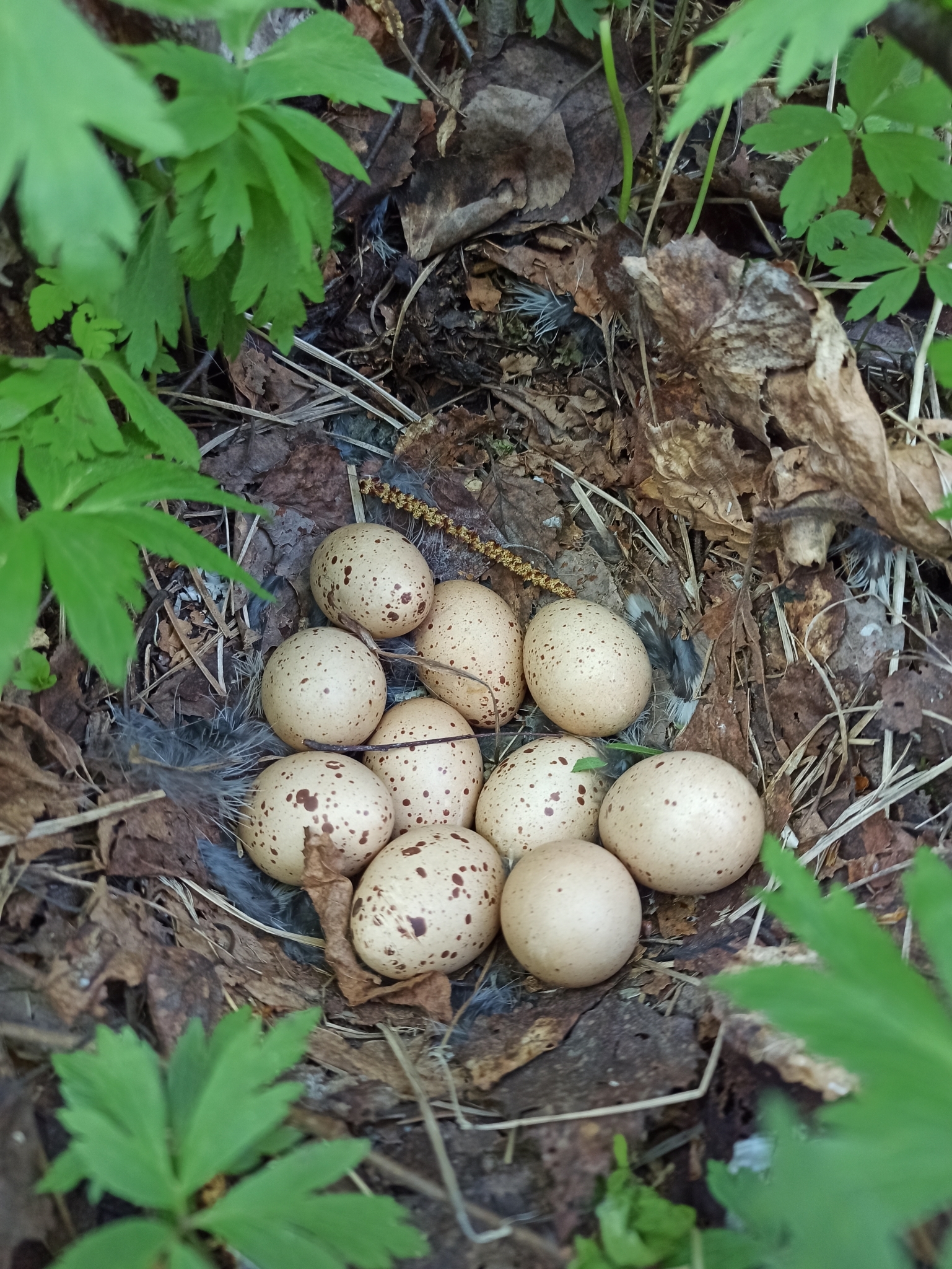
Feeds on the ground, primarily consuming plant food supplemented by insects during the breeding season. Nests on the ground with a normal clutch size of 3–6 eggs. The female incubates the eggs and cares for the chicks alone.
Source: Wikipedia · CC BY-SA 3.0
Taxonomy
- Order
- Galliformes
- Family
- Phasianidae
- Genus
- Tetrastes
Vocalizations
Subspecies (11)
-
Tetrastes bonasia amurensis
southern Amurland and Little Khingan Mountains to northern Korea
Data Sources
Species description from Wikipedia, licensed under CC BY-SA 3.0.
Bird images and sounds sourced from GBIF, contributed by citizen scientists worldwide under Creative Commons licenses.
Taxonomy data from AviList 2025.