Passeriformes / Monarchidae / Terpsiphone
Indian Paradise Flycatcher
Terpsiphone paradisi · 印度寿带
Introduction
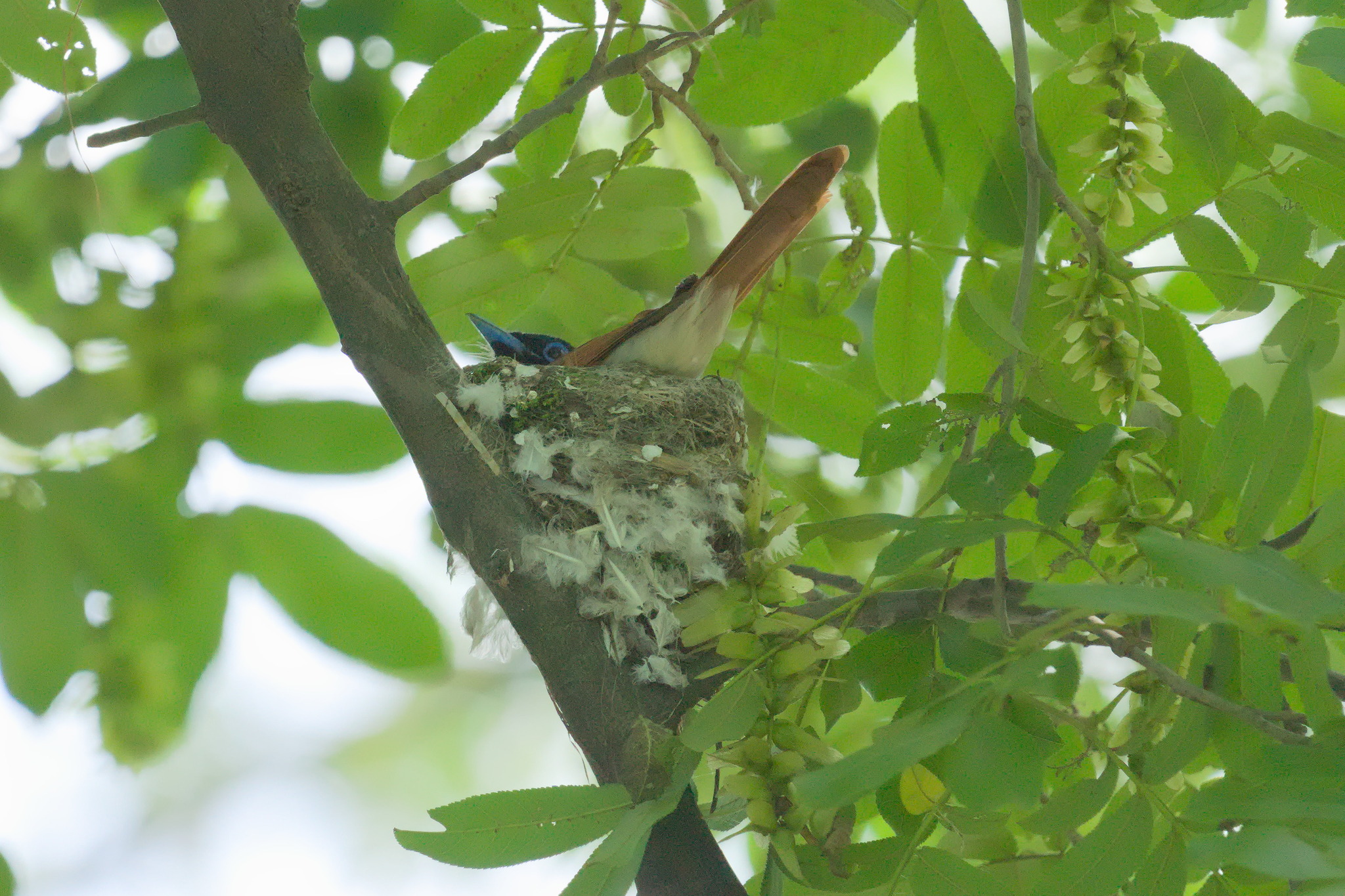
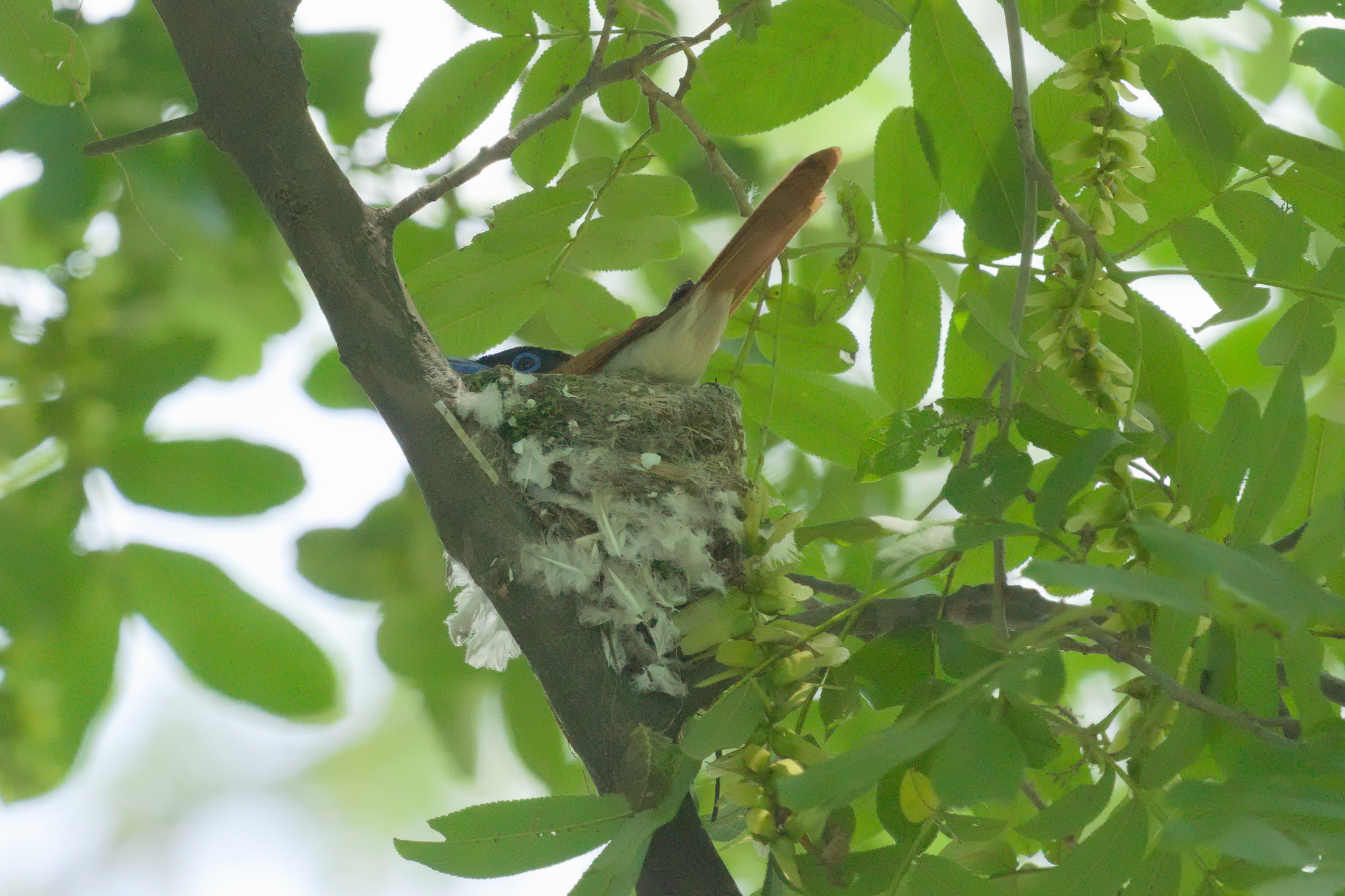
Medium-sized passerine in the monarch flycatcher family, Monarchidae. Native to the Indian subcontinent with resident and breeding populations in Bangladesh, India, Sri Lanka, Afghanistan, Bhutan, China, Myanmar, Nepal, Pakistan, Tajikistan, and Turkmenistan. Listed as Least Concern on the IUCN Red List since 2004 with a stable global population.
Description
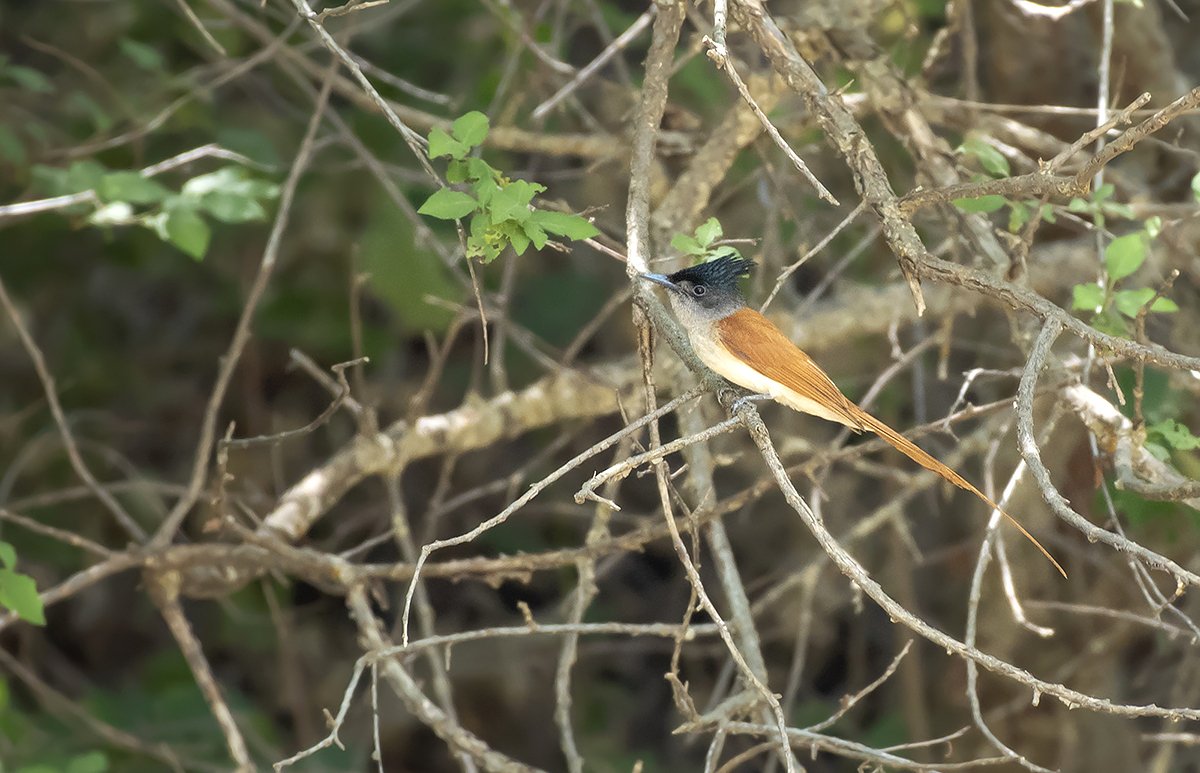
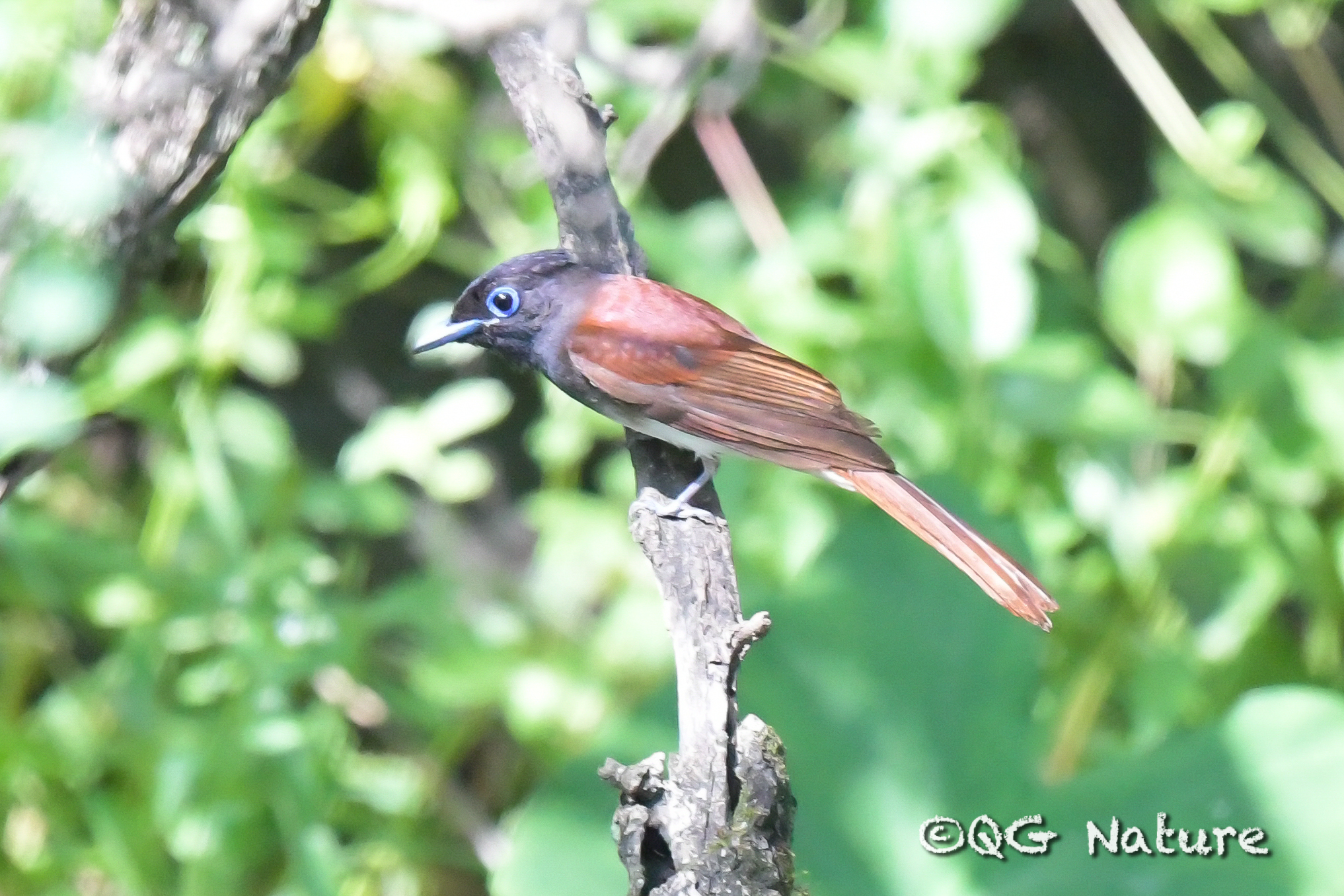
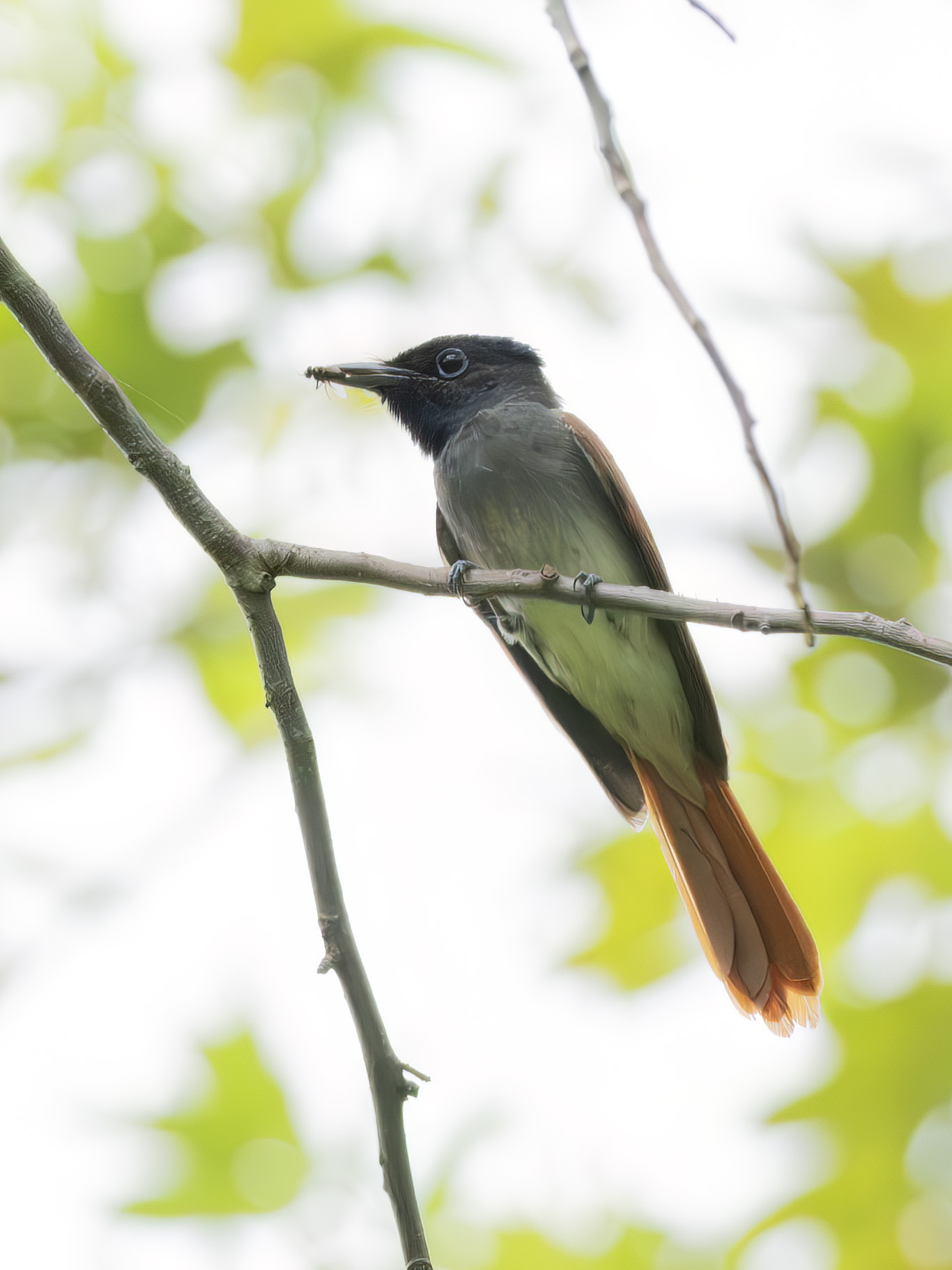
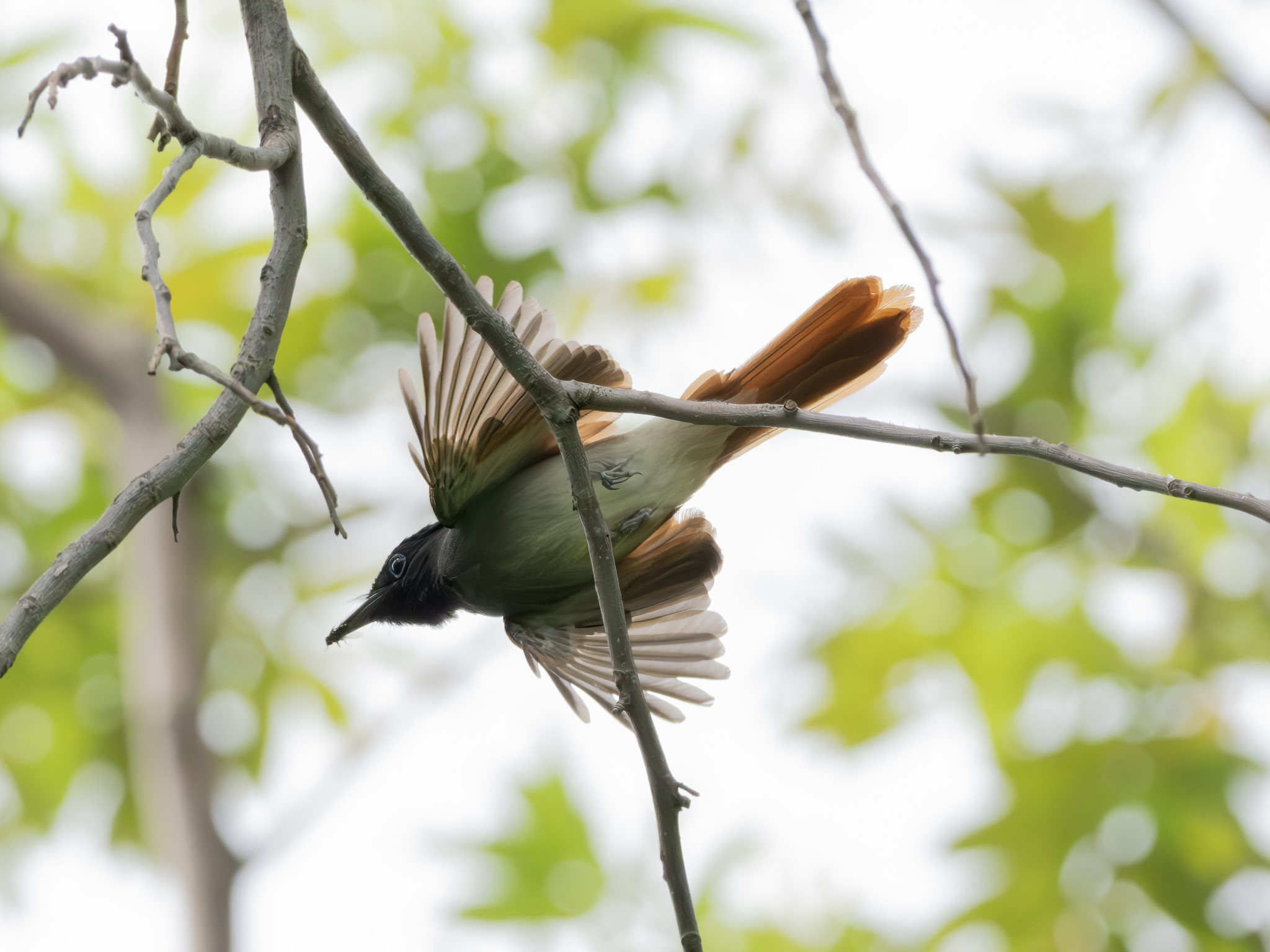
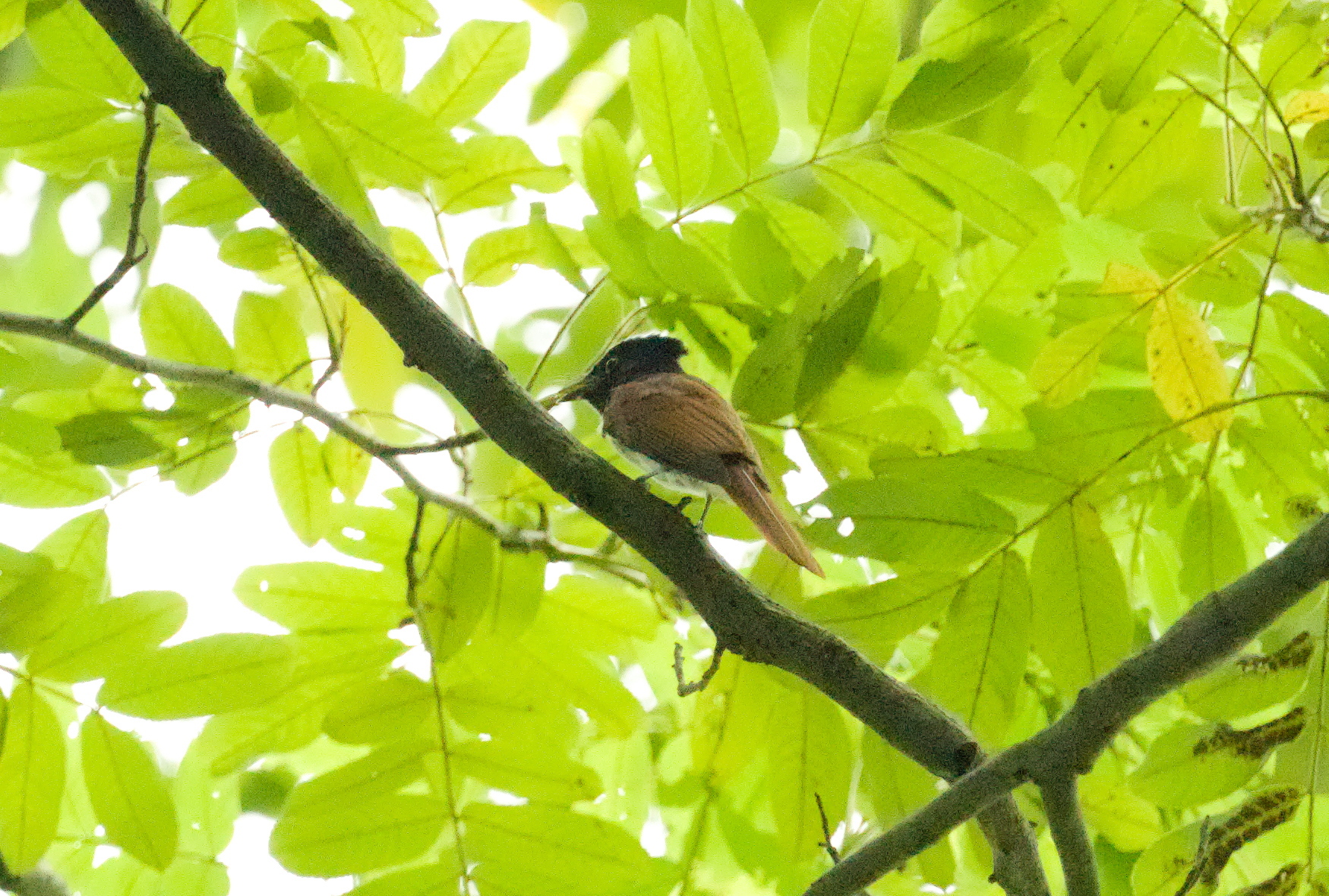
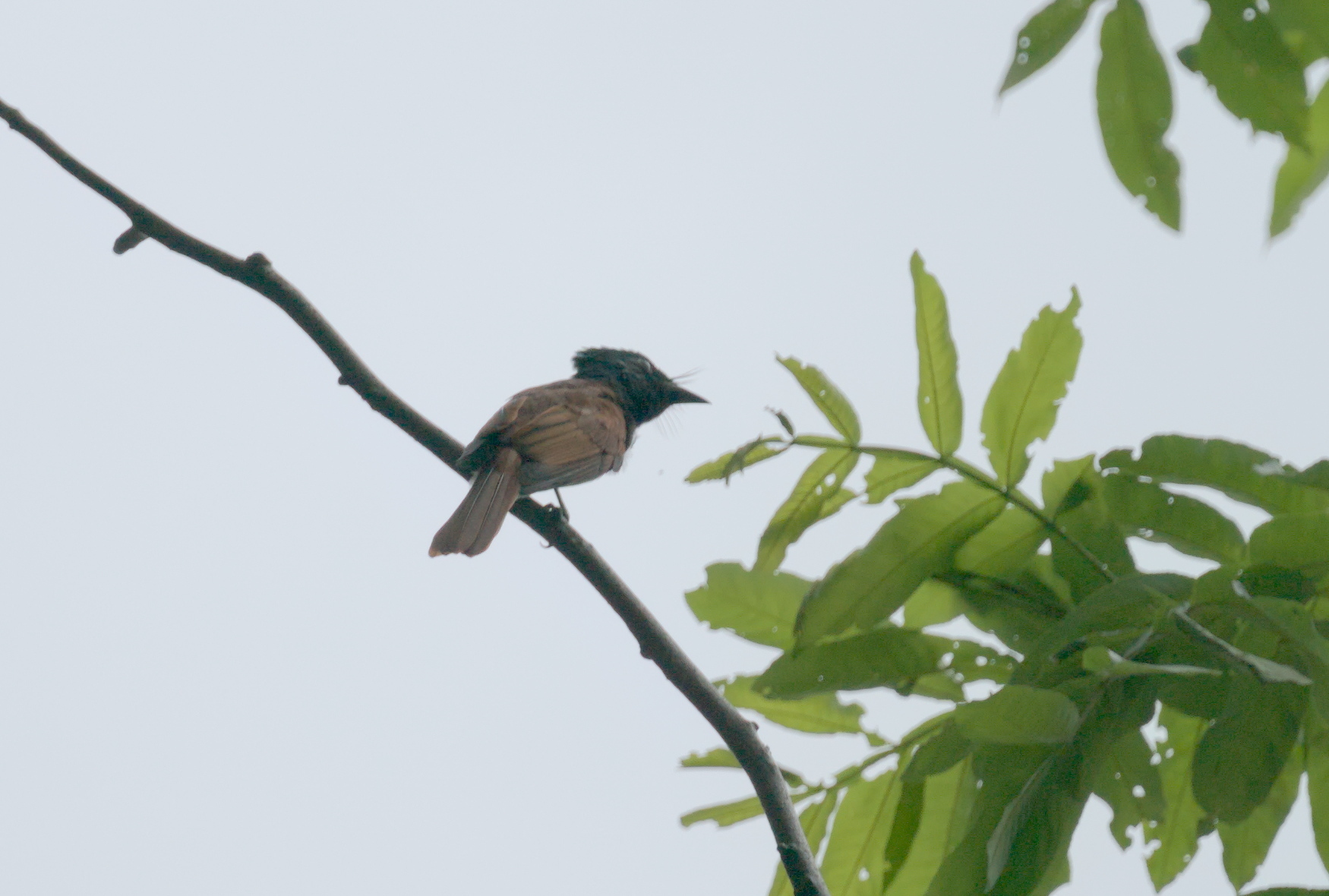
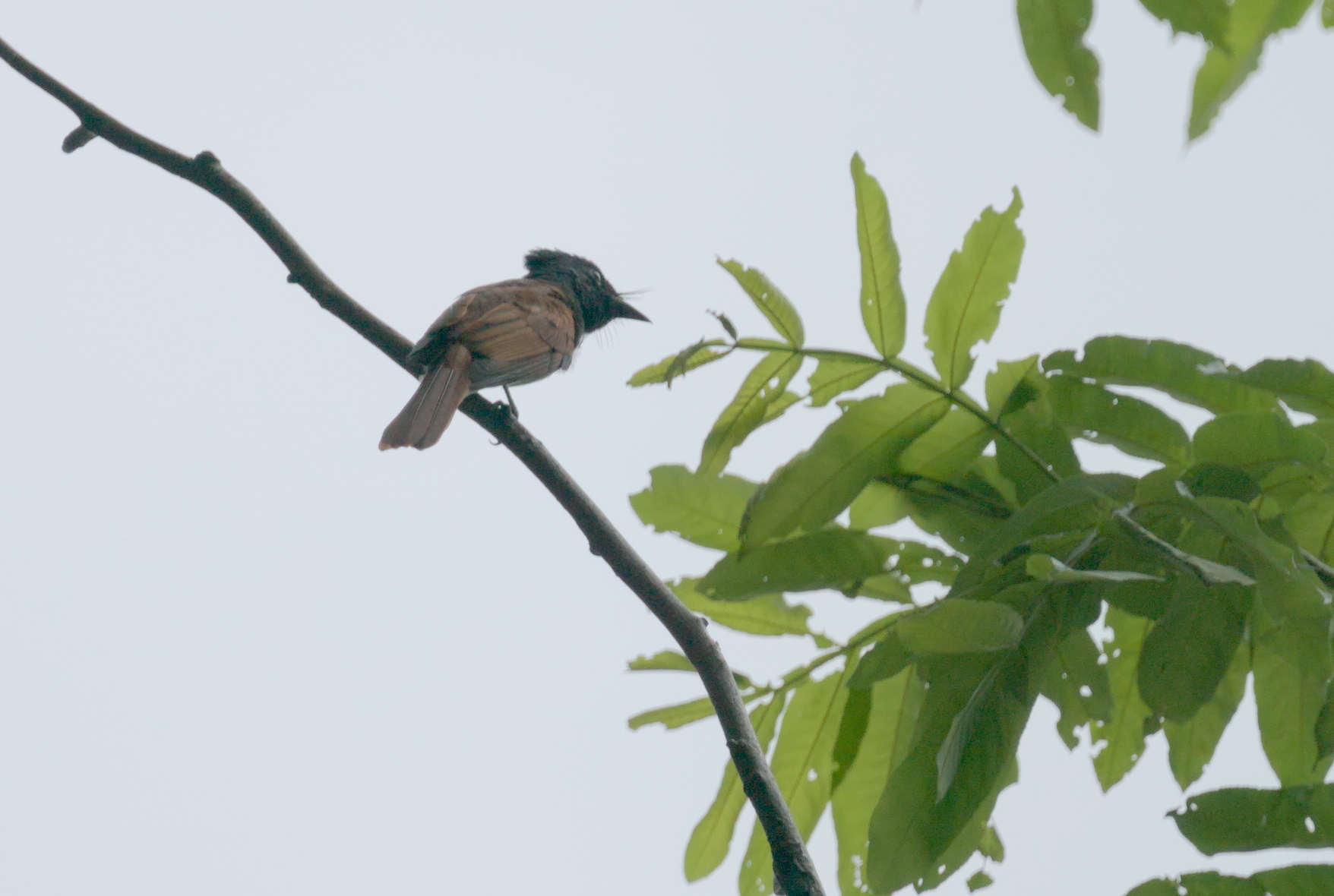
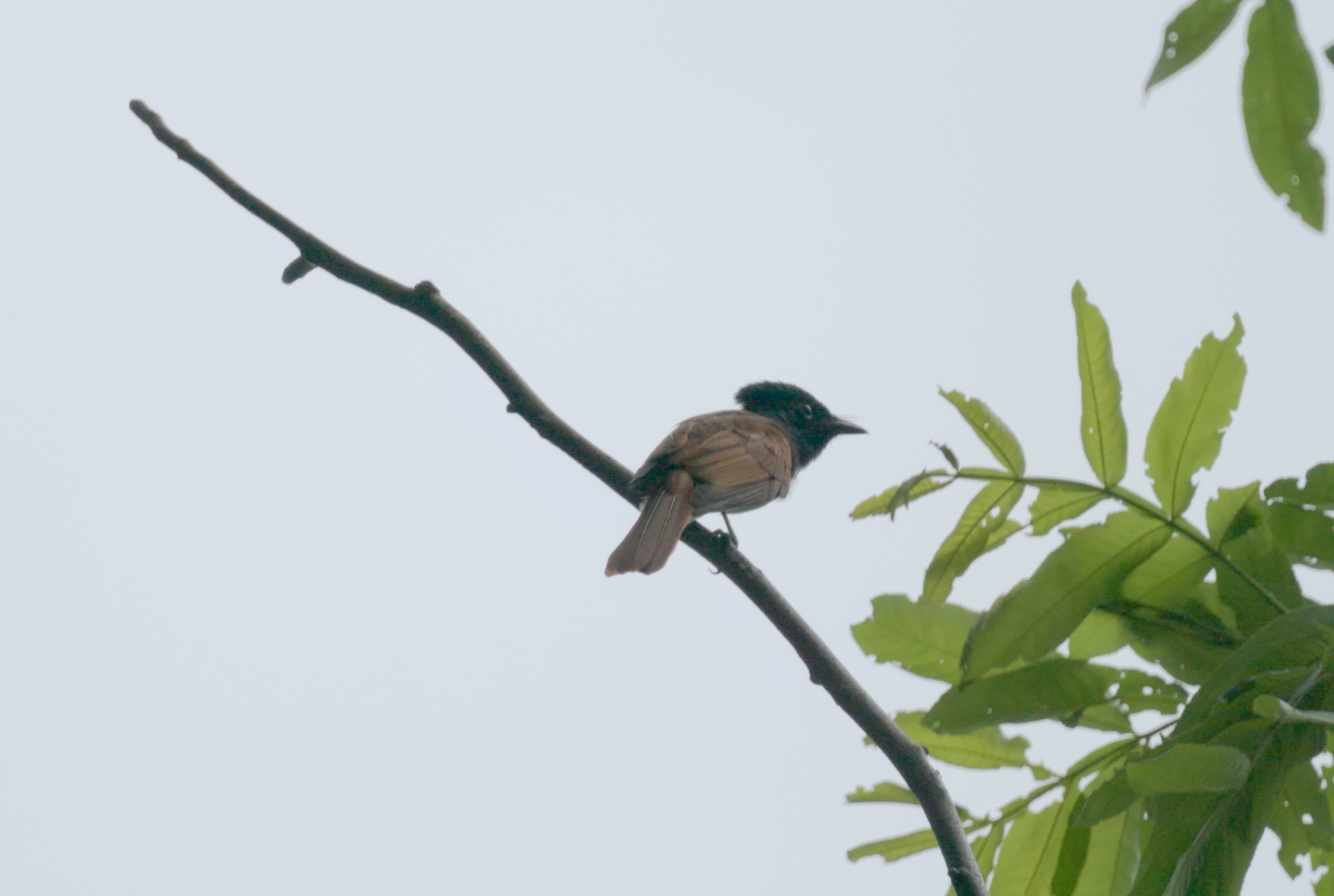
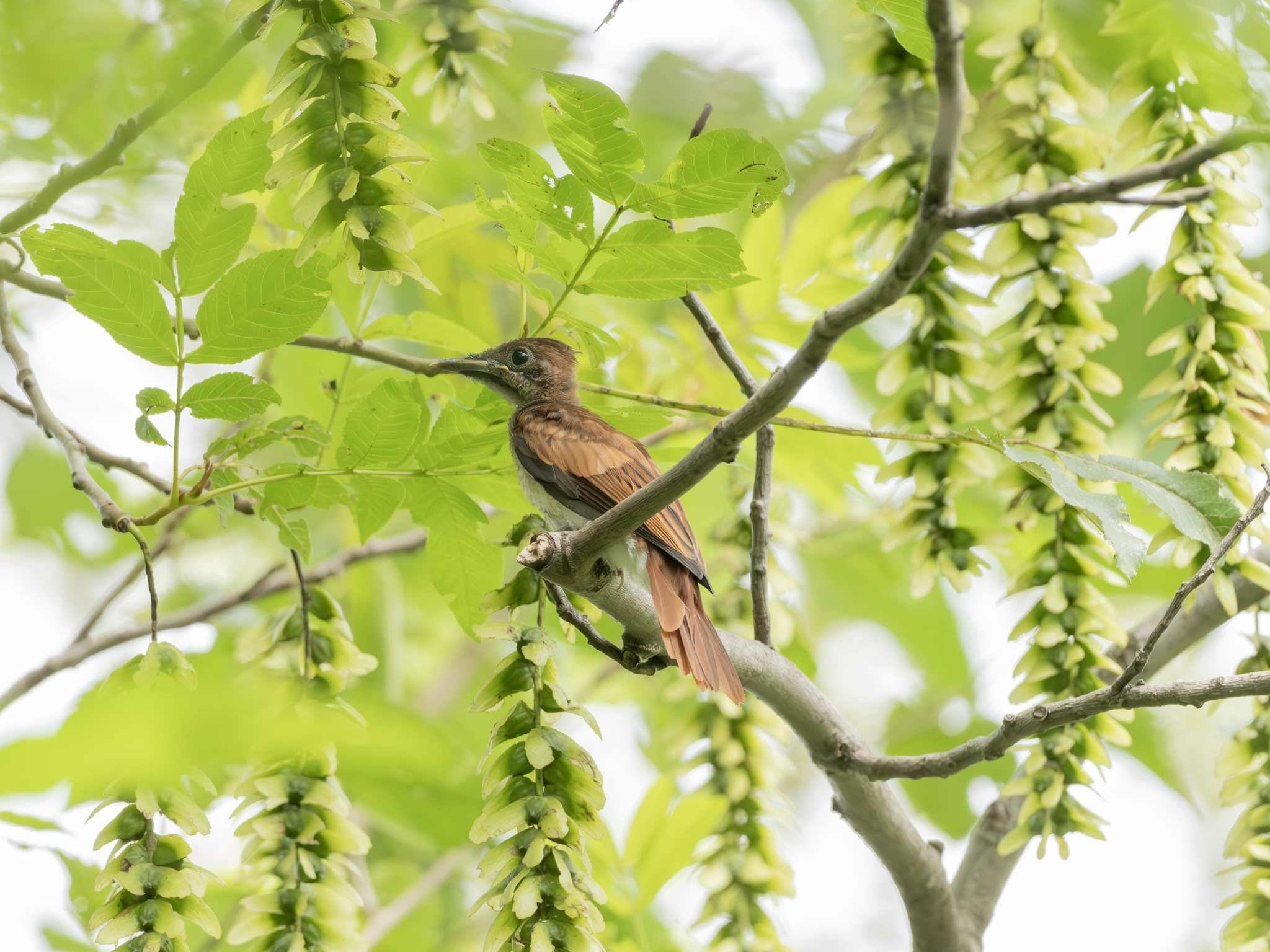
Adults are 19–22 cm (7.5–8.7 in) long with wings 86–92 mm (3.4–3.6 in). Heads are glossy black with a black crown, crest, bill, and eyes. Females have rufous backs, greyish throats and underparts. Young males resemble females but have black throats and blue-ringed eyes; they acquire long tails in their second or third year. Adult males develop central tail feathers up to 30 cm (12 in) long, creating drooping streamers. Males exhibit plumage polymorphism: predominantly bright rufous above or predominantly white. Rufous birds generally lack shaft streaks, while white birds have black shaft streaks and sometimes black edges on wing and tail feathers. Intermediates occur in some regions.
Identification
Males distinguished by elongated central tail feathers forming streamers up to 30 cm long. Key identification involves distinguishing between rufous and white morphs, with intermediates showing mixed traits. Females identified by short tails, rufous wings, and black heads.
Distribution & Habitat
Migratory, spending winter in tropical Asia. Breeds in central and southern India, central Bangladesh, south-western Myanmar (subspecies T. p. paradisi); western Tian Shan, Afghanistan, northern Pakistan, northwestern and central India, western and central Nepal (subspecies T. p. leucogaster); and Sri Lanka (subspecies T. p. ceylonensis). Populations in eastern Pakistan and southern India migrate to Himalayan foothills for breeding. Winter visitors occur in southern India and Sri Lanka.
Behavior & Ecology
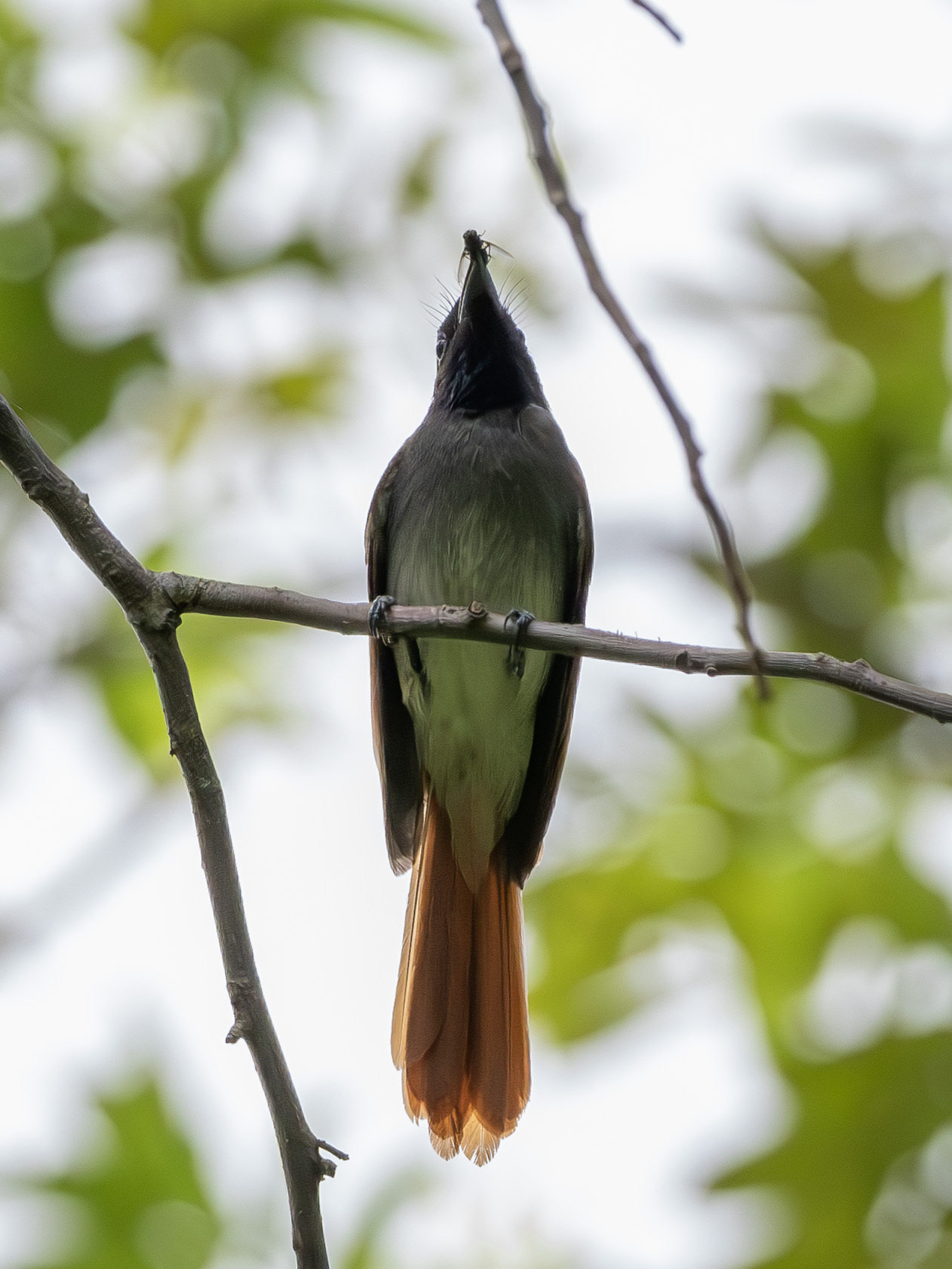
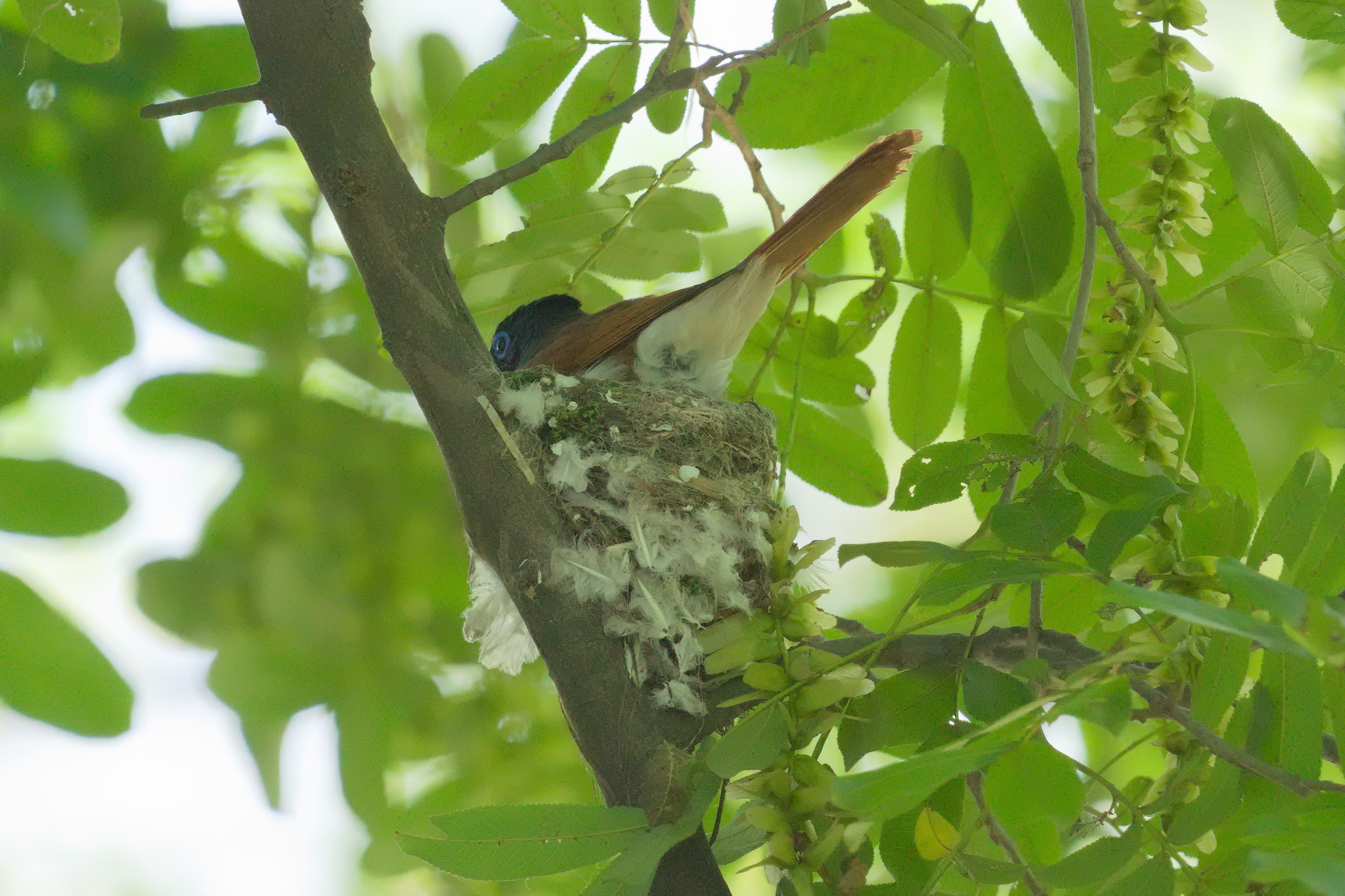
Feeds on insects including grasshoppers, butterflies, praying mantises, and flies. Captures prey in air, kills it by hitting against a rock, and extracts inner parts. Breeding season lasts from May to July. Socially monogamous; both sexes participate in nest-building, incubation, brooding, and feeding. Nests are cup-shaped, made of twigs and spider webs on low branches, sometimes near drongos for protection. Female lays up to four eggs. Incubation lasts 14–16 days; nestling period 9–12 days. Chicks hatch in 21–23 days. Interspecific feeding by Indian white-eyes has been recorded.
Conservation
Listed as Least Concern on the IUCN Red List since 2004. Global population is considered stable.
Culture
State bird of Madhya Pradesh. Referred to locally as Doodhraj.
Source: Wikipedia · CC BY-SA 3.0
Taxonomy
- Order
- Passeriformes
- Family
- Monarchidae
- Genus
- Terpsiphone
Vocalizations
Subspecies (3)
-
Terpsiphone paradisi ceylonensis
Sri Lanka
Data Sources
CBR Notes: 中文名由印缅寿带改为印度寿带
Species description from Wikipedia, licensed under CC BY-SA 3.0.
Bird images and sounds sourced from GBIF, contributed by citizen scientists worldwide under Creative Commons licenses.
Taxonomy data from AviList 2025.