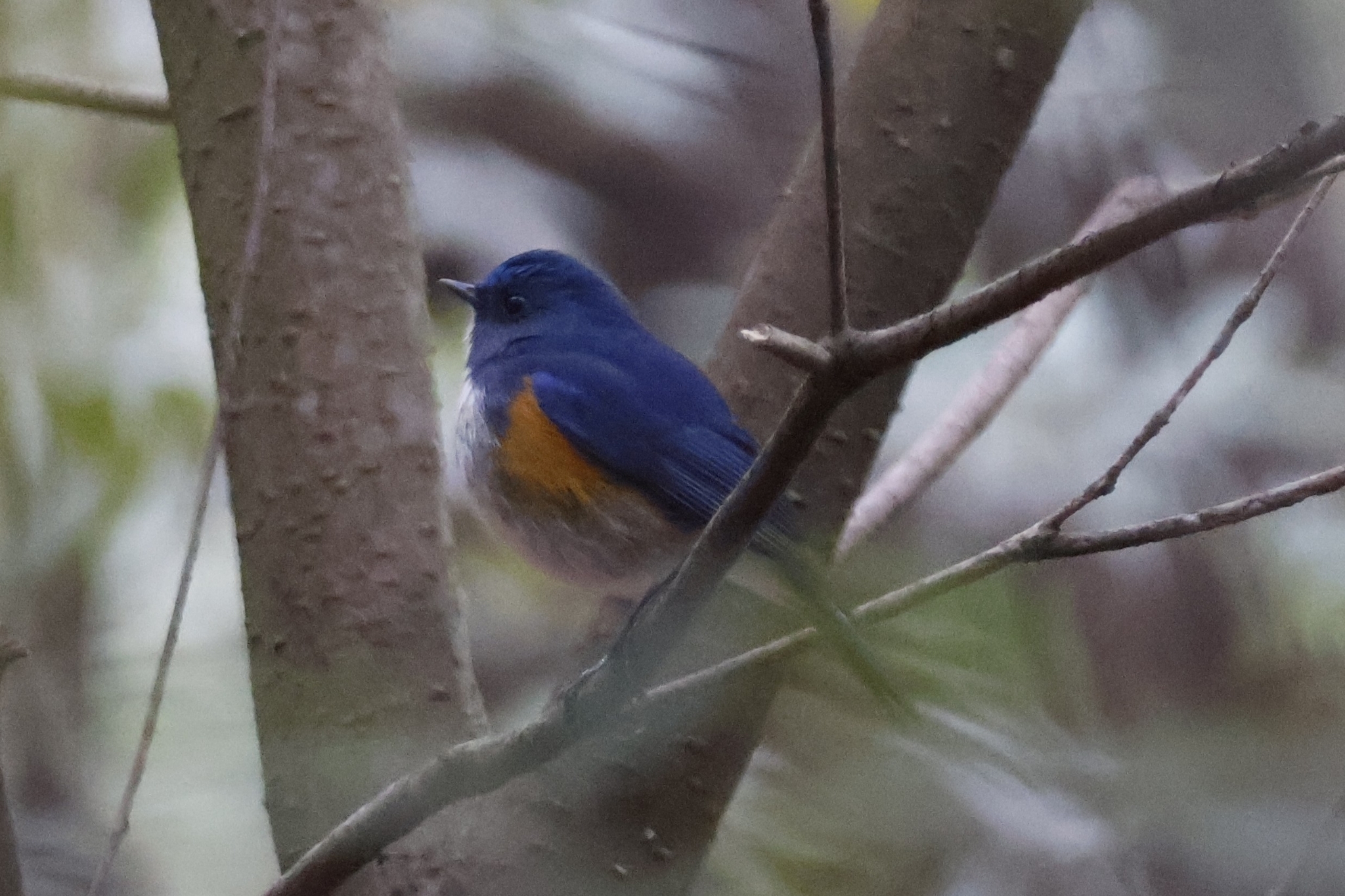
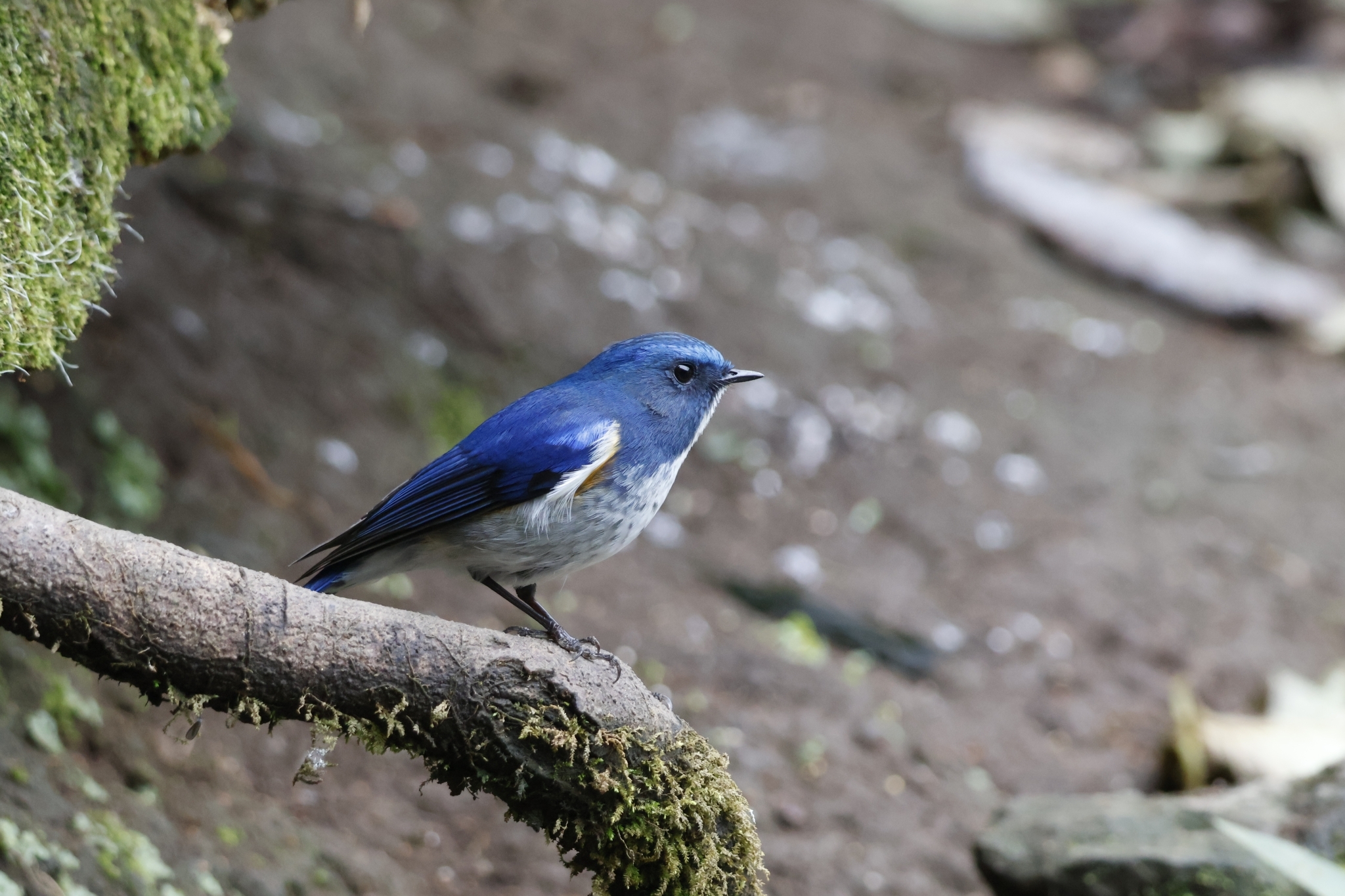
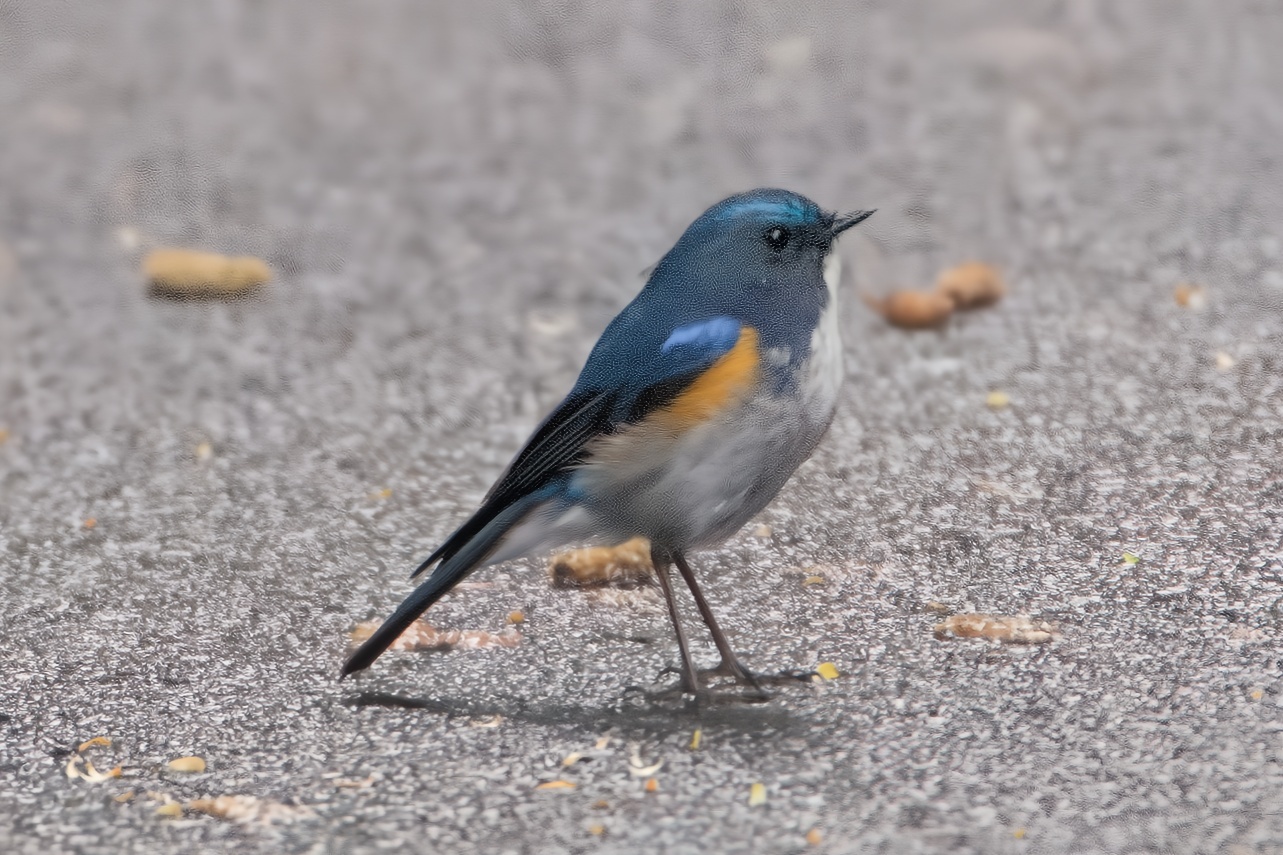
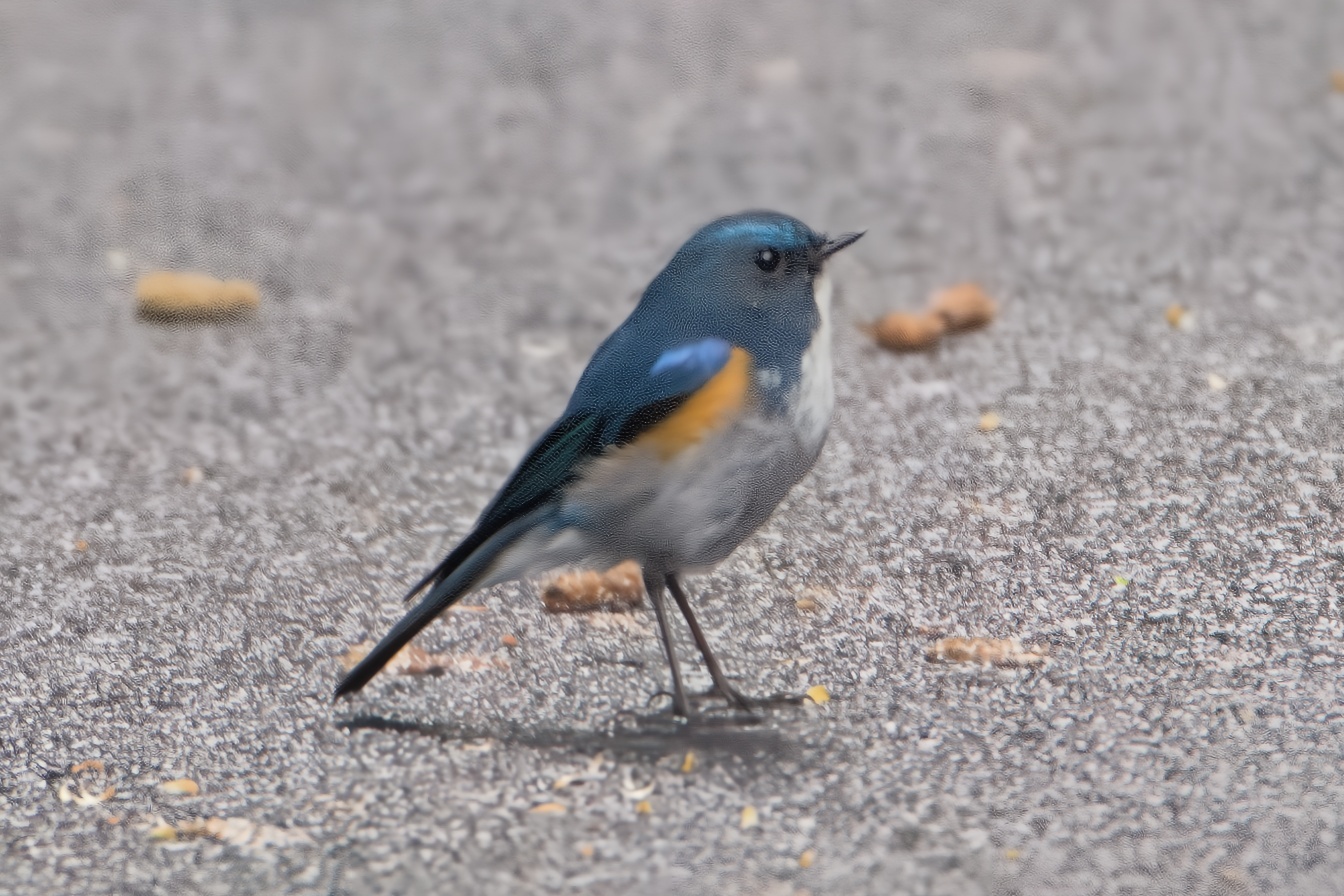

Himalayan Bluetail
Tarsiger rufilatus
蓝眉林鸲
Introduction
Small passerine bird (family Muscicapidae), formerly classified in Turdidae. Breeds in the Himalaya at 3000-4400m elevation in the bush layer of conifer and mixed conifer-oak forest, favoring dwarf rhododendron in wetter areas and deciduous bushes in drier zones. Winters at 1500-2500m in broadleaf evergreen forest with dense undergrowth and thickets. Short-distance altitudinal migrant. Insectivorous. Closely related to the red-flanked bluetail but differs in being a shorter-distance migrant, having more intensely blue adult males, and greyer females and juveniles. Currently under taxonomic review and not recognized as a separate species by BirdLife International.
Description
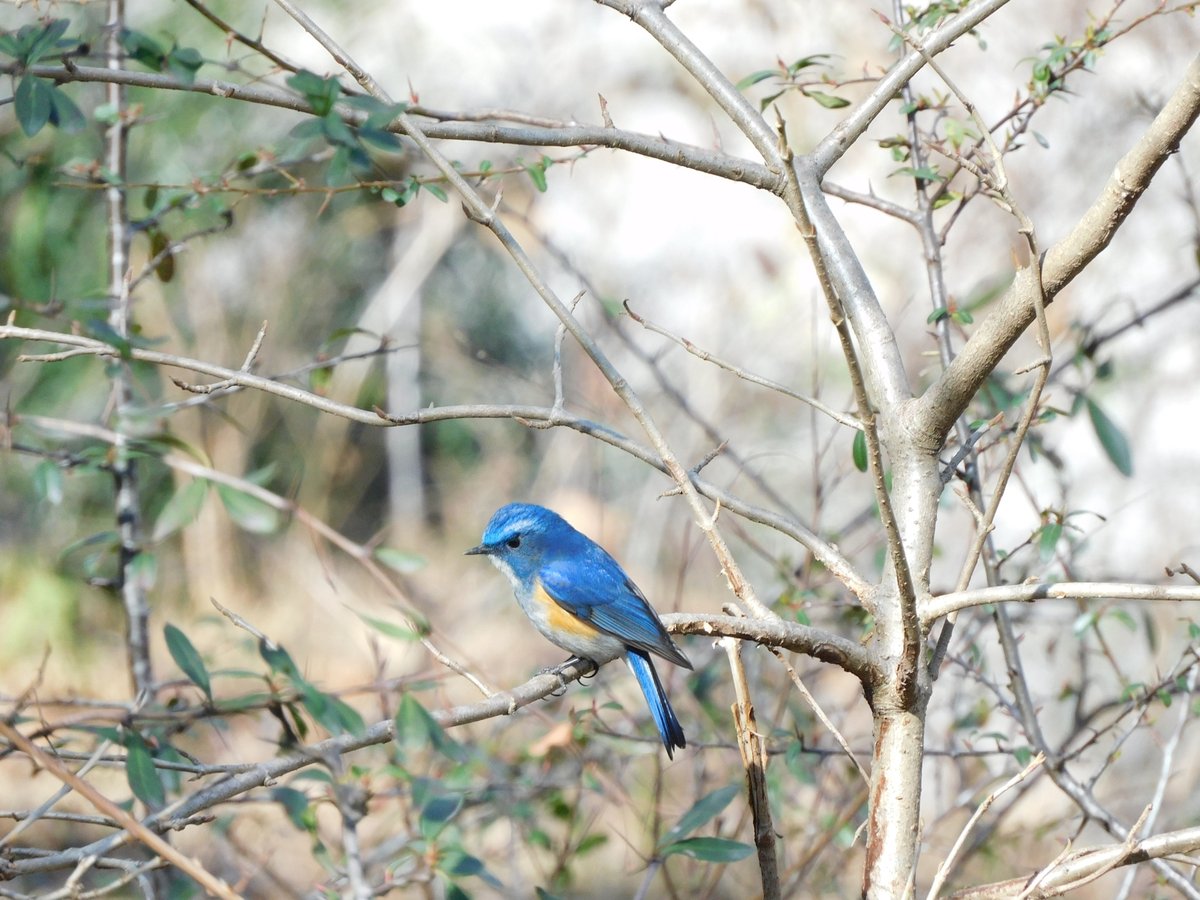
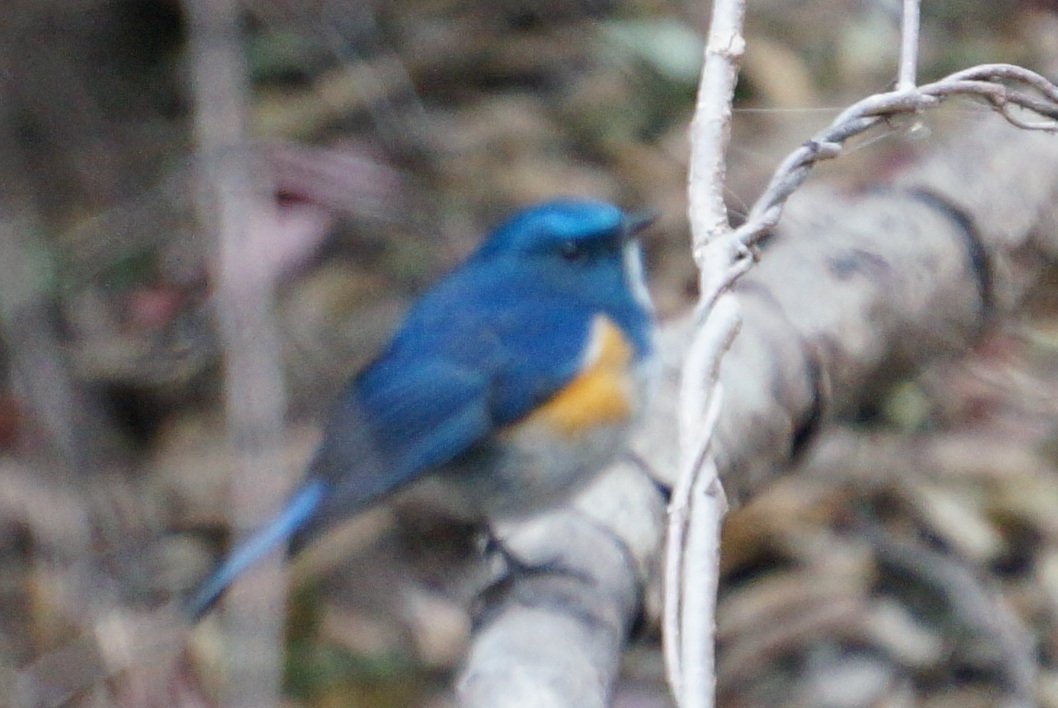
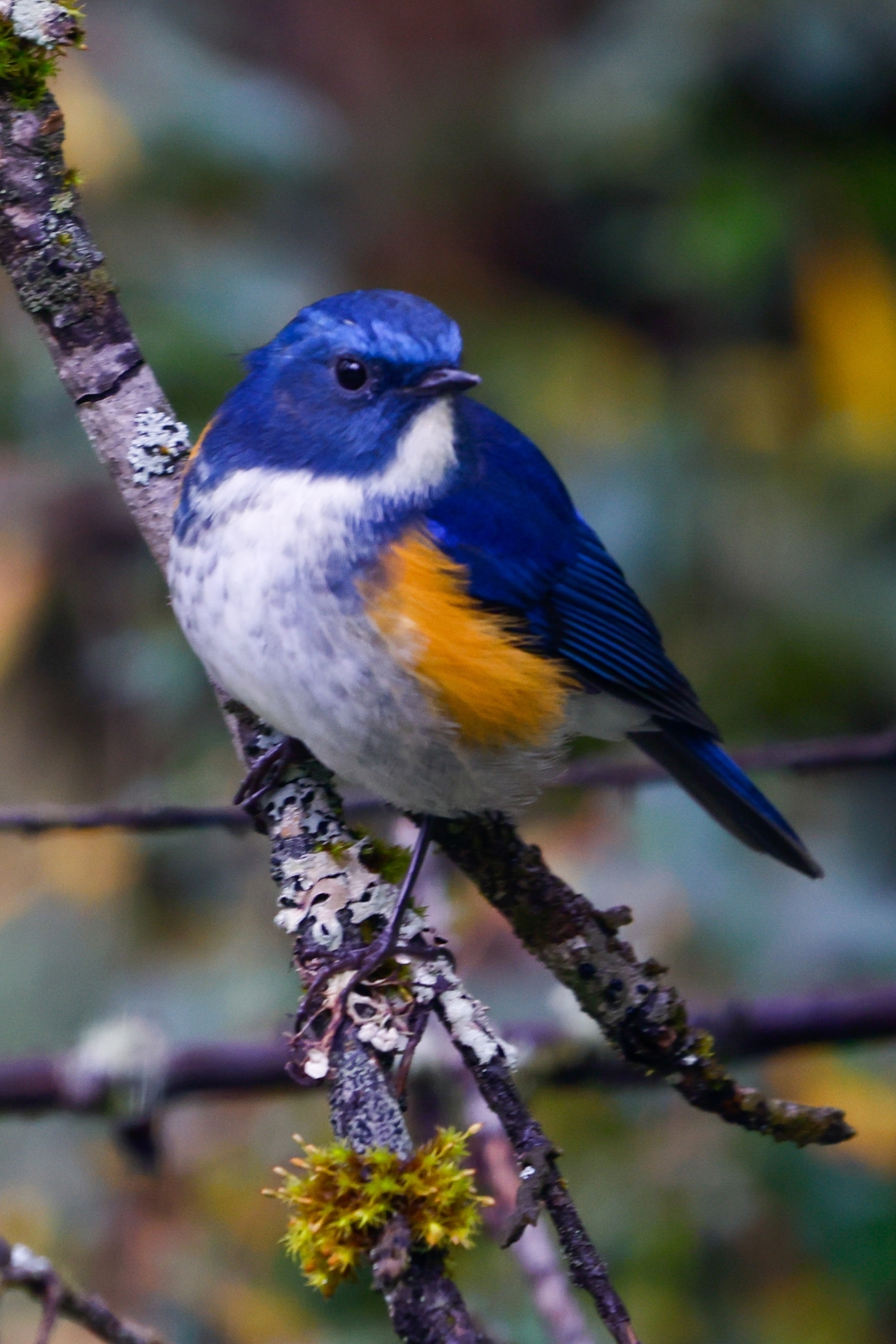
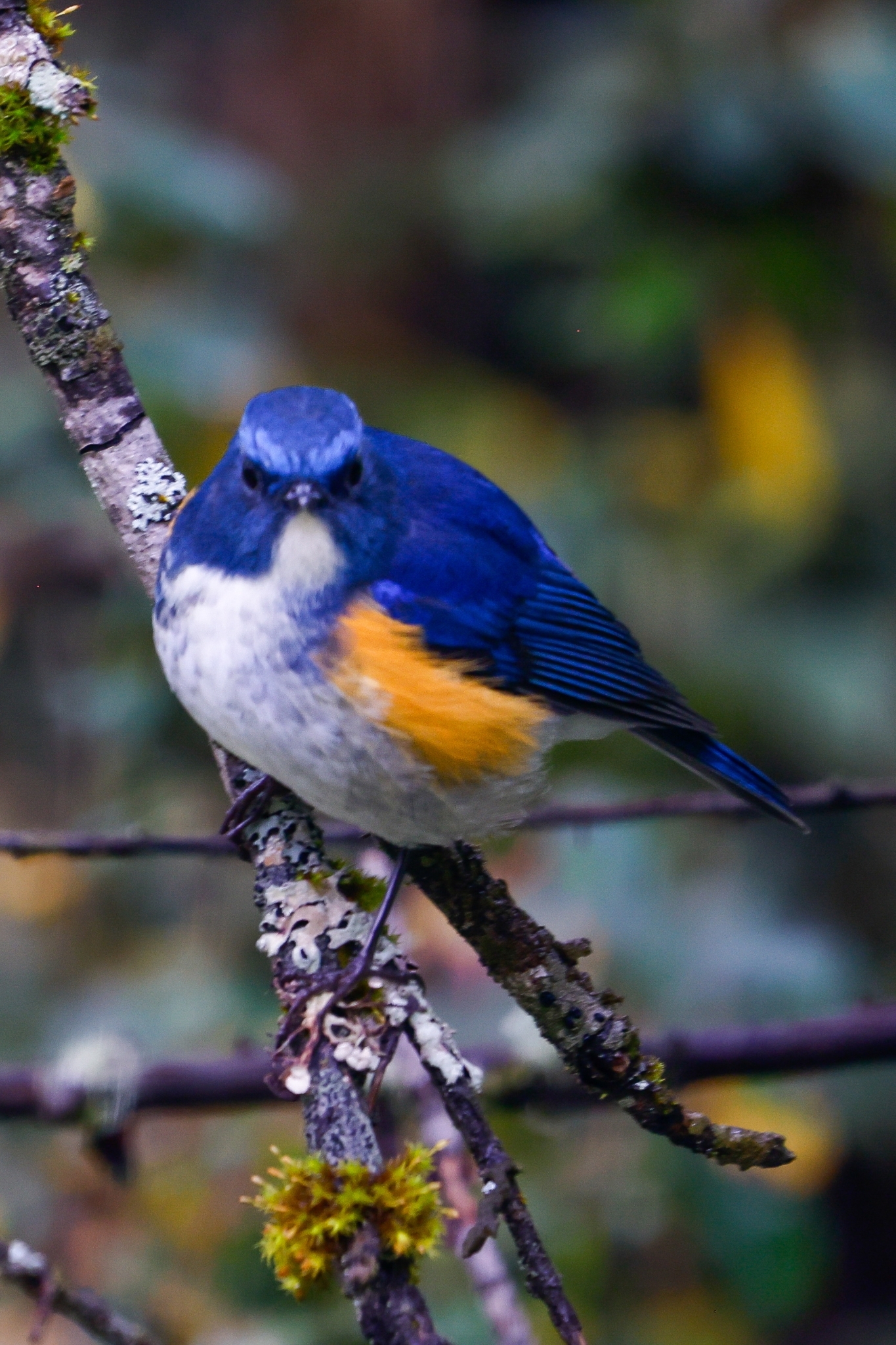
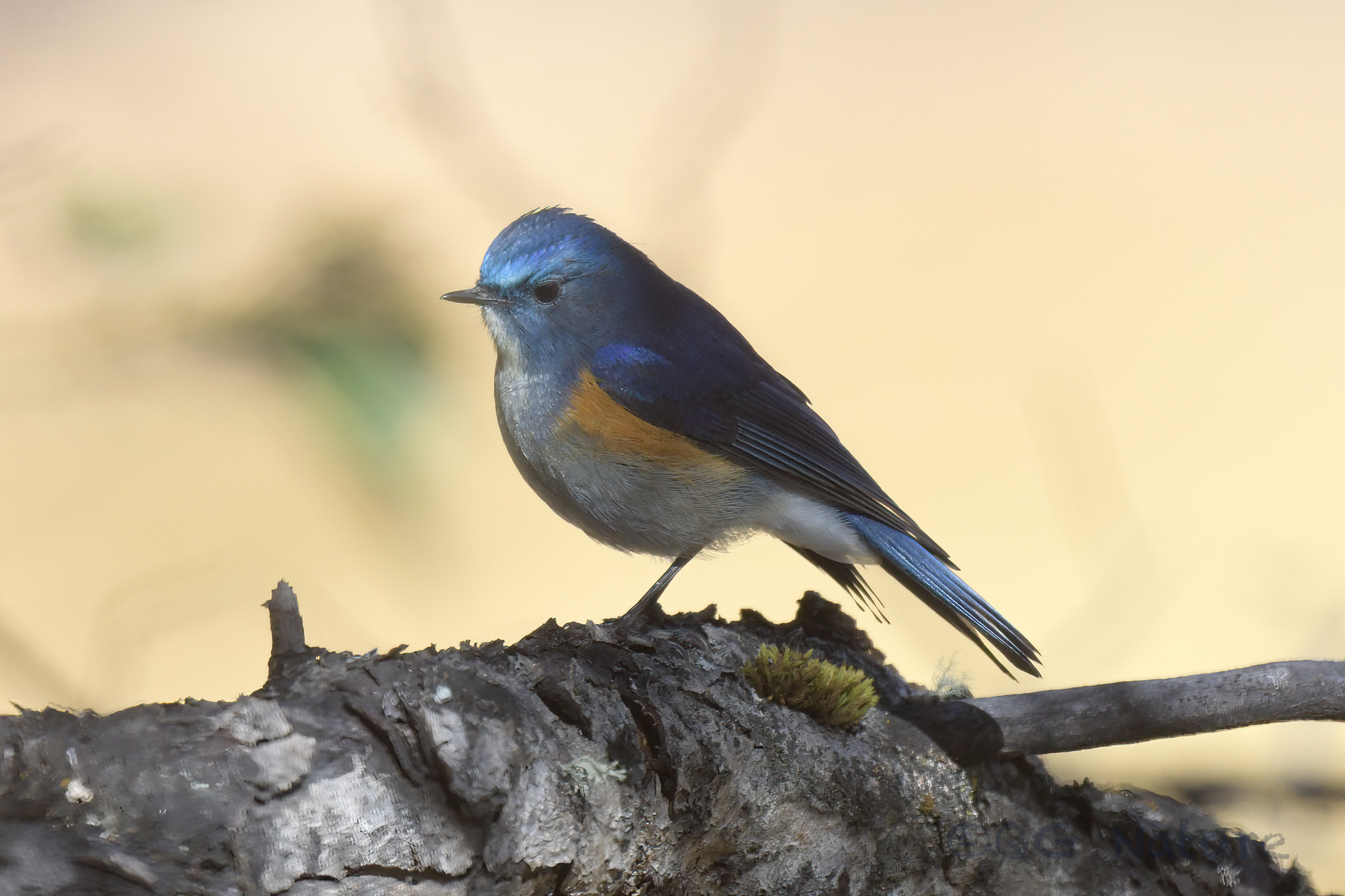
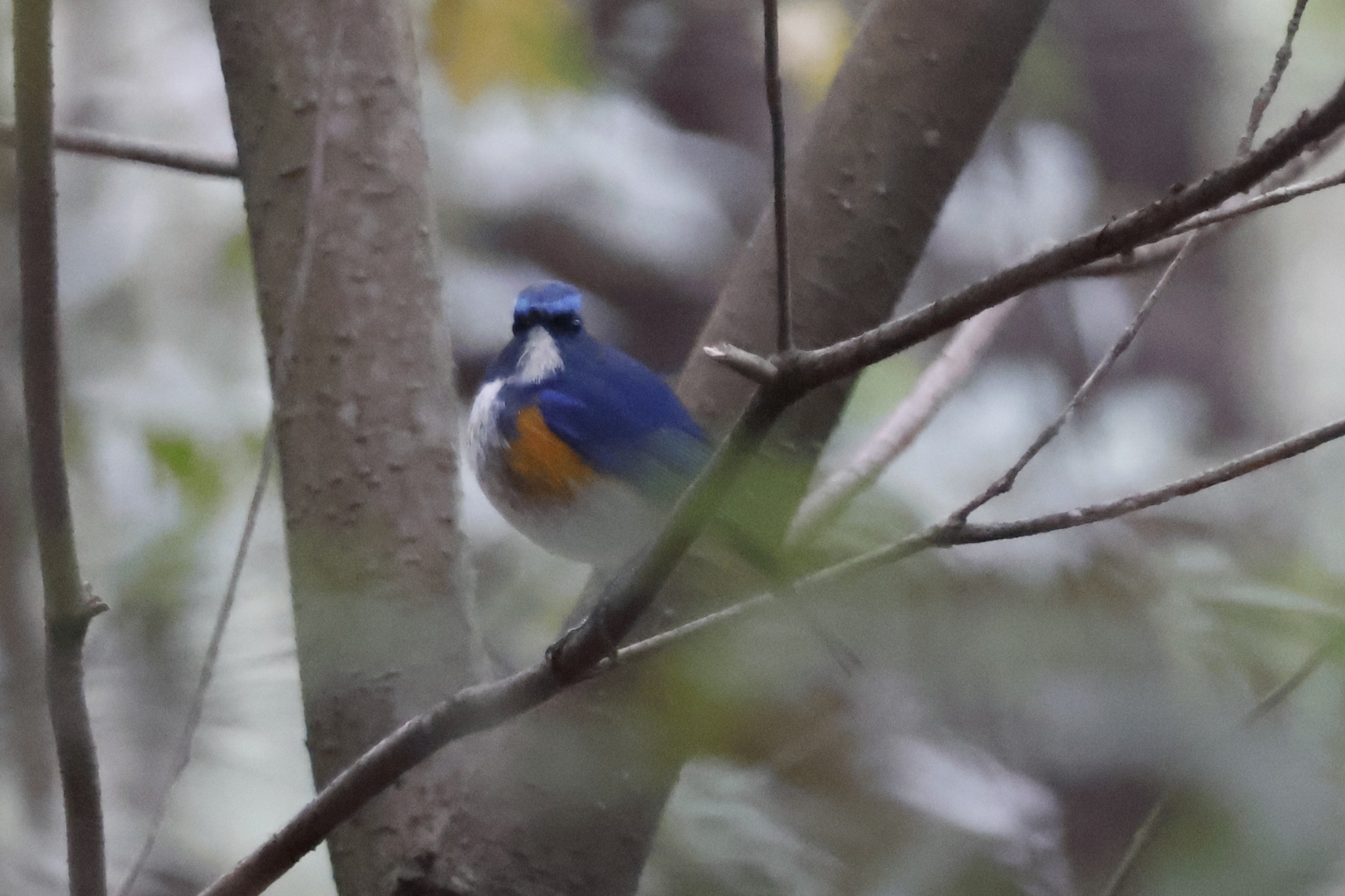
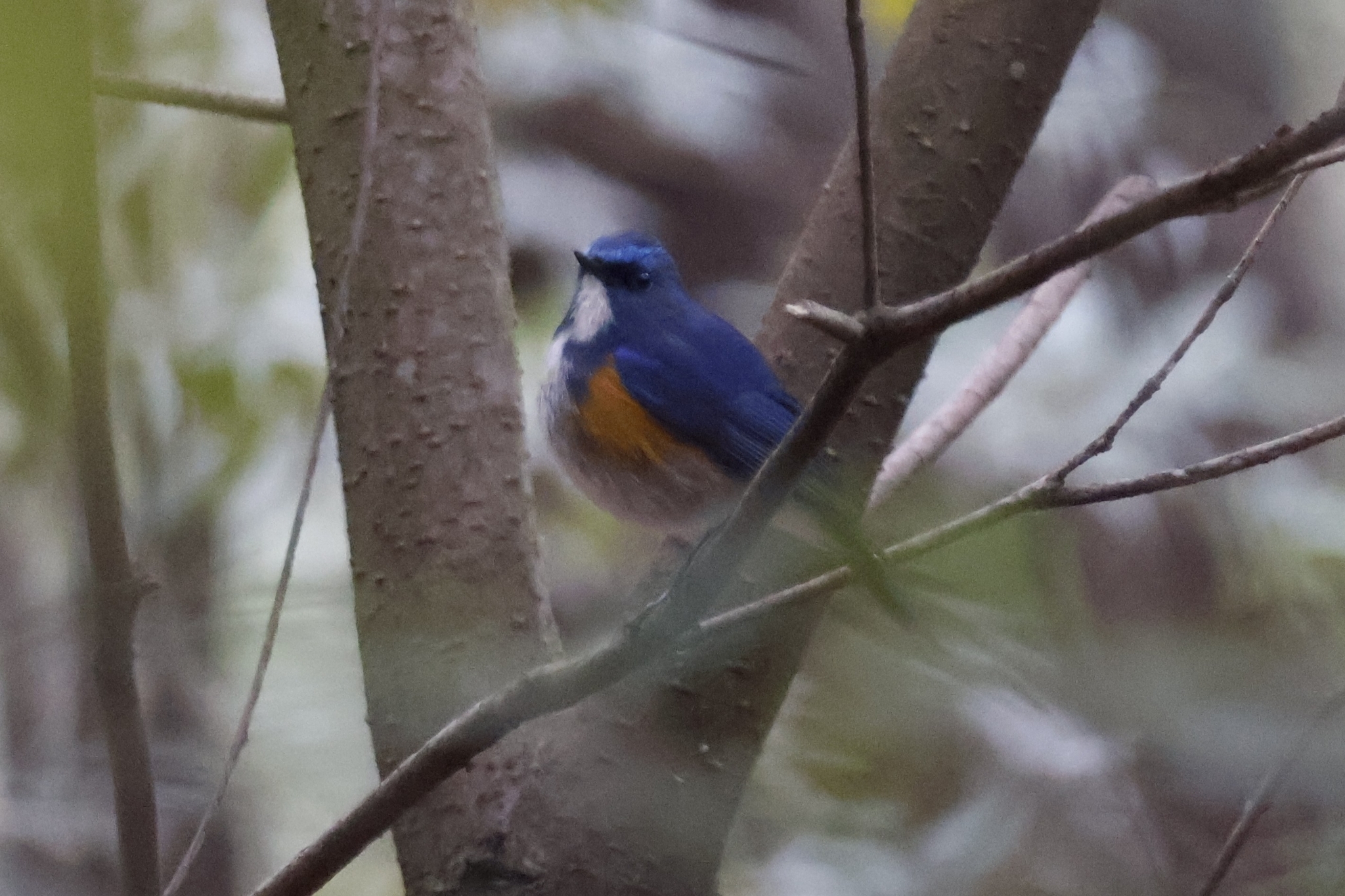
Small passerine bird. Adult males display intensely blue plumage. Females and juveniles are greyer in coloration compared to closely related species.
Identification
Adult males distinguished by more intense blue coloration compared to the red-flanked bluetail. Females and juveniles are greyer than their counterparts in similar species. The species shows subtle plumage differences that require careful observation to distinguish from related bush-robins.
Distribution & Habitat
Breeds throughout the Himalaya at elevations of 3000-4400m, inhabiting the bush layer of conifer and mixed conifer-oak forests, primarily in fir (Abies) stands but also occurring in areas with Picea smithiana or Pinus wallichiana/Cupressus torulosa forest. Does not occur beyond the tree line. Winters at lower elevations of 1500-2500m in broadleaf evergreen forest, dense dark undergrowth, thickets, clearings, and treefall gaps with vine tangles. Commonly observed along mountain tracks, favoring ridges and mountain tops.
Behavior & Ecology
Insectivorous, feeding on insects. A short-distance altitudinal migrant, moving to lower elevations for winter. Differs from the closely related red-flanked bluetail, which is a long-distance migrant. Inhabits the bush layer of forest environments.
Conservation
Currently under taxonomic review. Not recognized as a valid species by BirdLife International, which treats it as part of the red-flanked bluetail complex. Conservation status has not been separately assessed.
Source: Wikipedia · CC BY-SA 3.0
Taxonomy
- Order
- Passeriformes
- Family
- Muscicapidae
- Genus
- Tarsiger
- eBird Code
- himblu1
Subspecies (2)
-
Tarsiger rufilatus pallidior
breeds in the western Himalayas from northwestern Pakistan to about central Nepal; primarily resident (although moving to lower elevations in winter)
-
Tarsiger rufilatus rufilatus
breeds in the central and eastern Himalayas from about central Nepal eastward to southwestern China; primarily resident (although moving to lower elevations in winter), some migrate to northeastern India (Assam) and northern Myanmar
Data Sources
Species description from Wikipedia, licensed under CC BY-SA 3.0.
Bird images and sounds sourced from GBIF, contributed by citizen scientists worldwide under Creative Commons licenses.
Taxonomy data from AviList 2025.