Passeriformes / Muscicapidae / Tarsiger
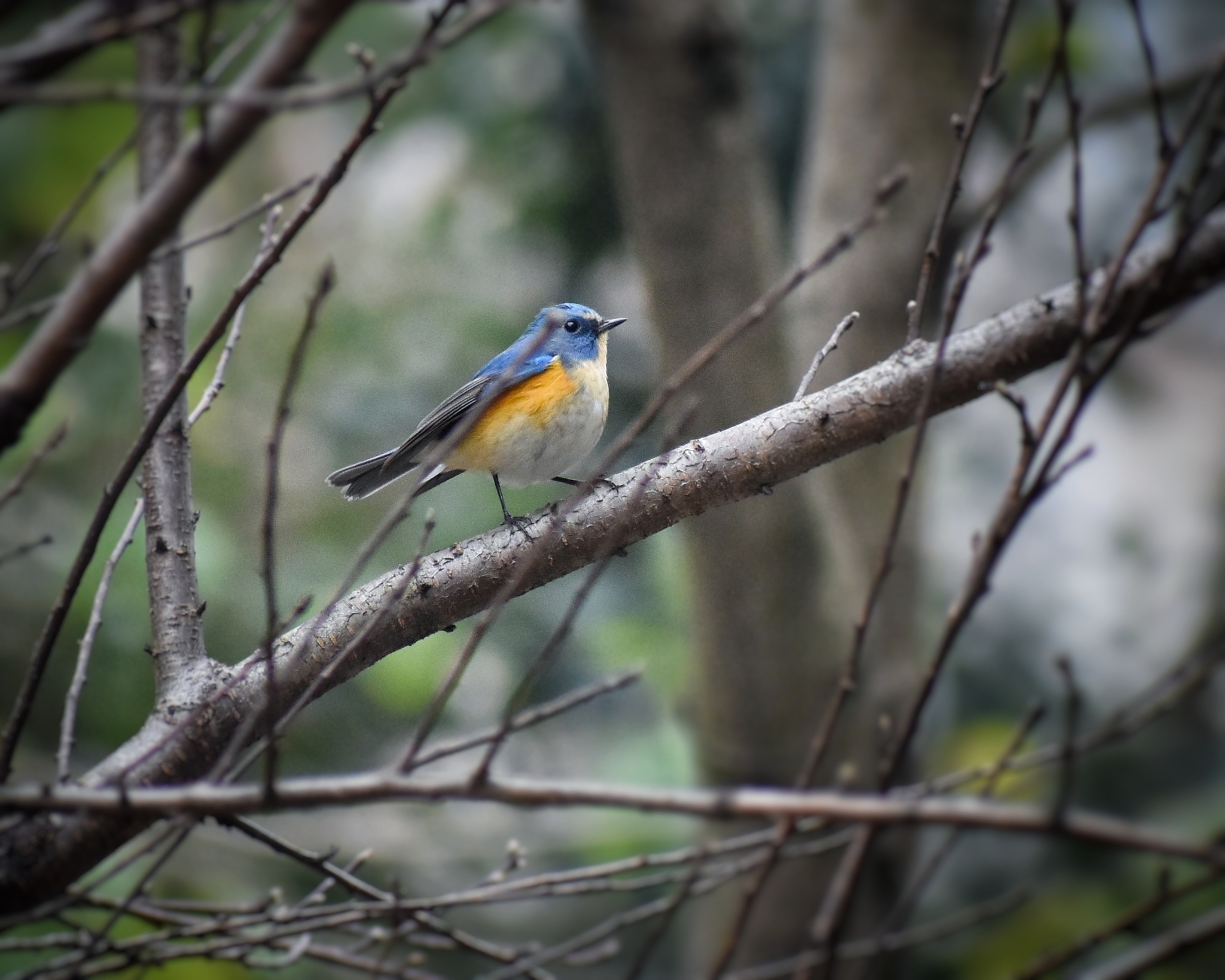
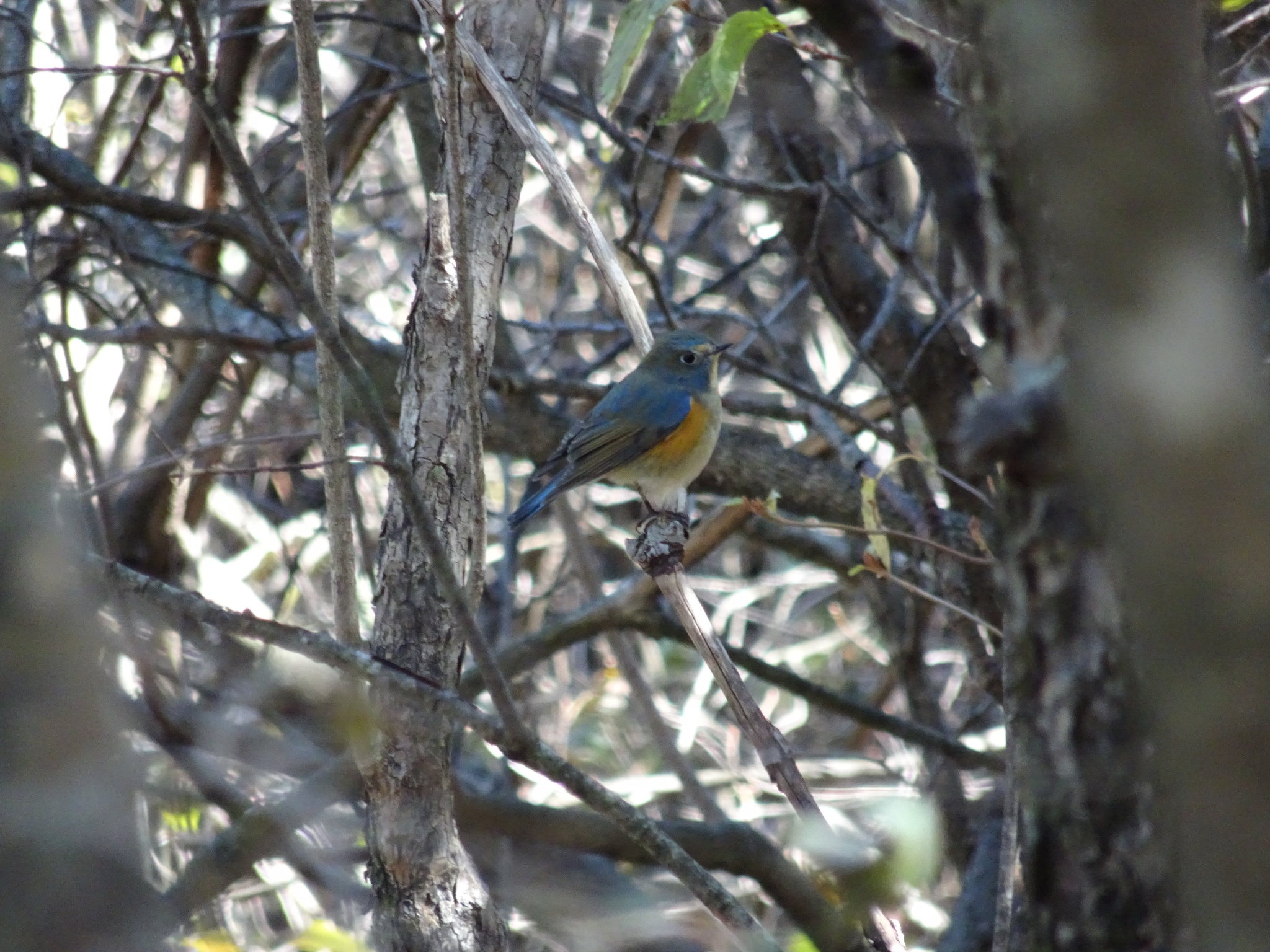
Red-flanked Bluetail
Tarsiger cyanurus · 红胁蓝尾鸲
Introduction
Small passerine in the Old World flycatcher family. Breeds in mixed coniferous forests across northern Asia, parts of central Asia, and northeastern Europe. Migratory, wintering mainly in southeast Asia, the Indian subcontinent, the Himalayas, Taiwan, and northern Indochina. Insectivorous chat that frequently flicks its tail.
Description
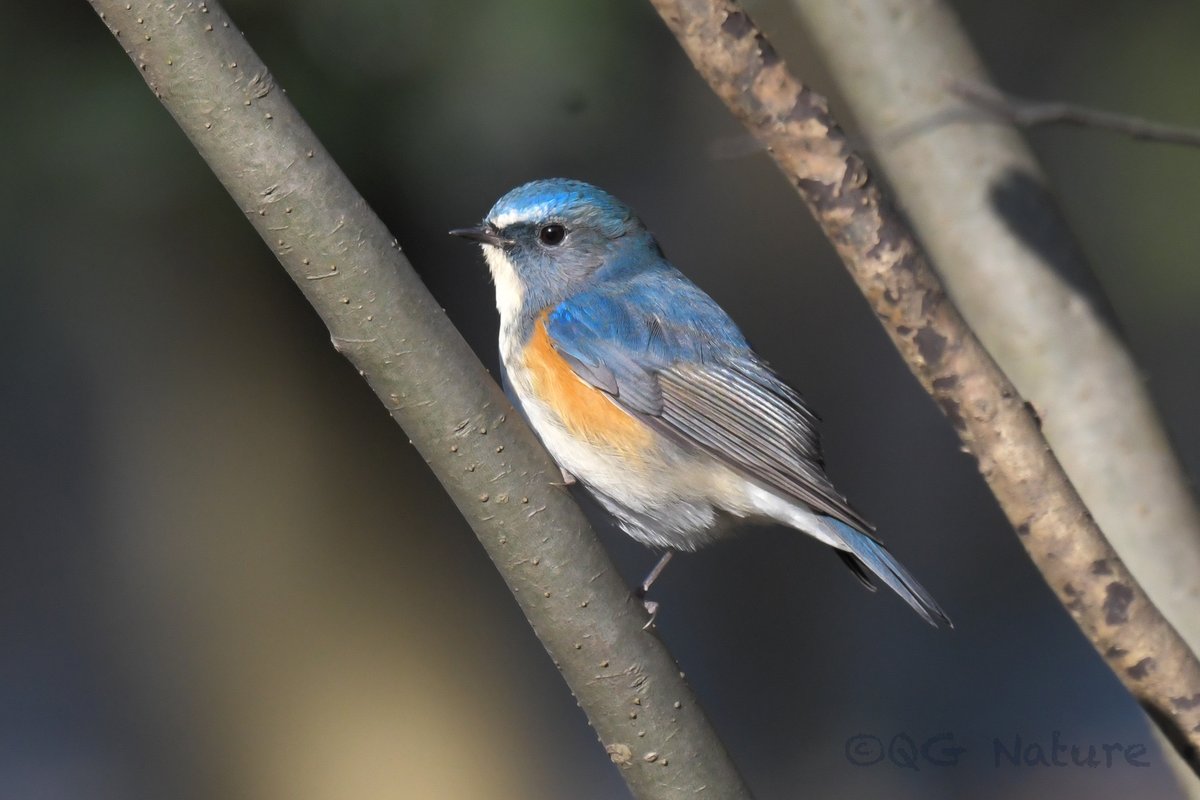
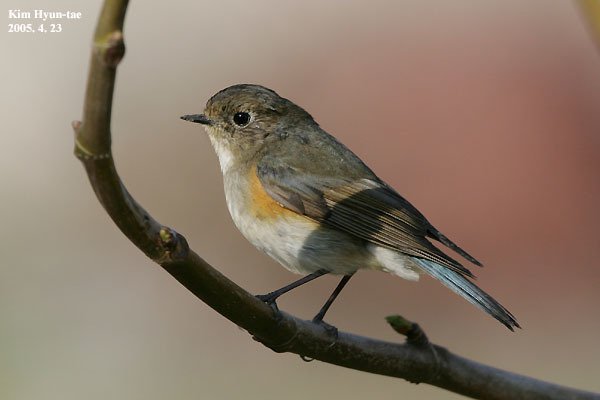
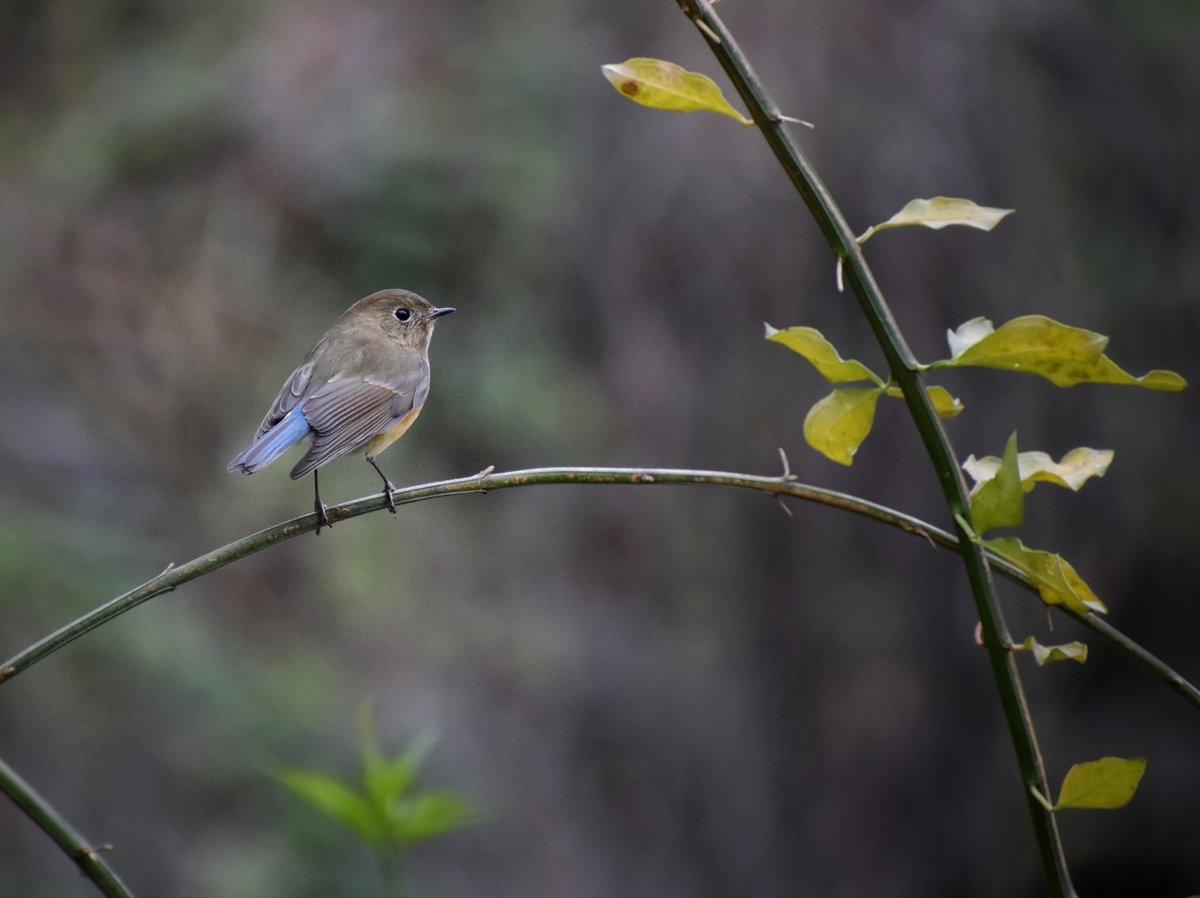
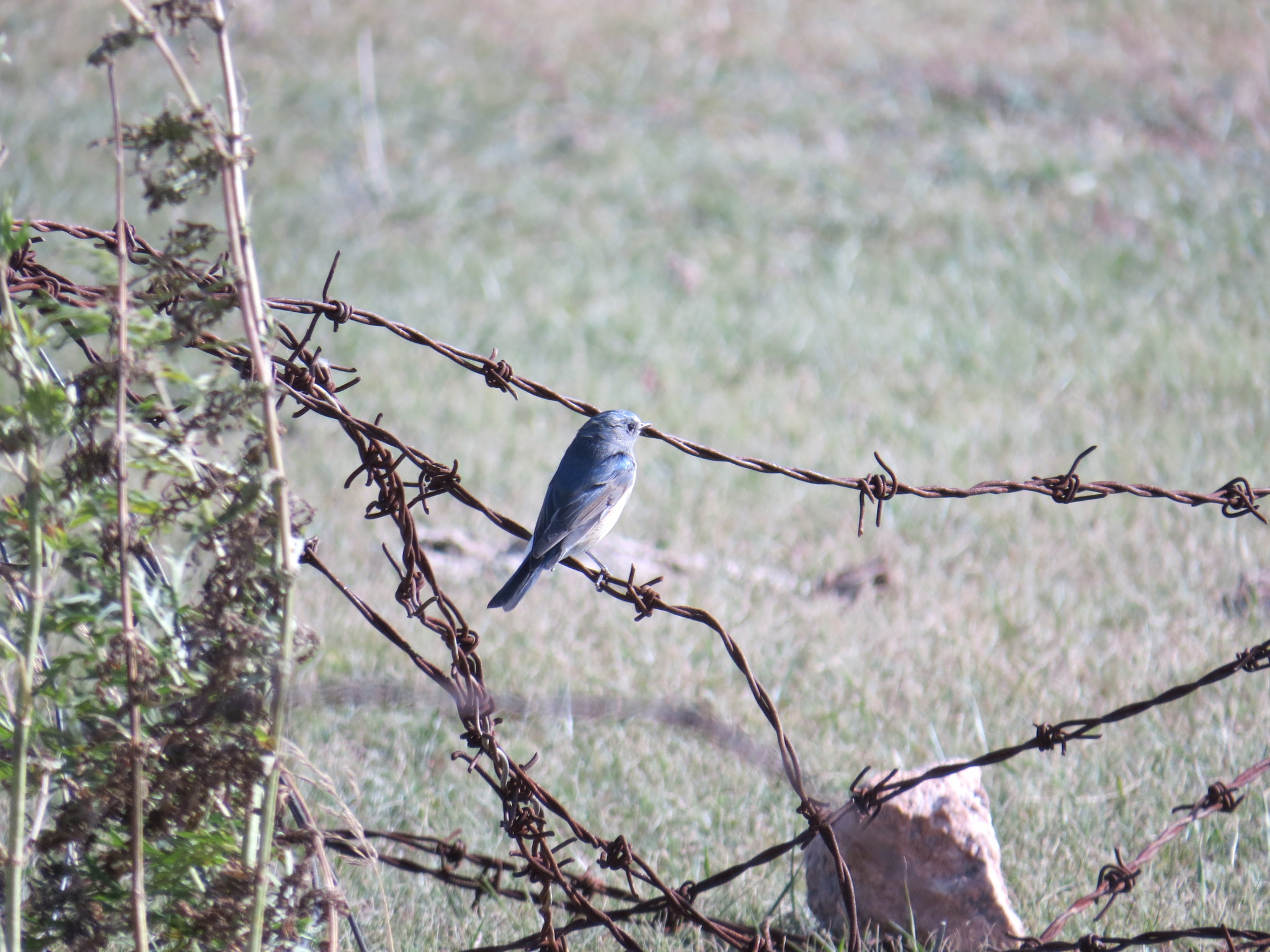
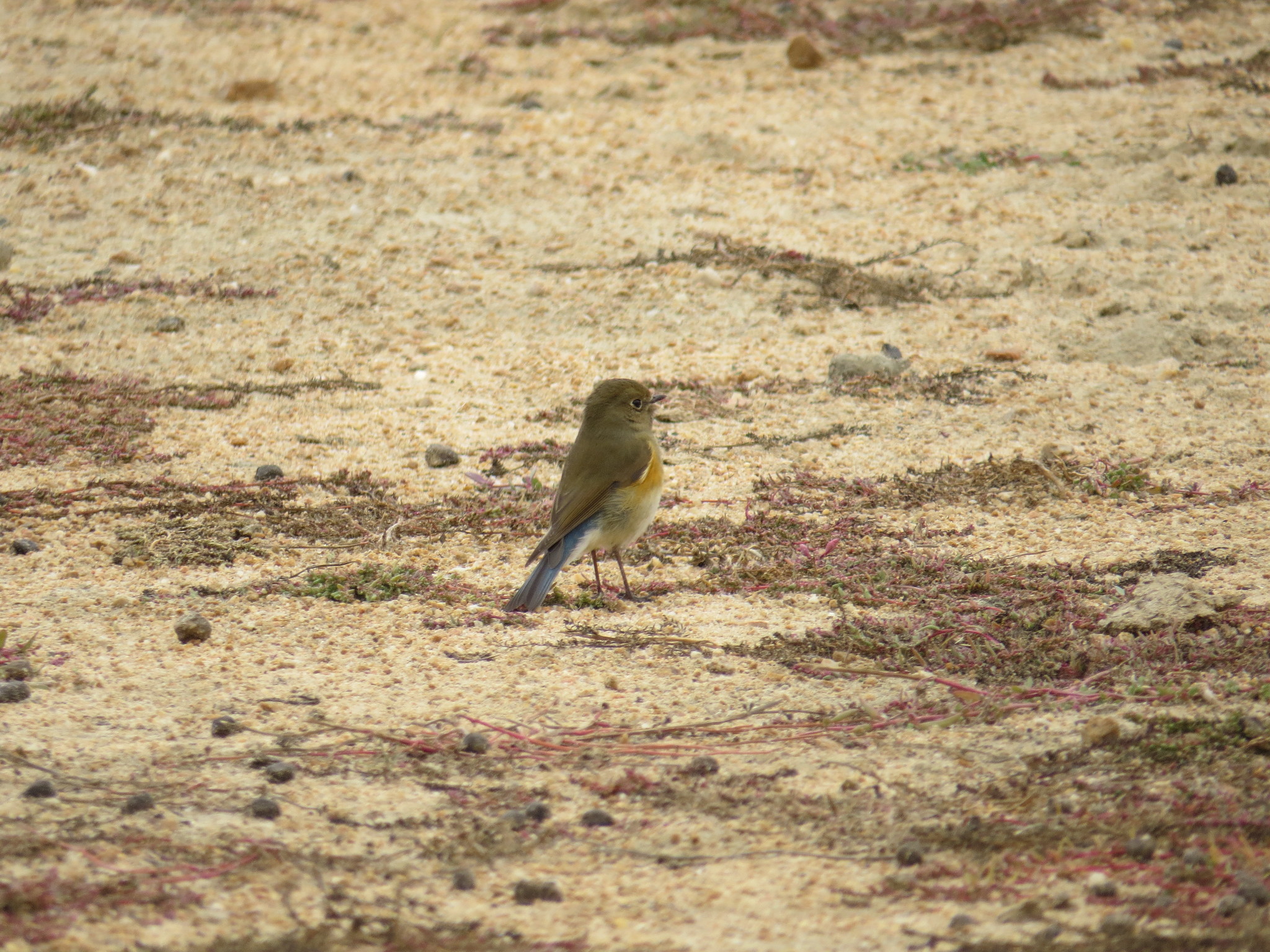
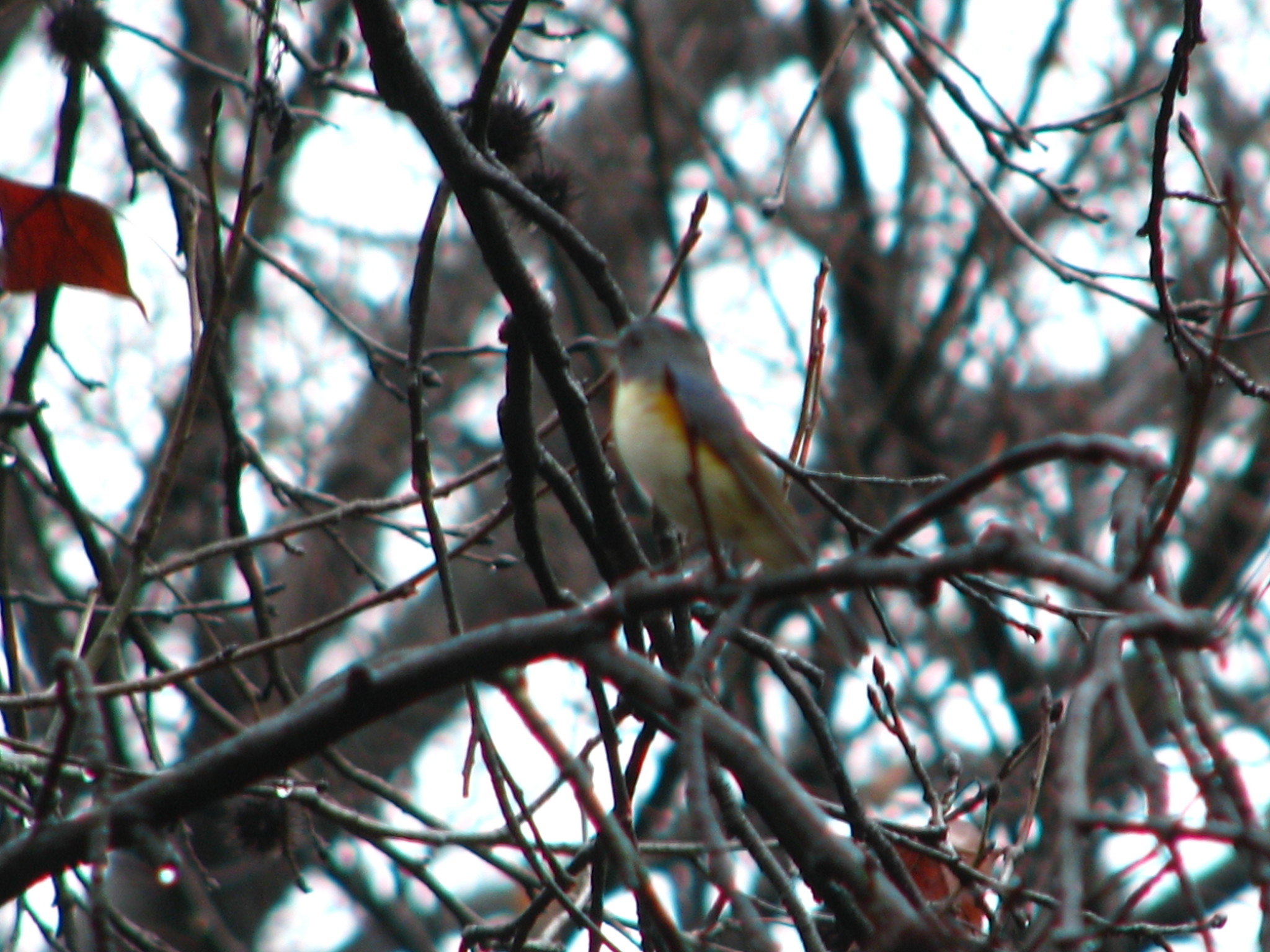
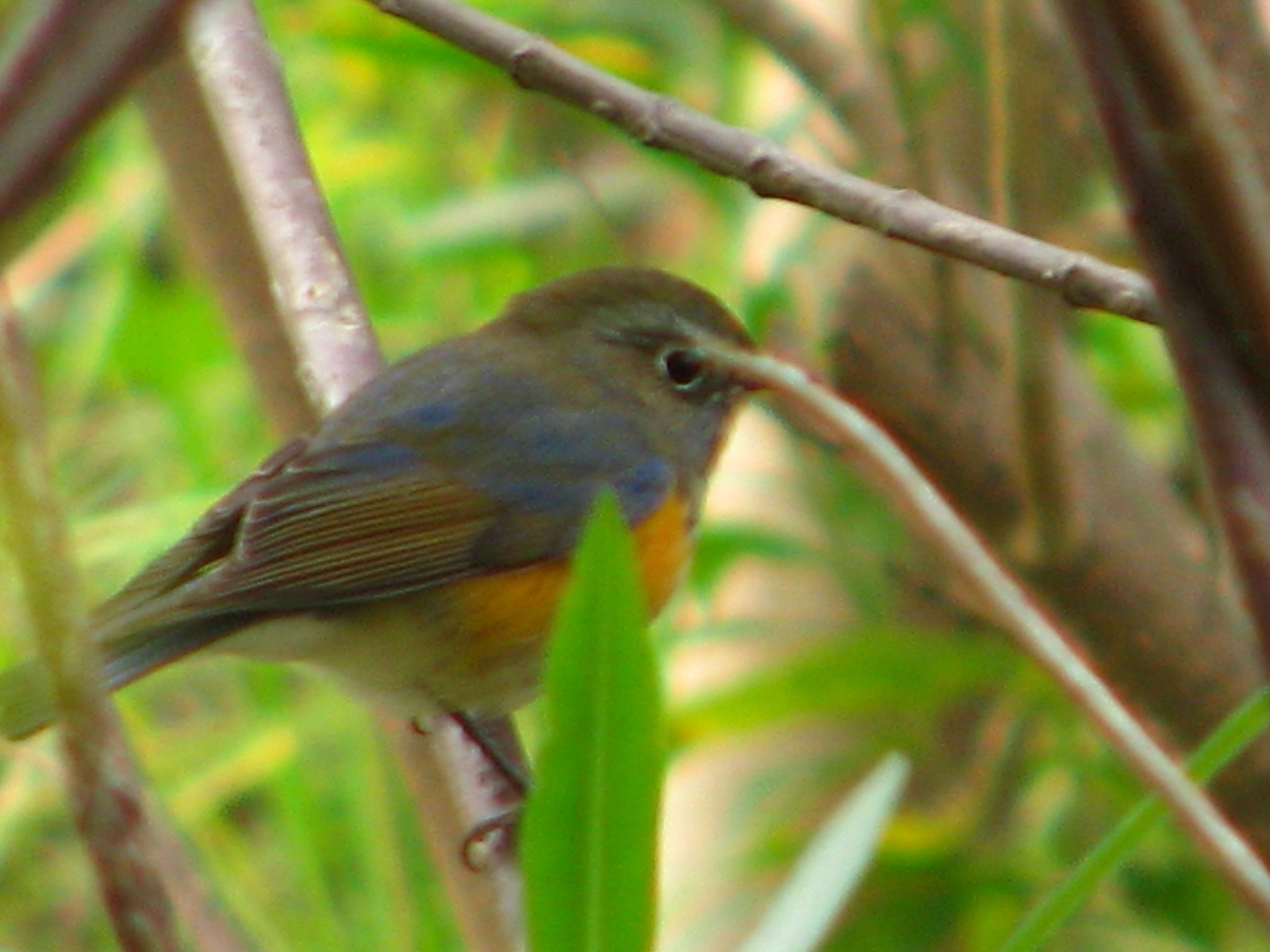
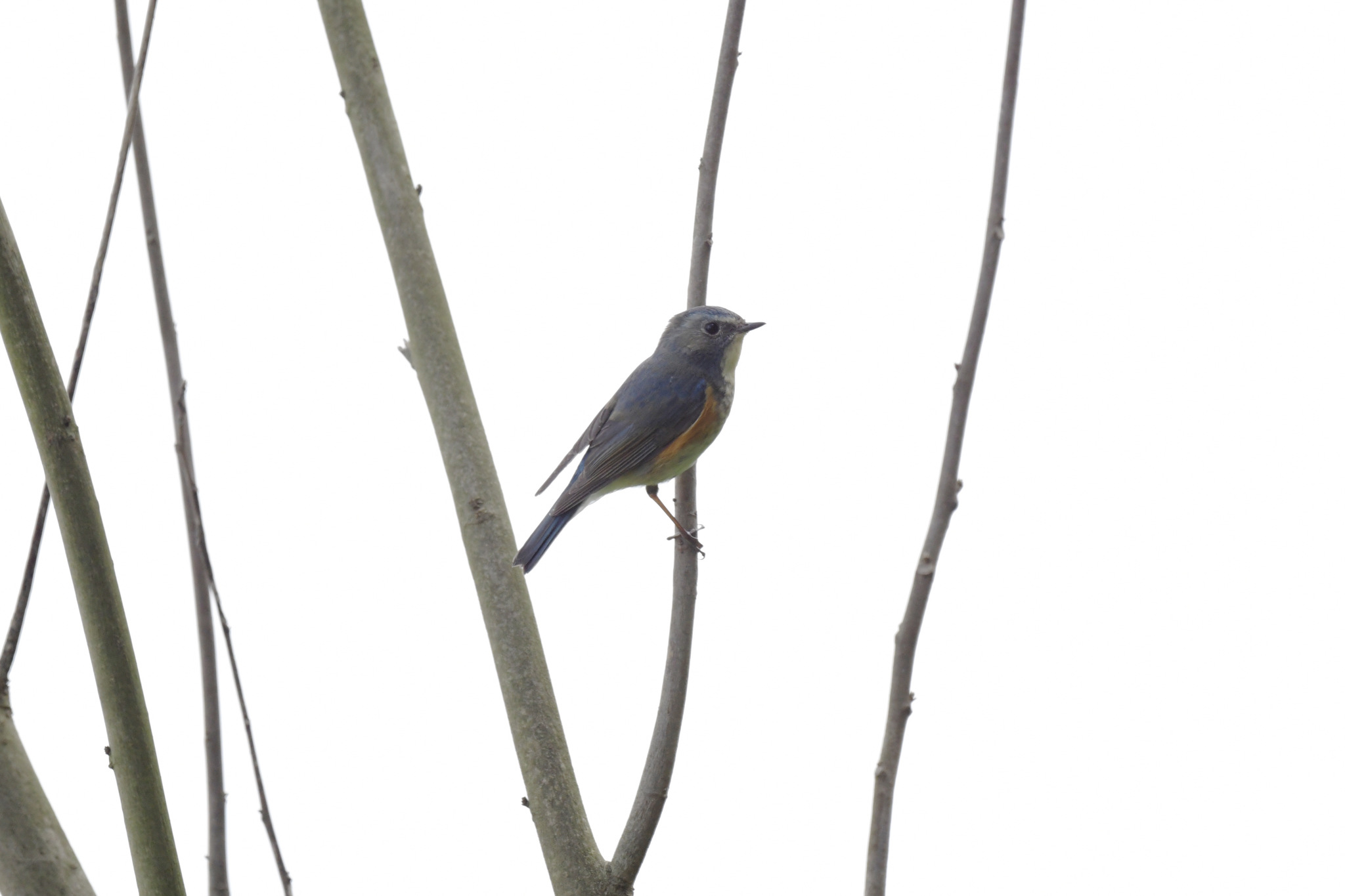
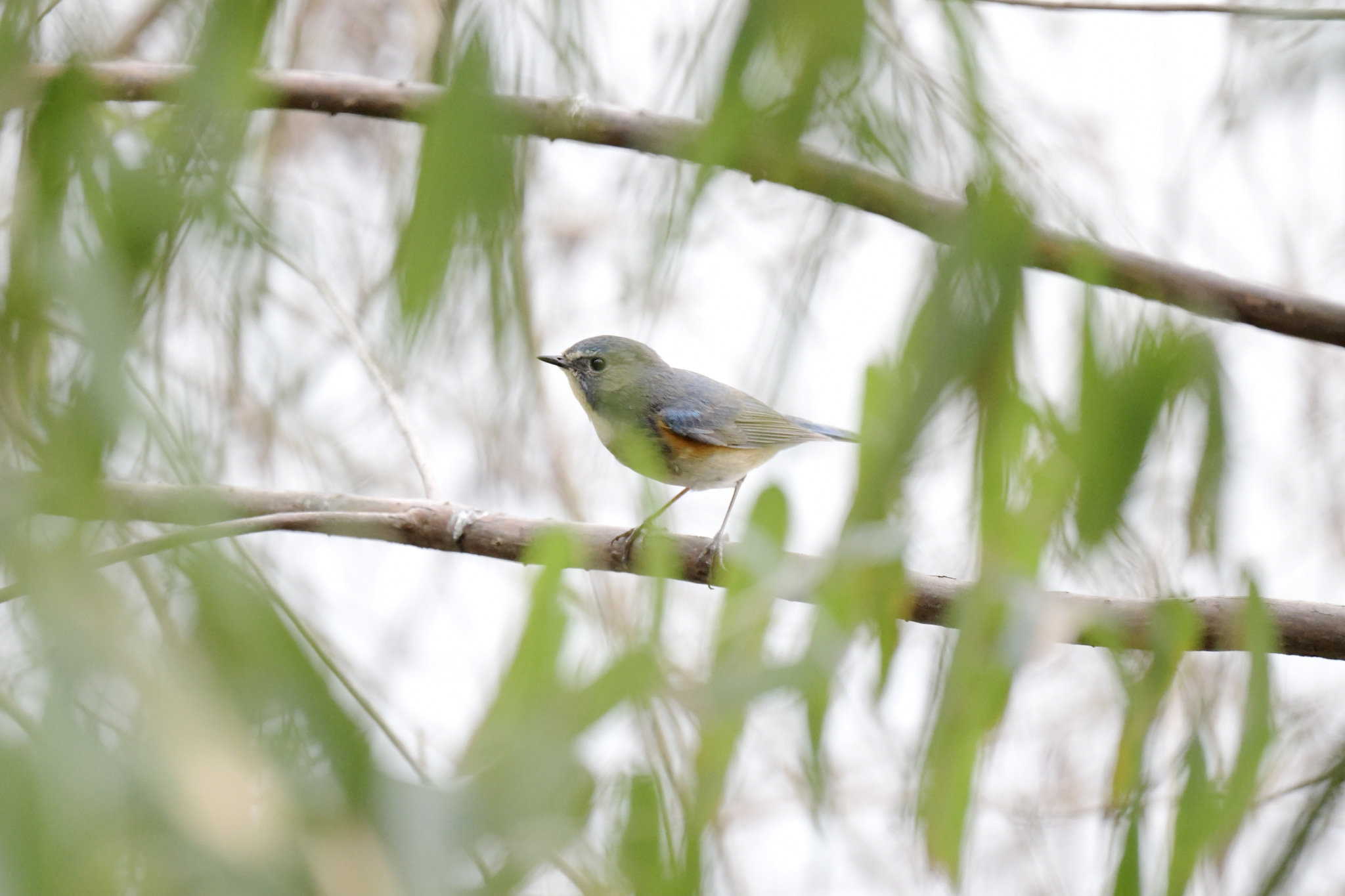
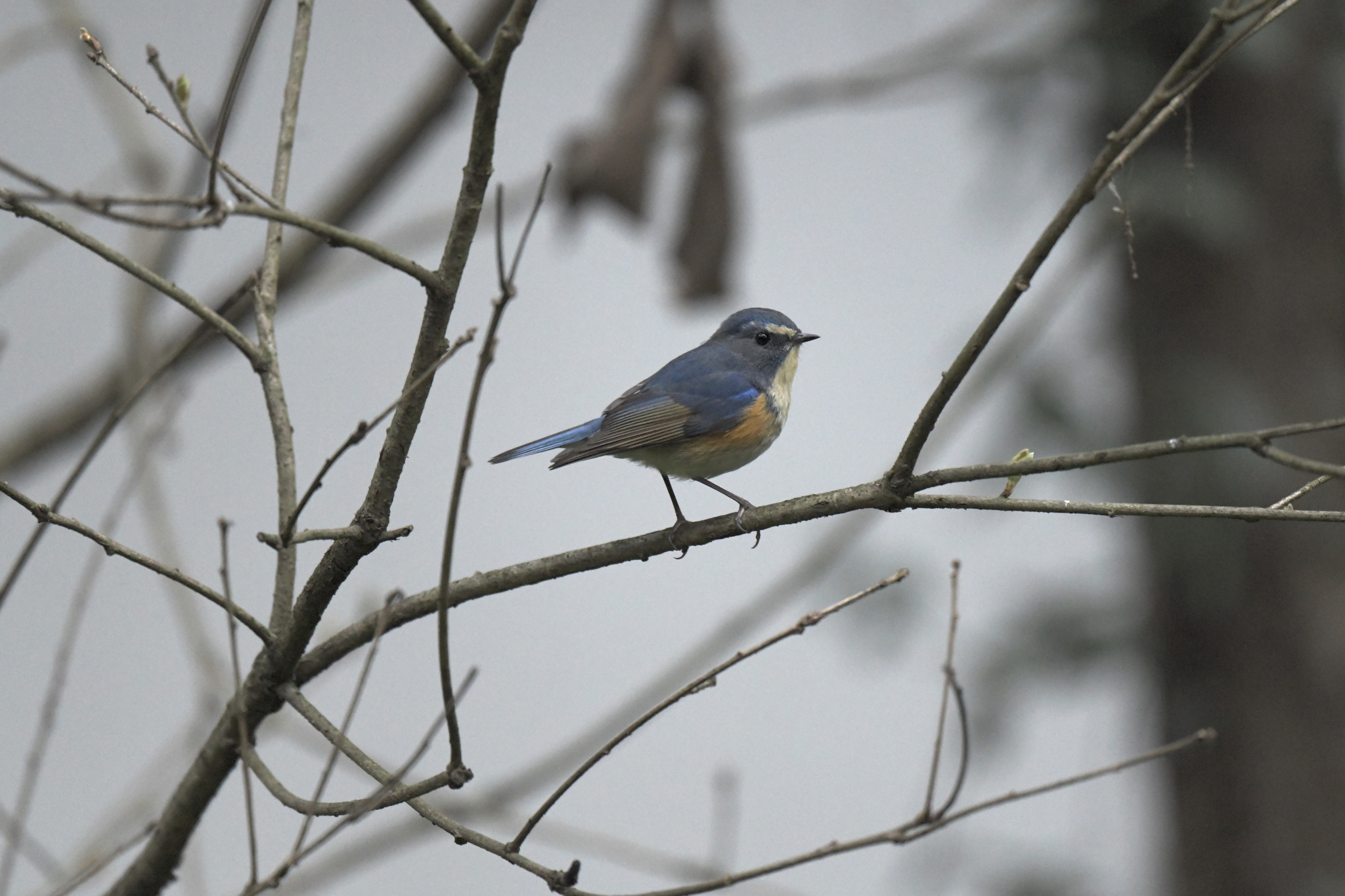
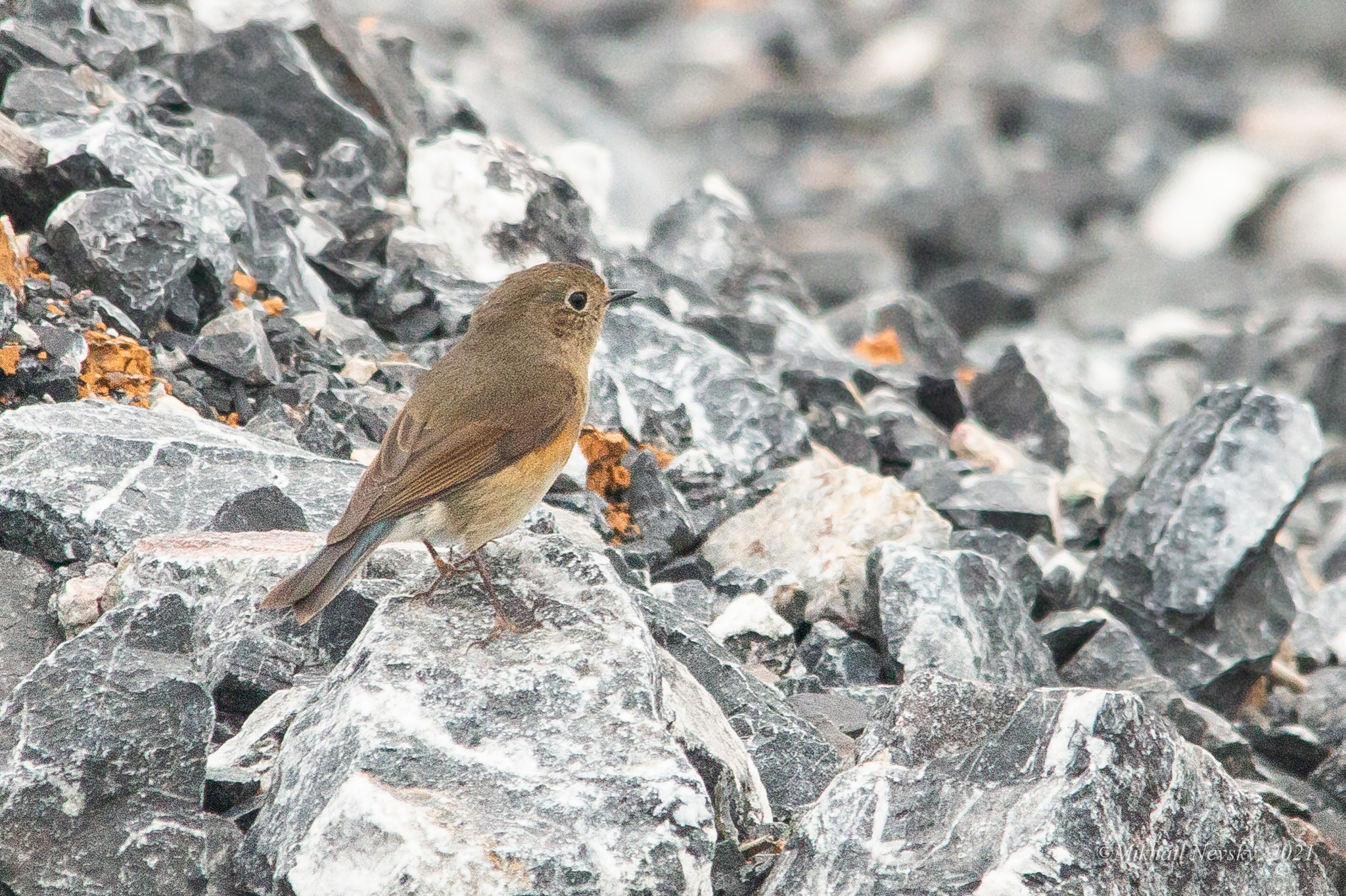
13–14 cm long, weighing 10–18 g. Both sexes have a blue tail and rump, orange-red flanks, white throat, greyish-white underparts, small thin black bill, and slender black legs. Adult males have dark blue upperparts. Females and immature males are plain brown above except for the blue rump and tail, with dusky breasts.
Identification
Similar in size to the common redstart but slightly smaller and slimmer than the European robin. Frequently flicks its tail. Male sings a melancholy trill from treetops; call is a typical chat 'tacc' noise.
Distribution & Habitat
Breeds in mixed coniferous forests with undergrowth in northeastern Europe (from northern Sweden east across Siberia to Kamchatka) and south to Japan. Winters in southeastern Asia, the Indian subcontinent, the Himalayas, Taiwan, and northern Indochina. Breeding range expanding westwards through Finland (up to 500 pairs). Rare vagrant to Western Europe, mainly Great Britain. Few records in North America, including western Alaska, San Clemente Island, Santa Cruz (2023), and New Jersey (December 2023).
Behavior & Ecology
Insectivorous. Regularly flies from a perch to catch insects in the air or on the ground. Behavior similar to common redstart, frequently flicking its tail. Nest built on or near the ground. Clutch size is 3–5 eggs, incubated by the female.
Source: Wikipedia · CC BY-SA 3.0
Taxonomy
- Order
- Passeriformes
- Family
- Muscicapidae
- Genus
- Tarsiger
Distribution
breeds from Finland and northern Russia eastward to Mongolia, northeastern China, Korea, and Japan; resident in Japan (except for Hokkaido), otherwise winters to southern China, Taiwan, Indochina, Myanmar, and Thailand
Vocalizations
Data Sources
Species description from Wikipedia, licensed under CC BY-SA 3.0.
Bird images and sounds sourced from GBIF, contributed by citizen scientists worldwide under Creative Commons licenses.
Taxonomy data from AviList 2025.