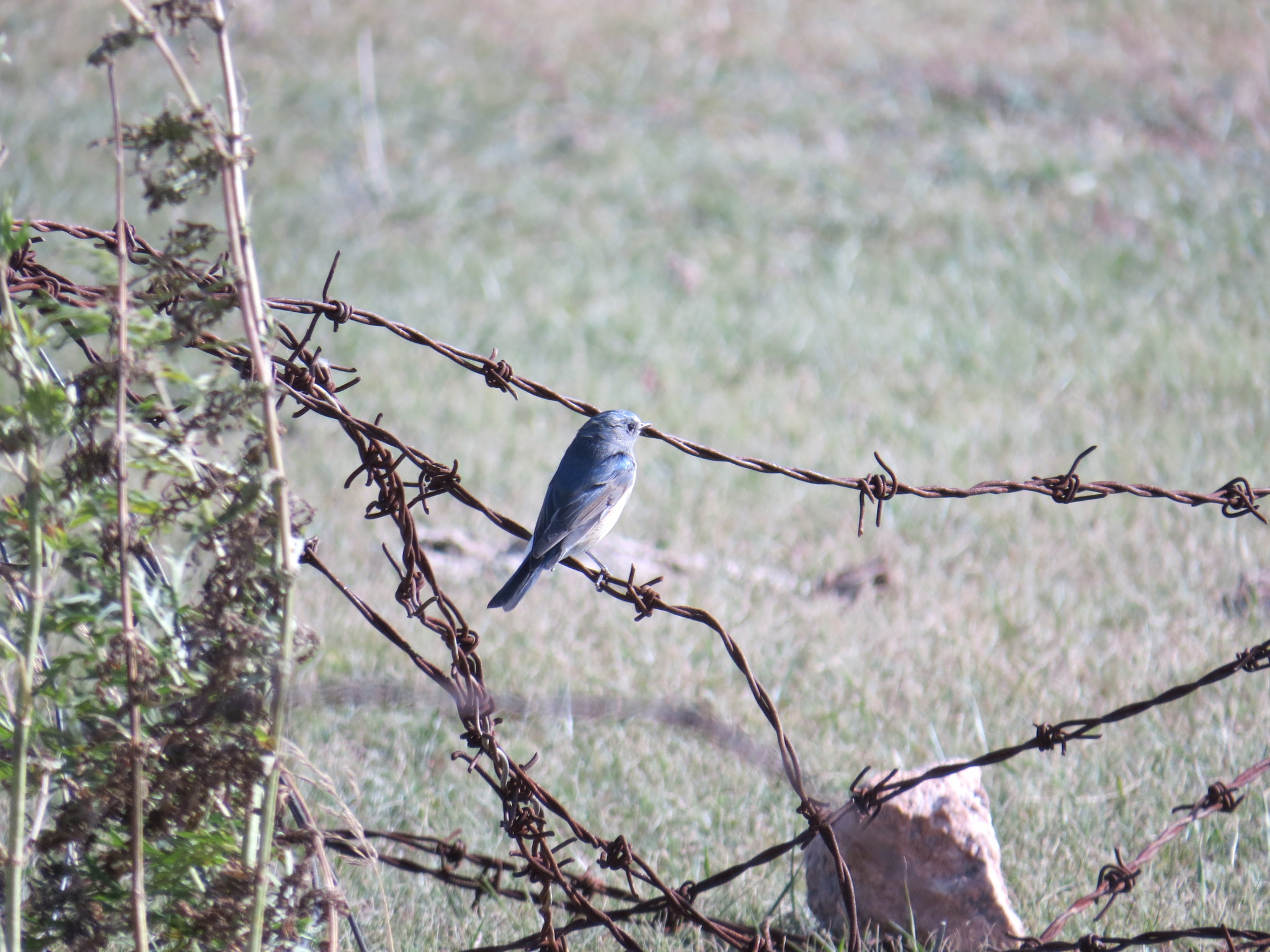
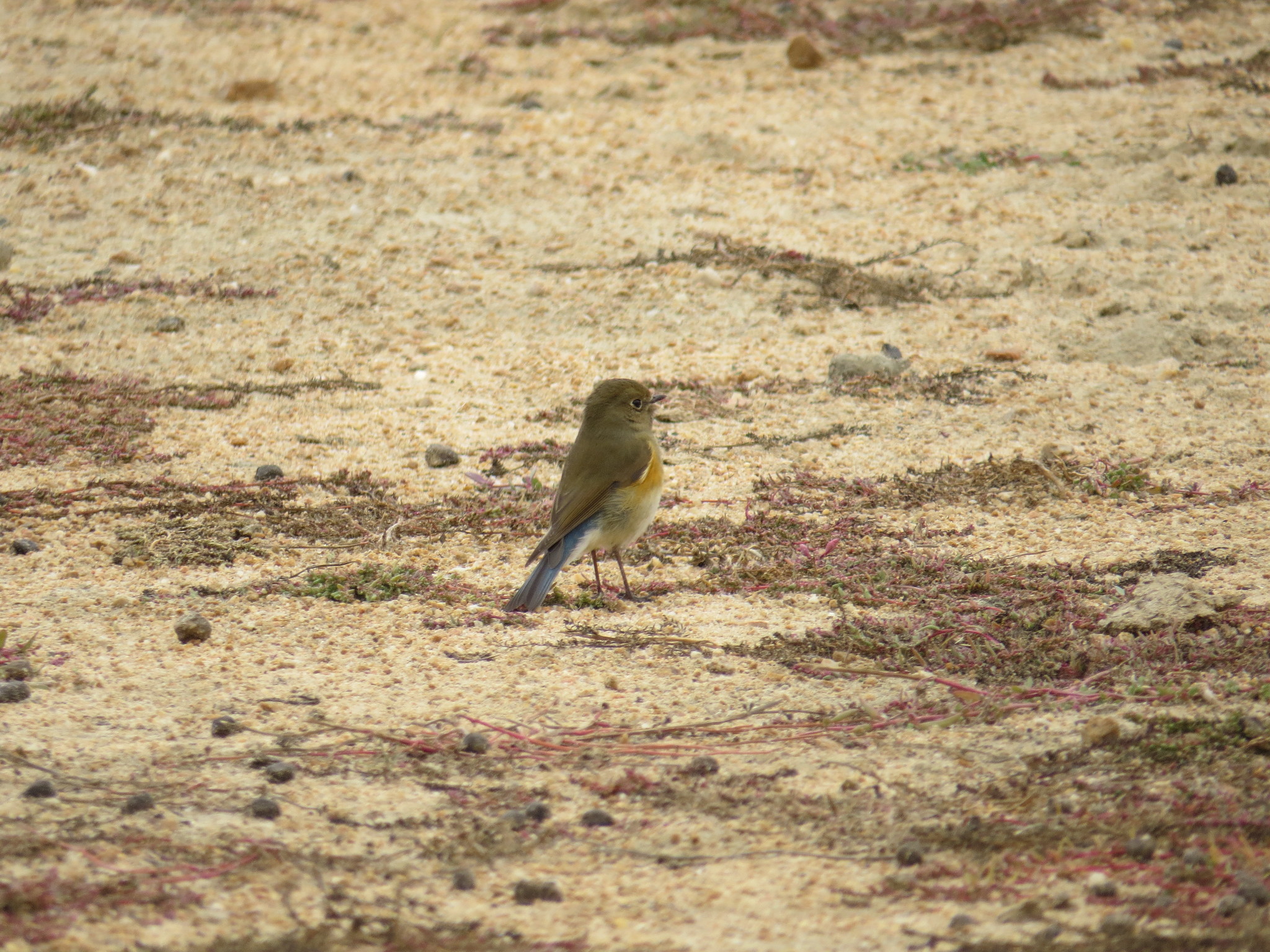
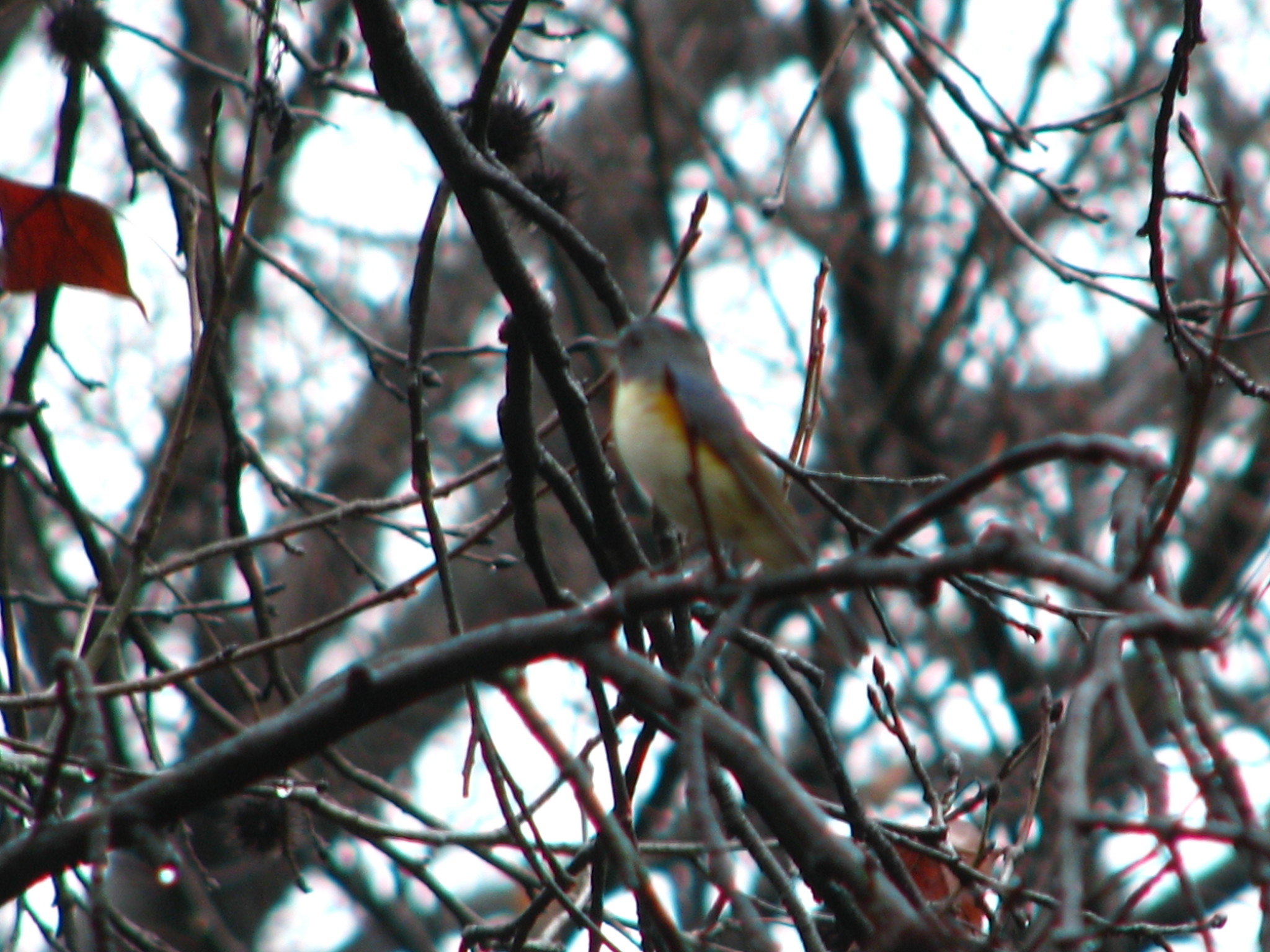
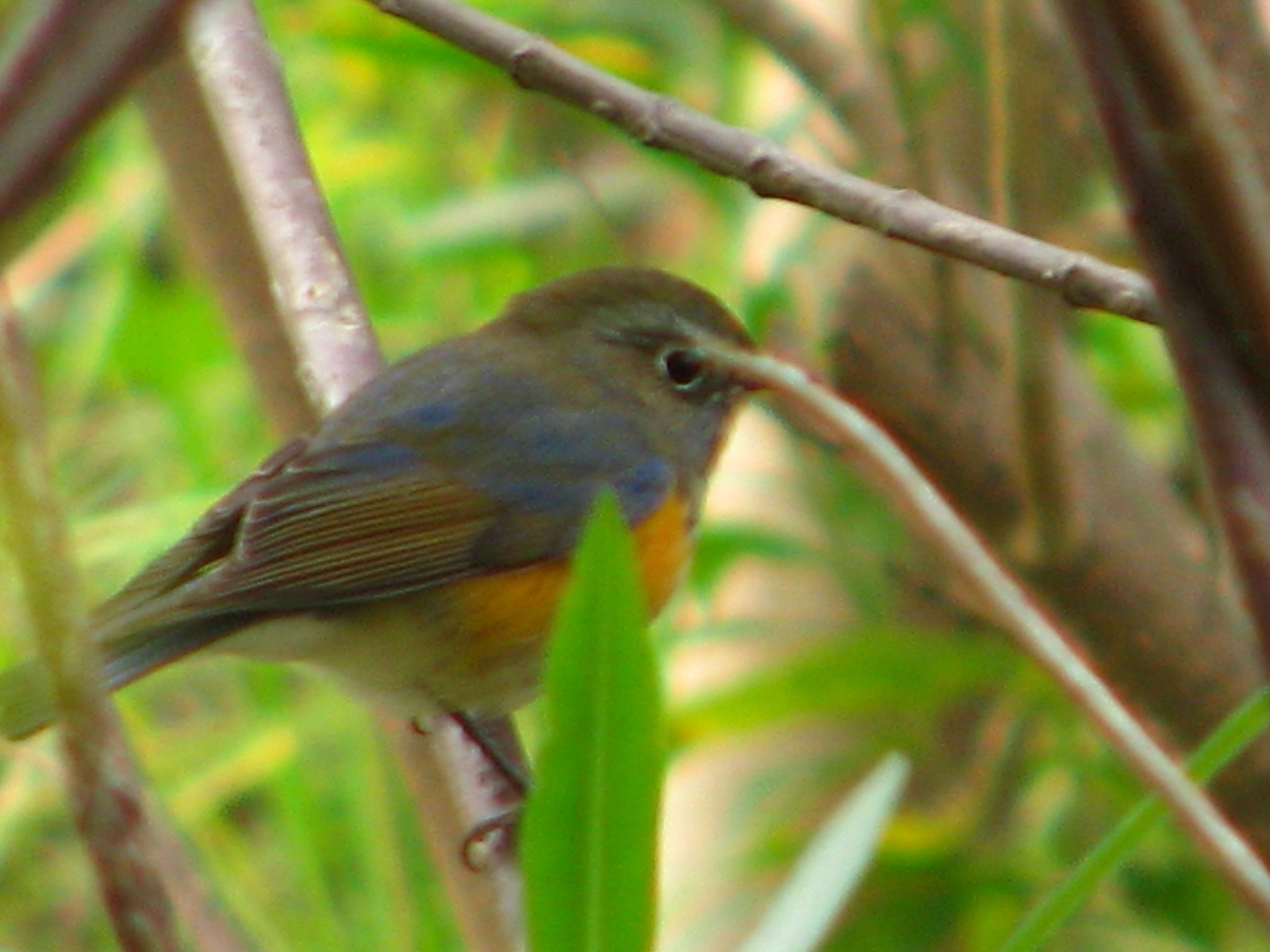
Red-flanked Bluetail
Tarsiger cyanurus
红胁蓝尾鸲
Introduction
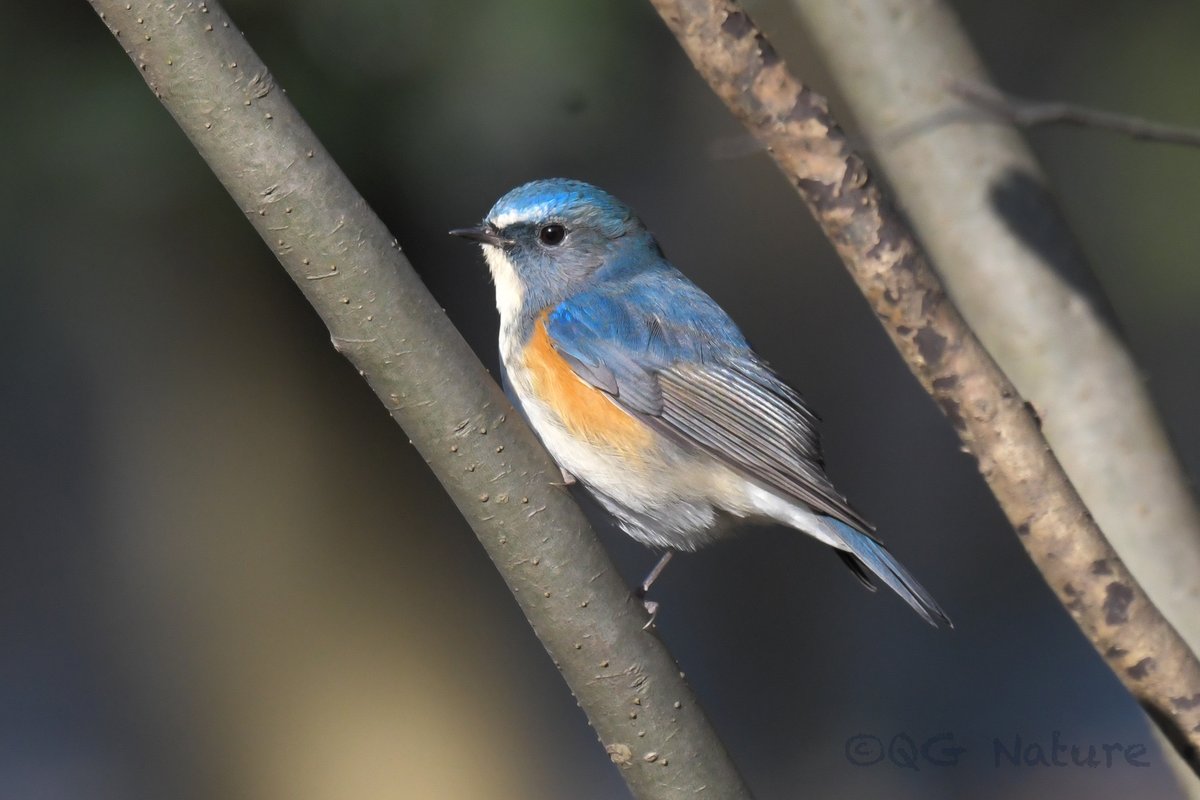
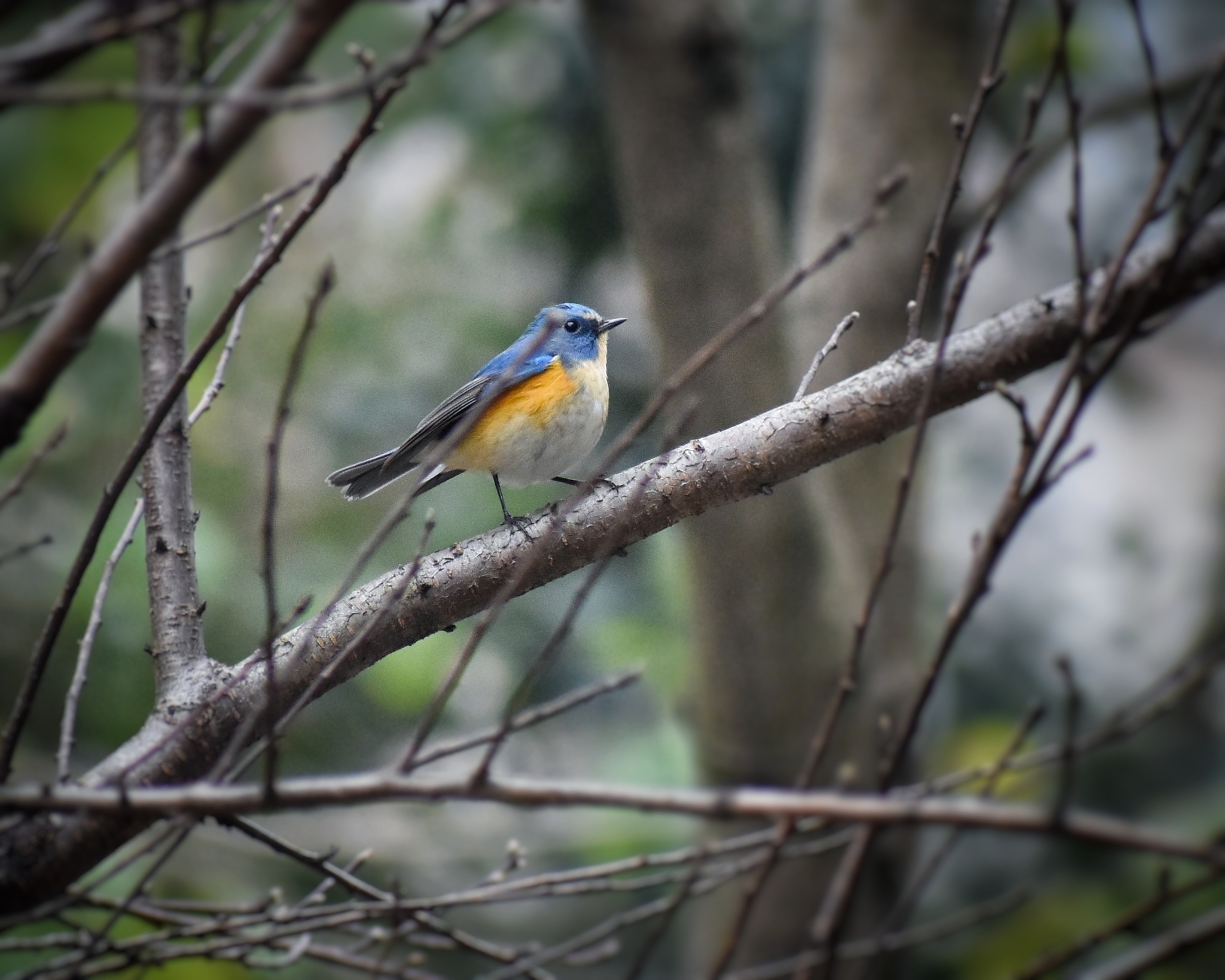
Blue-tailed Redstart inhabits mixed coniferous forests with dense undergrowth across northern Asia and northeastern Europe. The species has been expanding its range westward, appearing as a vagrant in Western Europe, including Britain. Males have dark blue upperparts, orange-red flanks, and a blue tail and rump. Females display brown plumage with blue tail and rump. The species exhibits tail-flicking behavior and sallies from perches to catch insects. It delivers a trilling song from treetop perches during the breeding season.
Description
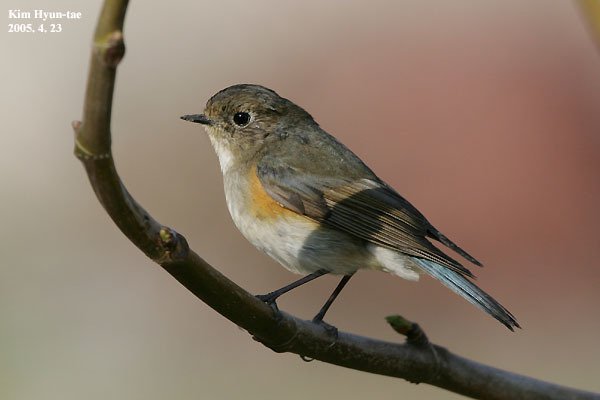
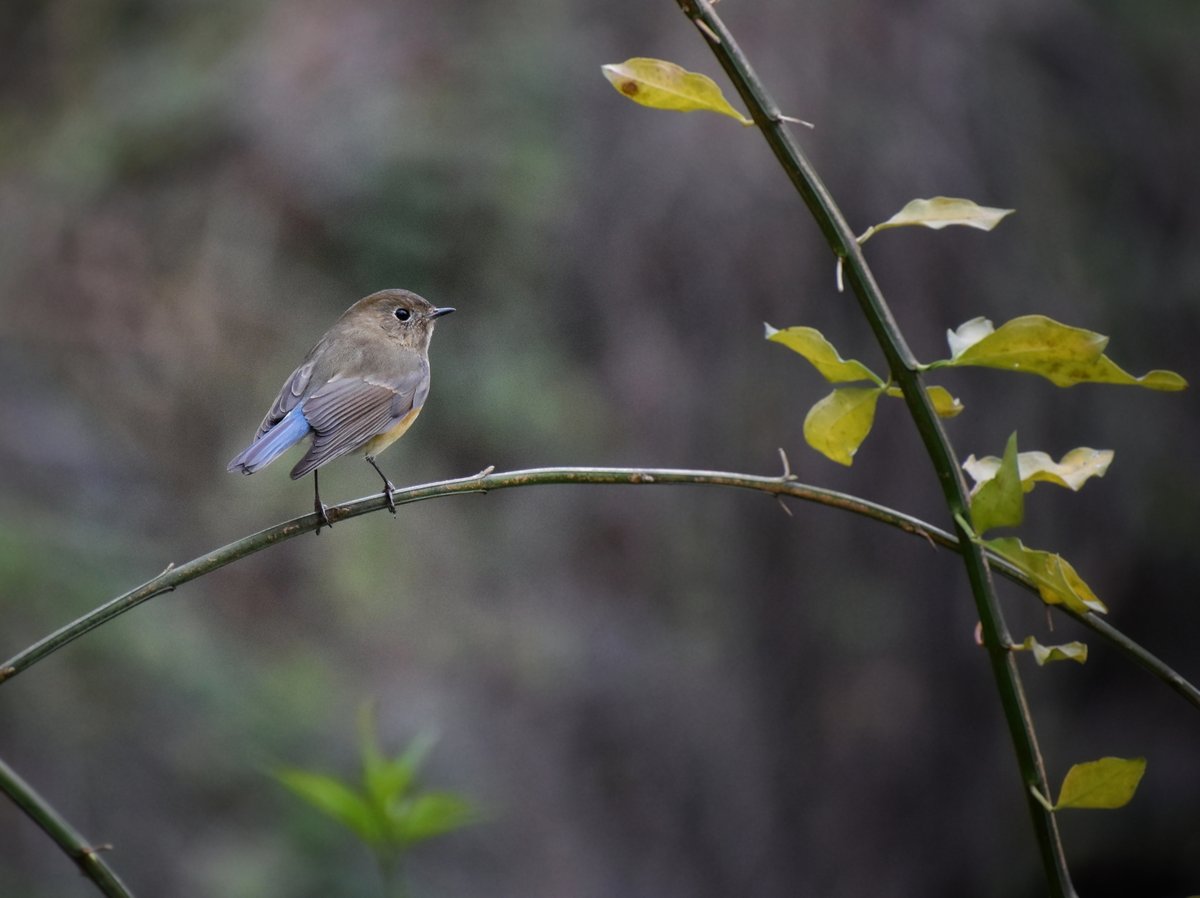
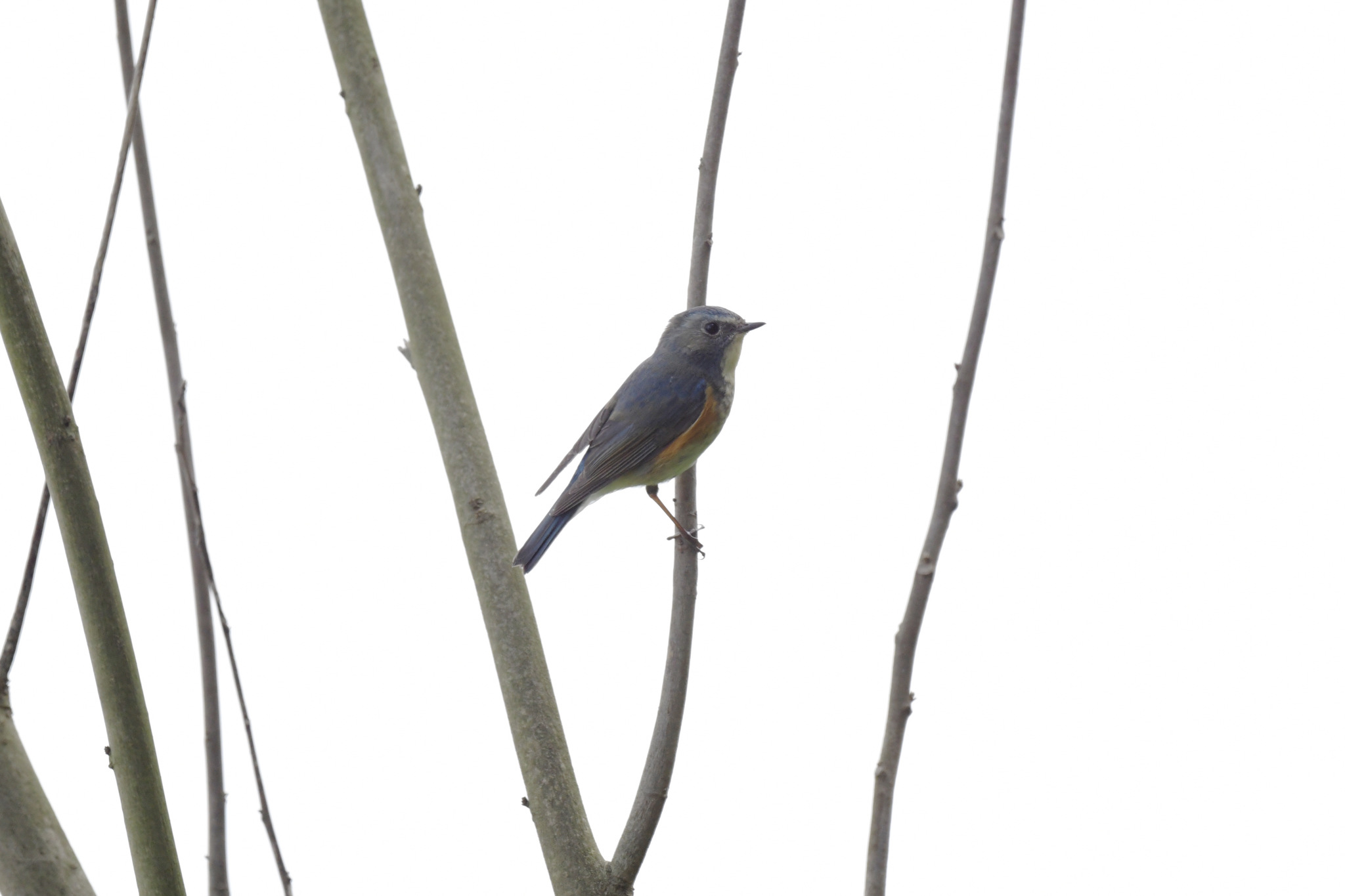
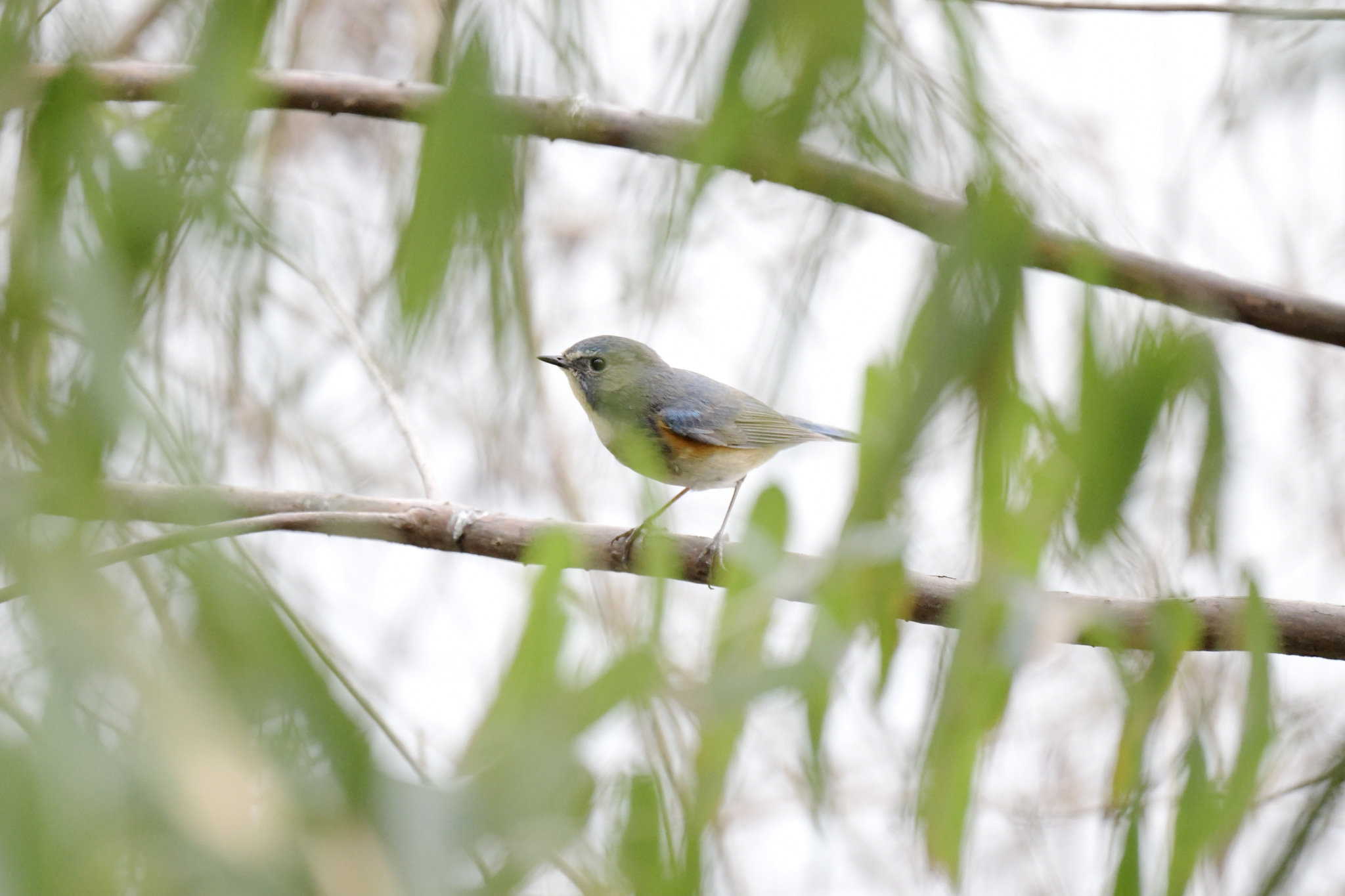
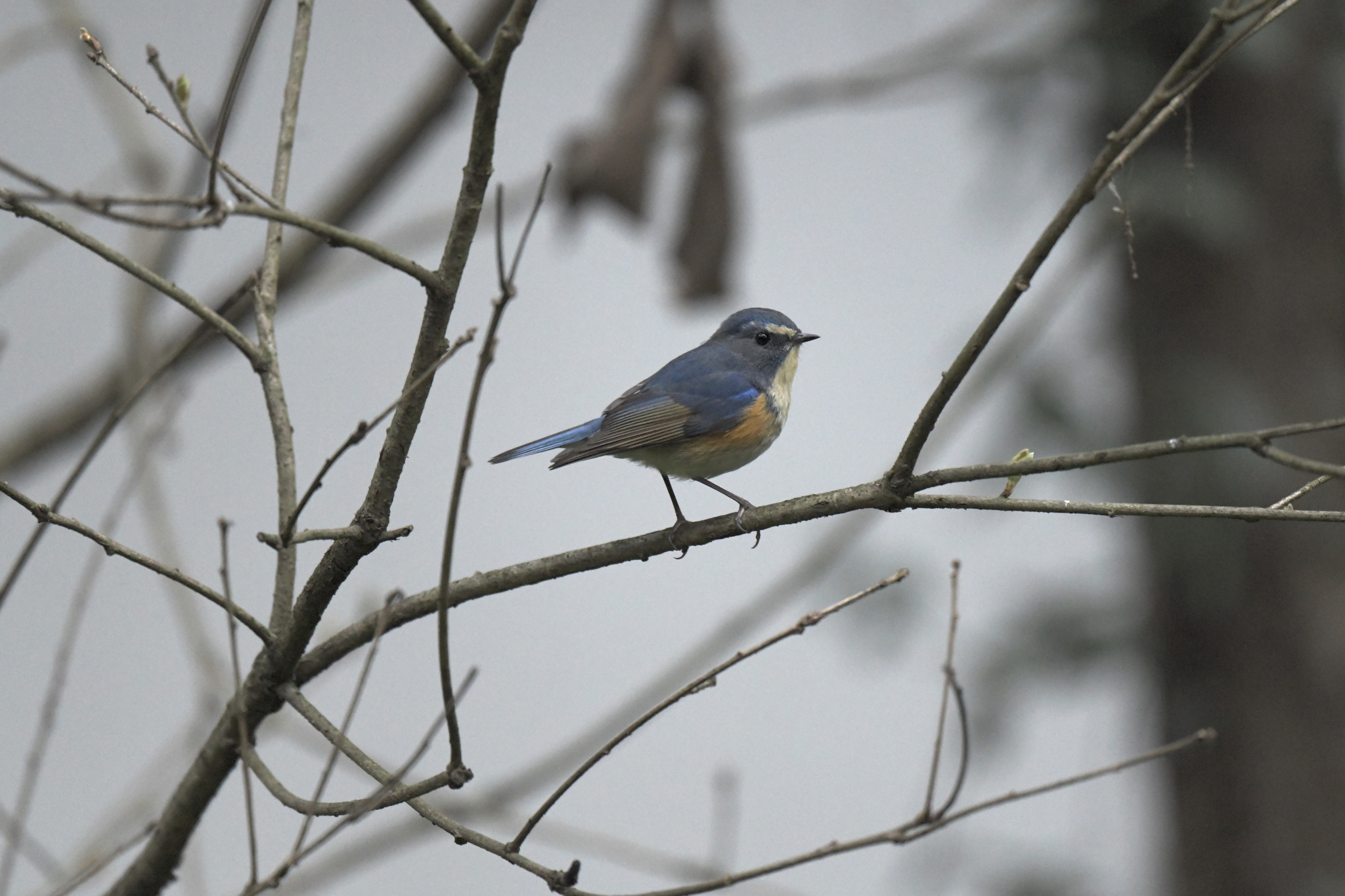
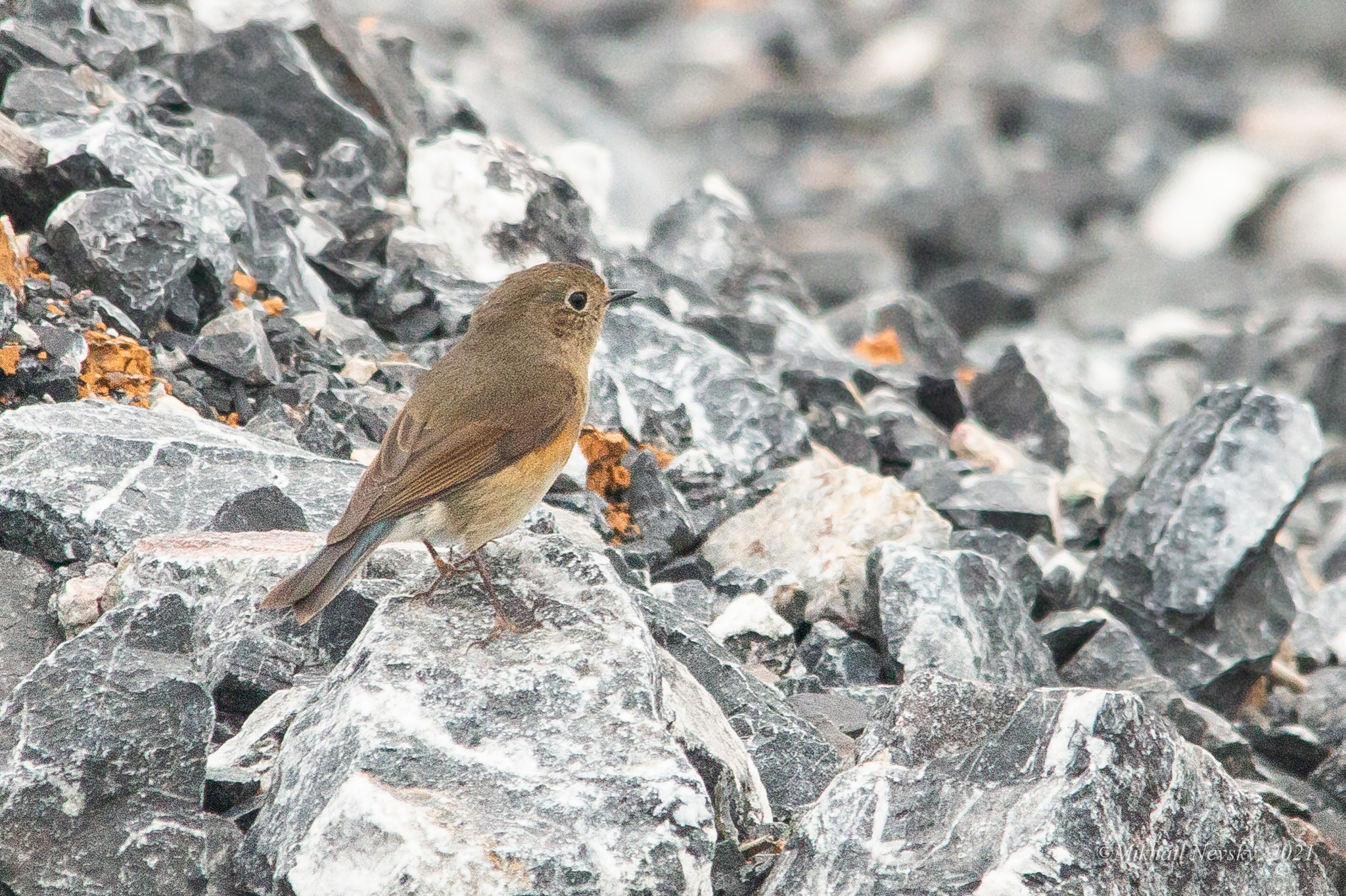
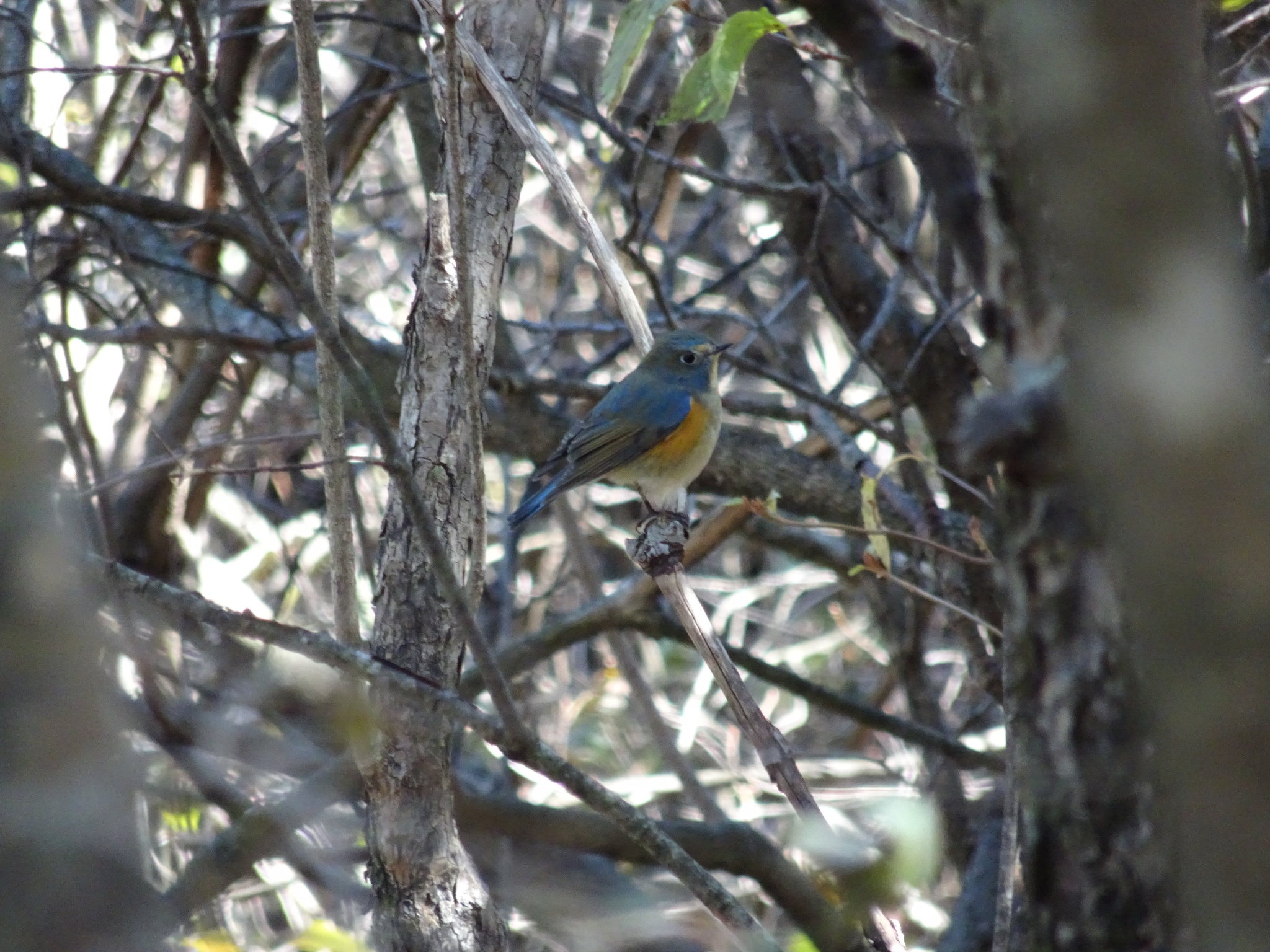
This compact passerine measures 13-14 centimeters in length and weighs 10-18 grams, comparable to a common redstart but more slender than a European robin. Both sexes share the species' namesake features: a vivid blue tail and rump accompanied by conspicuous orange-red flanks. The underparts are white to greyish-white, while the bill is thin and black, complemented by slender black legs. Adult males display dark blue upperparts, creating a stunning contrast with their orange flanks. Females and immature males are more subdued, with plain brown upperparts, though they retain the blue rump and tail. They show a dusky breast marking and lack the male's blue upperparts.
Identification
The combination of blue tail and orange-red flanks is diagnostic across most of its range. In flight or when agitated, the blue tail becomes particularly conspicuous. Its habit of frequently flicking its tail upward, very similar to common redstart behavior, is a key behavioral identification clue. It is smaller and more slender than the European robin, with which it sometimes shares wintering grounds. The thin black bill and legs help distinguish it from similarly sized chats and flycatchers. Females are best identified by their blue tail against otherwise brown plumage.
Distribution & Habitat
This species breeds across a vast northern range, from northeastern Europe through Siberia to Kamchatka and south to Japan, wherever mixed coniferous forests with undergrowth occur. It migrates south to winter in southeastern Asia, including the Indian subcontinent, Himalayas, Taiwan, and northern Indochina. The breeding range is slowly expanding westward into Finland, where up to 500 pairs now nest. It has become an increasingly regular but rare vagrant to Western Europe, particularly Great Britain. North American records remain exceptional, with a handful of sightings in western Alaska, coastal California, and notably one that overwintered in Santa Cruz, California in 2023, and another spotted in New Jersey in December 2023.
Behavior & Ecology
As an insectivorous species, it actively forages by sallying from perches to catch flying insects or by gleaning prey from the ground. The characteristic tail-flicking motion, performed frequently and in quick succession, is a defining behavioral trait. Males deliver a melancholy, trilling song from elevated perches in treetops during the breeding season. The contact call is a typical chat-like 'tacc' note. Breeding begins in late spring, with nests constructed on or near the ground amongst dense vegetation or tree roots. Clutches contain 3-5 eggs, incubated solely by the female.
Conservation
The species is currently listed as Least Concern by the IUCN, reflecting its relatively large range and apparently stable population. The gradual westward expansion of its breeding range into Finland suggests a healthy and possibly increasing population in parts of its distribution. No major threats have been identified that would indicate a significant conservation concern for the species at present.
Culture
No specific cultural significance or folklore is documented for this species in the available ornithological literature.
Source: Wikipedia · CC BY-SA 3.0
Taxonomy
- Order
- Passeriformes
- Family
- Muscicapidae
- Genus
- Tarsiger
- eBird Code
- refblu1
Distribution
breeds from Finland and northern Russia eastward to Mongolia, northeastern China, Korea, and Japan; resident in Japan (except for Hokkaido), otherwise winters to southern China, Taiwan, Indochina, Myanmar, and Thailand
Vocalizations
Data Sources
Species description from Wikipedia, licensed under CC BY-SA 3.0.
Bird images and sounds sourced from GBIF, contributed by citizen scientists worldwide under Creative Commons licenses.
Taxonomy data from AviList 2025.