Passeriformes / Muscicapidae / Tarsiger
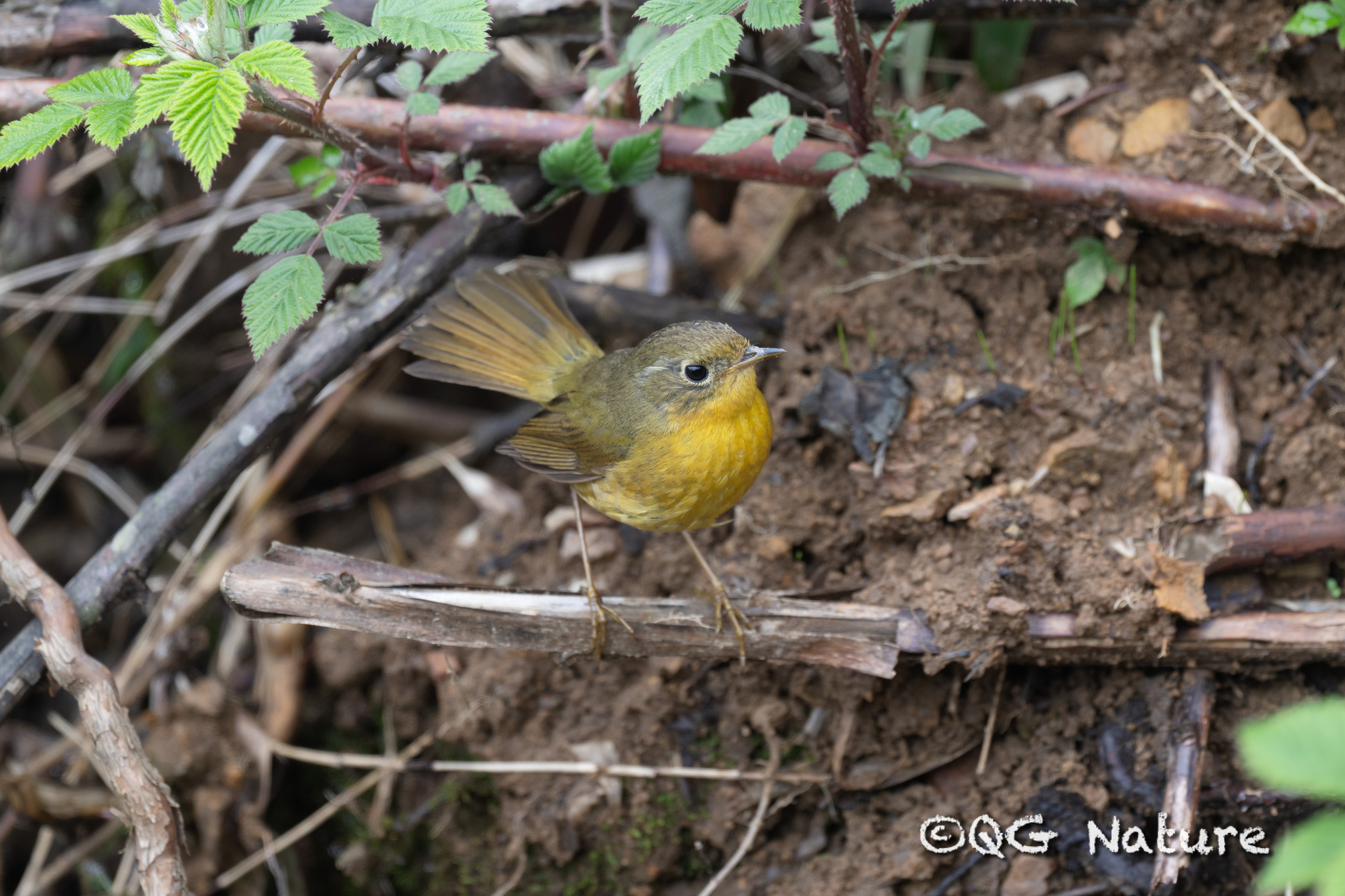
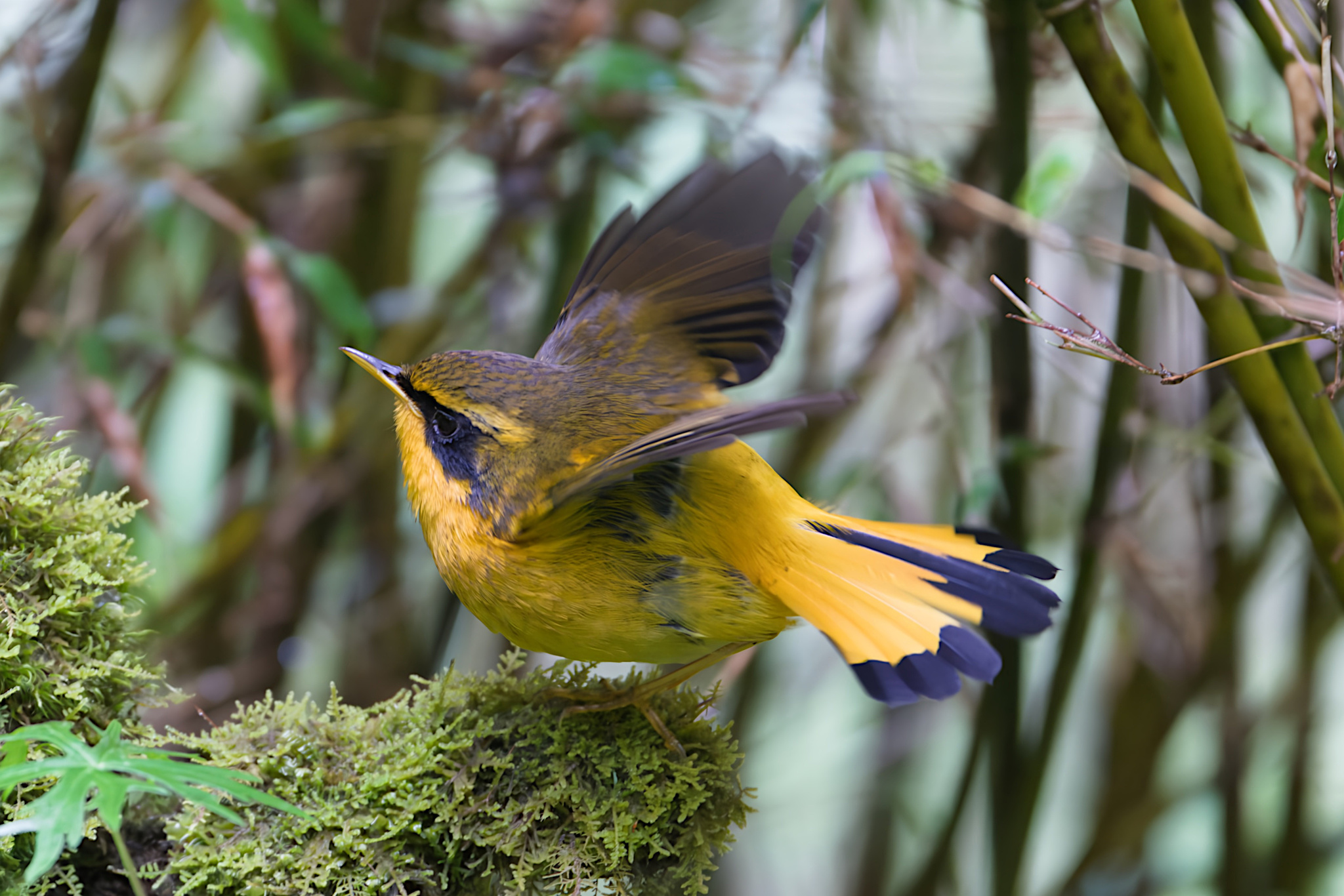
Golden Bush Robin
Tarsiger chrysaeus · 金色林鸲
Introduction
A songbird in the family Muscicapidae found in the Himalayan mountain range and surrounding highlands. It inhabits open areas with temperate forests, bamboo forests, grassland, and shrubland. The species is insectivorous, focusing on ground-level prey, and has a stable population classified as Least Concern.
Description
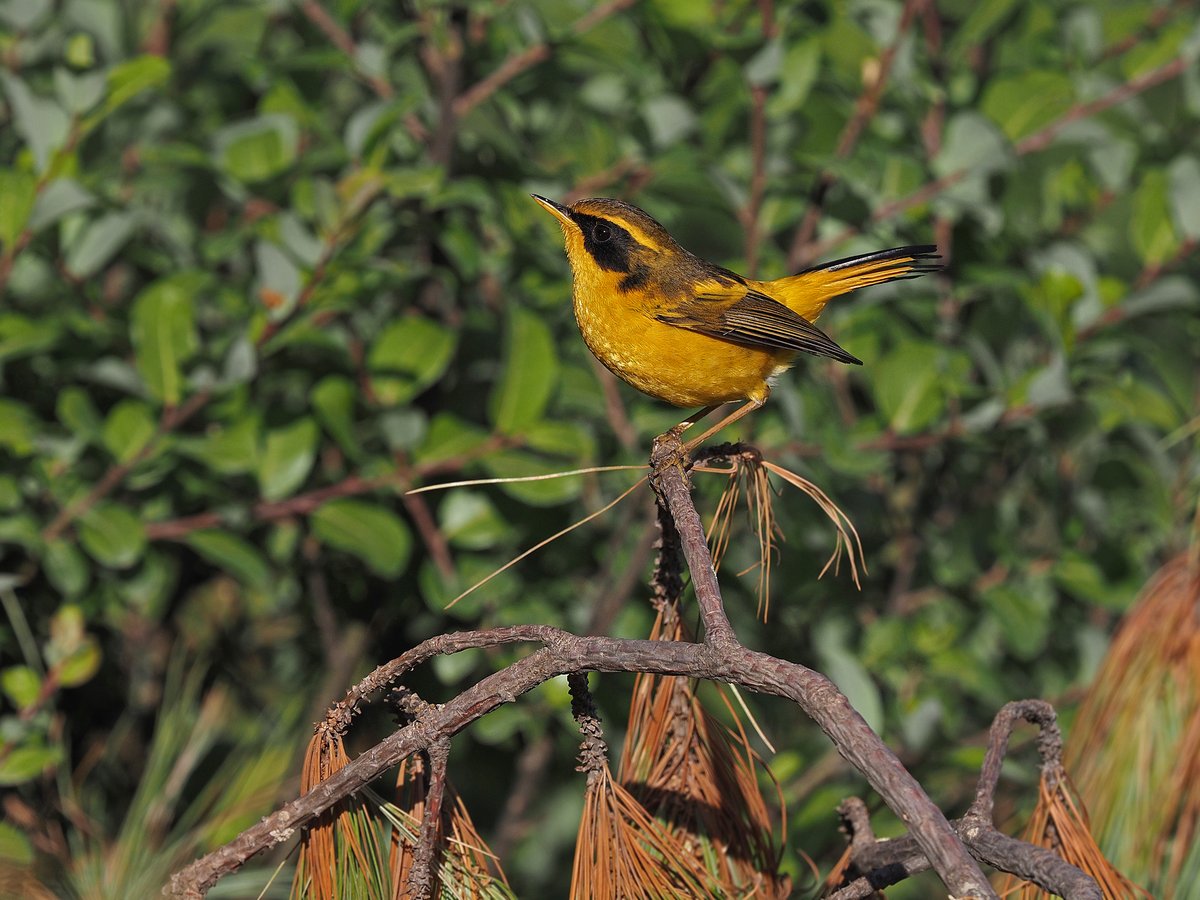
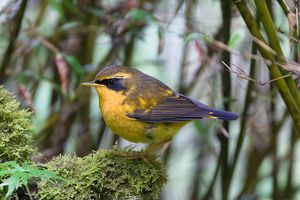
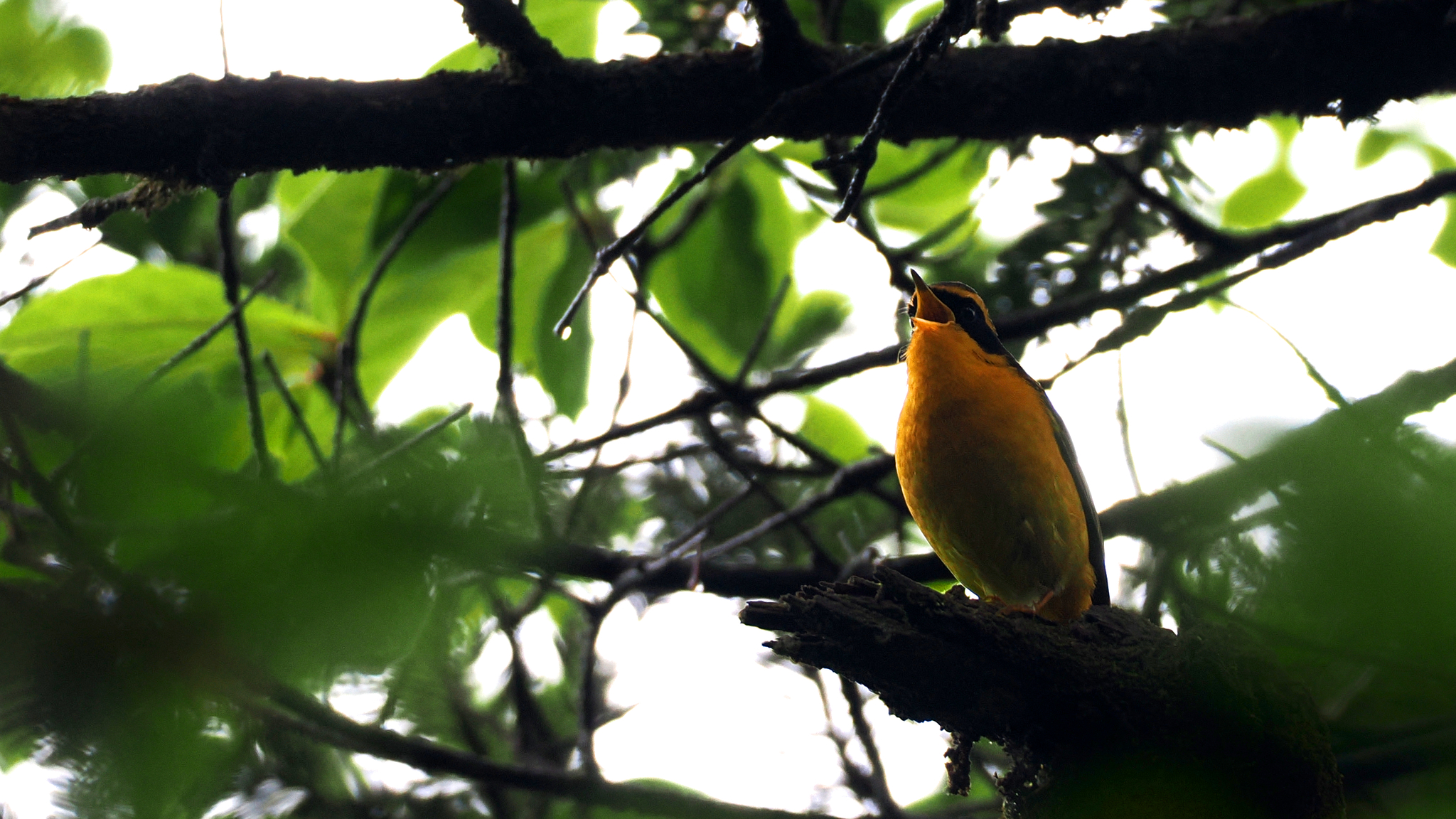
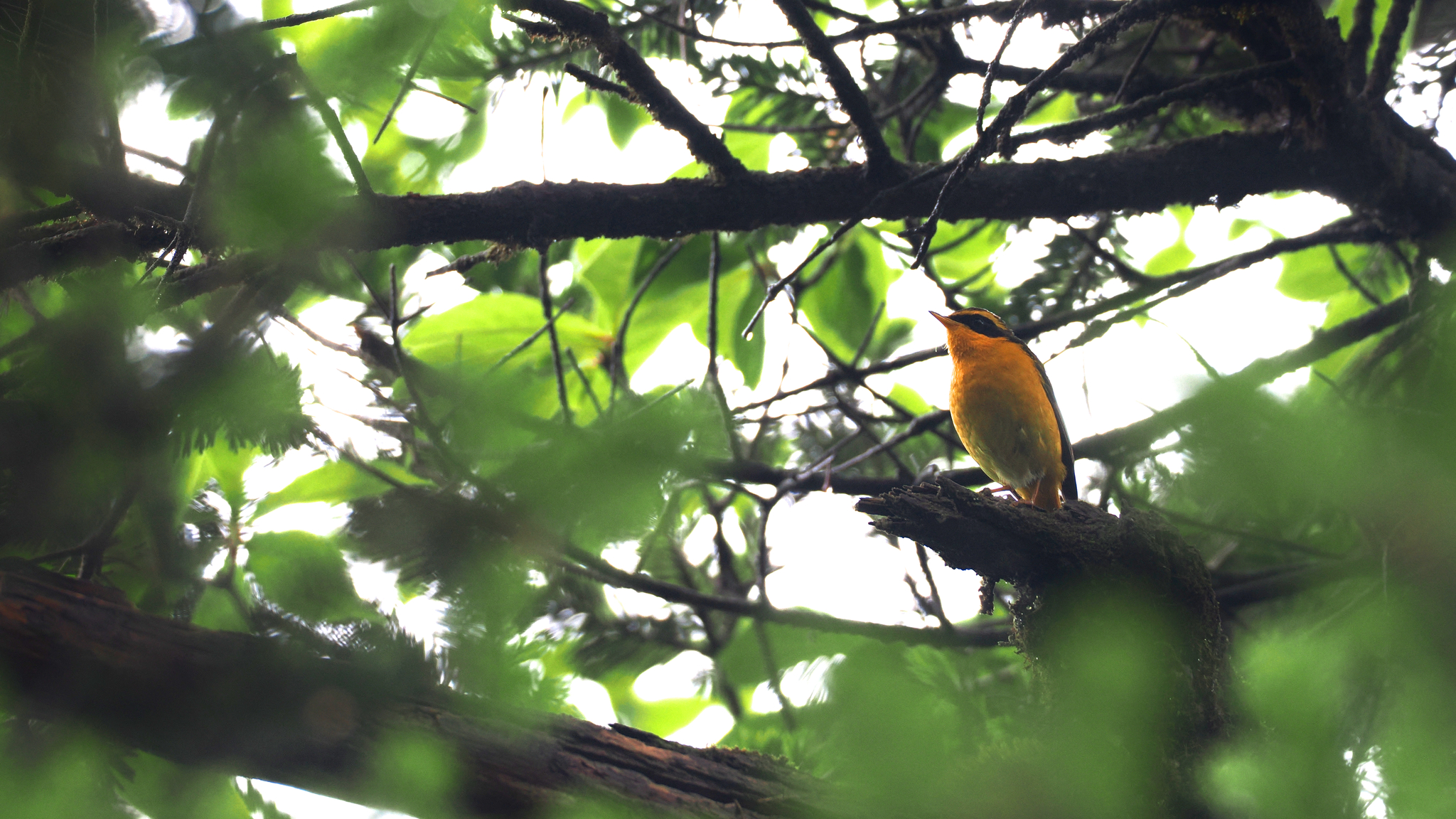
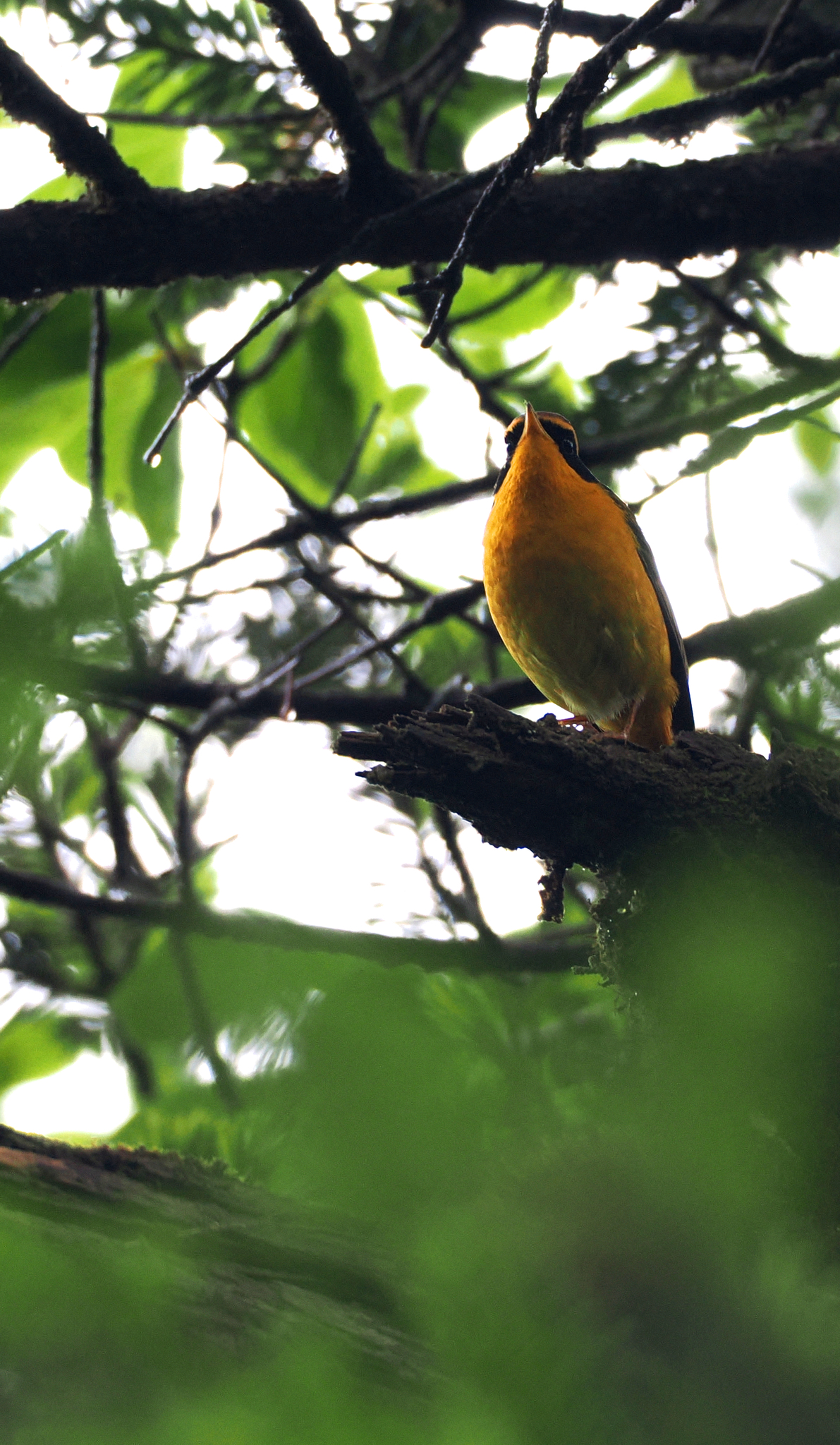
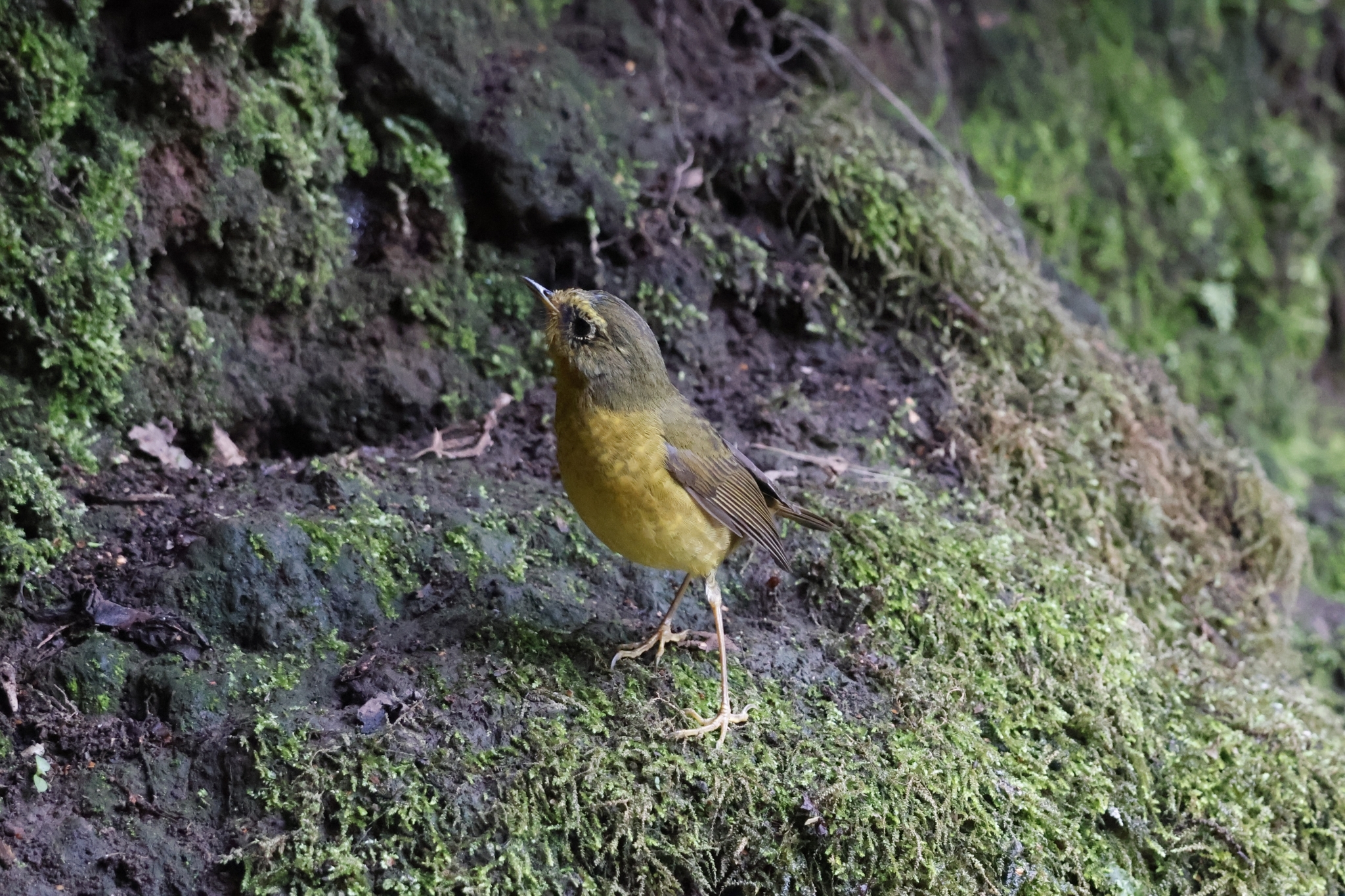
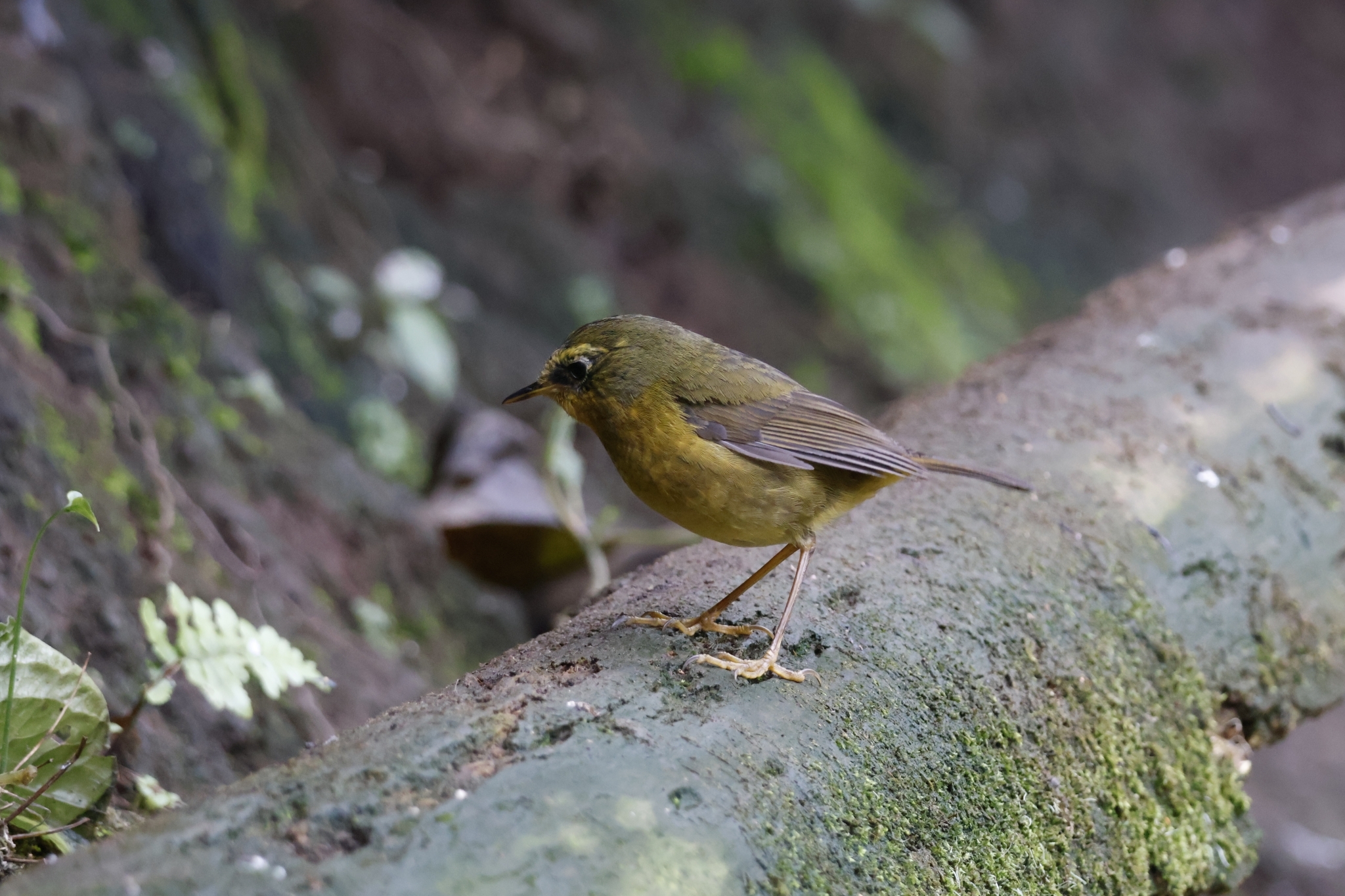
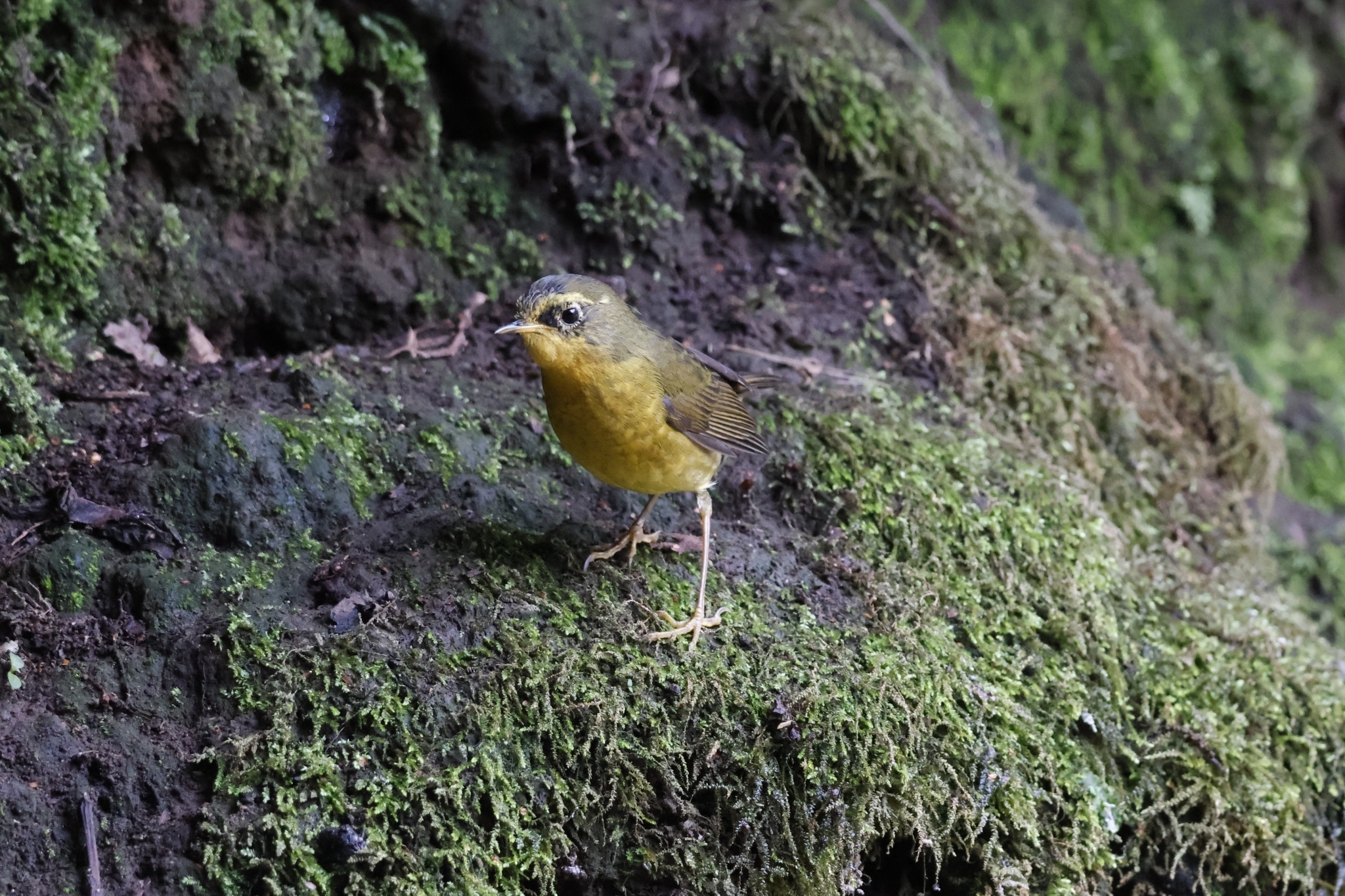
Typically 14–15 cm long with a weight of 12 to 15 grams. Males have a brownish olive back and a bright yellow-orange underside. Females exhibit similar color patterns but are duller and less vibrant. Male juveniles are dark brown with buff streaks above and below the tail, while this pattern diffuses in females.
Distribution & Habitat
Range includes the Himalayan mountain range and highlands of Bhutan, China, India, Myanmar, Nepal, Pakistan, Tibet, and Thailand. Two subspecies exist: Tarsiger chrysaeus whistleri in northern Pakistan to the northwest Himalayas, and Tarsiger chrysaeus chrysaeus in the central Himalayas to northwest Thailand. Habitat consists of temperate forests, bamboo forests, grassland, and shrubland.
Behavior & Ecology
Insectivorous, hunting insects closer to the ground. In southern China, it exploits human disturbance in primary temperate forest habitats. Breeding season in Pakistan is May to June. Females lay 3 or 4 eggs with an incubation period of 14 or 15 days. Nests are made of compacted moss and grass lined with hair, wool, and feathers. Lifespan is around 3.8 years.
Conservation
Population is deemed stable and classified as Least Concern. The wide geographic range makes it difficult to fully document population trends and threats.
Source: Wikipedia · CC BY-SA 3.0
Taxonomy
- Order
- Passeriformes
- Family
- Muscicapidae
- Genus
- Tarsiger
Subspecies (2)
-
Tarsiger chrysaeus chrysaeus
breeds Nepal to northeastern India, northern Myanmar, and western China; winters to northern Vietnam
Data Sources
Species description from Wikipedia, licensed under CC BY-SA 3.0.
Bird images and sounds sourced from GBIF, contributed by citizen scientists worldwide under Creative Commons licenses.
Taxonomy data from AviList 2025.