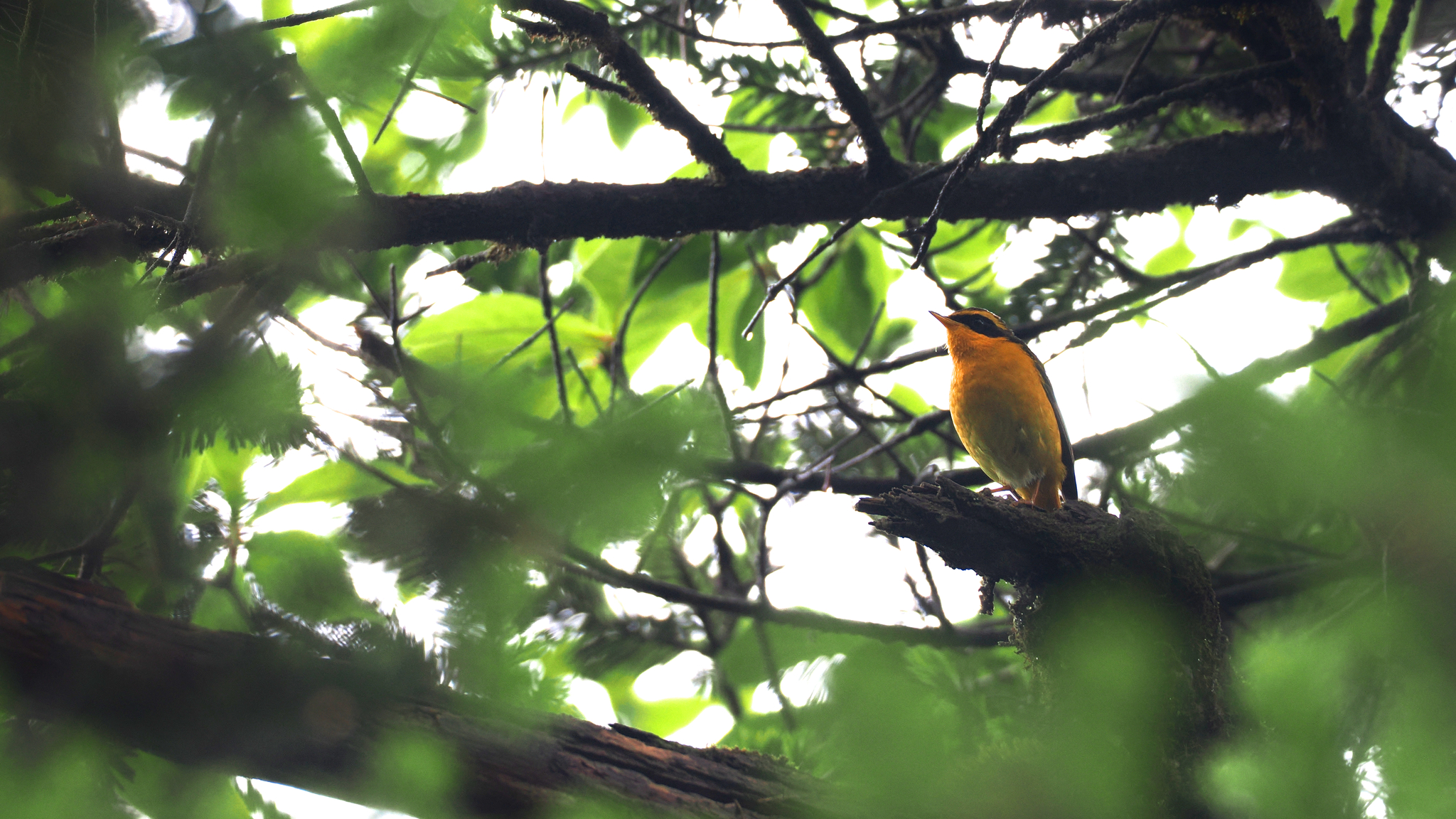
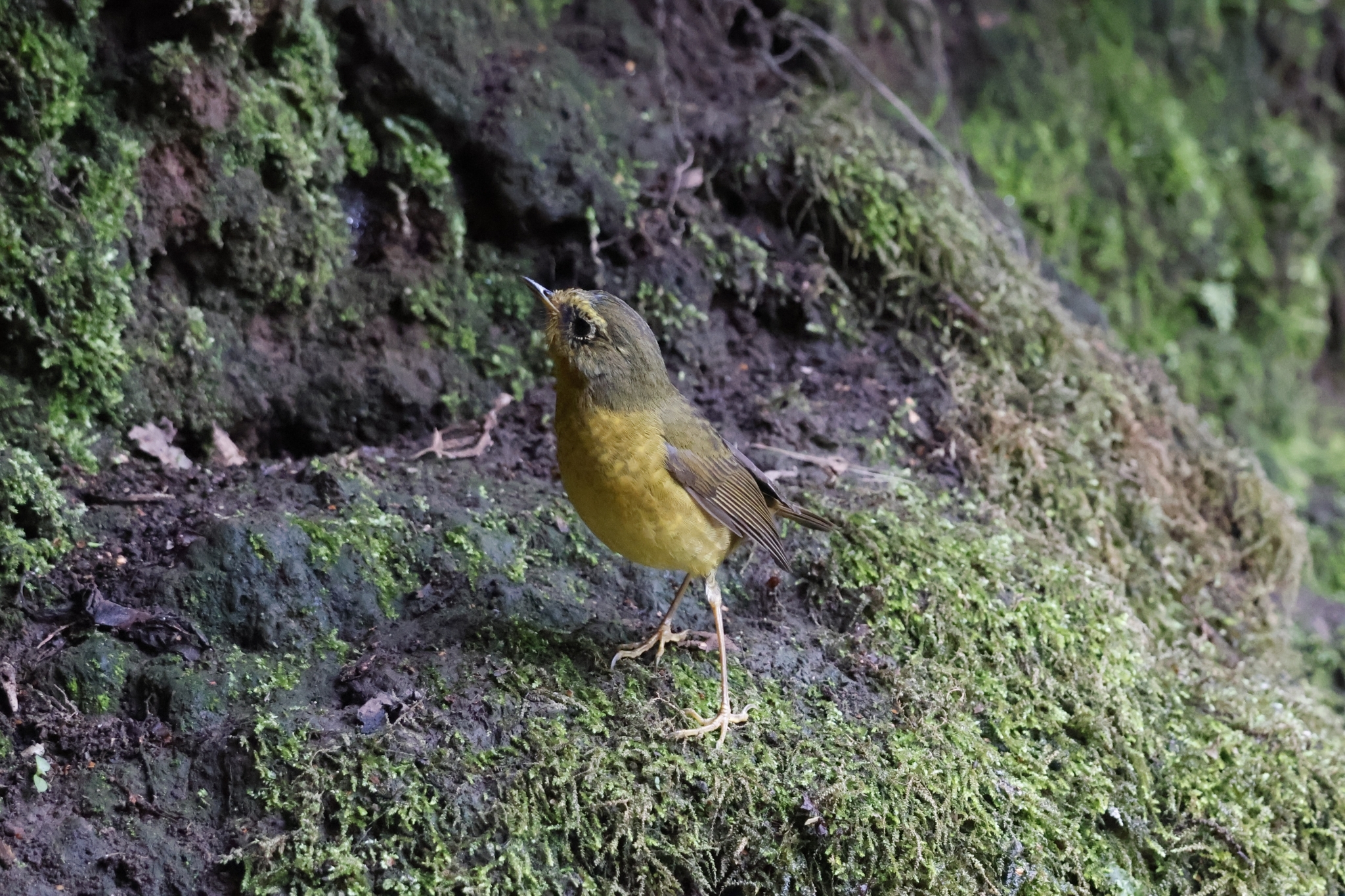
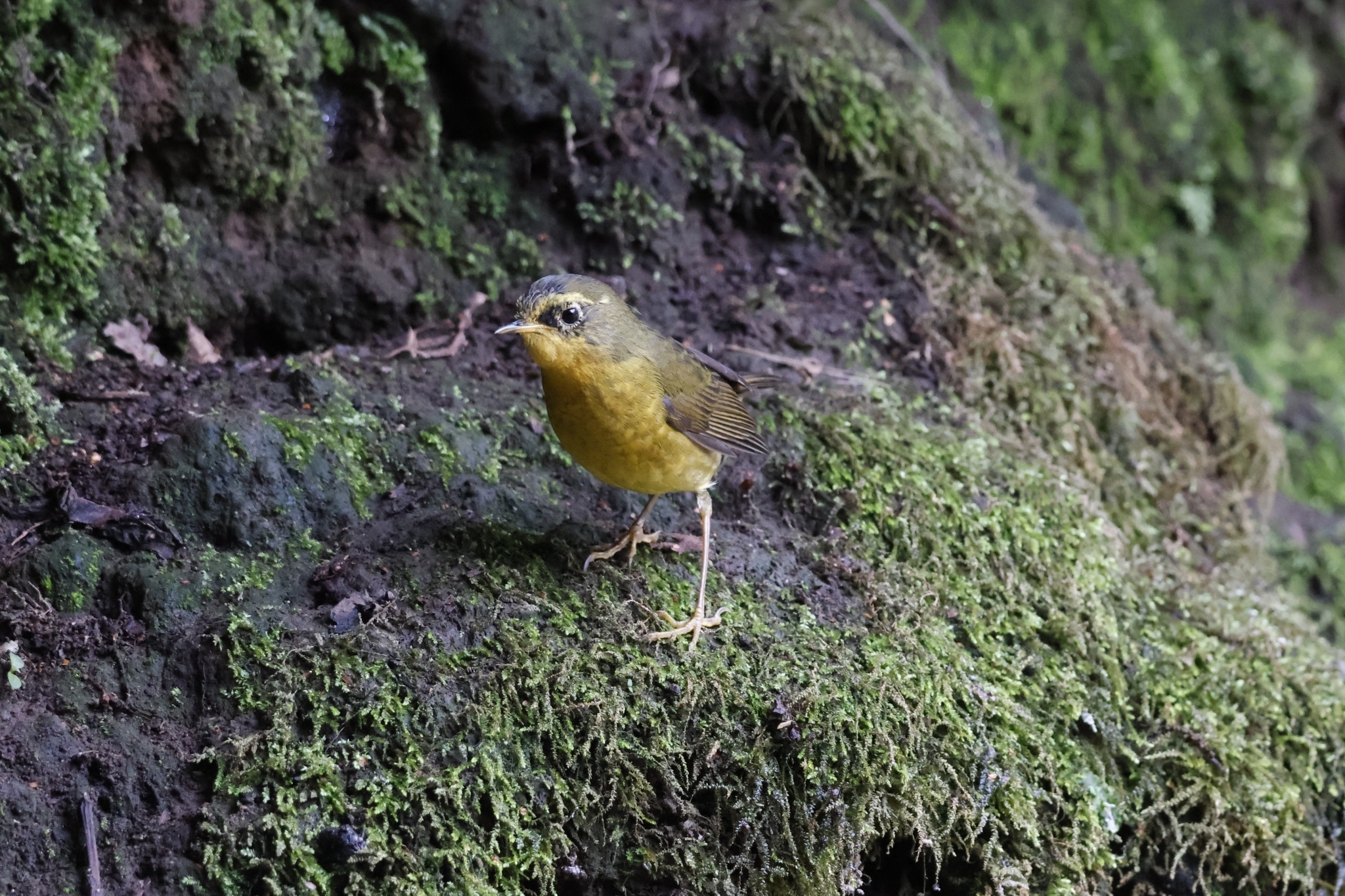
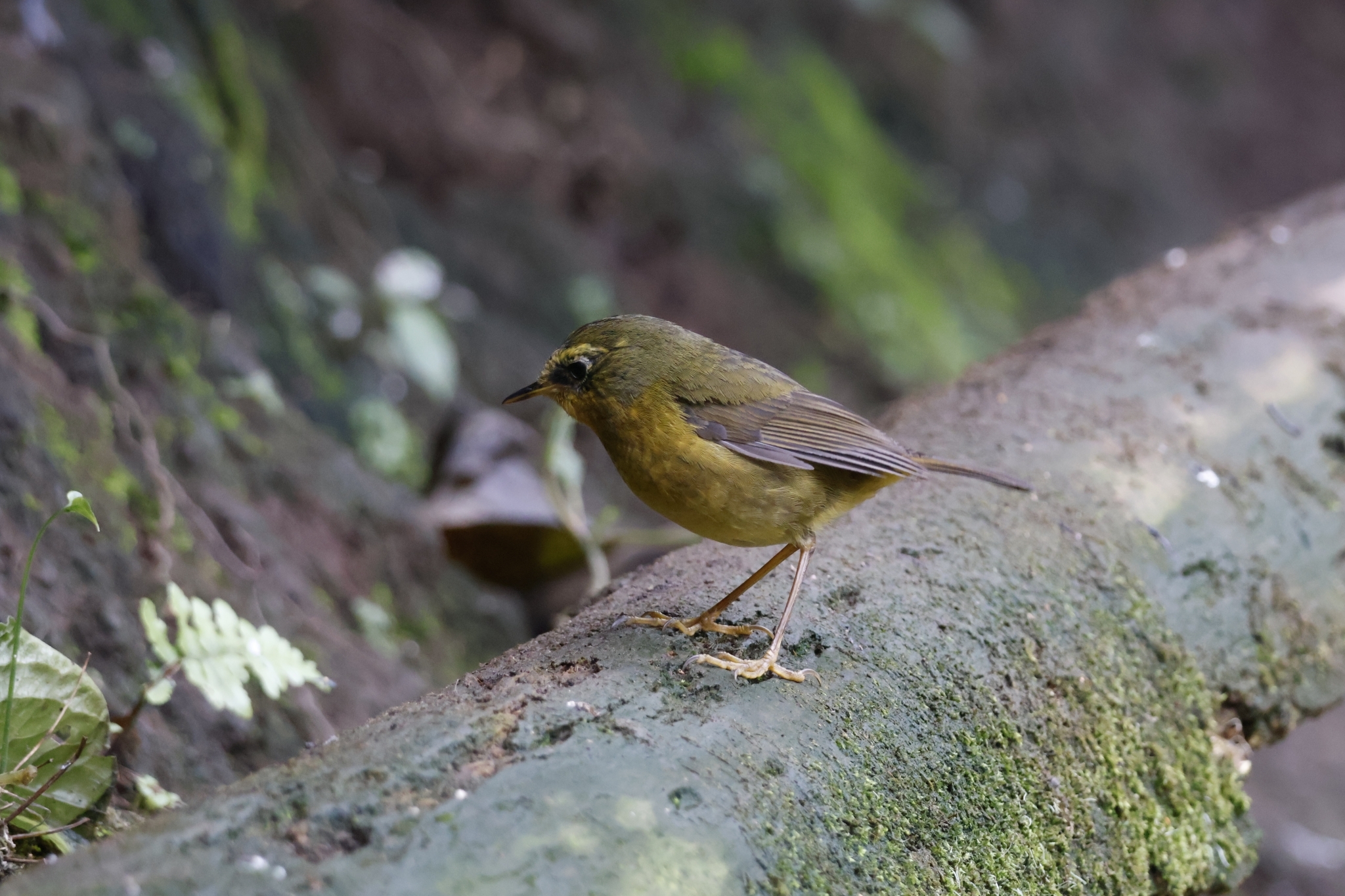
Golden Bush Robin
Tarsiger chrysaeus
金色林鸲
Introduction
A songbird species in the family Muscicapidae. It inhabits the Himalayan mountain range and surrounding highlands across Bhutan, China, India, Myanmar, Nepal, Pakistan, Tibet, and Thailand. It occupies open areas within temperate forests, bamboo forests, grasslands, and shrublands. This species demonstrates a rare behavioral adaptation of exploiting human disturbance in its temperate forest habitat, likely modified from pre-existing dietary habits. The population is considered stable and the species holds a least concern conservation status. First described in 1845 by Brian Houghton Hodgson.
Description
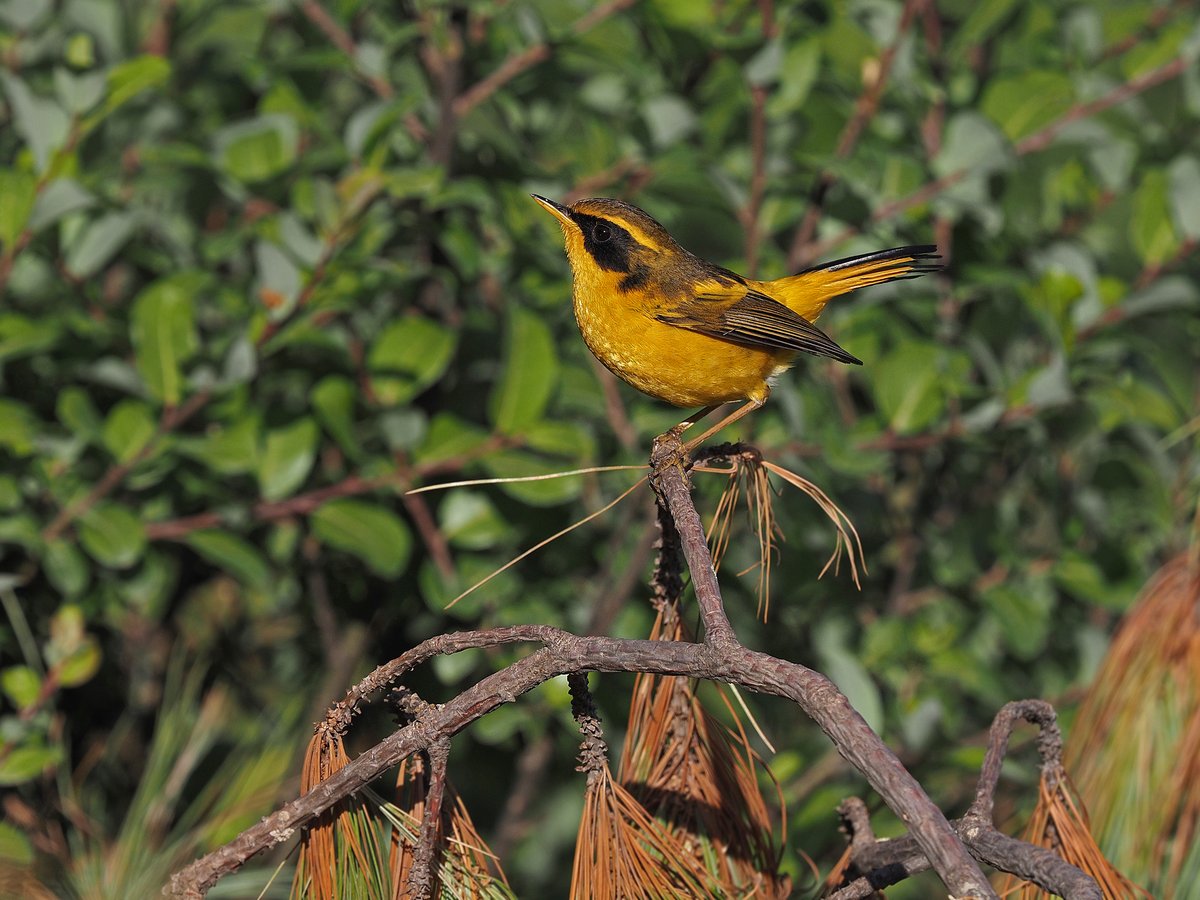
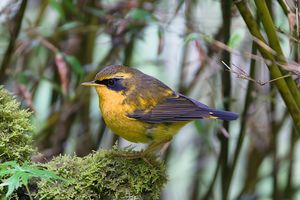
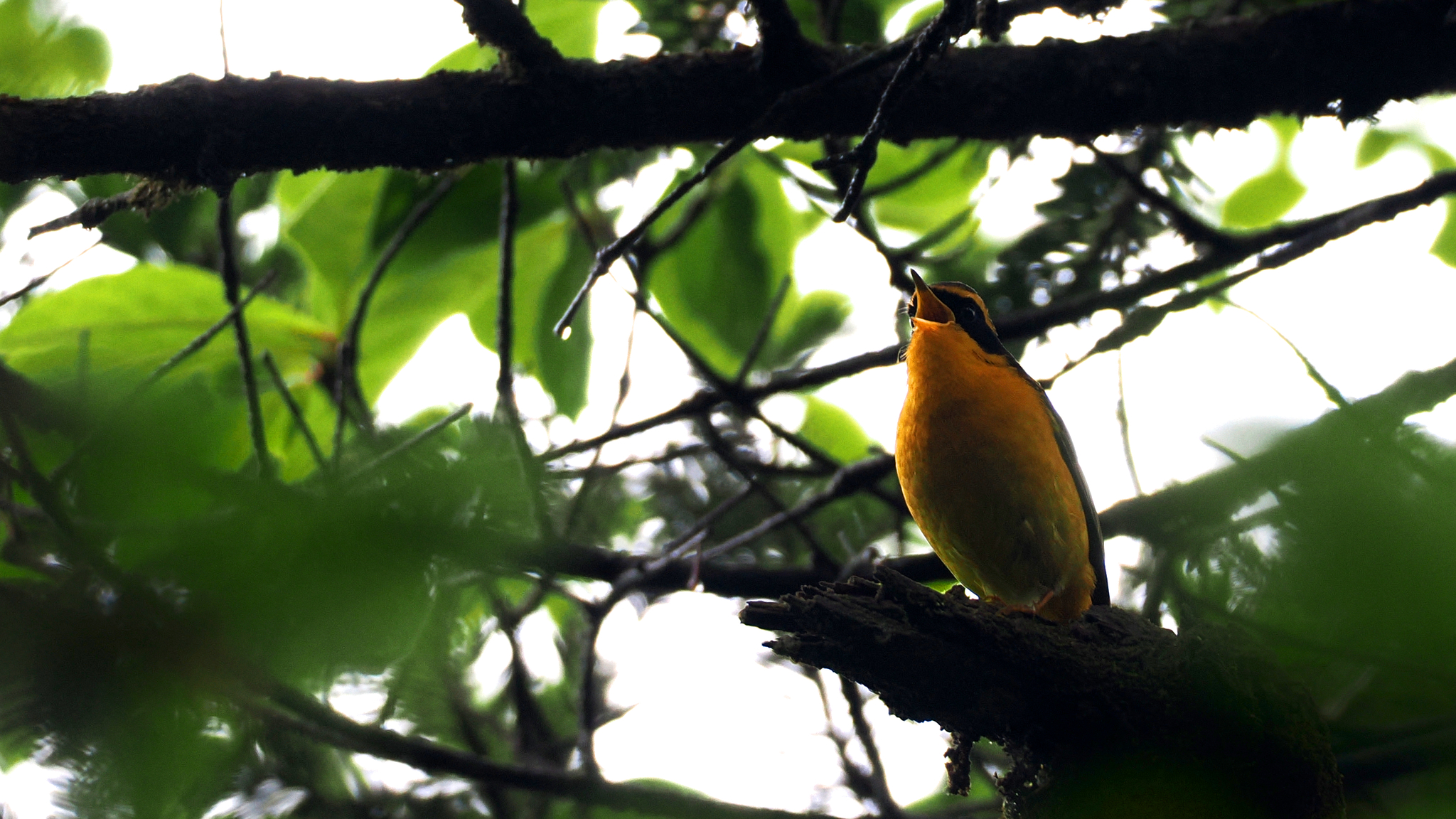
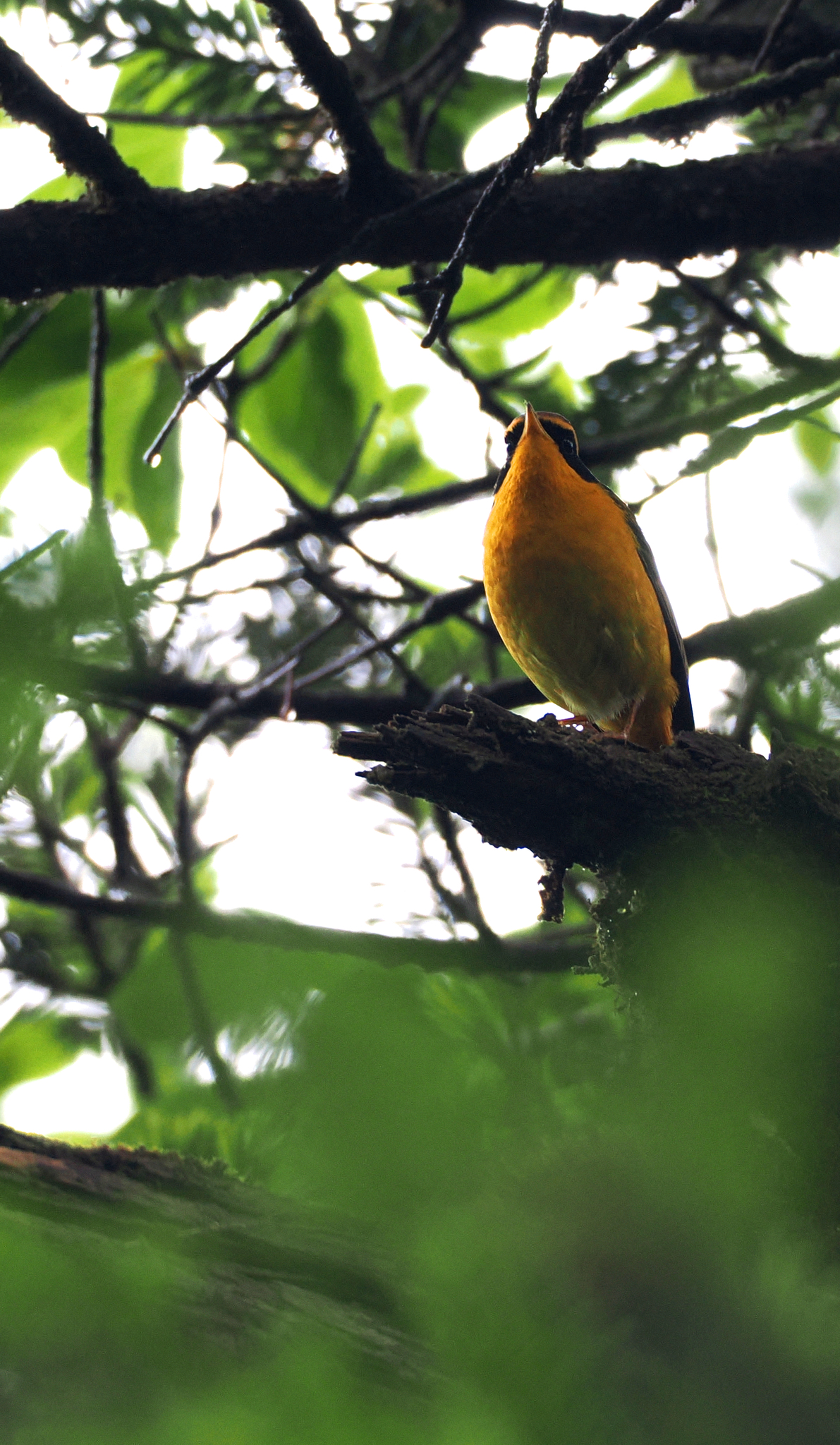
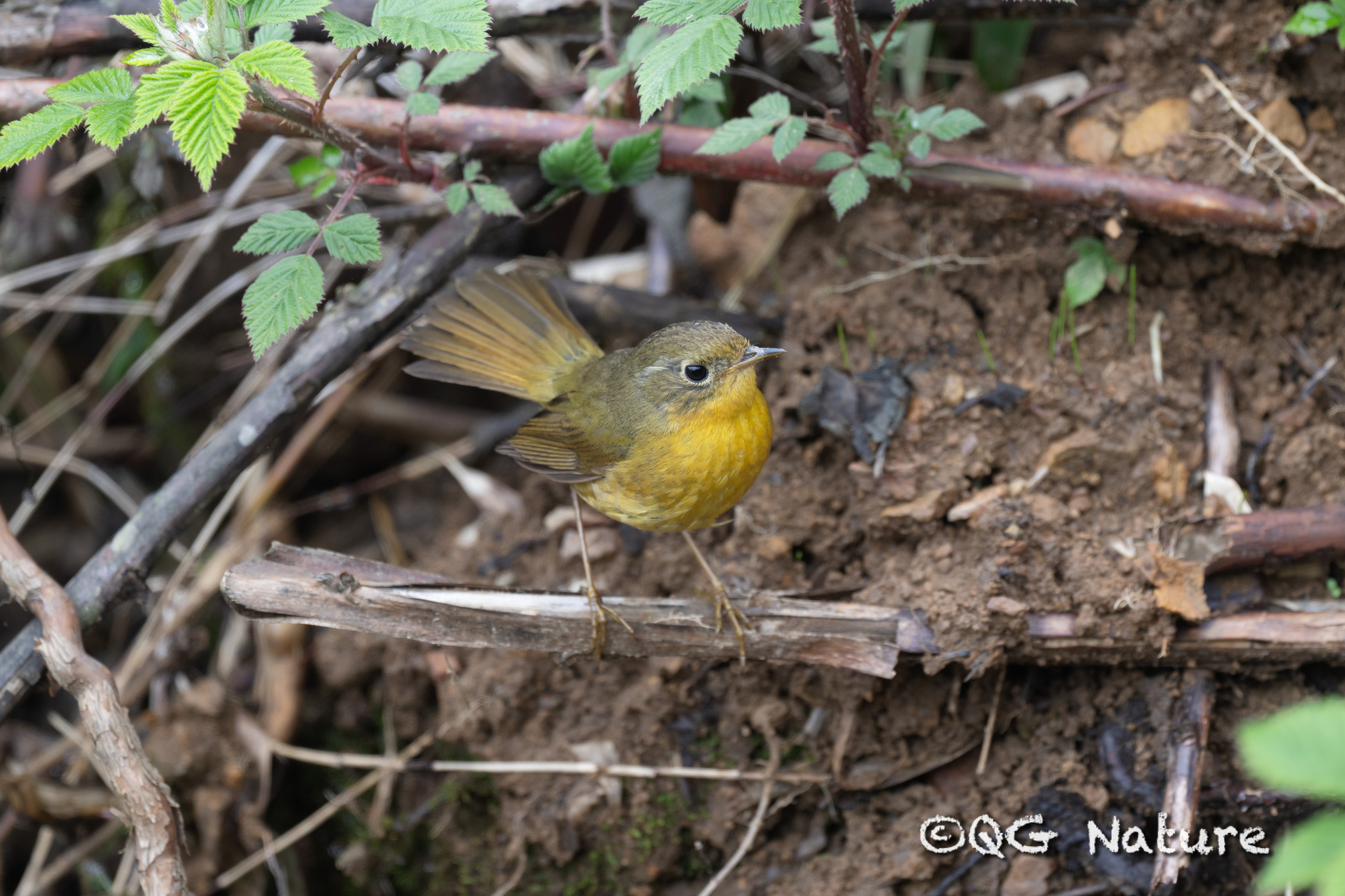
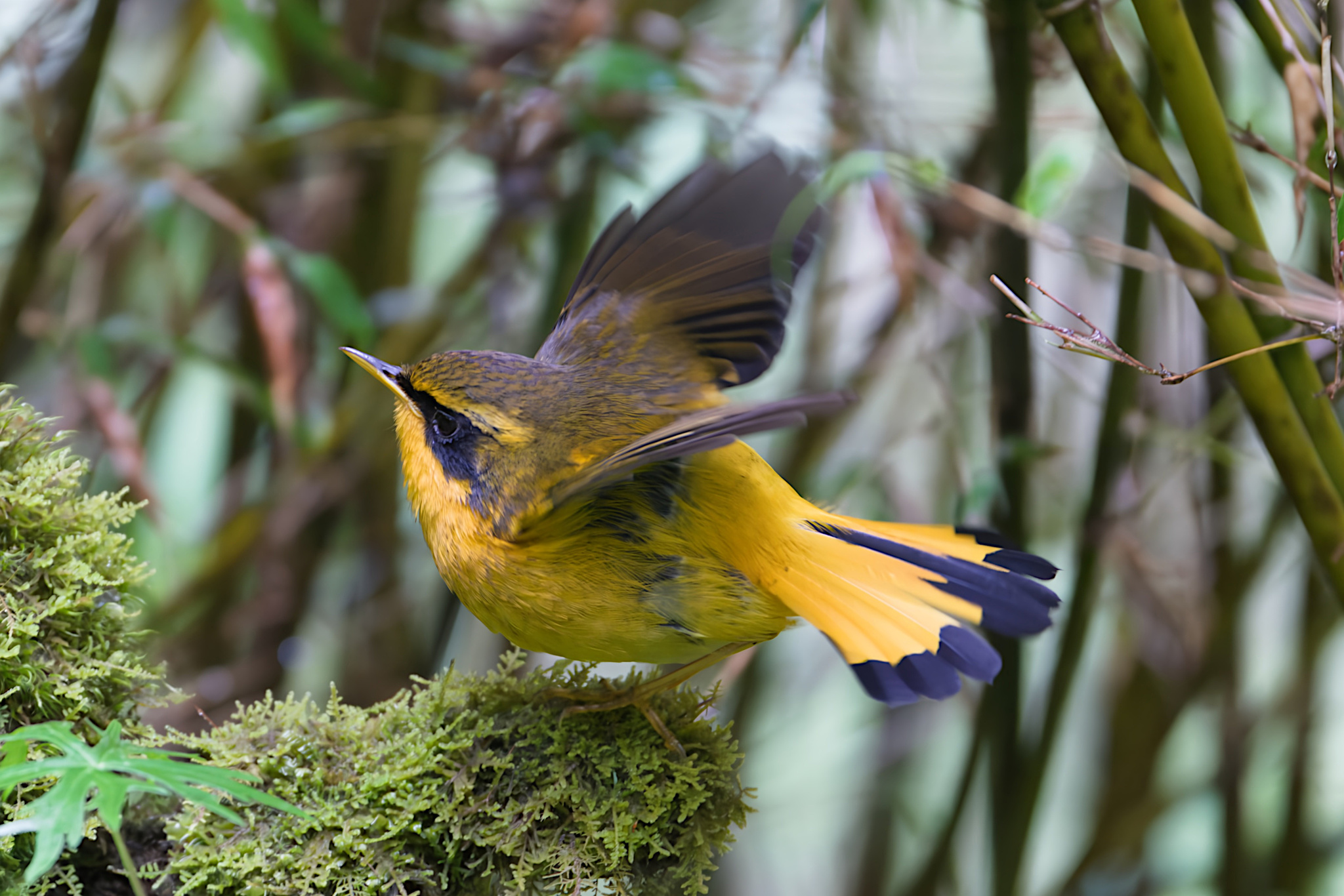
A small songbird measuring 14 to 15 centimeters in length with a body weight ranging from 12 to 15 grams. Males display brownish olive upperparts with bright yellow-orange underparts. Females exhibit similar color patterns but with reduced intensity and duller coloration. Juvenile males have dark brown plumage with buff streaking above and below the tail, while the juvenile female pattern is more diffused.
Distribution & Habitat
Found throughout the Himalayan mountain range and adjacent highlands across multiple countries including Bhutan, China, India, Myanmar, Nepal, Pakistan, Tibet, and Thailand. Two recognized subspecies include Tarsiger chrysaeus whistleri ranging from northern Pakistan to northwest Himalayan mountains, and Tarsiger chrysaeus chrysaeus distributed from central Himalayan mountains to northwest Thailand. Inhabits open areas within temperate forests, bamboo forests, grasslands, and shrublands.
Behavior & Ecology
Insectivorous species that forages for insects near ground level. In Pakistan, breeding occurs from May to June. Females lay clutches of 3 to 4 eggs with an incubation period of 14 to 15 days. Nests consist of compacted moss and grass materials lined with hair, wool, and feathers. This species demonstrates the uncommon behavior of exploiting human disturbance in its mountain forest habitat. The average lifespan is approximately 3.8 years.
Conservation
Assessed as least concern with a stable population. The extensive geographic range spanning multiple countries presents challenges for comprehensive population monitoring and identifying specific threats to the species.
Source: Wikipedia · CC BY-SA 3.0
Taxonomy
- Order
- Passeriformes
- Family
- Muscicapidae
- Genus
- Tarsiger
- eBird Code
- gobrob1
Subspecies (2)
-
Tarsiger chrysaeus chrysaeus
breeds Nepal to northeastern India, northern Myanmar, and western China; winters to northern Vietnam
-
Tarsiger chrysaeus whistleri
northern Pakistan to Kashmir and northwestern India
Data Sources
Species description from Wikipedia, licensed under CC BY-SA 3.0.
Bird images and sounds sourced from GBIF, contributed by citizen scientists worldwide under Creative Commons licenses.
Taxonomy data from AviList 2025.