Ruddy Shelduck
Tadorna ferruginea
赤麻鸭
Introduction
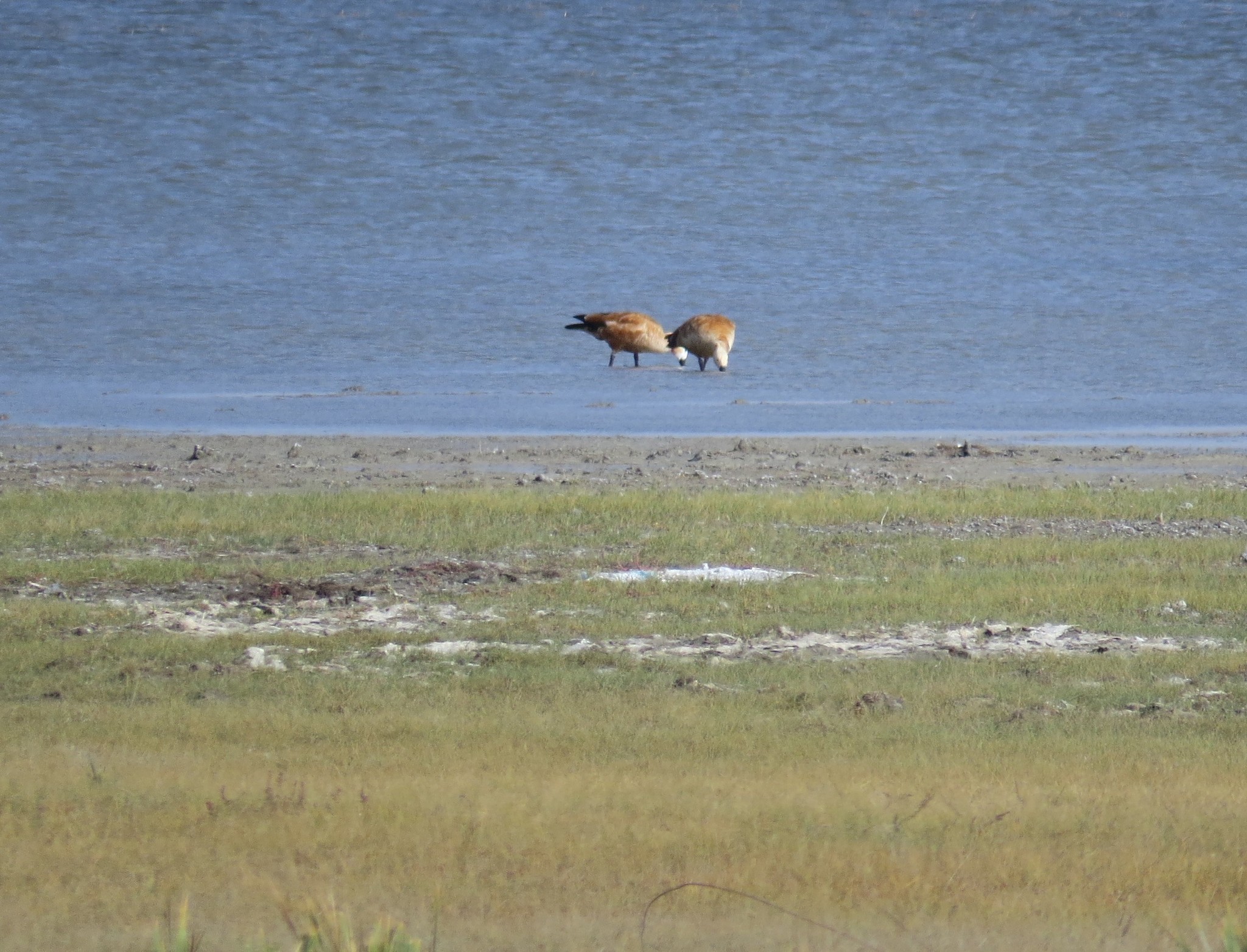
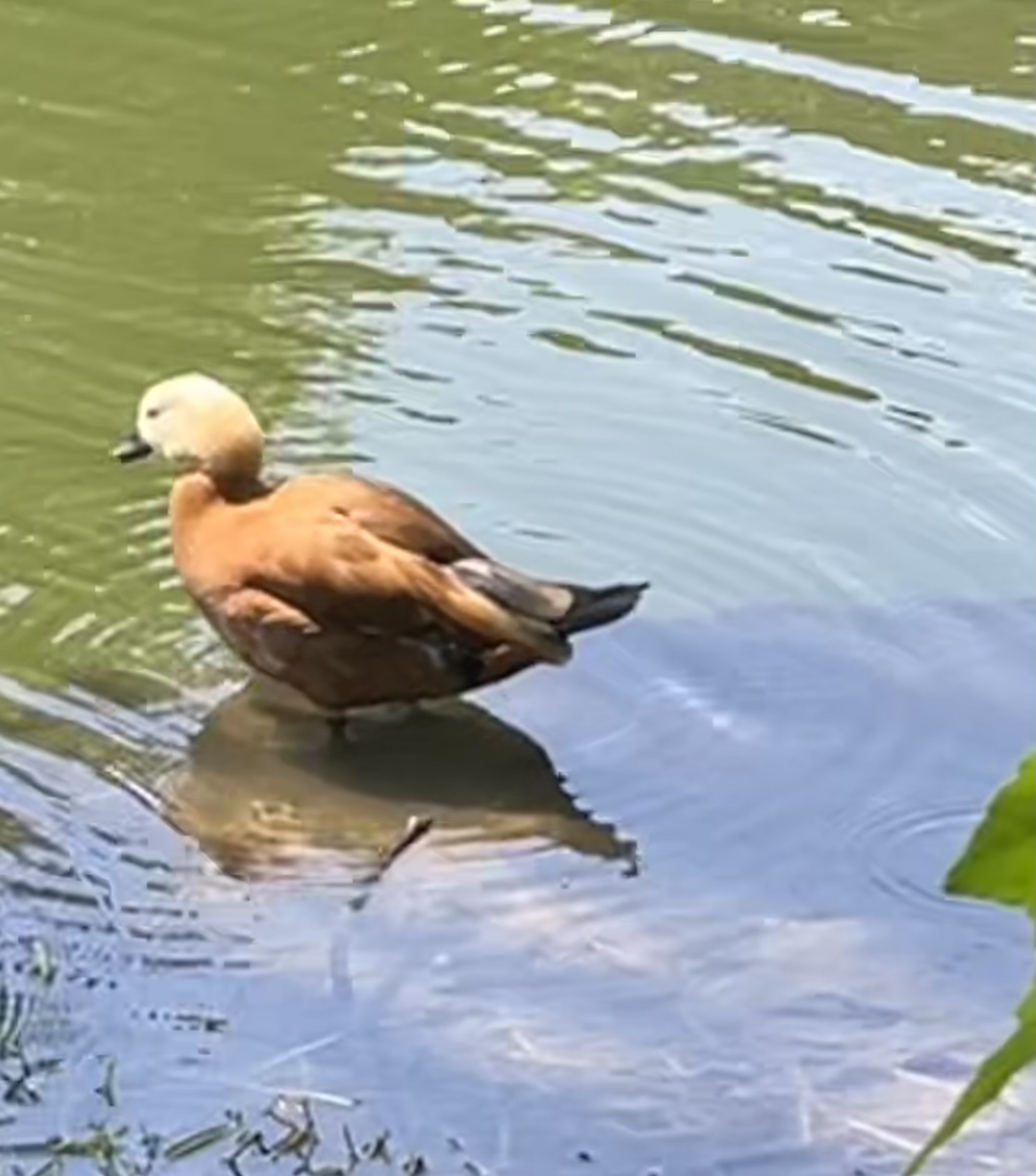
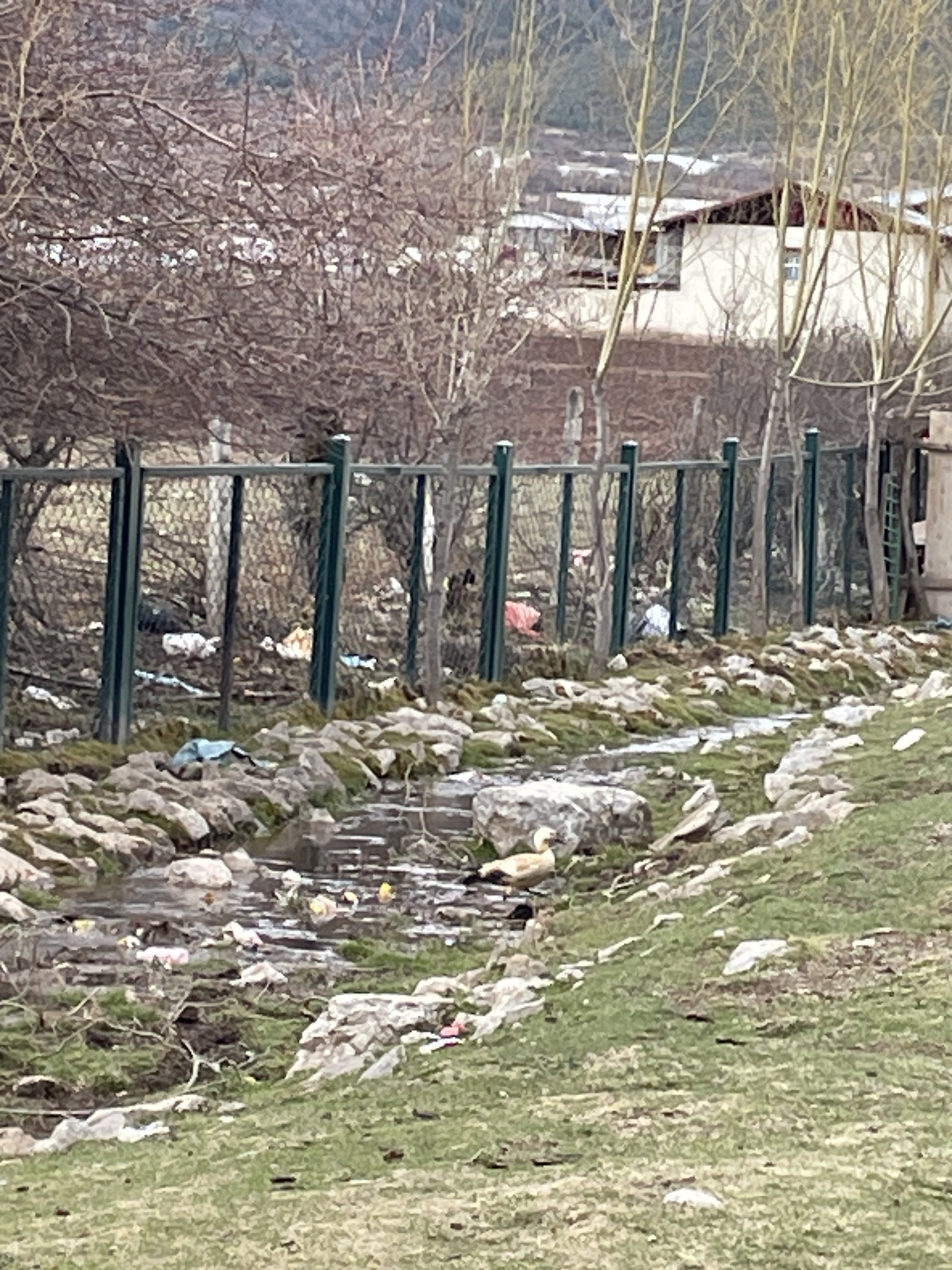
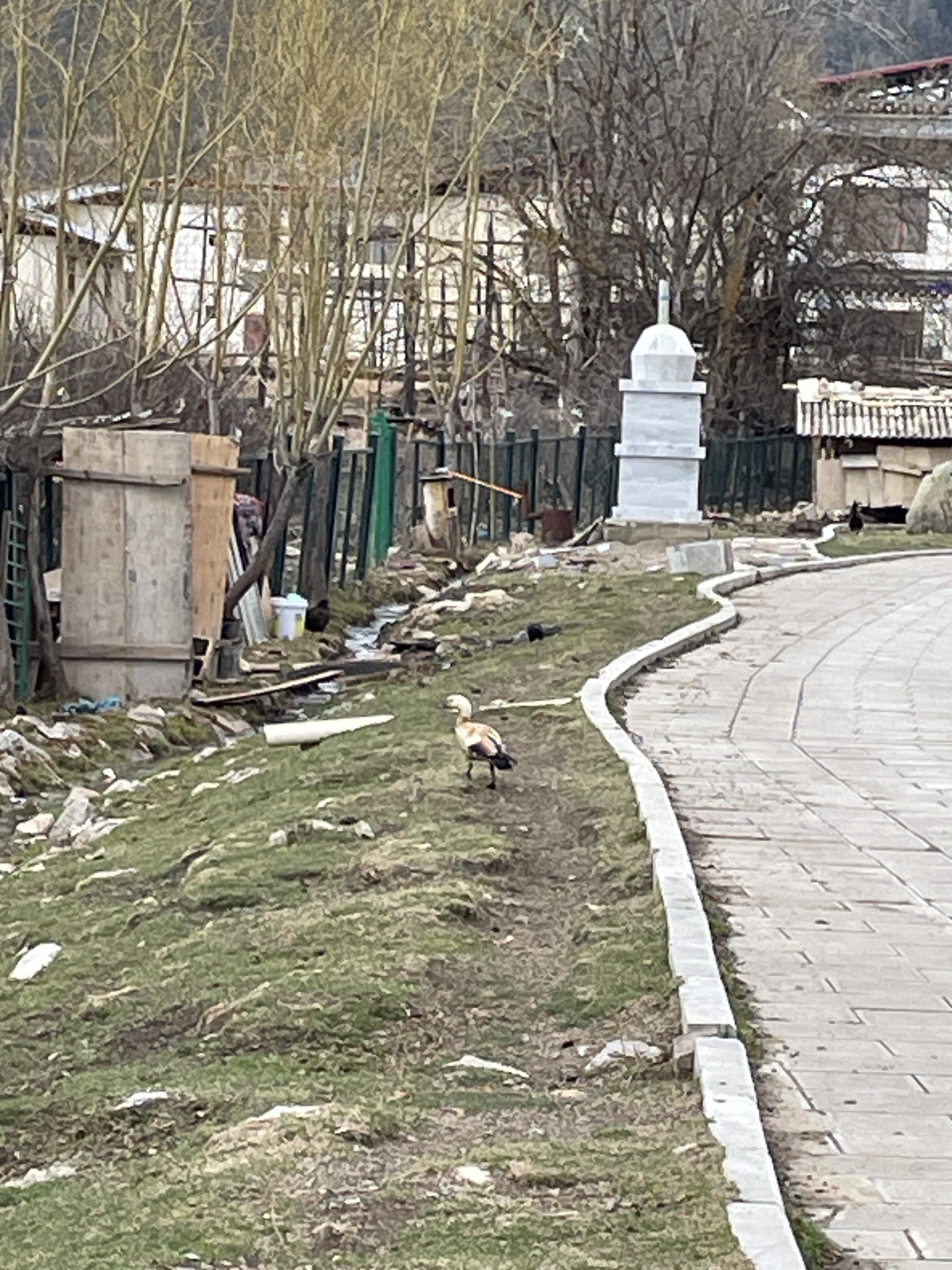
The Ruddy Shelduck (Tadorna ferruginea) is a medium-sized member of the duck family Anatidae. It inhabits large, open wetlands and reservoirs across central Asia, the Indian subcontinent, and parts of Europe. Adults measure 58 to 70 centimetres in length with a wingspan of 110 to 135 centimetres. The species has orange-brown plumage, black flight feathers, and males display a black collar. It has a long neck and upright posture. During winter, large congregations form across the Asian range. The species produces loud, nasal honking calls. European populations have declined, while Asian populations remain common and widespread.
Description
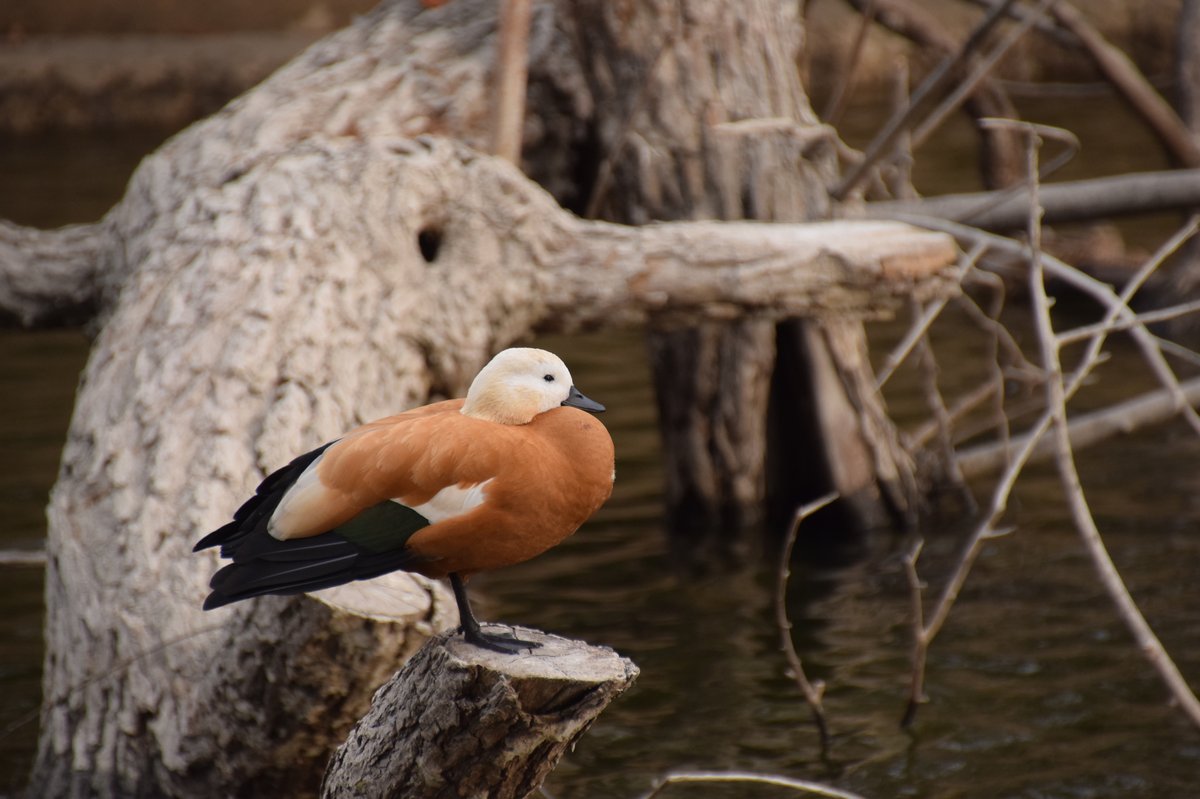
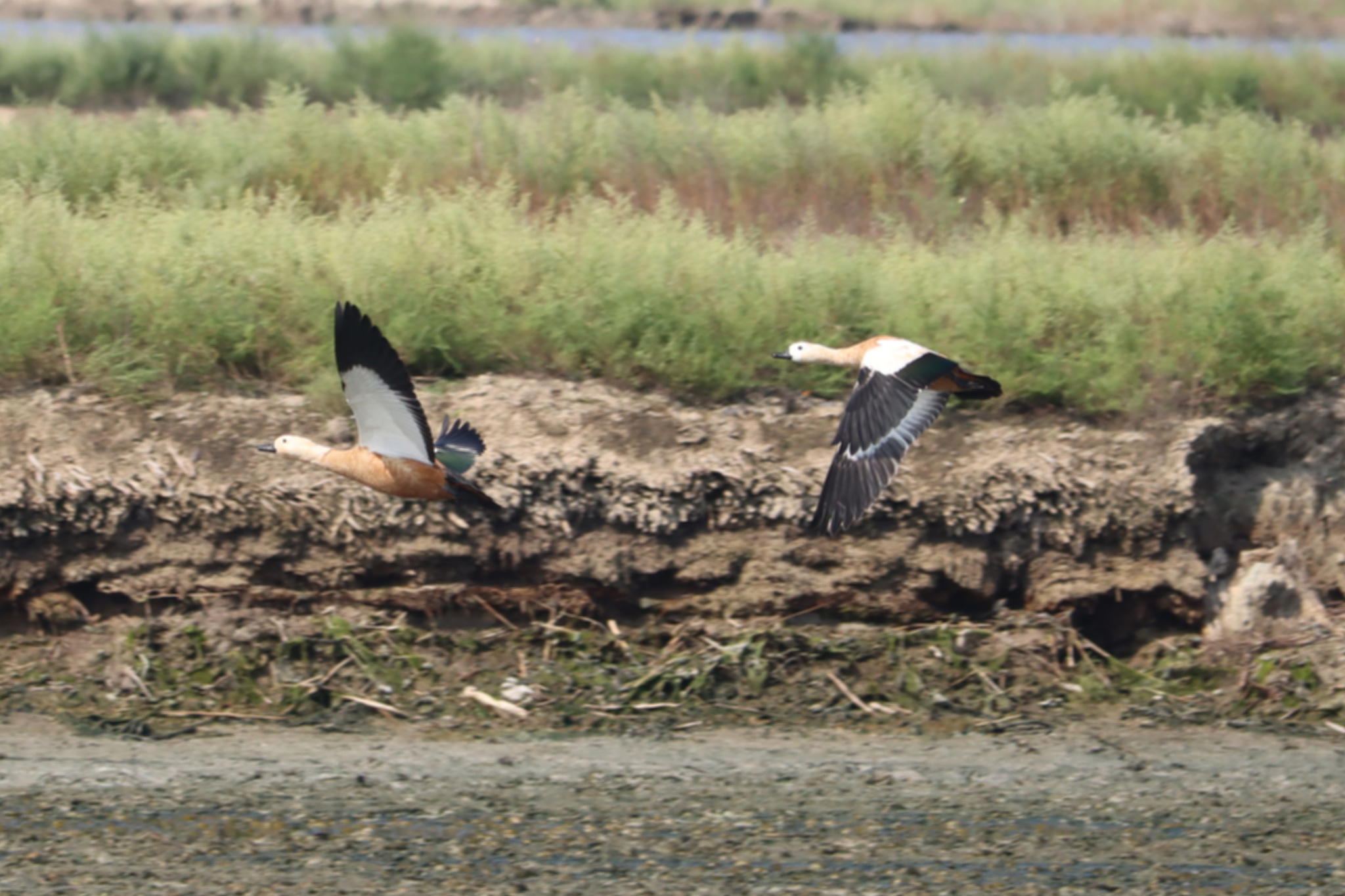
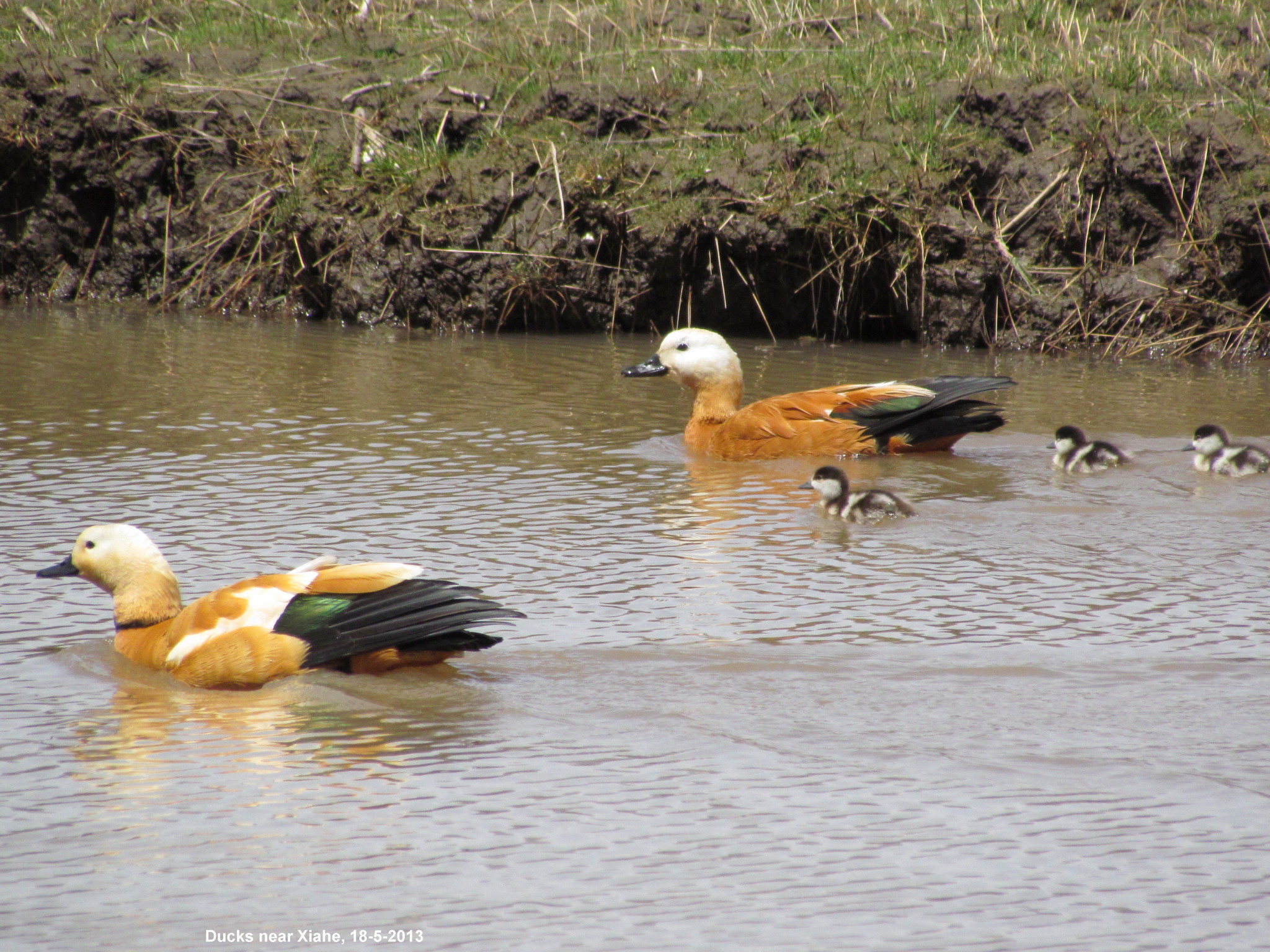
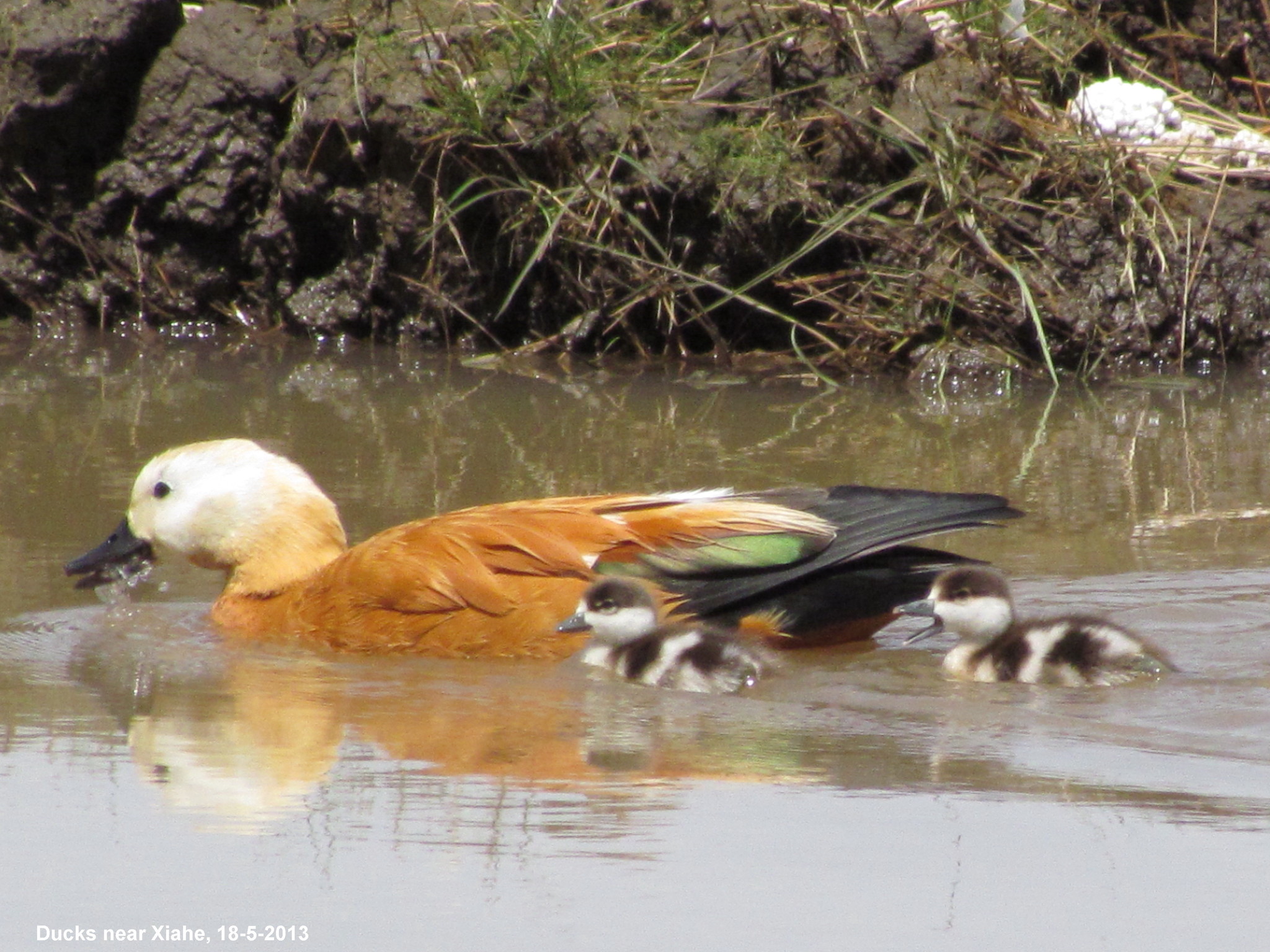
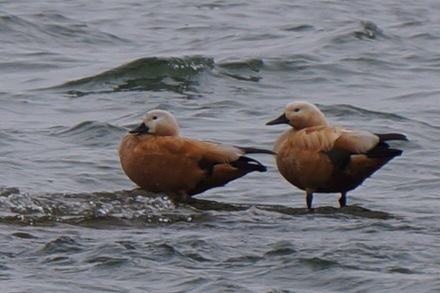
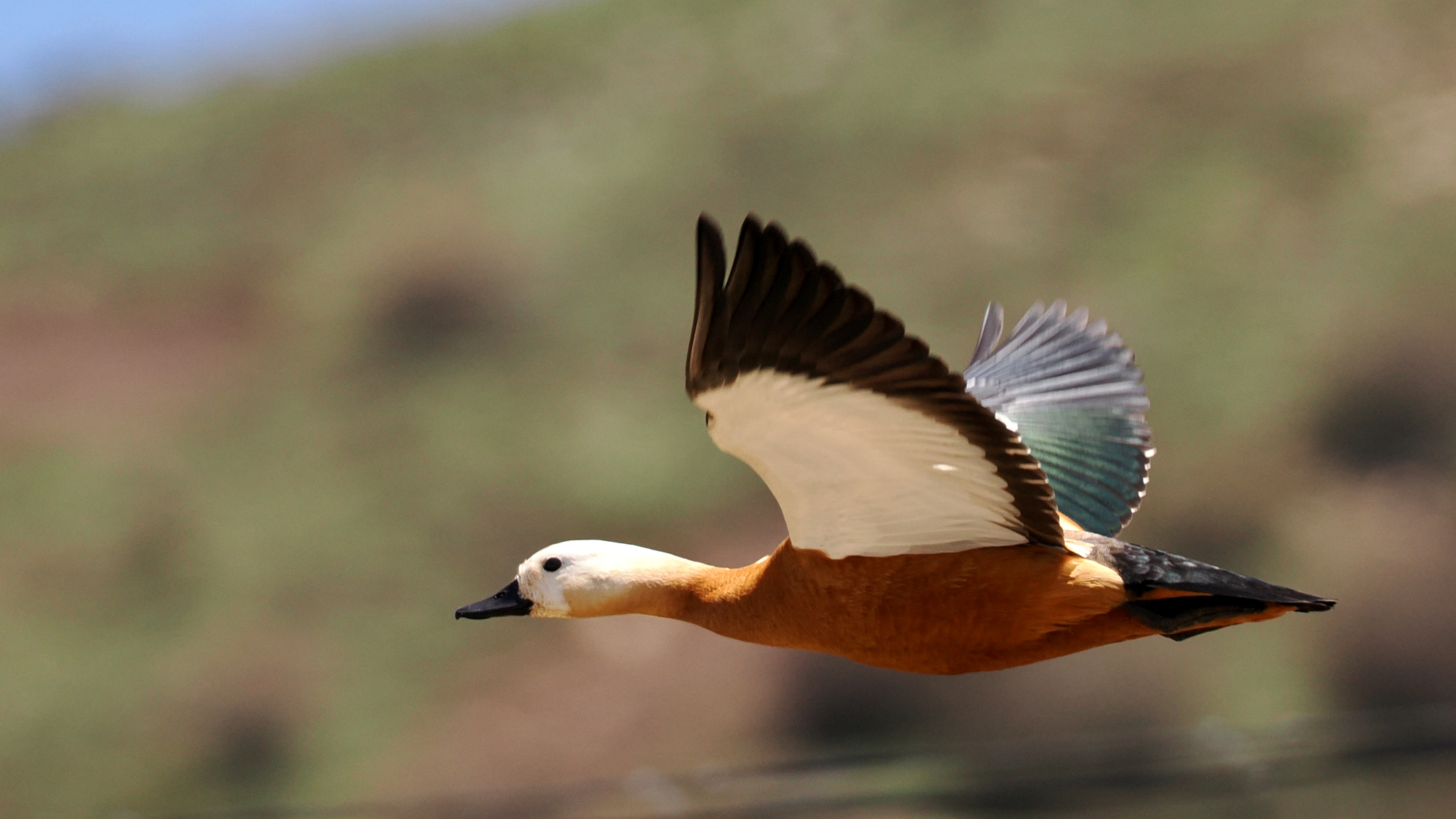
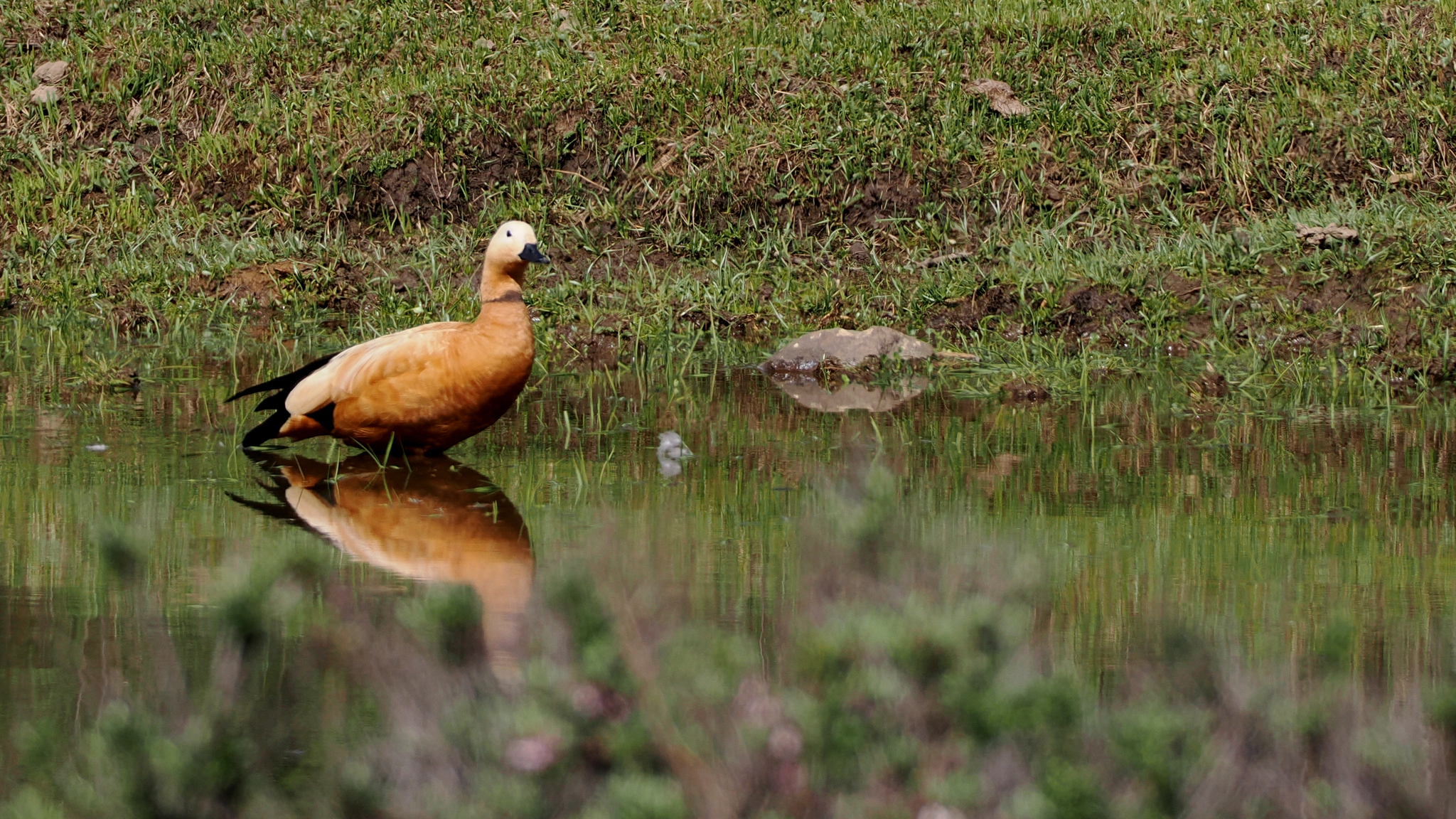
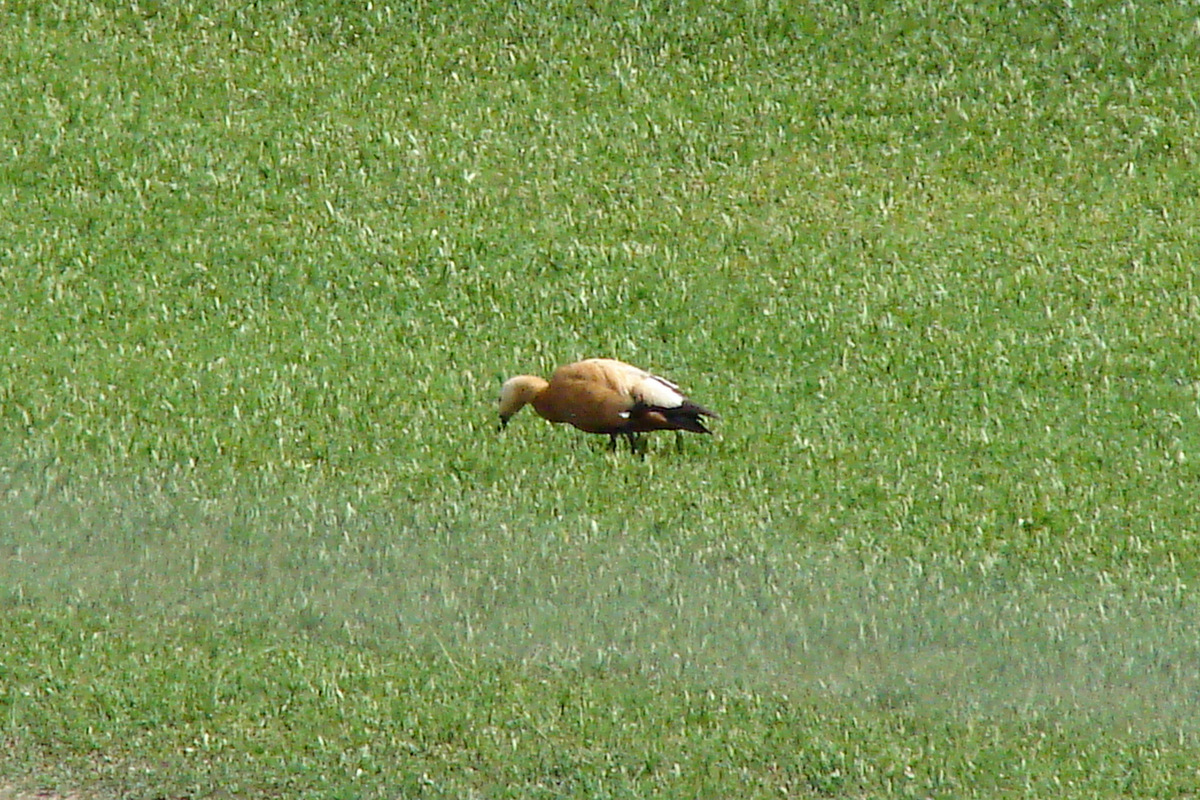
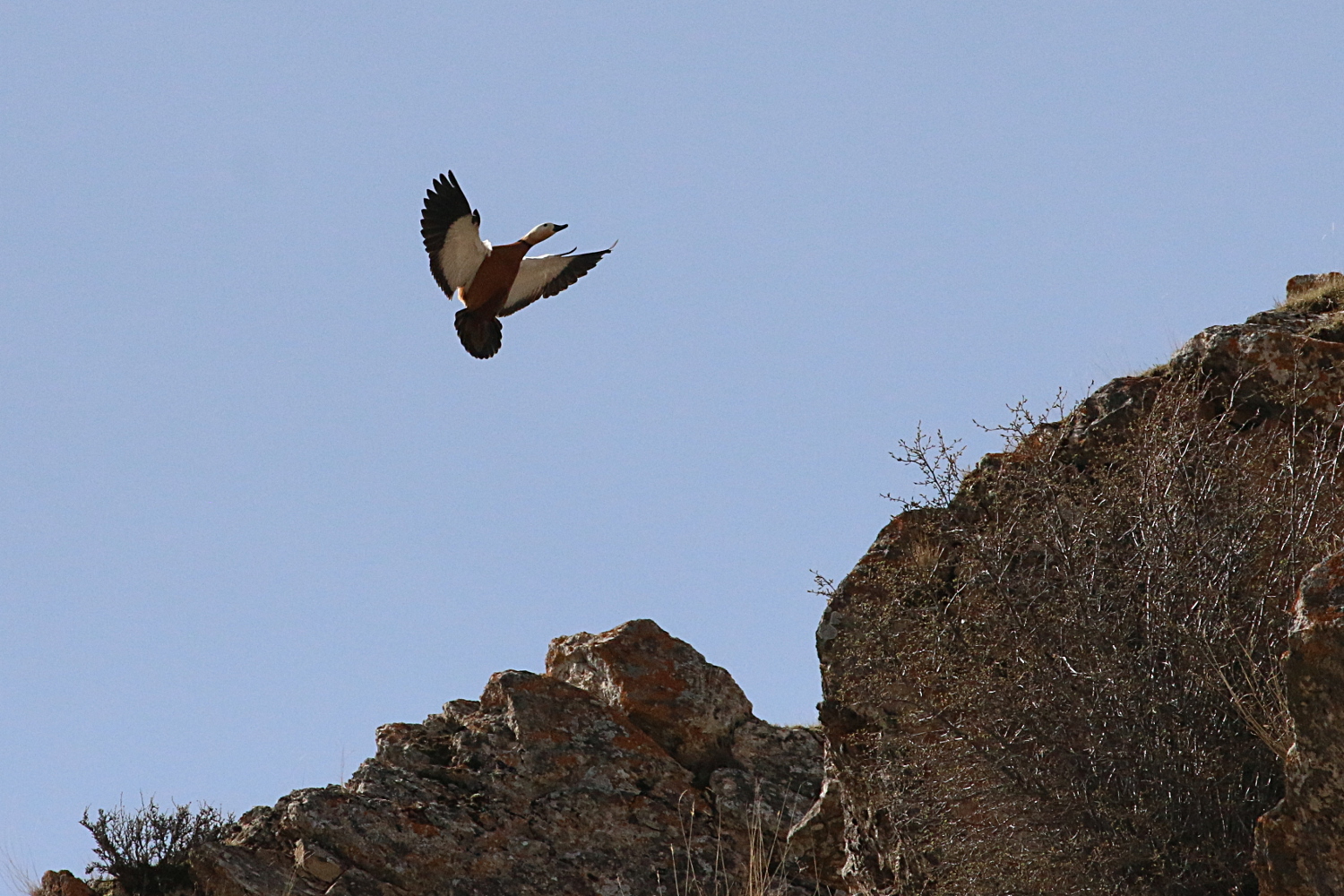
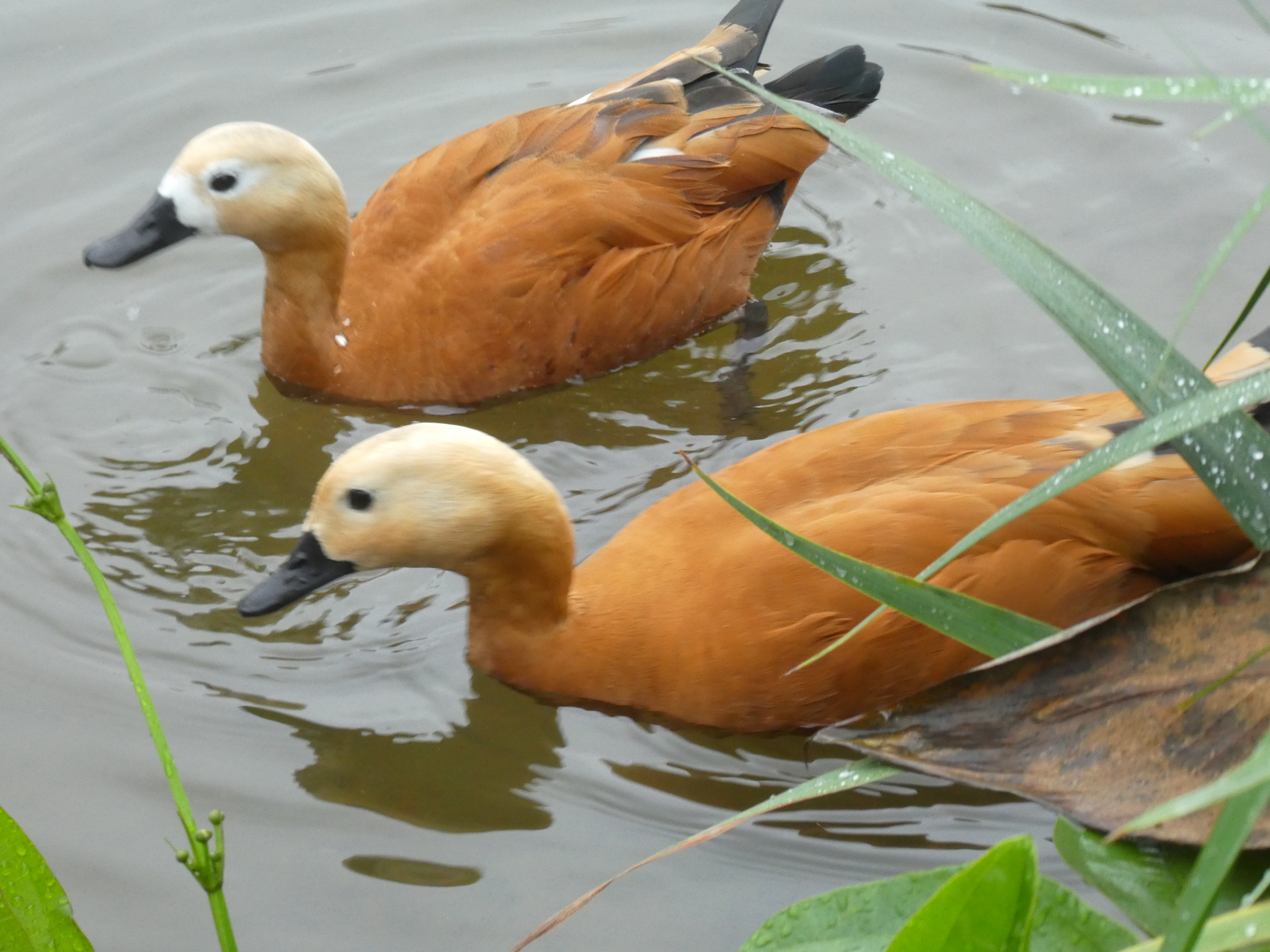
This is a medium-sized shelduck with a distinctive color scheme. Adults measure 58 to 70 centimetres in length with a wingspan of 110 to 135 centimetres. The body plumage is a rich orange-brown, while the head and neck are somewhat paler in males. Males display a narrow black collar that separates the head from the body. The tail, flight feathers, and tail-coverts are black, creating a strong contrast with the white wing-coverts visible in flight. Both wings feature iridescent green speculum feathers. The bill is black and the legs are dark grey. Females are similar but have a whitish head and lack the black collar. Juveniles resemble females but are darker overall. Both sexes undergo a complete moult after breeding, with males temporarily losing their black collar before regaining it between December and April.
Distribution & Habitat
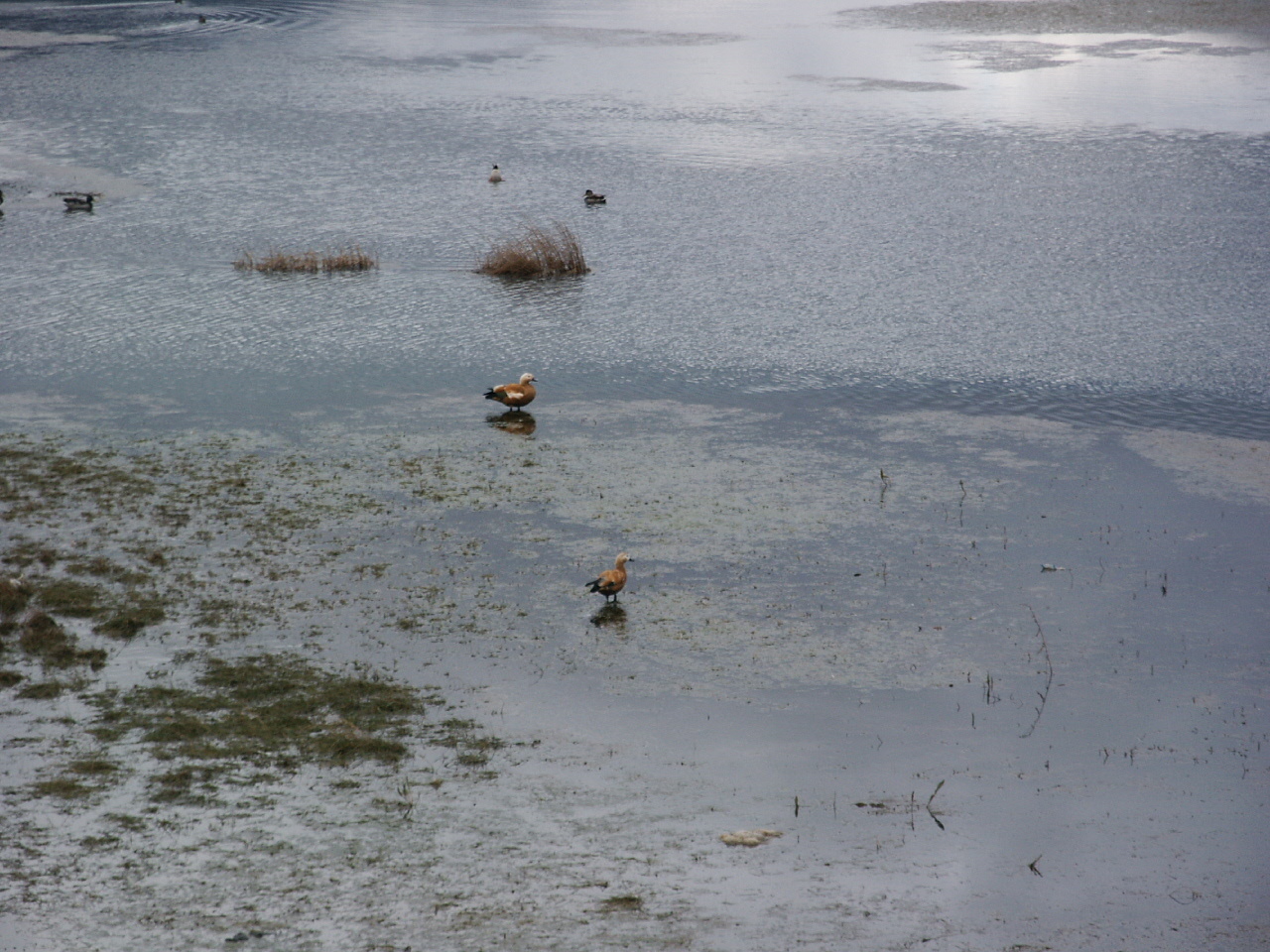
The species has a wide but fragmented distribution. Small resident populations exist in Northwest Africa and Ethiopia, while the main breeding range extends from southeastern Europe across the Palearctic to Lake Baikal, Mongolia, and western China. Eastern populations are migratory, wintering in the Indian subcontinent from October to April. The species colonized Fuerteventura in the Canary Islands in 1994 and has established feral populations in several European countries. Habitats include large wetlands, rivers with mud flats and shingle banks, high-altitude lakes up to 5,000 metres, and during winter, lowland streams, marshes, and brackish lagoons. Vagrants occasionally appear in Iceland, Britain, and Ireland, though many western European sightings likely involve feral birds.
Behavior & Ecology
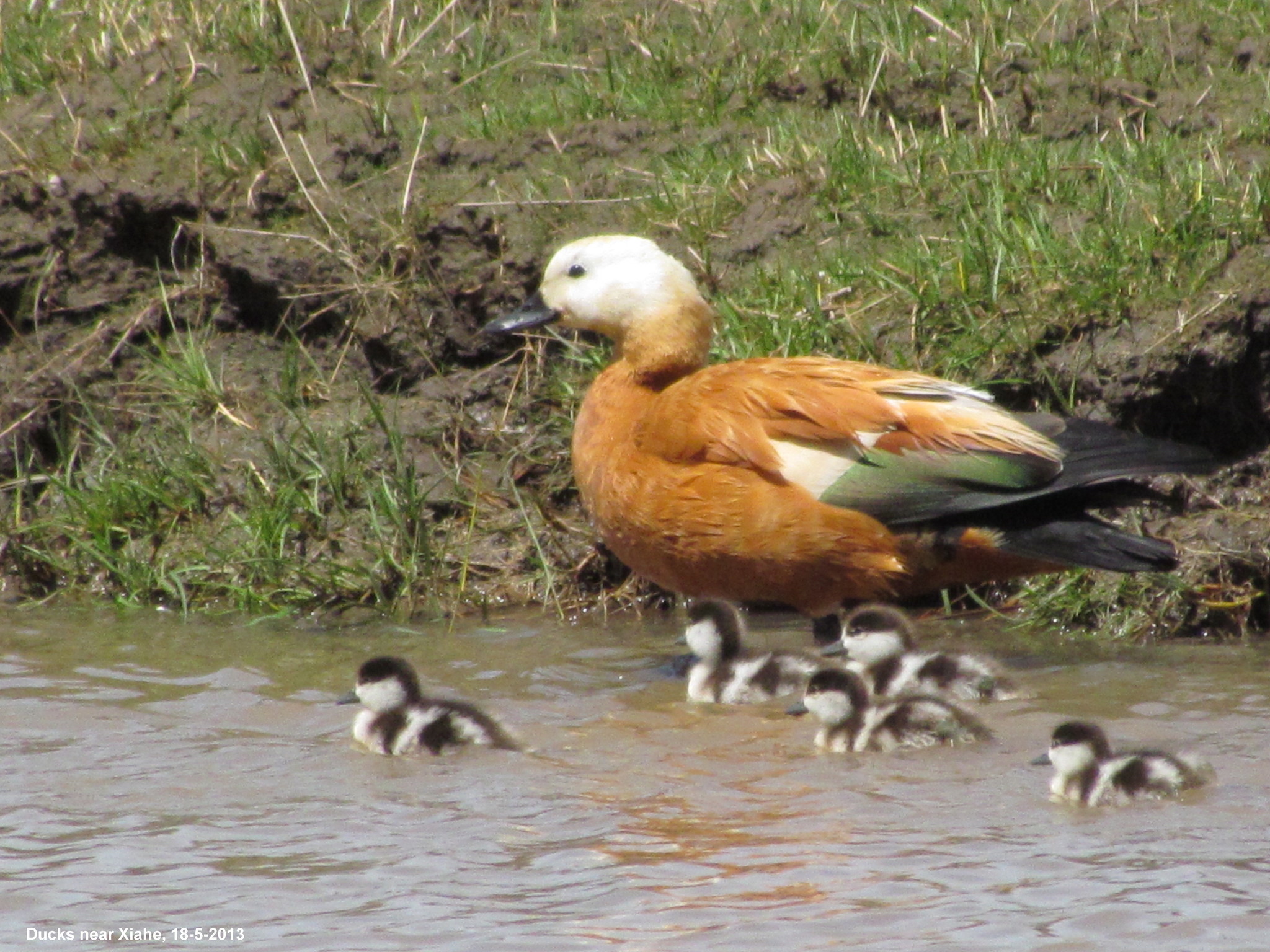
Predominantly nocturnal, this shelduck feeds on grasses, plant shoots, grain, water plants, and both aquatic and terrestrial invertebrates. It grazes on land, dabbles in shallows, and up-ends in deeper water but does not dive. The species is typically found in pairs or small groups, though moult and winter gatherings can number in the thousands, with over four thousand recorded in Nepal and ten thousand in Turkey. Pairs form strong bonds and are thought to mate for life. Breeding occurs from late April to early June, with nests placed in tree holes, cliff crevices, burrows, or ruined buildings, often far from water. The female incubates a clutch of about eight eggs for 28 days while the male guards nearby. Both parents care for the young, which fledge after approximately 55 days. The species is aggressive during breeding, with females actively defending territories.
Conservation
The International Union for Conservation of Nature assesses this species as being of least concern, with a global population estimated at 170,000 to 225,000 individuals. Population trends vary regionally: central and eastern Asian populations are stable or increasing, while European populations are generally declining due to wetland drainage and hunting. The species benefits from cultural protection in Buddhist regions, particularly in Tibet where the Pembo Black-Necked Crane Reserve provides important wintering habitat. Its adaptability to artificial habitats such as reservoirs has helped maintain numbers in some areas. The species is protected in Europe and Italy, and falls under the Agreement on the Conservation of African-Eurasian Migratory Waterbirds.
Culture
Buddhists regard this shelduck as sacred in central and eastern Asia, providing important protection for populations in these regions. In 2023, the species was selected as the flagship species for Arjan International Wetland in Iran, chosen for its cultural visibility and potential to engage local communities in conservation efforts. The species thus serves both ecological and cultural roles across its range, symbolizing the intersection of wildlife protection and traditional values in Asian societies.
Source: Wikipedia · CC BY-SA 3.0
Taxonomy
- Order
- Anseriformes
- Family
- Anatidae
- Genus
- Tadorna
- eBird Code
- rudshe
Distribution
breeds Iberian Peninsula and Mediterranean northern Africa eastward through southern Russia to eastern China and in the south through Türkiye to Tibetan Plateau including Ladakh; winters to Ethiopia, southern India, and southeastern Asia; introduced in central Europe and the Canary Islands, and appears frequently elsewhere
Data Sources
Species description from Wikipedia, licensed under CC BY-SA 3.0.
Bird images and sounds sourced from GBIF, contributed by citizen scientists worldwide under Creative Commons licenses.
Taxonomy data from AviList 2025.