Podicipediformes / Podicipedidae / Tachybaptus
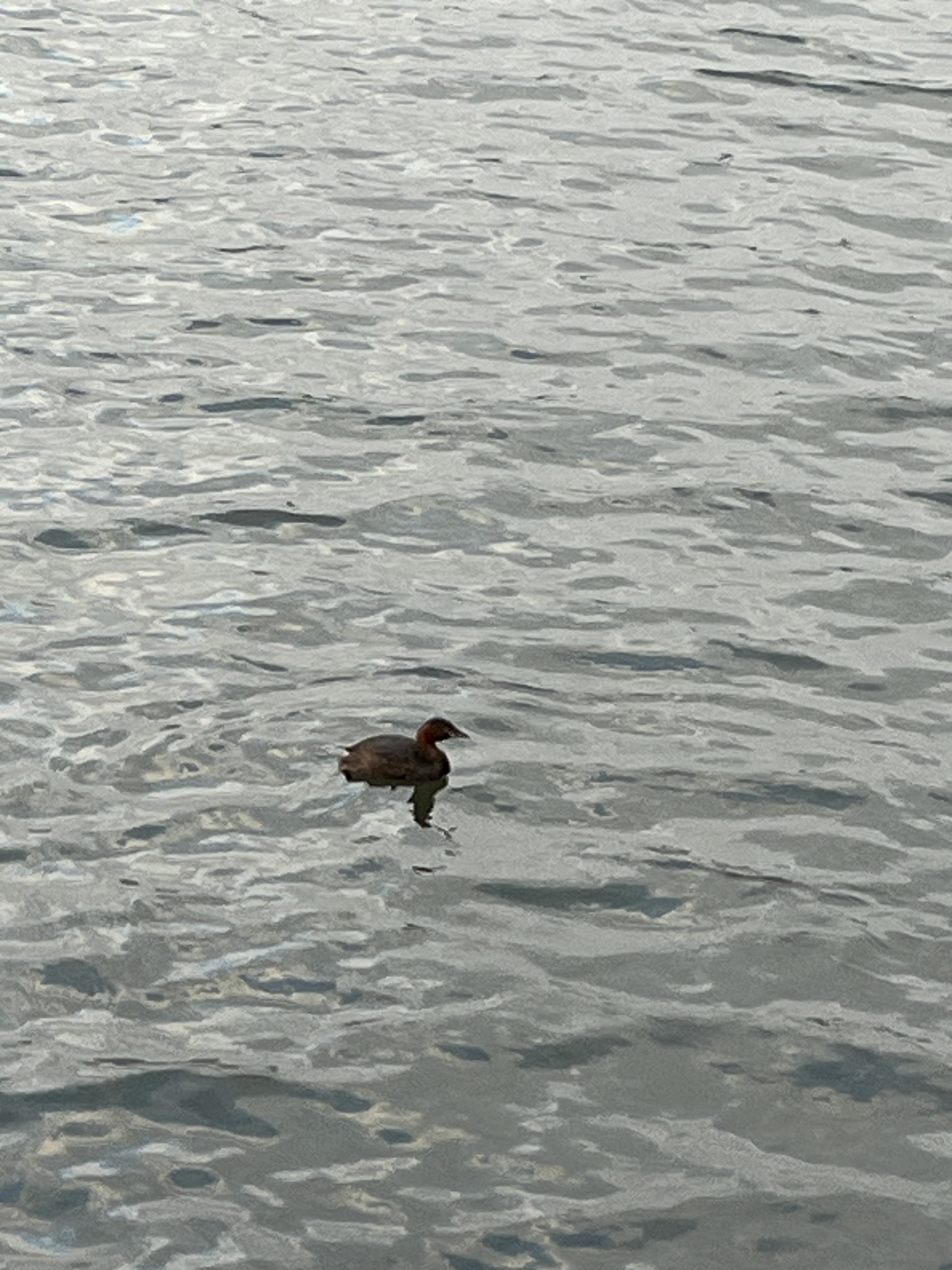
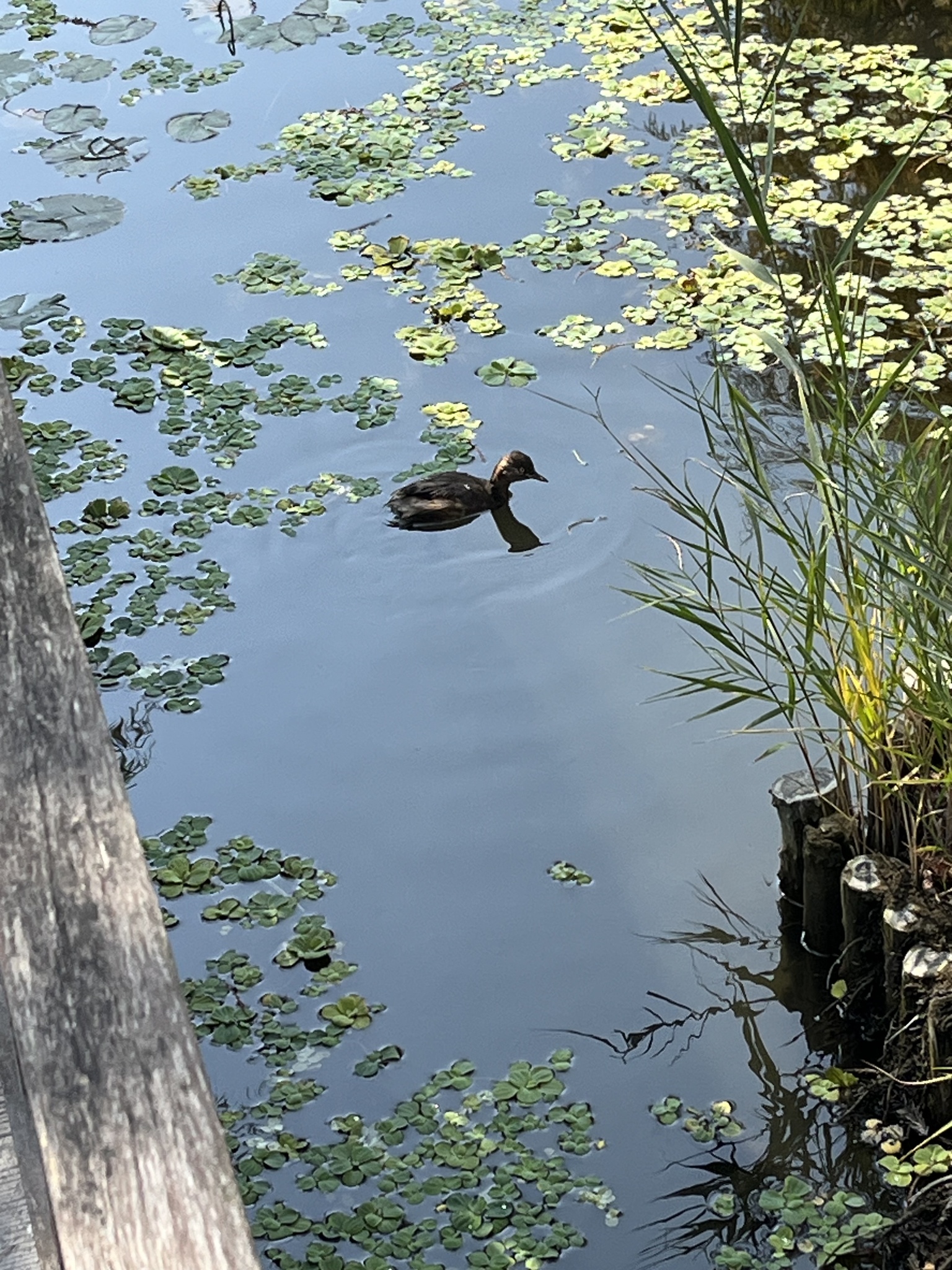
Little Grebe
Tachybaptus ruficollis · 小䴙䴘
Introduction
Member of the grebe family, this species is the smallest European representative, measuring 23 to 29 centimetres in length. It inhabits open bodies of water across Europe, Asia, and Africa. Distinctive traits include excellent swimming and diving abilities, using vegetation for concealment, and nesting at the water's edge due to leg placement. It is migratory only in regions where waters freeze.
Description
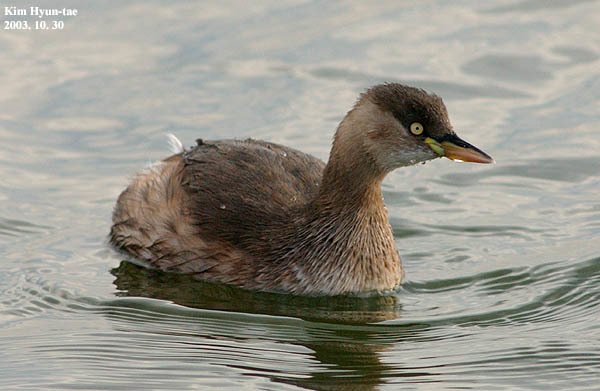
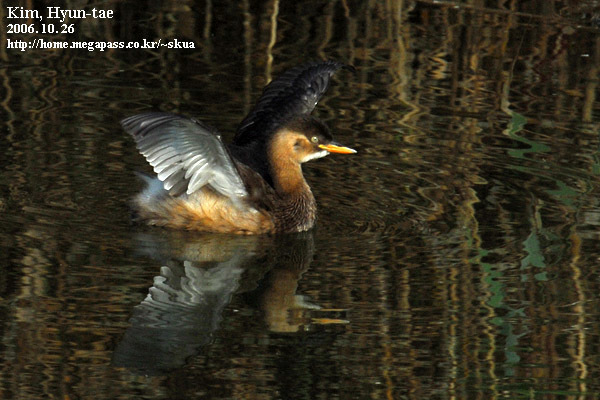
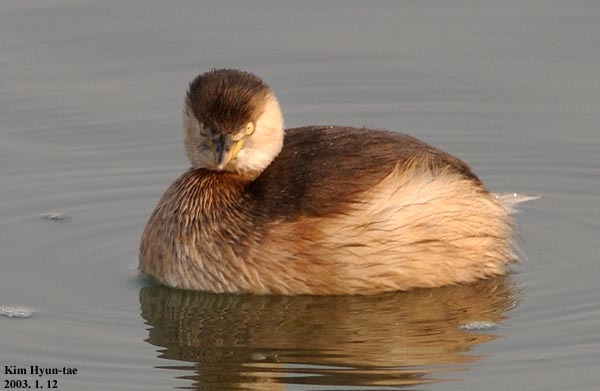
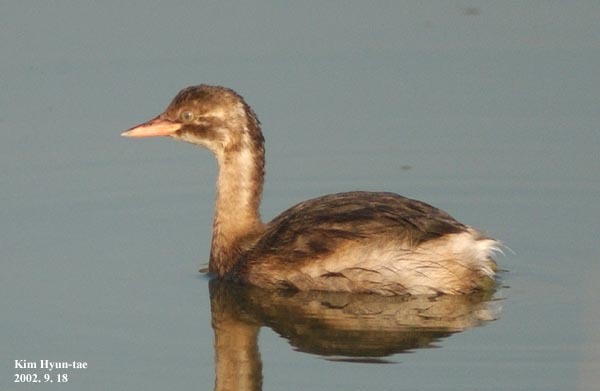
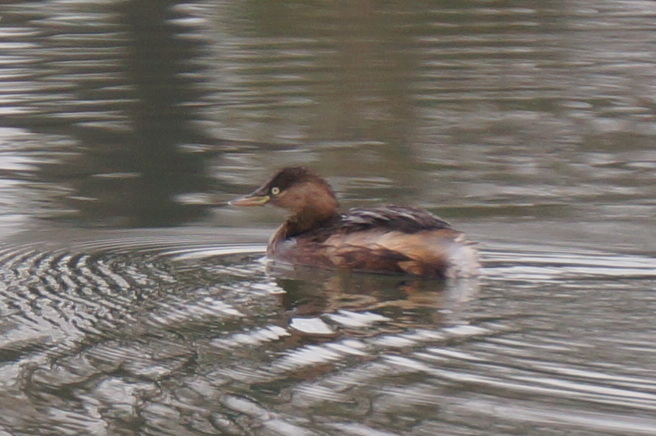
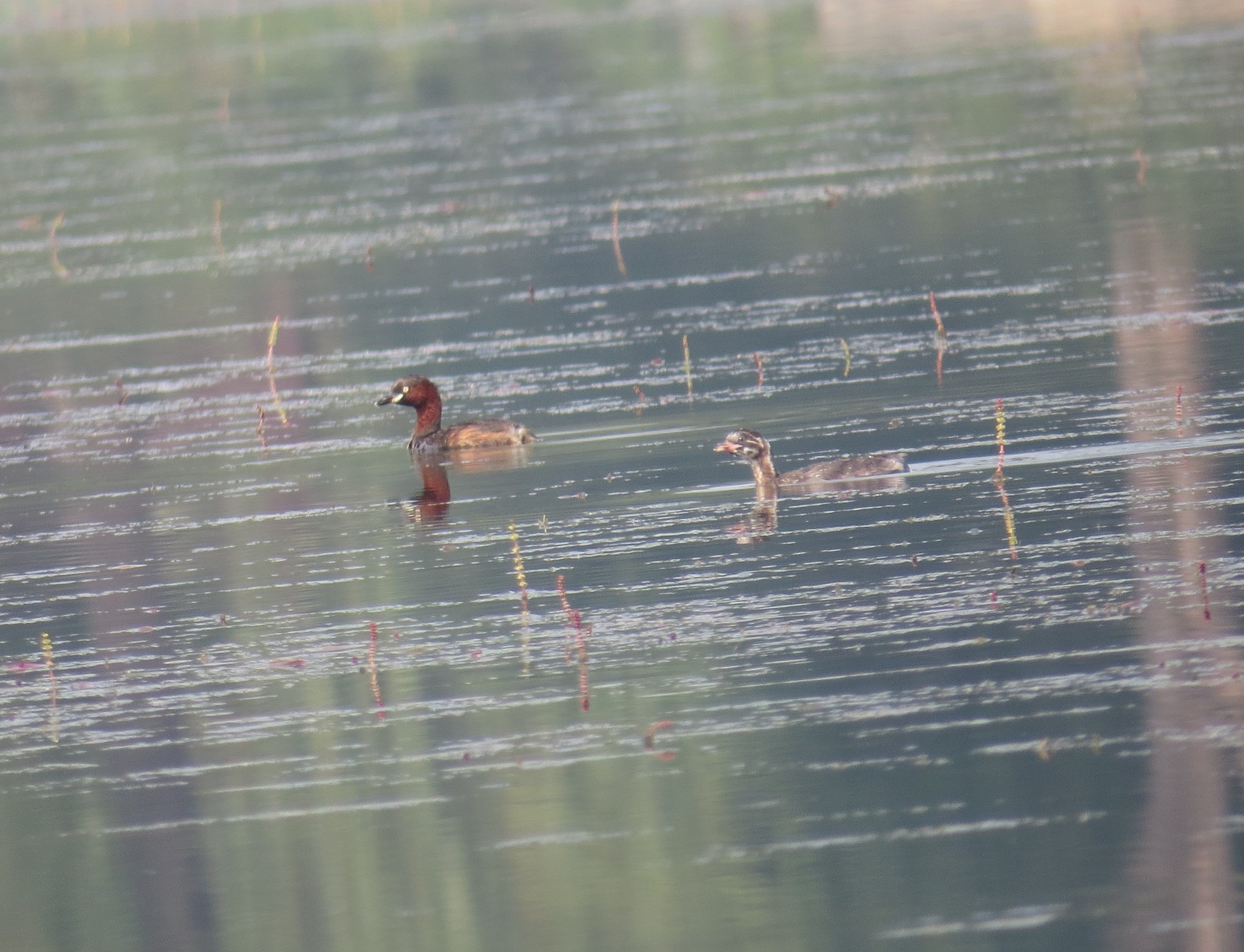
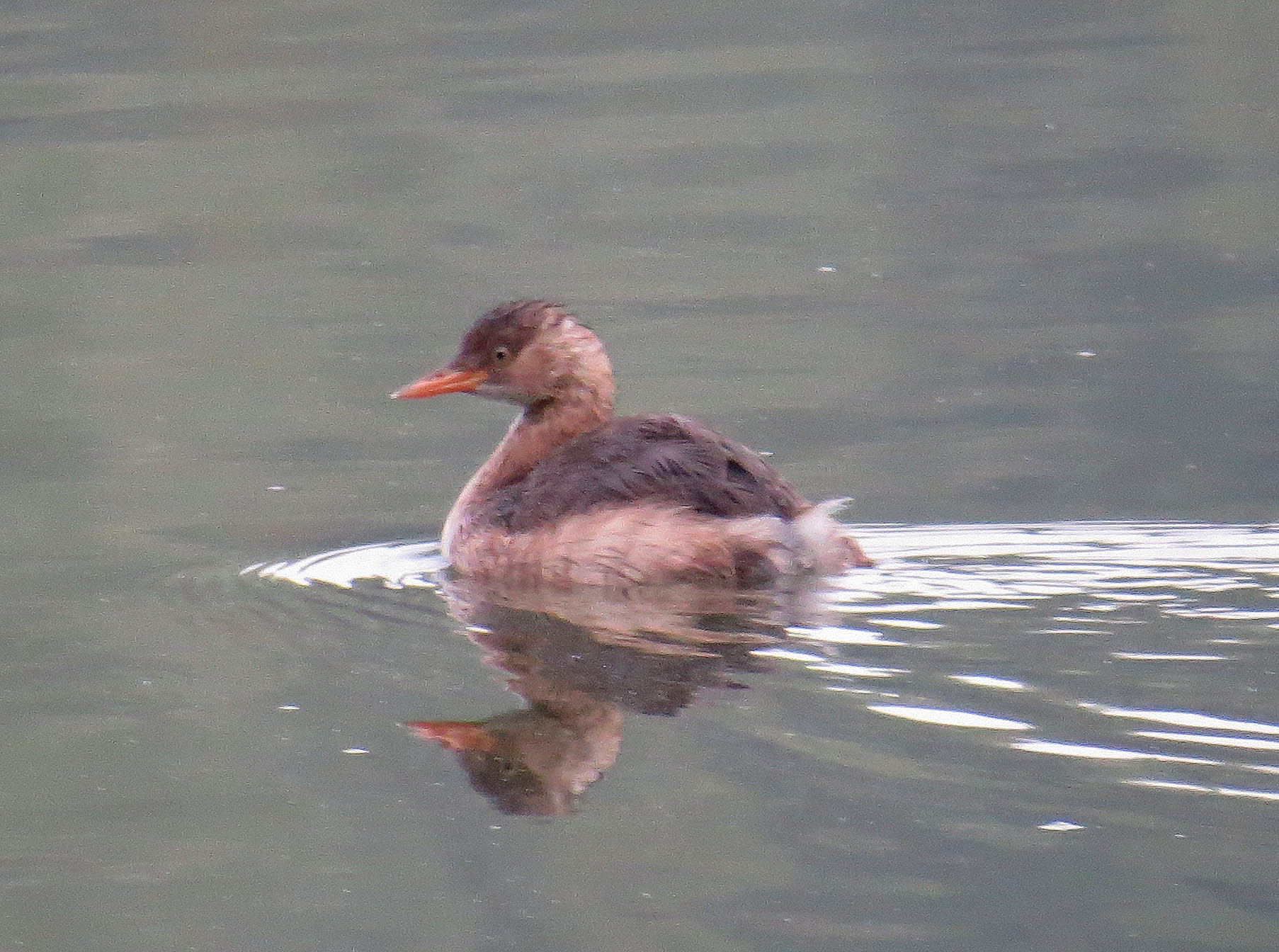
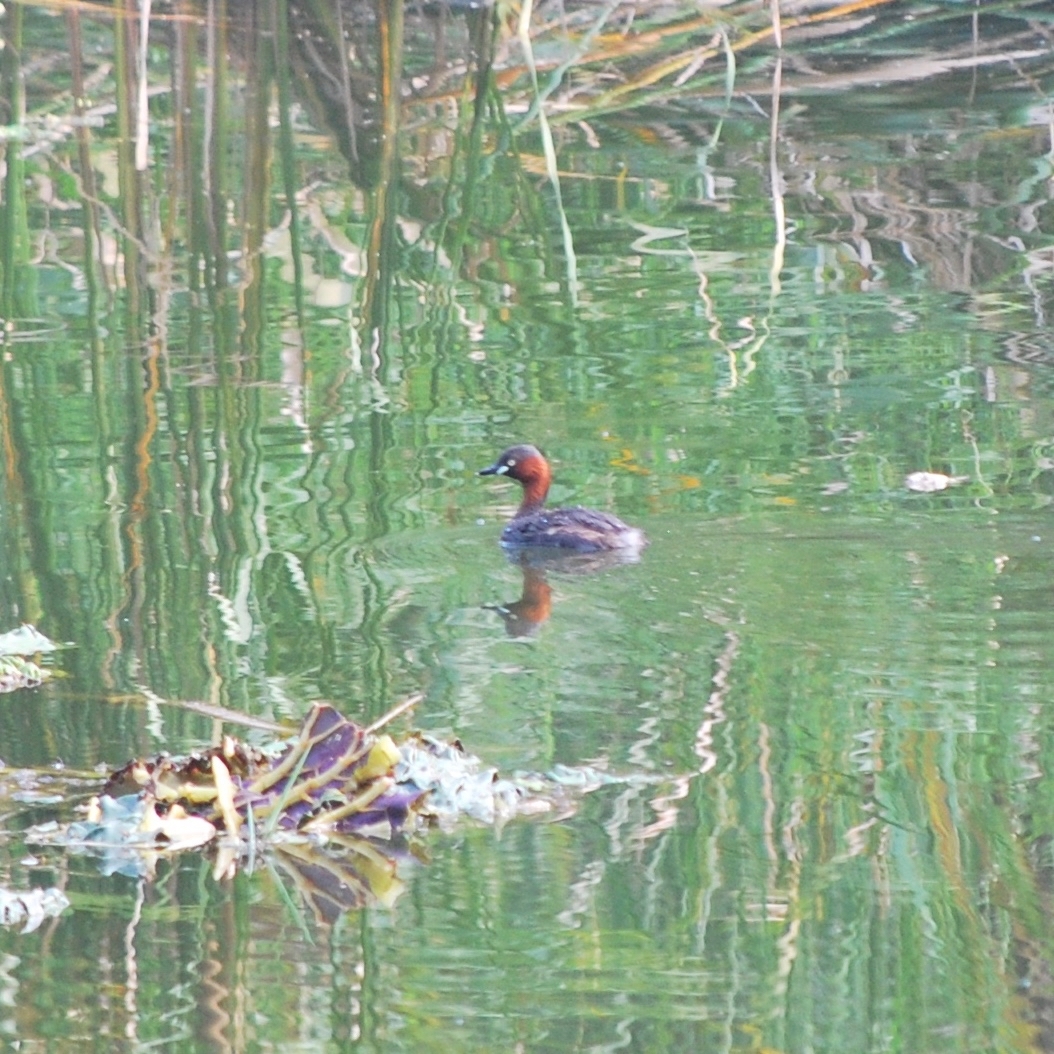
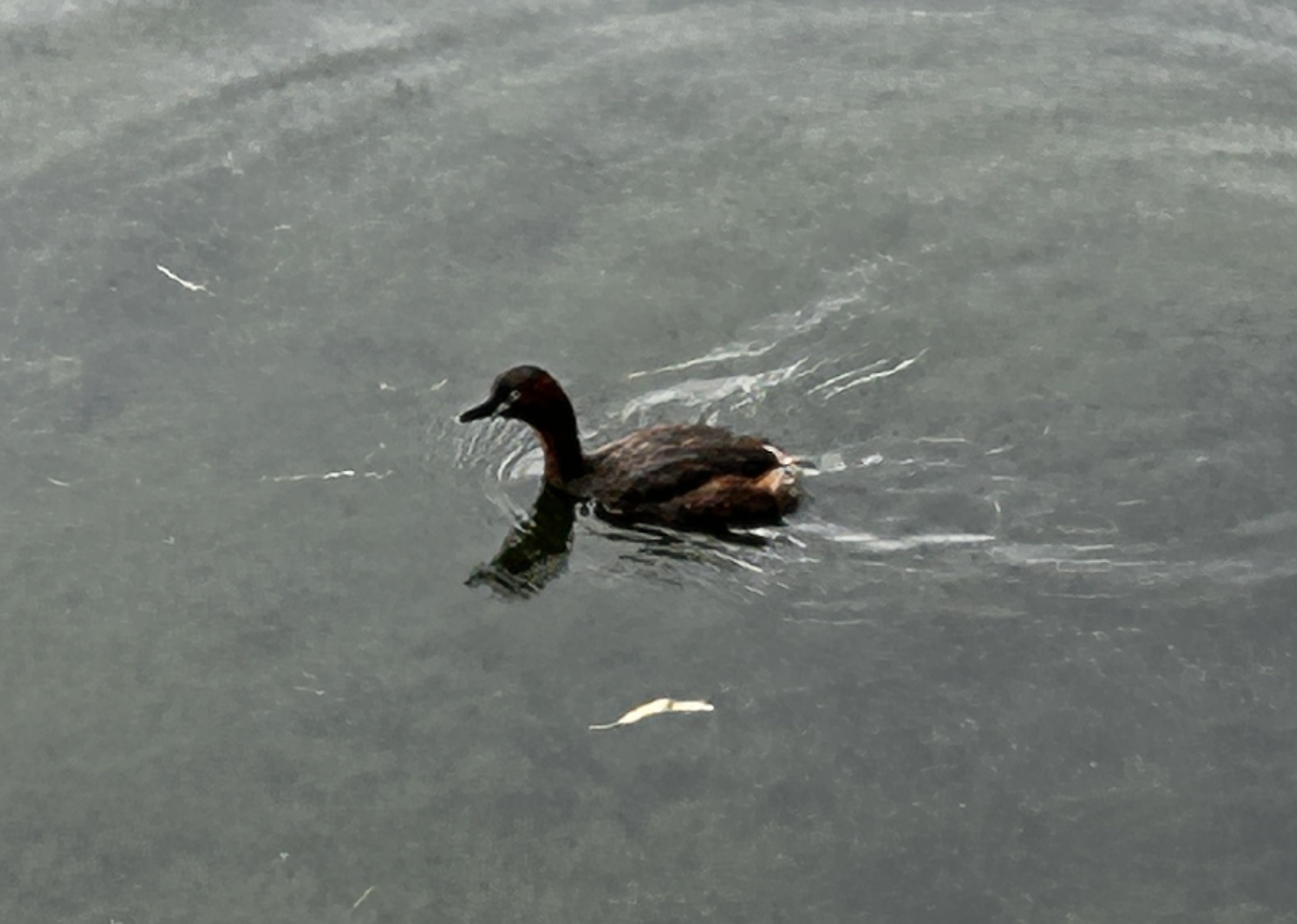
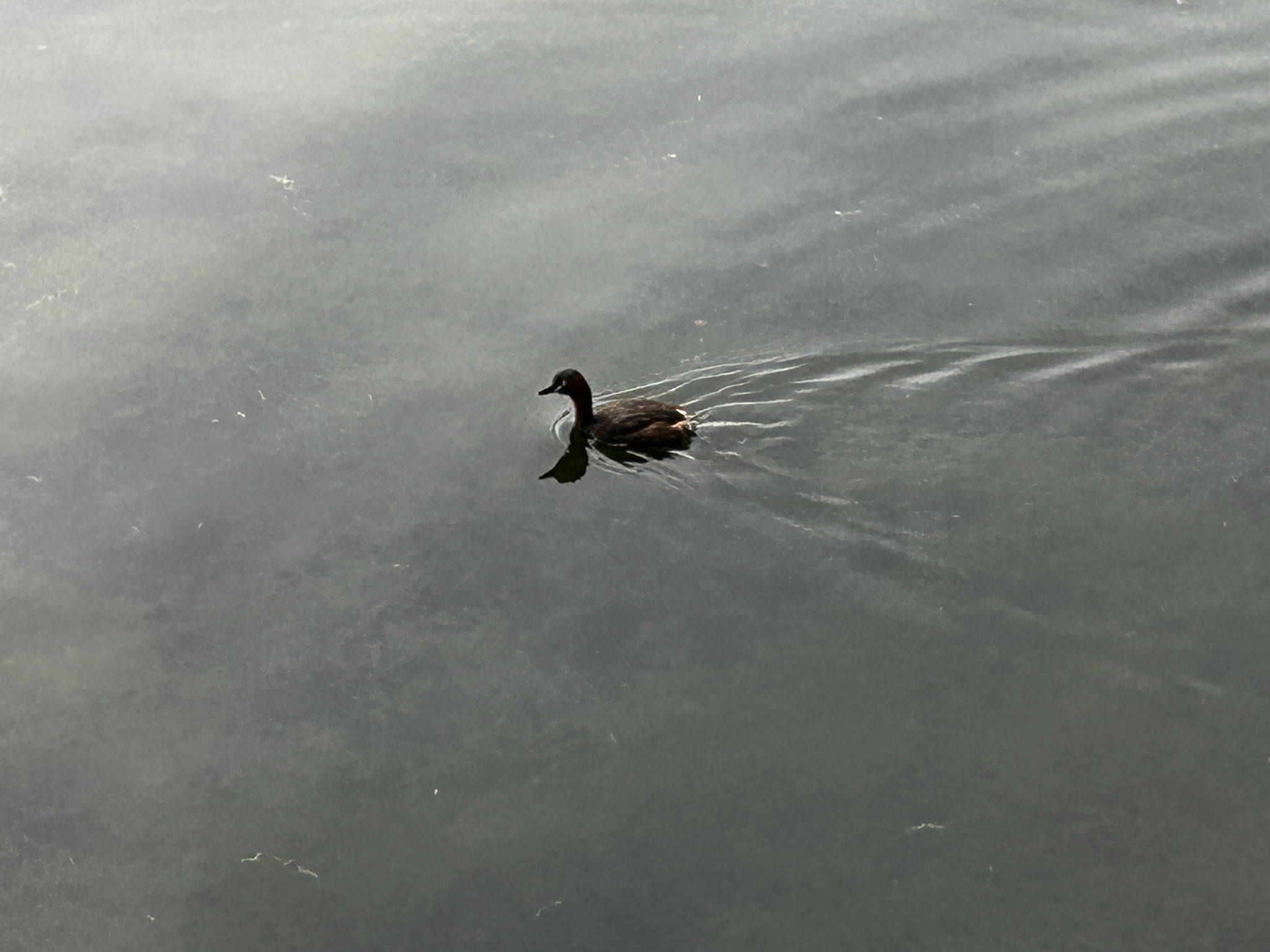
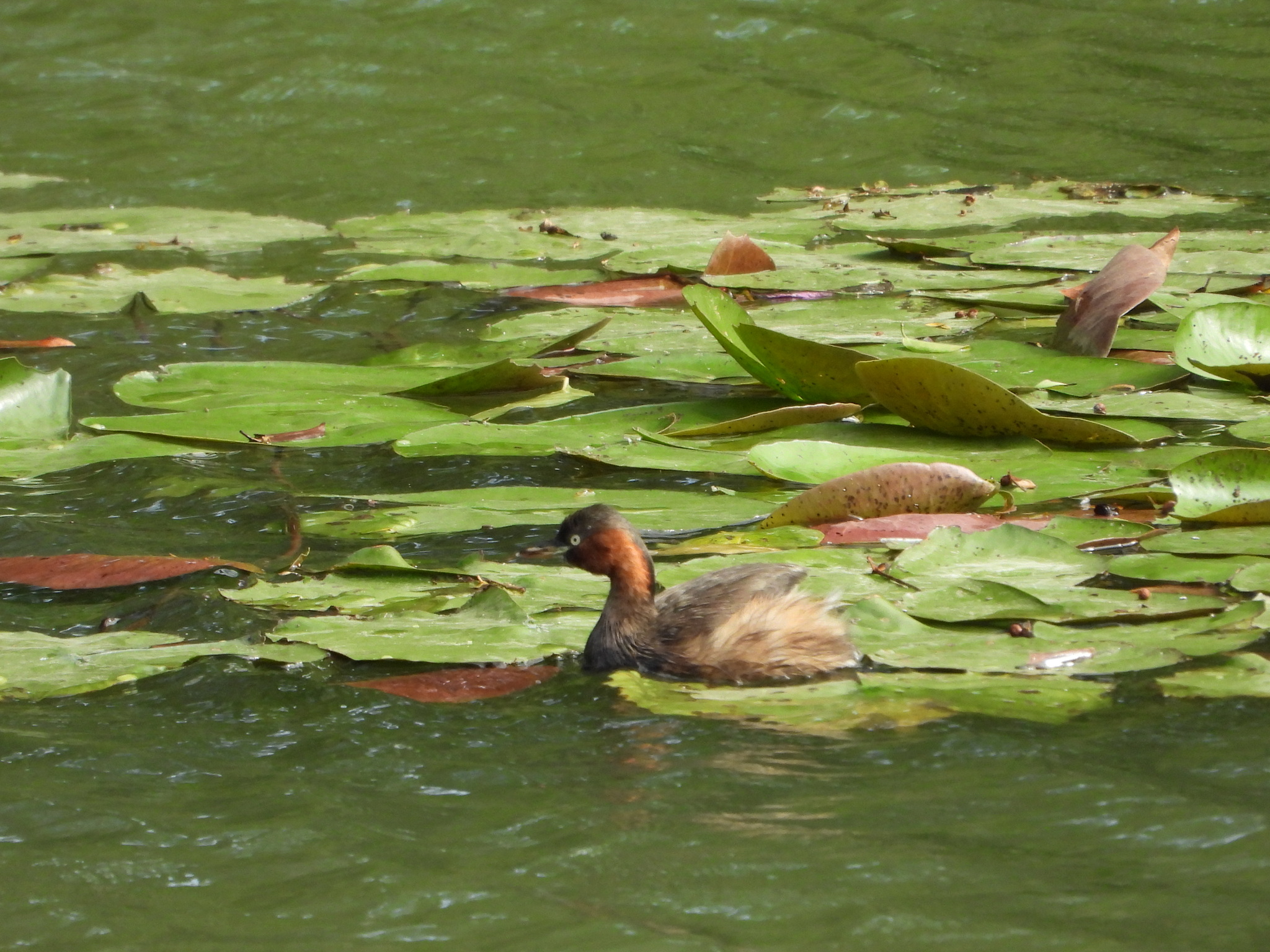
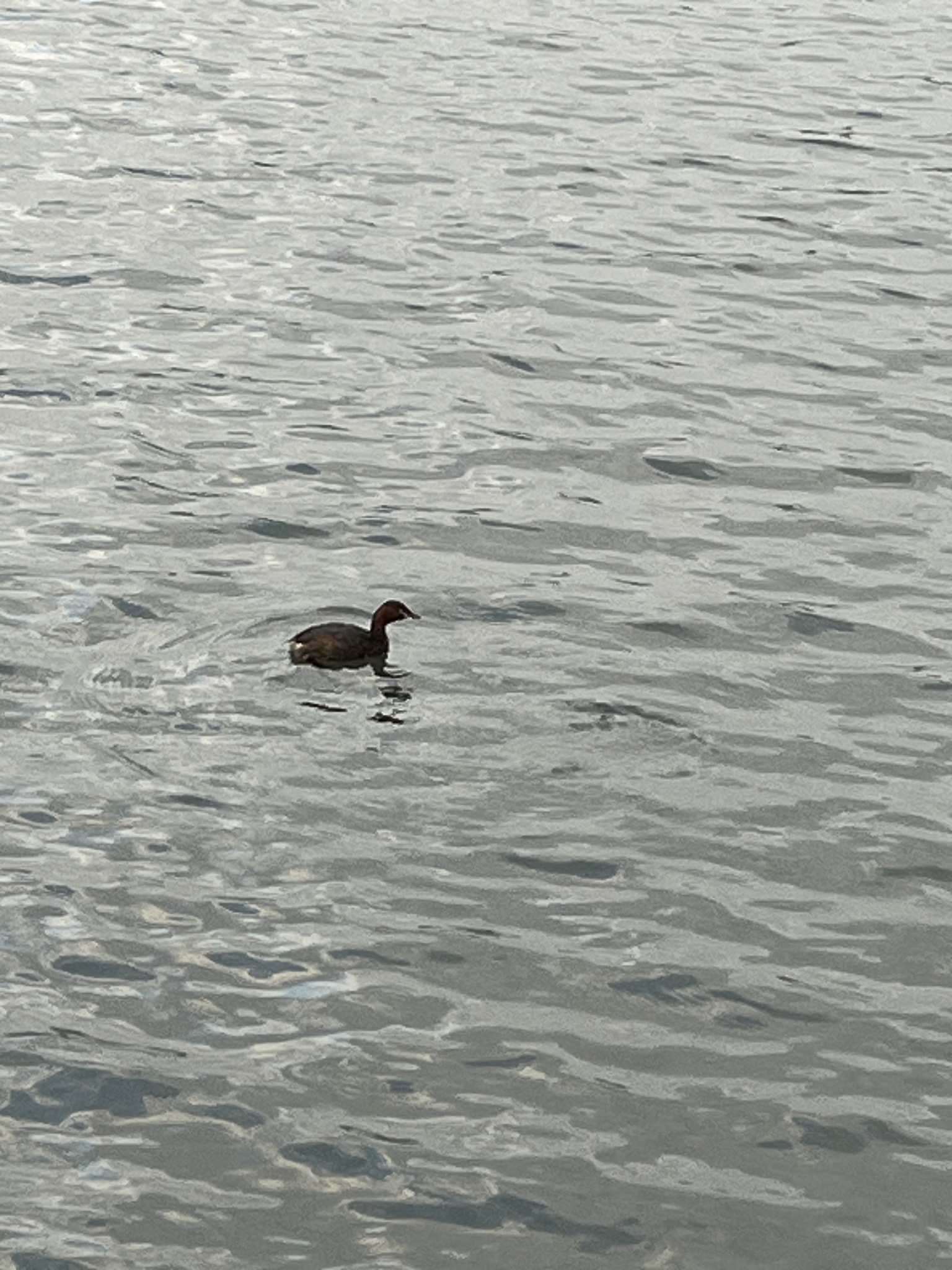
This small water bird features a pointed bill. Adults in summer breeding plumage are predominantly dark above with rich rufous colouring on the neck, cheeks, and flanks, accompanied by a bright yellow gape. In non-breeding seasons and among juveniles, the rufous is replaced by dirty brownish-grey. Juveniles display a yellow bill with a small black tip, which darkens to black in adulthood, and exhibit black and white streaks on the cheeks and sides of the neck. Winter identification relies on its small size, buff plumage with a darker back and cap, and a characteristic 'powder puff' rear end. Subspecies vary in eye colour from dark to light west to east, and in the extent of white on secondary wing feathers, ranging from none in temperate northern regions to extensive white in tropical areas.
Identification
Field identification in winter is facilitated by the bird's small size, buff plumage, darker back and cap, and distinctive 'powder puff' rear appearance. The breeding adult is unmistakable due to the rich rufous neck and bright yellow gape. Similar species within the grebe family can be distinguished by size, as this is the smallest European member. Specific subspecies differences aid identification: temperate northern populations lack white on the secondary wing feathers, whereas tropical populations show extensive white. Eye colour also varies geographically, shifting from dark in the west to light in the east. The pointed bill shape and aquatic behaviour further separate it from other water birds.
Distribution & Habitat
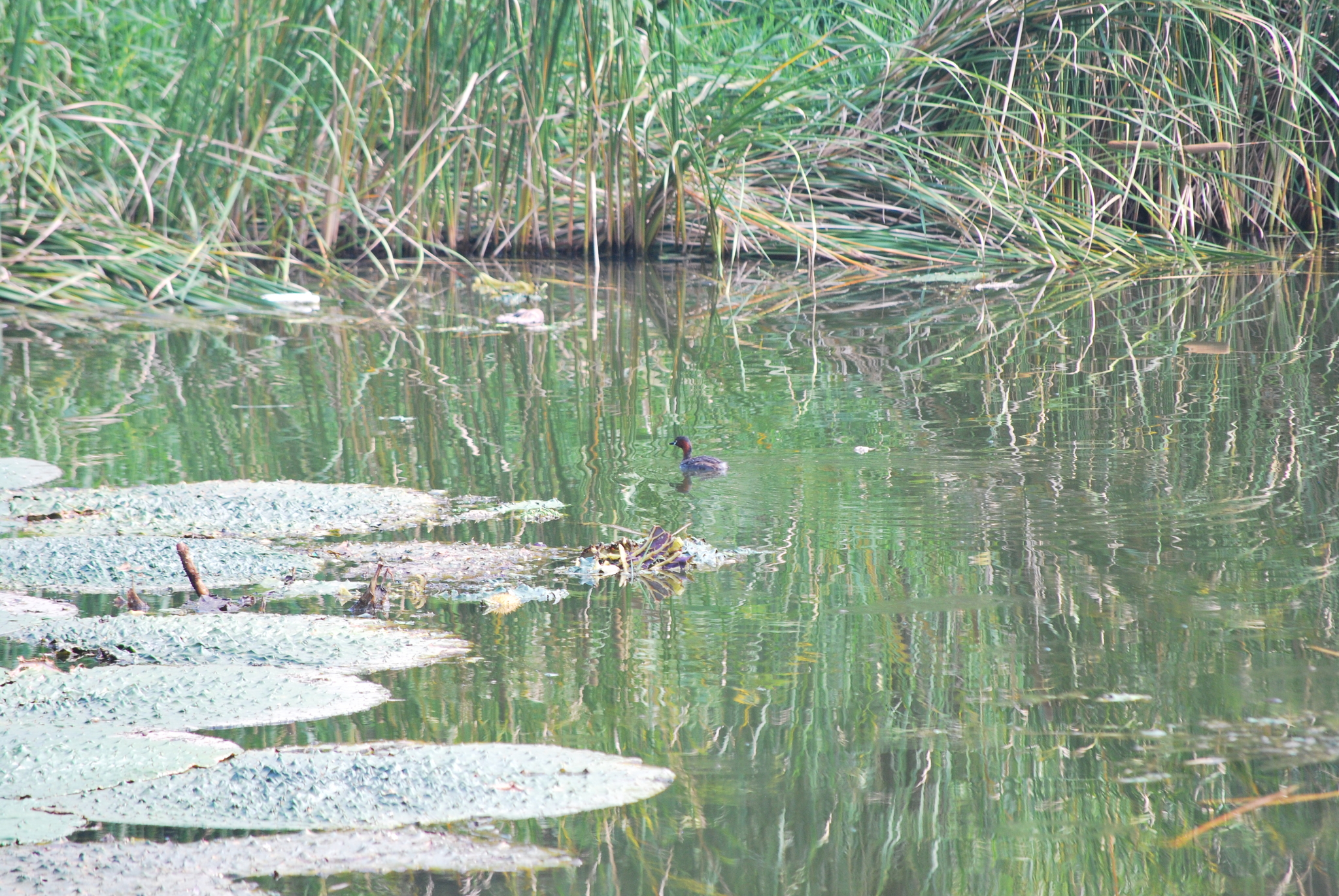
The species breeds in small colonies within heavily vegetated areas of freshwater lakes across Europe, much of Asia down to New Guinea, and most of Africa. Seven subspecies are accepted, separated by size, eye colour, and wing feather patterns. Migration occurs only in parts of the range where waters freeze; otherwise, birds move to more open or coastal waters during winter. Outside the breeding season, individuals may appear in small coastal bays. In India, breeding coincides with the rainy season. The geographic range is extensive, covering three continents with varying subspecies distributions based on climatic zones.
Behavior & Ecology
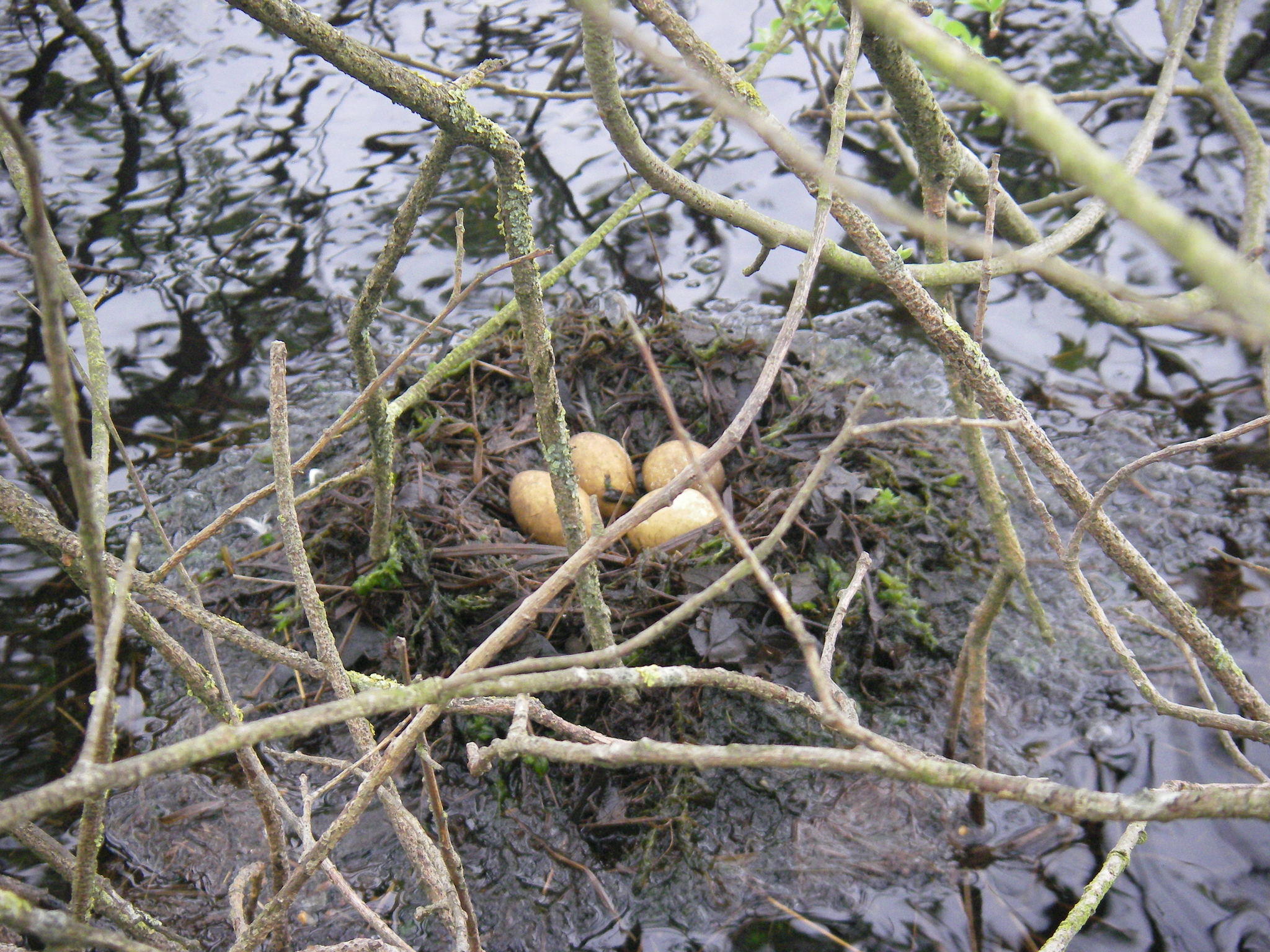
An excellent swimmer and diver, this bird pursues fish and aquatic invertebrates underwater, skillfully using vegetation for hiding. Nesting occurs at the water's edge because legs are set far back, impairing walking ability. Clutches usually consist of four to seven eggs, which adults cover with weeds when leaving to avoid predator detection. Chicks leave the nest soon after hatching, can swim immediately, and are often carried on the backs of swimming adults. Vocalizations include a trilled repeated 'weet-weet-weet' or 'wee-wee-wee', sounding like a horse whinnying, given singly or in duets during breeding.
Source: Wikipedia · CC BY-SA 3.0
Taxonomy
- Order
- Podicipediformes
- Family
- Podicipedidae
- Genus
- Tachybaptus
Subspecies (10)
-
Tachybaptus ruficollis albescens
partial resident Caucasus eastward to eastern Kazakhstan, southward to India, Sri Lanka, and Myanmar
Data Sources
Species description from Wikipedia, licensed under CC BY-SA 3.0.
Bird images and sounds sourced from GBIF, contributed by citizen scientists worldwide under Creative Commons licenses.
Taxonomy data from AviList 2025.