Galliformes / Phasianidae / Syrmaticus
Reeves's Pheasant
Syrmaticus reevesii · 白冠长尾雉
Introduction
Large pheasant in the genus Syrmaticus, endemic to China. Inhabits temperate evergreen and deciduous forests. Notable for the male's extremely long tail, holding the record for the longest natural tail feather of any bird species. Evaluated as Vulnerable on the IUCN Red List.
Description
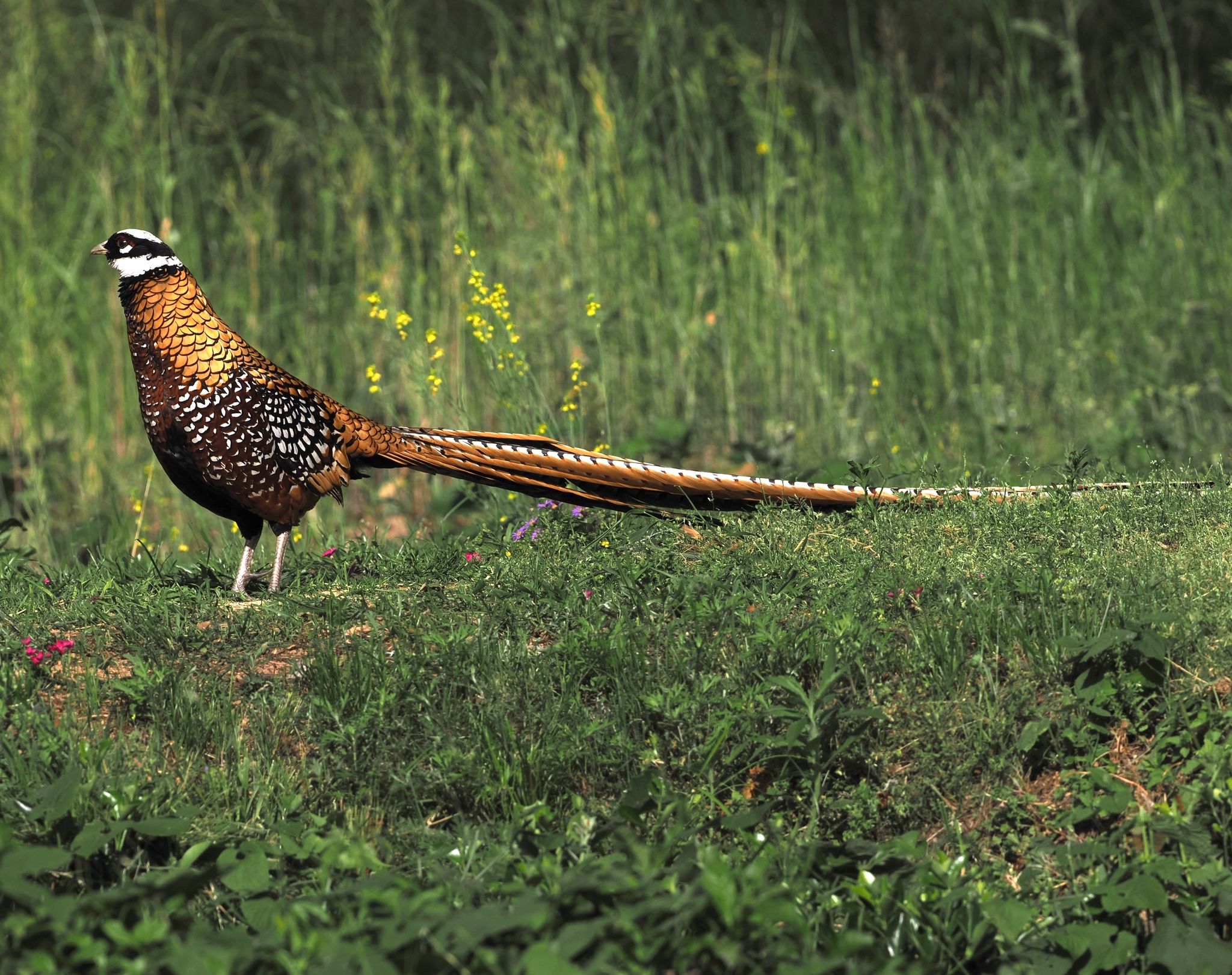
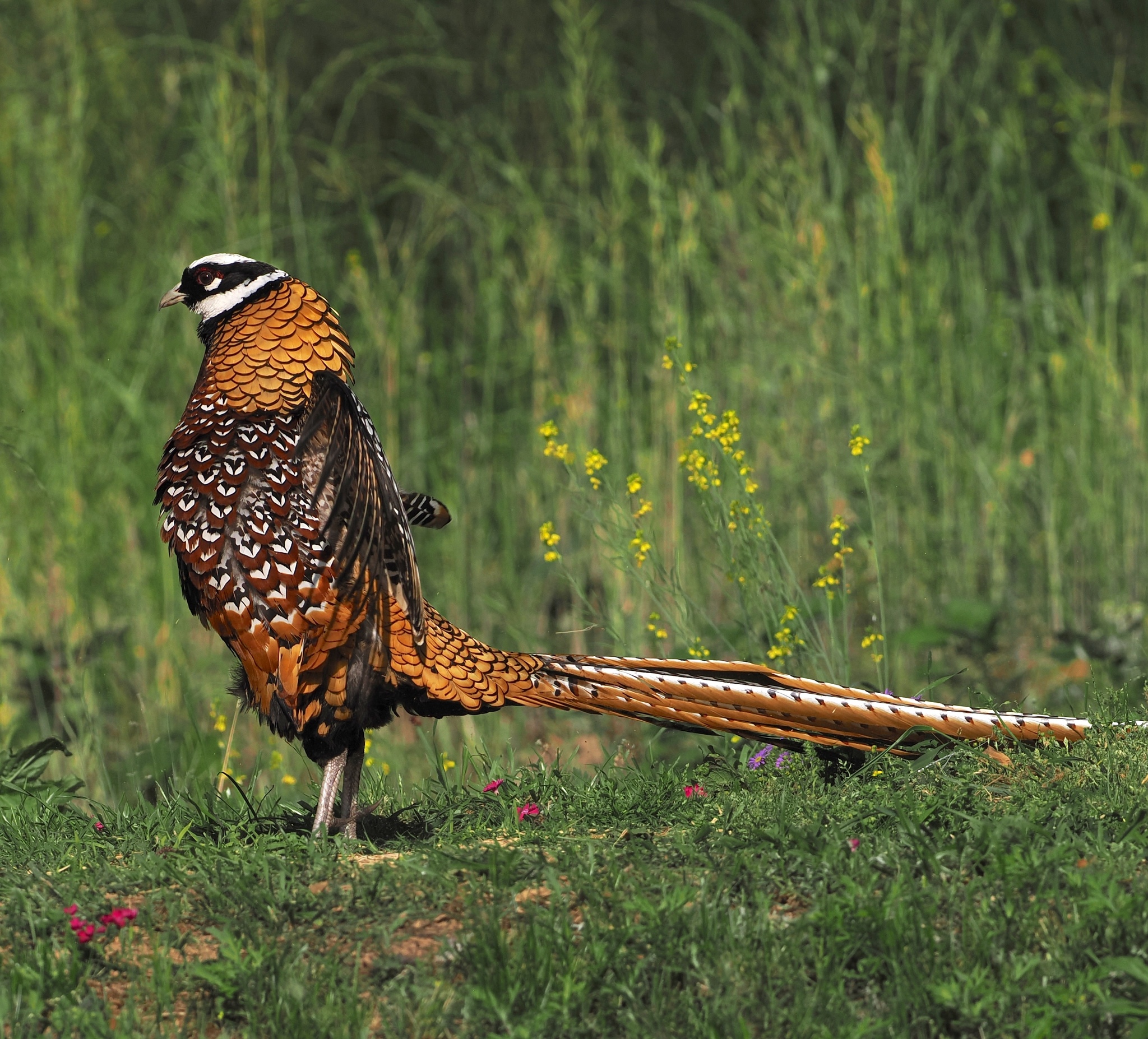
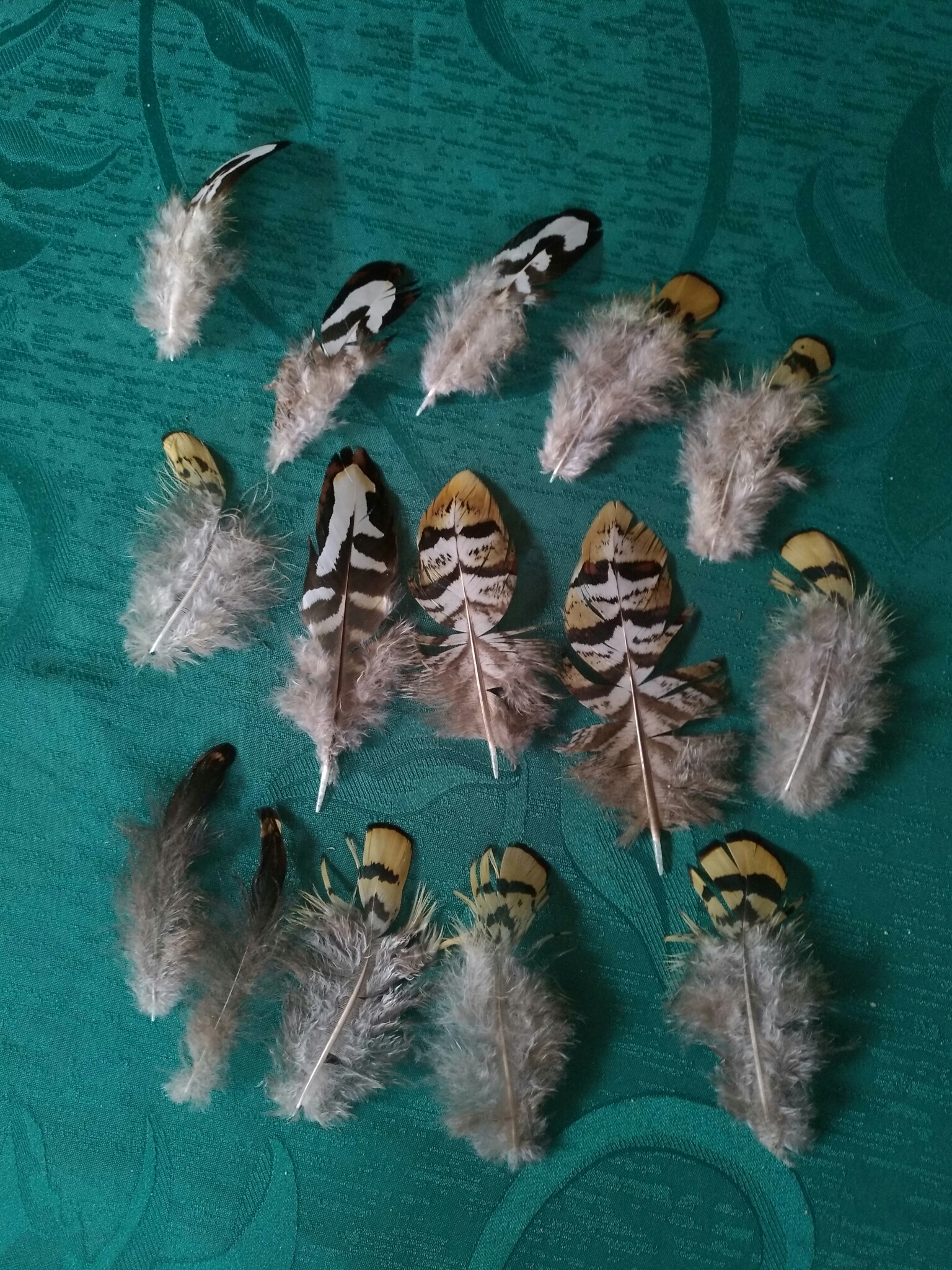
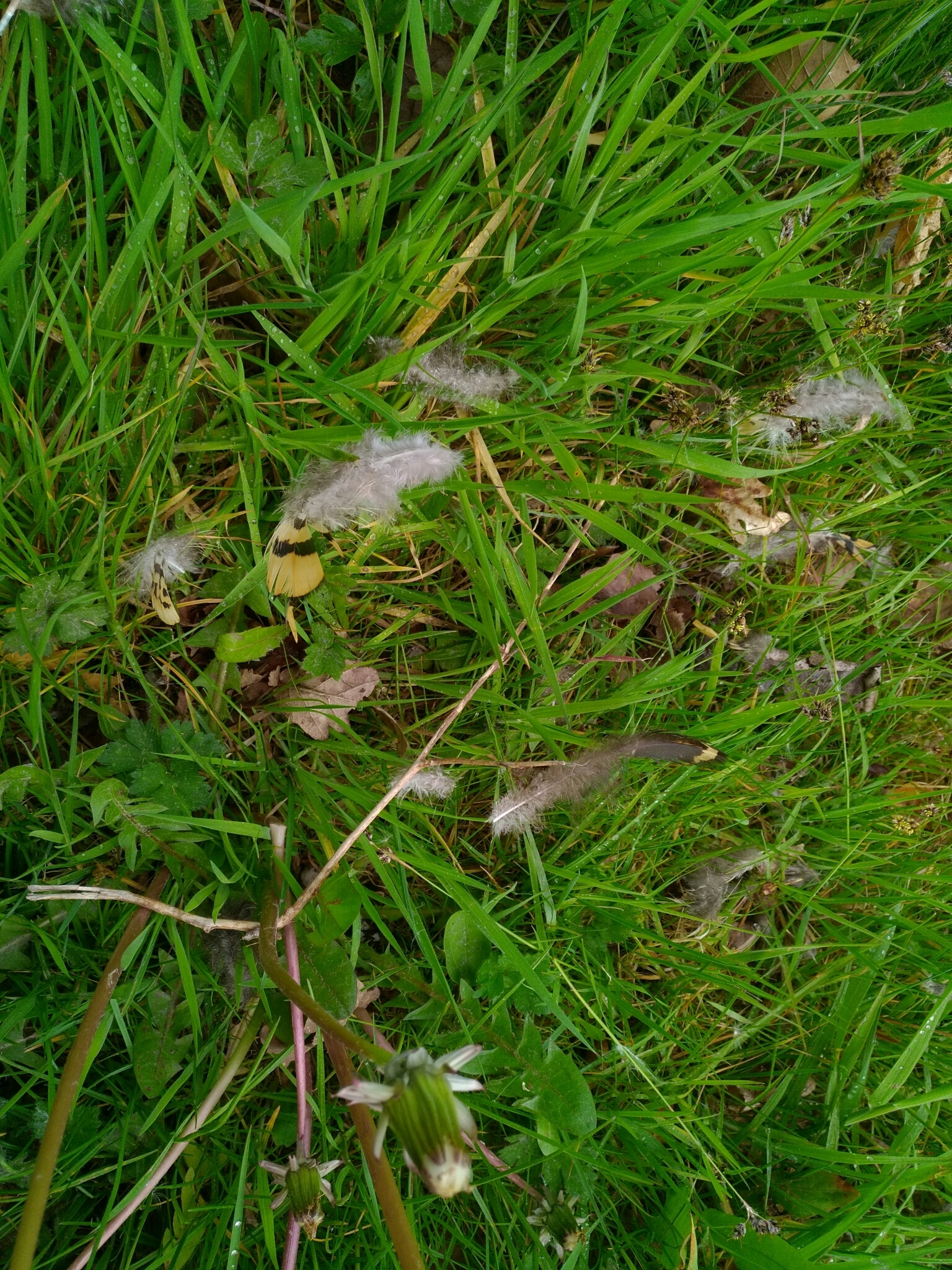
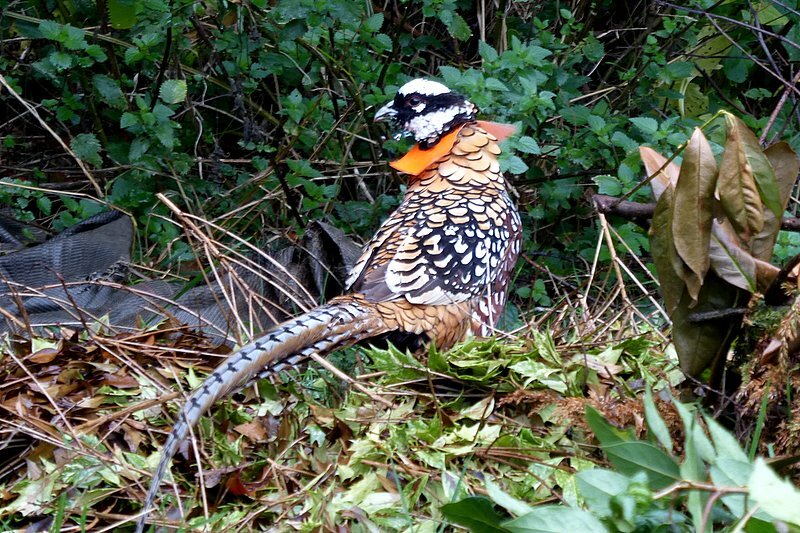
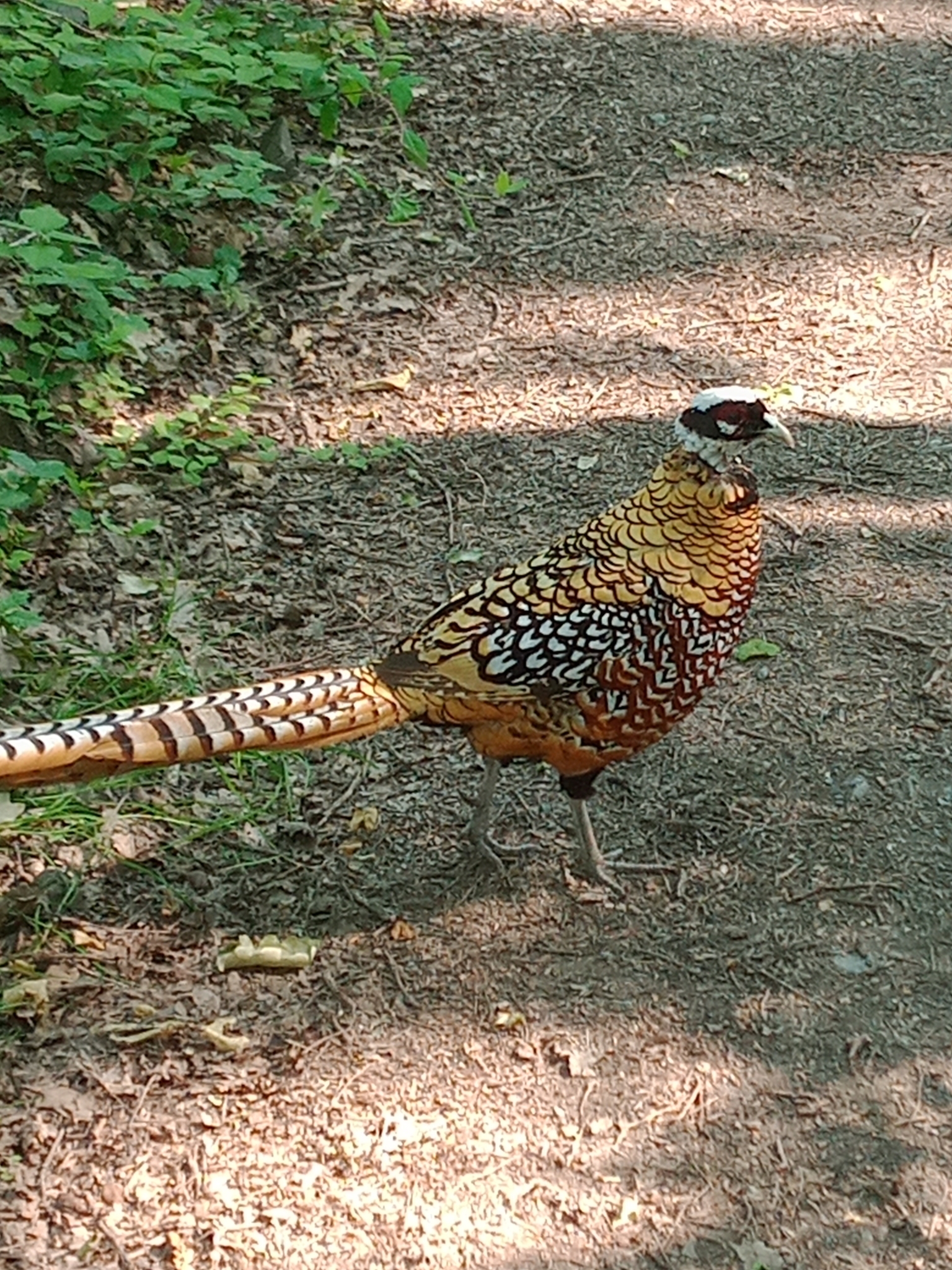
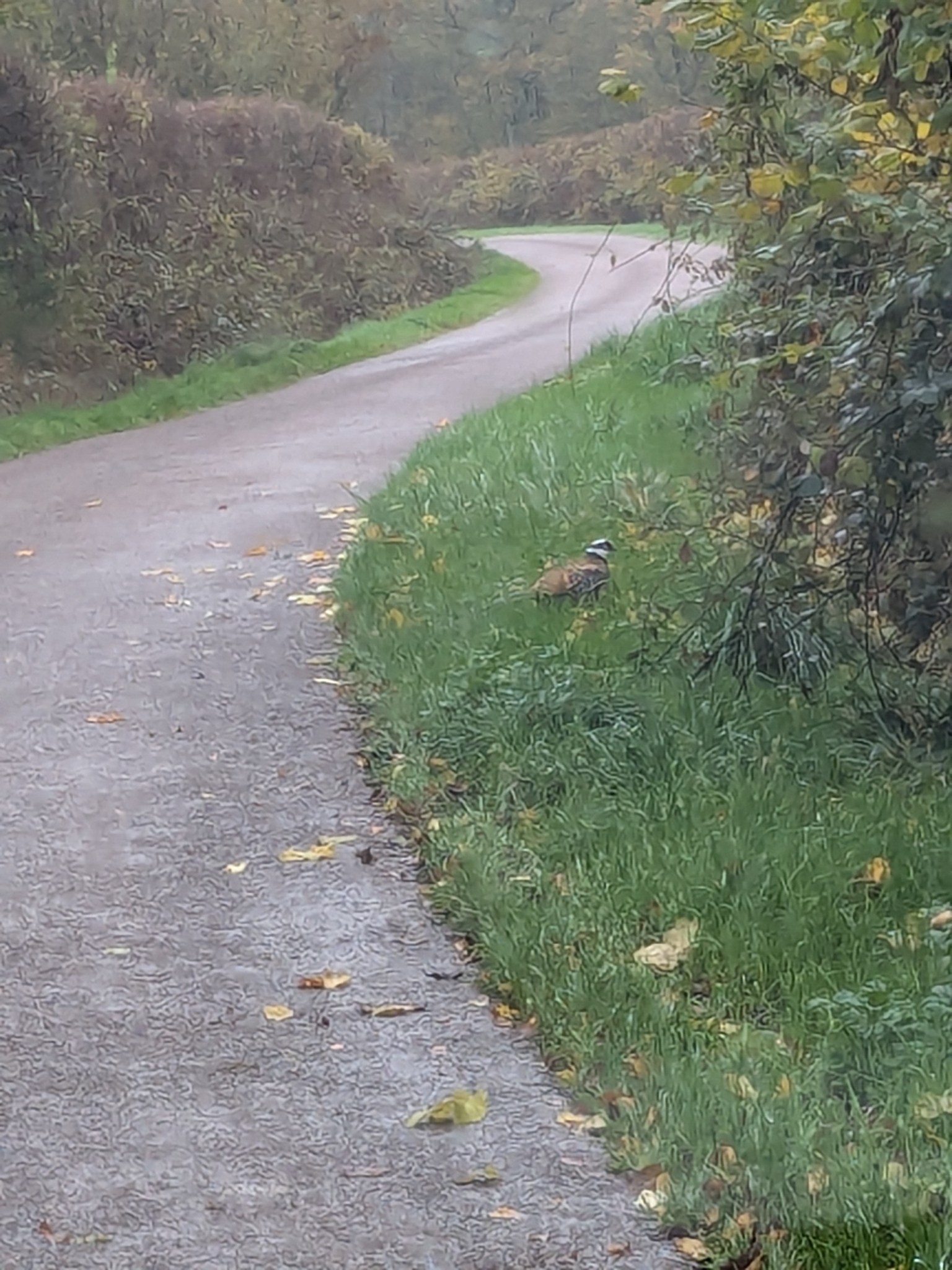
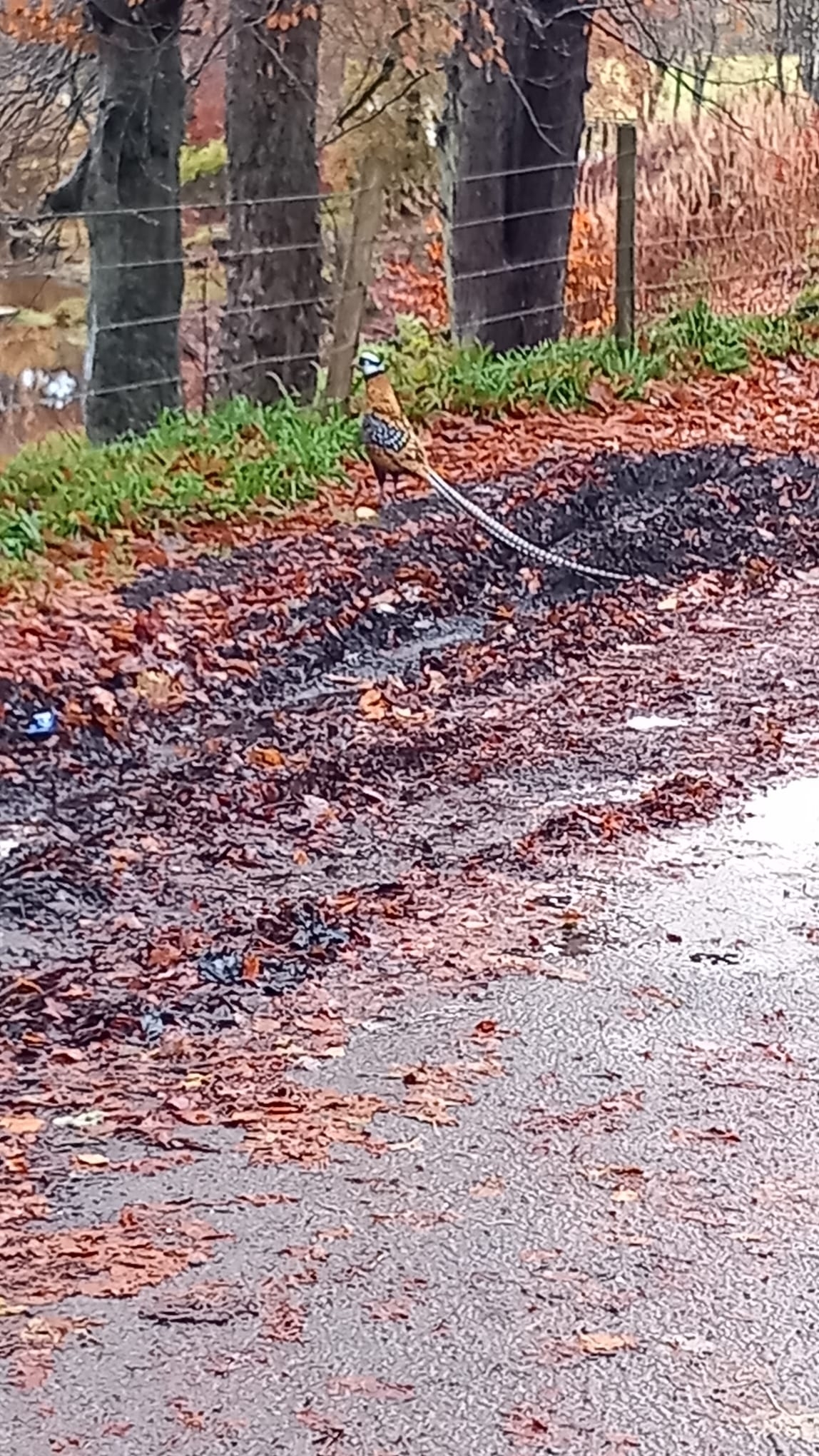
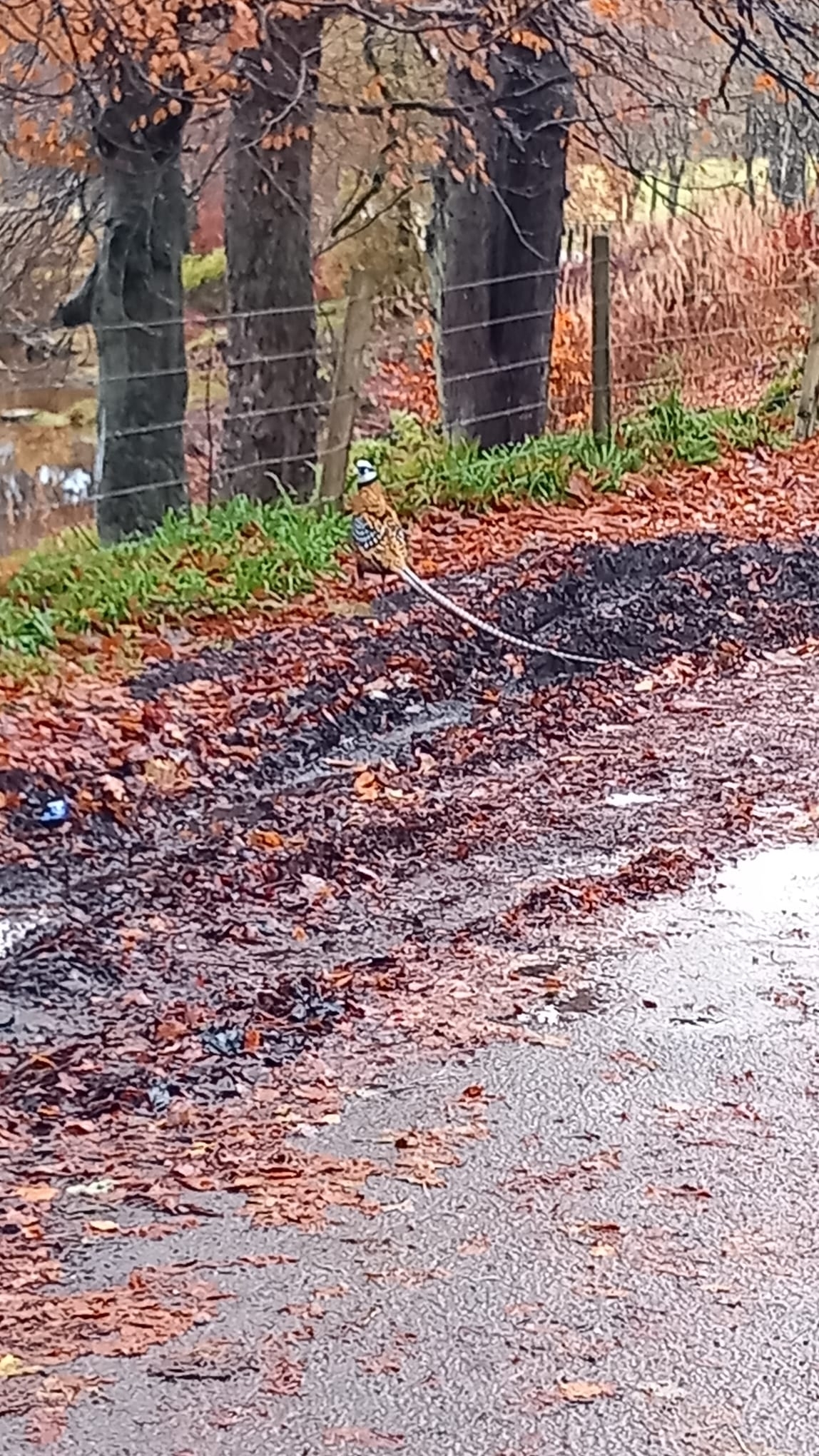
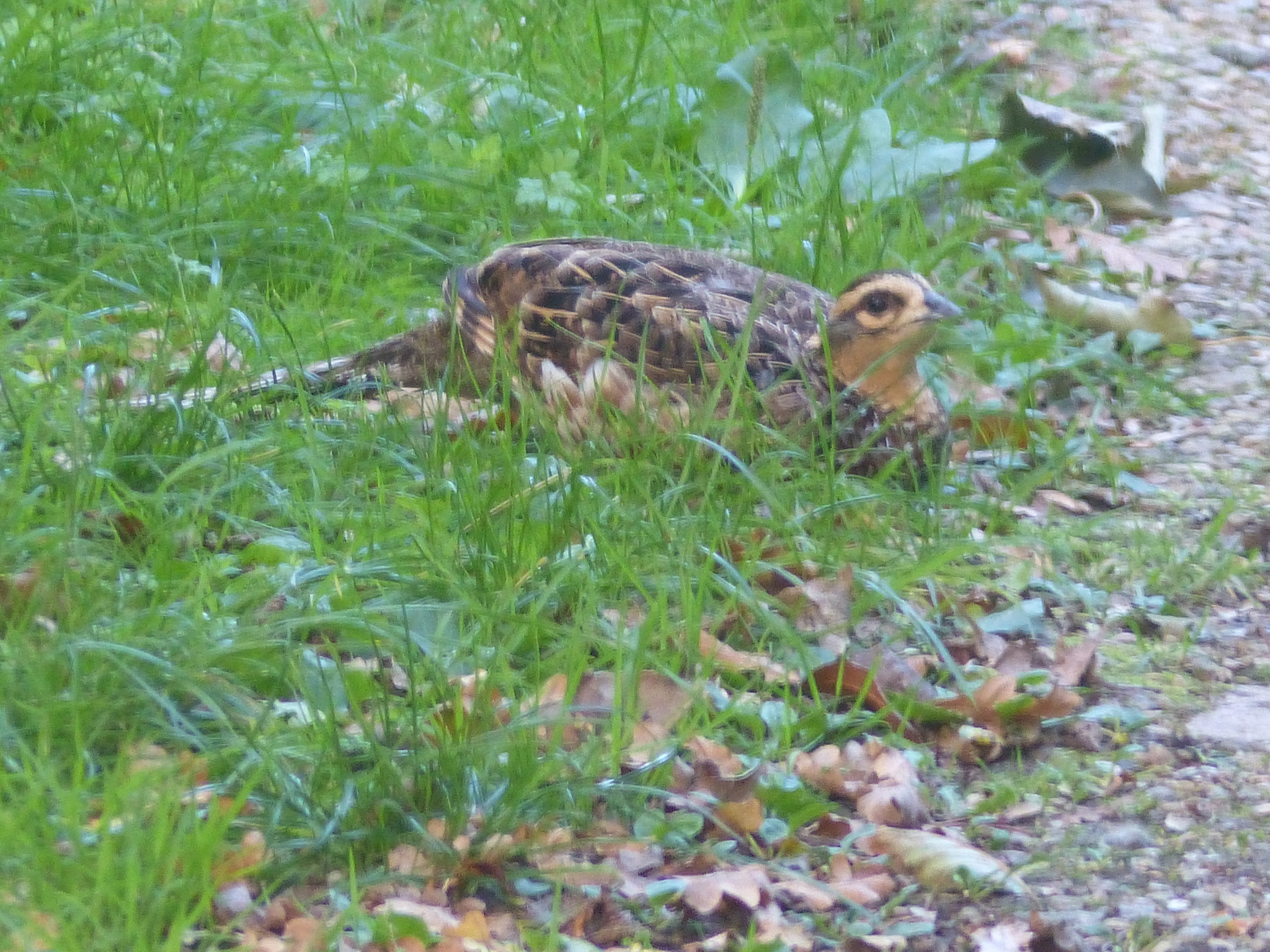
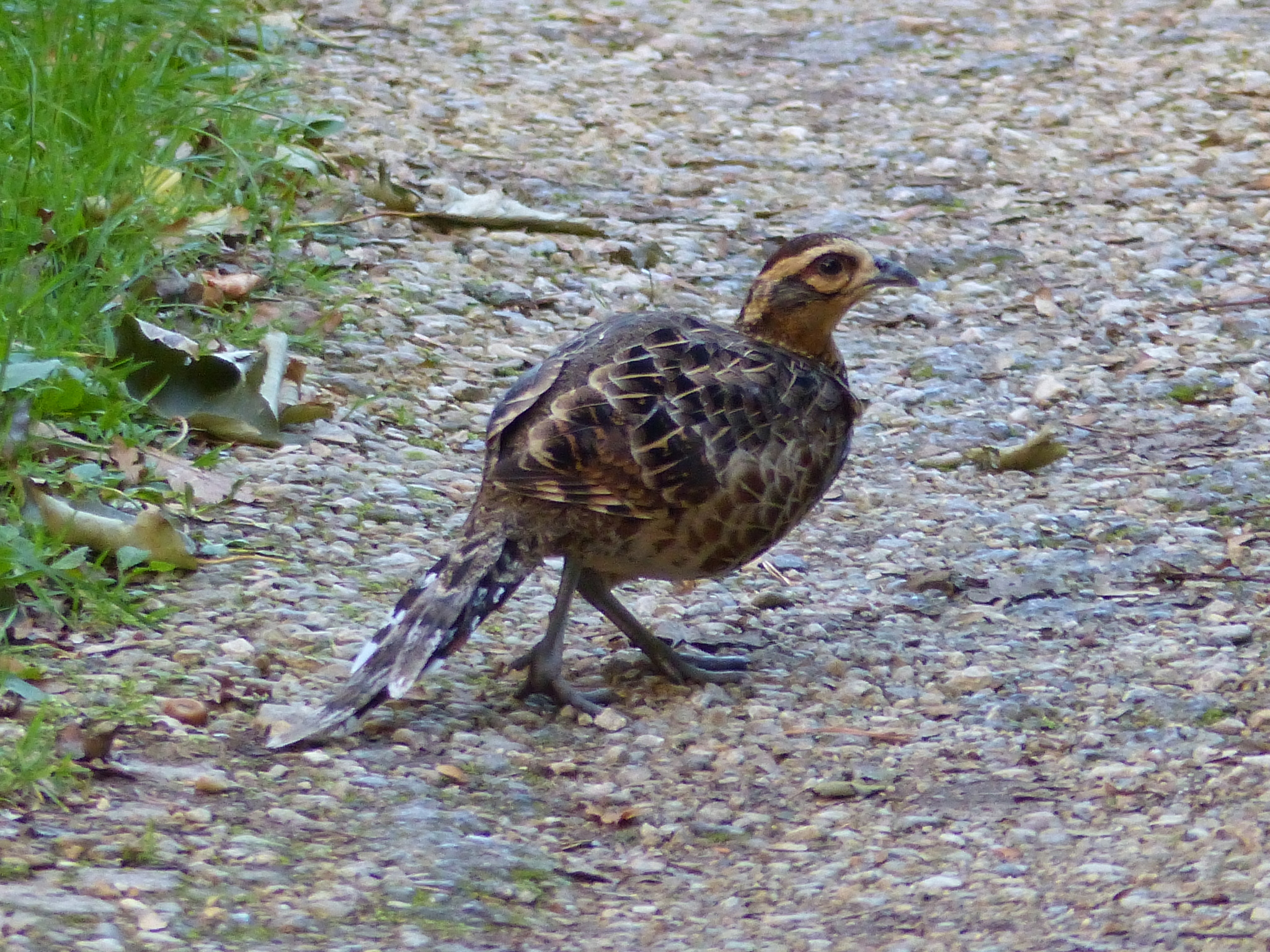
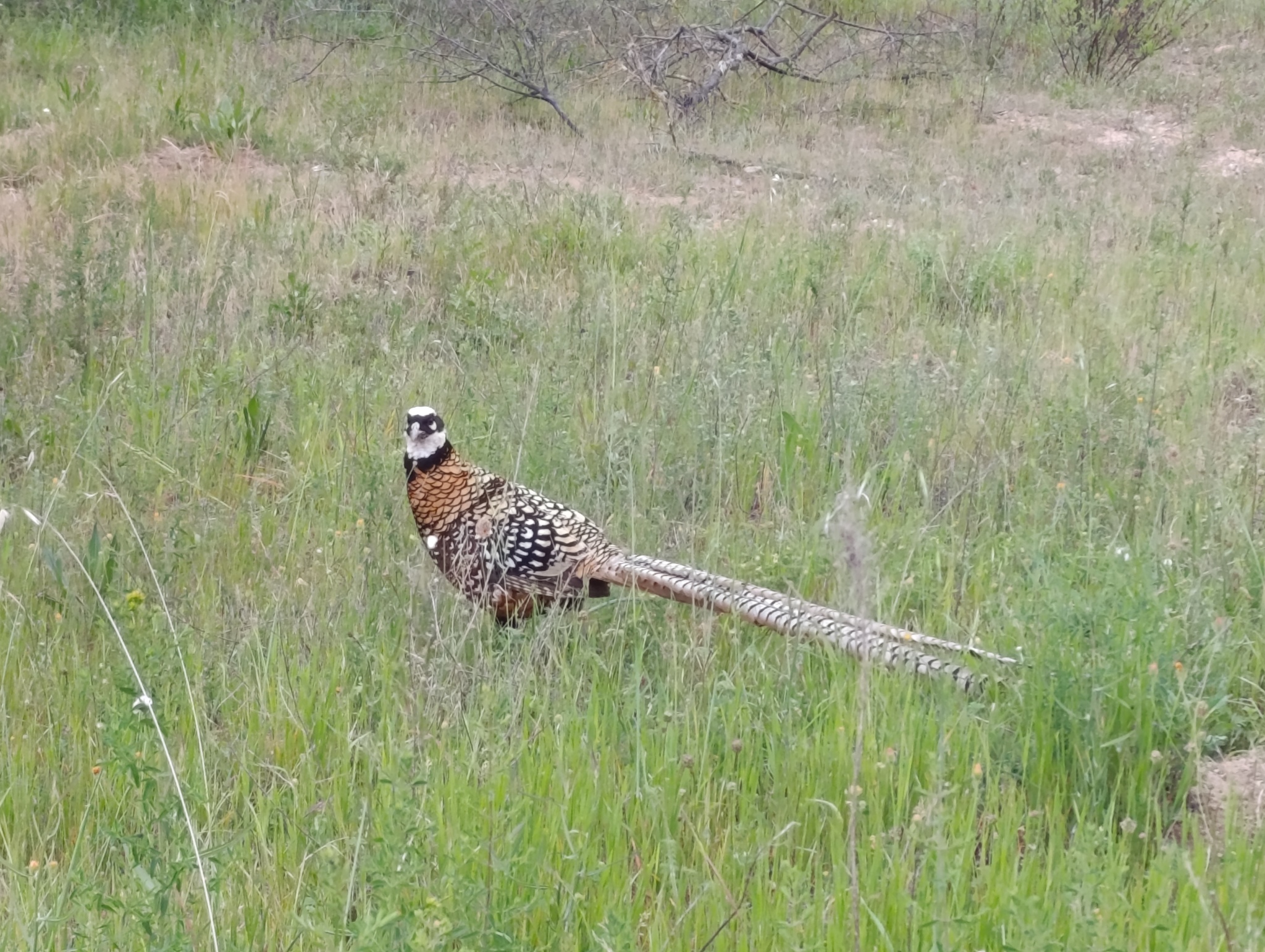
Males measure 210 cm (83 in) long and weigh 1,529 g (3.371 lb). Plumage is scaled golden white and red with grey legs, brown iris, and bare red skin around the eye. The head is white with a black narrow band across the eyes. The tail is silvery white barred with chestnut brown, measuring up to 2.4 m (7.9 ft). Females measure 75 cm (30 in) long and weigh 949 g (2.092 lb). They are brown with a blackish crown, buff face, and greyish brown barred tail feathers.
Identification
Males possess an extremely long silvery white tail barred with chestnut brown, reaching up to 2.4 m. The head is white with a distinctive black narrow band across the eyes. Females are brown with a blackish crown and buff face, similar in size to a male common pheasant. The call is a musical warble, sounding more passerine than galliform.
Distribution & Habitat
Endemic to temperate evergreen and deciduous forests of central and eastern China. Introduced populations exist in farmland close to woodlands in the United States, Czech Republic, France, and the United Kingdom. In the UK, significant breeding was historically noted in Woburn, Bedfordshire, and Kinveachy in the Caledonian Forest, though no areas of notable reproduction were noted by 2009.
Behavior & Ecology
Hardy bird tolerating hot and cold weather; prefers higher ground for nesting. Female lays a clutch of 7–14 eggs in April or May; incubation period is 24–25 days. Often aggressive towards humans, animals, and other pheasants, particularly during breeding season. Diet consists of vegetable matter, including seeds and cereals. Males' tails grow approximately 30 cm (12 in) every year.
Conservation
Evaluated as Vulnerable on the IUCN Red List due to ongoing habitat loss and overhunting for food and tail plumes. Approximately 2000 birds remain in the wild. Included in Appendix II of CITES, requiring documentation for international export/import of parts and derivatives.
Source: Wikipedia · CC BY-SA 3.0
Taxonomy
- Order
- Galliformes
- Family
- Phasianidae
- Genus
- Syrmaticus
Distribution
low-altitude deciduous forest of north-central China
Data Sources
Species description from Wikipedia, licensed under CC BY-SA 3.0.
Bird images and sounds sourced from GBIF, contributed by citizen scientists worldwide under Creative Commons licenses.
Taxonomy data from AviList 2025.