Passeriformes / Paridae / Sylviparus
Yellow-browed Tit
Sylviparus modestus · 黄眉林雀
Introduction
A small songbird in the family Paridae, placed in the monotypic genus Sylviparus. It is the smallest member of its family, inhabiting subtropical or tropical moist lowland and montane forests in the southern Himalayas, Northeast India, southern China, and Southeast Asia.
Description
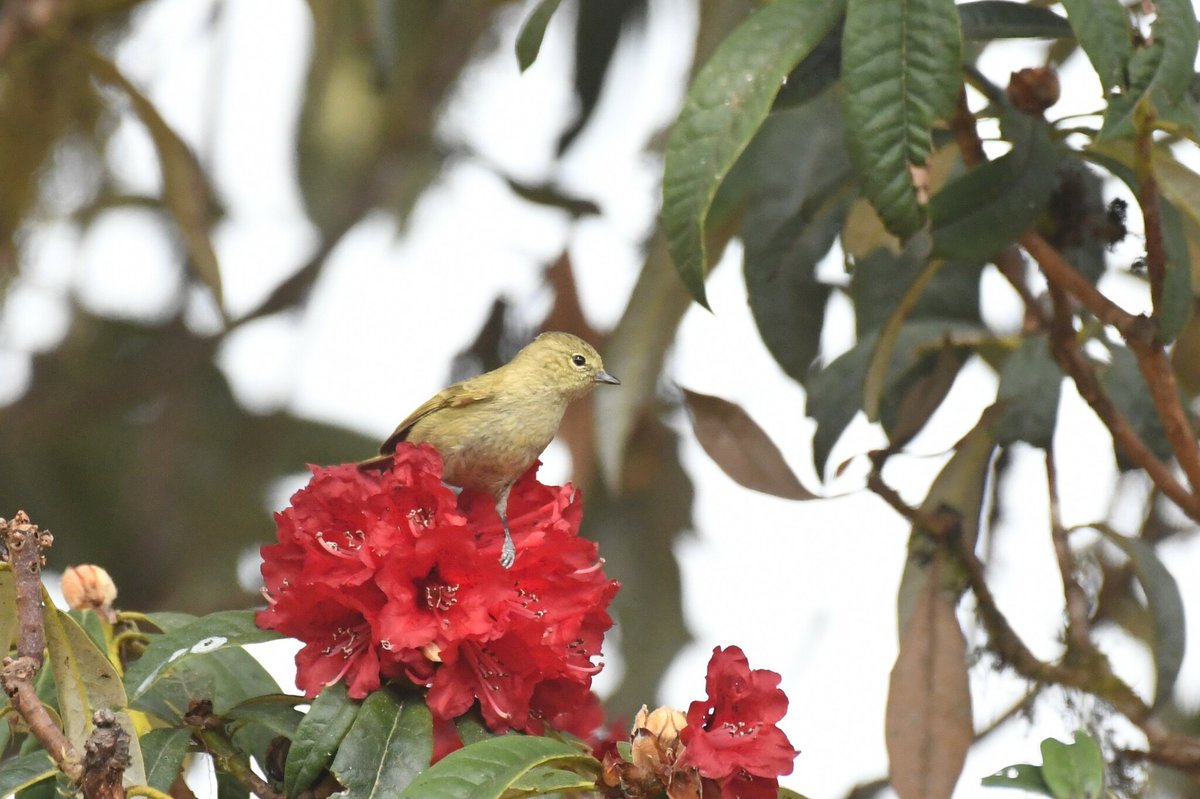
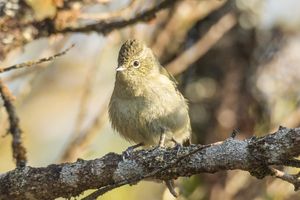
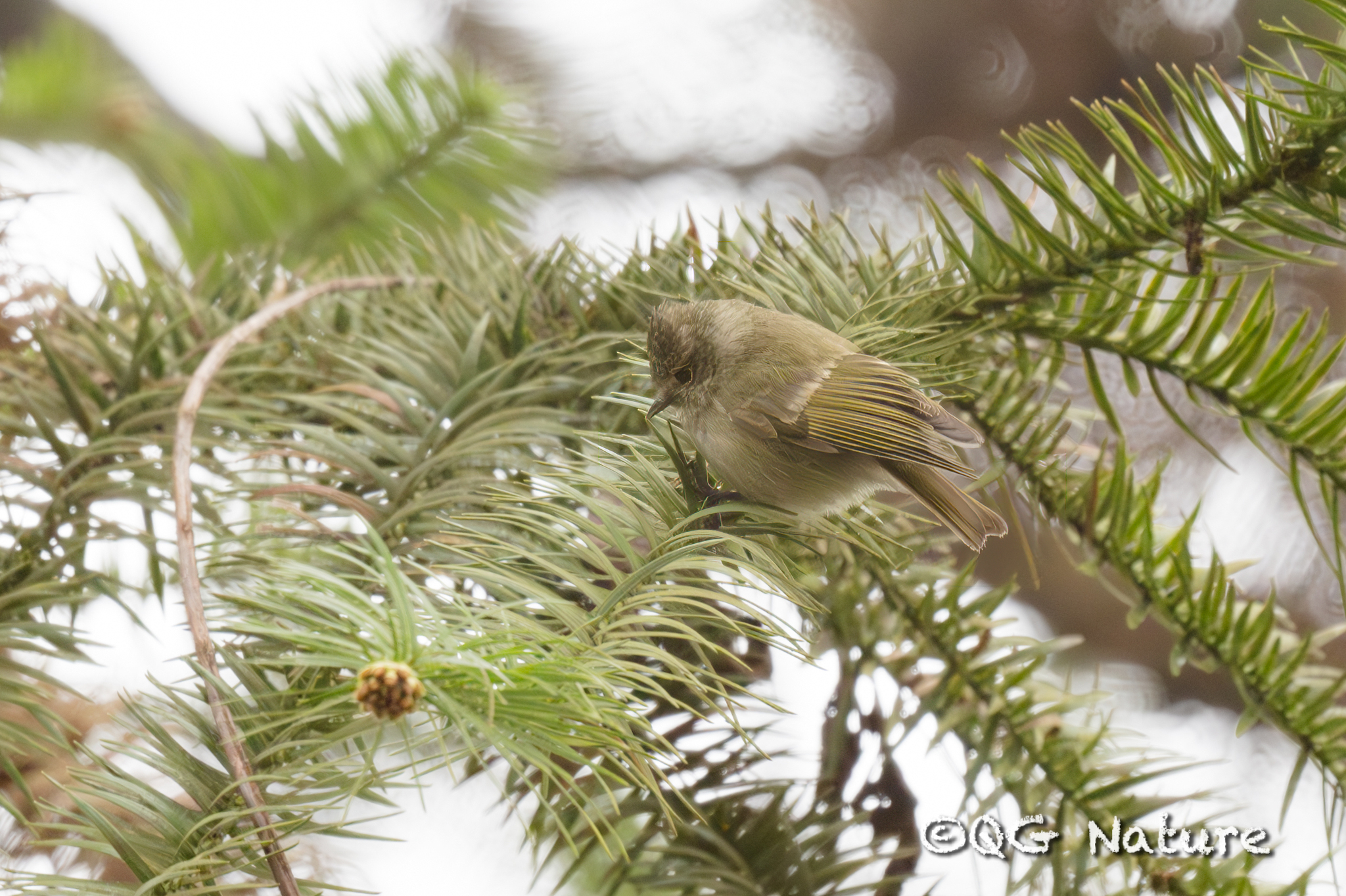
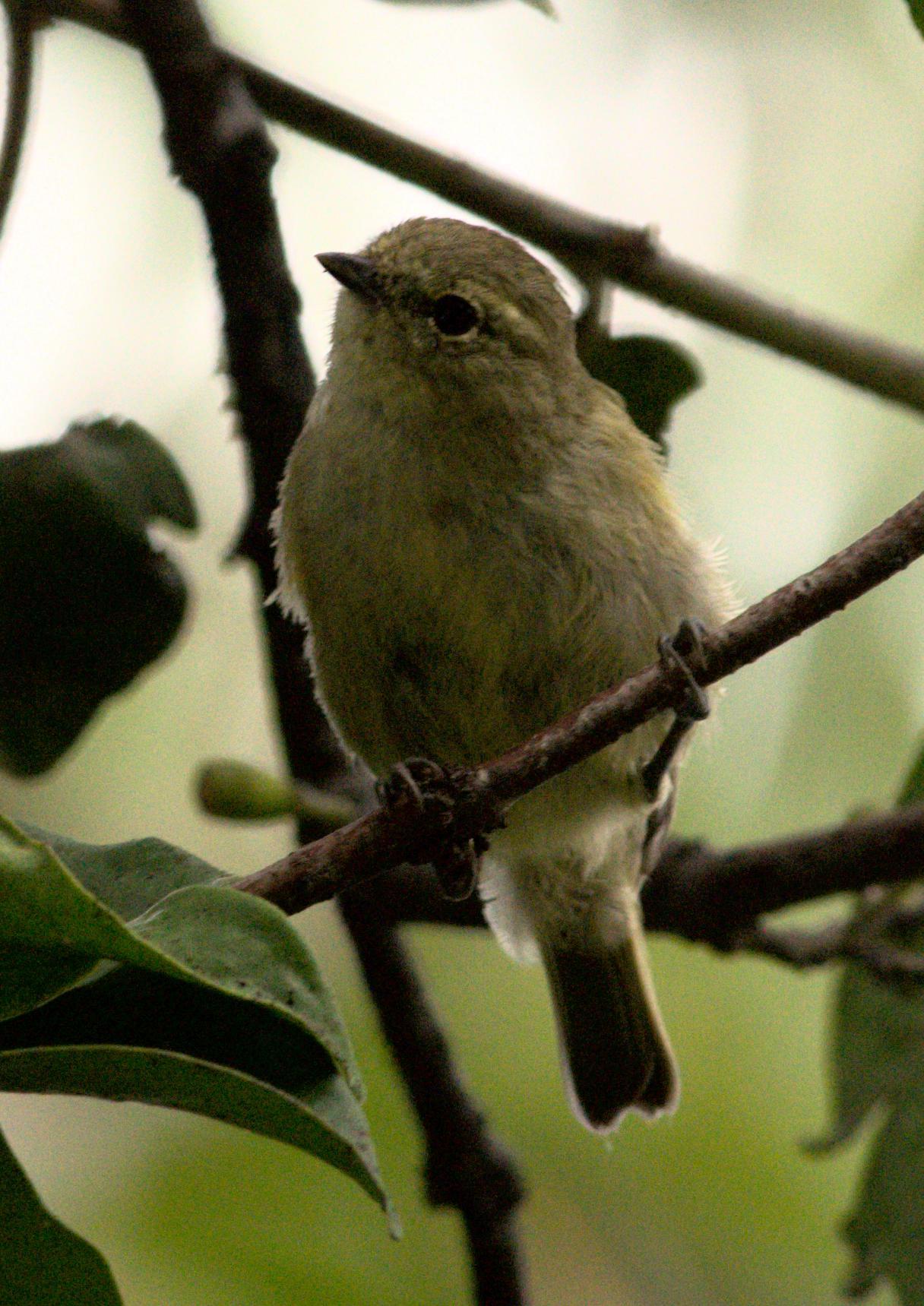
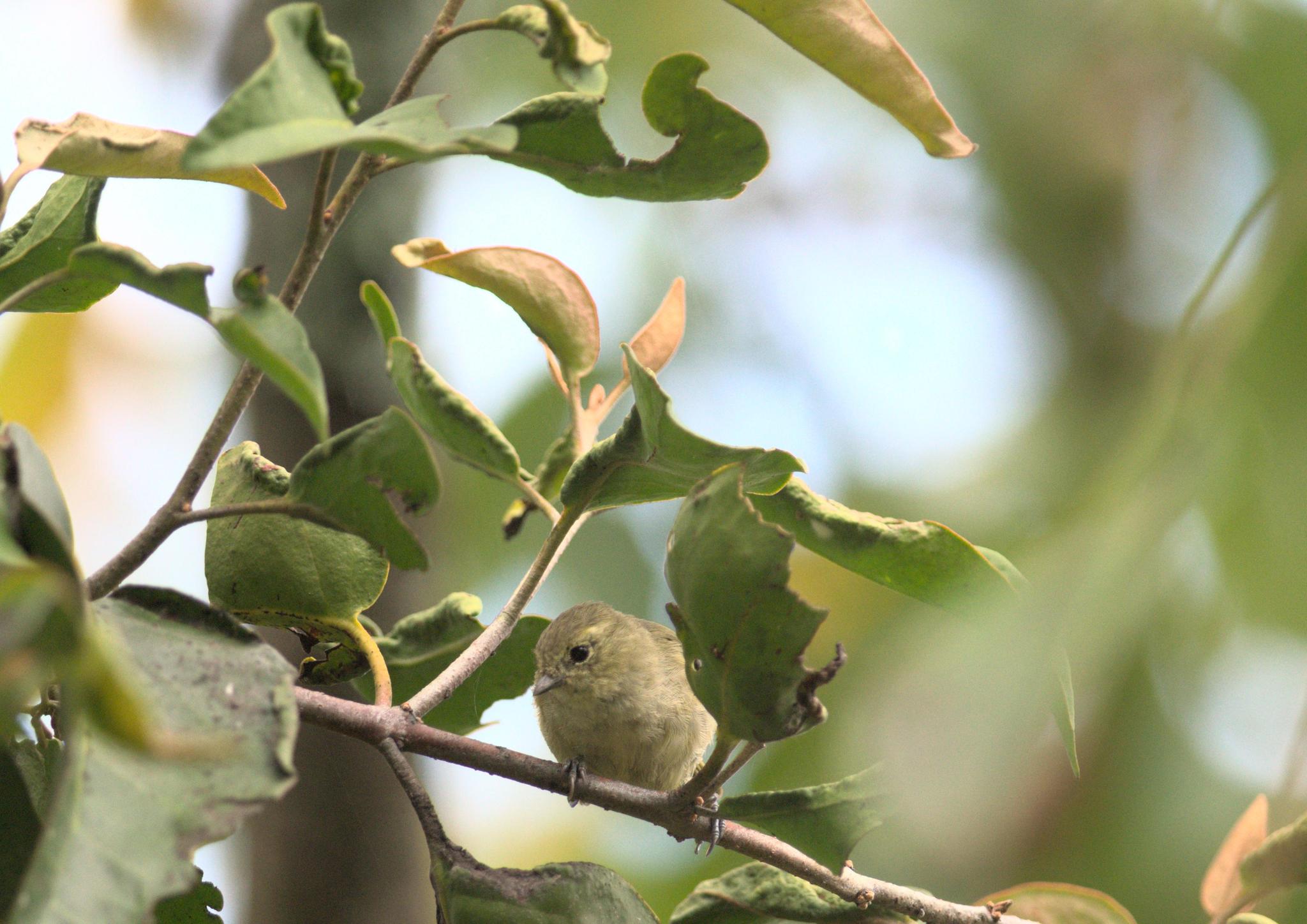
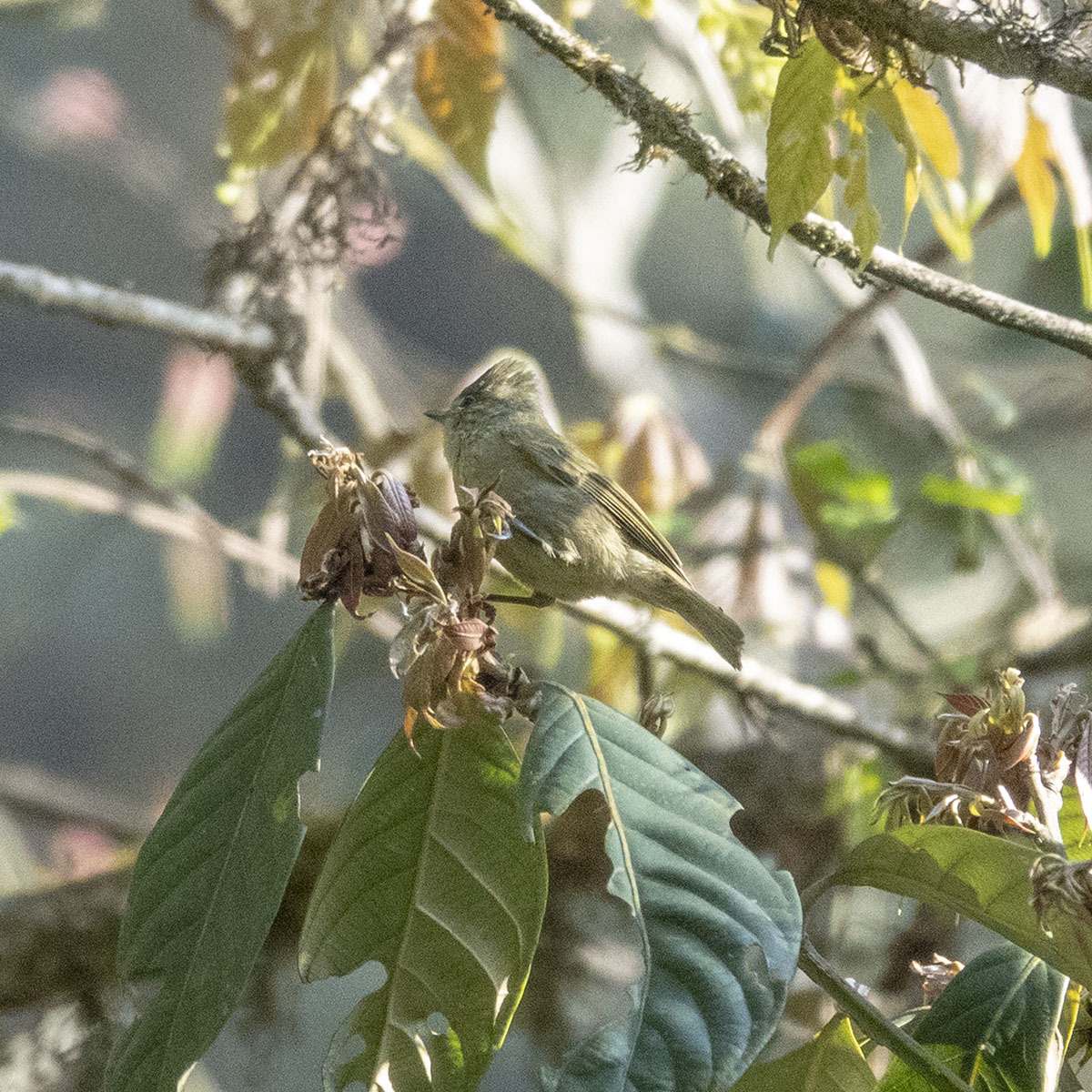
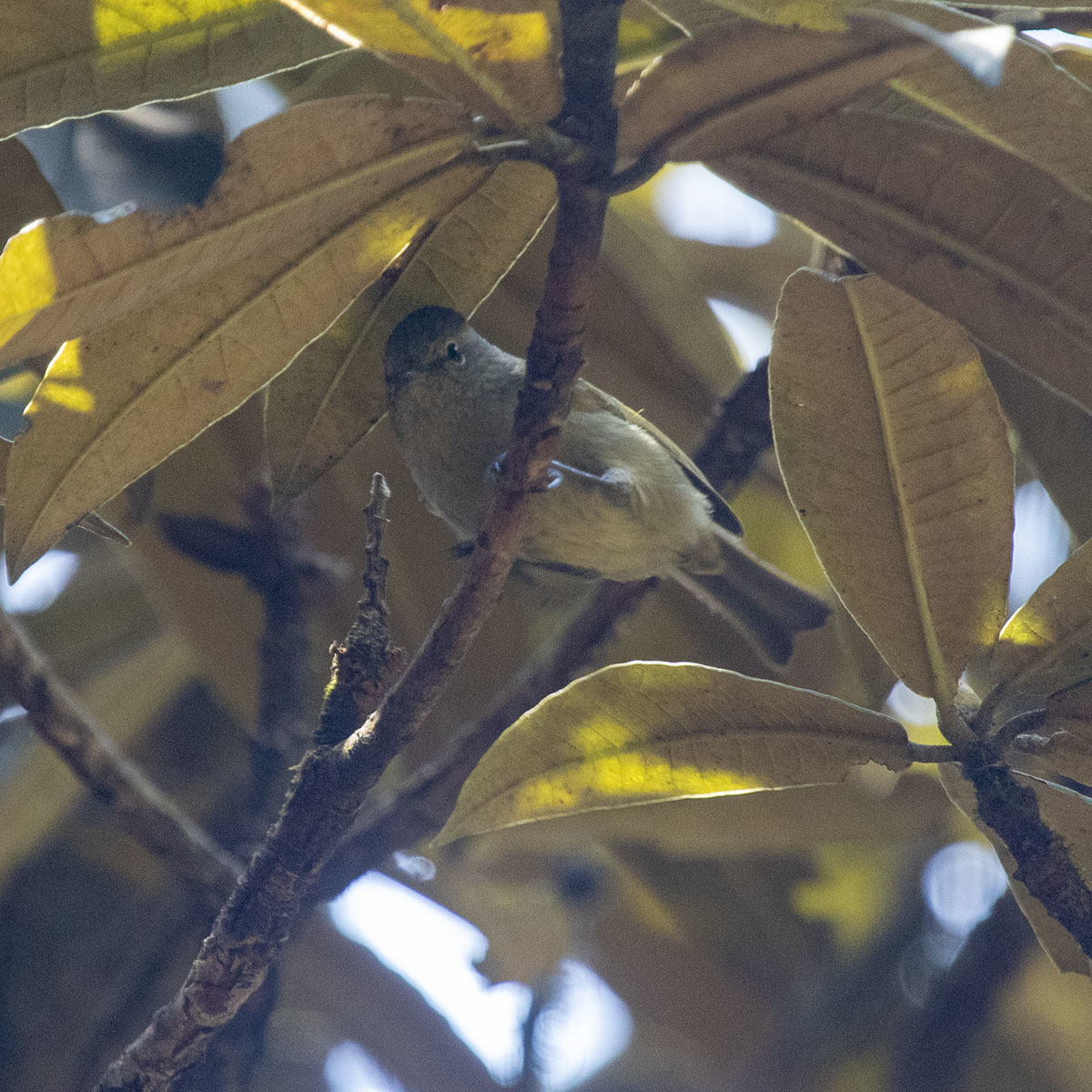
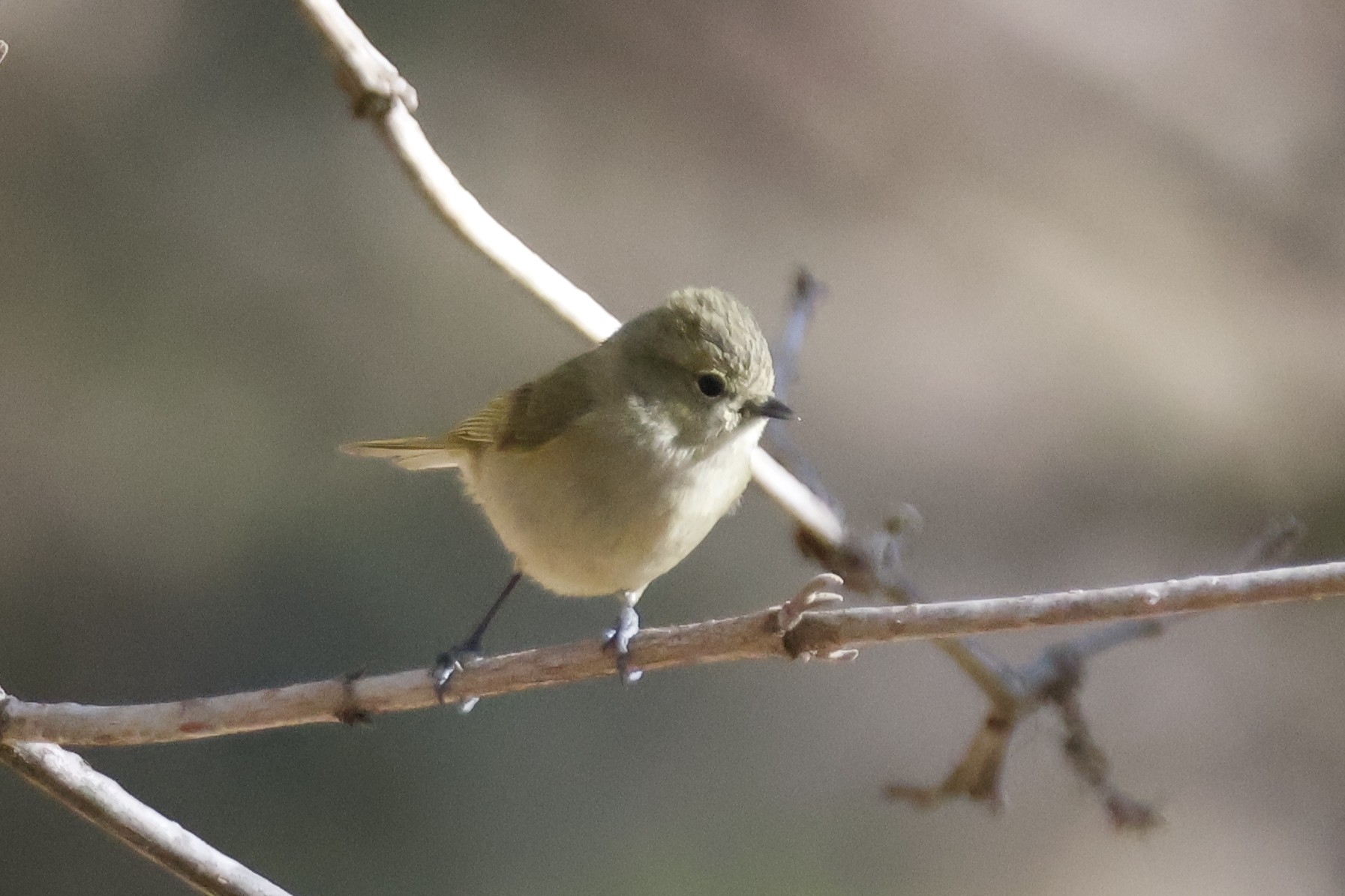
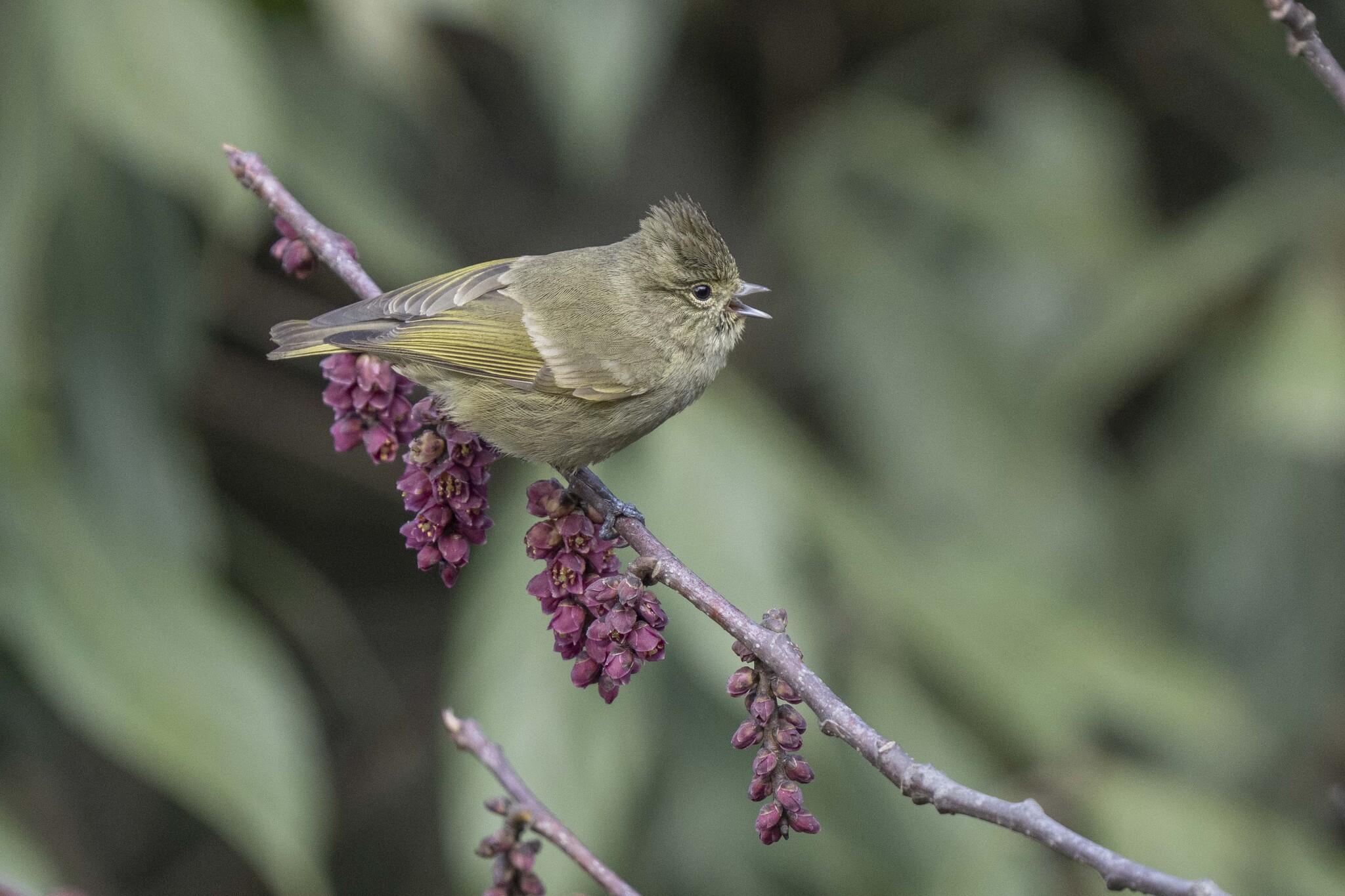
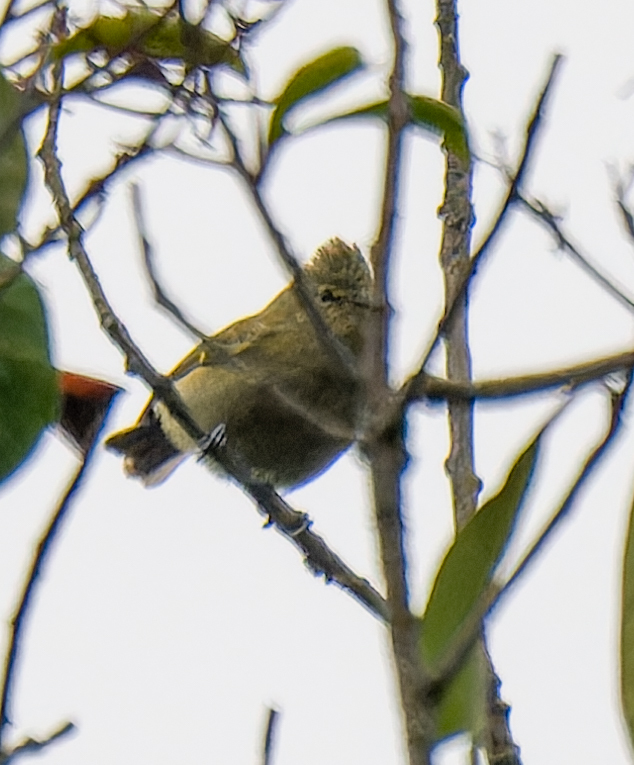
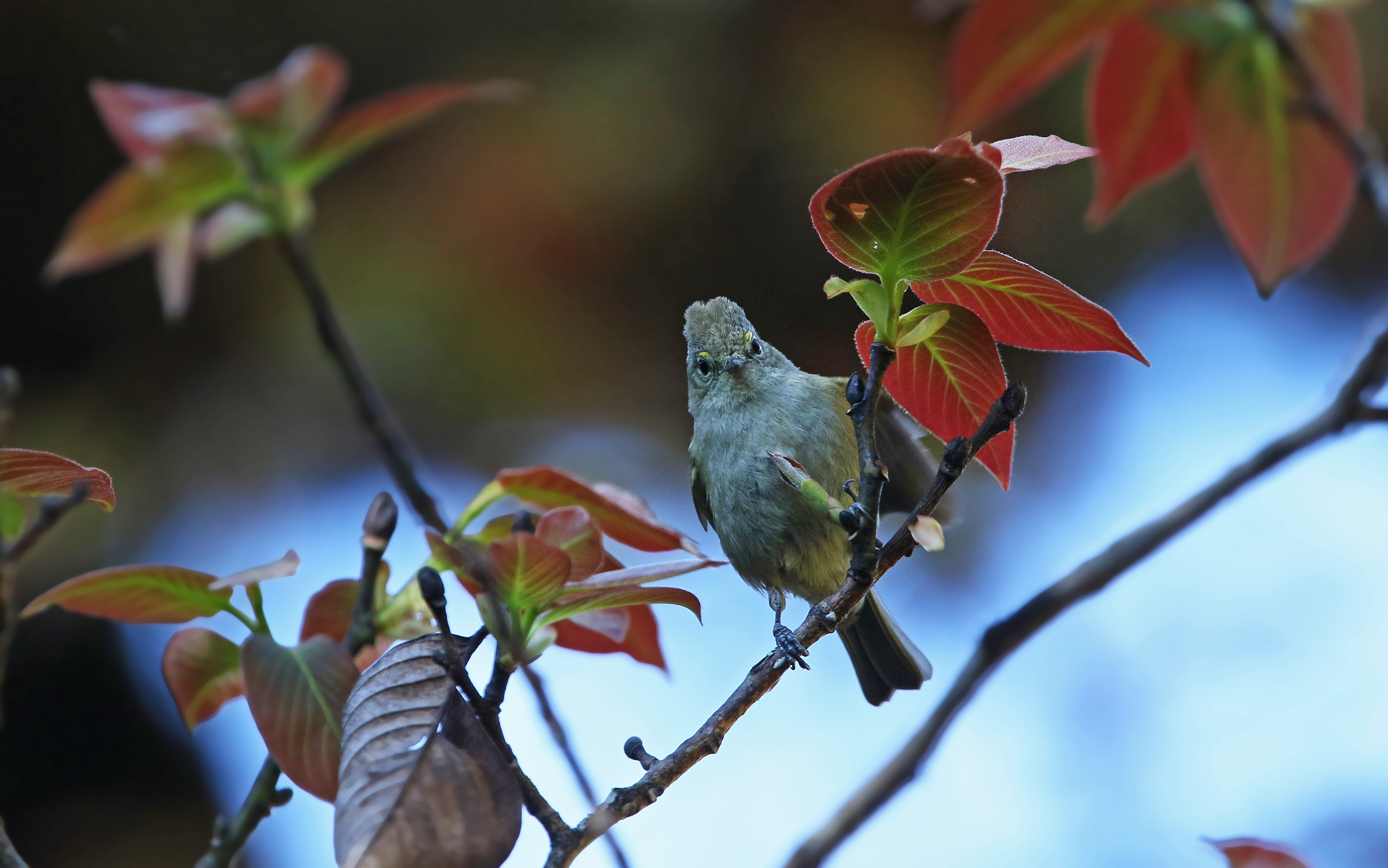
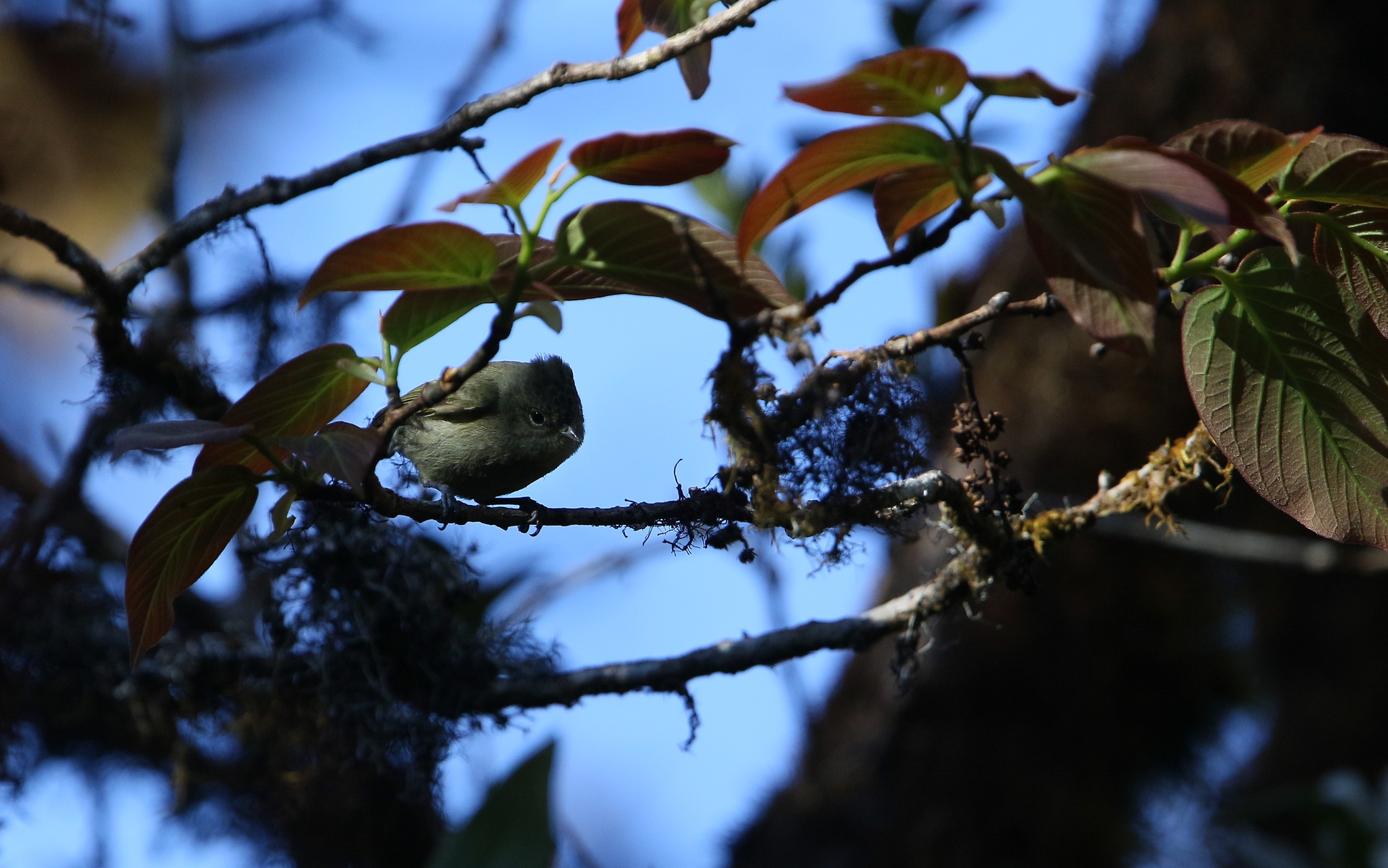
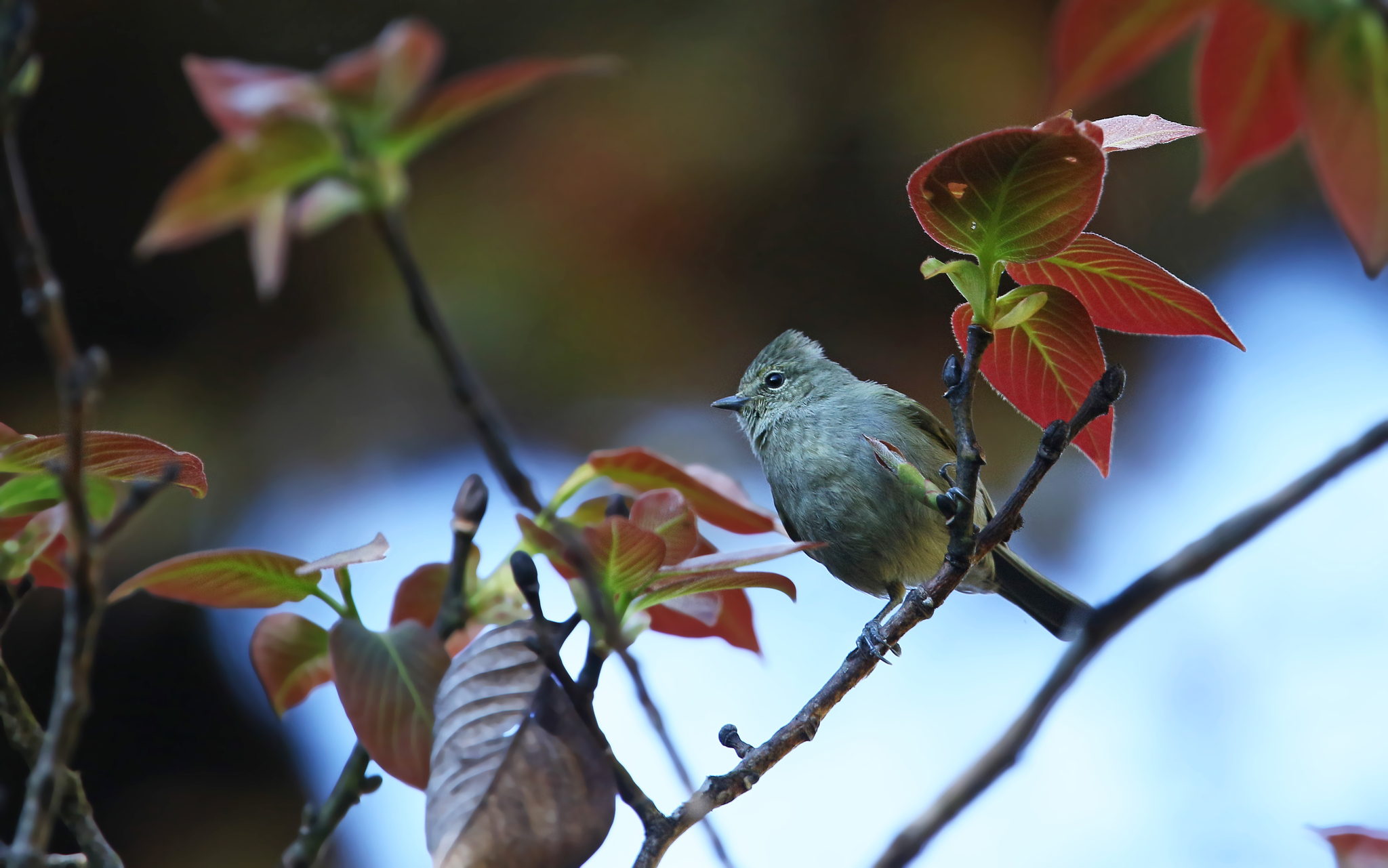
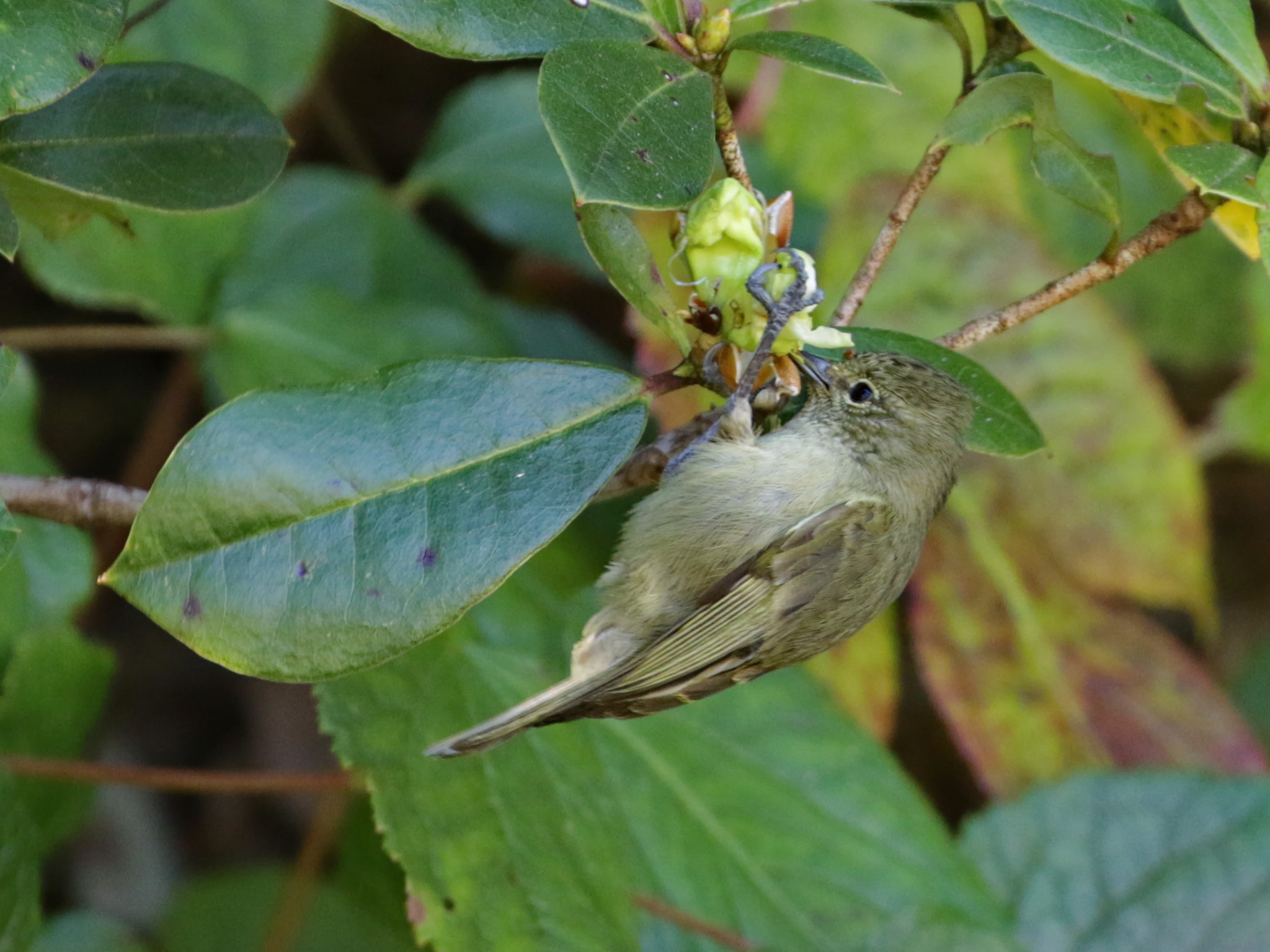
Measures 9–10 cm long and weighs 5–9 g. Features a small bill, short tail, strong legs, and greenish feathers. The crown to back is olive-green with a slightly greyer forehead. Wings and tail are greyish brown with green edges and faint yellow at the tail base. The face is olive-green with yellow flecks, a short faint yellow line above the eye, and a thin yellow eye-ring. Throat and underparts are dull olive-yellow, paler on the belly. Worn feathers appear duller with browner wings. Males and females are similar; juveniles have more pointed tail feathers.
Identification
Distinguished by its small size, olive-green plumage, and faint yellow eyebrow line. Vocalizations include short, high-pitched sounds transcribed as “tsit”, “psit”, “pit”, “chip”, or “tchup”. Longer, ringing calls sound like “tszizizizizi tszizizizizi”, and agitated birds emit a repeated high-pitched “tee” or “tzee-tzee”.
Distribution & Habitat
Found in southern Asia, mainly the Himalayan mountains, Northeast India, southern China, and Southeast Asia. Habitats include temperate and lower mountain forests, often with oak, mixed trees, mossy forests, scrub, willow thickets, and apricot orchards. In southern China, it occurs in spruce and fir forests. Elevations range from 900 m in the Eastern Himalayas to 1200–2400 m in Western Kashmir and 1500–2800 m (up to 4265 m) in Nepal. Outside breeding season, it frequents deciduous and evergreen forests at lower elevations.
Behavior & Ecology
Feeds mainly in the middle and upper parts of trees and tall bushes on small invertebrates, larvae, and seeds. Moves quickly and restlessly, sometimes hanging from twigs. In autumn and winter, joins mixed flocks with other tits, babblers, treecreepers, goldcrests, and leaf-warblers. Breeding occurs from April to May; clutches typically contain four to six eggs. Both parents feed chicks, and adults may become defensive when protecting young.
Source: Wikipedia · CC BY-SA 3.0
Taxonomy
- Order
- Passeriformes
- Family
- Paridae
- Genus
- Sylviparus
Vocalizations
Subspecies (3)
-
Sylviparus modestus klossi
southern Vietnam (Da Lat Plateau)
Data Sources
Species description from Wikipedia, licensed under CC BY-SA 3.0.
Bird images and sounds sourced from GBIF, contributed by citizen scientists worldwide under Creative Commons licenses.
Taxonomy data from AviList 2025.