Passeriformes / Paradoxornithidae / Suthora
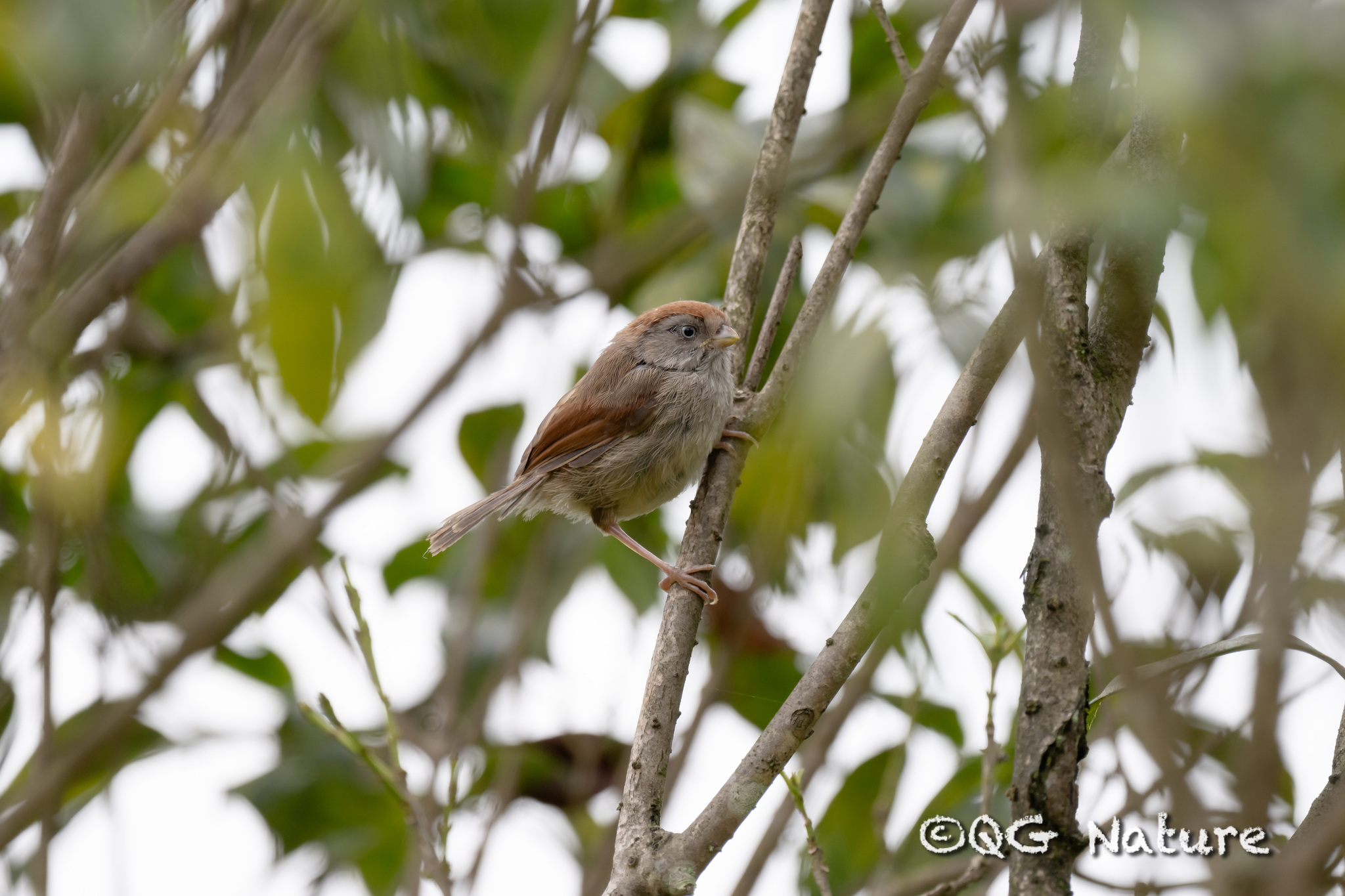
Ashy-throated Parrotbill
Suthora alphonsiana · 灰喉鸦雀
Introduction
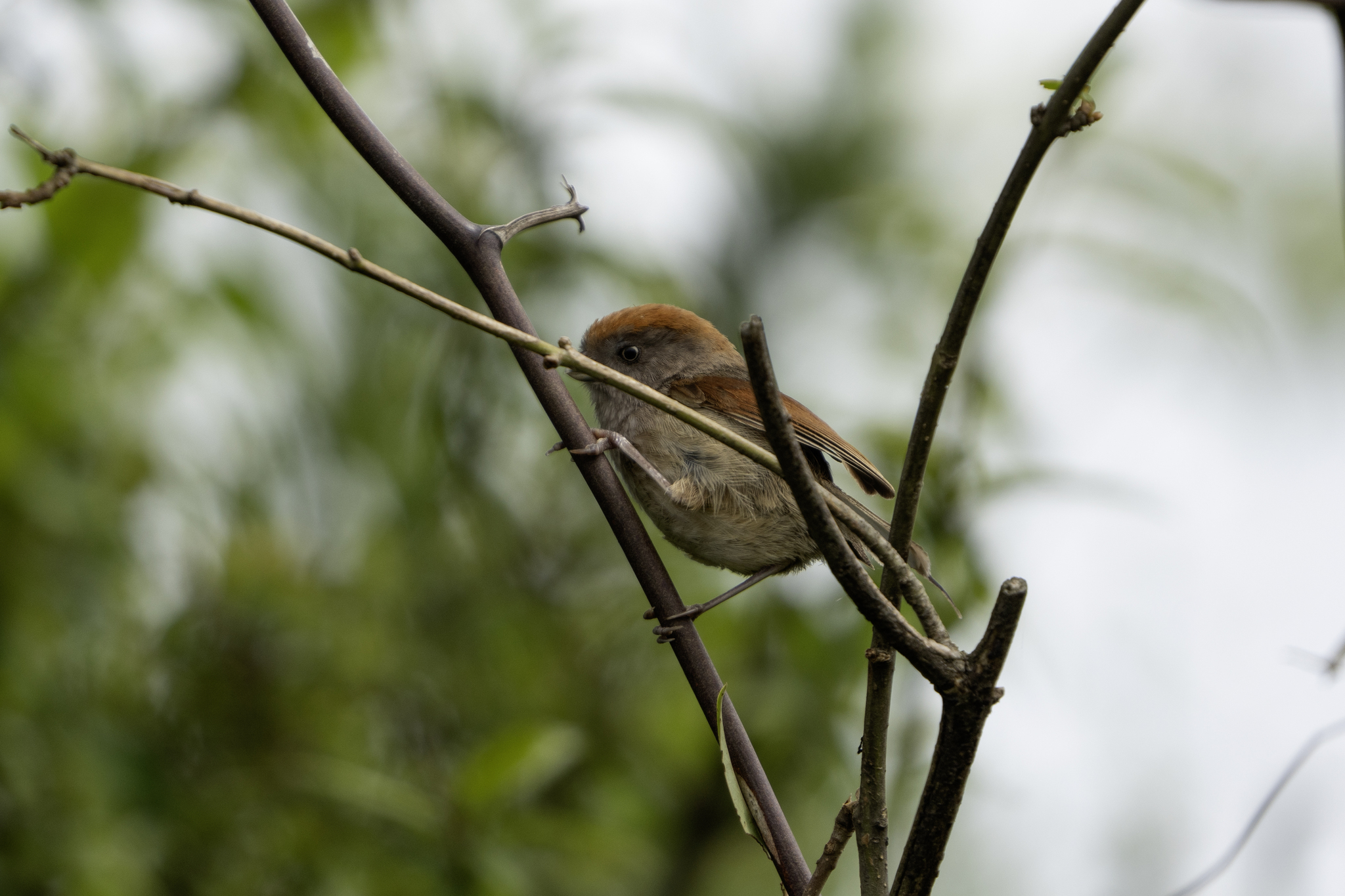
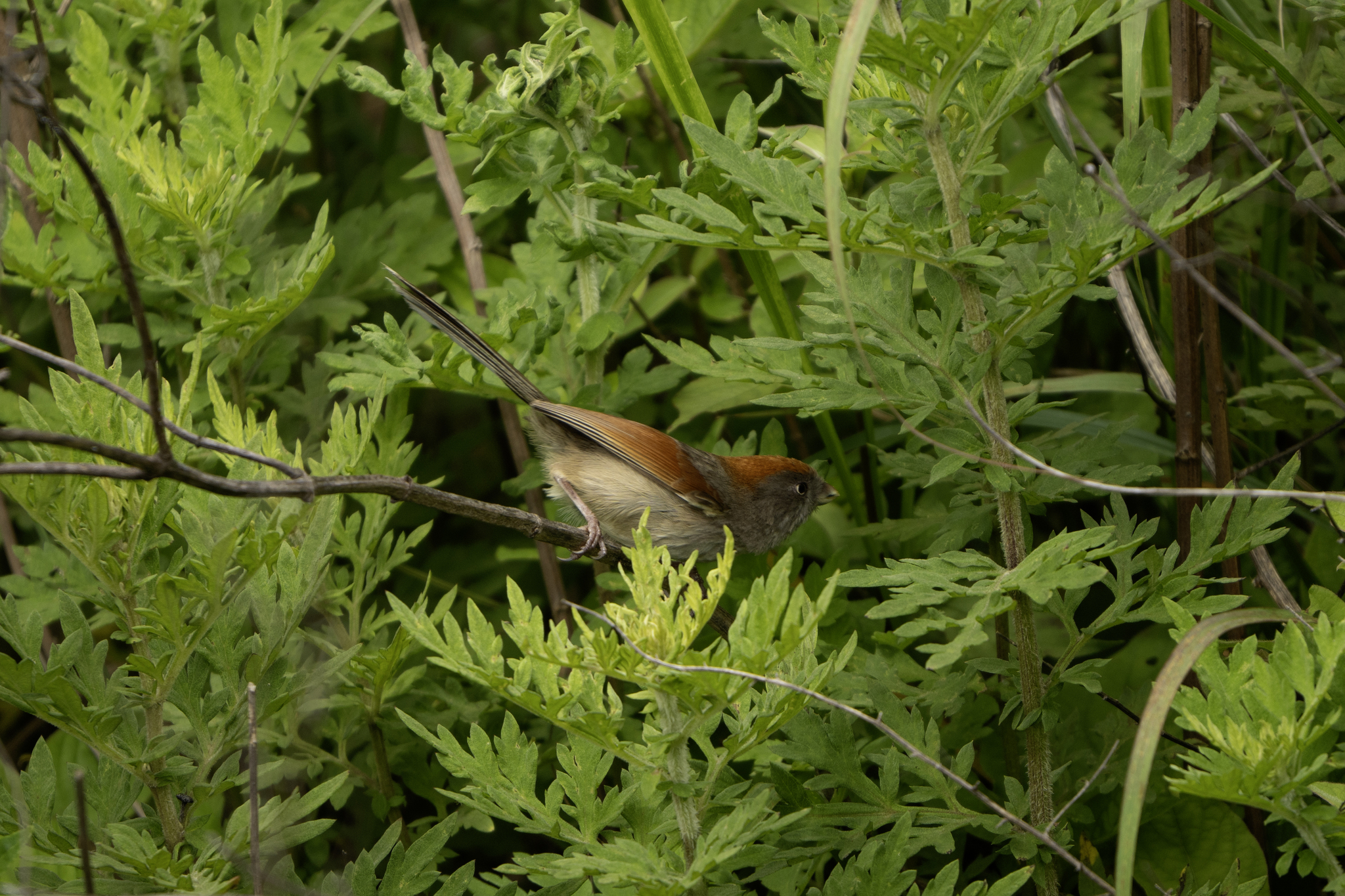
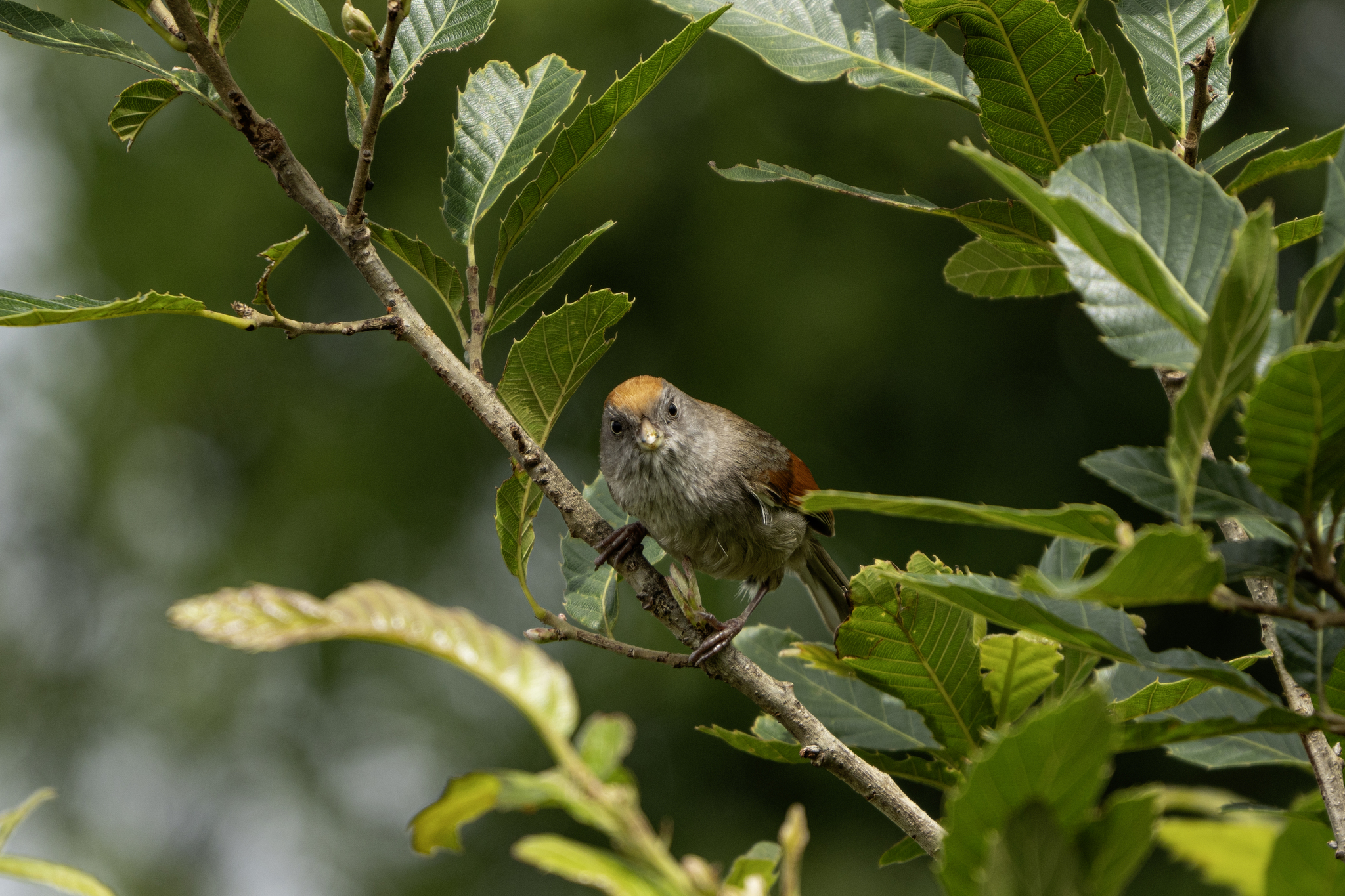
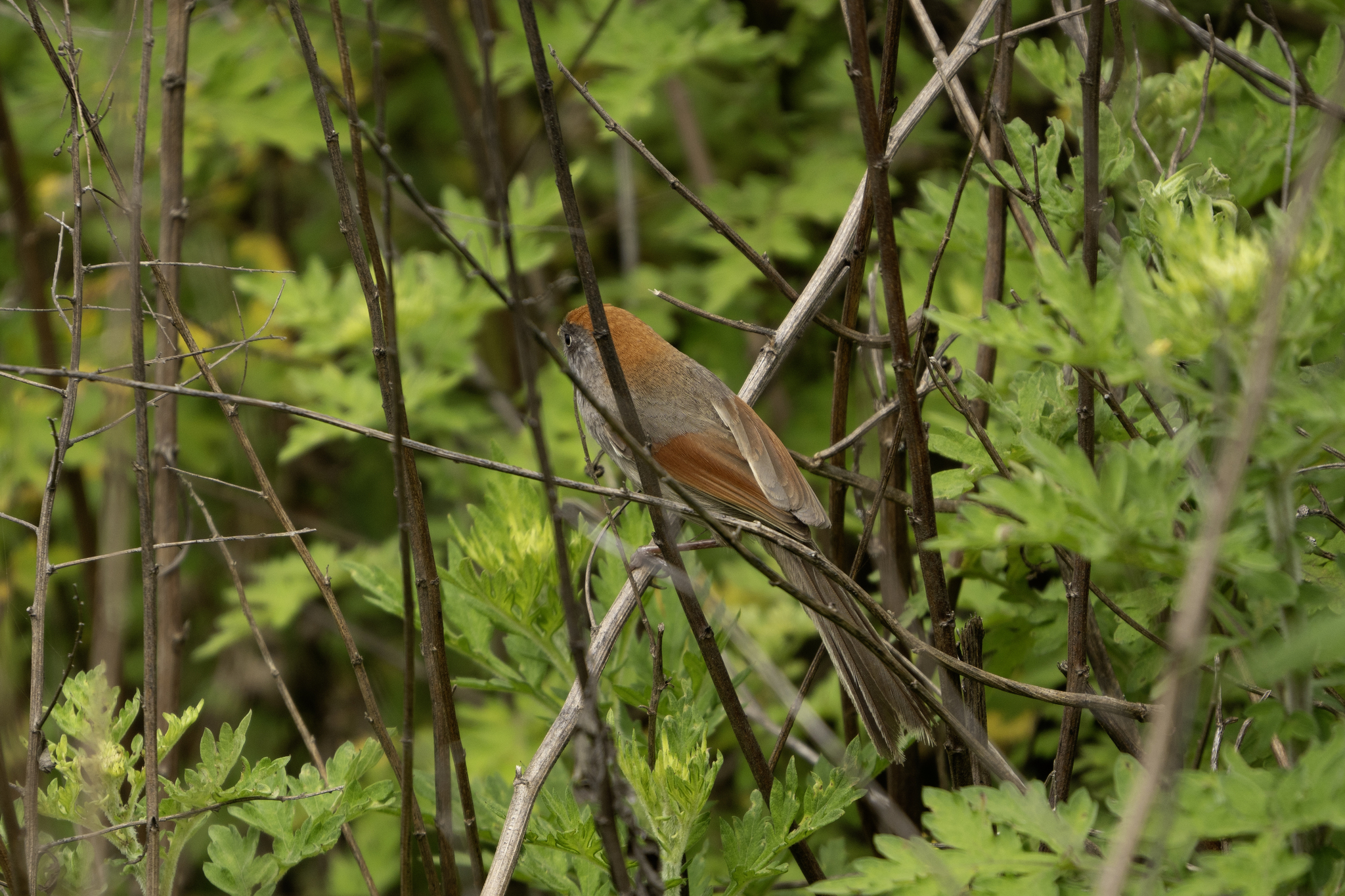
A medium-sized parrotbill belonging to the family Paradoxornithidae. Native range extends from south-west China to northern Vietnam, with a naturalised population in northern Italy. Inhabits bamboo stands, tall grasses, and reed beds. Omnivorous diet includes arthropods, seeds, and buds. Classified as Least Concern by the IUCN.
Description
Medium-sized bird with tawny-coloured plumage. Possesses a large bill typical of parrotbills.
Distribution & Habitat
Native range covers south-west China to northern Vietnam. A naturalised, self-sustaining population exists in northern Italy, specifically at the Brabbia Swamp Nature Reserve between Lago di Varese and Lago di Comabbia. In its native range, it inhabits bamboo stands and areas with tall grasses. The Italian population inhabits common reed beds and drier land overgrown with meadowsweet, grey willow, and giant goldenrod.
Behavior & Ecology
Small omnivore adapted to living in reed beds. Feeds on arthropods, seeds, and buds. In winter, the Italian population sustains itself on insects hibernating in reed stalks. Eggs are small by parrotbill standards, whitish- to light-blue, and unspotted.
Conservation
Considered a Species of Least Concern by the IUCN. While the species would disappear if wetlands are drained, its range is considerable and much of its habitat is remote and little accessed.
Source: Wikipedia · CC BY-SA 3.0
Taxonomy
- Order
- Passeriformes
- Family
- Paradoxornithidae
- Genus
- Suthora
Taxonomy Changes
Sinosuthora alphonsiana → Suthora alphonsiana
Genus transfer — GBIF Backbone Taxonomy uses the former name; AviList 2025 uses the current name.
Subspecies (4)
-
Suthora alphonsiana alphonsiana
central Sichuan (central China)
Data Sources
CBR Notes: 由Sinosuthora属移入Suthora属(Cai et al. 2019)
Species description from Wikipedia, licensed under CC BY-SA 3.0.
Bird images and sounds sourced from GBIF, contributed by citizen scientists worldwide under Creative Commons licenses.
Taxonomy data from AviList 2025.