Columbiformes / Columbidae / Streptopelia
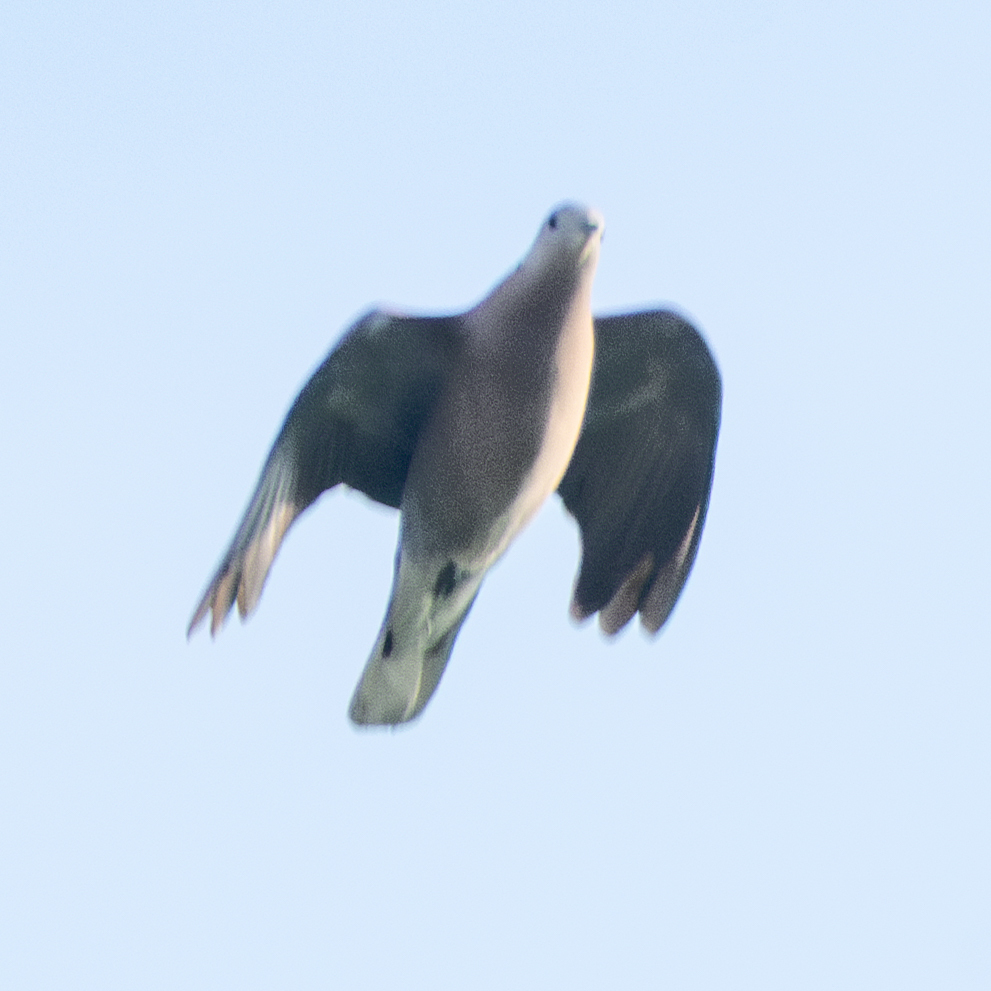
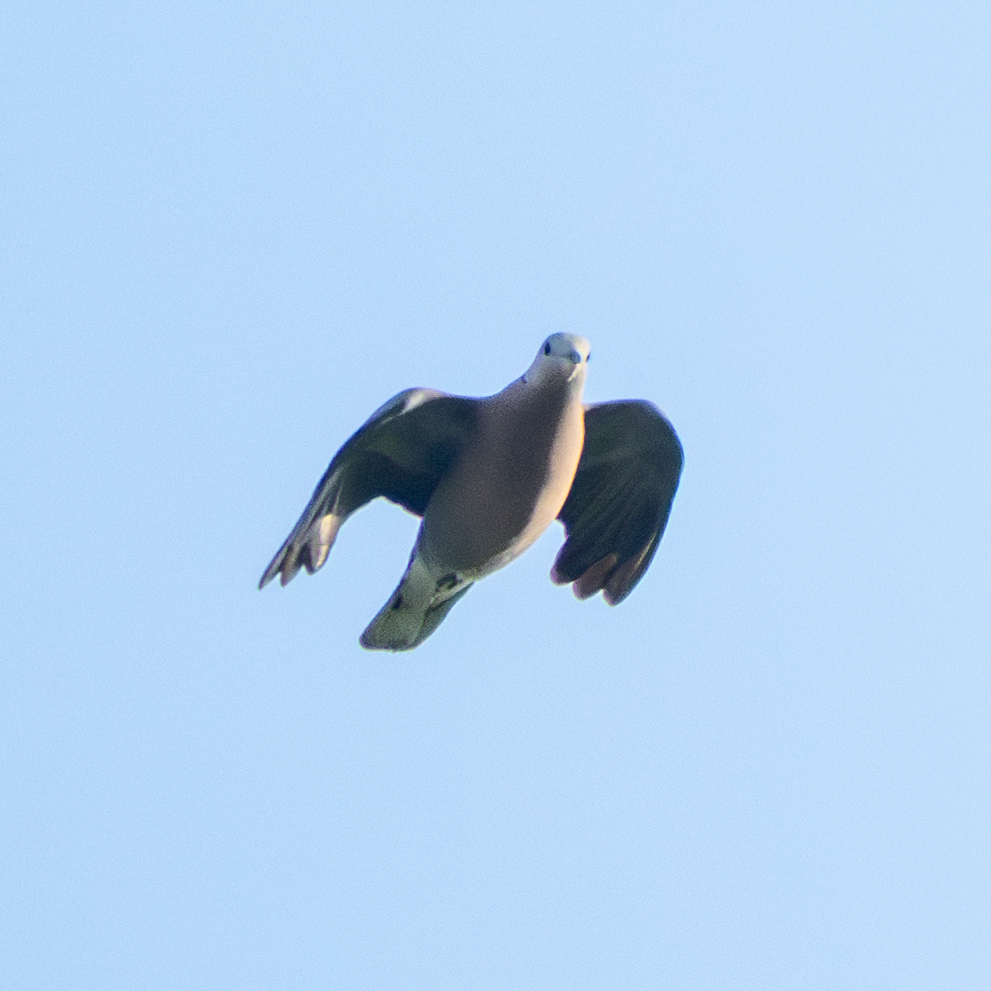
Red Collared Dove
Streptopelia tranquebarica · 火斑鸠
Introduction
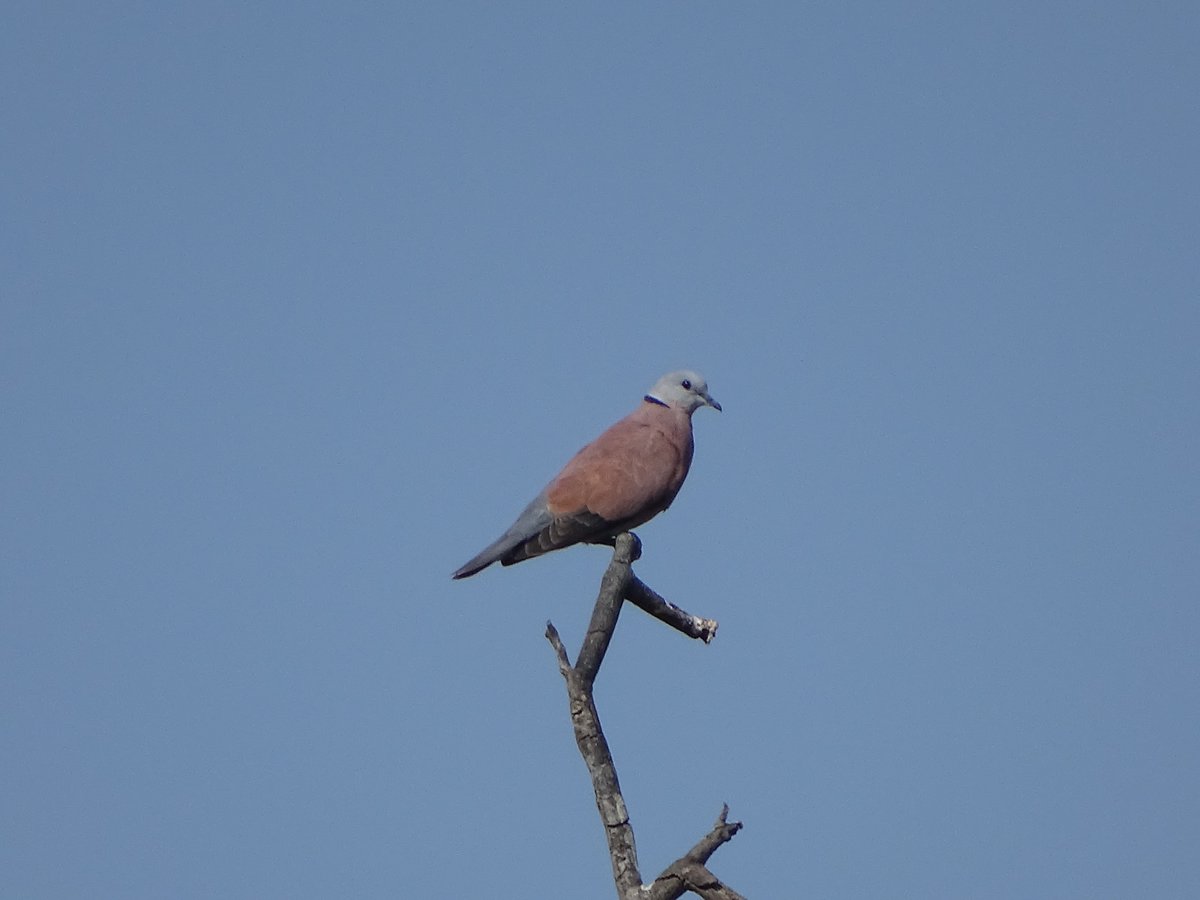
A small pigeon species resident in the tropics of Asia. Males exhibit a blue-grey head and red-brown body, while females are plainer with pale brown plumage. Evaluated as Least Concern by the IUCN.
Description
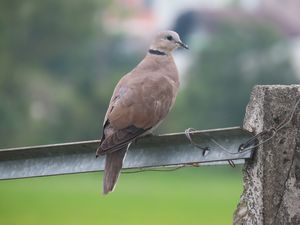
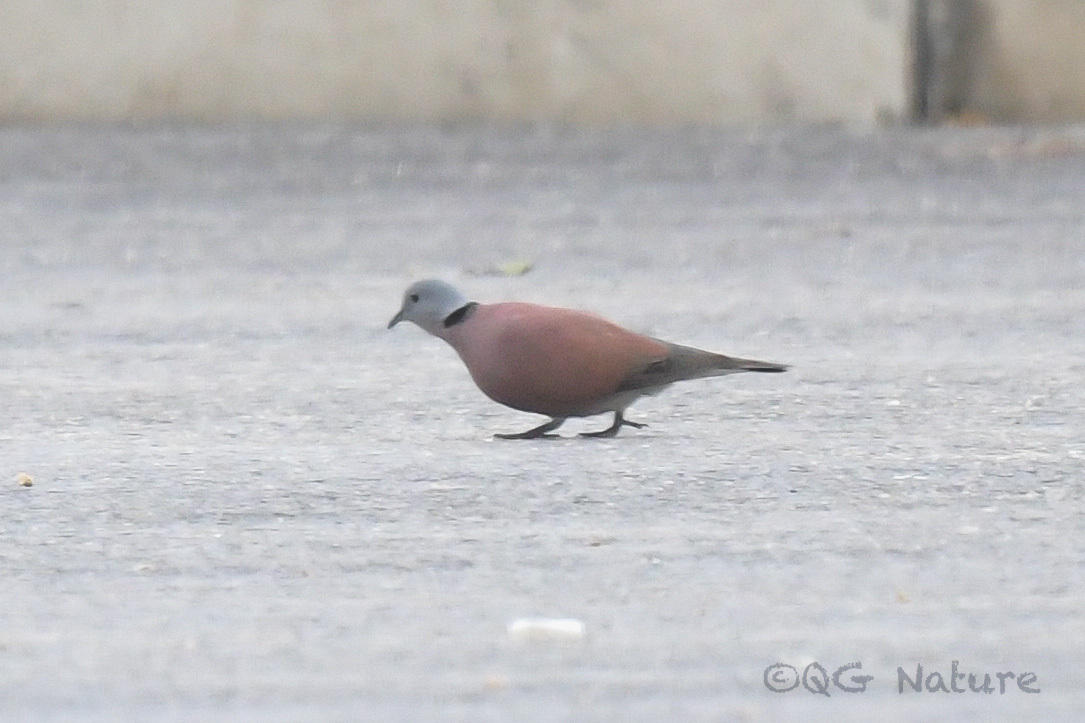
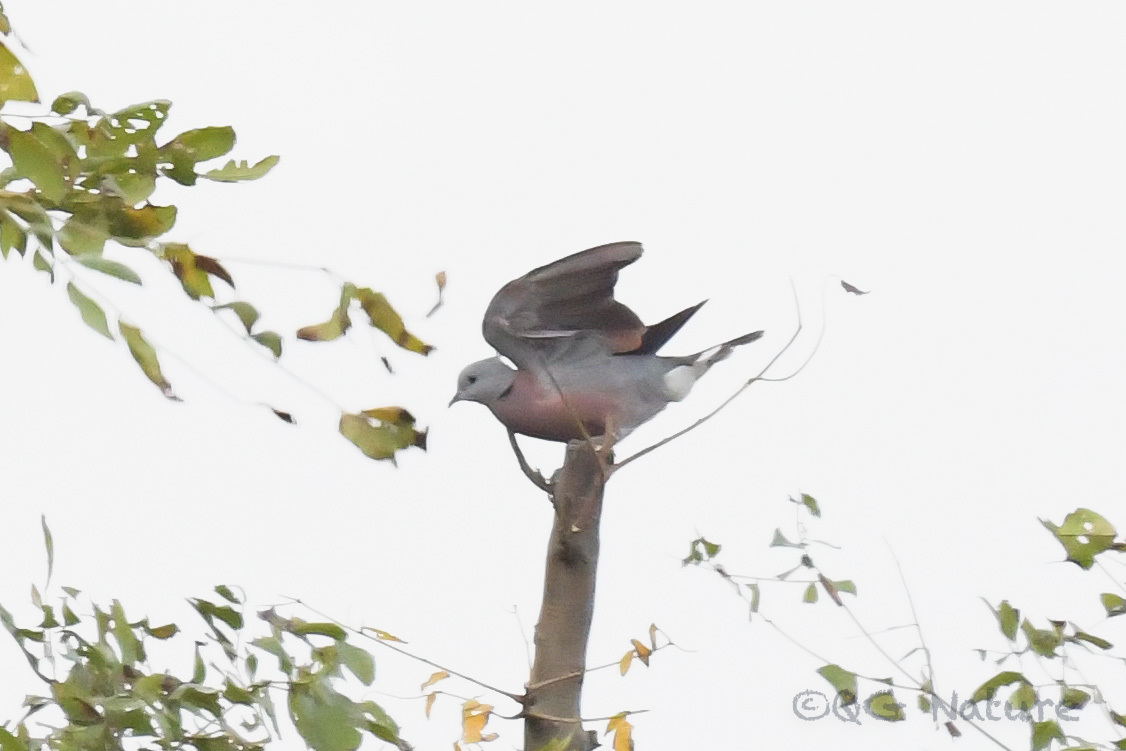
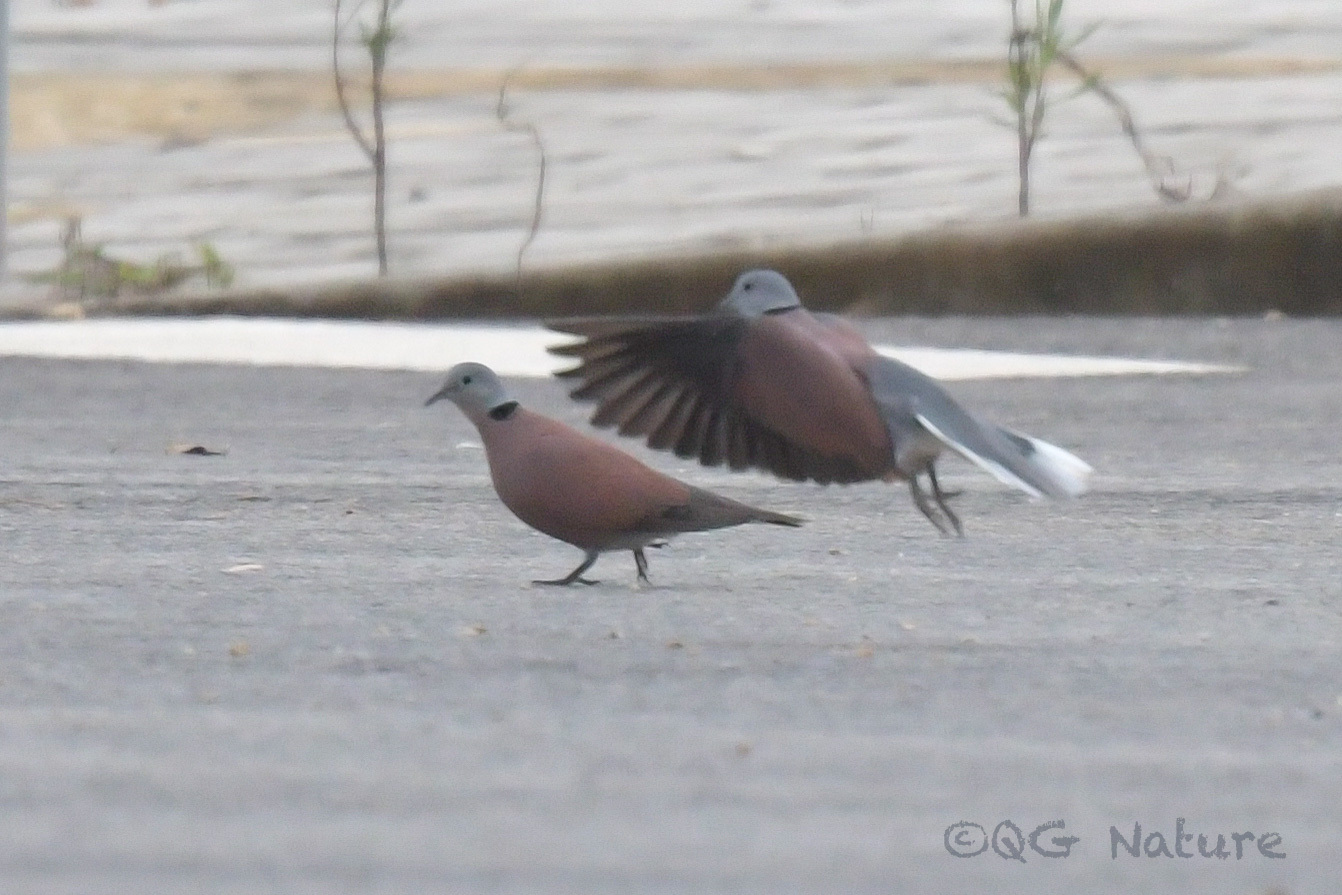
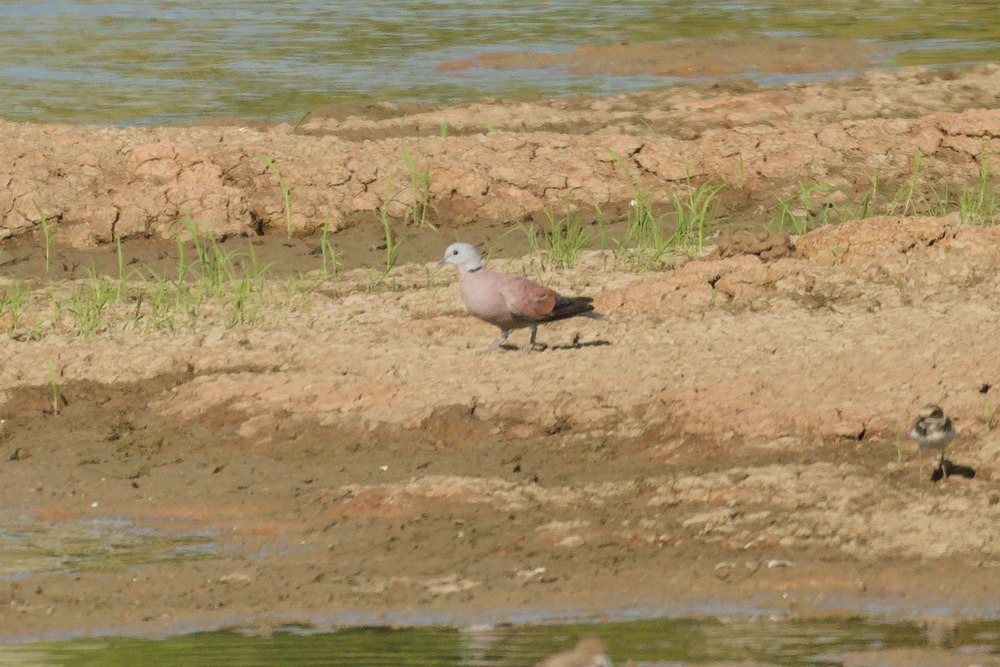
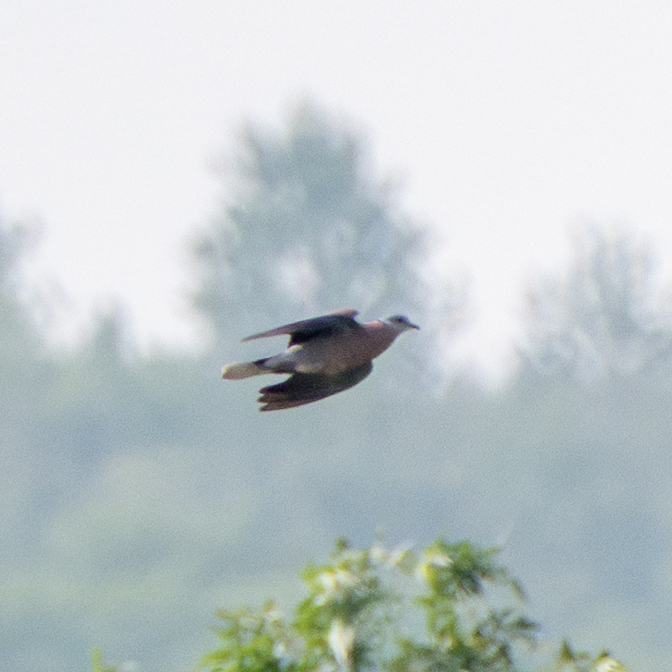
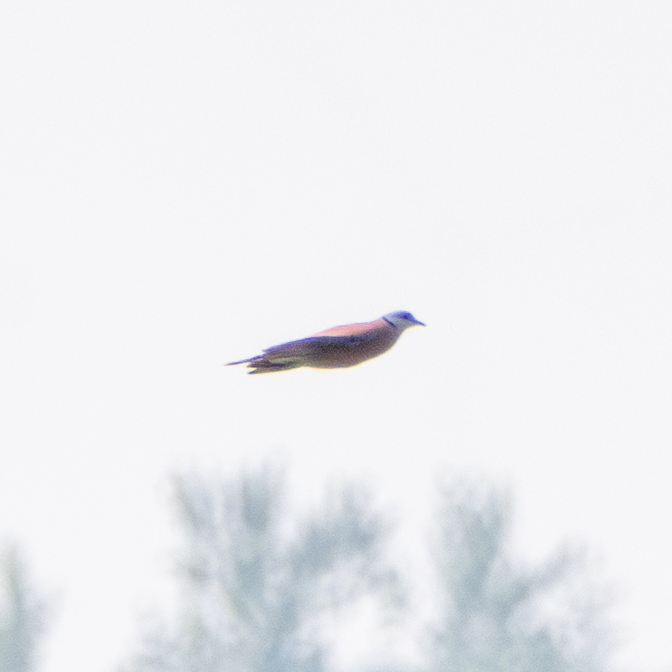
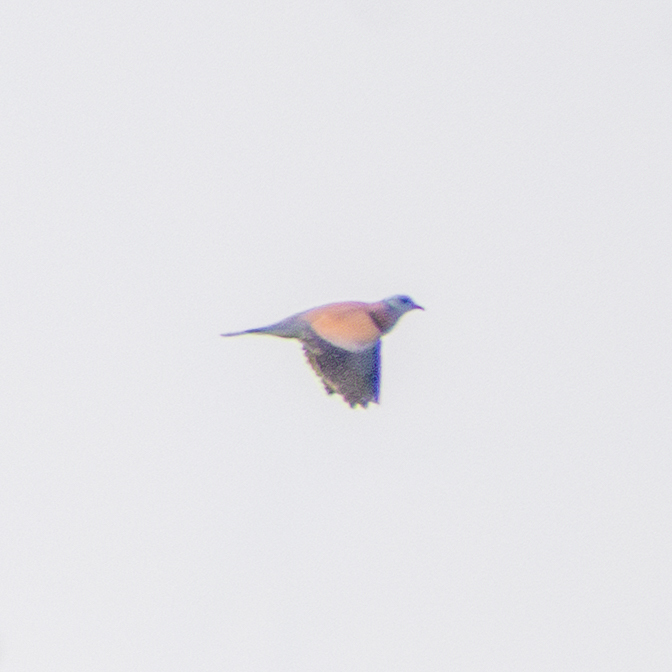
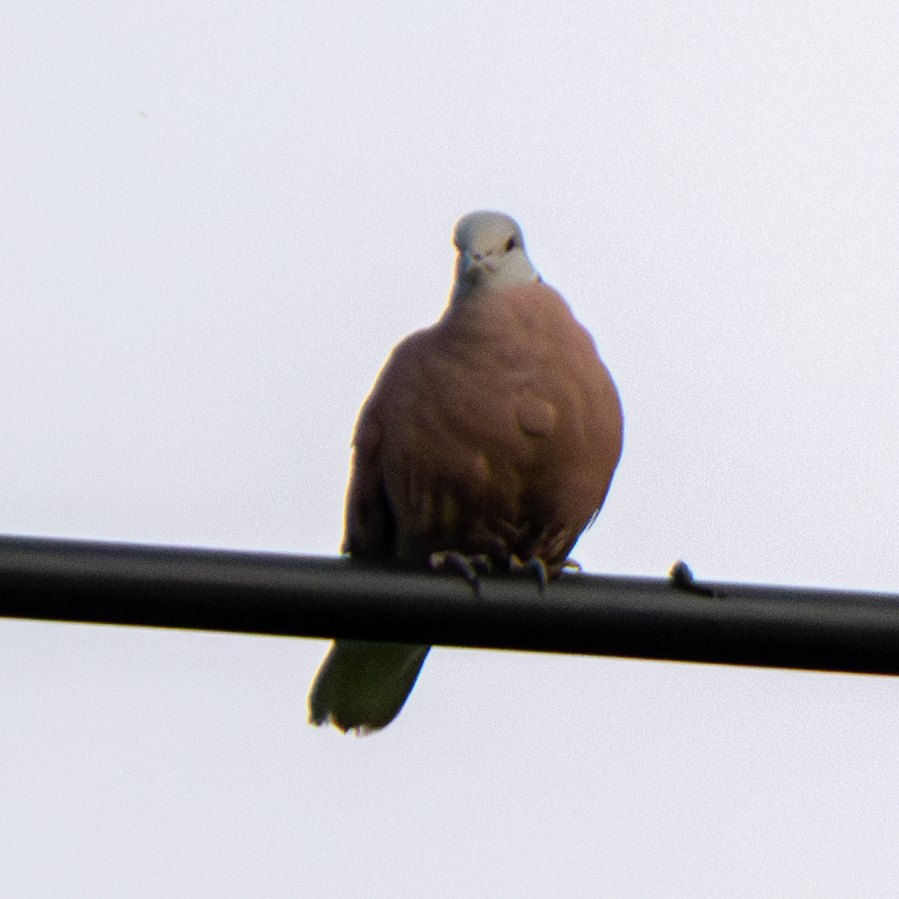
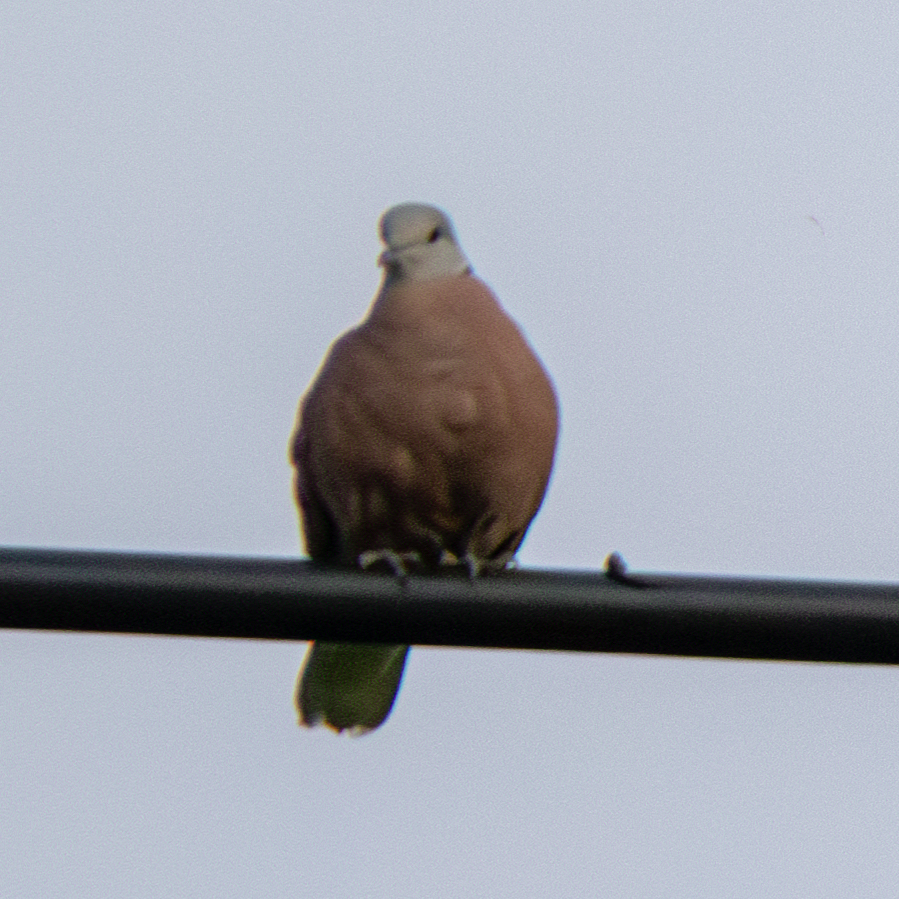
Length 20.5–23 cm (8.1–9.1 in); weight around 104 g (3.7 oz). The male has a bluish head, light red-brown body, and a black ring round its neck. The female is similar but pinkish all over, with pale brown plumage resembling the larger Eurasian collared dove.
Identification
Males are distinguished by a bluish head, red-brown body, and black neck ring. Females are plainer and pinkish-brown. Smaller than the Eurasian collared dove.
Distribution & Habitat
Resident breeding bird in the tropics of Asia, including Pakistan, peninsular India, western Nepal, eastern Nepal, northeastern India, northeastern Tibet, northern China, Taiwan, and the Philippines. Uncommon on the Indonesian archipelago. Summer migrant to broader cultivated valleys of Afghanistan. Prefers plains, better-wooded tracts such as canal or roadside tree plantations; avoids extensive desert regions and rocky foothills.
Behavior & Ecology
Arrives in small flocks before splitting up for pair formation and breeding. Most common dove throughout Punjab.
Conservation
Evaluated as Least Concern by the IUCN. Has an extremely large range and a population believed to be large, though not quantified. Some evidence exists for a slow population decline.
Source: Wikipedia · CC BY-SA 3.0
Taxonomy
- Order
- Columbiformes
- Family
- Columbidae
- Genus
- Streptopelia
Subspecies (2)
-
Streptopelia tranquebarica humilis
northeastern Tibet and Nepal eastward to northern China, and southward to south-central India, Andaman Islands, southeast Asia, Taiwan, and northern Philippines; locally introduced and range expanding in Malaysia and Indonesia, especially Sulawesi
Data Sources
Species description from Wikipedia, licensed under CC BY-SA 3.0.
Bird images and sounds sourced from GBIF, contributed by citizen scientists worldwide under Creative Commons licenses.
Taxonomy data from AviList 2025.