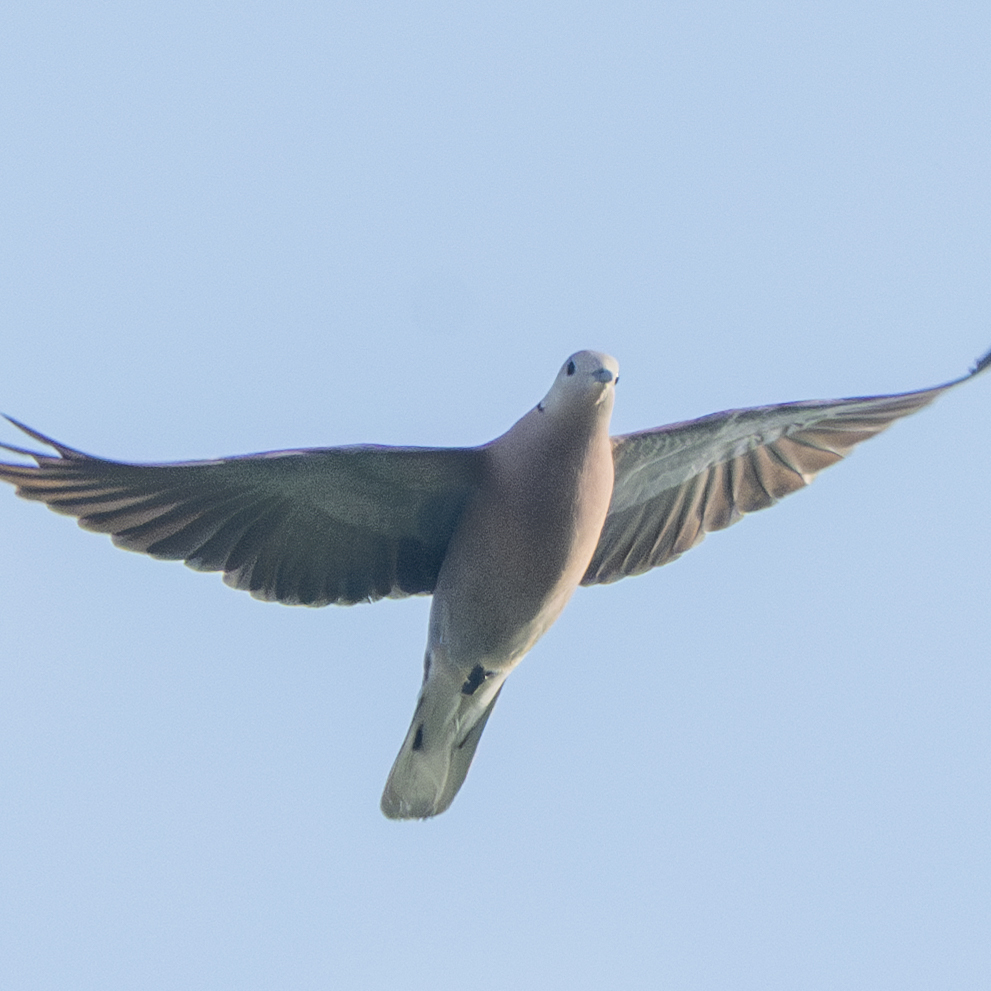
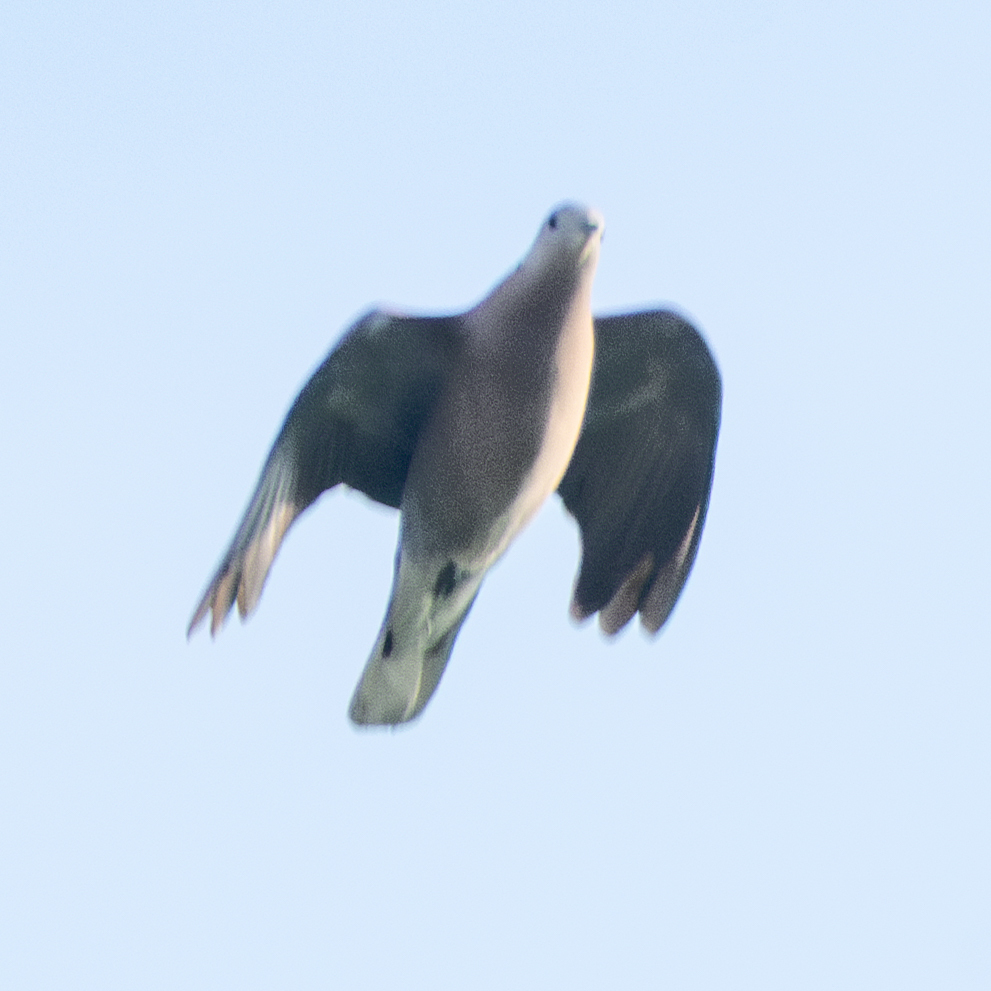
Red Collared Dove
Streptopelia tranquebarica
火斑鸠
Introduction
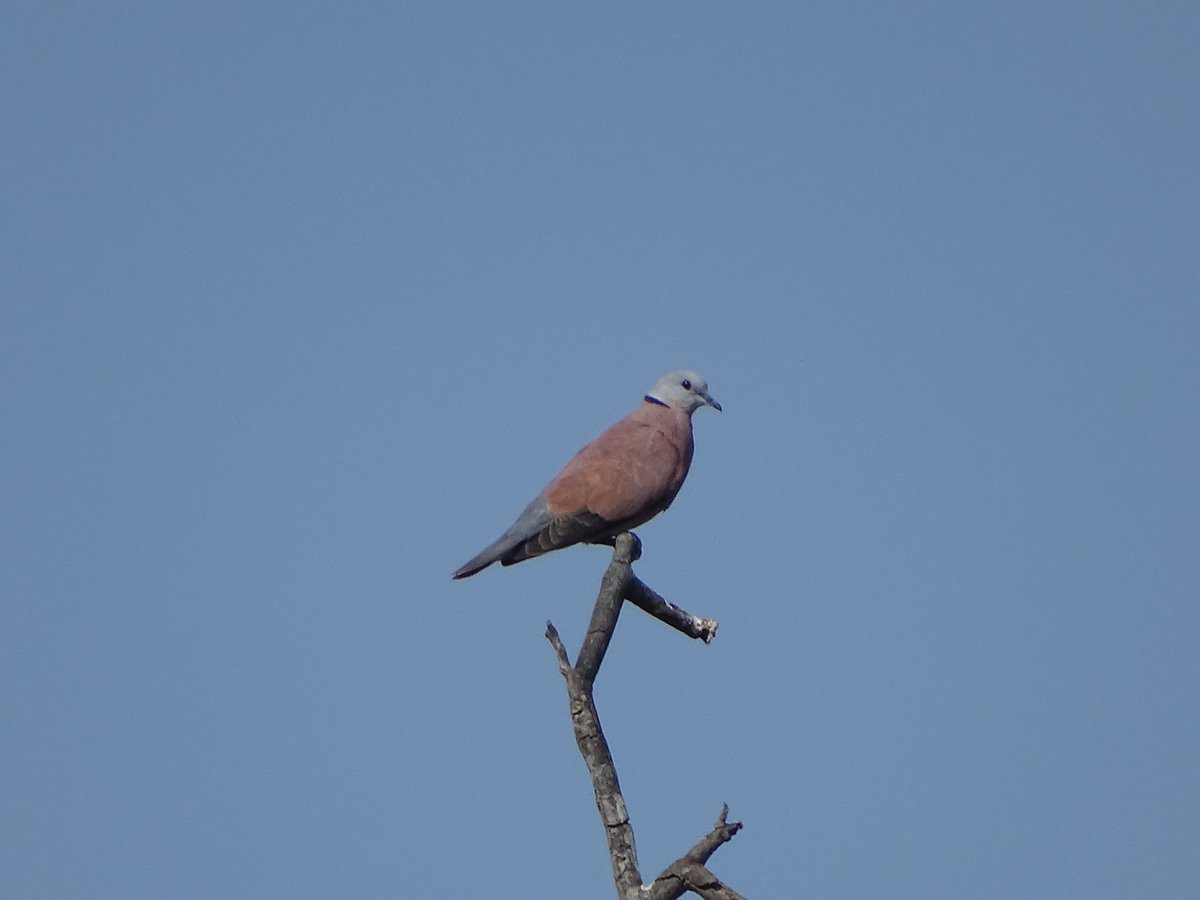
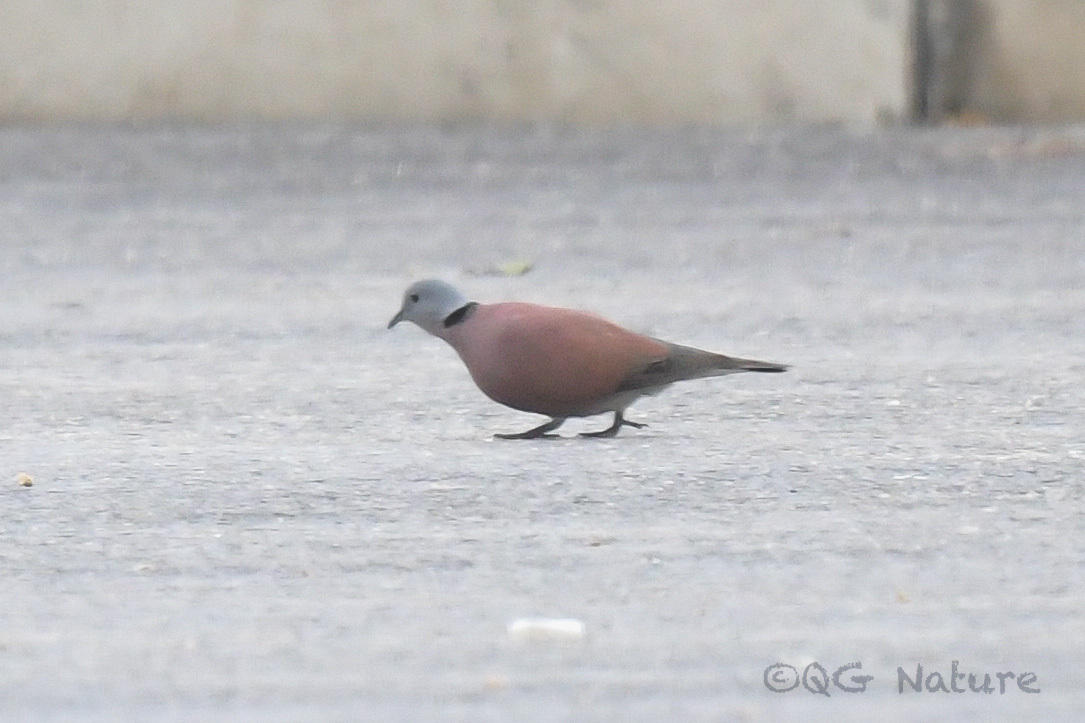
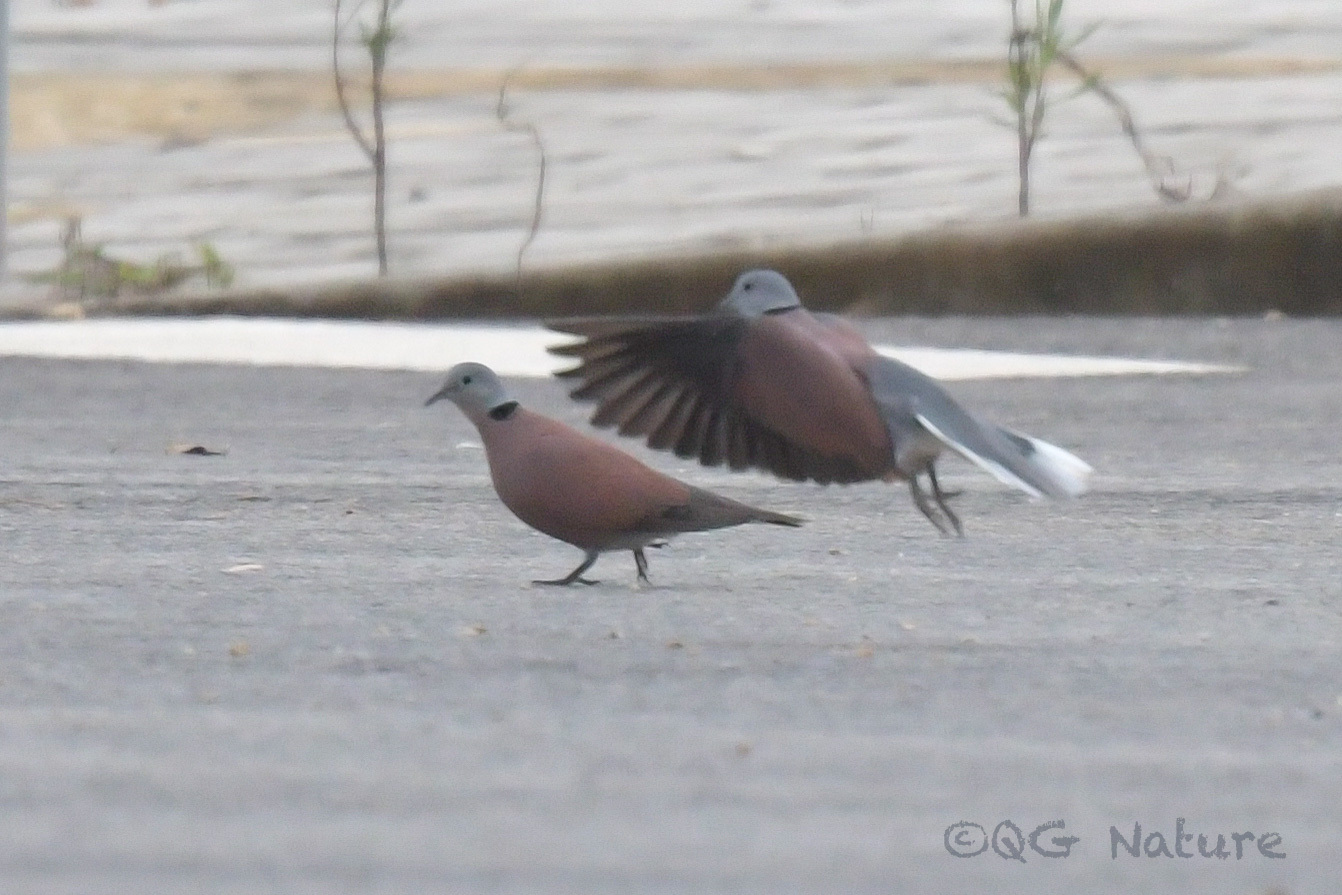
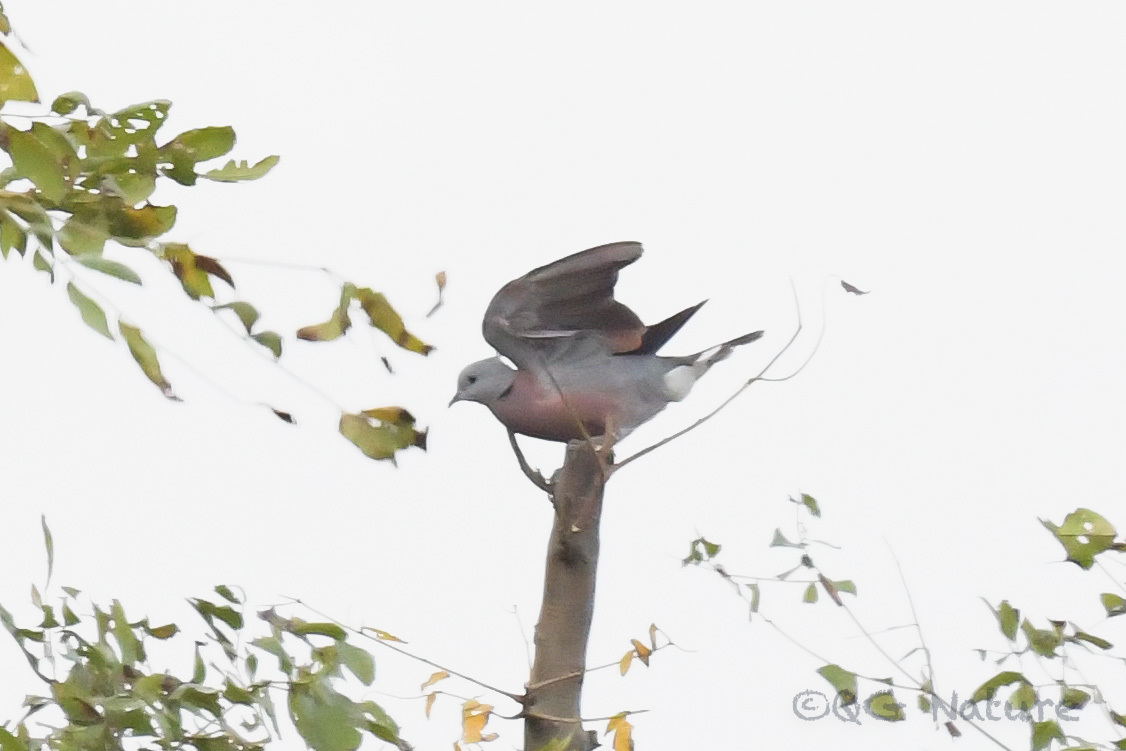
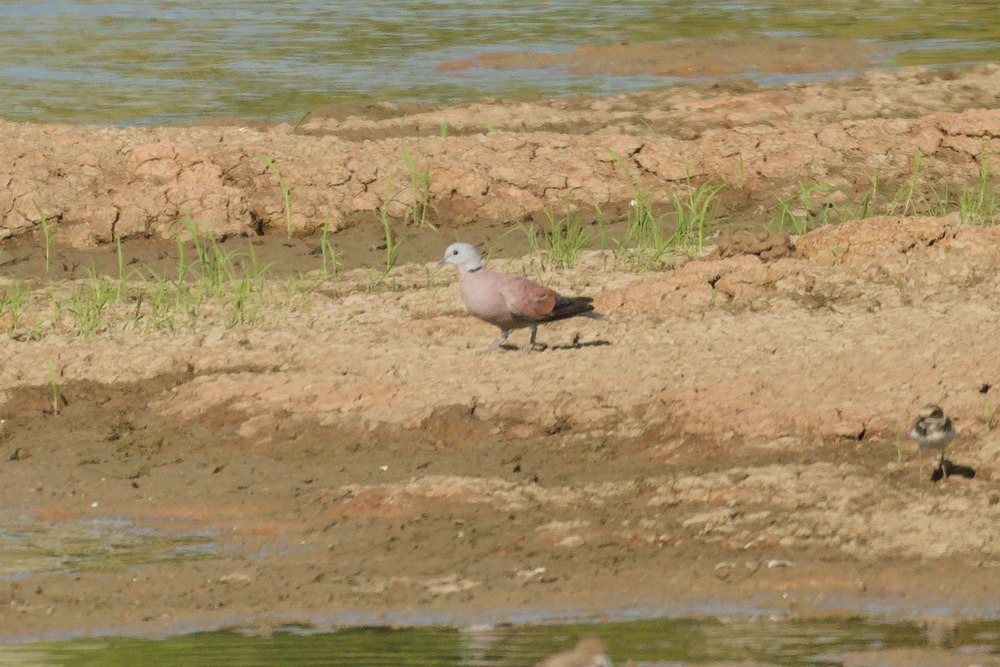
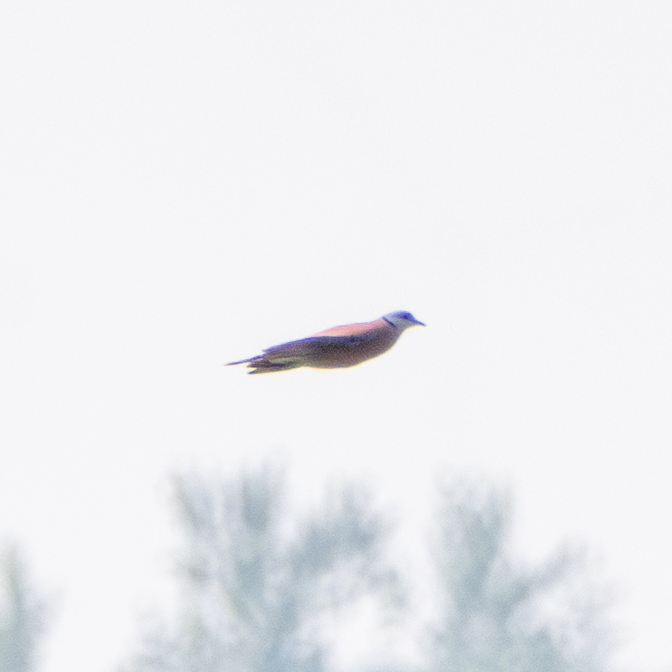
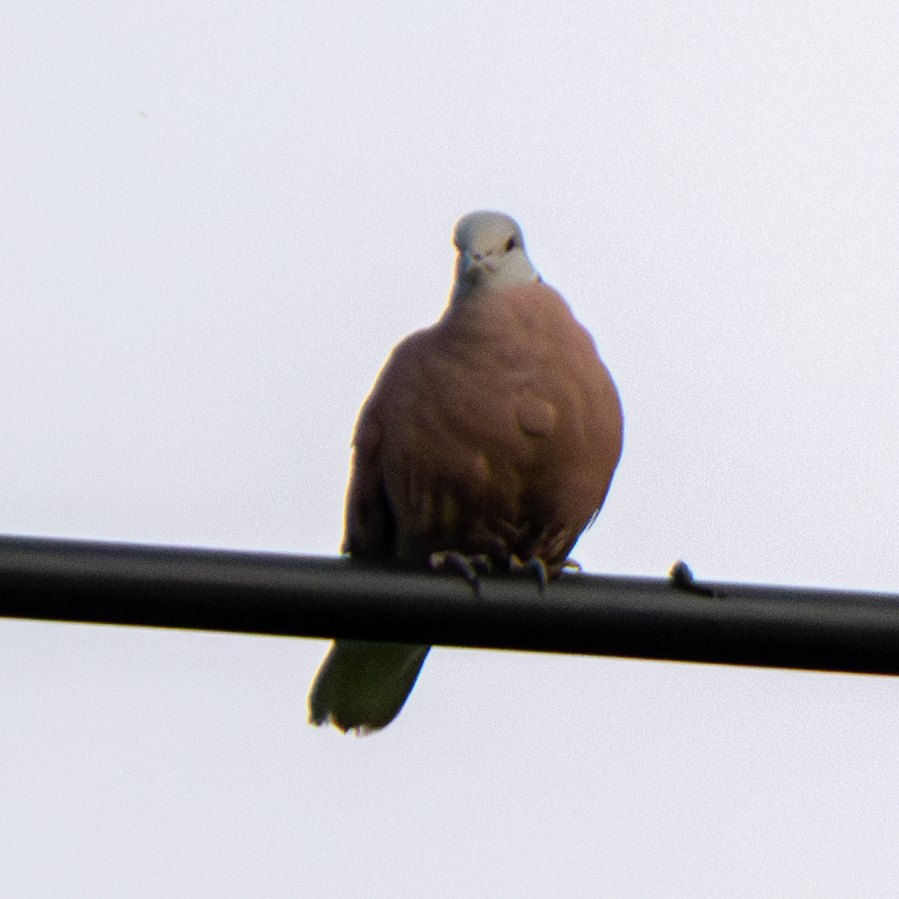
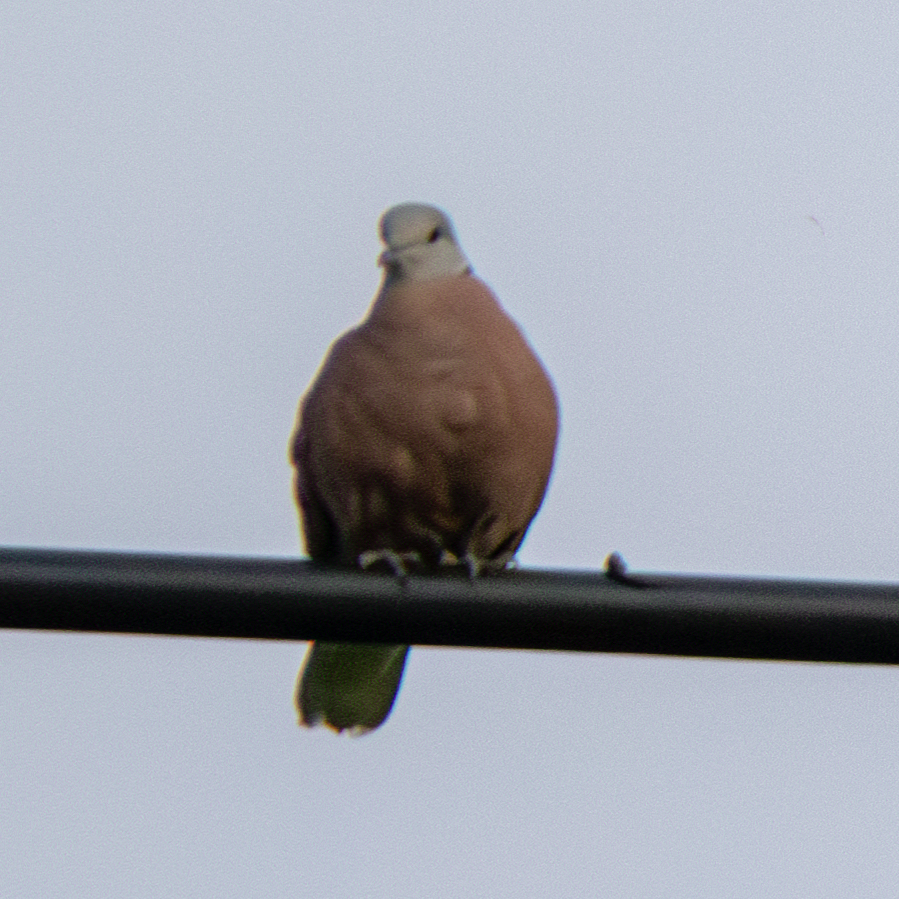
This small dove occurs across the Asian tropics in open woodland and cultivated areas. Males have a blue-grey head, red-brown body, and a black neck collar. Females are pale brown. The species feeds on the ground in open areas and perches on wires and branches. It has adapted well to human-modified landscapes, particularly favoring tree-lined corridors crossing agricultural land.
Description
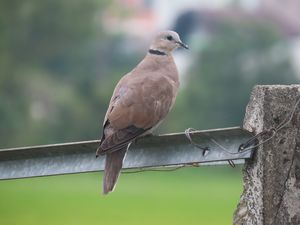
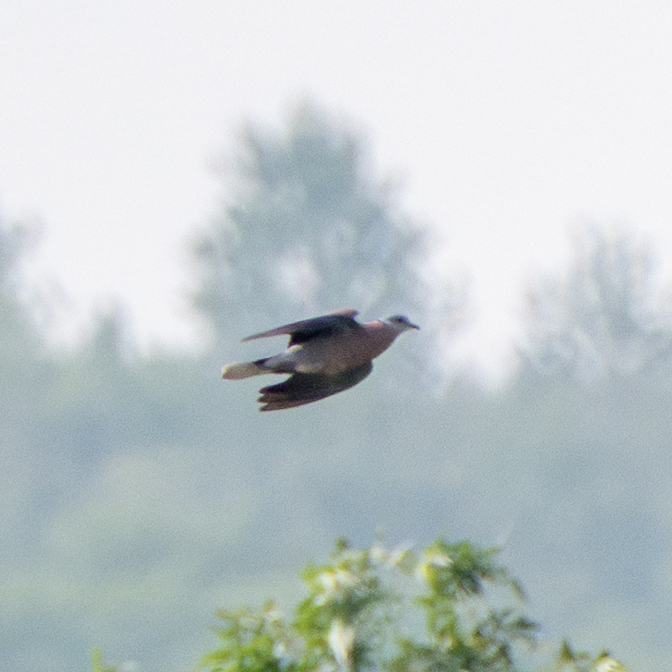
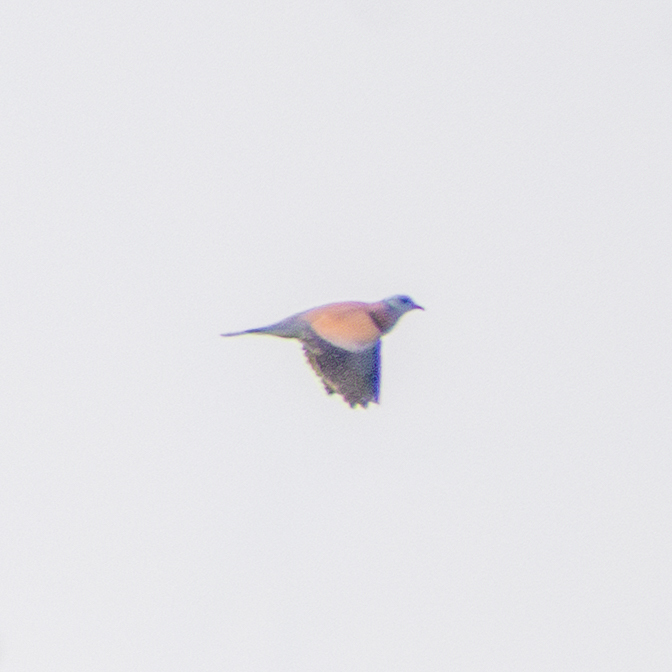
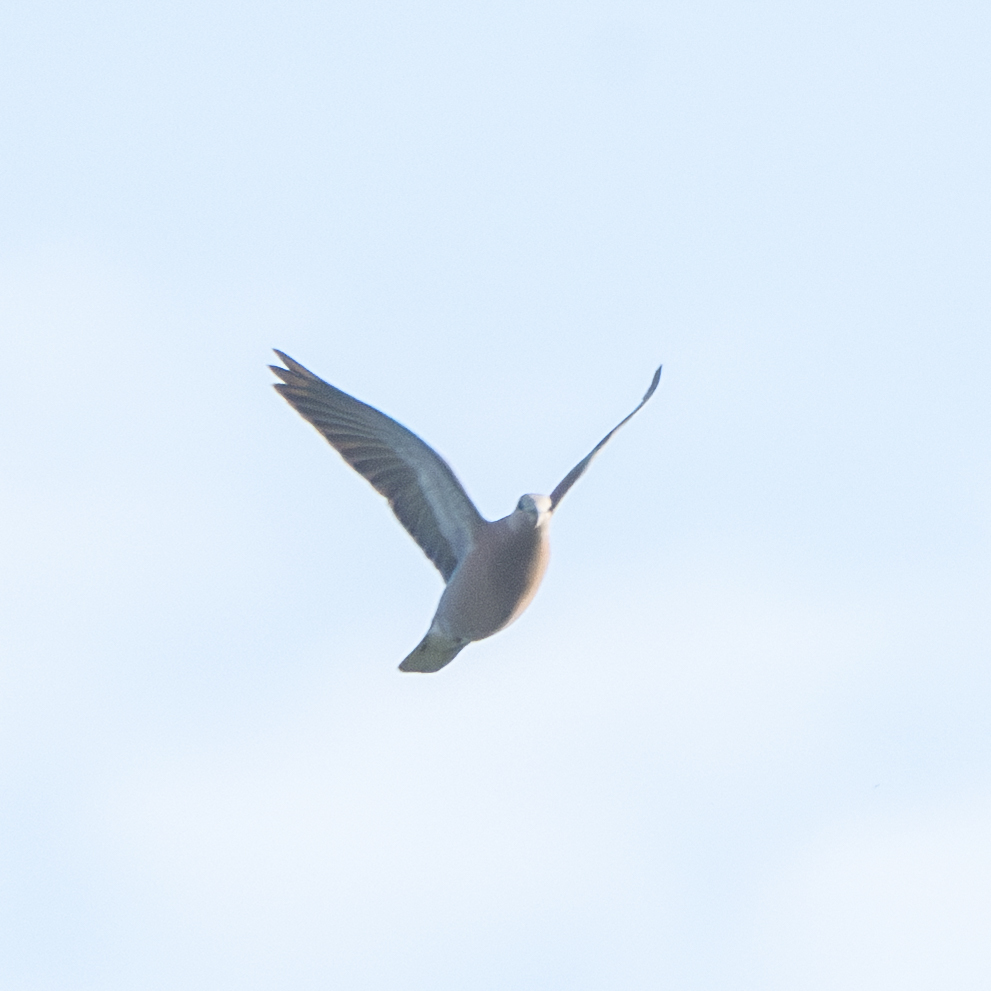
A compact dove measuring 20.5-23 centimeters in length and weighing approximately 104 grams. The male displays a distinctive blue-grey head and nape, with a light red-brown body and wings. A narrow black collar encircles the lower neck, creating a sharp contrast against the reddish upper breast. The female lacks the male's bluish head, instead showing a more uniform pinkish-brown or pale brown plumage throughout, though the overall pattern remains similar. Both sexes share the typical dove shape with a small head, tapered body, and pointed tail visible in flight.
Identification
The black neck collar is the key field mark, though this feature also appears on the larger Eurasian collared dove, which can cause confusion. The red collared dove is significantly smaller and more compact than its cousin, with the male's reddish-brown body tone setting it apart from the greyer Eurasian species. Females can be particularly challenging to distinguish from other brown doves, but their relatively small size and the faint suggestion of a neck marking help separate them from similar-looking species. The pinkish overall coloration of females, compared to the colder brown tones of some similar doves, provides another useful clue.
Distribution & Habitat
A widespread Asian species occurring across the Indian subcontinent, Southeast Asia, and extending to Taiwan and the Philippines. The species inhabits tropical lowlands and plains, favoring open woodlands, cultivated areas with scattered trees, and human-modified landscapes including roadside tree plantations and canal banks. It typically avoids rocky foothills, dense forest, and extensive desert regions. Populations in the northern parts of the range, particularly in areas like Afghania, show seasonal movements, with birds arriving in summer to breed. The species is particularly common throughout Punjab and is resident across much of its range, though some populations make local migrations.
Behavior & Ecology
Information on specific behaviors is limited in available sources. Birds typically arrive in breeding areas in small flocks before dispersing into pairs for the breeding season. Like other doves, they feed on the ground, consuming seeds and grains. The species appears adaptable to human presence and often frequents agricultural areas and villages.
Conservation
Listed as Least Concern by the IUCN due to an extremely large range and presumed substantial population, though exact numbers have not been quantified. The species remains common throughout much of its distribution and appears to have adapted successfully to human-modified landscapes. Some evidence suggests slow population declines, but these are not currently considered severe enough to warrant a higher threat category. The species' adaptability to agricultural landscapes may help ensure its continued success across its broad range.
Culture
No cultural or folklore information is provided in the available sources.
Source: Wikipedia · CC BY-SA 3.0
Taxonomy
- Order
- Columbiformes
- Family
- Columbidae
- Genus
- Streptopelia
- eBird Code
- recdov1
Subspecies (2)
-
Streptopelia tranquebarica humilis
northeastern Tibet and Nepal eastward to northern China, and southward to south-central India, Andaman Islands, southeast Asia, Taiwan, and northern Philippines; locally introduced and range expanding in Malaysia and Indonesia, especially Sulawesi
-
Streptopelia tranquebarica tranquebarica
Sind, Punjab, and western Nepal southward through peninsular India
Data Sources
Species description from Wikipedia, licensed under CC BY-SA 3.0.
Bird images and sounds sourced from GBIF, contributed by citizen scientists worldwide under Creative Commons licenses.
Taxonomy data from AviList 2025.