Columbiformes / Columbidae / Streptopelia
Oriental Turtle Dove
Streptopelia orientalis · 山斑鸠
Introduction
Member of the family Columbidae with a wide native distribution from Central Asia east across Asia to Japan. Populations show plumage variation and are designated into at least six named subspecies. Higher latitude populations migrate south in winter, while tropical populations are sedentary. Predominantly granivorous and forages on the ground.
Description
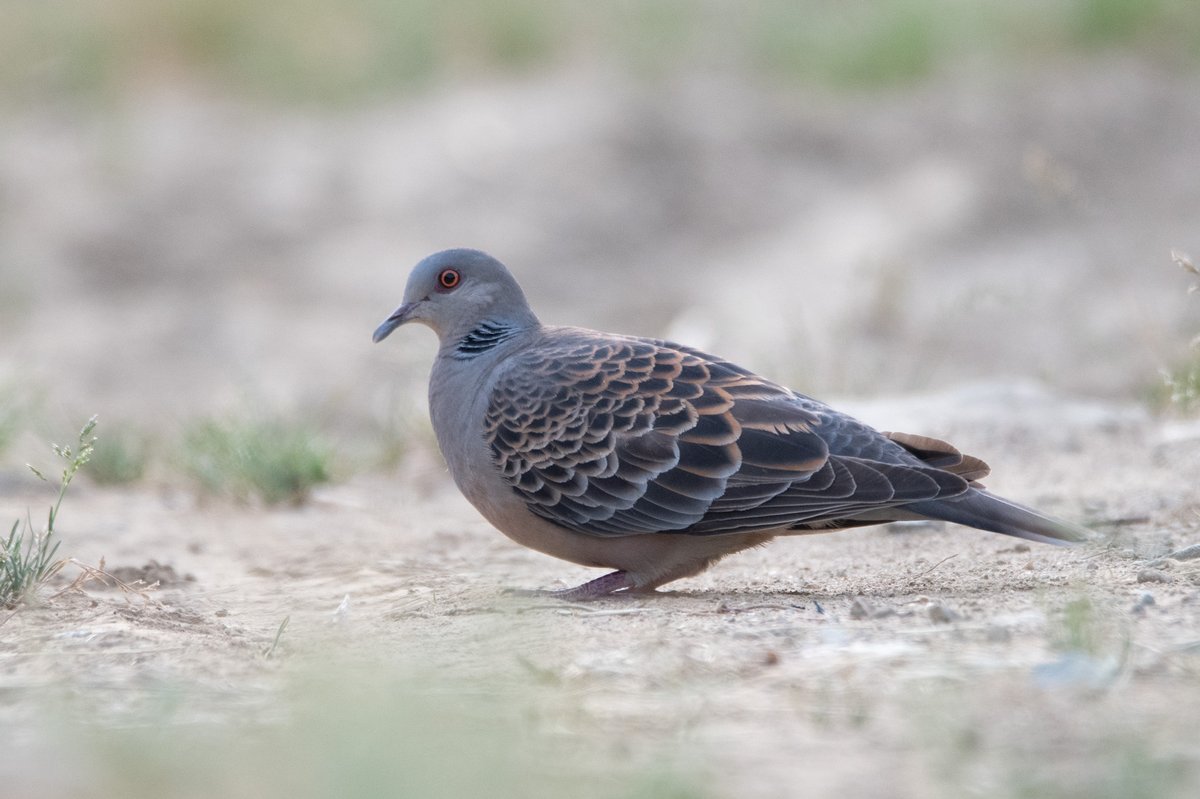
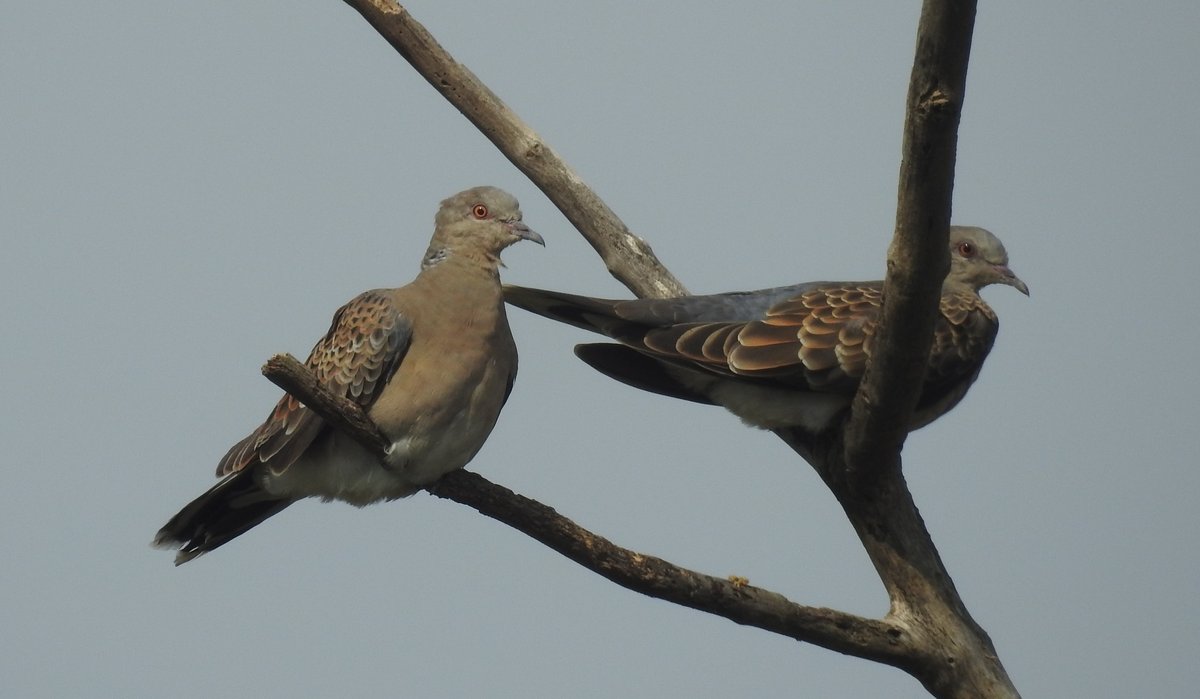
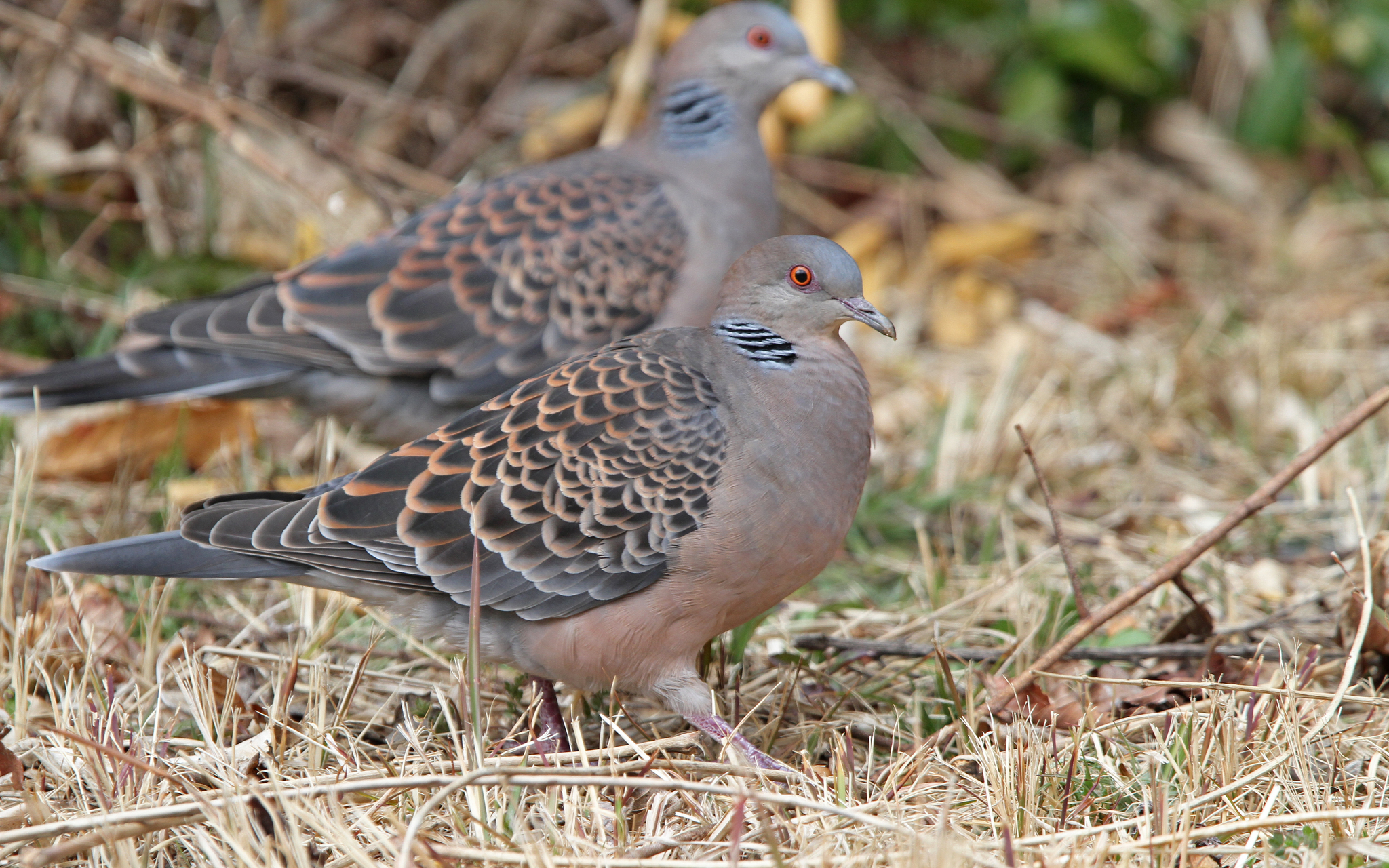
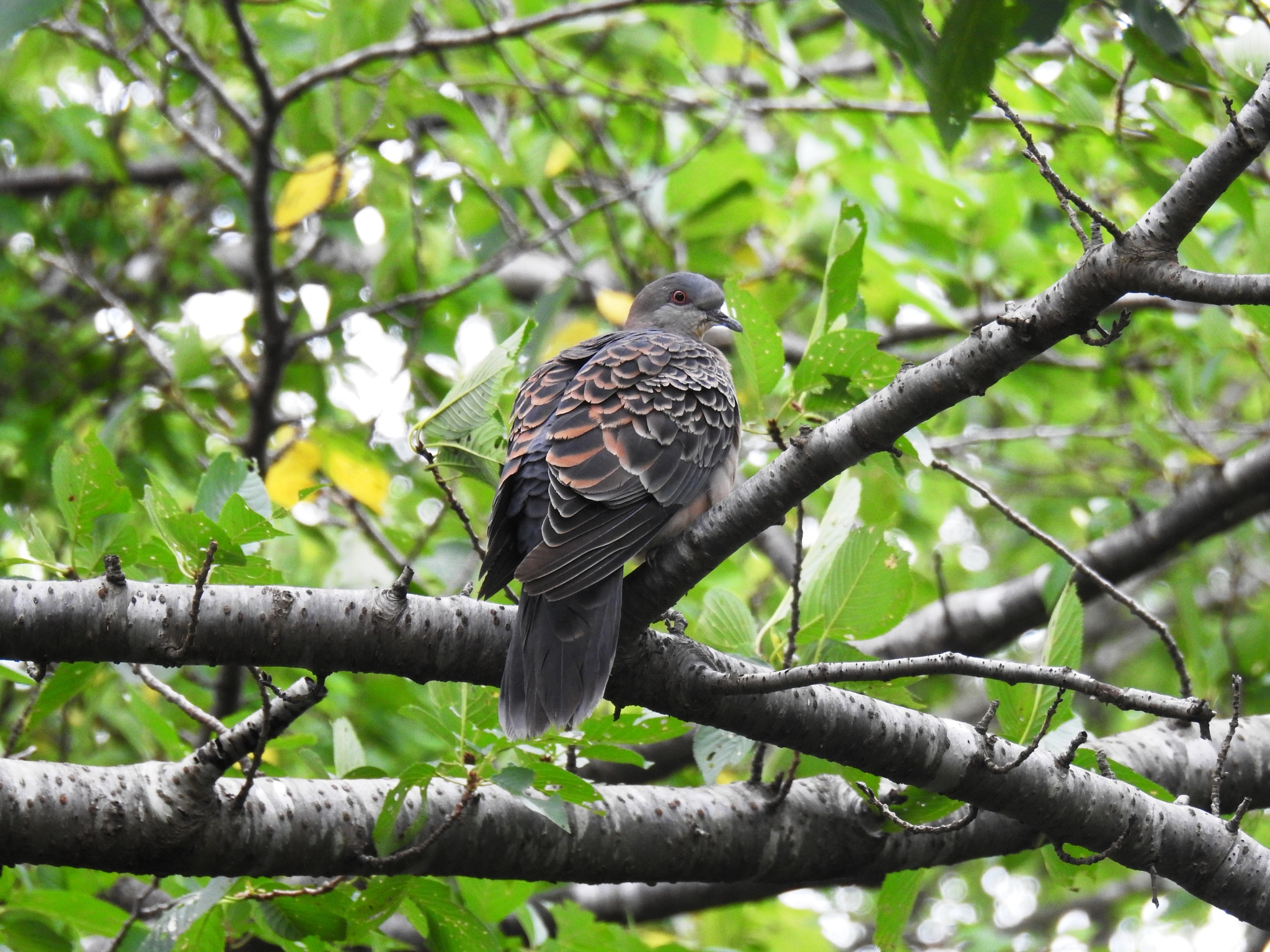
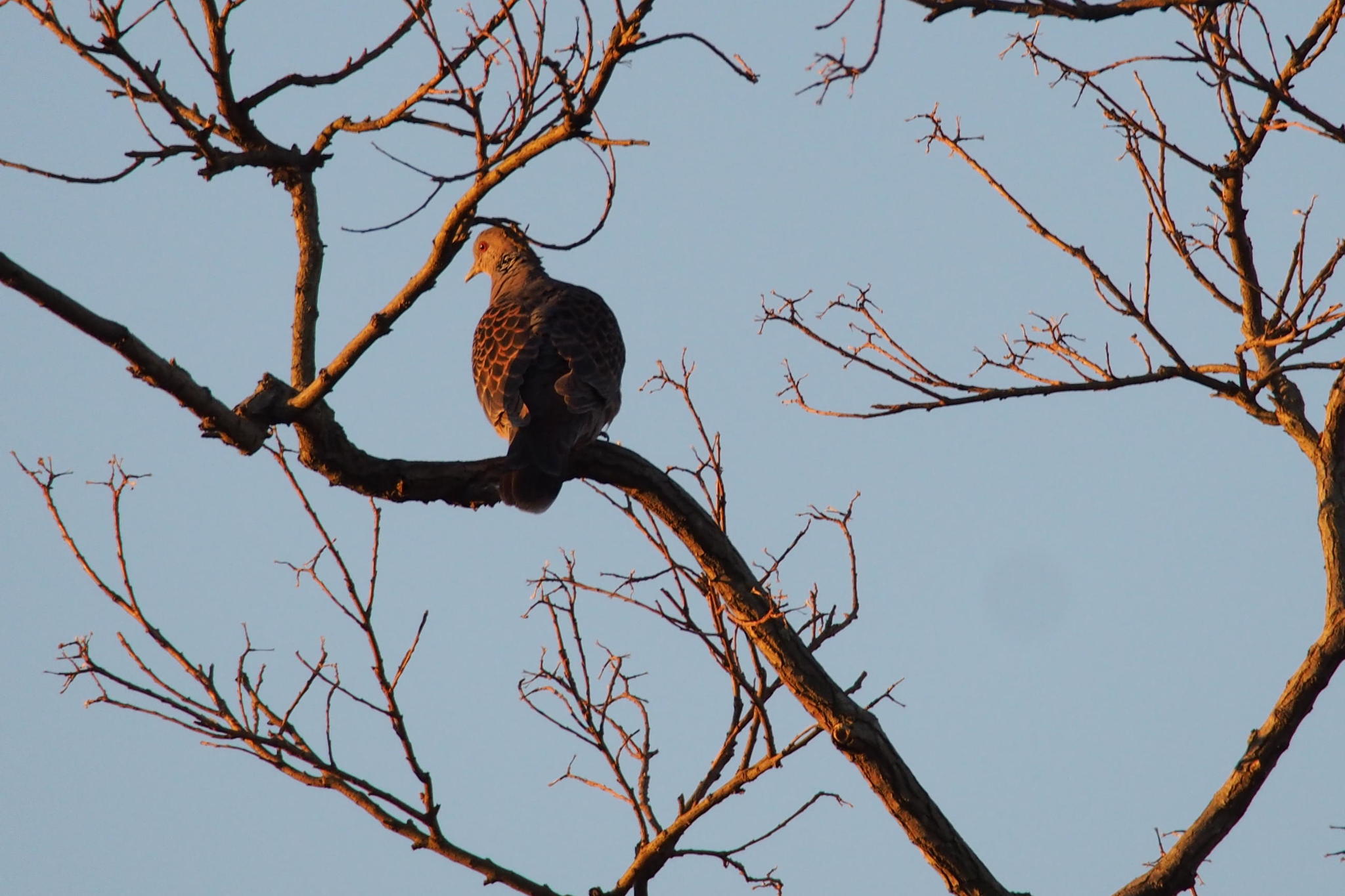
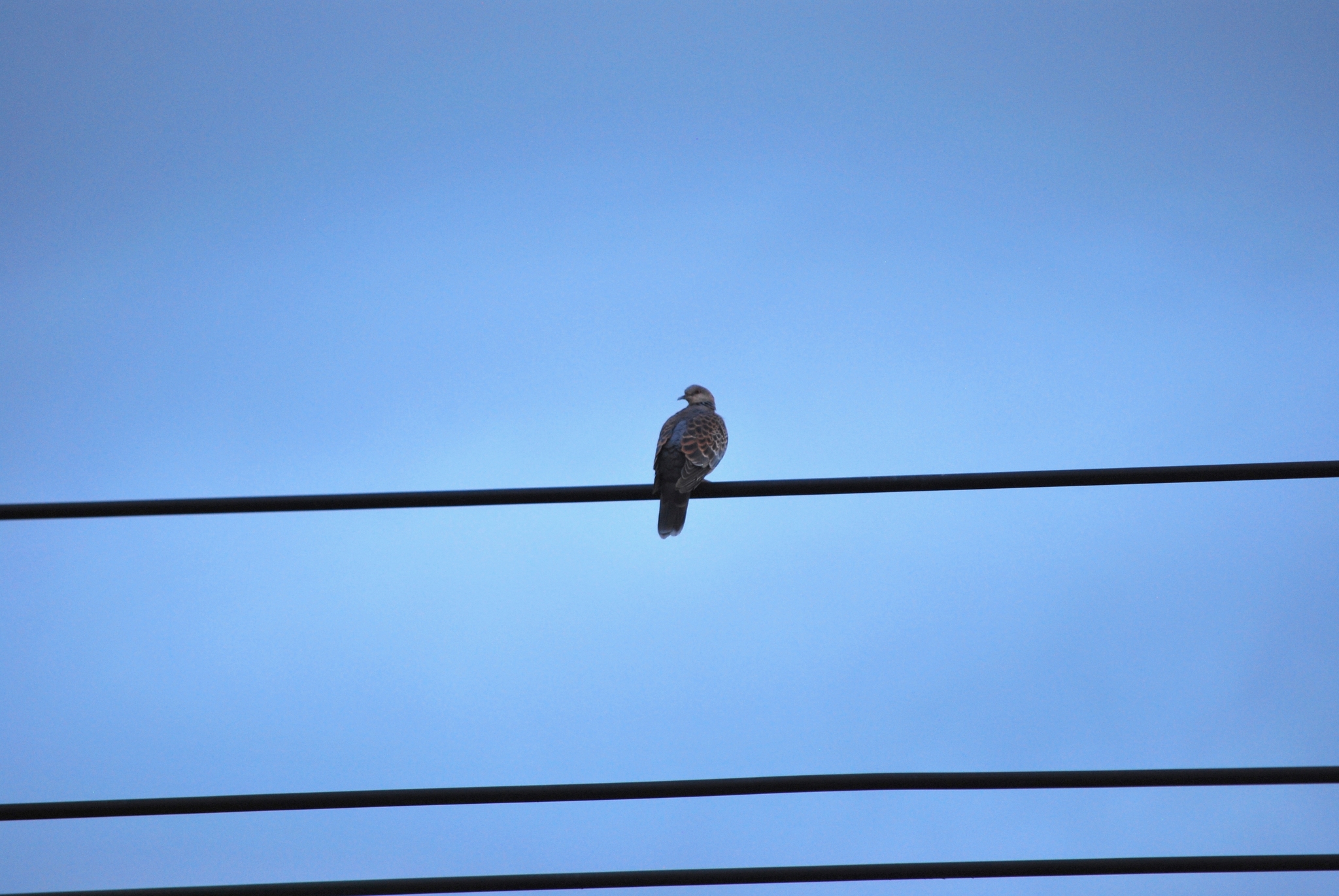
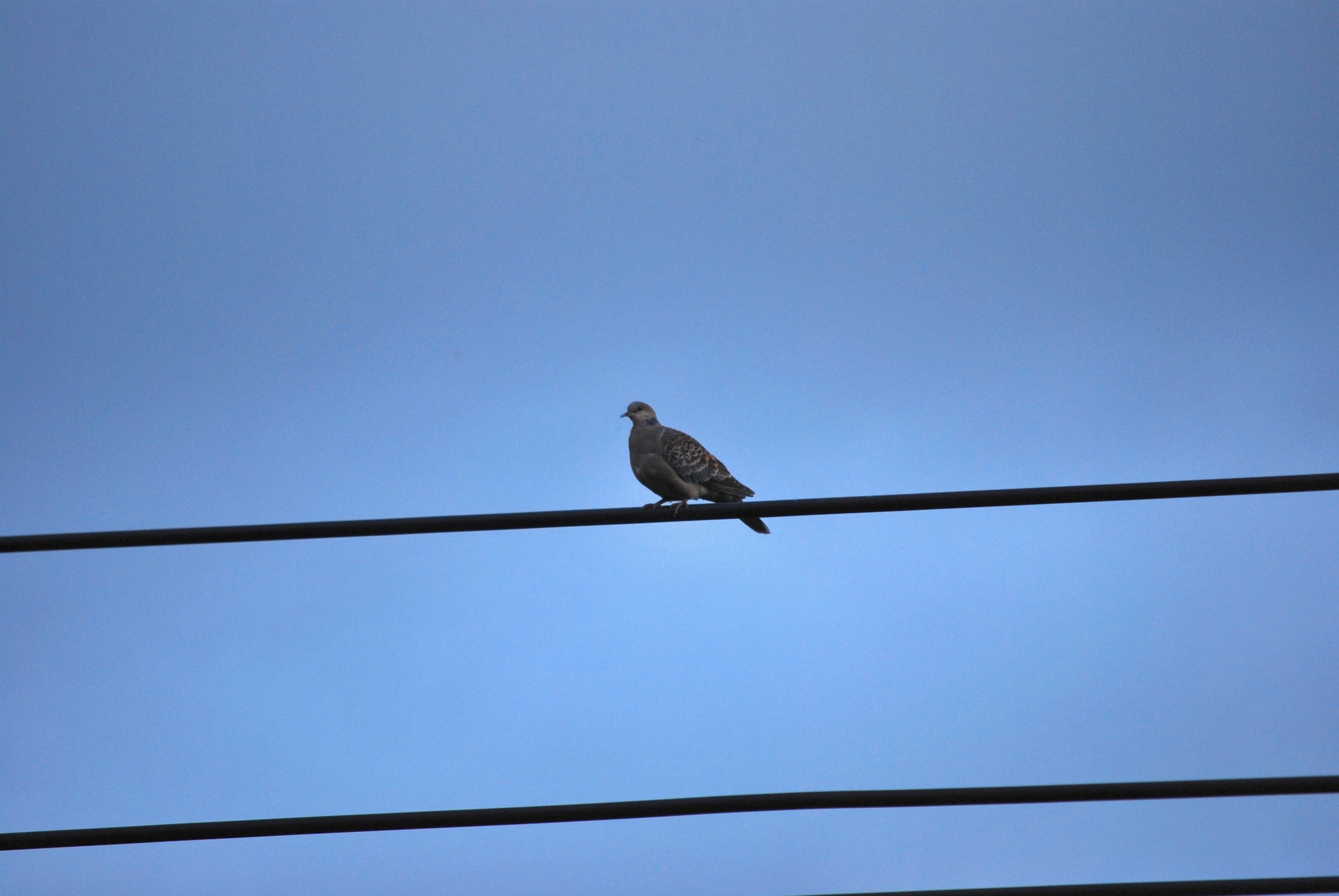
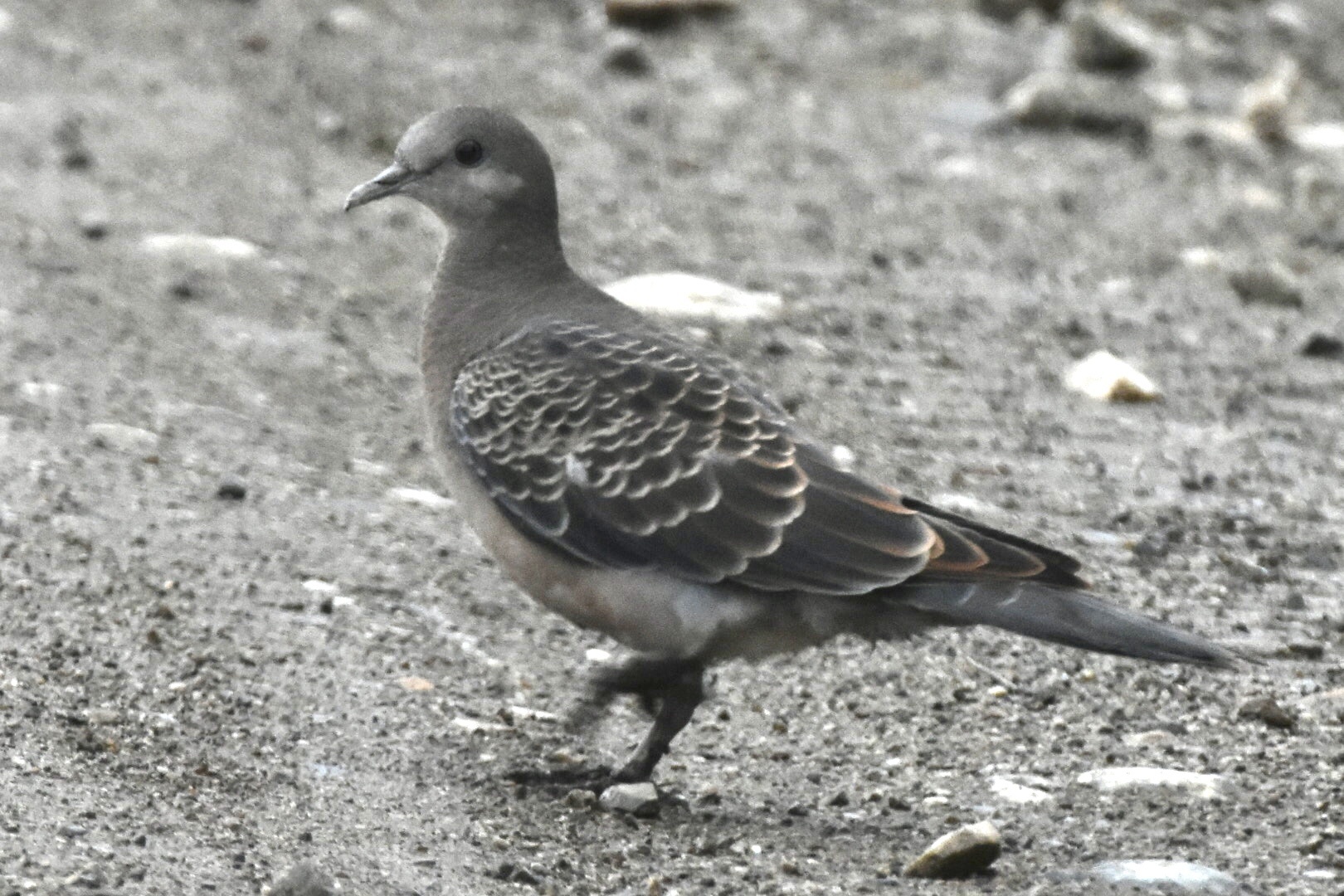
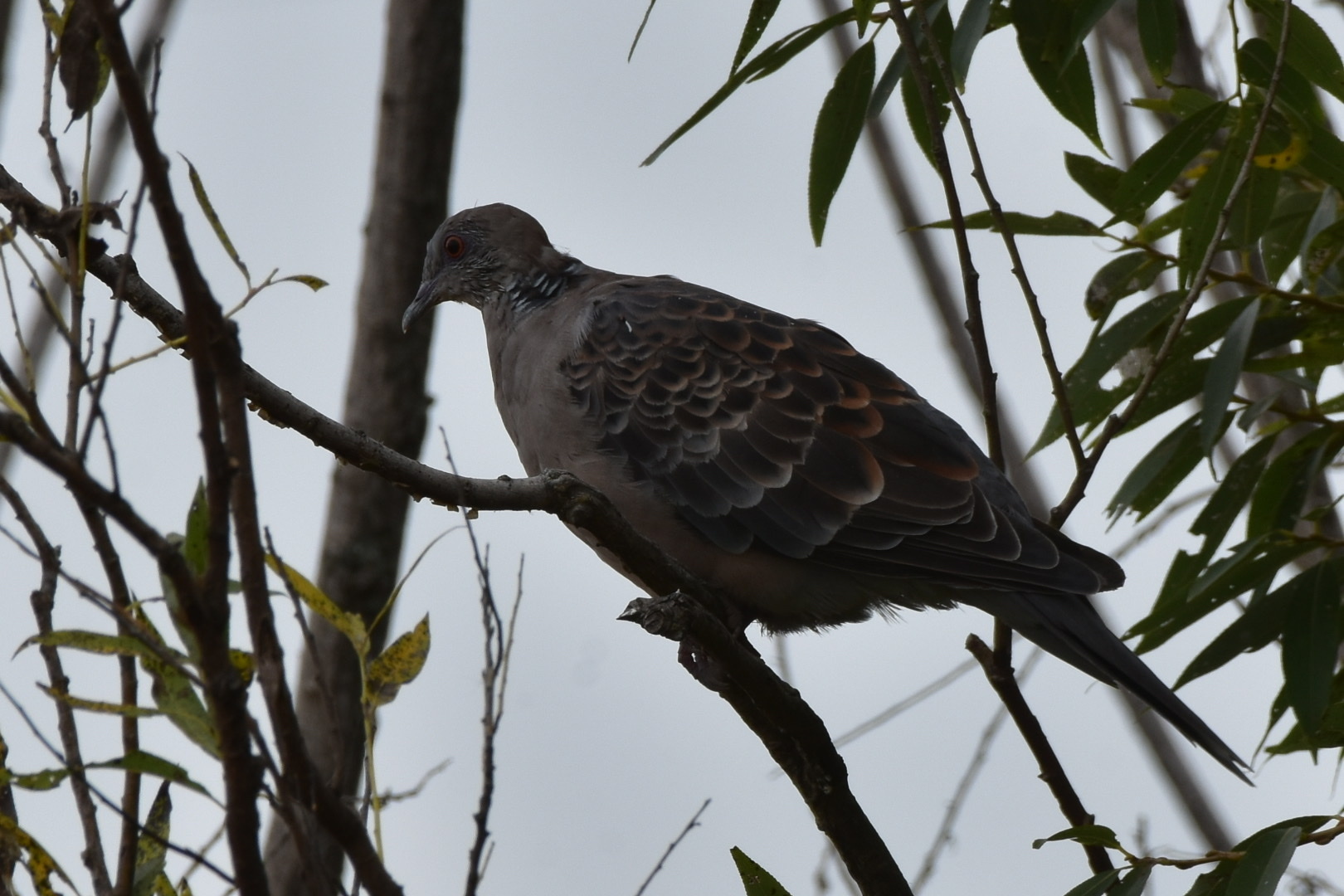
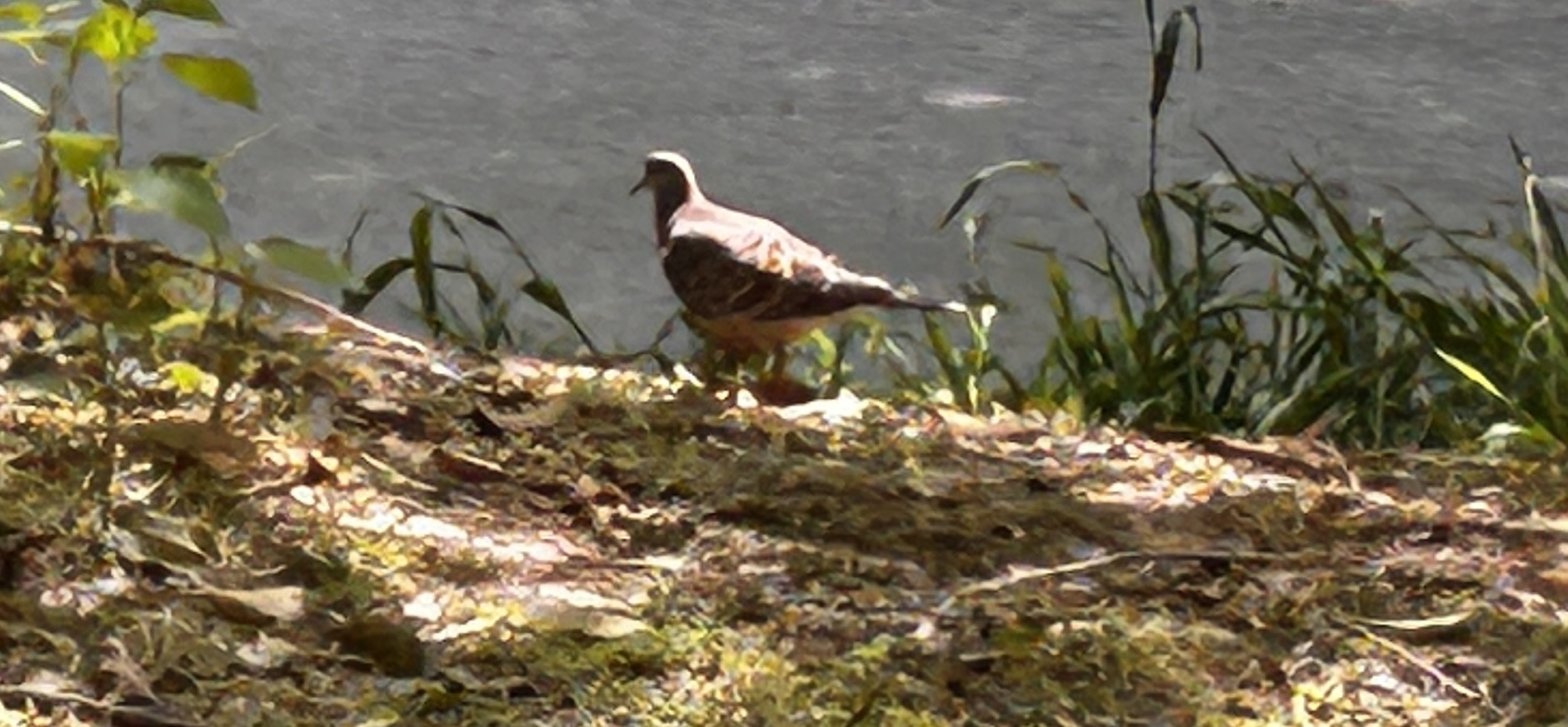
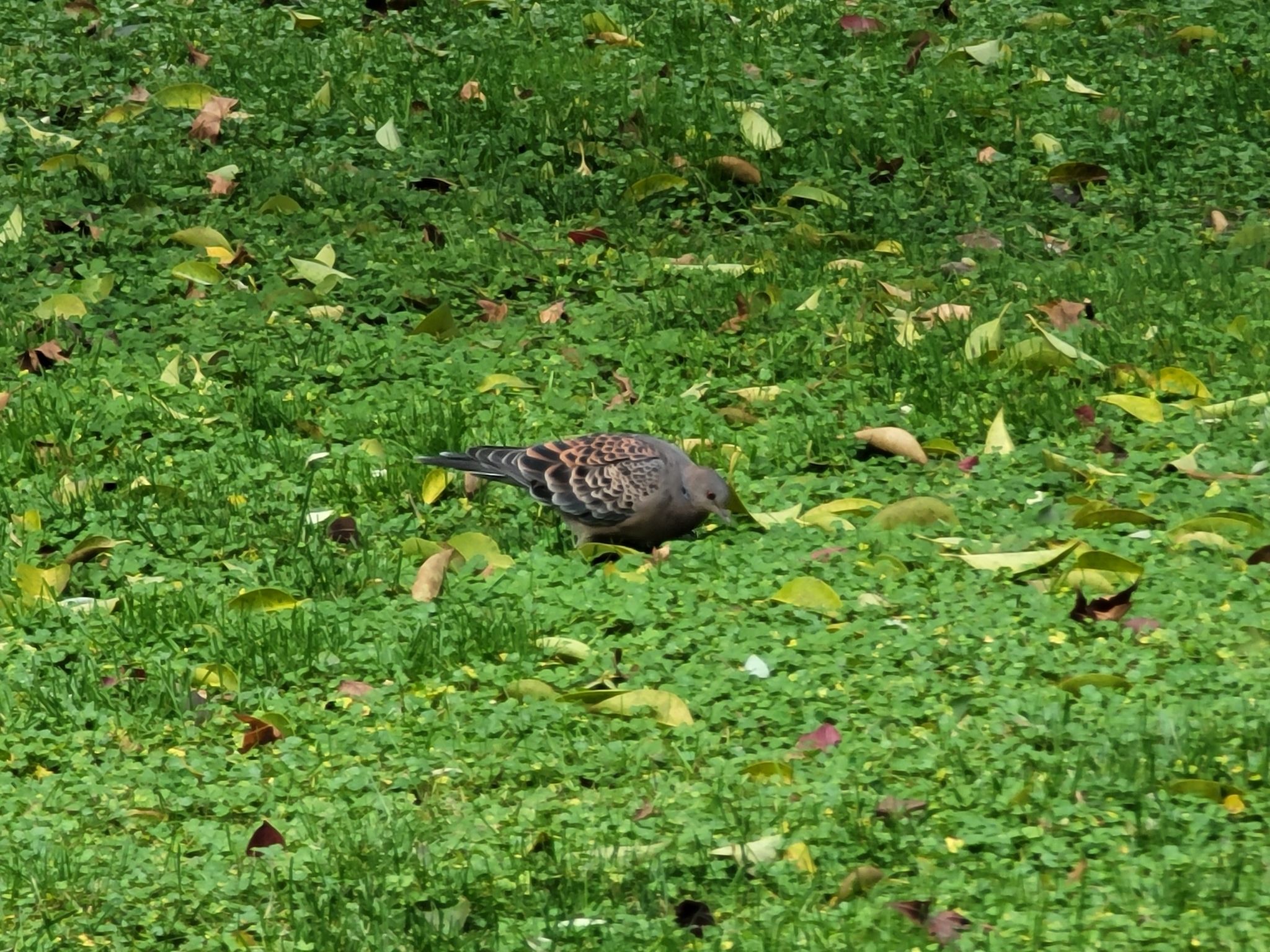
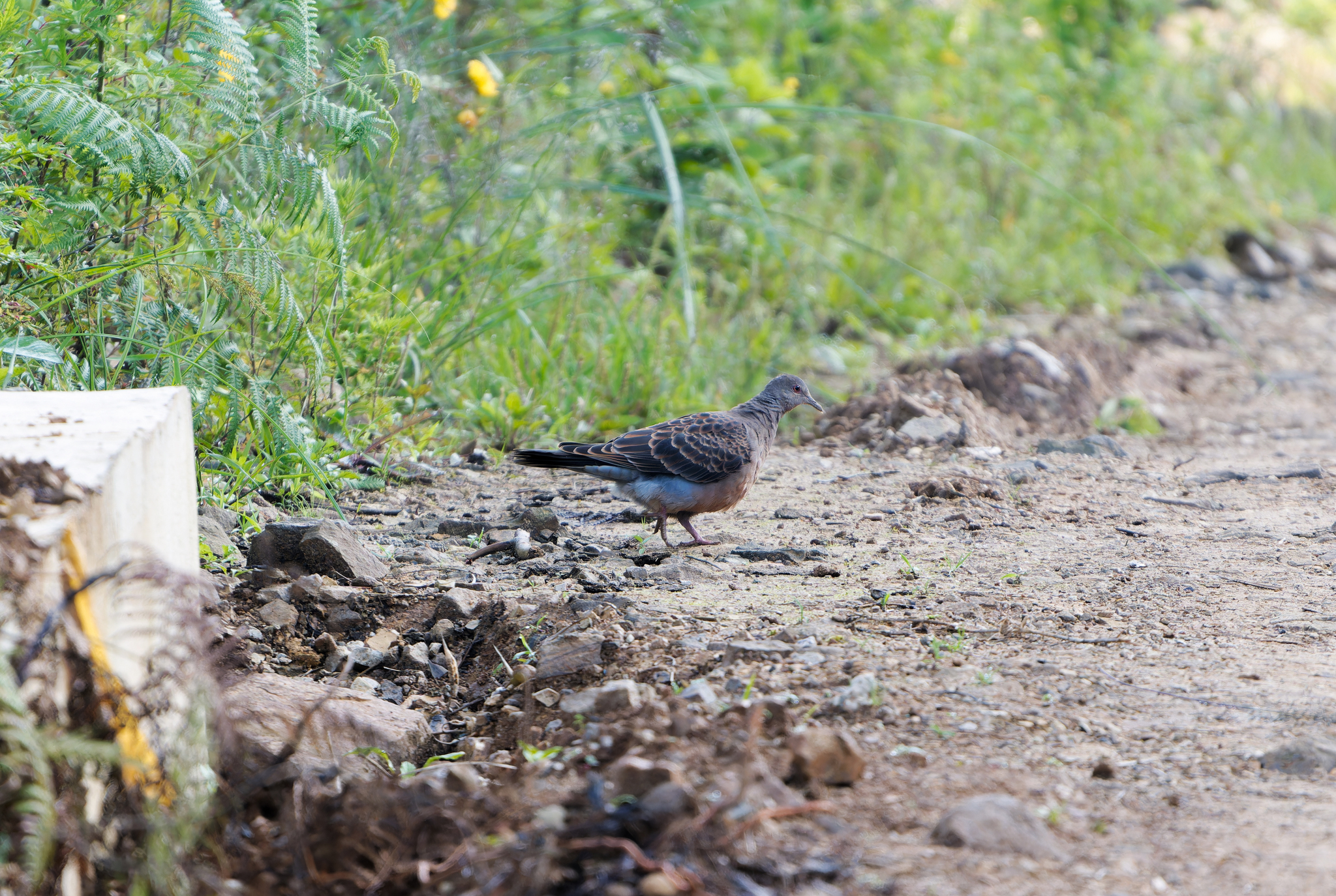
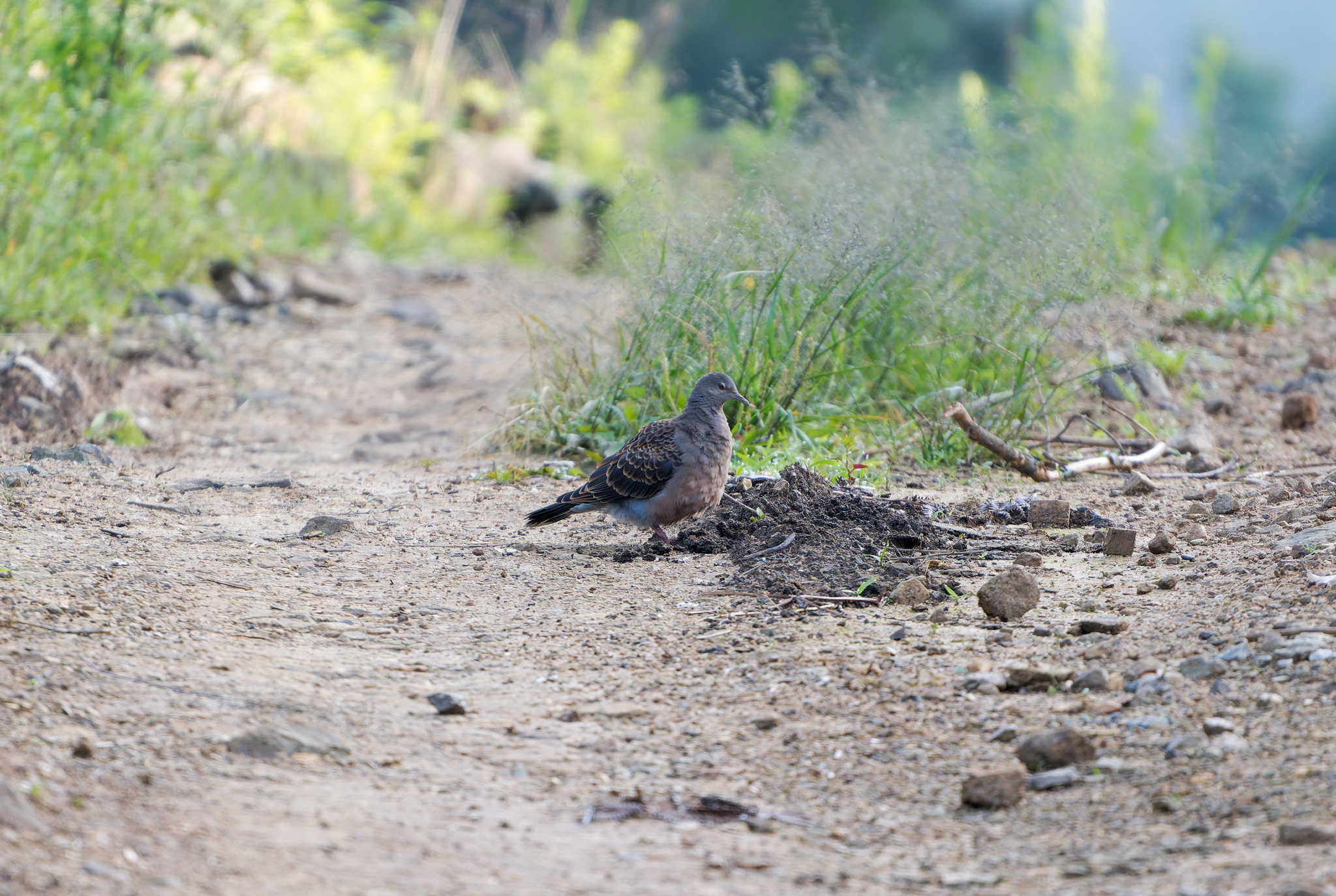
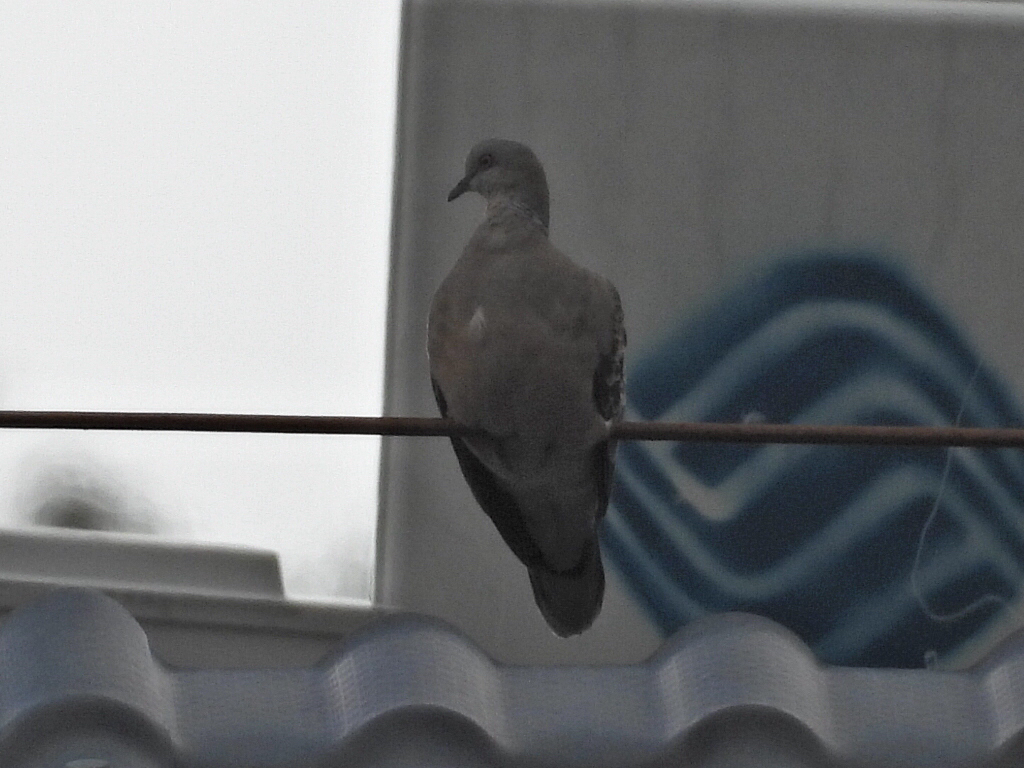
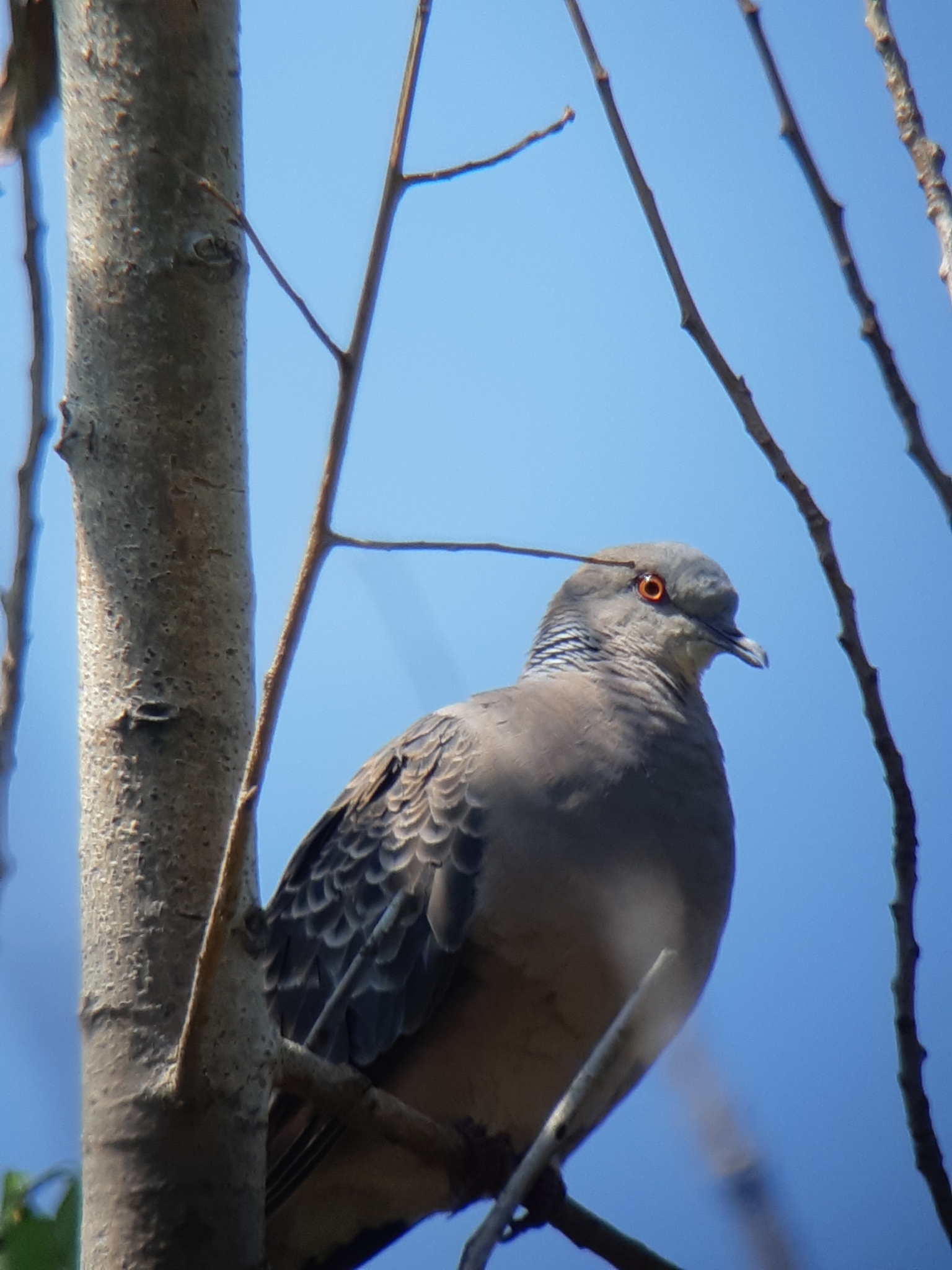
Slightly larger than the European turtle dove, particularly the orientalis subspecies, and about the same size as a collared dove. Features a black and white striped patch on the side of the neck made of silver-tipped feathers. The breast is less pink than the European turtle dove. Wing feathers have a browner hue with darker centres, giving a scaly appearance, replacing the orange-brown of the related species. The tail is wedge-shaped. Lacks the bare patch of skin around the eyes found in the European turtle dove. The erythrocephala subspecies is reddish-brown on the head with no grey on the forehead or crown, and has slaty grey undertail coverts and terminal tail band.
Identification
Similar to the European turtle dove but distinguished by browner, scaly wing feathers, a less pink breast, and the absence of a bare eye patch. Flight is more relaxed and direct. Call is a four-syllable her-her-oo-oo, distinct from the purring of the European turtle dove. Subspecies identification in wintering grounds relies on tail patterns: orientalis typically has a grey tip to the tail and more black in the outer web of the outer tail feathers, while meena has a white tip and less black, though these differences are not consistent.
Distribution & Habitat
Native range extends from Central Asia east across Asia to Japan. Subspecies include meena (Central Asia to Himalayas, winters in India/Sri Lanka), orientalis (Siberia to Japan/Korea, winters in South/Southeast Asia), stimpsoni (Ryukyu Islands), orii (Taiwan), erythrocephala (southern peninsular India), and agricola (northeastern India to Myanmar/Hainan). Northern subspecies migrate south; southern populations are resident. Vagrants recorded in North America (Alaska, British Columbia), northern and western Europe, and Britain. Winters in India, Maldives, southern Japan, and islands such as Lakshadweep.
Behavior & Ecology
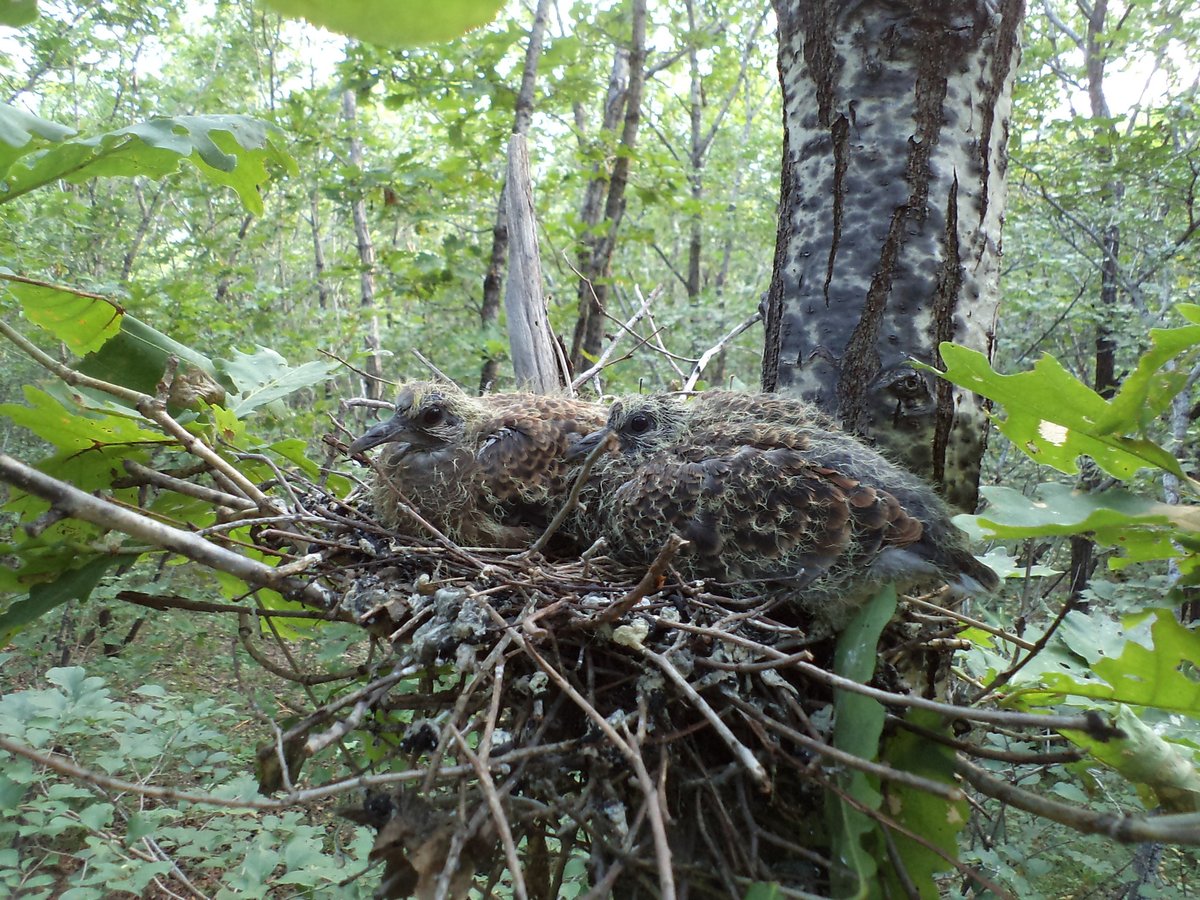
Breeds in well-wooded open habitats; winters in open habitats with good tree cover. Breeding season is protracted in temperate zones and occurs in winter in southern India. Male display involves noisy wing flapping, shooting up, and gliding down with outspread tail. Nests are substantial, built at mid-canopy height in trees over two days by the pair. Two white eggs are laid; incubation begins after the first egg, lasting 15–16 days. Chicks fledge in 15–17 days. Both parents feed chicks crop milk. Males incubate during the day, females at night. Diet consists of seeds (hemp, sunflower, wheat, millet, amaranth) and gastropods, foraged on the ground. Principal predators in Japan include crows, magpies, cats, and snakes.
Culture
The Ainu people traditionally interpret the bird's call as an elaborate saying: 'Turtle dove ploughs, Grandmother draws water, Wife cooks, Little master eats.' The 'ploughing' reference relates to the bird burrowing in fields with its feet while foraging.
Source: Wikipedia · CC BY-SA 3.0
Taxonomy
- Order
- Columbiformes
- Family
- Columbidae
- Genus
- Streptopelia
Vocalizations
Subspecies (5)
-
Streptopelia orientalis agricola
northeastern India to Myanmar and south-central China (western Yunnan and Hainan)
Data Sources
Species description from Wikipedia, licensed under CC BY-SA 3.0.
Bird images and sounds sourced from GBIF, contributed by citizen scientists worldwide under Creative Commons licenses.
Taxonomy data from AviList 2025.