Columbiformes / Columbidae / Streptopelia
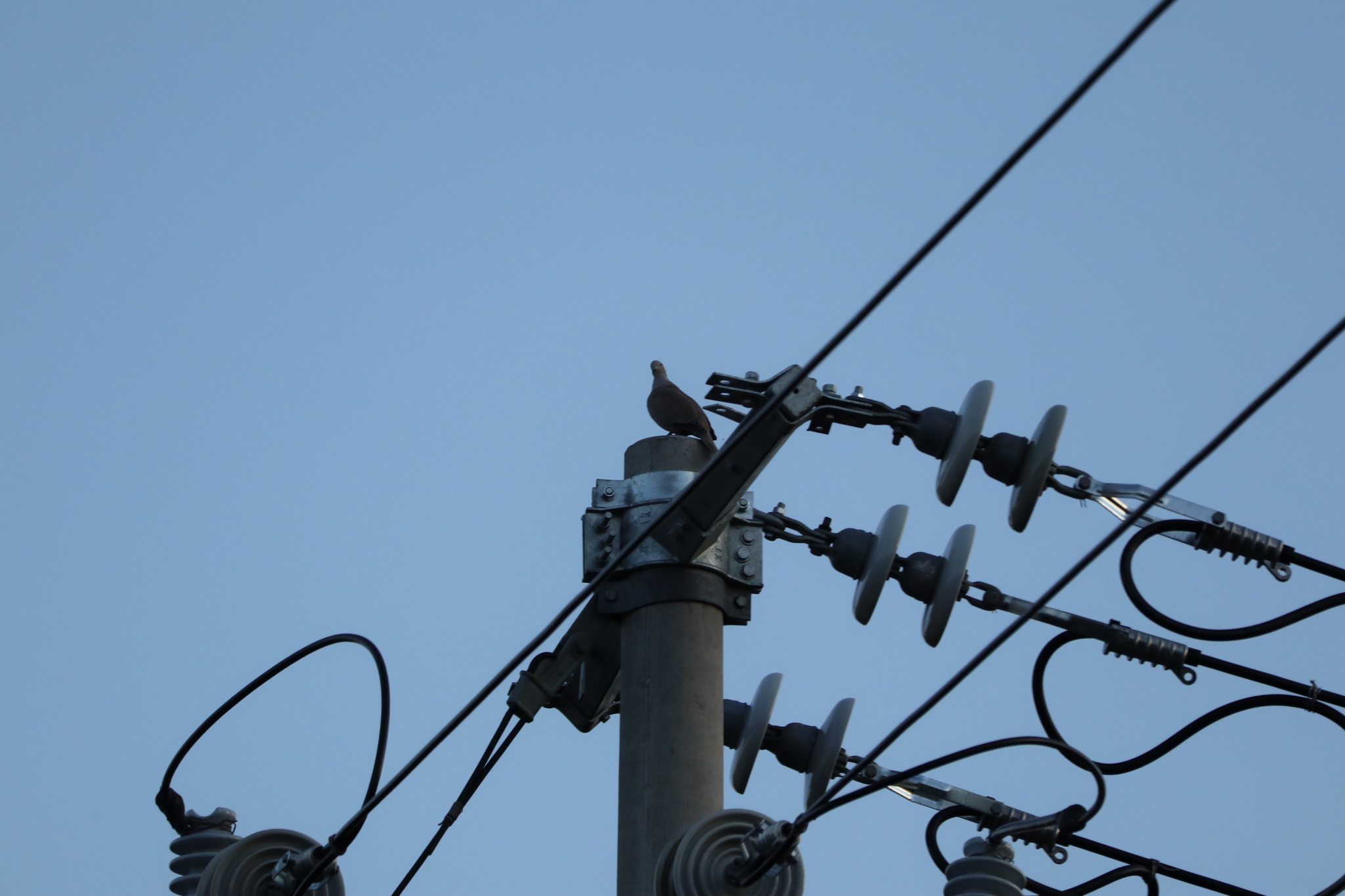
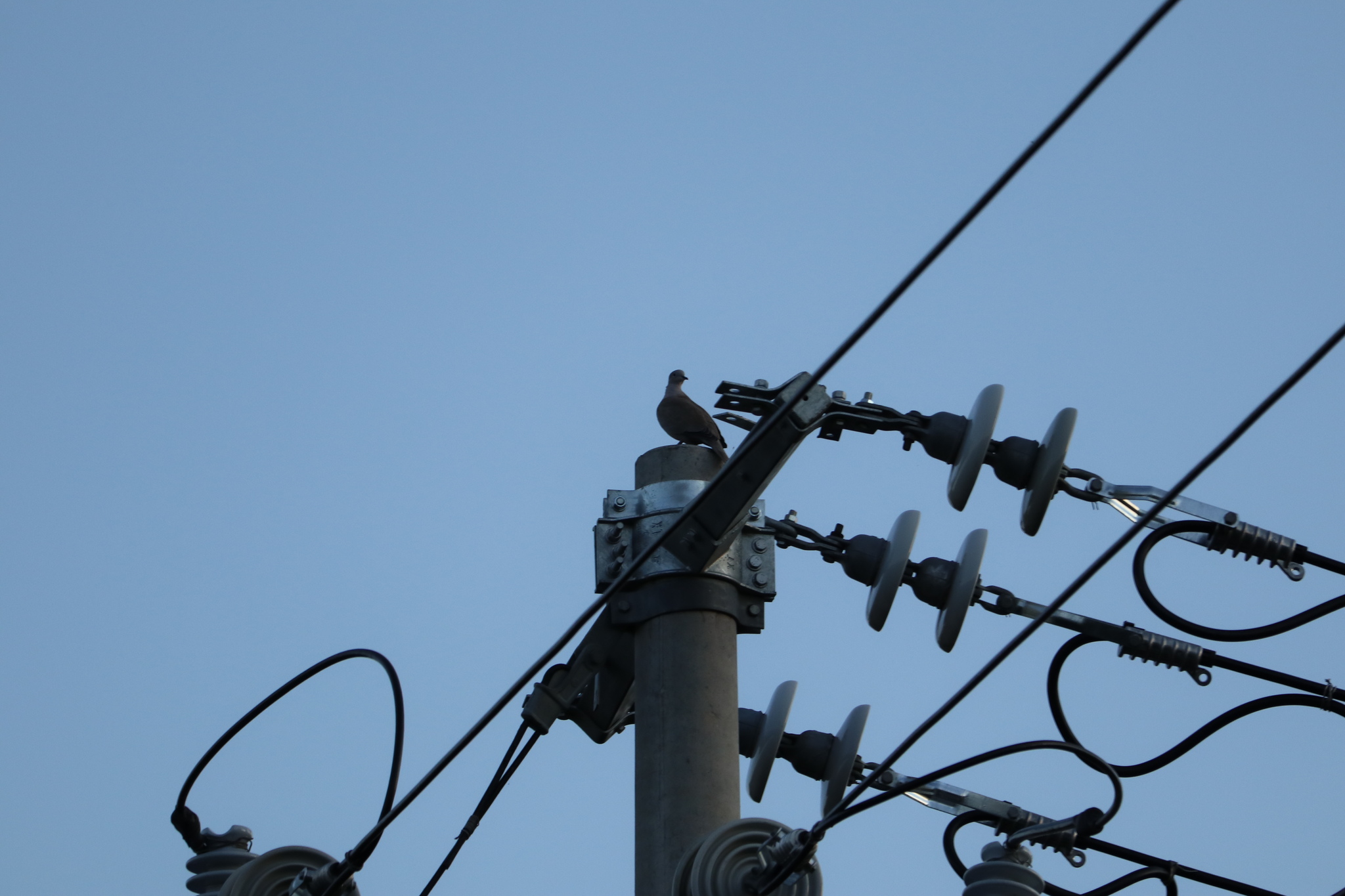
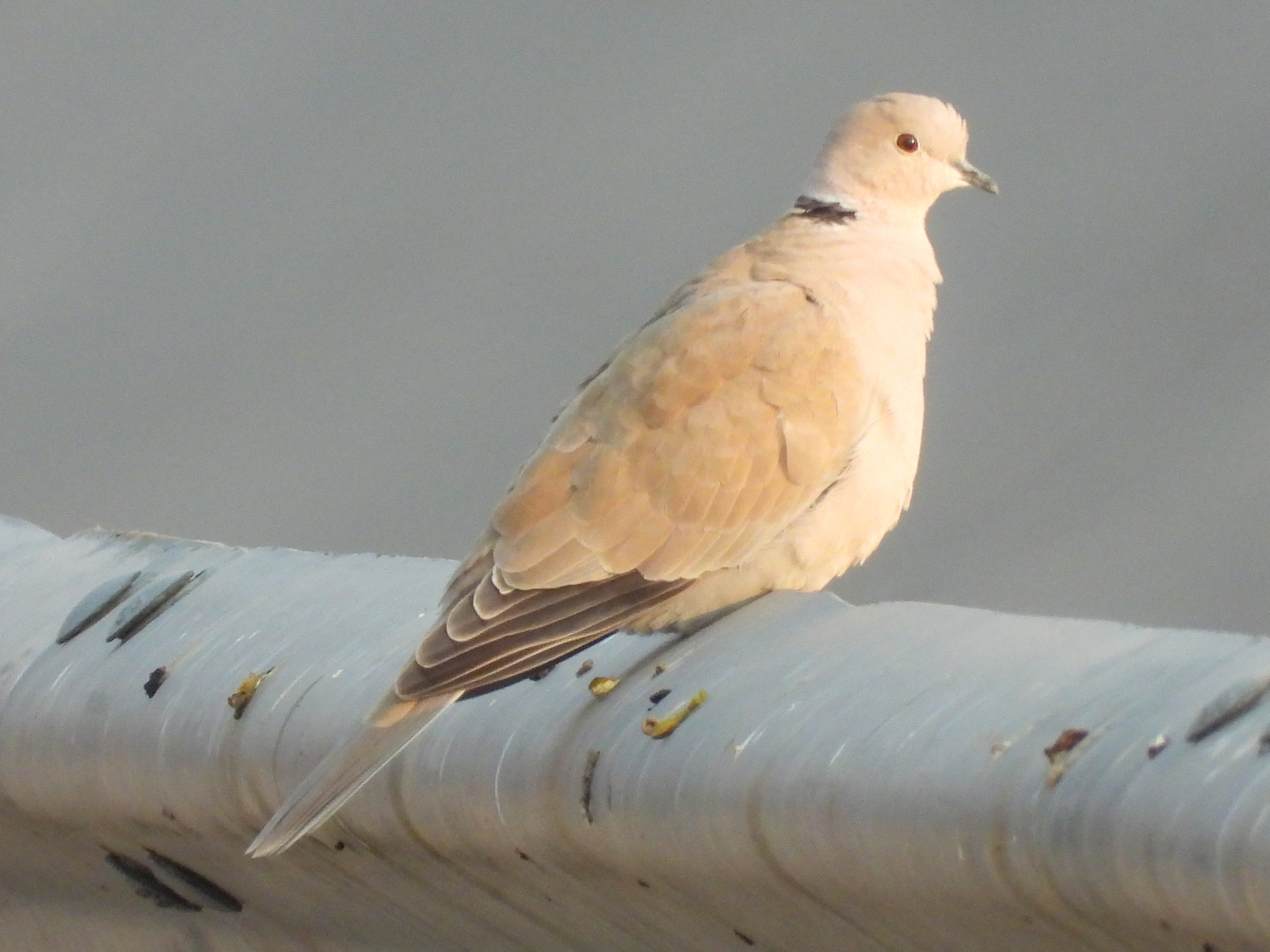
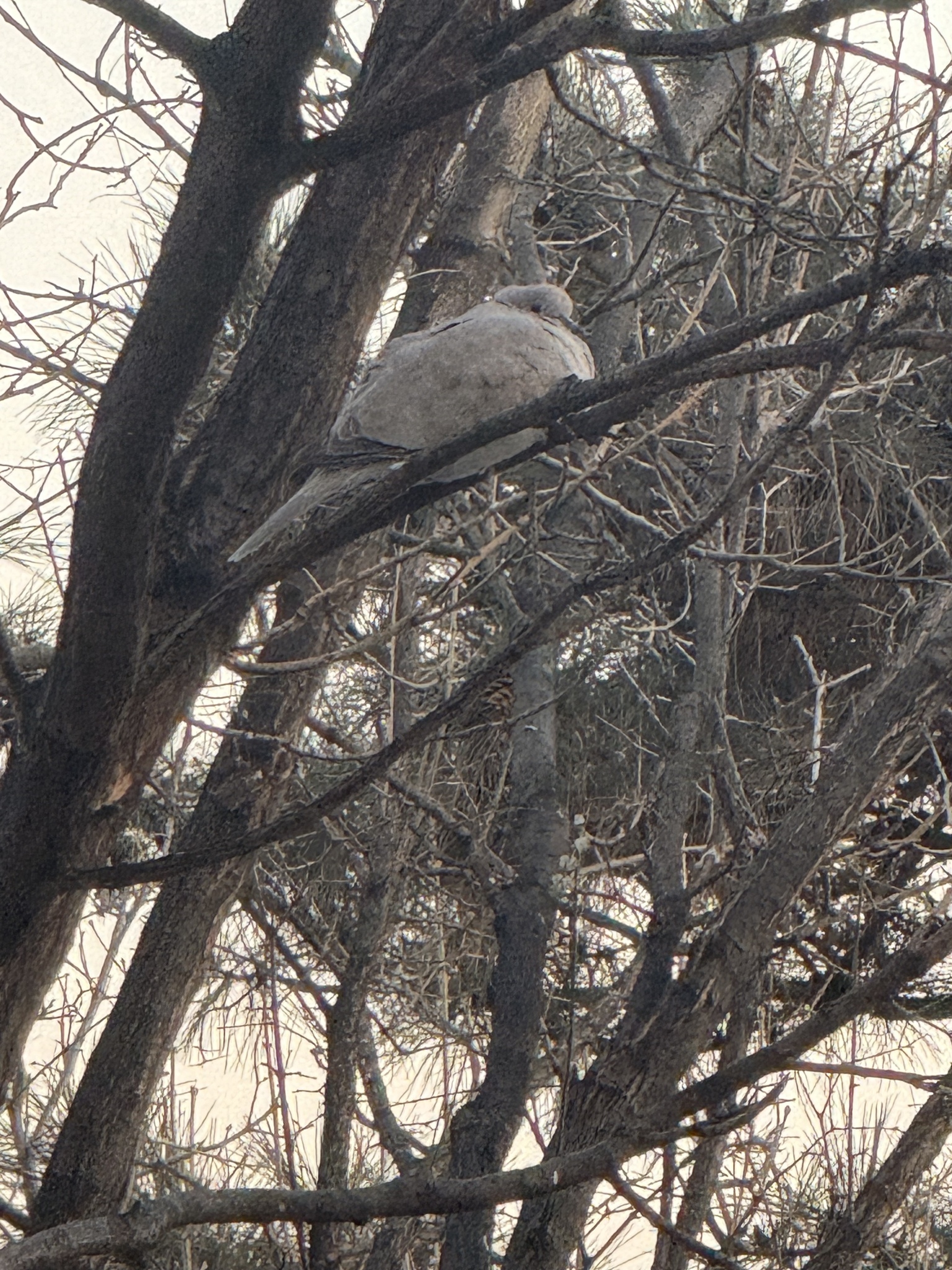
Eurasian Collared Dove
Streptopelia decaocto · 灰斑鸠
Introduction
A medium-sized dove species in the genus Streptopelia, native to warm temperate and subtropical regions of Europe, Asia, and northern Africa. It has expanded its range significantly through natural dispersal and introduction, colonizing North America, Central America, the Caribbean, and Japan. The species is strongly dispersive rather than migratory, thriving in human-modified habitats such as farms and suburban areas. It is known for rapid population growth in introduced ranges and forms large flocks around food sources.
Description
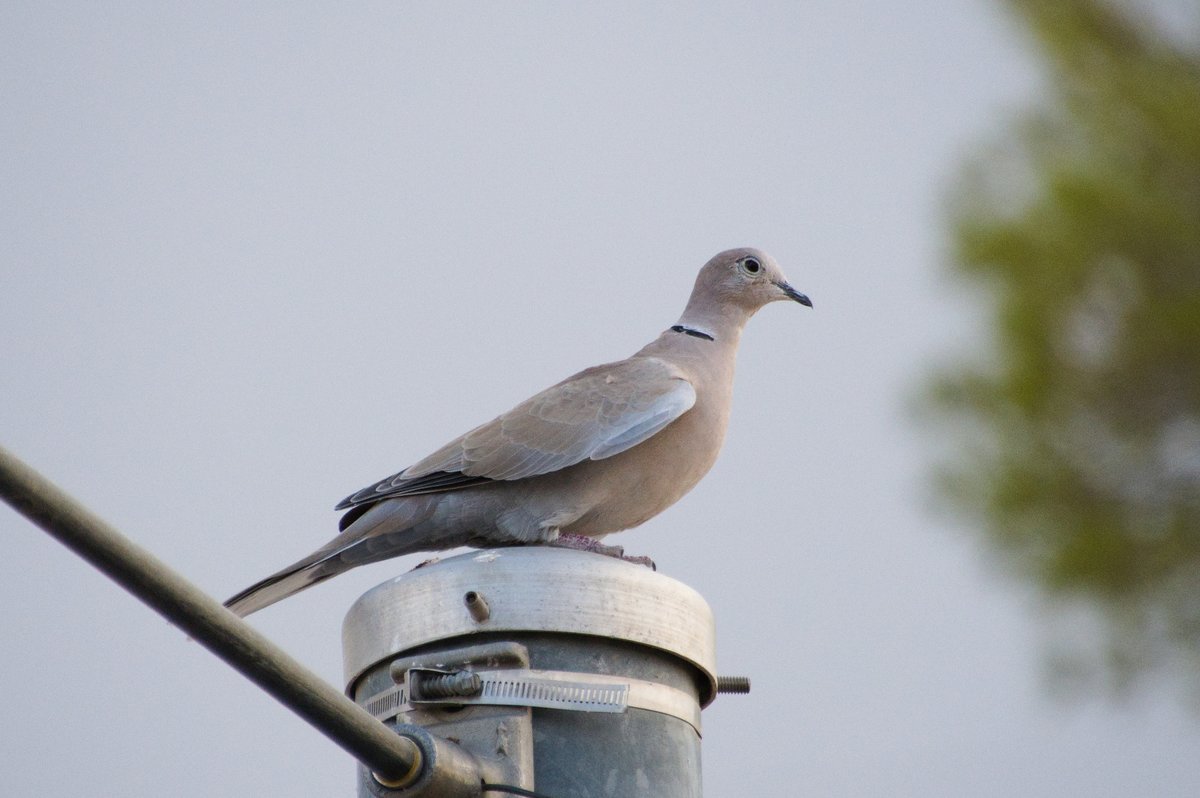
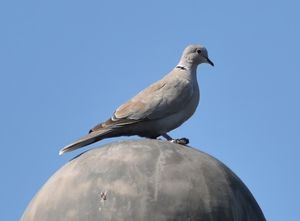
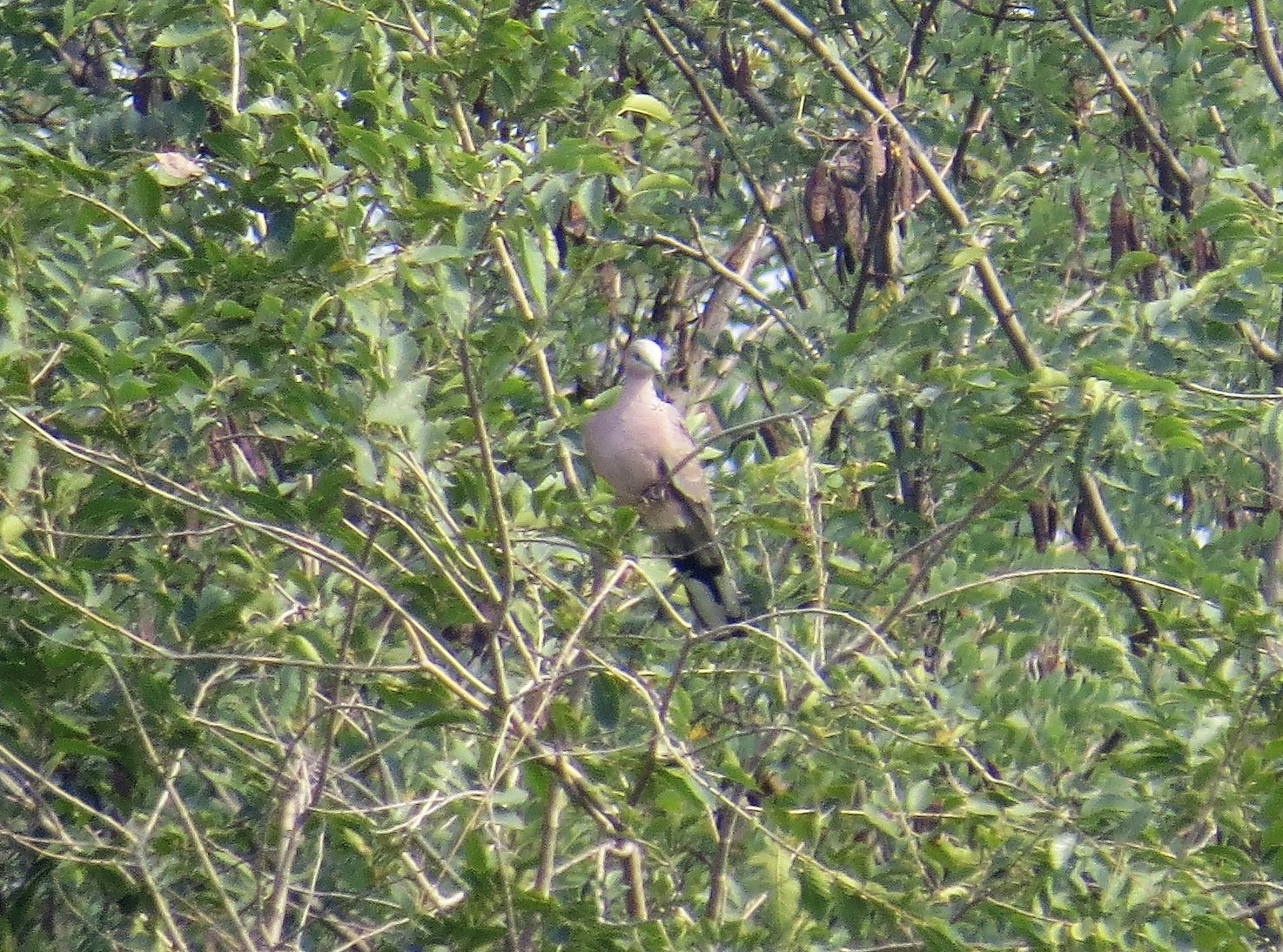
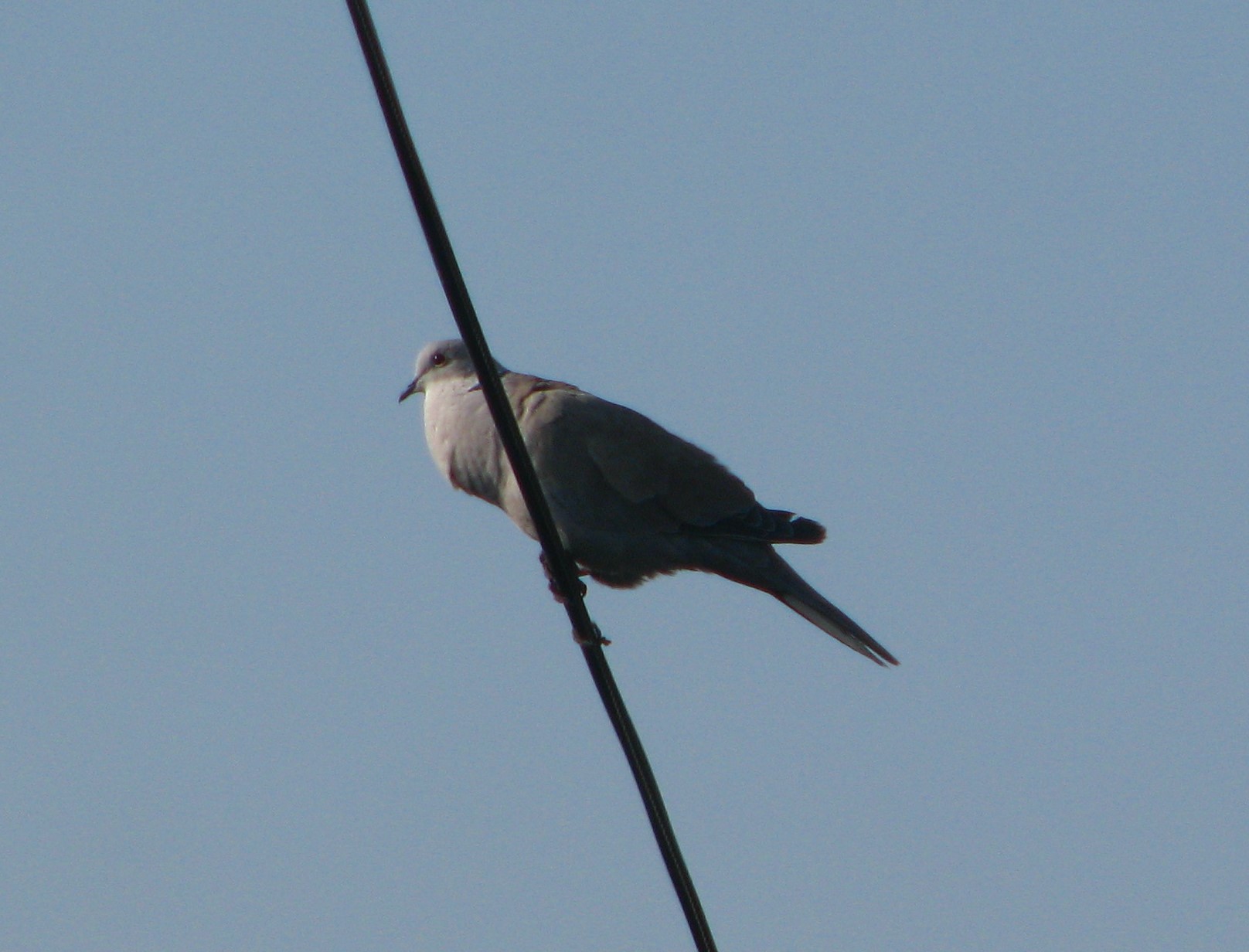
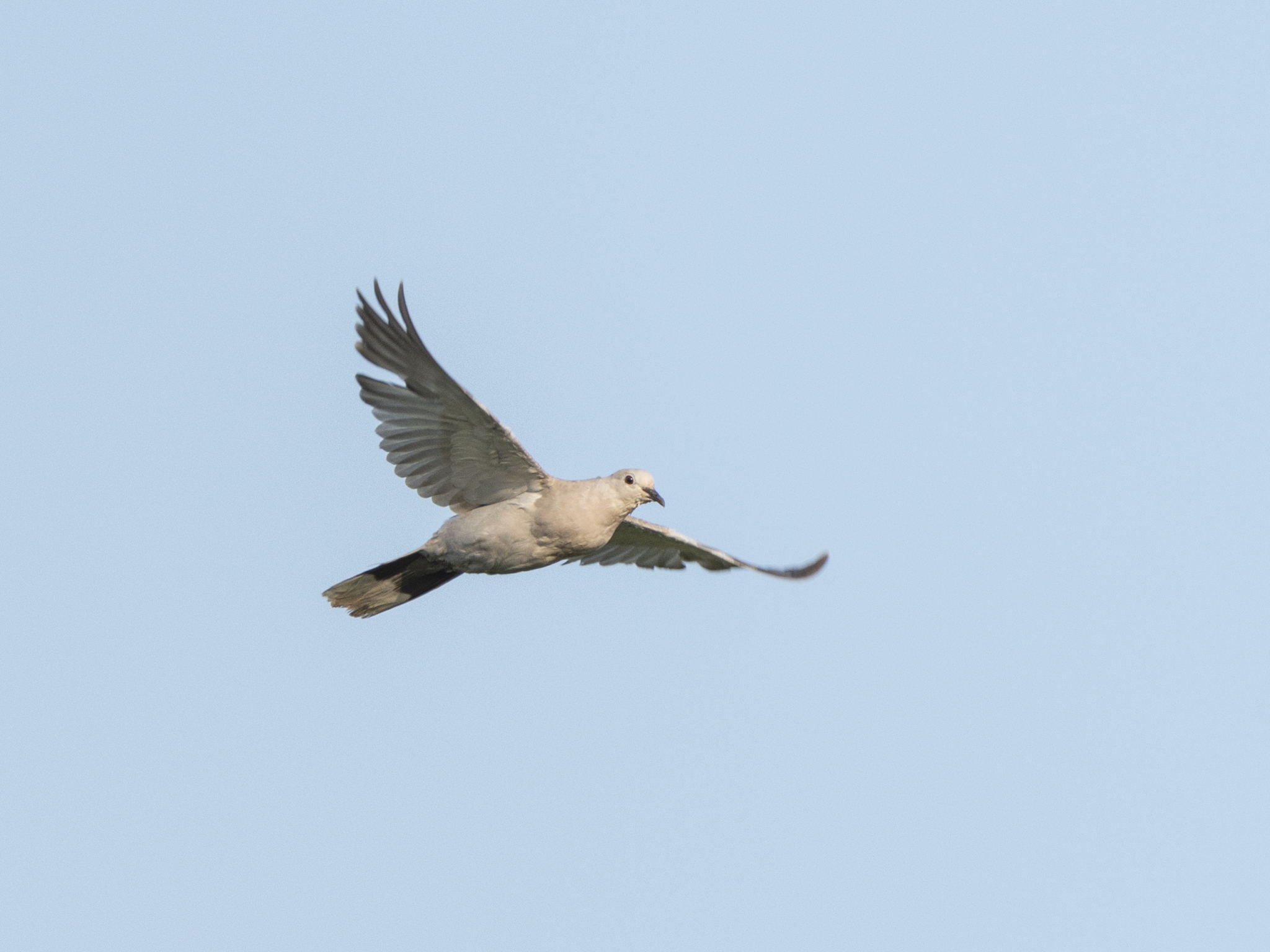
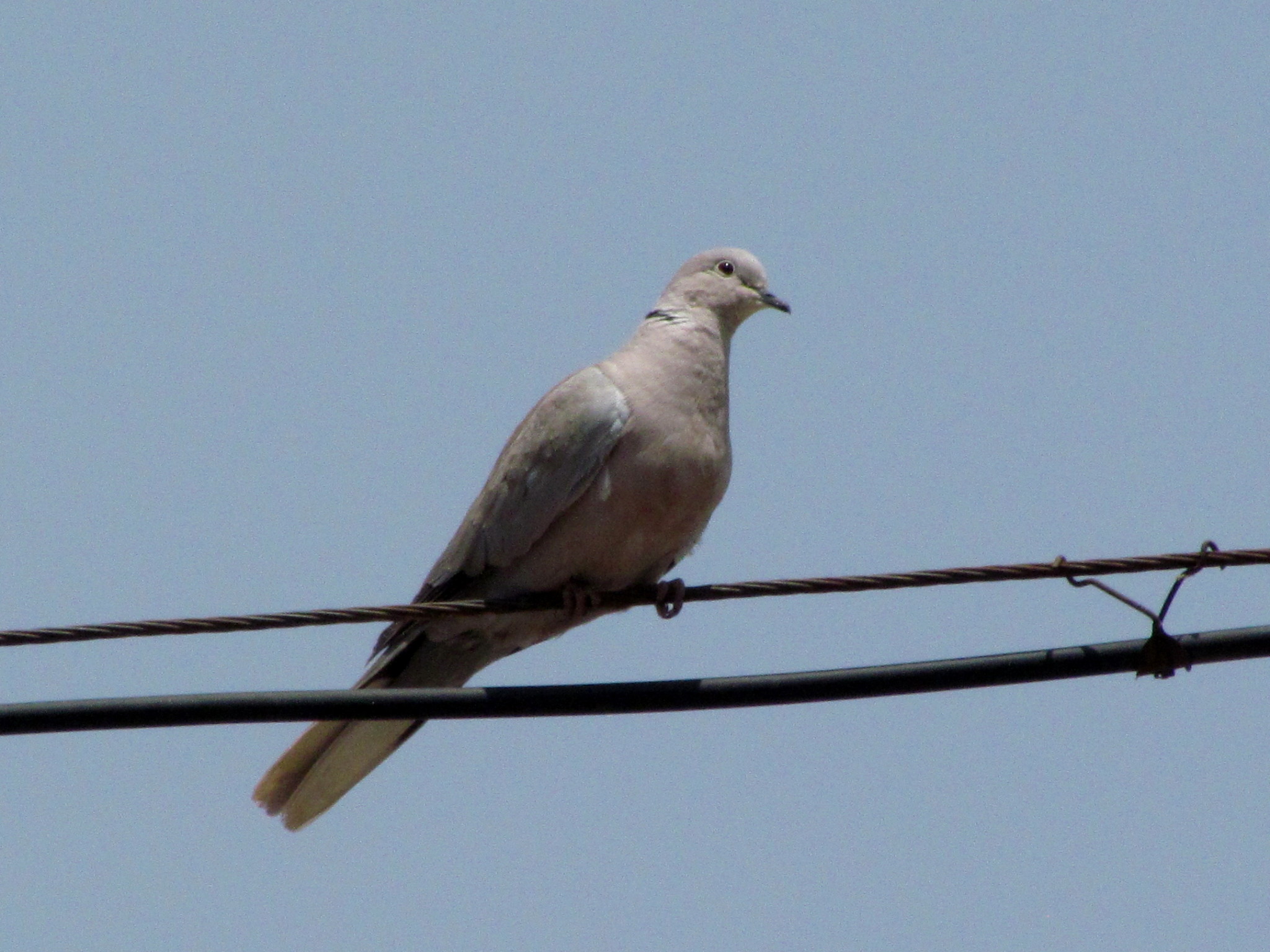
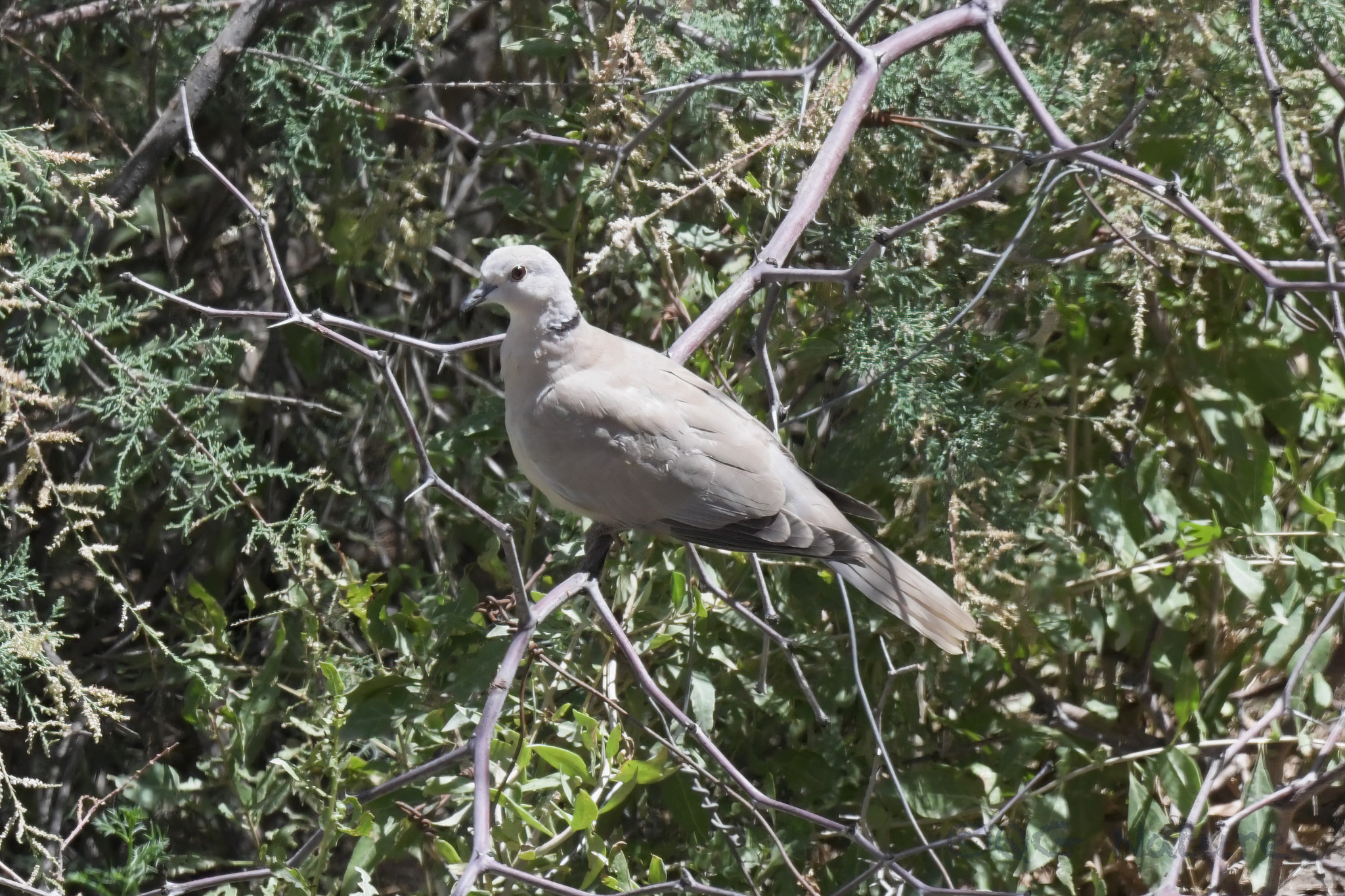
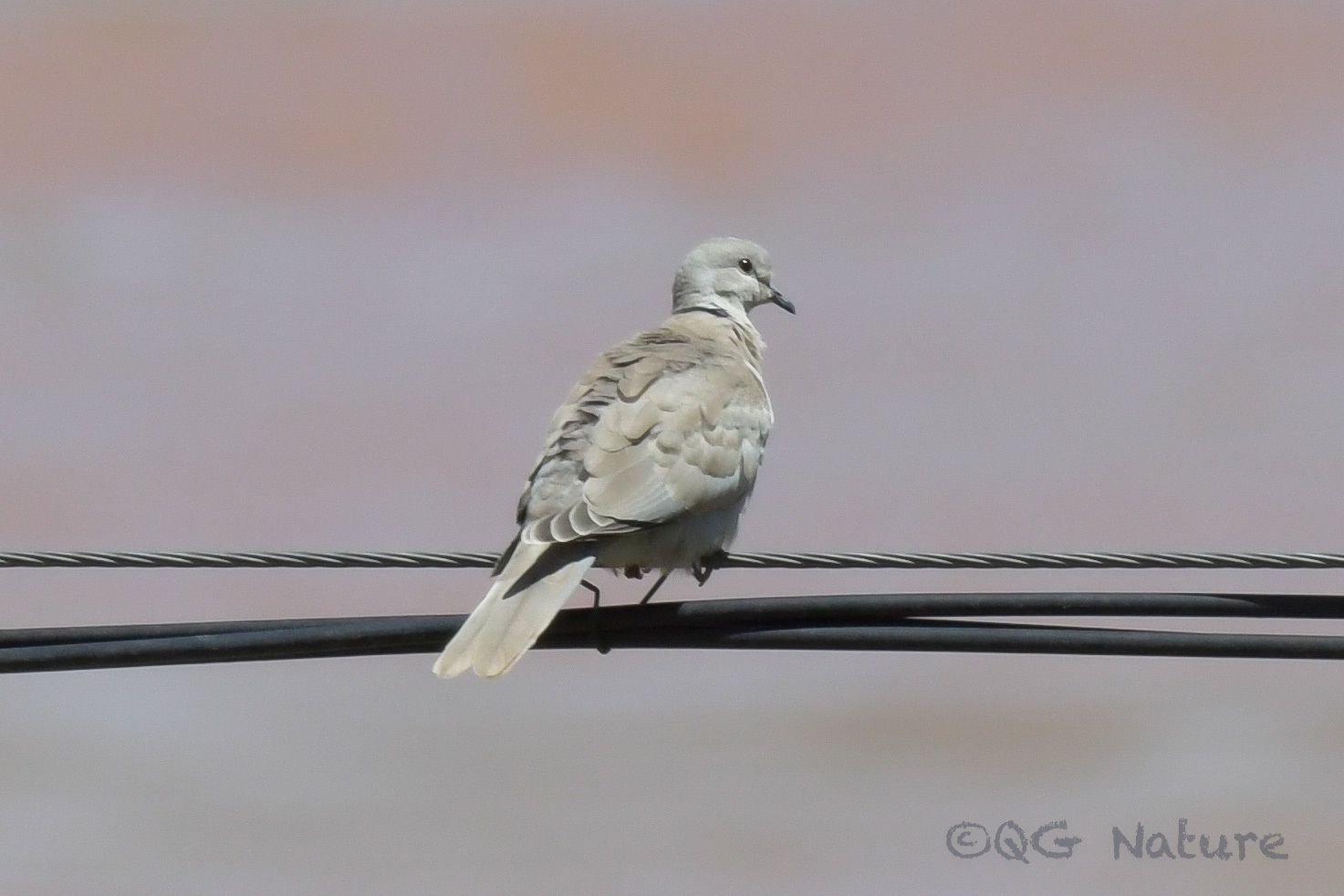
Average length is 32 cm (13 in) with a wingspan of 47–55 cm (19–22 in) and weight of 125–240 g (4.4–8.5 oz). Plumage is grey-buff to pinkish-grey, slightly darker above than below, with a blue-grey underwing patch. Tail feathers are grey-buff above and dark grey with white tips below; outer tail feathers have whitish tips above. A distinctive black half-collar edged with white marks the nape. Legs are short and red, bill is black. Iris is red but appears black from a distance due to a large pupil and narrow reddish-brown rim; surrounded by white or yellow bare skin. Sexes are indistinguishable. Juveniles have a poorly developed collar and brown iris.
Identification
Distinctive black half-collar on the nape distinguishes it from similar doves. Smaller and slimmer than the wood pigeon, with a longer tail; slightly larger than the European turtle dove. Identification from the African collared dove is difficult visually, as the latter is marginally smaller and paler, but vocalizations differ distinctly. Flight is typically direct with fast, clipped wing beats and no gliding, except during the male's mating display which involves a vertical climb and circular glide with wings in an inverted 'V'.
Distribution & Habitat
Native range extends from Turkey east to southern China and south through India to Sri Lanka. Expanded across Europe in the 20th century, reaching the Arctic Circle in Norway and the Canary Islands. Introduced to Japan and established in North America after escaping captivity in the Bahamas in 1974; now found in nearly every U.S. state, Mexico, and Central America. Non-migratory but strongly dispersive. In Arkansas, spread at a rate of 100 km (62 mi) per year. Vagrant records exist for Iceland.
Behavior & Ecology
Breeds close to human habitation where food and trees are available; nests are usually within 1 km of buildings. Female lays two white eggs in a stick nest; incubation lasts 14–18 days (shared by sexes), and young fledge after 15–19 days. Breeding occurs year-round if food is abundant, with 3–4 broods common (up to six recorded). Monogamous with shared parental duties. Male performs ritual flight display. Gregarious, forming winter flocks of 10–50, occasionally up to 10,000. Diet consists mainly of grain, seeds, shoots, and insects. Vocalizations include a three-syllable coo (goo-GOO-goo) and a harsh screeching call in flight.
Conservation
In North America, the species is considered an aggressive competitor, raising concerns about impacts on native birds, though some studies show no greater aggression than native mourning doves. Population growth has ceased or declined in long-established areas like Florida but remains exponential in recently introduced regions (over 1.5% yearly increase up to 2015). Known carrier of Trichomonas gallinae and pigeon paramyxovirus type 1, which can spread to native birds and domestic poultry via feeders or predation.
Source: Wikipedia · CC BY-SA 3.0
Taxonomy
- Order
- Columbiformes
- Family
- Columbidae
- Genus
- Streptopelia
Distribution
Europe to Middle East, India, Sri Lanka, western China, and Korea; introduced in North America, and occurs in the USA (except northeastern), southern Canada (except eastern) and southern Alaska, the West Indies, and northern Mexico locally to southern Mexico
Data Sources
Species description from Wikipedia, licensed under CC BY-SA 3.0.
Bird images and sounds sourced from GBIF, contributed by citizen scientists worldwide under Creative Commons licenses.
Taxonomy data from AviList 2025.