

Charadriiformes / Laridae / Sternula
Little Tern
Sternula albifrons · 白额燕鸥
Introduction
A seabird of the family Laridae, first described in 1764. It breeds on coasts and inland waterways across temperate and tropical Europe, Asia, north and west Africa, and eastern Australia. The species is strongly migratory. It breeds in colonies on gravel or shingle and feeds by plunge-diving for fish.
Description
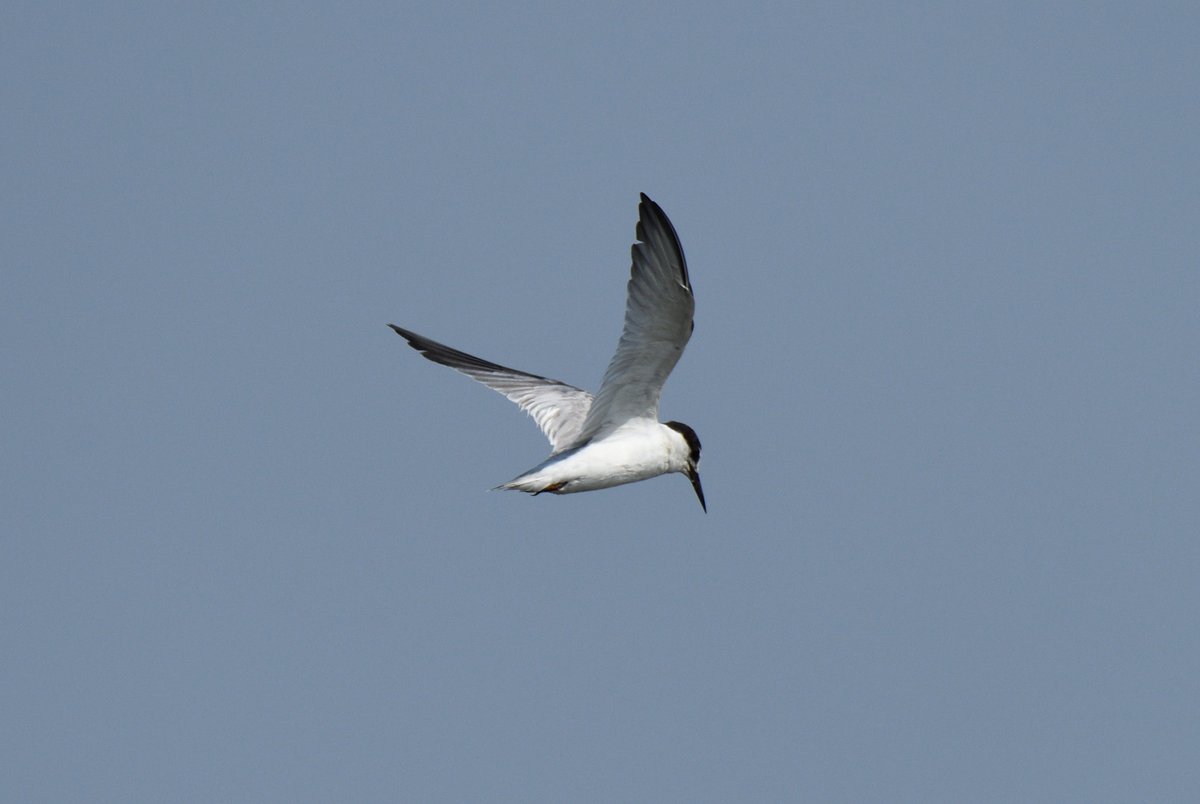
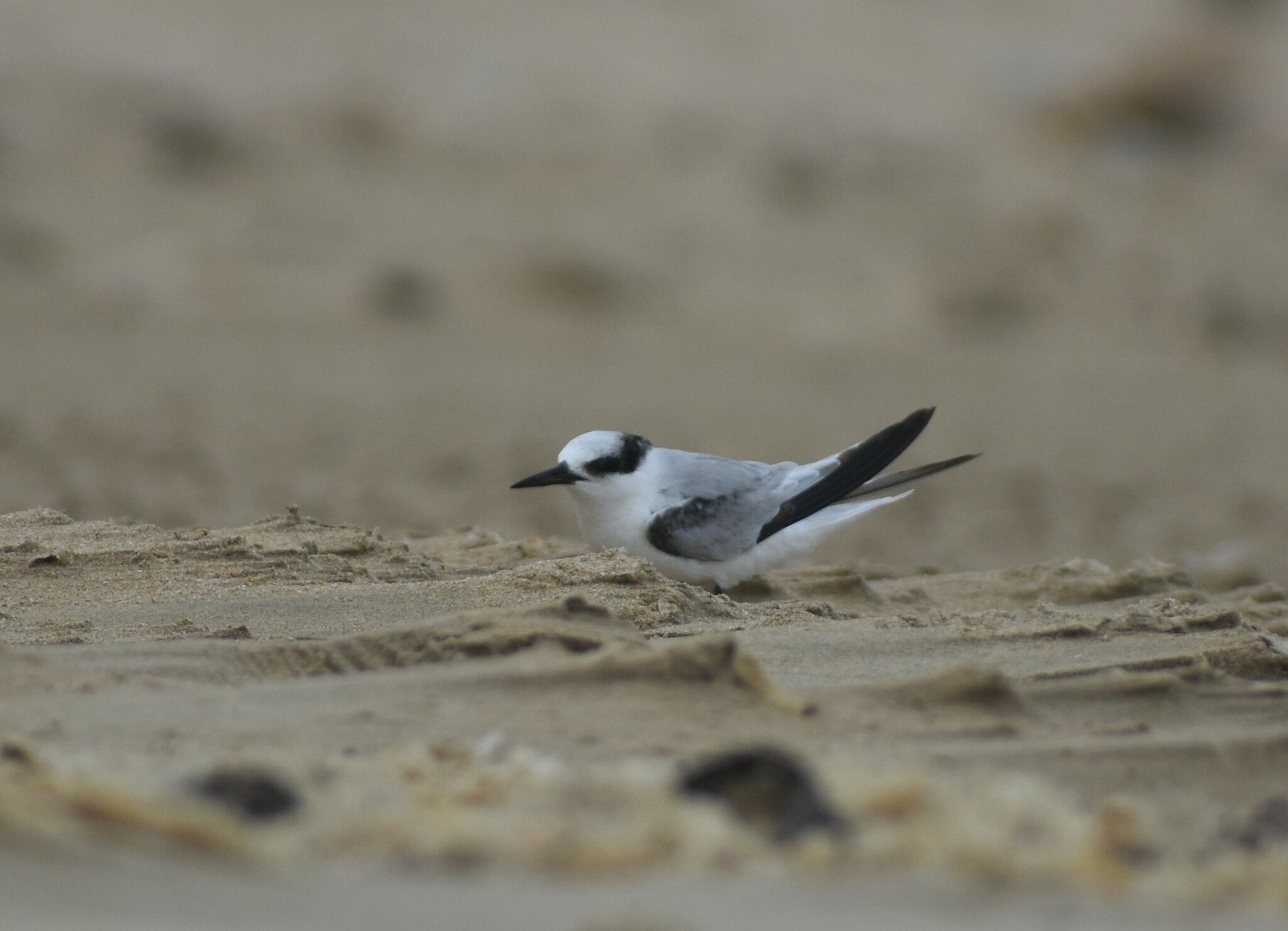
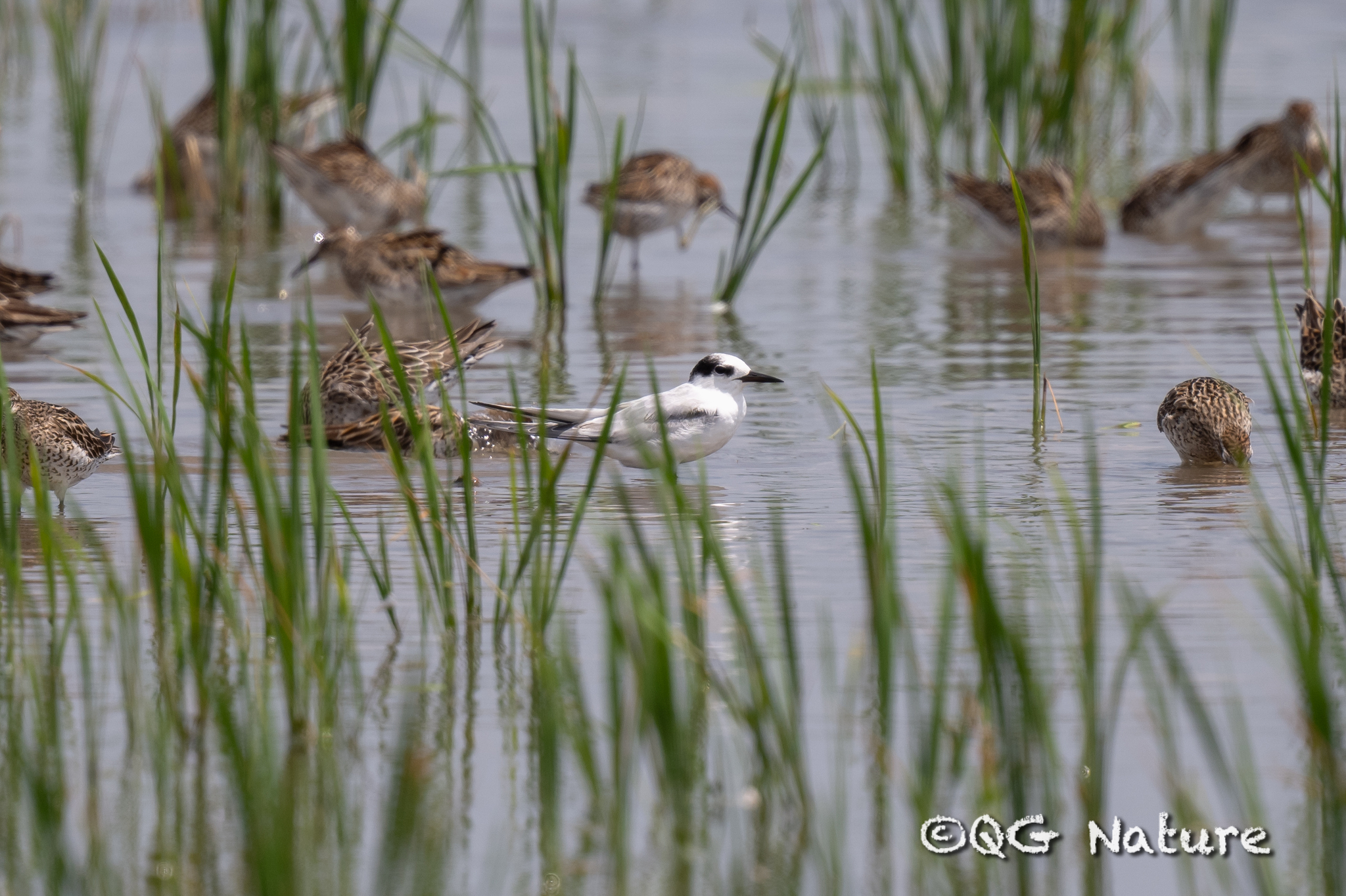
Small tern, 21–25 cm long with a 41–47 cm wingspan. Breeding plumage features a white forehead, a thin sharp yellow bill with a black tip, and yellow legs. In winter, the forehead is more extensively white, the bill turns black, and the legs become duller.
Identification
Distinguished from similar species like fairy tern and Saunders's tern by its small size and white forehead in breeding plumage. Produces a loud and distinctive creaking call.
Distribution & Habitat
Breeds on coasts and inland waterways of temperate and tropical Europe, Asia, north and west Africa, and eastern Australia. Strongly migratory, wintering in subtropical and tropical oceans as far south as South Africa and Australia. Four subspecies: S. a. albifrons (Europe to North Africa and western Asia), S. a. guineae (western Africa), S. a. sinensis (eastern Asia south to New Guinea and northern Australia), and S. a. placens (east coast of Australia and Tasmania).
Behavior & Ecology
Breeds in colonies on gravel or shingle coasts and islands, laying two to four eggs on the ground. Defensive of nests and young, attacking intruders. Feeds by plunge-diving for fish in coastal saline environments or along larger inland rivers. Male offers fish to female as part of courtship display.
Conservation
European coastal populations decreased in the 20th century due to habitat loss, pollution, and human disturbance. Inland populations have declined severely or become extinct in many countries due to dams, river regulation, and sediment extraction. Former breeding sites on the Danube, Elbe, and Rhine have ceased. Remaining suitable habitats include specific river systems in France, Poland, Italy, Latvia, Lithuania, Croatia, and Hungary. The Drava population is highly threatened, with only 15 pairs breeding on the Hungary-Croatia border. The species is covered by the Agreement on the Conservation of African-Eurasian Migratory Waterbirds (AEWA).
Source: Wikipedia · CC BY-SA 3.0
Taxonomy
- Order
- Charadriiformes
- Family
- Laridae
- Genus
- Sternula
Taxonomy Changes
Sterna minuta → Sternula albifrons
Species rename — GBIF Backbone Taxonomy uses the former name; AviList 2025 uses the current name.
Vocalizations
Subspecies (4)
-
Sternula albifrons albifrons
breeds Europe and northern Africa to central Asia; winters to African coast and to western India
Data Sources
Species description from Wikipedia, licensed under CC BY-SA 3.0.
Bird images and sounds sourced from GBIF, contributed by citizen scientists worldwide under Creative Commons licenses.
Taxonomy data from AviList 2025.