Passeriformes / Sturnidae / Spodiopsar
White-cheeked Starling
Spodiopsar cineraceus · 灰椋鸟
Introduction
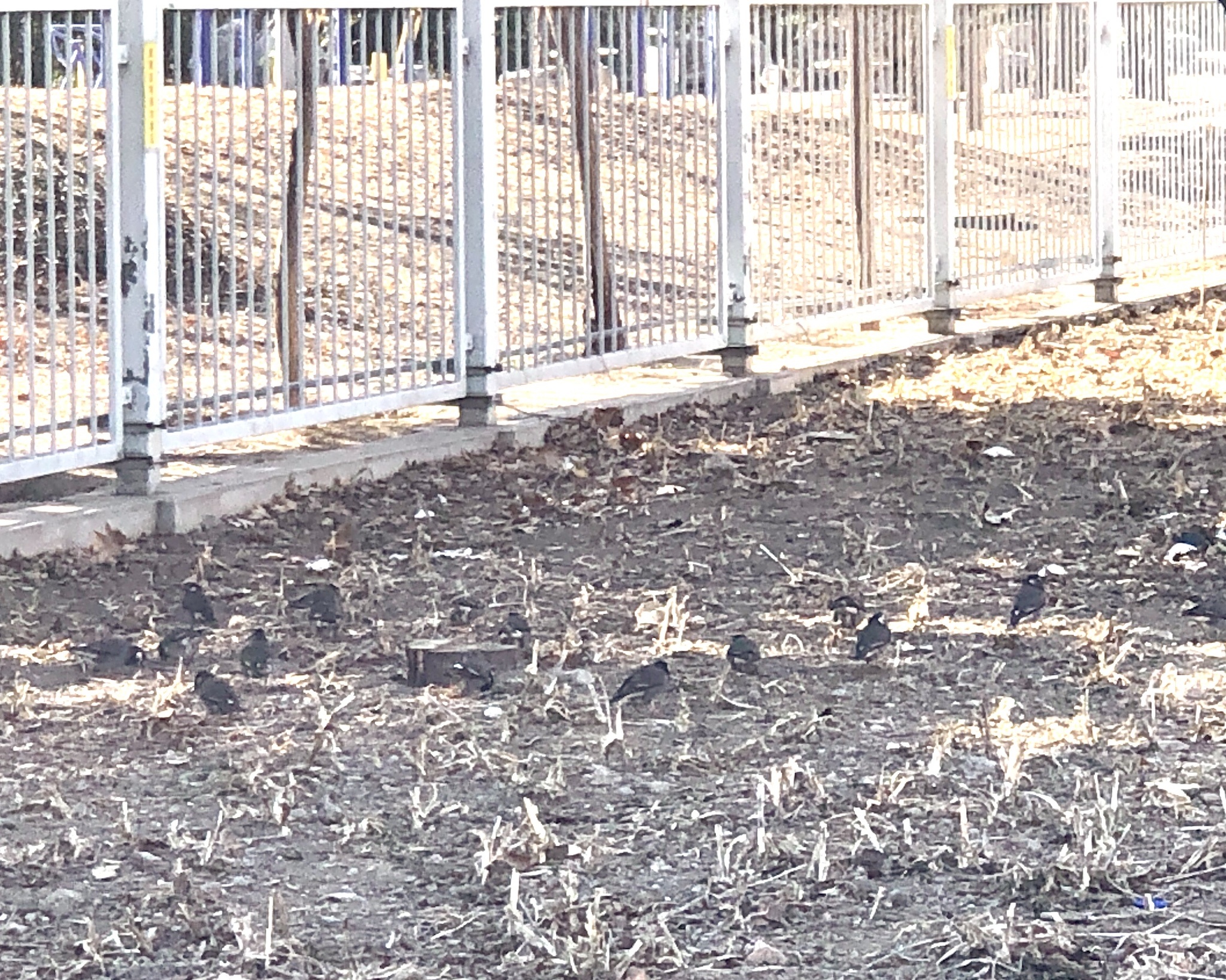
A passerine bird of the starling family native to eastern Asia. It is monotypic with no recognized subspecies. The species inhabits woodland, farmland, open country, and urban areas, often adapting to parks and gardens. It has a varied diet including fruit and insects.
Description
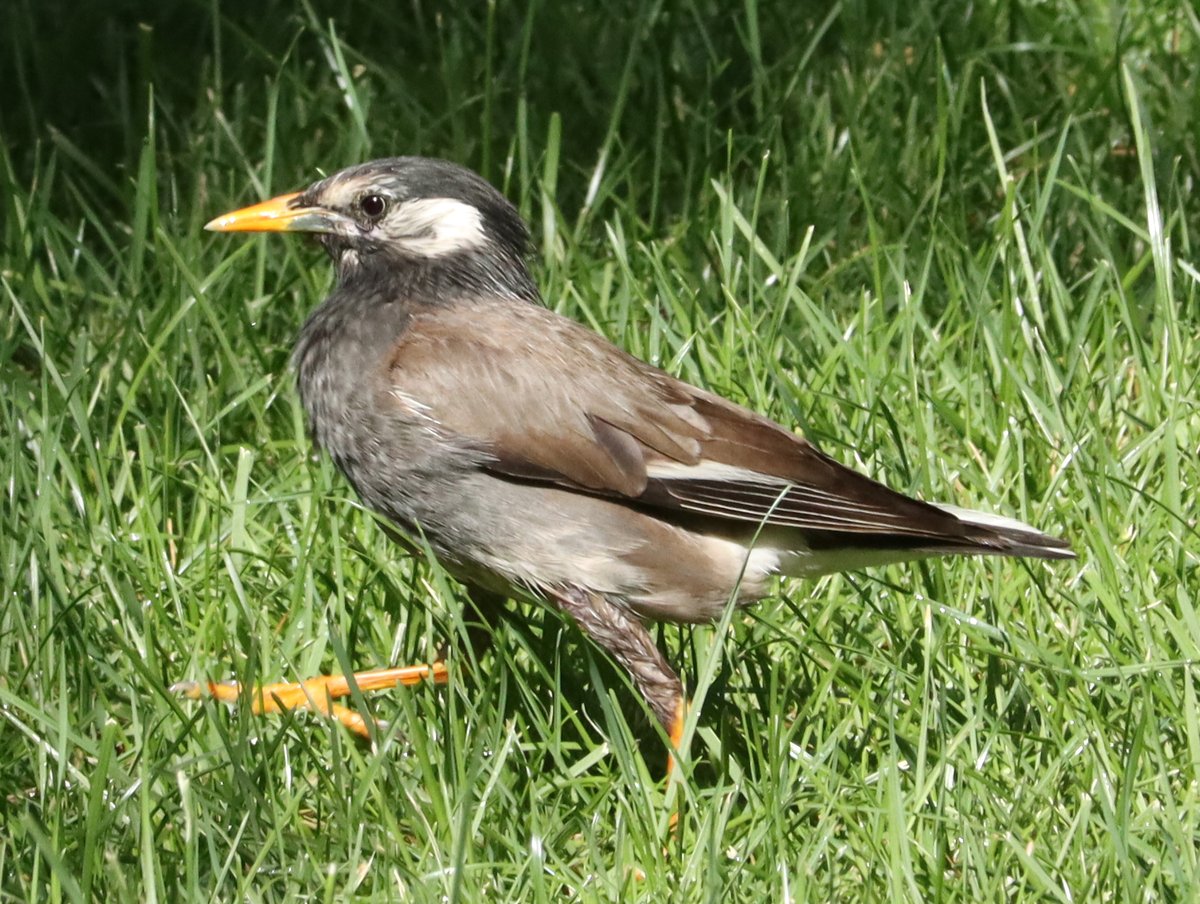
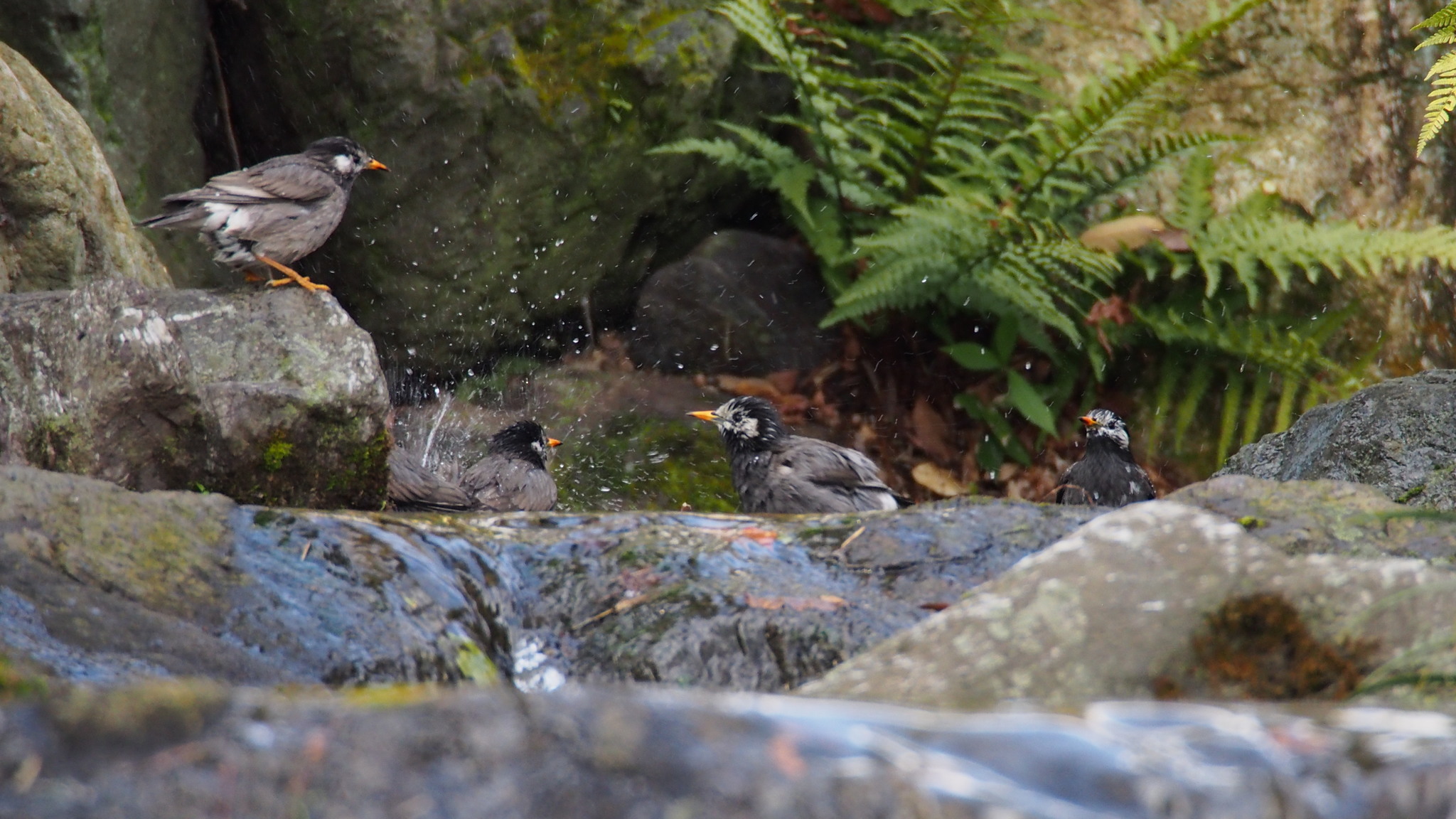
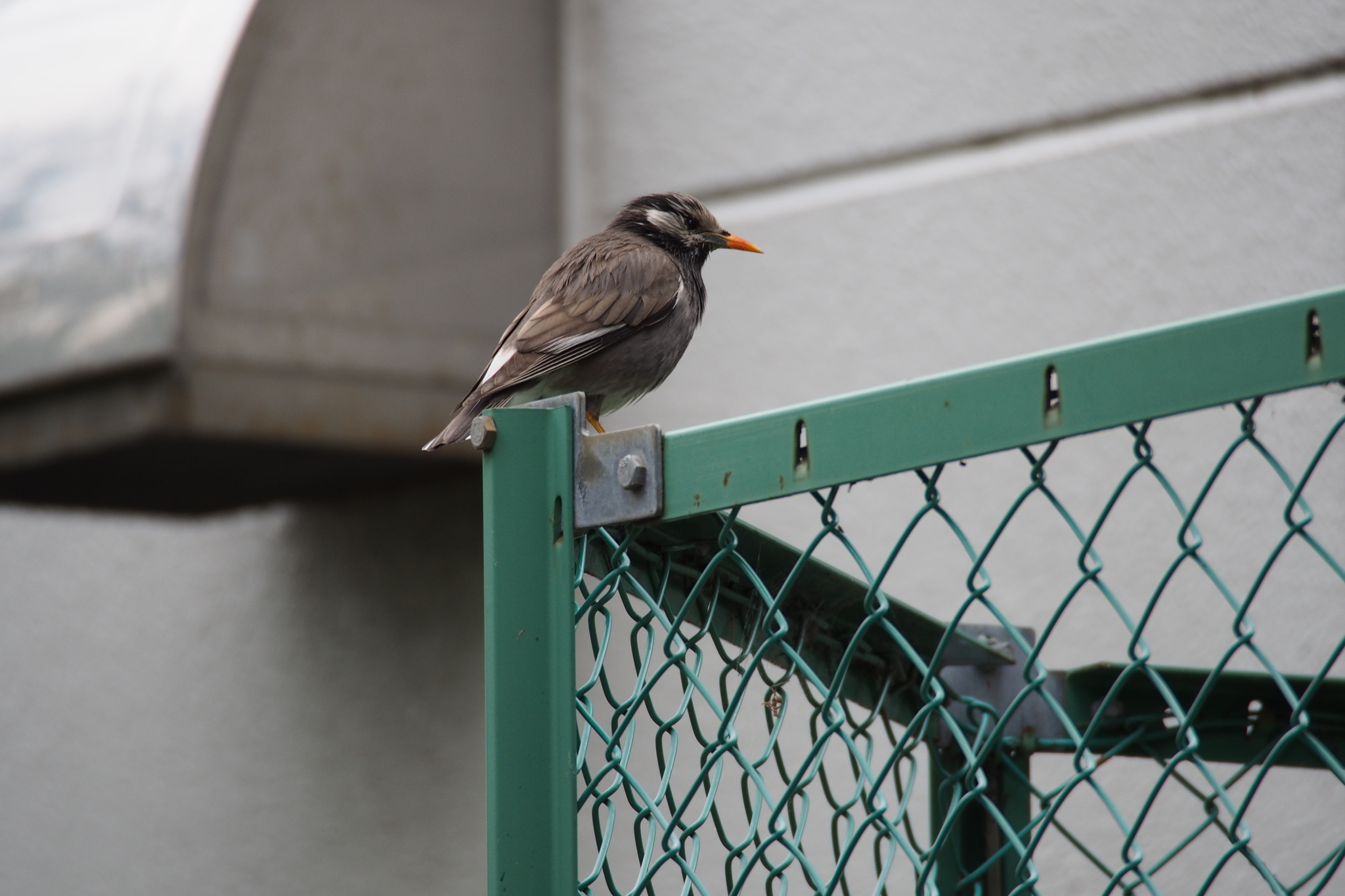
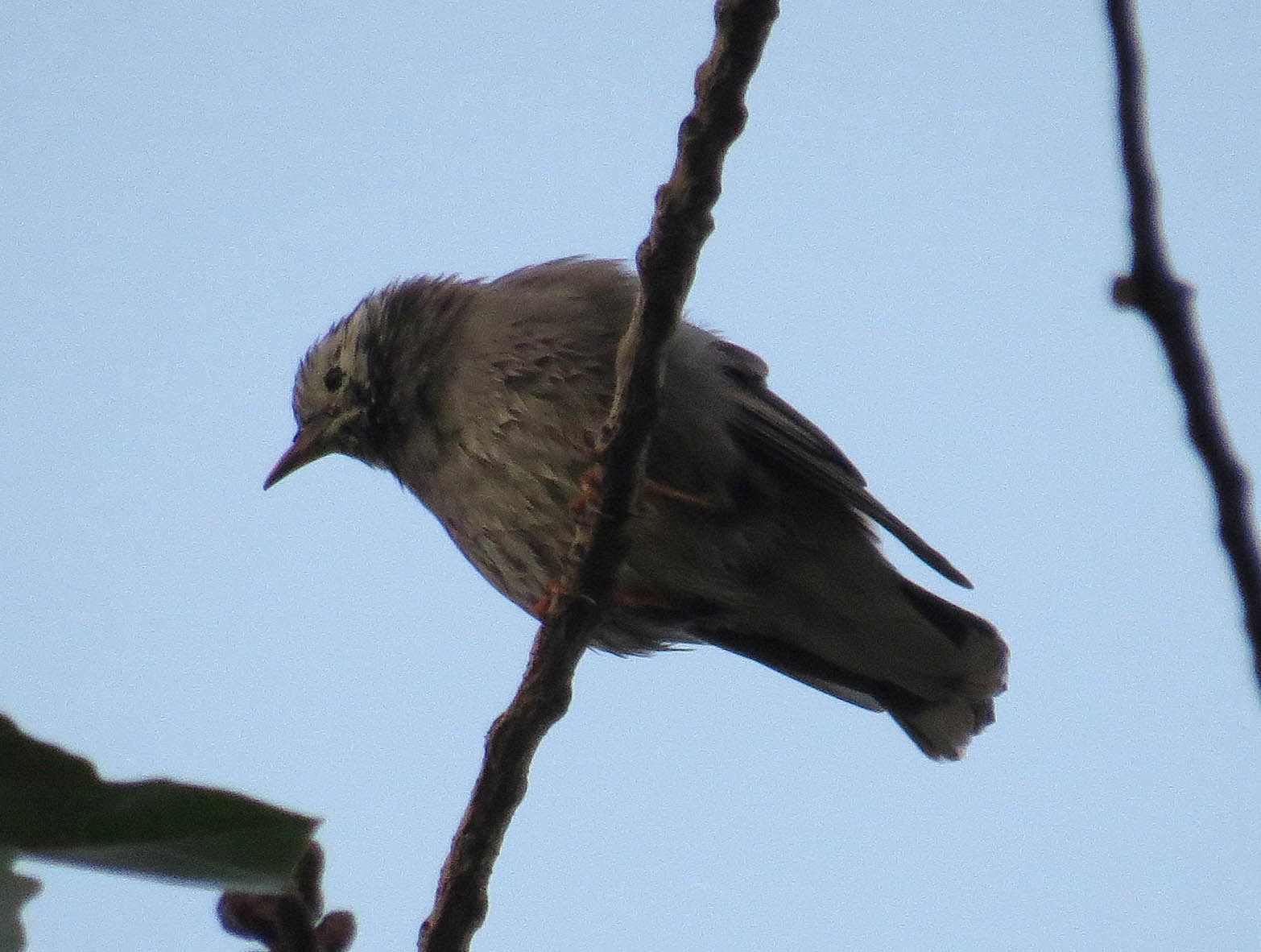
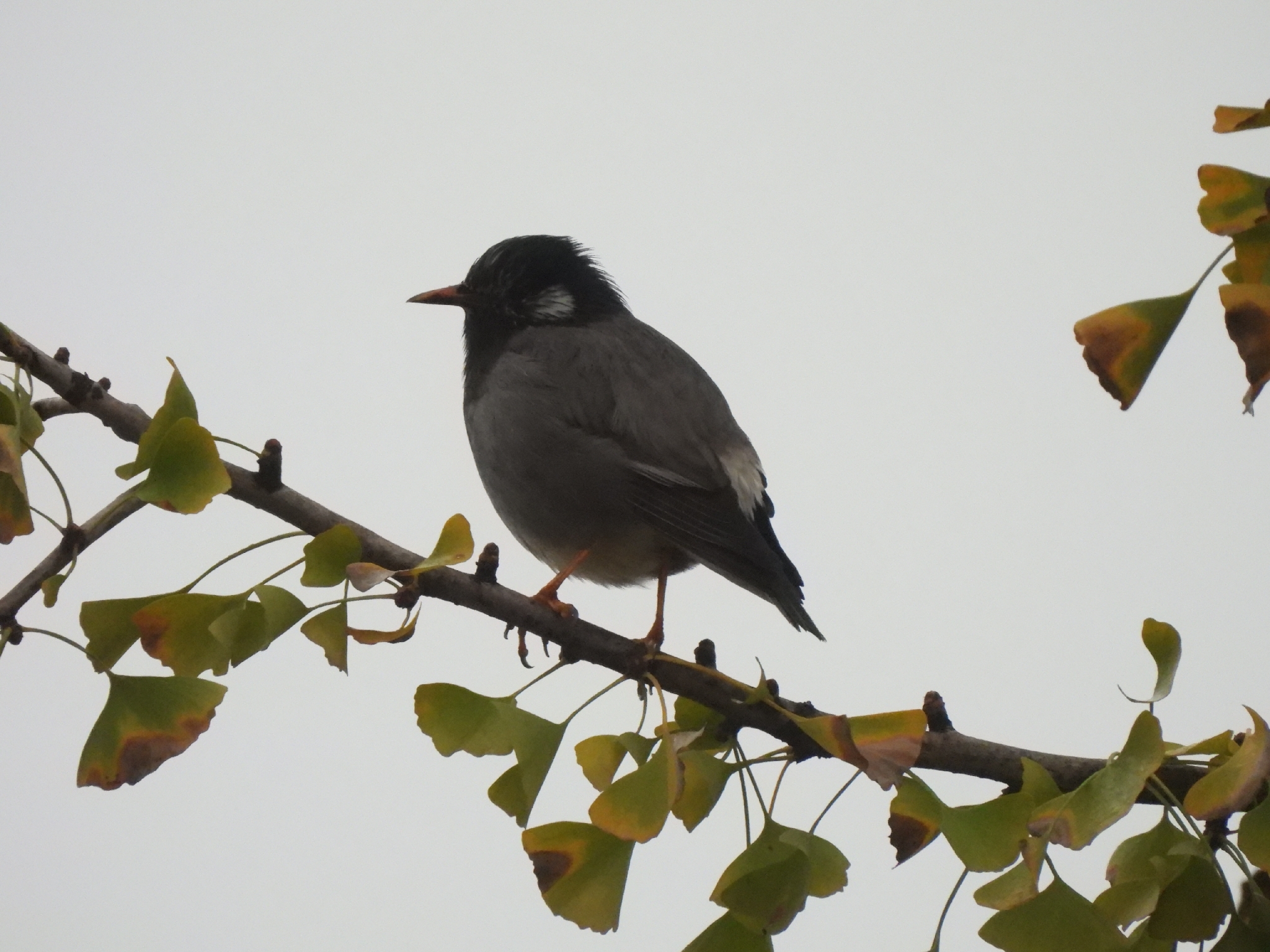
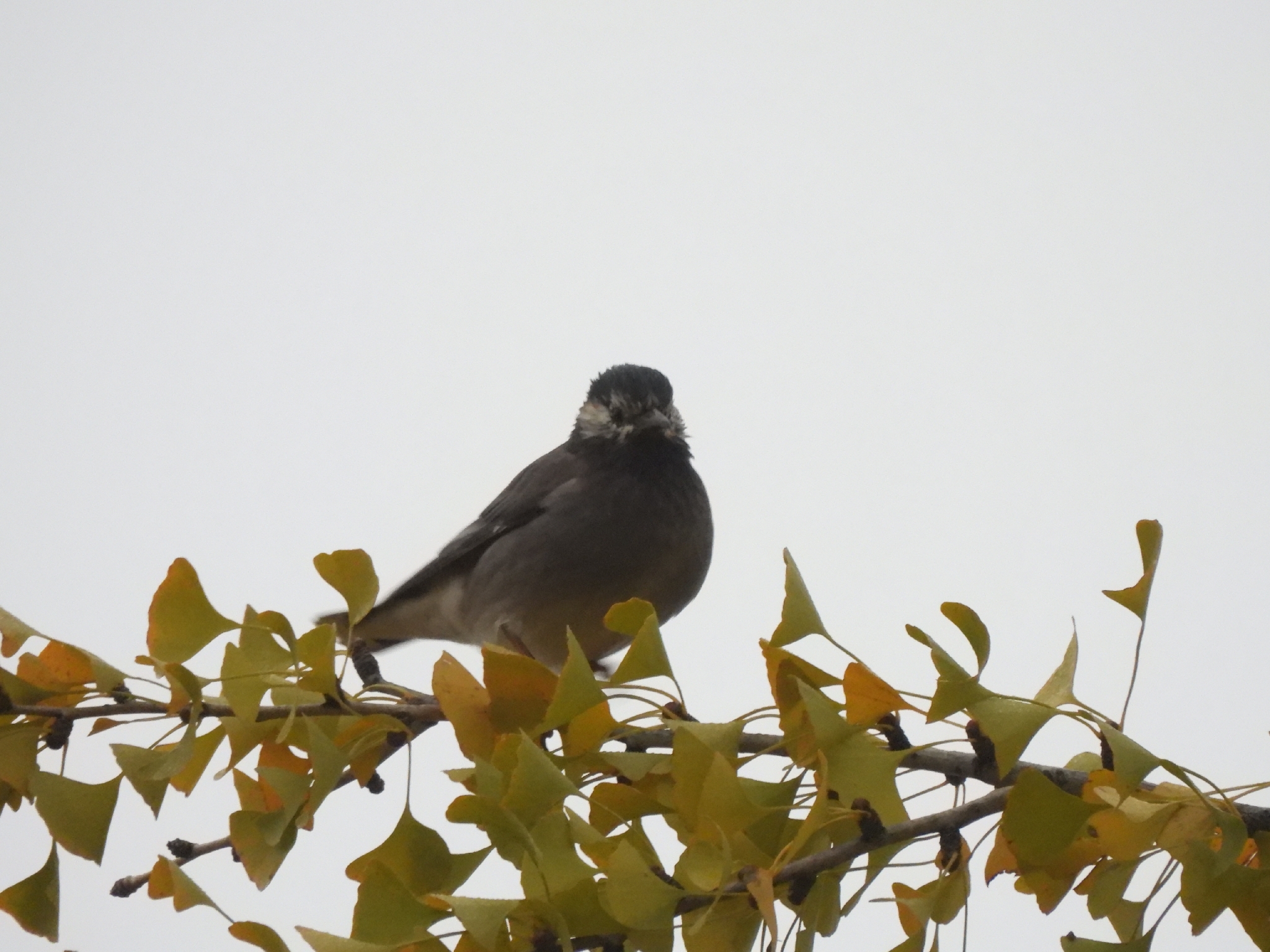
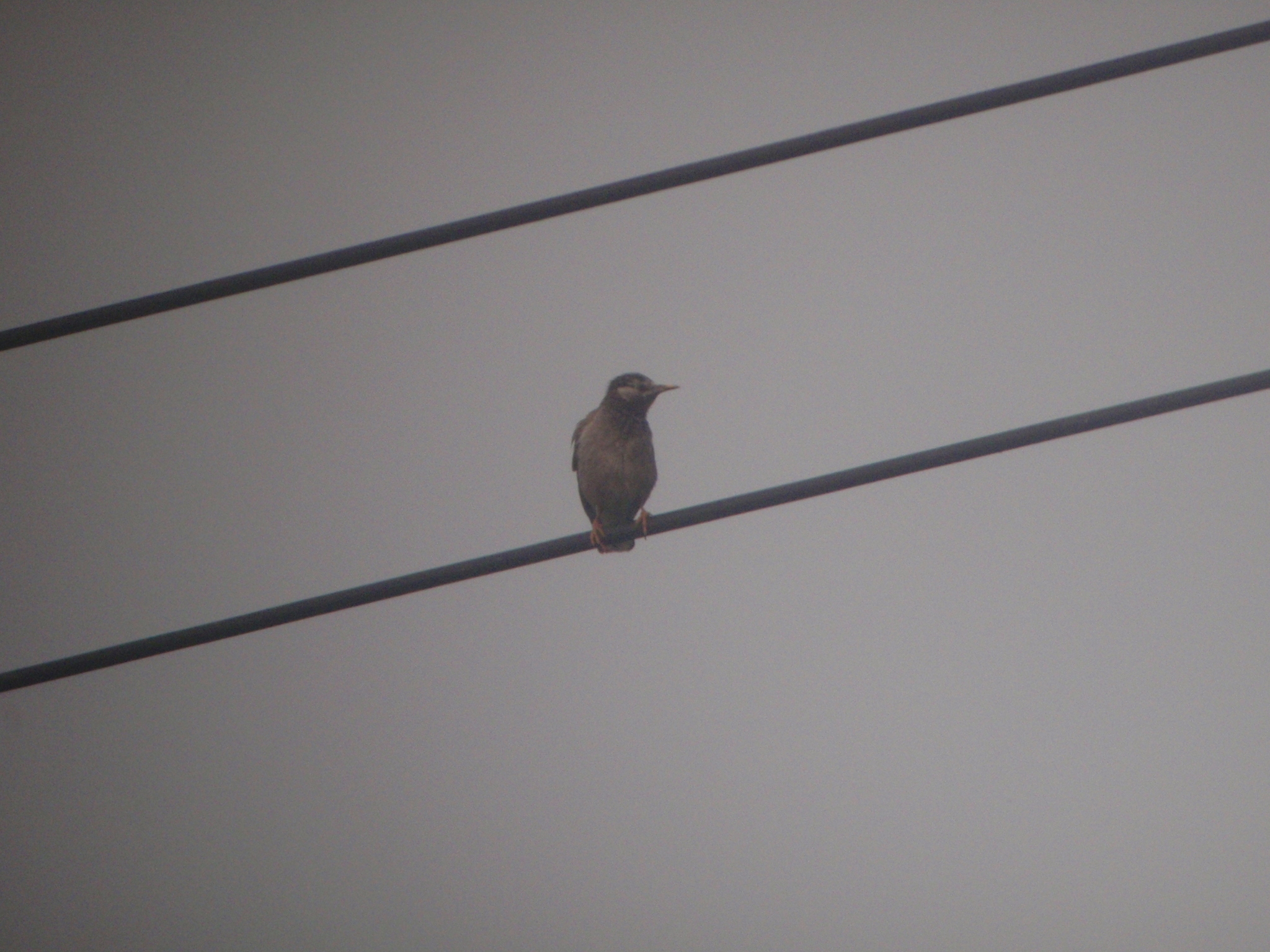
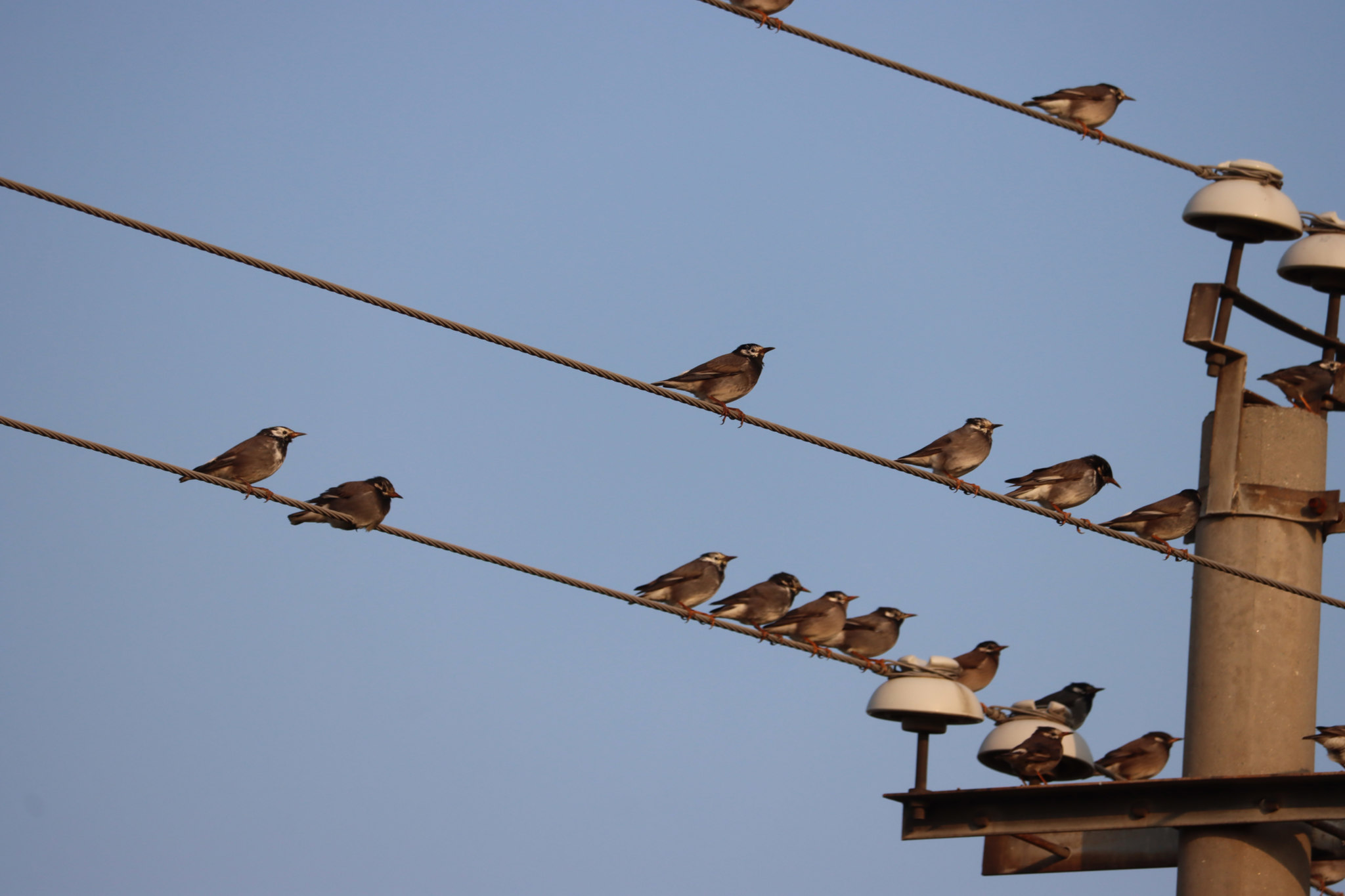
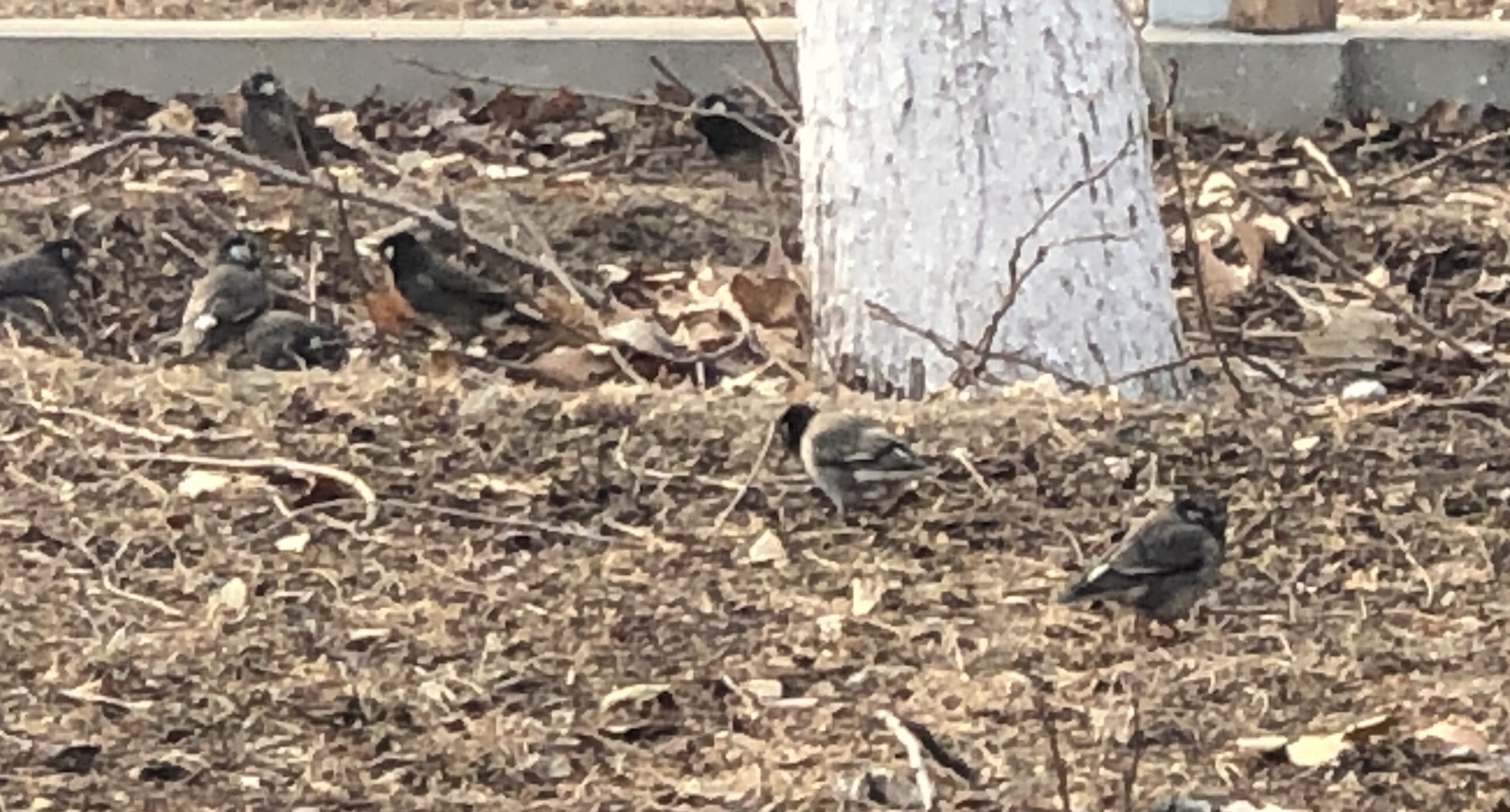
Adults are 24 cm in length. The adult male is mainly dark grey-brown with a paler belly and a whitish band across the rump. The head is blackish with whitish cheeks and forehead. There is a white border to the tail and white markings on the secondary wing feathers. The legs are pale orange and the bill is orange with a black tip. Adult females are similar but paler and duller. Juveniles are brown with pale cheeks and rump and lack the black tip to the bill.
Identification
Key marks include whitish cheeks and forehead on a blackish head, a whitish rump band, and white tail borders. The bill is orange with a black tip in adults. The loud, monotonous call consists of a series of harsh, creaking notes.
Distribution & Habitat
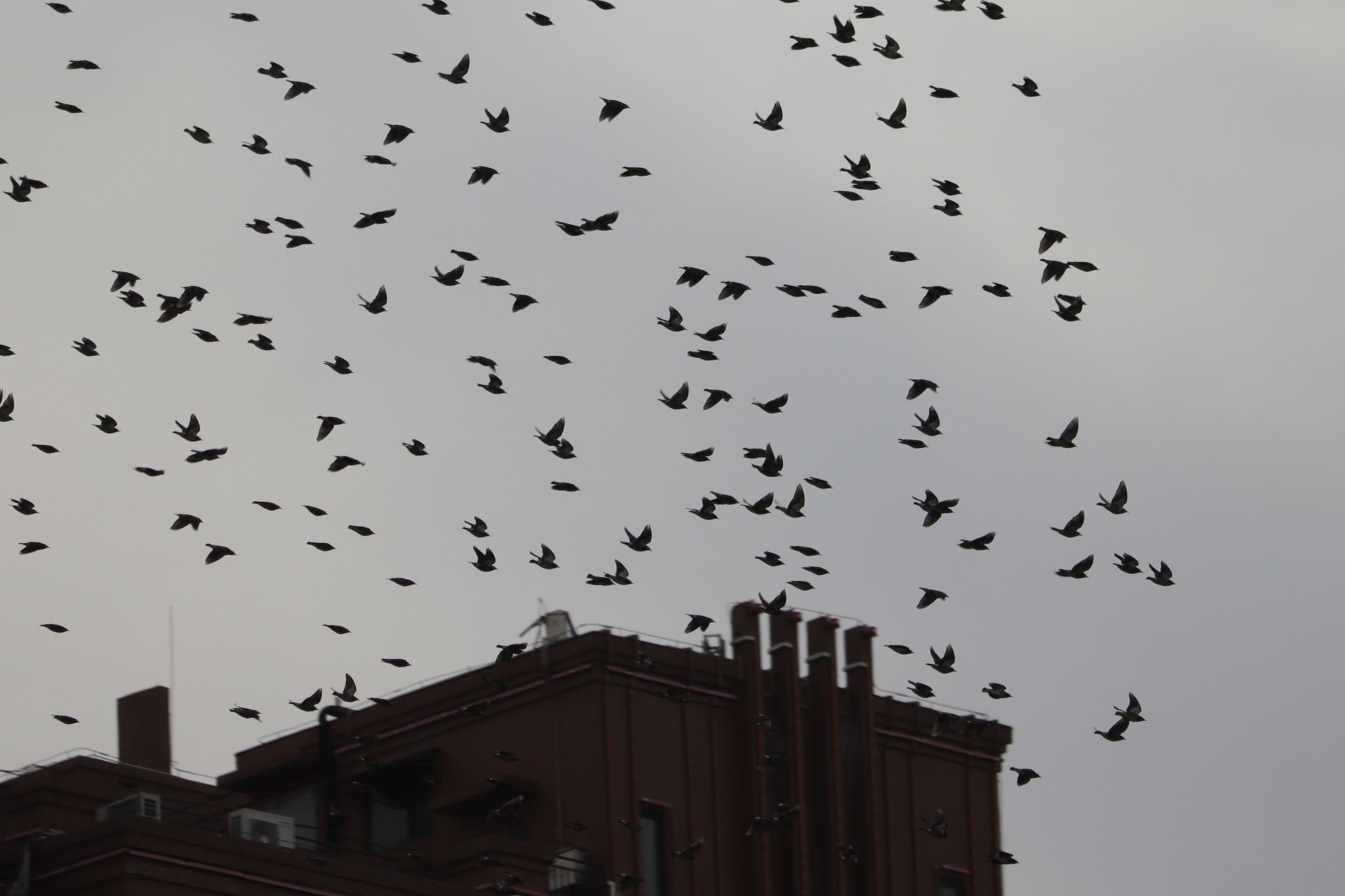
The breeding range covers central and north-east China, Korea, Japan, and south-east Siberia. In winter, birds migrate south to southern and eastern China, South Korea, southern Japan, Taiwan, and northern Vietnam. Vagrants have reached the Philippines, Thailand, and Myanmar, with a record from Homer, Alaska in 1998. It is most common in lowland areas, usually below 700m in Japan.
Behavior & Ecology
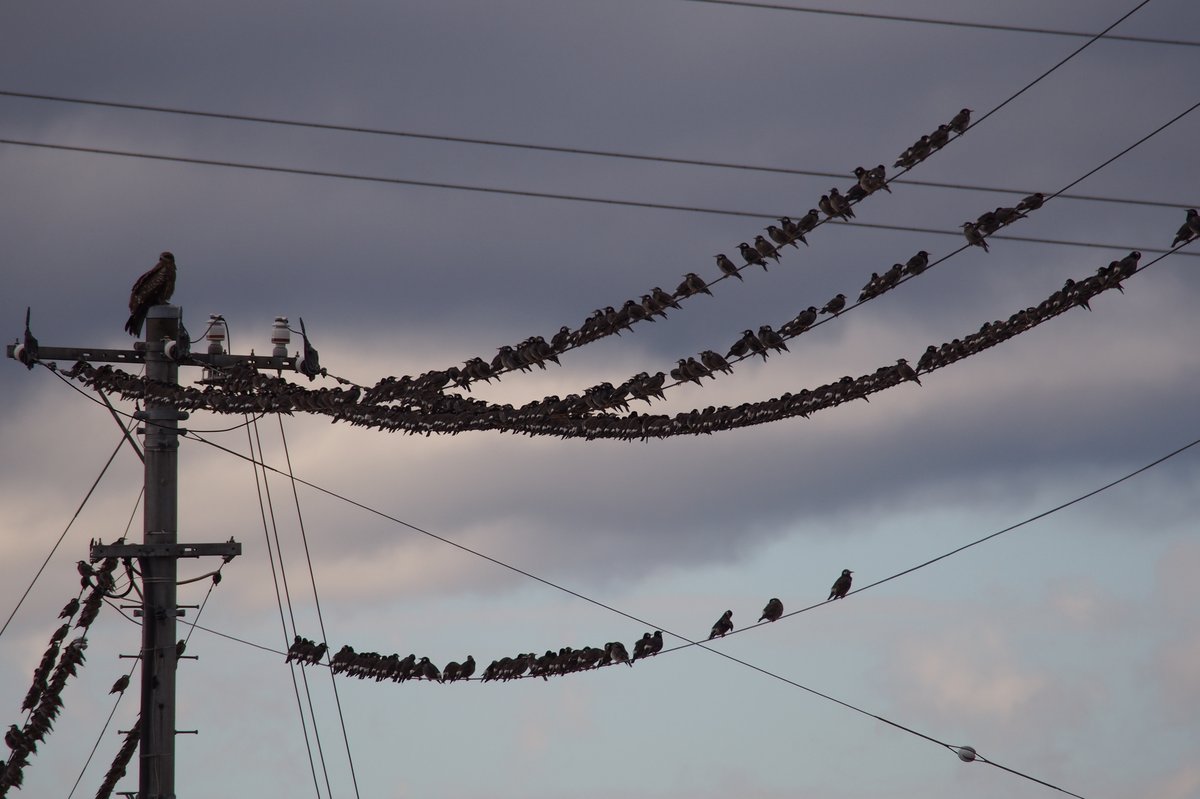
The diet includes fruit and insects such as mole crickets. The breeding season lasts from March to July, often with two clutches laid. Nests are built in holes in trees or buildings, or in nestboxes. Four to nine eggs are laid and incubated for 14 to 15 days. Young fledge 13 to 15 days after hatching.
Source: Wikipedia · CC BY-SA 3.0
Taxonomy
- Order
- Passeriformes
- Family
- Sturnidae
- Genus
- Spodiopsar
Distribution
northeastern Asia; winters in southern China and Philippines
Vocalizations
Data Sources
Species description from Wikipedia, licensed under CC BY-SA 3.0.
Bird images and sounds sourced from GBIF, contributed by citizen scientists worldwide under Creative Commons licenses.
Taxonomy data from AviList 2025.