
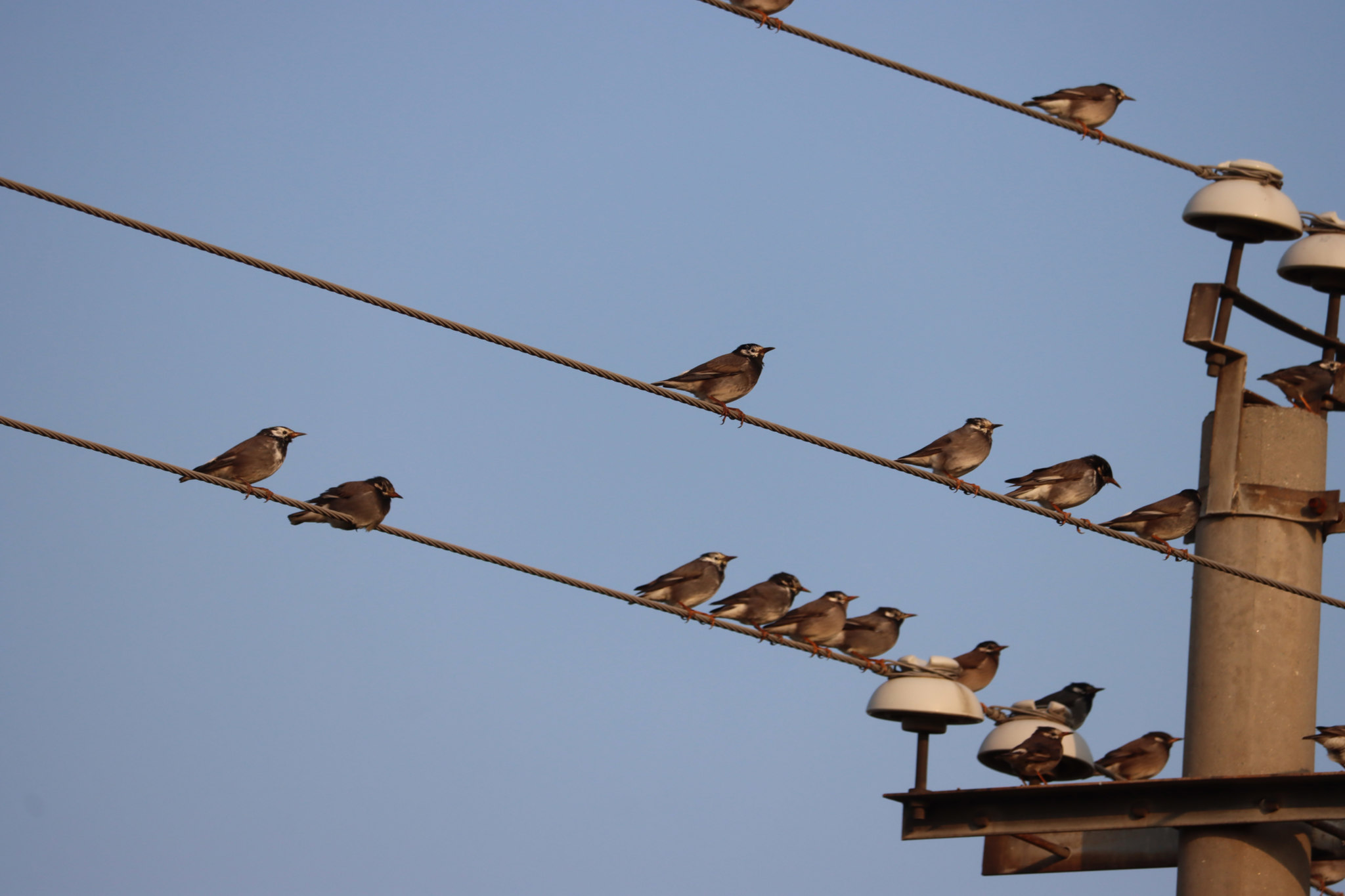

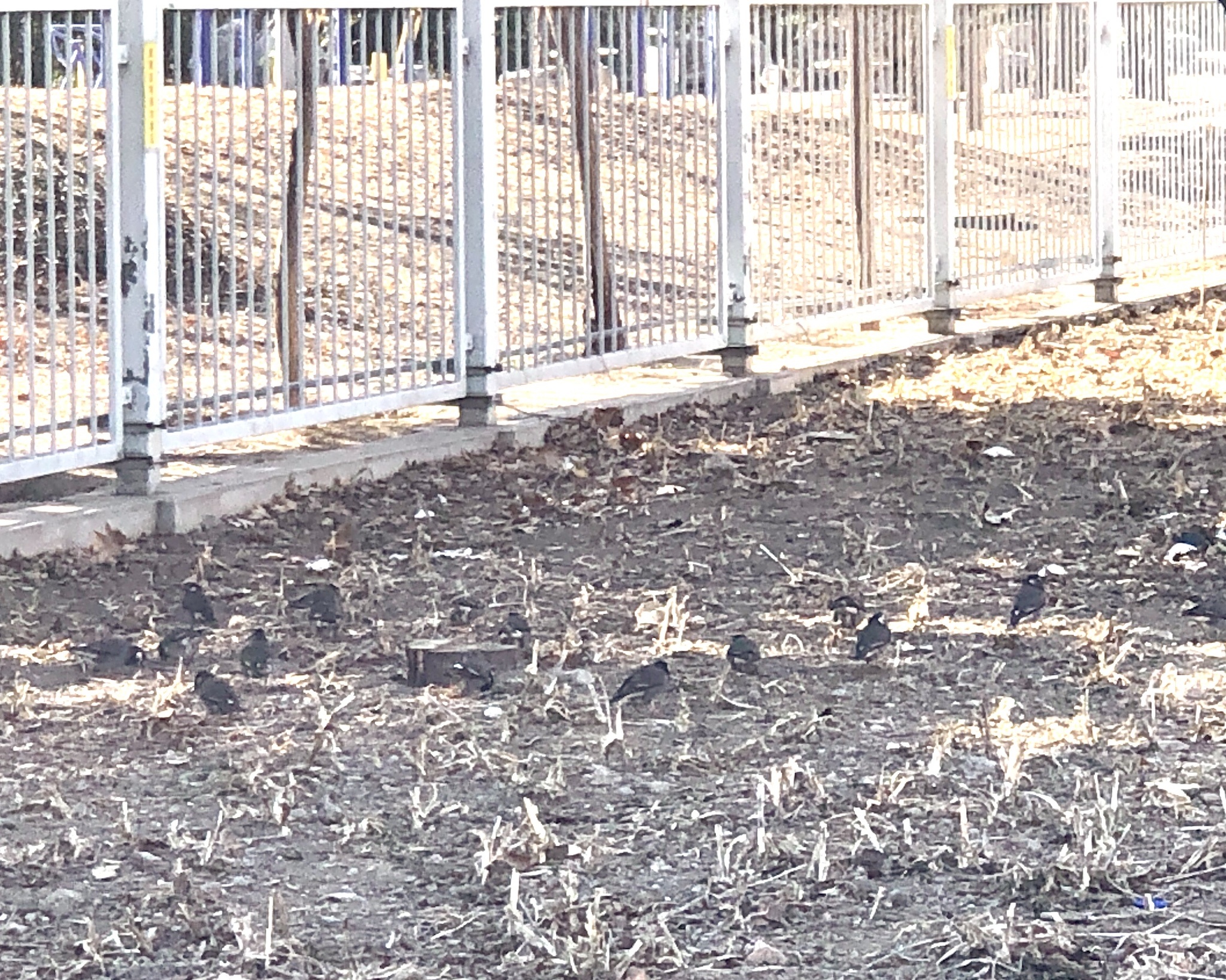
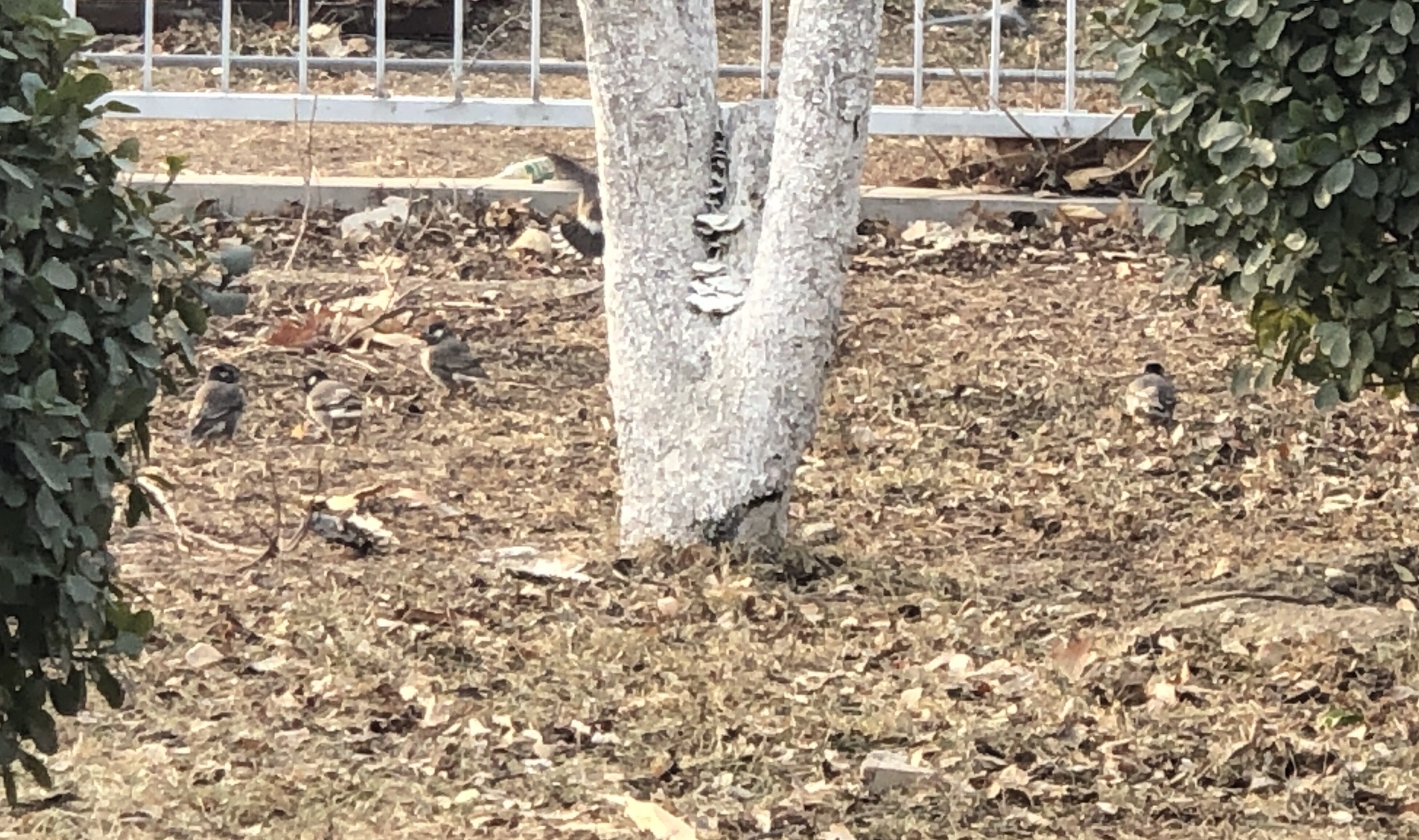
White-cheeked Starling
Spodiopsar cineraceus
灰椋鸟
Introduction
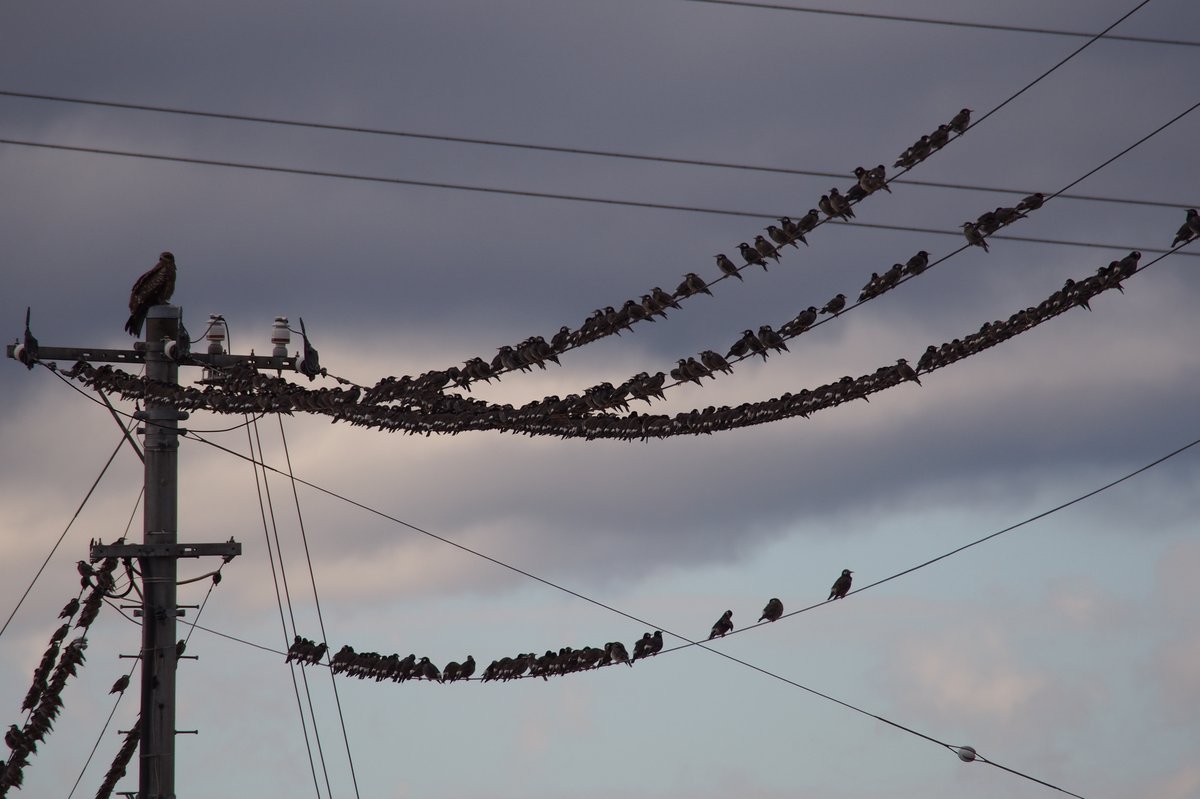
Medium-sized starling species distributed across eastern Asia. Inhabits rural and urban environments including parks, gardens, and agricultural areas. Forms large flocks outside the breeding season. Diet includes fruit. Common throughout most of its range.
Description
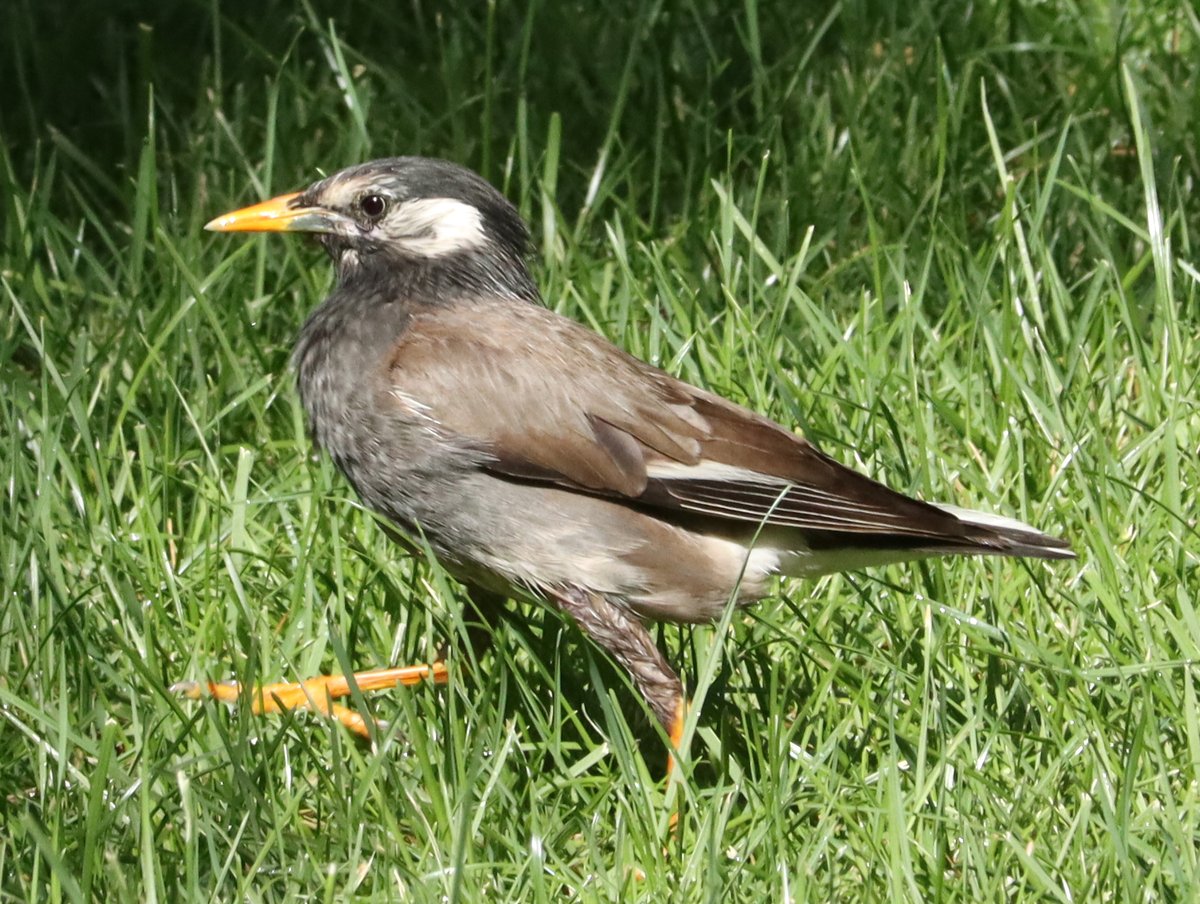
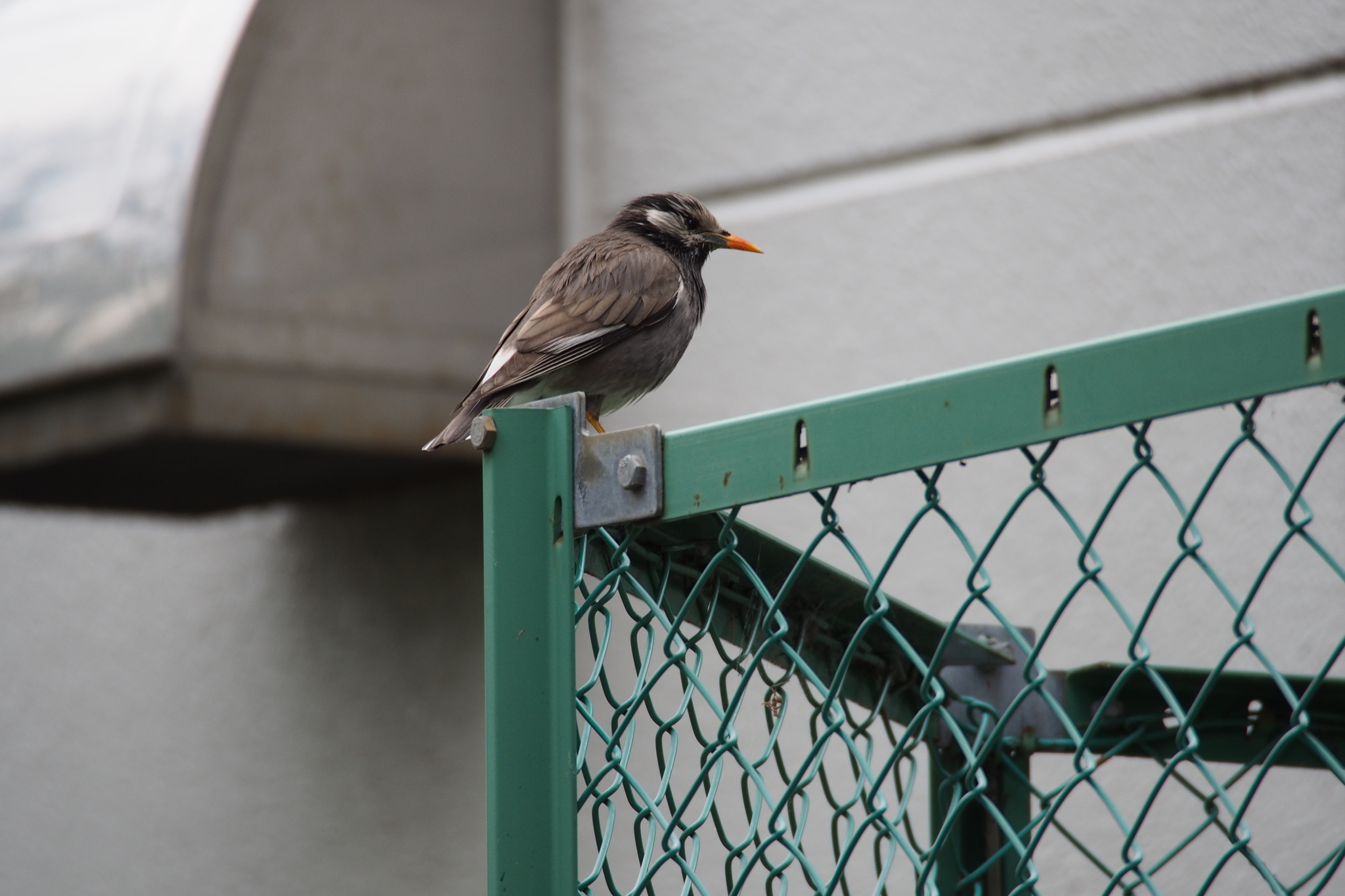
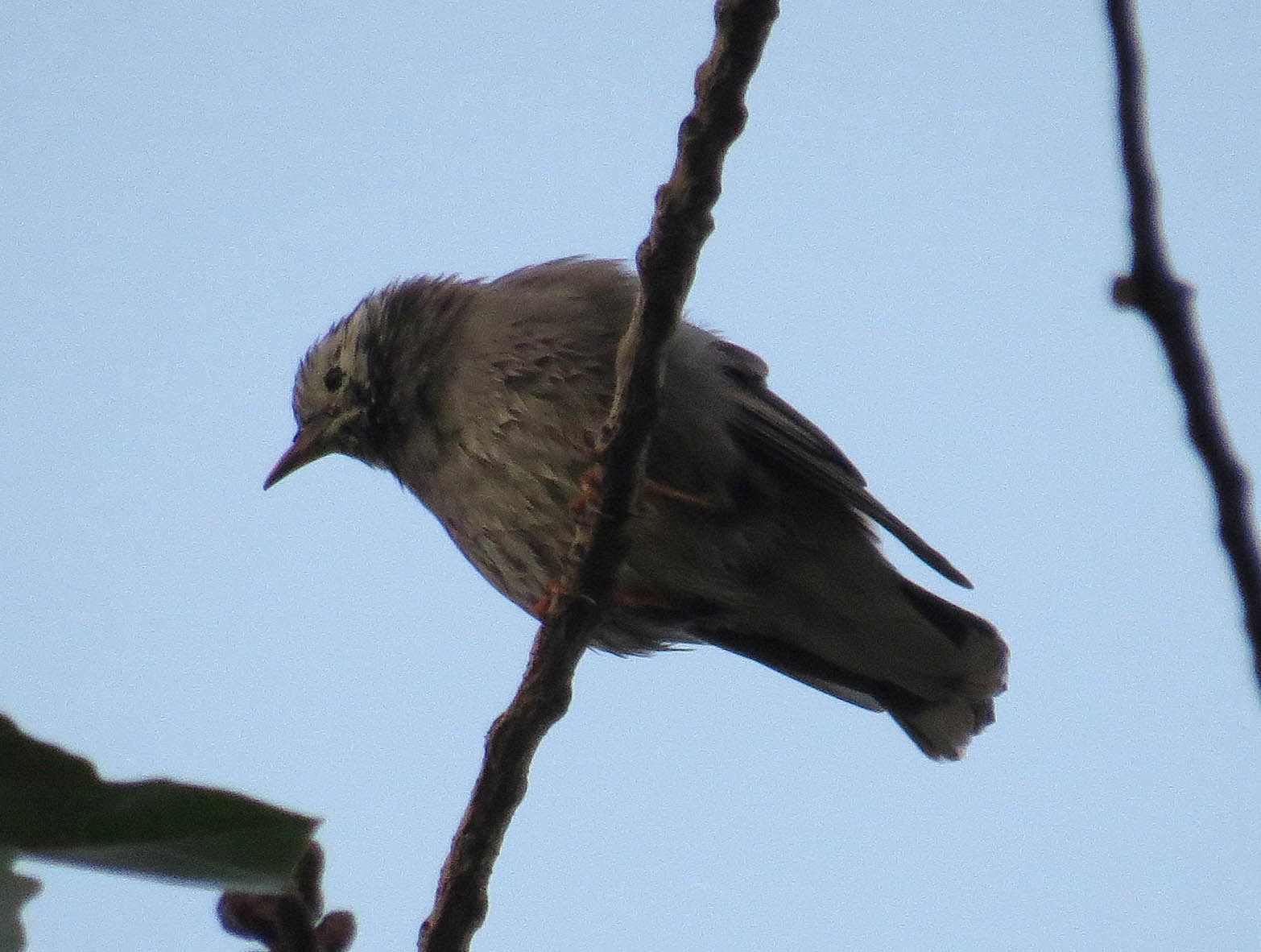
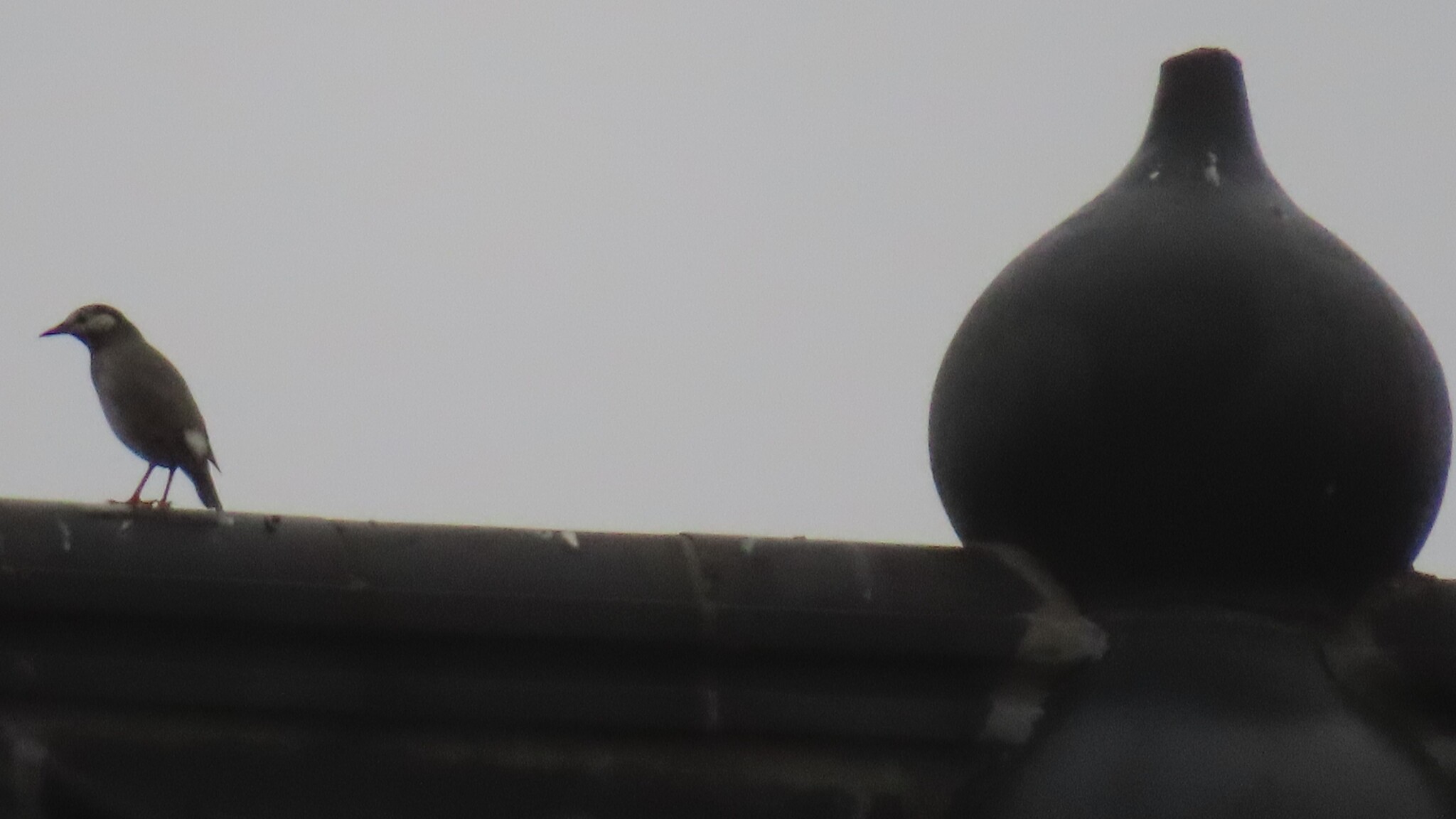
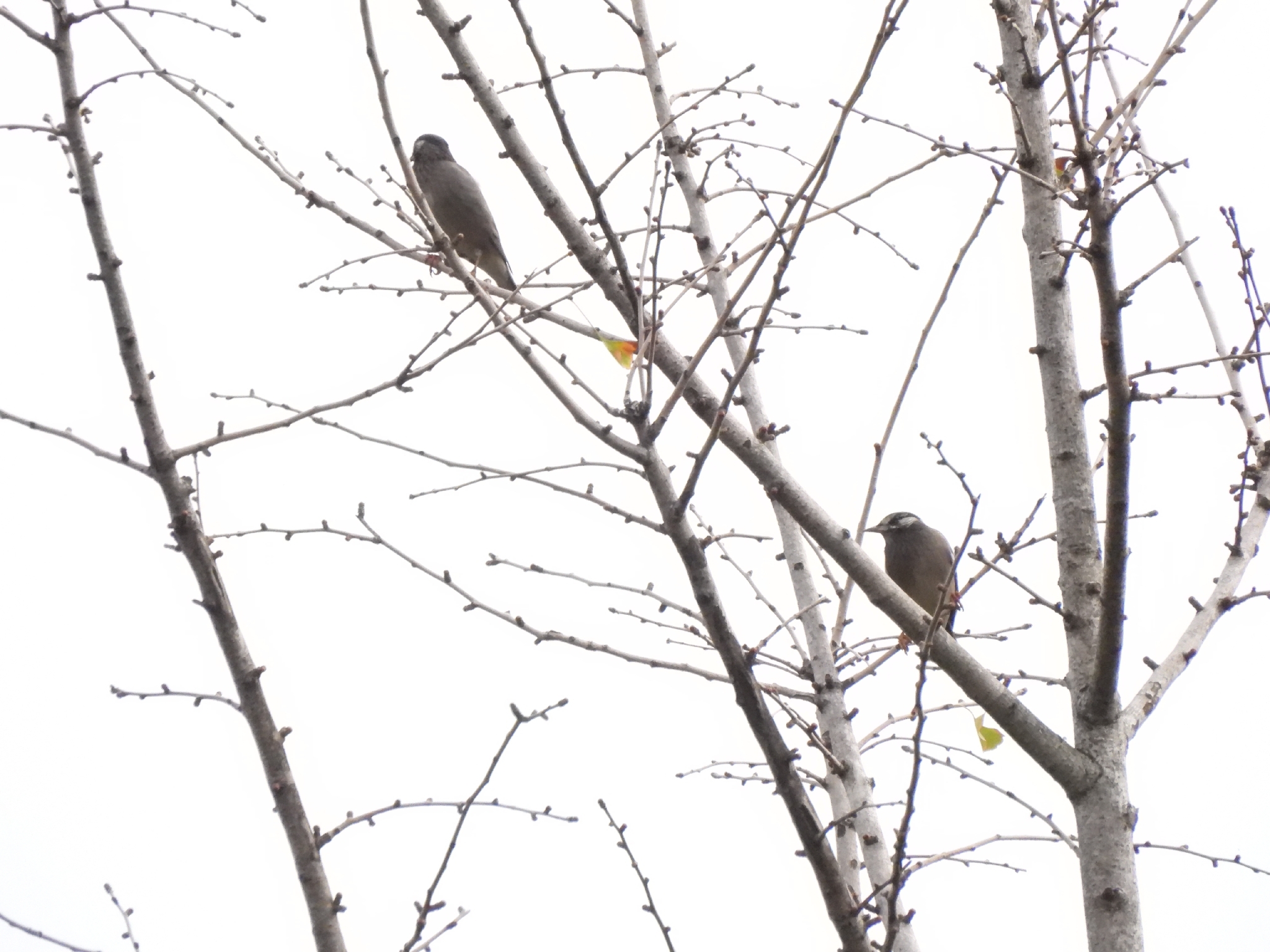
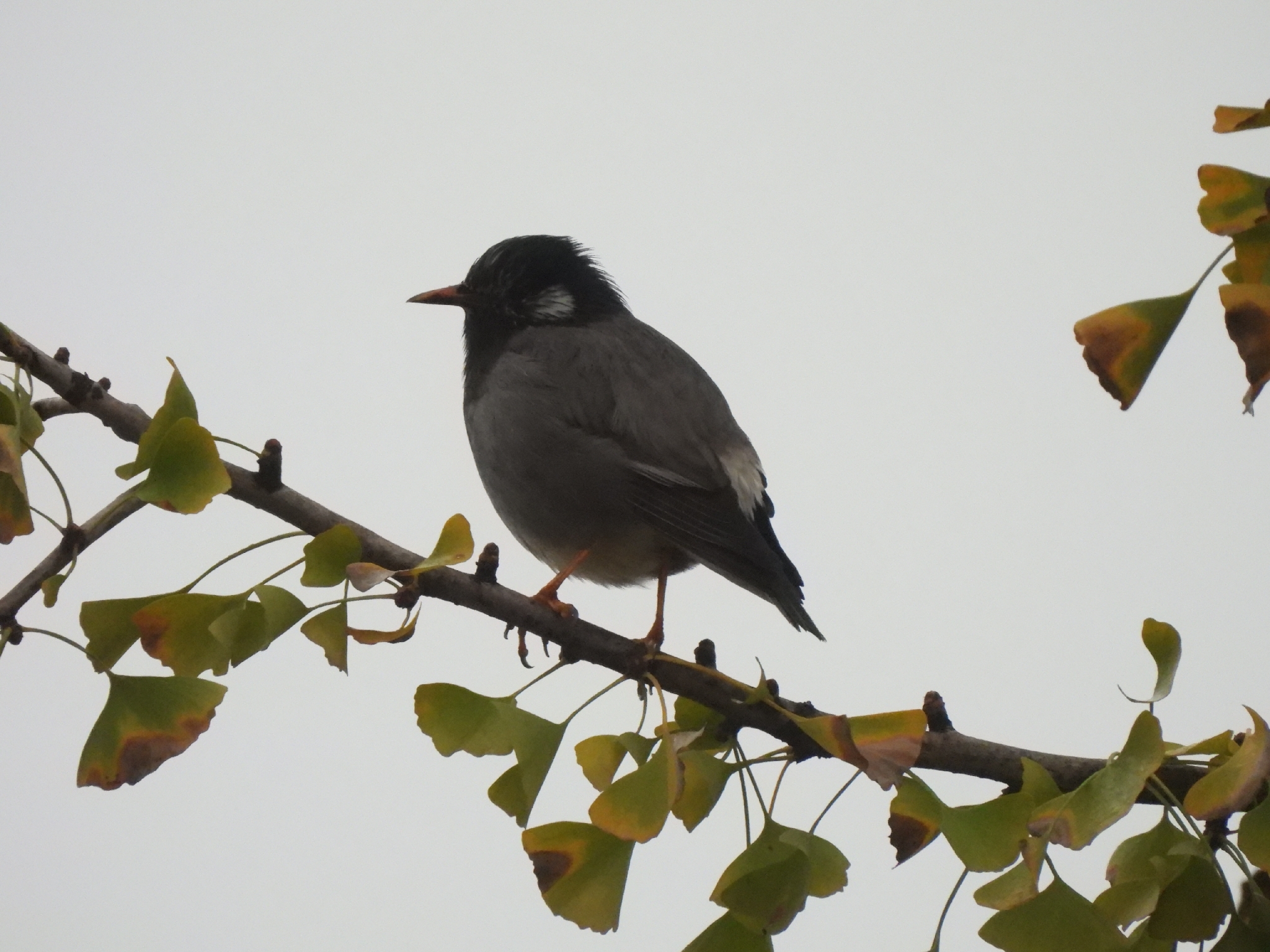
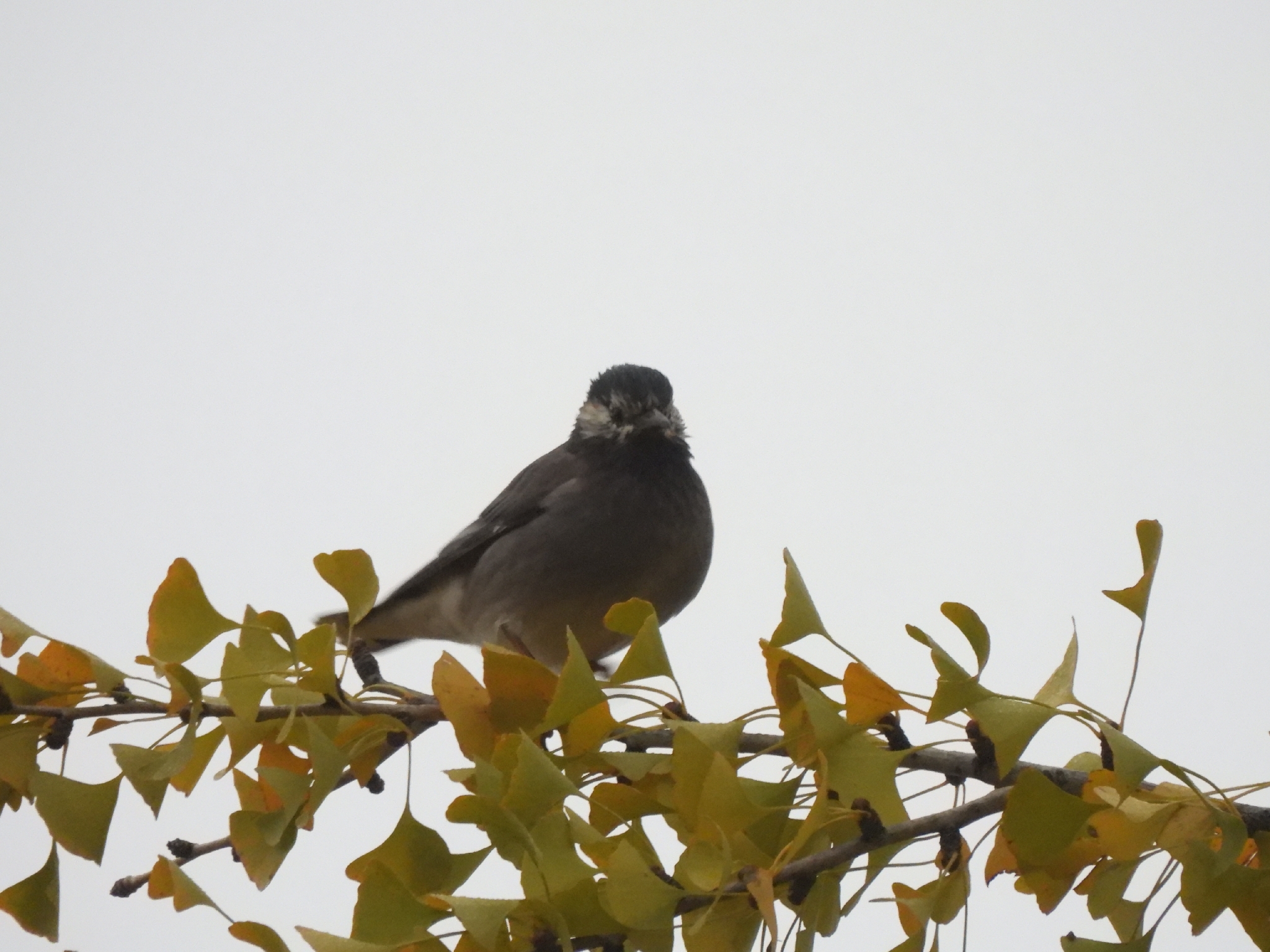
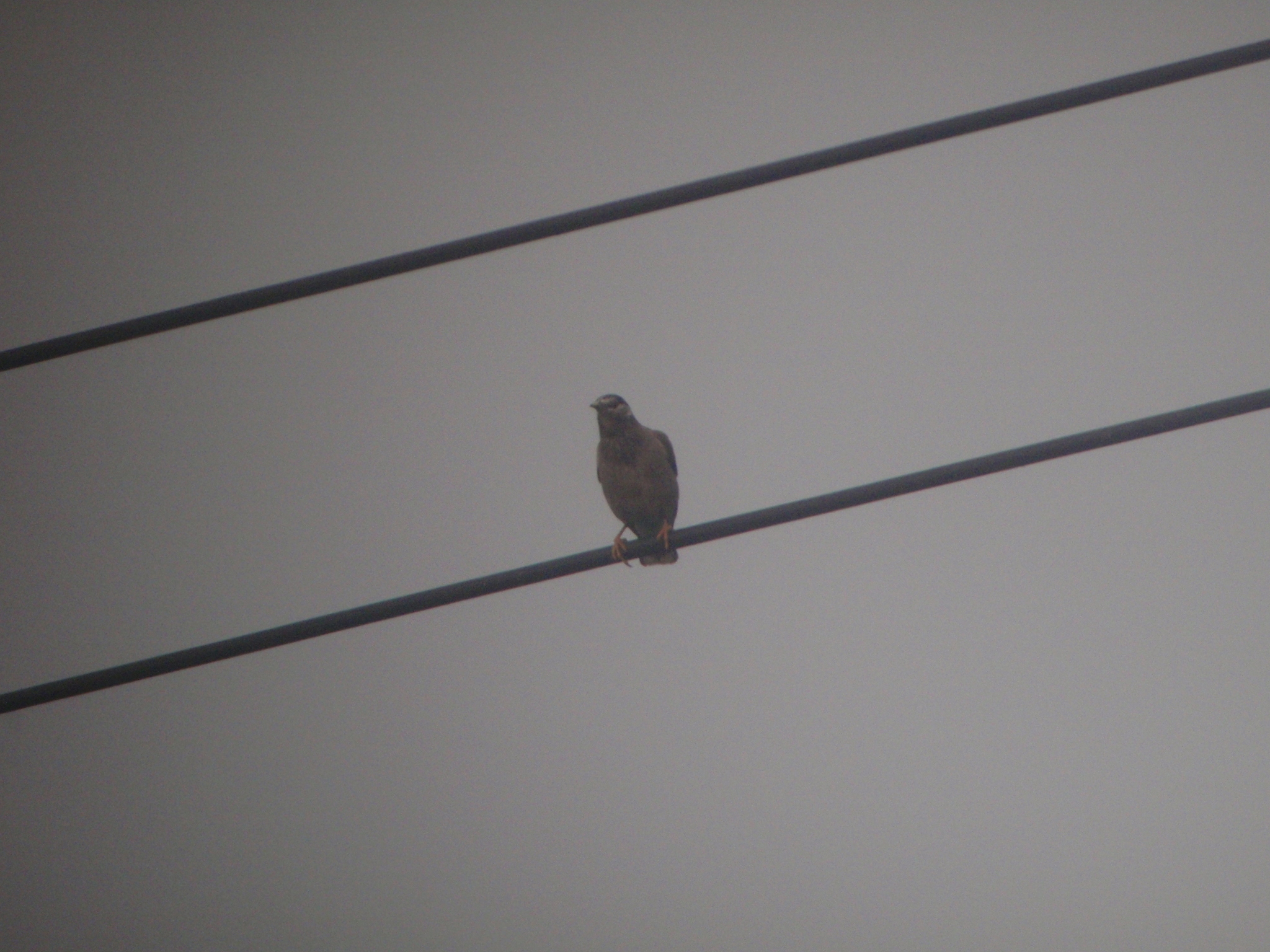
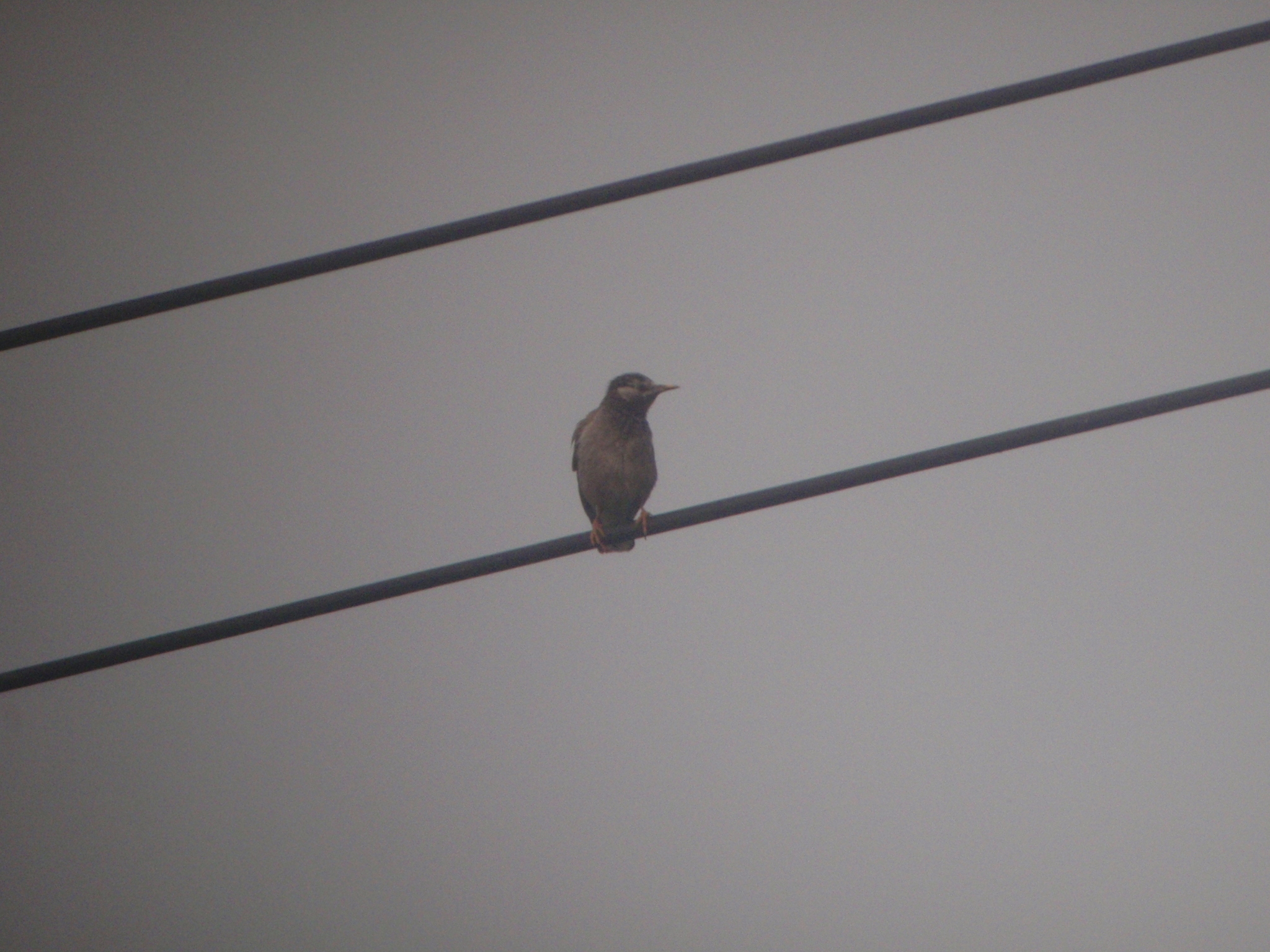
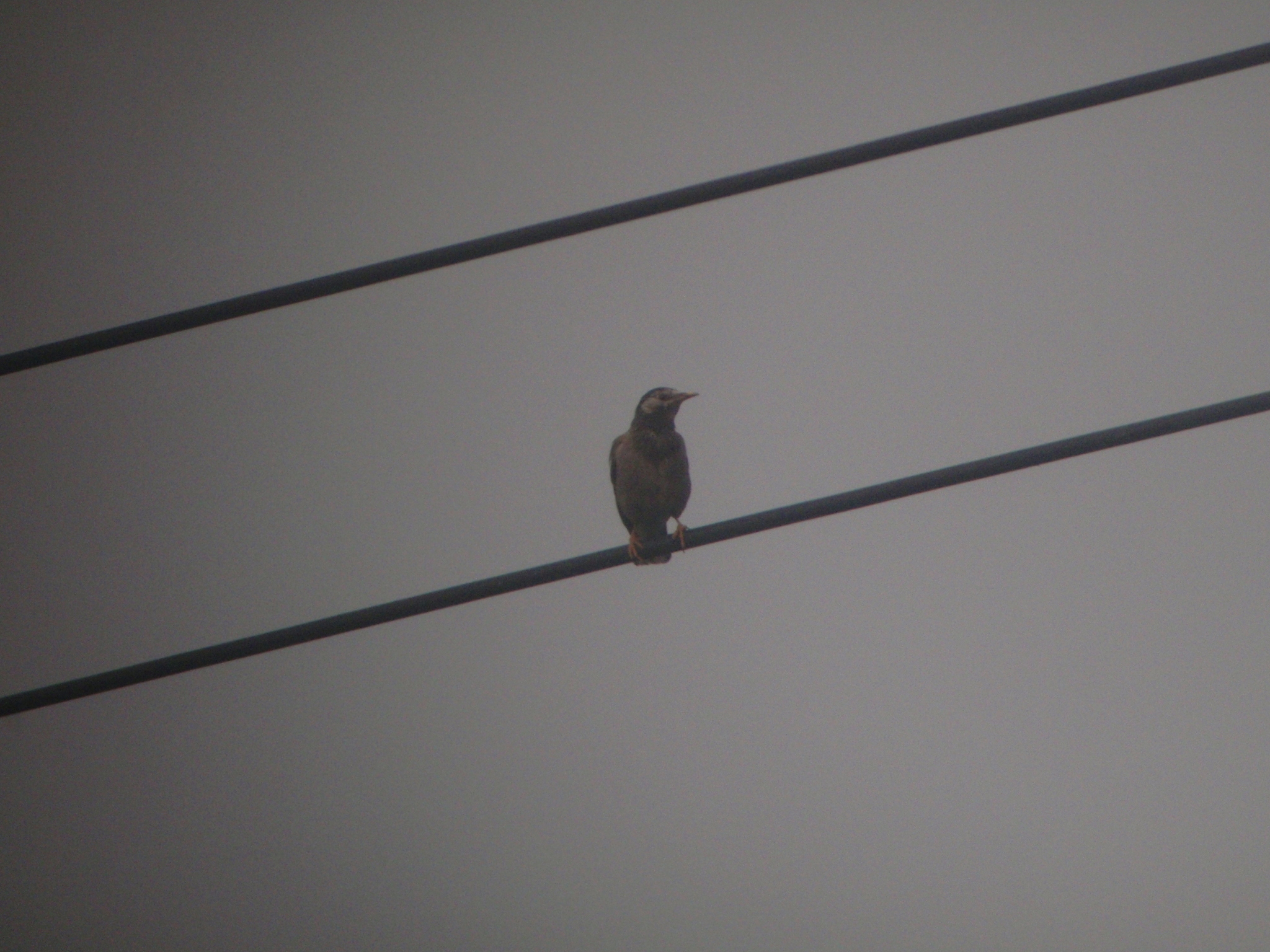
This starling measures 24 cm in length. Adults have dark grey-brown upperparts contrasting with a paler belly, and display a distinctive whitish band across the rump. The head appears blackish with bold whitish cheek patches and forehead. The tail has a white border, and the secondary wing feathers show white markings. The legs are pale orange, while the bill is orange with a distinctive black tip. Females resemble males but appear paler and less vivid. Juveniles are brown overall with pale cheeks and rump, and lack the black tip on the bill seen in adults.
Identification
The combination of dark body, white cheek patches, and orange bill with black tip distinguishes this species from other starlings in its range. The white rump band is also a key识别特征. Compared to the similar red-billed starling, this species has a black-tipped orange bill rather than a red bill and shows different facial patterning. In flight, the white tail edges and wing markings are visible.
Distribution & Habitat
The breeding range spans central and northeastern China, Korea, Japan, and southeastern Siberia. Birds from colder northern regions migrate south for winter, reaching southern and eastern China, South Korea, southern Japan, Taiwan, and northern Vietnam. Vagrants have been recorded in the Philippines, Thailand, Myanmar, and notably in Homer, Alaska in 1998, likely having arrived by ship. The species inhabits woodland, farmland, and open country, and has readily adapted to urban parks and gardens, being most common in lowland areas up to approximately 700 meters elevation.
Behavior & Ecology
The diet is varied, consisting of fruit and insects including mole crickets. The breeding season extends from March to July, during which pairs often raise two clutches. Nests are constructed in tree holes, building crevices, or provided nestboxes. Females lay four to nine eggs, which are incubated for 14 to 15 days. Young birds fledge 13 to 15 days after hatching. The species is known for its loud, monotonous call consisting of a series of harsh, creaking notes.
Conservation
The species is assessed as Least Concern by the IUCN due to its large range and stable population. It is considered common throughout much of its extensive range and has adapted well to human-modified landscapes.
Source: Wikipedia · CC BY-SA 3.0
Taxonomy
- Order
- Passeriformes
- Family
- Sturnidae
- Genus
- Spodiopsar
- eBird Code
- whcsta1
Distribution
northeastern Asia; winters in southern China and Philippines
Vocalizations
Data Sources
Species description from Wikipedia, licensed under CC BY-SA 3.0.
Bird images and sounds sourced from GBIF, contributed by citizen scientists worldwide under Creative Commons licenses.
Taxonomy data from AviList 2025.