
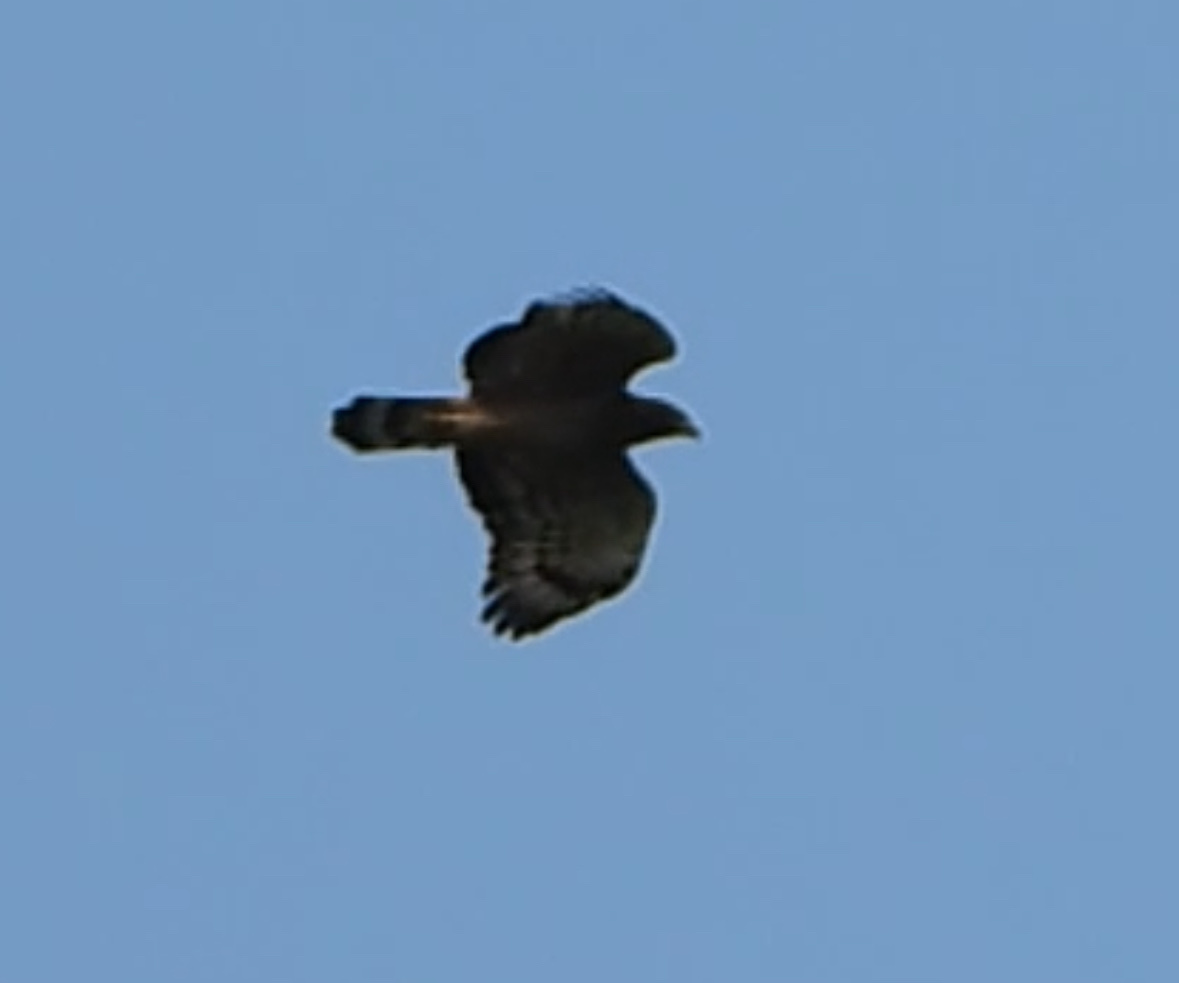
Accipitriformes / Accipitridae / Spilornis
Crested Serpent Eagle
Spilornis cheela · 蛇雕
Introduction
Medium-sized bird of prey in the subfamily Circaetinae, found in forested habitats across tropical Asia including the Indian subcontinent, Southeast Asia, and East Asia. Distinctive traits include a maned and crested appearance from long nuchal feathers, bare yellow facial skin, and a diet primarily consisting of snakes. Twenty-one subspecies have been proposed, with some island taxa treated as separate species by certain authorities.
Description
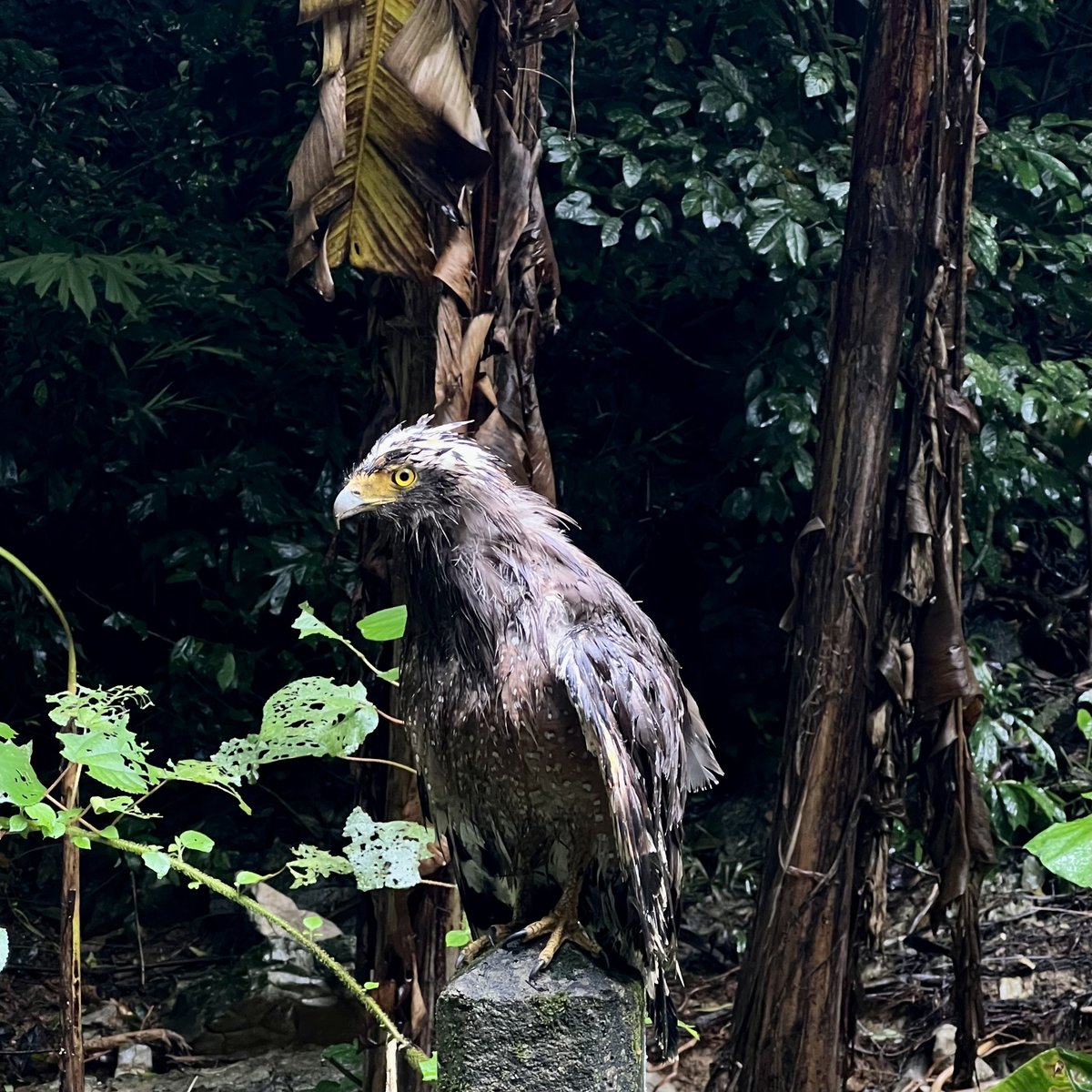
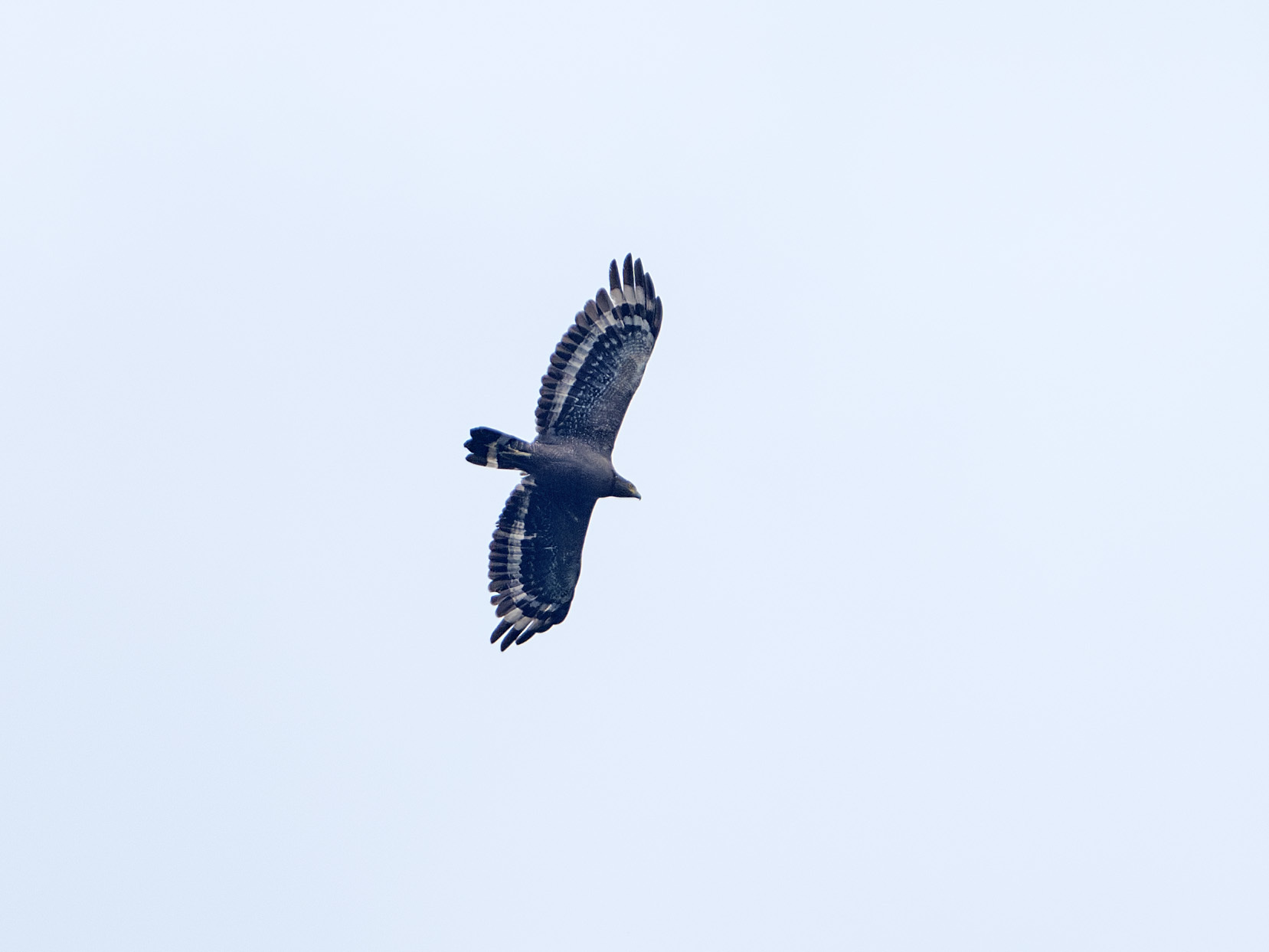
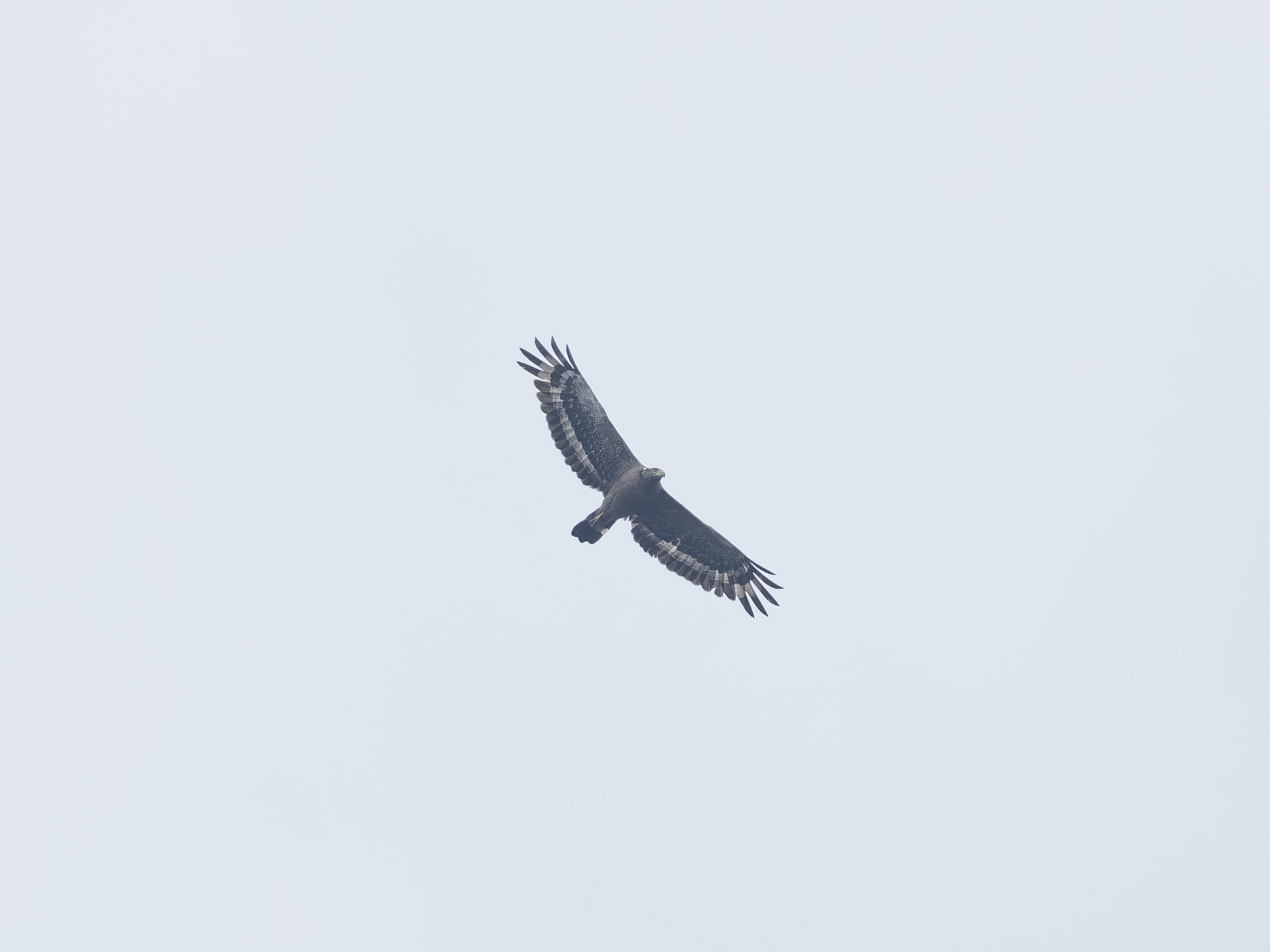
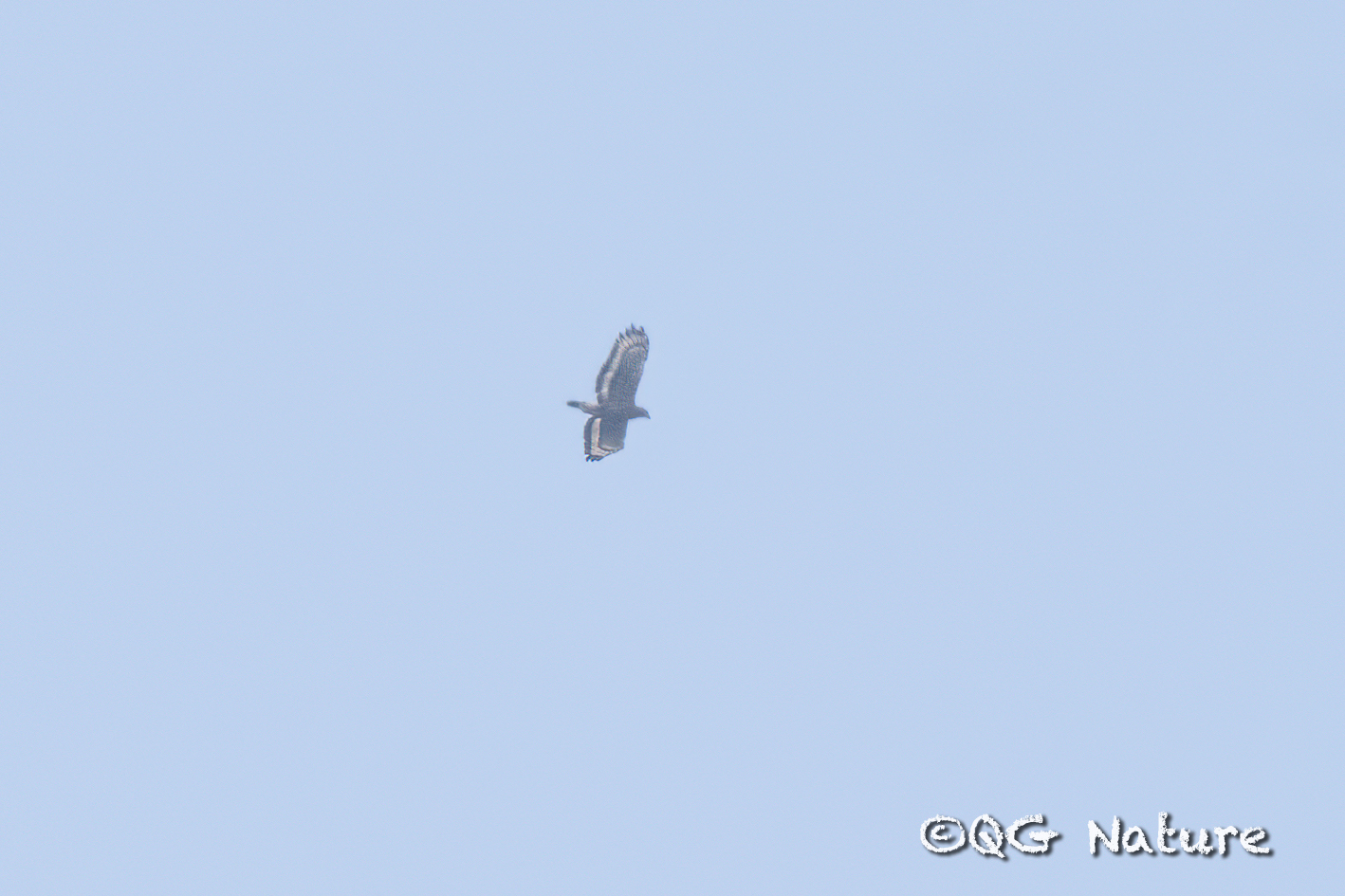
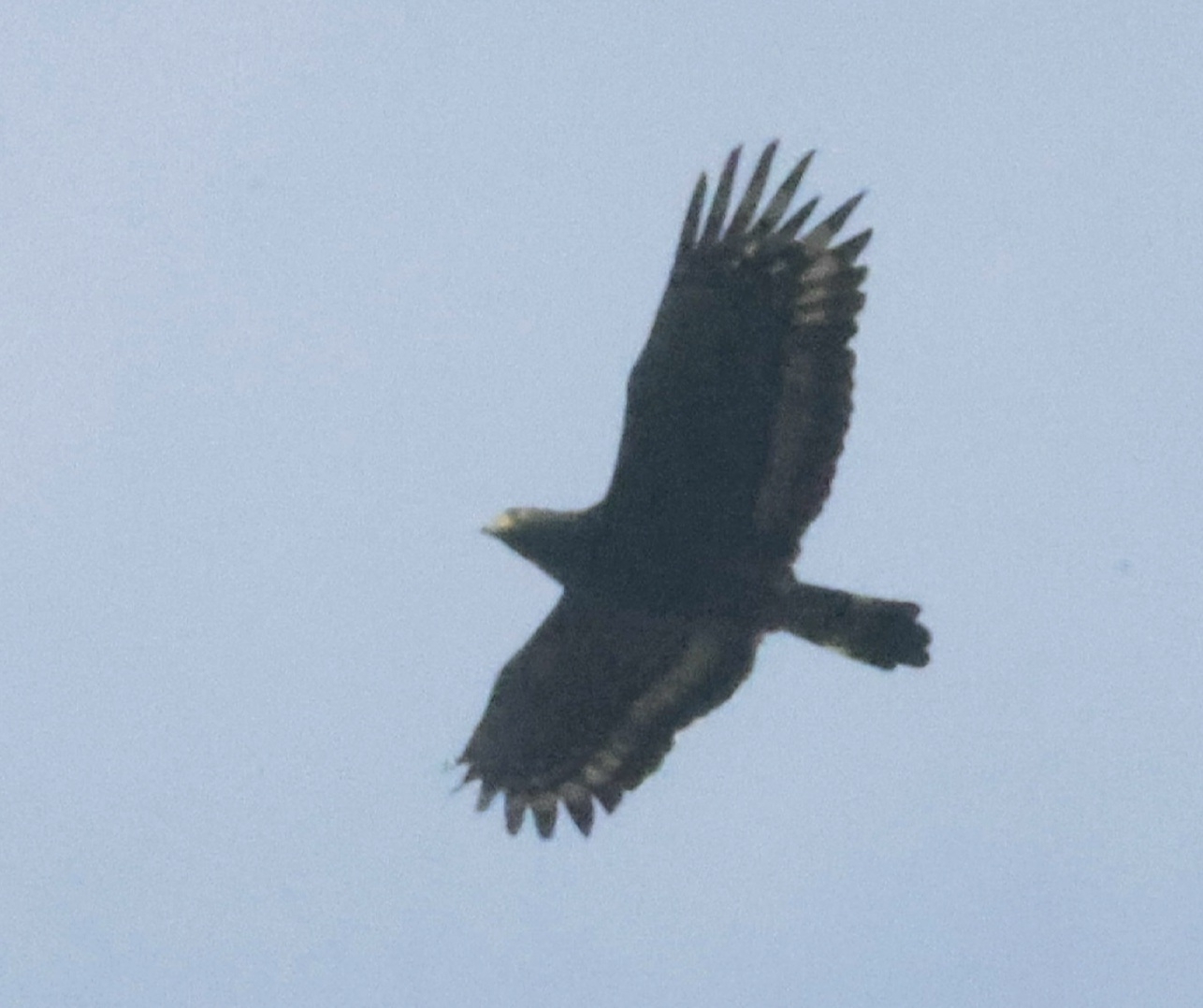
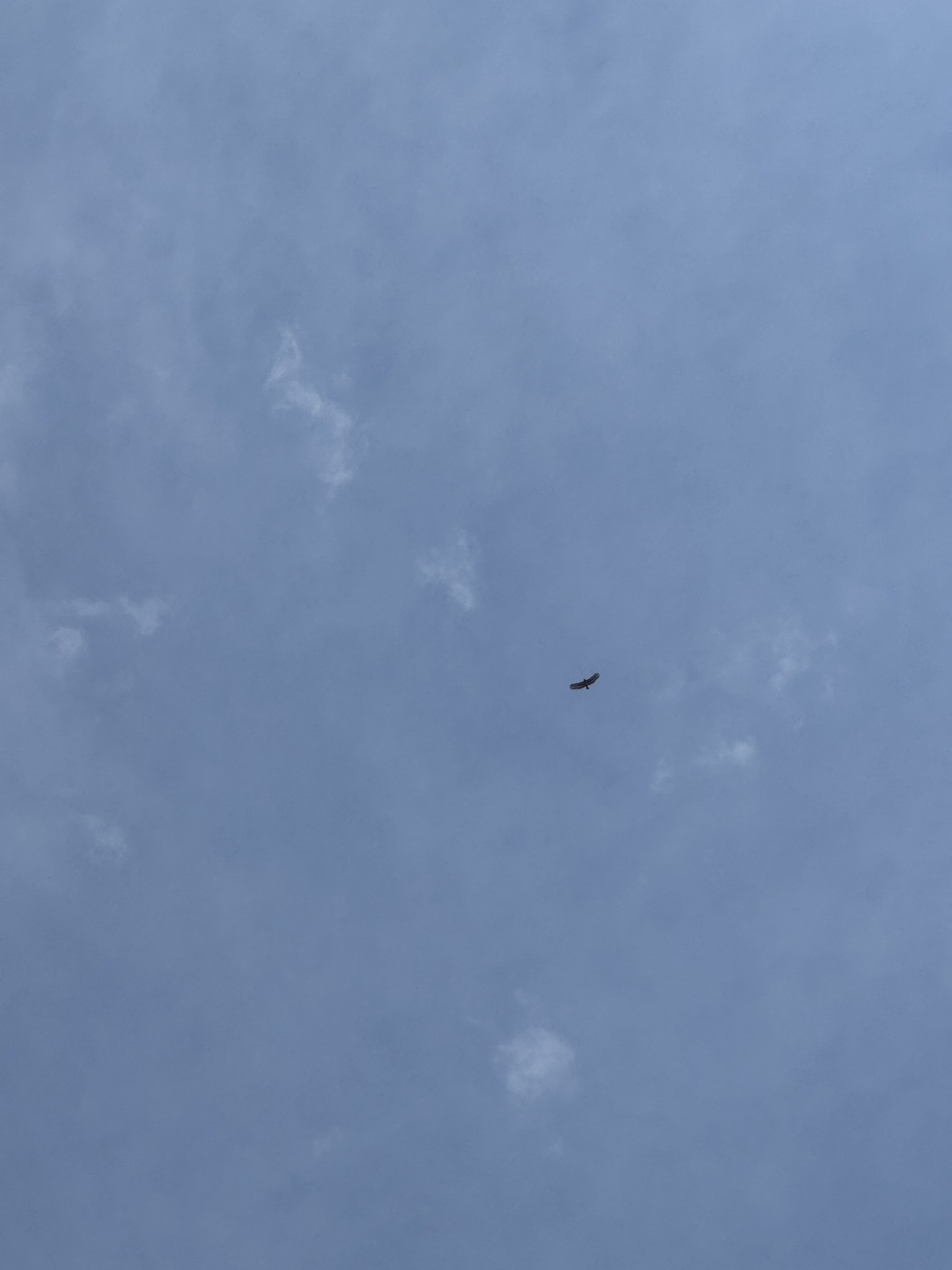
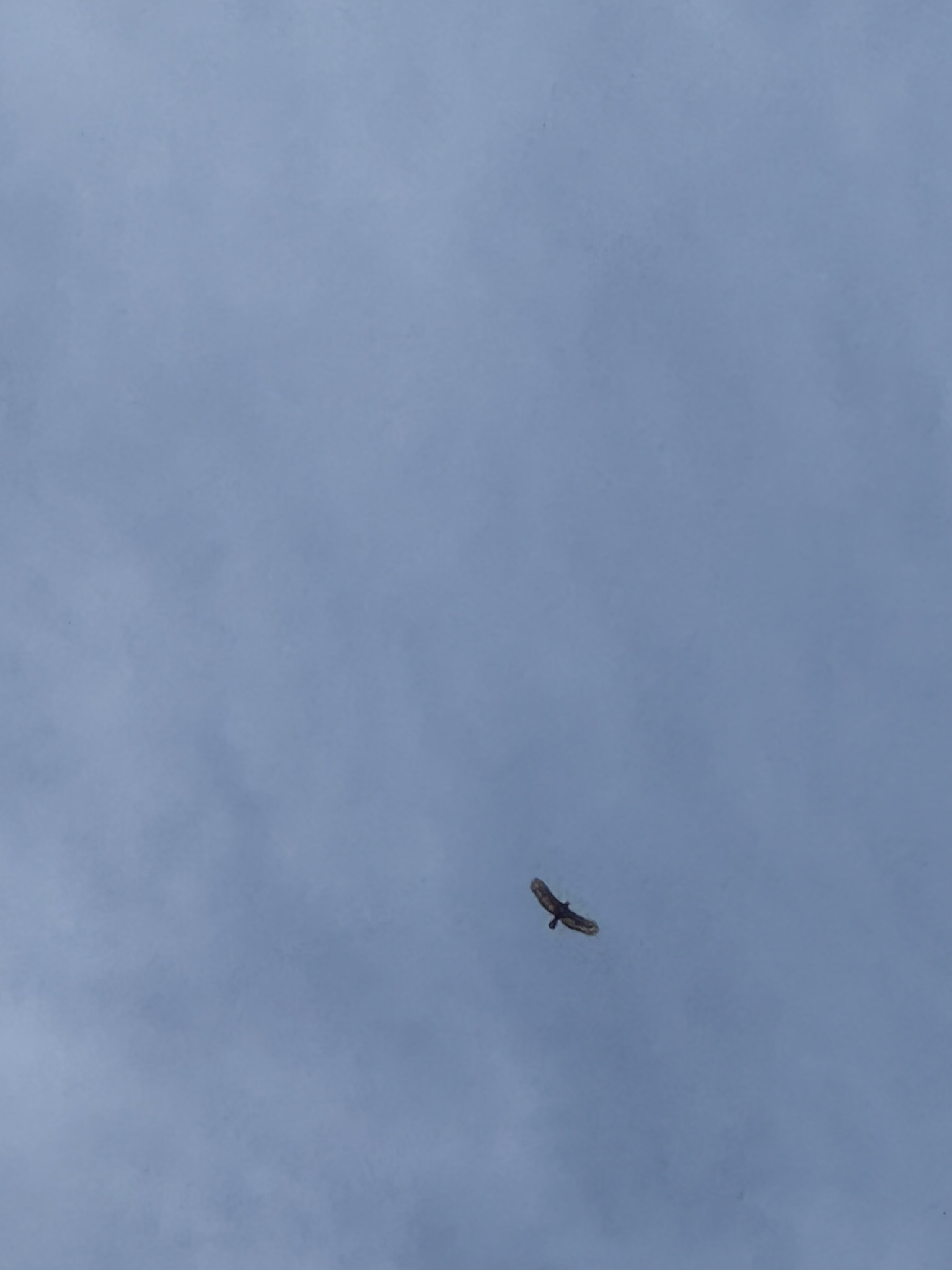
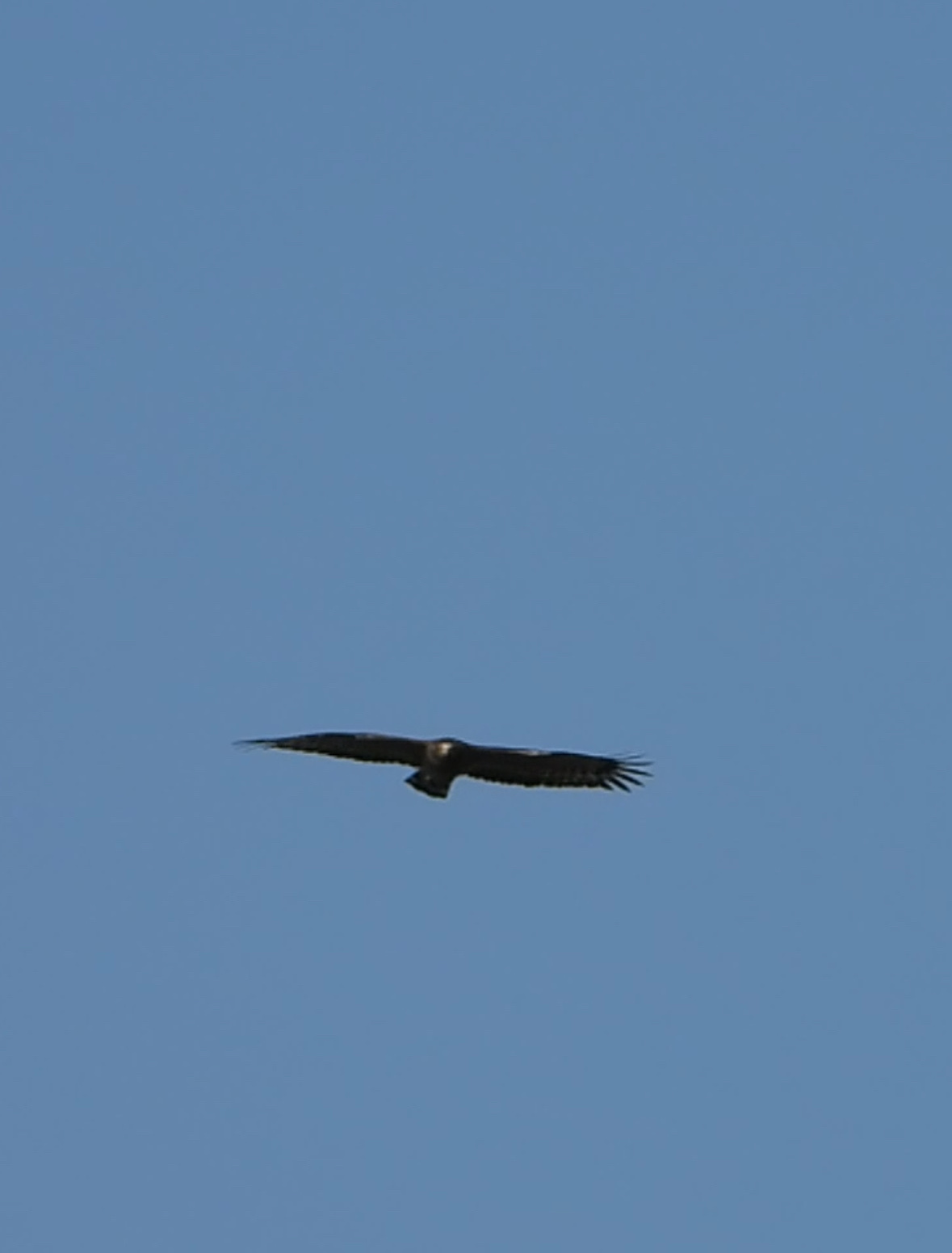
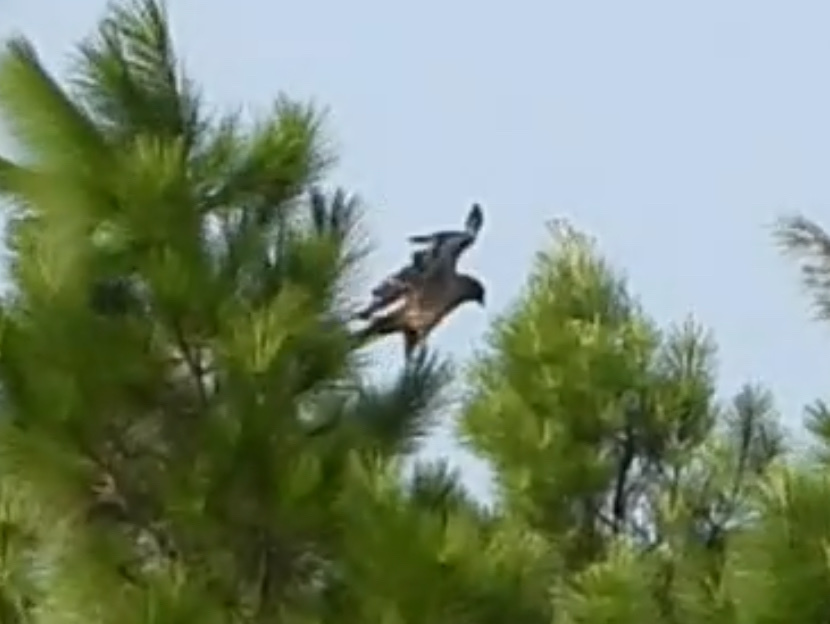
Stocky, medium-large dark brown eagle with rounded wings and a short tail. Features a short black and white fan-shaped nuchal crest giving a thick-necked appearance. Bare facial skin, ceres, and unfeathered feet covered in hexagonal scales are yellow. Underside is spotted with white and yellowish-brown. In flight, broad paddle-shaped wings are held in a shallow V; tail and underside of flight feathers show broad white bars on black. Wing tips do not reach the tail tip when perched. Young birds exhibit significant white on the head. Total length varies from 41 to 75 cm; wingspan from 89 to 169 cm. Weight varies significantly by subspecies, ranging from approximately 420 g in small island races to over 2,300 g in larger forms.
Identification
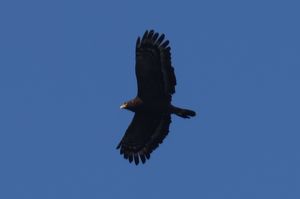
Identified by broad wings with wide white and black bars, held in a shallow V during soaring. Distinctive call is a loud, piercing 'Kluee-wip-wip' with a high, rising first note. When alarmed, erects crest making the head appear large and framed by a ruff. Similar species within the complex may differ in size and throat coloration (black in nominate, brownish in peninsular Indian form).
Distribution & Habitat
Widespread across tropical Asia, including the Indian subcontinent, Southeast Asia, and East Asia. Inhabits areas with thick vegetation on low hills and plains, often near wet grasslands. Resident in most of its range, though present only in summer in some parts. Twenty-one subspecies are recognized, exhibiting clinal latitudinal variation with size decreasing southward and insular dwarfism in small island taxa. Specific subspecies include S. c. cheela (nominate), S. c. hoya (Taiwan), S. c. burmanicus (Indochina), and various island-restricted forms such as S. c. minimus (Nicobars) and S. c. asturinus (Nias).
Behavior & Ecology
Primarily feeds on snakes and lizards, also preying on birds, large insects, amphibians, mammals, fishes, termites, and earthworms. Uses a sit-and-wait foraging strategy, spending 98% of the day perched and hunting mainly in morning hours. Soars on thermals in mornings. Males have larger home ranges than females (e.g., 16.7 km² vs 7 km² in Taiwan). Breeding begins in late winter with egg-laying in early summer. Nests are large platforms built high in trees, often refurbished or newly built, lined with green leaves. Female incubates alone while male guards; both build the nest. Clutch is usually one egg, occasionally two, with a single chick raised. Incubation lasts about 41 days; fledging occurs after about two months. Parents defend nests. Cinereous tits sometimes nest nearby for protection from predators.
Conservation
Overall widespread and fairly common, but island-restricted taxa have small populations, likely in the hundreds. The Bawean serpent eagle (S. c. baweanus) is critically endangered with a declining population of about 26–37 pairs.
Source: Wikipedia · CC BY-SA 3.0
Taxonomy
- Order
- Accipitriformes
- Family
- Accipitridae
- Genus
- Spilornis
Vocalizations
Subspecies (21)
-
Spilornis cheela abbotti
Simeulue Island (off western Sumatra)
Data Sources
Species description from Wikipedia, licensed under CC BY-SA 3.0.
Bird images and sounds sourced from GBIF, contributed by citizen scientists worldwide under Creative Commons licenses.
Taxonomy data from AviList 2025.