Passeriformes / Sittidae / Sitta
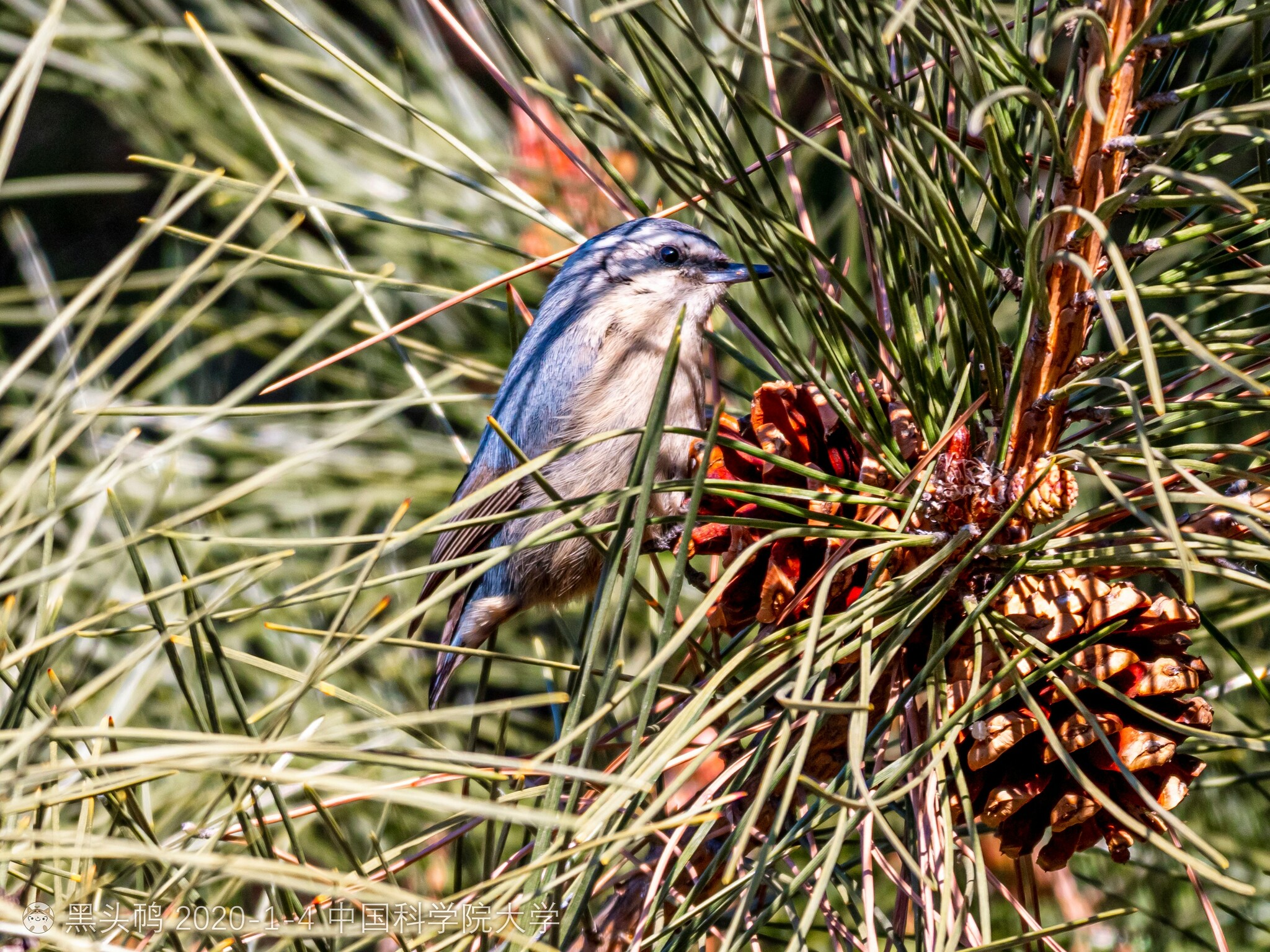
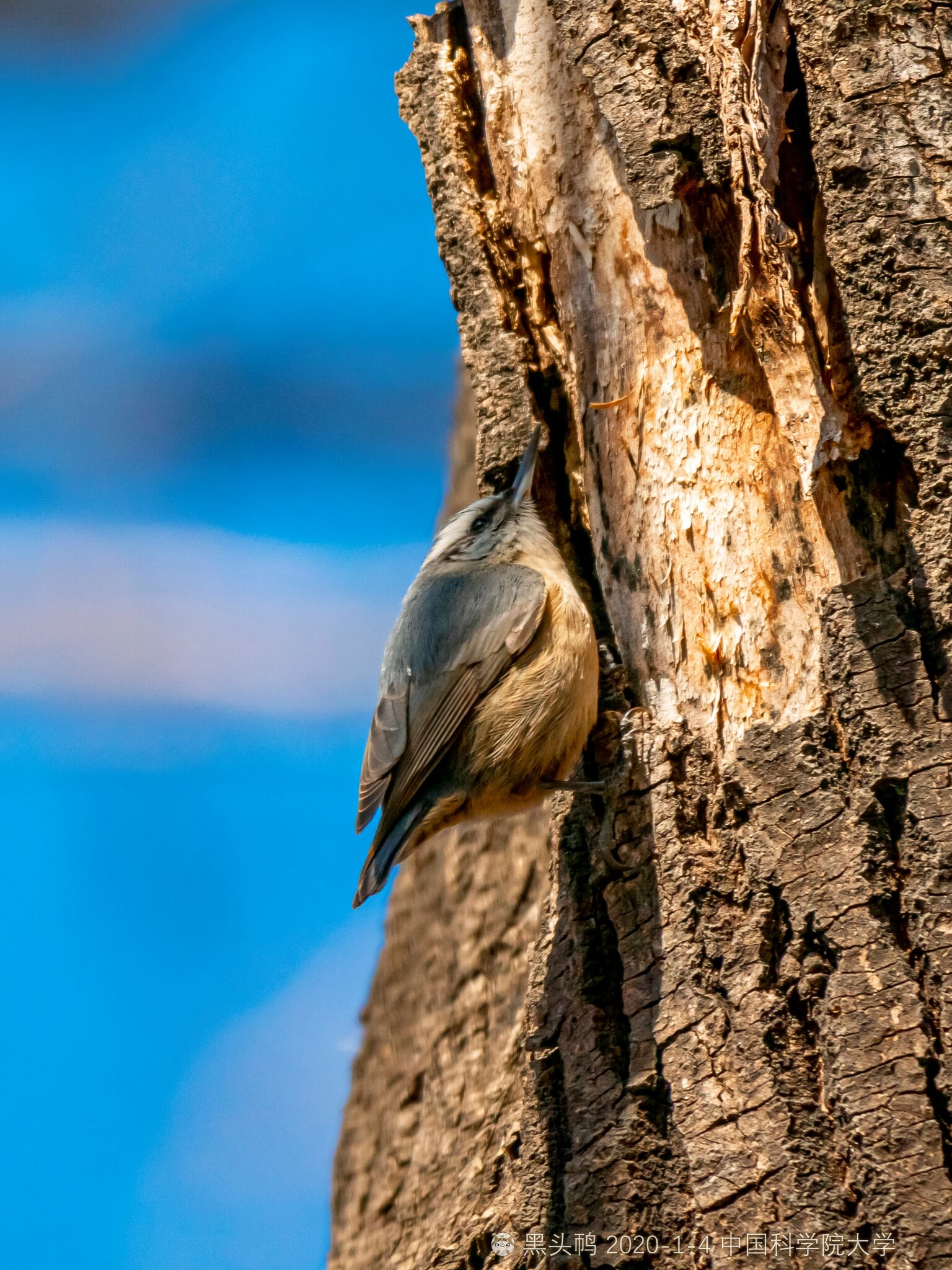
Chinese Nuthatch
Sitta villosa · 黑头䴓
Introduction
A small bird in the family Sittidae, measuring 11.5 cm (4.5 in) in length. It inhabits coniferous forests across northeast China, Korea, and extreme southeast Russia. The species feeds mainly on insects in summer and seeds in winter, nesting in conifer cavities. The International Union for Conservation of Nature assesses it as Least Concern.
Description
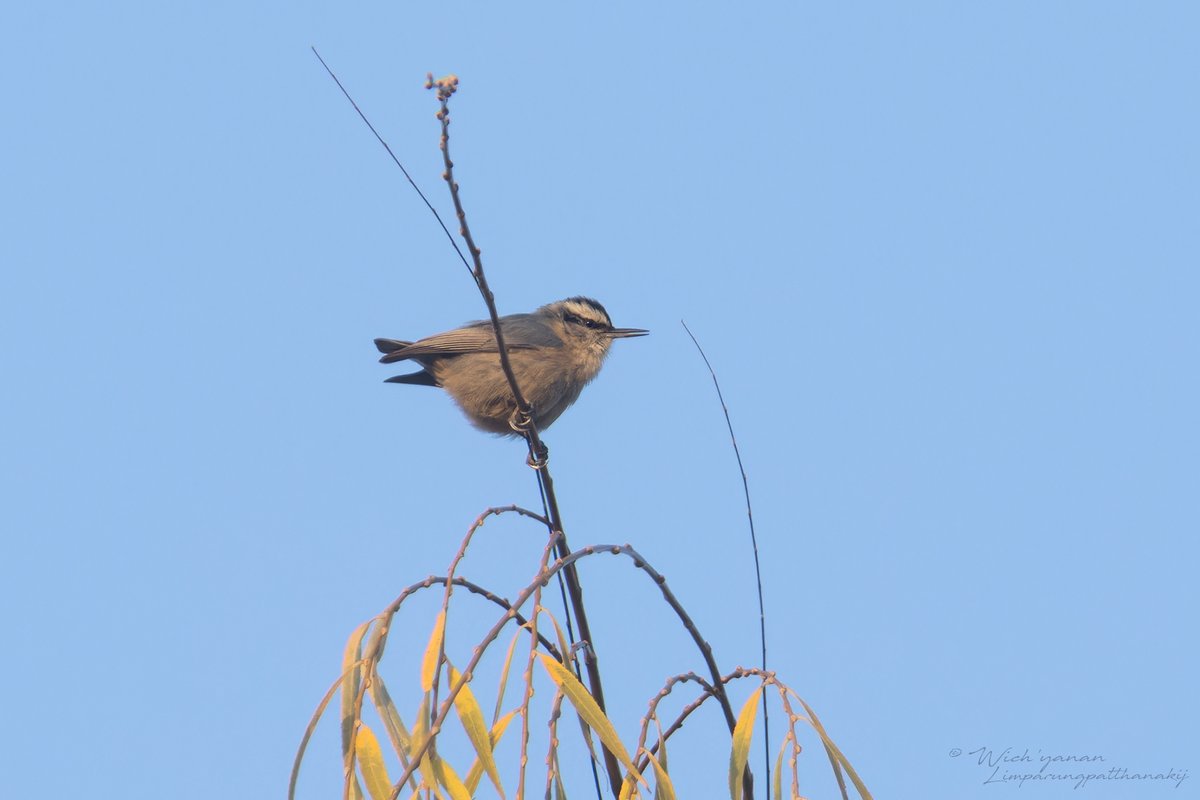
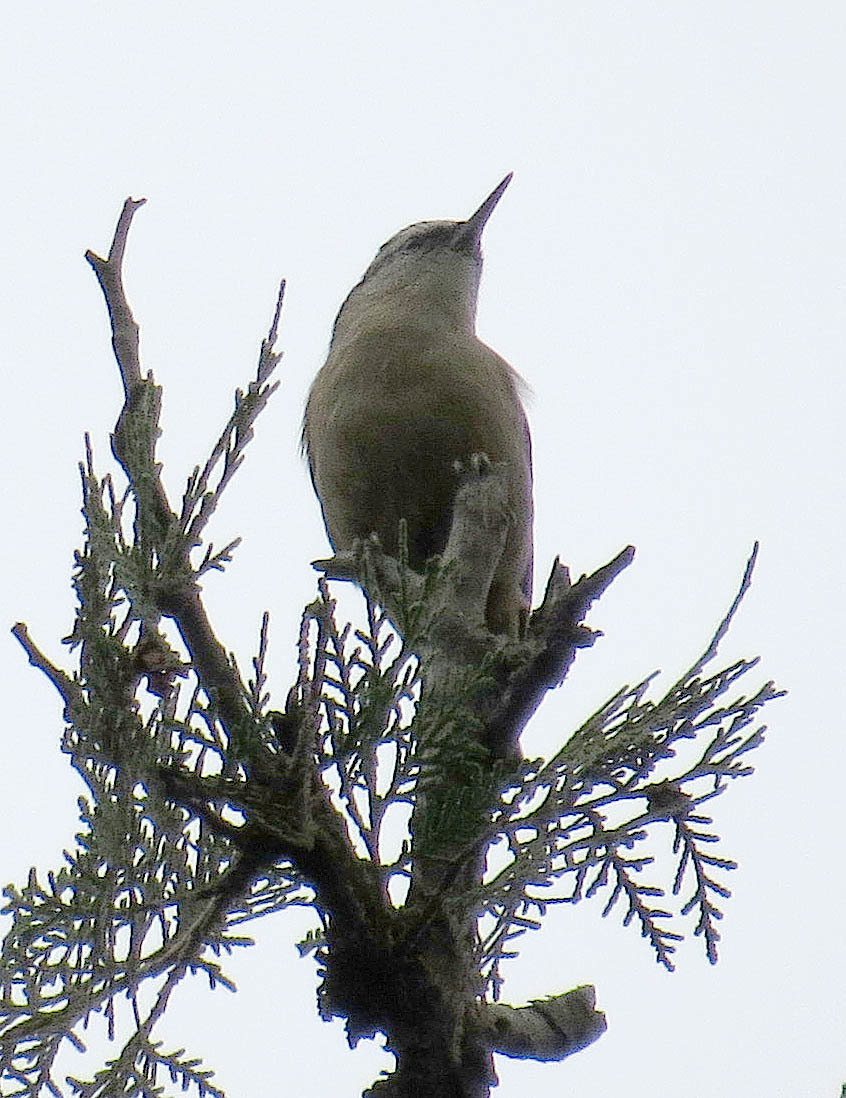
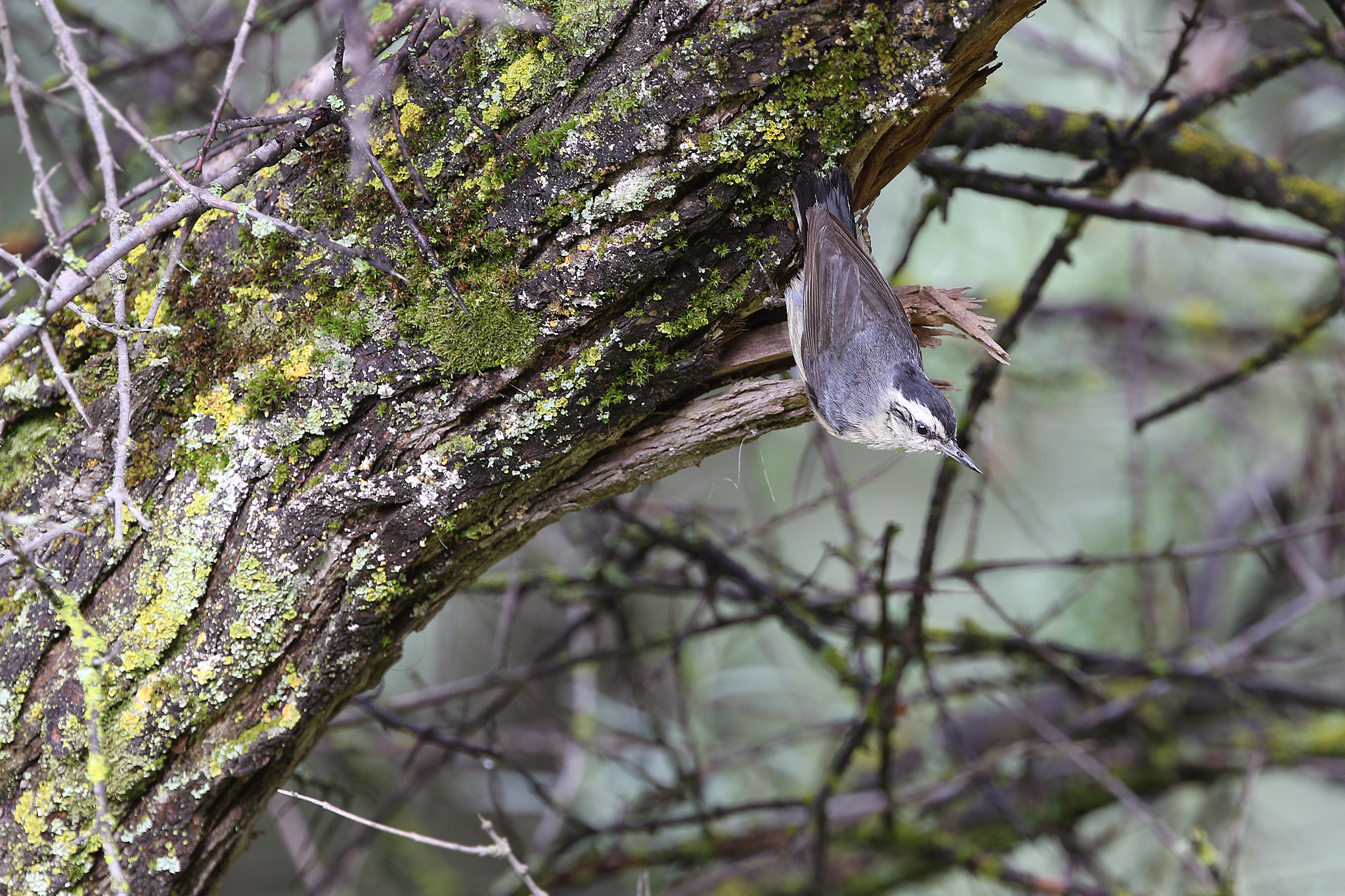
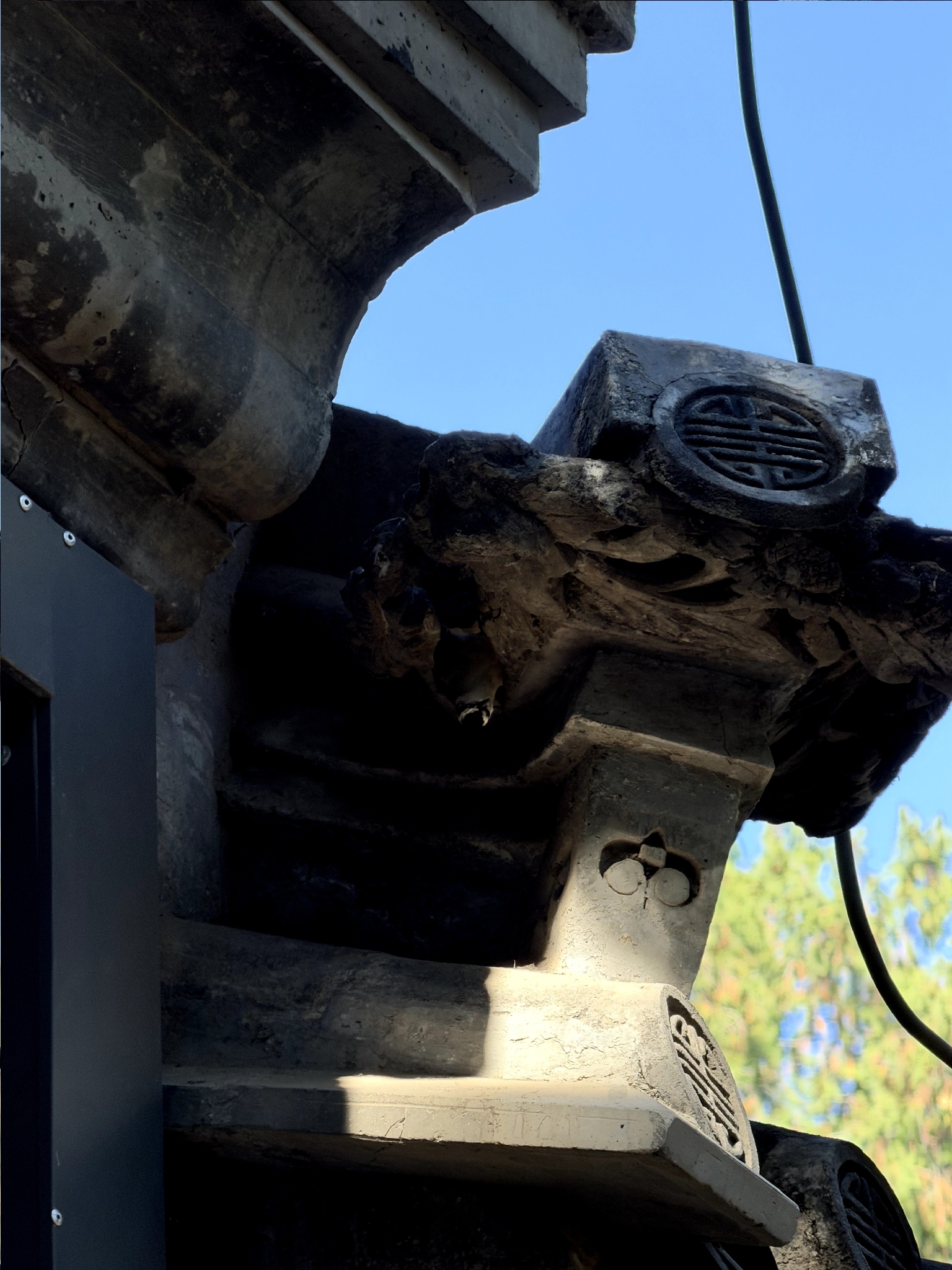
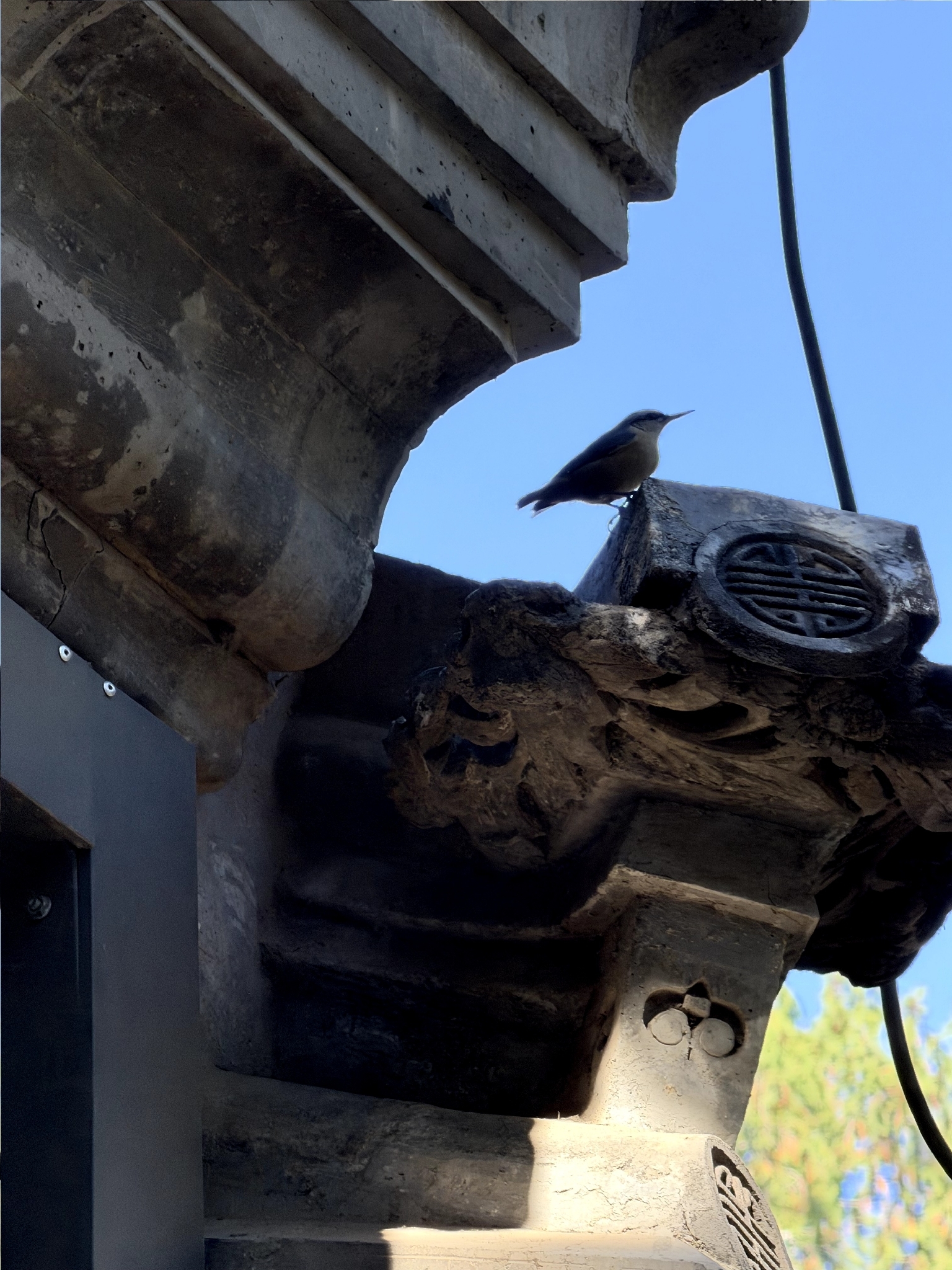
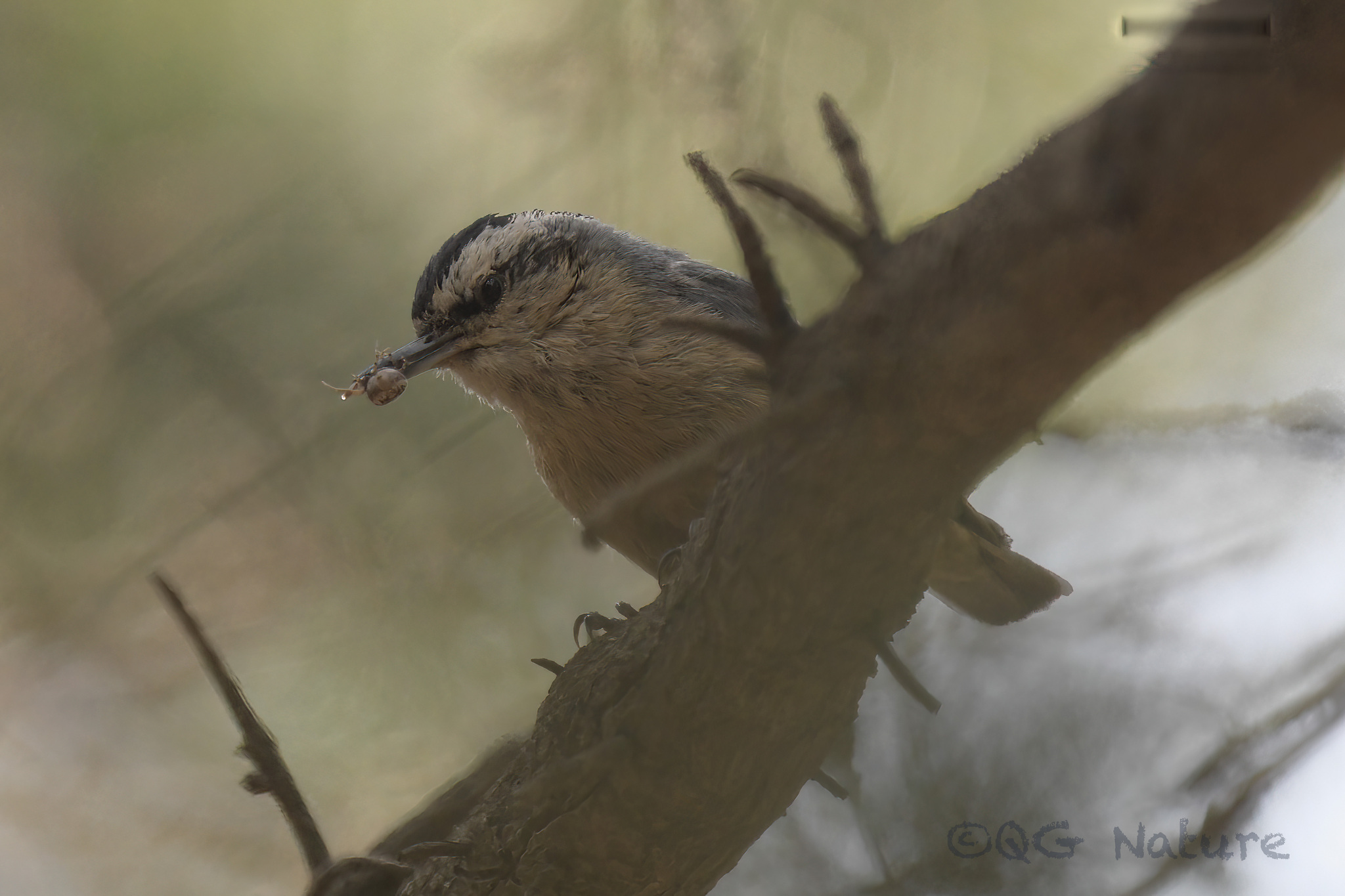
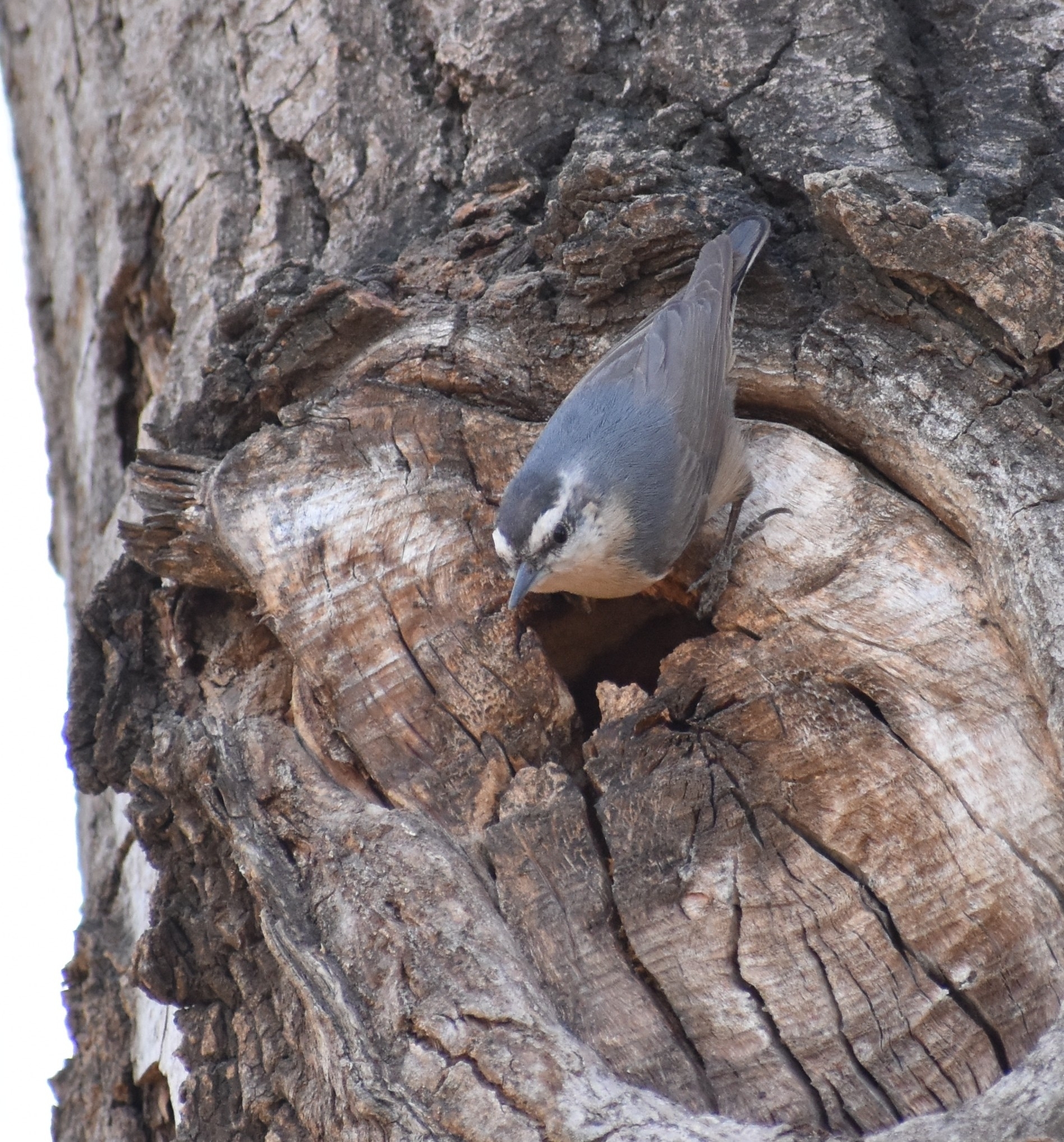
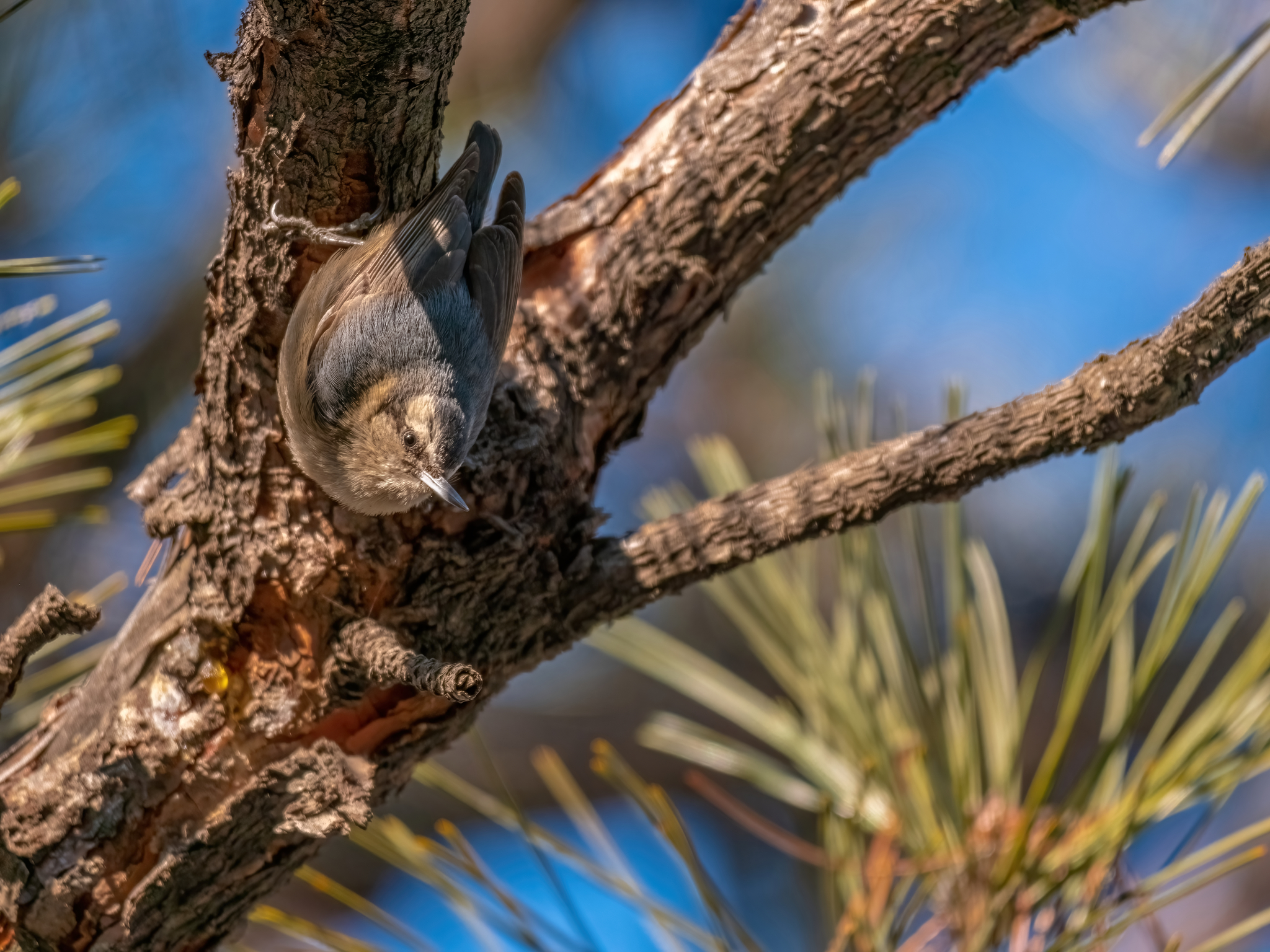
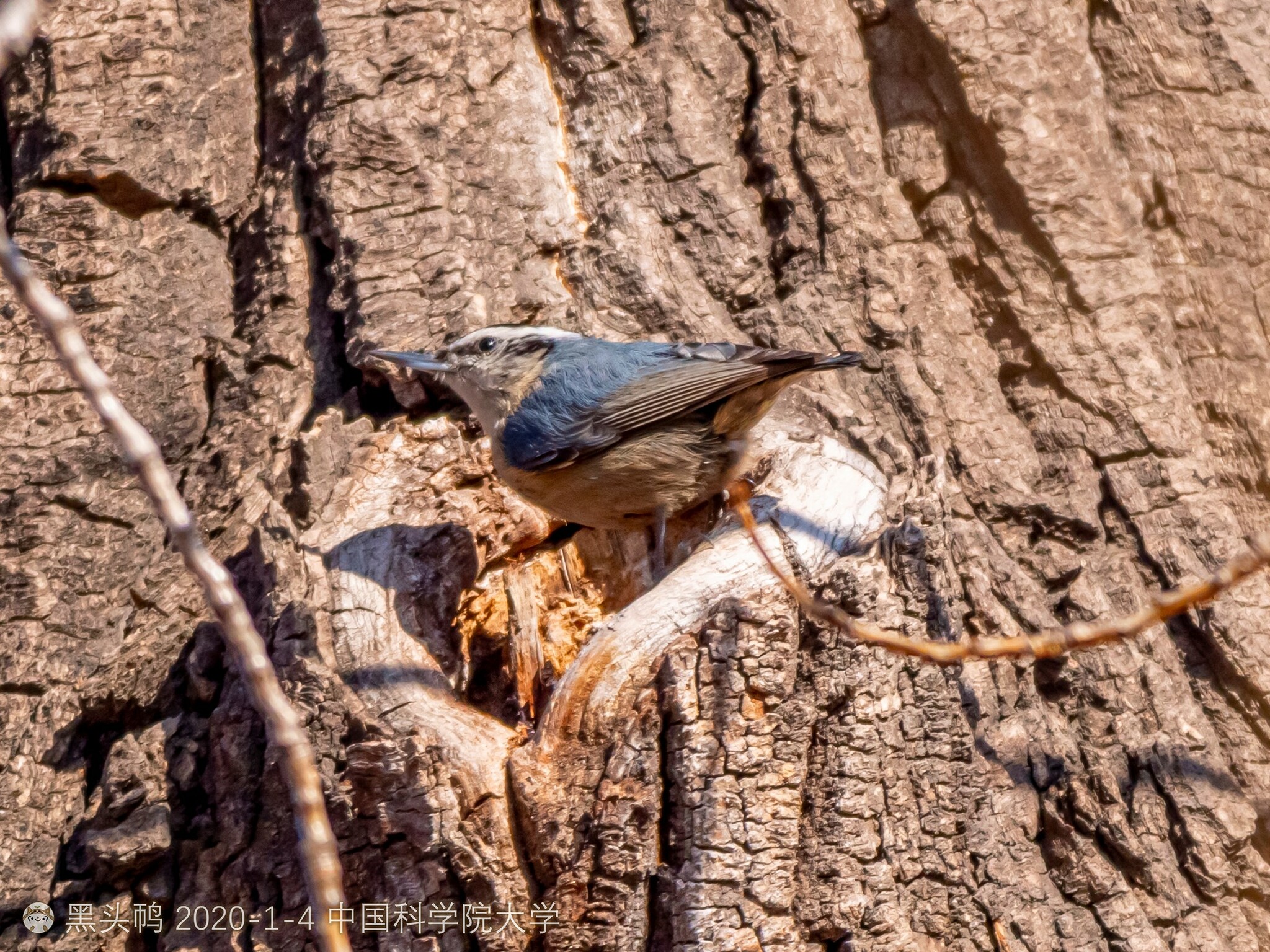
Upperparts are blue-grey; underparts range from dull buff-grey to cinnamon-orange. Cheeks are white with a dark grey eyestripe topped by a clear white supercilium. Marked sexual dimorphism exists: adult males have a very black crown, while females have a crown matching the back's blue-grey or dark grey when worn. Females are overall duller with less vivid scapulars and brown-edged wing feathers. Juveniles have darker, more cinnamon-coloured underparts. Subspecies S. v. bangsi is more brightly coloured with cinnamon feather margins; S. v. corea is paler and greyish. Adults weigh 8–11 grams.
Identification
Distinguished from the Eurasian nuthatch by smaller size, clearly visible white supercilium, black crown in males, and plain underparts lacking reddish undertail coverts. Differs from Przevalski's nuthatch by a black eyestripe rather than light cheeks contrasting with the breast. Similar to the Corsican nuthatch but generally has more vivid underparts. Flight and foraging occur in mixed-species flocks in winter.
Distribution & Habitat
Range extends from central China to the northeast, including Korea and extreme southeast Russia. In China, it occurs from eastern Qinghai to Gansu, Shaanxi, Shanxi, Liaoning, Hebei, Beijing, and northern Sichuan. Rare winter visitor to South Korea. Habitat includes coniferous forests (Pinus, Picea), sometimes mixed with oaks and birches. Three subspecies are recognized: S. v. villosa (southeast Siberia to north-central/northeast China), S. v. bangsi (central western China), and S. v. corea (Korean peninsula and southeast Siberia).
Behavior & Ecology
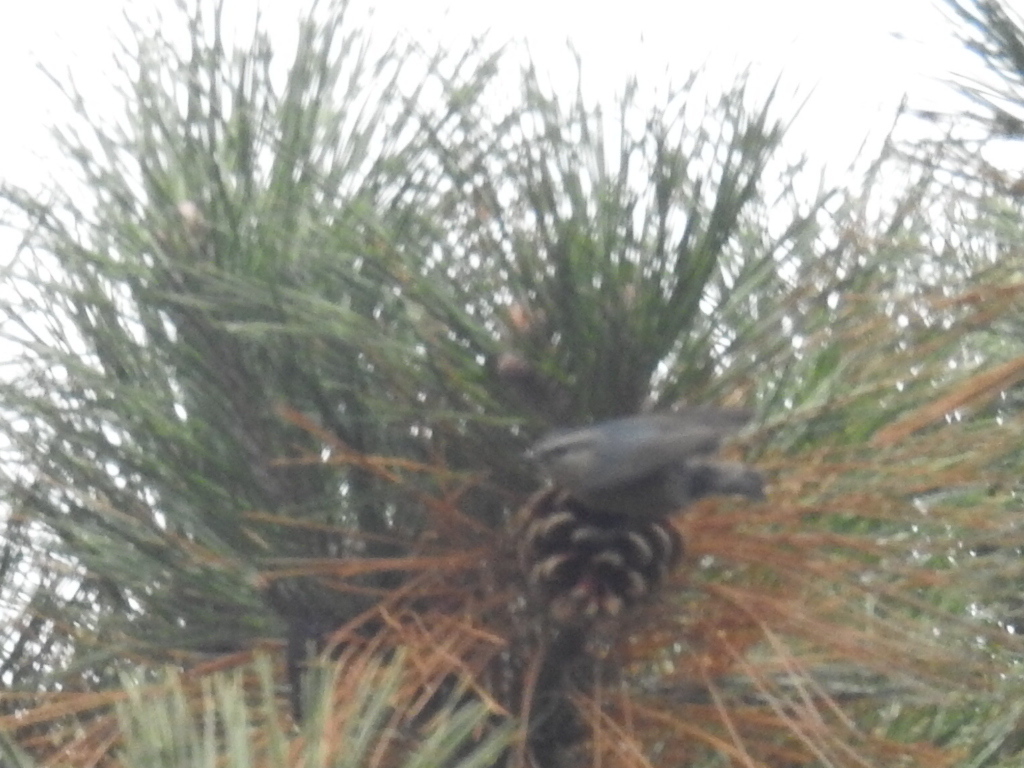
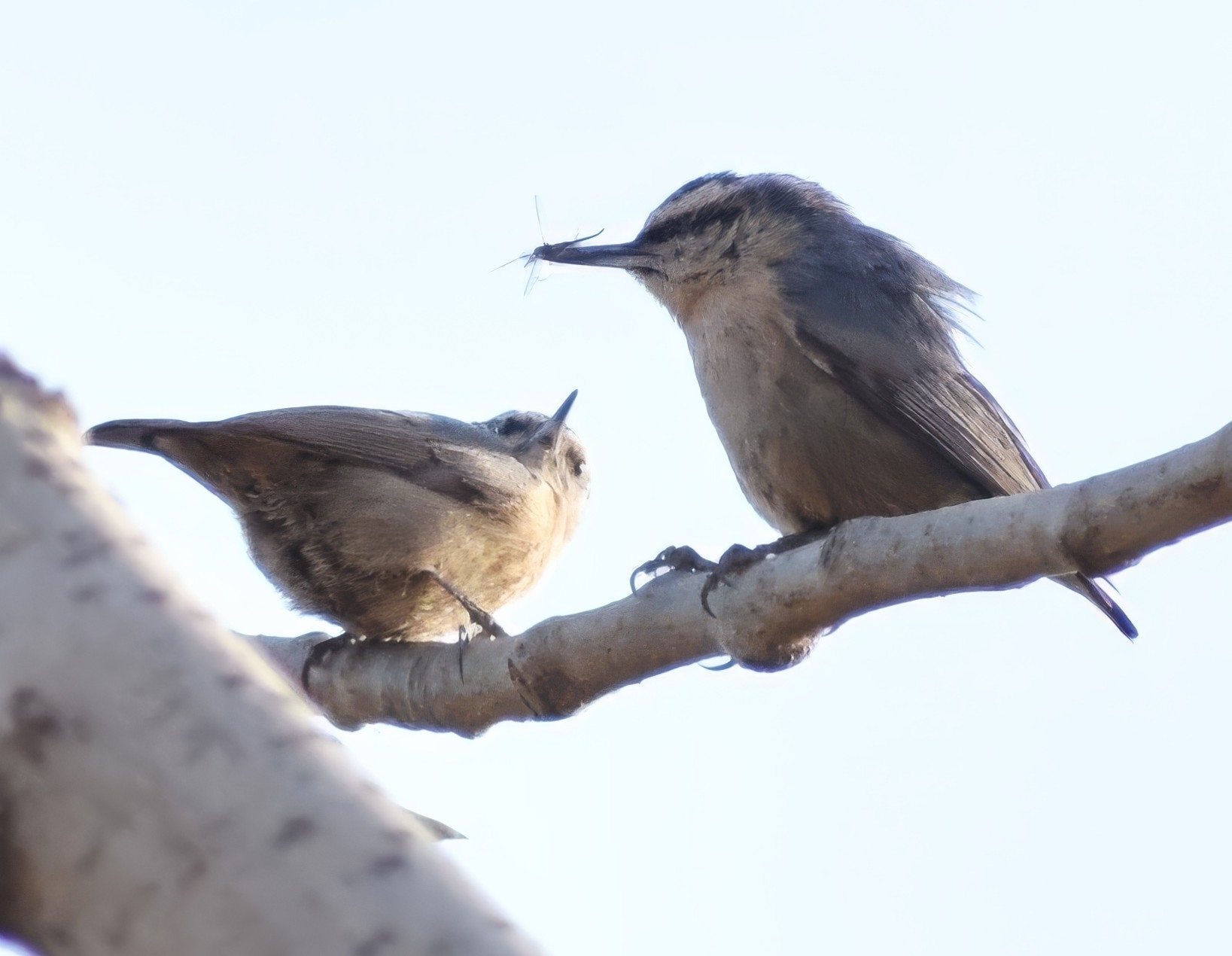
Feeds almost exclusively on insects (98.5% of diet from April to August), including beetles, Hymenoptera, and flies, storing food like other nuthatches. Winter diet consists of nuts, seeds, and tree fruits. Breeding occurs from late April to early May in Jilin. Nests are placed high in conifer cavities (average >9 m), built from plant fibres, feathers, and grasses. Clutch size is four to nine eggs, most often five or six. Female incubates alone for 15–17 days; both parents feed young. One brood is raised per year. Vocalizations include a harsh schraa call, conversational whip or quip series, and ascending whistles.
Conservation
Assessed as Least Concern by the IUCN due to a large range (estimated 1,810,000 km²) and no significant population decline. However, populations may be declining due to habitat destruction. A 2009 study modeled that climate change could decrease its distribution by 79.8–80.4% by 2040–2069.
Source: Wikipedia · CC BY-SA 3.0
Taxonomy
- Order
- Passeriformes
- Family
- Sittidae
- Genus
- Sitta
Subspecies (3)
-
Sitta villosa bangsi
northeastern Qinghai, adjacent central and southern Gansu, far northern Sichuan, and western Ningxia (north-central China)
Data Sources
Species description from Wikipedia, licensed under CC BY-SA 3.0.
Bird images and sounds sourced from GBIF, contributed by citizen scientists worldwide under Creative Commons licenses.
Taxonomy data from AviList 2025.