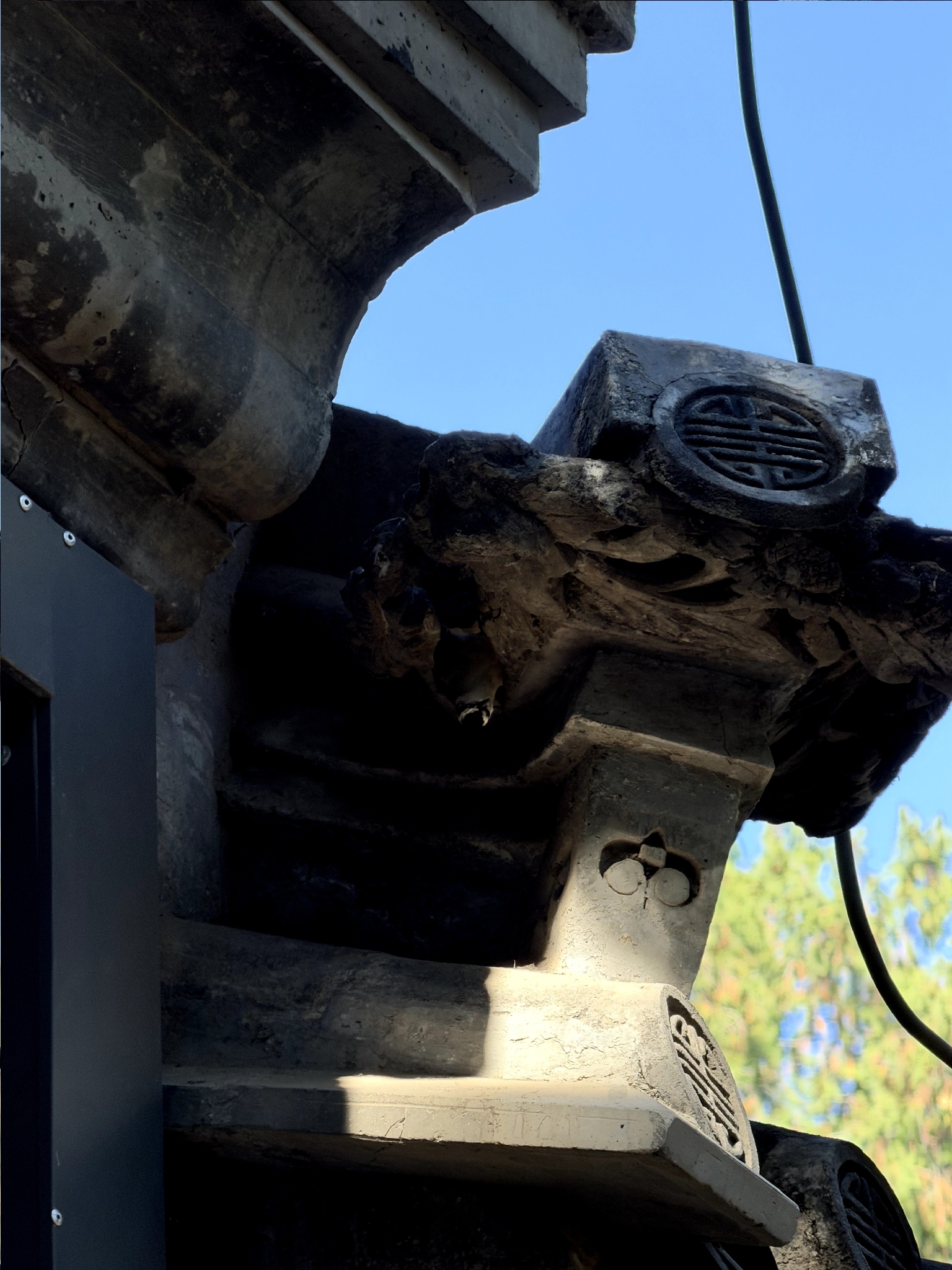
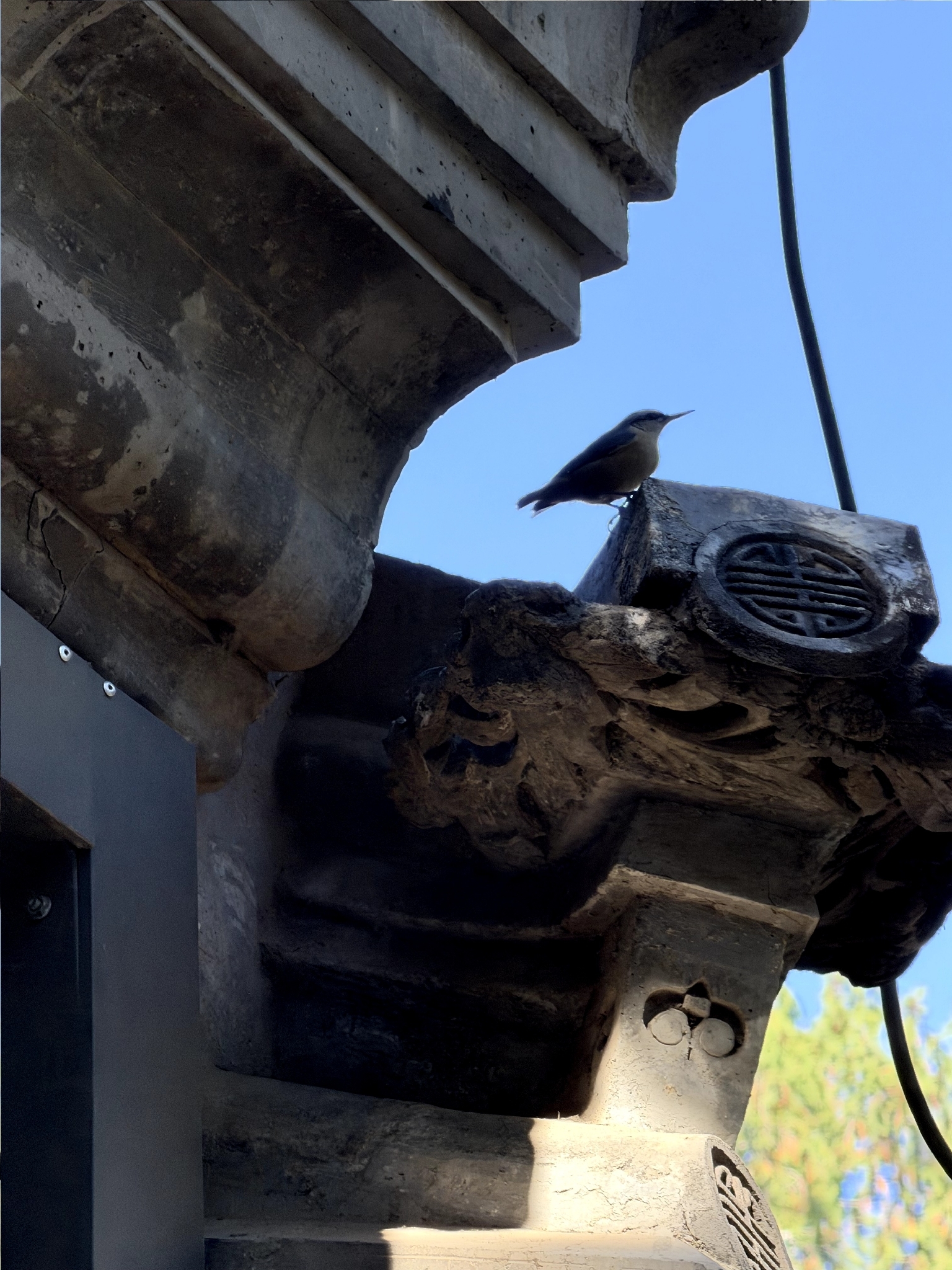
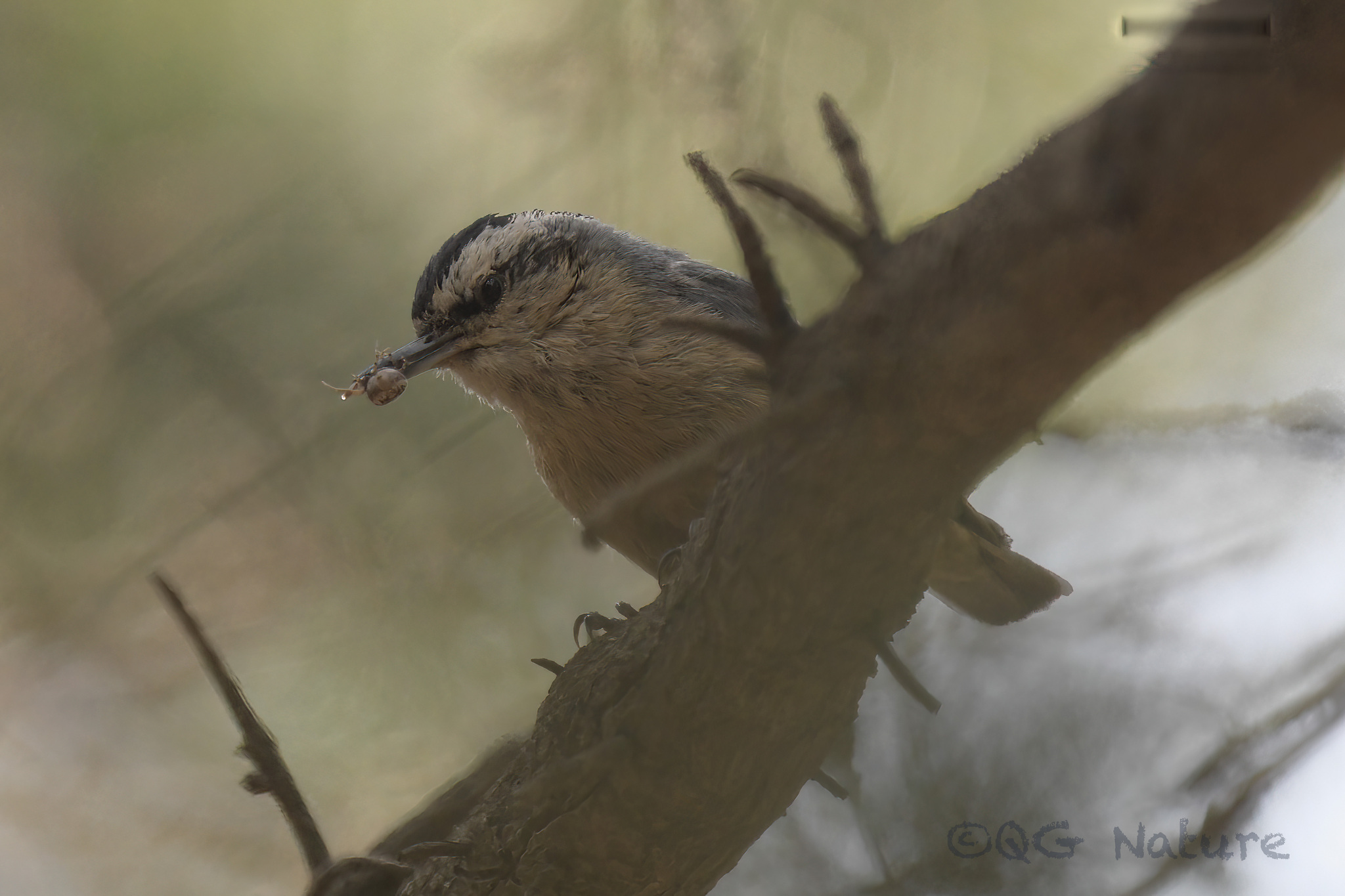
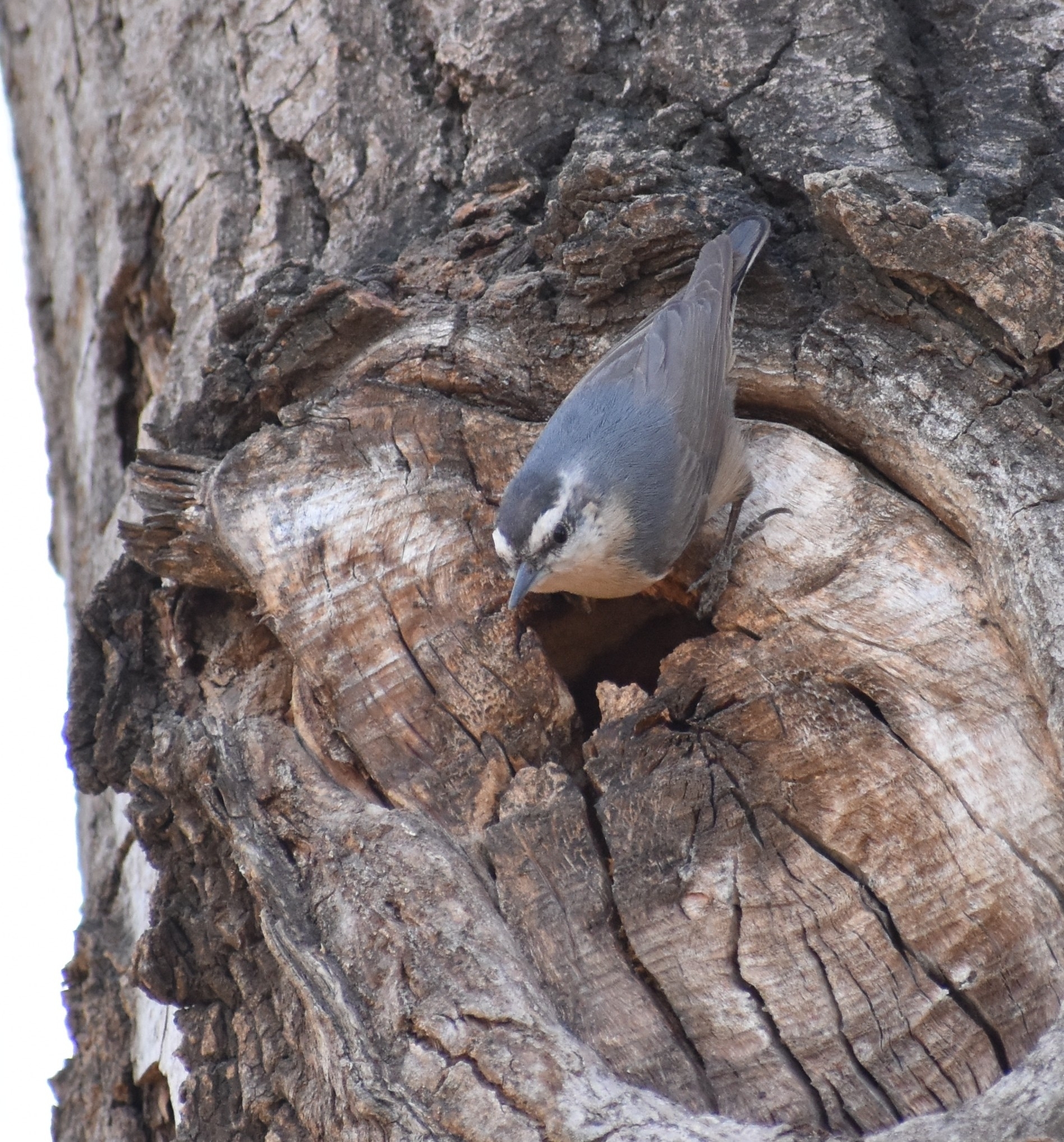
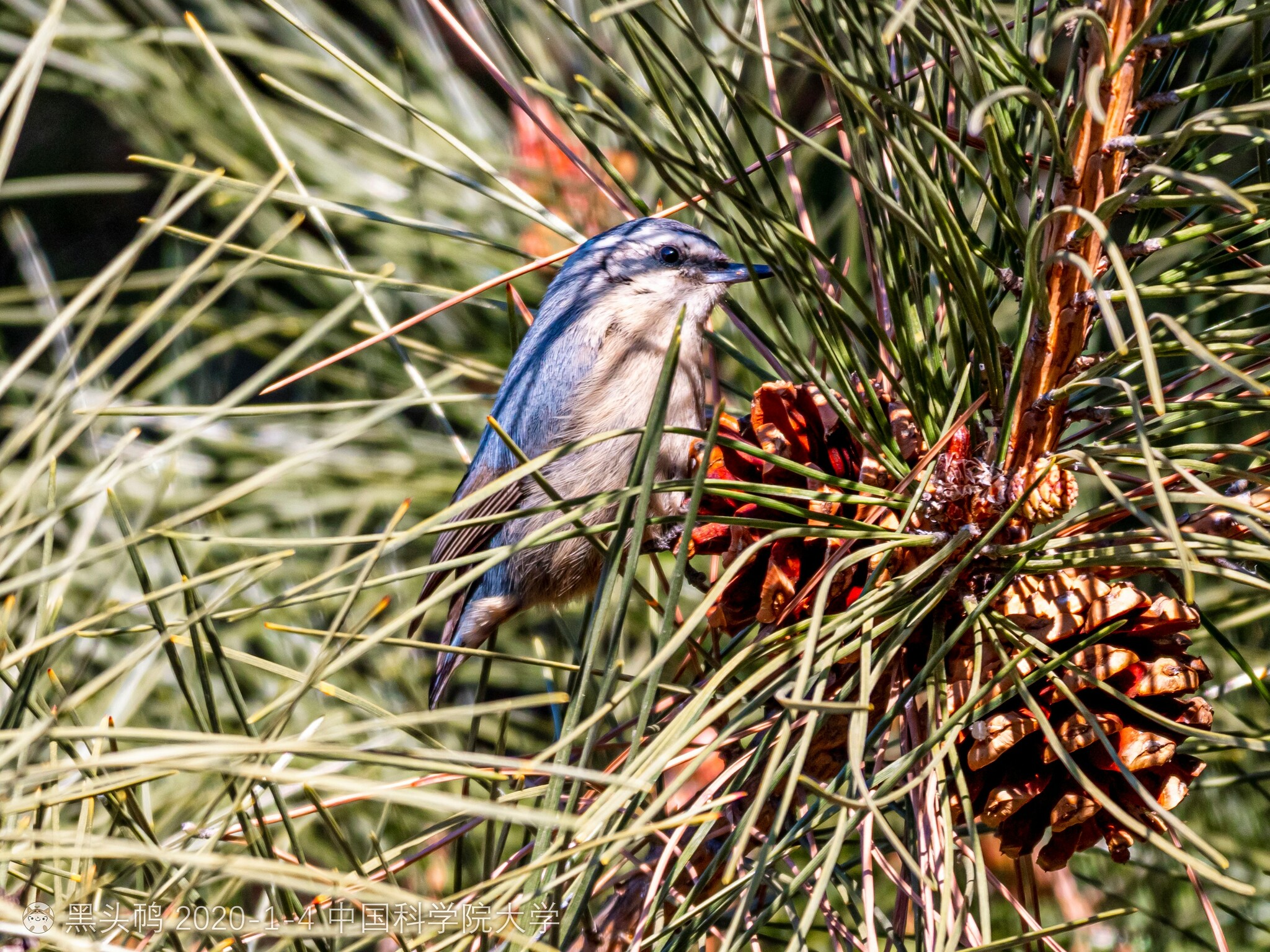
Chinese Nuthatch
Sitta villosa
黑头䴓
Introduction
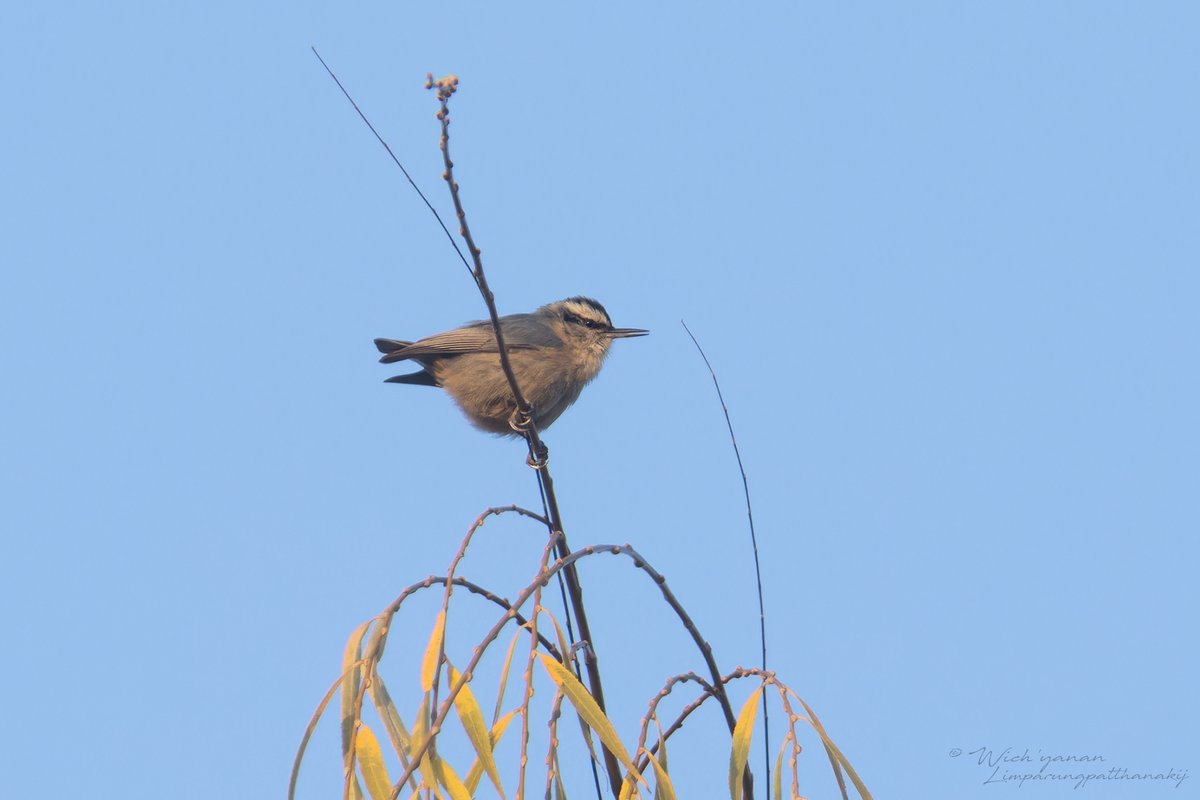
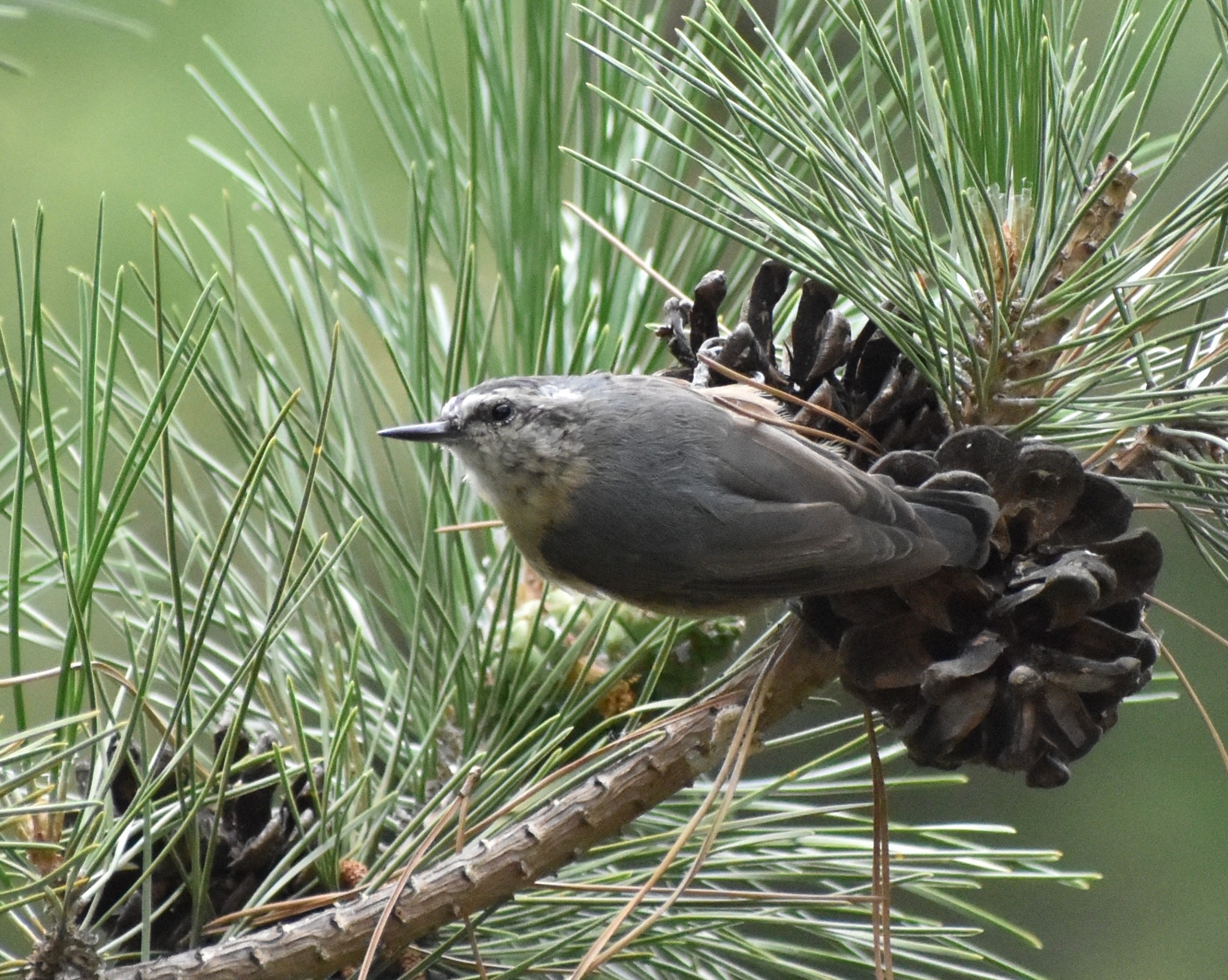
A species of bird in family Sittidae. Found from central China through northeastern China to Korea and extreme southeastern Russia, including Sakhalin Island. Inhabits coniferous forests of pine and spruce, sometimes mixed with oaks and birches; in Korea, closely associated with Japanese Red Pine forests. Displays marked sexual dimorphism with males having black crowns versus the female's blue-grey crown. Feeds primarily on insects during summer, supplementing with seeds and fruits in winter. Nests in cavities of coniferous trees. Conservation status is Least Concern due to large range and apparently stable populations.
Description
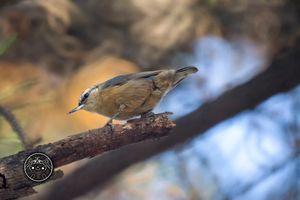
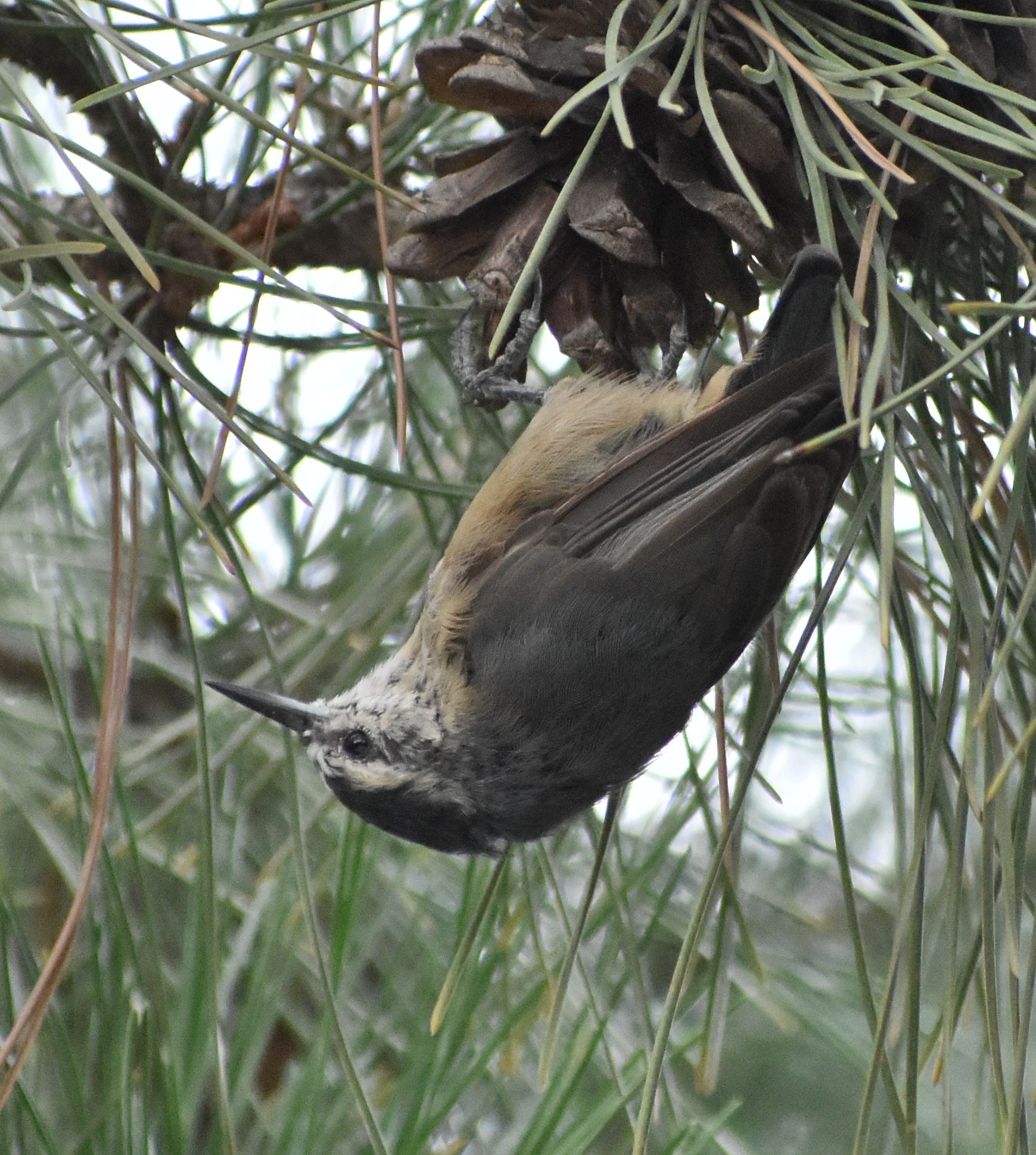
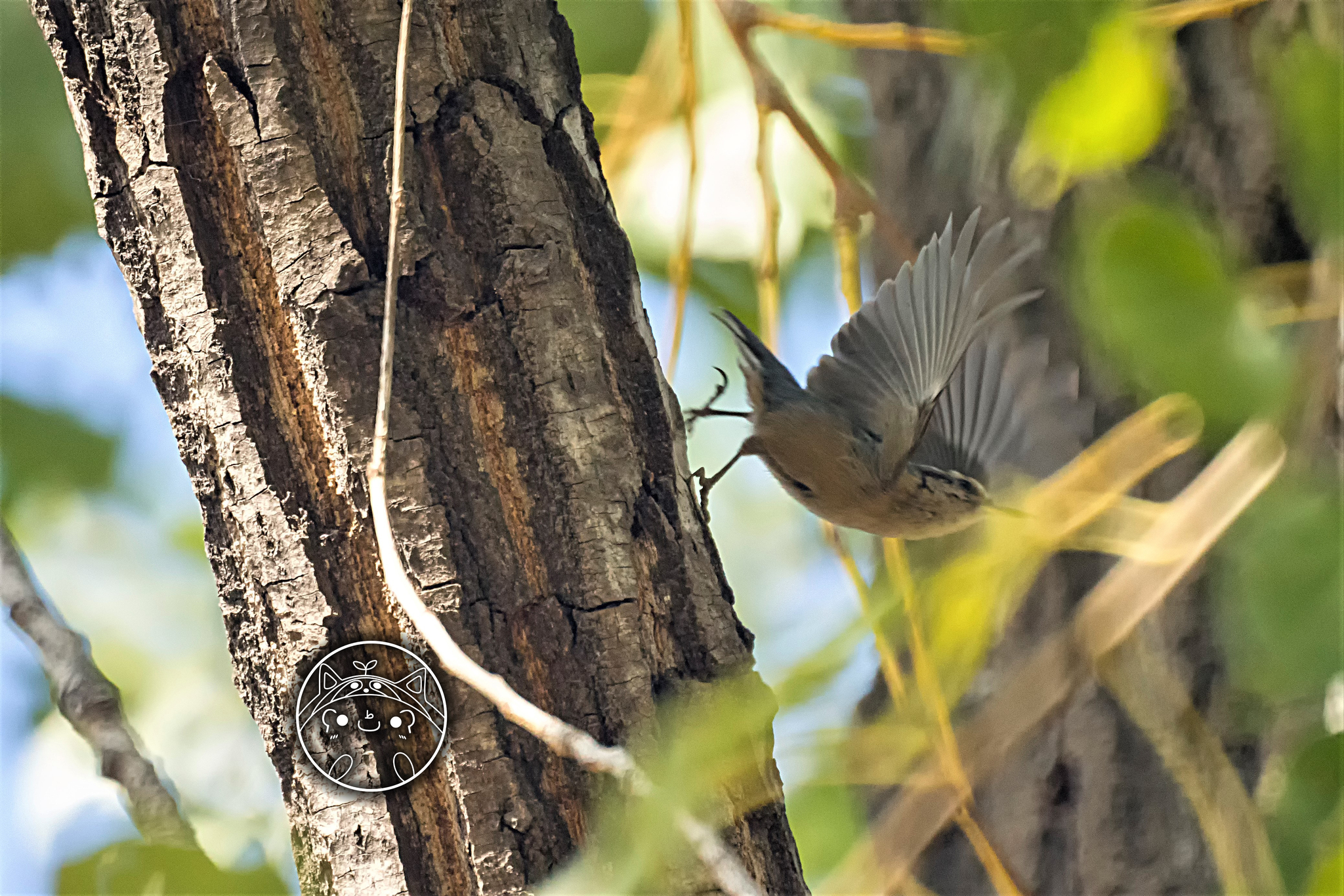
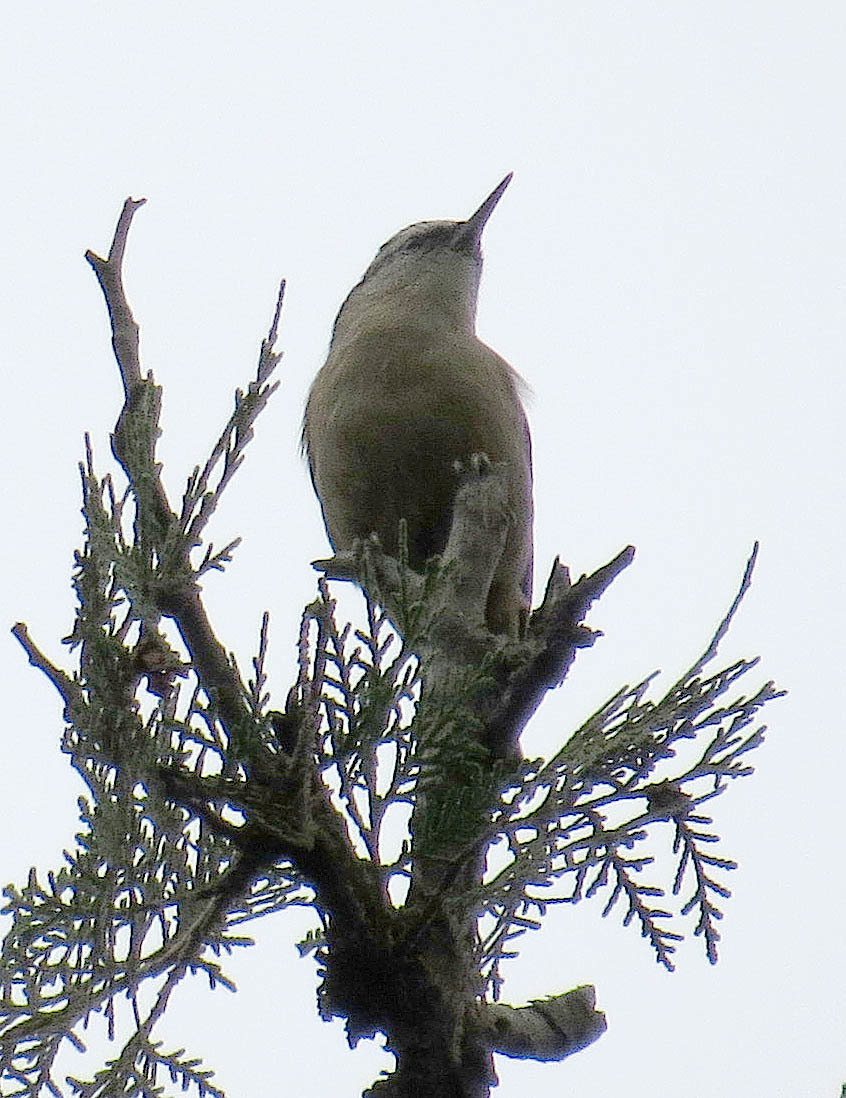
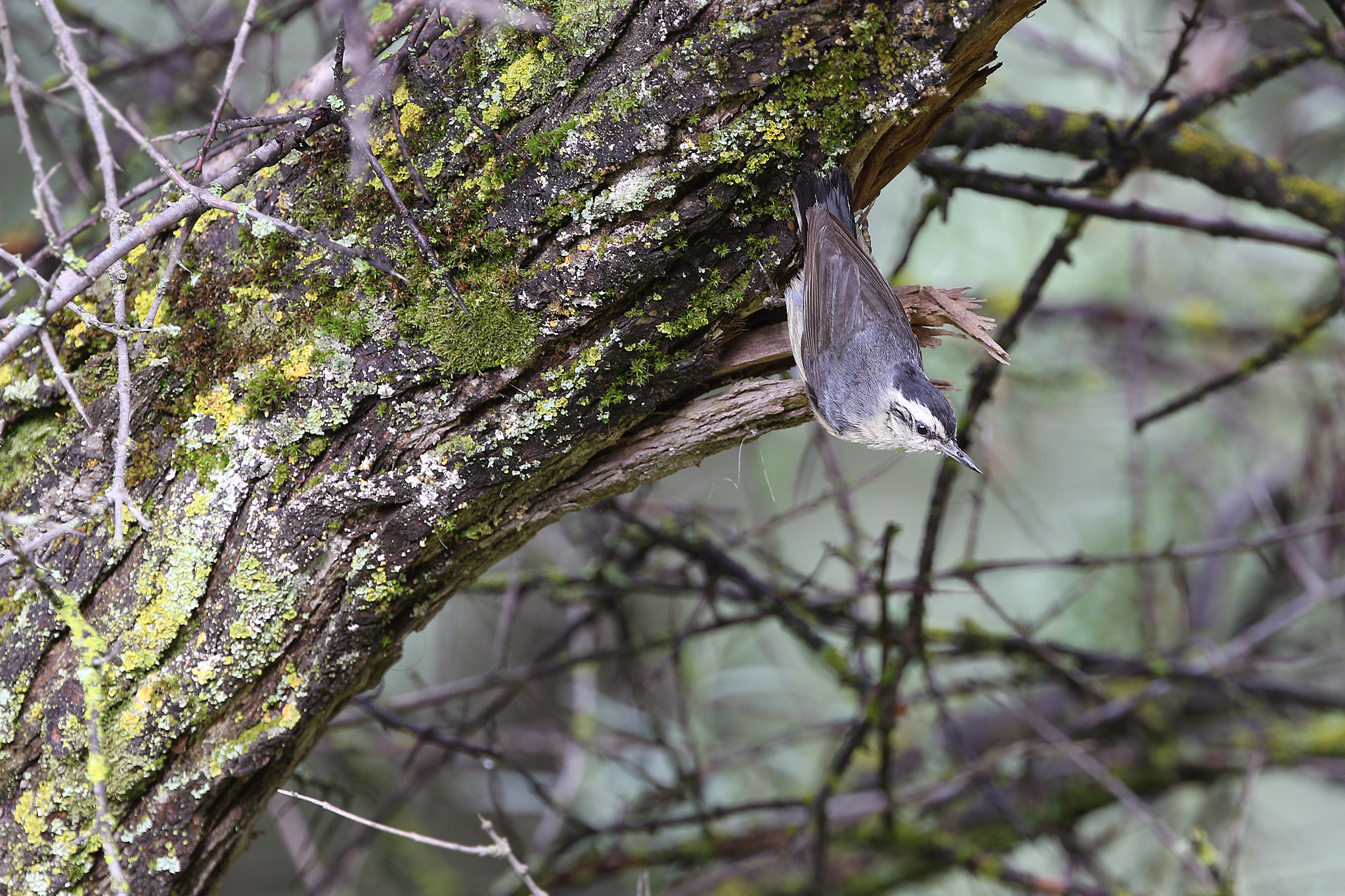
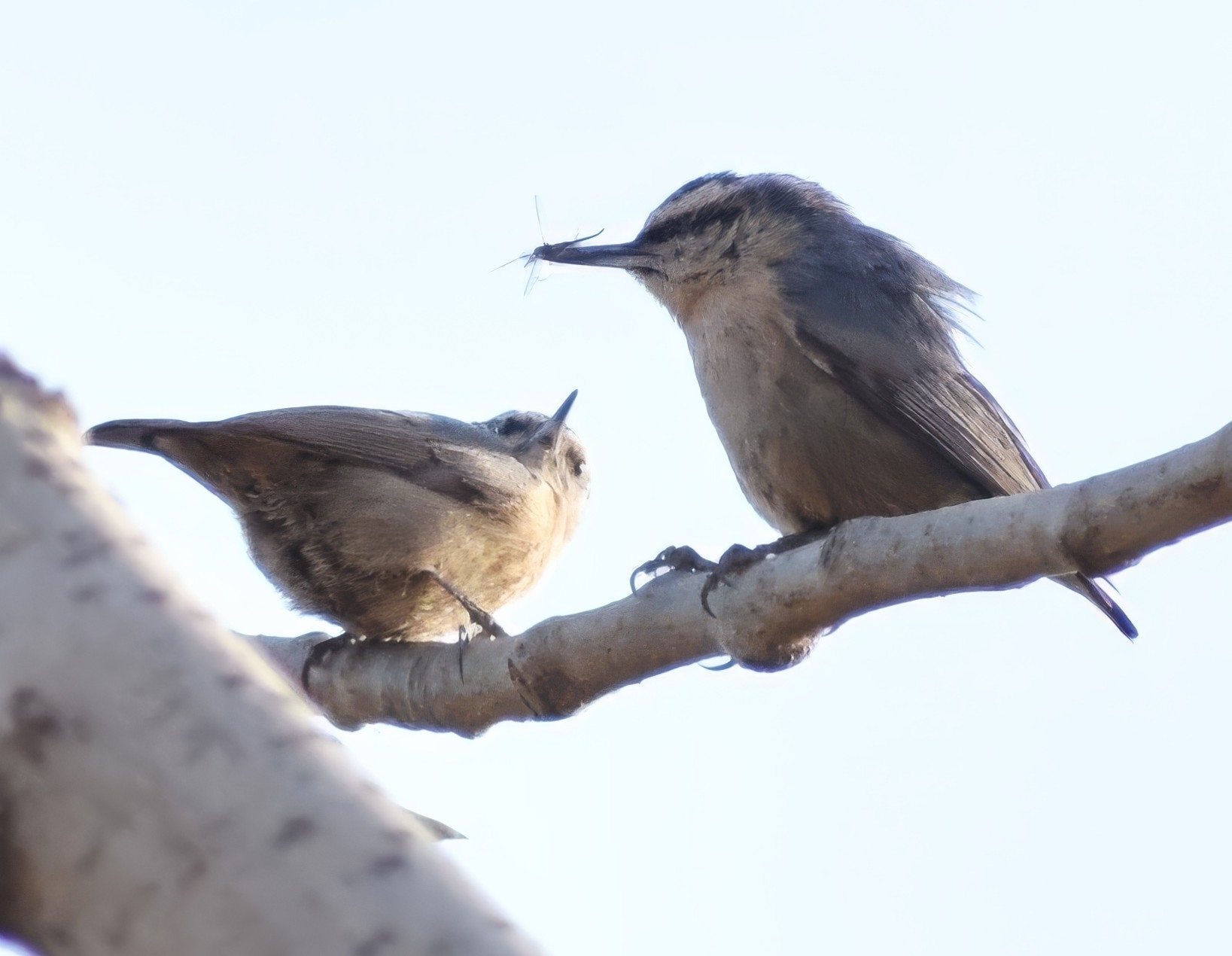
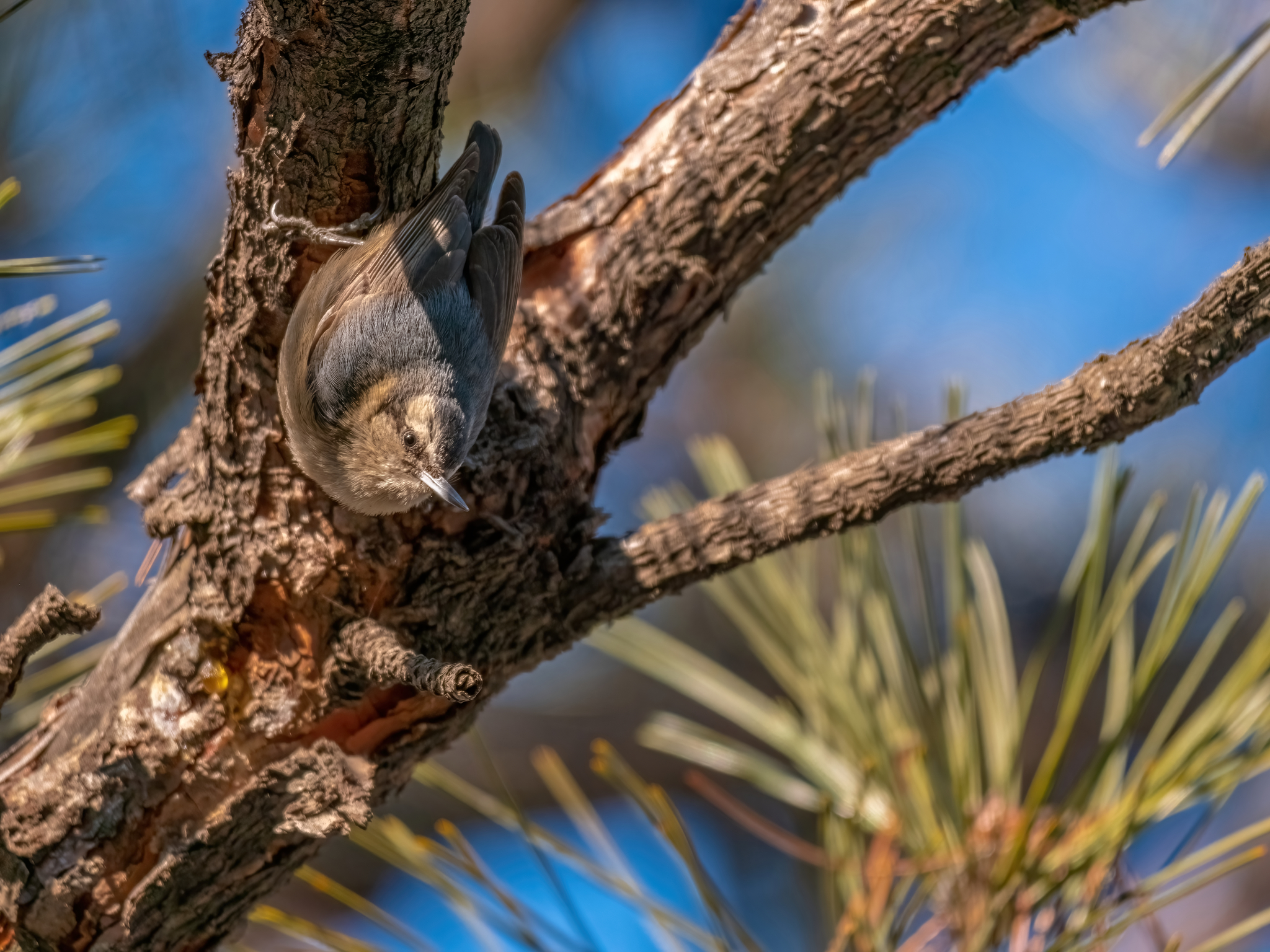
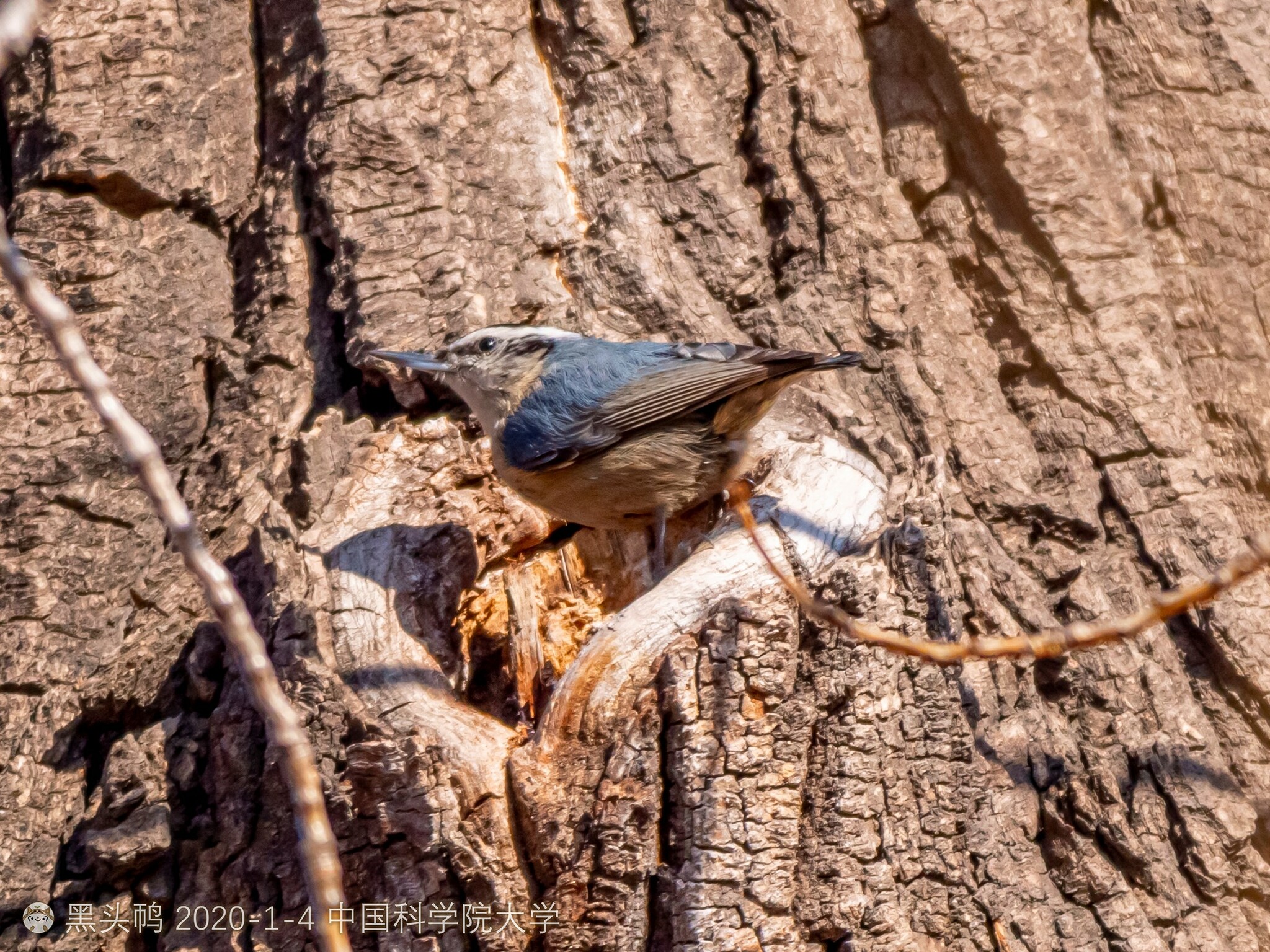
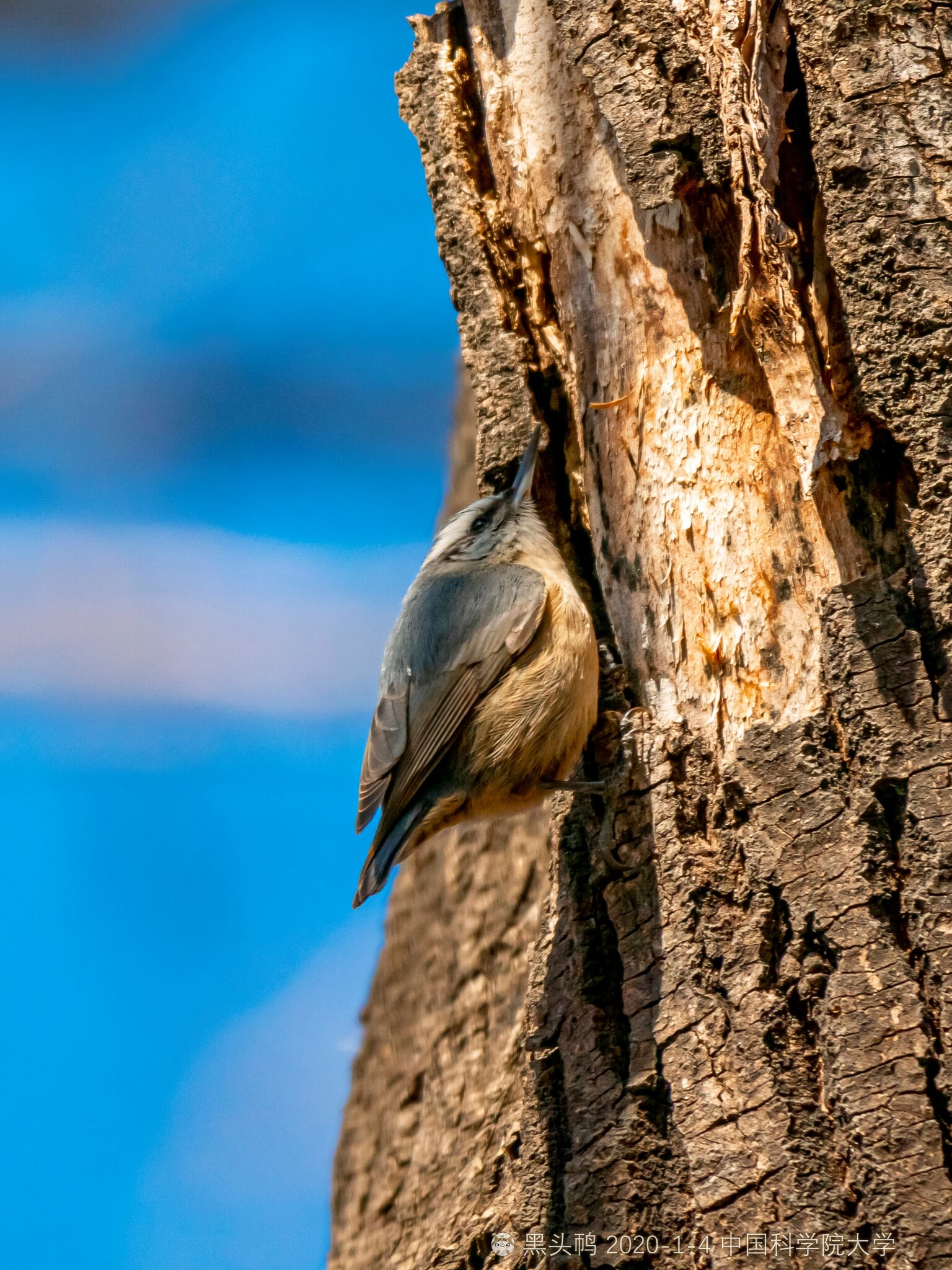
A small nuthatch measuring 11.5 cm (4.5 in) in length. The upperparts are blue-grey, while underparts range from dull buff-grey to cinnamon-orange. The cheeks are white. A distinct white supercilium sits above a dark grey eyestripe that extends in front of and behind the eye. The bill is thin and pointed, slate-black in color with a blue-grey base to the lower mandible. Legs and toes are dull blue-grey to brownish-grey. Marked sexual dimorphism exists: adult males have a very black crown while females have a crown matching the back or appearing dark grey when plumage is worn.
Identification
Smaller than the Eurasian nuthatch, distinguished by its clearly visible white supercilium, black crown in males, and relatively plain underparts lacking the reddish undertail coverts and flanks characteristic of the Eurasian species. In the western part of its range, differs from Przevalski's nuthatch by its black eyestripe, whereas Przevalski's has very light cheeks contrasting with the breast. Closely related to and resembles the Corsican nuthatch, but the Corsican species has much less vivid underparts and is endemic to Corsica. The red-breasted nuthatch has even brighter underparts and a more prominent eyestripe.
Distribution & Habitat
Ranges from northeast China through Korea to extreme southeastern Russia. In China, occurs from eastern Qinghai in the west to southeastern and central Gansu, most of Shaanxi, Shanxi, southern Liaoning, northern Hebei, Beijing, and northern Sichuan. Reported from Sakhalin Island but may only be a vagrant there. Inhabits coniferous forests of Pinus and Picea, sometimes mixed with oaks and birches. In Korea, associated with Japanese Red Pine forests. Most populations are resident, though some northern dispersal occurs in autumn.
Behavior & Ecology
Feeds almost exclusively on insects during summer, including beetles, Hymenoptera, butterflies, bugs, aphids, cicadas, Neuroptera, and flies; insects comprise 98.5% of diet from April to August. Winter diet consists primarily of nuts, seeds, and tree fruits. Like other nuthatches, stores food. Often joins mixed-species foraging flocks in winter, typically observed in pairs. Sings from tops of pine and spruce trees. Song consists of repetitions of small whistles, varying in structure from melodic piping to monotonous rattles. Breeding season in Jilin occurs from late April to early May. Nest placed high in conifer cavities, typically over 9 m above ground, constructed from plant fibers, feathers, and grasses. Clutch contains four to nine eggs, most often five or six; eggs are white with reddish-brown markings, measuring 15-17 mm by 12.5-13 mm. Female incubates alone for 15-17 days while male feeds her. Both parents feed young. Raises one brood per year.
Conservation
Assessed as Least Concern by the International Union for Conservation of Nature. Range estimated at 1,810,000 km². Total population numbers are unknown; in China placed in the infrequent category (corresponding to 100 to 10,000 mature pairs), while fewer than 1,000 migratory individuals are estimated in Korea. Populations may be declining due to habitat destruction. A 2009 climate change study predicted the species could lose 79.8-80.4% of its suitable habitat by 2040-2069.
Culture
No cultural significance or folklore documented.
Source: Wikipedia · CC BY-SA 3.0
Taxonomy
- Order
- Passeriformes
- Family
- Sittidae
- Genus
- Sitta
- eBird Code
- snbnut1
Subspecies (3)
-
Sitta villosa bangsi
northeastern Qinghai, adjacent central and southern Gansu, far northern Sichuan, and western Ningxia (north-central China)
-
Sitta villosa corea
Russian Far East, North Korea, and northeastern China (southern Heilongjiang, southern Jilin, and southern Liaoning)
-
Sitta villosa villosa
central Ningxia eastward through northern Liaoning, southward to mountains north of Beidaihe and Beijing (north-central to north-eastern China)
Data Sources
Species description from Wikipedia, licensed under CC BY-SA 3.0.
Bird images and sounds sourced from GBIF, contributed by citizen scientists worldwide under Creative Commons licenses.
Taxonomy data from AviList 2025.