Passeriformes / Sittidae / Sitta
Eurasian Nuthatch
Sitta europaea · 普通䴓
Introduction
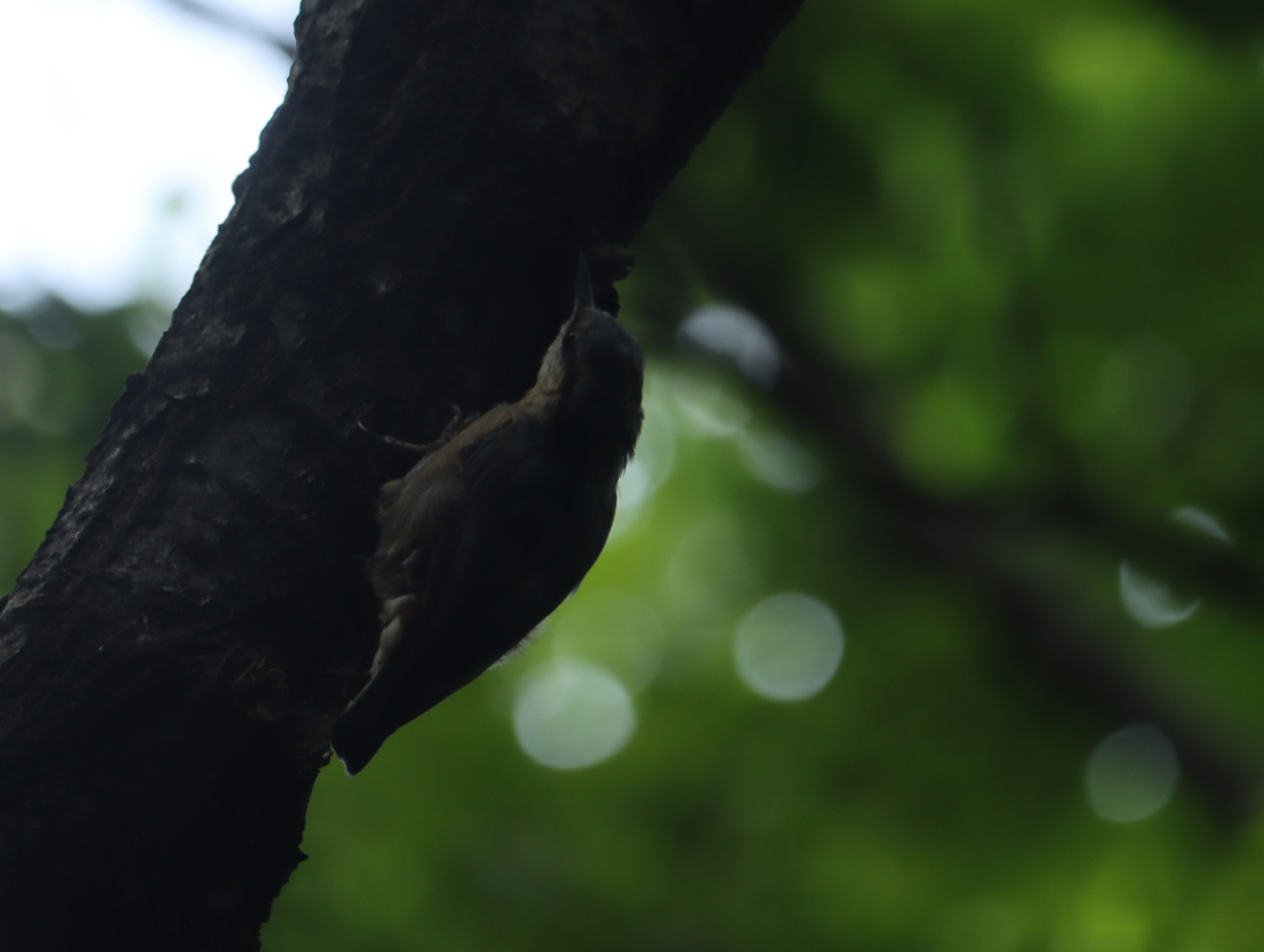
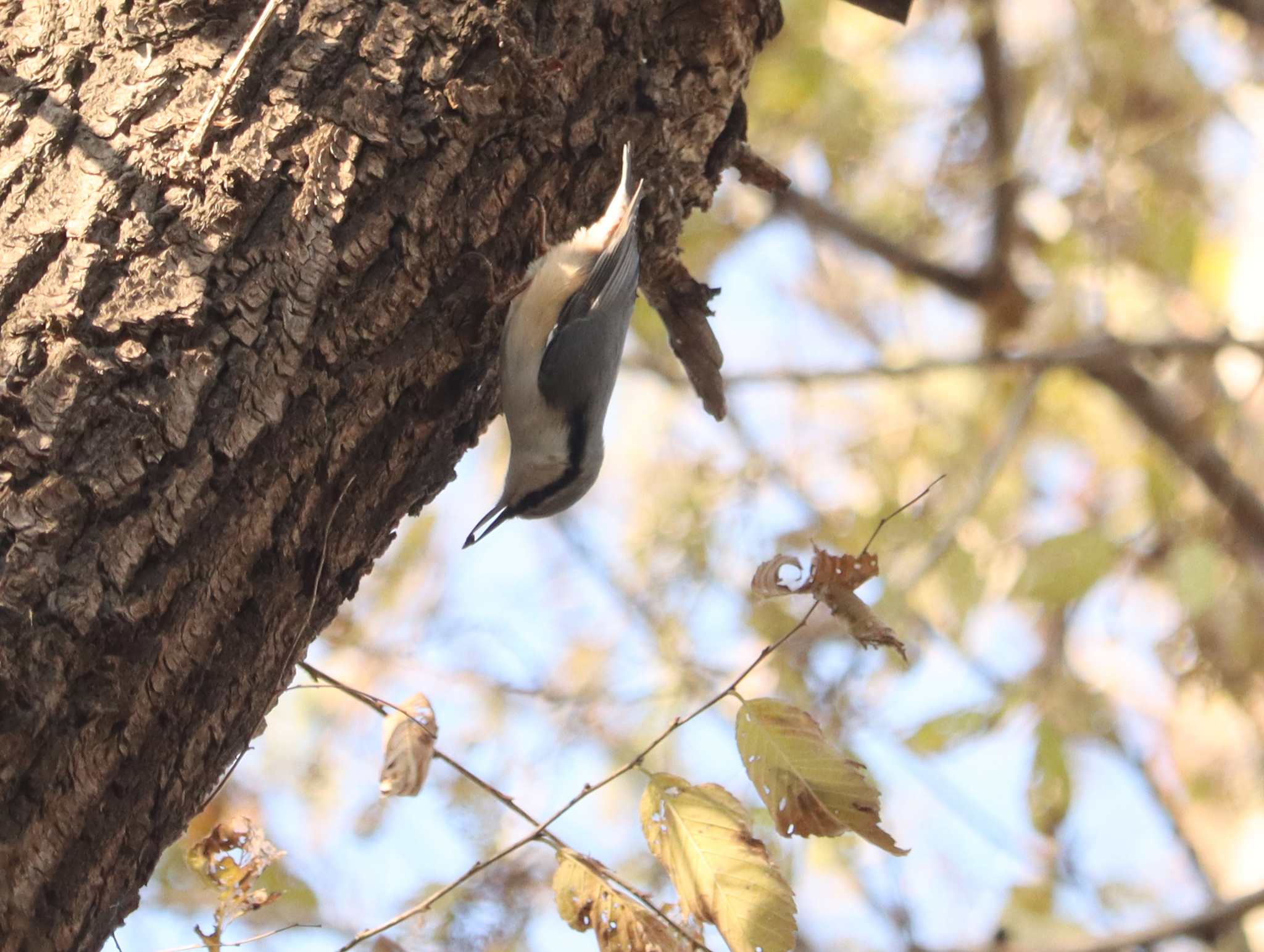
A small passerine bird in the genus Sitta, found throughout the Palearctic and Europe. It inhabits mature deciduous or mixed woodland with large, old trees, preferably oak. Distinctive traits include foraging head-first down tree trunks and plastering nest entrances with mud to reduce their size. Classified as Least Concern by the IUCN due to a large population and huge breeding area.
Description
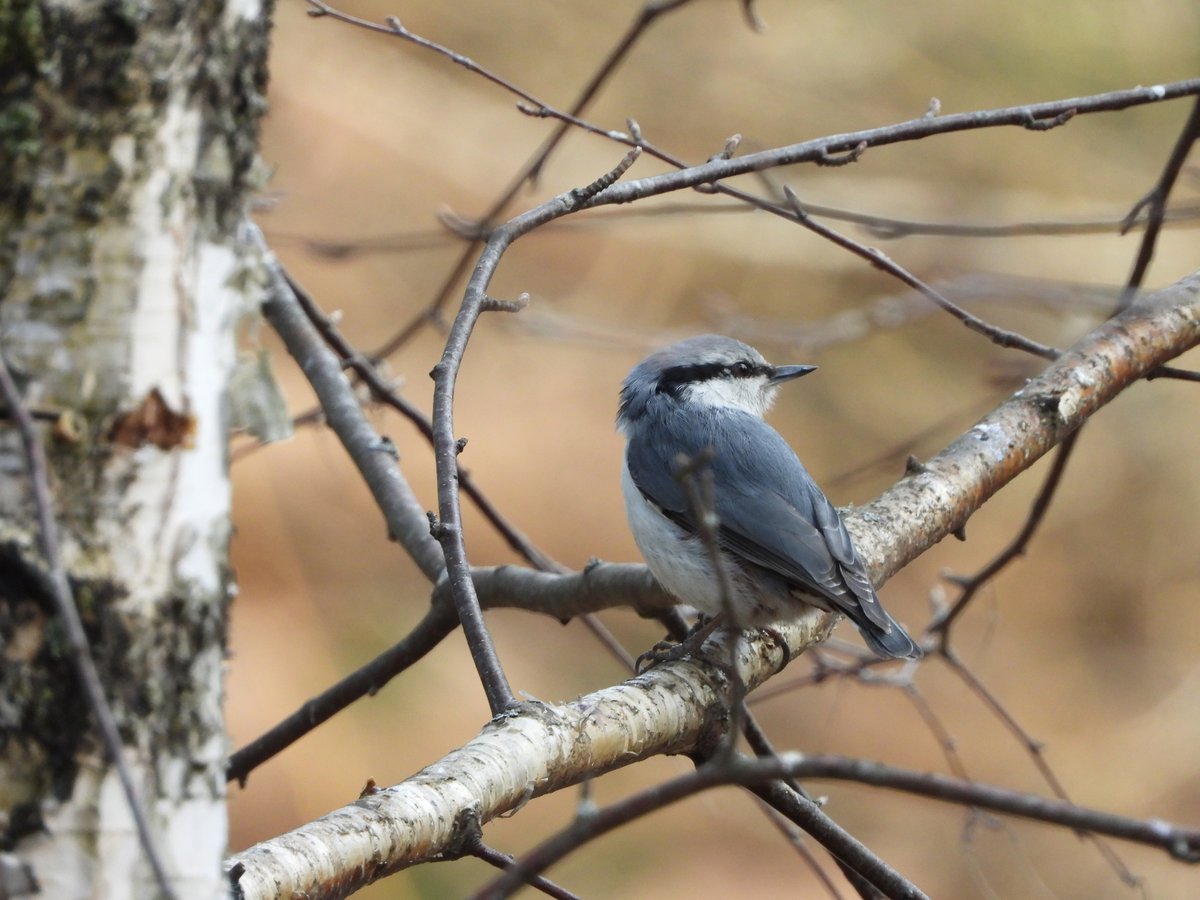
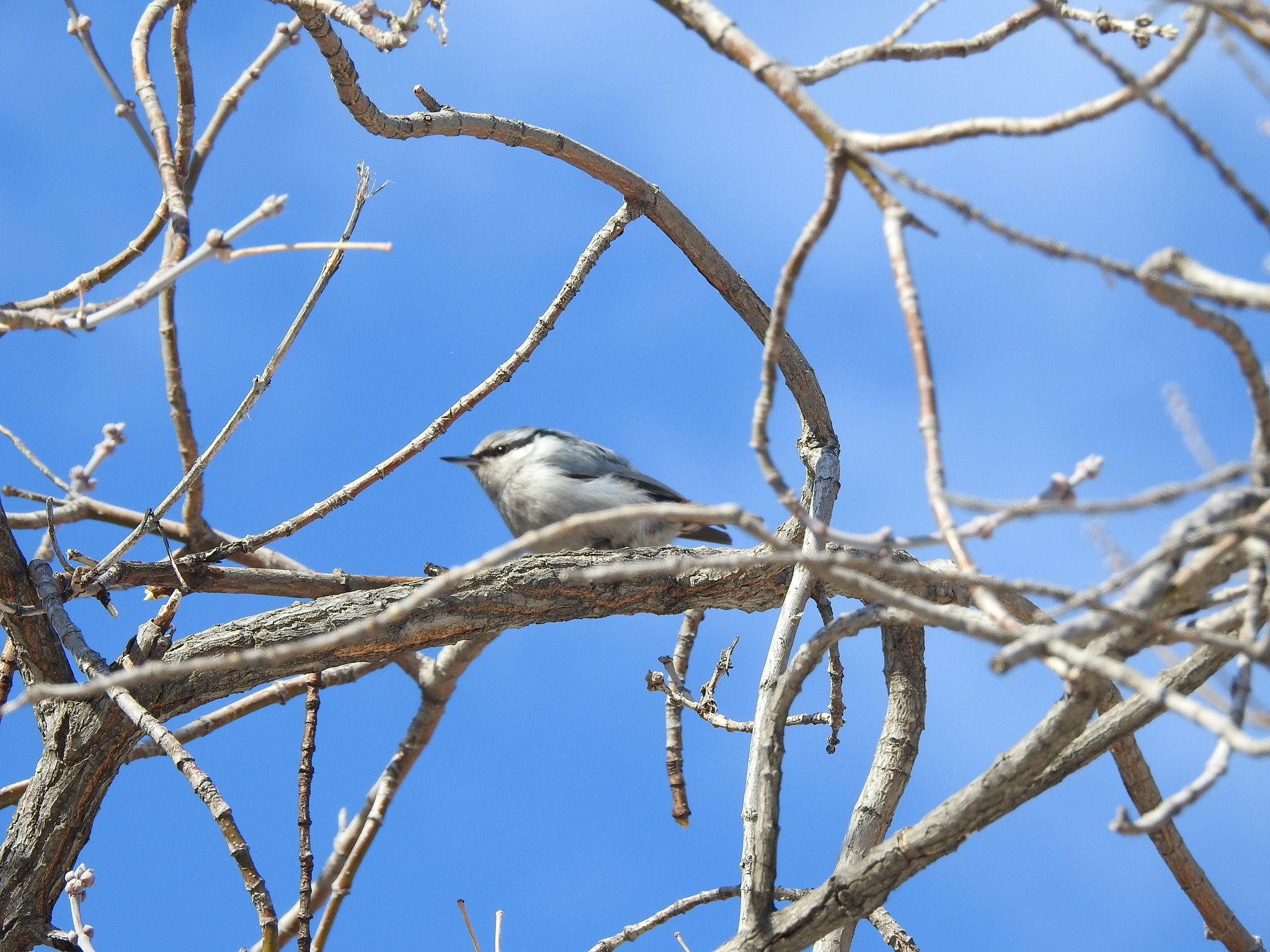
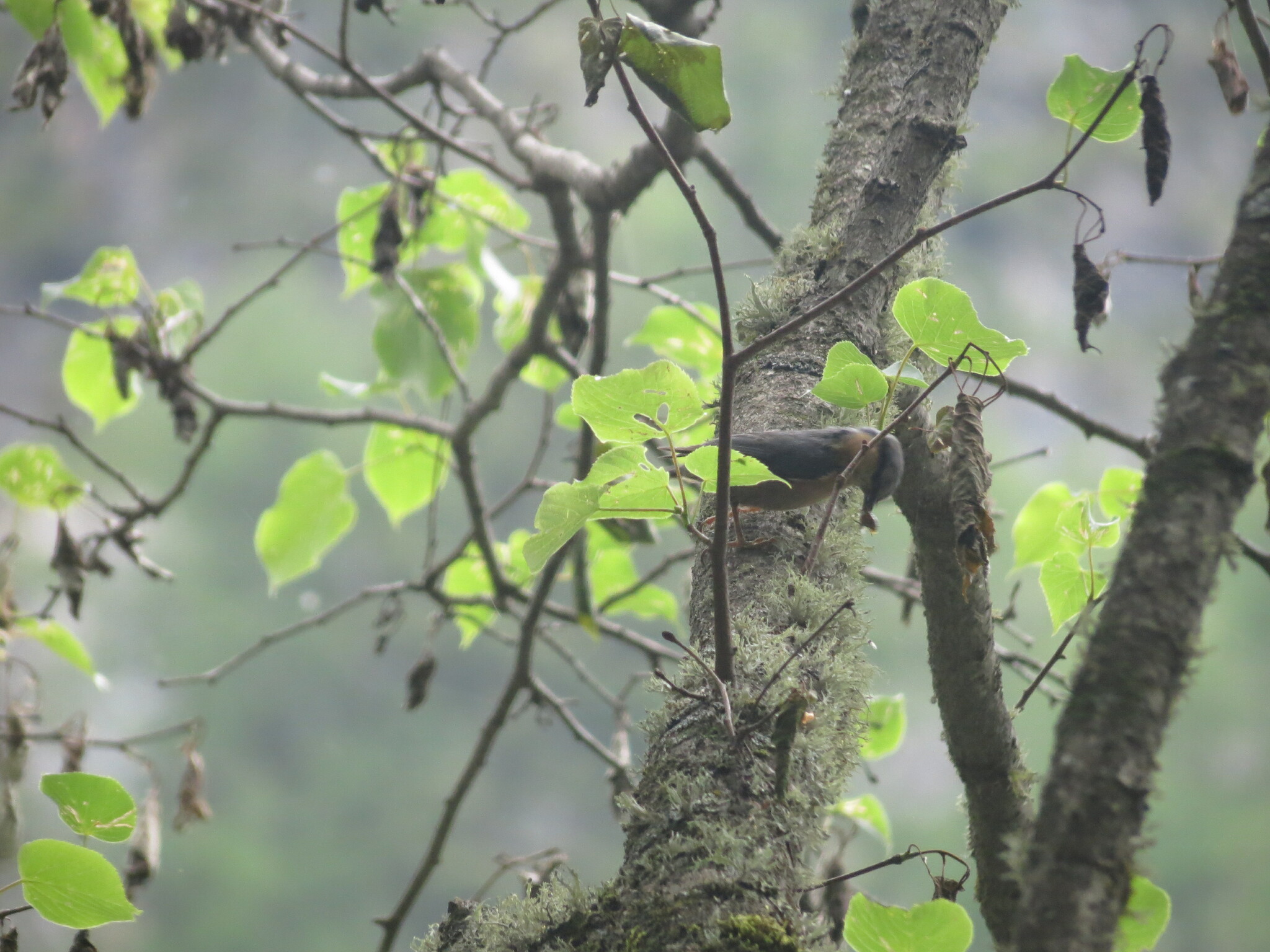
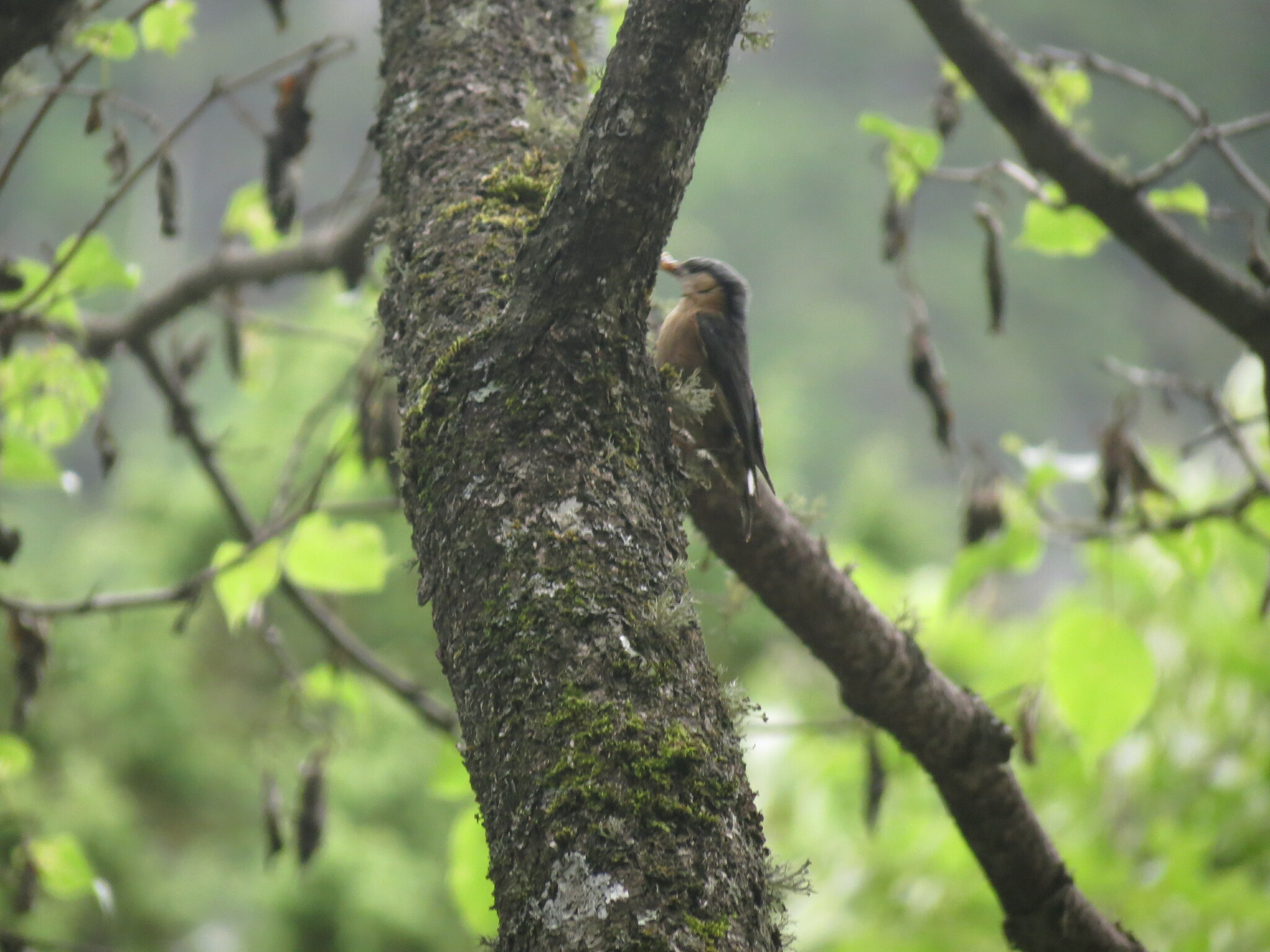
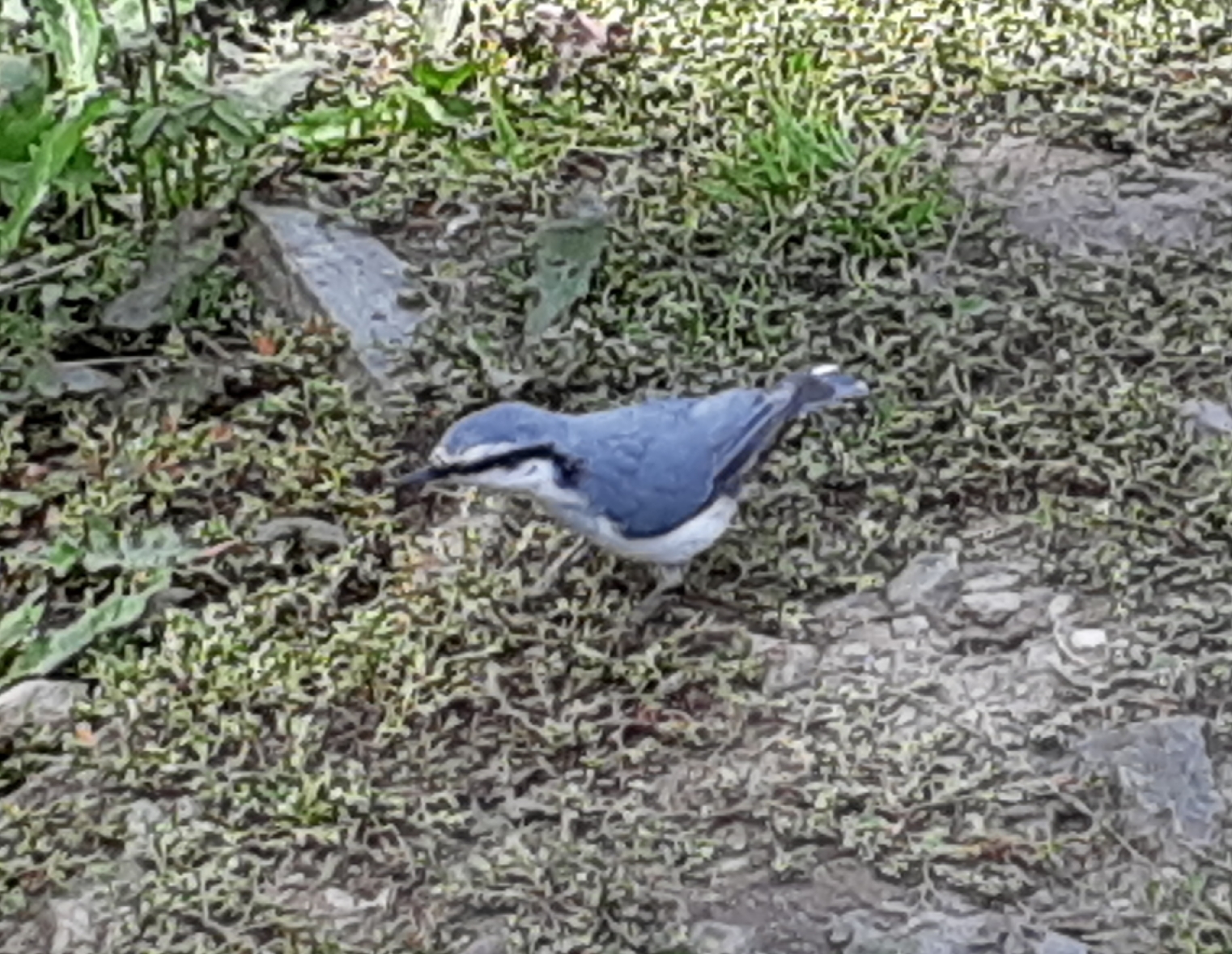
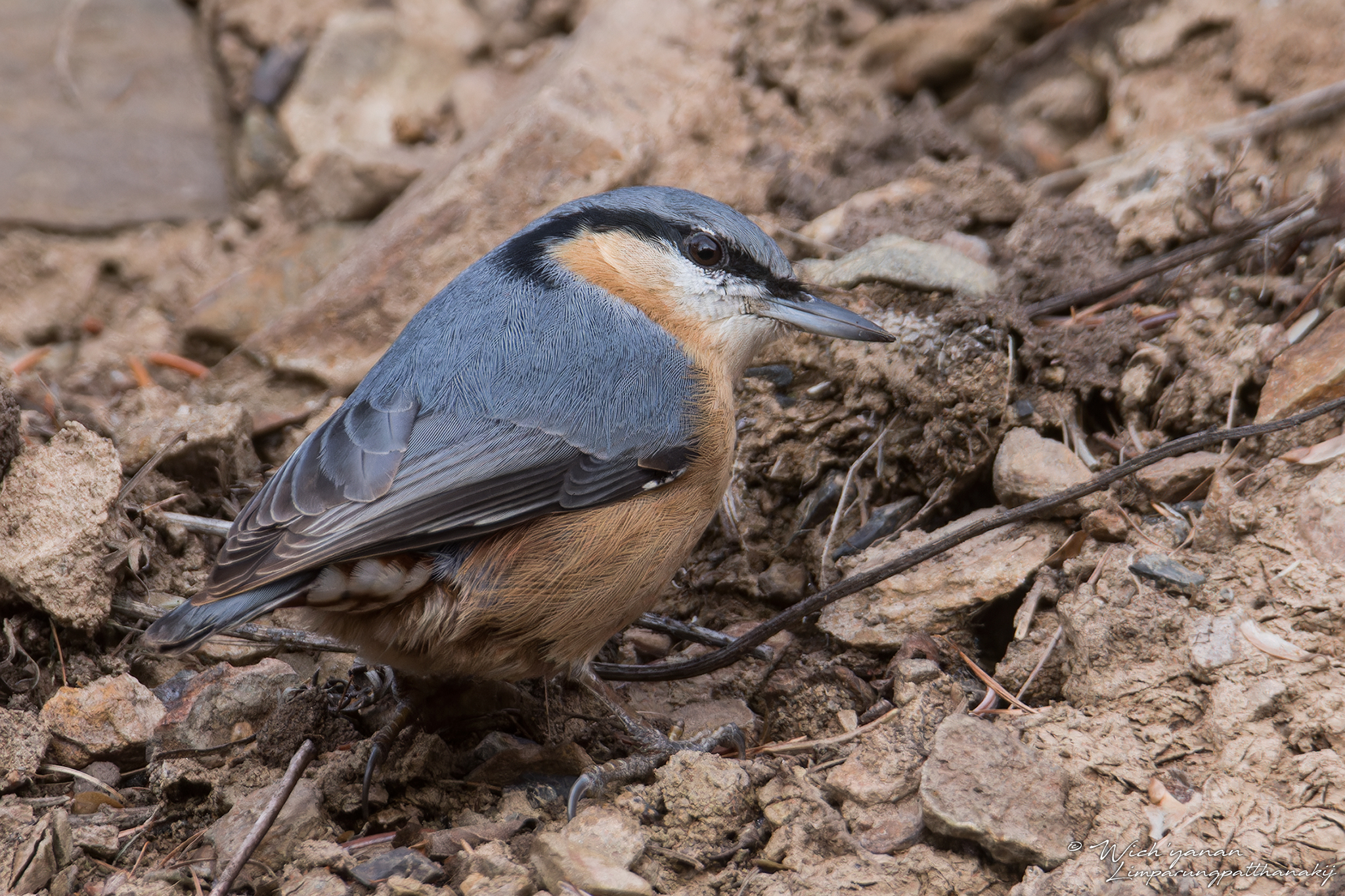
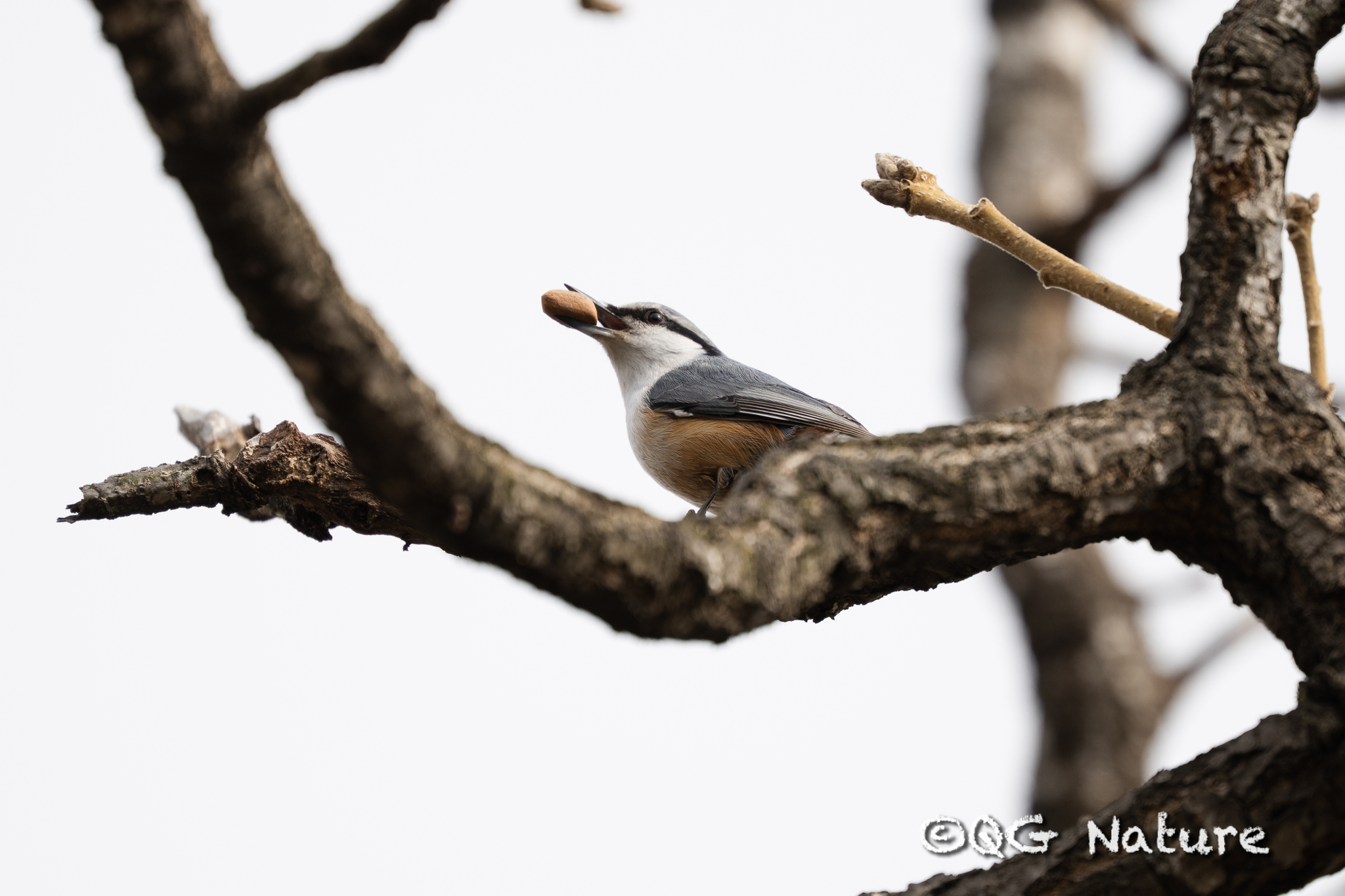
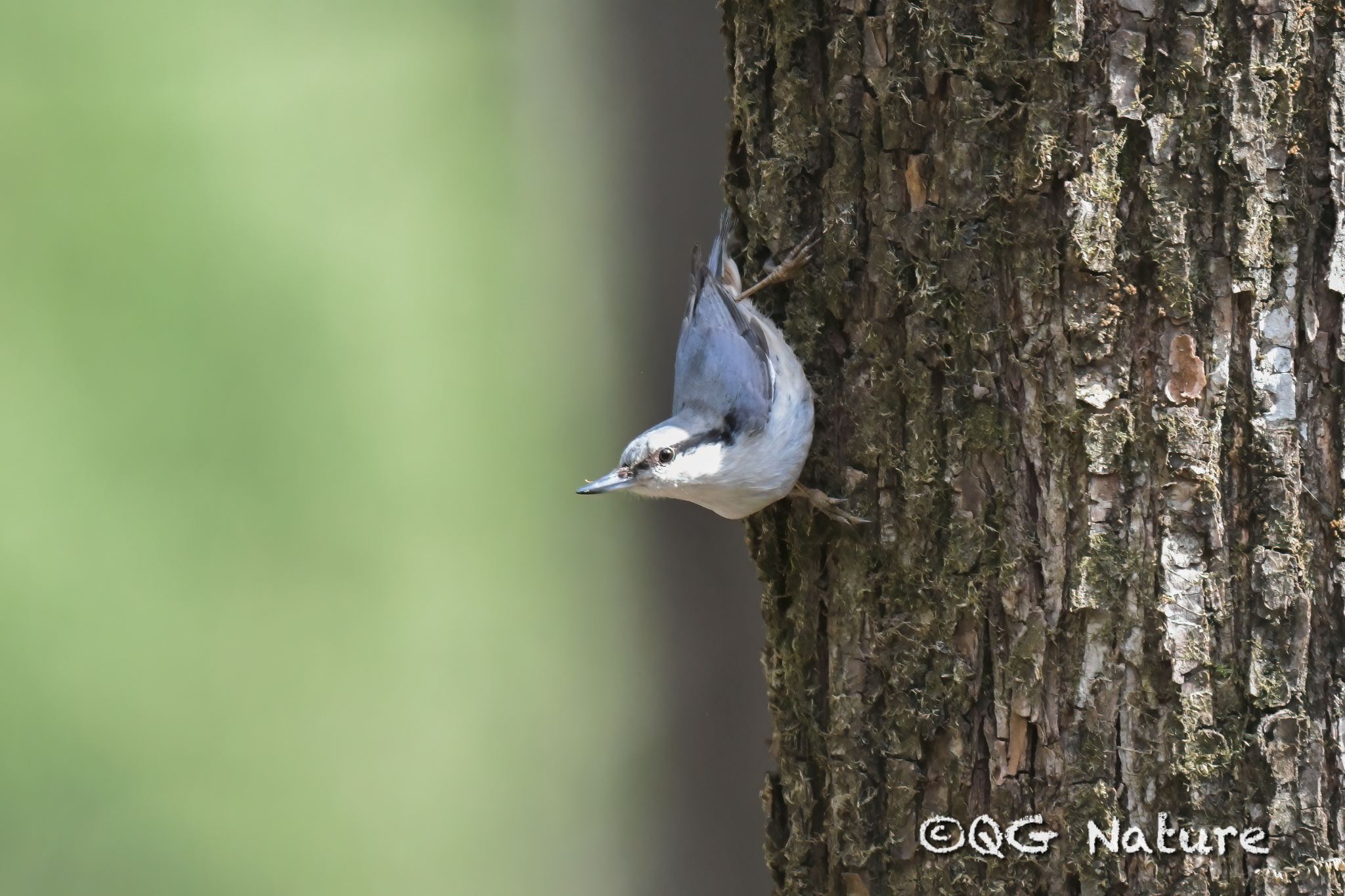
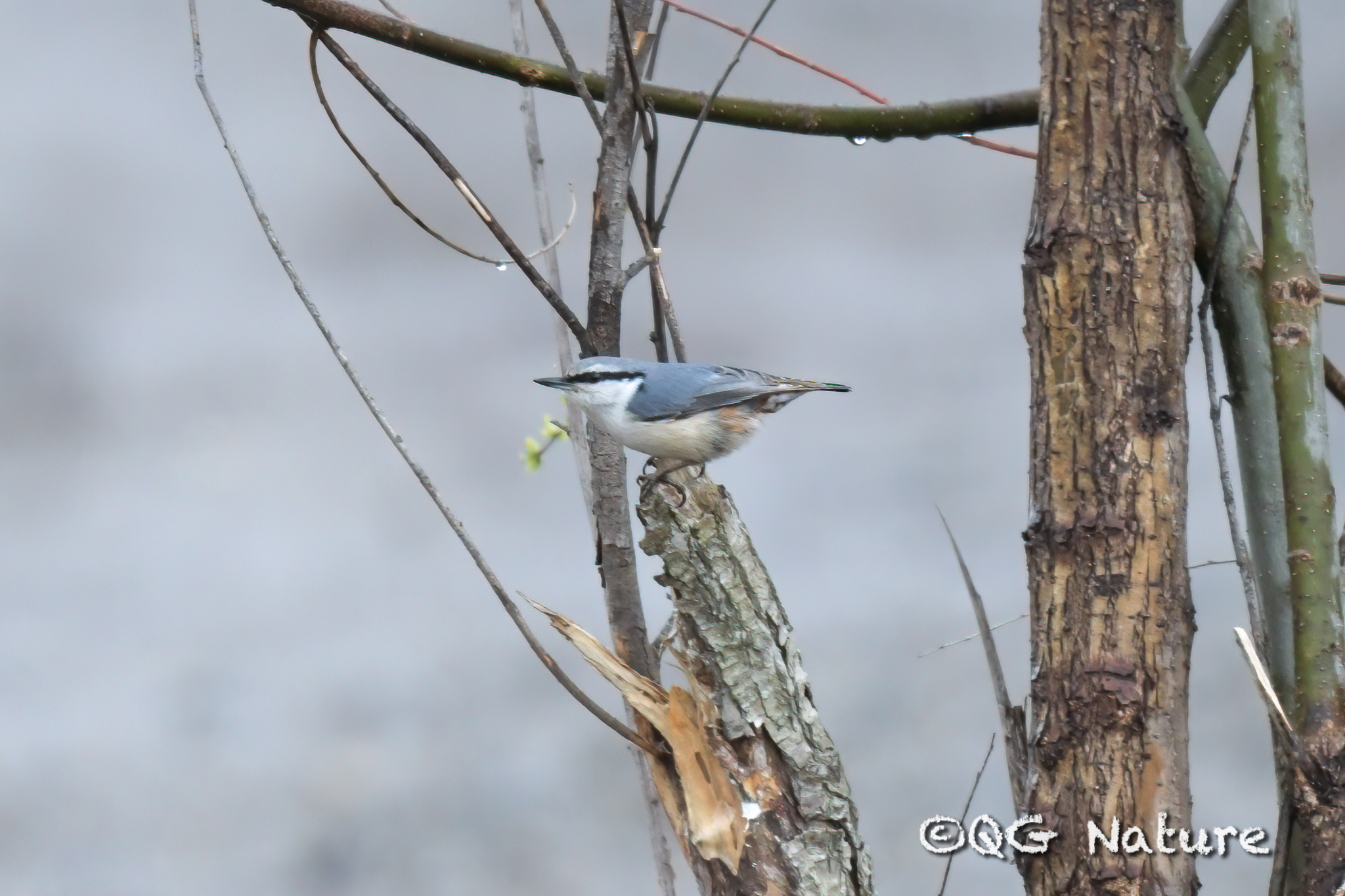
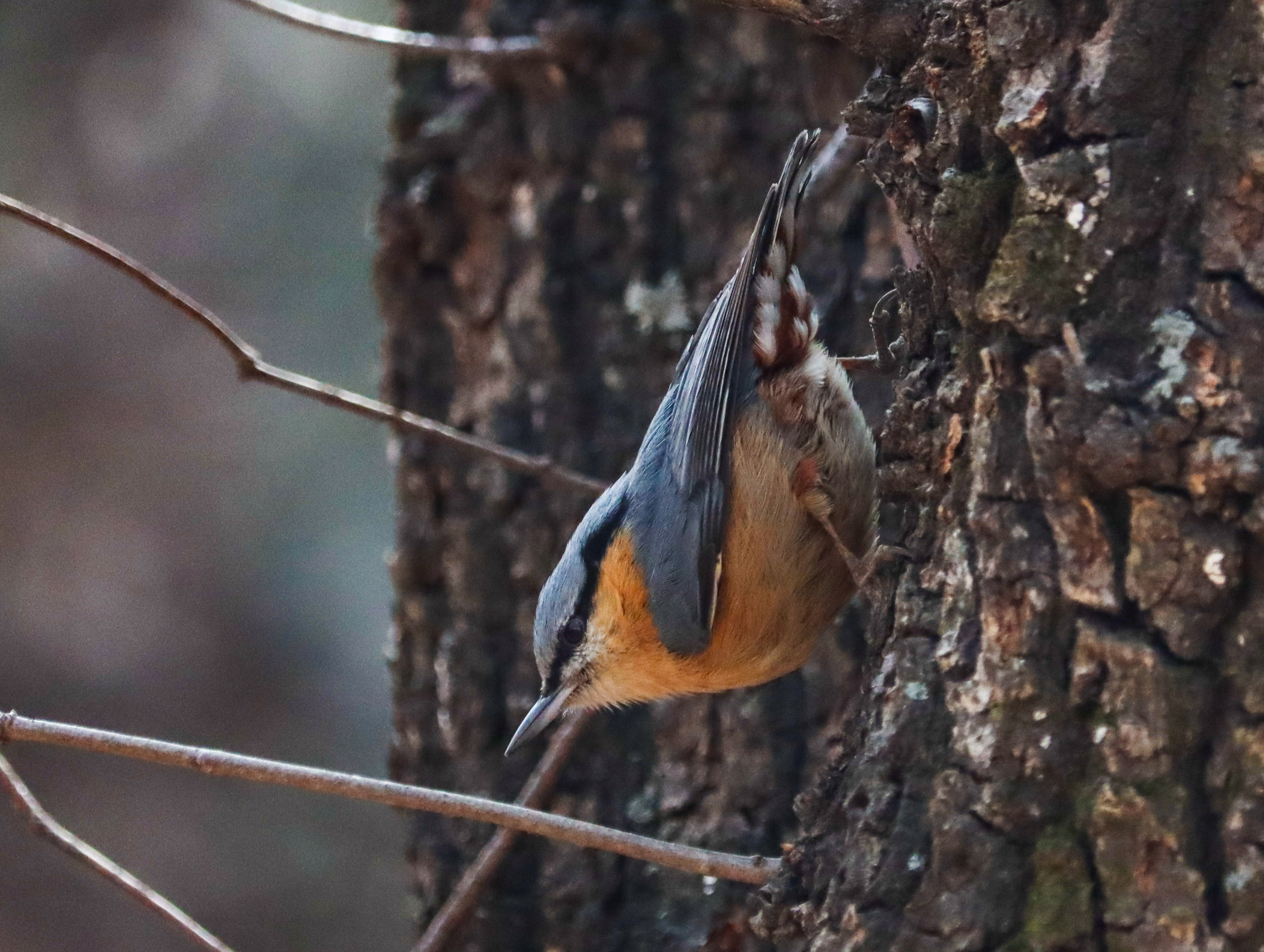
The nominate subspecies male is 14 cm (5.5 in) long with a 22.5–27 cm (8.9–10.6 in) wingspan and weighs 17–28 g (0.6–1 oz). It has blue-grey upperparts, a black eye-stripe, whitish throat and underparts, and orange-red flanks mottled with white on the undertail. The bill is dark grey with a paler base on the lower mandible; legs are pale brown or greyish. Females have slightly paler upperparts, a browner eyestripe, and washed-out flank tones. Subspecies vary: western birds often have orange-buff underparts and white throats, while Russian forms have whitish underparts. The distinctive S. e. arctica of northeast Siberia is large and pale with a white forehead, reduced eye-stripe, and more white in the tail and wings.
Identification
Identified by blue-gray upperparts, black eye-stripe, and short tail. In flight, it shows a pointed head, round wings, and short square tail with fast, undulating movements. Vocalizations include a loud, sharp dwip call repeated twice, a shrill sirrrr alarm call, and a slow whistled pee-pee-pee song. Distinguished from similar species like the Western rock nuthatch by habitat (woodland vs. rocky) and plumage details; the Siberian nuthatch is larger, paler, and has a longer bill.
Distribution & Habitat
Breeding range extends across temperate Eurasia from Great Britain to Japan, between the 16–20 °C July isotherms. Northern limits reach latitude 64°N in western Russia and 69°N in Siberia; southern limits extend to the Mediterranean (excluding most islands) and through China, Taiwan, and Korea. Most populations are sedentary, though northern and eastern breeders may irrupt westward if pine cone crops fail. Habitat includes mature deciduous or mixed forests, particularly oak, as well as parks and old orchards with suitable tree blocks. In mountains, it occupies spruce and pine forests, reaching up to 3,300 m in Taiwan.
Behavior & Ecology
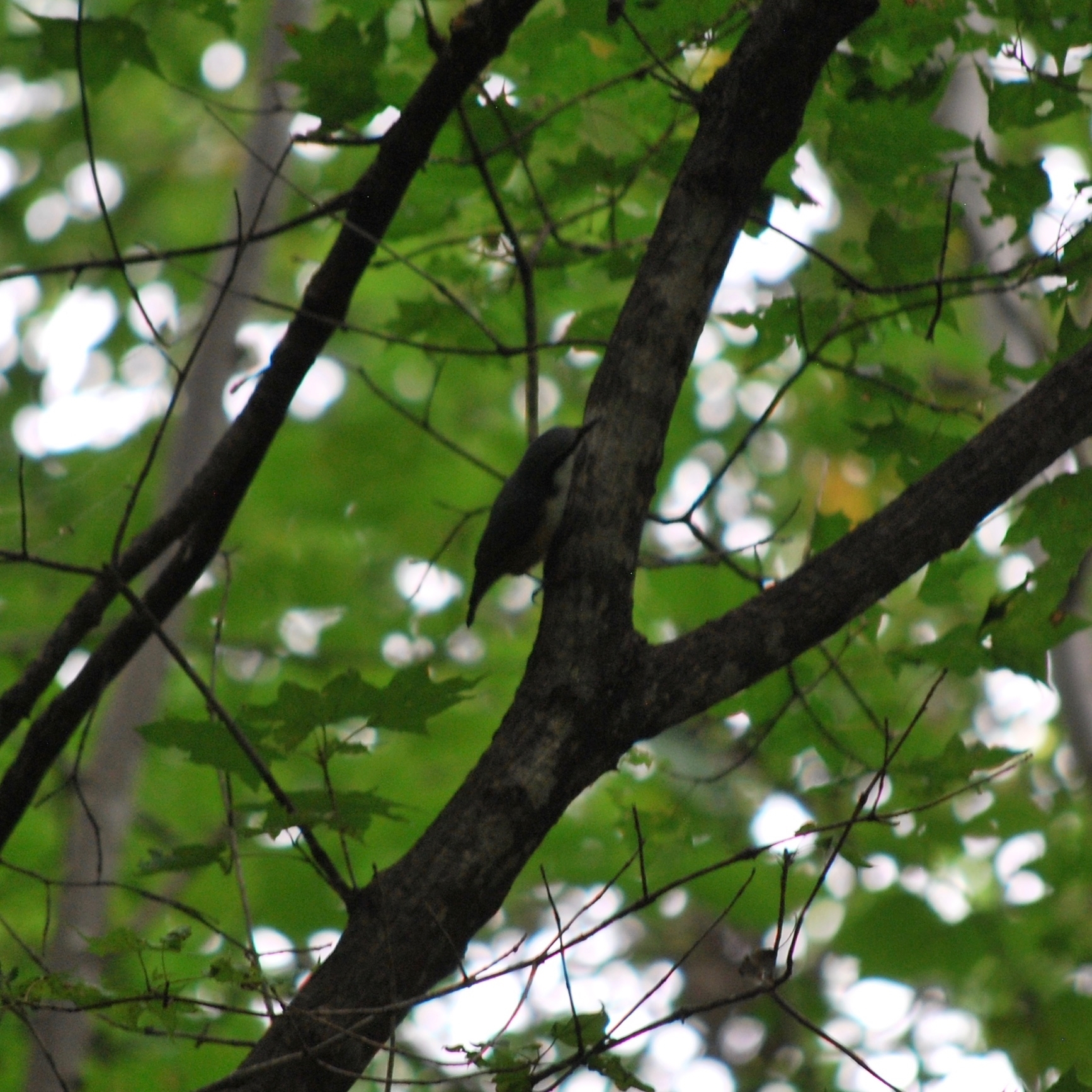
Monogamous pairs hold permanent territories. Nests are located in tree cavities, often old woodpecker holes, which the female plasters with mud to reduce entrance size. Clutches consist of 6–9 red-speckled white eggs, incubated by the female for 13–18 days. Chicks fledge after 20–26 days. Diet consists mainly of insects like caterpillars and beetles, supplemented with nuts and seeds in autumn and winter. It forages on tree trunks, capable of descending head-first, and hoards food year-round by hiding items in bark crevices. Main predators include the Eurasian sparrowhawk.
Conservation
Classified as Least Concern by the IUCN. The global population is estimated at 45.9–228 million individuals, with a breeding area of approximately 23.3 million km². The population appears stable, though fragmentation of old woodland can cause local declines. Range expansion has been observed in Scotland, the Netherlands, Wales, northern England, Norway, and the High Atlas mountains.
Source: Wikipedia · CC BY-SA 3.0
Taxonomy
- Order
- Passeriformes
- Family
- Sittidae
- Genus
- Sitta
Subspecies (21)
-
Sitta europaea albifrons
northeastern Russia (southern Koryak highlands and the Kamchatka Peninsula) and northern Kuril Islands (Paramushir)
Data Sources
Species description from Wikipedia, licensed under CC BY-SA 3.0.
Bird images and sounds sourced from GBIF, contributed by citizen scientists worldwide under Creative Commons licenses.
Taxonomy data from AviList 2025.