


Anseriformes / Anatidae / Sibirionetta
Baikal Teal
Sibirionetta formosa · 花脸鸭
Introduction
A dabbling duck in the genus Sibirionetta that breeds in eastern Russia and winters in East Asia. It is classified as Least Concern on the IUCN Red List.
Description
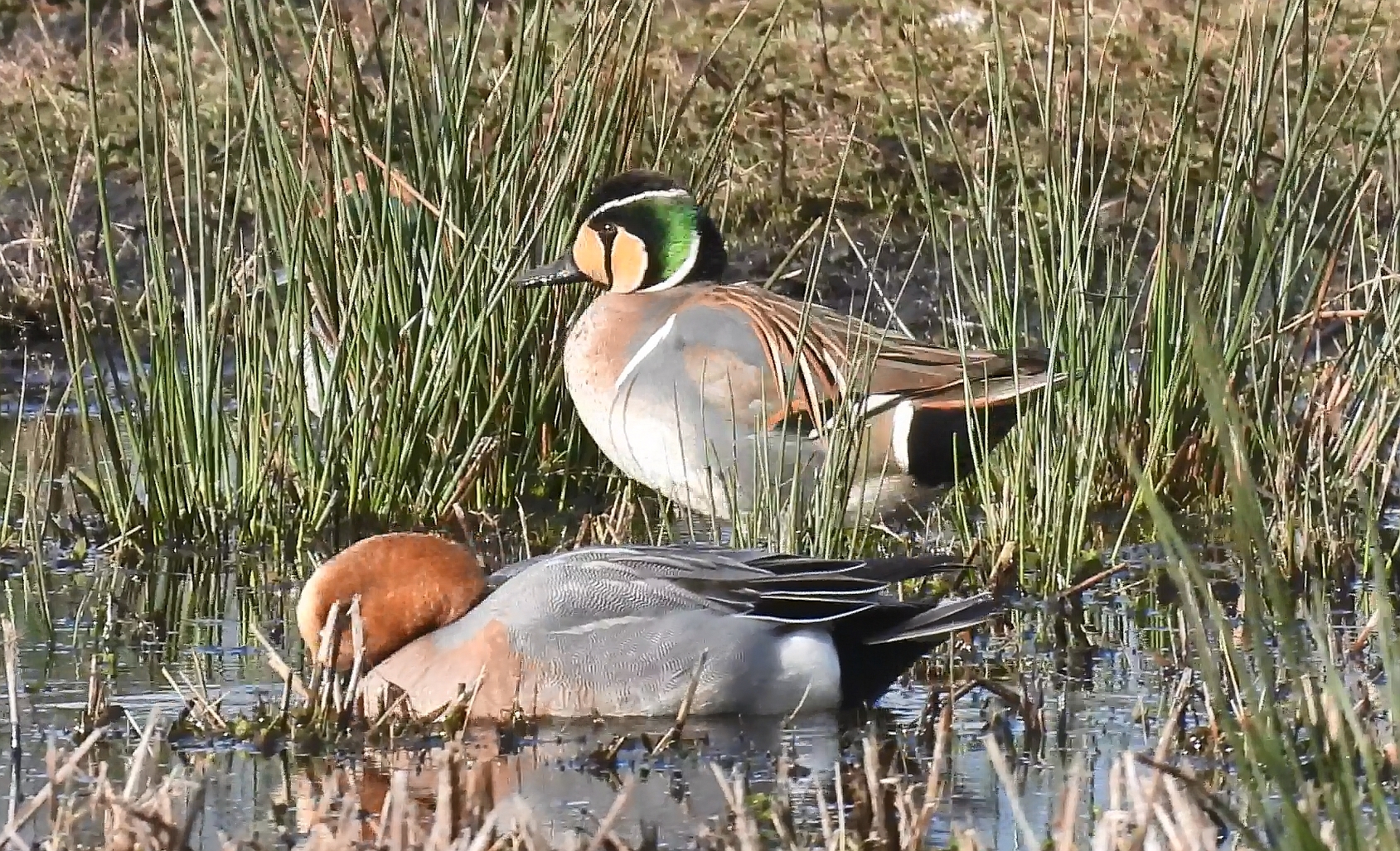
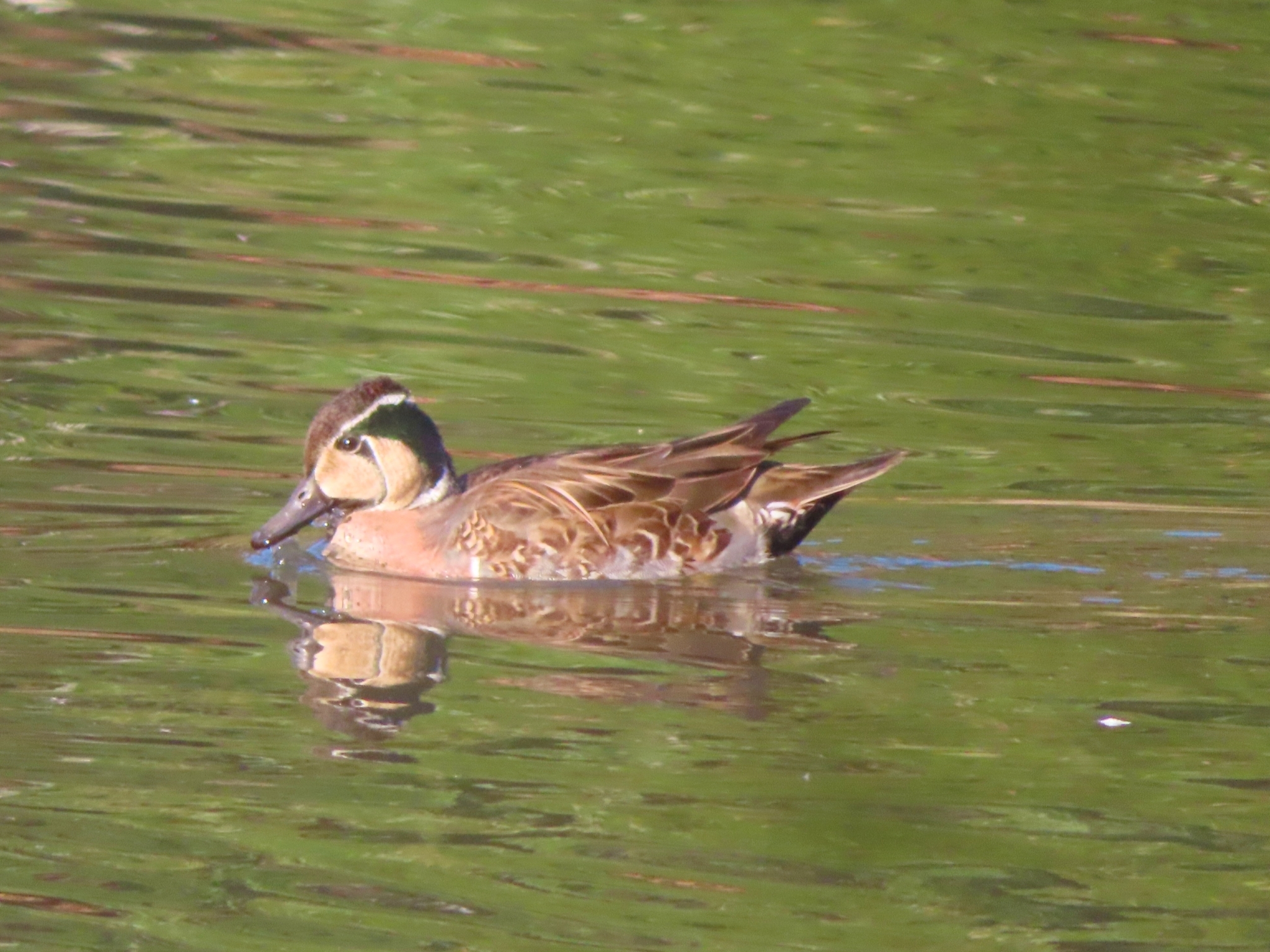
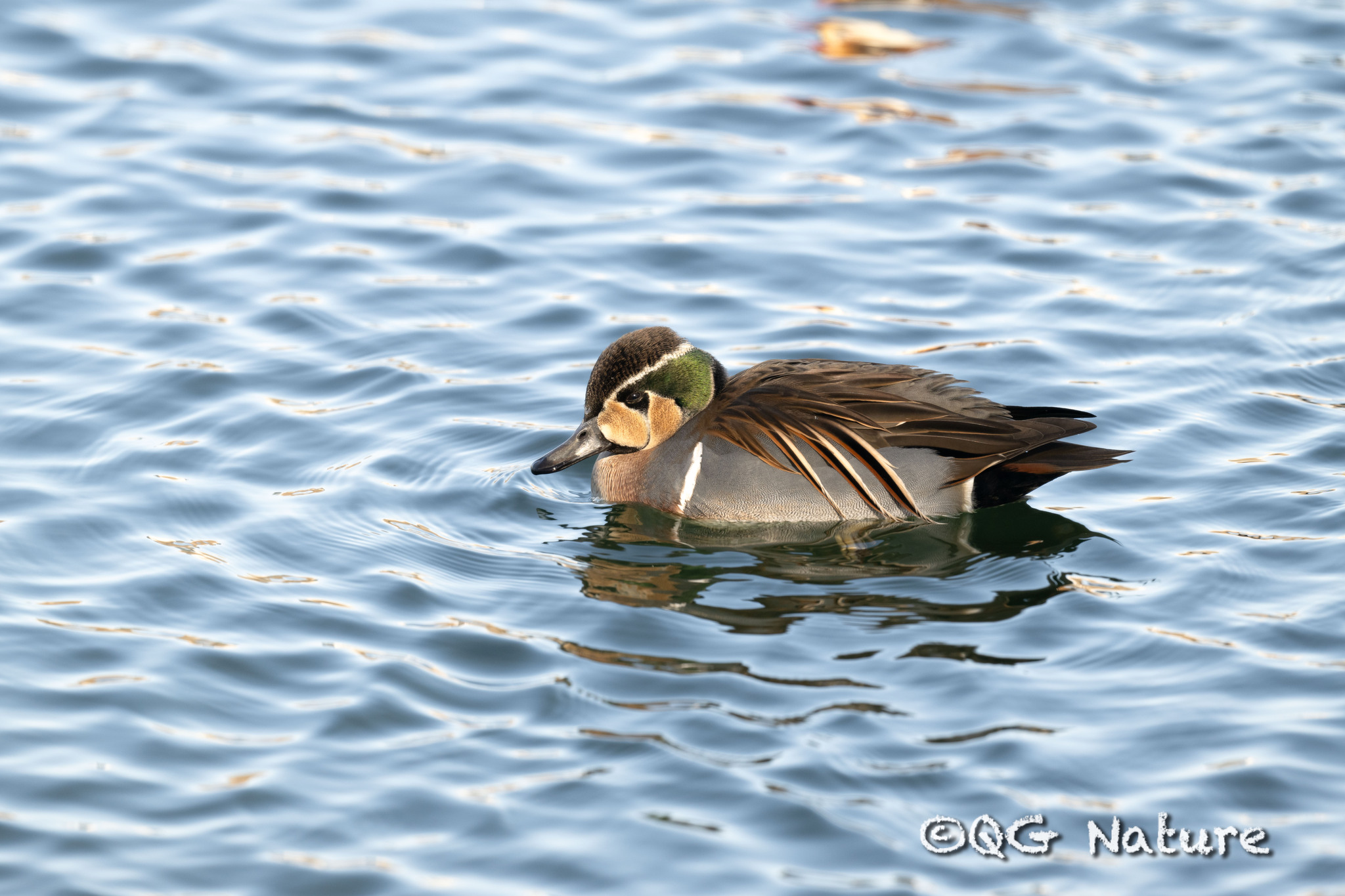
Measures 39–43 cm (15–17 in) in length, slightly larger and longer-tailed than the common teal, with an average weight of 1 pound. Breeding males feature a striking green nape, yellow and black auriculars, neck, and throat, a dark crown, light brown breast with dark spots, grey sides, and white bars on the front and rear. Females resemble female green-winged teals but have a longer tail, a distinctive white spot at the base of the bill, a white throat angling to the back of the eye, and a light eyebrow bordered by a darker crown. The underwing has a darker leading edge, and the green speculum has an indistinct cinnamon-buff inner border. Juveniles are similar to females but possess a pale loral spot. Non-breeding males display richer reddish-brown plumage.
Identification
Breeding males are unmistakable with green napes and yellow-black facial markings. Females are distinguished from green-winged teals by a longer tail, white bill-base spot, white throat extending toward the eye, and darker underwing leading edge. Juveniles differ from common teals by a pale loral spot. Some females exhibit bridle markings, potentially indicating juvenile males.
Distribution & Habitat
Breeds in the forest zone of eastern Siberia, from the Yenisey basin east to Kamchatka, northern Koryak, eastern Magadan Oblast, northern Khabarovsk Krai, southeastern and northern Sakha, east central Irkutsk Oblast, and northern Krasnoyarsk Krai. Habitats include tundra-edge pools and swampy forests. Migrates to winter in South Korea, Japan, Taiwan, northern and eastern China (from Beijing to the Vietnam border, west to Yunnan, north to Chongqing and Henan), utilizing lowland fresh waters.
Behavior & Ecology
Migratory species that breeds in tundra-edge pools and swampy forests. Winters on lowland fresh waters.
Conservation
Classified as Least Concern on the IUCN Red List, having been downlisted from Vulnerable in 2011. Threats include hunting and destruction of wintering wetland habitats, though the population is recovering. The global population was estimated at approximately 1.07 million adults around 2010, a significant increase from tens of thousands in the 1980s.
Source: Wikipedia · CC BY-SA 3.0
Taxonomy
- Order
- Anseriformes
- Family
- Anatidae
- Genus
- Sibirionetta
Distribution
breeds in northern and eastern Siberia; winters Japan, Korea, and eastern China
Data Sources
Species description from Wikipedia, licensed under CC BY-SA 3.0.
Bird images and sounds sourced from GBIF, contributed by citizen scientists worldwide under Creative Commons licenses.
Taxonomy data from AviList 2025.