Charadriiformes / Scolopacidae / Scolopax
Eurasian Woodcock
Scolopax rusticola · 丘鹬
Introduction
A medium-small wading bird in the genus Scolopax, found across temperate and subarctic Eurasia. It inhabits woodlands with dense undergrowth and exhibits cryptic camouflage. Distinctive traits include eyes set far back on the head for 360-degree vision and a long, sensitive bill used for probing soil. The species is evaluated as Least Concern by the IUCN.
Description
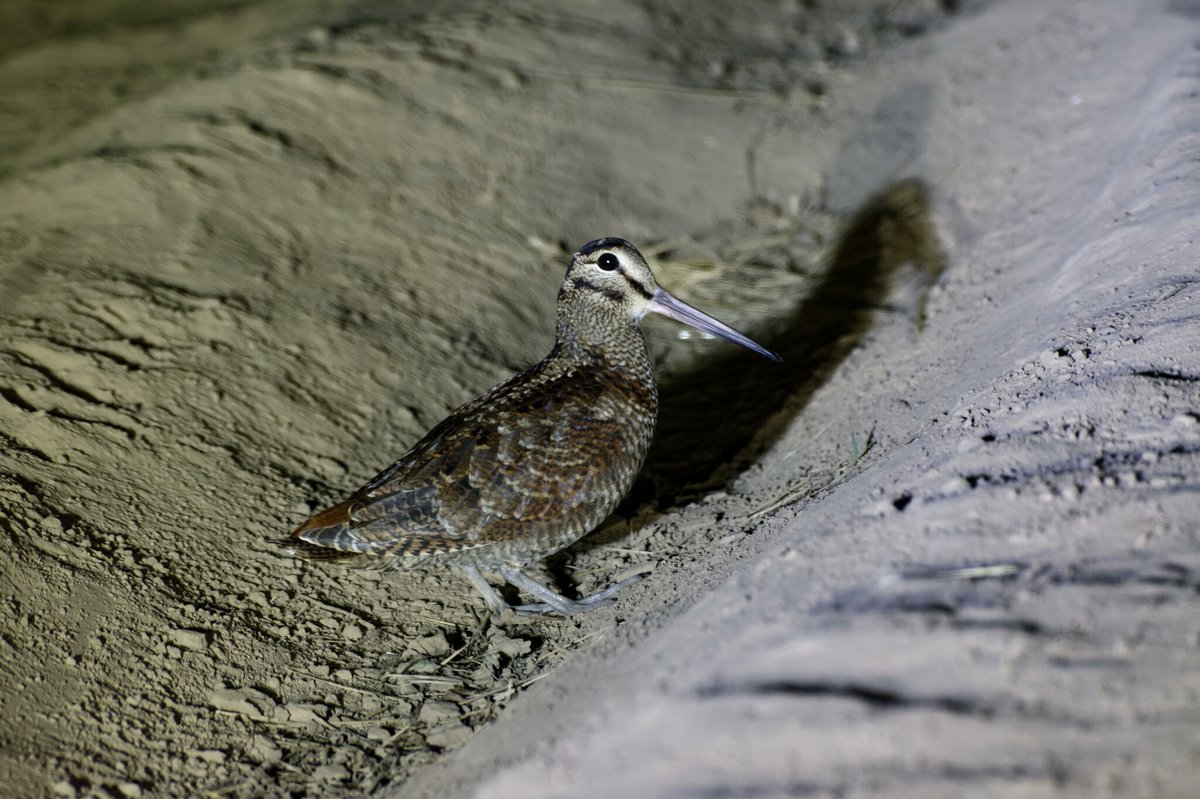
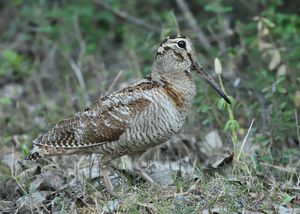
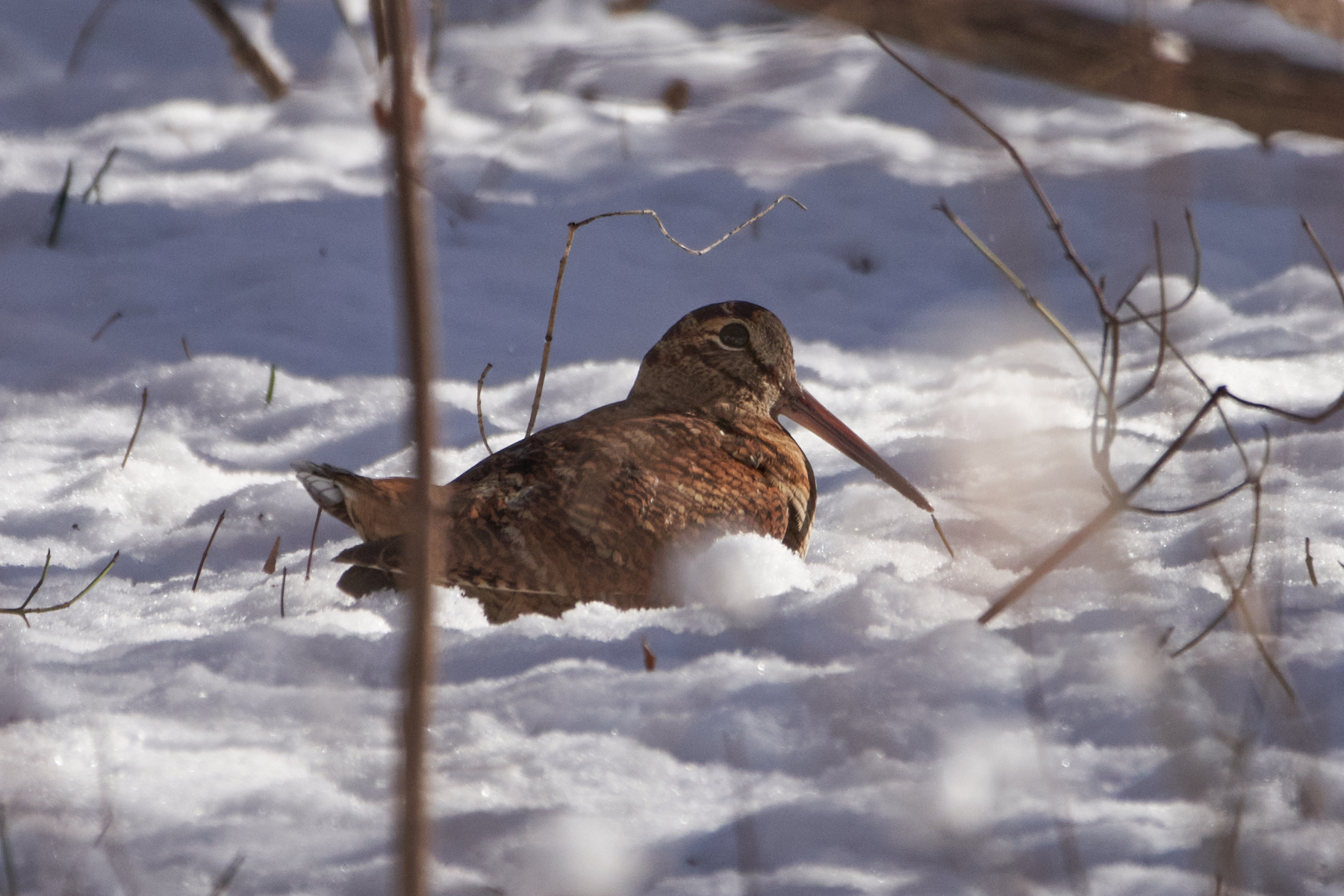
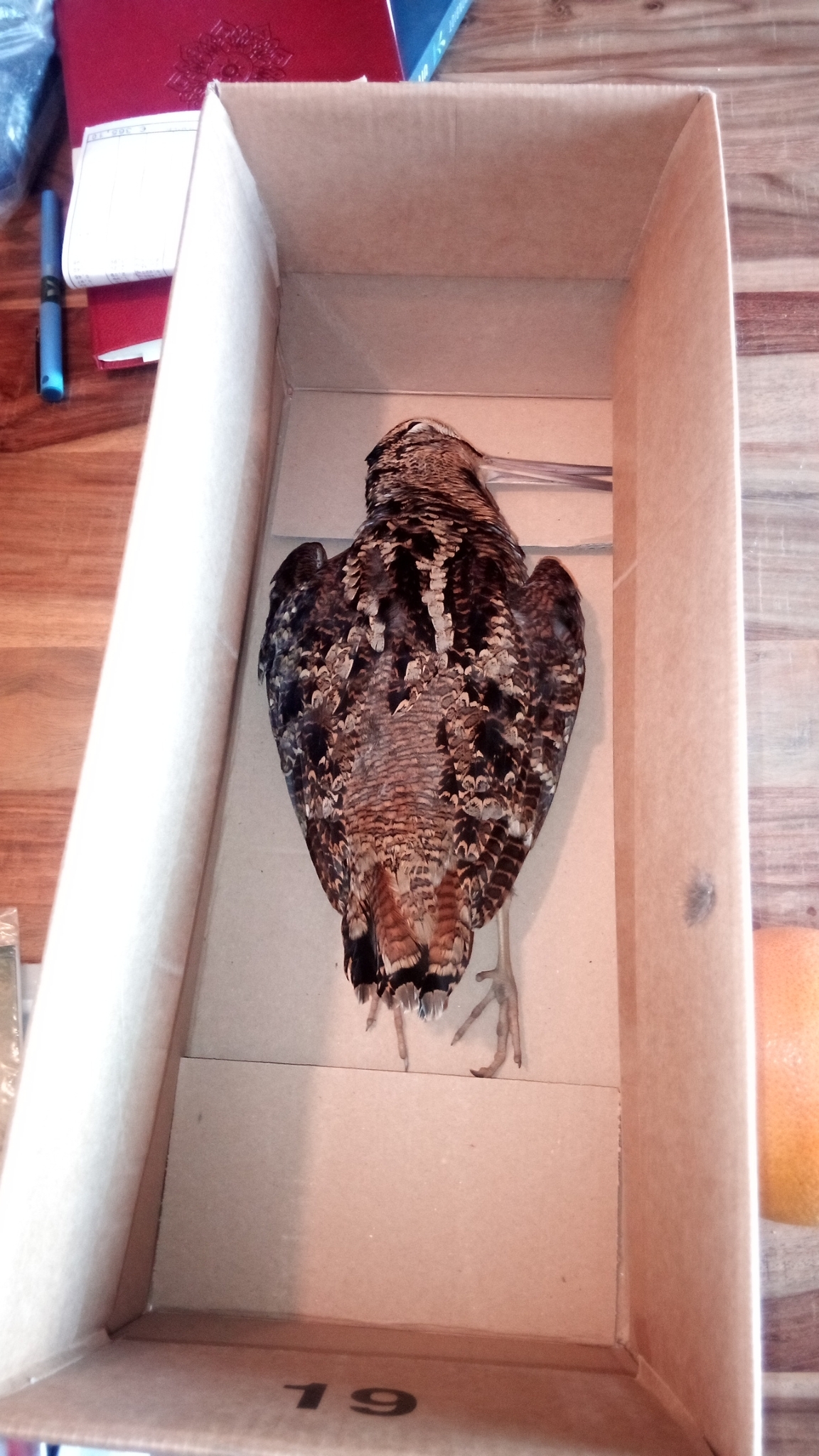
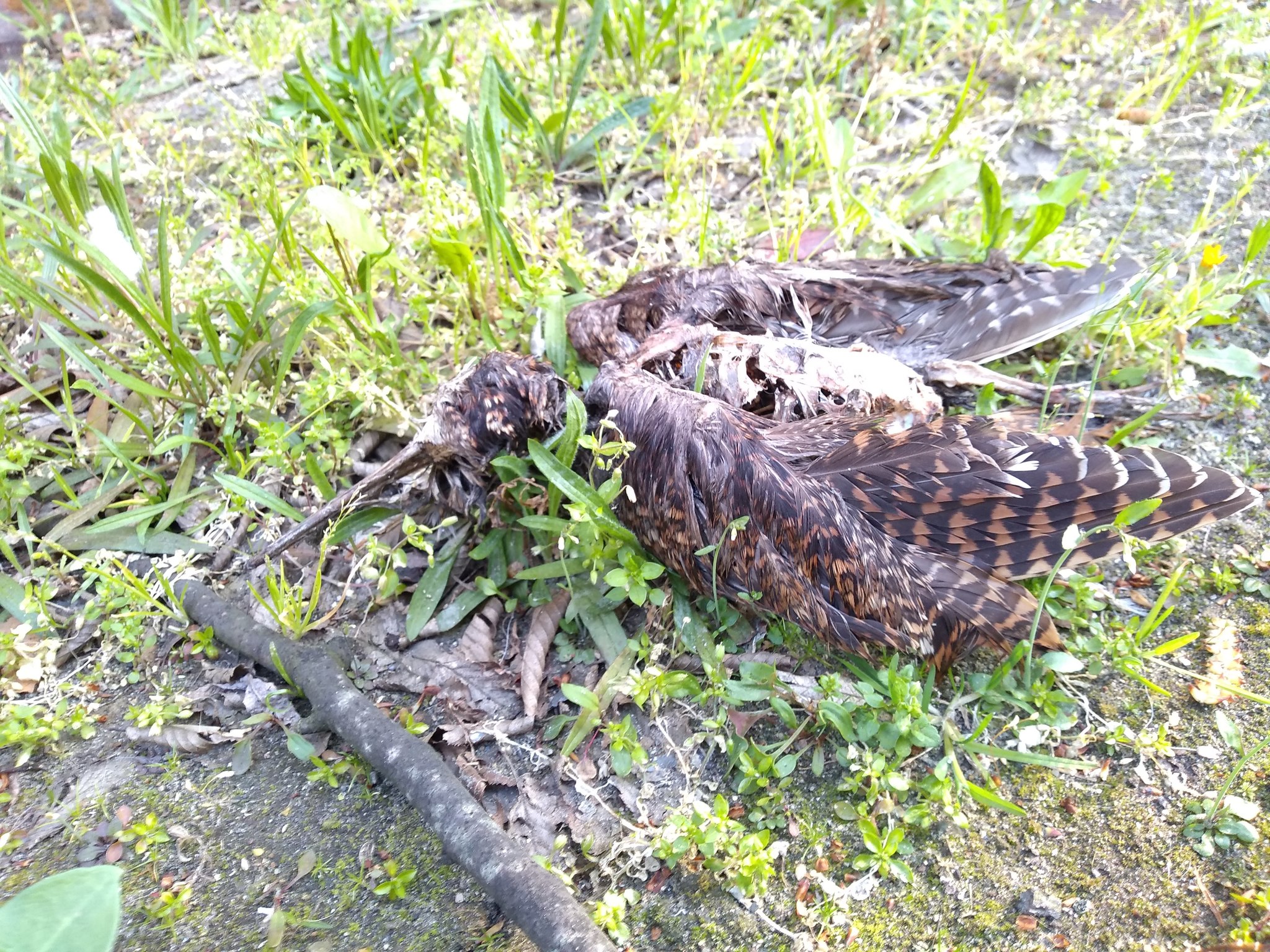
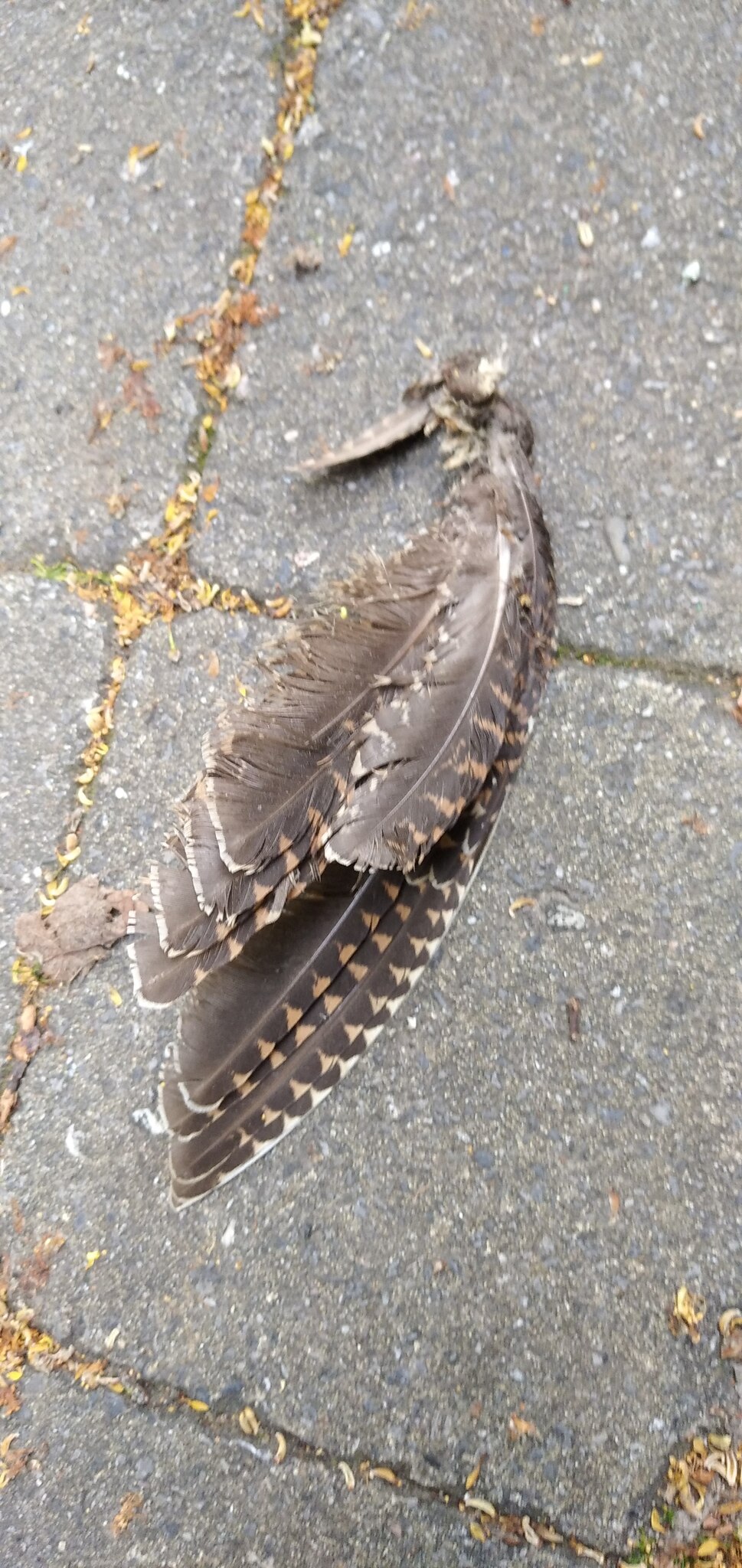
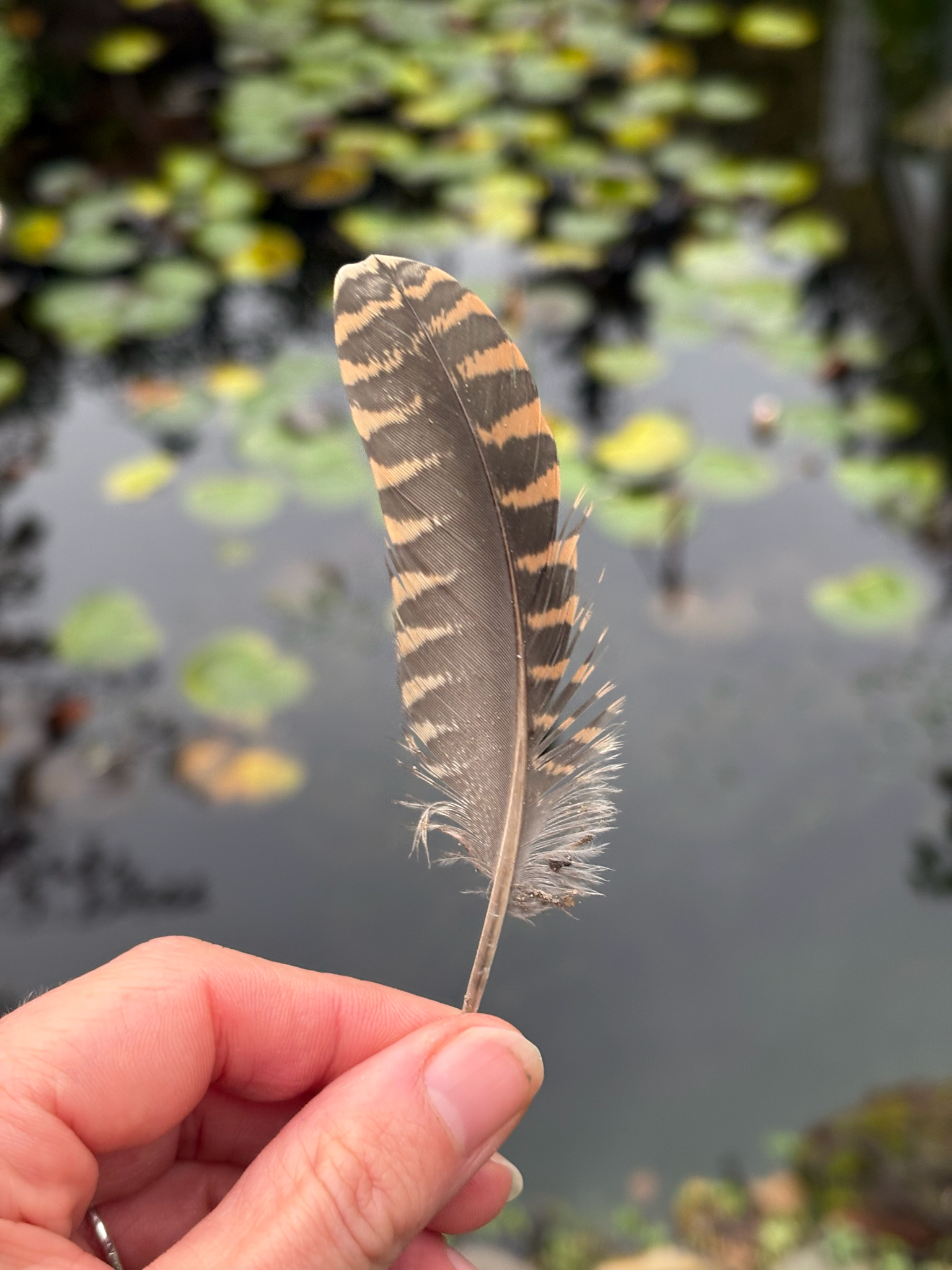
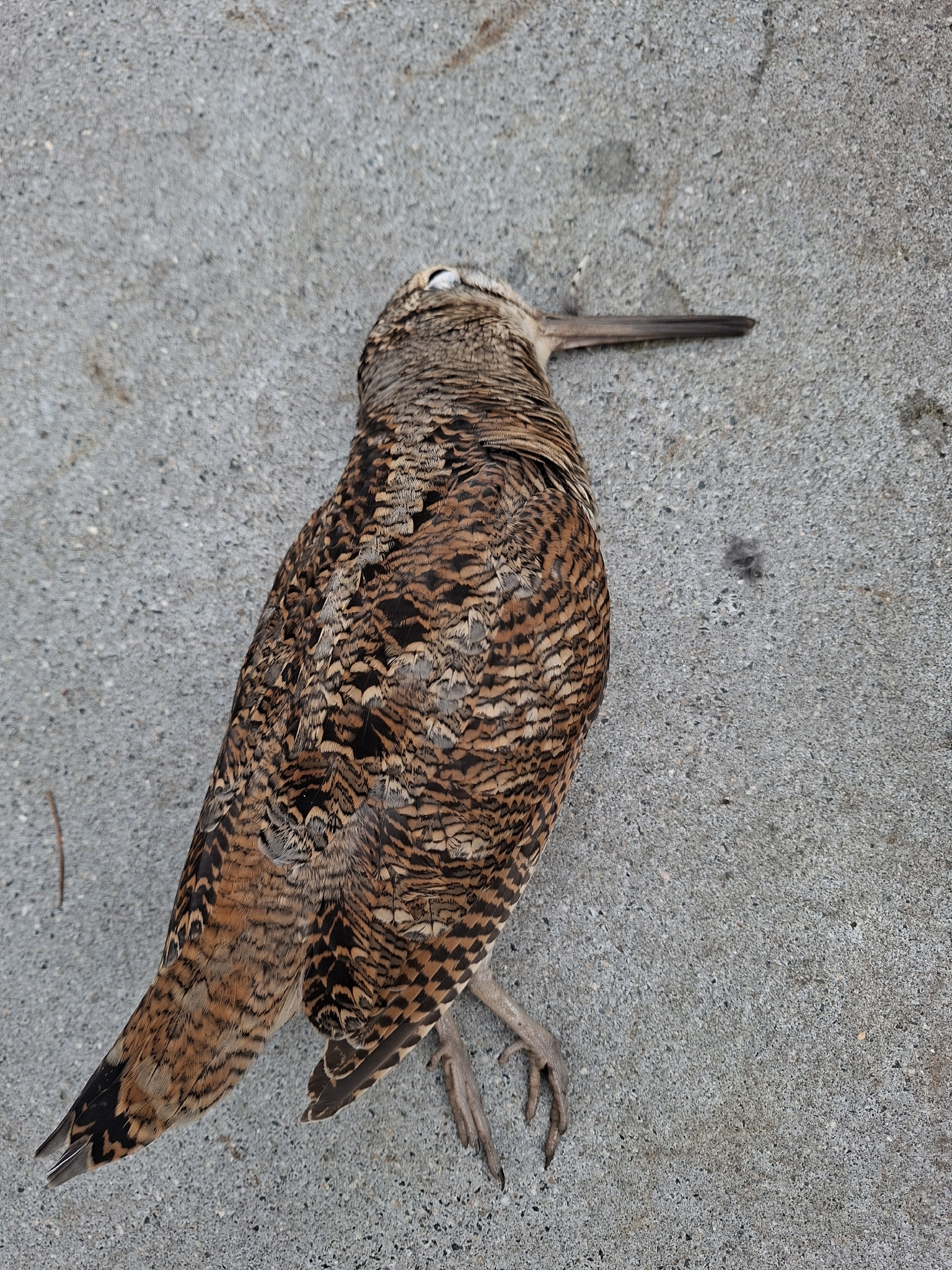
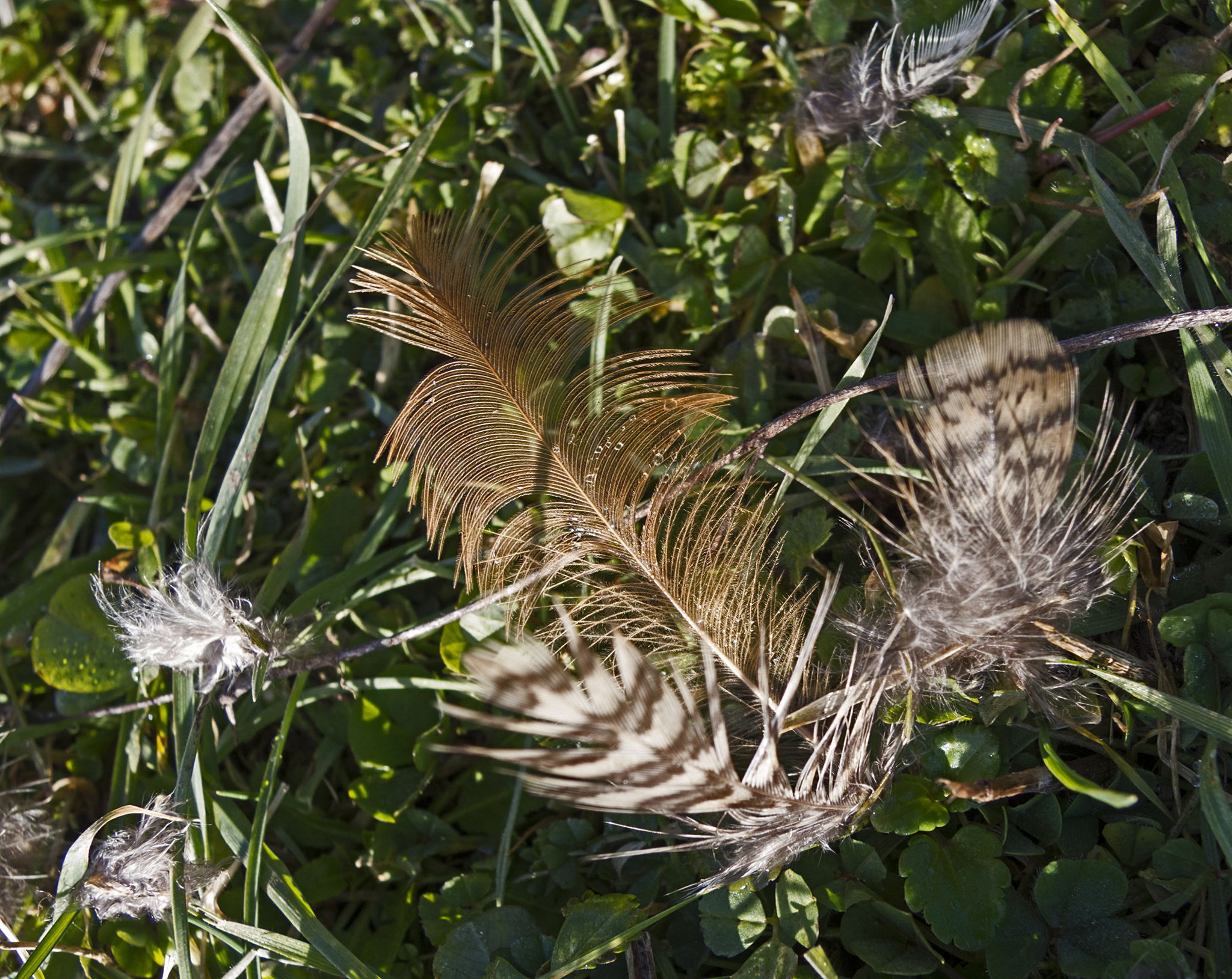
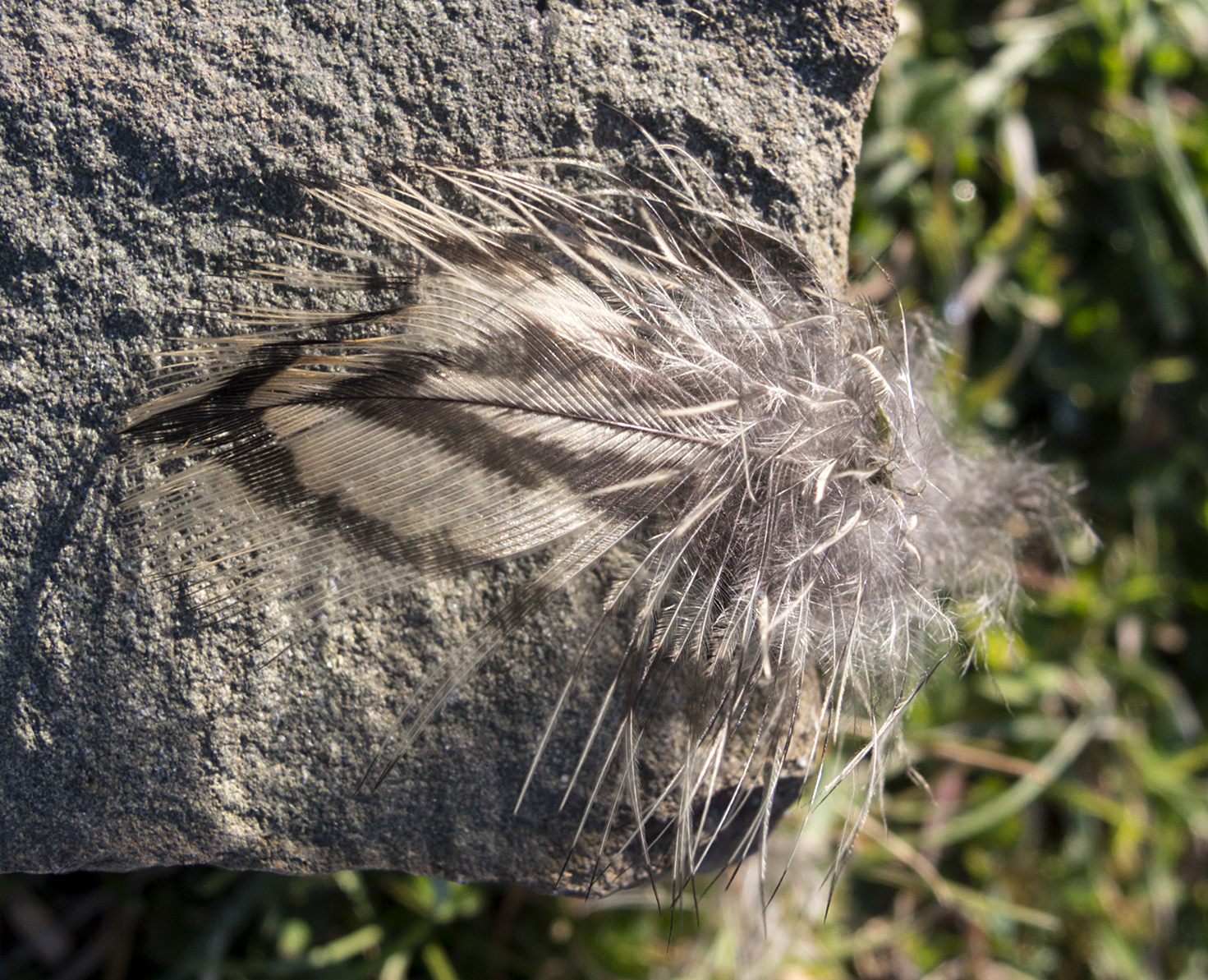
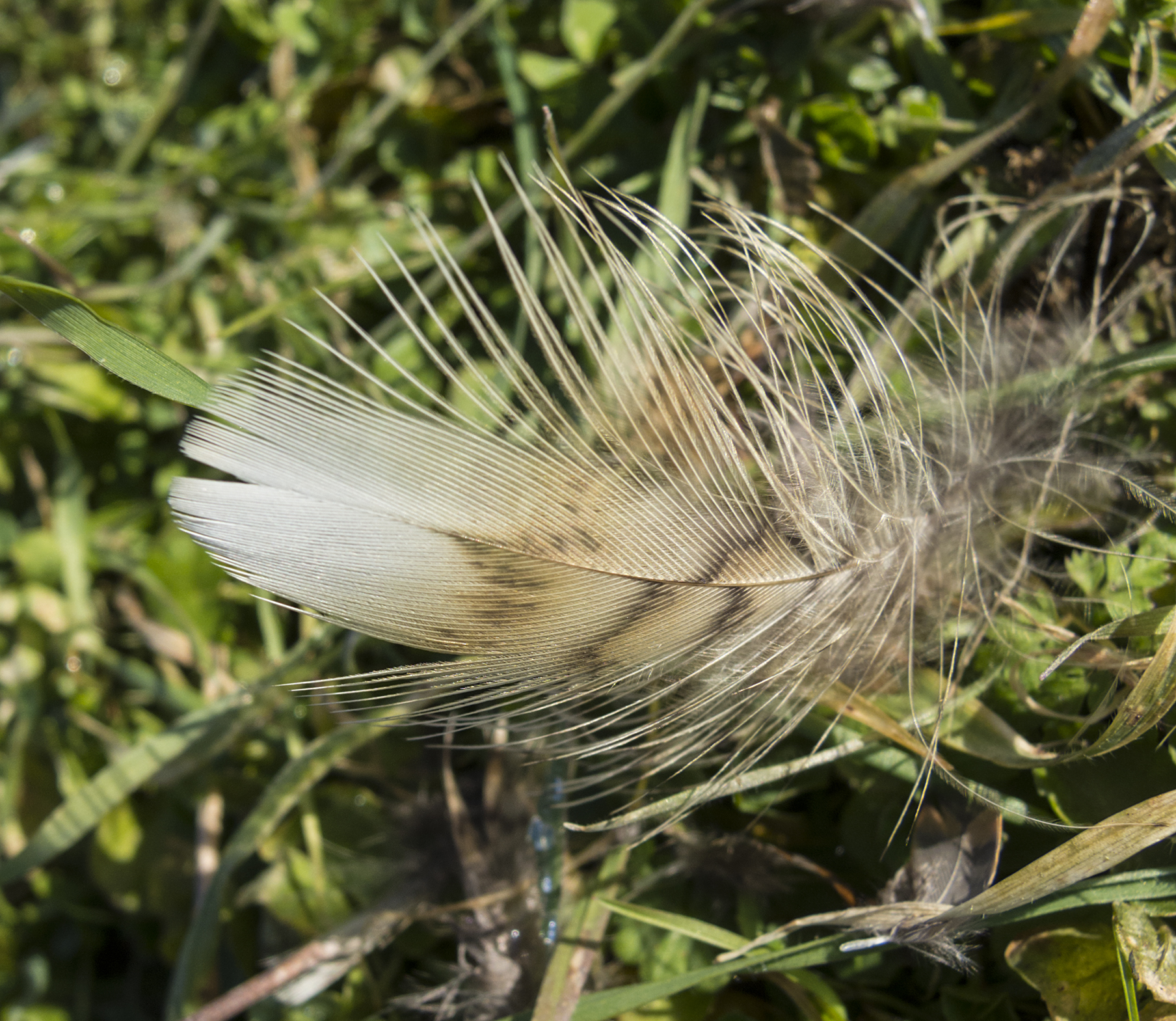
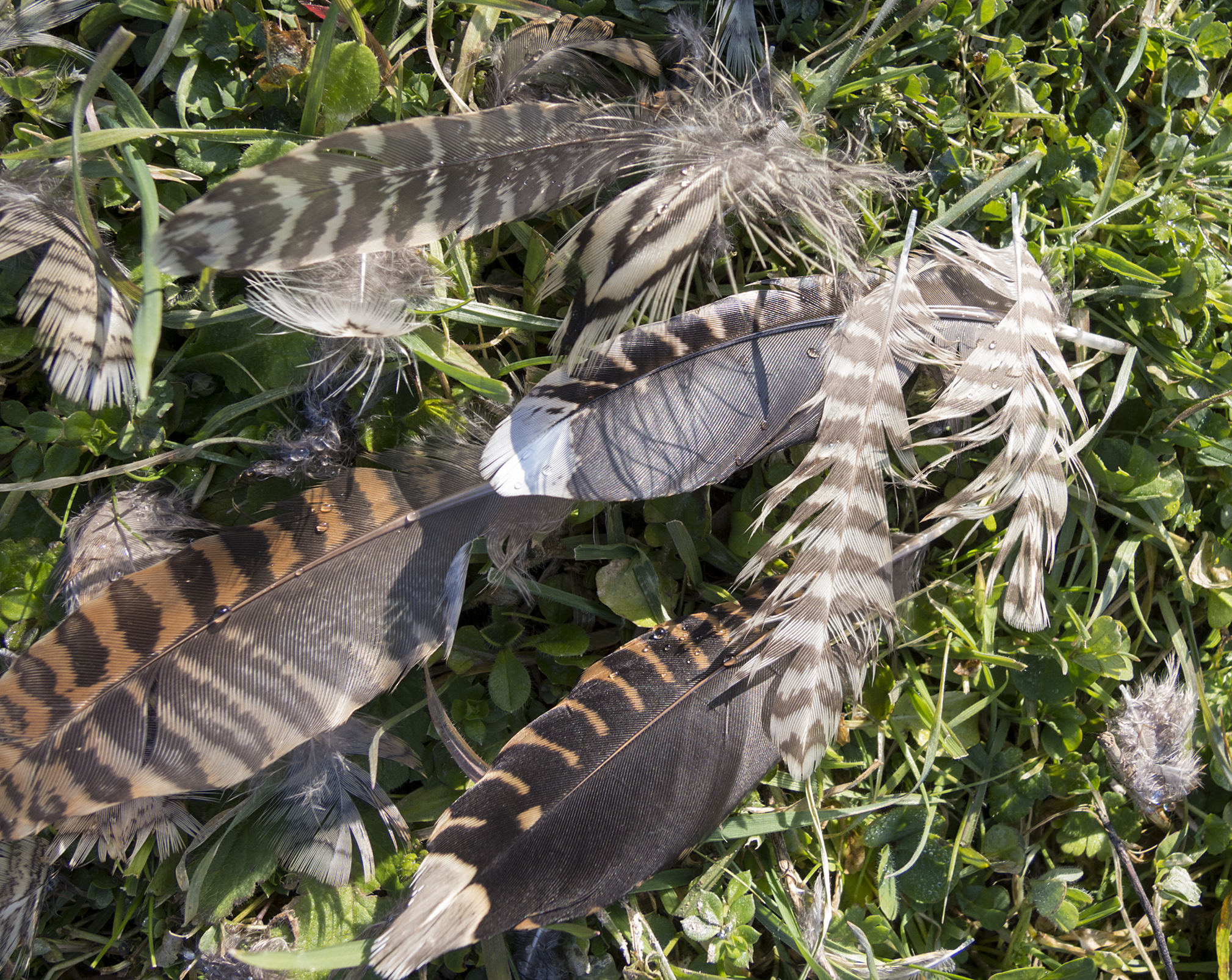
Adults measure 33–38 cm in length, including a 6–8 cm straight bill, with a wingspan of 55–65 cm. Plumage features intricately patterned reddish-brown upperparts and buff underparts for camouflage. The head is barred with black, distinguishing it from snipe. Eyes are large and located high on the sides of the head. Wings are rounded, the base of the bill is flesh-coloured with a dark tip, and legs vary from grey to pinkish. Males are significantly larger than females, though sexes are indistinguishable in the field.
Identification
Key marks include cryptic reddish-brown and buff plumage with black-barred heads. Large eyes positioned high on the head provide 360-degree monocular vision. Flight is fast and direct over open country but erratic and twisting in woodland, often accompanied by a whirring wing noise when flushed. Vocalizations during courtship include the call 'orr, orr, orr, pist'.
Distribution & Habitat
Breeding range extends from Fennoscandia to the Mediterranean Sea and Canary Islands, and from western Europe to Russia. Northern and Asian populations migrate to southern Europe or the Indian subcontinent, while western European and Atlantic island populations are largely resident. Breeding habitat requires large, unfragmented broadleaved or mixed forests with dense undergrowth. Winter habitats include scrubland and intertidal mud during freezing weather.
Behavior & Ecology
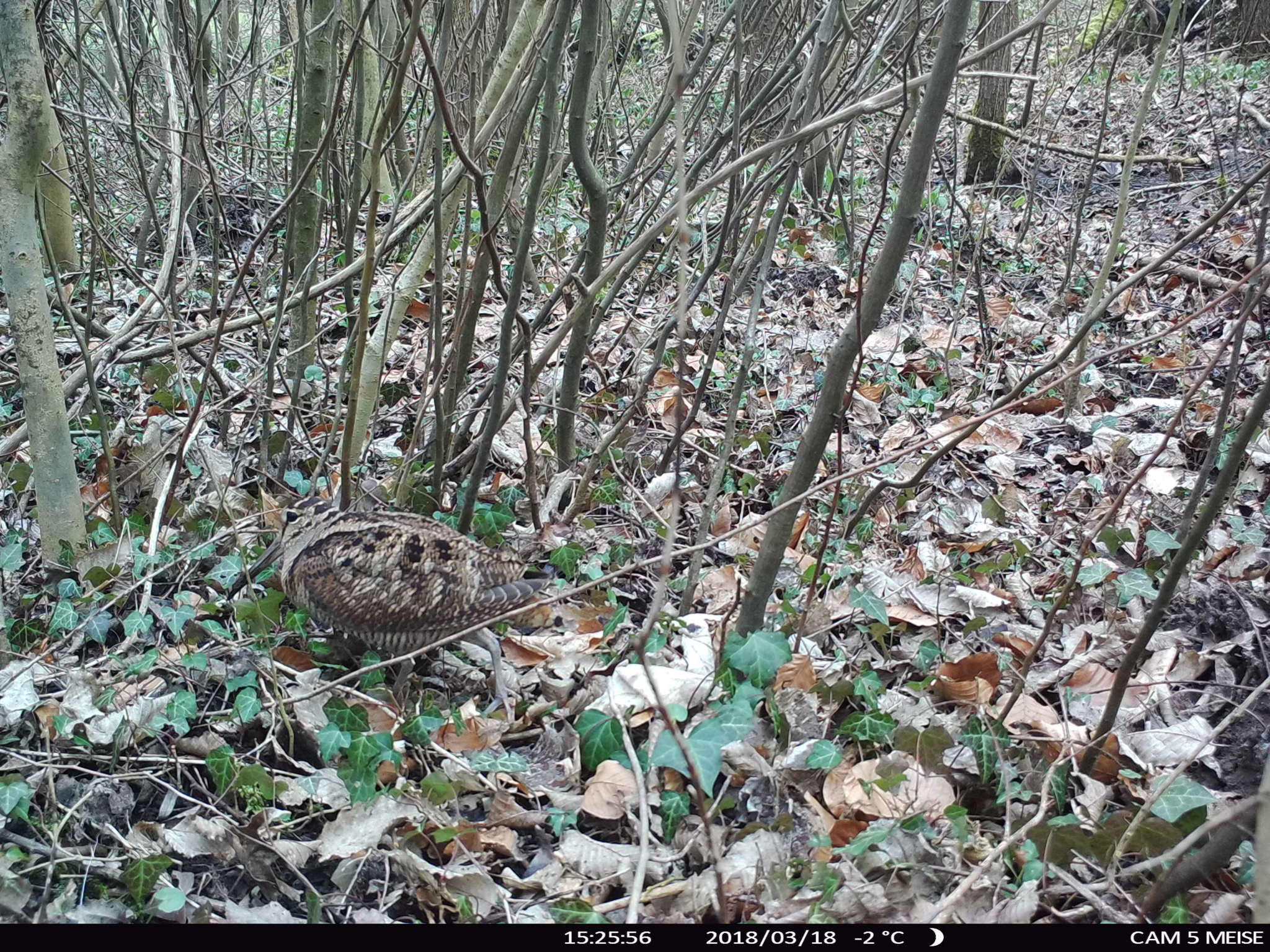
Crepuscular and usually solitary, foraging in soft soil for earthworms, insects, larvae, molluscs, and seeds. Vulnerable to frozen ground in winter. Males perform a courtship flight called 'roding' at dusk between April and June. Nests are ground scrapes lined with leaves; females incubate 1–2 eggs for 21–24 days. Chicks are precocial, leaving the nest immediately and fledging in 15–20 days. Females may carry chicks between their legs or on their back when threatened.
Conservation
Evaluated as Least Concern with an estimated global population of 14–16 million birds. Major threats include fragmentation of woodland breeding habitats, reduction of permanent grassland, intensification of farming, and susceptibility to avian influenza. Hunting pressure in wintering areas, such as western France, has shown low survival rates that may not sustain long-term viable populations.
Culture
Hunted as game in many countries; the 'Shooting Times Woodcock Club' admits members who achieve a 'right and left' shot. Culinary traditions involve hanging the bird for 4–8 days and cooking it without gutting. Folklore includes beliefs that early arrival signals a good harvest and that the bird flies to the moon in winter. The surname 'Woodcock' derives from the bird, implying a fool. In literature, it appears in works by Shakespeare and Kipling. The outermost primary covert feather is used as a fine paintbrush.
Source: Wikipedia · CC BY-SA 3.0
Taxonomy
- Order
- Charadriiformes
- Family
- Scolopacidae
- Genus
- Scolopax
Distribution
breeds locally in moist woodland and bogs from British Isles and Scandinavia southward to northern Iberian Peninsula and Azores to Canary Islands, eastward to southeastern Russia, and northern and central Japan, and disjunctly in the Caucasus and Himalayas; winters southward to northern Africa and eastward to central and southern Japan and Taiwan
Data Sources
Species description from Wikipedia, licensed under CC BY-SA 3.0.
Bird images and sounds sourced from GBIF, contributed by citizen scientists worldwide under Creative Commons licenses.
Taxonomy data from AviList 2025.