Eurasian Woodcock
Scolopax rusticola
丘鹬
Introduction
The Eurasian Woodcock (Scolopax rusticola) is a medium-sized wader of the Scolopacidae family, occurring in temperate and subarctic forests across Eurasia. It inhabits deciduous and mixed woodlands with dense understory and moist soil, foraging on the forest floor among leaf litter. The species has large eyes positioned high and far back on the sides of the head, providing nearly 360-degree vision. It possesses a long, straight bill for probing soil in search of earthworms and other invertebrates. Plumage is reddish-brown with buff markings. The species is crepuscular, most active at dawn and dusk. Males perform a courtship display called "roding" in spring, patrolling woodland clearings at dusk while calling. When flushed, the bird bursts from cover with distinctive whirring wingbeats. The global population is estimated at 14 to 16 million individuals.
Description
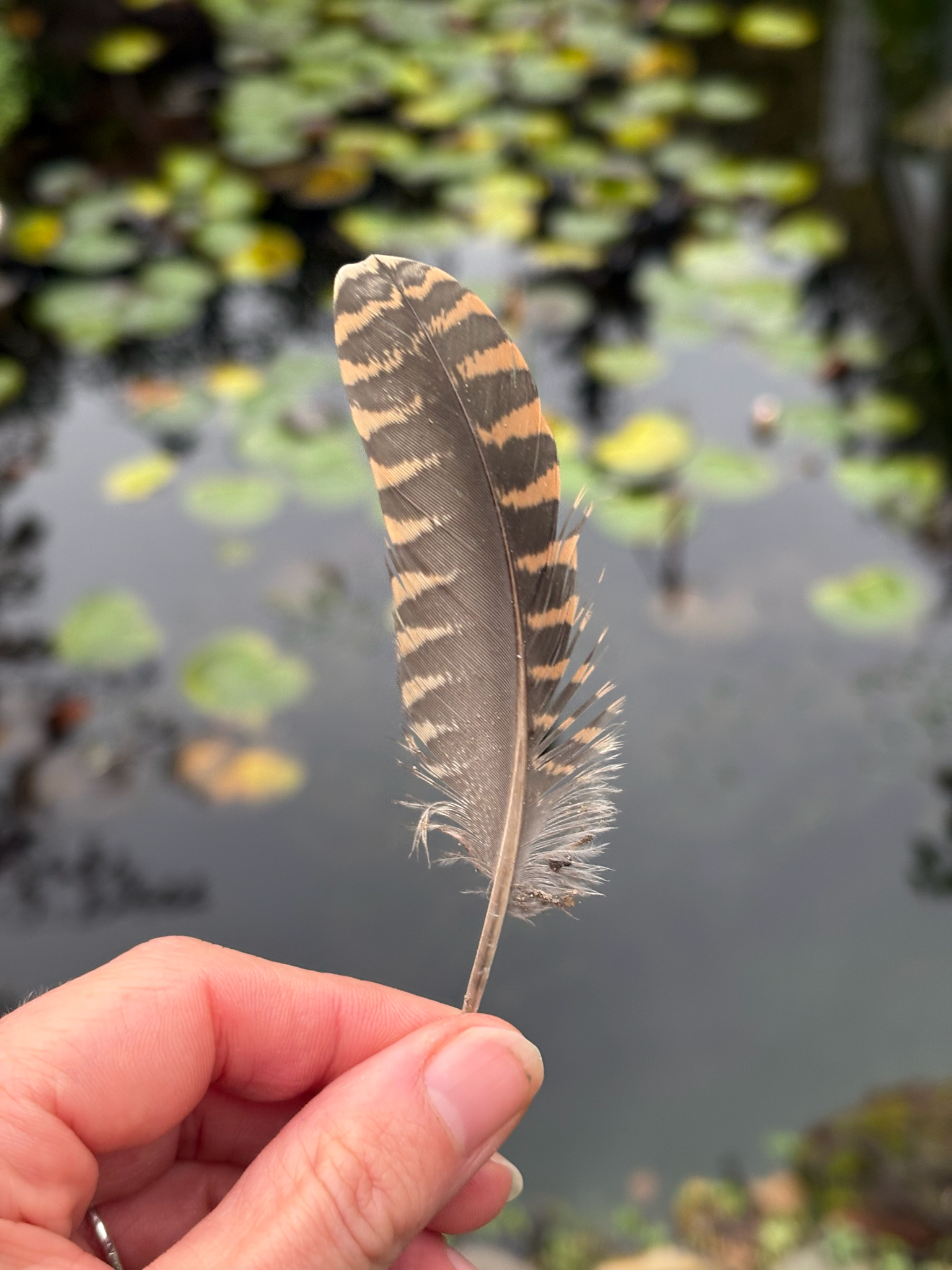
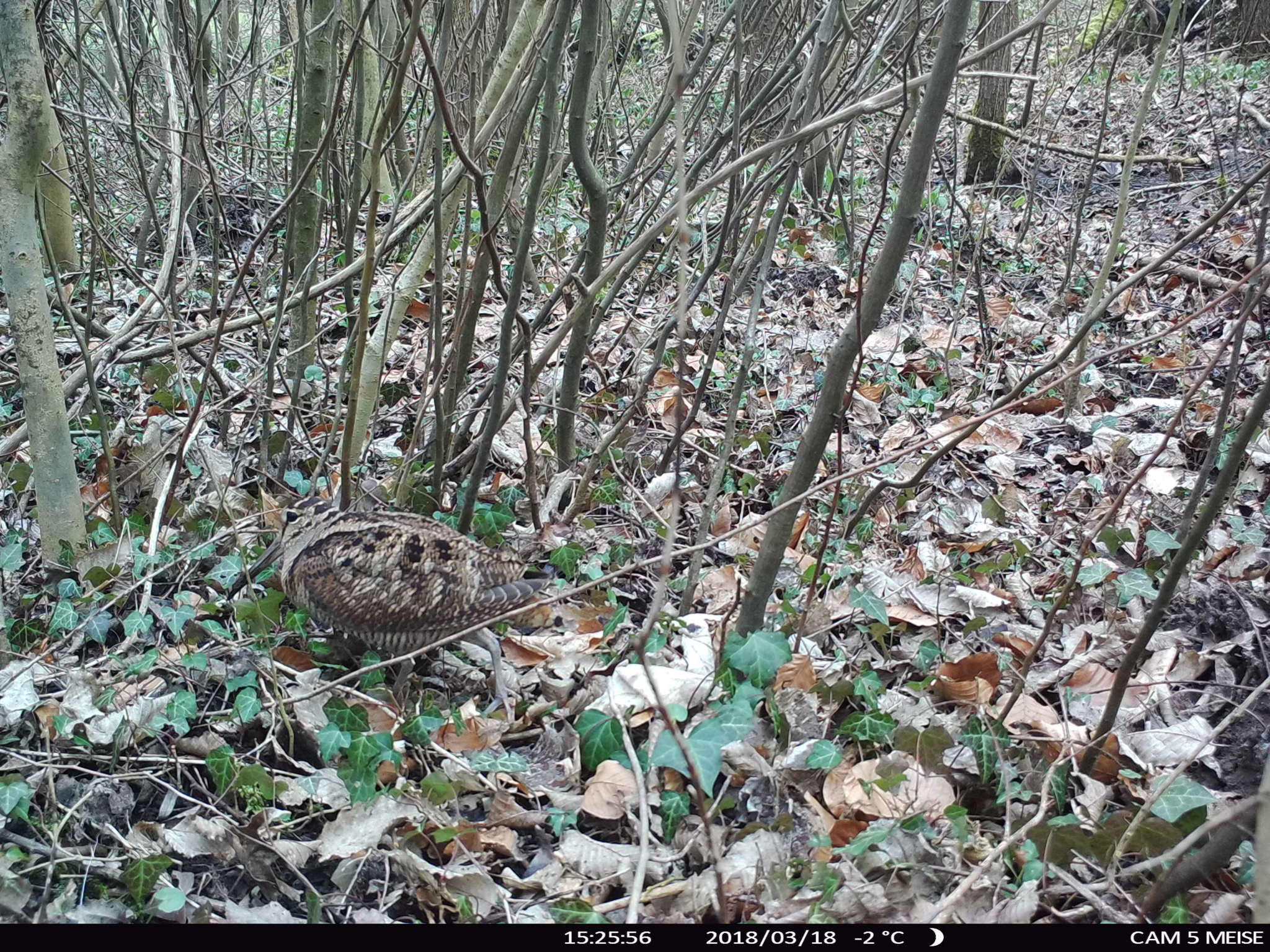
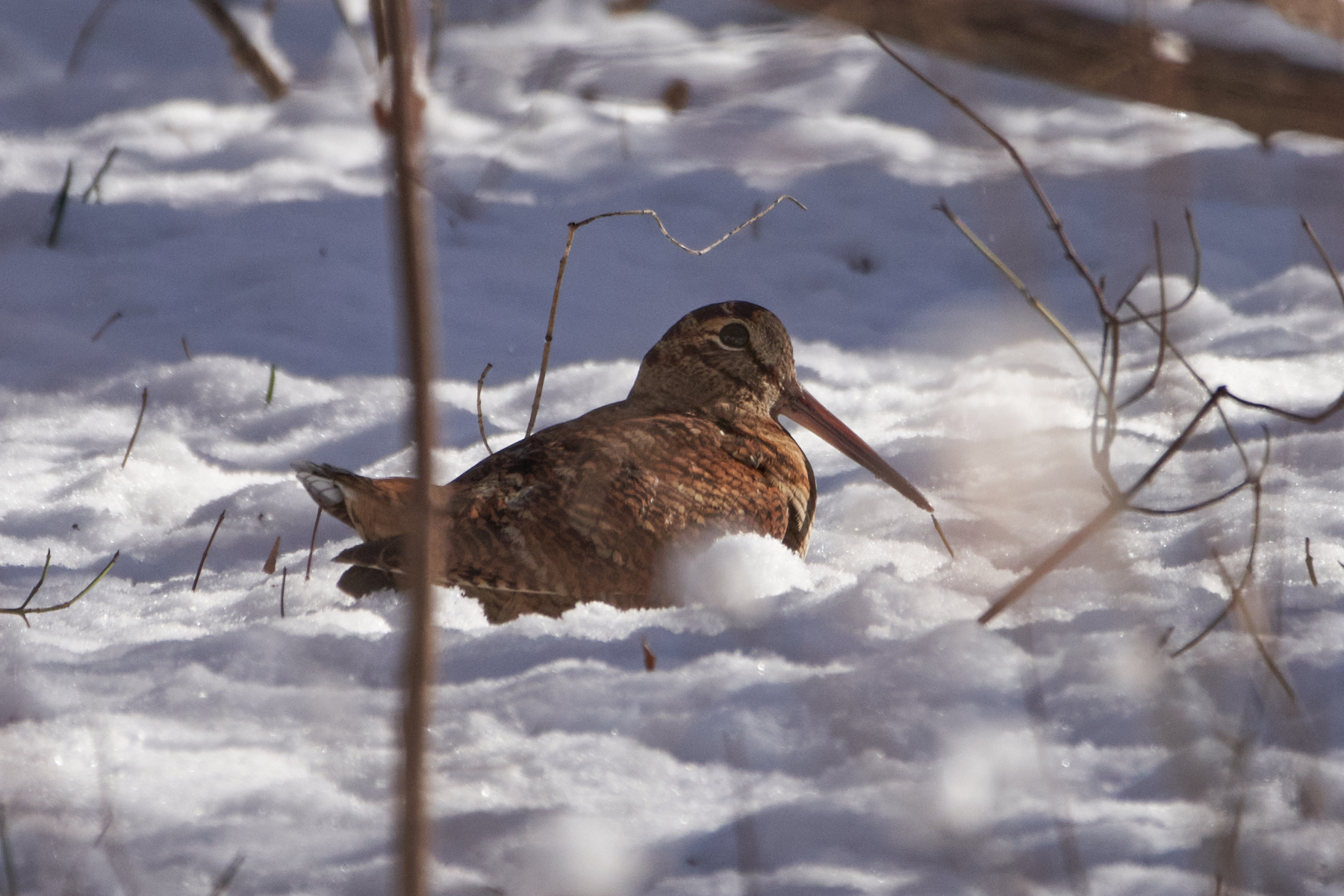
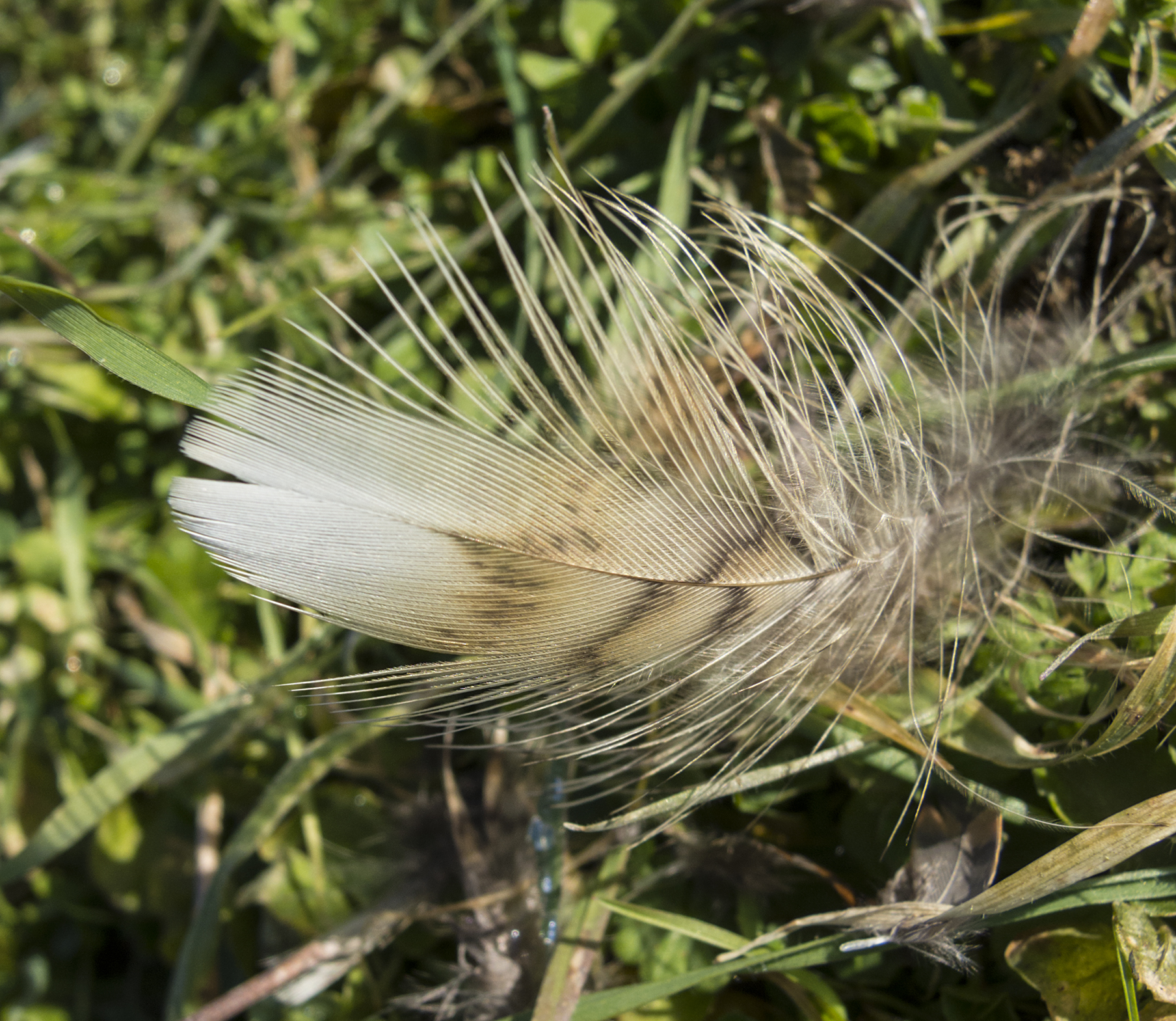
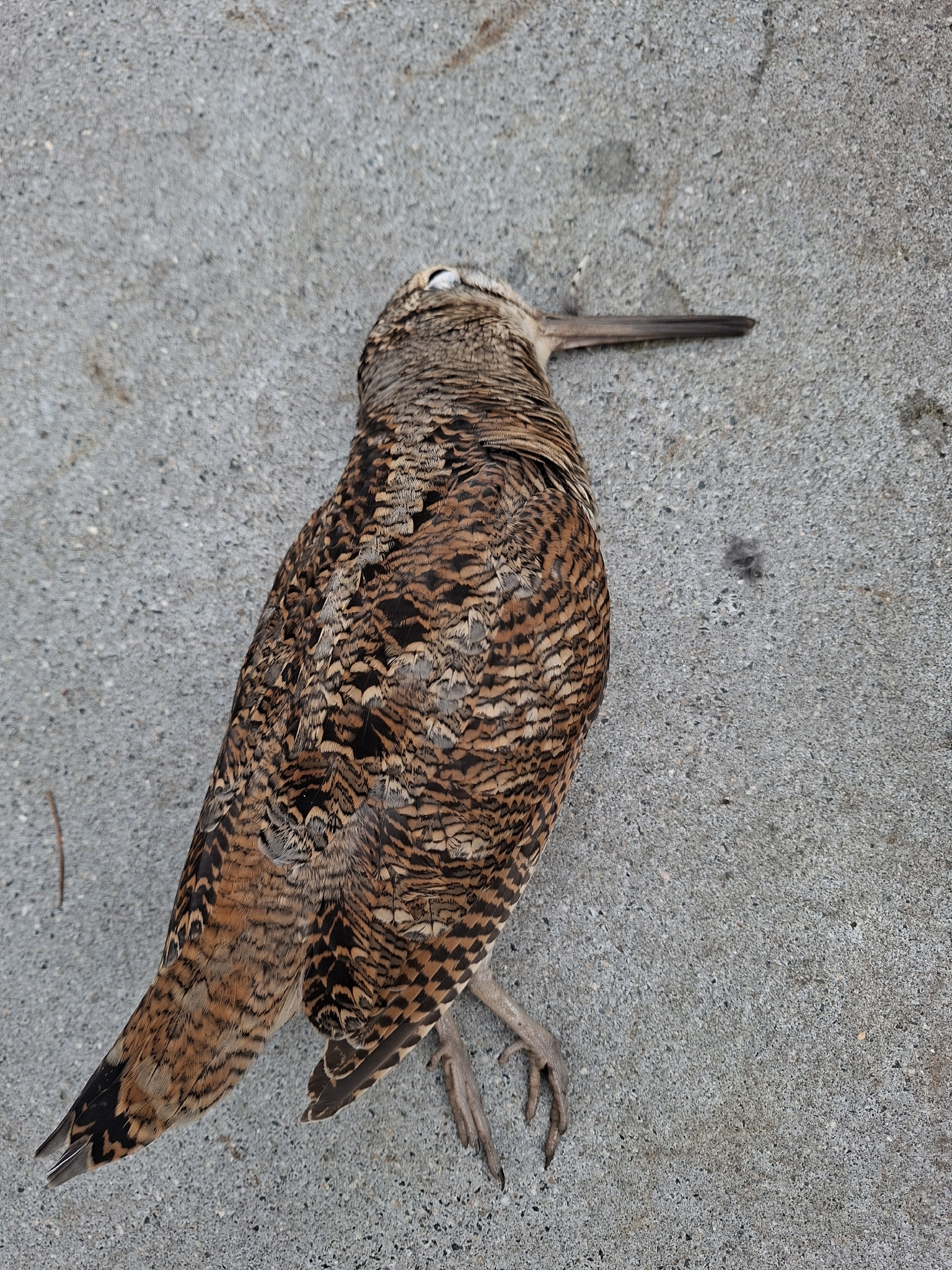
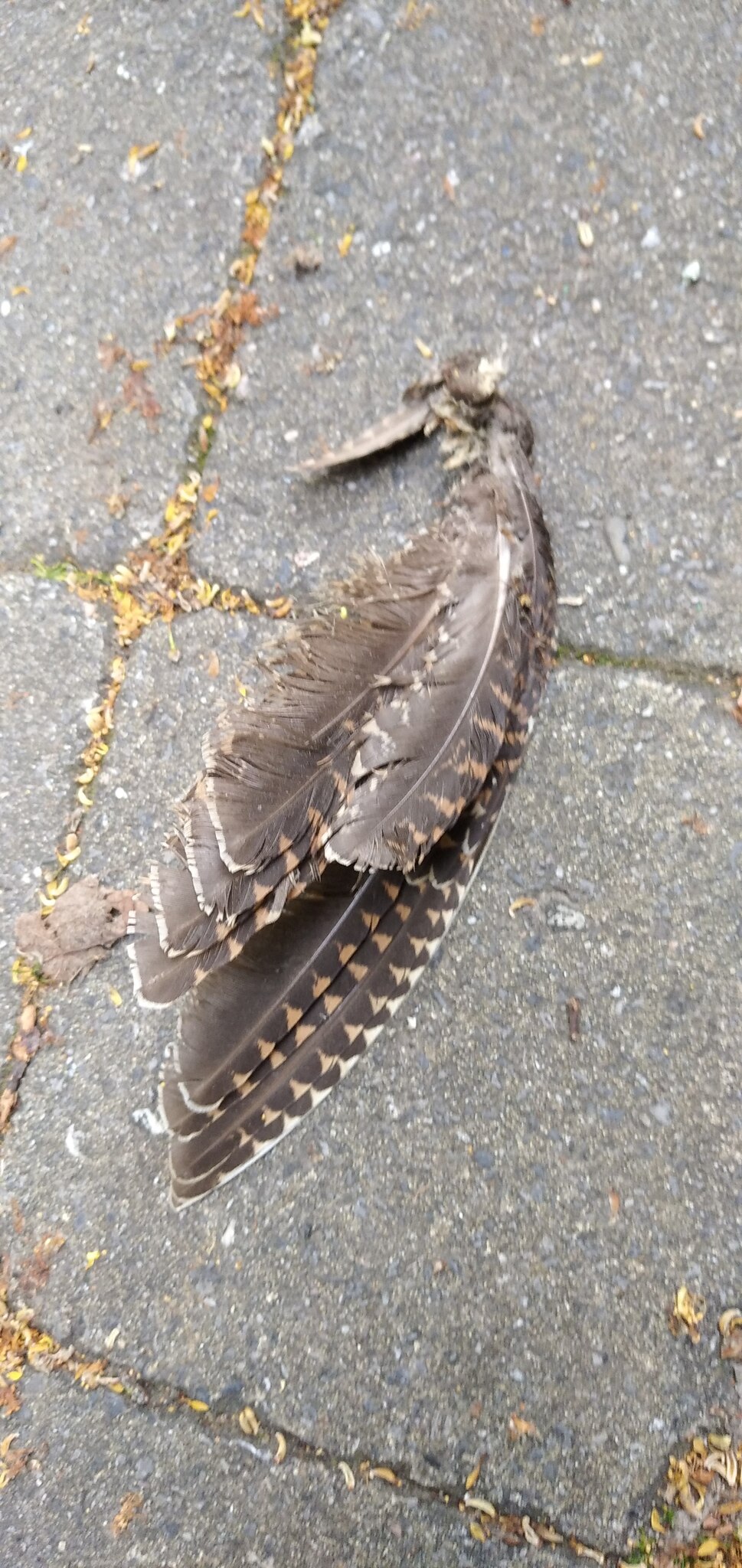
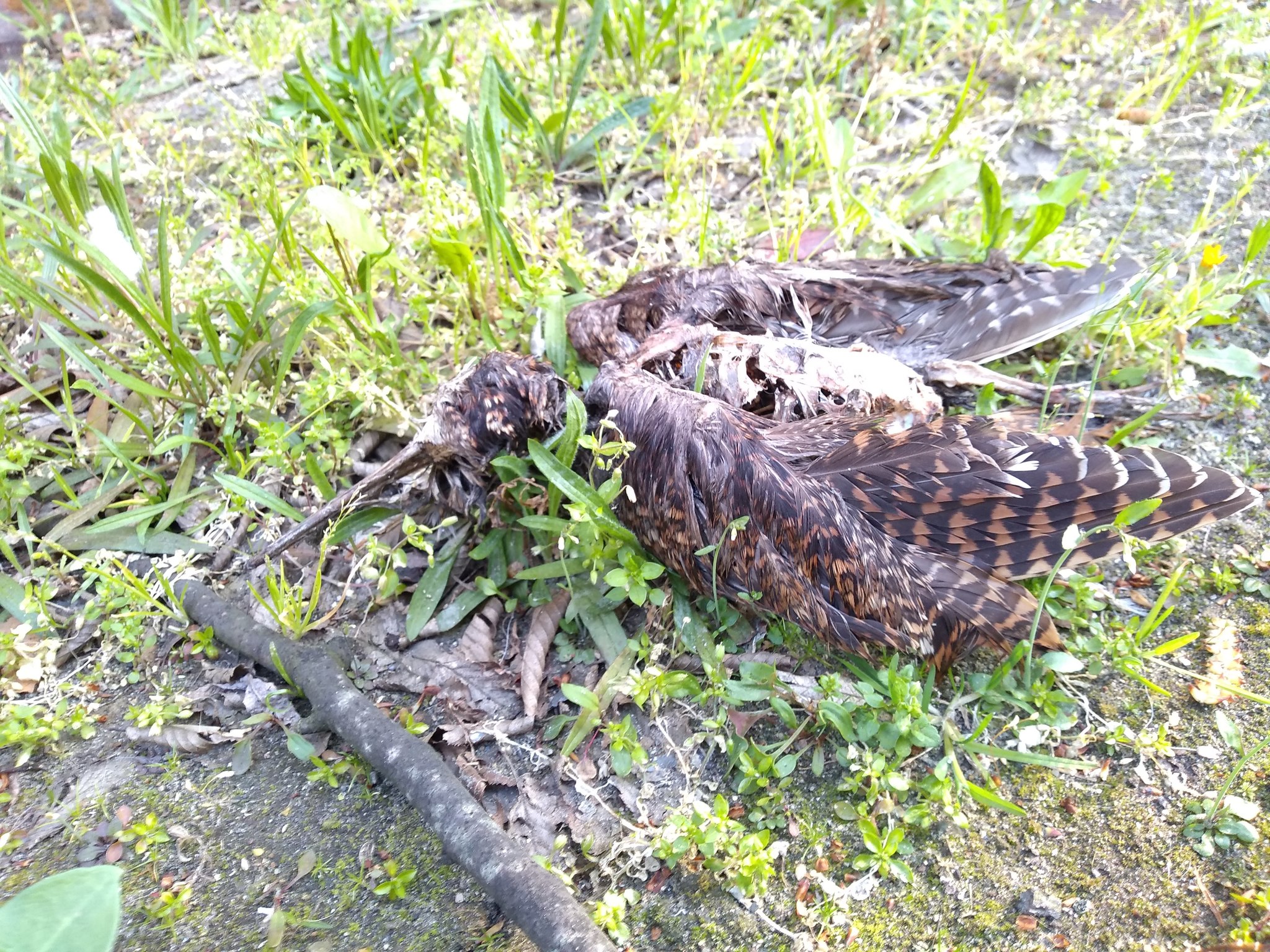
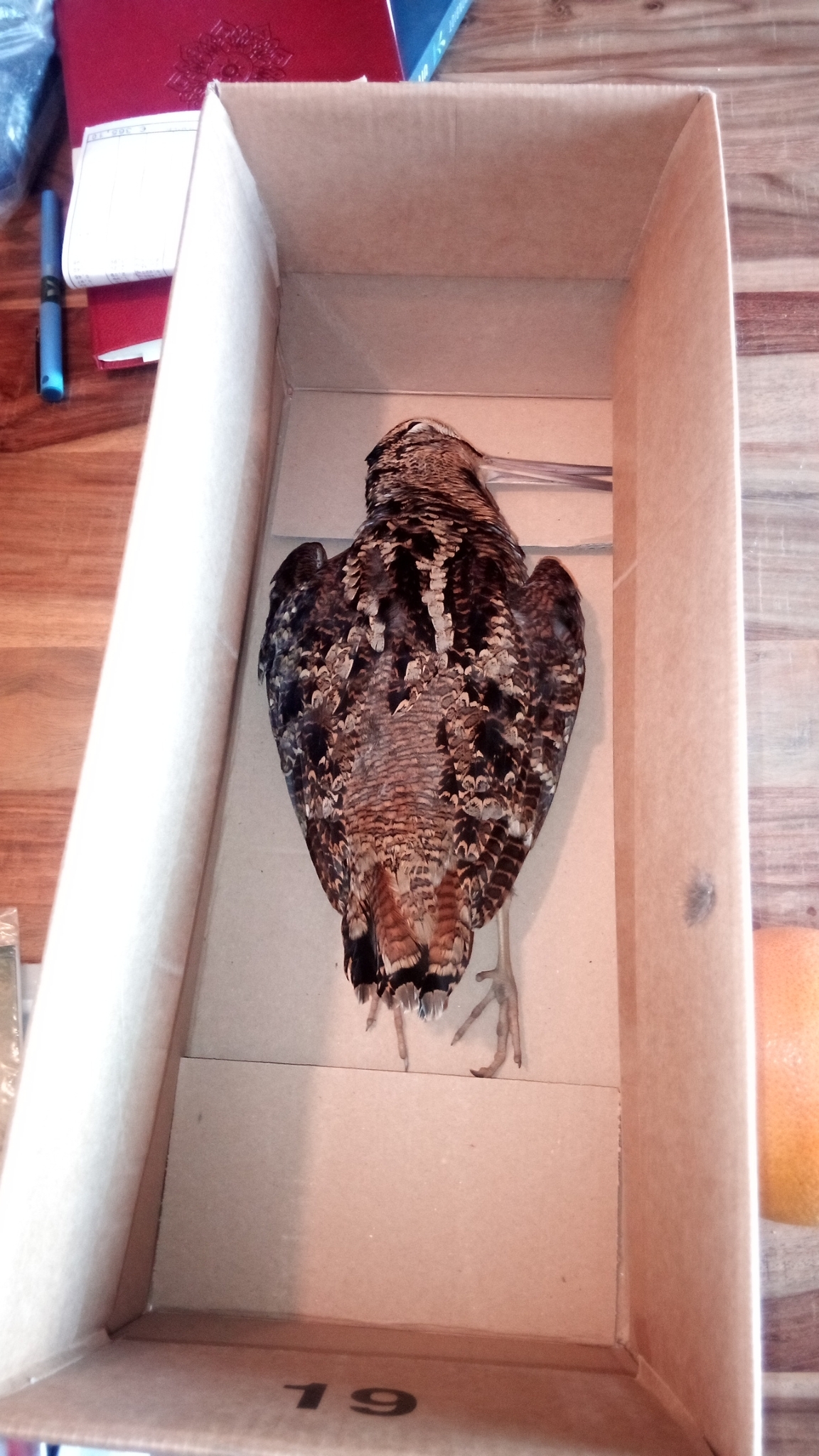
A compact, round-bodied wader measuring 33-38 cm in length, of which 6-8 cm is the straight, probe-like bill. The wingspan ranges from 55-65 cm. The plumage is exemplary camouflage: intricately patterned reddish-brown upperparts blend perfectly with leaf litter, while the underparts are buff-coloured. The head shows bold black barring rather than the striped pattern seen in snipe. The most distinctive feature is the placement of the large eyes—positioned high on the sides of the head toward the back, giving the bird near-panoramic vision. Wings are rounded, the bill has a flesh-coloured base with a dark tip, and legs vary from grey to pinkish. The species is sexually dimorphic, with males significantly larger than females, though field identification of sex is not possible.
Identification
The combination of woodland habitat, cryptic reddish-brown plumage, and extremely large eyes positioned high on the head distinguishes this species from similar waders. The barred head pattern separates it from snipe, which have striped heads. The round wings and slow, fluttering flight through trees are characteristic, differing from the fast, straight flight of snipe over open ground. In flight, the dark-tipped pale bill and relatively short-tailed silhouette are visible. The 360-degree eye position gives the face a distinctive, somewhat comical expression.
Distribution & Habitat
This species breeds across temperate and subarctic Eurasia, from Fennoscandia through Russia to the Mediterranean and Canary Islands. Roughly one-third of the world population breeds in Europe, with over 90% of European birds in Russia and Fennoscandia. Northern and Asian populations migrate south to southern Europe or the Indian subcontinent, while western European and Atlantic island populations are resident year-round. Breeding requires large, unfragmented areas of broadleaved deciduous or mixed forest with dense undergrowth of brambles, holly, hazel, gorse, bracken, or bilberry. Birds show a preference for birch-containing woods and avoid beech-dominated areas and urban surroundings. Spring migration occurs February to May.
Behavior & Ecology
Strictly crepuscular, this species is most active at dawn and dusk. By day, it remains hidden in thick cover, flushing only when nearly stepped upon, bursting away with characteristic whirring wingbeats. Solitary by nature, they migrate and forage alone, though weather or geography may force congregations. The male's courtship display, called 'roding,' occurs at dusk between April and June, featuring a distinctive mating call described as 'orr, orr, orr, pist.' Females nest on the ground in a shallow cup lined with dead leaves, laying 1-2 white or creamy eggs speckled with brown and grey. Incubation lasts 21-24 days, and chicks leave the nest immediately, fledging at 15-20 days. Diet consists primarily of earthworms, supplemented by insects, larvae, molluscs, and some seeds, obtained by deep probing in soft soil.
Conservation
Classified as Least Concern due to its extensive range, large population of 15-16 million birds, and stable numbers. However, habitat fragmentation of breeding woodlands poses the primary threat. In winter, reduction of permanent grassland and agricultural intensification threaten food supplies. Cold weather poses a significant risk when frozen ground prevents foraging. A French study found survival rates of 0.86 for adults and 0.67 for juveniles in hunted areas, prompting concerns about sustainable harvest levels. The species may also face future impacts from avian influenza susceptibility. Conservation efforts focus on habitat protection and improved population monitoring through roding surveys.
Culture
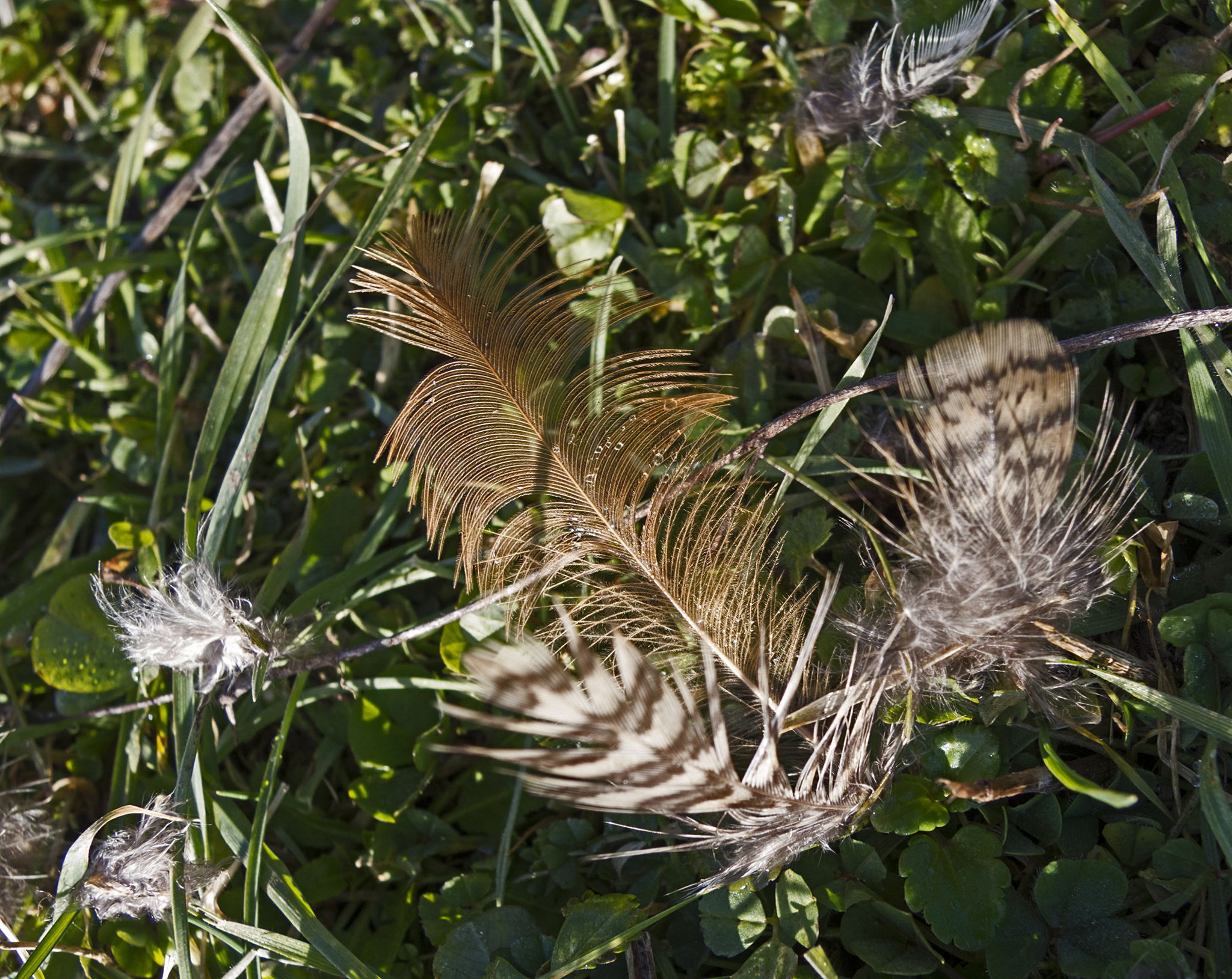
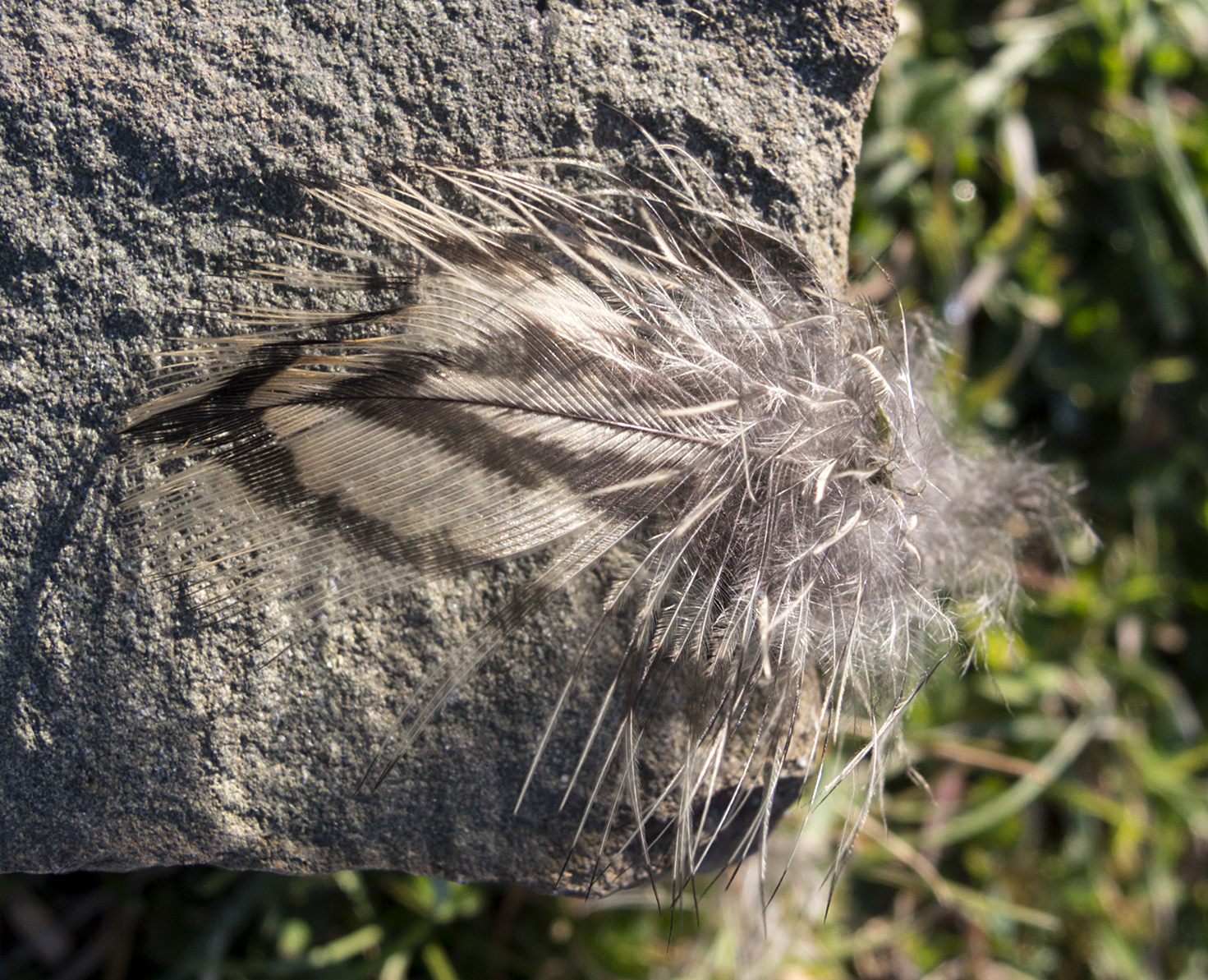
In British folklore, the arrival of migrant woodcock in autumn was considered an omen of good harvest, particularly if birds remained until spring. An old belief held that woodcock flew to the moon during months when they disappeared from sight, and the first full moon in November—coinciding with peak arrival on British coasts—is still called the 'woodcock moon.' Shakespeare referenced the bird as a term for fools in Love's Labours Lost, and Polonius used 'springes to catch woodcocks' in Hamlet to describe snaring the unwary. The surname 'Woodcock' historically meant 'a fool, simpleton or dupe.' Goldcrests were once called 'woodcock pilots' based on the mistaken belief they rode on the feathers of migrating woodcock. The pin feather has been used as a fine paintbrush for miniatures, though it wears quickly. The bird appears on postage stamps from several countries and features symbolically in Tarjei Vesaas's novel The Birds.
Source: Wikipedia · CC BY-SA 3.0
Taxonomy
- Order
- Charadriiformes
- Family
- Scolopacidae
- Genus
- Scolopax
- eBird Code
- eurwoo
Distribution
breeds locally in moist woodland and bogs from British Isles and Scandinavia southward to northern Iberian Peninsula and Azores to Canary Islands, eastward to southeastern Russia, and northern and central Japan, and disjunctly in the Caucasus and Himalayas; winters southward to northern Africa and eastward to central and southern Japan and Taiwan
Data Sources
Species description from Wikipedia, licensed under CC BY-SA 3.0.
Bird images and sounds sourced from GBIF, contributed by citizen scientists worldwide under Creative Commons licenses.
Taxonomy data from AviList 2025.